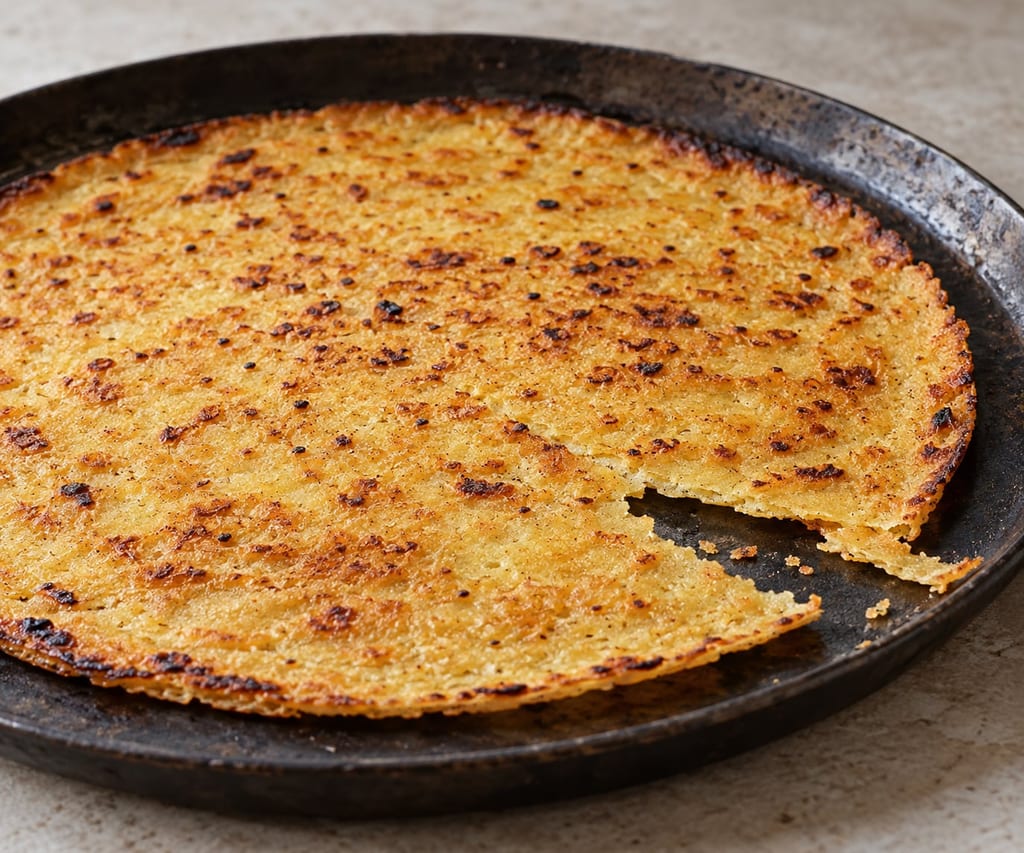
Socca niçoise
A Nice socca batter of chickpea flour, water, olive oil and salt, spread thin on a 50-centimetre copper plate and baked very hot. This formula is distinct from the Genoese farinata page.
 FermenteaWhere food goes to change
Galette de blé noir · Galette de sarrasin · Galette bretonne
A thin Brittany galette made from buckwheat flour, water and Guérande salt. This Atelier de la Crêpe method rests the batter in a refrigerator before cooking it on a hot crêpière.
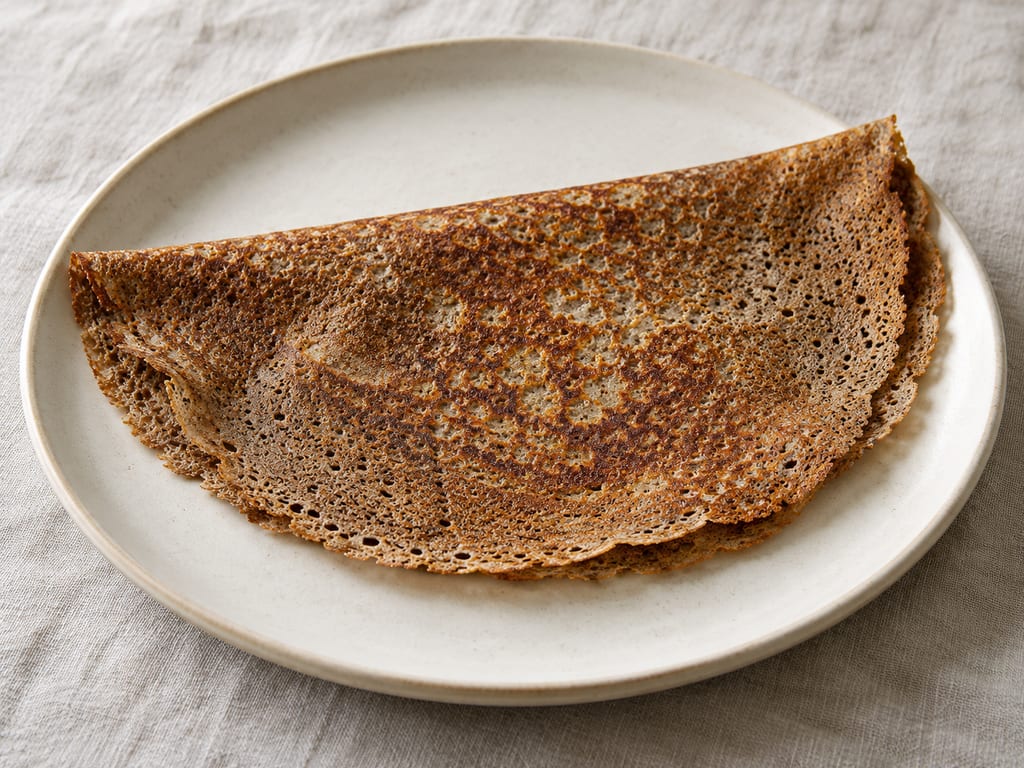
The galette de blé noir is a thin savory cake made from buckwheat flour. Ille-et-Vilaine Tourisme presents an Atelier de la Crêpe recipe from Brittany; Version Femina credits the same measured method to the school's Saint-Malo atelier. The basic mix is buckwheat flour, water and Guérande salt. Reportages tourisme describes galettes sold at Breton markets, eaten plain or wrapped around sausage, and served with varied fillings in crêperies.
The 2018 reportage places buckwheat at the center of Breton food life and says it was a dietary staple from the sixteenth century until the mid-twentieth century. This dates an account of buckwheat in regional diets, not the galette's first appearance. The crêpier Jean-Philippe Moy's version uses flour, water and salt; the report also notes that some cooks add egg, wheat flour or milk. Those variants are not included in this recipe.
The Atelier de la Crêpe formula makes 25 galettes from 1 kg buckwheat flour, 25 g Guérande salt and 2.25 L filtered water. Its method uses 1 L water to form a smooth thick paste, then works the paste by hand to aerate it. Pour 250 mL water over the surface before chilling; this layer keeps it from drying out. After at least 24 hours in the refrigerator, let the batter stand at room temperature for 30 minutes and stir in the remaining 1 L water.
The recipe says to refrigerate the batter but gives no numerical refrigerator temperature. The 2018 account from another Breton crêpier also links an overnight refrigerated rest to fermentation, but identifies no organisms or target conditions. This entry records the rest as refrigerated and treats the fermentation type as not established; it supplies no invented temperature.
Heat a crêpière to 250°C and wipe it with oil using a cotton pad. Pour on about 125 mL batter and spread it evenly. Cook for about three minutes on each side, then keep the finished galettes warm while you cook the rest. A traditional billig is named by the regional tourism page; the reporter says a broad skillet can be used when a professional plate is unavailable. That alternative does not come with its own temperature setting, so the 250°C figure here applies to the crêpière method.
The batter is thin and needs room to spread. The reporter describes the craft as sensitive to flour, water adjustment and cooking-surface heat; the regional recipe likewise directs the cook to wait for the galette to colour before loosening and flipping. These are shaping and cooking cues, not a microbiological safety test. Do not taste the raw batter.
The U.S. Food and Drug Administration warns that raw flour can carry harmful bacteria. Do not taste the uncooked batter, keep it separate from ready-to-eat food, and wash hands and utensils after mixing. The hot crêpière can burn; use care when spreading batter and turning the galette.
A 2018 Reportages tourisme article describes the buckwheat galette as a Breton market food eaten plain or wrapped around sausage and records one regional crêpier's account of buckwheat's role in Breton diets from the sixteenth century to the mid-twentieth century. It does not date the first galette. Regional recipes vary: this one uses buckwheat, water and salt, while some households add egg, wheat flour or milk.
Yield 25 galettes · Scaling: source batch only
Buckwheat flour is raw and uncooked batter should not be tasted.
Hazard sourceThe method specifies a 250°C cooking surface.
Hazard sourceDo not taste raw batter. Wash hands, bowls, utensils and surfaces after handling flour and batter.
Control sourceUse care around the 250°C cooking surface and hot galettes.
Control sourceDo not taste the uncooked batter; keep it separate from ready-to-eat foods and clean up after handling flour.
The cooking surface reaches 250°C. Protect hands from the hot crêpière and galettes.
The regional tourism recipe and reporting on local crêpiers document preparation in Brittany; this is a regional association, not an origin claim.
Version Femina credits this measured recipe to L'Atelier de la Crêpe in Saint-Malo; this identifies the recipe's publisher, not the galette's birthplace.
A Nice socca batter of chickpea flour, water, olive oil and salt, spread thin on a 50-centimetre copper plate and baked very hot. This formula is distinct from the Genoese farinata page.
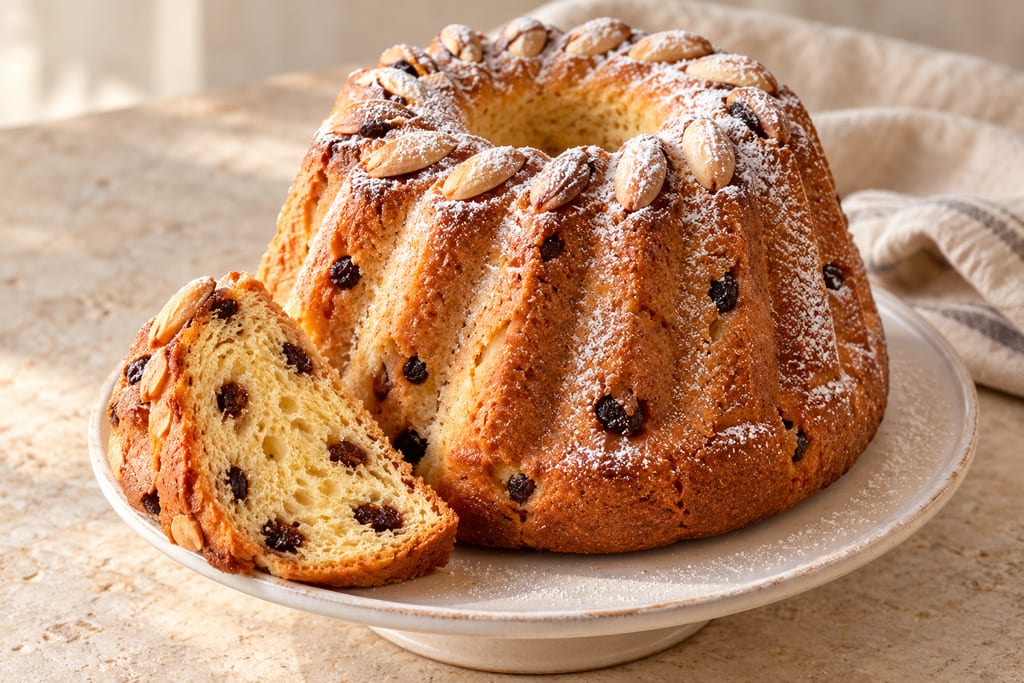
An enriched Alsatian yeast ring with raisins and almonds, kneaded with butter, proofed in a fluted mould and baked until browned.
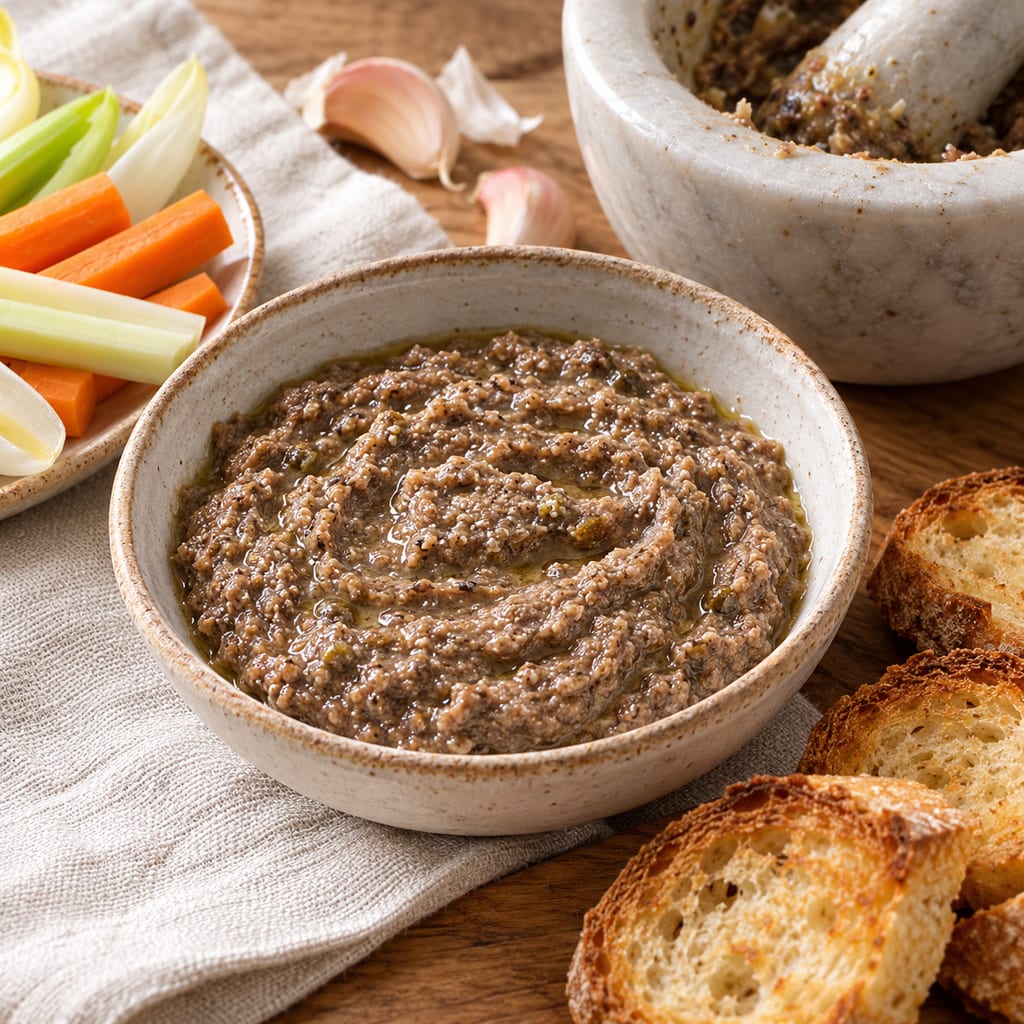
A Provencal dip of anchovies, garlic, capers and olive oil, pounded or blended to a creamy paste and served with raw vegetables, bread and eggs.

A warm dip of garlic, anchovy and olive oil, often enriched with butter, that Piedmont serves over a flame with raw and cooked vegetables and bread.
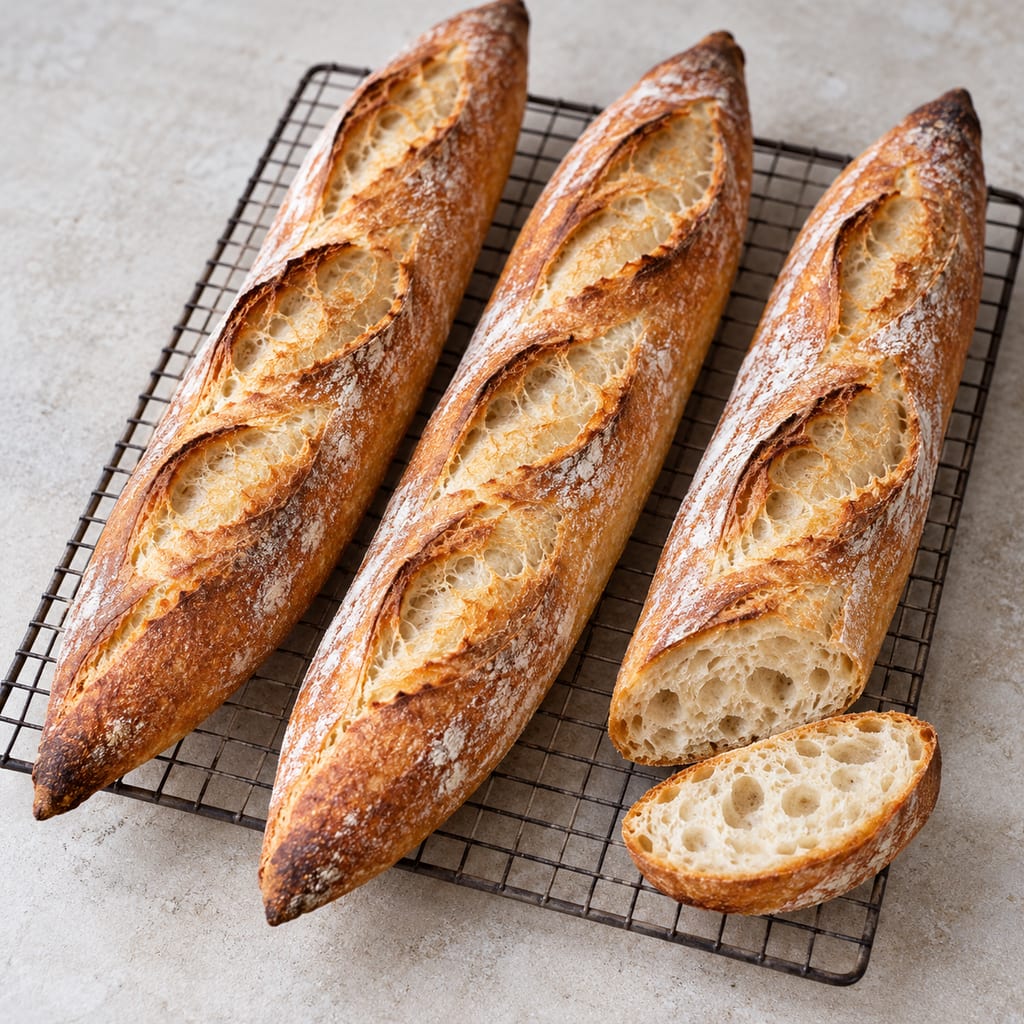
Three long, crusty wheat loaves made with an overnight yeast poolish, shaped by hand and baked with steam for a crisp crust.

Bechamel is a white sauce of milk thickened with a butter and flour roux, one of the French mother sauces, and the base from which Mornay and other cheese and cream sauces are made.
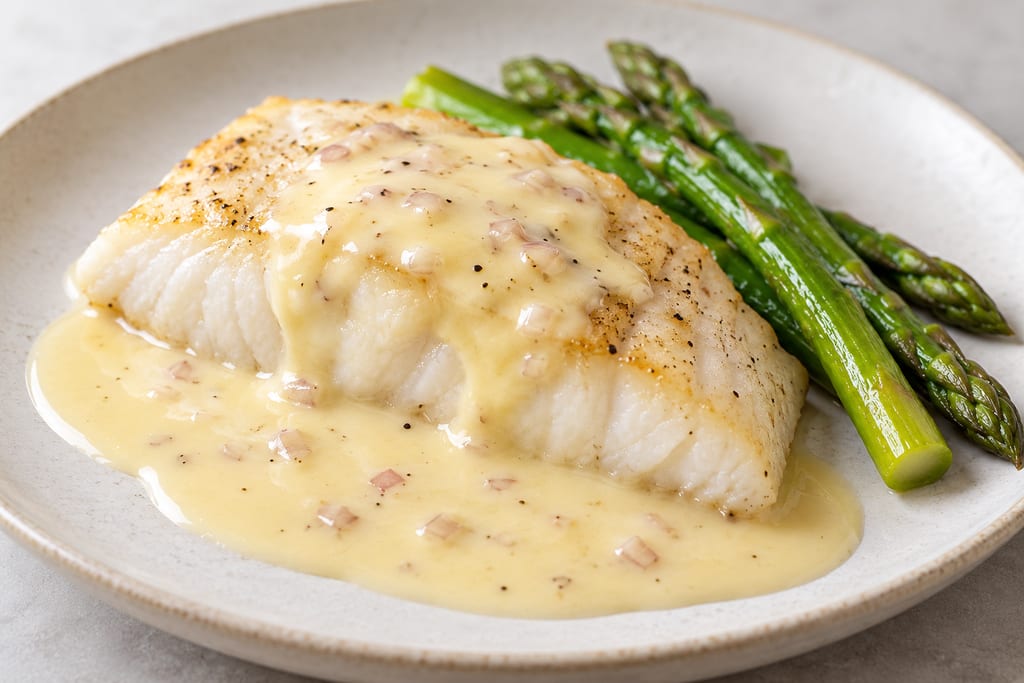
Beurre blanc is a warm emulsion of cold butter whisked into a reduction of white wine, vinegar or lemon juice and shallot, a sauce from the Loire Valley and its red-wine version, beurre rouge.
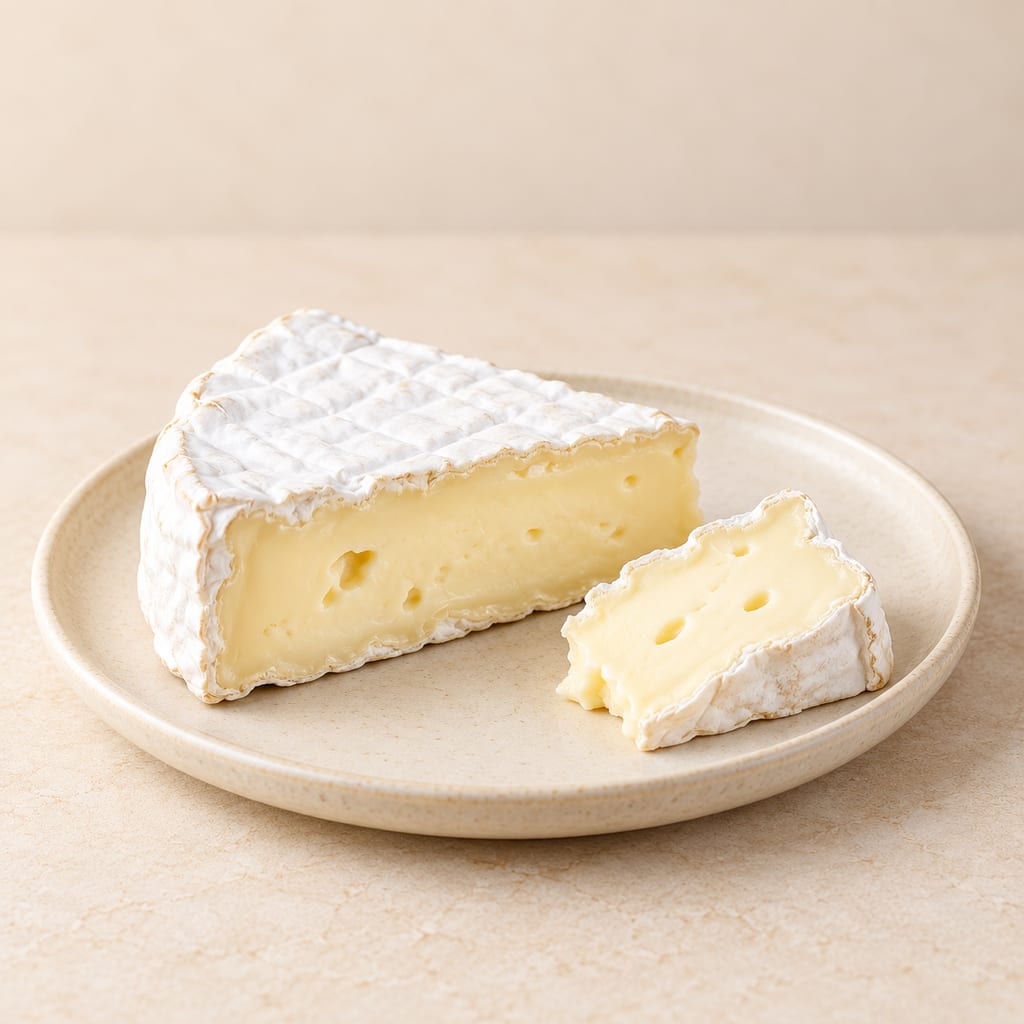
A cream-enriched Brie with a white bloomy rind and a softening center, made from pasteurized milk with lactic and surface cultures.
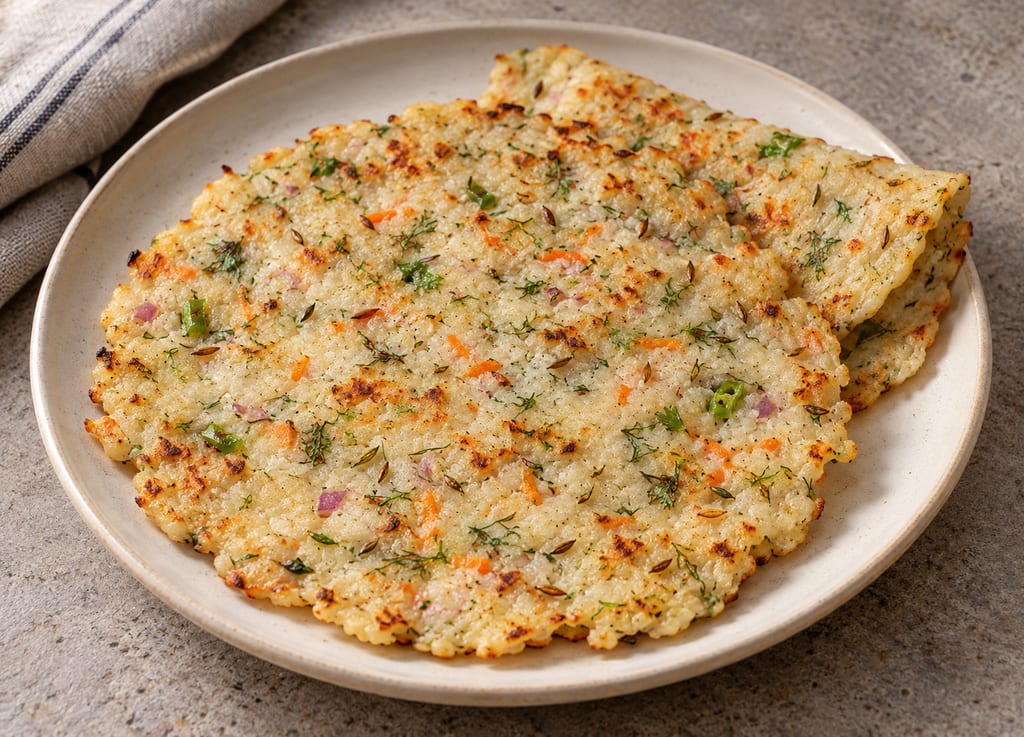
This Karnataka-style akki rotti mixes fine rice flour with vegetables, coconut, herbs and spices, then hand-pats and griddle-cooks the dough.

A Colombian Andean griddle cake made from fresh sweet-corn batter, cooked in butter and served with white cheese.
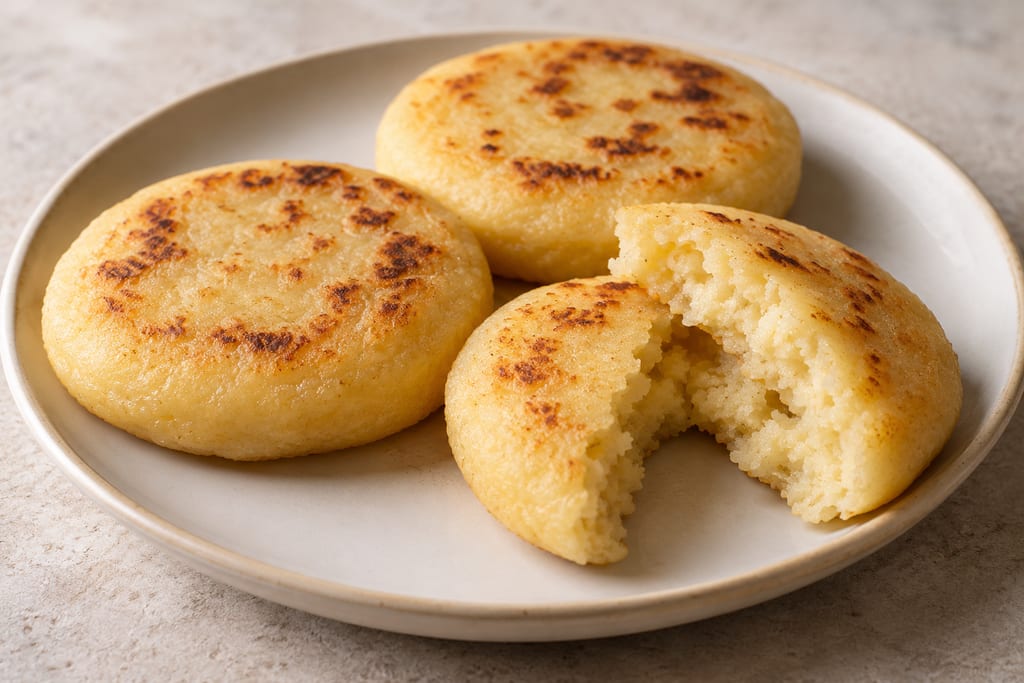
This household version combines precooked corn flour, warm water and salt, then cooks thick rounds on a lightly oiled skillet or griddle. It is one source-specific arepa method, not a universal Colombian or Venezuelan formula.
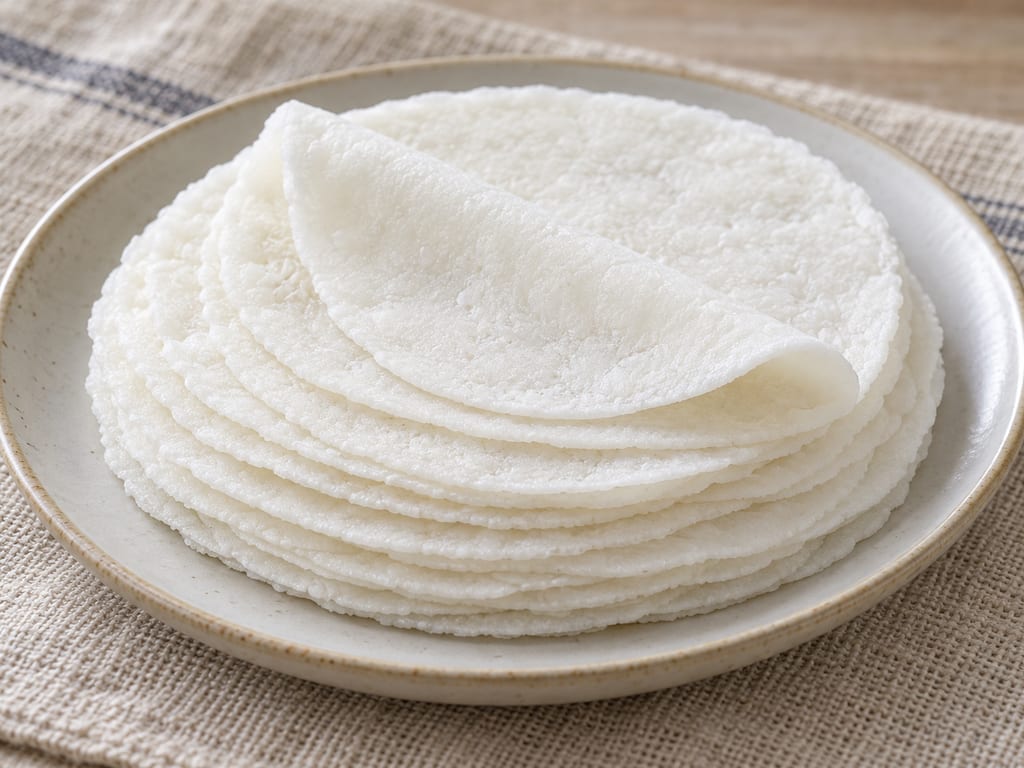
Thin Malabar rice-flour rounds made from roasted rice flour cooked into salted boiling water, kneaded after cooling, and rolled to about 1 mm. They cook on a hot griddle without taking on colour.
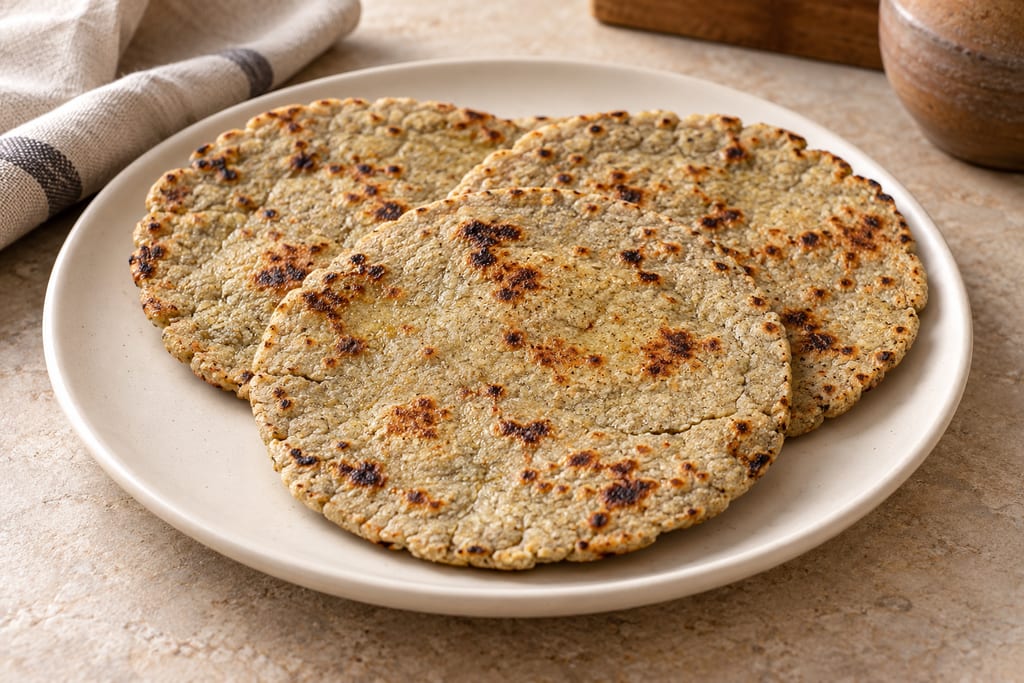
A pearl-millet flatbread shaped between sheets and cooked on a hot tawa. This home batch makes eight.
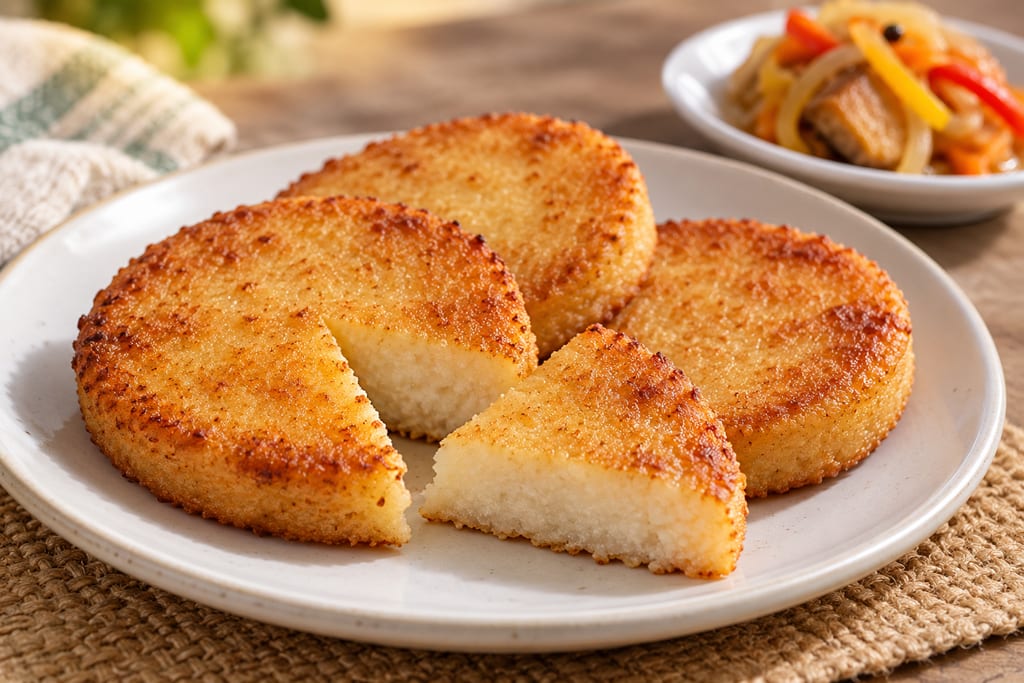
A serving method for approved, prepared bammy rounds: soak them in coconut milk and refry until golden. It does not process raw cassava.
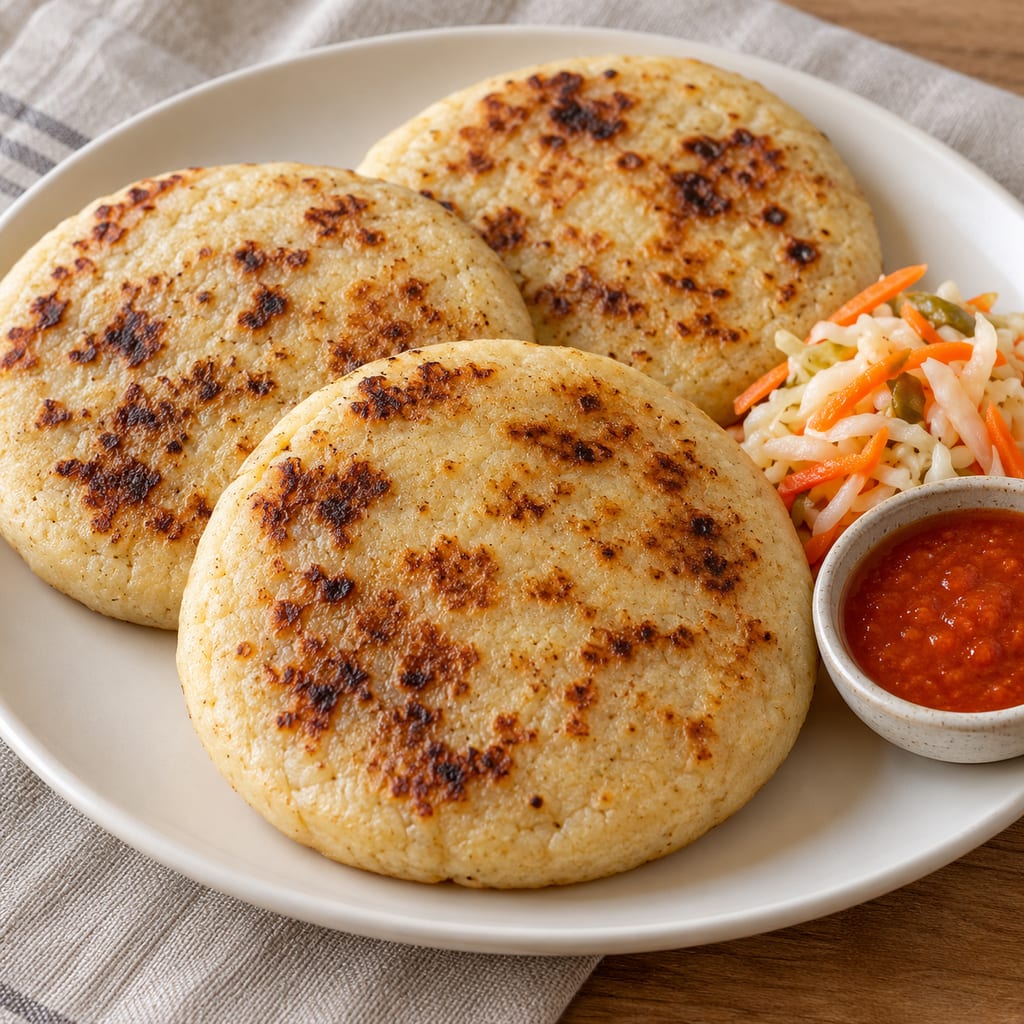
Salvadoran-style masa harina cakes filled with refried beans and cheese, sealed and cooked on an oiled skillet.
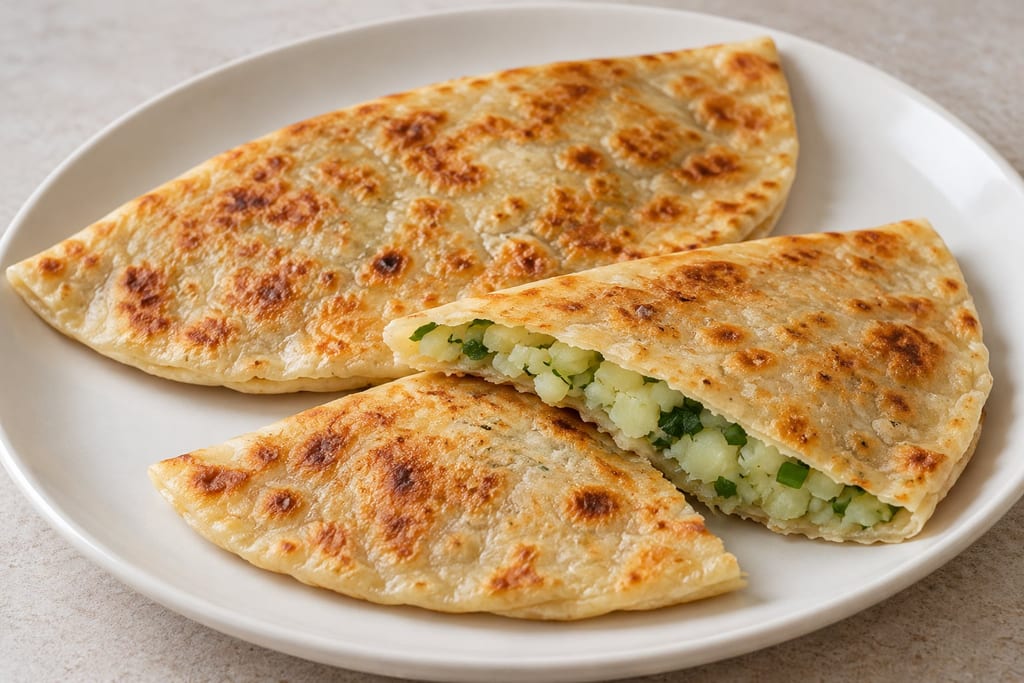
A thin, unleavened Afghan flatbread filled with mashed potato, scallion and cilantro, folded and pan-browned. This version uses a dough made from scratch.
No community contributions have been published for this entry yet.
Sign in to contribute. Published comments and photos are free to read.
Version FeminaInspiration · Method
Galette de sarrasinThe recipe from L'Atelier de la Crêpe lists 1 kg buckwheat flour, 25 g Guérande salt and 2.25 L filtered water for galettes.
Its method mixes 1 L water into the flour, pours 250 mL over the paste before a minimum 24-hour refrigerator rest, then stirs in the remaining 1 L.
It specifies 30 minutes out of the refrigerator, a 250°C crêpière, about 125 mL batter per galette and about 3 minutes cooking on each side; it does not state refrigerator temperature.
Cited in: Mix, chill and thin the batter; Spread and cook
Ille-et-Vilaine TourismeMethod · Geography · Food use
Galette de blé noir, recette de la galette de sarrasinThe Atelier de la Crêpe recipe is given for 25 galettes and lists 1 kg buckwheat flour, 25 g Guérande salt and 2.25 L filtered water.
The preparation calls for at least 24 hours in a refrigerator and 30 minutes at room temperature before thinning the paste; it does not state a refrigerator setting.
The page identifies crêpière/bilig equipment and describes galette-saucisse and other savory fillings in Ille-et-Vilaine.
Cited in: Galette de blé noir in Brittany; Spread and cook
Reportages tourismeHistory · Geography · Food use · Method
La galette de blé noirThe article describes galette de blé noir as a traditional Breton market food and discusses eating it plain or with sausage.
It records a 2018 interview with crêpier and trainer Jean-Philippe Moy in Questembert: 1 kg buckwheat flour, up to 2 L water and about 30 g salt, with 24 hours refrigerated rest so fermentation can act; water is adjusted the next day.
The article describes egg, wheat flour and milk additions as variants and gives historical context for buckwheat in Brittany; it does not date the galette itself.
Cited in: Galette de blé noir in Brittany; Mix, chill and thin the batter; Spread and cook
U.S. Food and Drug AdministrationSafety
Handling Flour Safely: What You Need to KnowRaw flour may carry harmful bacteria. Do not taste raw flour or batter; wash hands and utensils after handling.
Cited in: Handle flour safely