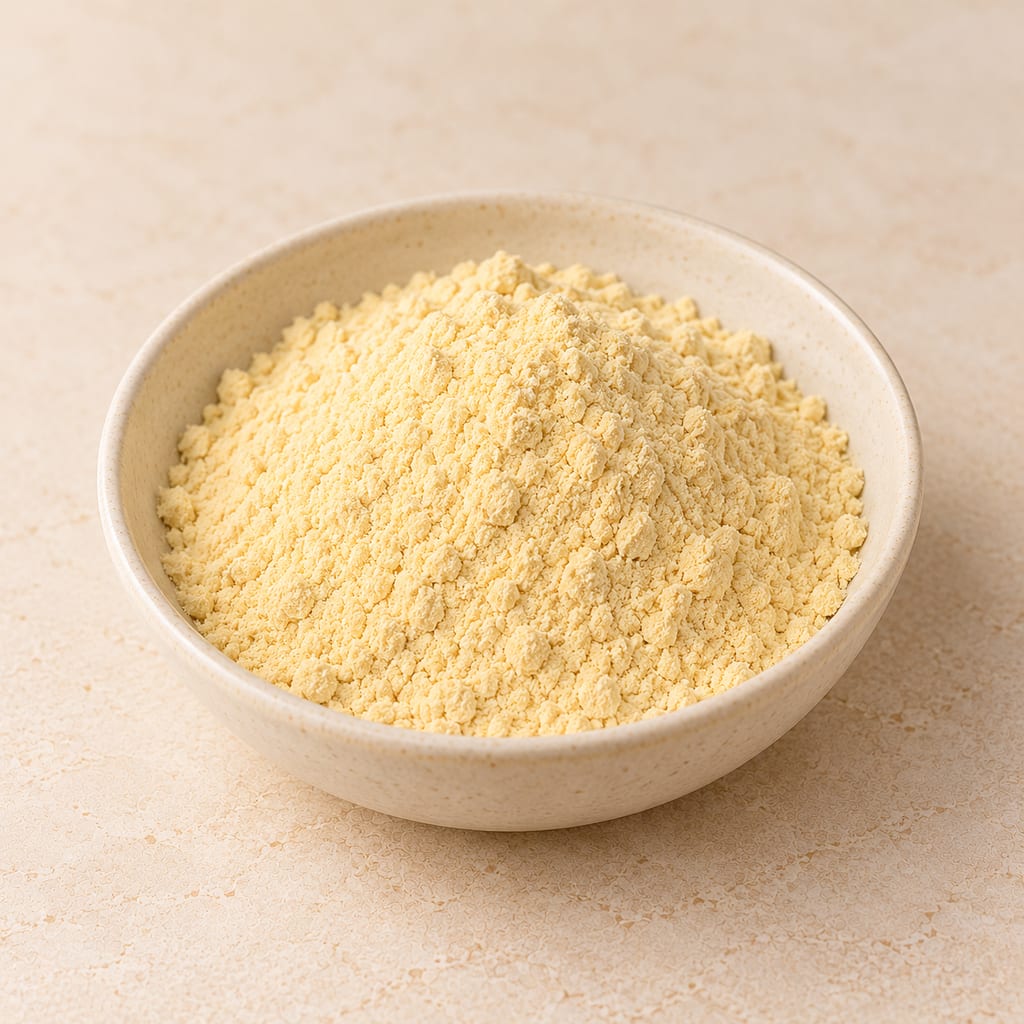
Chickpea flour
Chickpea flour is milled Cicer arietinum, used as besan in many Indian dishes and as the base of breads such as socca and farinata.
 FermenteaWhere food goes to change
Modern method
Socca · La Socca · Niçoise socca
A Nice socca batter of chickpea flour, water, olive oil and salt, spread thin on a 50-centimetre copper plate and baked very hot. This formula is distinct from the Genoese farinata page.
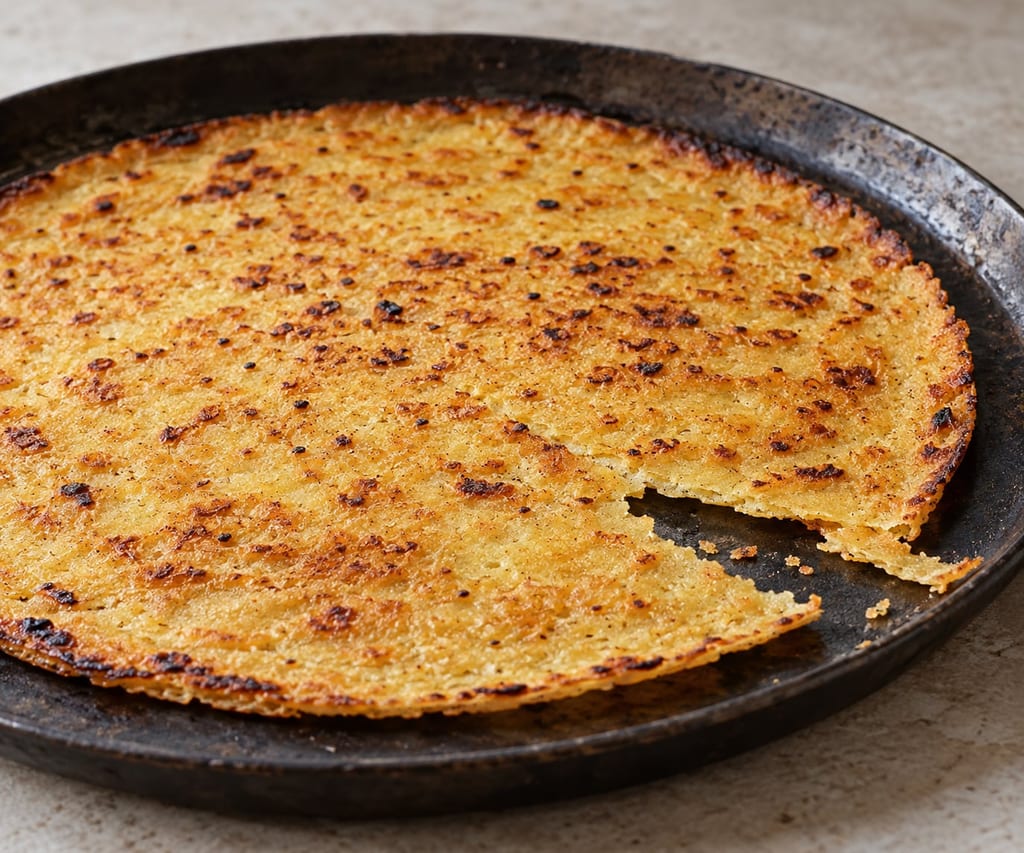
Socca is made from chickpea flour mixed with water, olive oil and salt. The Nice recipe uses no yeast or other leavener. Its thin batter cooks directly on a broad, oiled plate, so the finished surface can turn crisp while the middle stays softer. The local tourism office describes it as a food deeply rooted in Nice traditions and recommends serving it hot. That supports a regional association, but it does not date the dish’s first appearance or establish one exact birthplace.
This page follows the Nice formula as written. It is a distinct preparation from Genoese farinata, even though both foods use chickpea batter and share a wider regional story. The two formulas should not be combined: differences in pan, batter quantity or oven instructions change how a thin layer cooks.
Whisking cold water with chickpea flour, olive oil and fine salt makes the batter; passing it through a sieve removes lumps. It then rests for at least two hours at room temperature. The target is a loose, pourable consistency like liquid cream or pancake batter. The recipe gives no precise measure for any water added to correct a batter that has thickened, so add only enough to restore that consistency rather than treating an unmeasured addition as a fixed quantity.
The specified cooking plate is copper and 50 centimetres across. Oil it, then spread the batter in a layer about 2–3 millimetres thick. The local recipe calls for a very hot oven, preferably wood-fired, at a minimum setting of 280°C; it gives about five minutes as the cooking time. Those figures belong to this source’s equipment and method. A smaller pan, thicker pour or cooler domestic oven is not a tested equivalent and may brown the top and set the centre differently. No alternate household bake setting is established here.
The source calls for cutting the cooked socca into small pieces, adding freshly ground pepper and serving it quickly. It lists several portions but does not state a serving count. The formula is therefore recorded as one source-sized batch; multiplying it or pouring the same volume into a different pan has not been tested.
The recipe contains flour, which is raw before cooking. Do not taste the batter. Cook the flour-containing preparation before eating, and keep flour and raw batter away from ready-to-eat foods. The oven setting and approximate five-minute bake are culinary instructions, not a validated internal safety endpoint. Use suitable protection when handling the 280°C oven and heated plate. The inspected recipe gives no cooling or storage instructions, so this page does not supply them.
The Nice Côte d’Azur Tourist Office describes socca as deeply rooted in Nice traditions but gives no date for the food’s earliest attestation. The period therefore remains unknown.
Scaling: source batch only
Flour is a raw agricultural product; uncooked batter should not be tasted.
Hazard sourceThe source specifies an oven at 280°C or hotter and a heated metal plate.
Hazard sourceDo not taste raw batter; cook the flour-containing preparation before eating.
Control sourceUse suitable heat protection with the oven and hot plate.
Control sourceKeep raw flour and batter separate from ready-to-eat foods; wash hands and clean utensils and surfaces after handling.
Control sourceThe source's oven temperature and approximate cooking time are not a validated food-safety endpoint.
A 50-centimetre copper plate and 280°C oven may not be available in a home kitchen; do not assume a different pan or temperature gives the same result.
The source gives no storage guidance or qualified safety review.
The Nice Côte d’Azur Tourist Office describes socca as deeply rooted in Nice traditions; no exact birthplace is asserted.
Chickpea flour is milled Cicer arietinum, used as besan in many Indian dishes and as the base of breads such as socca and farinata.
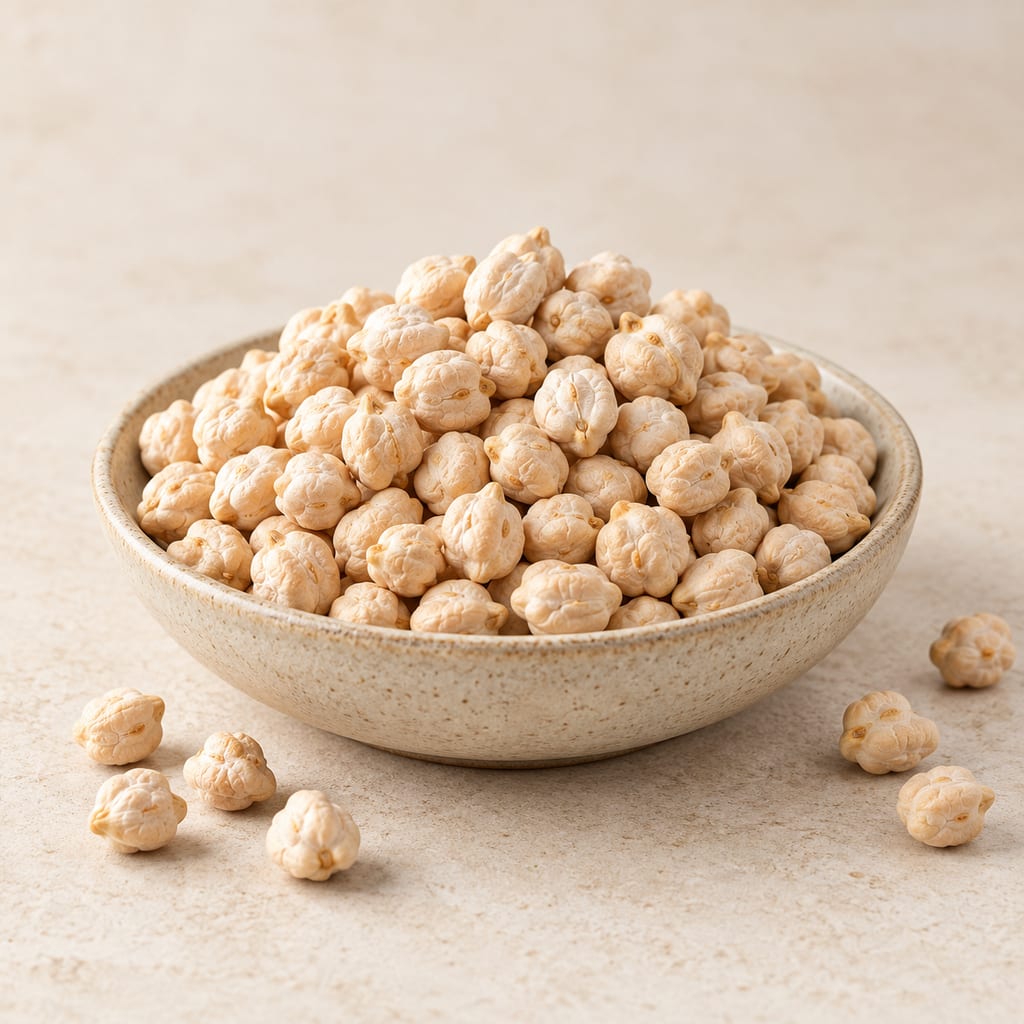
Chickpeas (Cicer arietinum) are dry pulses eaten whole or milled into flour, which gives socca, farinata and other breads a dense, nutty batter or dough.
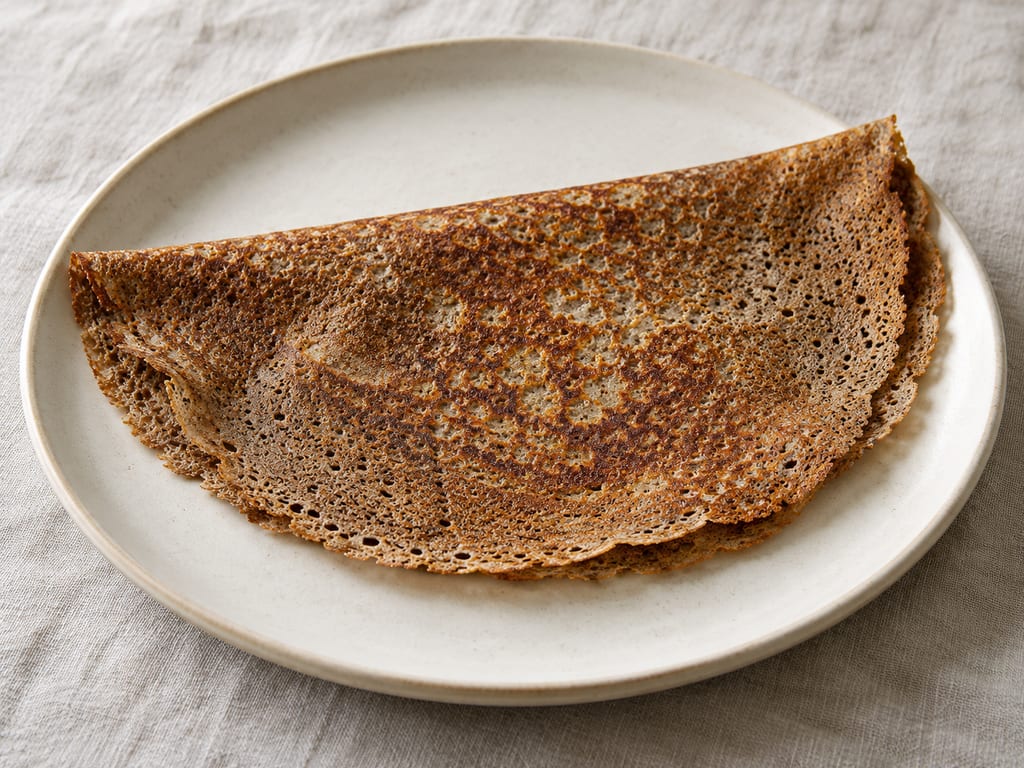
A thin Brittany galette made from buckwheat flour, water and Guérande salt. This Atelier de la Crêpe method rests the batter in a refrigerator before cooking it on a hot crêpière.
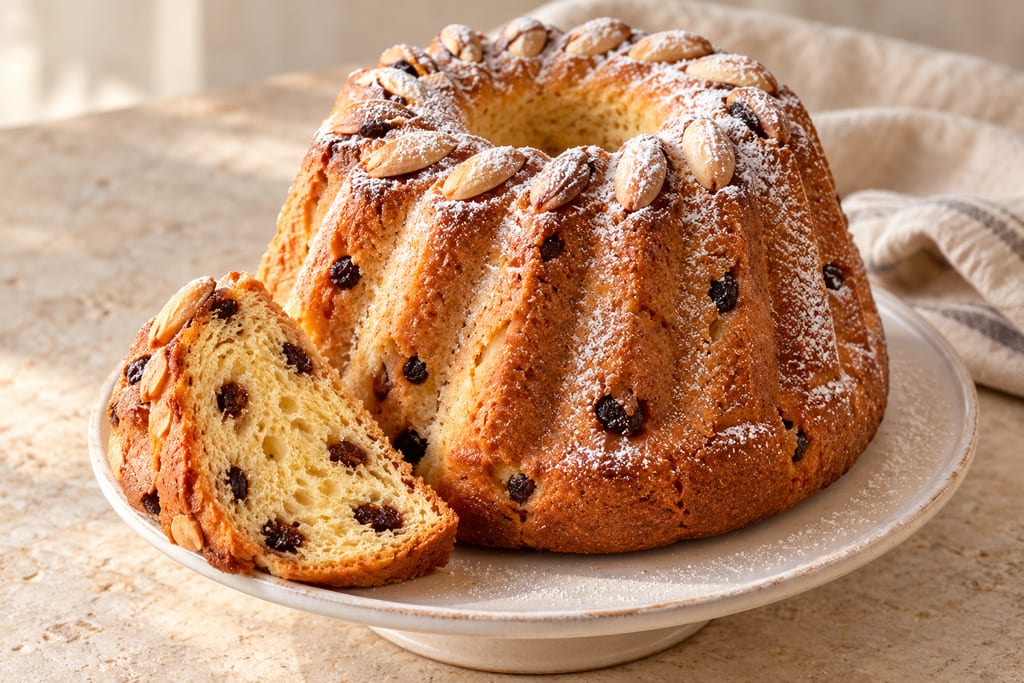
An enriched Alsatian yeast ring with raisins and almonds, kneaded with butter, proofed in a fluted mould and baked until browned.
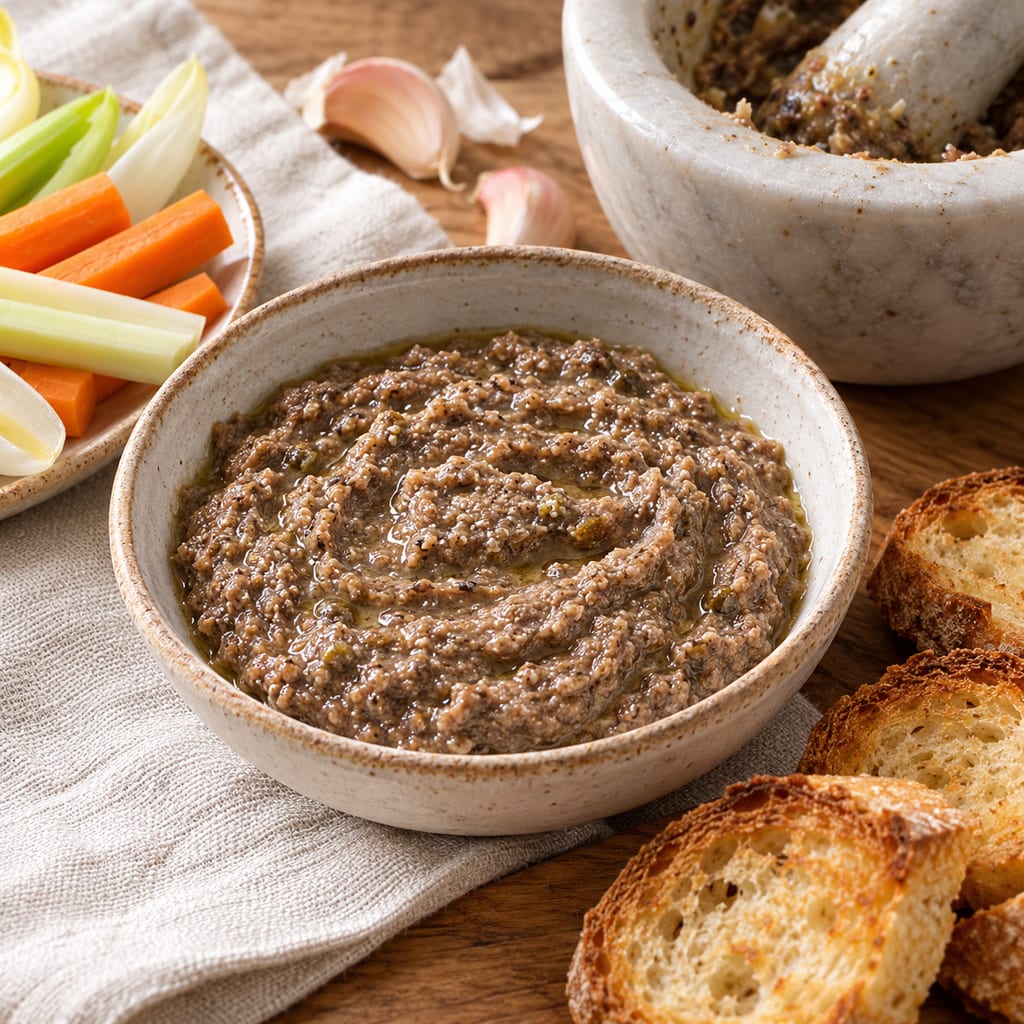
A Provencal dip of anchovies, garlic, capers and olive oil, pounded or blended to a creamy paste and served with raw vegetables, bread and eggs.

A warm dip of garlic, anchovy and olive oil, often enriched with butter, that Piedmont serves over a flame with raw and cooked vegetables and bread.
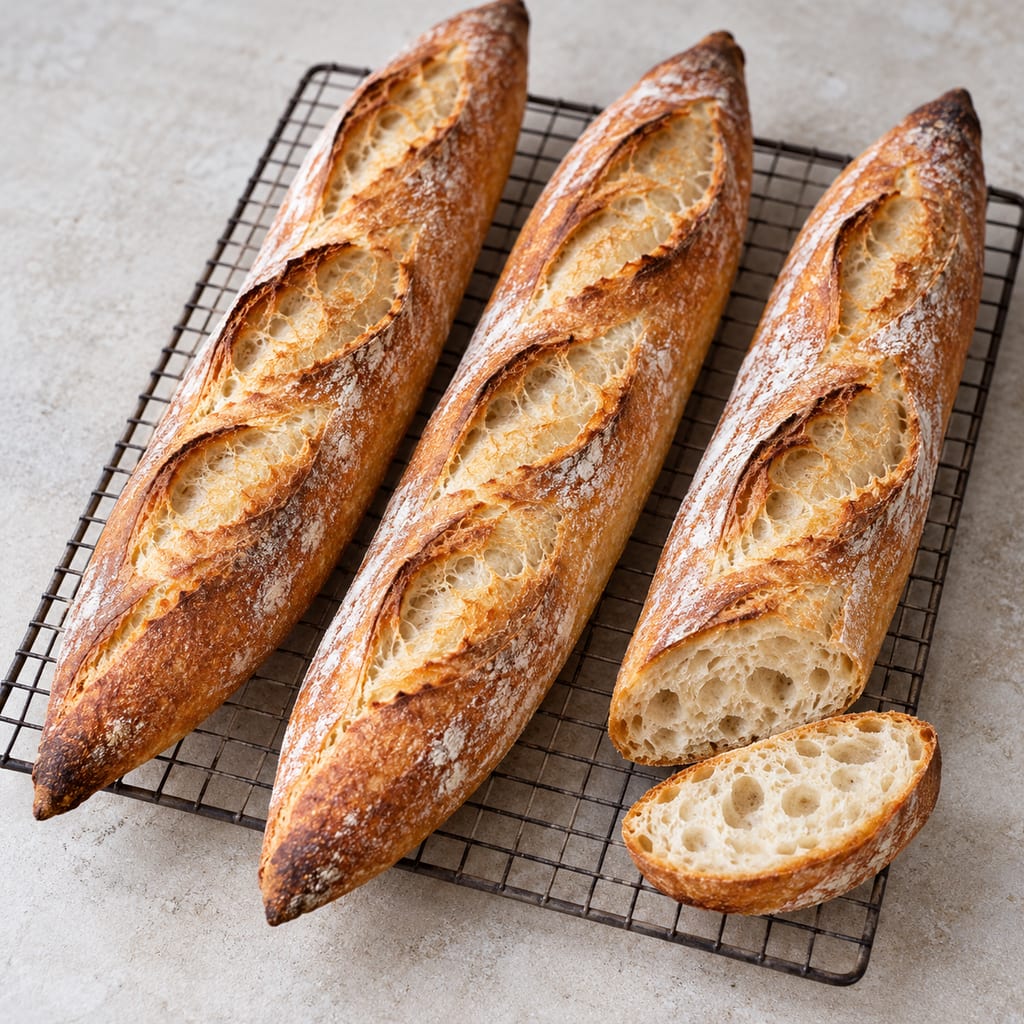
Three long, crusty wheat loaves made with an overnight yeast poolish, shaped by hand and baked with steam for a crisp crust.

Bechamel is a white sauce of milk thickened with a butter and flour roux, one of the French mother sauces, and the base from which Mornay and other cheese and cream sauces are made.
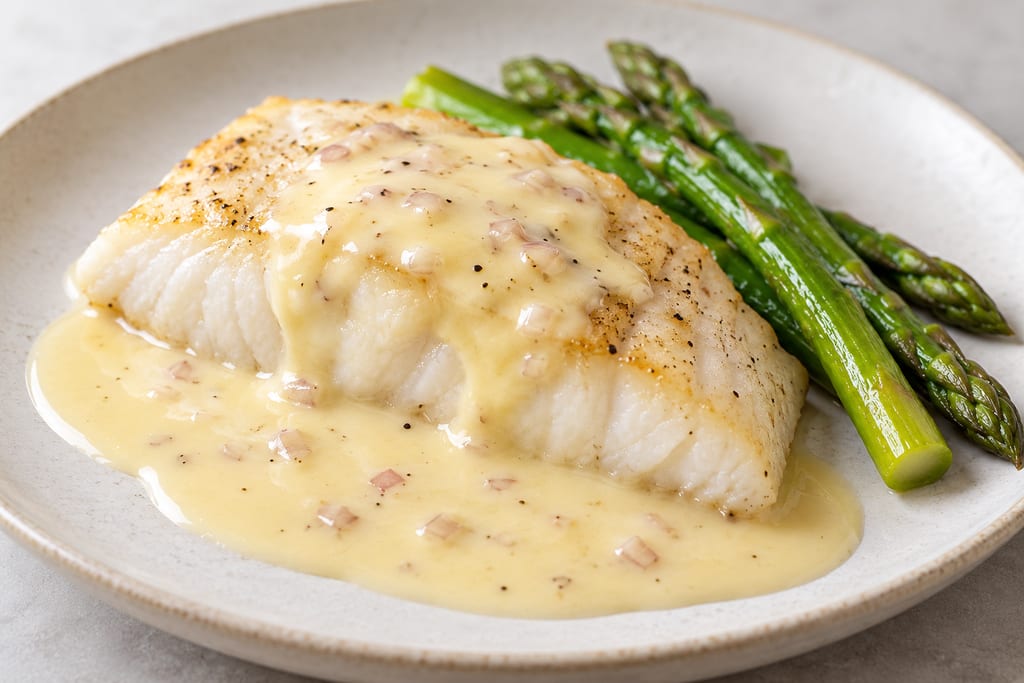
Beurre blanc is a warm emulsion of cold butter whisked into a reduction of white wine, vinegar or lemon juice and shallot, a sauce from the Loire Valley and its red-wine version, beurre rouge.
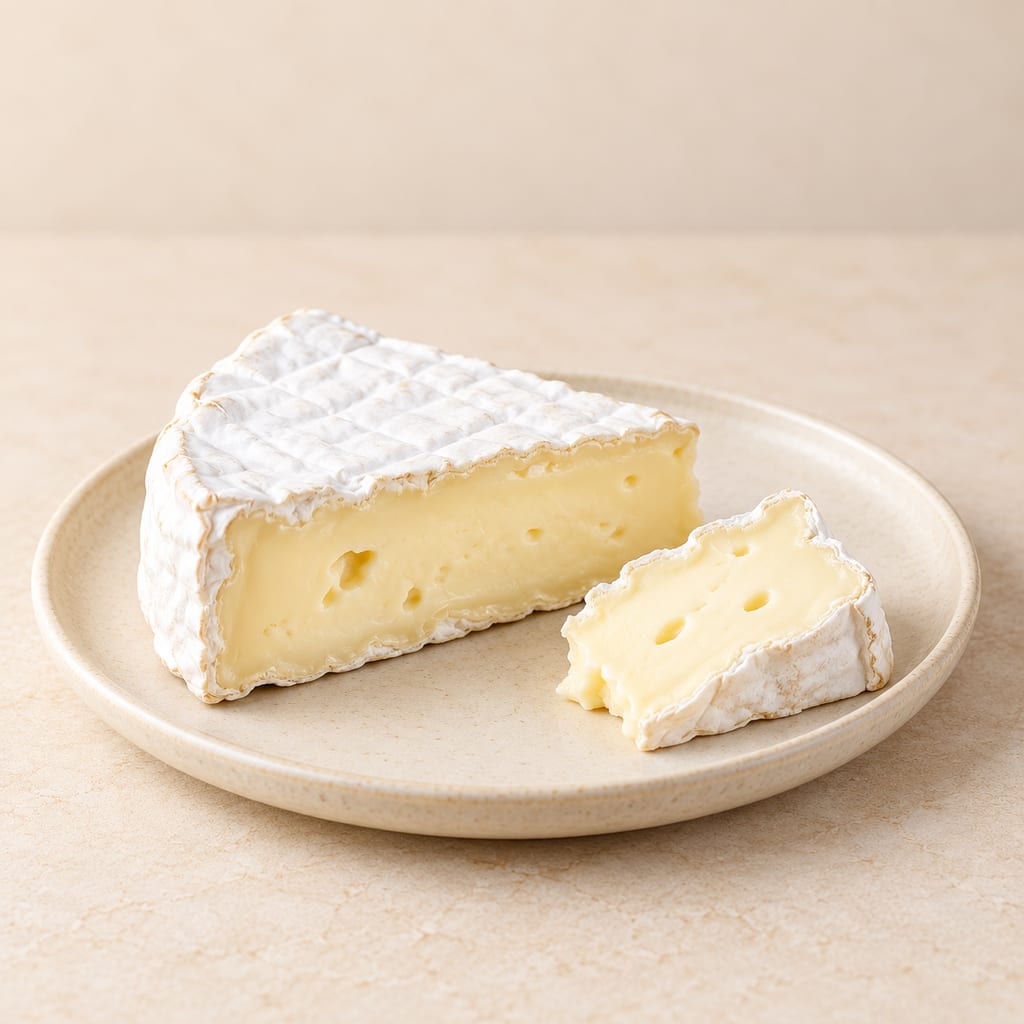
A cream-enriched Brie with a white bloomy rind and a softening center, made from pasteurized milk with lactic and surface cultures.
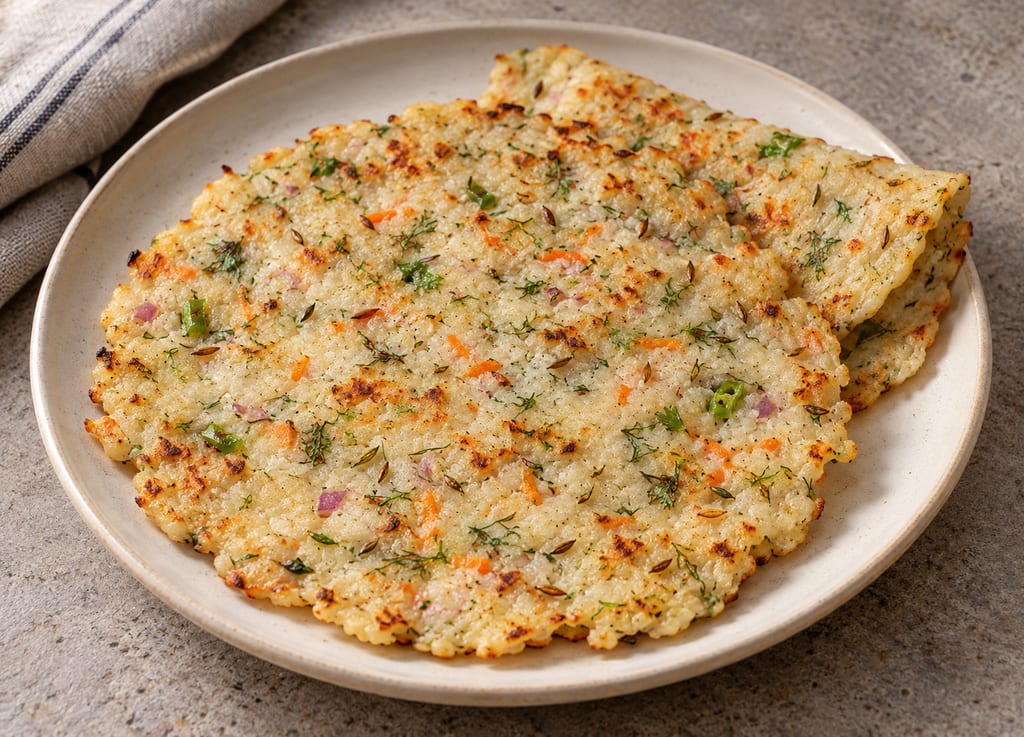
This Karnataka-style akki rotti mixes fine rice flour with vegetables, coconut, herbs and spices, then hand-pats and griddle-cooks the dough.
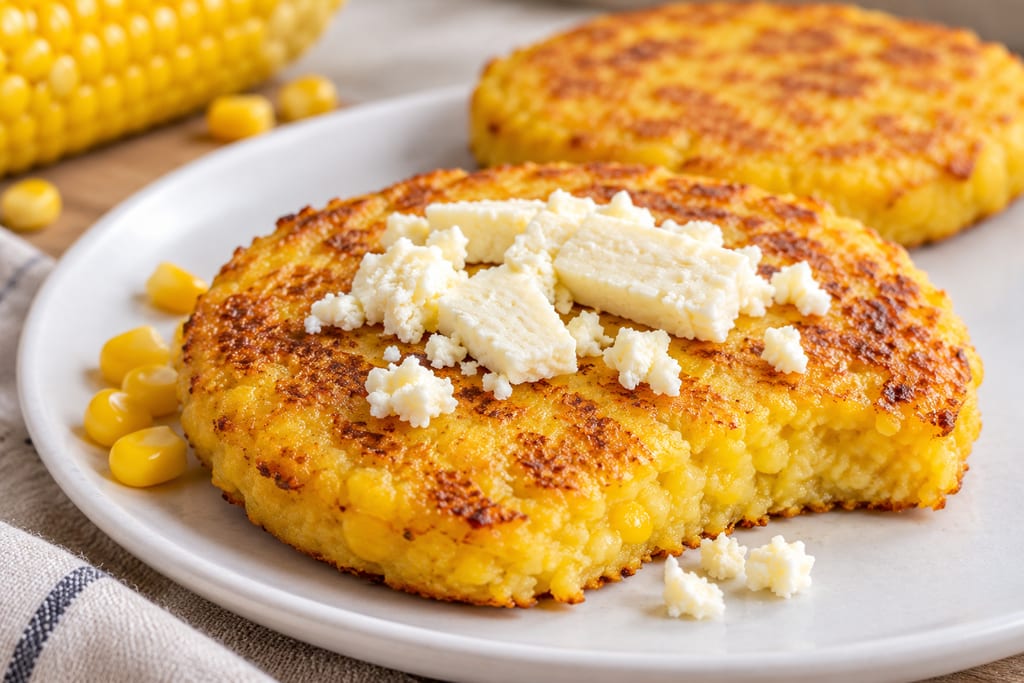
A Colombian Andean griddle cake made from fresh sweet-corn batter, cooked in butter and served with white cheese.
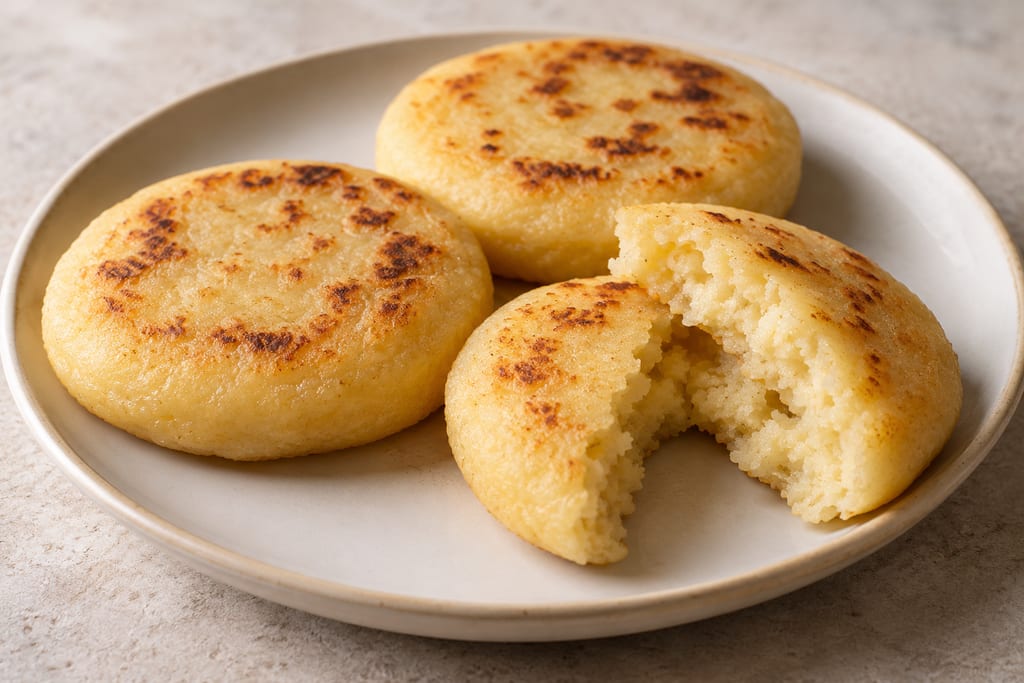
This household version combines precooked corn flour, warm water and salt, then cooks thick rounds on a lightly oiled skillet or griddle. It is one source-specific arepa method, not a universal Colombian or Venezuelan formula.
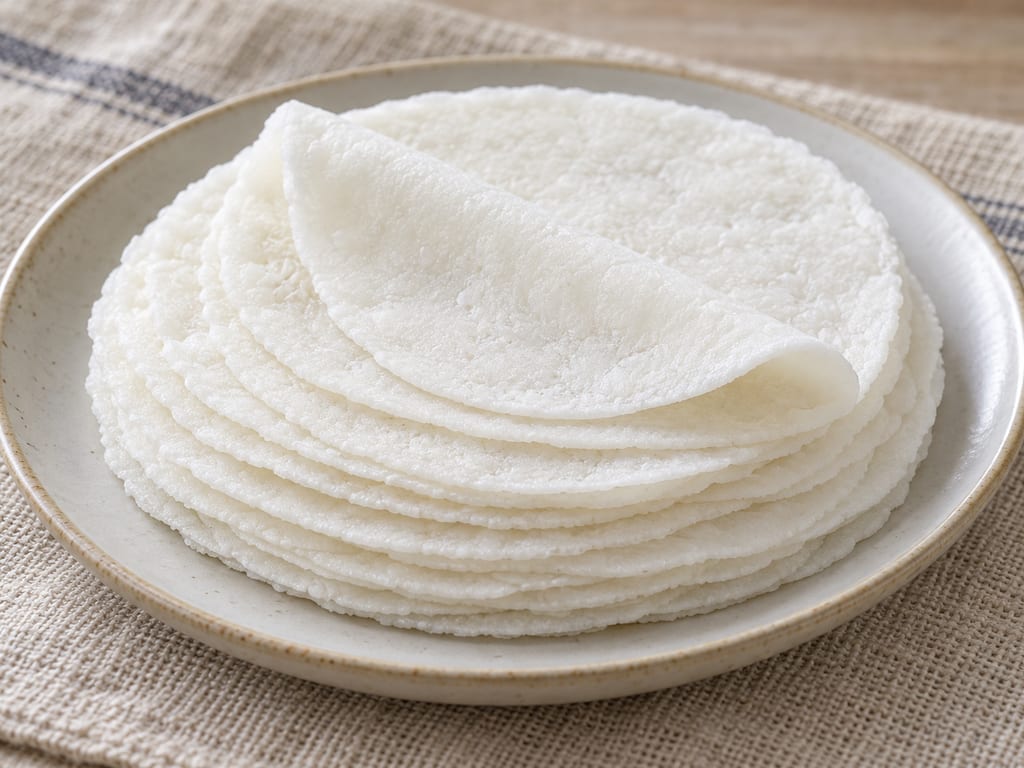
Thin Malabar rice-flour rounds made from roasted rice flour cooked into salted boiling water, kneaded after cooling, and rolled to about 1 mm. They cook on a hot griddle without taking on colour.
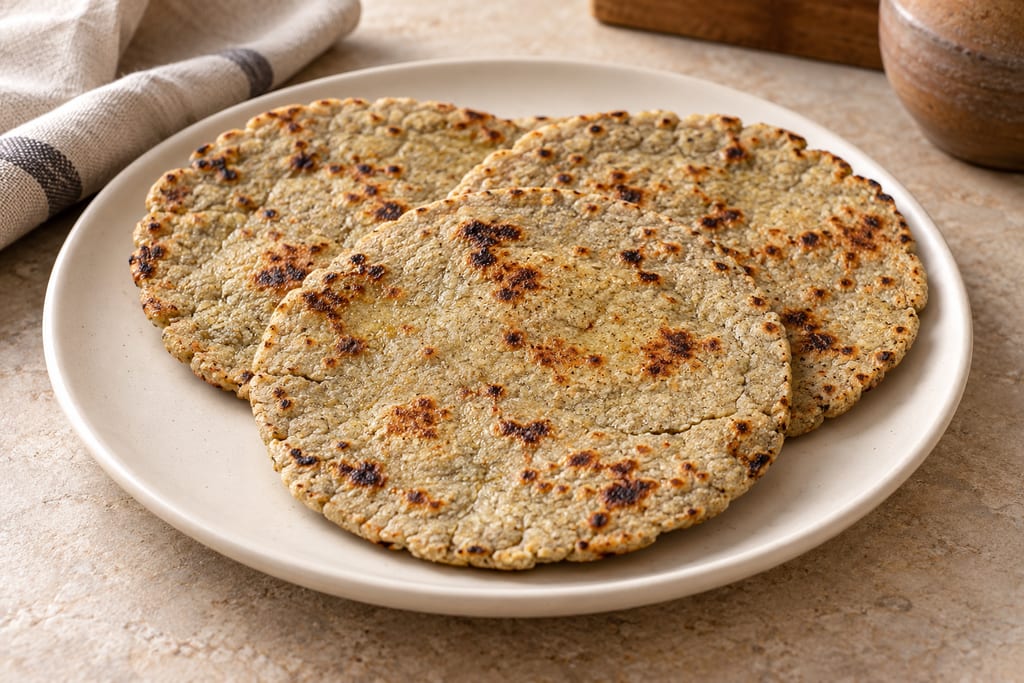
A pearl-millet flatbread shaped between sheets and cooked on a hot tawa. This home batch makes eight.
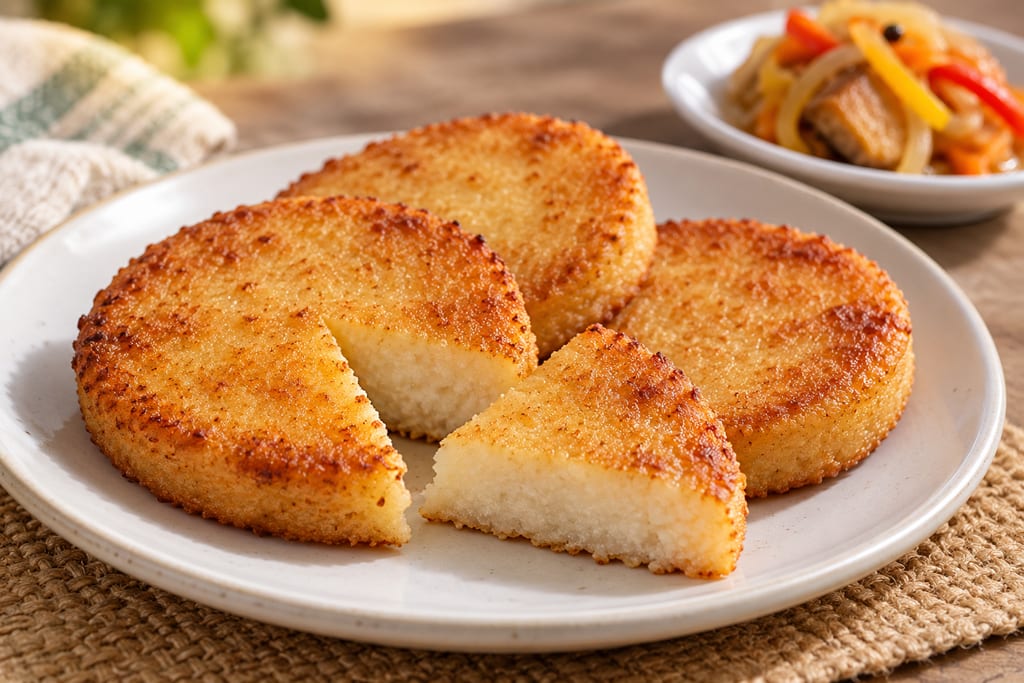
A serving method for approved, prepared bammy rounds: soak them in coconut milk and refry until golden. It does not process raw cassava.
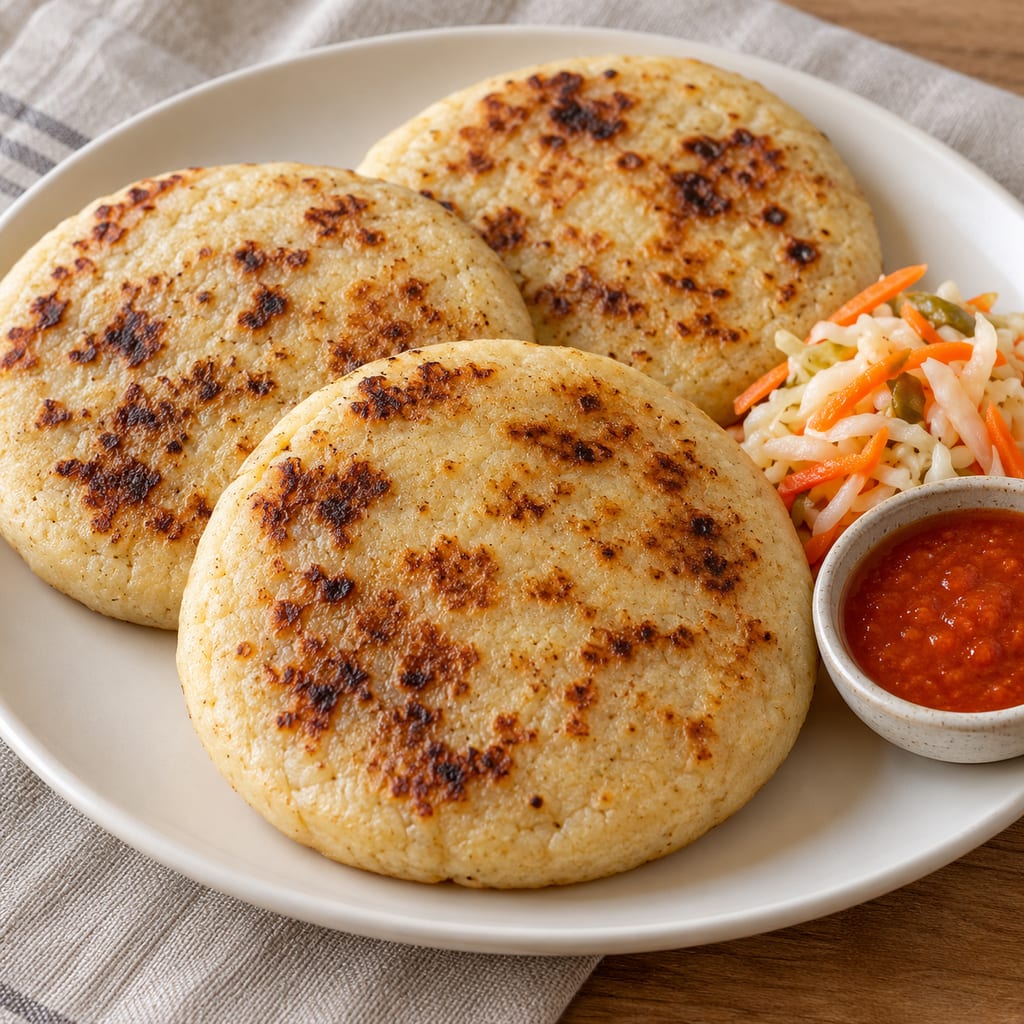
Salvadoran-style masa harina cakes filled with refried beans and cheese, sealed and cooked on an oiled skillet.
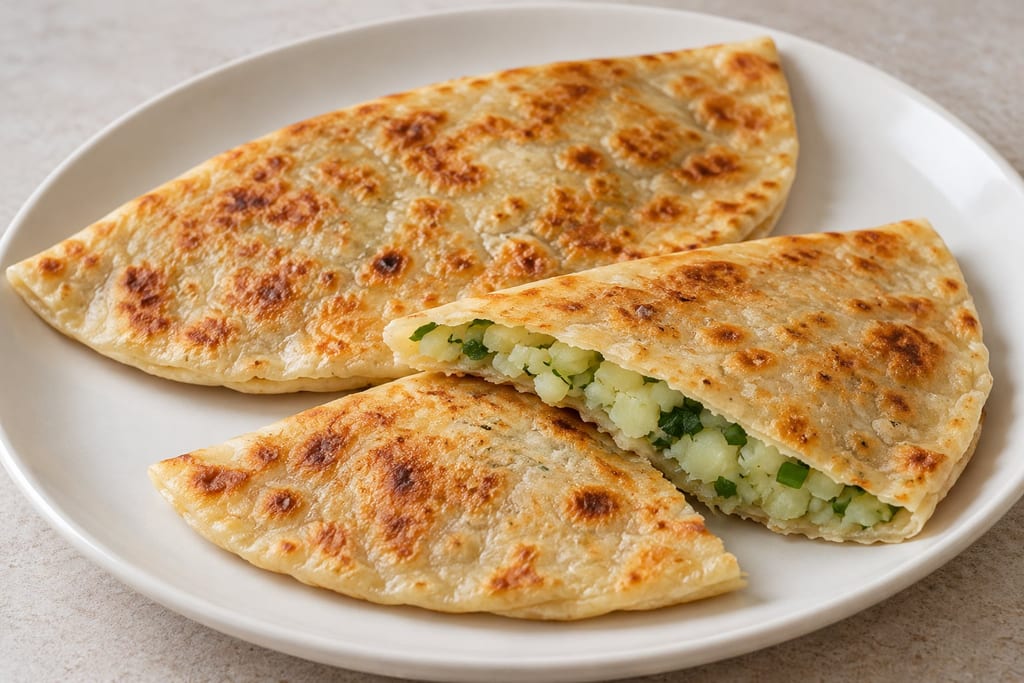
A thin, unleavened Afghan flatbread filled with mashed potato, scallion and cilantro, folded and pan-browned. This version uses a dough made from scratch.
No community contributions have been published for this entry yet.
Sign in to contribute. Published comments and photos are free to read.
Nice Côte d’Azur Tourist OfficeInspiration · Recipe · Geographic context
La SoccaSource-specific ingredients, rest, 50-centimetre copper plate, batter thickness, minimum oven setting, approximate cooking time, serving, and association with Nice traditions
Cited in: A chickpea batter from Nice; A short rest and a very hot plate; Serve it while hot
U.S. Food and Drug AdministrationFood safety guidance
Handling Flour Safely: What You Need to KnowFlour is raw and batter should not be tasted before cooking
Cited in: Serve it while hot