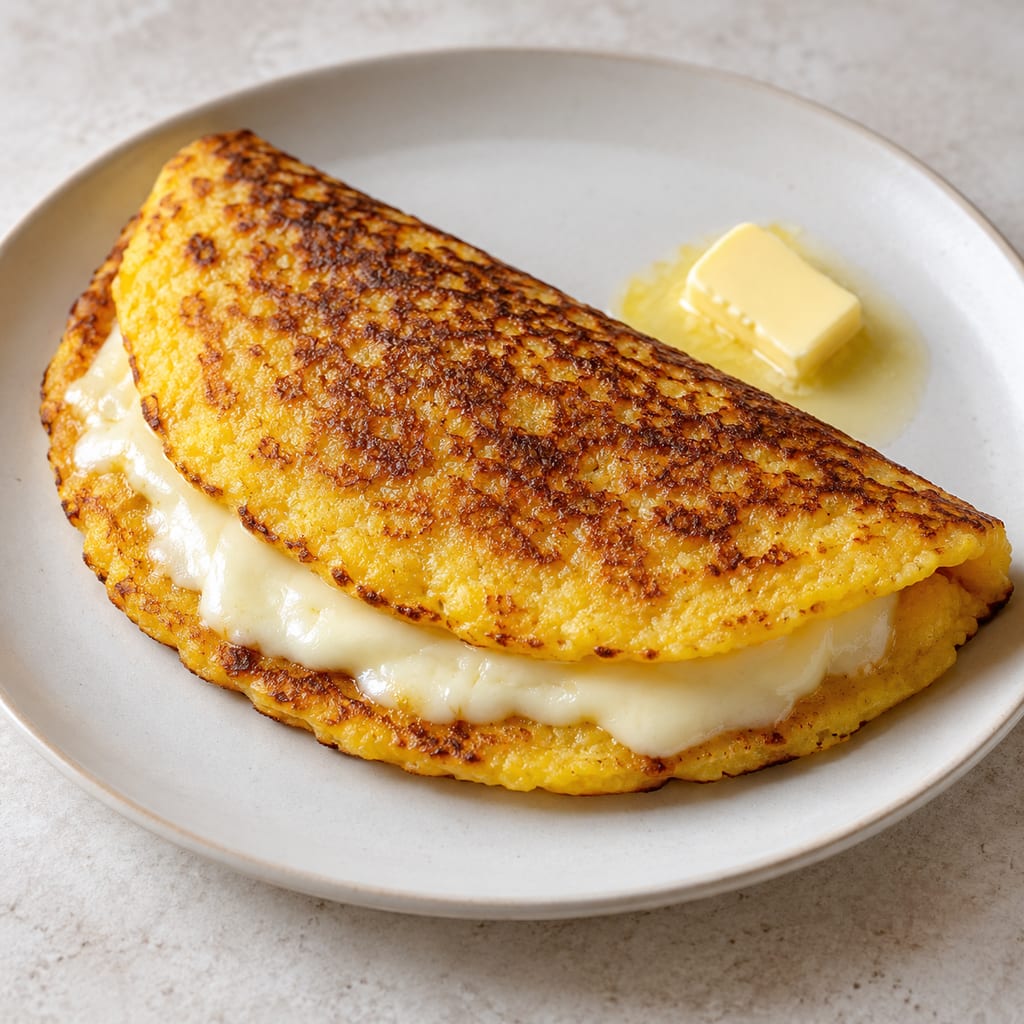
Cachapa de budare (Venezuelan fresh-corn griddle cakes)
Two thick, tender Venezuelan griddle cakes made from fresh corn batter with milk, egg, cornstarch and sugar, then folded around white cheese and butter.
 FermenteaWhere food goes to change
Modern method
Arepa · Arepas
This household version combines precooked corn flour, warm water and salt, then cooks thick rounds on a lightly oiled skillet or griddle. It is one source-specific arepa method, not a universal Colombian or Venezuelan formula.
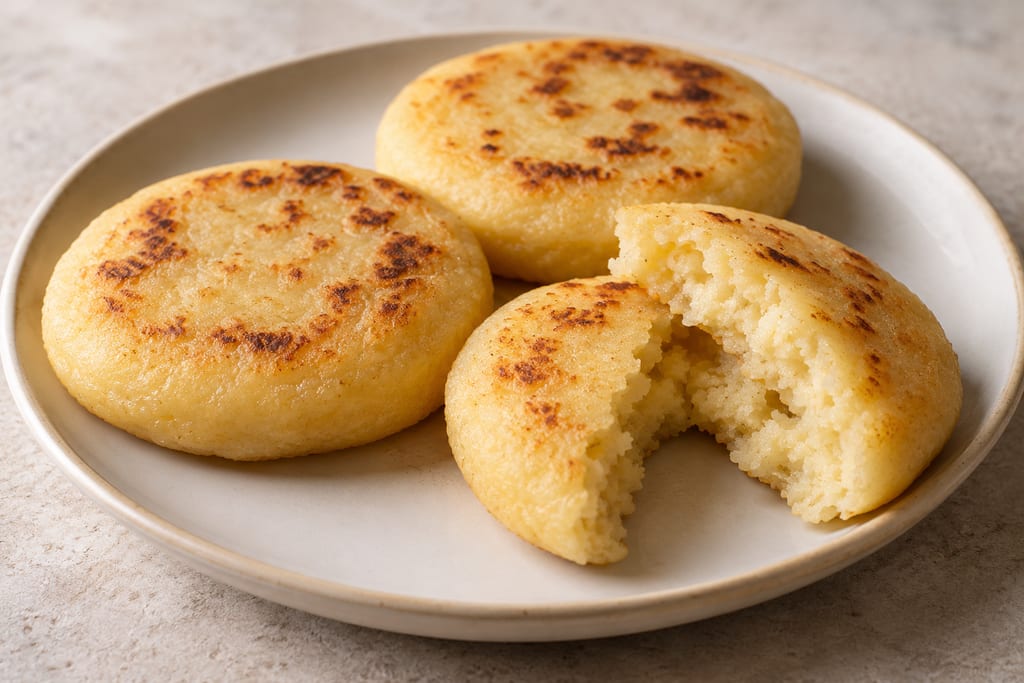
Arepa names a family of maize foods rather than one fixed shape or formula. This draft covers one narrow version: Jani Díaz’s household method mixes precooked corn flour and water into a dough, shapes thick rounds, and cooks them on a skillet or griddle. Other arepas use different corn preparations, shapes, fillings and cooking methods, so this formula cannot stand in for the whole family.
The Venezuelan culture ministry describes arepa as a daily food and part of national food culture. It records an Indigenous preparation made from cooked maize ground between stones, shaped and roasted on an aripo or budare. That account is distinct from the contemporary convenience of precooked corn flour. The sources do not provide a date for the first arepa or establish an exclusive birthplace.
Díaz’s batch uses two cups of white or yellow precooked corn flour, two and a half cups of warm water, one teaspoon of salt and one to two teaspoons of oil for the pan. The source yields four or five large arepas or eight to ten small ones. It specifically distinguishes precooked arepa flour from ordinary corn flour and masa harina.
Stir the flour gradually into the salted warm water. After about three minutes, knead until the dough is smooth, without lumps, and no longer sticks to the bowl. Divide it into orange-sized portions, flatten each into a thick round about four inches or ten centimetres wide, and cook in a lightly oiled skillet or griddle for about five minutes per side. The source offers a five-minute oven finish at 180°C (350°F) for a crisper result.
The rounds can be eaten plain or split and filled. The recipe lists cheese, scrambled eggs, black beans, shredded beef, avocado and fried ripe plantain. These are options for serving, not part of the measured base dough. Variations with different corn preparations or ingredients need their own source-specific recipes.
The Venezuelan culture ministry describes arepa as part of daily food culture and records an Indigenous preparation using cooked maize ground between stones, then shaped and roasted on an aripo or budare. That historical account differs from this contemporary method with precooked flour. Arepas have varied forms and fillings; these sources do not establish one birthplace or a universal recipe.
Yield 4 large arepas (or 8–10 small) · Scaling: source batch only
Use precooked arepa flour as specified; ordinary corn flour and masa harina are not established substitutes for this formula.
Hot skillet and oven surfaces can burn.
The sources document national and recipe associations, not an exclusive origin.
The recipe source associates arepas with Colombia and Venezuela, not an exclusive national origin.
Two thick, tender Venezuelan griddle cakes made from fresh corn batter with milk, egg, cornstarch and sugar, then folded around white cheese and butter.
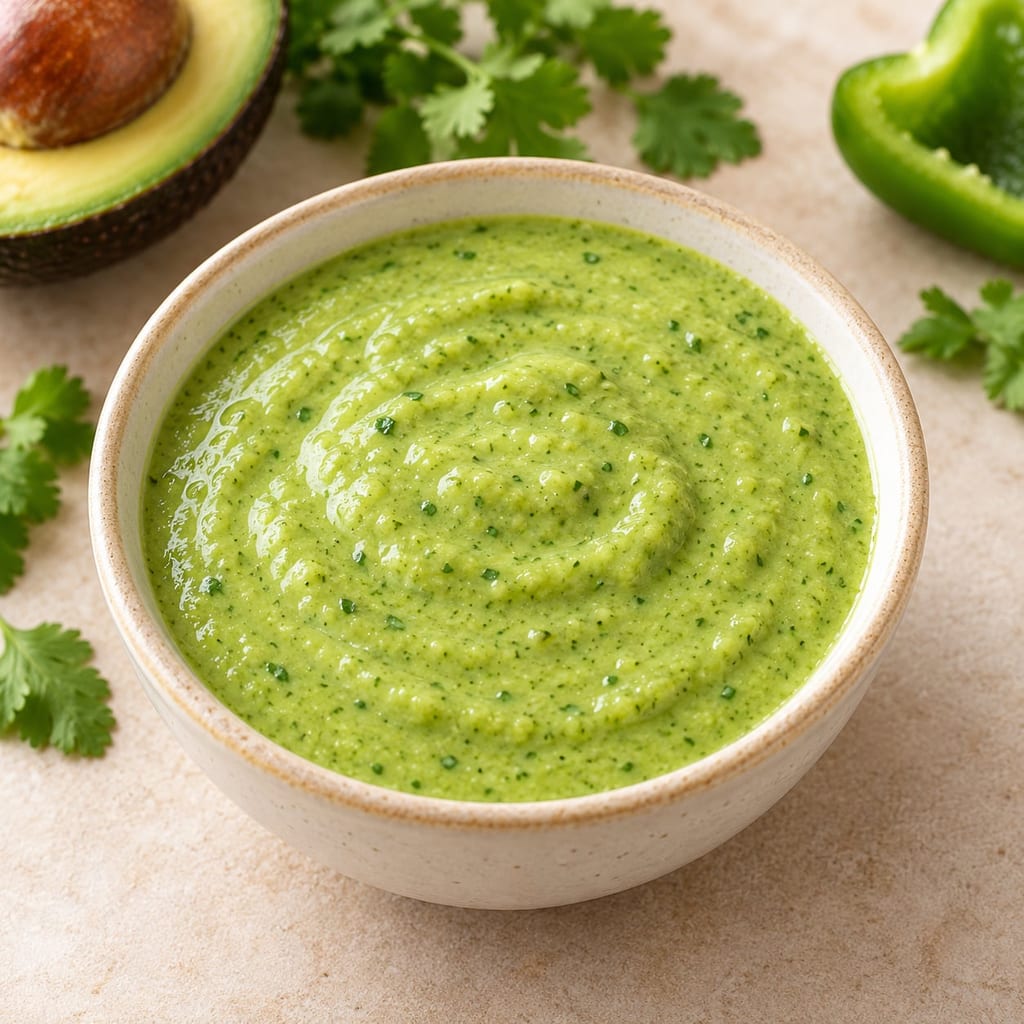
Guasacaca is a Venezuelan green sauce of avocado, herbs, sweet pepper and onion, sharpened with vinegar or lime. It is served with grilled meat, arepas and empanadas.
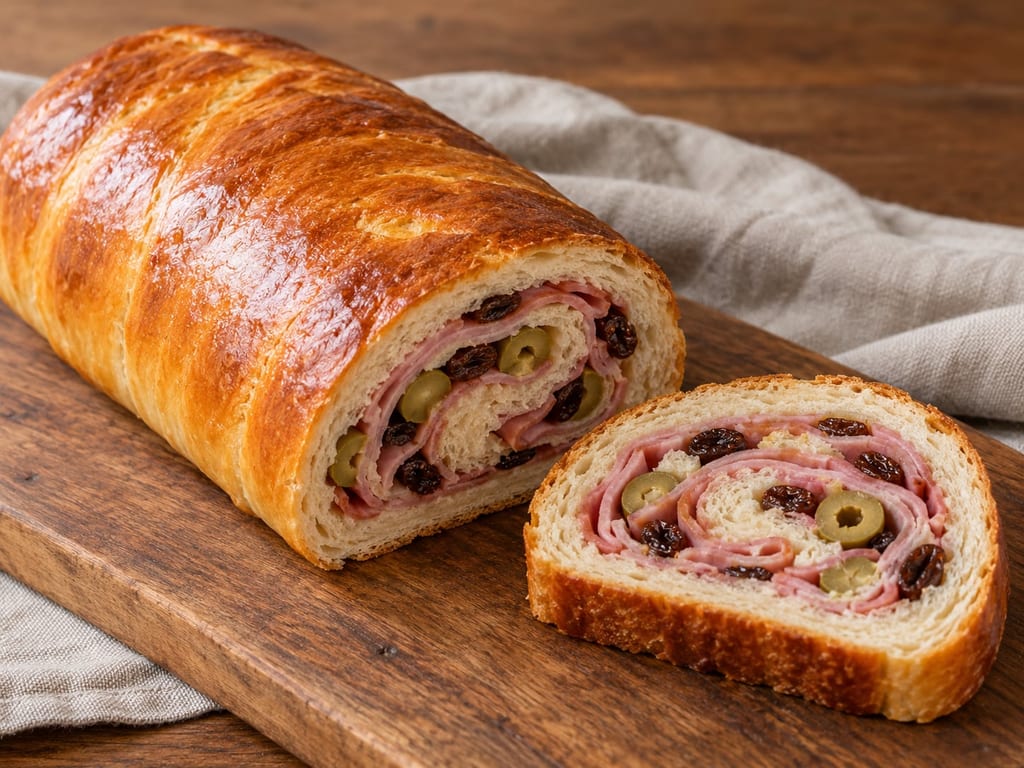
Pan de jamón is a Venezuelan Christmas bread: soft yeast dough rolled around ham, olives and raisins, then baked as a filled loaf.
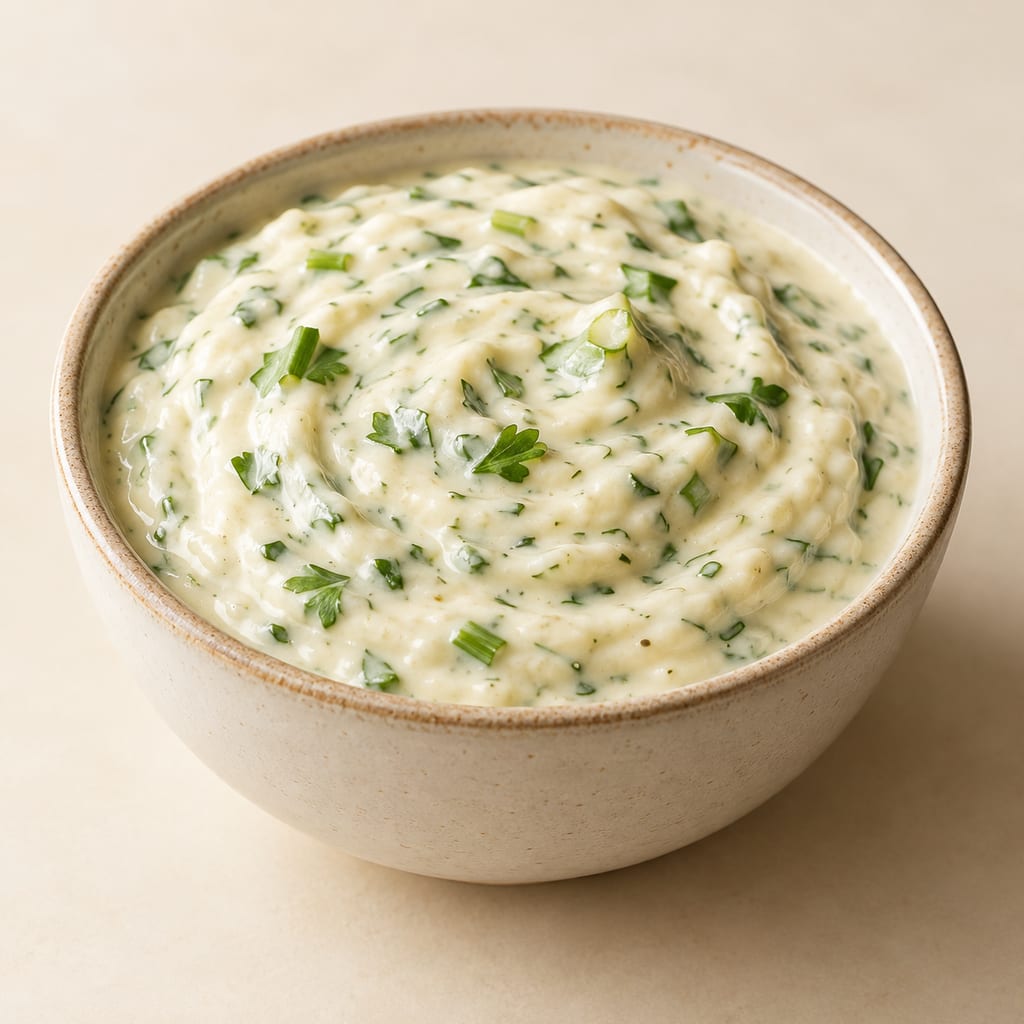
Salsa de ajo is a creamy Venezuelan garlic sauce made from mayonnaise blended with fresh garlic, herbs, green onion and vinegar. It is served with empanadas, arepas and grilled meat.
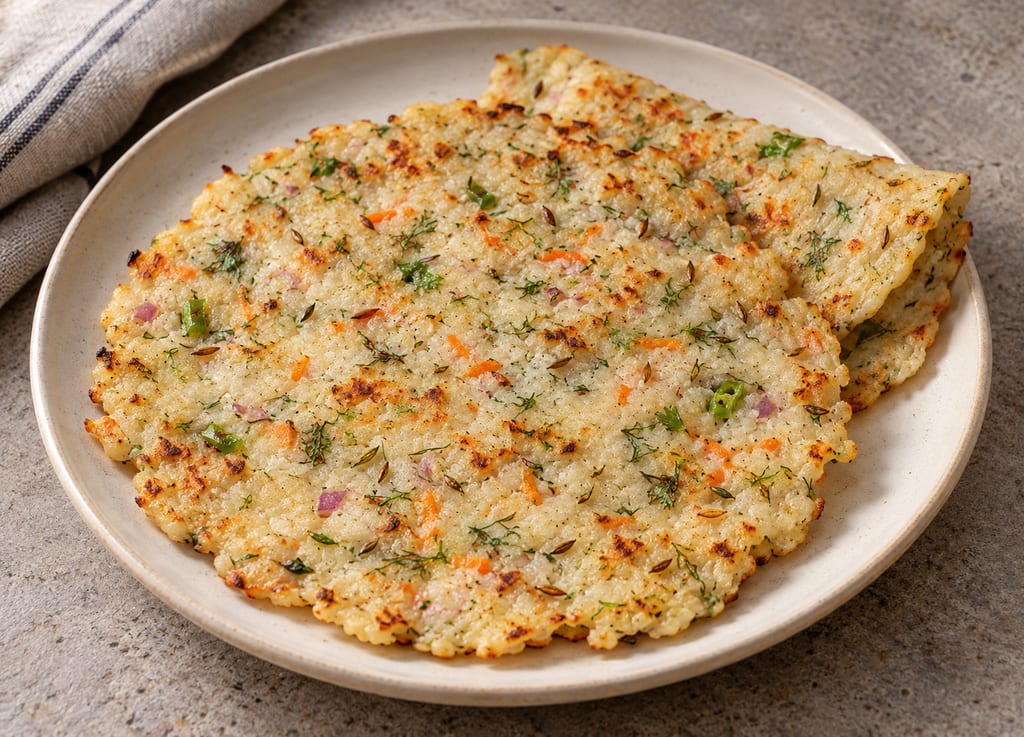
This Karnataka-style akki rotti mixes fine rice flour with vegetables, coconut, herbs and spices, then hand-pats and griddle-cooks the dough.
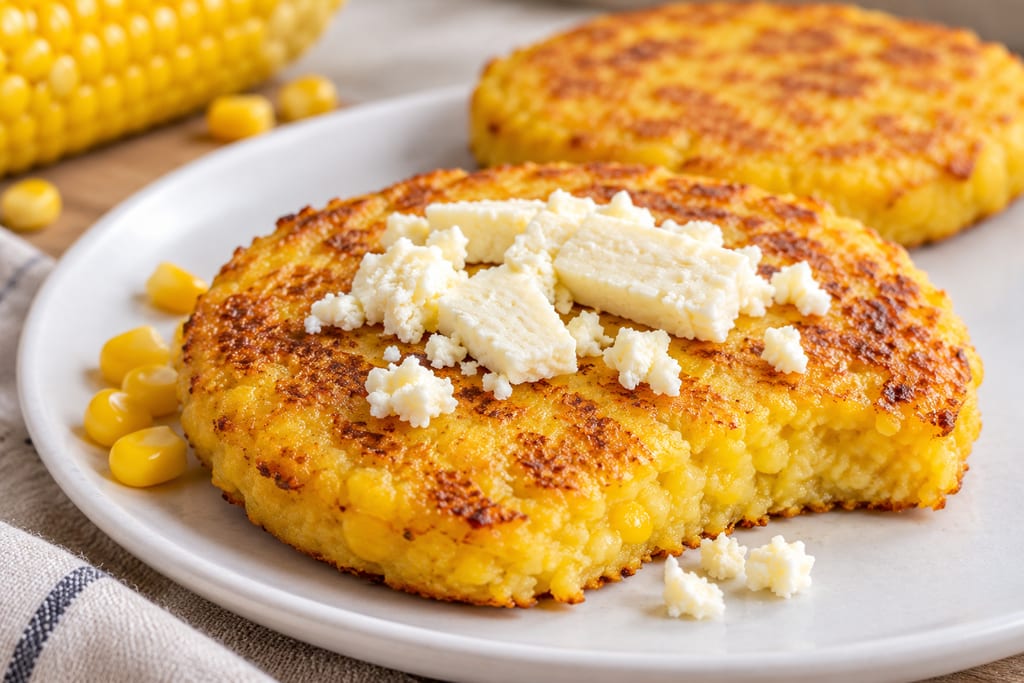
A Colombian Andean griddle cake made from fresh sweet-corn batter, cooked in butter and served with white cheese.
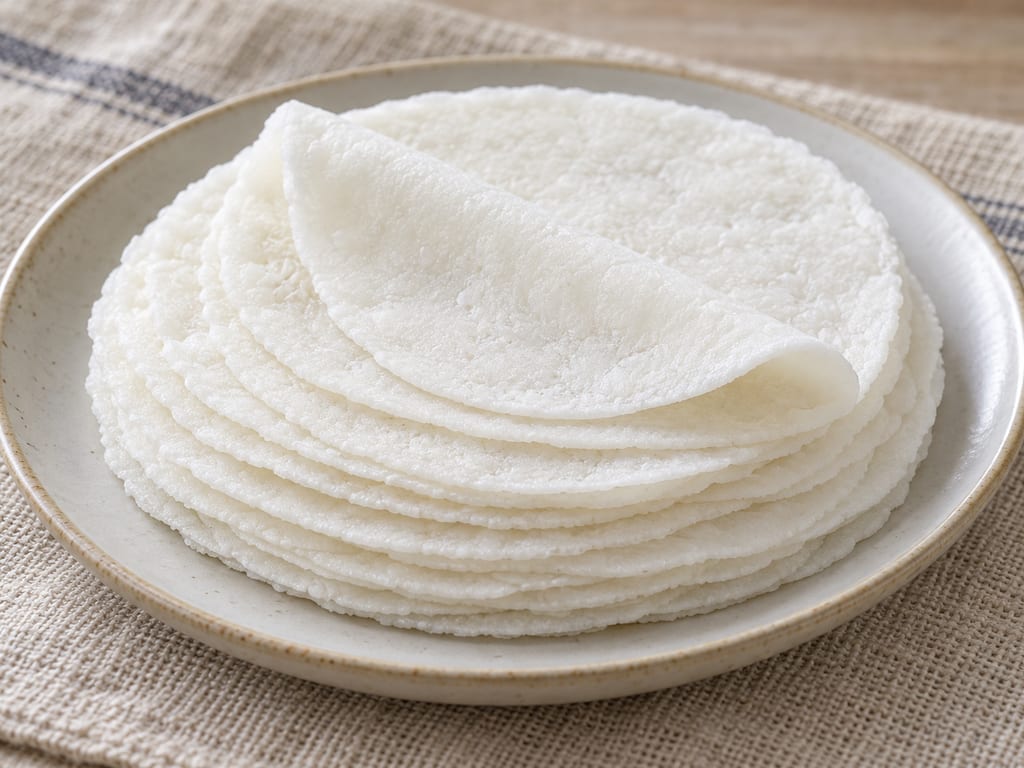
Thin Malabar rice-flour rounds made from roasted rice flour cooked into salted boiling water, kneaded after cooling, and rolled to about 1 mm. They cook on a hot griddle without taking on colour.
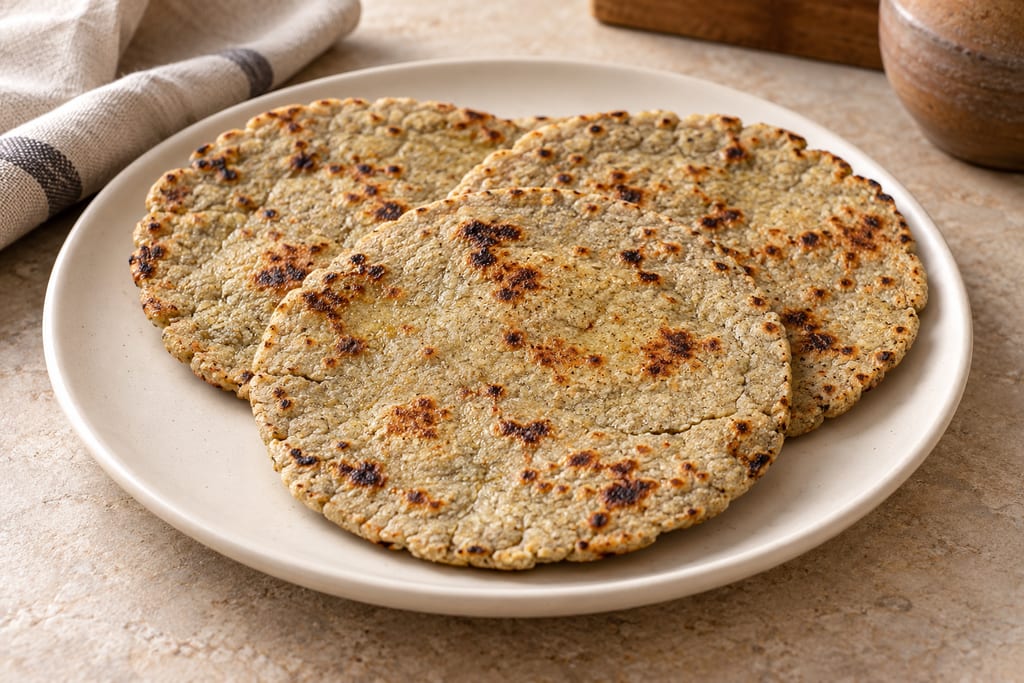
A pearl-millet flatbread shaped between sheets and cooked on a hot tawa. This home batch makes eight.
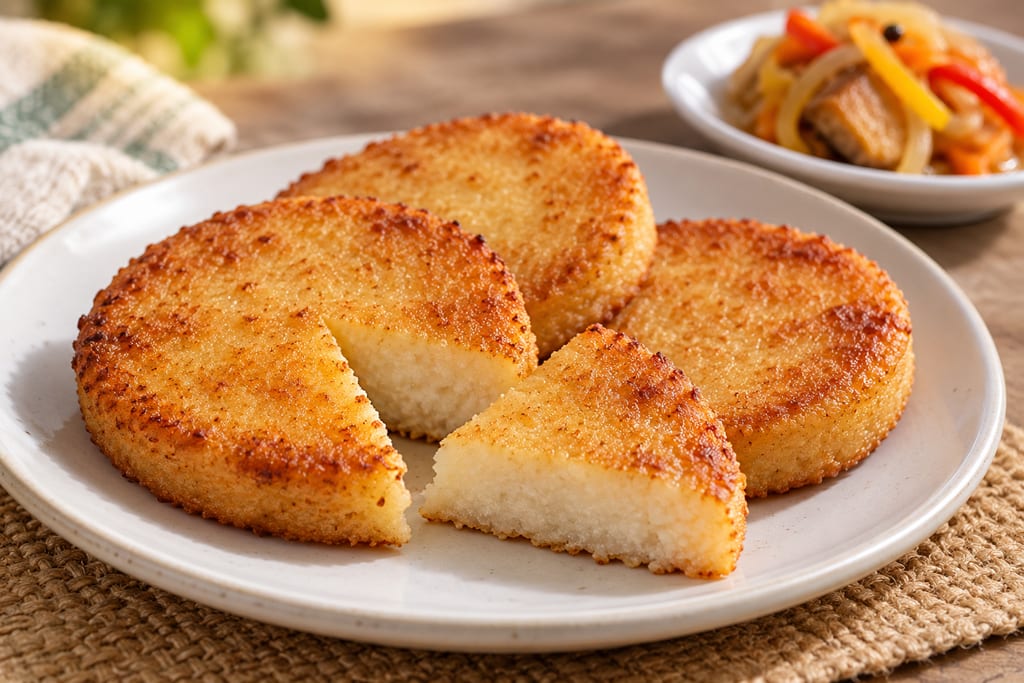
A serving method for approved, prepared bammy rounds: soak them in coconut milk and refry until golden. It does not process raw cassava.
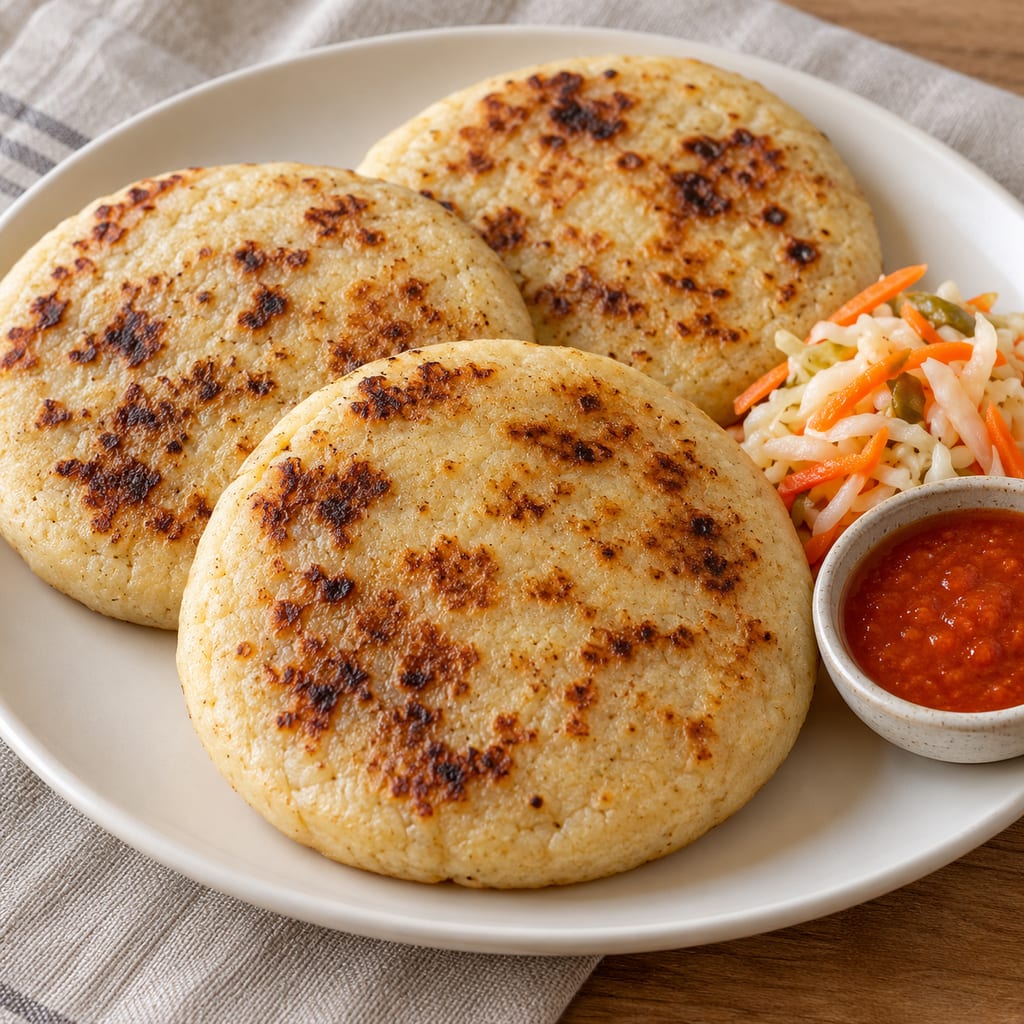
Salvadoran-style masa harina cakes filled with refried beans and cheese, sealed and cooked on an oiled skillet.
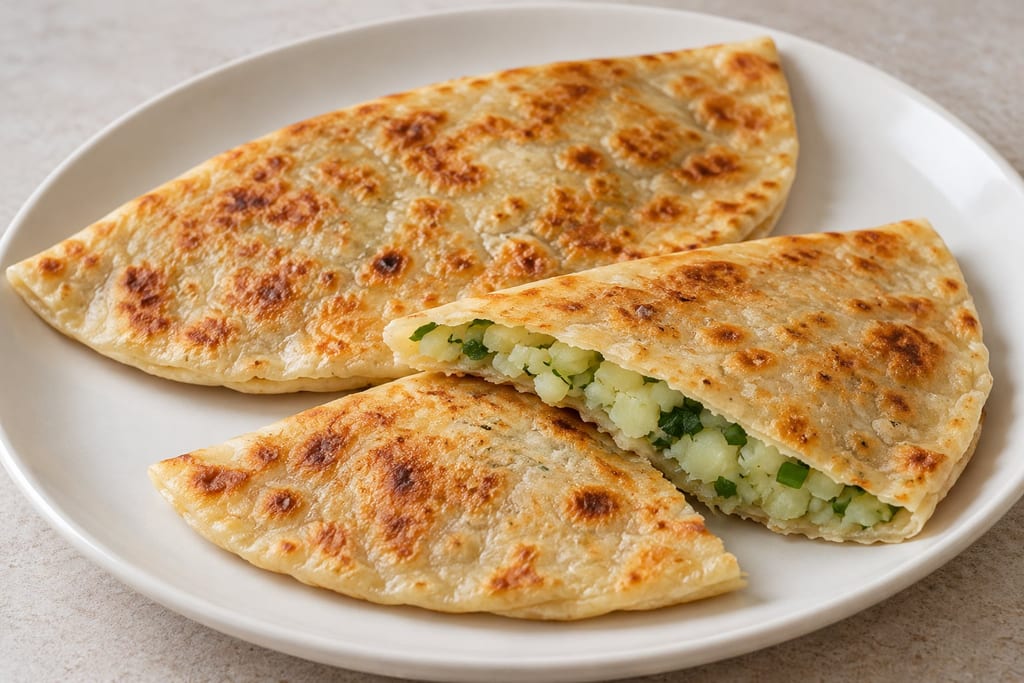
A thin, unleavened Afghan flatbread filled with mashed potato, scallion and cilantro, folded and pan-browned. This version uses a dough made from scratch.
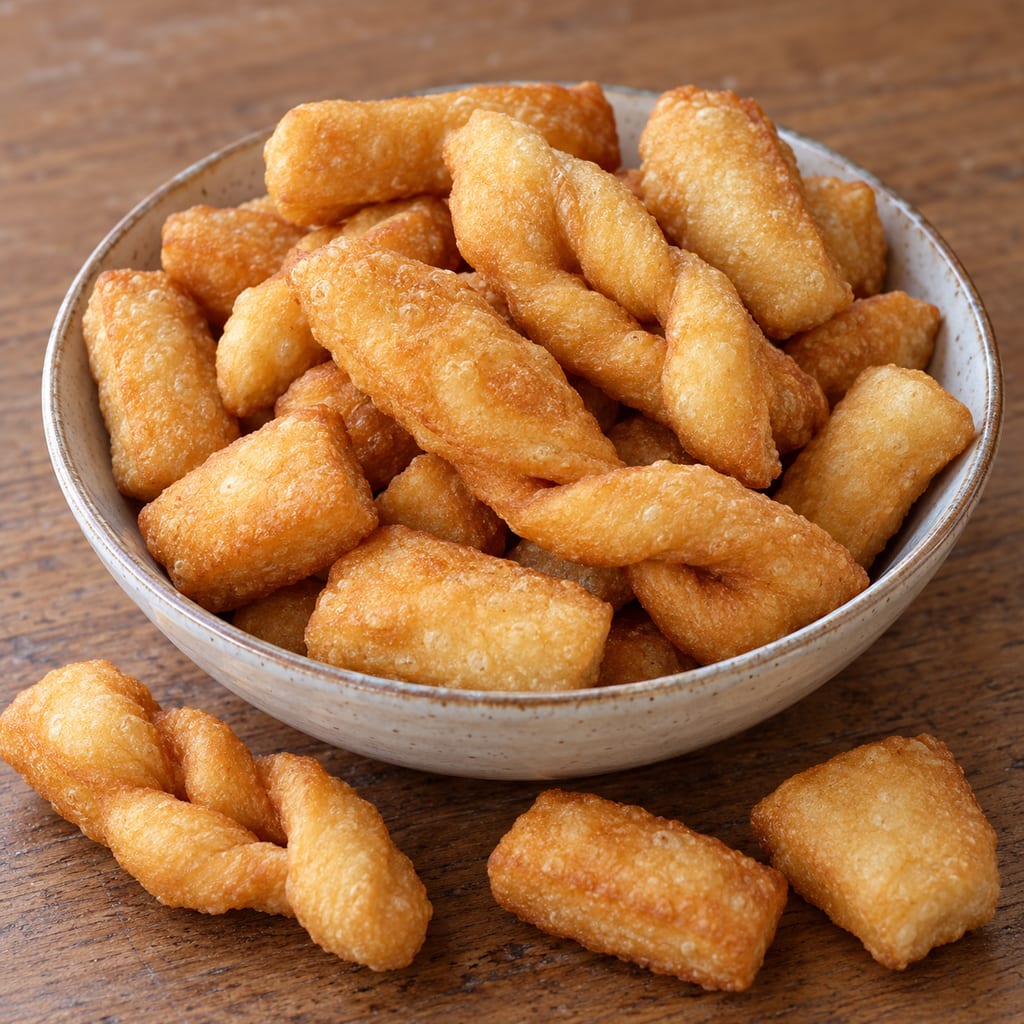
Firm Mongolian fried pastries made from an unyeasted wheat dough enriched with butter and sweetened with sugar; the dense dough is rested, cut or knotted, and fried until golden.
No community contributions have been published for this entry yet.
Sign in to contribute. Published comments and photos are free to read.
Laylita’s Recipes / Jani DíazInspiration · Process · Identity
How to Make ArepasMeasured precooked-flour formula, preparation, skillet cooking, optional oven finish, yield, serving and variant boundaries.
Cited in: A maize food with many forms; The measured household method; Serving
Ministerio del Poder Popular para la CulturaHistory · Geography · Identity
La arepa y sus variantes en el territorio venezolanoVenezuelan cultural context and Indigenous maize preparation described by the ministry.
Cited in: A maize food with many forms