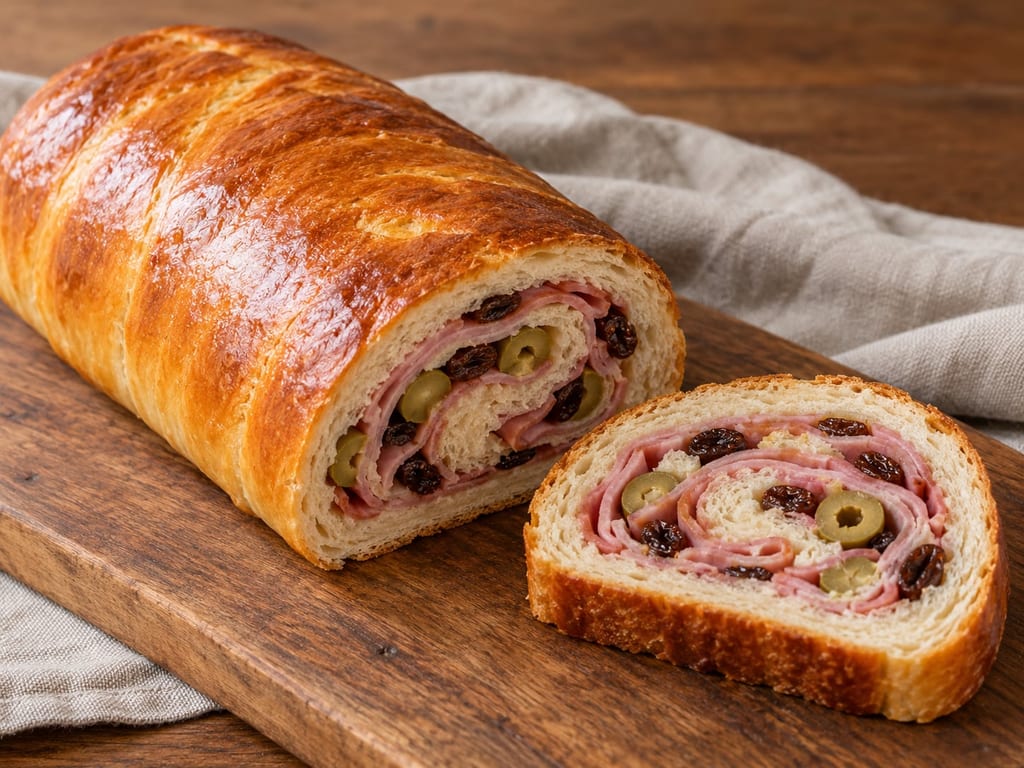
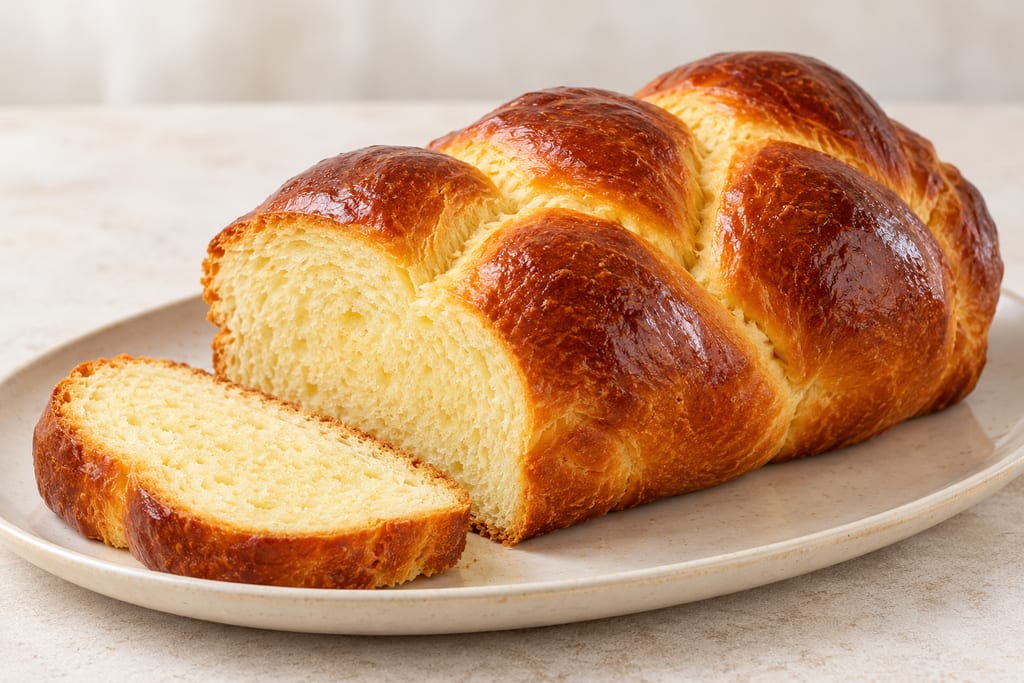
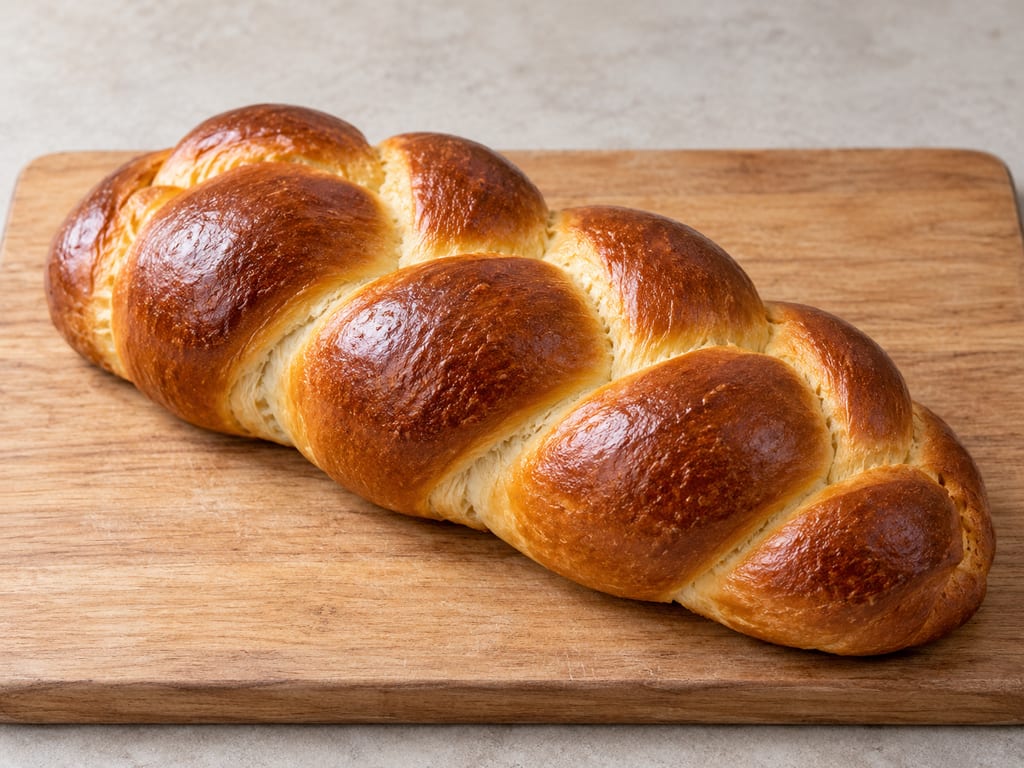
Pan de jamón brings a soft, slightly sweet yeast dough together with ham, olives and raisins. ChainBaker identifies it as a Venezuelan Christmas bread and describes cheese as a nontraditional addition; this version leaves the cheese out and keeps the filling to the ham, olives and raisins.
The dough is fermented twice before it is rolled around the filling, then proofed again before baking. Seal the edge with water and bake until the centre reaches the temperature stated in the recipe. Because the filling contains ham, serve the loaf promptly or manage it as a perishable cooked-meat food: hold it hot, or portion and refrigerate it promptly. The inspected source does not establish an earliest date or a more precise place of origin.
The inspected recipe identifies pan de jamón as a Venezuelan Christmas bread with ham, olives and raisins. It does not give an earliest attestation or a more precise origin.
The baked loaf contains cooked meat and must not remain at room temperature for extended service or storage.
Hazard source
Raw flour and egg
The dough and egg wash are handled before baking; CDC warns that raw flour and eggs can carry germs and raw dough should not be eaten.
Hazard source
Keep the ham refrigerated until assembly.
Control source
Wash hands and utensils after handling flour, dough and egg, and do not taste the unbaked dough.
Control source
Bake to the recipe's 94°C centre endpoint. Serve promptly or hold hot at or above 60°C (140°F).
Control source
Refrigerate within 2 hours of baking, or within 1 hour above 32°C (90°F), at 4°C (40°F) or below; portion leftovers into shallow containers. Use refrigerated cooked-meat leftovers within 3–4 days.
Control source
Do not leave the ham-filled loaf at room temperature for a long service. Follow the hot-holding or refrigeration instructions, and discard it if it exceeds the stated time out of temperature control.
Combine the cold milk, dry yeast, salt and sugar. Add the flour and mix until a dough forms.
Knead for about 5 minutes. The source's target dough temperature is 26–27°C (79–80°F).
Cover the dough and ferment for 1 hour. Fold it, then cover and ferment for 1 more hour.
Roll the dough into a large rectangle. Spread the ham, olives and raisins over it, then roll it into a loaf. Seal the edge with a little water and place the loaf seam-side down in a loaf tin or on a baking-paper-lined tray.
Cover and proof for 1½–2 hours. During the final hour, heat a fan oven to 160°C (320°F).
Beat the egg and brush it over the loaf.
Bake for about 50 minutes, or until a thermometer inserted into the loaf's centre reads 94°C (200°F), following the source's endpoint for this bread.
Serve promptly, or keep the baked loaf hot at or above 60°C (140°F). If it will not be served hot, let it cool only until safe to handle, then slice or portion it into shallow containers and refrigerate within 2 hours of baking, or within 1 hour when the room is above 32°C (90°F). Keep it refrigerated at or below 4°C (40°F).
Conditions
Yield1 loaf
Fermentation3.5–4 h
Temperature26–27°C
Temperature controlAmbient, monitored
Places
Venezuela
Traditional preparation · Country evidence
The recipe source identifies this as Venezuelan Christmas bread, without naming a more precise origin.
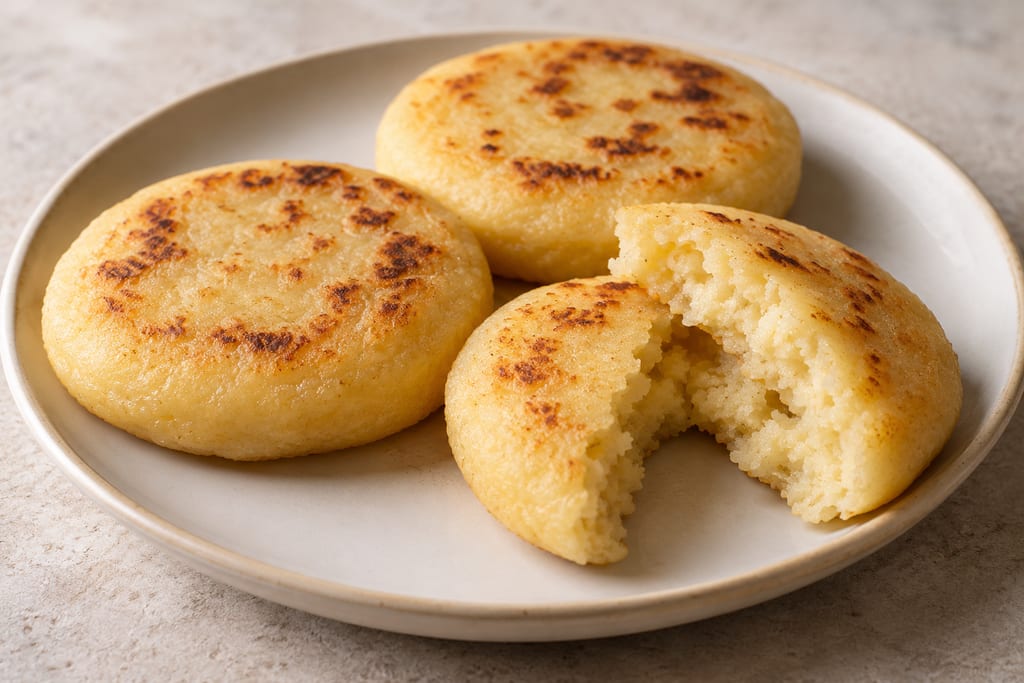
This household version combines precooked corn flour, warm water and salt, then cooks thick rounds on a lightly oiled skillet or griddle. It is one source-specific arepa method, not a universal Colombian or Venezuelan formula.
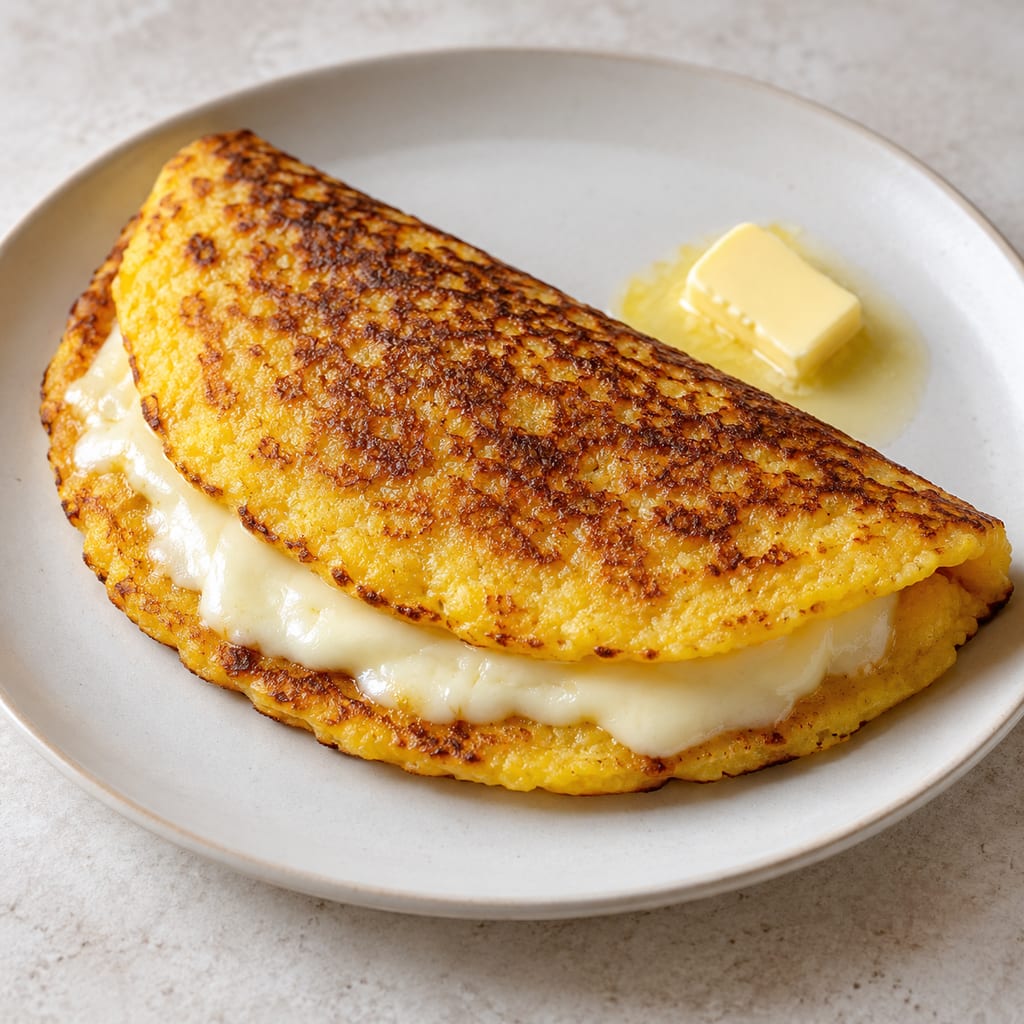
Two thick, tender Venezuelan griddle cakes made from fresh corn batter with milk, egg, cornstarch and sugar, then folded around white cheese and butter.
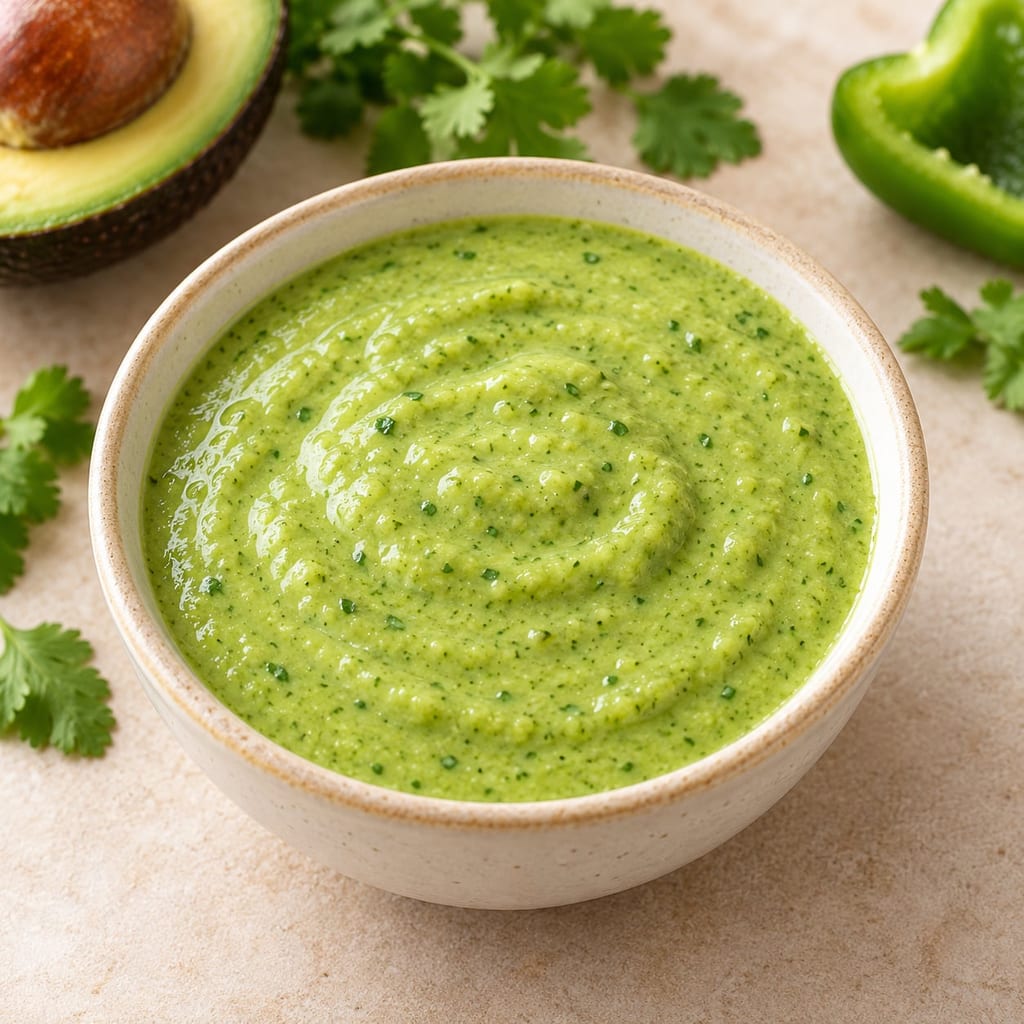
Guasacaca is a Venezuelan green sauce of avocado, herbs, sweet pepper and onion, sharpened with vinegar or lime. It is served with grilled meat, arepas and empanadas.
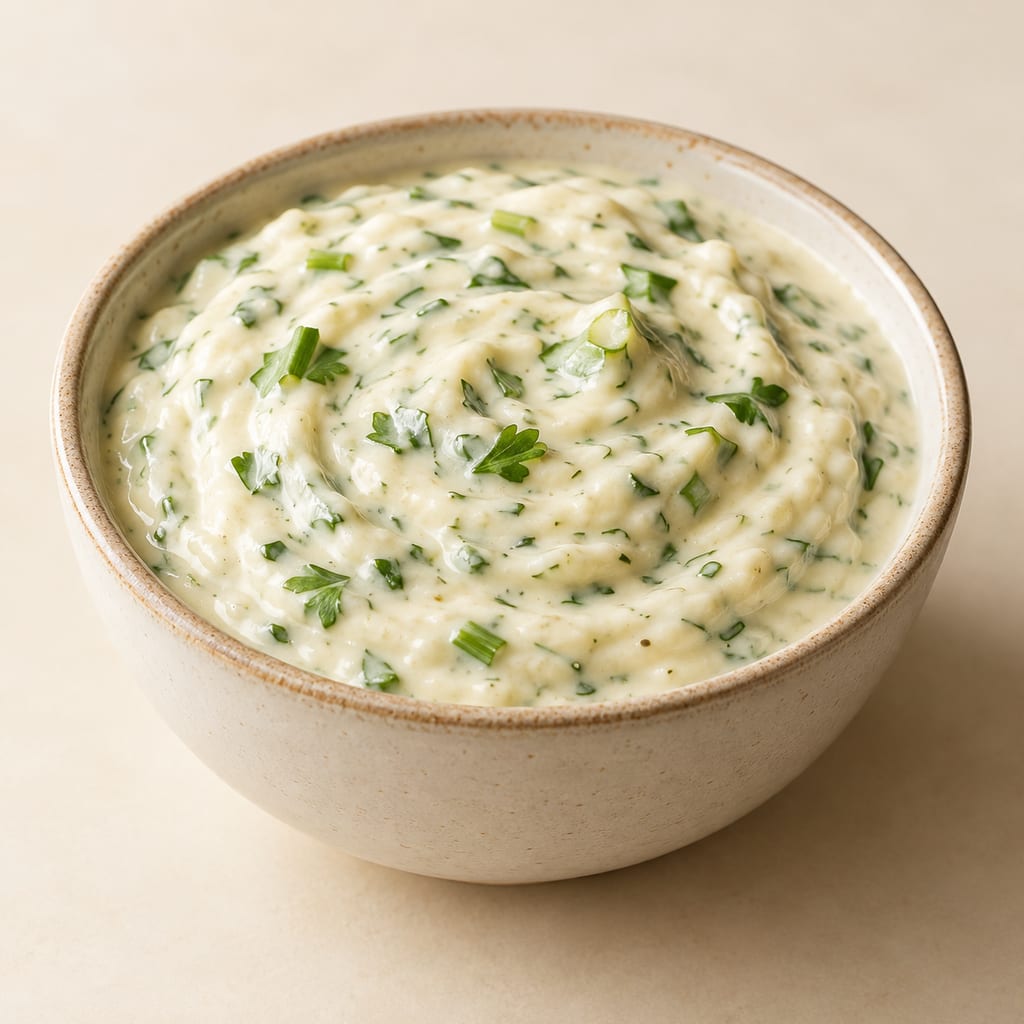
Salsa de ajo is a creamy Venezuelan garlic sauce made from mayonnaise blended with fresh garlic, herbs, green onion and vinegar. It is served with empanadas, arepas and grilled meat.
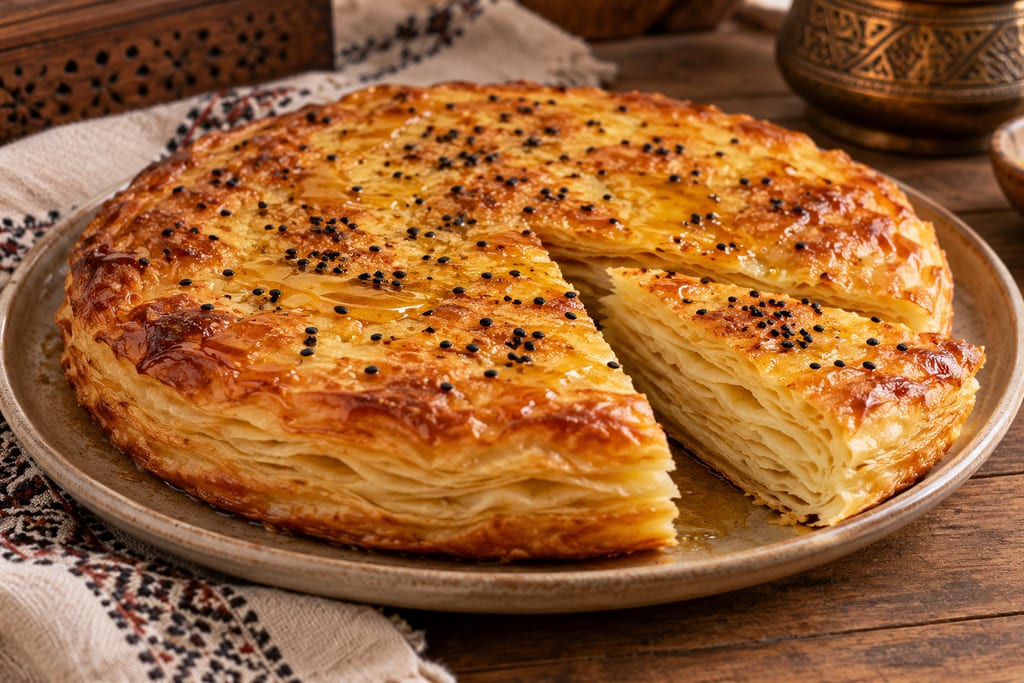
Bint al-sahn is a Yemeni celebration and home bread built from thin, egg-rich yeast dough layers brushed with ghee or butter. This source-specific version makes one round cake, baked until golden and served warm with honey.
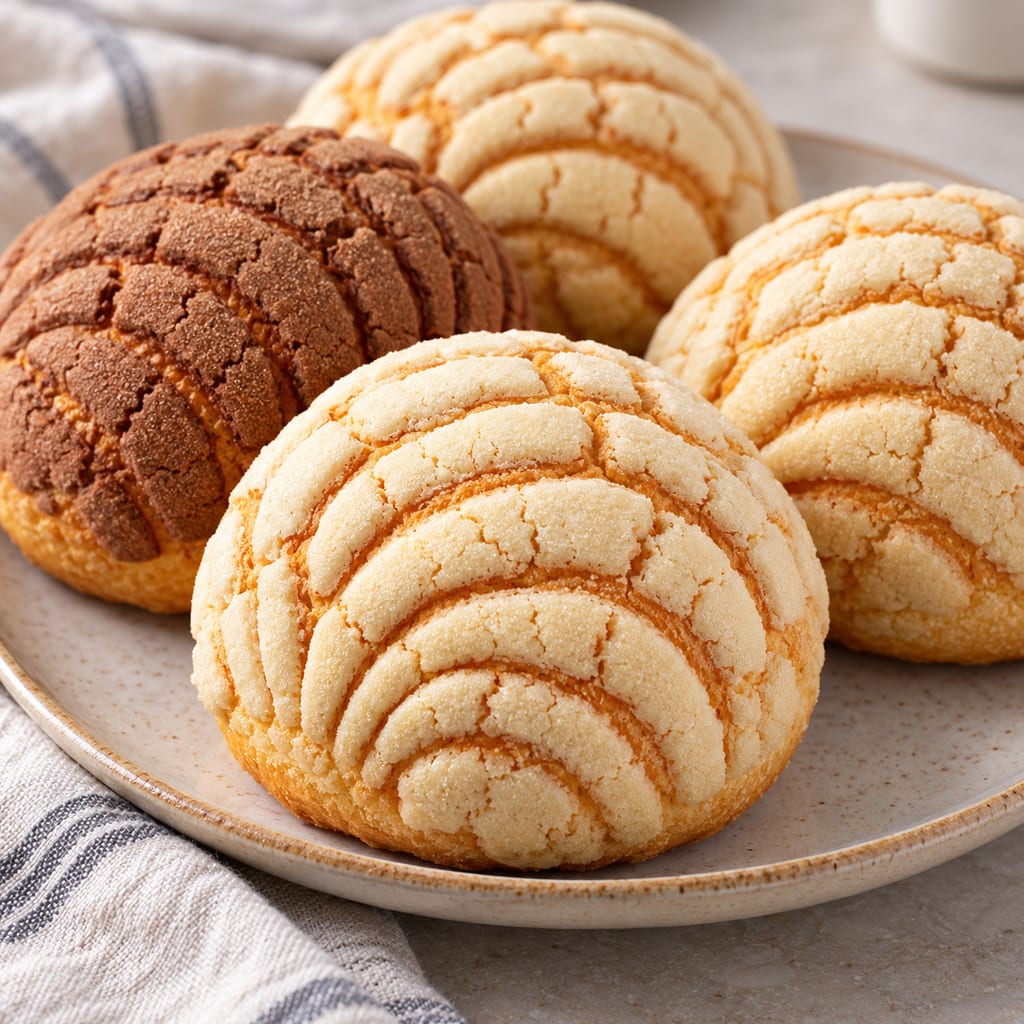
Mexican sweet rolls with a soft enriched yeast dough and a separate scored sugar-flour topping shaped like a shell. This version makes 15 rolls and uses a chilled dough rest before final proofing.
Community
No community contributions have been published for this entry yet.
Share what you made
Sign in to contribute. Published comments and photos are free to read.
Identifies pan de jamón as a Venezuelan Christmas bread filled with ham, olives and raisins; describes cheese as a nontraditional addition that can be omitted.
Provides a measured dough with bread flour, yeast, salt, sugar and milk; kneading, dough temperature, fermentation, shaping, final proof, oven setting and bake endpoint.
Keep cooked food hot at or above 60°C if not serving immediately.
Refrigerate perishable foods within 2 hours, or within 1 hour above 32°C; refrigerate at or below 4°C and place leftovers in shallow containers to cool promptly.
Uncooked flour and raw eggs can carry germs; do not taste raw dough, bake it as directed, and wash hands, bowls, utensils and countertops after handling.