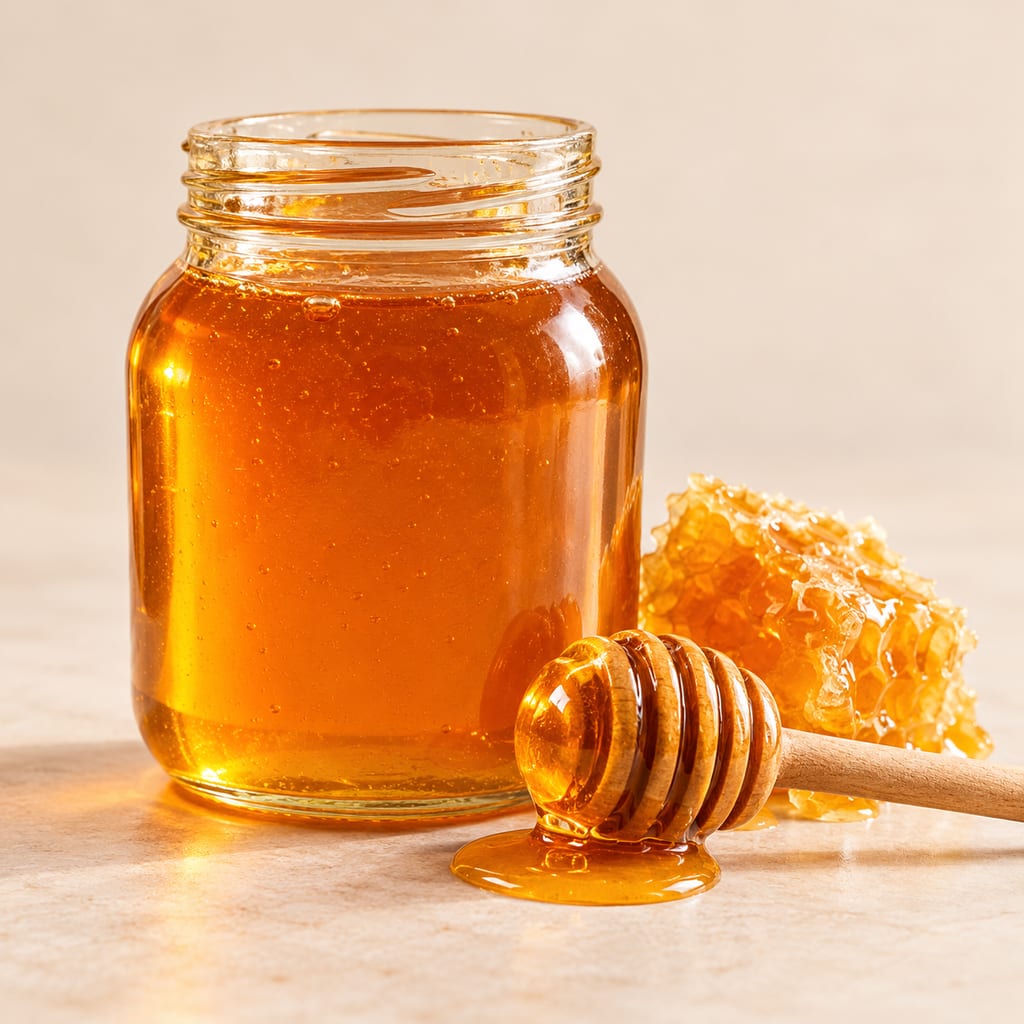
Honey
Honey is a bee-made food from floral nectar or honeydew; breads use it in dough or as a syrup served with cooked griddle breads.
 FermenteaWhere food goes to change
Modern adaptation
بنت الصحن · bint as-sahn · bint al-sahan
Bint al-sahn is a Yemeni celebration and home bread built from thin, egg-rich yeast dough layers brushed with ghee or butter. This source-specific version makes one round cake, baked until golden and served warm with honey.
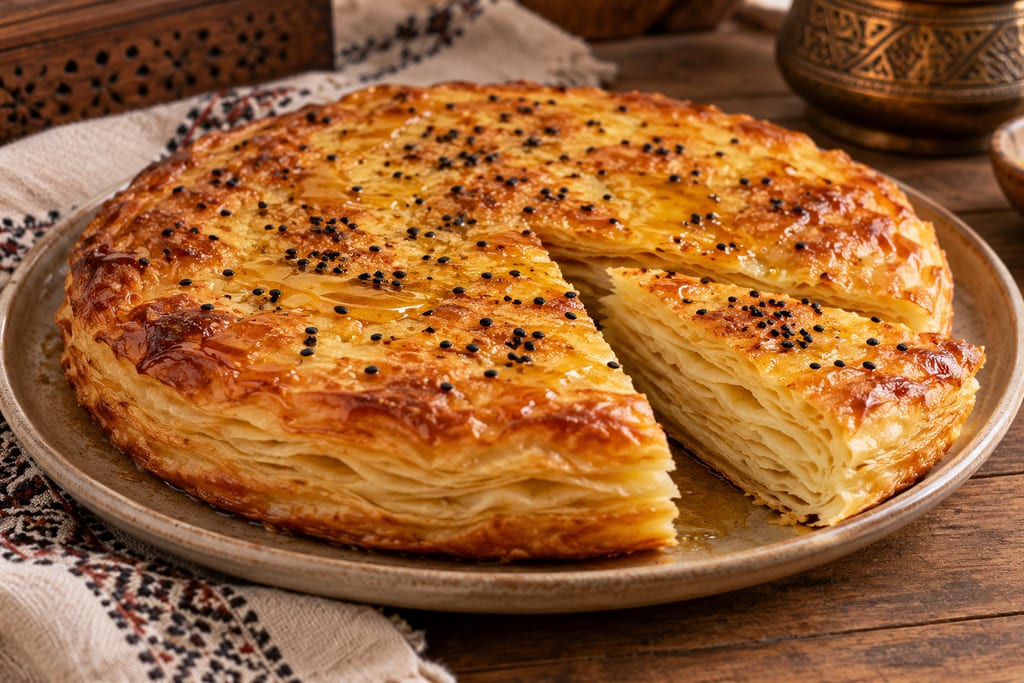
Sheba Yemeni Food describes bint al-sahn as a rich, flaky bread made at home and served warm with honey and melted ghee. The page’s method builds a single round cake from yeast dough: each portion is stretched thin, brushed with fat and stacked over the previous sheet. An egg-yolk wash and black cumin or sesame seeds finish the top.
The source identifies the dish with Yemen but does not name a city or region for this formula. It also notes that some cooks call a similar preparation sabayah in parts of Yemen. This recipe keeps the source’s bint al-sahn name and does not claim one exclusive regional version.
The dough combines bread flour, eggs, yeast, salt, fat and water. The posted ingredient list calls for melted butter or ghee in the dough, but a comment by the recipe author clarifies that softened butter is used in the dough and melted butter is used between layers. The comment does not resolve the ghee alternative, so this record states that uncertainty instead of assuming the same texture. The author kneads for 10–15 minutes, adds water gradually to reach a soft consistency that does not cling to the hands, then covers the dough for a short rest.
The source gives an 8–10-piece range and then directs the cook to repeat the layering process for ten layers. This version chooses ten portions, a count within that range. The layers are brushed with additional melted fat between them, while the top is finished with egg yolk and seeds instead. The author says bread flour stretches more easily than regular flour and that the extra water amount changes with local climate.
The recipe uses a greased 14-inch round cake pan and a preheated 400°F oven. Katherine allows 18–20 minutes, or until the surface is golden brown. The thin layers take practice; the headnote describes the bread as best fresh and warm. The page does not state a storage duration, a honey quantity or a measured internal temperature, so this record supplies none.
The method is one home recipe rather than a standardized bakery specification. The stated pan sizes, dough rest, number of portions and visual bake cue belong to this formula; they should not be treated as universal requirements for every Yemeni bint al-sahn.
Flour is raw and eggs may carry harmful bacteria. Do not taste the uncooked dough; keep raw ingredients and tools away from ready-to-eat foods and clean hands and equipment after mixing. Follow the source's baking method; its golden colour and time are not presented here as a measured safety limit.
Use oven protection for the hot pan. Honey is served with the bread, but CDC guidance says not to give honey to a child younger than 12 months because of infant botulism risk.
The cited home recipe page is dated 2012 and updated in 2013. It describes bint al-sahn as a Yemeni dish often made at home, but does not establish an earliest attestation or a specific locality for the dish.
Yield 1 14-inch layered bread · Scaling: source batch only
Flour is a raw food and uncooked eggs may carry harmful bacteria; do not taste the dough.
Hazard sourceThe pan and bread are hot when removed from the oven.
Hazard sourceHoney may cause infant botulism and must not be given to children younger than 12 months.
Hazard sourceDo not taste raw dough; keep raw flour and egg away from ready-to-eat foods, clean hands and utensils after mixing, and bake the bread through until golden as the source directs.
Control sourceUse oven protection when handling the hot pan.
Control sourceDo not serve honey to a child younger than 12 months.
Control sourceContains wheat and egg; also contains dairy if made with ghee or butter.
Honey is an accompaniment; do not serve it to children younger than 12 months.
The source identifies the dish as Yemeni but does not locate this method in a specific region or city.
Honey is a bee-made food from floral nectar or honeydew; breads use it in dough or as a syrup served with cooked griddle breads.
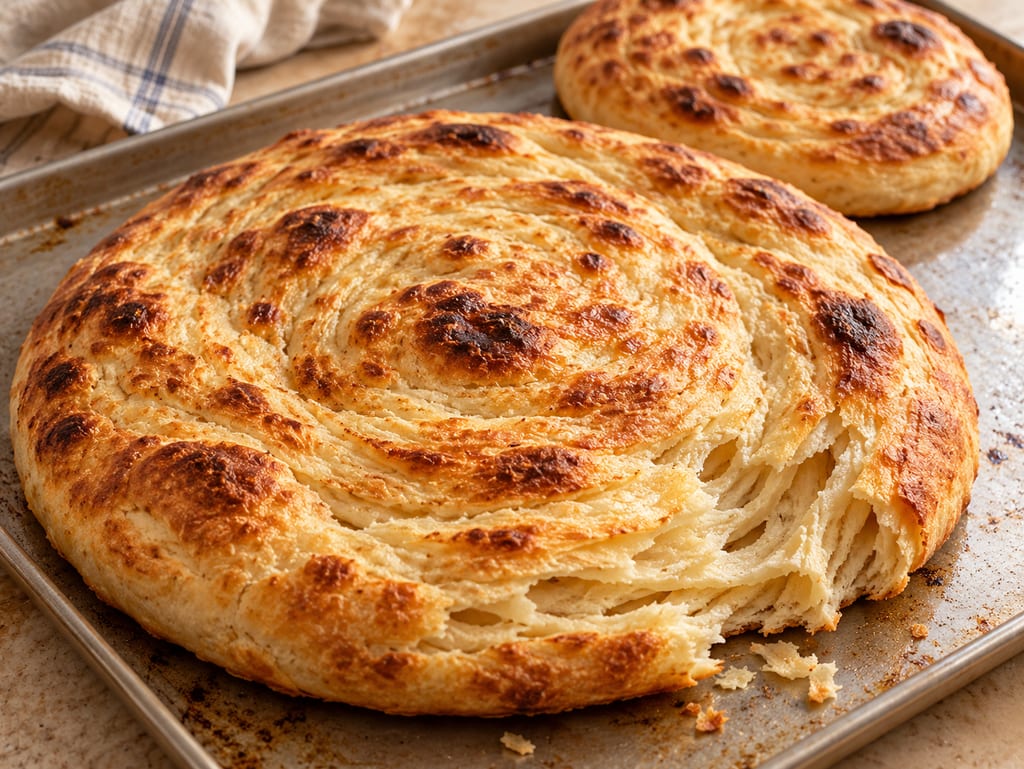
This Yemeni home-oven variation uses a yeast-raised wheat dough, folds it repeatedly with semn and oil, then bakes it as large rounds.
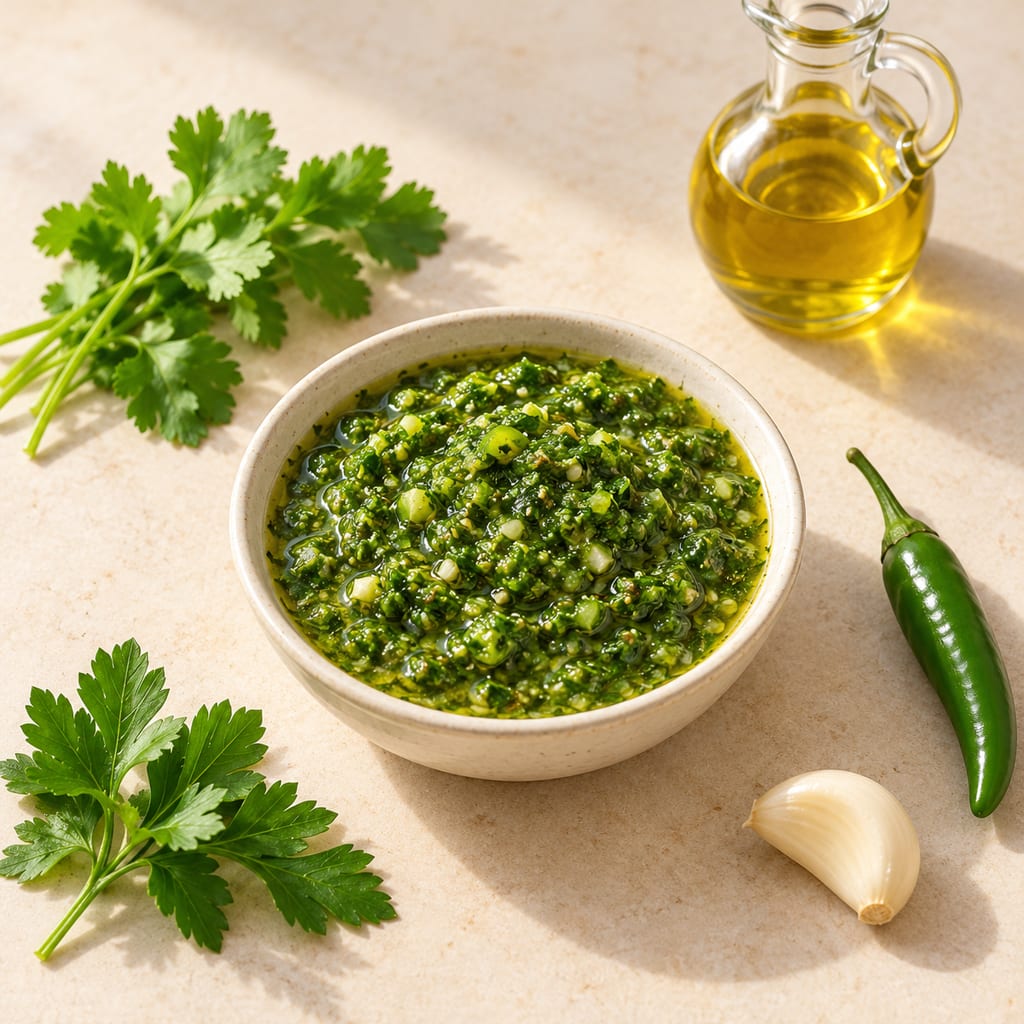
Yemeni zhug inspires this fresh sauce of coriander, parsley and green chilli. Its weighed mild-chilli formula is one contemporary variation, not a canonical household recipe.
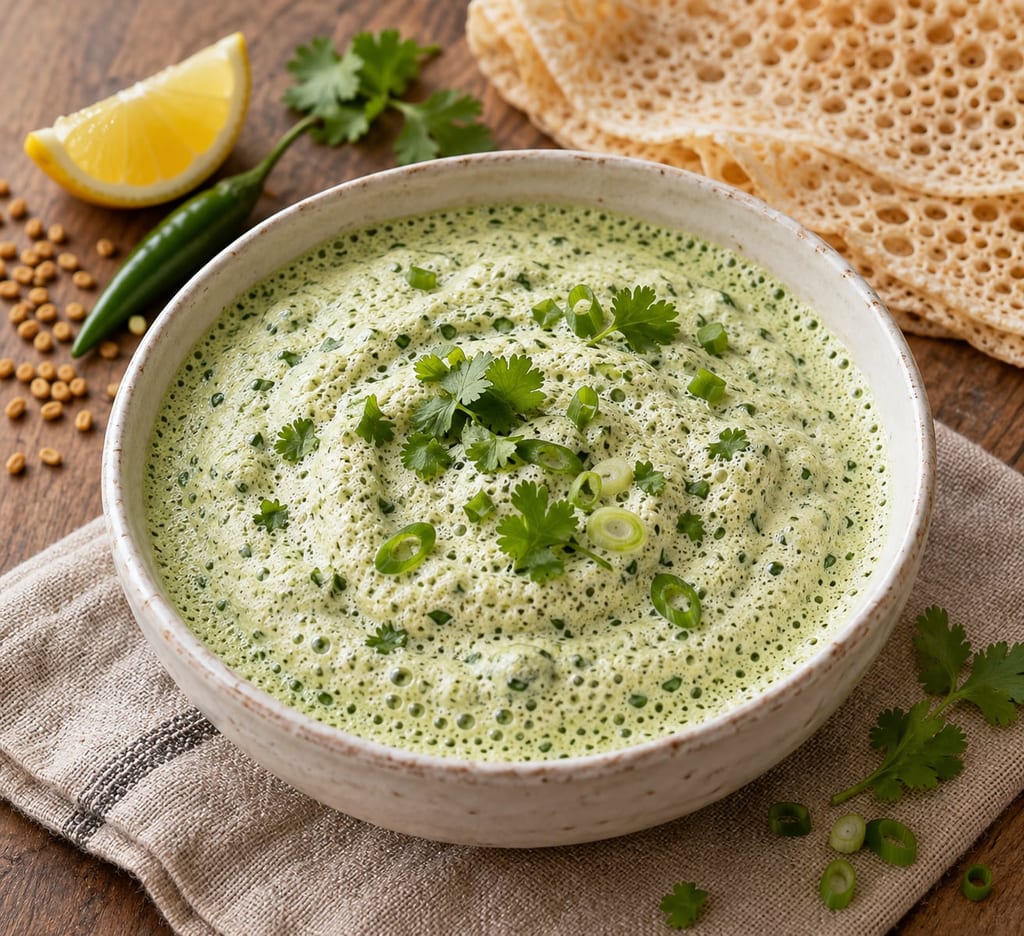
A whipped condiment of soaked ground fenugreek seed, aerated until foamy and finished with herbs, chilli and lemon. It comes from Yemen.
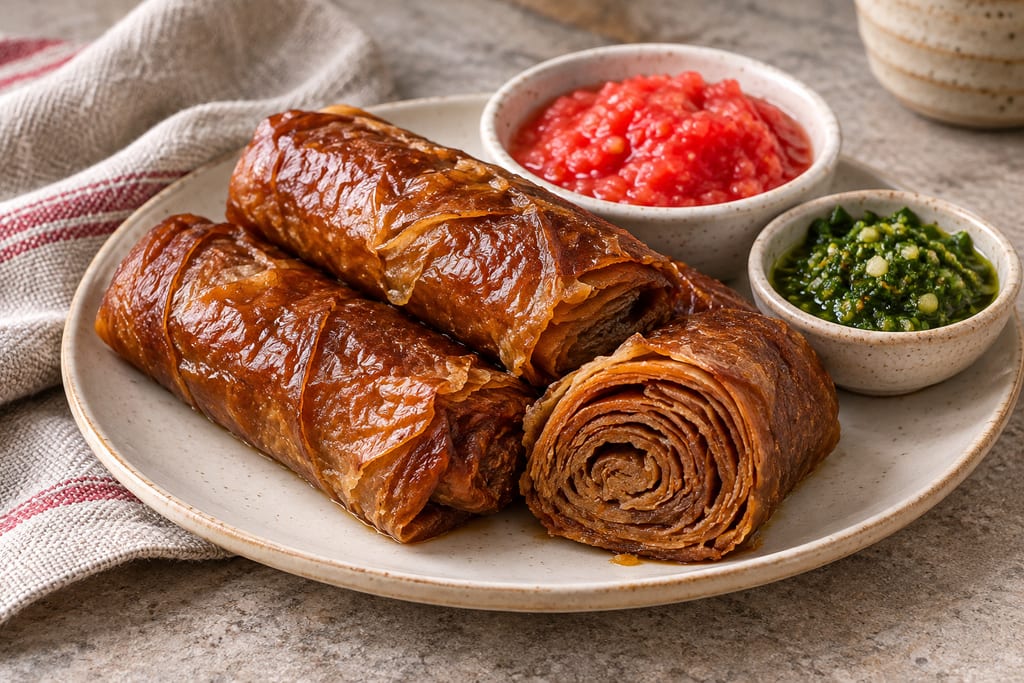
Jachnun is a rolled, butter-layered wheat pastry baked covered for hours at very low oven heat and served warm, often with grated tomato and schug.
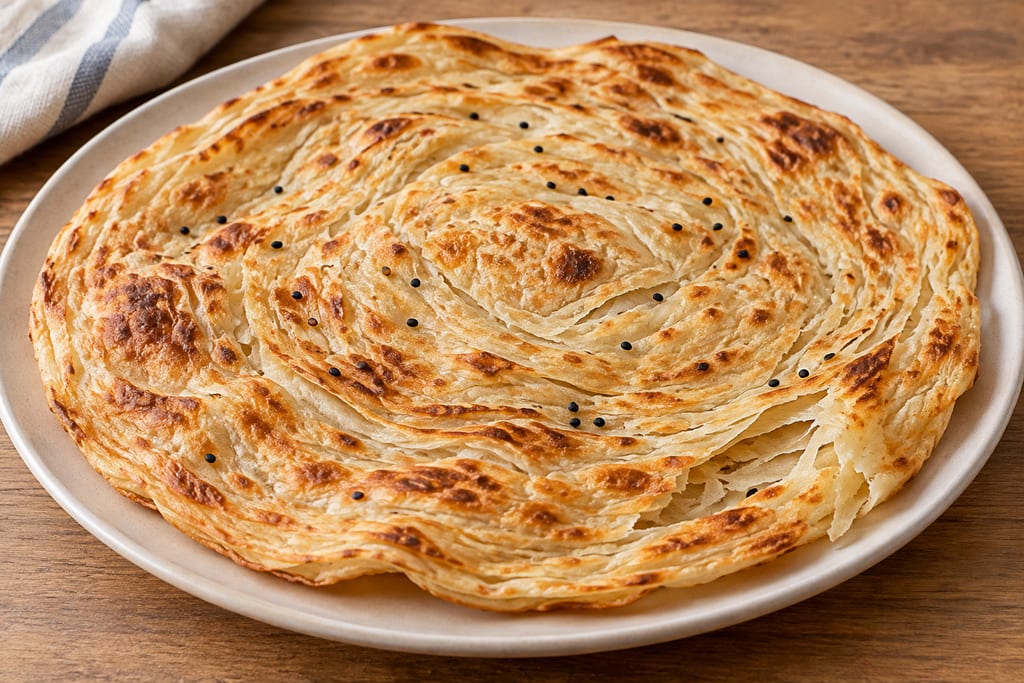
A Yemeni layered wheat bread made by stretching an unleavened dough thin, folding butter or ghee through it, and baking it on a very hot stone.
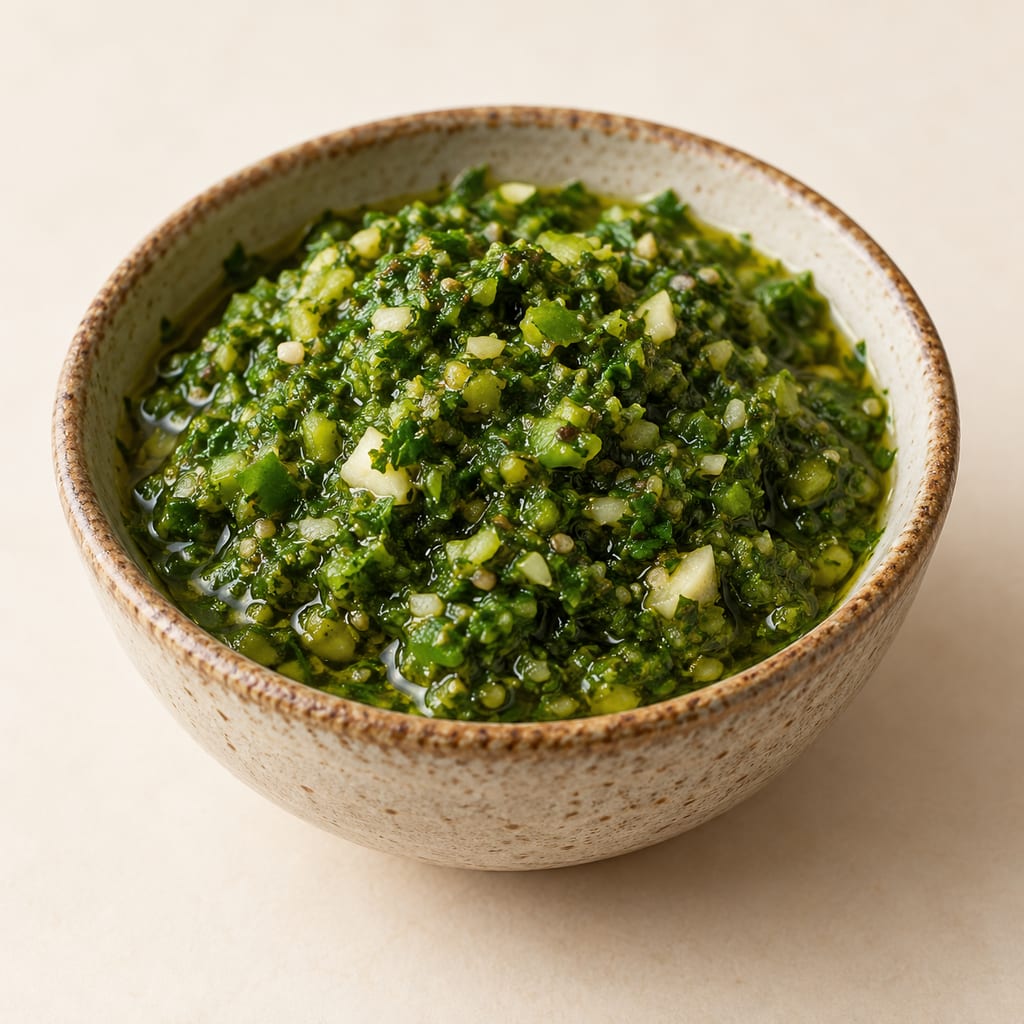
A Yemeni hot sauce of fresh chilli, coriander and garlic bound with olive oil, the base of sahawiq and a common condiment in Israel. It is made by crushing, not cooking, and keeps only briefly in the refrigerator.
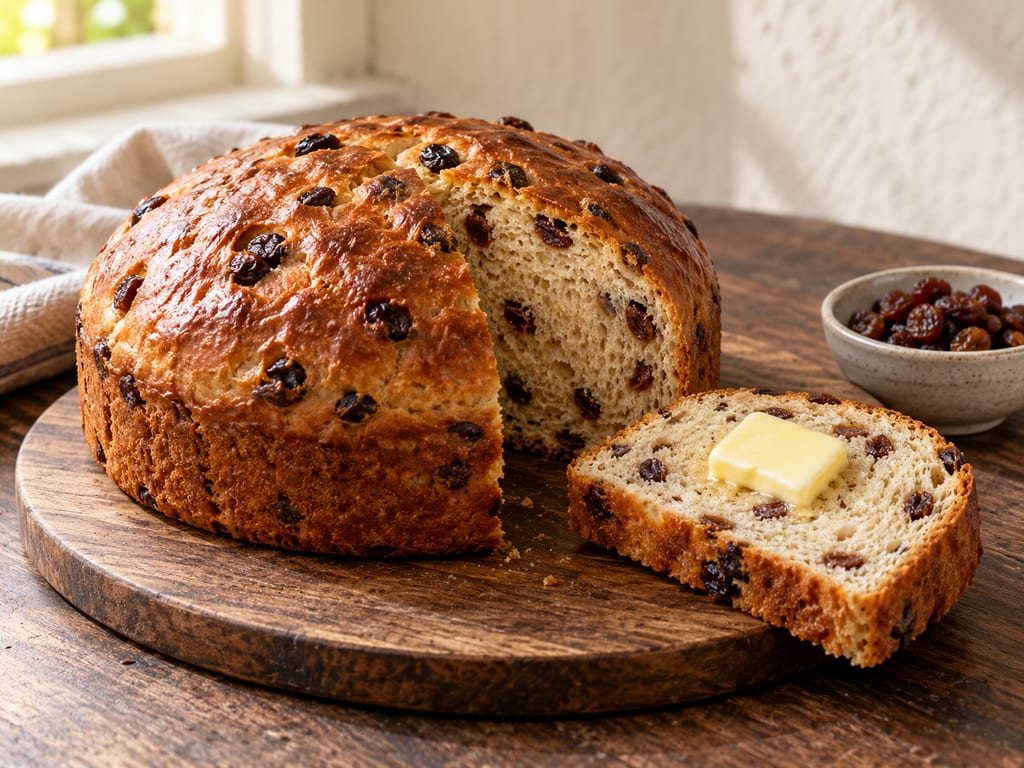
An Irish fruit-studded yeast loaf, associated in a contemporary cultural account with Halloween and often served fresh or toasted with butter.
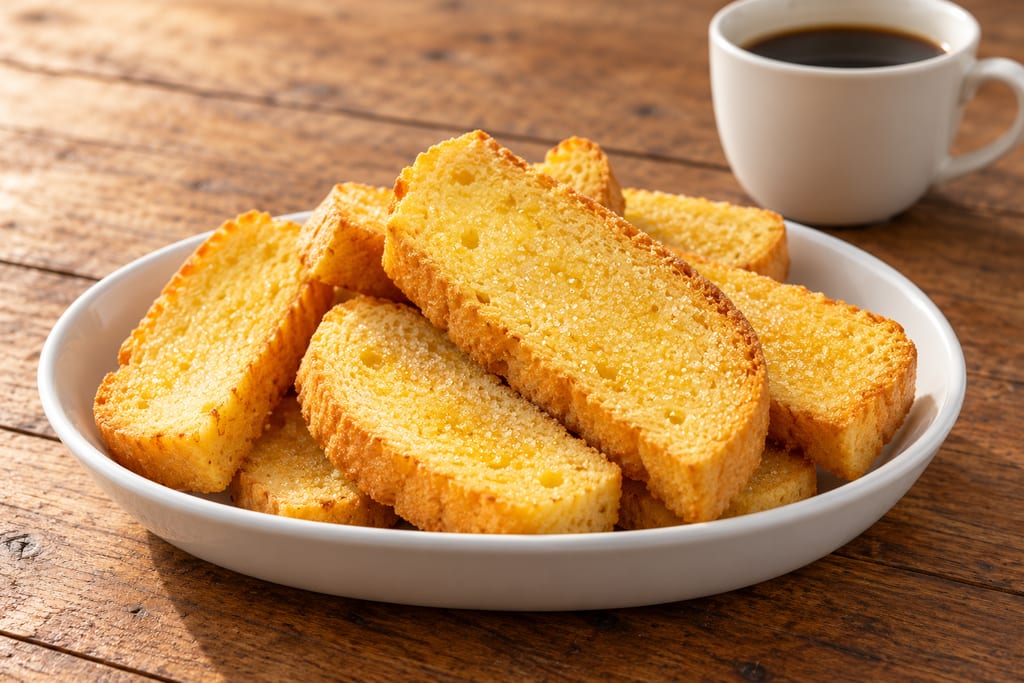
PagkainPinoy’s 24–30 piece version twice-bakes day-old soft bread with a thin butter-and-sugar coating.
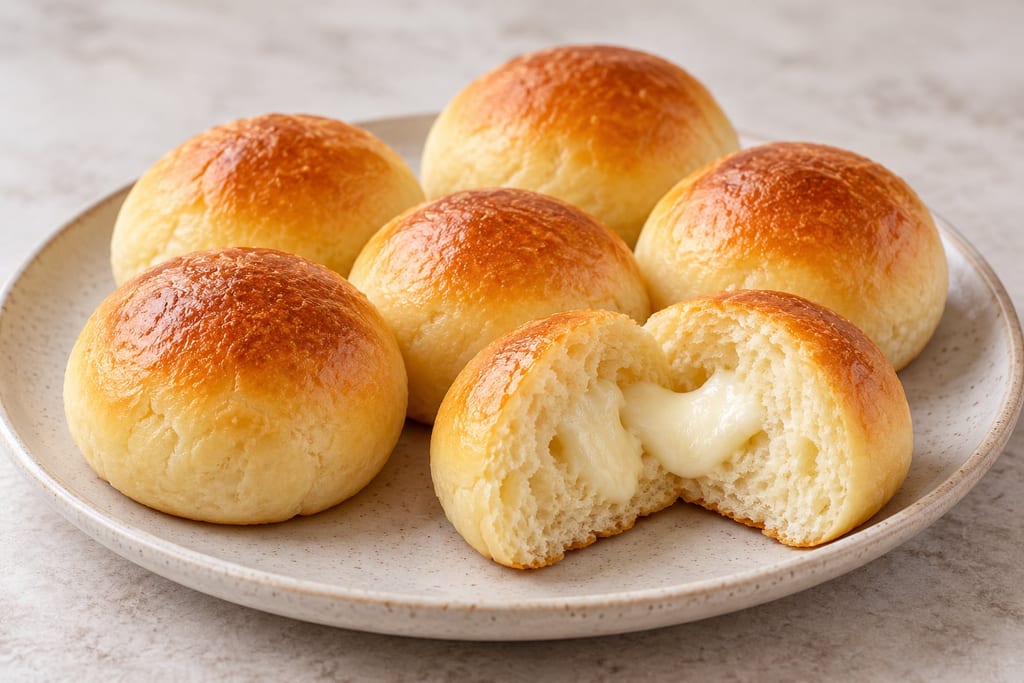
Soft Brazilian yeast rolls use cooked mashed potato in an enriched dough, with mozzarella cubes enclosed before baking.
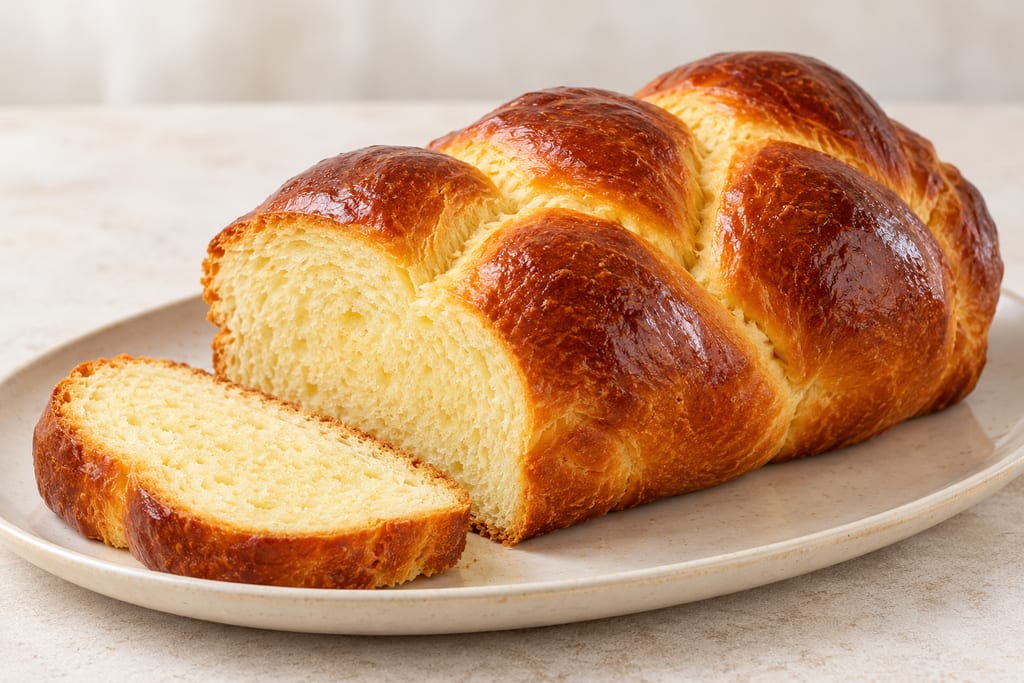
An egg-and-butter-rich yeast dough shaped as one round loaf, two loaves or twelve small brioches, with baking paths that vary by shape.
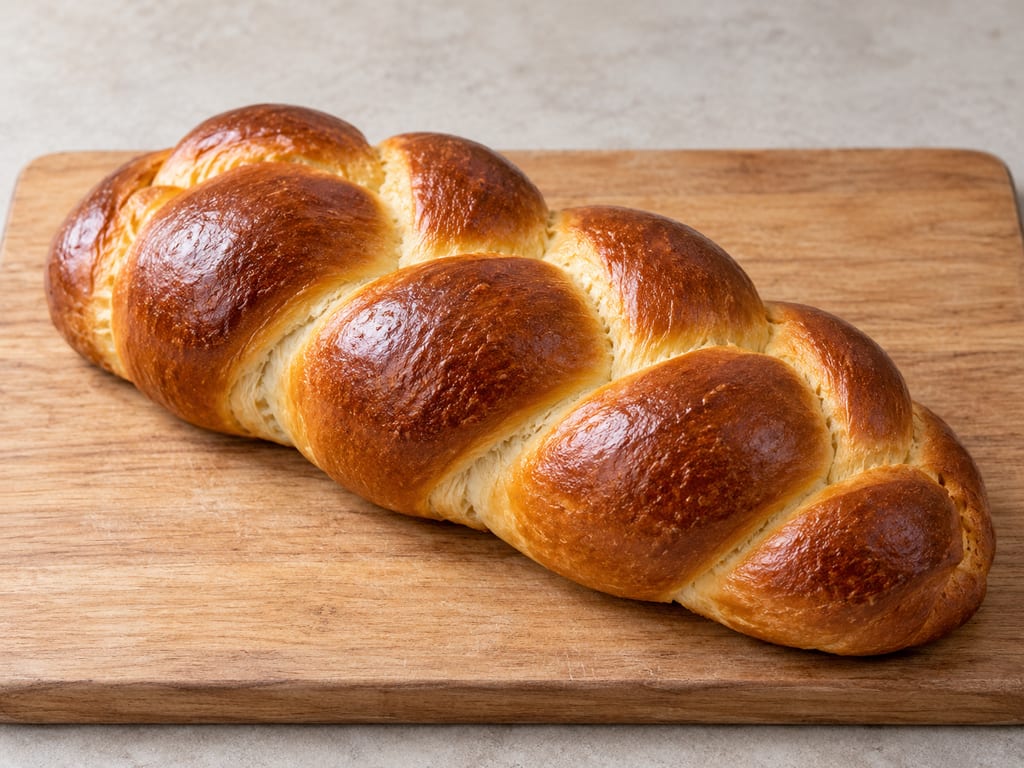
A three-strand yeast-raised challah with flour, salt, yeast, water, neutral oil, honey and egg, based on a Jewish Museum Vienna home recipe.
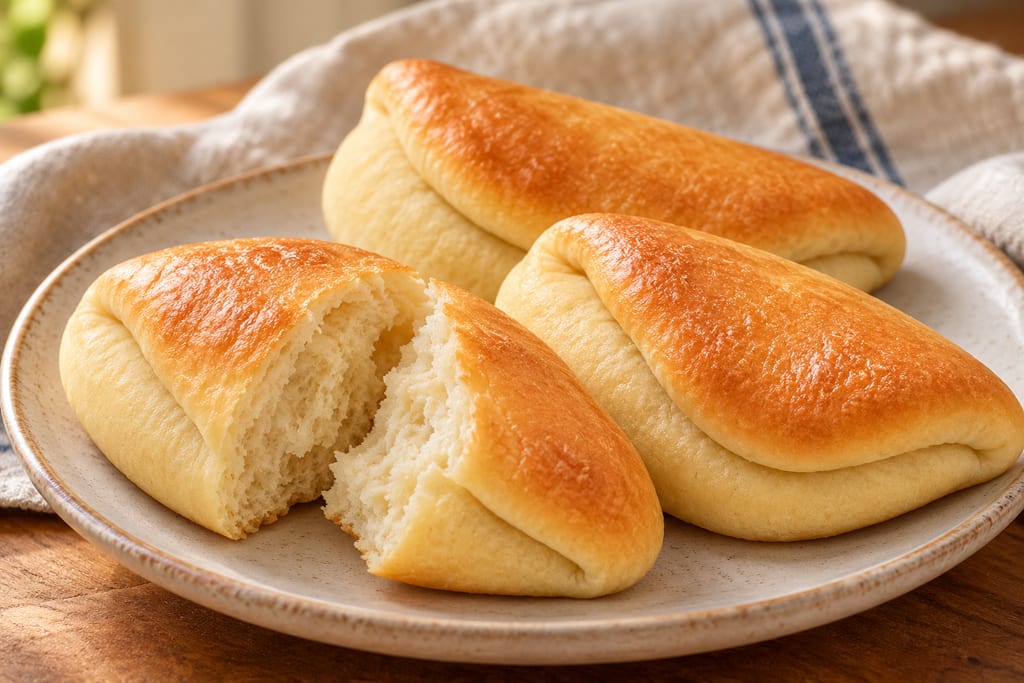
Jamaican-style folded rolls made from sweet coconut-milk yeast dough and brushed with butter.
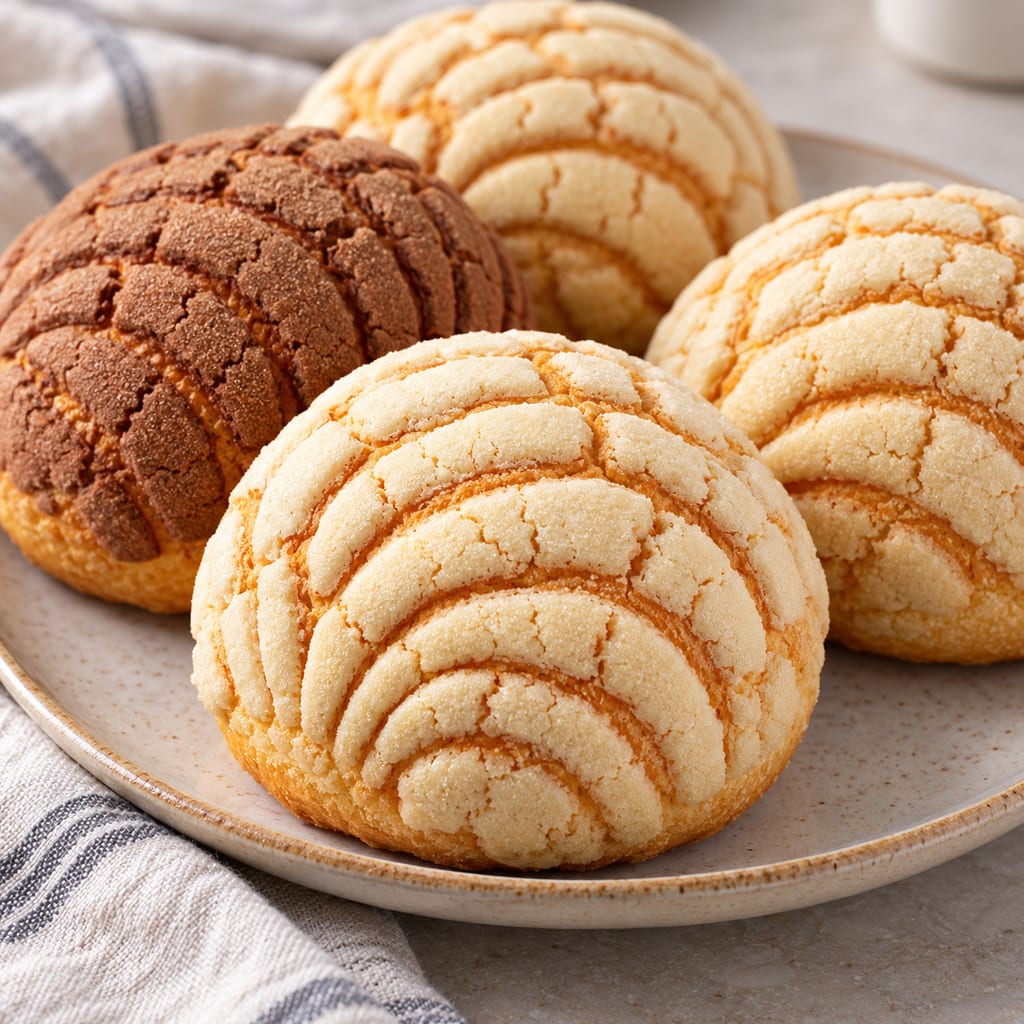
Mexican sweet rolls with a soft enriched yeast dough and a separate scored sugar-flour topping shaped like a shell. This version makes 15 rolls and uses a chilled dough rest before final proofing.
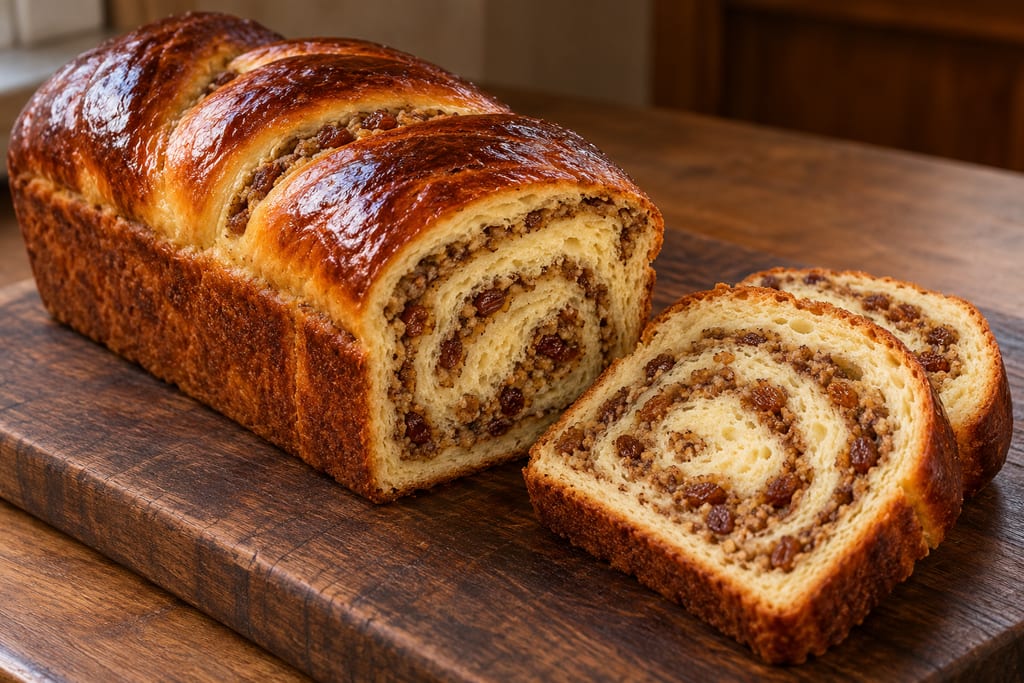
This Romanian cozonac recipe makes two enriched loaves filled with walnuts, sultanas and a whipped egg-white mixture. The dough rises once before filling and again in tins, then bakes in two oven stages.
No community contributions have been published for this entry yet.
Sign in to contribute. Published comments and photos are free to read.
Sheba Yemeni FoodYemeni identity and home context · Complete dough formula and layered oven method · Serving context
Bint Al SahnThe author describes bint al-sahn as a Yemeni dish, a rich flaky bread most often made at home and served fresh and warm with honey and melted ghee.
The dough ingredients are 4 cups bread flour, 4 eggs, 1/4 cup water plus about 1/4 cup more as needed, 3/4 cup melted butter or ghee, 1 tsp salt and 1 tsp yeast; another 1/4 cup melted fat is listed for layering, with egg yolk and black cumin or sesame seeds for the top.
Dissolve the yeast in water; knead the dough 10–15 minutes, adding water gradually until smooth and non-sticky; rest 10 minutes; divide into 8–10 balls, coat lightly with oil, cover and rise 30 minutes.
Stretch or roll the portions very thin, layer them in a greased 14-inch round pan with melted fat between all but the top layer, brush the top with egg yolk and sprinkle seeds; bake at 400°F for 18–20 minutes or until golden.
The page says the amount of additional water varies with climate and recommends bread flour because it stretches more easily. Its headnote gives no honey quantity.
The author's August 2012 comment clarifies that, for the butter option, softened butter goes into the dough and melted butter is used between layers; this conflicts with the ingredient list's use of 'melted' for the dough fat. The comment does not specify the state of ghee.
Cited in: A Yemeni layered home bread; Dough and layers; Baking and serving
U.S. Food and Drug AdministrationRaw flour and egg safety
Handling Flour Safely: What You Need to KnowFlour is raw, uncooked eggs may carry harmful bacteria, and raw dough or batter should not be tasted; cooking is required for flour-containing food.
Cited in: Food handling
National Health ServiceHot pan and oven hazard
Burns and scaldsHot items can burn and hot liquids or steam can scald.
Cited in: Food handling
Centers for Disease Control and PreventionHoney safety
Foods and Drinks to Avoid or LimitHoney must not be given to children younger than 12 months because it may cause botulism.
Cited in: Food handling