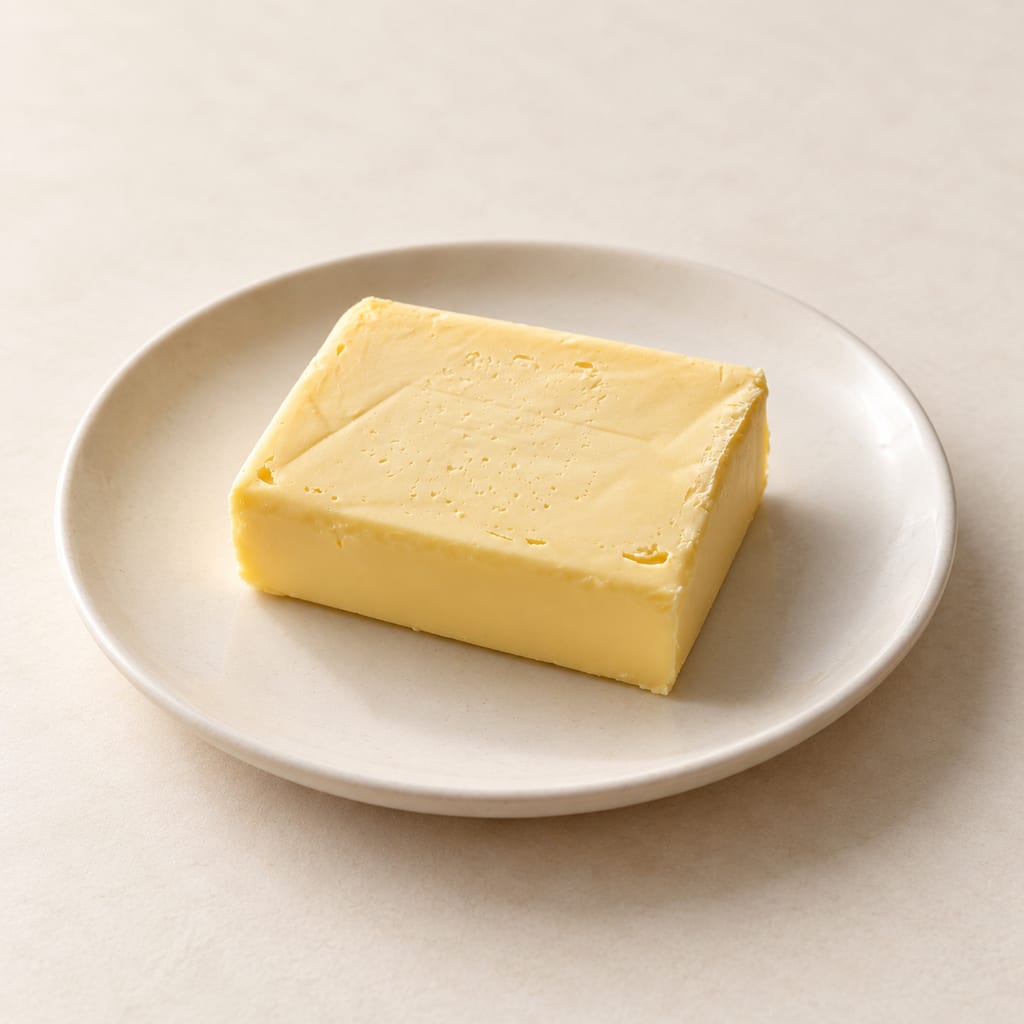
Butter
Butter is a milk-fat emulsion made by churning cream. It enriches dough or finishes bread; melted, cool and room-temperature butter serve different recipe roles.
 FermenteaWhere food goes to change
Modern adaptation
An egg-and-butter-rich yeast dough shaped as one round loaf, two loaves or twelve small brioches, with baking paths that vary by shape.
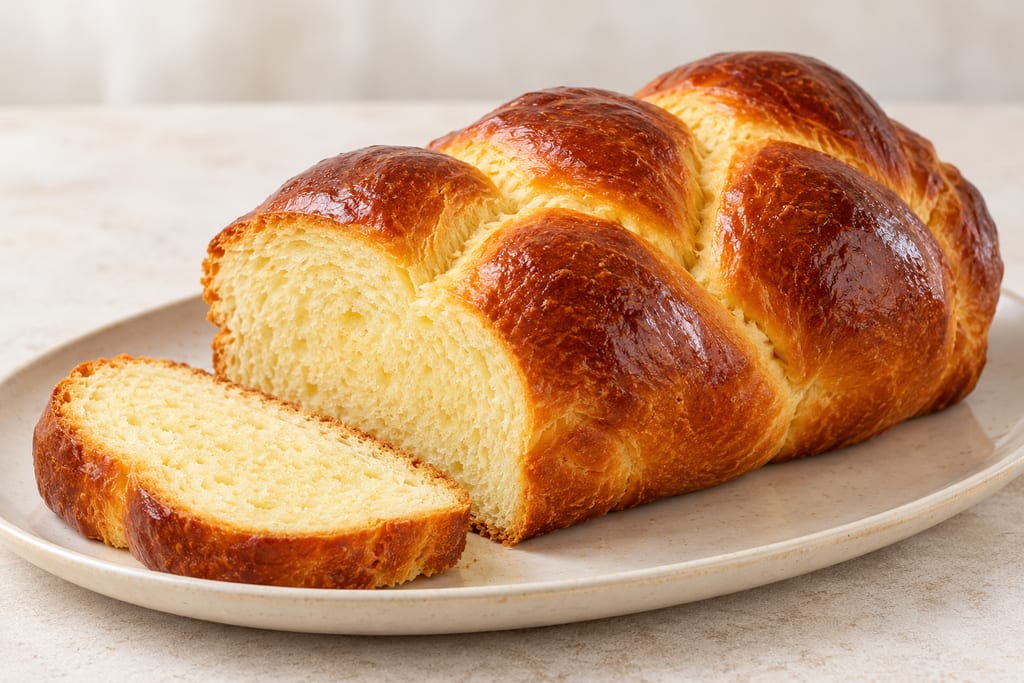
Brioche is a French enriched bread made with wheat flour, eggs, butter, yeast and smaller quantities of sugar, salt and liquid.
It occupies an interesting position between bread and pastry.
Its structure is produced by yeast fermentation and gluten development, as in ordinary bread. But its substantial butter and egg content gives it a richer flavour, tender crumb and distinctive golden colour.
The finished dough may be shaped as a round loaf, a topknotted brioche, individual buns, braided loaves or other forms.
This recipe provides three options from one batch: a large round loaf, two medium loaves or twelve small brioches.
The exact formula is a contemporary King Arthur Baking preparation, updated in September 2022.
Its shaping options are deliberately broader than traditional French presentation. The dough is the common element across the three baking paths.
The French word brioche has medieval roots.
Historical linguistic sources connect it to the verb broyer, associated with kneading or breaking up material.
The word is attested in French by the fifteenth century, although the precise relationship between early references and later rich brioche recipes requires care.
In 1611, Randle Cotgrave's French-English dictionary described brioche as a kind of spiced bread roll or bun.
By the eighteenth century, detailed enriched bread recipes appeared in French culinary literature.
A surviving recipe in Suite des dons de Comus, published in 1742, used brewer's yeast and a relatively modest proportion of butter compared with some later preparations.
Brioche gradually developed into a richer product, and professional bakers distinguished different qualities by the quantity of butter included.
Normandy is frequently suggested as a significant region in brioche's development because of its dairy tradition.
However, the exact birthplace is not conclusively established.
The important historical conclusion is that brioche evolved over time. Its modern high-butter formulas should not all be projected backward onto medieval bread.
Unbleached all-purpose flour — 330 g
Dry milk powder — 28 g
Granulated sugar — 35 g
Table salt — 8 g
Instant yeast — 1 tablespoon
Large eggs — 3, cold
Cool water — 57 g
Unsalted butter — 142 g, cool room temperature
The butter is divided into five equal portions before incorporation.
The source allows an additional egg yolk in one optional variation.
Confectioners' sugar — 113 g
Vanilla extract — 1 teaspoon
Salt — A pinch
Heavy cream — 2–3 teaspoons
The source does not state the identity or quantity of the fat used to grease the bowl and pans.
This recipe contains a substantial quantity of butter relative to flour.
Using the listed weights, the butter is approximately 43% of the flour weight.
That is a straightforward baker's-percentage calculation, not a new recipe measurement.
The eggs also supply water, fat, protein and emulsifying compounds.
Together, these ingredients make the dough softer and more demanding to handle than a simple lean bread.
The sugar contributes sweetness and affects fermentation.
The dry milk adds milk solids.
The butter supplies a distinctive flavour and contributes to a tender crumb.
The amount of liquid available for gluten formation cannot be understood simply from the 57 g of added water because eggs and butter also contain water.
Wheat proteins form gluten when hydrated and worked.
In a dough containing a large quantity of fat, butter can interfere with the hydration and interaction of gluten-forming proteins if incorporated too early.
The method therefore develops the dough before adding most of the butter.
Once a cohesive gluten network exists, the butter can be incorporated gradually.
This helps maintain structure despite the high enrichment.
The approach is widely used in professional brioche preparation.
It explains why this recipe does not instruct the baker simply to rub all the butter into the flour at the beginning.
The order is an important technological feature.
American Society of Baking
Measure all ingredients accurately.
Keep the eggs cold.
Allow the butter to reach cool room temperature and divide it into five equal pieces.
The butter should be pliable enough to incorporate, but not melted.
Fit a stand mixer with a dough hook.
Combine the flour, dry milk, sugar, salt, instant yeast, cold eggs and cool water.
Mix at medium speed for 7–10 minutes.
The dough should become smooth and stretchy.
It should begin clearing the sides of the mixer bowl.
This establishes gluten structure before the principal fat addition.
Add one piece of butter.
Mix until fully incorporated.
Each portion may take 1–2 minutes.
Continue adding the remaining pieces individually.
Scrape the bowl when necessary.
Avoid adding all five portions simultaneously.
Continue kneading for another 5–10 minutes.
The dough should form a soft, smooth ball.
It may remain very tender.
The original recipe advises against hand kneading because the highly enriched dough is difficult to develop effectively without suitable mechanical mixing.
Shape into a ball.
Place in a lightly greased bowl.
Cover and leave for 1 hour.
The dough begins expanding as yeast produces carbon dioxide.
It does not need to reach its final volume during this stage.
Transfer the covered dough to the refrigerator for several hours or overnight.
This slows yeast activity and firms the butter.
The colder dough is easier to divide and shape.
The source does not give a precise refrigerator temperature or minimum overnight duration.
Use the entire dough for one large round loaf.
Alternatively, divide it into two equal portions for medium loaves.
For individual brioches, divide into 12 portions.
The same original batch is used for all three options.
No scaling is necessary.
Place the shaped dough into the prepared pan or pans.
For two loaves, the source specifies 8½ × 4½-inch pans.
A simple three-strand braid is an optional loaf presentation.
For a traditional-looking round, the dough may be arranged with a small rounded top, but the documented large-loaf method does not require reproducing that shape.
Cover lightly.
Leave for 2½–3 hours, until doubled and noticeably puffy.
The time varies with dough temperature and ambient conditions.
The source does not provide a numeric proofing temperature.
Proofing is especially important because the cold dough must warm sufficiently for yeast activity to become vigorous again.
Preheat to 400°F / 204°C.
Place the large brioche in the oven.
Bake for 10 minutes.
Reduce the oven temperature to 350°F / 177°C.
Bake for another 30–35 minutes.
Check after approximately 15 minutes and cover with foil if the top is browning excessively.
The finished loaf should be deeply browned.
The documented centre temperature is 190°F / 88°C.
Leave in the pan for 10 minutes, then turn out and cool completely.
Heat the oven to 375°F / 191°C.
Place the brioche pan on a baking sheet.
Put that baking sheet on a second sheet to protect the bottoms from excessive browning.
Bake for 15–20 minutes.
Check after 10 minutes and tent if necessary.
Leave for 5 minutes before removing the small brioches from their pans.
Their smaller size means they cook more quickly than the large loaf.
Allow the shaped dough to proof until it approaches the pan rims.
This proof takes approximately 3 hours.
Heat the oven to 350°F / 177°C.
Bake for 30–35 minutes.
Check after 15–20 minutes and use foil if the crust is colouring too quickly.
The documented centre-temperature range begins at 190°F / 88°C, with up to 205°F / 96°C described for a crustier loaf.
Cool on a rack.
Mix the confectioners' sugar, vanilla and salt.
Add 2–3 teaspoons heavy cream, adjusting until pourable.
Drizzle over the baked brioche.
This produces a sweet finishing variation.
It is not required for the underlying bread.
King Arthur Baking
Brioche fermentation is driven principally by Saccharomyces cerevisiae.
The yeast uses fermentable sugars and produces carbon dioxide and ethanol.
The carbon dioxide expands gas cells within the dough.
However, this dough creates a more demanding environment for yeast than a simple flour-and-water mixture.
Sugar changes osmotic pressure.
Salt influences yeast activity.
Butter and egg components affect the dough's physical structure.
The cold rest slows fermentation while altering butter firmness and dough handling.
The recipe therefore requires a relatively large measured yeast addition compared with some lean bread formulas.
That does not mean the bread should be fermented indefinitely or that more yeast always improves it.
Overproofing can weaken structure and cause collapse.
Eggs contain water, proteins, fat and emulsifying compounds.
The yolks contain phospholipids, including lecithin-associated compounds, that can help disperse fat in the dough.
The egg proteins also contribute to the structure established during baking.
Their pigments help give brioche its characteristic yellow-golden crumb.
Eggs therefore perform several functions simultaneously.
They are not merely an optional flavour addition.
Removing them changes dough hydration, richness and structure.
A vegan brioche requires a different formulation rather than a simple omission.
Butter contains fat, water and milk solids.
During mixing, the fat disperses through the dough.
During baking, it melts and influences how the crumb forms.
Fat can reduce the perception of toughness and contribute to tenderness.
Butter also supplies flavour compounds associated with dairy.
Because it is incorporated after gluten development, the dough retains enough elasticity to expand.
If the butter is too warm, the mixture can become greasy and difficult to handle.
If it is too cold, it may remain in lumps.
The documented cool-room-temperature condition balances those problems.
Brioche contains sugar, milk solids and eggs.
During baking, the crust undergoes heat-driven browning reactions.
The Maillard reaction involves compounds derived from amino groups and reducing sugars.
Caramelisation may also contribute under sufficiently hot conditions.
The crust can therefore become deeply browned before the interior is fully baked.
This explains the repeated instruction to check the loaf and use foil if necessary.
Colour alone is not a reliable indicator that the centre has finished baking.
Refrigeration has two important effects.
It slows yeast metabolism.
It also firms the butter.
The firmer dough is easier to divide, braid and shape.
Because fermentation continues more slowly in cold conditions, flavour and dough properties can change during the rest.
However, the source does not provide an experiment comparing specific cold-rest durations.
It would be inappropriate to assign a precise improvement in flavour to a given number of hours.
The practical benefit of easier handling is clearly established in the method.
The familiar French brioche à tête has a small ball of dough seated above a larger round base.
Brioche Nanterre is commonly baked in a loaf tin using several dough portions arranged in rows.
Other brioches are braided, filled, glazed or baked individually.
The exact formula can also vary considerably in its butter content.
Professional baking references distinguish comparatively lean and rich brioche.
These are related products, but their dough handling and final texture can differ.
The current recipe's three shapes should remain together as variants of one formula.
Brioche can be eaten plain.
Its rich flavour makes additional butter unnecessary for many servings.
It is excellent toasted.
It can accompany jam, marmalade or other preserves.
Slices are particularly suitable for French toast because the crumb can absorb an egg-and-milk mixture while retaining structure.
Brioche also appears in savoury sandwiches.
Individual buns can be used with rich fillings.
Its sweetness and tenderness provide contrast to savoury ingredients.
Day-old brioche is useful in bread puddings and similar baked desserts.
Butter remains in streaks: The pieces were not fully incorporated.
Dough looks greasy: Butter temperature or incomplete dough development may be involved.
Dough does not clear the mixer bowl: Kneading may be incomplete, although highly enriched dough remains soft.
Cold dough rises slowly: Refrigeration intentionally reduces yeast activity.
The loaf is dark outside and underbaked inside: Use the documented temperature checks and tenting procedure.
The bread collapses: Overproofing or inadequate structure may contribute.
The crumb is heavy: Insufficient gluten development or proofing may be involved.
The dough becomes difficult to shape: An inadequate cold rest can leave the butter too soft.
The recipe contains wheat, milk and eggs. Handle the flour and raw egg dough as uncooked food: do not taste it, and clean hands, bowls, utensils and work surfaces after handling. FDA advises keeping shell eggs refrigerated at 40°F (4°C) or below until use.
For a large round brioche, King Arthur Baking specifies a 190°F (88°C) centre temperature; for two loaves it specifies at least 190°F (88°C), with up to 205°F (96°C) for a crustier loaf. The mini-brioche path gives a 375°F oven and a 15–20 minute bake but no centre-temperature endpoint, so none is added here. Tent the crust if it browns too quickly, following the published method.
FDA's general advice about room-temperature exposure of refrigerated foods does not evaluate yeast dough during proofing. King Arthur's published method directly specifies the 1-hour first rise, several hours or overnight refrigerated rest, and 2½–3-hour final proof; do not treat their combined duration alone as evidence that this bread is unsafe. The source does not give a numeric proof temperature or establish a storage duration. Cool before wrapping.
King Arthur Baking's exact brioche method uses eggs cold from the refrigerator, a 1-hour first rise, a refrigerated rest for several hours or overnight, then a 2½–3-hour final proof. FDA consumer guidance gives general refrigerated-egg and perishable-food advice but does not assess proofing yeasted dough. The proof schedule alone is not a basis for classifying this source-documented bread as unsafe.
Do not taste raw flour and egg dough, clean equipment and surfaces after handling, and keep shell eggs refrigerated until needed. Use the published centre-temperature endpoints for the large round and two-loaf paths. The mini-brioche instructions specify time and oven temperature but no internal endpoint; this page does not invent one.
King Arthur Baking says its offered shapes are not traditional and describes French brioche as generally topknotted. The Académie française gives a fifteenth-century lexical derivation, which does not date this food's first attestation or establish its birthplace.
Scaling: source batch only
Uncooked flour and raw eggs can carry germs; do not eat or taste the dough before baking.
Hazard sourceDo not eat or taste unbaked dough. Wash hands, bowls, utensils and work surfaces after handling flour, eggs or dough.
Control sourceKeep shell eggs refrigerated at 40°F (4°C) or below until use.
Control sourceFor the large round brioche, bake to the source's 190°F (88°C) centre endpoint; for the two-loaf option, bake to at least 190°F (88°C), with up to 205°F (96°C) for a crustier loaf.
Control sourceRaw flour and eggs can carry germs. Do not eat or taste unbaked dough, and clean hands, utensils and work surfaces after handling it.
King Arthur Baking's recipe specifies a 1-hour first rise, several hours or overnight in the refrigerator, and a 2½–3-hour final proof. FDA general guidance for refrigerated eggs and perishables is not a validated limit for fermenting yeast dough; the combined proof duration alone does not establish that this bread is unsafe.
Use the source's centre-temperature endpoint for the large round and two-loaf options: 190°F (88°C) minimum. The mini-brioche option has a 375°F bake for 15–20 minutes and tenting advice, but the source does not give it a centre-temperature endpoint; no substitute number is inferred.
The source gives no numeric temperature for either room-temperature rise. Cool baked bread before wrapping. No shelf-life duration is established here.
This US-published formula does not identify a preparation place or the food's origin.
Butter is a milk-fat emulsion made by churning cream. It enriches dough or finishes bread; melted, cool and room-temperature butter serve different recipe roles.
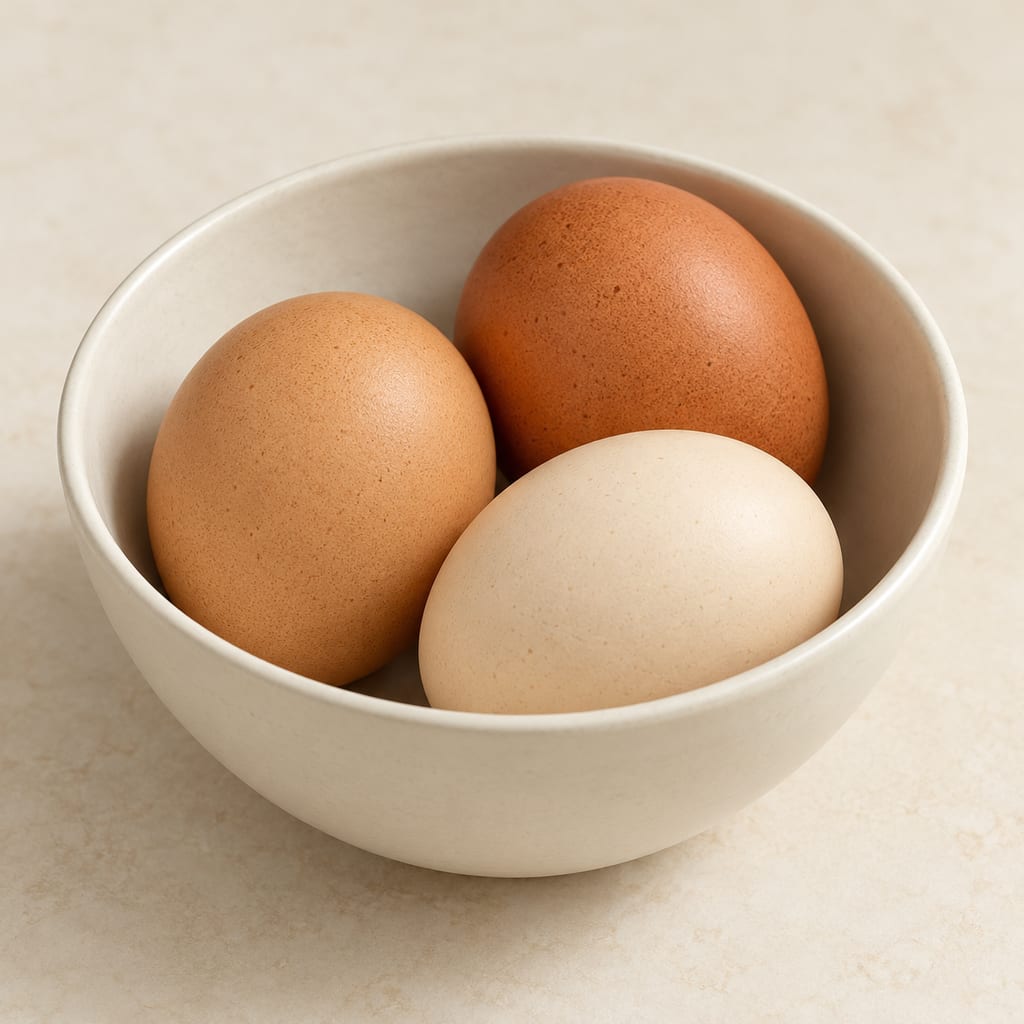
Chicken eggs supply proteins and yolk fats that set and emulsify. Atlas breads use them in enriched doughs, surface washes and a sourdough pancake batter mixed after fermentation.
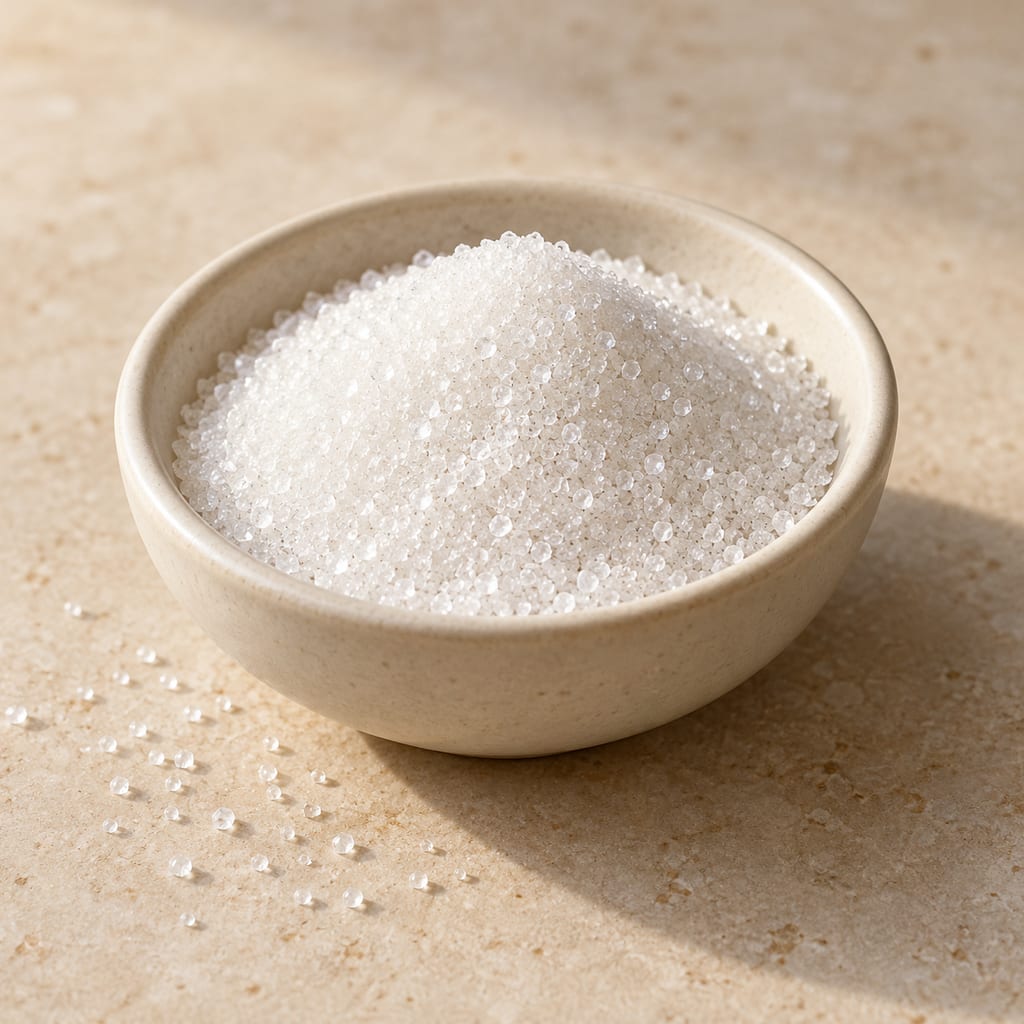
Granulated sugar is dry crystalline sucrose refined from cane or beet. It sweetens dough, feeds baking yeast, and helps set particular fruit spreads.
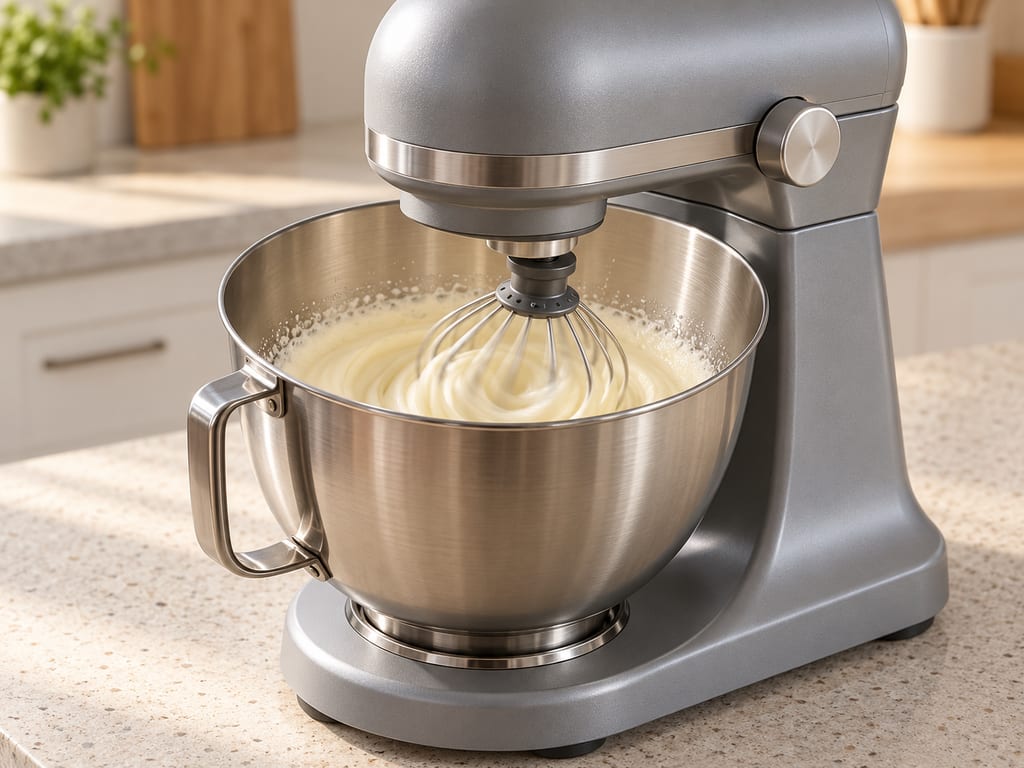
A stand mixer is a powered mixing machine built around a stationary base, a supported bowl and a driven beater or other tool. It can stir, beat, whip and knead; particular models may also accept separate accessories for other jobs.
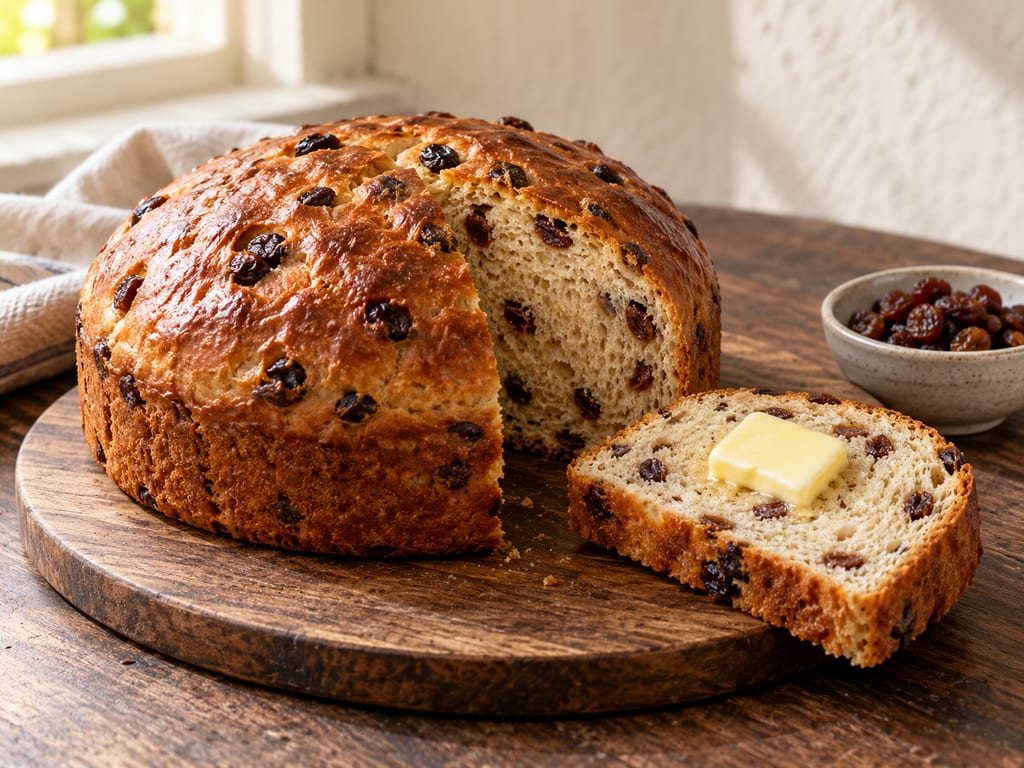
An Irish fruit-studded yeast loaf, associated in a contemporary cultural account with Halloween and often served fresh or toasted with butter.
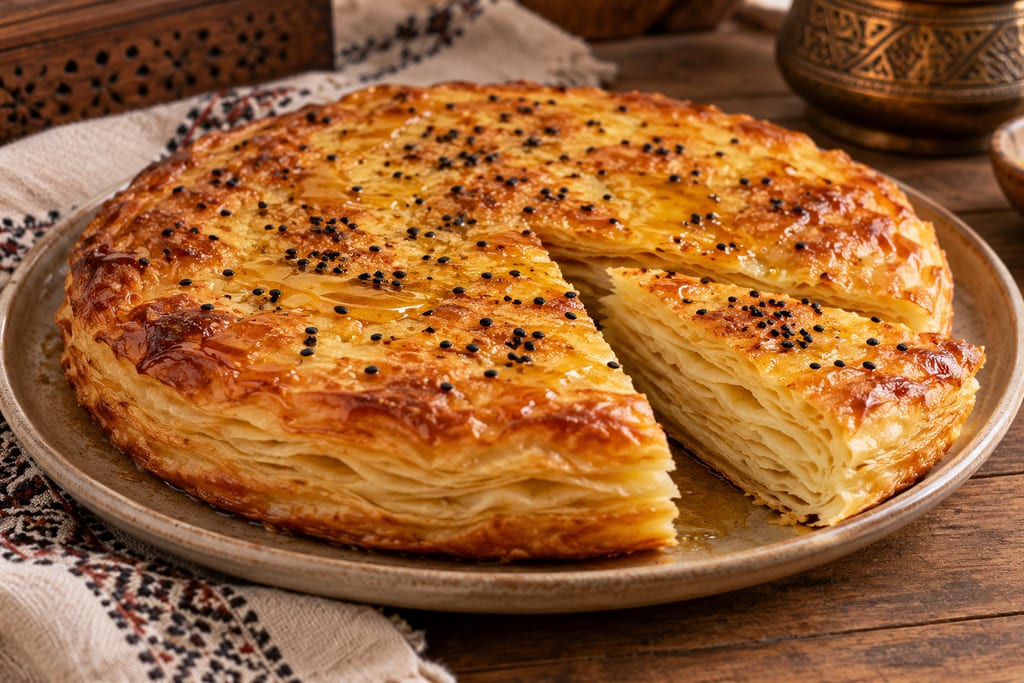
Bint al-sahn is a Yemeni celebration and home bread built from thin, egg-rich yeast dough layers brushed with ghee or butter. This source-specific version makes one round cake, baked until golden and served warm with honey.
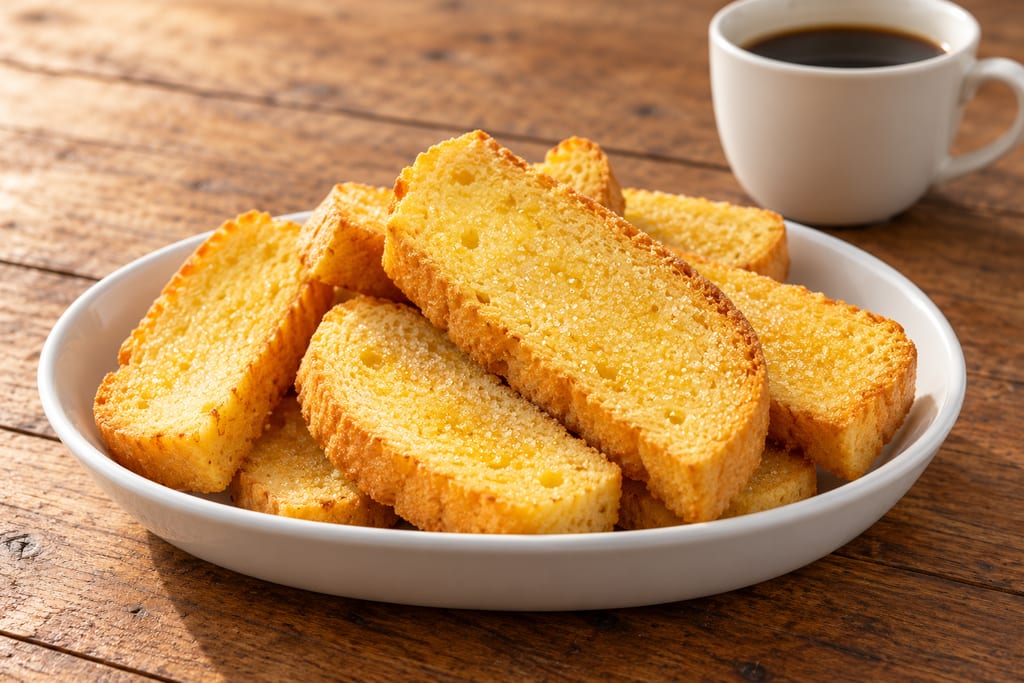
PagkainPinoy’s 24–30 piece version twice-bakes day-old soft bread with a thin butter-and-sugar coating.
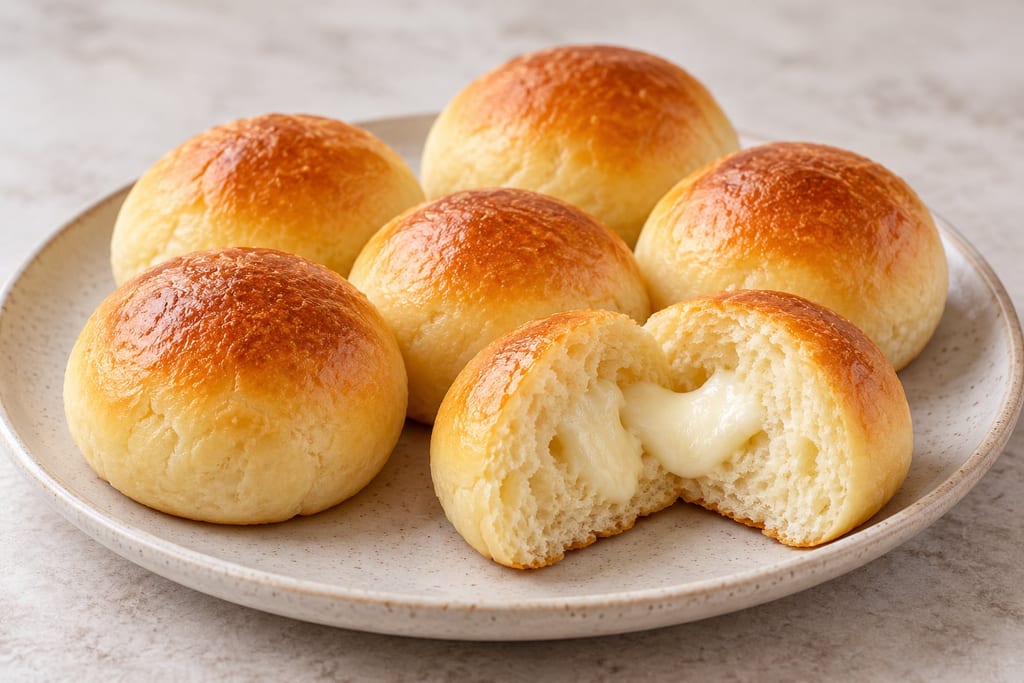
Soft Brazilian yeast rolls use cooked mashed potato in an enriched dough, with mozzarella cubes enclosed before baking.
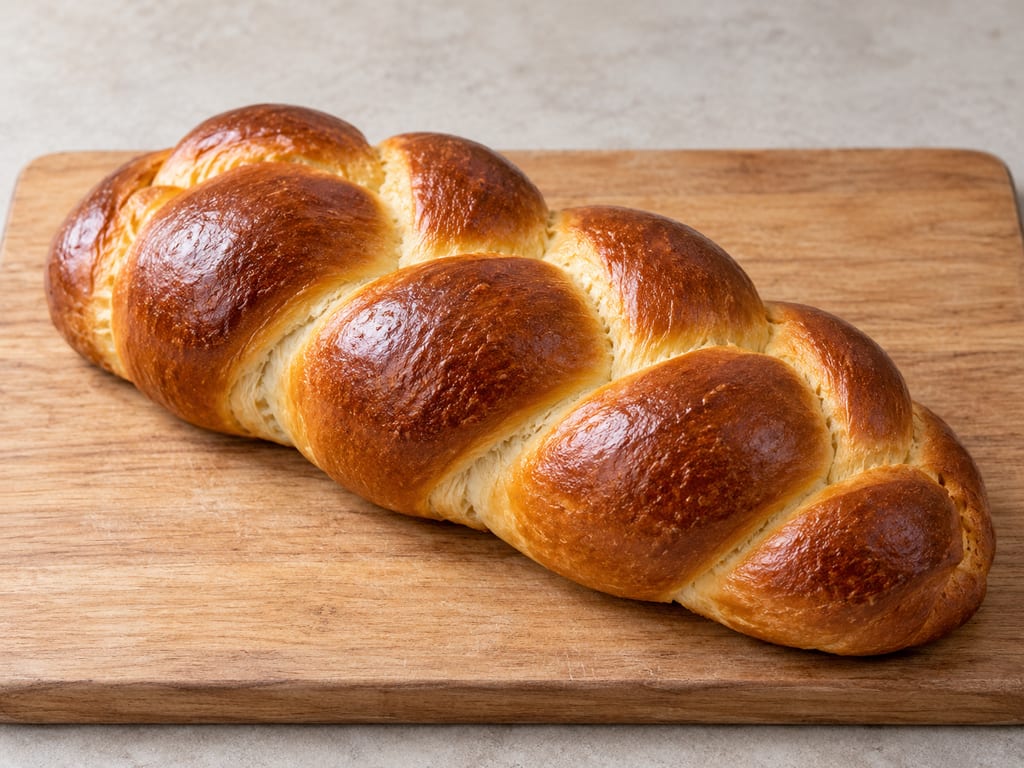
A three-strand yeast-raised challah with flour, salt, yeast, water, neutral oil, honey and egg, based on a Jewish Museum Vienna home recipe.
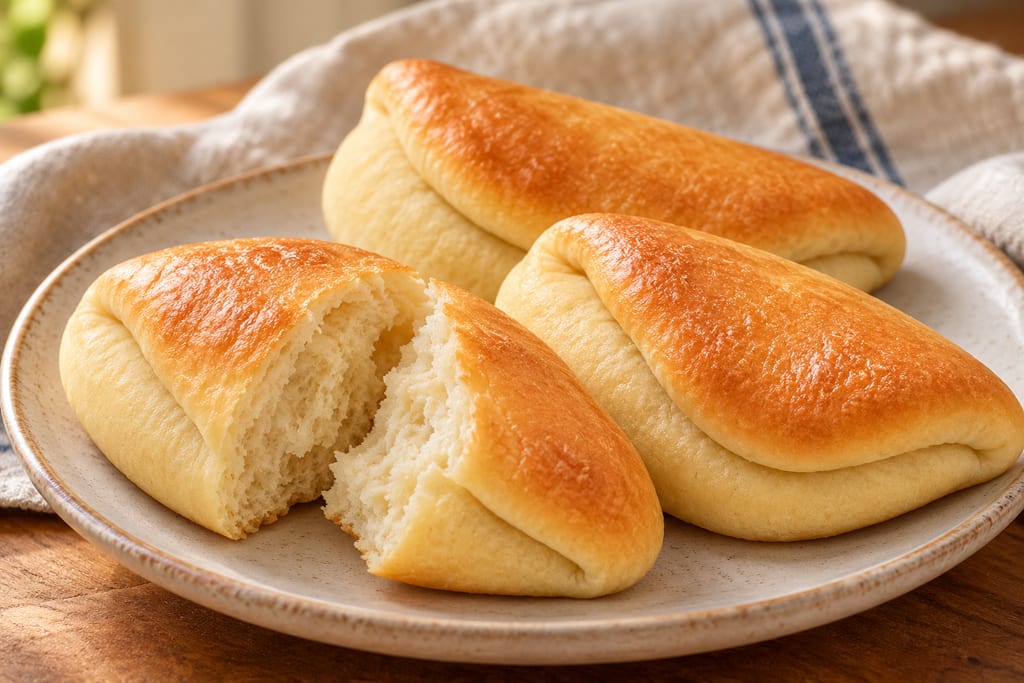
Jamaican-style folded rolls made from sweet coconut-milk yeast dough and brushed with butter.
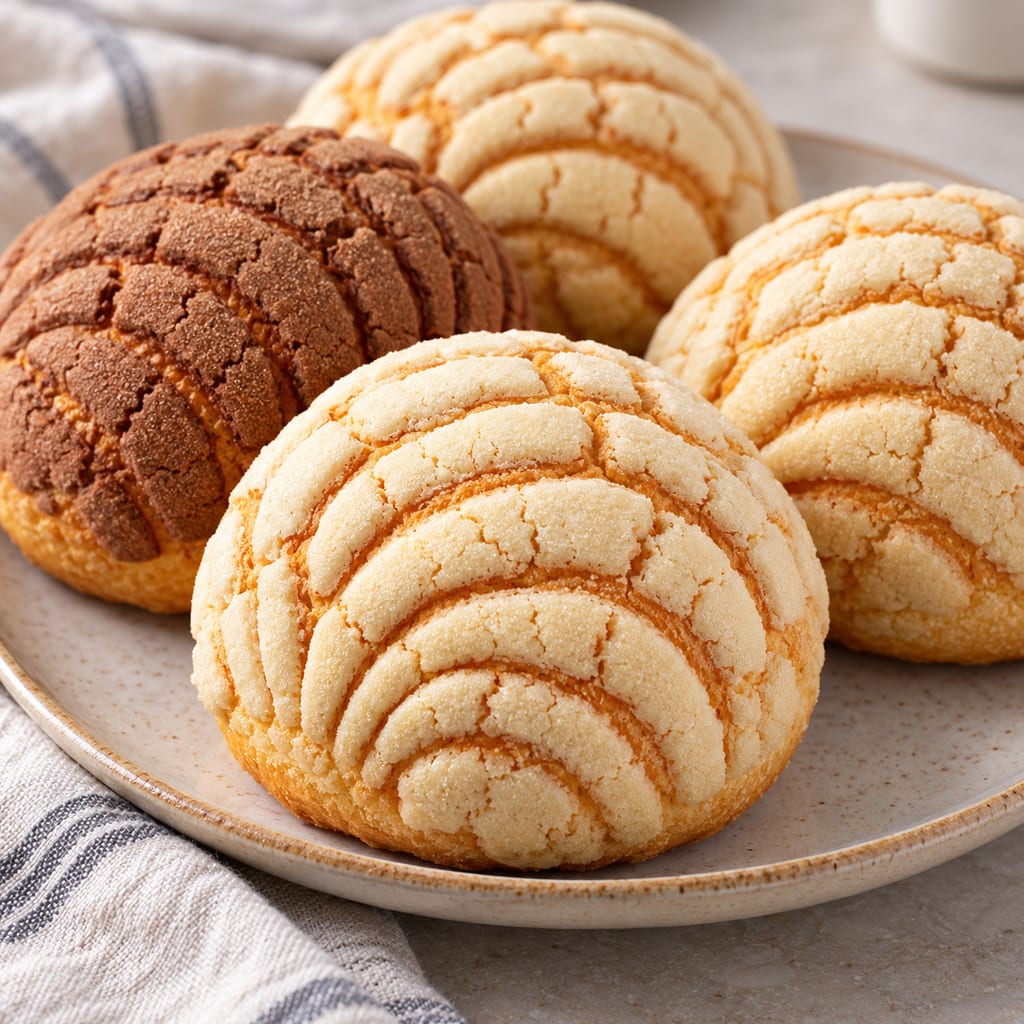
Mexican sweet rolls with a soft enriched yeast dough and a separate scored sugar-flour topping shaped like a shell. This version makes 15 rolls and uses a chilled dough rest before final proofing.
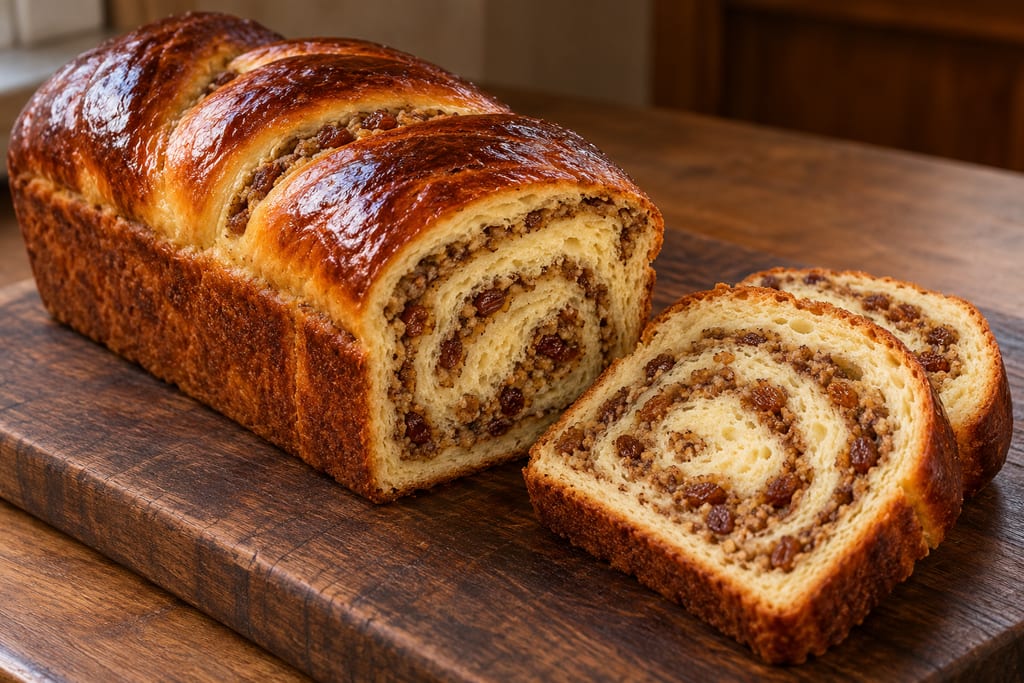
This Romanian cozonac recipe makes two enriched loaves filled with walnuts, sultanas and a whipped egg-white mixture. The dough rises once before filling and again in tins, then bakes in two oven stages.

A gelling polysaccharide extracted from red seaweeds, sold as kanten strips or powder; it sets firm at a low concentration and stays solid until about 85 °C.

A Dominican table and seasoning condiment of sour orange juice, mixed with lime and salt and bottled raw; garlic, oregano or a hot pepper may be added for meat or a spicier bottle.

Cicerbita alpina is an alpine perennial whose tender shoots and leaves have been eaten raw or cooked. Sámi milk preparations and modern Carnian dishes are distinct uses, with serious identification and preservation limits.

Japanese skipjack tuna cooked, then repeatedly smoked and dried over a wood fire by the hand-fired tebiyama method into a hard block for shaving into dashi: the first stage of katsuobushi.

A Swedish-style spirit vinegar made by fermenting neutral alcohol with live vinegar bacteria, with a separate guide to commercial ättika strengths.

A yeast-raised wheat ring shaped from a firm dough, briefly boiled and baked. This source-batch formula gives a gently malted crust and a chewy crumb.

A warm dip of garlic, anchovy and olive oil, often enriched with butter, that Piedmont serves over a flame with raw and cooked vegetables and bread.

Bechamel is a white sauce of milk thickened with a butter and flour roux, one of the French mother sauces, and the base from which Mornay and other cheese and cream sauces are made.
No community contributions have been published for this entry yet.
Sign in to contribute. Published comments and photos are free to read.
King Arthur BakingRecipe · Home method · Use
BriocheLines 220-248: update 21 September 2022, shapes, uses, timing and yield.
Lines 253-271: ingredient quantities and optional glaze.
Lines 280-304: mixer method, butter additions, rise, chill, shaping, proof and three bake paths; hand kneading is discouraged.
Direct current-page re-open 2026-10-26, lines 282-303: butter is added one piece at a time, taking 1-2 minutes each; two-loaf pans are 8 1/2 × 4 1/2 inches; source separately offers an extra-yolk braid glaze path, omitted from this recipe draft rather than mixed into its optional confectioners-sugar glaze.
Cited in: What is brioche?; Dough; Optional sweet glaze; Understanding the richness of the formula; Why the order of mixing matters; Stage 1 — Prepare the ingredients; Stage 2 — Mix without butter; Stage 3 — Add butter gradually; Stage 4 — Finish kneading; Stage 5 — First rise; Stage 6 — Refrigerated rest; Stage 7 — Choose a shape; Stage 8 — Shape and pan; Stage 9 — Final proof; Baking path A — One large round brioche; Baking path B — Twelve miniature brioches; Baking path C — Two medium loaves; Optional glaze; The microbiology of enriched dough; Eggs and emulsification; What butter does during mixing and baking; Why brioche browns quickly; Why the dough is refrigerated; Traditional shapes and regional forms; Serving brioche; Troubleshooting; Safety and storage; Raw dough handling and source endpoints
Académie françaiseLexical history
Brioche, Dictionnaire de l'Académie française, 9e éditionInspected BRIOCHE entry lines 828-834 records a fifteenth-century lexical derivation from Norman brier; this is word history, not food-origin proof.
Cited in: The documented history of brioche
Oxford University Press (ckbk)History · Identity
Brioche, The Oxford Companion to FoodDocumented history of brioche and its traditional shapes
Cited in: The documented history of brioche; Traditional shapes and regional forms
American Society of BakingTechnology
Brioche TechnologyWhy butter is added after gluten development
Enriched-dough browning behaviour
Cited in: Understanding the richness of the formula; Why the order of mixing matters; The microbiology of enriched dough; Eggs and emulsification; What butter does during mixing and baking; Why brioche browns quickly; Why the dough is refrigerated
ExploratoriumScience
Gluten and Fat in BriocheHow fat coats gluten strands and what that does to crumb and handling
Cited in: Understanding the richness of the formula; Why the order of mixing matters; Eggs and emulsification; What butter does during mixing and baking
U.S. Food and Drug AdministrationGeneral food safety context
Are You Storing Food Safely?FDA consumer guidance says eggs and other foods requiring refrigeration should not sit at room temperature more than two hours, or one hour above 90°F, and recommends a refrigerator at or below 40°F.
This is general consumer storage advice; it does not validate or invalidate a yeast-dough proofing schedule.
U.S. Food and Drug AdministrationEgg handling
What You Need to Know About Egg SafetyFDA advises purchasing eggs from refrigerated display and storing them promptly at 40°F (4°C) or below; it also recommends washing hands and utensils after raw egg contact.
The consumer guidance describes egg handling and egg dishes but does not assess yeast-dough proofing.
Cited in: Safety and storage; Raw dough handling and source endpoints
Centers for Disease Control and PreventionRaw dough handling
Raw Flour and DoughRaw flour and eggs can contain germs; CDC advises not eating raw dough and cleaning after handling flour, eggs or dough.
Cited in: Safety and storage; Raw dough handling and source endpoints