
Birch sap vinegar
Vinegar from spring birch sap fermented to alcohol and then acetic acid, usually with added sugar or honey because the sap is so dilute; made in Sweden and described in older eastern European accounts.
 FermenteaWhere food goes to change
Cozonac · Romanian cozonac · Christmas cozonac · Easter cozonac
This Romanian cozonac recipe makes two enriched loaves filled with walnuts, sultanas and a whipped egg-white mixture. The dough rises once before filling and again in tins, then bakes in two oven stages.
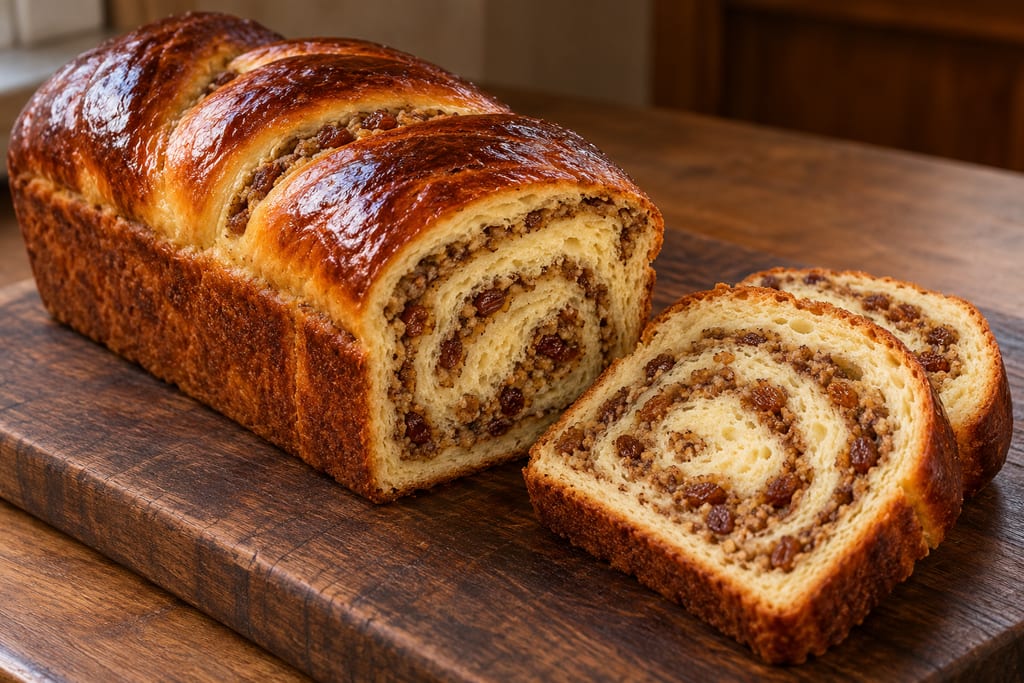
Irina Georgescu describes cozonac as a Romanian sweet bread served at Easter and Christmas. Her recipe from Tava makes two medium loaves filled with walnuts and sultanas, with orange blossom water in the filling and orange zest in the dough. This is one published recipe, not a universal formula for Romanian or Moldovan households.
The recipe builds an enriched yeast dough with milk, eggs, soured cream and butter. Each loaf is formed by twisting two filled dough logs together. Georgescu pairs that shaping with two warm proofs and a bake that starts at 160°C fan and finishes at 140°C fan. The recipe card calls for a clean skewer as its doneness cue and gives no measured internal temperature or shelf-life claim.
Irina Georgescu presents this particular cozonac as a Romanian sweet bread served at Easter and Christmas. Her recipe from Tava documents one modern two-loaf formula; it does not establish the earliest attestation or represent all Romanian or Moldovan household practices.
Yield 2 medium loaves · Scaling: source batch only
Raw flour can carry germs; do not taste the uncooked dough or filling.
Hazard sourceThe dough, filling and glaze contain eggs; bake the loaves fully before eating. The source’s clean-skewer check is a cooking cue, not a validated internal-temperature limit.
Hazard sourceThe oven and loaf tins can cause burns.
Hazard sourceDo not taste raw dough or filling; bake the loaves before eating and use the source's skewer cue to check the centre.
Control sourceUse oven protection when handling the hot tins and wire rack.
Control sourceContains wheat, milk, eggs and walnuts. The filling contains uncooked egg whites until the loaves are baked.
The source labels the recipe Romanian and associates it with Easter and Christmas. No locality is given, and this formula is not treated as representative of all Romanian or Moldovan versions.
Vinegar from spring birch sap fermented to alcohol and then acetic acid, usually with added sugar or honey because the sap is so dilute; made in Sweden and described in older eastern European accounts.

Zacusca is a Romanian and Moldovan spread of roasted eggplant and sweet peppers cooked down with onion, tomato and oil, made in quantity in autumn and kept in jars for winter.
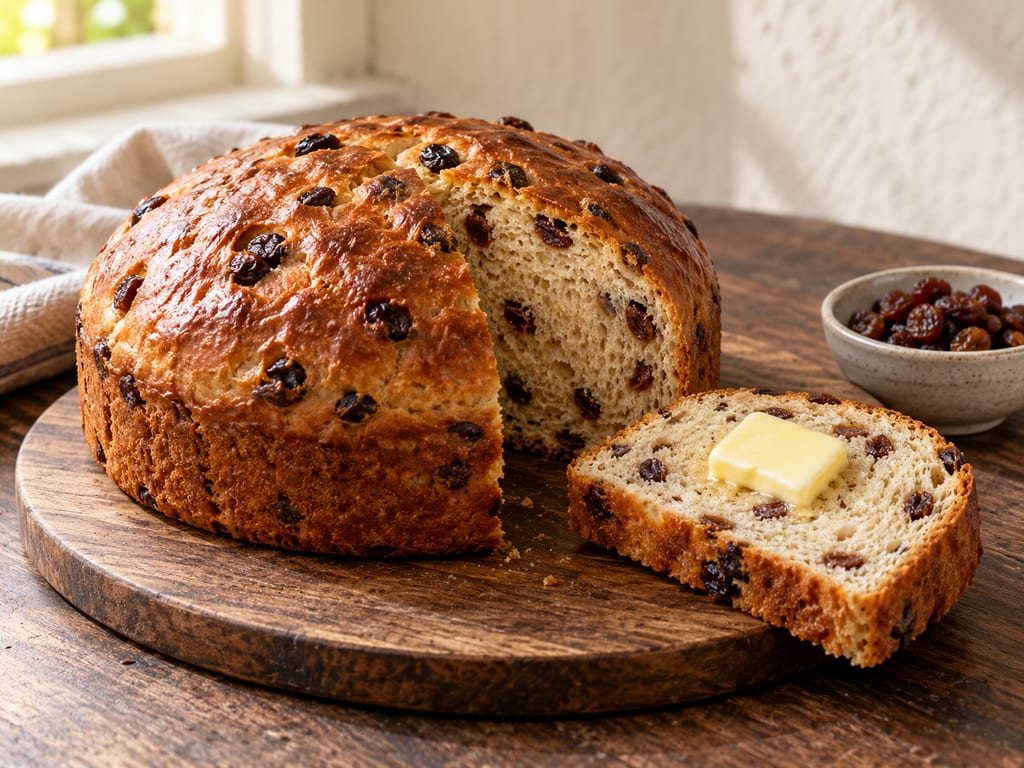
An Irish fruit-studded yeast loaf, associated in a contemporary cultural account with Halloween and often served fresh or toasted with butter.
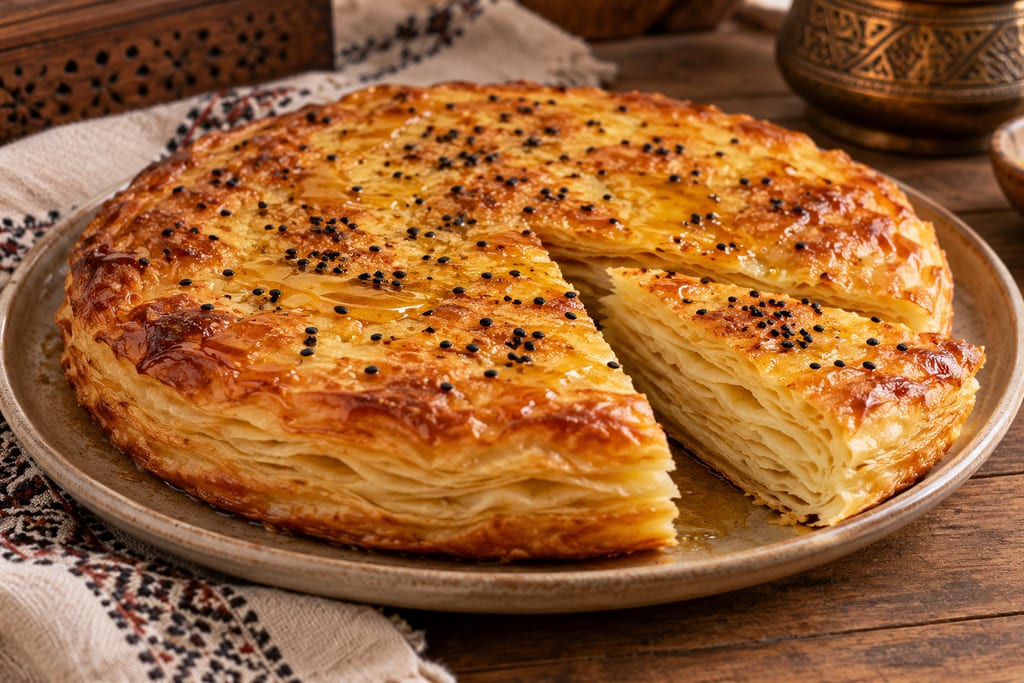
Bint al-sahn is a Yemeni celebration and home bread built from thin, egg-rich yeast dough layers brushed with ghee or butter. This source-specific version makes one round cake, baked until golden and served warm with honey.
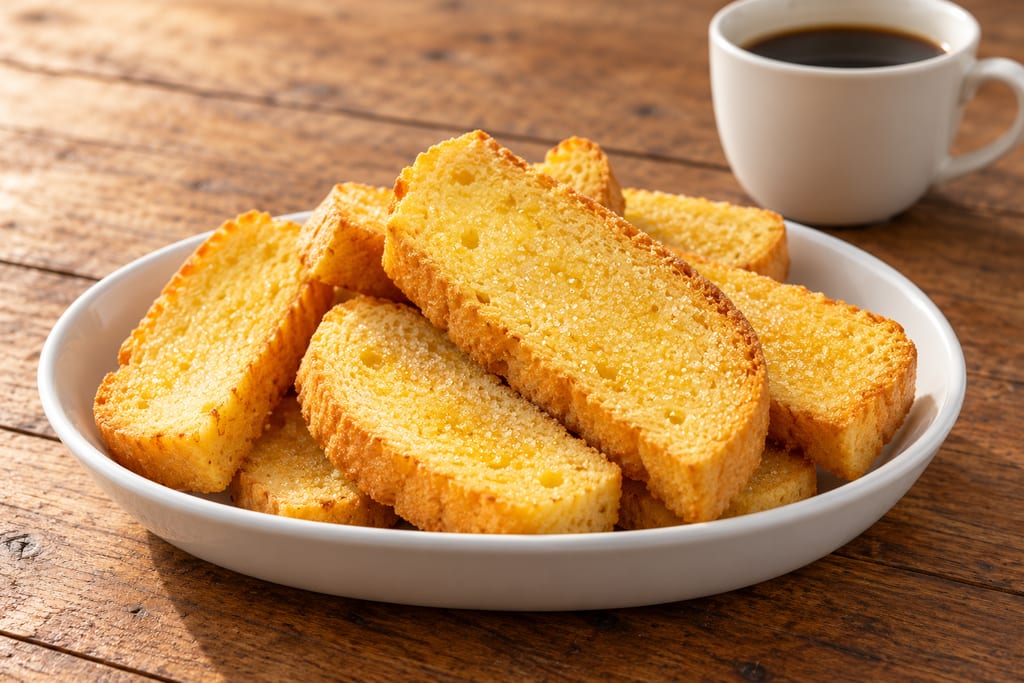
PagkainPinoy’s 24–30 piece version twice-bakes day-old soft bread with a thin butter-and-sugar coating.
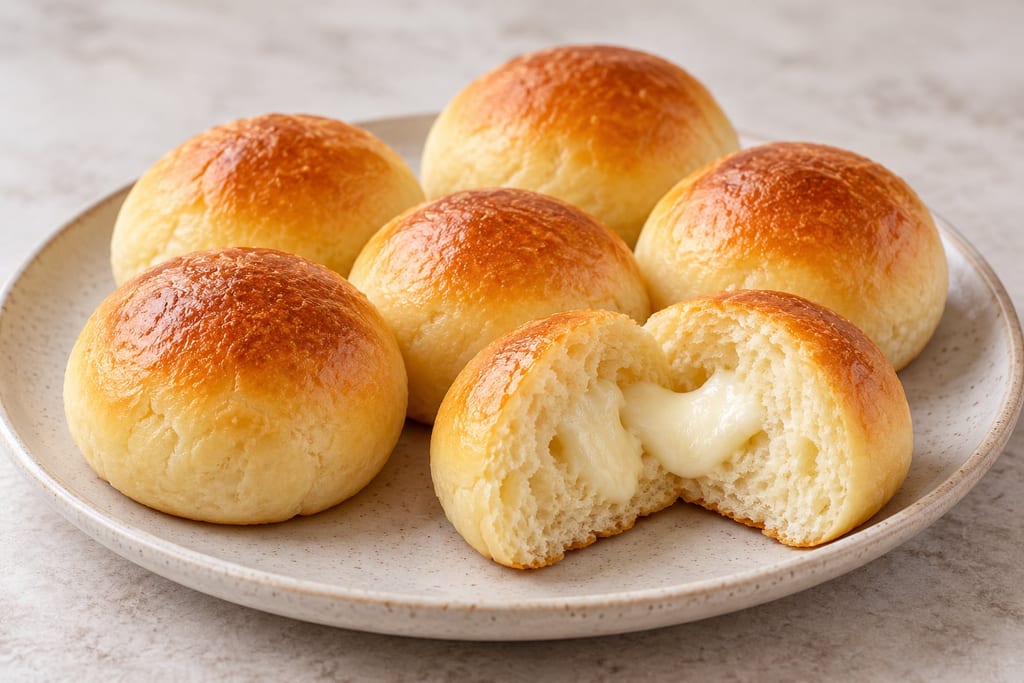
Soft Brazilian yeast rolls use cooked mashed potato in an enriched dough, with mozzarella cubes enclosed before baking.
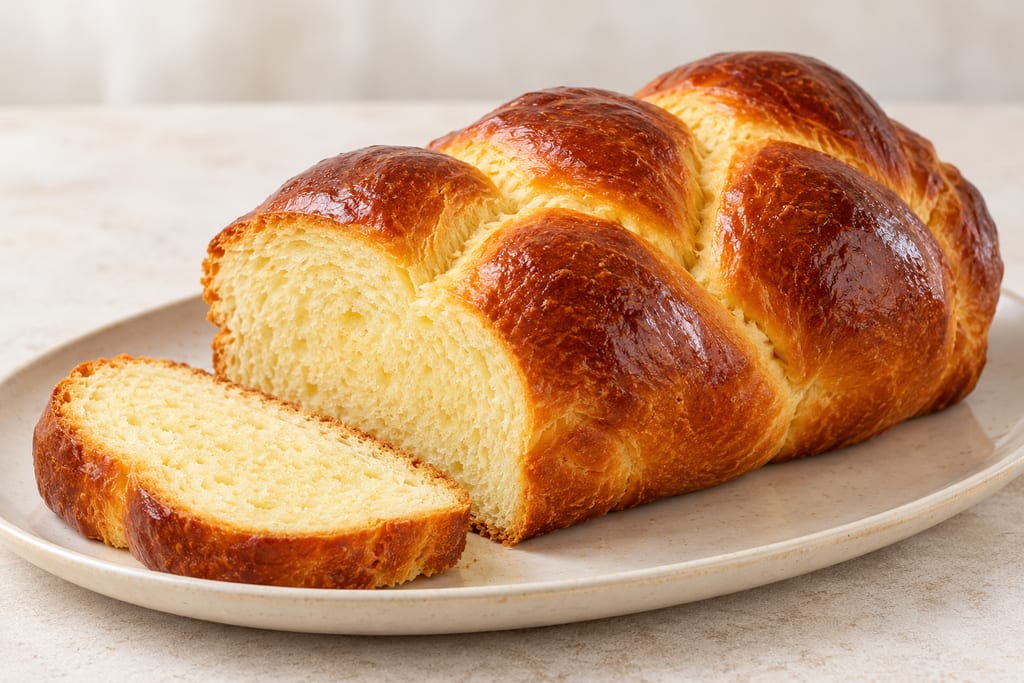
An egg-and-butter-rich yeast dough shaped as one round loaf, two loaves or twelve small brioches, with baking paths that vary by shape.
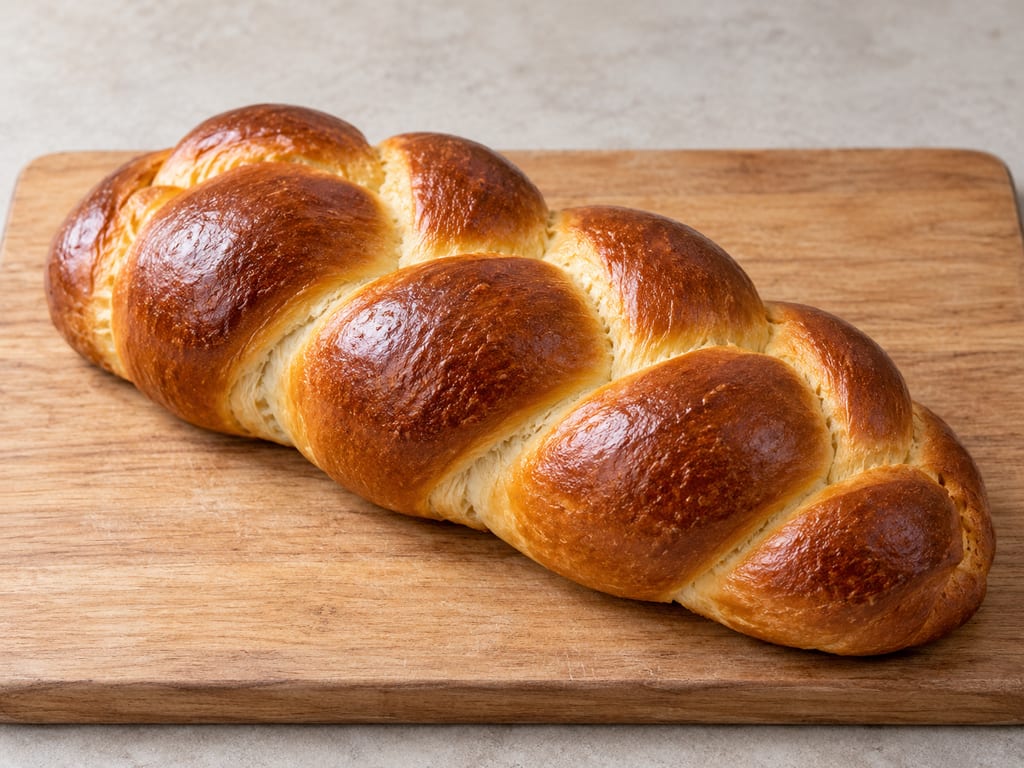
A three-strand yeast-raised challah with flour, salt, yeast, water, neutral oil, honey and egg, based on a Jewish Museum Vienna home recipe.
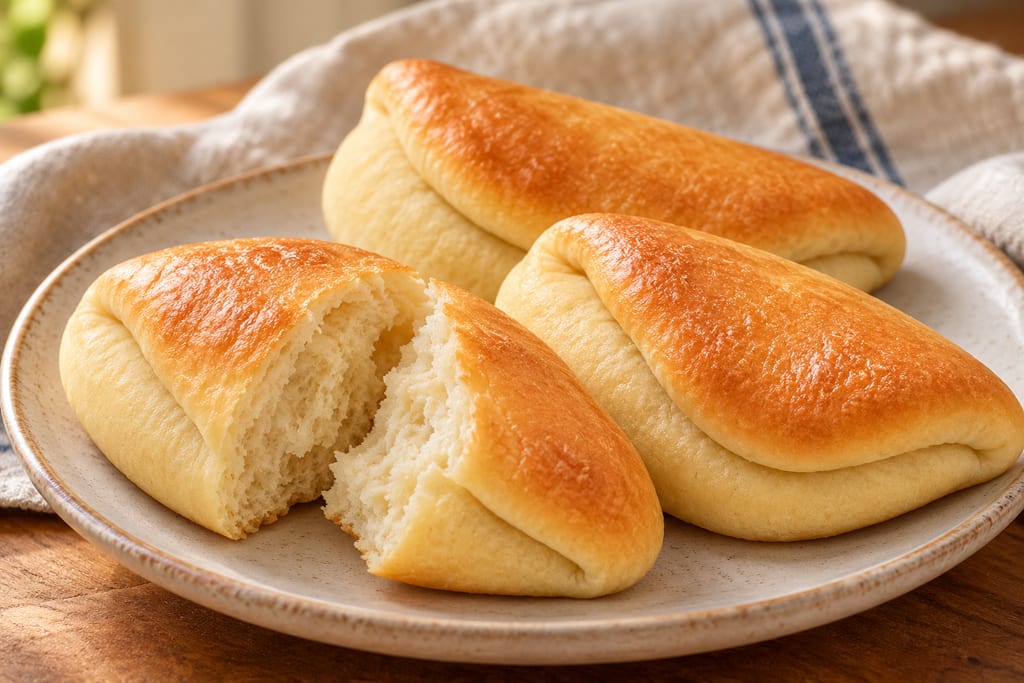
Jamaican-style folded rolls made from sweet coconut-milk yeast dough and brushed with butter.
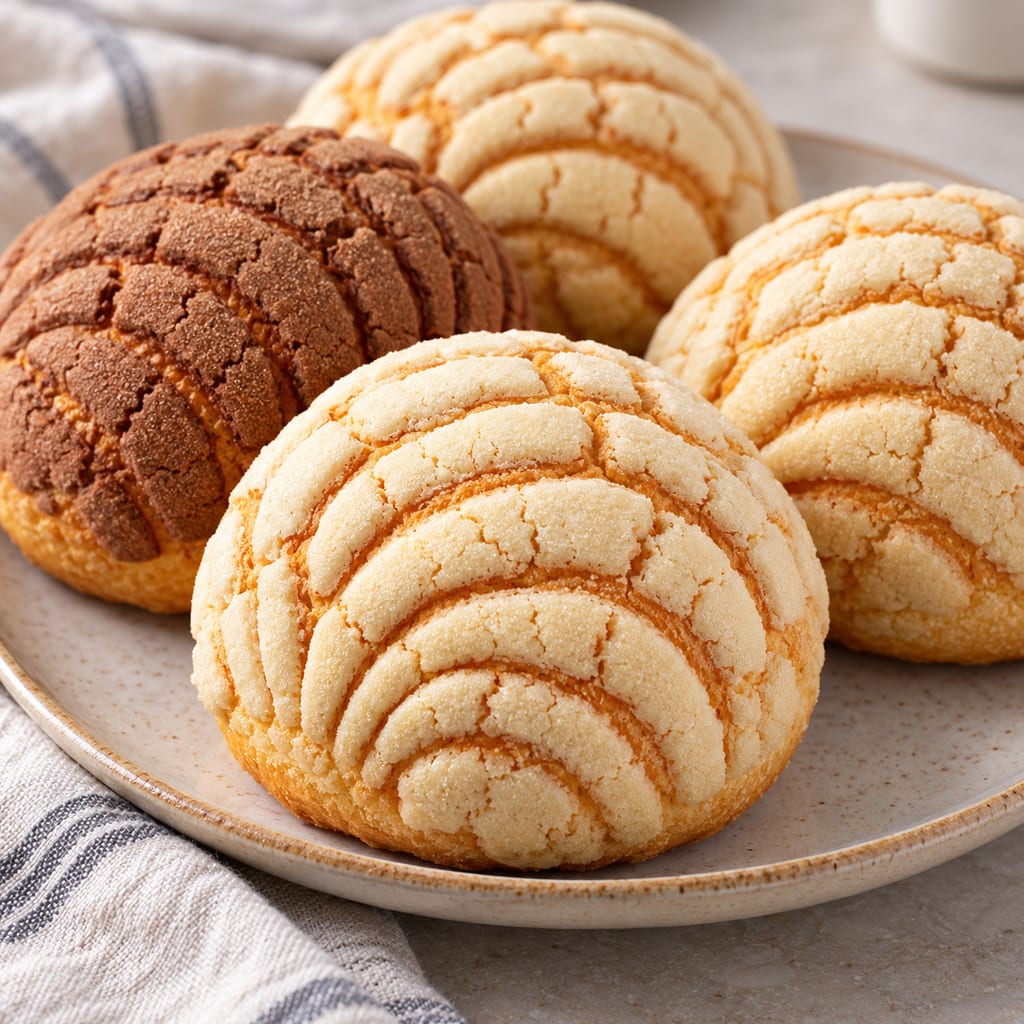
Mexican sweet rolls with a soft enriched yeast dough and a separate scored sugar-flour topping shaped like a shell. This version makes 15 rolls and uses a chilled dough rest before final proofing.
No community contributions have been published for this entry yet.
Sign in to contribute. Published comments and photos are free to read.
Nourish Magazine; recipe from Tava by Irina GeorgescuRomanian identity and holiday context · Ingredients and quantities · Method · Yield and equipment · Timing and baking endpoint
Cozonac (Romanian Christmas and Easter bread) recipeThe page identifies cozonac as a traditional Romanian sweet bread served at Easter and Christmas and attributes this recipe to Irina Georgescu’s Tava. It says the batch makes two medium loaves, each serving 10.
The formula lists 600 g strong white bread flour, 14 g fast-action dried yeast, 200 ml warmed whole milk, five medium eggs, 150 g golden caster sugar, 1 tbsp vanilla extract, 150 g room-temperature soured cream, zest of one large orange, 80 g melted unsalted butter and sunflower oil for greasing.
The walnut-sultana filling uses 150 g walnuts, 150 g sultanas, 1 tbsp milk, 1 tbsp orange blossom water, 75 g caster sugar and the whites of two eggs; the fifth egg is used for the glaze.
The method specifies a 5–8 minute initial mix, 1½-hour first rise, dividing the dough into four, rolling and filling four pieces, twisting the logs in pairs into two loaves in two 10 × 21 cm tins, a 30-minute second proof, 20 minutes at 160°C fan followed by 30 minutes at 140°C fan, a clean-skewer doneness cue, optional foil if tops darken, and the stated cooling sequence.
The recipe card states one hour hands-on and 50 minutes in the oven; it does not establish a measured proofing temperature or food-safety internal temperature.
Cited in: One Romanian holiday loaf
Centers for Disease Control and PreventionRaw flour and dough safety
Raw Flour and DoughRaw flour can carry germs; people should not eat raw dough.
National Fire Protection AssociationHot oven safety
Educational Messages Desk ReferenceUse care around cooking heat and hot equipment.