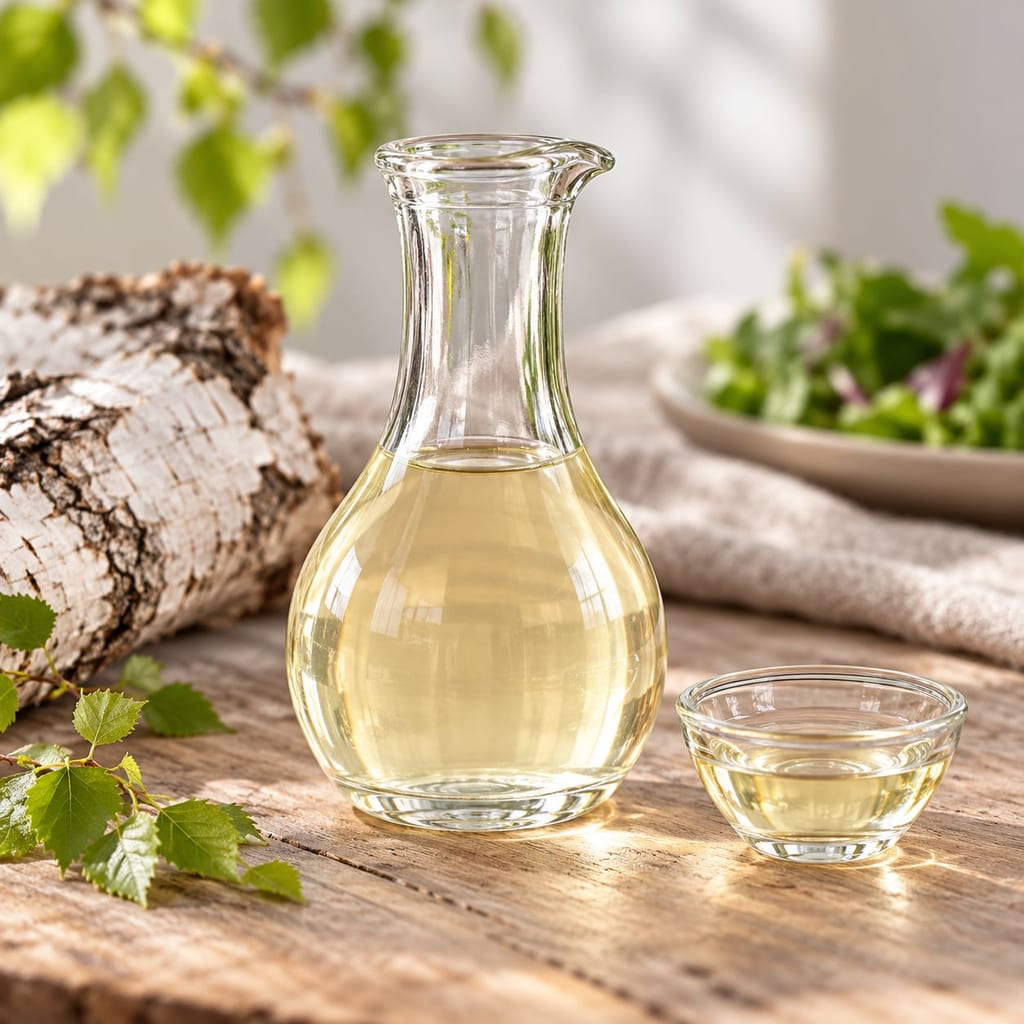
Birch sap vinegar
Vinegar from spring birch sap fermented to alcohol and then acetic acid, usually with added sugar or honey because the sap is so dilute; made in Sweden and described in older eastern European accounts.
 FermenteaWhere food goes to change
Zacuscă · Zacuscă · zakuszka · Zacusca de vinete
Zacusca is a Romanian and Moldovan spread of roasted eggplant and sweet peppers cooked down with onion, tomato and oil, made in quantity in autumn and kept in jars for winter.

Zacusca is a roasted vegetable spread of Romania and Moldova, and it is also known in Hungary as zakuszka. The name is given as Slavic, meaning roughly appetiser, breakfast or snack. Cooks traditionally make it after the autumn harvest, in a large batch that is canned to last through winter.
The sources read give no dates for the spread and no named first maker. Its origin in Romania is stated, not documented, and the same is true of its spread into neighbouring places. Its history therefore stays open.
The base is eggplant roasted until the flesh is soft and the skin blackens, with sweet peppers roasted the same way. Traditional versions use gogosar, a fleshy red pepper; Romano or red bell peppers are given as substitutes. Roasting gives the spread its smoky, cooked flavour, and the charred skin is peeled away.
Yumsome says the eggplant skin may be scraped or discarded, and the author advises against draining the roasted vegetables, because their juices add flavour.
Onion is fried gently in oil with salt until cooked but not caramelised. The roasted vegetables are then blitzed to a coarse mash and added with tomato, bay leaves and black pepper. Sources differ on the tomato: Wikibooks uses tomato paste, Yumsome uses passata.
The mixture is simmered with frequent stirring. Wikibooks gives no fixed time and cooks until the oil rises to the surface; Yumsome gives about an hour. The sources do not agree on this endpoint, so a cook should judge it by the texture and the oil on the surface.
Hot spread is ladled into sterilised jars with headspace and sealed. Yumsome gives an oven method at 110 C and a pan method of about 30 minutes at a boil, and says unopened jars keep in the pantry for at least a year. Wikibooks gives no sealing or processing method and says canning safety is not covered.
These processing steps are the sources' own advice. They are not a tested preservation process, and the spread should be refrigerated after opening and used within a few days to a week.
Households vary the recipe. Mushroom versions are a recognised branch, and bean versions appear in the sources. Moldovan cooks add carrots, which makes the spread sweeter. Some cooks also add carrots or celery, and recipes differ between regions and families.
Related Balkan and regional spreads include ajvar, pindjur, ljutenica, the Turkish biber salcasi made from red pepper alone, and the Bulgarian kyopolou. These are related foods, not the same recipe.
The spread is traditionally made in large batches after the autumn harvest and canned for winter. The name is given as Slavic, meaning roughly appetiser, breakfast or snack.
The dish's first written record and its originators are not identified in the sources read. Its claimed origin in Romania is the Wikipedia article's own statement.
Yield 4 jars · Scaling: source batch only
A cooked vegetable spread with oil, onion and tomato is not an acidified product, and the sources give no tested acidity or processing method for jars kept at room temperature.
Hazard sourceYumsome warns about the risk of burns when ladling the hot spread.
Hazard sourceRefrigerate after opening and use promptly
Control sourceThe jar-handling advice in these recipes is not a validated preservation process. Use a tested canning reference before storing at room temperature, and refrigerate once opened.
Named as the place of origin by the Wikipedia article; no dates given.
Listed among the places where the spread is popular.
Called zakuszka there.
Vinegar from spring birch sap fermented to alcohol and then acetic acid, usually with added sugar or honey because the sap is so dilute; made in Sweden and described in older eastern European accounts.
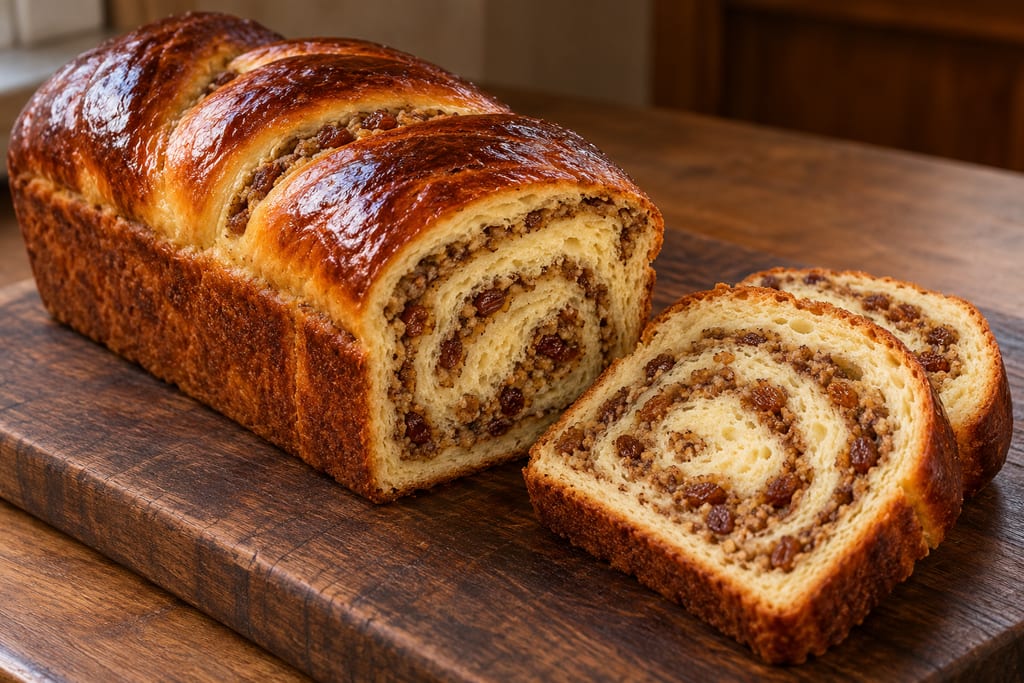
This Romanian cozonac recipe makes two enriched loaves filled with walnuts, sultanas and a whipped egg-white mixture. The dough rises once before filling and again in tins, then bakes in two oven stages.
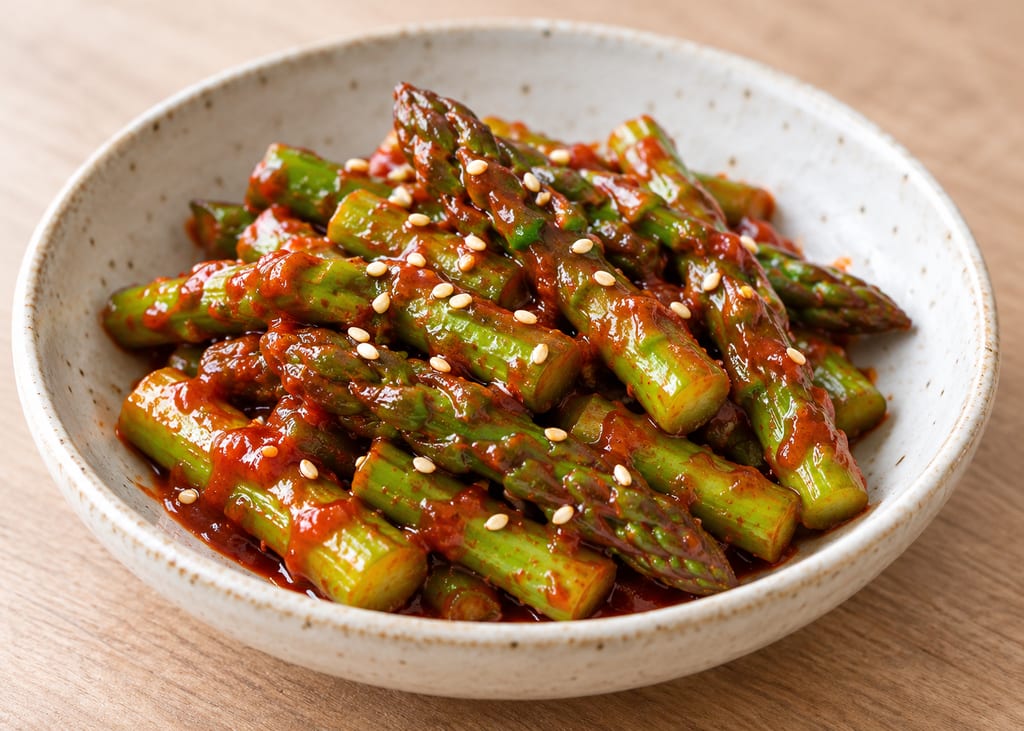
A Korean banchan of blanched asparagus dressed with a sweet-sour cho-gochujang sauce; Hyosun's version cools the spears in ice water before tossing.
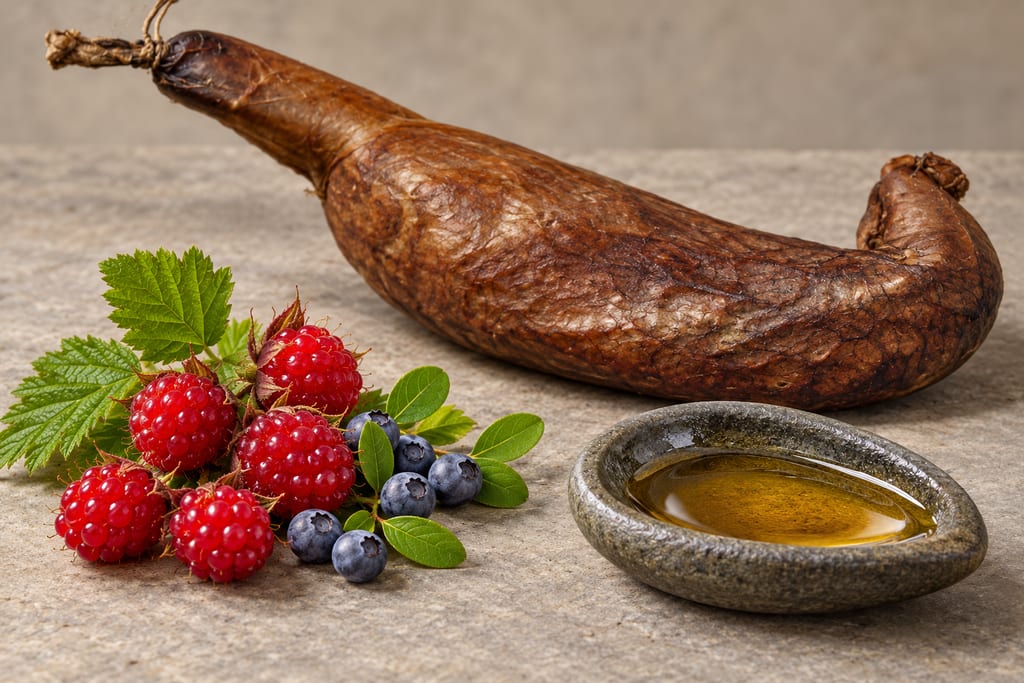
Berries, greens and fish eggs were kept in seal oil by Indigenous Alaskan communities. The oil seals the food from air, and the result depends on preparation and the surrounding conditions.
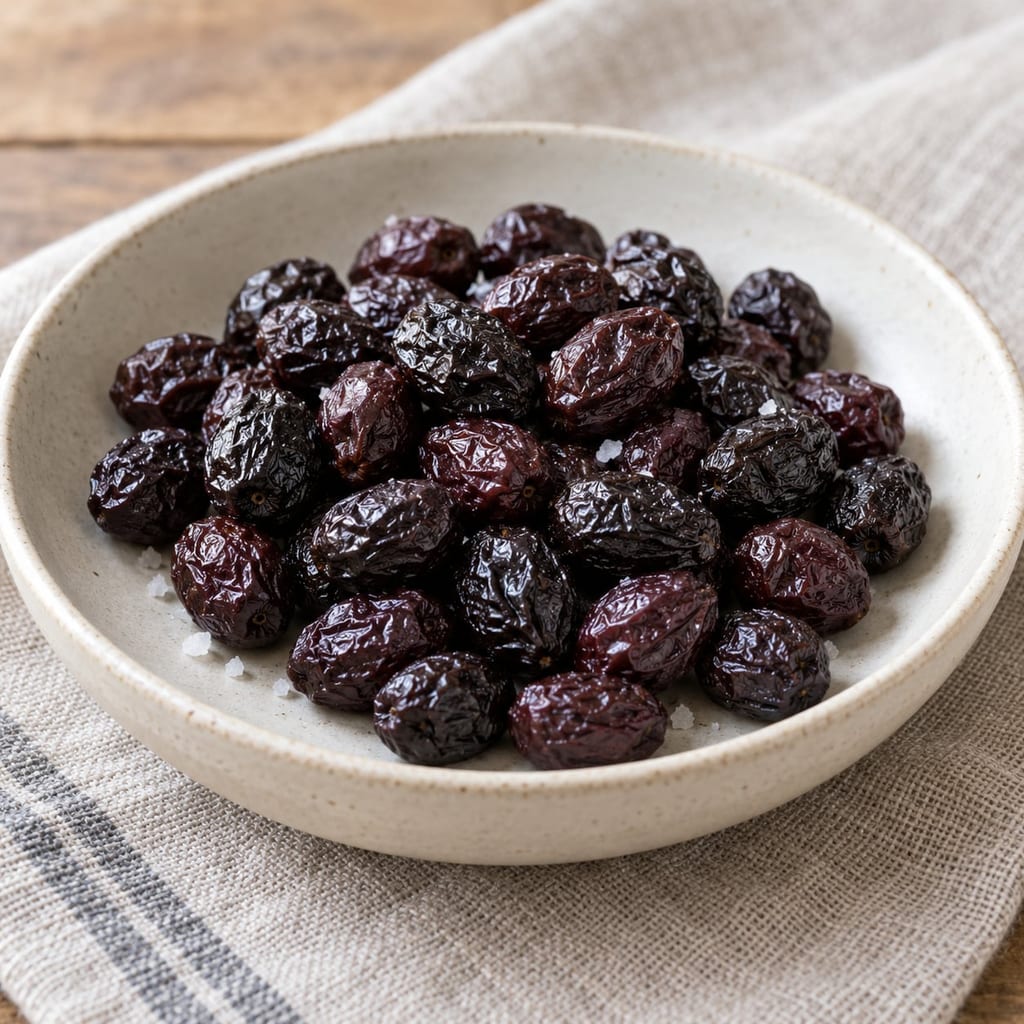
Fully ripe dark olives are mixed with salt and turned weekly as salt draws out moisture. Distinct from existing brine-fermented and lye-treated olives.
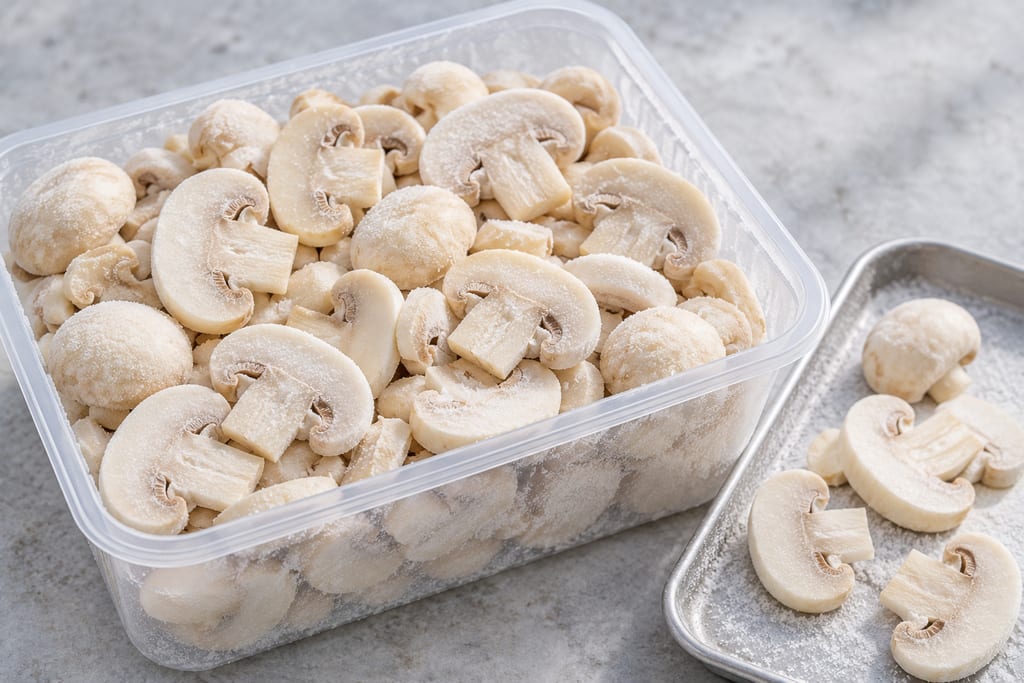
Steam-blanched frozen mushrooms are whole, button, quartered or sliced mushrooms given a short steam treatment, cooled promptly, packed with headspace and kept frozen.
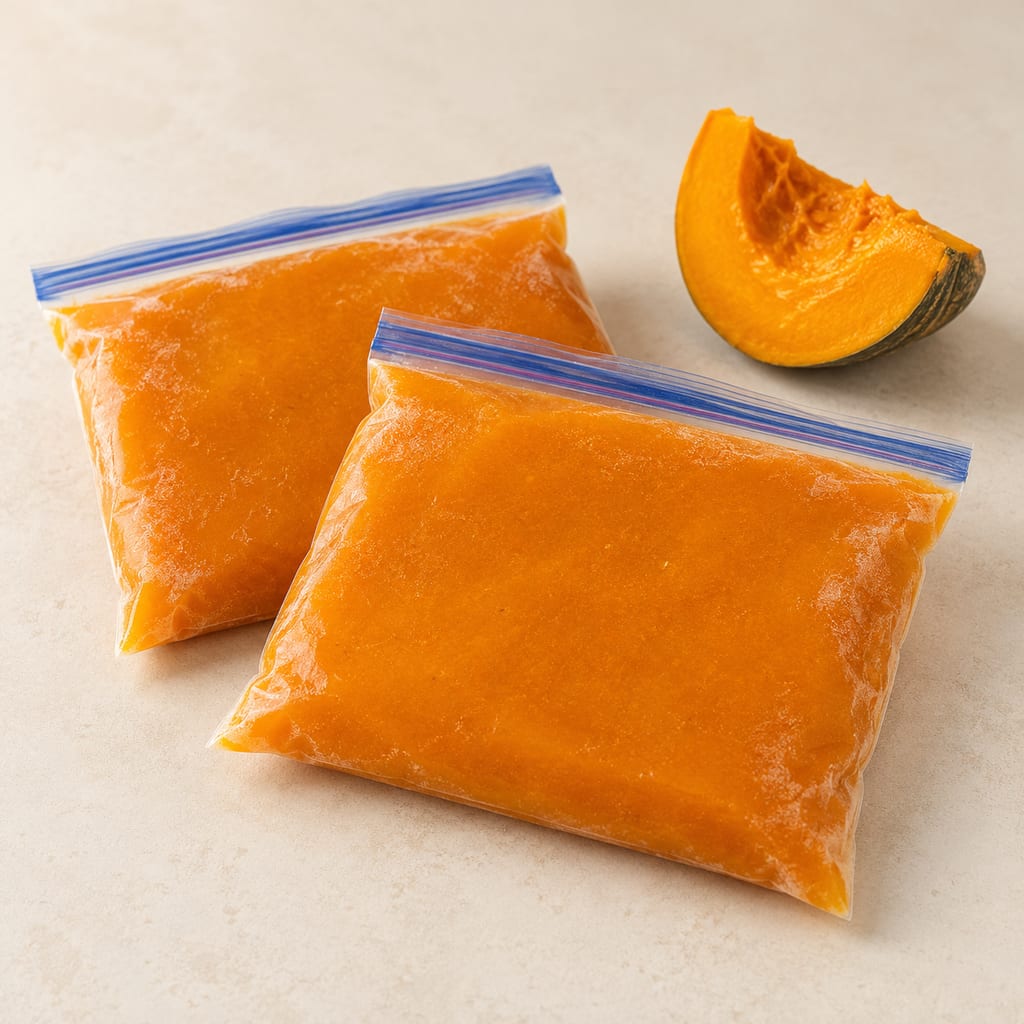
Cooked pumpkin mashed, cooled and frozen in portions: a plain base for pies, soups and baking without canning a dense purée.
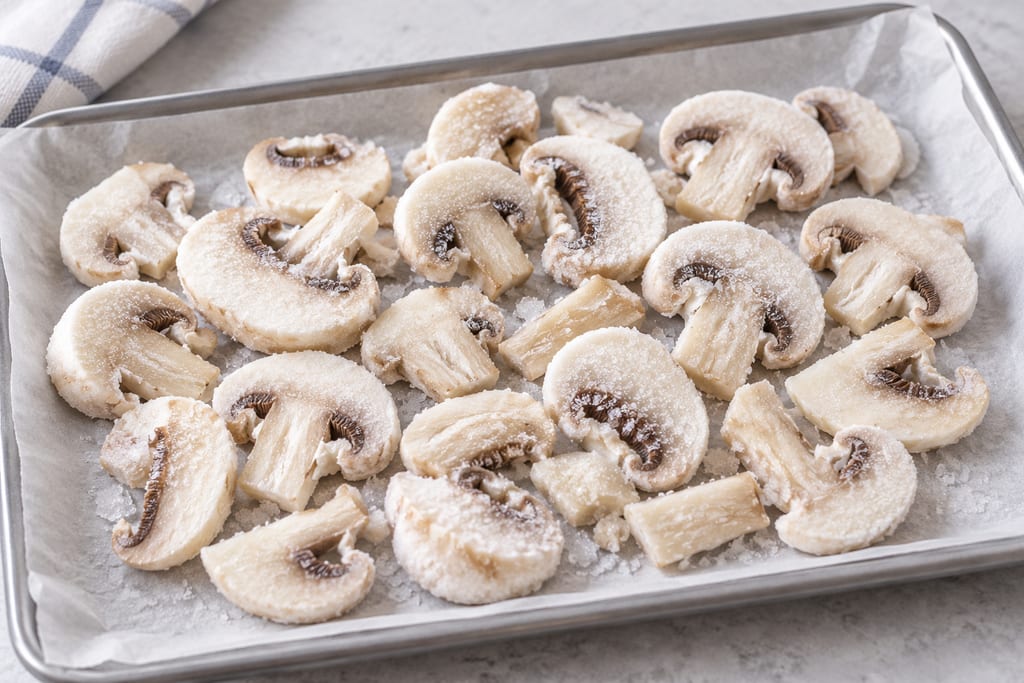
Frozen raw mushrooms are cleaned mushrooms frozen without a preheating step, the variant a Japanese forest-volunteer manual describes beside its cooked version.
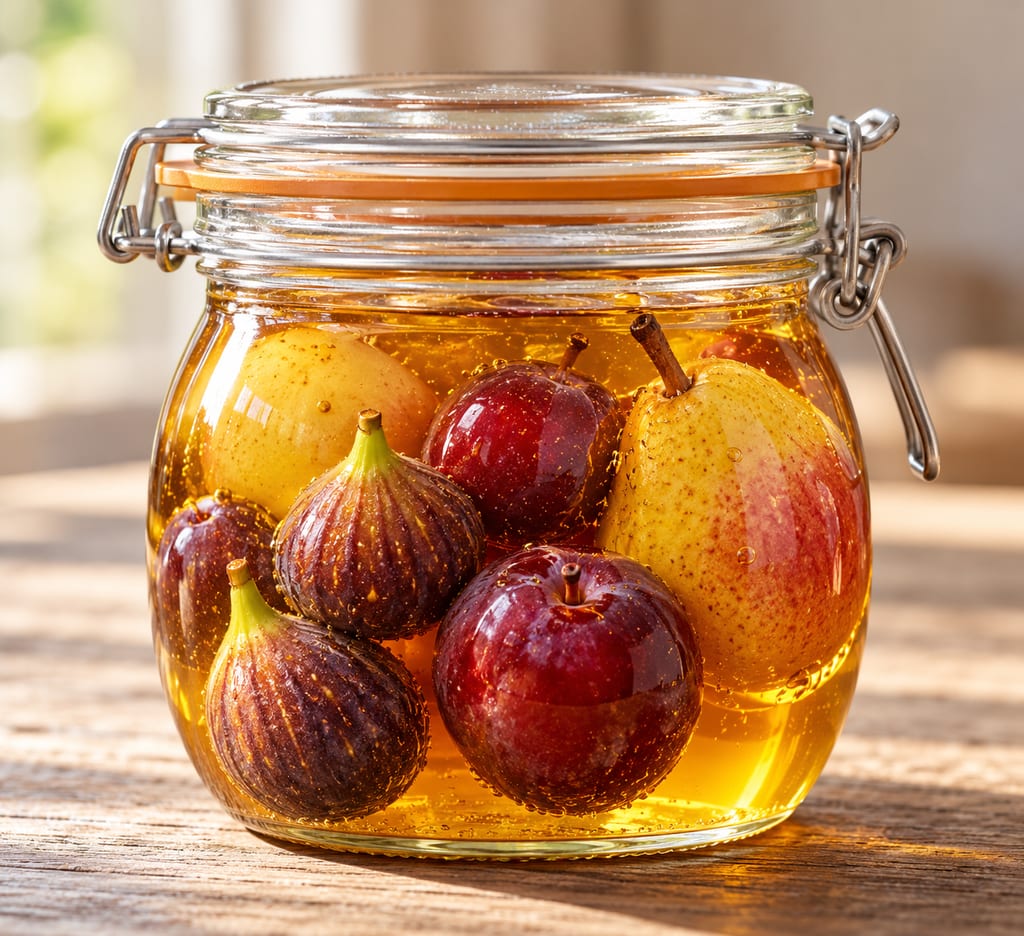
Fruit and some other foods were placed in honey in ancient Mediterranean kitchens. The honey's concentrated sugar does the preserving, and wet ingredients weaken it.
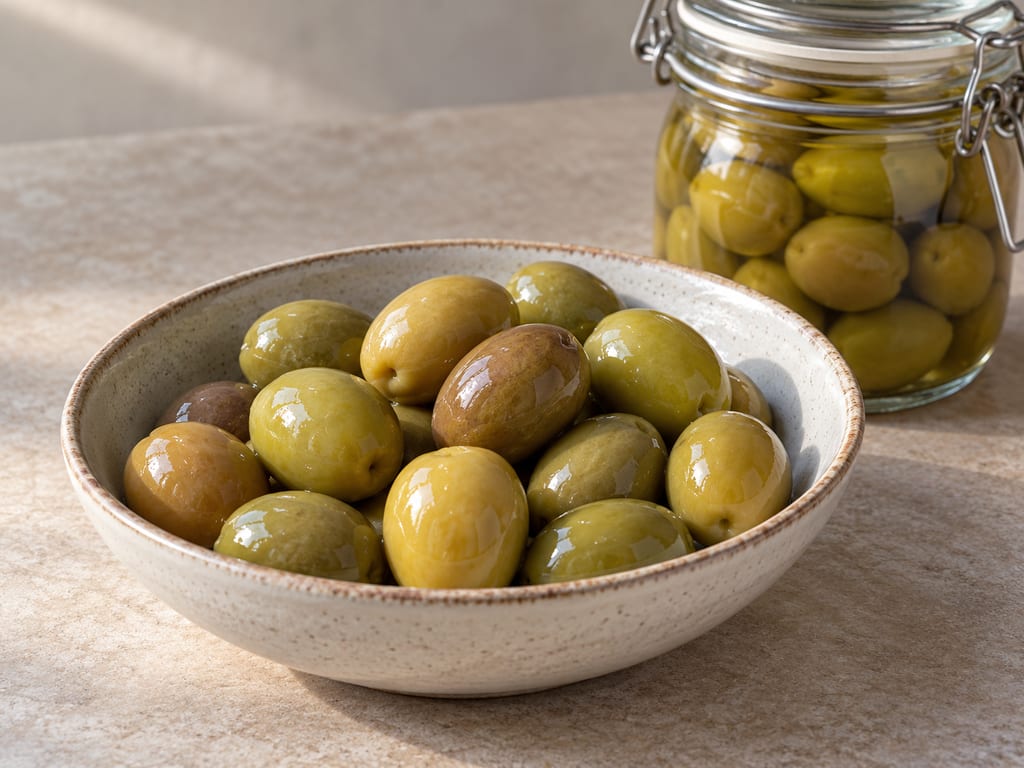
Green olives debittered in a sodium hydroxide solution, then rinsed repeatedly and held in brine, by the University of California's published home-pickling method.
No community contributions have been published for this entry yet.
Sign in to contribute. Published comments and photos are free to read.
WikipediaHistory · Variants
ZacuscaRomania, Moldova and Hungary (zakuszka); Slavic-origin name; mushroom and bean variants; related Balkan spreads
Cited in: A winter preserve from the autumn harvest; Variants and related spreads
WikibooksMethod
Cookbook:Zacusca (Romanian Vegetable Spread)Ingredients and method; simmer until the oil rises; no canning method given
Cited in: Roasting the vegetables; Cooking the mixture down; Jars, storage and the limits of the method; Variants and related spreads
YumsomeMethod · Storage
Zacusca Romanian eggplant and red pepper spreadQuantities for 4 jars; roasting at 225 C; one-hour simmer; oven and pan jar processes; storage times
Cited in: Roasting the vegetables; Cooking the mixture down; Jars, storage and the limits of the method