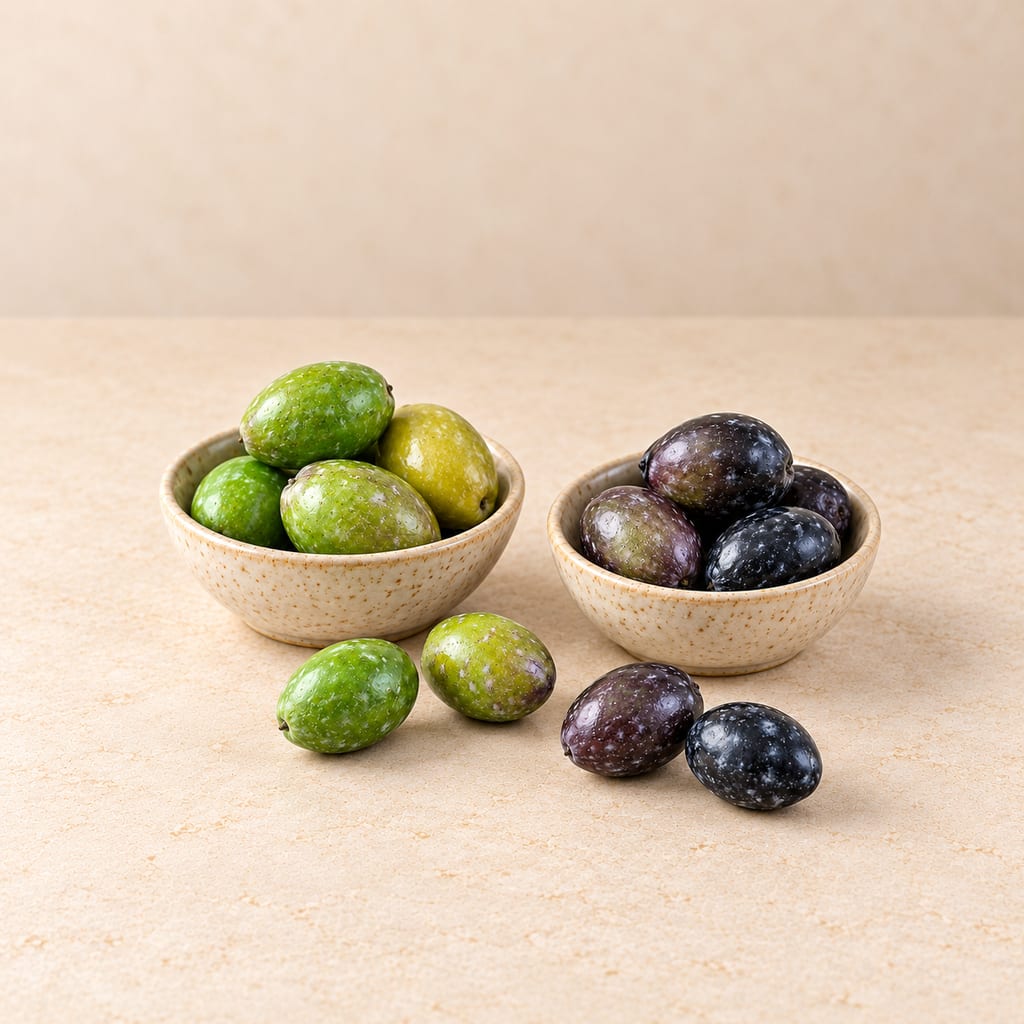
Olives
Olives are the bitter fruit of Olea europaea, made edible by lye, brine or salt, and the raw material of the table olives that are cured and fermented around the Mediterranean.
 FermenteaWhere food goes to change
Traditional method
Olives
Green olives debittered in a sodium hydroxide solution, then rinsed repeatedly and held in brine, by the University of California's published home-pickling method.
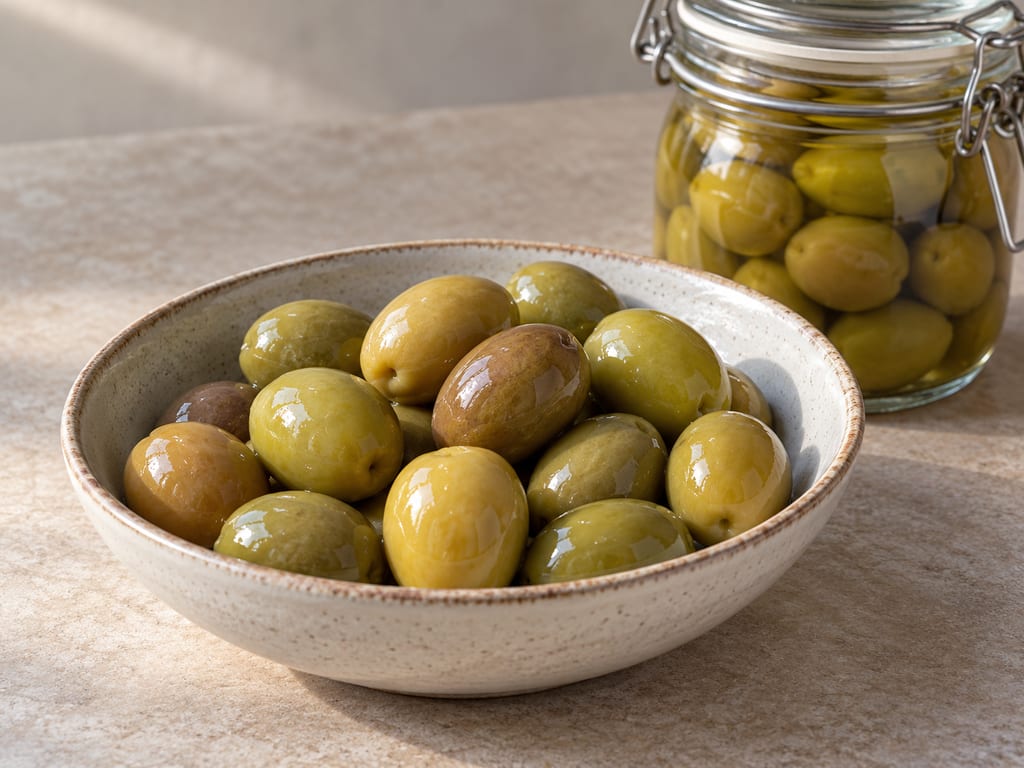
Lye-cured olives are table olives that have been treated with a carefully controlled solution of sodium hydroxide to reduce their natural bitterness.
The olive is the fruit of Olea europaea L.
Fresh olives contain bitter phenolic compounds, particularly oleuropein, which make most varieties unpleasant to eat directly from the tree.
Curing transforms the fruit into a palatable food.
Different curing methods achieve this through different mechanisms. Some use water leaching, some use salt and spontaneous fermentation, while others use alkaline treatment.
The green lye-cured method discussed here uses sodium hydroxide, followed by extensive rinsing and brining.
The University of California's green lye-cured method does not include a fermentation stage.
This is a significant classification point. Although the finished product resembles other table olives, its preservation technology differs from naturally fermented green olives.
The olive tree has been cultivated around the Mediterranean for thousands of years.
Olives and olive oil were important in ancient Greek, Roman and other Mediterranean food systems.
The historical use of olives does not establish when modern measured sodium-hydroxide curing was first introduced.
Traditional curing methods included water soaking, salt curing and fermentation.
Industrial alkali treatments later developed into defined processing systems.
Spanish-style green olives frequently involve alkaline treatment followed by brine fermentation, whereas certain California-style lye-cured olives use washing and brining without subsequent fermentation.
These methods should not be collapsed into a single category.
The same chemical debittering step can be followed by different processing and preservation stages.
For Fermentea, this record concerns the green, non-fermented lye-cured method in the University of California publication.
The reviewed UC Davis extension publication provides a defined process.
Material — Documented quantity or requirement
Fresh green-ripe olives — Quantity determined by container
Pure sodium hydroxide — 2 oz by weight per US gallon of water for initial treatment
Water — Enough to immerse olives fully
Pickling salt — 4 oz per US gallon for short-term brining
Protective gloves — Chemical-resistant
Eye protection — Required
Containers — Lye-resistant and food-compatible
The sodium hydroxide must be 100% pure, without unsuitable additives.
The published instructions distinguish flake and granular lye because their densities differ.
The mass measurement is more reproducible than a spoon volume.
Oleuropein is a bitter compound containing chemical bonds susceptible to alkaline hydrolysis.
Sodium hydroxide creates a strongly alkaline environment.
During treatment, the chemical structure of oleuropein changes, helping reduce the fruit's bitterness.
The alkali also penetrates the olive flesh.
Its penetration is influenced by fruit size, ripeness, temperature and concentration.
The process must therefore be monitored rather than judged by elapsed time alone.
An olive can appear treated at the surface while retaining less-treated flesh near the stone.
This is why the university method instructs cutting sample olives to examine penetration.
The documented method calls for green, straw-coloured or slightly red olives.
Black-ripe fruit should not be used for this particular preparation because it can become excessively soft.
Olives of similar size and ripeness should be grouped together.
A large olive takes longer to treat than a small one.
Mixed batches can therefore produce uneven results.
Bruised and otherwise defective olives are removed.
The Manzanillo cultivar is identified as particularly suitable for lye-cured and Spanish-style green olives.
Other cultivars may behave differently.
This is an established extension recipe, but sodium hydroxide is highly corrosive. The full original safety instructions must be read before attempting the procedure.
Sort the olives. Select healthy green-ripe fruit of comparable size. Reject black-ripe, bruised or defective olives.
Prepare protective equipment. Wear suitable chemical-resistant gloves and goggles. Use a container resistant to sodium hydroxide. Aluminium, tin and galvanised metal are unsuitable.
Prepare the initial lye solution. Carefully add 2 oz sodium hydroxide by weight to 1 US gallon cold water. Always add the lye to the water, never the reverse. The mixture heats as the chemical dissolves.
Cool the solution. The source specifies 65–70°F (approximately 18–21°C) before applying it to the olives.
Cover the olives. Keep the fruit completely submerged using an appropriate cloth or mesh and weight.
Monitor penetration. Stir approximately every 2 hours. Examine representative olives at intervals of 1–2 hours, cutting them to the stone after carefully removing and rinsing the samples.
Assess the treatment. The flesh becomes yellowish-green as the lye penetrates. The expected initial treatment often takes 10–12 hours, but this varies.
Use the documented corrective treatment if necessary. The publication describes a fresh solution of 1 oz lye per gallon if the initial solution fails to penetrate fully, with a further specified treatment if necessary. These alternatives require following the original publication precisely.
Remove the lye solution. Drain carefully and rinse the olives twice with cold water.
Wash repeatedly. Cover with fresh cold water and change it at least twice daily. The publication describes washing potentially taking 7–8 days, depending on fruit and water changes.
Complete the lye-removal stage. The source uses the absence of soapy lye taste after extensive washing as a traditional endpoint check, together with the changing appearance of the wash water. Do not taste an olive while active lye remains or before the prescribed washing stages.
Brine for short-term storage. Use 4 oz pickling salt per US gallon water, immerse the washed olives and hold for 2 days.
Refrigerate. The publication allows refrigerated storage for up to 2 weeks in a tightly covered container under its specified short-term procedure.
The publication also describes a stronger staged-brine system for storage up to 2 months, with different concentrations and replacement intervals. That must be followed as its own complete method rather than added selectively to the short-term version.
Alkaline treatment removes bitterness, but sodium hydroxide must not remain in the edible product at harmful concentrations.
Repeated water changes remove the alkali and soluble reaction products.
The wash water may change colour as processing continues.
The university publication describes changes from olive-green through paler shades and eventually toward clear water.
If the fruit is inadequately washed, it may retain a soapy or alkaline character.
But water clarity alone should not be used as a substitute for all of the publication's processing instructions.
The washing stage is central to making the product edible.
The UC method explicitly states that its green lye-cured olives do not undergo fermentation.
Instead, debittering occurs through alkaline chemical treatment and washing.
A subsequent salt brine provides seasoning and supports the specified short-term storage.
By contrast, traditional brine-fermented olives rely on microbial metabolism, including organic-acid production.
Spanish-style green olives may combine alkali debittering with a separate fermentation stage.
The presence or absence of that second fermentation is a meaningful technical distinction.
A recipe database should therefore record both lye treatment and fermentation status independently.
Mediterranean curing traditions include Spanish green olives, Greek brine-cured olives, Sicilian-style olives and dry-salted ripe olives.
California processing also includes dark-ripe-style olives that acquire colour through controlled oxidation.
The California black-ripe method can start with green fruit and deliberately expose it to air during repeated alkaline treatments.
That is different from naturally tree-ripened black olives.
The green method in this record instead aims to prevent unnecessary darkening during lye treatment.
These variations may all produce table olives, but they should not share one undifferentiated process record.
Lye-cured green olives are typically served as table olives.
Their reduced bitterness and relatively mild character make them suitable for marinades with herbs, citrus, garlic or other seasonings.
They may accompany cheese, bread, cured meats and other appetisers.
The comparatively neutral flavour allows additional seasonings to stand out.
They can also be used in salads and cooked dishes.
However, flavour additions and changes in brine can affect storage behaviour.
A newly seasoned olive mixture should not automatically inherit the shelf life of the original tested curing method.
A successfully treated olive should have the intended reduction in bitterness and a firm, acceptable texture.
Uneven penetration can leave an unpleasantly bitter centre.
Overprocessing can soften the fruit.
Oxidation may alter colour when fruit is unnecessarily exposed to air.
Damaged olives may deteriorate more readily.
The lye solution's temperature and strength matter, and unsuitable equipment can introduce contamination or chemical hazards.
Sodium hydroxide can cause serious skin and eye burns.
Its dissolution in water releases heat.
It can react with certain metals.
Protective clothing, chemical-resistant equipment and careful handling are essential.
The University of California recipe is a detailed tested extension procedure, but it should not be condensed into informal advice to soak olives in an arbitrary amount of caustic soda.
For modern use, the full publication and current local food-safety guidance should be followed.
High-risk; not an executable summary.
Scaling: source batch only
Sodium hydroxide can cause serious skin and eye burns and releases heat when dissolved; unsuitable metal containers can react with it.
Hazard sourceUse chemical-resistant gloves and eye protection, add lye to water (never water to lye), use lye-resistant food-compatible equipment, and follow the source's complete rinsing and brining sequence.
Control sourceThis is a non-fermented lye-curing method; it is not a fermented-olive safety process.
The source supports this broad area and no precise location.
Olives are the bitter fruit of Olea europaea, made edible by lye, brine or salt, and the raw material of the table olives that are cured and fermented around the Mediterranean.
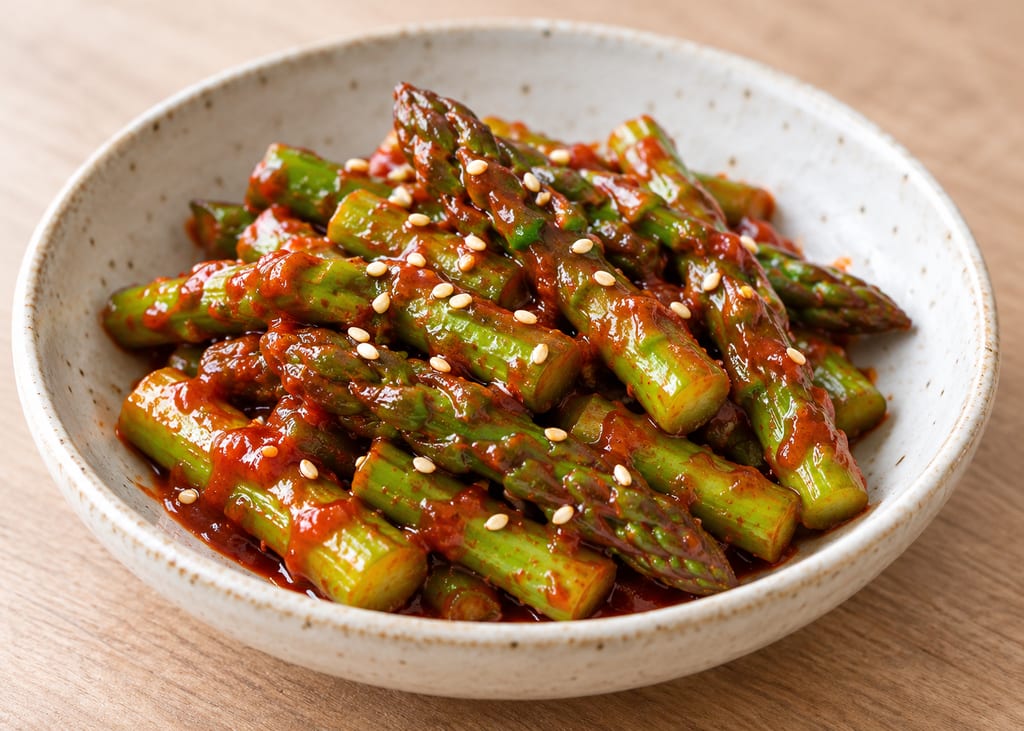
A Korean banchan of blanched asparagus dressed with a sweet-sour cho-gochujang sauce; Hyosun's version cools the spears in ice water before tossing.
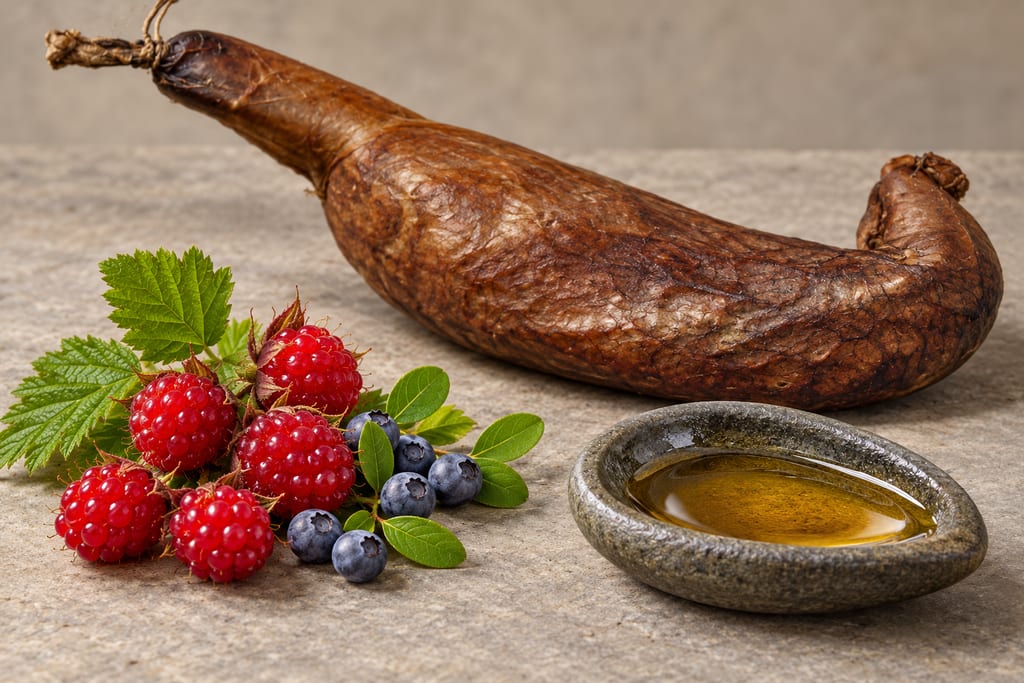
Berries, greens and fish eggs were kept in seal oil by Indigenous Alaskan communities. The oil seals the food from air, and the result depends on preparation and the surrounding conditions.
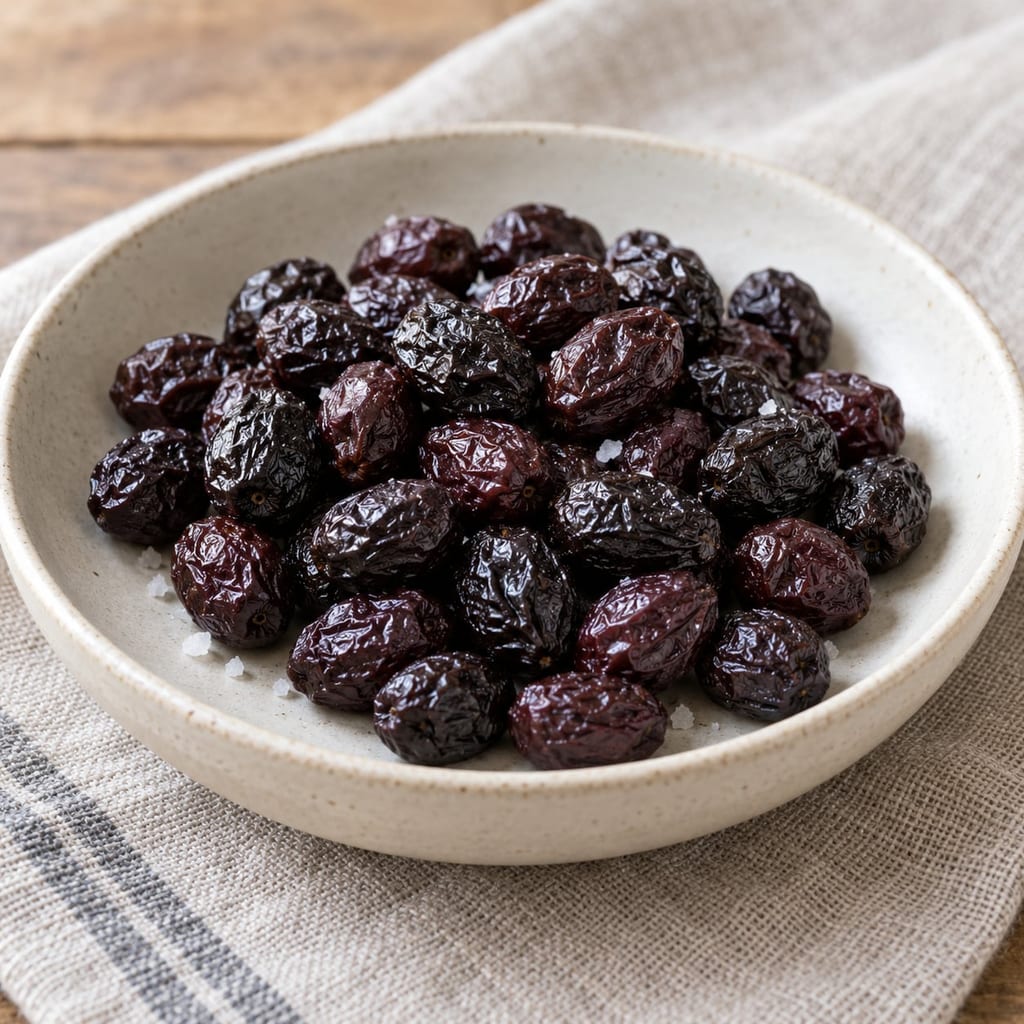
Fully ripe dark olives are mixed with salt and turned weekly as salt draws out moisture. Distinct from existing brine-fermented and lye-treated olives.
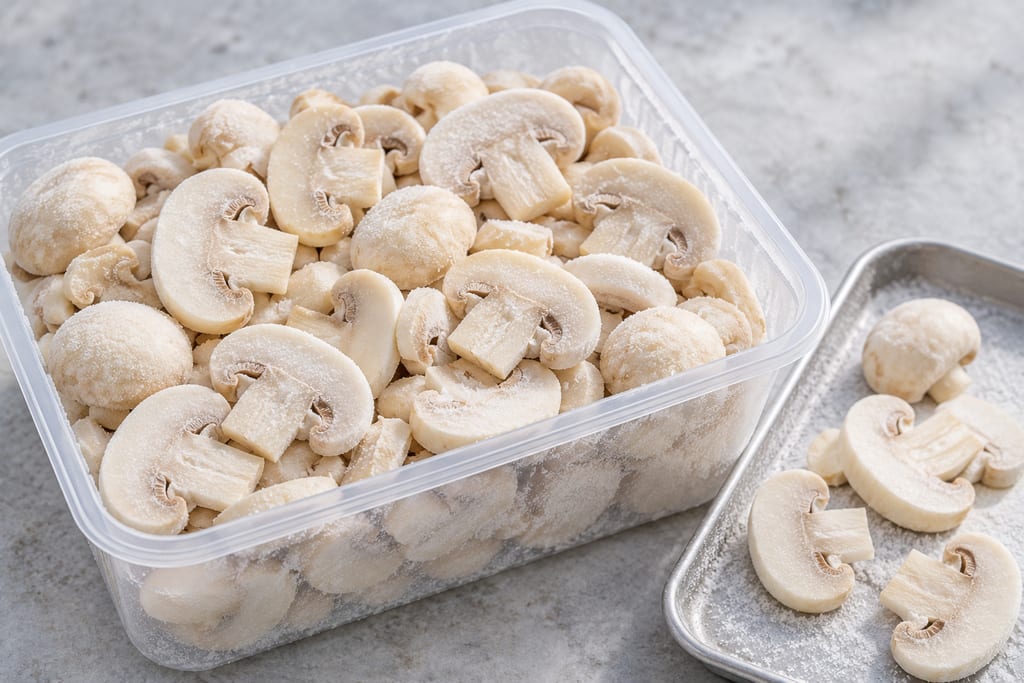
Steam-blanched frozen mushrooms are whole, button, quartered or sliced mushrooms given a short steam treatment, cooled promptly, packed with headspace and kept frozen.
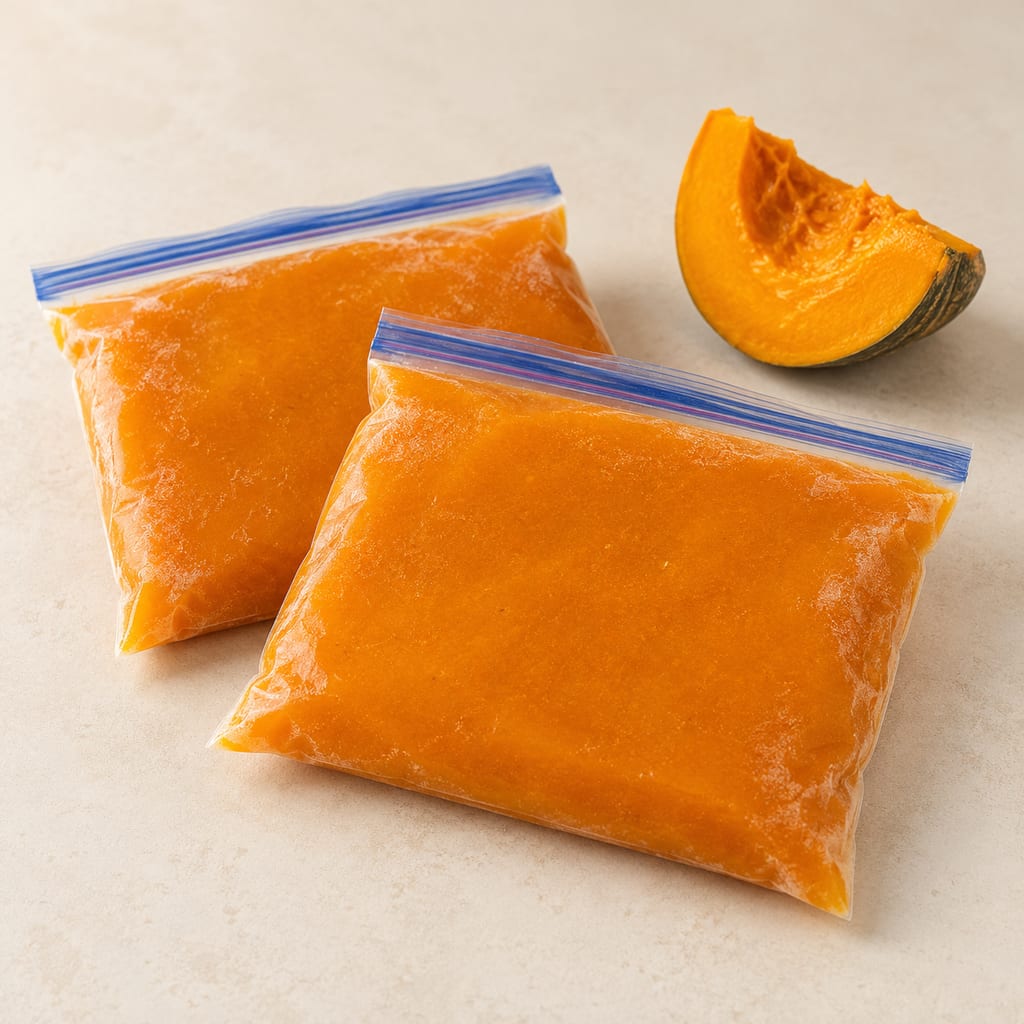
Cooked pumpkin mashed, cooled and frozen in portions: a plain base for pies, soups and baking without canning a dense purée.
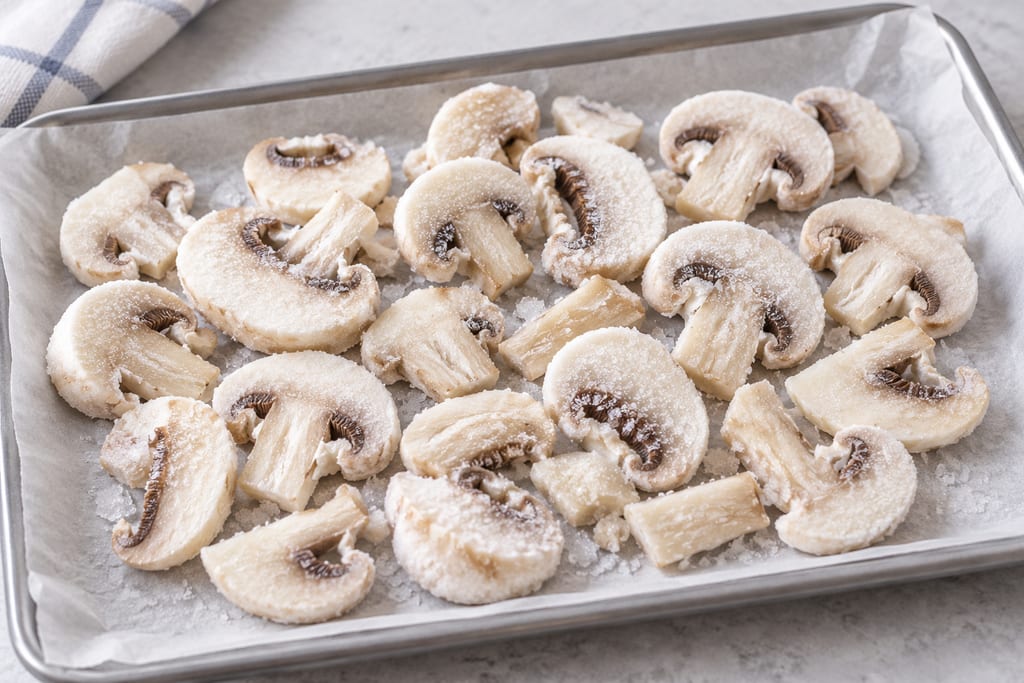
Frozen raw mushrooms are cleaned mushrooms frozen without a preheating step, the variant a Japanese forest-volunteer manual describes beside its cooked version.
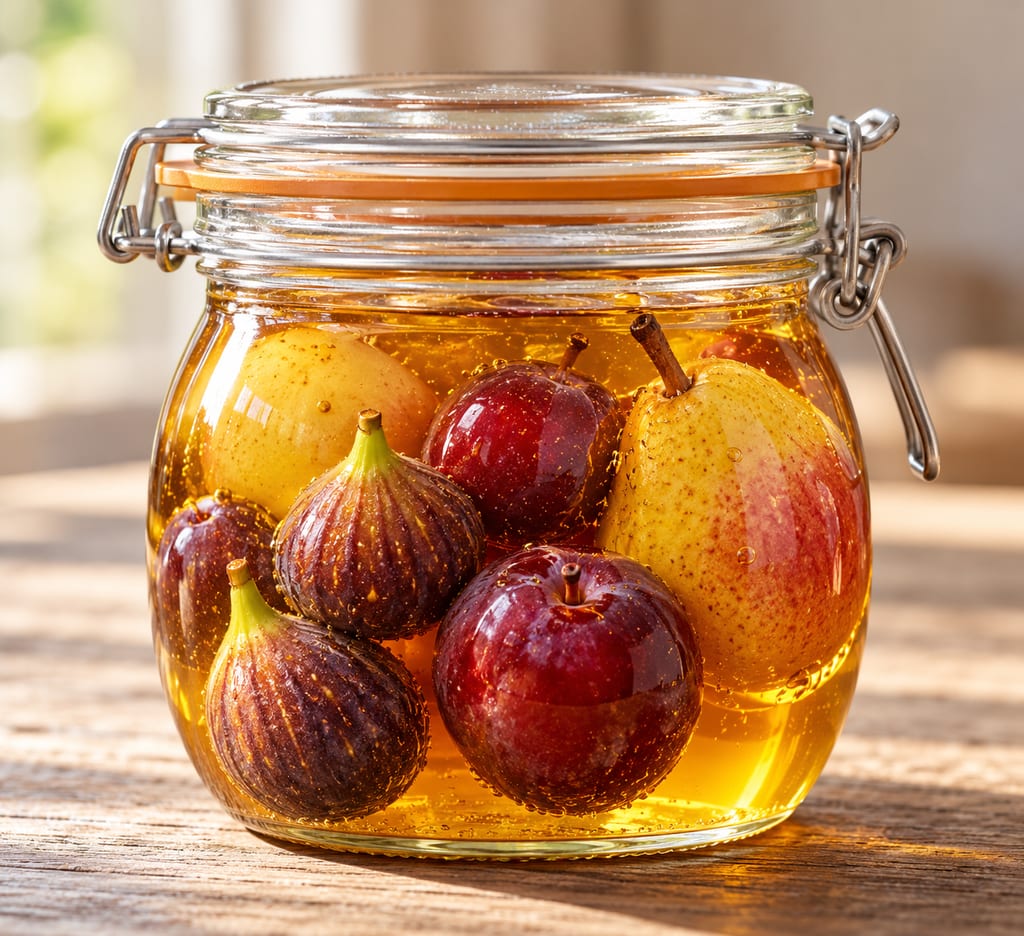
Fruit and some other foods were placed in honey in ancient Mediterranean kitchens. The honey's concentrated sugar does the preserving, and wet ingredients weaken it.
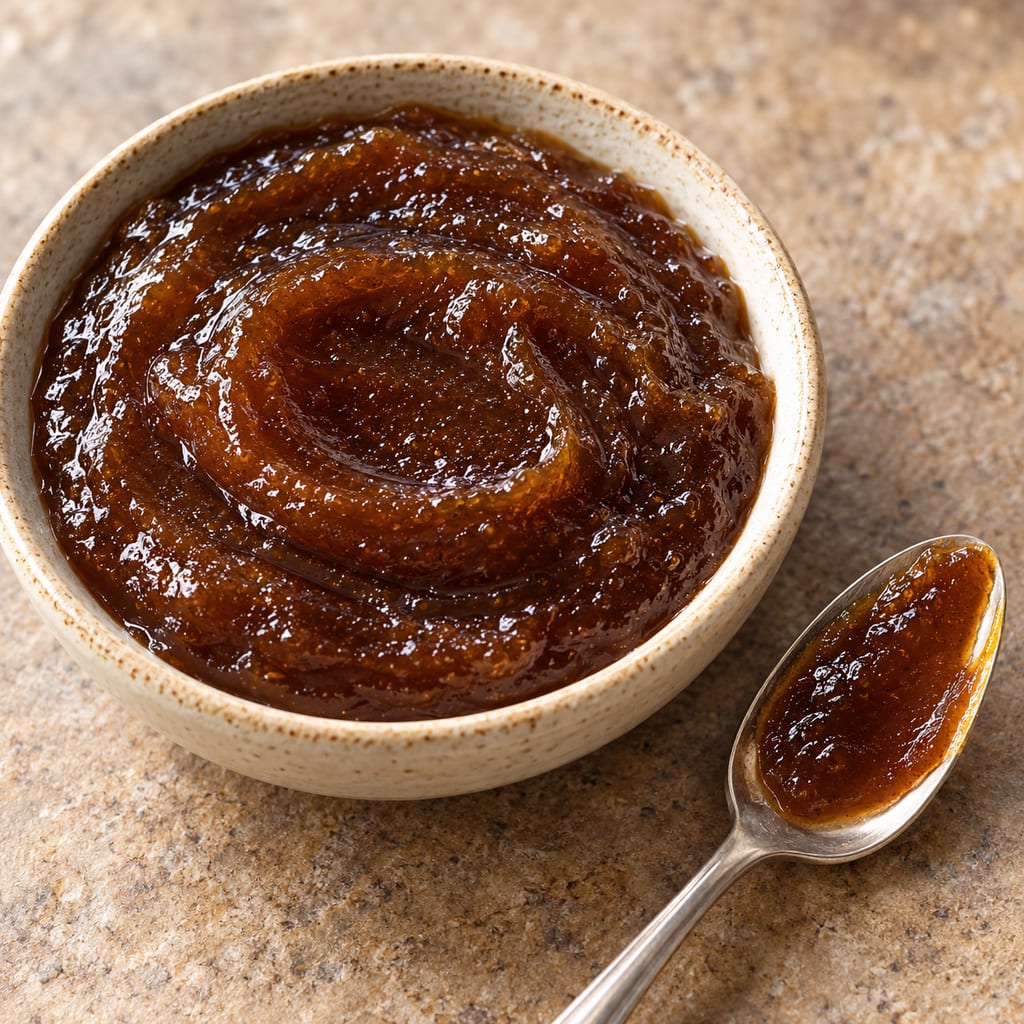
An experimental sweet mushroom preserve developed in Indian food-processing research, made by cooking mushroom pulp with sugar, added pectin and citric acid until concentrated into a thick, spreadable jam.
No community contributions have been published for this entry yet.
Sign in to contribute. Published comments and photos are free to read.
FAOInspiration
Fermented Fruits and Vegetables: A Global Perspective, Chapter 6traditional processes, quantities and timings
University of Minnesota ExtensionSafety
Preserving food at home: FermentationProduce fermentation equipment, acidity monitoring and submersion controls.
UC DavisIngredients · Method · Process science · Safety
Olives: Safe Methods for Home Pickling, Publication 8267Supports this record's account of: What are lye-cured olives?; Ingredients and equipment; Why lye removes bitterness; Selecting suitable olives; The University of California method; Why rinsing is essential; Why lye-cured olives are not fermented olives; Quality and troubleshooting; Chemical safety.
Cited in: What are lye-cured olives?; Ingredients and equipment; Why lye removes bitterness; Selecting suitable olives; The University of California method; Why rinsing is essential; Why lye-cured olives are not fermented olives; Quality and troubleshooting; Chemical safety
University of CaliforniaHistory · Process science
Olives Preservation RepositorySupports this record's account of: History of olive curing; Why lye removes bitterness; Why lye-cured olives are not fermented olives; Regional variations.
Cited in: History of olive curing; Why lye removes bitterness; Why lye-cured olives are not fermented olives; Regional variations
Oh, The Things We'll MakeUse · Safety
Lye-Cured OlivesSupports this record's account of: Regional variations; Eating and serving; Quality and troubleshooting.
Cited in: Regional variations; Eating and serving; Quality and troubleshooting