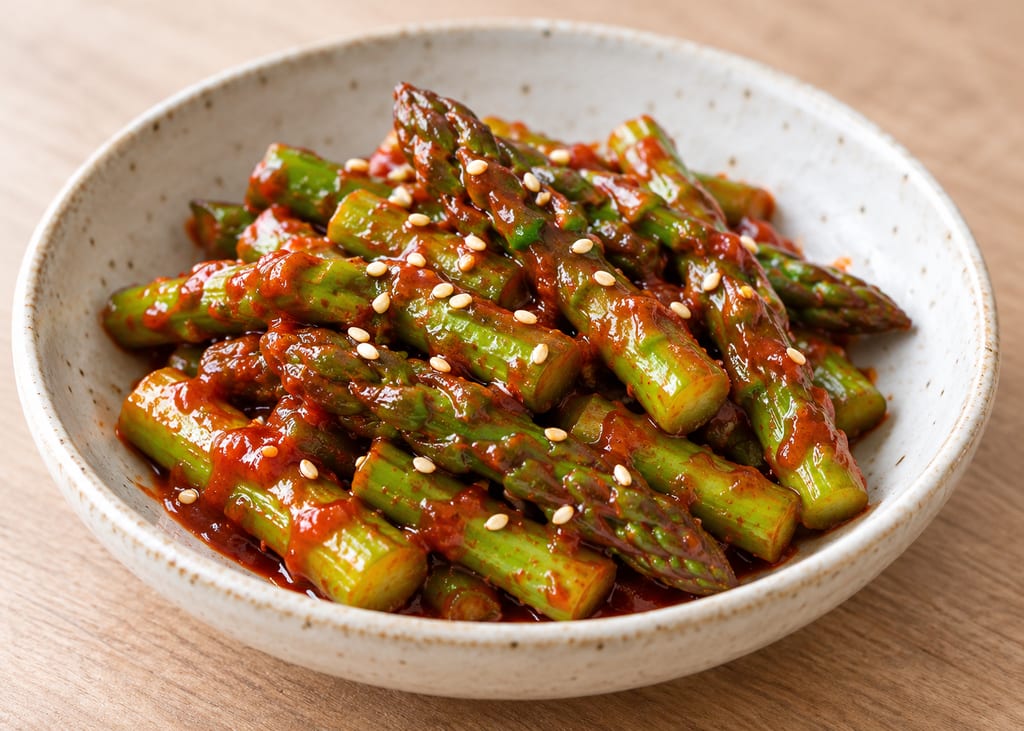
Asparagus with cho-gochujang
A Korean banchan of blanched asparagus dressed with a sweet-sour cho-gochujang sauce; Hyosun's version cools the spears in ice water before tossing.
 FermenteaWhere food goes to change
Steam-blanched frozen mushrooms · Blanched frozen mushrooms
Steam-blanched frozen mushrooms are whole, button, quartered or sliced mushrooms given a short steam treatment, cooled promptly, packed with headspace and kept frozen.
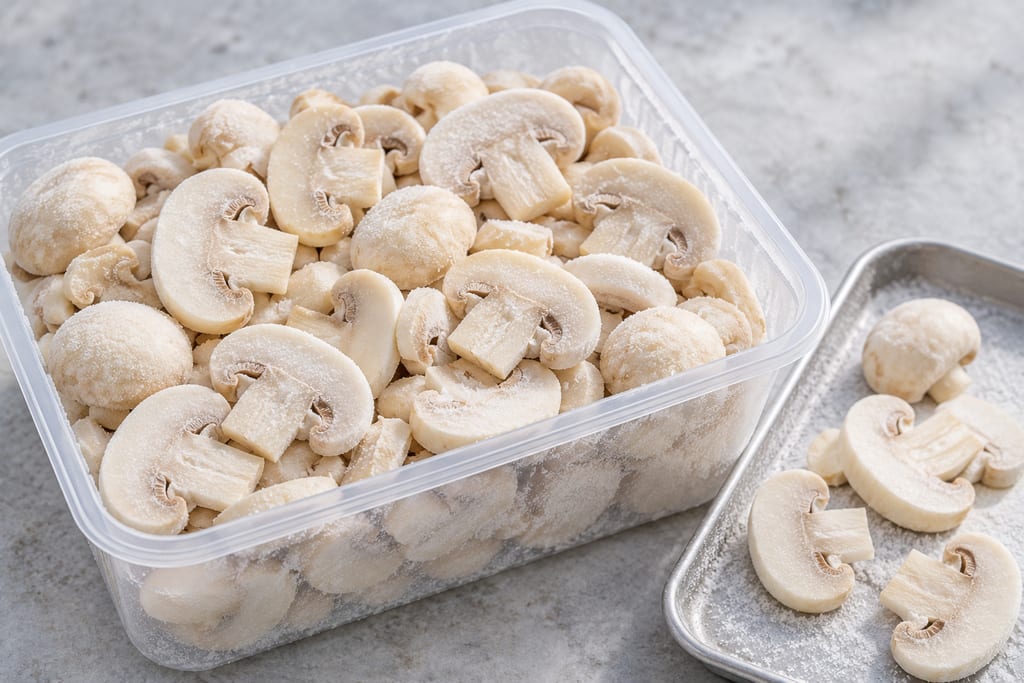
Frozen mushrooms are fresh mushrooms that have been given a short heat treatment and then frozen. The National Center for Home Food Preservation describes two variants of the method: a steam-blanched product and a pan-heated product fried in fat. This page covers the steam-blanched variant, which the procedure presents as the standard way to freeze mushrooms at home. The pan-heated product and the raw product are written as their own pages, because each one changes the texture and the later use of the food differently.
The procedure treats the mushroom as a cut vegetable-like food. The mushrooms are sorted, washed, trimmed and cut to size before any heat is applied, so the steaming time depends on how the mushroom is cut.
Steam is brief. The procedure gives 5 minutes for whole mushrooms, 3.5 minutes for buttons or quartered pieces and 3 minutes for slices. The reason for the short treatment is stated in the procedure as colour and keeping quality: steamed mushrooms keep better than mushrooms heated in fat, as the procedure states. It does not state a time or temperature needed to make the product safe, and this page does not supply one.
The anti-darkening dip is optional. Lemon juice or citric acid in water slows the browning that cut mushroom surfaces undergo. The procedure gives 1 teaspoon of lemon juice or 1.5 teaspoons of citric acid per pint of water, dipped for 5 minutes. A cook who skips the dip gets a product that is still freezable under the same procedure, though the colour may be darker.
Begin with mushrooms free from spots and decay. Sort them by size, wash them thoroughly in cold water and trim the stem ends. Slice or quarter any mushroom larger than about an inch across. Buttons and smaller mushrooms can stay whole.
If colour matters, dip the pieces for 5 minutes in the acid solution. Steam them for the time that matches the cut: 5 minutes whole, 3.5 minutes for buttons or quarters, 3 minutes for slices. Then cool the mushrooms promptly. The procedure does not name a cooling method for steamed mushrooms.
Drain the cooled mushrooms and pack them into containers, leaving half an inch of headspace. Seal the containers and freeze them. Frozen storage must stay uninterrupted, which means keeping the freezer closed and at a steady temperature. The procedure gives no freezer temperature and no storage duration, so both need an outside source before a cook relies on them.
The pan-heated variant replaces steam with a small quantity of margarine or butter in an open pan, heated until the mushrooms are almost done. The procedure gives no cooking time for it. The pan-heated product is partly cooked and so is a more ready-to-use ingredient for later meals, but it does not keep as long as the steamed product in the same source's comparison. Cooling for that variant is air cooling or setting the pan in cold water.
The procedure is written for cultivated, market-type mushrooms. It says nothing about wild species, and the broader survey this page draws on treats species identification as a prior step to any preservation. A wild mushroom that is not identified cannot be assessed by this procedure.
The source is an extension procedure, not a validated microbiological process for every mushroom. It gives the steps and the steaming times but no freezer temperature, no storage duration, no yield and no cooling method. Quality after thawing is not stated either. Where a cook needs those values, the page leaves them open rather than filling them in.
Freezing changes the form of the food. The procedure does not claim that frozen mushrooms match fresh ones in texture or flavour. Use of the frozen product in cooking is a separate question that the source does not answer.
The NCHFP procedure is a modern home-preservation guideline. It records no dated first use of freezing mushrooms.
Scaling: source batch only
The NCHFP procedure does not say whether wild or cultivated mushrooms are in scope. Identification of any wild mushroom has to come before preservation.
Hazard sourceThe procedure requires uninterrupted frozen storage but gives no duration or freezer temperature.
Hazard sourceFreezing does not establish that a mushroom is safe to eat. Appearance, smell and texture after thawing are not safety checks.
The procedure gives no freezer temperature or storage limit; do not infer one.
The NCHFP procedure gives no place of origin; the procedure is a United States extension guideline.
A Korean banchan of blanched asparagus dressed with a sweet-sour cho-gochujang sauce; Hyosun's version cools the spears in ice water before tossing.
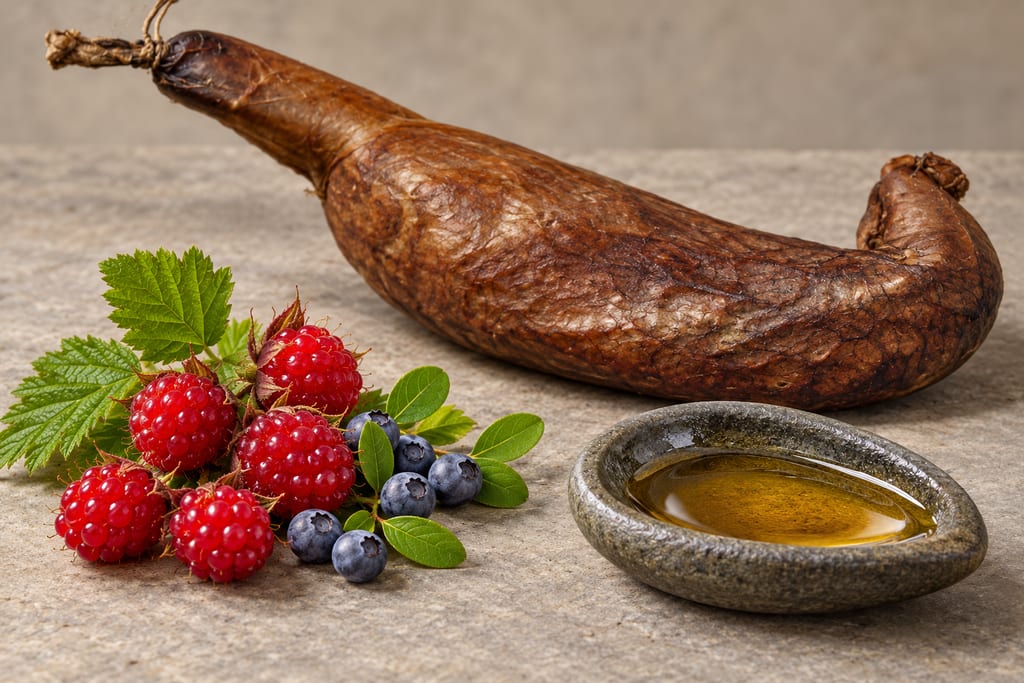
Berries, greens and fish eggs were kept in seal oil by Indigenous Alaskan communities. The oil seals the food from air, and the result depends on preparation and the surrounding conditions.
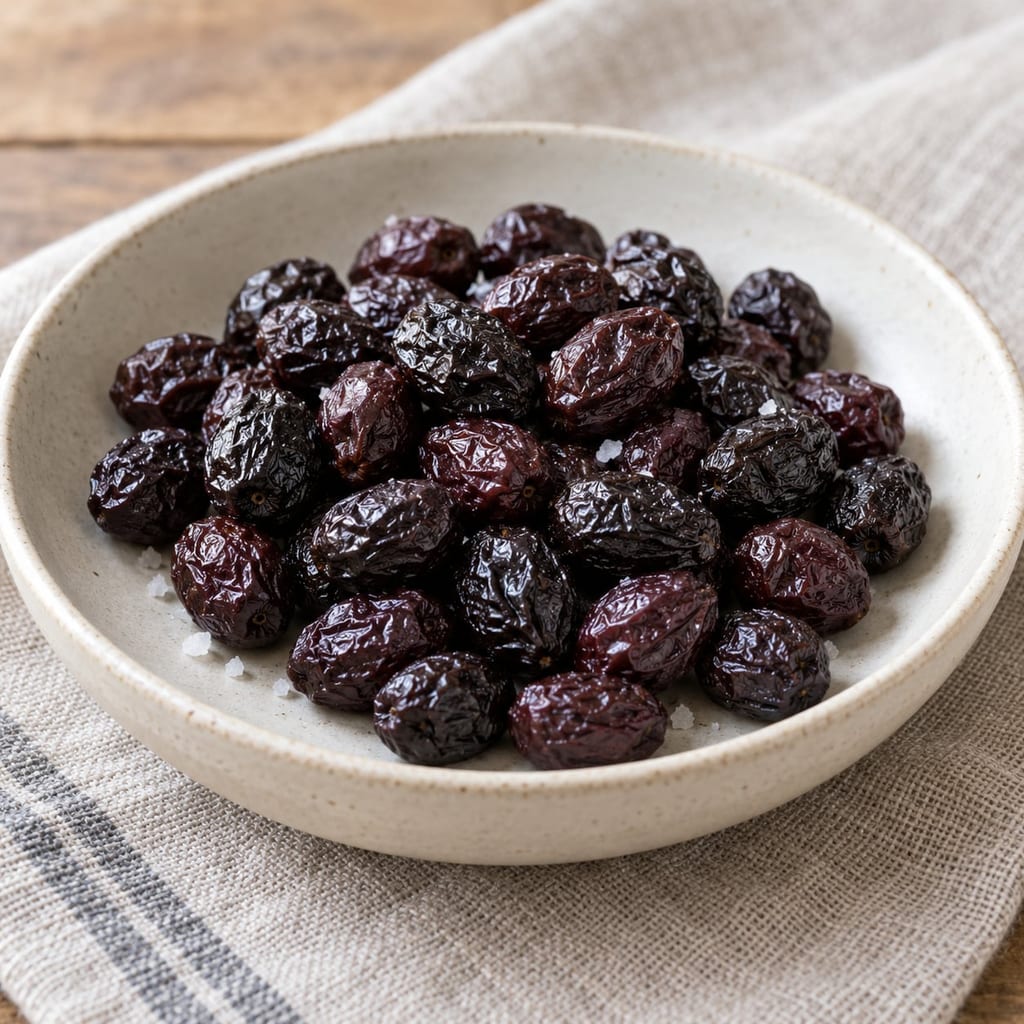
Fully ripe dark olives are mixed with salt and turned weekly as salt draws out moisture. Distinct from existing brine-fermented and lye-treated olives.
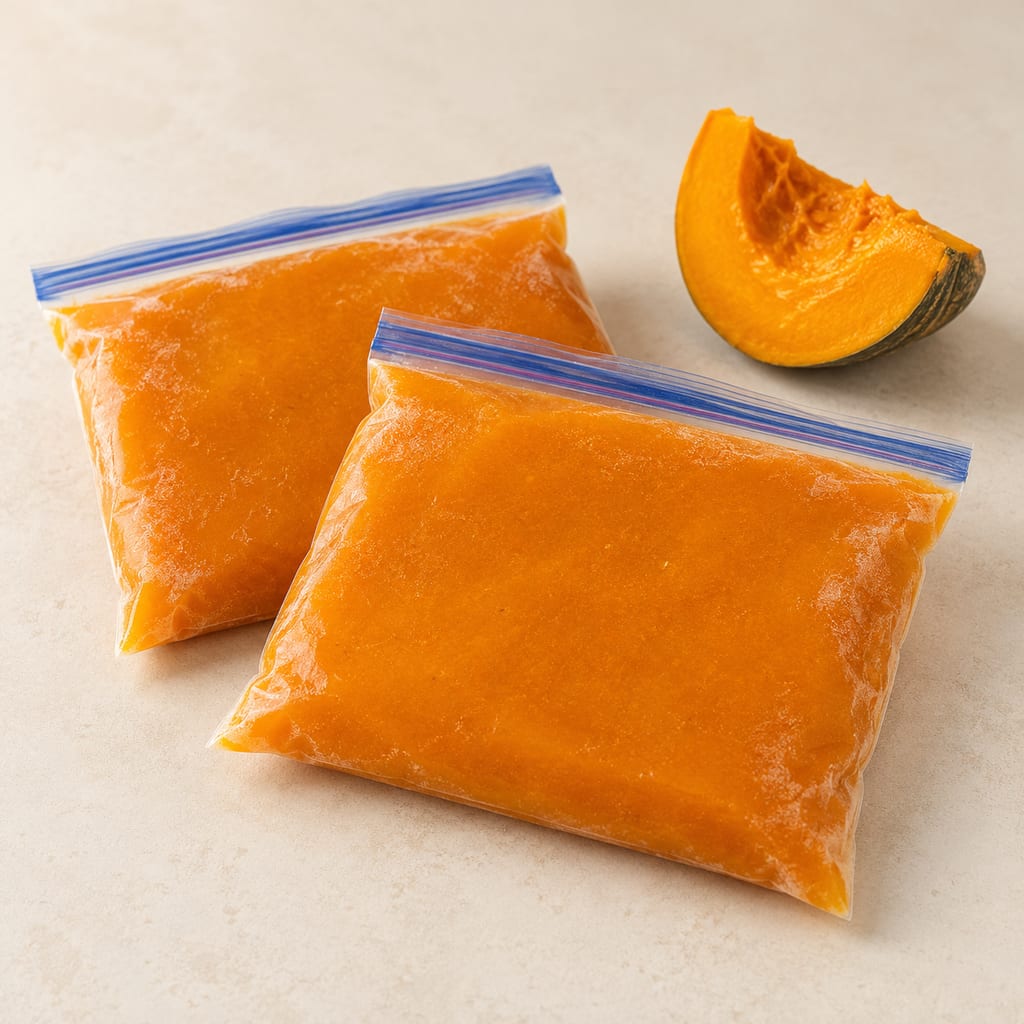
Cooked pumpkin mashed, cooled and frozen in portions: a plain base for pies, soups and baking without canning a dense purée.
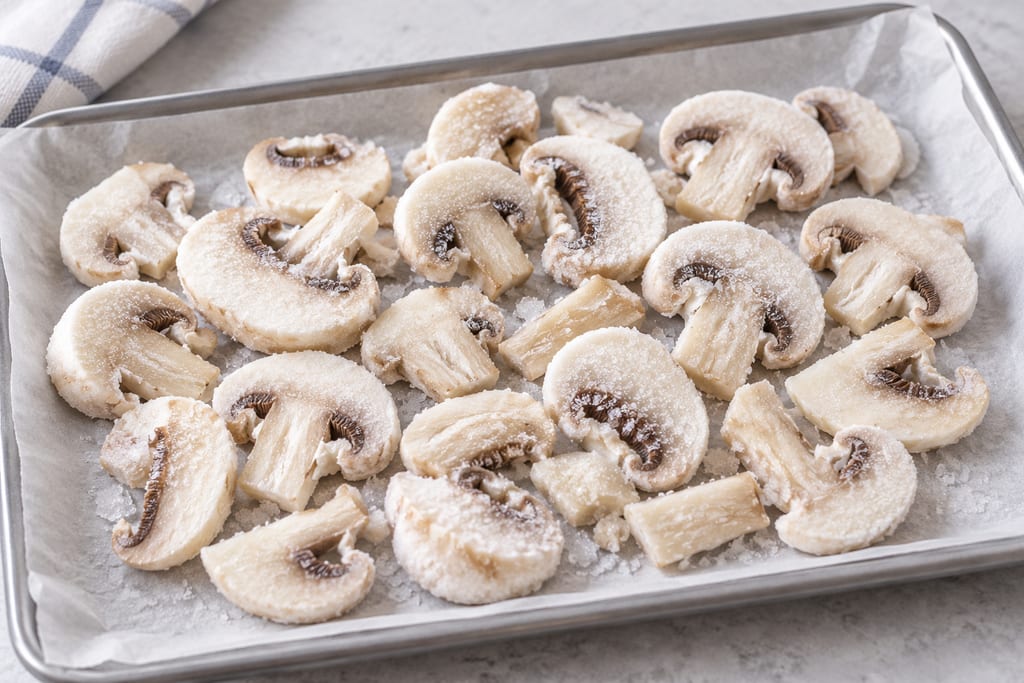
Frozen raw mushrooms are cleaned mushrooms frozen without a preheating step, the variant a Japanese forest-volunteer manual describes beside its cooked version.
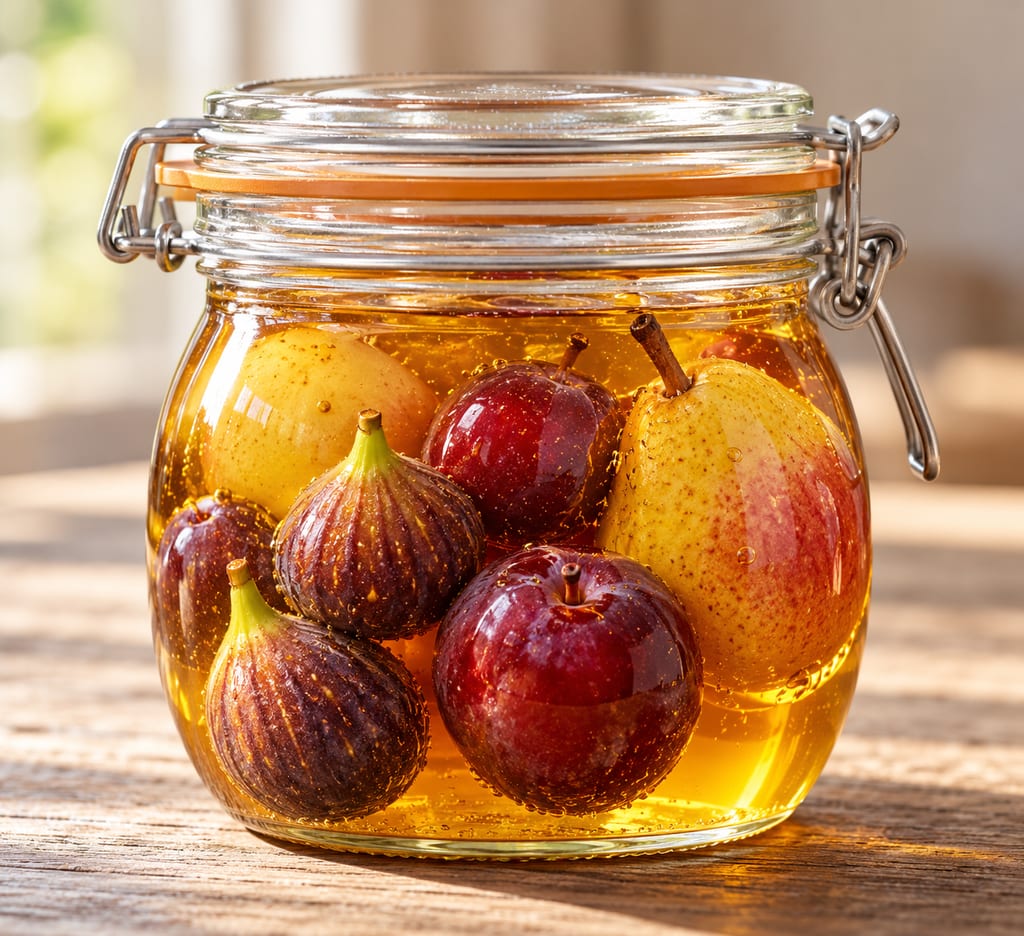
Fruit and some other foods were placed in honey in ancient Mediterranean kitchens. The honey's concentrated sugar does the preserving, and wet ingredients weaken it.
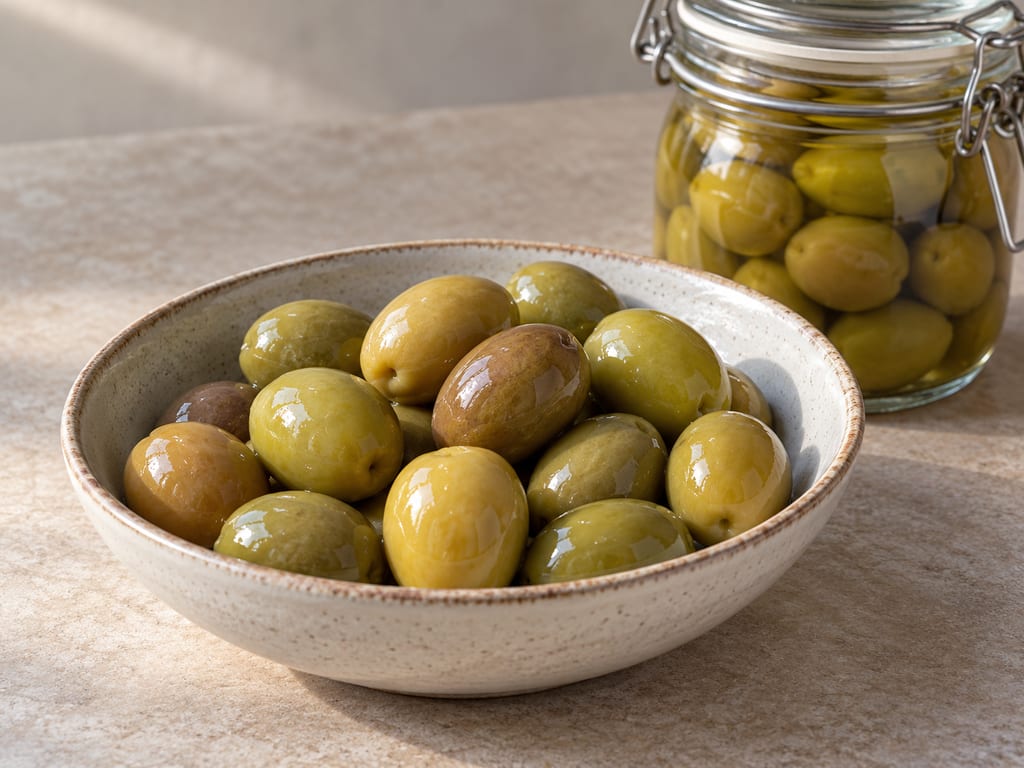
Green olives debittered in a sodium hydroxide solution, then rinsed repeatedly and held in brine, by the University of California's published home-pickling method.
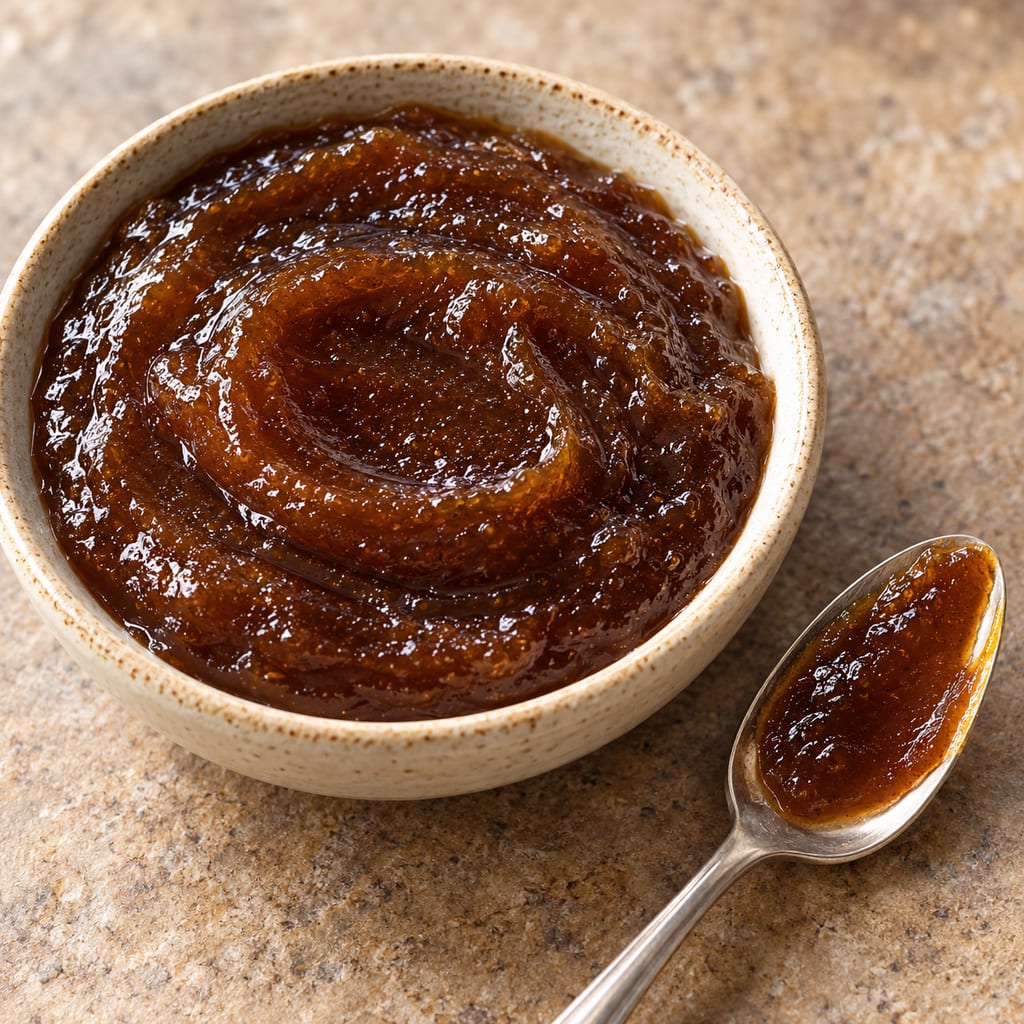
An experimental sweet mushroom preserve developed in Indian food-processing research, made by cooking mushroom pulp with sugar, added pectin and citric acid until concentrated into a thick, spreadable jam.
No community contributions have been published for this entry yet.
Sign in to contribute. Published comments and photos are free to read.
National Center for Home Food Preservation, University of GeorgiaMethod · Safety
Freezing mushroomsChoose mushrooms free from spots and decay; wash, trim stem ends; slice or quarter mushrooms larger than 1 inch
Steam times: whole 5 min, buttons or quarters 3.5 min, slices 3 min
Optional anti-darkening dip of 5 min in lemon juice or citric acid
Pack with half-inch headspace, seal, freeze
Pan-heated alternative in margarine or butter; steamed mushrooms keep longer
Freezer temperature, storage time and wild-mushroom scope not stated