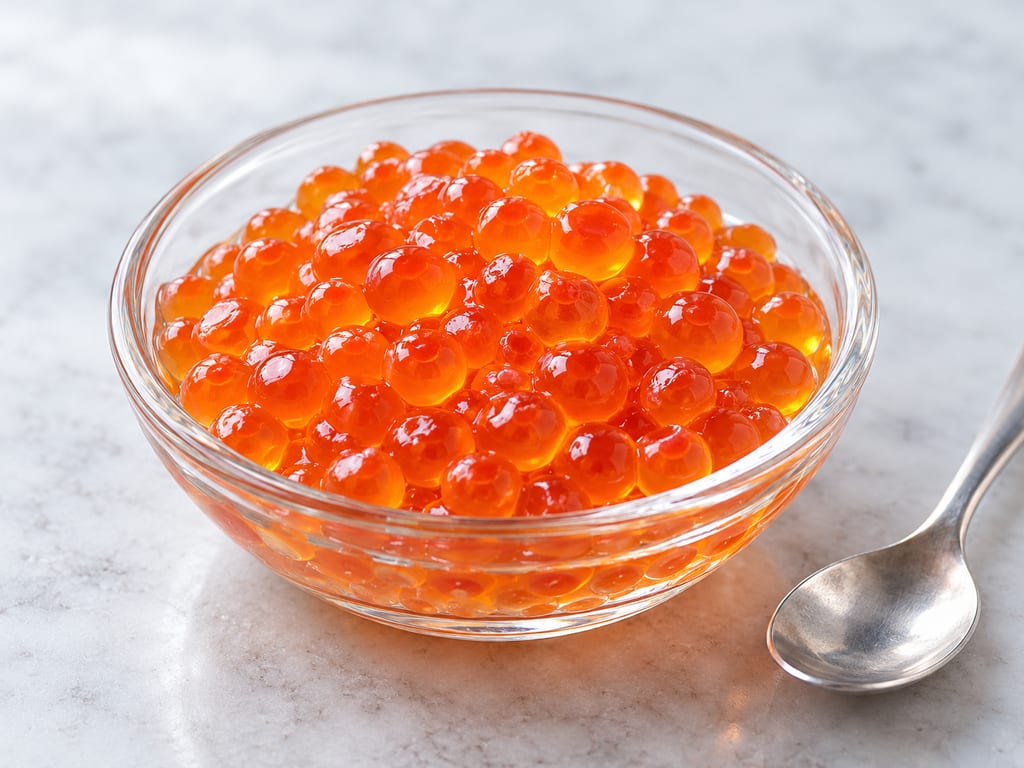
Alaska salmon roe caviar
Salmon roe is separated from skeins and treated in two salt-water stages using a University of Alaska Extension formula.
 FermenteaWhere food goes to change
Seal-oil berries · Berries in seal oil
Berries, greens and fish eggs were kept in seal oil by Indigenous Alaskan communities. The oil seals the food from air, and the result depends on preparation and the surrounding conditions.
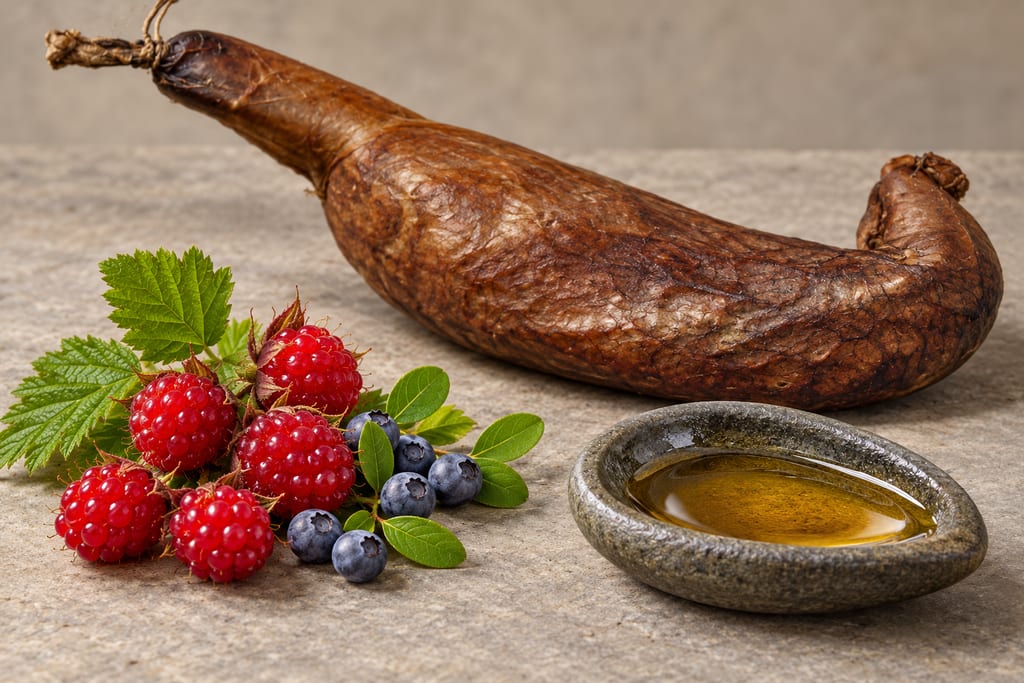
Berries stored in seal oil are fruit held under a layer of rendered seal fat. In Alaska, Alutiiq and Sugpiaq communities kept salmonberries and other berries this way, and the same oil could also hold greens or fish eggs. The fat is the working medium: it covers the food and keeps air away from it, so the stored food keeps its character for a long period in a household store.
The practice is regionally specific. It belongs to a set of seasonal storage systems that used the oil of animals hunted or caught locally, and it depends on the preparation of the food and on the conditions where it is kept.
The berries were gathered over a long season. Accounts describe gathering that began in late June and continued into the autumn, varying by species, and that some berries were picked after the first frost. A stored supply therefore came from several gatherings over the year rather than from one harvest.
Because the berries were harvested at different points in the season, their ripeness and condition differed when they went into the oil. The record does not say how that difference was handled in preparation.
Traditional containers included dried seal stomachs. A container that holds food under oil is a simple sealed vessel, and its quality depends on how well the food is covered. Seal oil itself is a rendered fat, so its character depends on the seal that supplied it and on how it was rendered.
The sources describe these as composite systems: the food, the fat and the container work together. None of the parts keeps the food alone.
Māori traditions also stored birds in their own fat, in gourds or kelp containers. The same idea of covering food with fat appears there, so the two traditions share a principle while differing in the food and the container.
The sources give no shelf life, no storage temperature and no safety threshold for stored berries or greens under seal oil. Anaerobic, oil-covered food can carry hazards that a visual check does not reveal, and a container that smells sour, shows mould or looks altered should be discarded. The page does not supply a home method for this preparation.
The sources describe berries, greens and fish eggs stored with seal oil by Indigenous communities of Alaska. They do not give a date for the practice.
Alutiiq and Sugpiaq communities; the sources name Alaska in general and do not fix a single locality for the practice.
Salmon roe is separated from skeins and treated in two salt-water stages using a University of Alaska Extension formula.

Kodiak salmon, halibut and cod cut as seg'aq and hung on an initaq rack to become tamuuq, with kac'amaasaq and kupcuunaq named as different results.
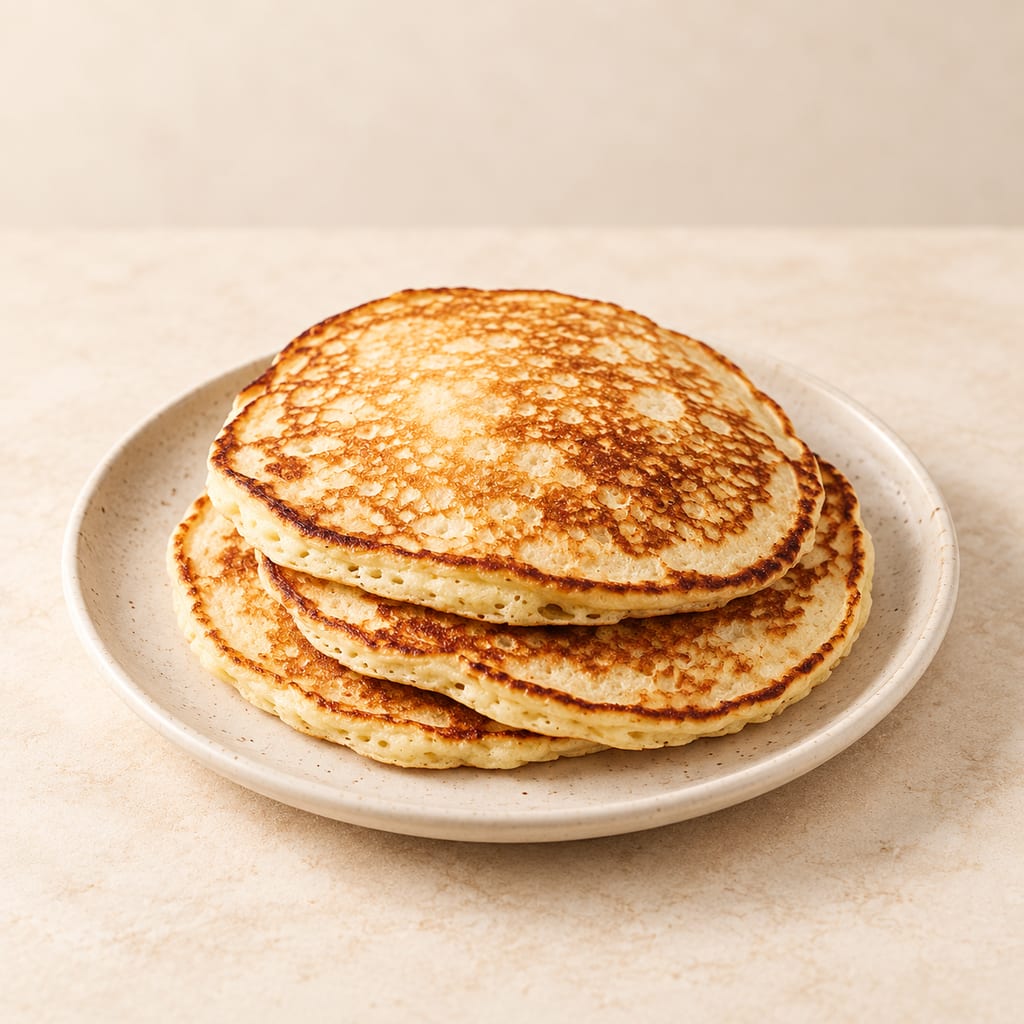
Buttermilk, flour and sourdough discard rest overnight before eggs and baking soda turn the sponge into a griddle batter. The finished pancakes are tender and lightly tangy.
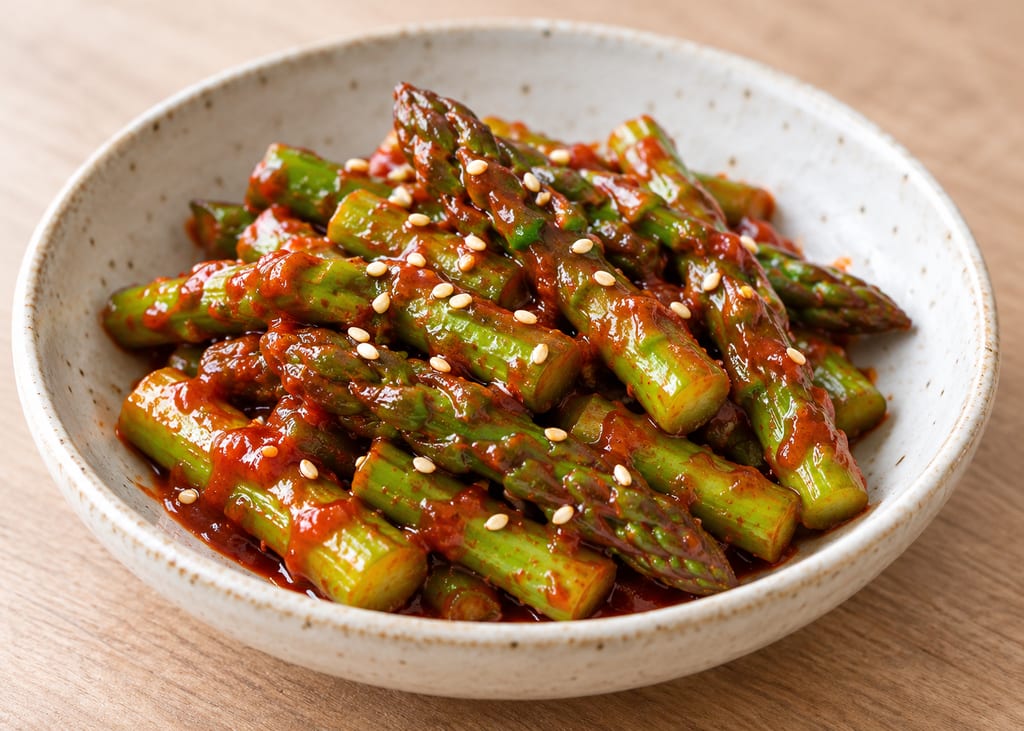
A Korean banchan of blanched asparagus dressed with a sweet-sour cho-gochujang sauce; Hyosun's version cools the spears in ice water before tossing.
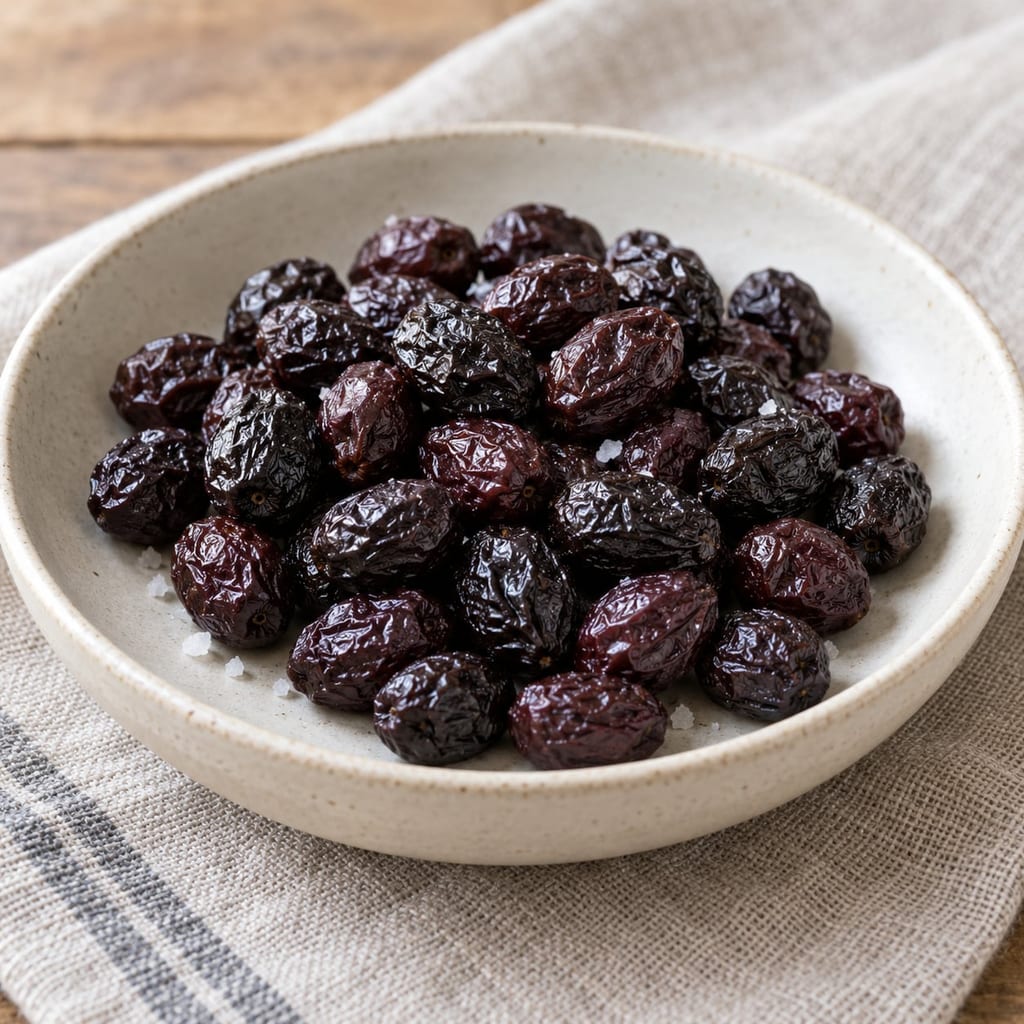
Fully ripe dark olives are mixed with salt and turned weekly as salt draws out moisture. Distinct from existing brine-fermented and lye-treated olives.
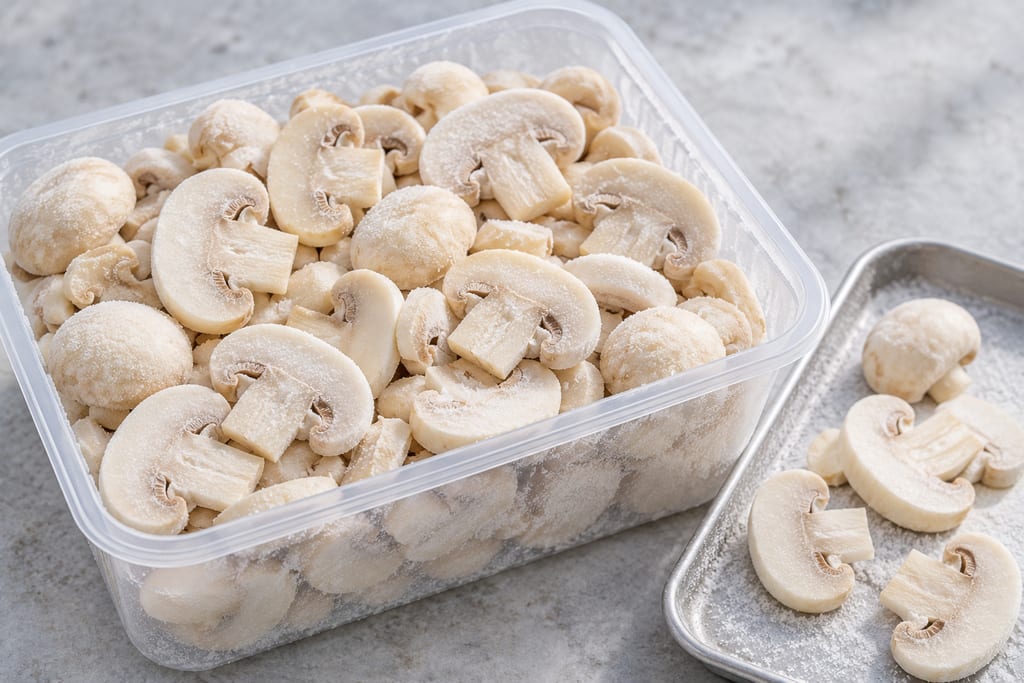
Steam-blanched frozen mushrooms are whole, button, quartered or sliced mushrooms given a short steam treatment, cooled promptly, packed with headspace and kept frozen.
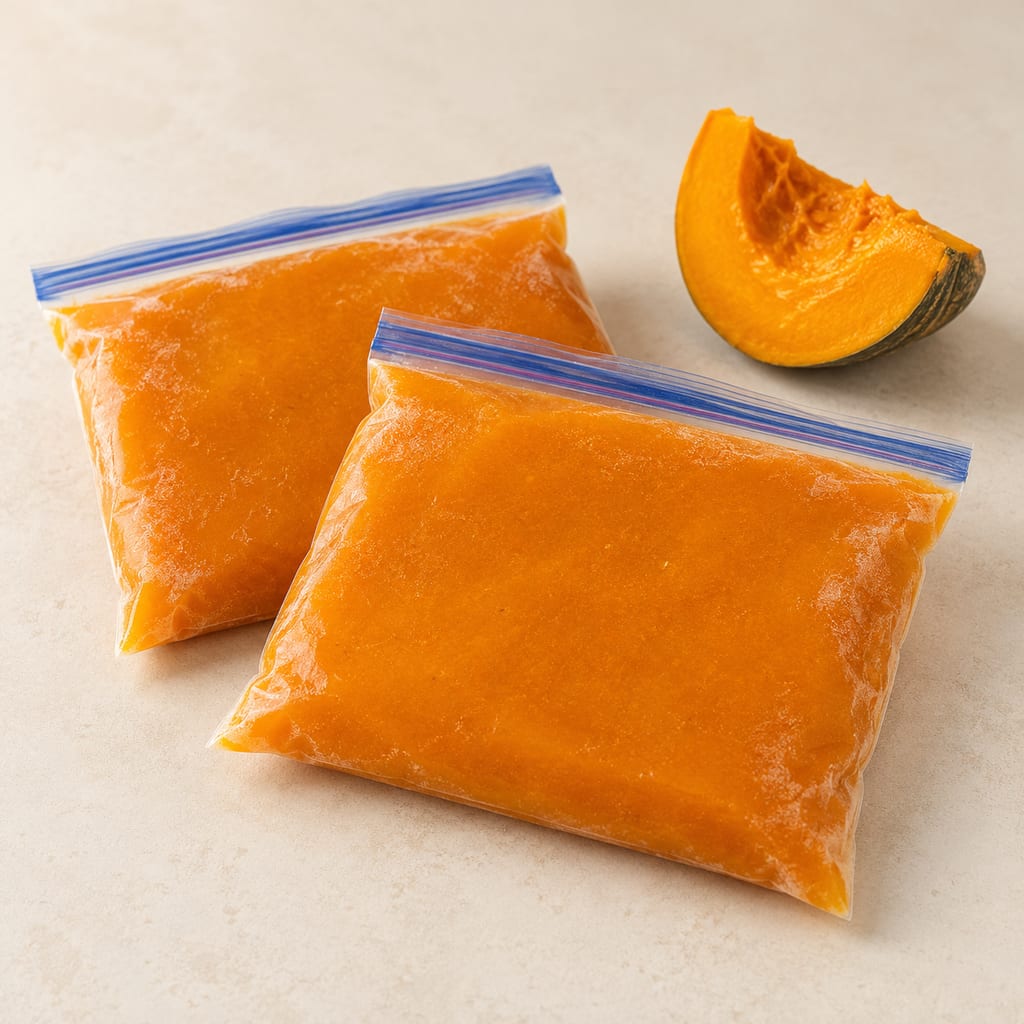
Cooked pumpkin mashed, cooled and frozen in portions: a plain base for pies, soups and baking without canning a dense purée.
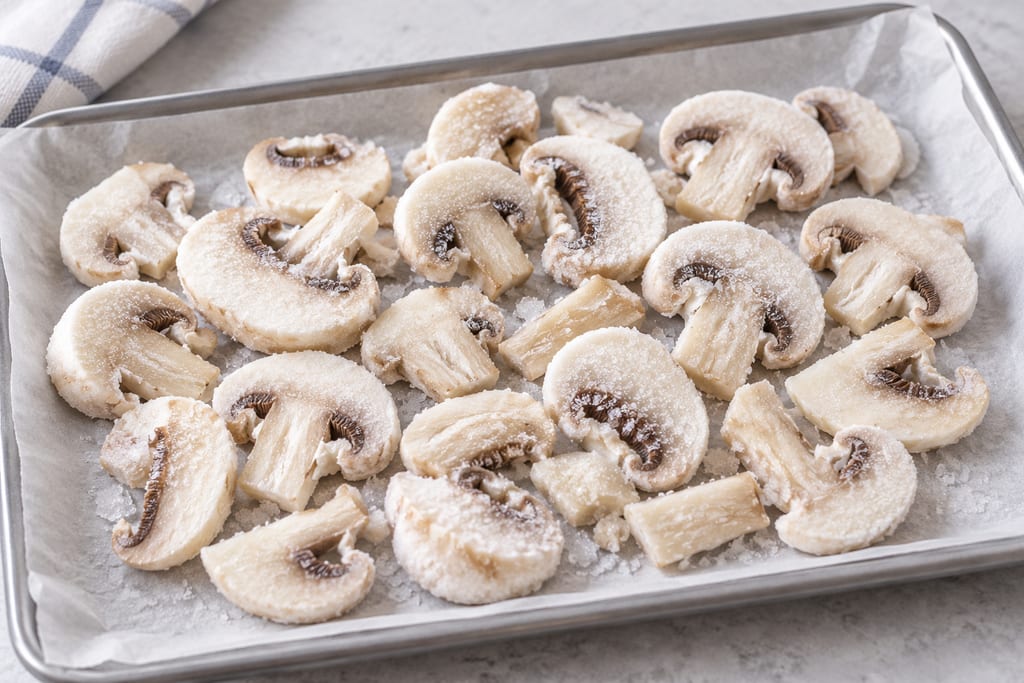
Frozen raw mushrooms are cleaned mushrooms frozen without a preheating step, the variant a Japanese forest-volunteer manual describes beside its cooked version.
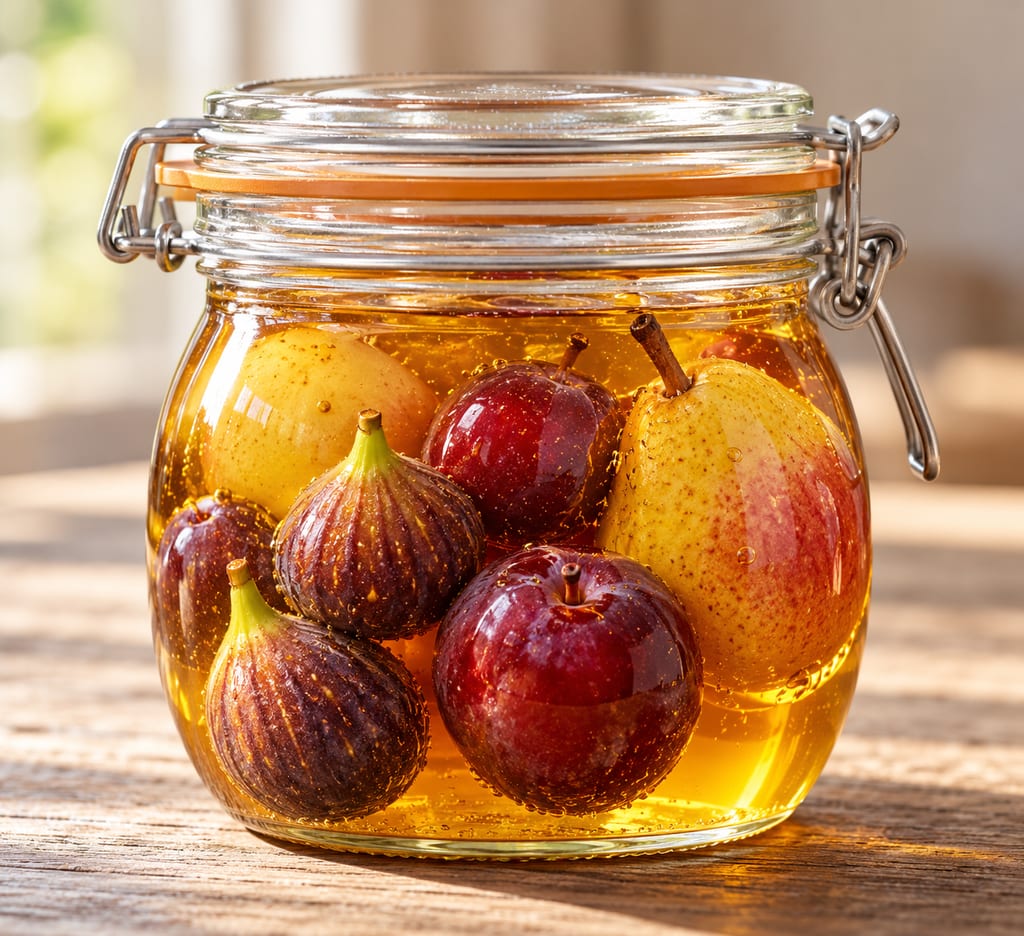
Fruit and some other foods were placed in honey in ancient Mediterranean kitchens. The honey's concentrated sugar does the preserving, and wet ingredients weaken it.
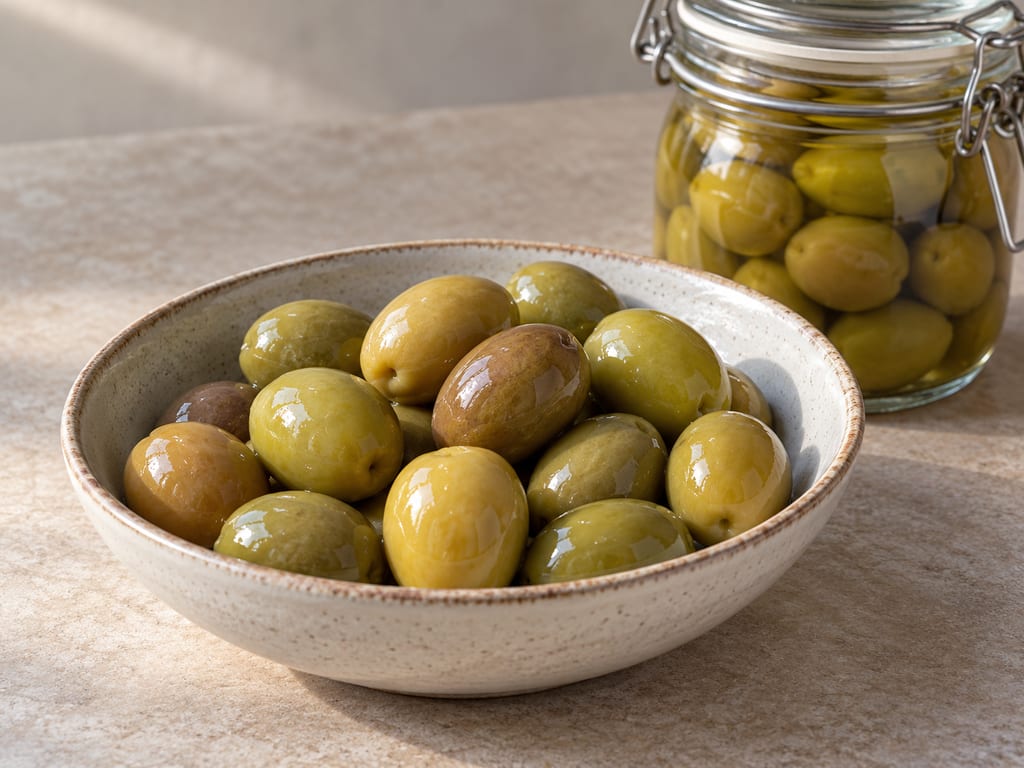
Green olives debittered in a sodium hydroxide solution, then rinsed repeatedly and held in brine, by the University of California's published home-pickling method.
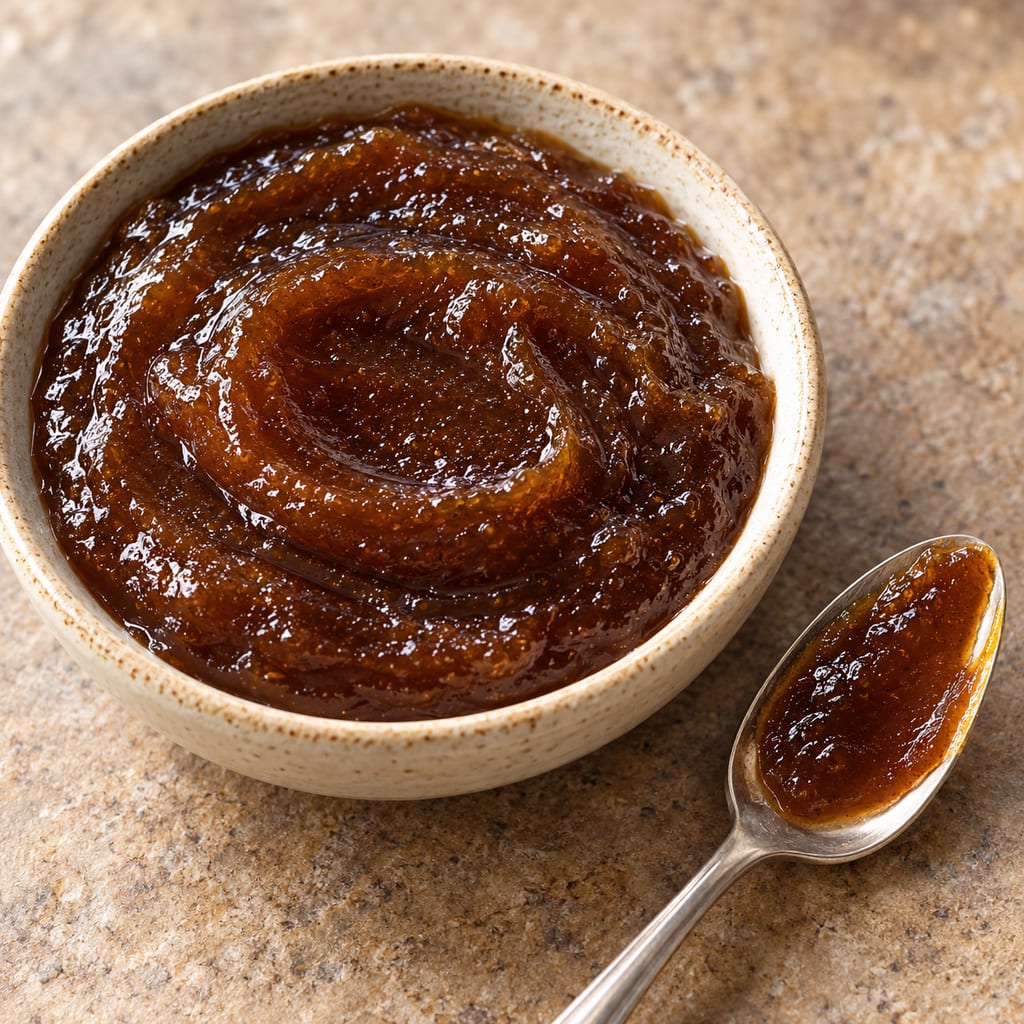
An experimental sweet mushroom preserve developed in Indian food-processing research, made by cooking mushroom pulp with sugar, added pectin and citric acid until concentrated into a thick, spreadable jam.
No community contributions have been published for this entry yet.
Sign in to contribute. Published comments and photos are free to read.
U.S. National Park ServiceMethod · History
Seals and subsistence (National Park Service)Seal oil could hold berries, greens or fish eggs.
Regionally specific composite storage system whose success depends on preparation and environmental conditions.
Cited in: What it is; Seasons and gathering; Containers and oil; Limits of the record
U.S. National Park ServiceHistory
Subsistence (National Park Service)Indigenous Alaska subsistence context for seal oil storage.
Te Ara, the Encyclopedia of New ZealandHistory · Method
Maori foods (kai Maori), Te Ara page 2Māori traditions stored birds in their own fat, in gourds or kelp containers.
Cited in: Related practices