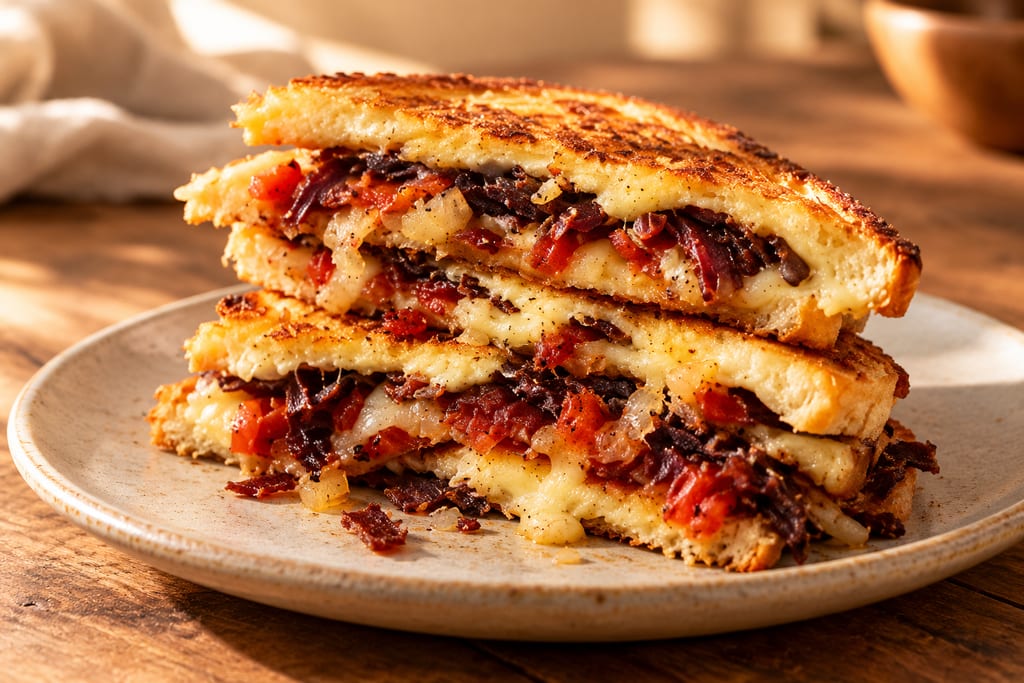
Biltong braaibroodjie
Chopped biltong, sweet onion, cream cheese and Cheddar fill bread toasted in a hinged grid over gentle coals, then finished with biltong dust.
 FermenteaWhere food goes to change
Fat or oil
Butter is a milk-fat emulsion made by churning cream. It enriches dough or finishes bread; melted, cool and room-temperature butter serve different recipe roles.
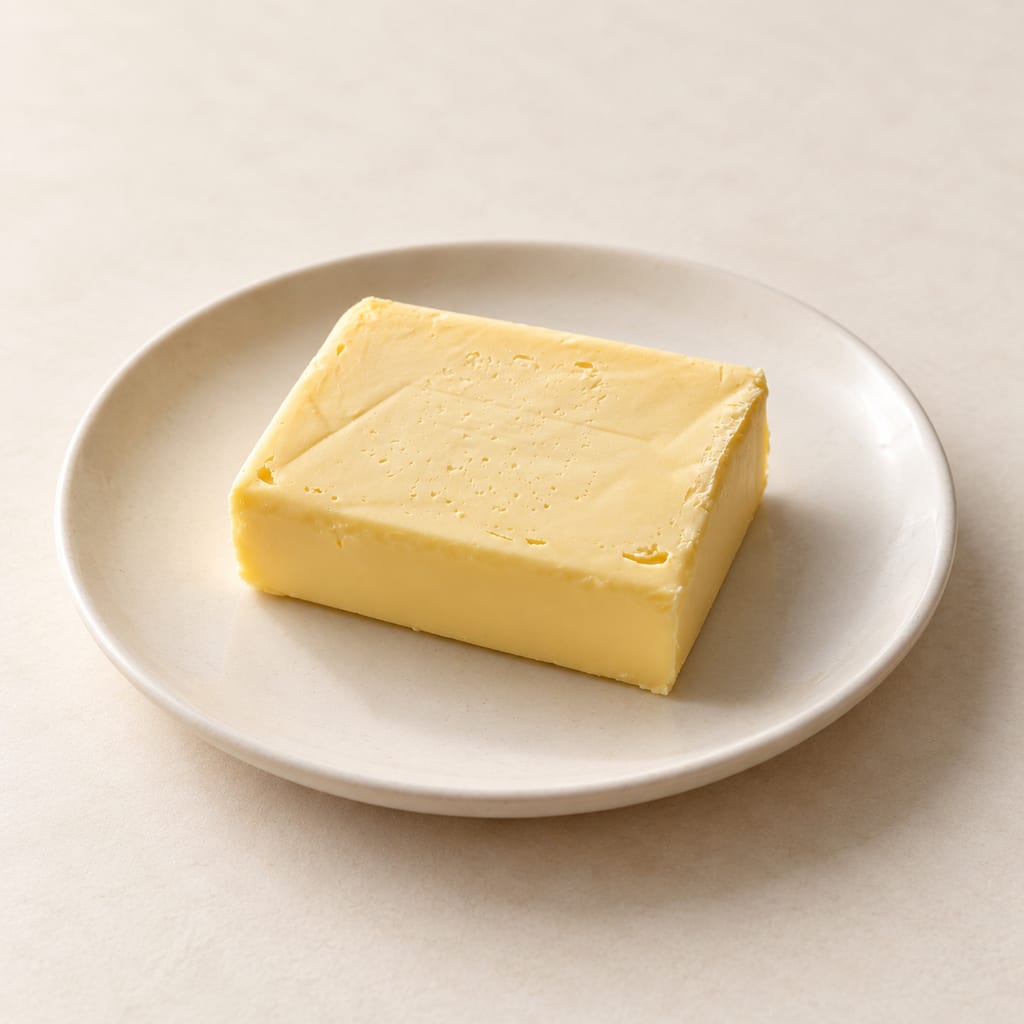
Butter is churned milk fat set into a soft, workable solid. A plain piece is mild and creamy, with a clean dairy aroma; cultured butter adds a sharper, lactic note, and salted butter tastes more seasoned. Its texture shifts with temperature and composition: cold butter cuts cleanly, warmer butter bends and spreads, and heat melts it into a glossy fat that separates if water and fat are no longer held together.
Butter begins in cream, the fat-rich portion of milk. People could discover it by handling milk or cream and agitating it, but an easy origin story is hard to prove. Archaeology preserves dairy fats and churn-like vessels unevenly; an object thought to be a churn does not by itself identify what was made in it. In Ireland, white or yellow waxy deposits called bog butter were deliberately placed in peat and sometimes enclosed in wooden vessels, bark or animal membranes. A study using compound-specific isotope analysis and radiocarbon dating confirmed a dairy-fat origin for the Irish examples it examined and traced a long-lived practice of deposition from the Early Bronze Age, around 1700 BCE, to the seventeenth century CE. That is evidence for dairy products, storage and surplus, not a date for the invention of butter-making. The same paper cautions that bog deposits elsewhere may be non-dairy animal fat, a useful warning against treating every find with the same name as butter.
The churn itself had many forms. A simple shake churn moves cream inside a vessel; a plunge churn uses a perforated disc or cross on a staff; other systems beat or whip the cream. A comparative study of pre-industrial Eurasian technology compares the histories of shake and plunge churns. Archaeological evidence from Ireland includes early medieval shake churns, while the author dates the broader introduction of plunge churns in parts of Europe to roughly 800–1200 CE. These are regional histories of equipment, not one route by which all butter-making began. The historian also links increasing butter production in northern Europe to salt access: salting helped preserve butter for trade. The evidence supports a connection between technology, storage and commerce without making salt the defining ingredient in every household butter.
A later, unusually well-documented example shows how a local dairy product could become a commodity. In the Brandywine Valley of Pennsylvania, butter had become an important farm product by the late eighteenth century. National Park Service material reports that Philadelphia shipped 47,860 pounds to the West Indies in 1770–1771 and 146,265 pounds to other ports and cities along the Atlantic seaboard in 1770–1772. Such figures describe a particular colonial trade, not the scale or experience of butter production everywhere. The region’s springhouses used flowing spring water to keep household foods cool. The growth of the trade also changed women’s household labor, as the park account describes. This is one documented American landscape in a much wider history of milk production, household skill, storage and exchange.
Butter is not pure fat. Under the Codex standard, it is a milk-derived fatty product whose principal structure is a water-in-oil emulsion: small water droplets are held within a continuous fat phase. The standard sets minimum milk fat at 80 per cent by mass, maximum water at 16 per cent, and maximum milk solids-not-fat at 2 per cent. The USDA describes U.S. butter as made from milk or cream, with or without common salt or coloring, and containing at least 80 per cent milk fat. These are named standards, not a universal description of every national label or every butter-like spread. Reduced-fat spreads and vegetable-fat margarines are distinct products; their differing proportions of water and fat affect how they behave in dough and a pan.
The mixture explains butter’s feel. Milk fat forms a network of partly solid crystals and liquid fat. As the butter warms, more fat becomes liquid and the mass yields to pressure; as it cools, crystals help it hold its shape. Milk fat’s fatty-acid composition affects melting and spreadability, so two butters can feel different even when each is an ordinary block. Butter’s remaining water and milk solids matter too. Melting whole butter does not turn it into an oil with identical behavior: it brings the water and dairy solids into a recipe unless those fractions are deliberately removed.
Color, salt and grade are separate questions. Butter may be pale or more yellow; U.S. grading evaluates flavor, body, color and, for salted butter, salt balance. A USDA grade such as AA is a quality classification based on those sensory and physical criteria, not a guarantee that the butter is cultured, unsalted, from a particular region or nutritionally different. Salted and unsalted identify whether salt was added. Sweet-cream and cultured describe how the cream was treated, but the boundary is not simply “starter” versus “no starter”: the USDA's U.S. Grade AA specification allows low-acid sweet cream with or without starter. A package can combine salt and culture choices in different ways, so one label should not be inferred from another.
Before churning, cream is an oil-in-water emulsion: fat globules are dispersed through watery milk serum and protected by membranes. Churning repeatedly agitates them. Part of those membranes breaks; fat globules collide and partially join. Larger butter grains gather, while most of the liquid phase drains away as buttermilk. The emulsion has inverted: instead of water surrounding fat, butter has a continuous fat structure with water dispersed through it. Working the grains makes a cohesive mass and helps remove more buttermilk; if the maker salts the batch, salt is distributed during this stage. The result remains a moist dairy emulsion, not a block of anhydrous fat.
Commercial manufacture adds controls that a kitchen description often leaves out. Milk fat is separated to make cream; cream may be pasteurized, then cooled and tempered so the proportion and placement of solid and liquid fat are suitable for churning. The balance affects whether the finished butter is firm, leaky, brittle or spreadable. The cream is then churned in a batch or continuous machine, worked, salted if applicable, packaged and chilled. These stages explain why butter is not simply cream that has become thick: the physical separation and reorganization of fat are central to the product. Pasteurization is a processing and safety step in commercial production; it is not the same as culturing.
Cultured butter adds a biological stage before that physical change. The cream is inoculated with selected bacteria and allowed to ferment. Fermentation forms lactic acid and aroma compounds; the higher acidity (lower pH) and the aromatic profile give cultured butter a tangier, more pronounced flavor. Churning then separates and reorganizes the fat just as it does in sweet-cream butter. In other words, fermentation changes the cream’s acidity and flavor, while agitation makes butter. “Cultured” does not mean that every butter is fermented, and naturally soured cream in historical practice is not automatically equivalent to a modern controlled starter culture.
In these linked recipes, butter is a measured dough ingredient rather than a starter, leavener or general-purpose instruction to enrich any bread. Its fat contributes flavor and tenderness; fats lubricate gluten strands and can make bread softer and more tender, while butter’s water and milk solids distinguish it from an equal mass of oil. The recipe’s stated choice controls. Replacing butter with oil changes the mixture even when a recipe permits that choice; it does not establish a universal gram-for-gram substitution for other doughs.
The overnight sourdough pancakes use an unfed starter, buttermilk, flour and sugar in an overnight sponge. Butter appears later: the batter allows either 50 g vegetable oil or 57 g melted butter, beaten with the eggs and stirred into the fermented sponge. The butter goes into the final batter and is not fermented overnight with the sponge. The two choices carry different masses, 50 g of oil against 57 g of melted butter, because butter brings its own water and milk solids along with the fat.
The sourdough English muffins take another path. They call for 57 g butter at room temperature among the dough ingredients, with flour, water, sugar, dry milk, starter or discard, commercial yeast and salt. The butter is mixed into a dough that is kneaded smooth and elastic before the rise and griddle cooking. At this softness it can be distributed through the dough during mixing; the recipe does not ask the baker to melt it or add it piece by piece. The starter contributes acidity and flavor, while the commercial yeast is also present; the butter does not replace either leavening source.
The sourdough discard pretzels use butter in two different places. The dough permits one tablespoon of butter or vegetable oil, without naming a mass for that spoon measure. After shaping, the ropes are made into pretzels, brushed with a sugar-water wash, sprinkled with coarse pretzel salt and baked. A separate two tablespoons (28 g) melted butter is optional: it is brushed over the baked pretzels, not mixed into the dough. That finish leaves a buttery surface aroma and sheen. The dough choice and the finishing brush are not interchangeable operations, and neither should be collapsed into one butter amount.
Other modern bread formulas demonstrate further variation: one pain de mie recipe specifies 85 g butter at room temperature in a dough where all ingredients are mixed together; a brioche recipe specifies 142 g cool unsalted butter divided into five pieces and added after initial dough development. Their differences show how much the result depends on butter temperature and timing, and the word “butter” alone does not say whether it is salted or unsalted; only the brioche formula expressly specifies unsalted.
Butter can be served as a spread, melted over vegetables or grains, stirred into sauces, or used to carry flavor through baked goods. In dough, its dairy aroma and softening effect become part of the crumb and crust; as a finish, the aroma sits closer to the surface. Heat changes what the cook notices. When whole butter melts, its water and milk solids separate from the fat to varying degrees. As water evaporates, the milk solids can toast and smell nutty; this is the basis of browned butter. Butter can therefore supply both fat and an aromatic browned dairy component, though the browning process is separate from ordinary melting. Higher heat can scorch those solids.
At room temperature, butter is soft enough to spread and mix, but it is still responsive to the room and the product’s fat composition. Recipe phrases such as “room temperature,” “cool” or “melted” describe different physical states. A soft piece can be incorporated into a dough while remaining plastic; melted butter flows and distributes differently. A recipe that names a state, whether soft, cool or melted, is naming how the butter will behave in that dough.
For storage, keep butter wrapped or covered and refrigerated, following the package instructions. Butter’s fat can oxidize when exposed to air. A tight wrapper limits that exposure. Salted, unsalted, cultured, whipped and compound butters differ, so blanket counter-storage claims do not fit every product. For baking, take out only the amount needed to reach the recipe’s stated consistency; keep the remainder protected and cold.
Butter is a milk-derived food. In the United States, milk is a major food allergen under federal labeling rules; butter should not be treated as a dairy-free ingredient or assumed suitable for someone with a milk allergy. Its small residual amount of milk solids does not make it a reliable allergy-safe substitute.
milk
Examined dairy bog-butter specimens document deposition, not butter’s first origin.
National Park Service documents regional butter production and trade.
Chopped biltong, sweet onion, cream cheese and Cheddar fill bread toasted in a hinged grid over gentle coals, then finished with biltong dust.
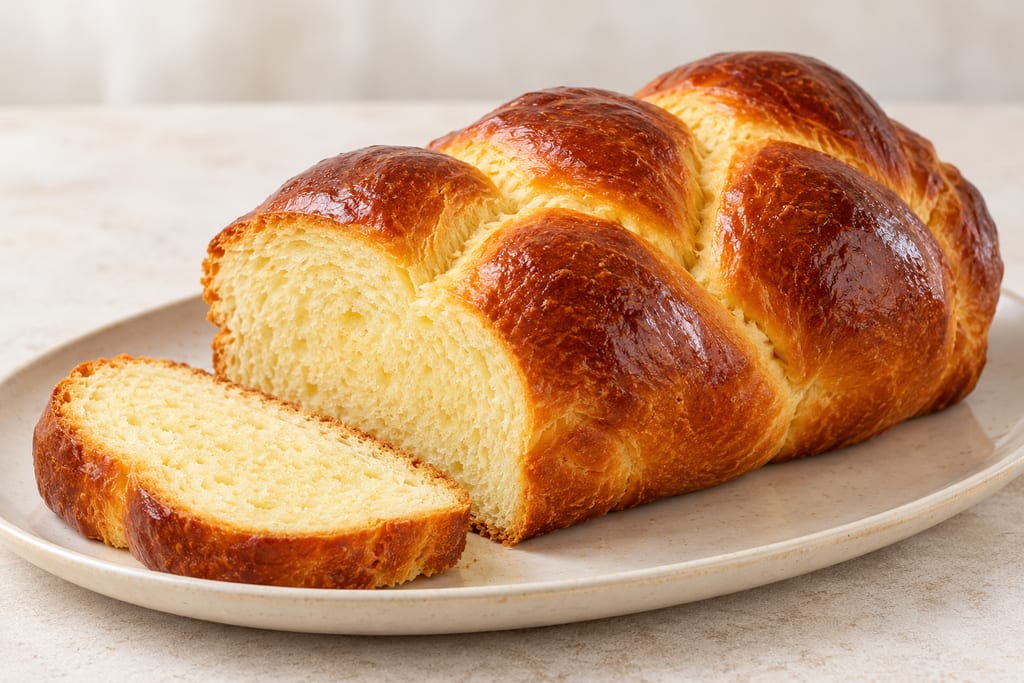
An egg-and-butter-rich yeast dough shaped as one round loaf, two loaves or twelve small brioches, with baking paths that vary by shape.
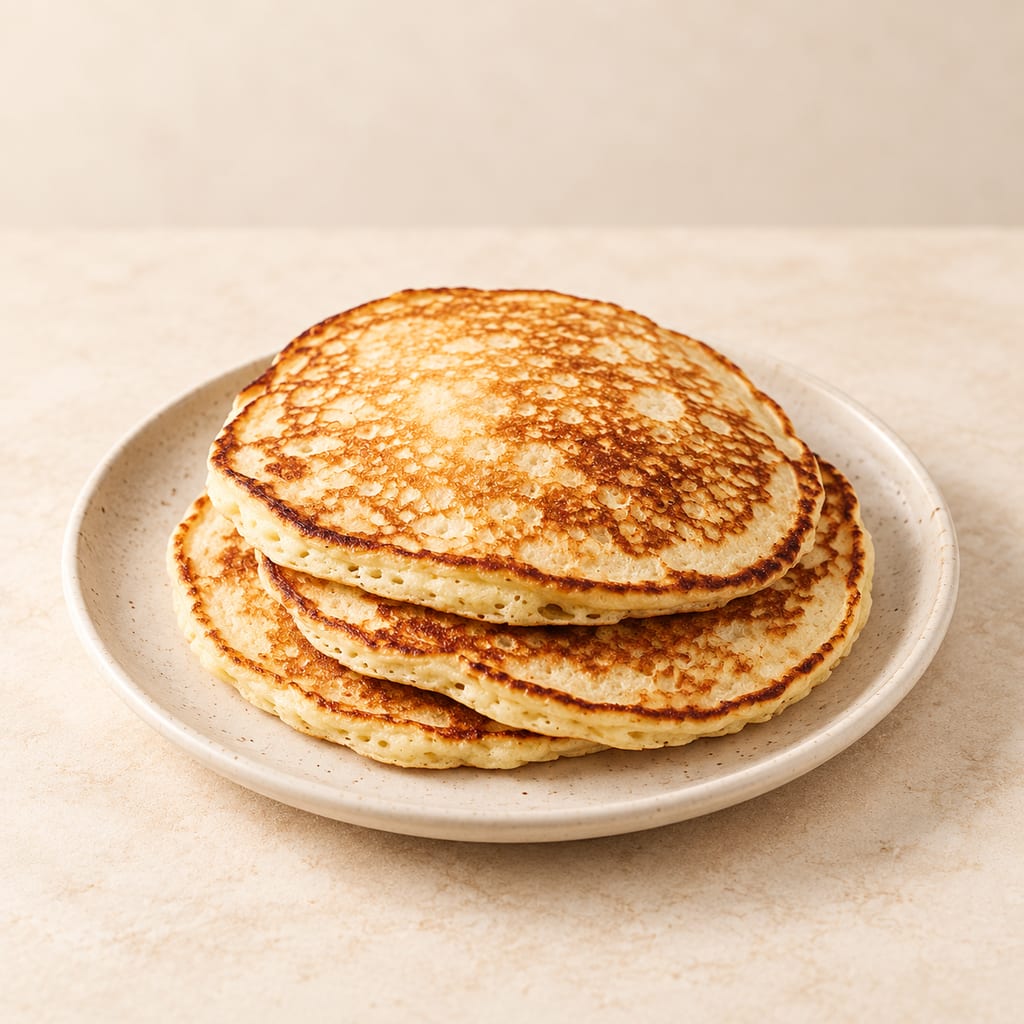
Buttermilk, flour and sourdough discard rest overnight before eggs and baking soda turn the sponge into a griddle batter. The finished pancakes are tender and lightly tangy.
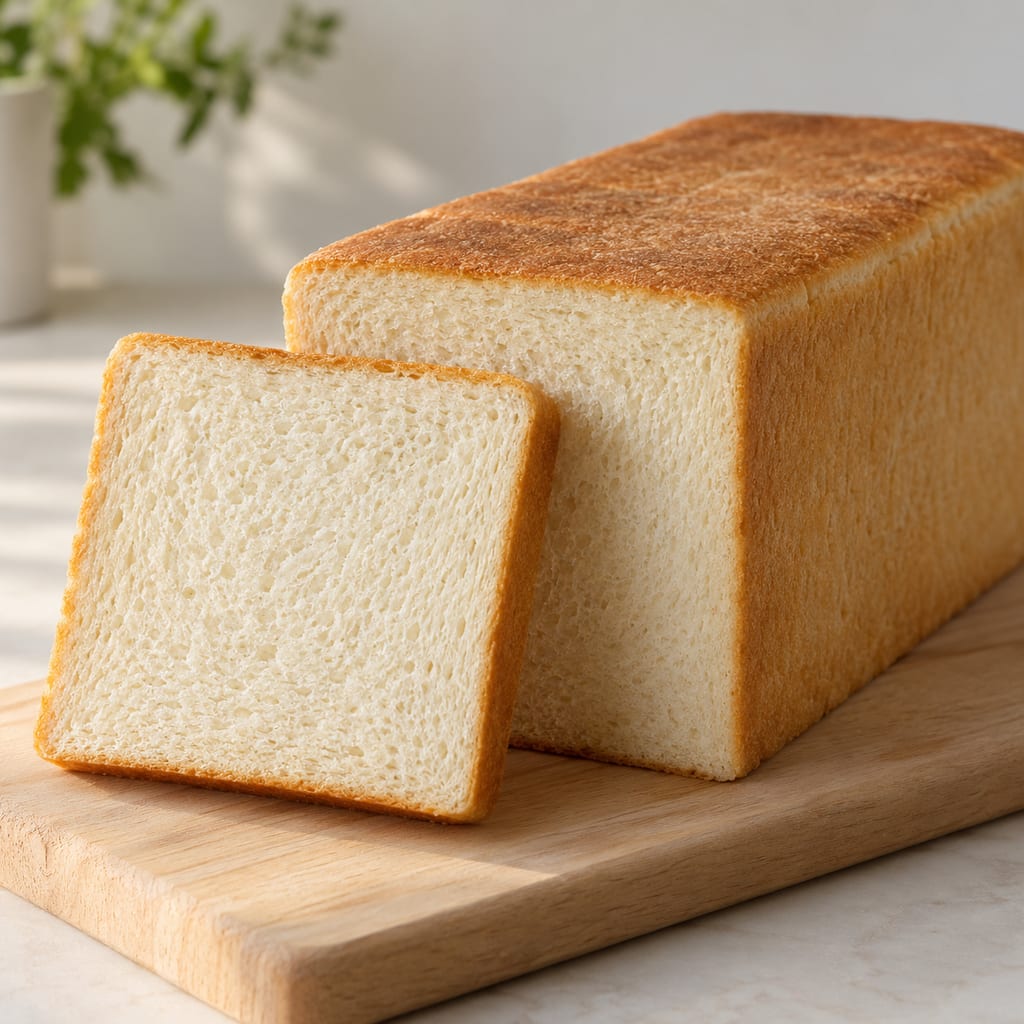
A fine-crumb, enriched wheat loaf baked in a lidded pan for even slices used in sandwiches, toast, French toast and melba toast.
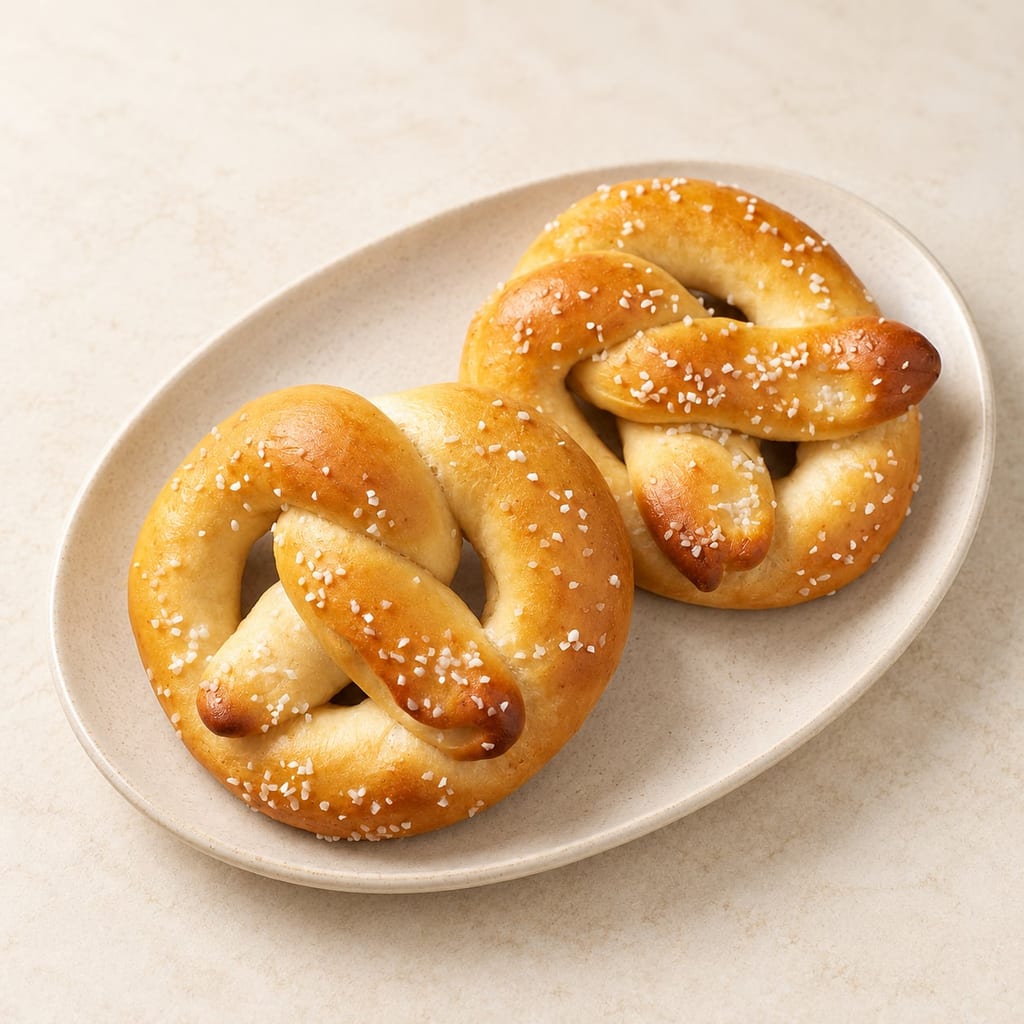
Unfed sourdough starter flavours a soft pretzel dough raised with instant yeast. After a short rest, the dough is shaped, brushed with a sweet wash, salted and baked without a final proof.
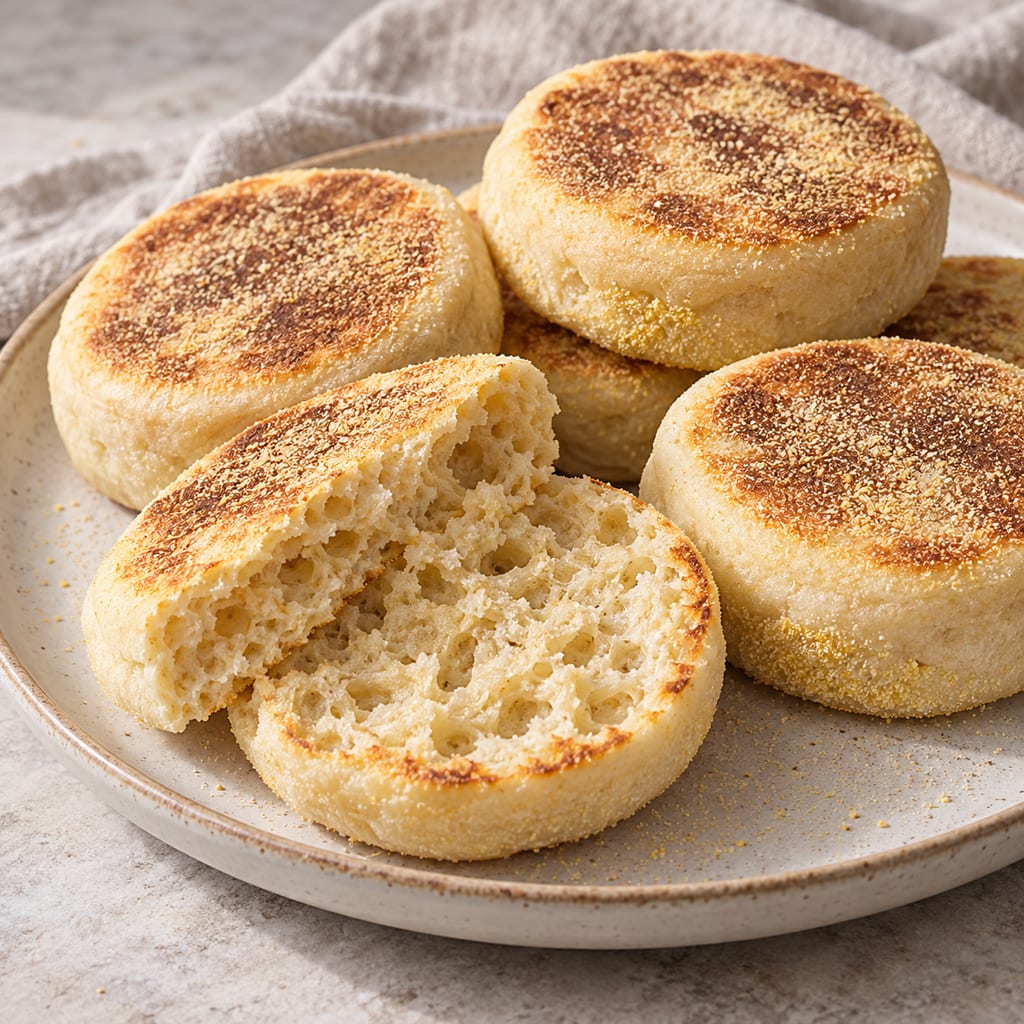
A soft English muffin dough combines sourdough starter with baker’s yeast, then rises, is cut into rounds and cooks on a griddle. The starter adds tang; the added yeast helps it rise.
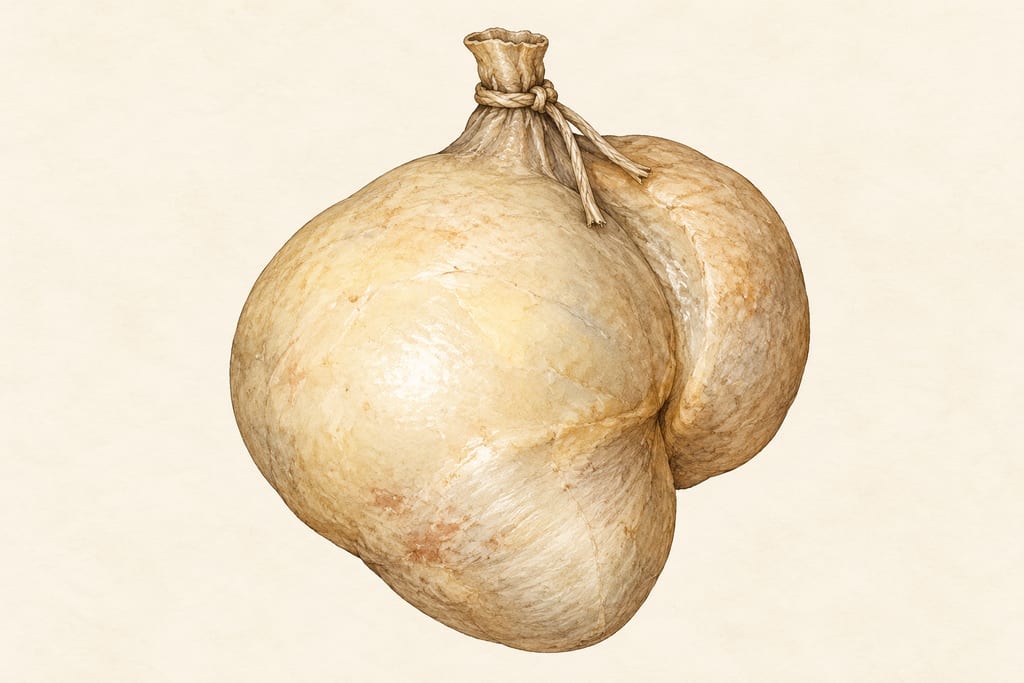
A prepared animal-stomach pouch holds butter in Kazakh and Kyrgyz traditions. Field images document empty and filled qarın in southern Kyrgyzstan, while a Kazakh tutorial distinguishes animal-specific qaryn forms.
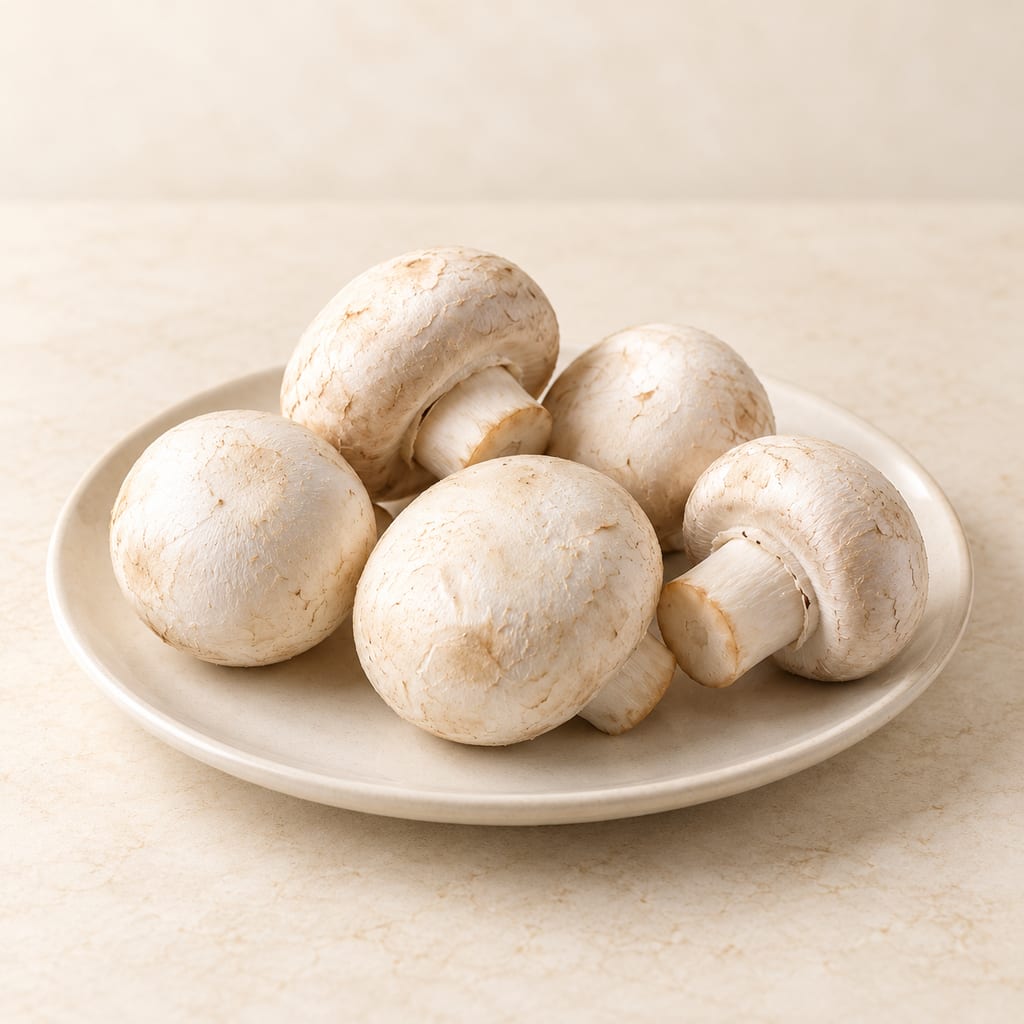
Mushrooms are the edible fruiting bodies of fungi, cultivated or gathered, and each species has its own texture, aroma and handling needs. Fresh, dried and roasted forms differ in water and in flavour compounds.
No community contributions have been published for this entry yet.
Sign in to contribute. Published comments and photos are free to read.
Food and Agriculture Organization of the United Nations and World Health Organization; Codex Alimentarius CommissionIdentity · Composition · Emulsion · Labelling
Milk and Milk Products, Second edition: Codex Standard for Butter (CXS 279-1971)Milk-derived butter identity and water-in-oil structure
80% minimum milkfat, 16% maximum water and 2% maximum milk solids-not-fat
Codex treatment of salted and unsalted labels
Cited in: Butter as an ingredient; What butter is—and what the name does not tell you; The change from liquid cream to a spreadable mass
U.S. Department of Agriculture, Agricultural Marketing ServiceGrading · Sensory quality
Butter Grades and StandardsAA, A and B grades are based on flavor and workmanship characteristics including body, color and salt; grade does not denote fat percentage
Cited in: What butter is—and what the name does not tell you
U.S. Department of Agriculture, Agricultural Marketing ServiceProcessing · Grading
Butter Grading InformationButter definition and 80% milkfat threshold
Cream churning and working in commercial production
Grade assessment including flavor, body, color and salt where salted
Cited in: Butter as an ingredient; The change from liquid cream to a spreadable mass
U.S. Department of Agriculture, Agricultural Marketing Service, Dairy DivisionGrading · Cream type qualification
United States Standards for Grades of ButterU.S. Grade AA may be made from sweet cream of low natural acid to which starter may or may not have been added; supports the limited distinction between a sensory/grade term and a product culture label
Cited in: What butter is—and what the name does not tell you
Center for Dairy Research, University of Wisconsin–MadisonComposition · Processing · Fermentation · Texture · Flavor
Butter Science 101: Basic Lipid Chemistry and Butter StructureMilkfat components, lipid oxidation and lipolysis
Fat crystallization, firmness and spreadability
Commercial process outline
Cultured butter acid and aroma development
Cream-to-butter phase inversion, buttermilk separation, working and optional salting
Cited in: Butter as an ingredient; What butter is—and what the name does not tell you; The change from liquid cream to a spreadable mass; At the table, over heat, and in storage
Scientific Reports, volume 9, article 4559Archaeology · History · Dairy fat identification
Four millennia of dairy surplus and deposition revealed through compound-specific stable isotope analysis and radiocarbon dating of Irish bog buttersCompound-specific isotope and radiocarbon analysis of Irish bog butter specimens
Dairy-fat identity for the specimens analyzed and a deposition tradition spanning c. 1700 BCE to the seventeenth century CE
Caveat that bog deposits elsewhere may comprise non-dairy animal fat
Cited in: A food made from cream, with a history that resists a single origin story
Bulletin of the Museum of Far Eastern Antiquities, volume 81, pp. 179–222; Museum of Far Eastern Antiquities, StockholmHistory · Churning technology · Trade
Transmission of technology along the Silk Road: theoretical reflections and three examplesComparative evidence and limits for shake, plunge and drill churn histories
Irish early-medieval shake-churn evidence and estimated European plunge-churn diffusion around 800–1200 CE
Relationship between salt access, increased northern European butter production and trade; unresolved origin/timing in Asia
Cited in: A food made from cream, with a history that resists a single origin story
National Park Service, First State National Historical ParkRegional history · Trade · Household labor · Storage
Brandywine Valley and the Butter BeltLate-eighteenth-century Brandywine Valley butter economy
Philadelphia shipments of 47,860 lb to the West Indies in 1770–1771 and 146,265 lb to other ports/cities in 1770–1772
Springhouses using flowing spring water
Changes to women's household labor as the butter trade expanded
Cited in: A food made from cream, with a history that resists a single origin story
College of Agricultural, Consumer and Environmental Sciences, New Mexico State University Cooperative Extension ServiceBread science · Fat function · Culinary use
Breadmaking, Guide E-206Bread fats lubricate gluten strands; more fat can make bread more tender/shorter, soften crust and add flavor
Wheat gluten forms the elastic framework for retained fermentation gas
Cited in: Butter’s work in pancakes, muffins and pretzels; At the table, over heat, and in storage
King Arthur BakingRecipe use · Ingredient measure · Ingredient state · Timing
Classic Sourdough Pancakes50 g vegetable oil or 57 g melted butter, added with eggs after the overnight sponge
Unfed starter, buttermilk, flour and sugar form the sponge
Cited in: Butter’s work in pancakes, muffins and pretzels
King Arthur BakingRecipe use · Ingredient measure · Ingredient state
Sourdough English Muffins57 g butter at room temperature in dough; commercial yeast and starter/discard both included
Cited in: Butter’s work in pancakes, muffins and pretzels
King Arthur BakingRecipe use · Ingredient measure · Ingredient state
Sourdough PretzelsOne tablespoon butter or vegetable oil in dough with no mass listed
Separate optional 2 tablespoons (28 g) melted butter brushed over baked pretzels
Cited in: Butter’s work in pancakes, muffins and pretzels
King Arthur BakingRecipe use · Ingredient measure · Ingredient state
Pain de Mie85 g butter at room temperature mixed with the remaining ingredients
Cited in: Butter’s work in pancakes, muffins and pretzels
King Arthur BakingRecipe use · Ingredient measure · Ingredient state
Brioche142 g unsalted butter at cool room temperature, divided into five equal pieces
Butter is gradually added after the initial dough has developed
Cited in: Butter’s work in pancakes, muffins and pretzels
North Carolina State University Cooperative Extension, Lenoir County CenterCulinary use · Heat transformation
What Is Brown Butter? How Do I Use It?Brown butter results as water evaporates and milk solids sink and brown, producing a deeper, nutty flavor
Cited in: At the table, over heat, and in storage
U.S. Food and Drug AdministrationAllergen
Food Allergies: What You Need to KnowMilk is a major food allergen in U.S. labeling law
Cited in: At the table, over heat, and in storage