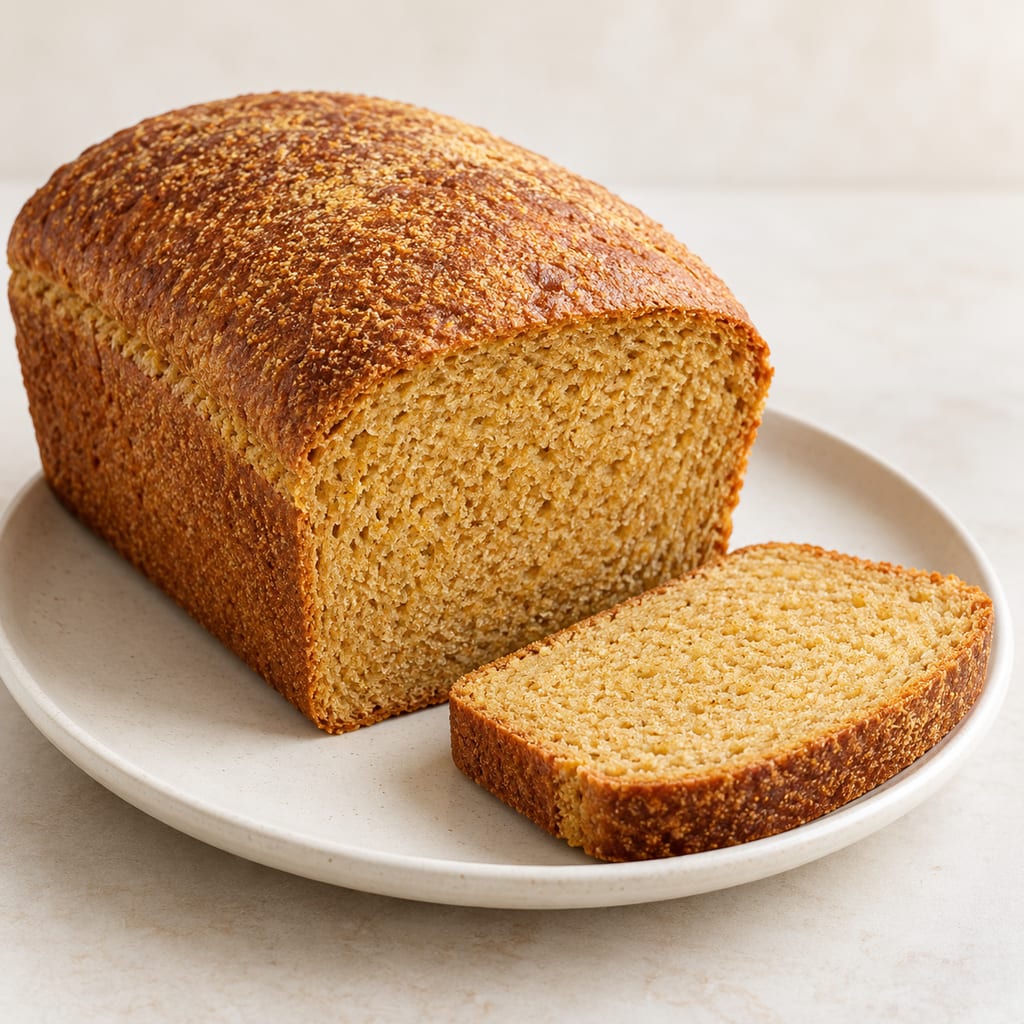
Anadama
Anadama is a New England yeast loaf made with wheat flour, cornmeal and molasses. Scalded cornmeal enriches the dough, while molasses lends sweetness and a dark crust; it is especially good toasted or beside soup and baked beans.
 FermenteaWhere food goes to change
Modern method
Easy Hot Cross Buns · hot cross bun · hot cross buns
These spiced fruit buns use yeast and baking powder in a soft wheat dough, then receive an icing cross after baking.
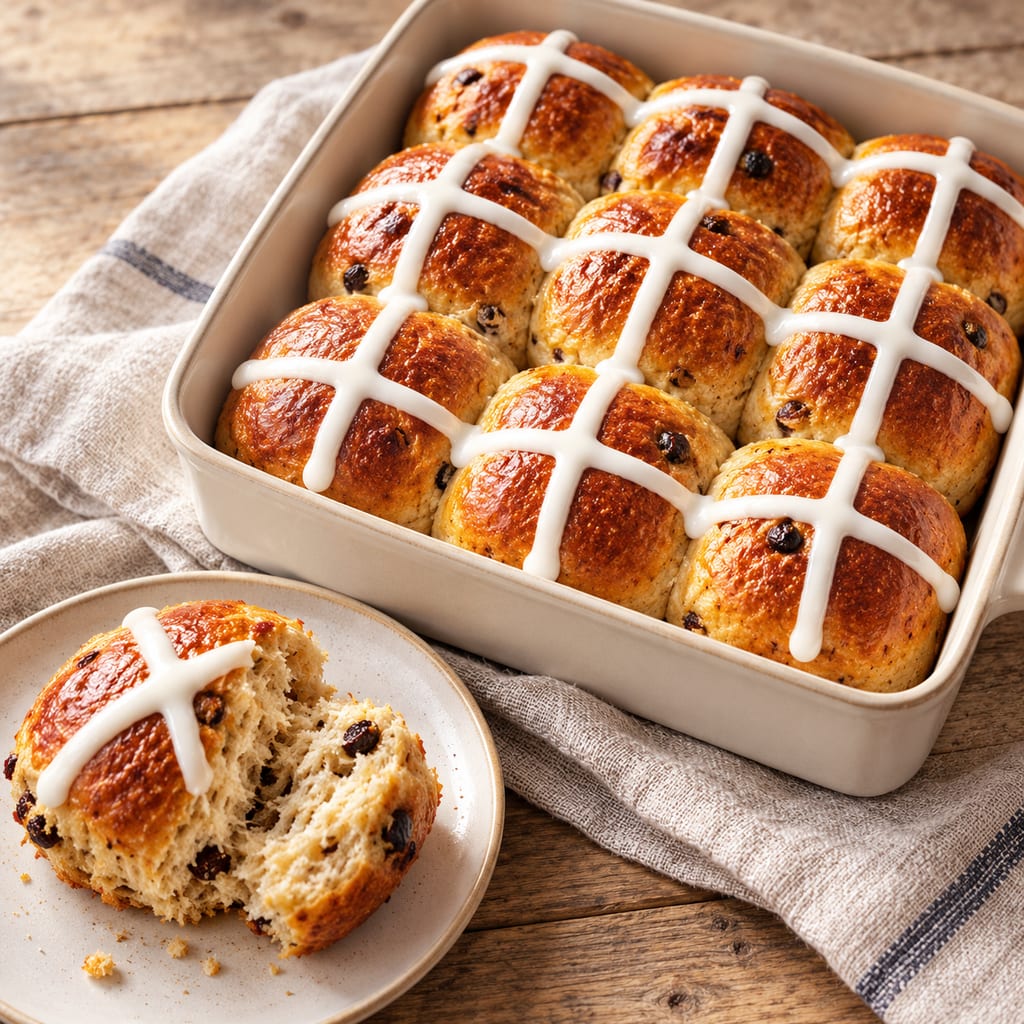
This King Arthur Baking version makes 12–14 soft, spiced fruit buns. The dough combines wheat flour, milk, eggs, butter, brown sugar, dried fruit, yeast and baking powder. Raisins or dried currants are soaked with additional dried fruit in either apple juice or rum; after cooling, the fruit and any unabsorbed liquid go into the dough. A separate egg-white wash goes on before baking, while the cross is piped from icing only after the buns have cooled completely.
The recipe is one contemporary publisher's formula. Its Easter-collection placement establishes the publisher's present-day seasonal context, not the origin or full history of hot cross buns. It should not be read as a universal formula or a source for customs beyond what the page states.
Lightly grease either a 10-inch square pan or a 9-by-13-inch pan. Warm the apple juice or rum with the dried fruit and raisins under a cover until the fruit and liquid are very warm, then set the bowl aside to cool to room temperature. The publisher describes a brief microwave method and suggests a glass lid for anyone who prefers not to use plastic wrap in the microwave. It gives no soak duration or exact fruit temperature.
Keep the cooled fruit aside while mixing the dough. The method later includes any liquid that the fruit has not absorbed. The recipe lists two fruit lines as alternatives, so the listed 78 g quantity applies to either raisins or currants; it does not mean both are required. Likewise, apple juice and rum are alternatives, not a combined liquid.
Weigh the flour, or spoon it into a measuring cup and sweep off the excess. Combine the flour with the remaining dough ingredients, including the whole eggs and the separated egg yolk. Knead with an electric mixer or bread machine until the dough is soft and elastic. The publisher notes that it remains slack and sticky, clinging to the bowl bottom and hands; greased hands can make it easier to handle. Mix in the cooled fruit and any remaining soaking liquid.
Cover the dough and let it rise for one hour. It should look puffy, though it may not double. Divide it into 12–14 portions and round them with greased hands. Arrange the rolls in the prepared pan, cover and let them rise for another hour, or until puffed and touching. The source relies on appearance for both rises and gives no numerical dough or room temperature. The fermentation times are nominal stages rather than strict proofing limits.
Heat the oven to 375°F (191°C). Whisk the reserved egg white with one tablespoon (14 g) milk and brush the mixture over the buns. Bake for 20 minutes, until golden brown. Turn the buns out carefully as one joined piece and transfer them to a rack to cool. The source gives a colour cue and time, but no independently validated internal-temperature endpoint.
Mix the icing with enough milk to make it thick and pipeable. Wait until the buns are completely cool before piping a cross on each. The cross is a finishing mark made with icing in this recipe; the source does not call for cutting or scoring a cross into the raw dough. Delaying the icing also keeps it distinct from the baked egg wash.
The page lists 25 minutes hands-on time, 20 minutes baking and a total duration of 2 hours 45 minutes. The two one-hour rises account for most of the schedule, with fruit warming and cooling, shaping, preheating, baking and cooling around them. The listed yield is a range because the dough is divided into 12–14 buns; the source also gives an approximate piece weight and a heaped scoop measure.
The method uses a covered bowl for fruit, a mixing bowl, mixer or bread machine, one of the two stated pans, a brush for egg wash, a rack for cooling and a piping bag or similar means to apply the icing. No dough temperature target is given. The difficulty rating reflects the sticky dough, staged fruit addition, visual proof cues, pan arrangement and delayed icing, along with the absence of a tested scale-up.
King Arthur Baking places this recipe in its Easter collection. That supports the page's current seasonal framing; it does not supply a dated first attestation or establish a particular birthplace. The listed country association is the location of a contemporary US publisher's recipe and is not presented as a traditional US origin.
The base method gives no finished storage duration. The publisher's advice about keeping the buns soft for several days applies to an optional tangzhong variation, which changes the process; it is not a tested storage limit for this base formula. No shelf-life claim is added here. The recipe contains wheat, milk and eggs, and the fruit soak can use rum; no alcohol-retention or dietary-substitution result is claimed.
King Arthur Baking places this contemporary recipe in its Easter collection. That placement supports a present-day seasonal association, not an origin or historical date for hot cross buns.
Scaling: source batch only
The recipe contains wheat, milk and eggs.
Rum is one fruit-soaking option; the source does not assess alcohol remaining after baking.
Base-recipe storage duration is not given. The optional tangzhong advice is separate and does not establish a safe-storage limit.
A contemporary US-publisher recipe; this does not establish the dish’s origin or a traditional US association.
Anadama is a New England yeast loaf made with wheat flour, cornmeal and molasses. Scalded cornmeal enriches the dough, while molasses lends sweetness and a dark crust; it is especially good toasted or beside soup and baked beans.

A yeast-raised wheat ring shaped from a firm dough, briefly boiled and baked. This source-batch formula gives a gently malted crust and a chewy crumb.
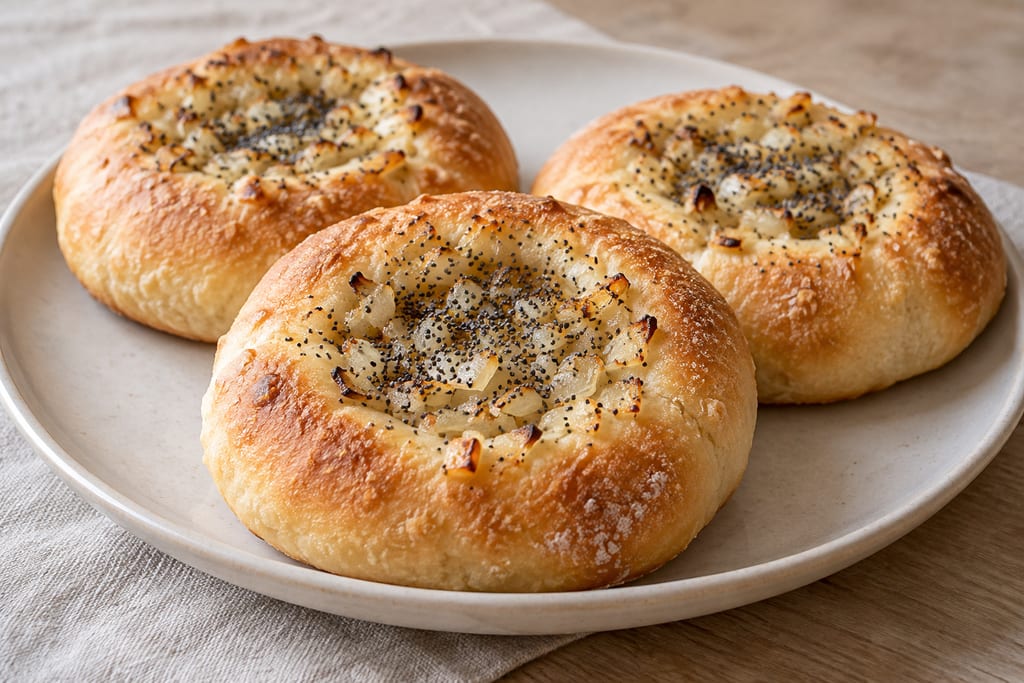
Bialys are soft, yeasted wheat rolls baked without boiling, each shaped with an onion-filled central depression instead of a hole.
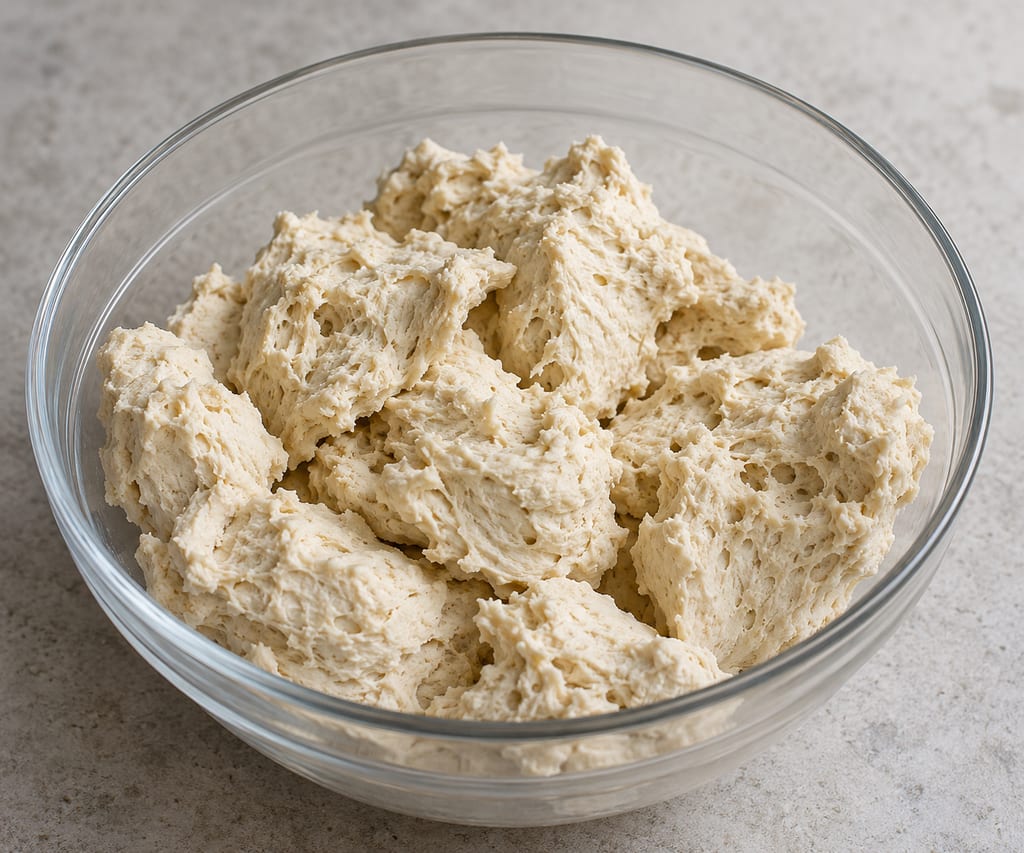
Biga is an Italian bread preferment of flour, water and a little yeast, usually a stiff unsalted mass of about 45 per cent water, fermented ahead and then mixed into the final dough.
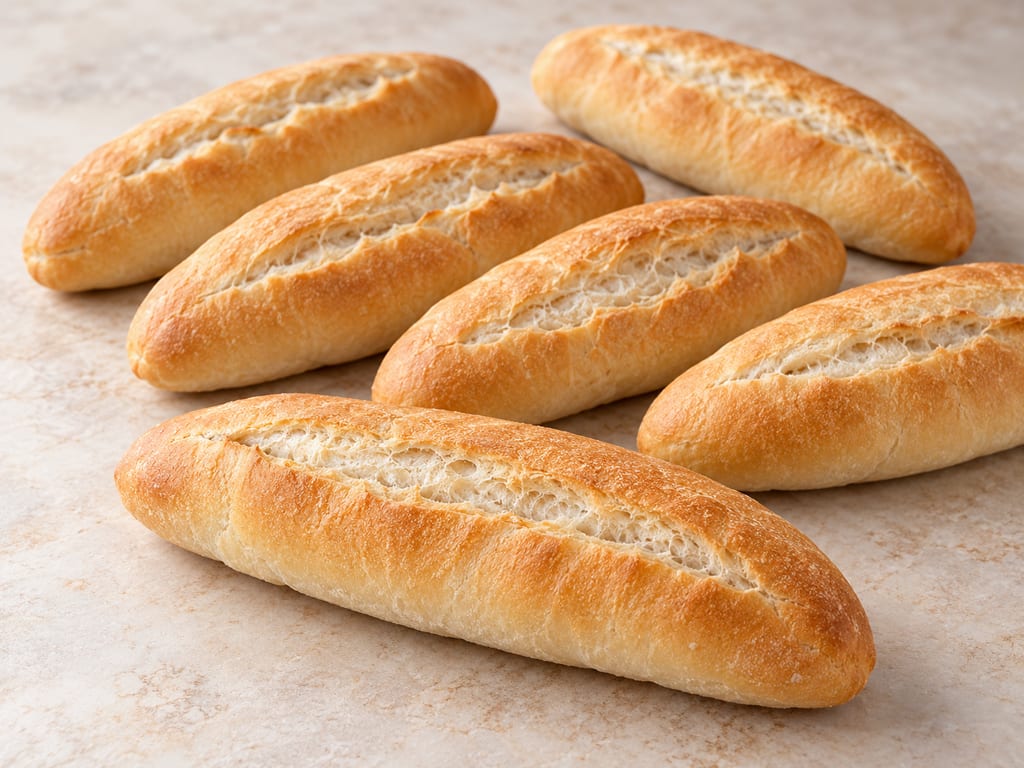
Six yeast rolls for Cuban sandwiches, shaped into long tapered loaves and slashed down the center.
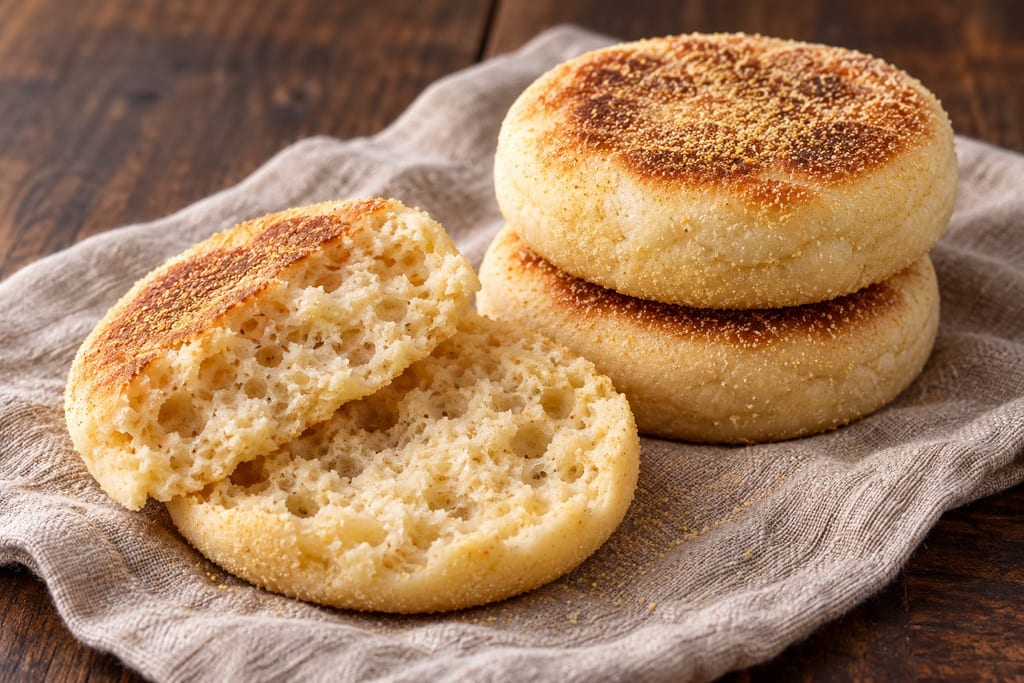
King Arthur’s six-piece English muffin batch uses a yeast preferment, two folds and a skillet or electric griddle; it is distinct from the sourdough-and-yeast version already catalogued.
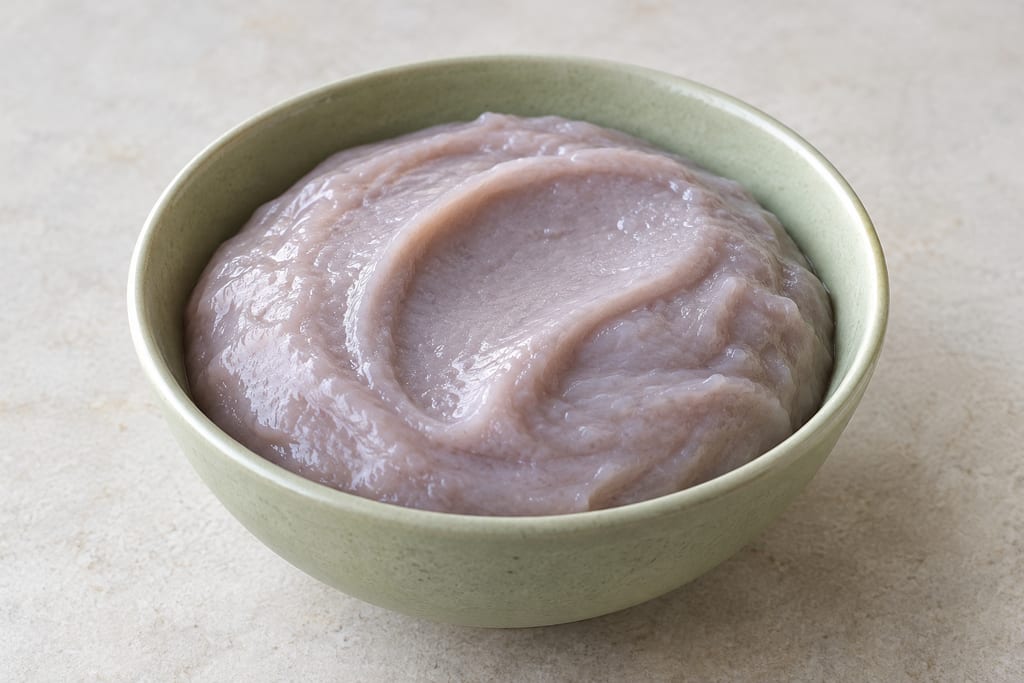
This modern introductory batch boils 500 g edible taro, then pounds it with water into fresh poi. It stops before fermentation and makes no preservation claim.
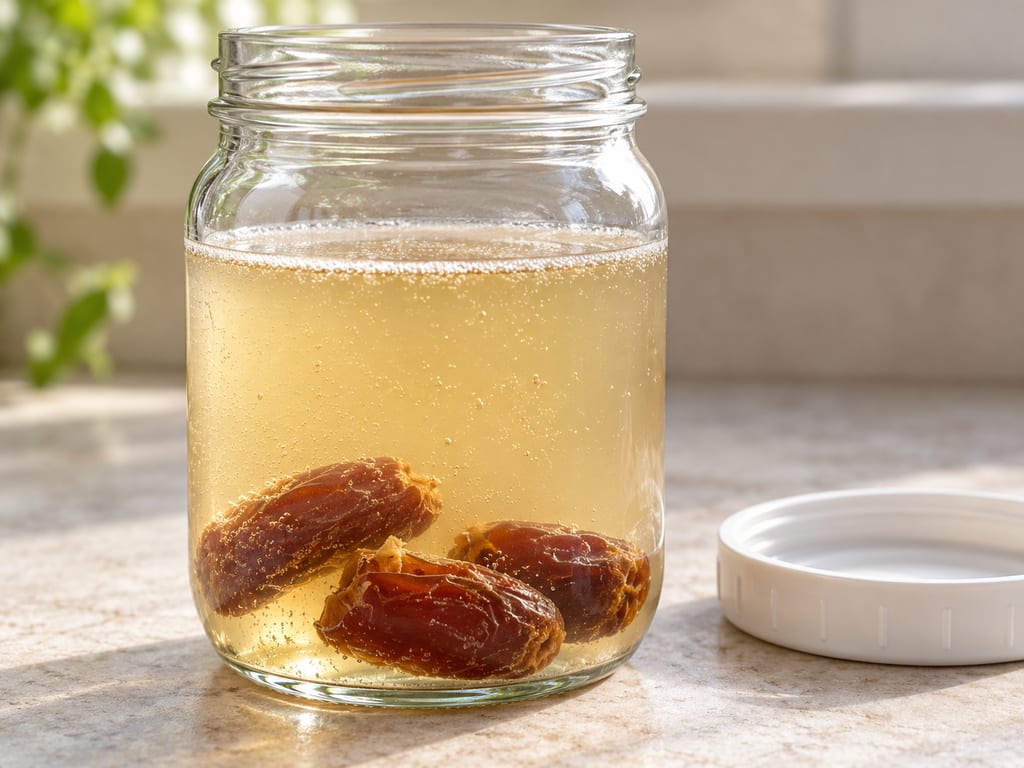
Fruit yeast water is a spontaneously fermented liquid made by soaking fruit in water, with or without sugar, to grow yeast for starting bread dough or a separate flour starter.
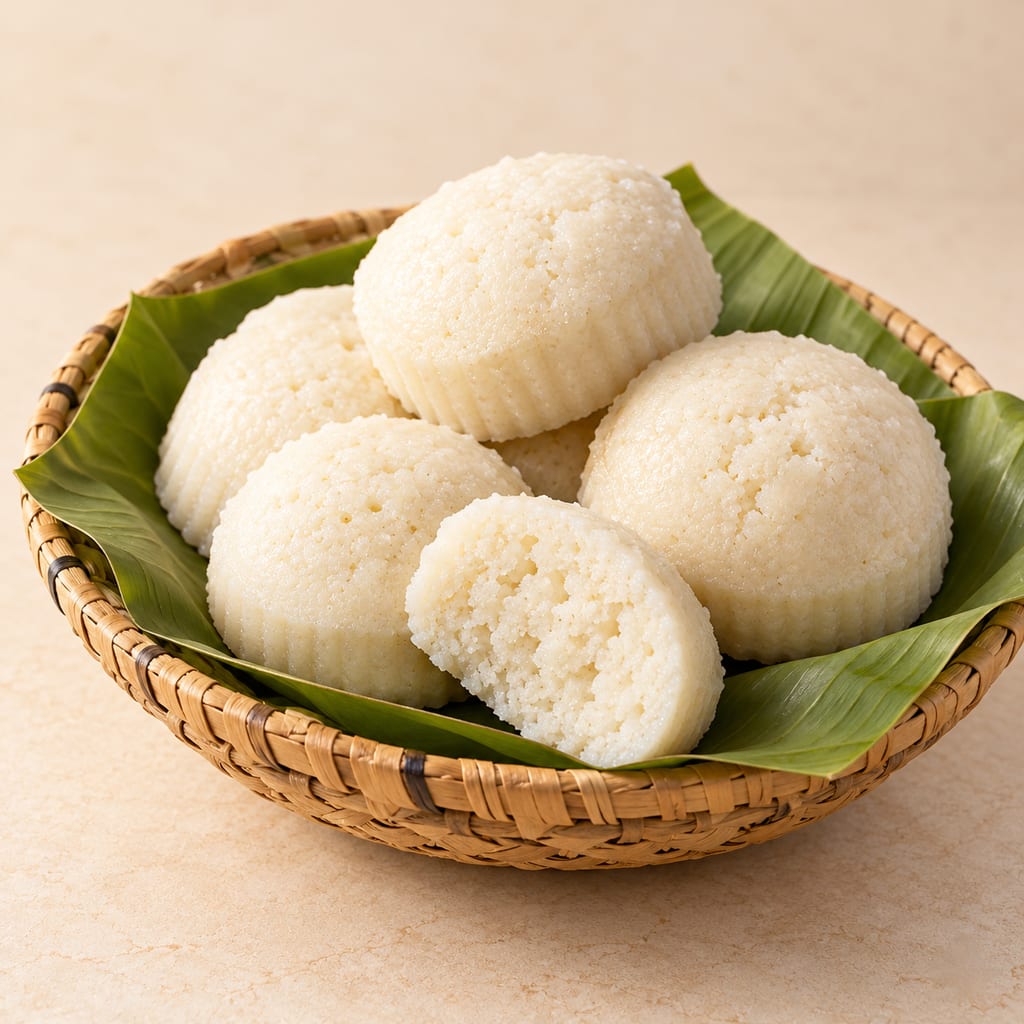
Soft, lightly tangy steamed cereal bread documented across Benin and Togo. This page gives one measured rice-flour research method; maize-based Ablo and mixed-grain versions remain distinct traditions.
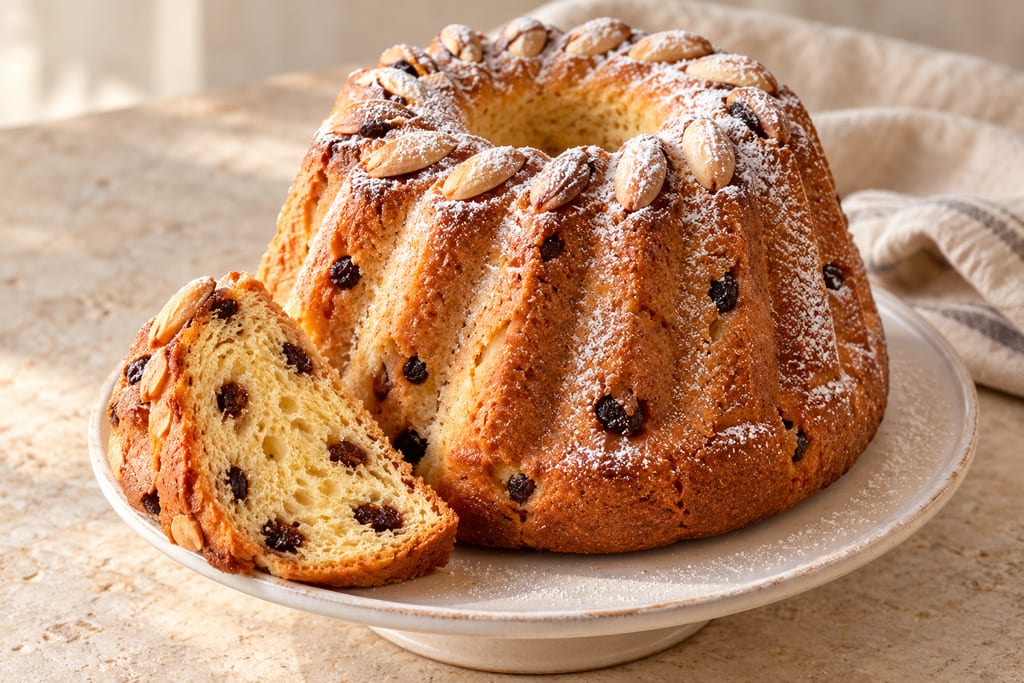
An enriched Alsatian yeast ring with raisins and almonds, kneaded with butter, proofed in a fluted mould and baked until browned.
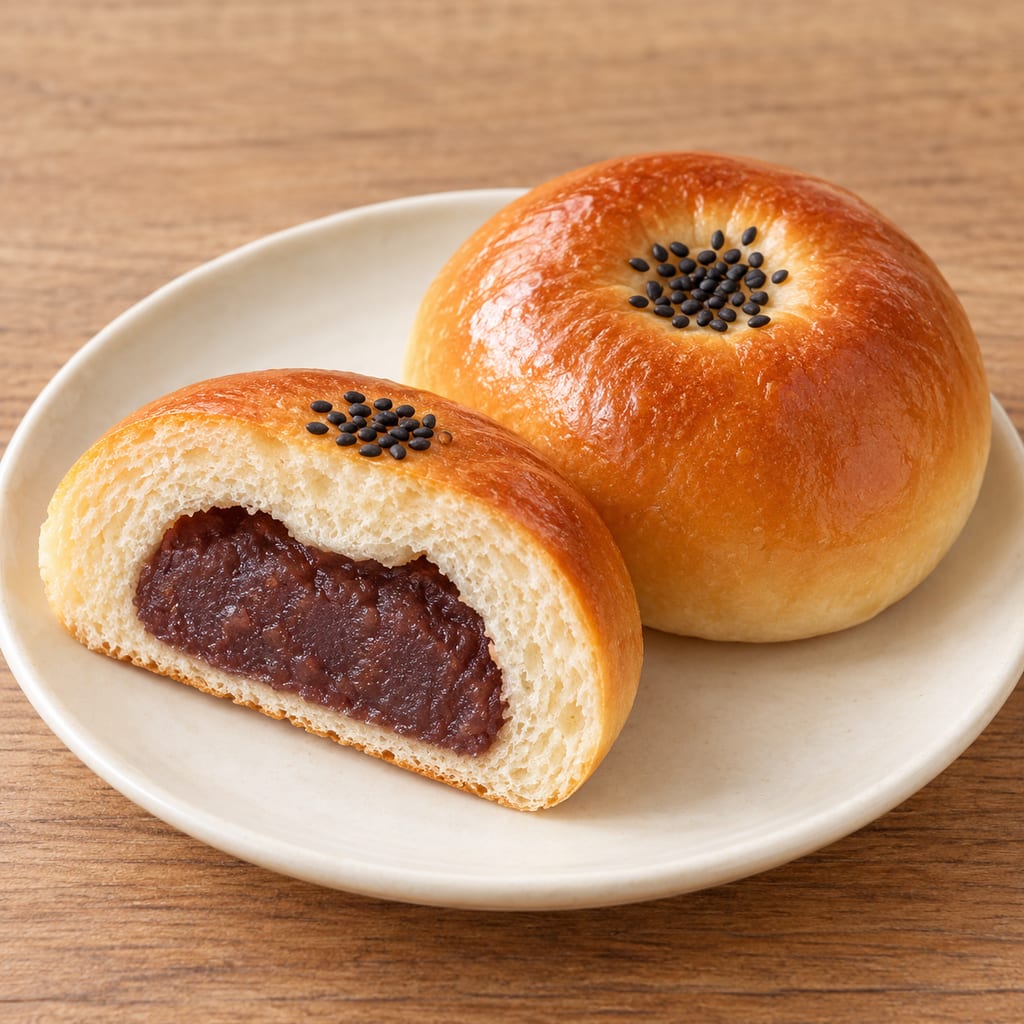
Anpan is a soft wheat bun filled with sweet red-bean paste and finished with egg wash and black sesame. This dough rises with commercial instant yeast.
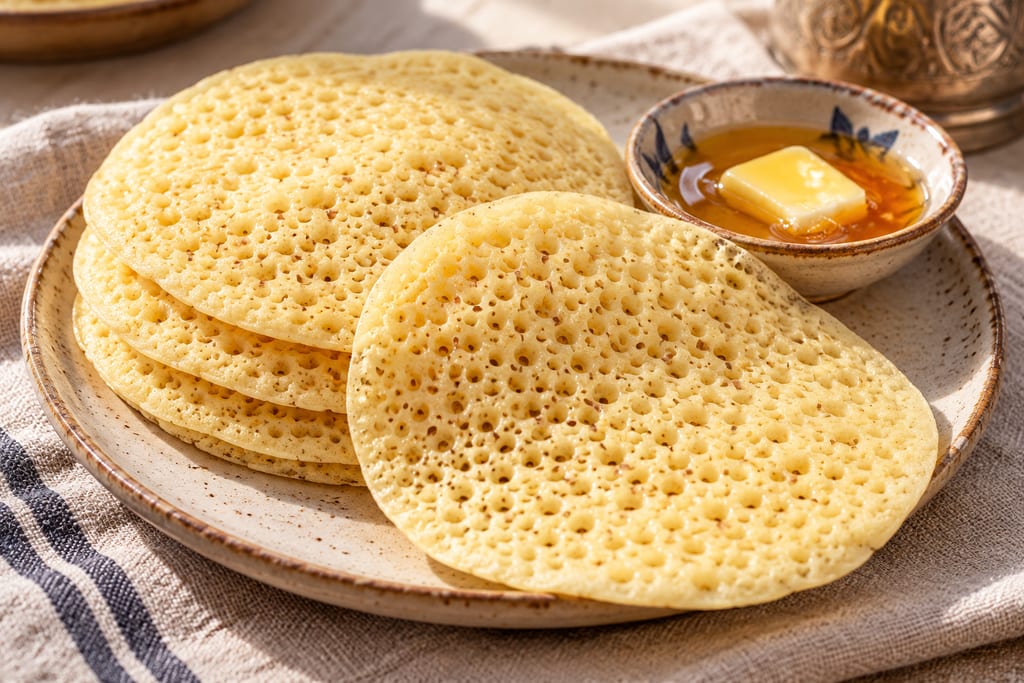
Moroccan semolina pancakes made from a thin yeast batter, rested until foamy and cooked on one side until the surface sets with a honeycomb of holes. This source-specific batch makes sixteen 5-inch pancakes.
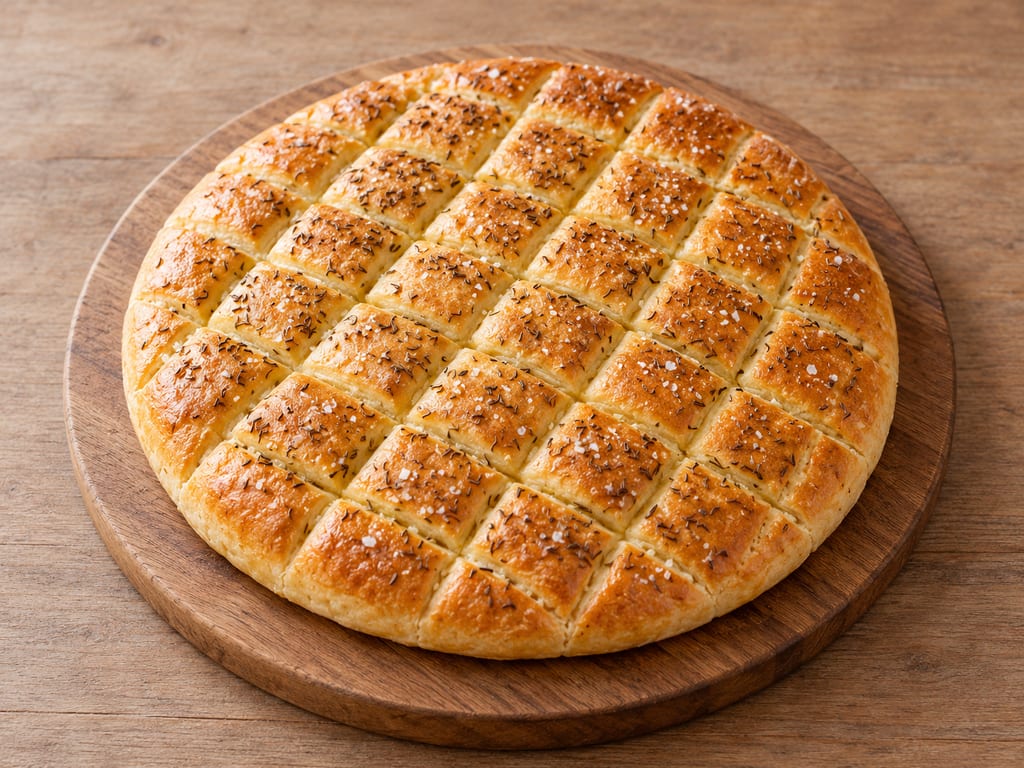
A round Slovenian flatbread scored in a grid and topped with caraway and coarse salt.
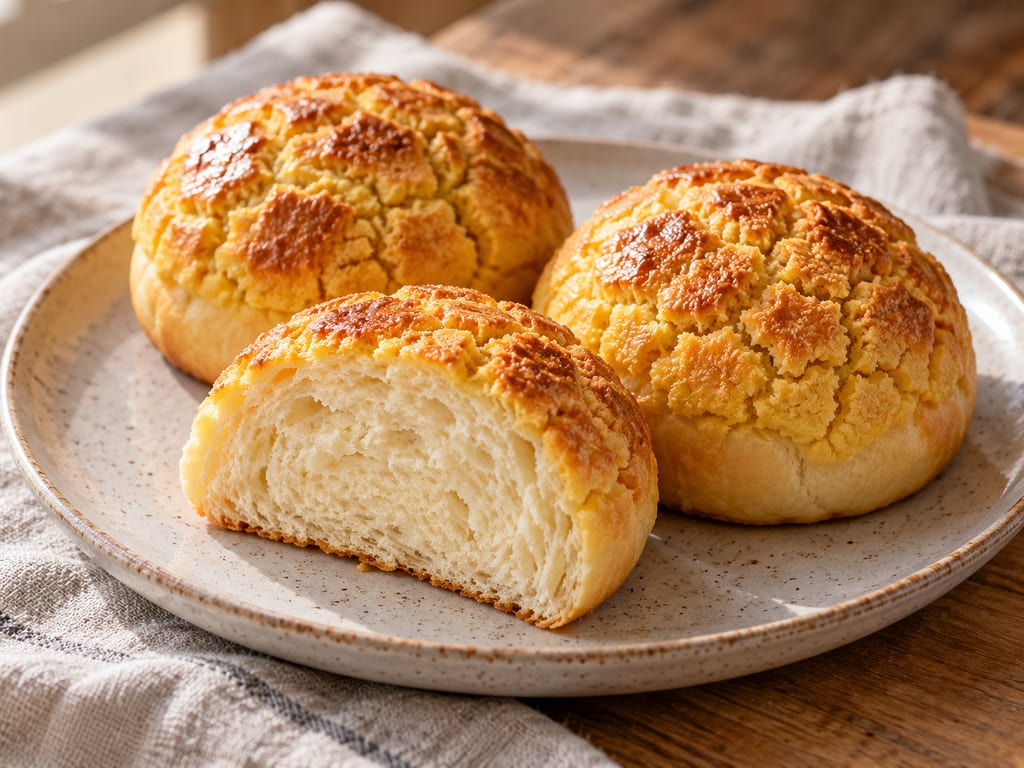
Hong Kong-style pineapple buns have soft yeast dough beneath a crisp, sweet pastry topping.
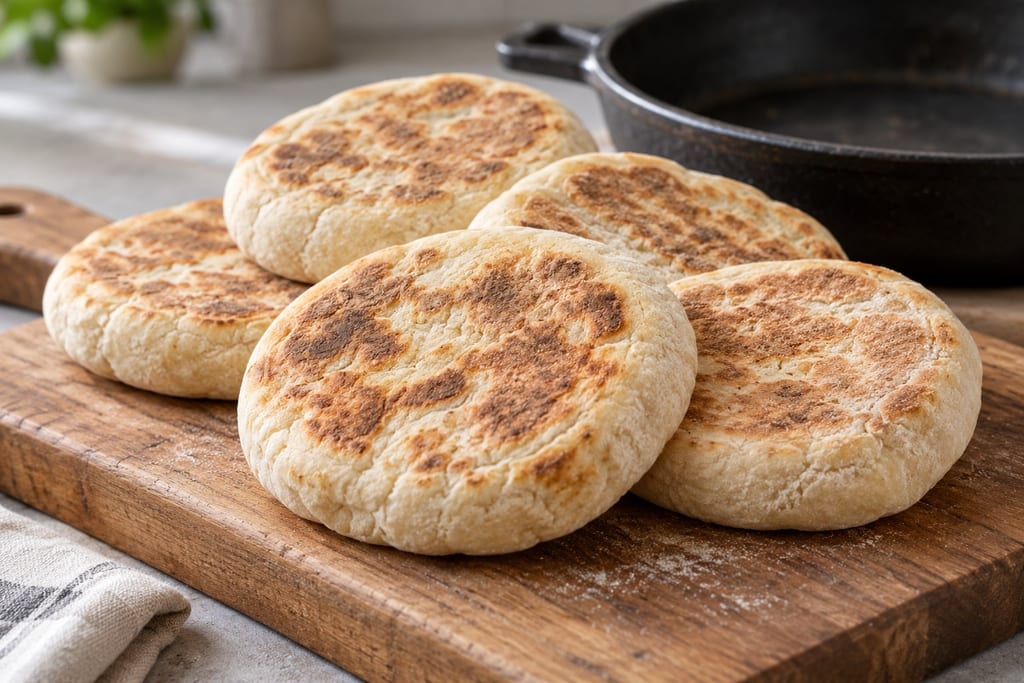
Sweet-potato wheat breads with fresh yeast, browned in a pan and finished in the oven. This is the bread component of Teleculinária's scrambled-egg dish.
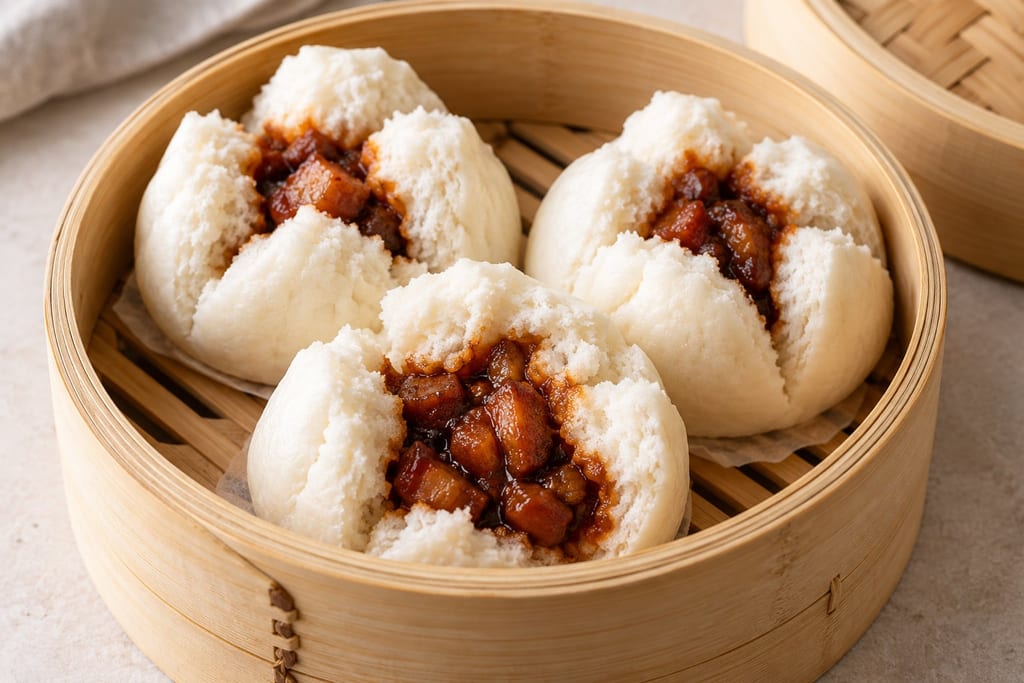
Fourteen fluffy steamed buns filled with cooked char siu and a thickened oyster-soy sauce.
No community contributions have been published for this entry yet.
Sign in to contribute. Published comments and photos are free to read.
King Arthur BakingInspiration · Recipe · Modern seasonal context
Easy Hot Cross BunsKing Arthur Baking lists this contemporary recipe in its Easter collection and gives a yield of 12–14 buns.
The source formula includes fruit soaked in apple juice or rum, enriched yeast dough, baking powder, two one-hour rises, an egg-white wash, a 375°F (191°C) bake and icing crosses applied after cooling.
The optional tangzhong variation is separate from the base recipe and carries the publisher's only multi-day softness advice.
Cited in: An enriched bun with an icing cross; Soften the fruit before mixing; Mix and raise the dough; Wash, bake and pipe the crosses; Schedule and equipment; Seasonal framing and storage limits