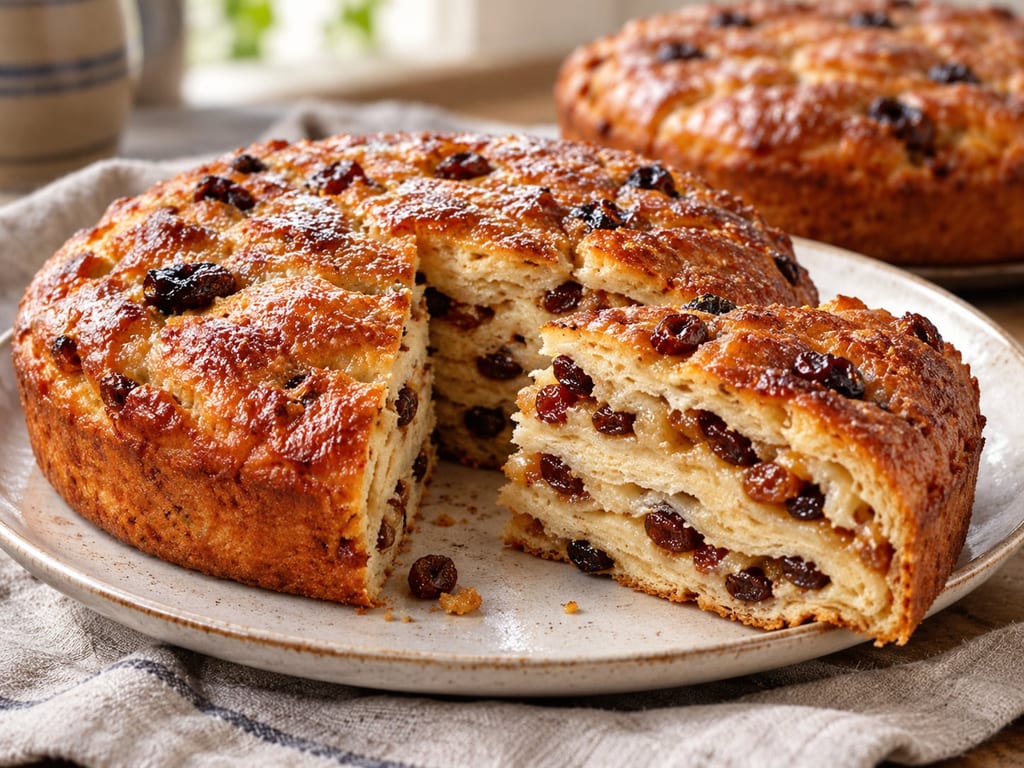
Lardy cake
A yeast dough is folded around sweetened lard and dried fruit, then baked in tins until the bottom caramelizes.
 FermenteaWhere food goes to change
Modern method
English Muffins · King Arthur yeast-preferment English muffins
King Arthur’s six-piece English muffin batch uses a yeast preferment, two folds and a skillet or electric griddle; it is distinct from the sourdough-and-yeast version already catalogued.
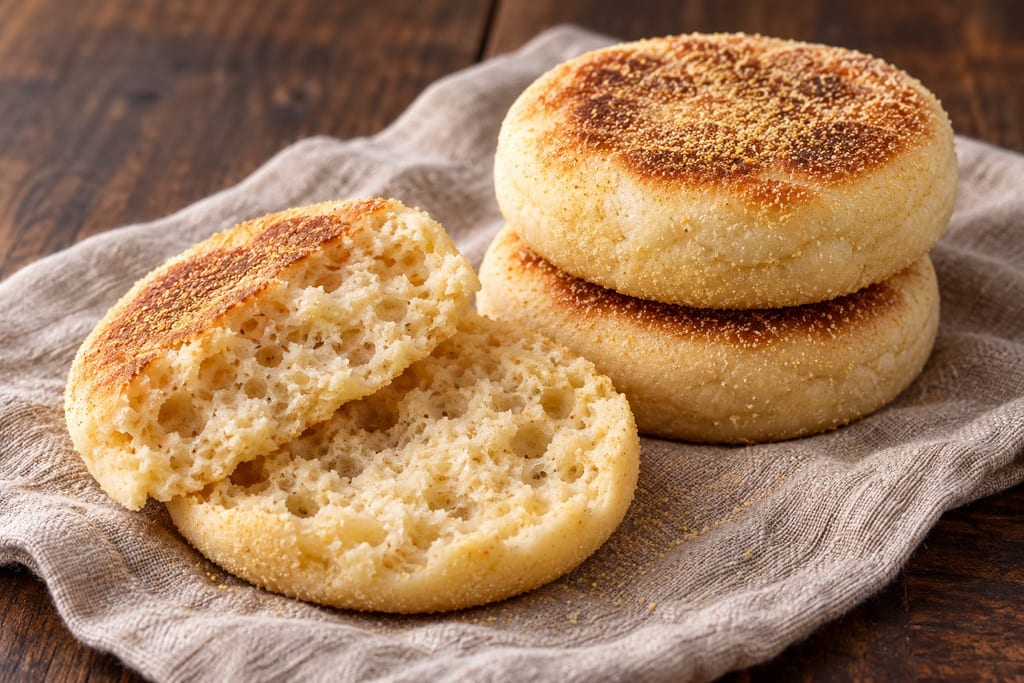
This King Arthur formula makes six yeast-raised English muffins, not chemically leavened American-style muffins. The two forms share a name but use different doughs and methods: this dough develops through a commercial-yeast preferment, then cooks in a skillet or on an electric griddle rather than baking in a muffin cup.
Macculloch Hall Historical Museum describes muffin sellers in 19th-century London and notes that Louisa Macculloch’s handwritten cookbook is undated. Its “Speedy Muffins” use baking soda rather than yeast. That record helps distinguish the historical names, but it does not date the current King Arthur formula or supply ingredients for it.
The preferment uses 190 g all-purpose flour, ¾ teaspoon instant yeast, 152 g milk and 102 g water. Whisk the mixture smooth; its thick batter-like texture is intentional. The liquids are warmed to 32°C/90°F. Covered at room temperature, the mixture rests for 1–4 hours: it should grow and develop small bubbles, and at four hours should be doubled with many bubbles.
Add 120 g flour, 6 g table salt, 4 g sugar and 18 g melted unsalted butter. Mix into a soft, sticky dough, working it with a wet hand or spoon against the bowl until it begins to smooth and feels tacky. Fold the dough over itself around the bowl six to eight times, then round it with surface tension. Cover and rest at a warm room temperature for an hour; fold and round again, then rest another hour or until very puffy.
Dust the work surface and dough with 20–30 g cornmeal. Ease the dough out of the bowl, gently deflate it, and pat it into a circle about 1.3 cm (½ inch) thick. Cut four 9 cm (3½-inch) rounds, gather the scraps, flatten them again if needed and cut two more. The source also permits square pieces to avoid scraps. Cover the rounds on cornmeal-dusted parchment and let them puff for 20–30 minutes.
Heat a 25–30 cm (10–12-inch) cast-iron or nonstick skillet over medium-low heat until water drops sizzle and then take a moment to evaporate. An electric griddle may instead be set to 177°C (350°F). Cook until each bottom is lightly browned and the sides look matte, 10–15 minutes; the muffins puff to about 2.5 cm (1 inch). Flip and cook the other side until browned, another 10–15 minutes. Cool on a wire rack and split with a fork before toasting.
Flour remains raw until the griddled muffins are cooked. CDC advises not tasting raw dough, keeping it away from ready-to-eat food and washing hands, utensils and work surfaces after handling. The recipe gives a full two-sided skillet or griddle method with a 20–30-minute total cooking window but no measured internal-temperature endpoint; do not treat browning by itself as proof that the centres are cooked.
Once cool, store leftover muffins in an airtight container at room temperature for up to three days, or freeze them for longer storage, following the King Arthur recipe’s storage directions.
King Arthur Baking publishes this contemporary yeast-preferment formula. Macculloch Hall Historical Museum reports London muffin selling in the 1800s and says Louisa Macculloch’s handwritten cookbook is undated; its chemically leavened “Speedy Muffins” are a separate American quick-bread form. These sources provide context but do not establish a first dated recipe for yeast English muffins.
Yield 6 medium muffins, 3 1/2 inches · Scaling: source batch only
Uncooked flour can carry germs; CDC advises against tasting or eating raw dough.
Hazard sourceDo not taste or eat raw dough; clean hands, utensils and work surfaces after handling flour.
Control sourceThe source does not specify an internal-temperature endpoint; use its full two-sided skillet/griddle method and don’t eat raw dough.
The modern recipe is published by King Arthur Baking. This is a country-level association with the documented formula, not an origin claim.
The museum says English muffins were eaten in London in the 1800s; this is historical context, not an attestation of the modern formula.
A yeast dough is folded around sweetened lard and dried fruit, then baked in tins until the bottom caramelizes.
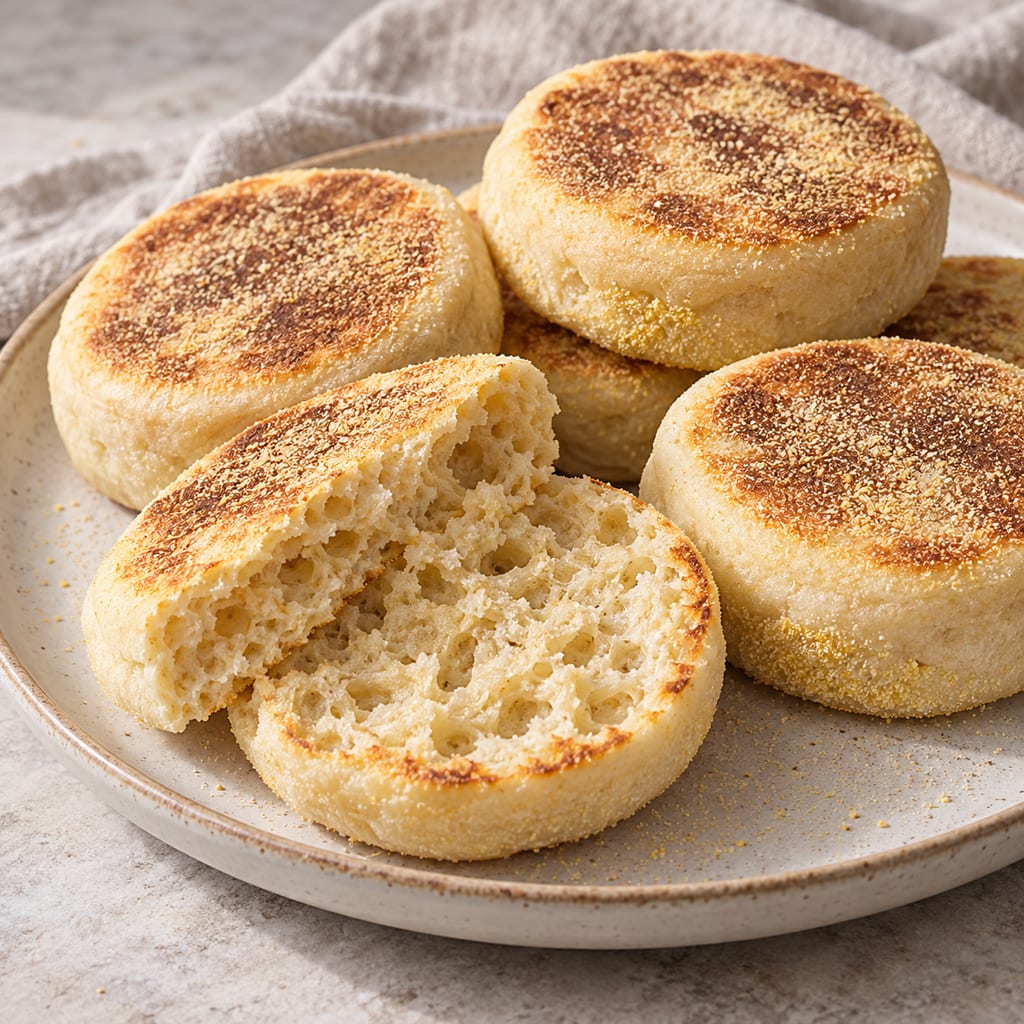
A soft English muffin dough combines sourdough starter with baker’s yeast, then rises, is cut into rounds and cooks on a griddle. The starter adds tang; the added yeast helps it rise.
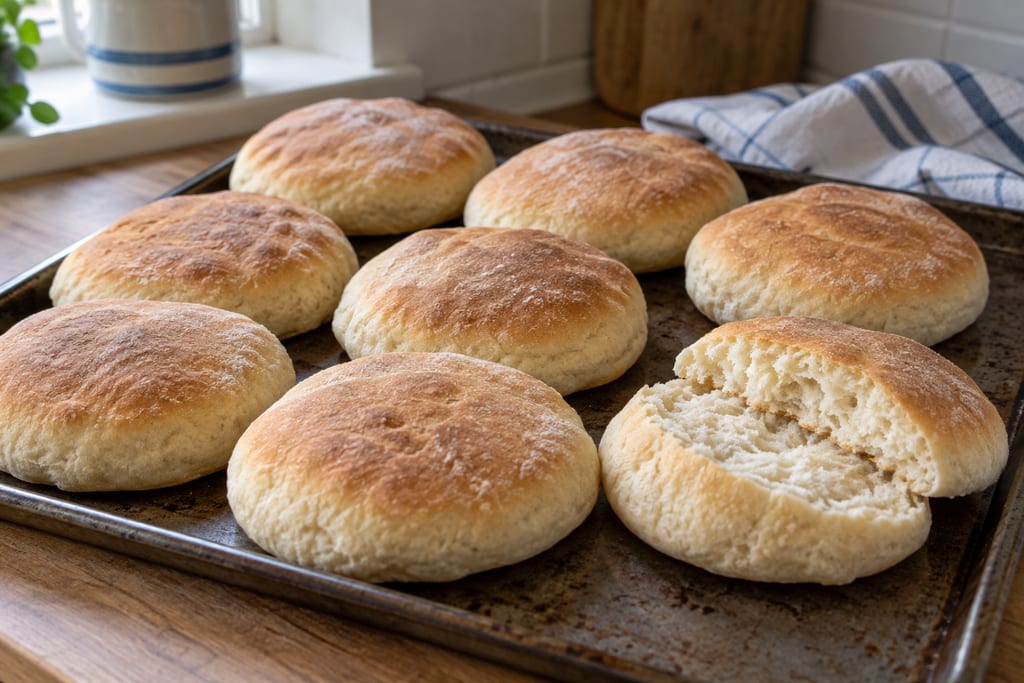
A North East England yeast bread baked as flat round cakes. Terence Laybourne's Newcastle home recipe makes twelve rounds about 1 inch thick and serves them warm.
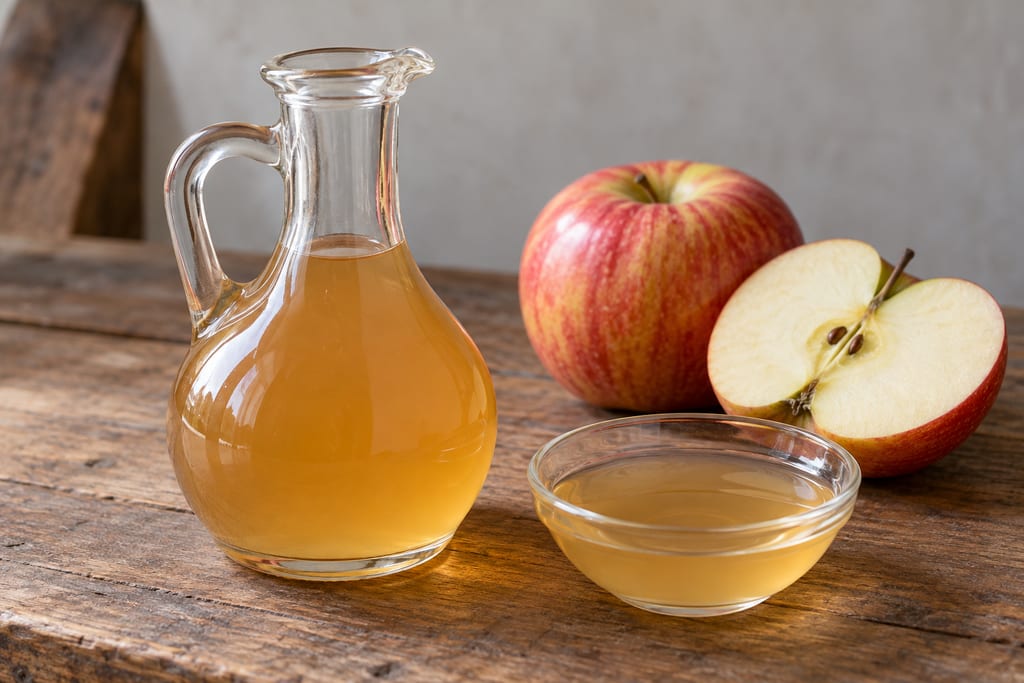
Cider vinegar is made when acetic-acid bacteria use oxygen to turn the alcohol in dry apple cider into acetic acid. This historical cask method begins with fermented cider and differs from apple-scrap vinegar made with sugar and water.
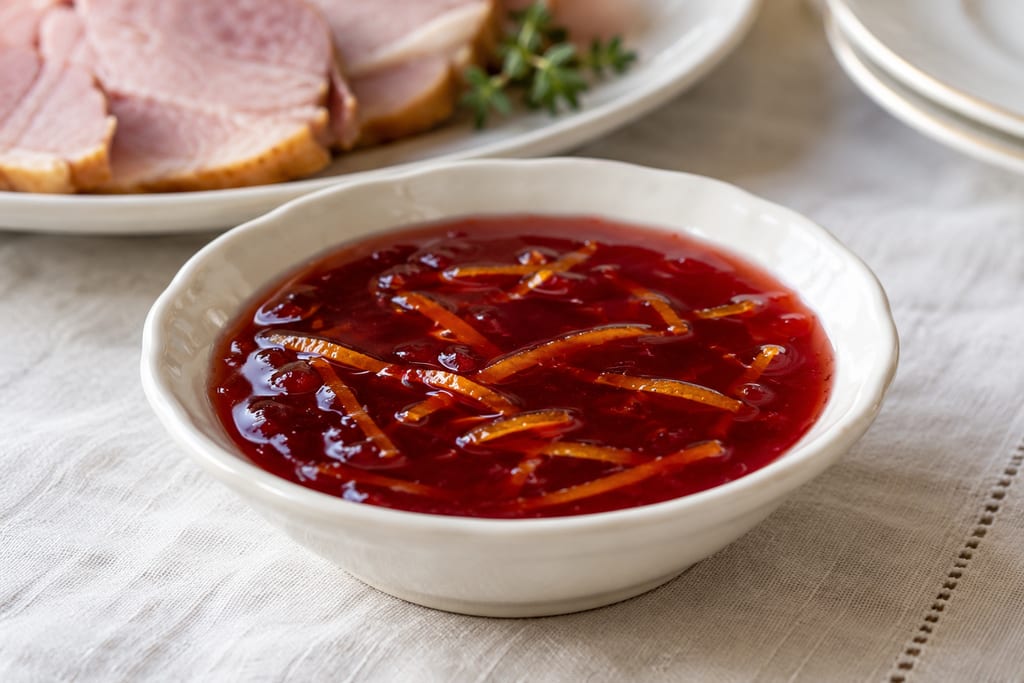
Cumberland sauce is a British condiment of redcurrant jelly, mustard, blanched orange peel and port, traditionally served cold with ham, game and cold meats.
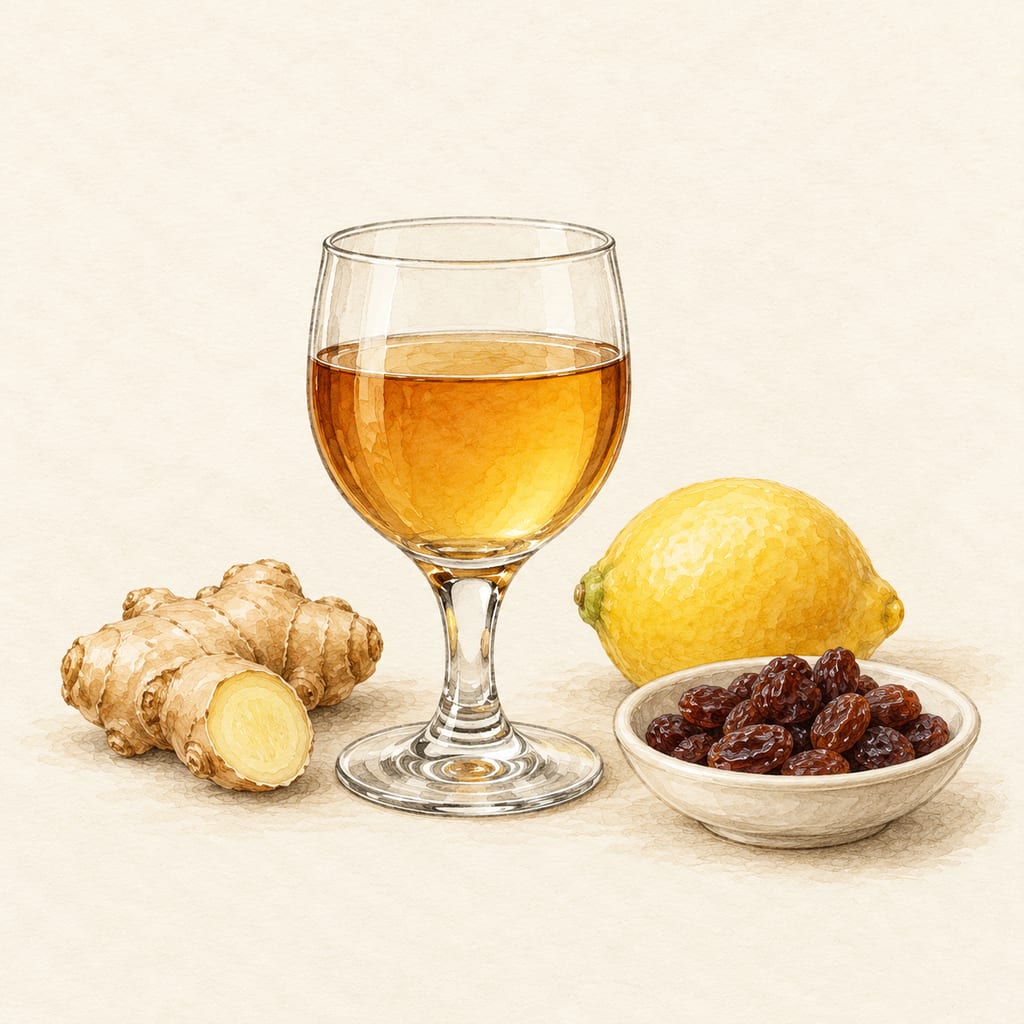
A Victorian household wine of boiled sugar, lemon and bruised ginger, worked on raisins in a cask for a fortnight and finished with brandy, made nine gallons at a time.
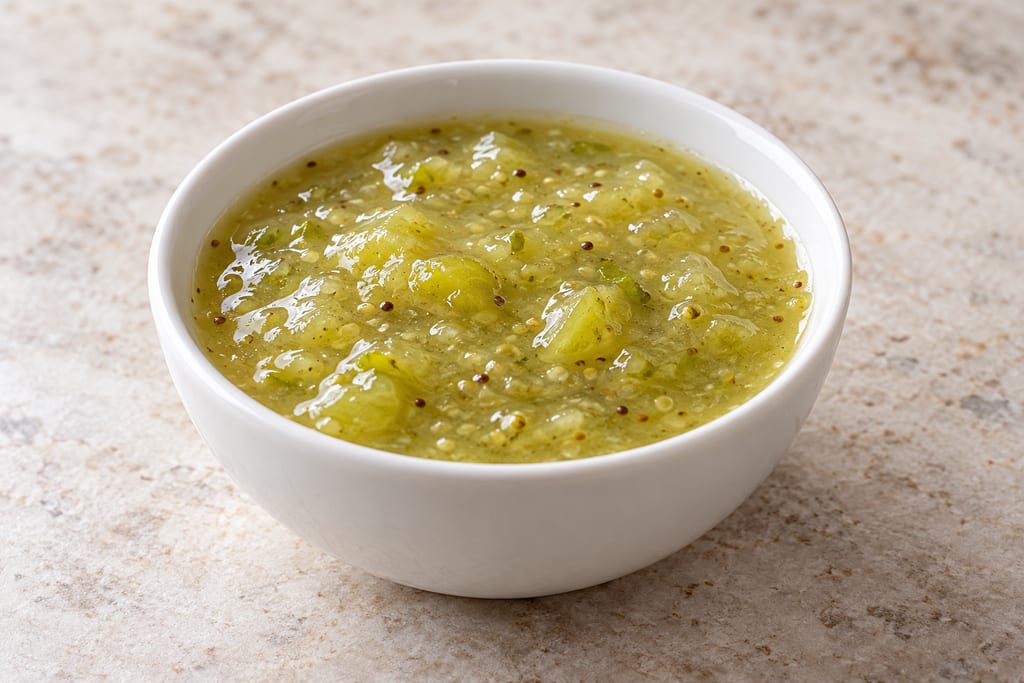
Gooseberry sauce is a soft, tart sauce of cooked green gooseberries, sharpened with wine or vinegar and lightly sweetened, traditionally served with mackerel.
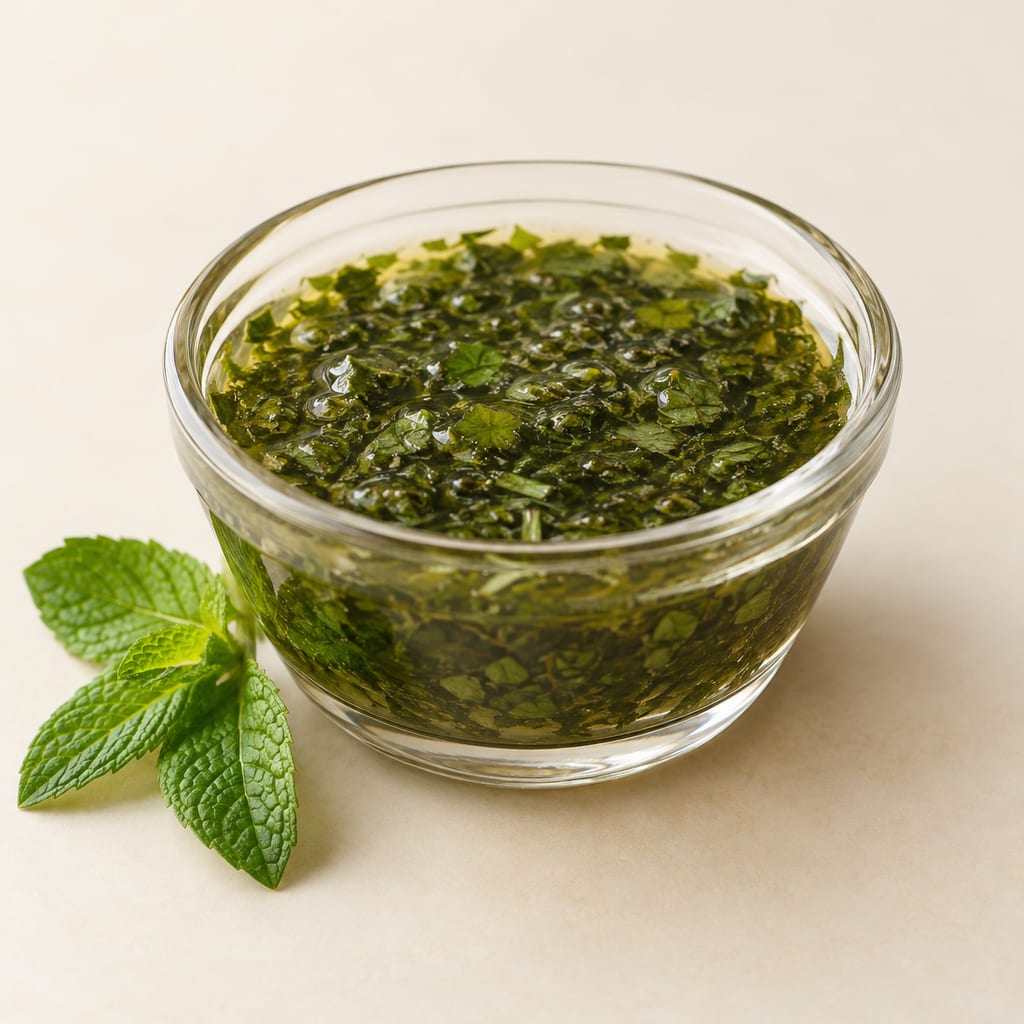
Finely chopped fresh mint steeped in a sweet and sharp liquid of white wine vinegar, sugar and water, the sauce traditionally served with roast lamb in Britain.
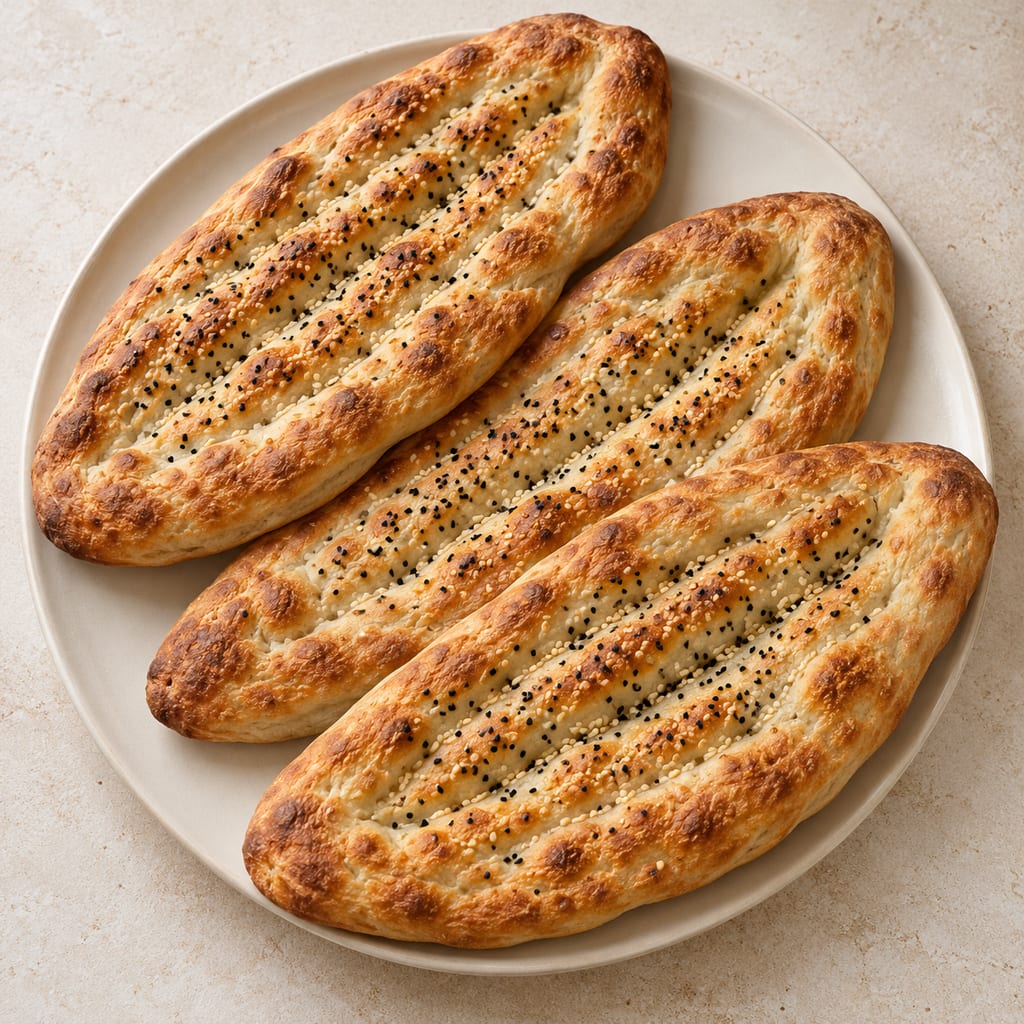
A long oval Afghan wheat bread, leavened with yeast, grooved along its length and baked until crisp outside and chewy within.
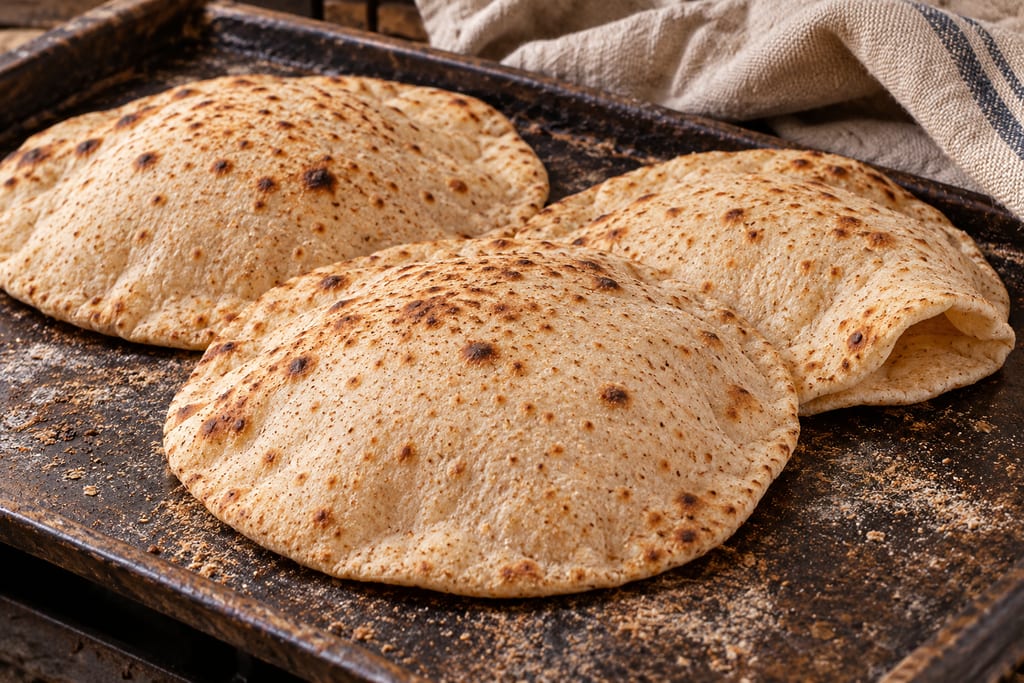
This home adaptation of Egyptian aish baladi uses a refrigerated yeast biga, whole-wheat dough, bran dusting and a very hot baking surface to make 16 pocketed rounds.
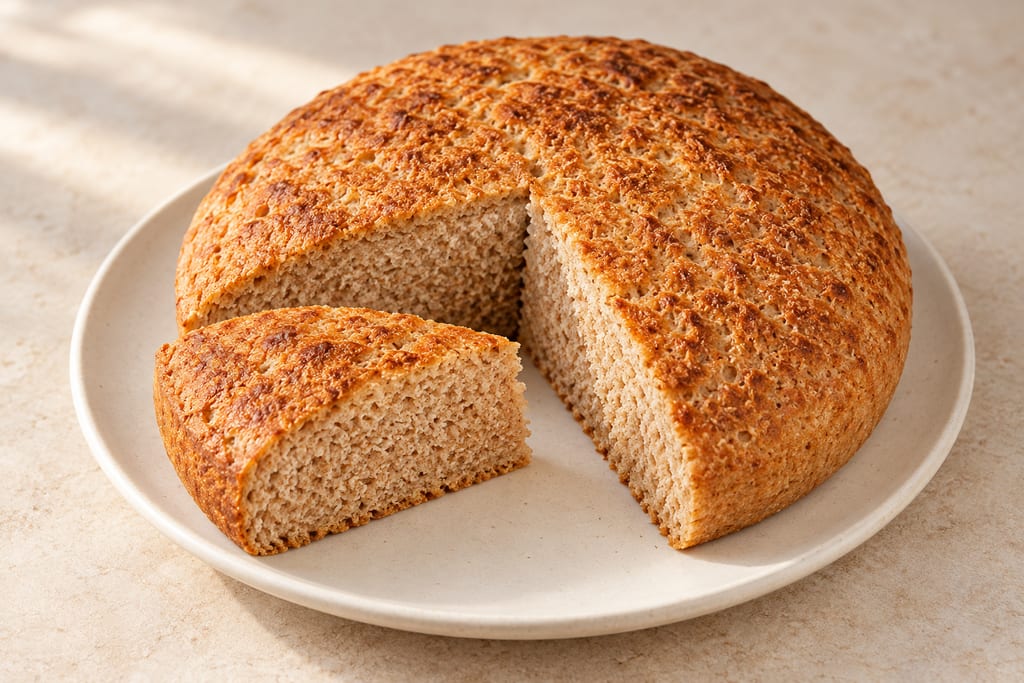
This oven-baked Amdo balep uses yeast, whole-wheat and white flour, a long covered rise and a two-sided bake in a heavy oven-safe pot.
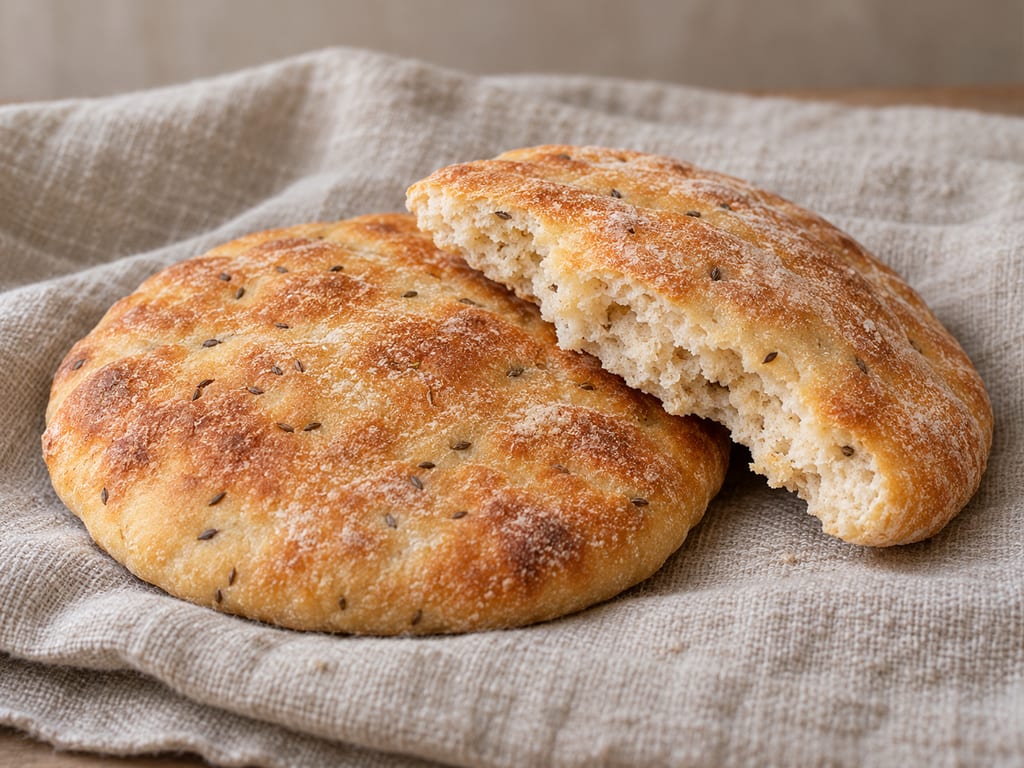
A measured, yeast-raised Ayacucho chapla home method shared by Thermomix Peru presenter Roxanna Salaverry. It makes thin, anise-scented rounds baked at 240°C; the historic qunchu-leavened form is documented separately.
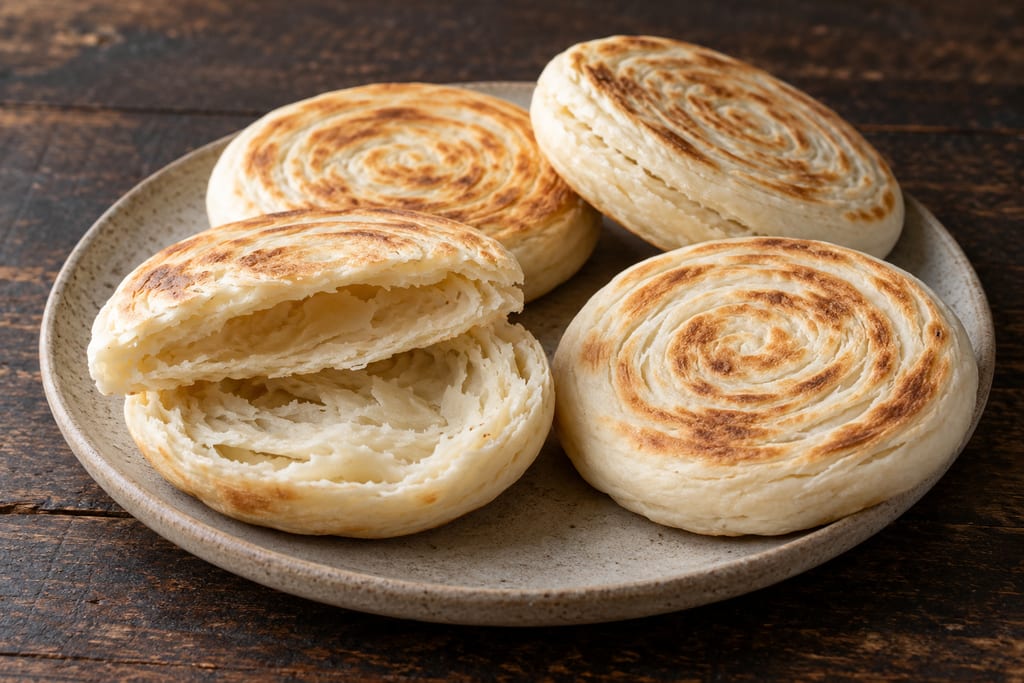
This Shaanxi-associated yeast flatbread uses a simple water dough, coiled shaping and a skillet bake. It is the bread used in roujiamo, not the filled meat dish.
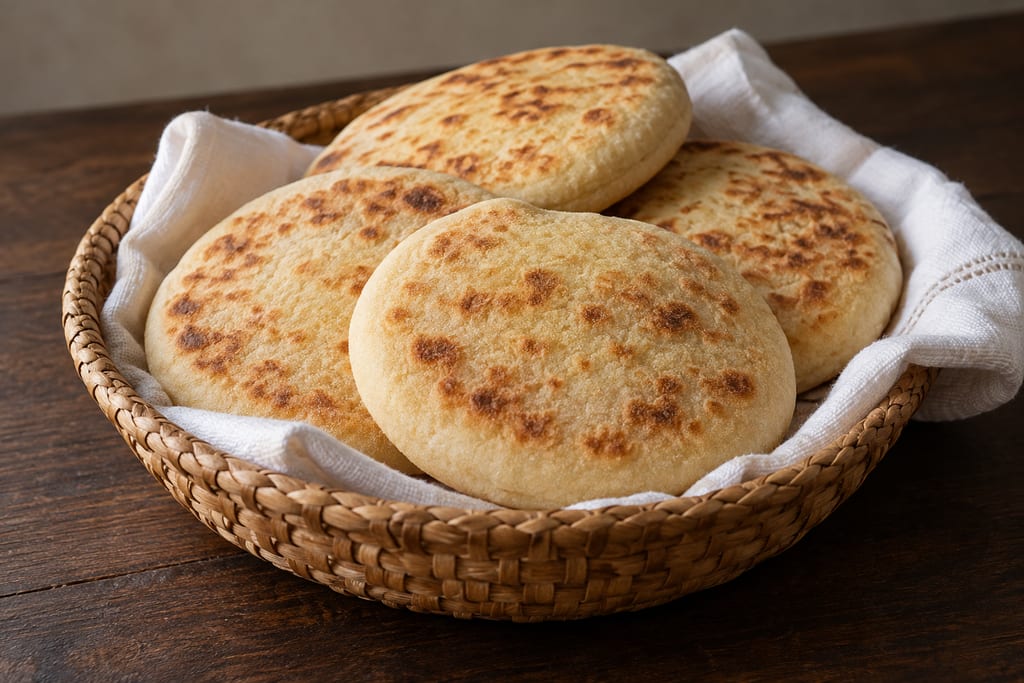
A Moroccan yeast-raised semolina pocket bread cooked on a dry pan or griddle; this measured batch makes about twenty 4-inch rounds.
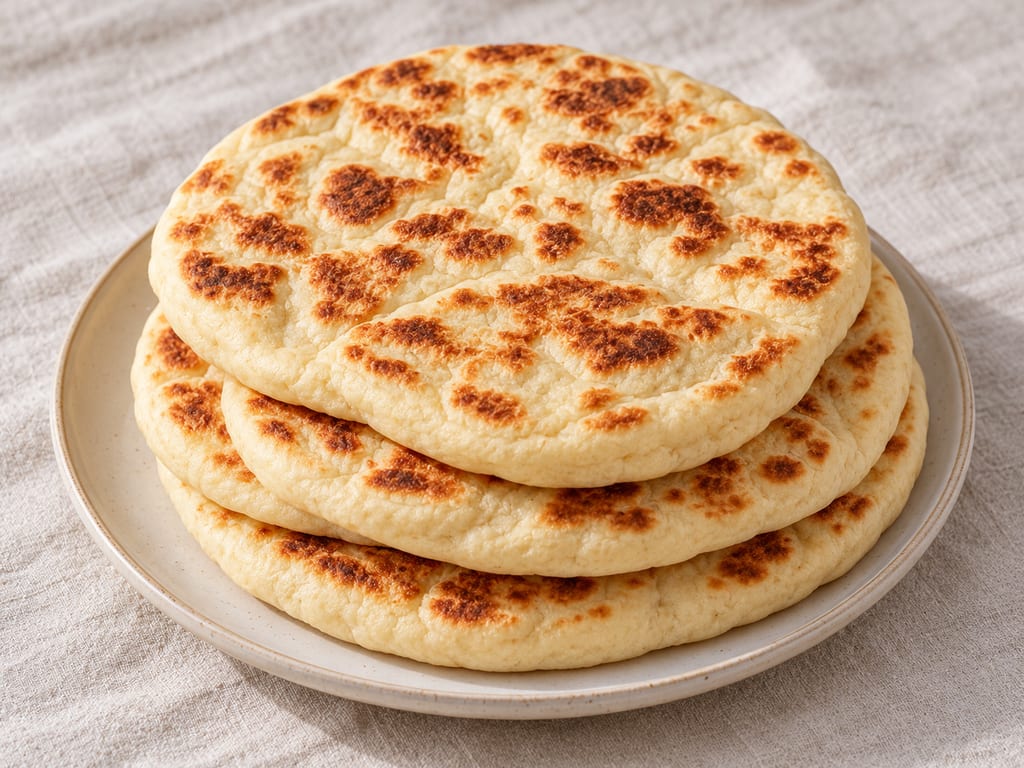
This Turkish bazlama uses yeast, plain yogurt and olive oil for a soft dough cooked in a skillet. Shape it into twelve small or six larger rounds, flip as bubbles appear, and wrap the breads to keep them soft.
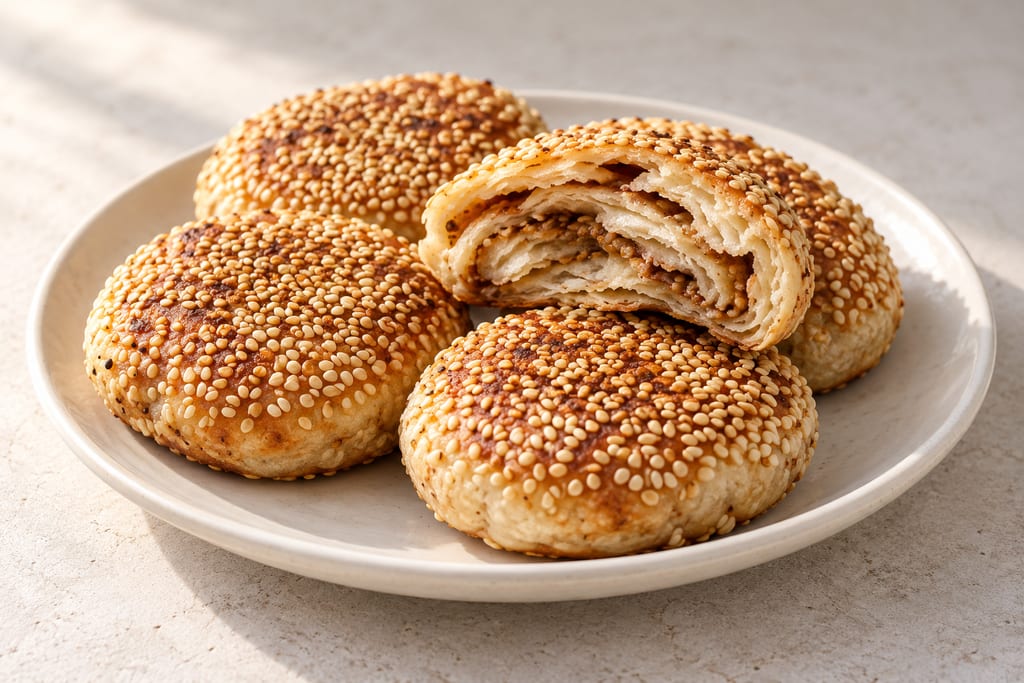
A Beijing-style yeast dough is layered with seasoned sesame paste, sealed into small buns, briefly pan-fried, seeded, and baked.
No community contributions have been published for this entry yet.
Sign in to contribute. Published comments and photos are free to read.
King Arthur BakingMethod · Ingredients · Identity · Geography
English MuffinsThe current page was updated August 27, 2025. It gives six 3½-inch muffins and complete ingredient weights, including a commercial-yeast preferment.
The recipe specifies 32°C/90°F preferment liquids; 1–4 hours room-temperature preferment; two bowl folds and one-hour warm rests; six rounds cut at 9 cm/3½ inches; a 20–30-minute final proof; skillet medium-low or 177°C/350°F electric griddle; 10–15 minutes per side; and storage airtight at room temperature for up to 3 days or freezing longer.
Cited in: A griddle bread distinct from quick muffins; The yeast preferment and dough; Cutting and cooking the muffins; Handling and storage
Macculloch Hall Historical MuseumHistorical context · Variant context
Mrs. Macculloch’s Speedy MuffinsMuseum says Louisa Macculloch’s handwritten cookbook is undated, discusses English muffins sold in London during the 1800s, and distinguishes yeast-raised English muffins from chemical-raised American speedy muffins. The museum’s chemical-muffin formula is not used in this recipe.
Cited in: A griddle bread distinct from quick muffins
Centers for Disease Control and PreventionSafety
Raw Flour and DoughRaw flour can carry germs; do not eat raw dough, follow recipe directions, keep raw dough separate from ready-to-eat foods, and wash hands, bowls, utensils and counters after handling.
Cited in: Handling and storage