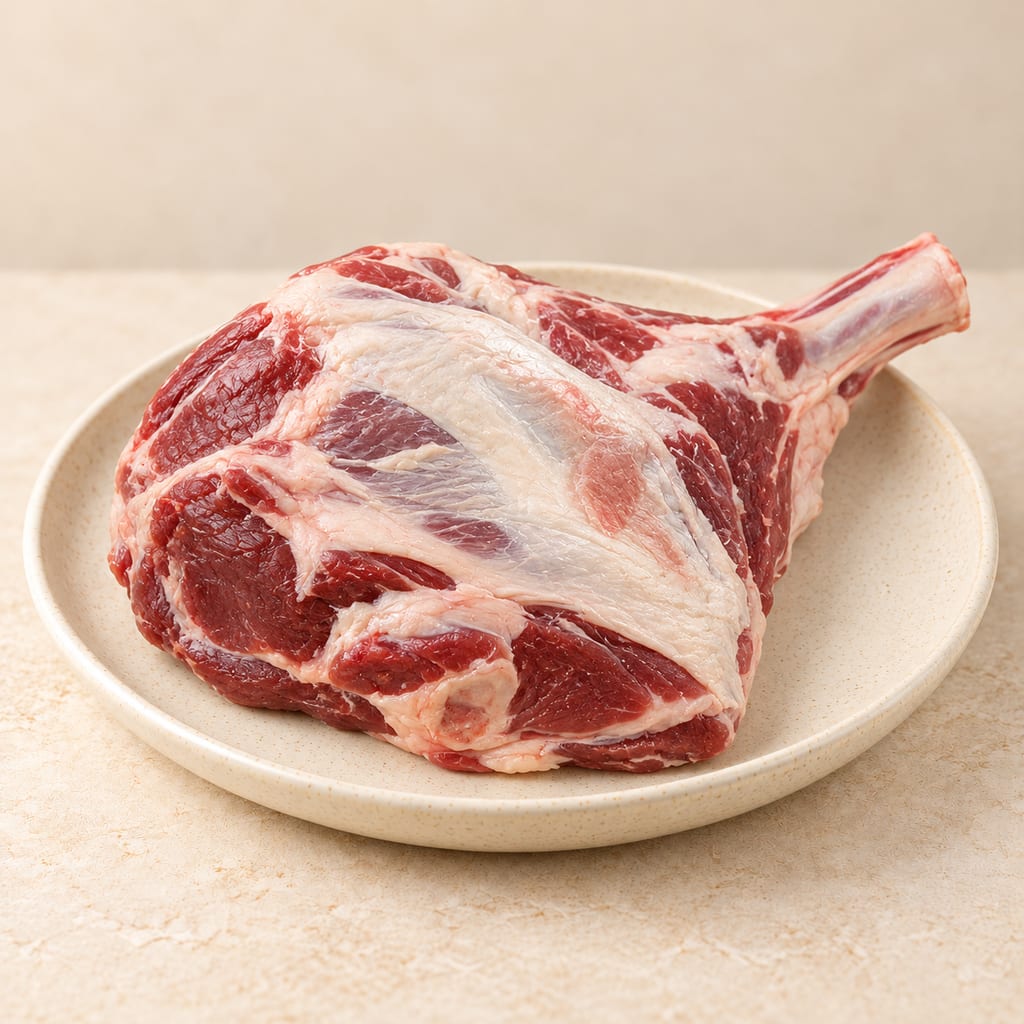
Sheep meat (lamb and mutton)
Sheep meat spans lamb from younger animals and mutton from mature sheep; age, breed, diet, cut and fat cover shape its texture and how it behaves in curing and fermentation.
 FermenteaWhere food goes to change
Traditional method
Finely chopped fresh mint steeped in a sweet and sharp liquid of white wine vinegar, sugar and water, the sauce traditionally served with roast lamb in Britain.
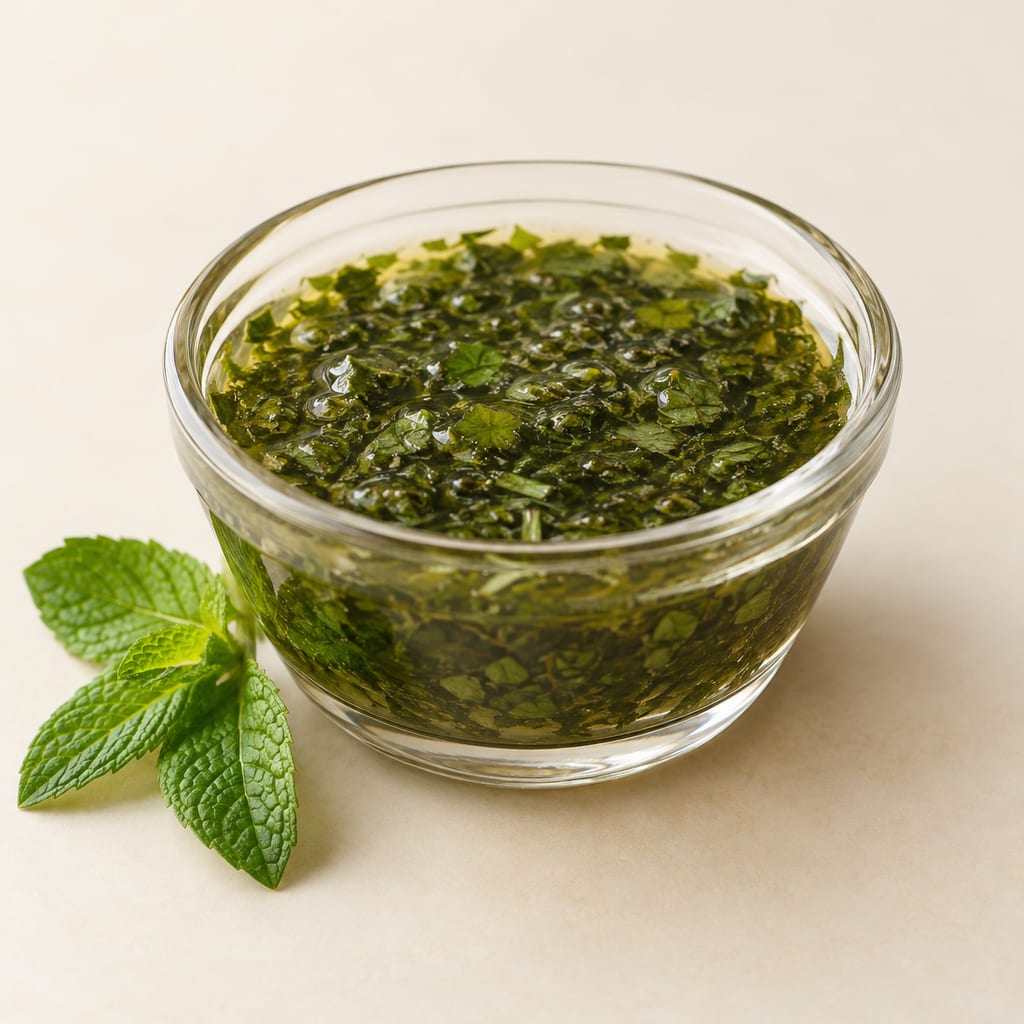
Mint sauce is a green condiment of finely chopped mint leaves in a sweetened vinegar liquid. Wikipedia describes it as a green sauce popular in the United Kingdom, made from finely chopped spearmint leaves soaked in vinegar with a small amount of sugar.
The recipe is short, and its results depend on three things: how the leaves are handled before chopping, how the liquid is balanced between sharpness and sweetness, and how long the chopped mint is left to stand in it.
Written recipes changed how the sauce was made. Florence Jack's 1914 Cookery for Every Household, as Wikipedia reports it, combined fresh mint with brown sugar and malt vinegar, poured boiling water over it and left it to stand for several hours. Elizabeth David's 1970 account broadly agreed with Jack but preferred white wine vinegar, which she called less harsh, and credited the standing time and the brown sugar for the sauce's quality. Jackie French's 1993 Book of Mint, also as cited by Wikipedia, agreed with David and advised letting the cooked sauce stand for at least a day, preferably a month.
Mint was also used with meat in the Roman world. Wikipedia reports that the Roman writer Apicius gave a mint sauce recipe meant for roast lamb or suckling kid, but the article gives no dates for it, and this page does not date it.
The version below follows the method that Dominic Chapman published on Great British Chefs in 2017. The leaves are blanched briefly in boiling water and refreshed in ice water, and then they are drained, squeezed dry and chopped finely. The stalks are kept, because they flavour the syrup. Sugar, water, vinegar, the stalks and a pinch of salt are simmered until the liquid boils, then cooled. The stalks are removed, and the cooled liquid is poured over the chopped leaves in a jar.
Because the liquid is poured over the chopped mint while it is still cool, the sauce is a steeped condiment rather than a cooked one. Chapman's source gives no yield, so the quantities above are one batch and should not be scaled without testing.
Wikipedia notes that some mint sauces include fruit, such as raspberries, and that yoghurt-mint sauces are also made. Those are separate preparations, not versions of the vinegar sauce.
The older English methods differ mainly in the vinegar and the sugar. Jack used malt vinegar and brown sugar and added boiling water, while David preferred white wine vinegar. The Chapman method uses white wine vinegar, as David preferred, and adds a brief blanching step to the leaves.
Chapman keeps the sauce in a jar in the refrigerator. The sources give no shelf life for it and no tested preservation method. The only sourced statements about waiting concern how long the sauce is left to stand before it is eaten, which Jack, David and French each advised differently. None of them gives a safe storage limit, so refrigeration is the only storage advice this page gives.
Mint sauce is served as an accompaniment to roast lamb. Wikipedia notes its use in Britain and mentions that mint is also used in South Asian chutneys, which are a different preparation.
The Wikipedia article is a secondary source for the older English cookery books it cites. The page has not checked Jack, David or French against their own texts, and says so where it relies on the article.
Mint sauce is documented in English cookery from the eighteenth century, when serving it with lamb was already established. Wikipedia cites Hannah Glasse's 1751 book for the lamb practice and Louis Eustache Ude's 1816 remark, which set English mint sauce, served with sugar and vinegar, against French maître d'hôtel sauce.
Wikipedia also states that mint sauce was made in England by the third century, citing the food historian Jackie French. I could not check that claim against a primary text, so this page does not rely on it. A popular story links the sauce with a decree of Elizabeth I about eating lamb with bitter herbs. I found no primary source for that decree, so this page treats it as legend.
Scaling: source batch only
Keep the sauce refrigerated in its jar, as the source directs. The sources give no shelf life and no safe storage time for it.
Wikipedia describes mint sauce as popular in the United Kingdom. The documented base is English cookery.
Sheep meat spans lamb from younger animals and mutton from mature sheep; age, breed, diet, cut and fat cover shape its texture and how it behaves in curing and fermentation.
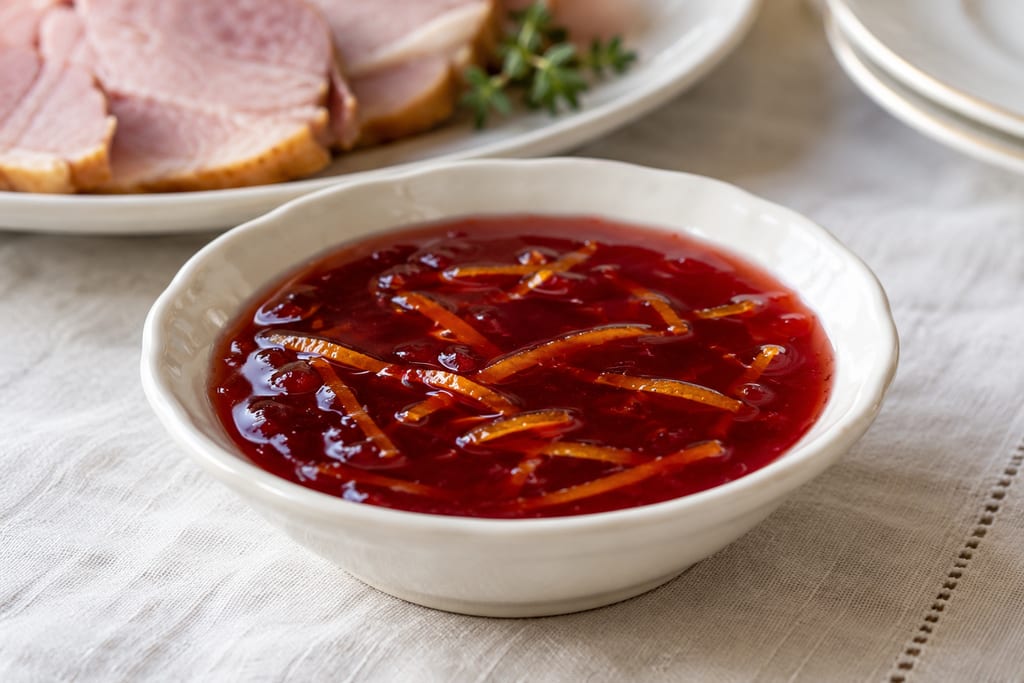
Cumberland sauce is a British condiment of redcurrant jelly, mustard, blanched orange peel and port, traditionally served cold with ham, game and cold meats.
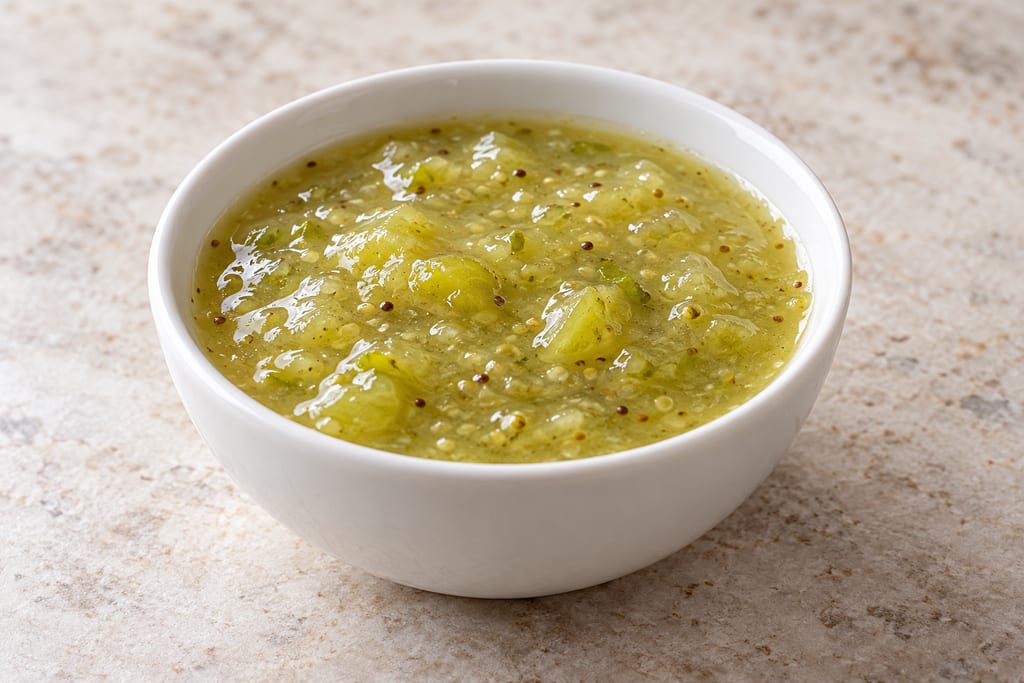
Gooseberry sauce is a soft, tart sauce of cooked green gooseberries, sharpened with wine or vinegar and lightly sweetened, traditionally served with mackerel.
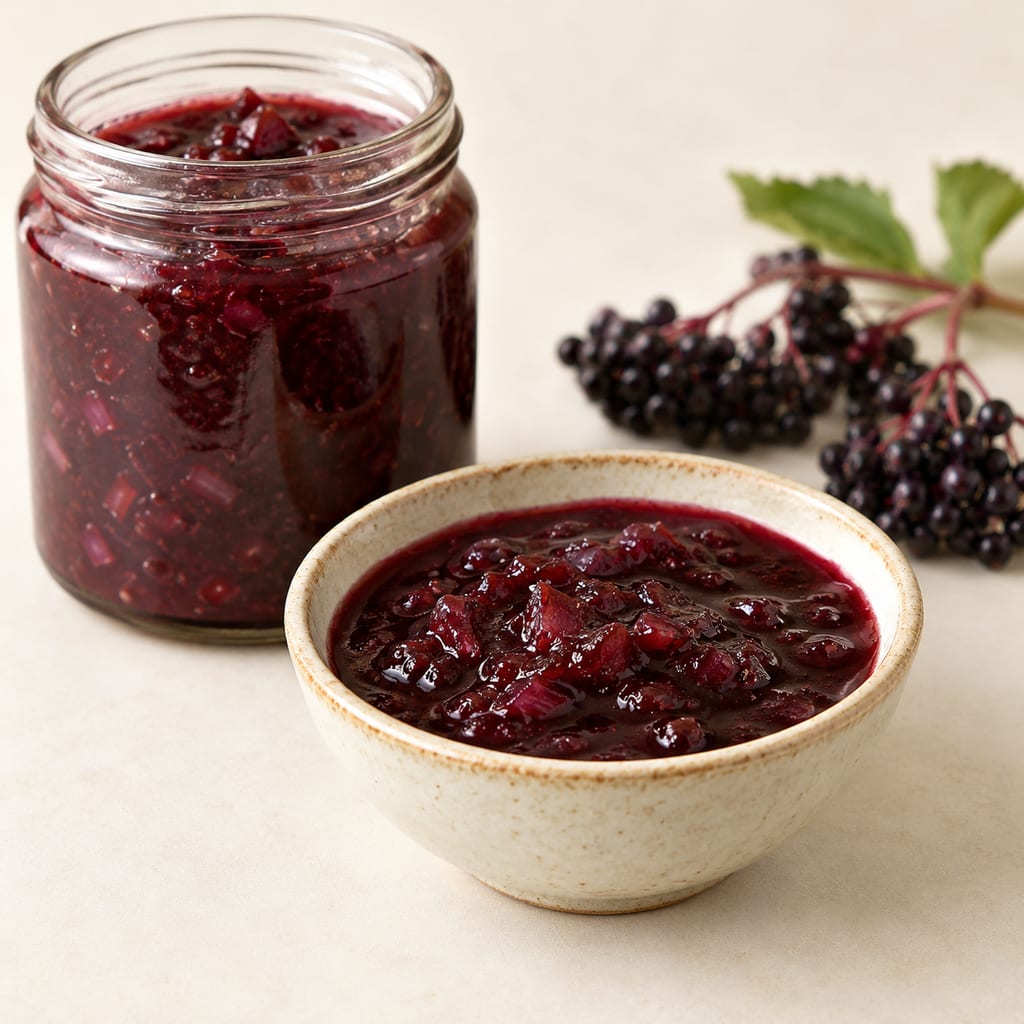
An English elderberry condiment of vinegar, shallots and warm spices, historically called a catsup and tied to Pontac's Head tavern in London.
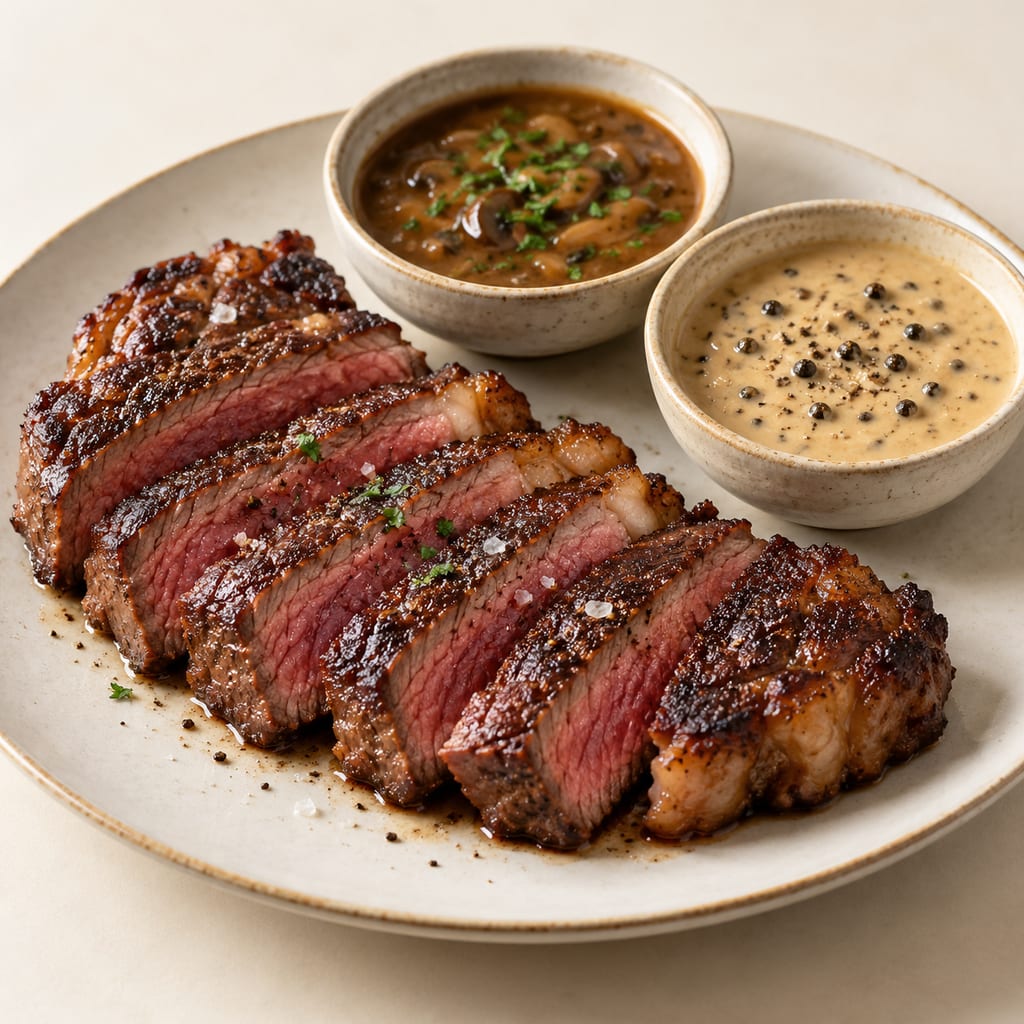
Steak Diane is a restaurant pan sauce of seasoned butter, Worcestershire and parsley, often flamed; the related peppercorn cream sauce is reduced from cream and crushed peppercorns for steak.
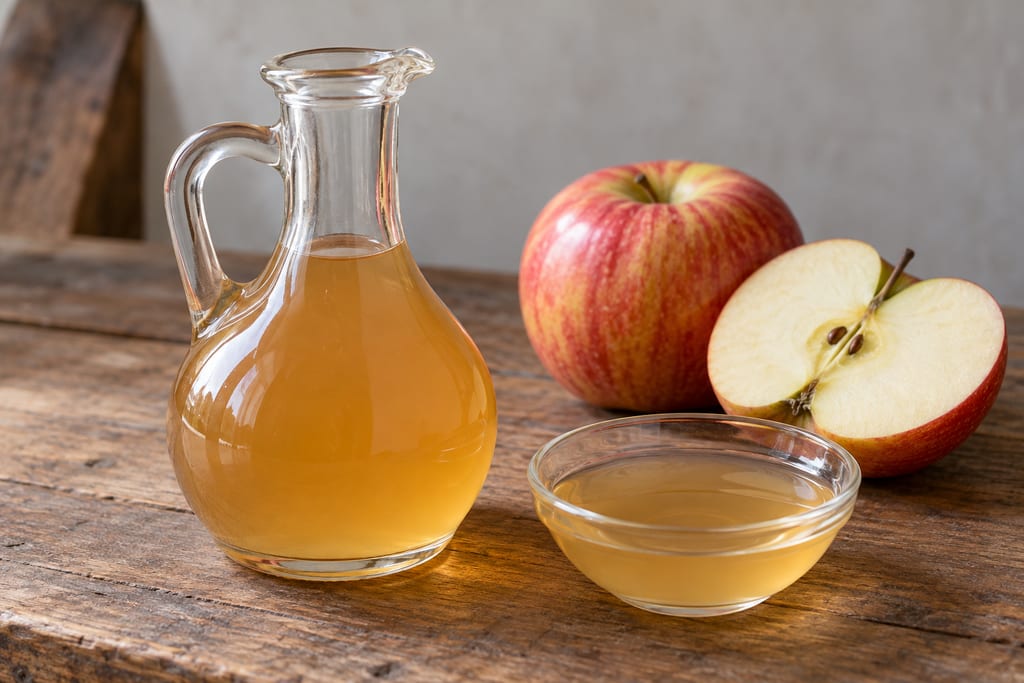
Cider vinegar is made when acetic-acid bacteria use oxygen to turn the alcohol in dry apple cider into acetic acid. This historical cask method begins with fermented cider and differs from apple-scrap vinegar made with sugar and water.

King Arthur’s six-piece English muffin batch uses a yeast preferment, two folds and a skillet or electric griddle; it is distinct from the sourdough-and-yeast version already catalogued.
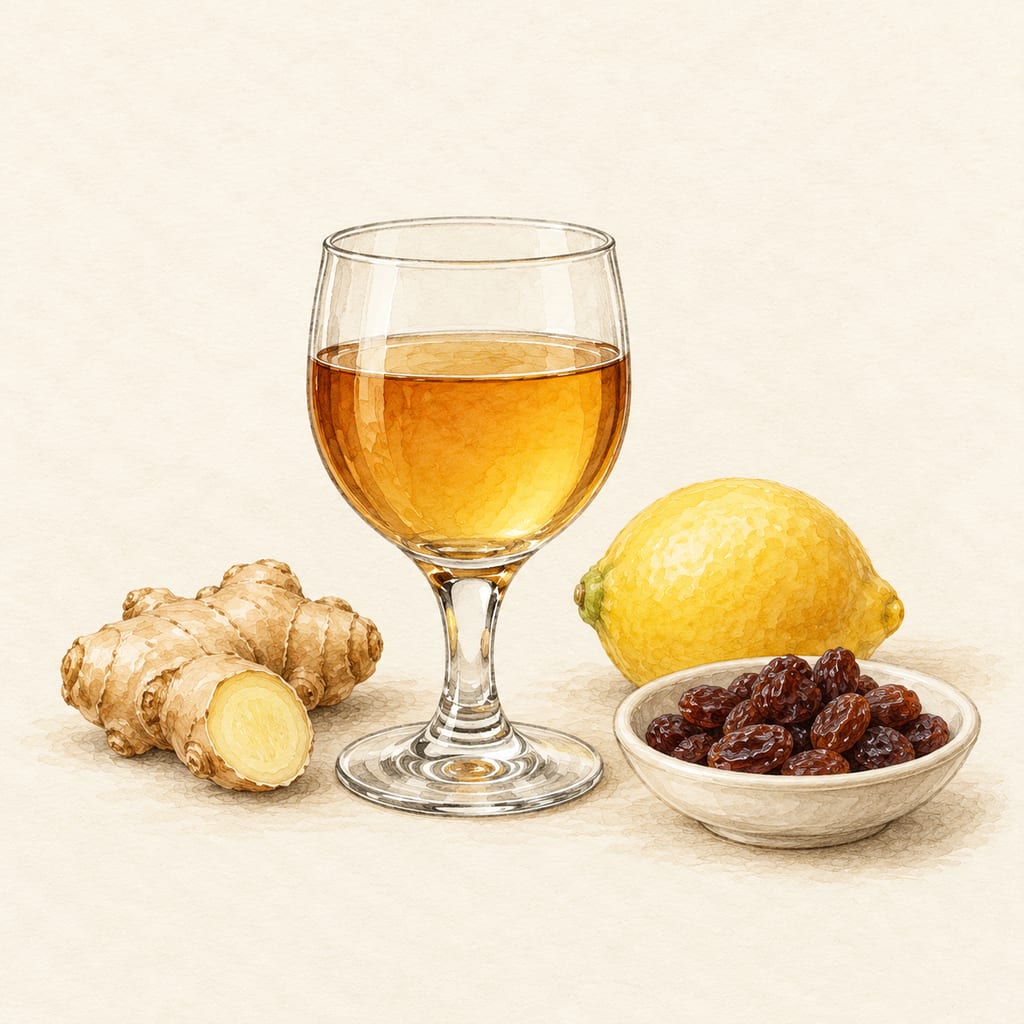
A Victorian household wine of boiled sugar, lemon and bruised ginger, worked on raisins in a cask for a fortnight and finished with brandy, made nine gallons at a time.
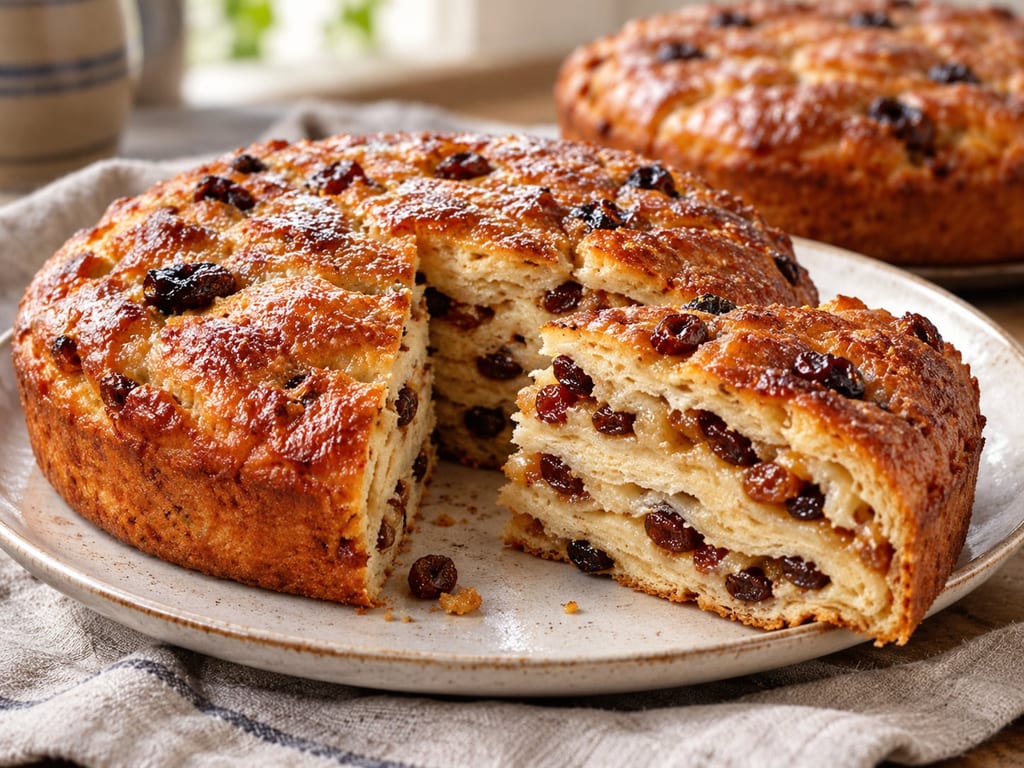
A yeast dough is folded around sweetened lard and dried fruit, then baked in tins until the bottom caramelizes.
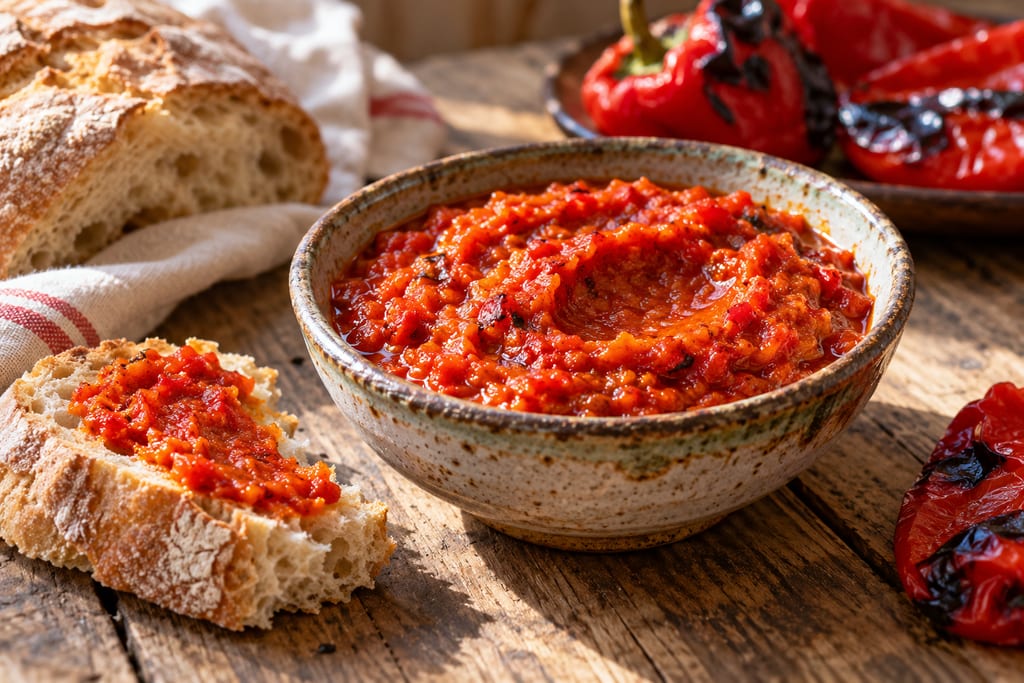
Ajvar is a cooked Balkan pepper preserve built around roasted red peppers, peeled, drained, ground and slowly fried with oil and seasoning. Leskovac’s protected version is a pepper specialty; regional versions vary.
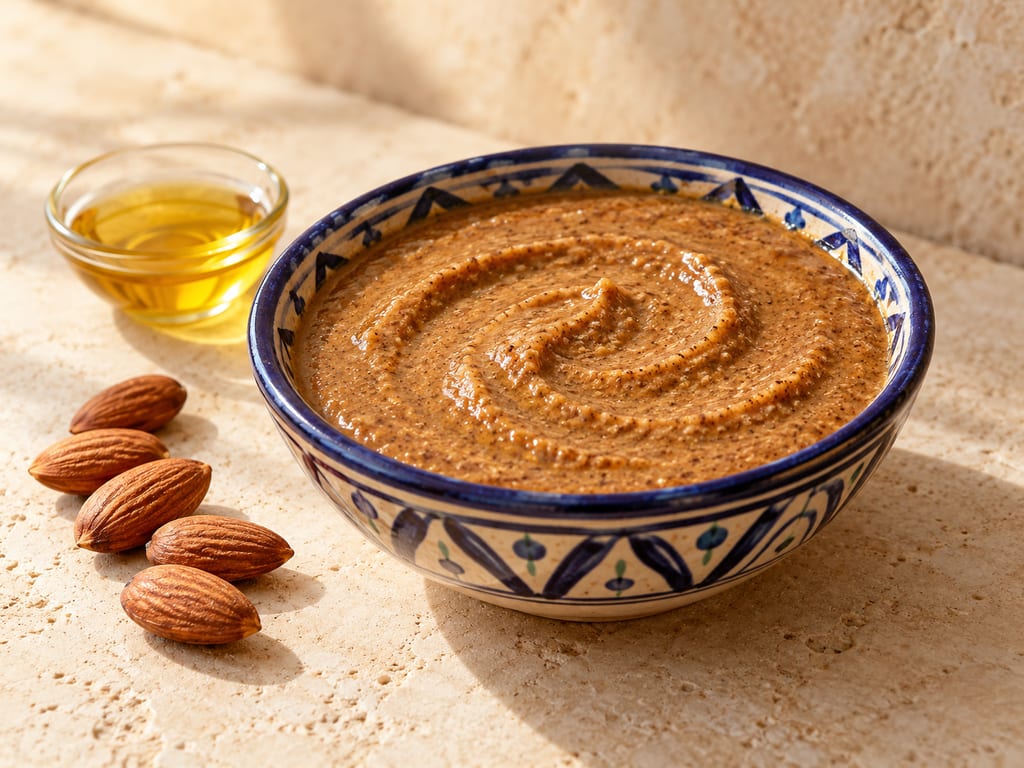
Amlou is a nutty, lightly sweet Moroccan spread of roasted almonds, culinary argan oil and honey. The almonds are ground first, then loosened with oil and sweetened; the balance can range from a thick spread to a dip.
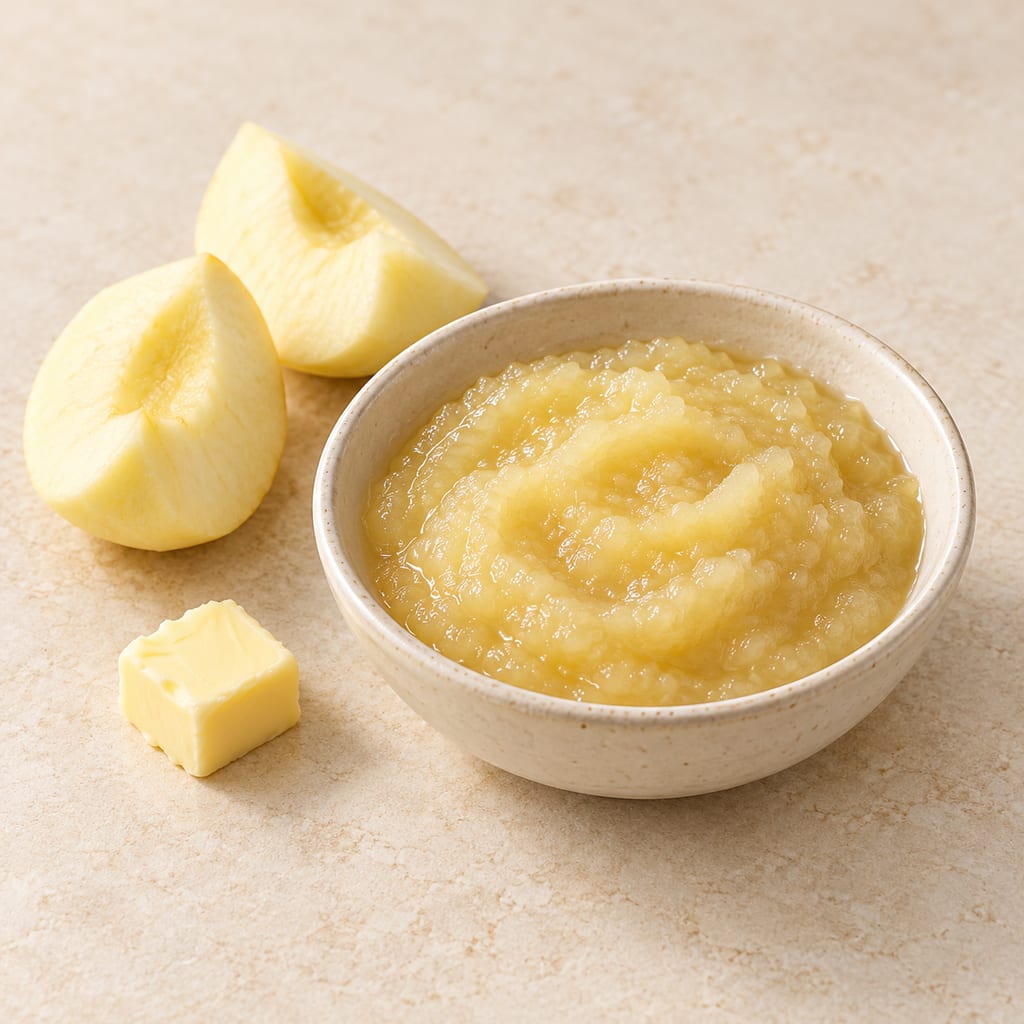
Apple sauce for goose and pork is a plain English accompaniment: cooked apples pulped with water, then sweetened with sugar and finished with a little butter.

A warm dip of garlic, anchovy and olive oil, often enriched with butter, that Piedmont serves over a flame with raw and cooked vegetables and bread.
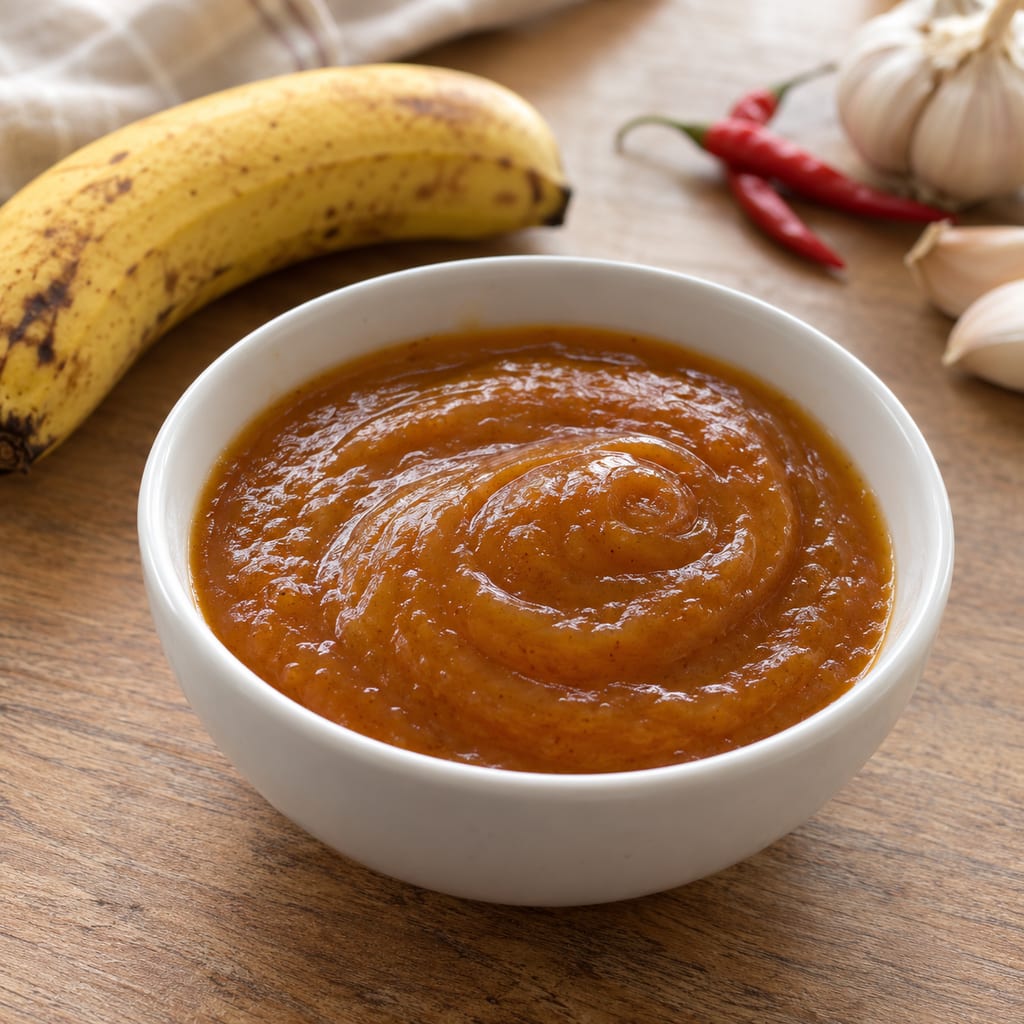
A sweet-hot table sauce of ripe banana simmered with vinegar, sugar, onion, garlic and fresh chilli, in the manner of Philippine banana ketchup. An untested development batch of about 500 g.
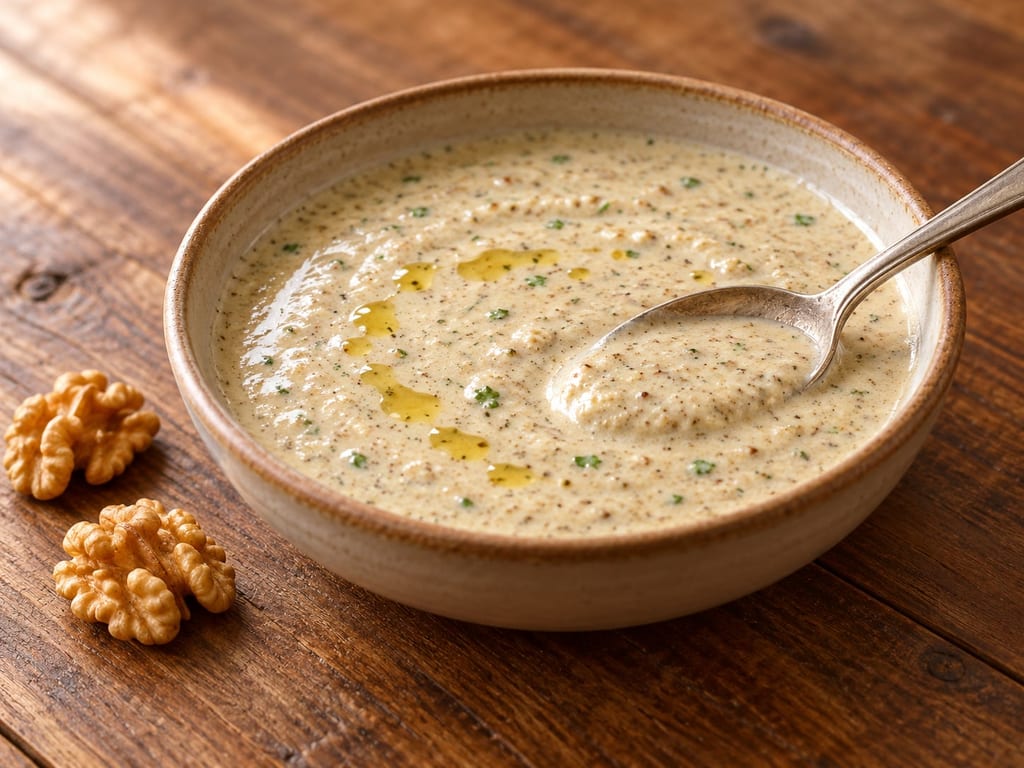
A Georgian walnut sauce of ground walnuts, garlic, vinegar and spices, thinned with water or broth. It is served with poultry, vegetables and bread, and is the sauce of the dish satsivi.
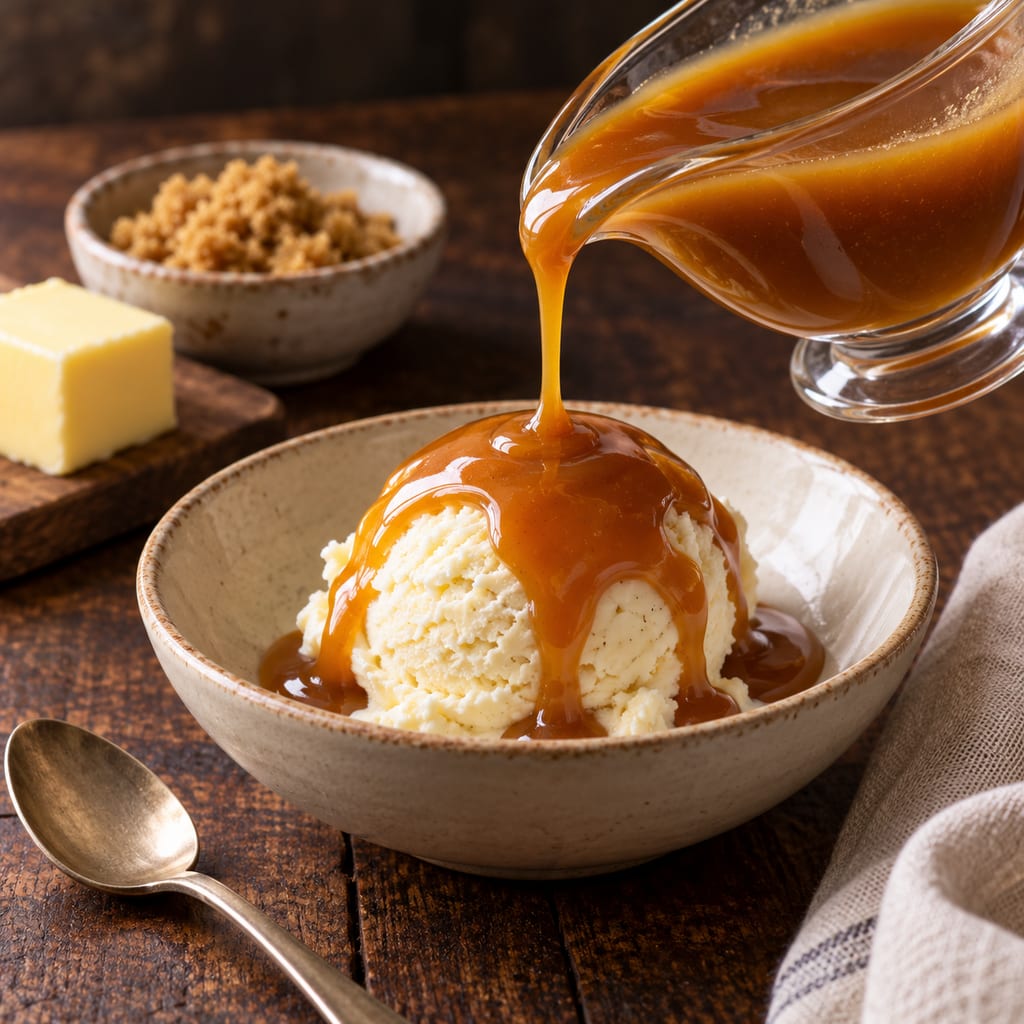
A pourable dessert sauce of brown sugar, butter and cream, with a little corn syrup and salt. It is the sauce form of the butterscotch confection and is made without water, unlike caramel.
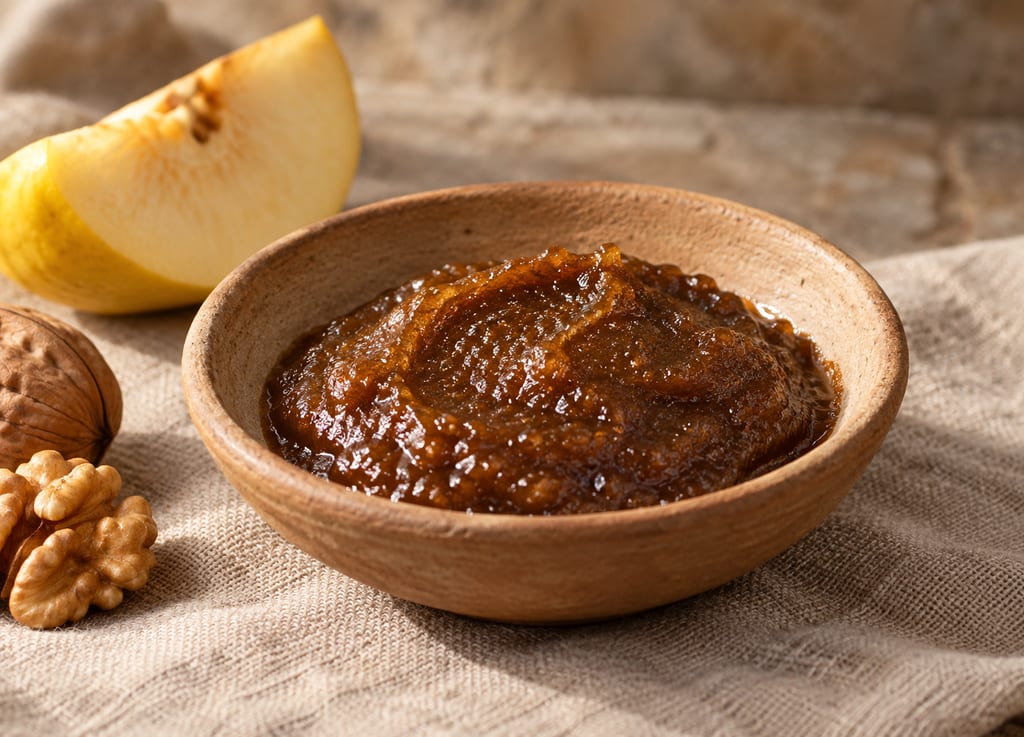
Byzantine murrī is a cooked imitation of murrī from the medieval Arabic repertoire, made from scorched honey, toasted bread, walnuts, quince, carob and spices rather than from a long grain fermentation.

A gelling polysaccharide extracted from red seaweeds, sold as kanten strips or powder; it sets firm at a low concentration and stays solid until about 85 °C.

A Dominican table and seasoning condiment of sour orange juice, mixed with lime and salt and bottled raw; garlic, oregano or a hot pepper may be added for meat or a spicier bottle.

Cicerbita alpina is an alpine perennial whose tender shoots and leaves have been eaten raw or cooked. Sámi milk preparations and modern Carnian dishes are distinct uses, with serious identification and preservation limits.

Japanese skipjack tuna cooked, then repeatedly smoked and dried over a wood fire by the hand-fired tebiyama method into a hard block for shaving into dashi: the first stage of katsuobushi.

A Swedish-style spirit vinegar made by fermenting neutral alcohol with live vinegar bacteria, with a separate guide to commercial ättika strengths.

A yeast-raised wheat ring shaped from a firm dough, briefly boiled and baked. This source-batch formula gives a gently malted crust and a chewy crumb.

Bechamel is a white sauce of milk thickened with a butter and flour roux, one of the French mother sauces, and the base from which Mornay and other cheese and cream sauces are made.
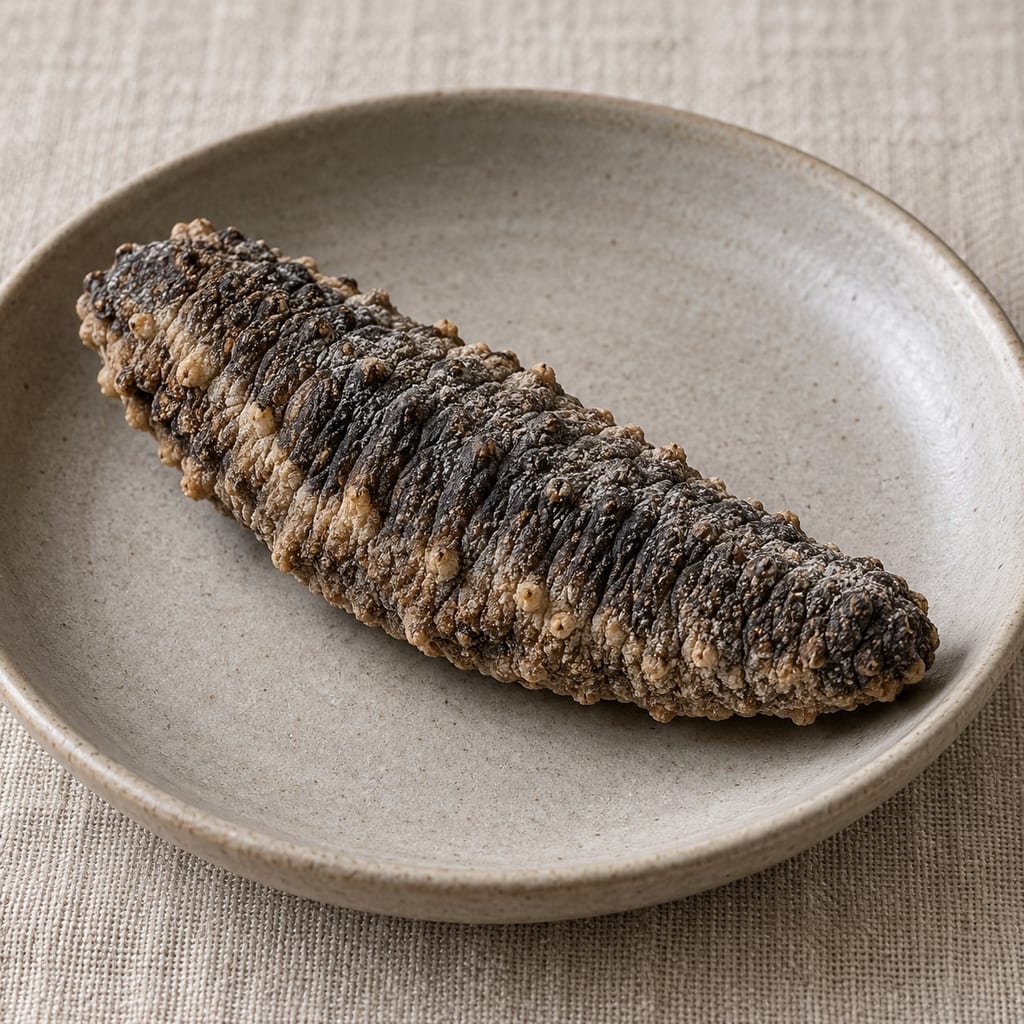
Sea cucumber cleaned, boiled and dried, sometimes with smoke, into a long-keeping trade product; Makassan processing in Arnhem Land is documented from at least the eighteenth century.
No community contributions have been published for this entry yet.
Sign in to contribute. Published comments and photos are free to read.
Great British ChefsMethod · Inspiration
Mint SauceIngredient quantities: 2 large bunches of mint, 150 g sugar, 150 ml white wine vinegar, 150 ml water, a pinch of salt
Method: blanch and refresh the leaves, simmer the stalks in the liquid, cool, pour over the chopped mint, jar and refrigerate
First published in 2017; no yield stated
Cited in: Overview; Preparation; Variants; Storage and use
WikipediaHistory · Lead
Mint sauceServing mint sauce with lamb was established before the mid-18th century; Glasse 1751 cited
Ude 1816 remark on sugar and vinegar mint sauce
Jack 1914, David 1970 and French 1993 accounts of standing time and vinegar
Legend of an Elizabeth I decree is not documented
Fruit and yoghurt variants
Cited in: Overview; History; Variants; Storage and use; Notes