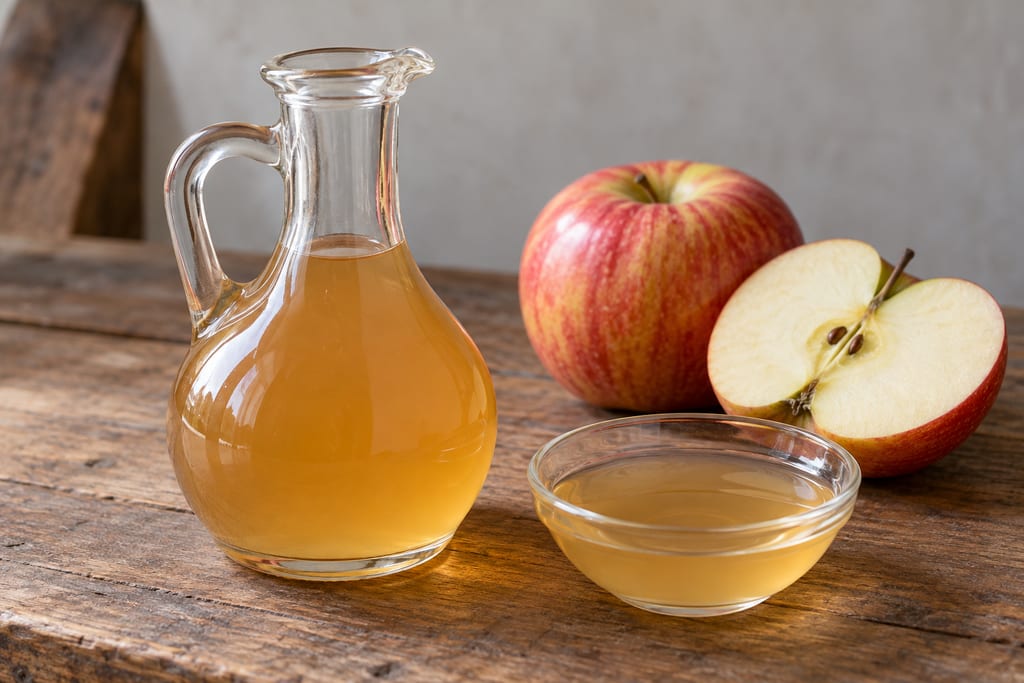
Cider vinegar
Cider vinegar is made when acetic-acid bacteria use oxygen to turn the alcohol in dry apple cider into acetic acid. This historical cask method begins with fermented cider and differs from apple-scrap vinegar made with sugar and water.
 FermenteaWhere food goes to change
Gooseberry sauce for mackerel · Mackerel gooseberry sauce
Gooseberry sauce is a soft, tart sauce of cooked green gooseberries, sharpened with wine or vinegar and lightly sweetened, traditionally served with mackerel.
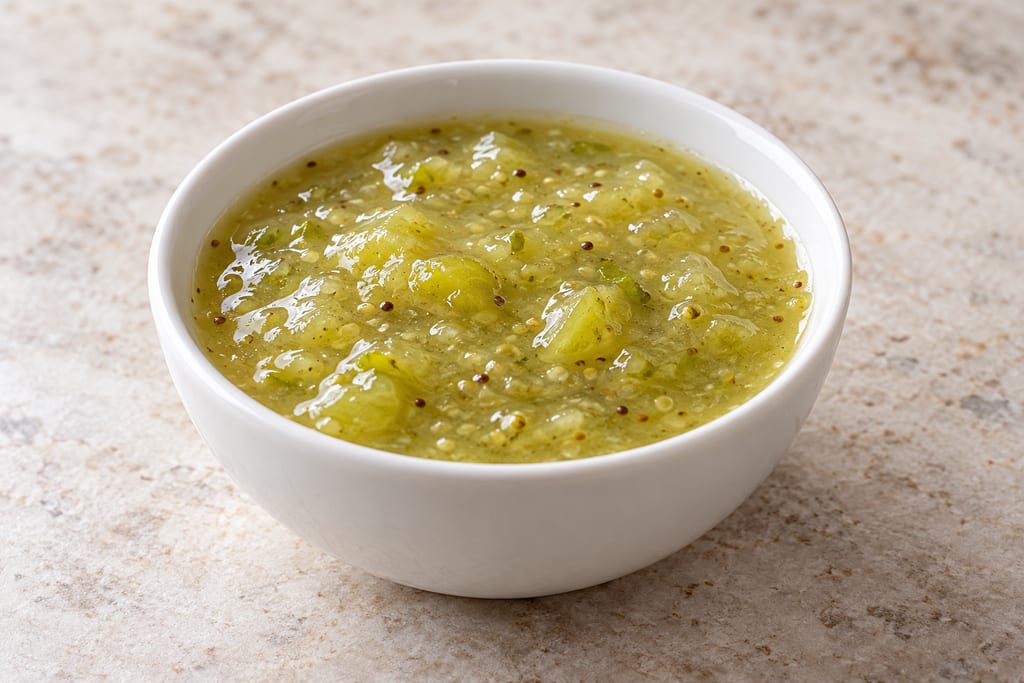
Gooseberry sauce is a cooked sauce made from the unripe, tart berries. It is spoonable, pale green and sour, and it is served with fish and meat that are rich in fat. Mackerel is the classic partner, and the sauce is also served with grilled or fried fish, pork, chicken and goose.
The sauce depends on the berry. The early pickings of the gooseberry are sour and suited to cooking, and the larger, sweeter fruit is kept for pies, fools and crumbles. A good sauce therefore starts with small, firm, green berries that will break down in the pan.
The English pairing of gooseberry and mackerel has a French counterpart. The French name for the gooseberry, groseille a maquereau, means mackerel berries, because the fruit was used in a sauce for mackerel in old French cooking. The name shows the same pairing in both kitchens, but it does not show which came first.
The author of one modern account says the dish began in England, and links it to medieval contact between England and Normandy. That is an attractive story, but it is an unproven claim and is recorded here as such. Historical gooseberry sauce recipes are cited in that account from Elinor Fettiplace's receipt book of 1604 and Eliza Acton's Modern Cookery of 1847. The page does not reproduce the sauce text from those books, so this entry does not quote them.
The cooked method is simple. The berries, water, wine or vinegar and sugar go into a saucepan, and the mixture cooks until the berries pale and soften. The cook crushes them against the side of the pan with a wooden spoon, which is what turns the fruit into a sauce rather than a stewed fruit. Salt and pepper are added at the end of cooking.
A smooth sauce is blended and sieved, then reheated in a clean pan. A textured sauce is served as it is. Butter beaten in until glossy and cream added at the end are both optional, and they change the mouthfeel rather than the flavour. Sugar can be added to taste, but the sauce is meant to stay sharper than apple sauce.
The same berries can be made into a raw sauce. The author describes halved berries mixed with chopped mint and sugar, covered and left to macerate for several hours. Leaving the sauce uncooked keeps the berries green. The cooked and raw versions answer different questions: the cooked sauce is smooth and soft, while the raw one keeps the shape of the fruit.
The gooseberry sauce for mackerel is a long-standing English pairing, and the sources give no dated original recipe for it. The French name groseille a maquereau, mackerel berries, shows the fruit was used with mackerel in French cooking.
The author describes the pairing as an English dish. The origin claim is the author's own and is not documented.
The French name groseille a maquereau, mackerel berries, and a Normandy use are recorded; the claimed medieval transfer of the pairing from England to Normandy is not established.
Cider vinegar is made when acetic-acid bacteria use oxygen to turn the alcohol in dry apple cider into acetic acid. This historical cask method begins with fermented cider and differs from apple-scrap vinegar made with sugar and water.
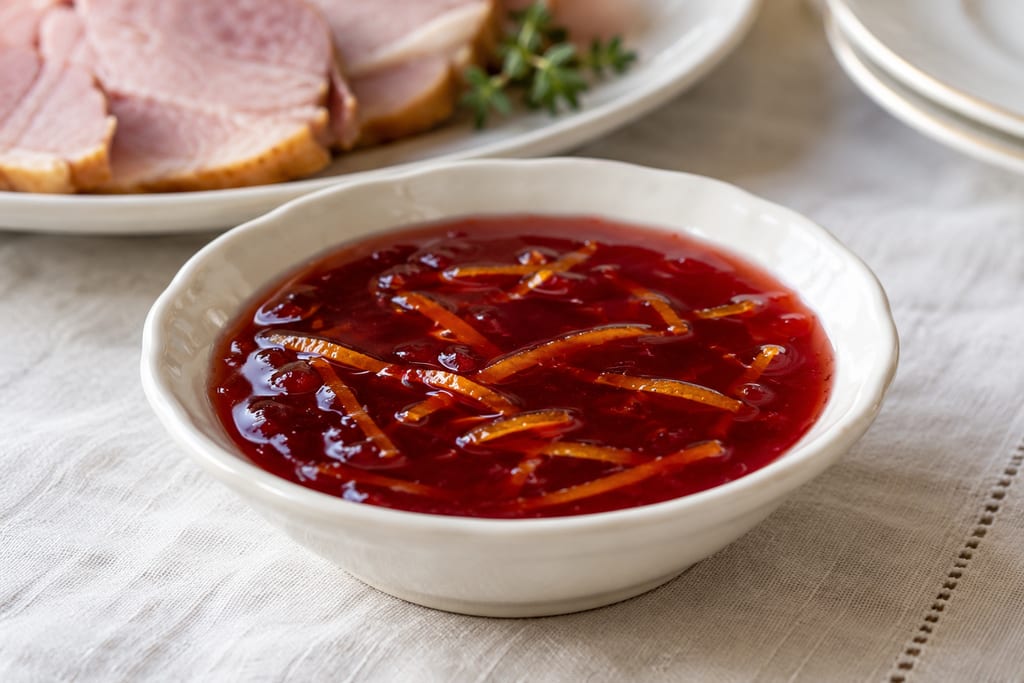
Cumberland sauce is a British condiment of redcurrant jelly, mustard, blanched orange peel and port, traditionally served cold with ham, game and cold meats.
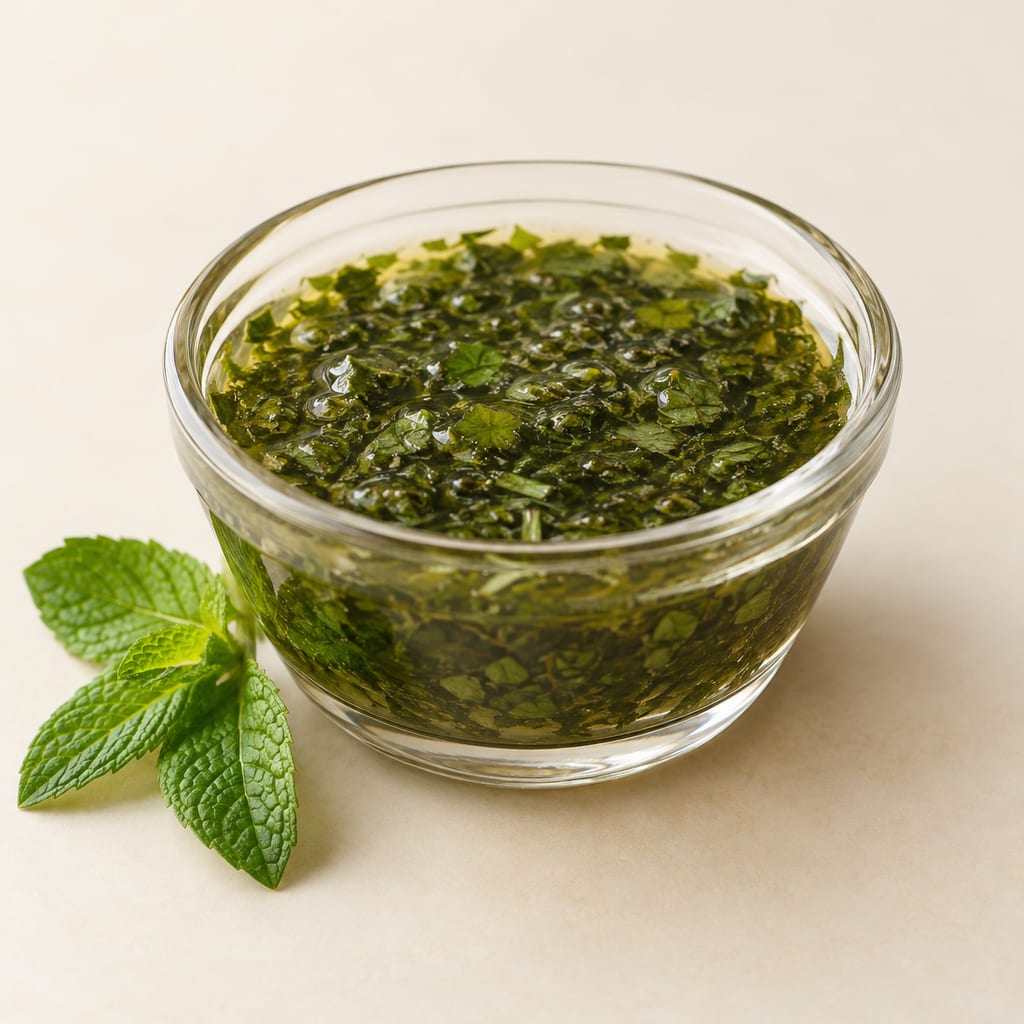
Finely chopped fresh mint steeped in a sweet and sharp liquid of white wine vinegar, sugar and water, the sauce traditionally served with roast lamb in Britain.
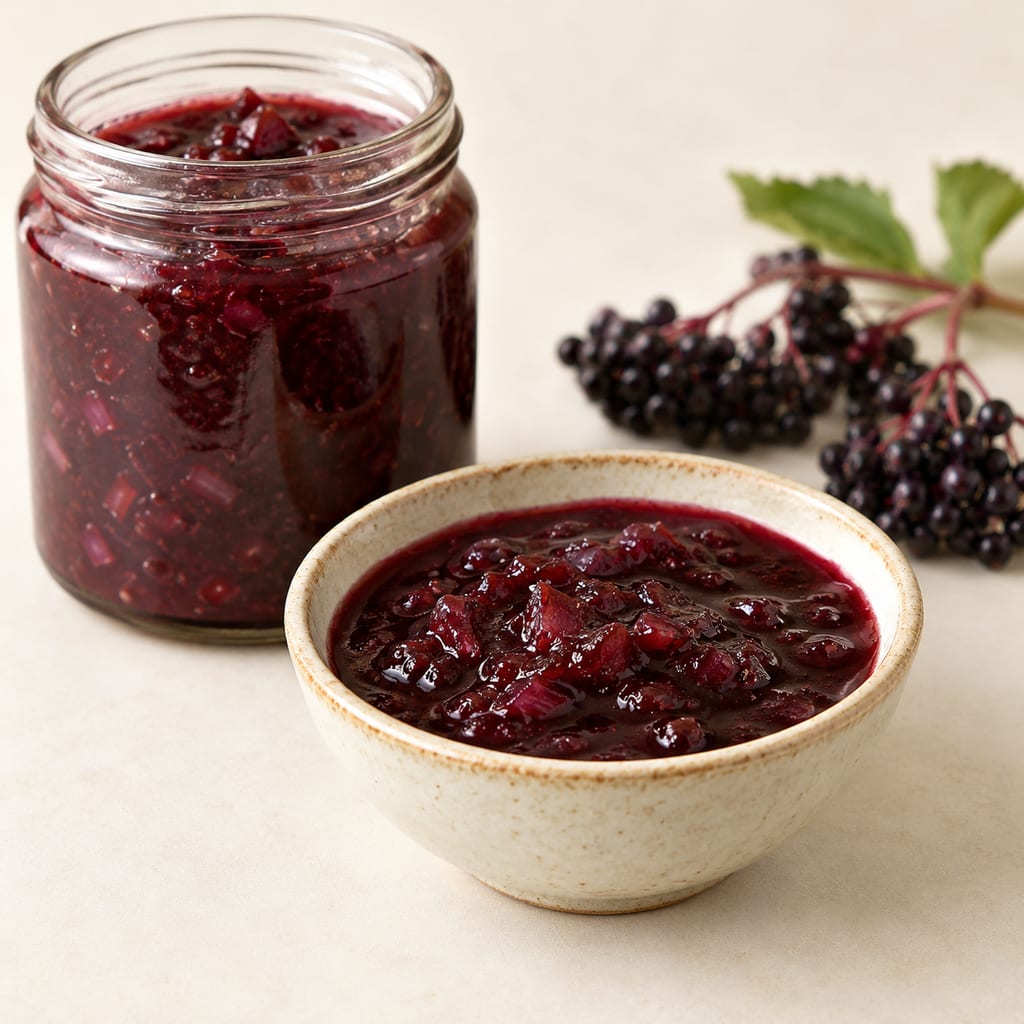
An English elderberry condiment of vinegar, shallots and warm spices, historically called a catsup and tied to Pontac's Head tavern in London.
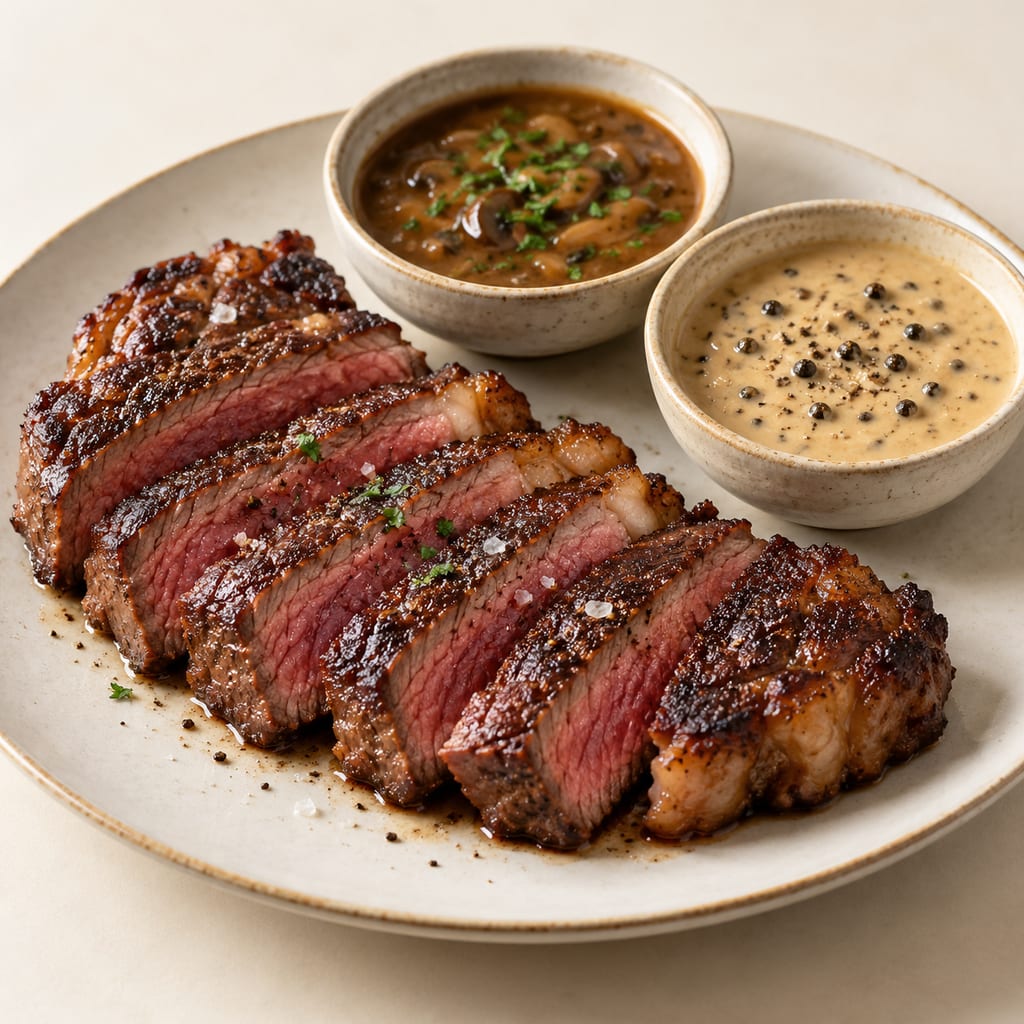
Steak Diane is a restaurant pan sauce of seasoned butter, Worcestershire and parsley, often flamed; the related peppercorn cream sauce is reduced from cream and crushed peppercorns for steak.
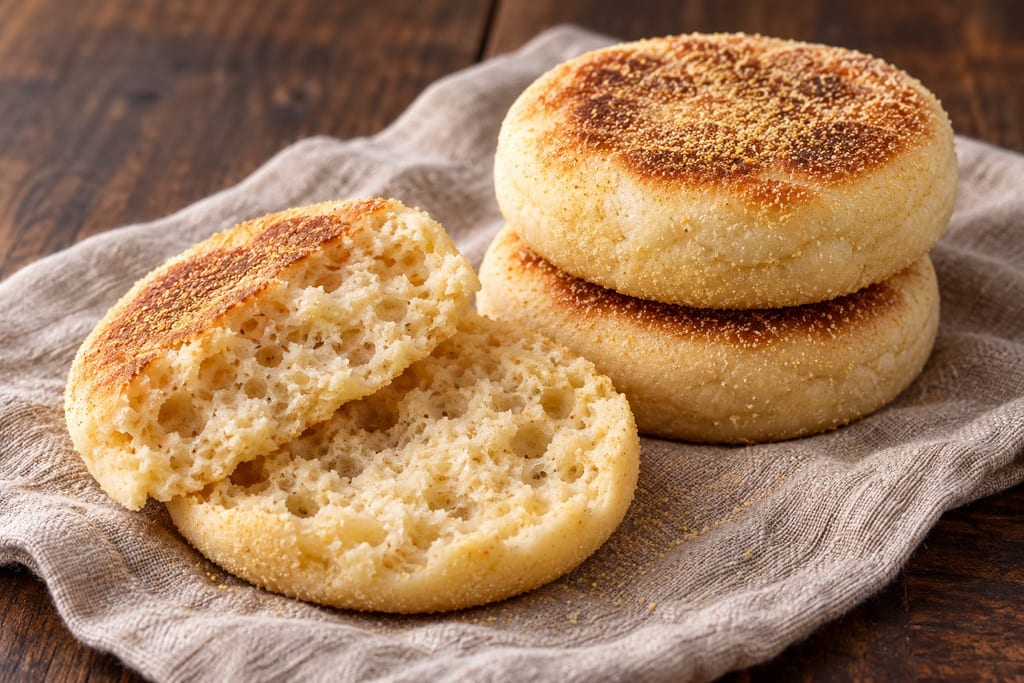
King Arthur’s six-piece English muffin batch uses a yeast preferment, two folds and a skillet or electric griddle; it is distinct from the sourdough-and-yeast version already catalogued.
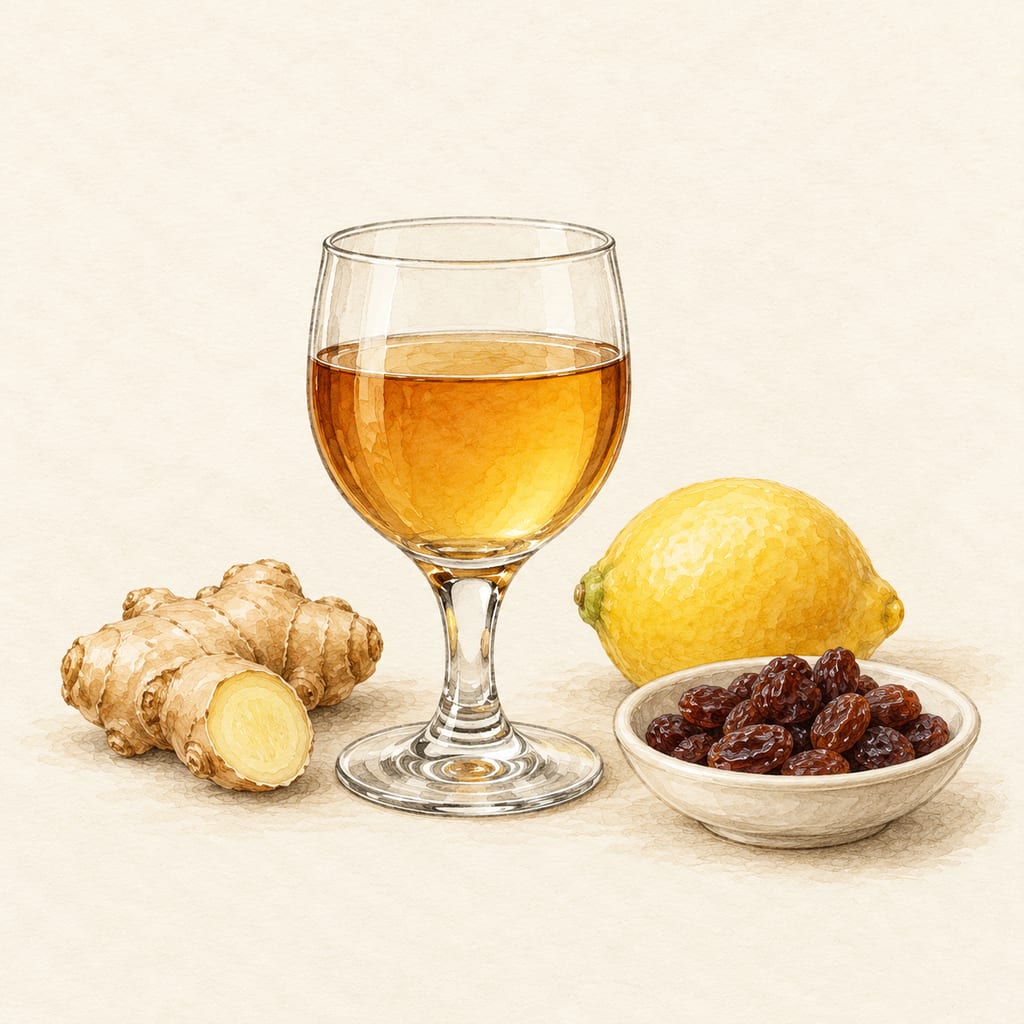
A Victorian household wine of boiled sugar, lemon and bruised ginger, worked on raisins in a cask for a fortnight and finished with brandy, made nine gallons at a time.
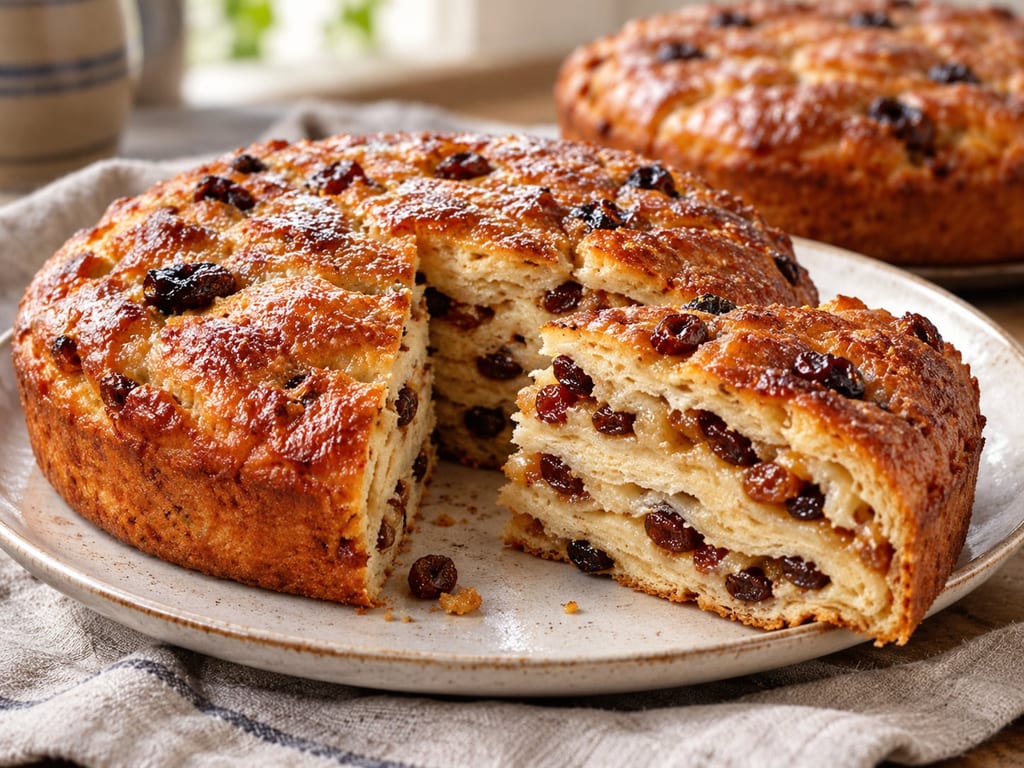
A yeast dough is folded around sweetened lard and dried fruit, then baked in tins until the bottom caramelizes.
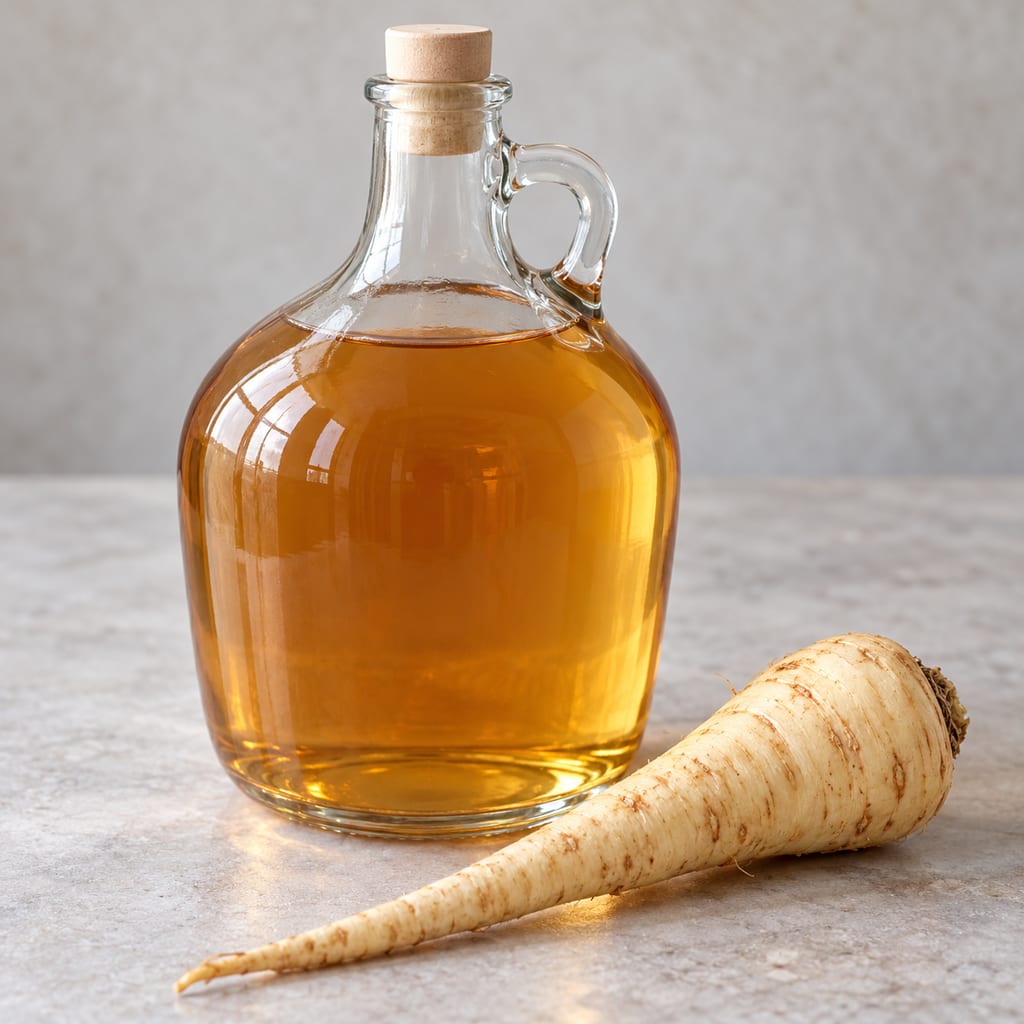
A root wine made from boiled parsnip liquor and lump sugar, fermented with yeast and finished with brandy before bottling.

Ajvar is a cooked Balkan pepper preserve built around roasted red peppers, peeled, drained, ground and slowly fried with oil and seasoning. Leskovac’s protected version is a pepper specialty; regional versions vary.

Amlou is a nutty, lightly sweet Moroccan spread of roasted almonds, culinary argan oil and honey. The almonds are ground first, then loosened with oil and sweetened; the balance can range from a thick spread to a dip.

Apple sauce for goose and pork is a plain English accompaniment: cooked apples pulped with water, then sweetened with sugar and finished with a little butter.

A warm dip of garlic, anchovy and olive oil, often enriched with butter, that Piedmont serves over a flame with raw and cooked vegetables and bread.

A sweet-hot table sauce of ripe banana simmered with vinegar, sugar, onion, garlic and fresh chilli, in the manner of Philippine banana ketchup. An untested development batch of about 500 g.

A Georgian walnut sauce of ground walnuts, garlic, vinegar and spices, thinned with water or broth. It is served with poultry, vegetables and bread, and is the sauce of the dish satsivi.

A pourable dessert sauce of brown sugar, butter and cream, with a little corn syrup and salt. It is the sauce form of the butterscotch confection and is made without water, unlike caramel.

Byzantine murrī is a cooked imitation of murrī from the medieval Arabic repertoire, made from scorched honey, toasted bread, walnuts, quince, carob and spices rather than from a long grain fermentation.
No community contributions have been published for this entry yet.
Sign in to contribute. Published comments and photos are free to read.
British Food HistoryMethod · History
A Gooseberry Sauce for MackerelModern recipe: 250 g gooseberries, 50 ml water, 50 ml white wine or a dash of cider vinegar, 50 g sugar, a good pinch of ground ginger, salt and pepper, optional butter and double cream, with the method.
Small young green gooseberries suit savoury sauces; larger sweeter ones suit desserts.
The author links the pairing to English and Norman medieval contact, an unproven claim.
Uncooked variant: halved berries, chopped mint and sugar, macerated for several hours, which keeps the berries green.
WikipediaHistory · Uses
GooseberryEarly pickings are generally sour and more appropriate for culinary use.
The French name groseille a maquereau translates as mackerel berries; the fruit was used in a sauce for mackerel in old French cuisine.
The article gives no British history of gooseberry sauce.