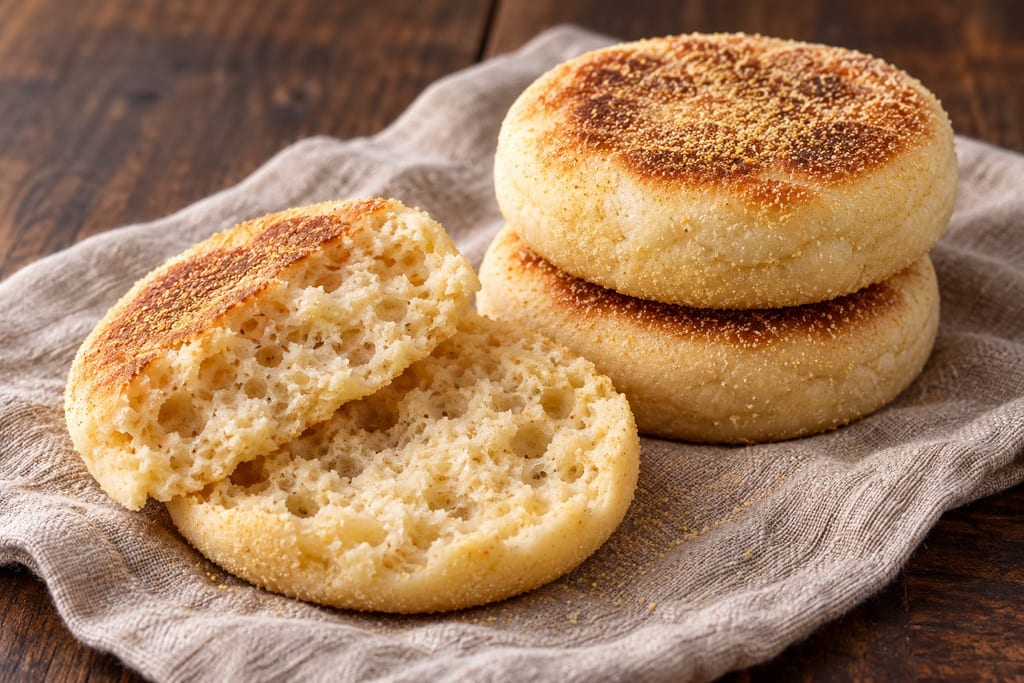
English muffins: King Arthur yeast-preferment version
King Arthur’s six-piece English muffin batch uses a yeast preferment, two folds and a skillet or electric griddle; it is distinct from the sourdough-and-yeast version already catalogued.
 FermenteaWhere food goes to change
Modern adaptation
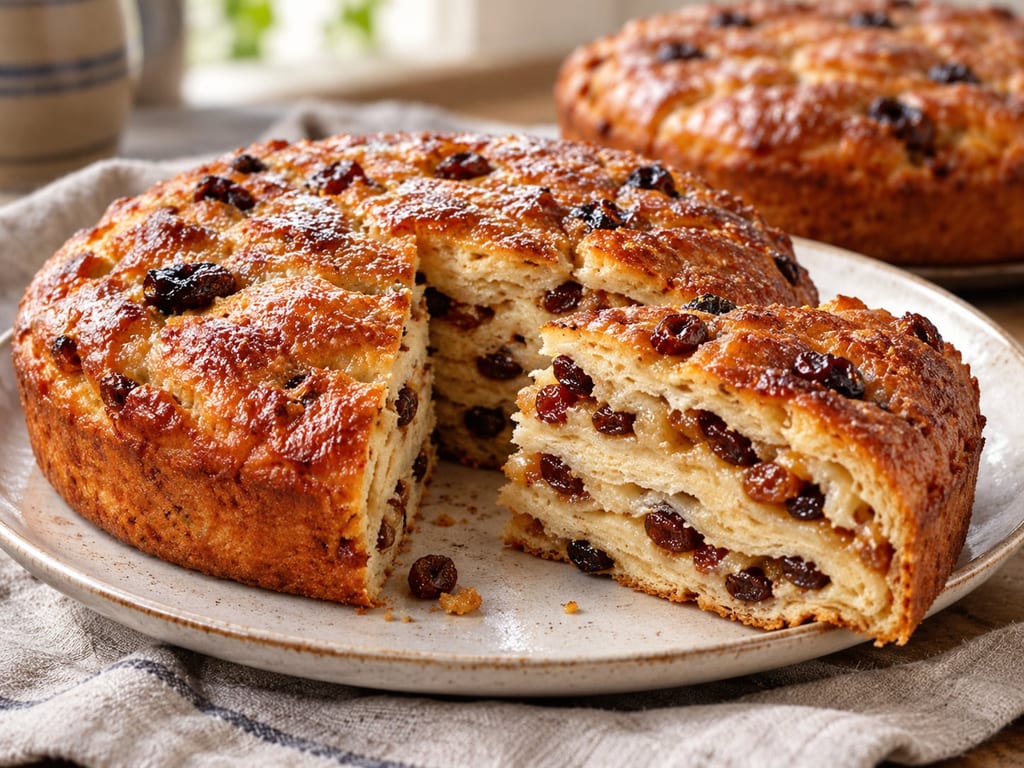
Lardy Cake Recipe · lardy cake · lardy bread
A yeast dough is folded around sweetened lard and dried fruit, then baked in tins until the bottom caramelizes.
The dough contains raw flour before baking. Do not taste it; keep it separate from ready-to-eat foods, then wash hands, bowls, utensils and work surfaces after handling.
Hobbs House calls this a family recipe sold in its Gloucestershire shops. That contemporary bakery statement documents its own version and modern use, not lardy cake’s earliest origin.
Yield 2 cakes · Scaling: source batch only
Uncooked flour may carry harmful bacteria; do not taste the raw dough.
Hazard sourceDo not taste raw dough. Keep flour and dough away from ready-to-eat foods, and wash hands, bowls, utensils and work surfaces after handling.
Control sourceThe source does not state a finished-storage duration or internal endpoint; its golden-color and base-browning cues are recipe directions, not validated limits.
Hobbs House says it sells this family recipe in its Gloucestershire shops; this does not establish lardy cake’s origin.
King Arthur’s six-piece English muffin batch uses a yeast preferment, two folds and a skillet or electric griddle; it is distinct from the sourdough-and-yeast version already catalogued.
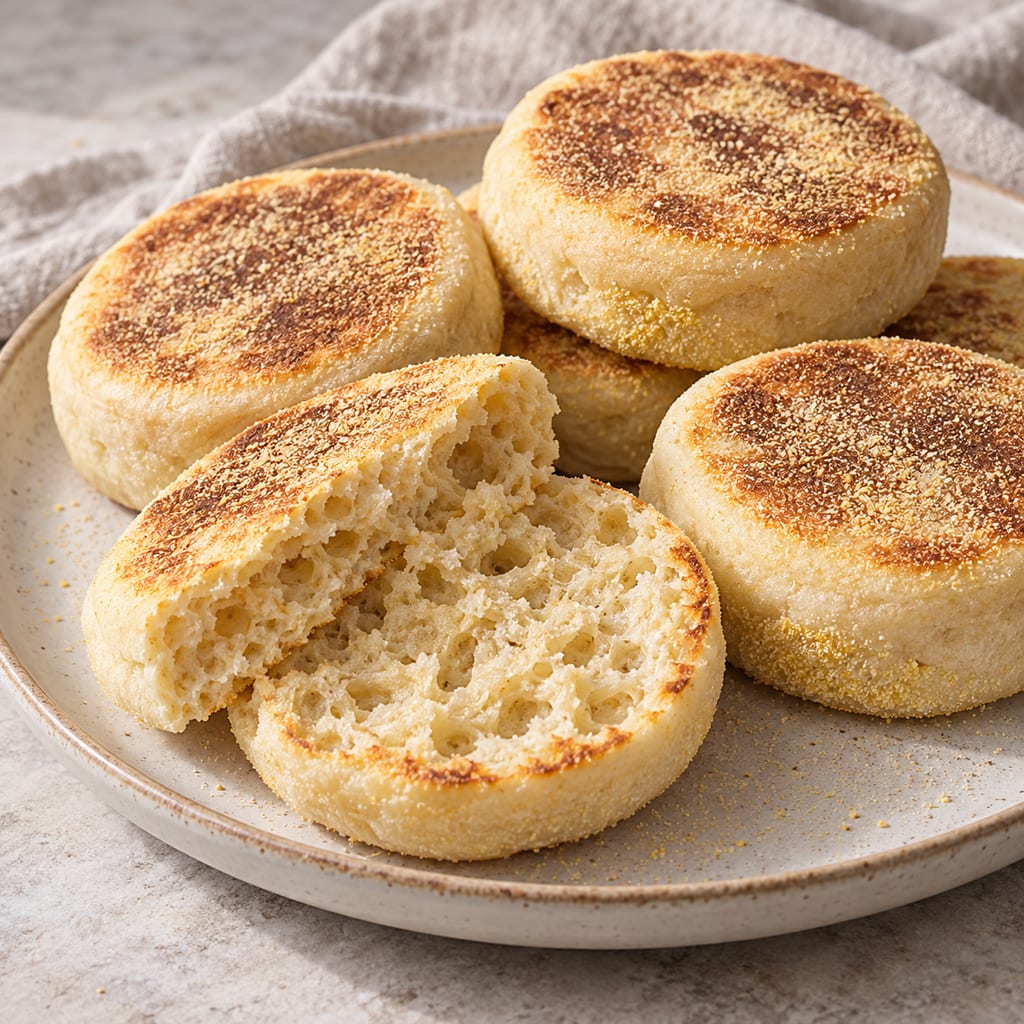
A soft English muffin dough combines sourdough starter with baker’s yeast, then rises, is cut into rounds and cooks on a griddle. The starter adds tang; the added yeast helps it rise.
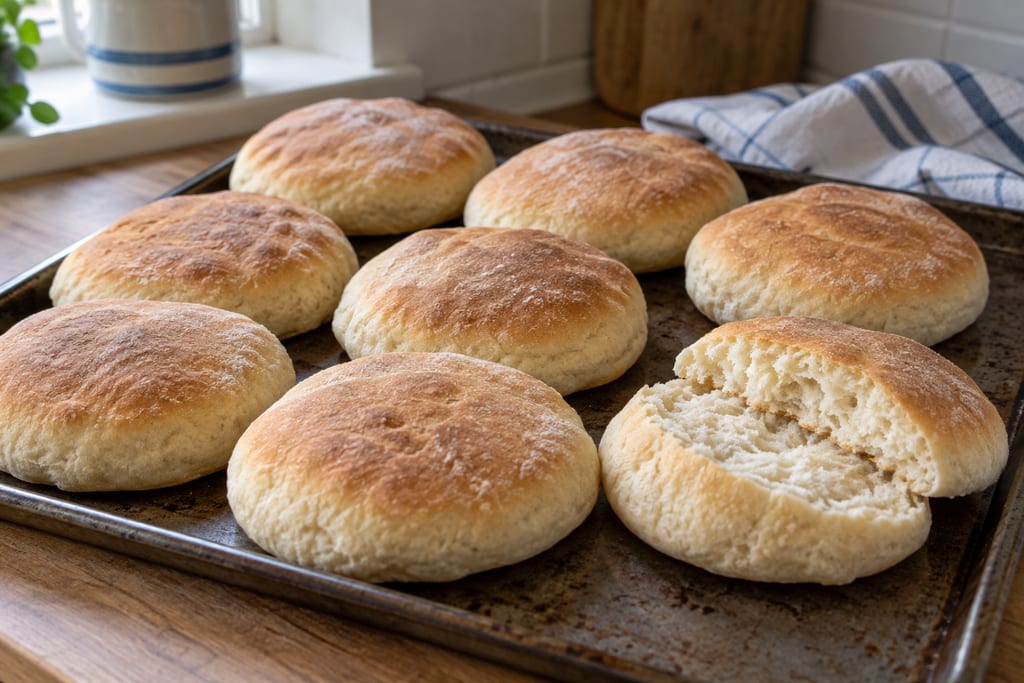
A North East England yeast bread baked as flat round cakes. Terence Laybourne's Newcastle home recipe makes twelve rounds about 1 inch thick and serves them warm.
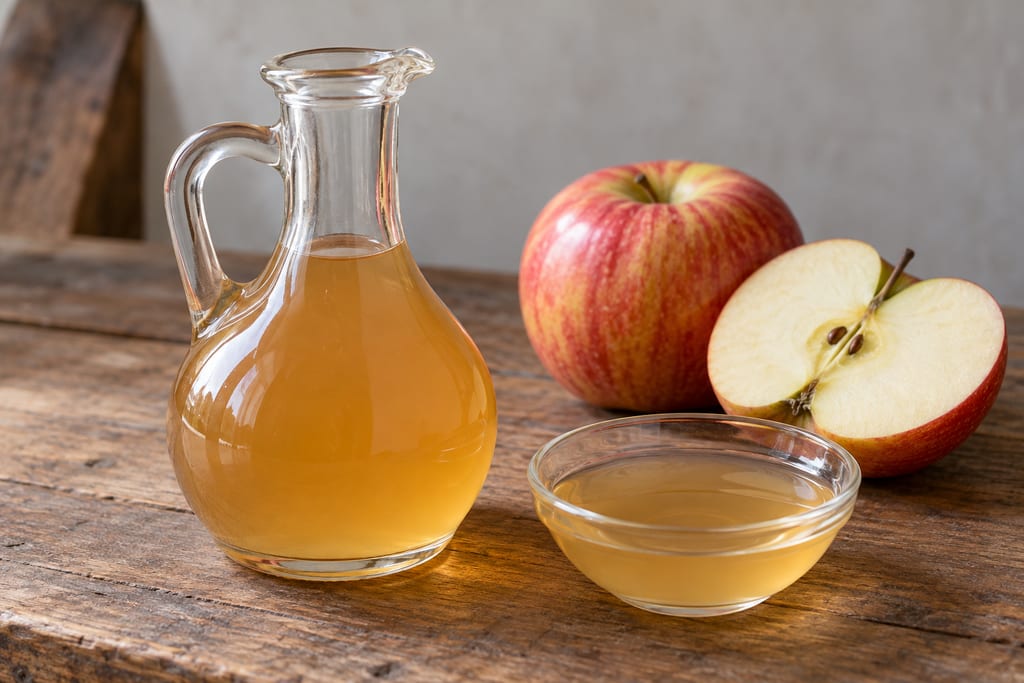
Cider vinegar is made when acetic-acid bacteria use oxygen to turn the alcohol in dry apple cider into acetic acid. This historical cask method begins with fermented cider and differs from apple-scrap vinegar made with sugar and water.
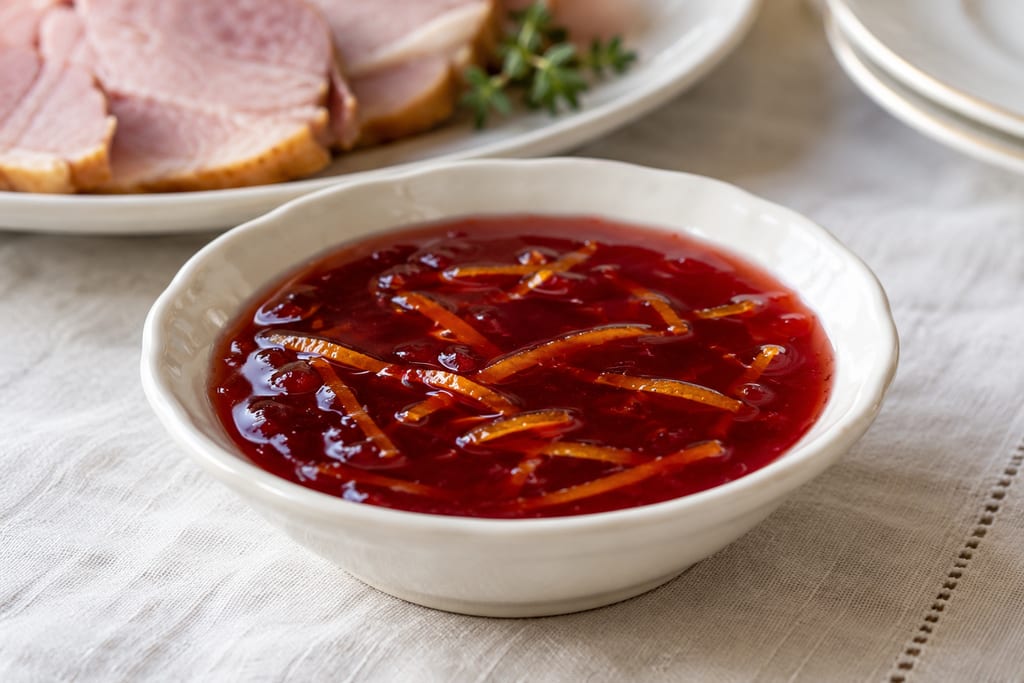
Cumberland sauce is a British condiment of redcurrant jelly, mustard, blanched orange peel and port, traditionally served cold with ham, game and cold meats.
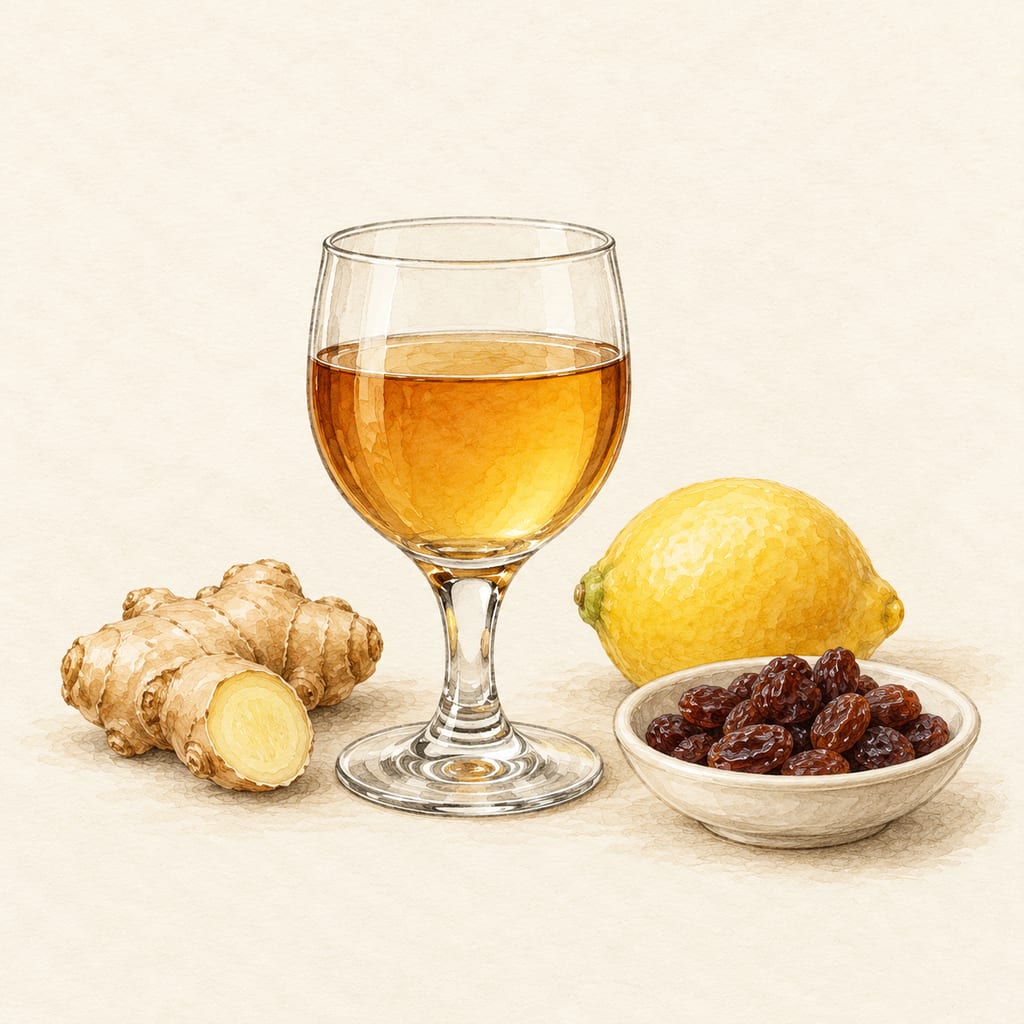
A Victorian household wine of boiled sugar, lemon and bruised ginger, worked on raisins in a cask for a fortnight and finished with brandy, made nine gallons at a time.
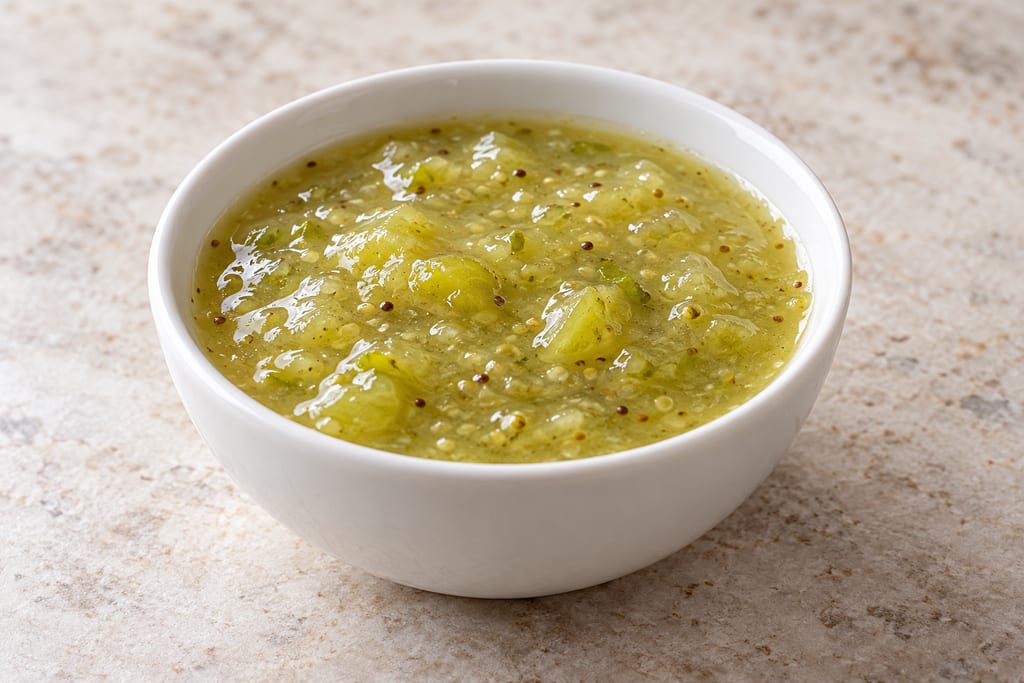
Gooseberry sauce is a soft, tart sauce of cooked green gooseberries, sharpened with wine or vinegar and lightly sweetened, traditionally served with mackerel.
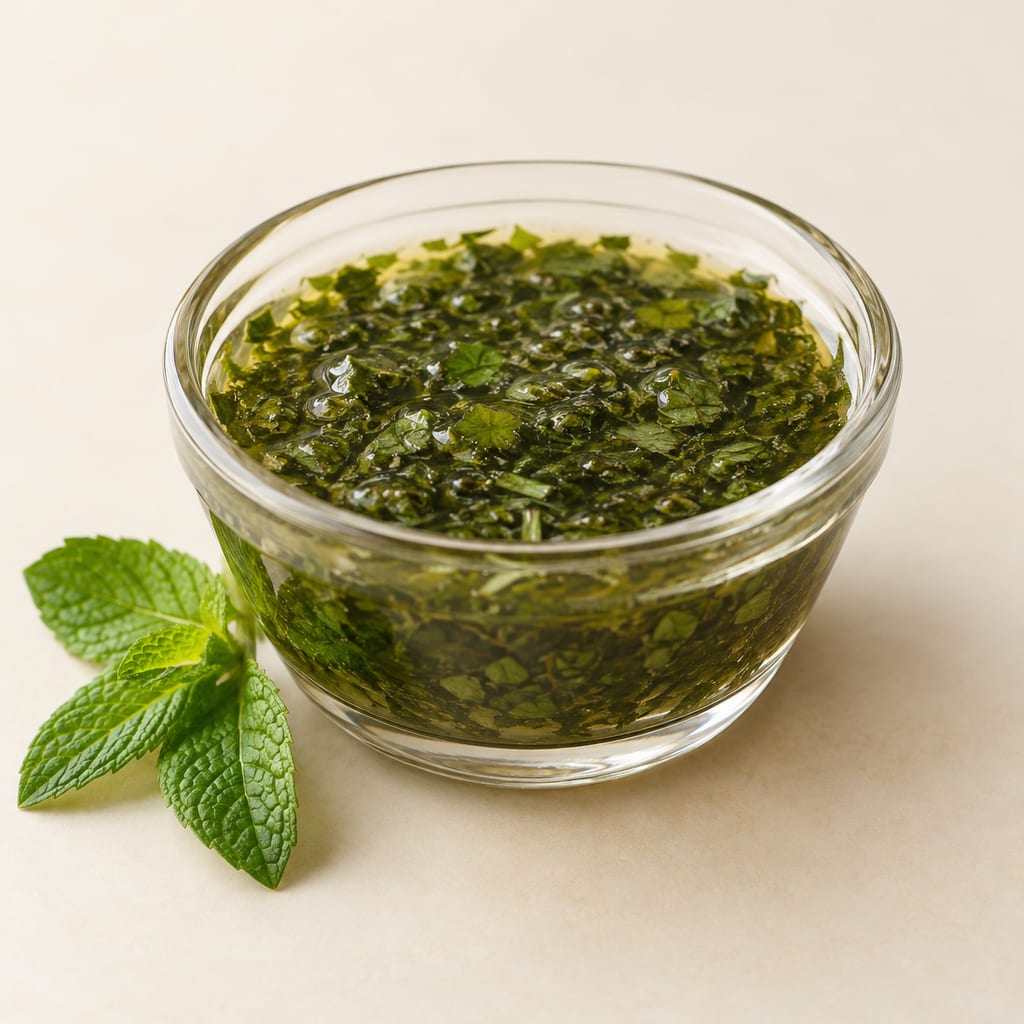
Finely chopped fresh mint steeped in a sweet and sharp liquid of white wine vinegar, sugar and water, the sauce traditionally served with roast lamb in Britain.
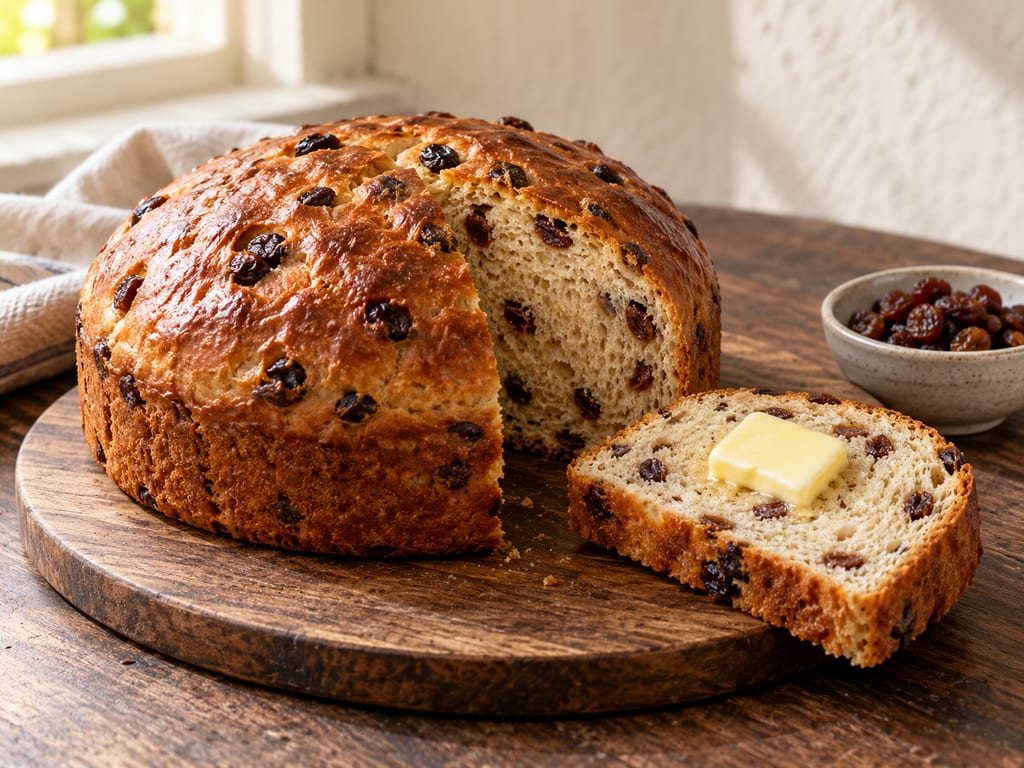
An Irish fruit-studded yeast loaf, associated in a contemporary cultural account with Halloween and often served fresh or toasted with butter.
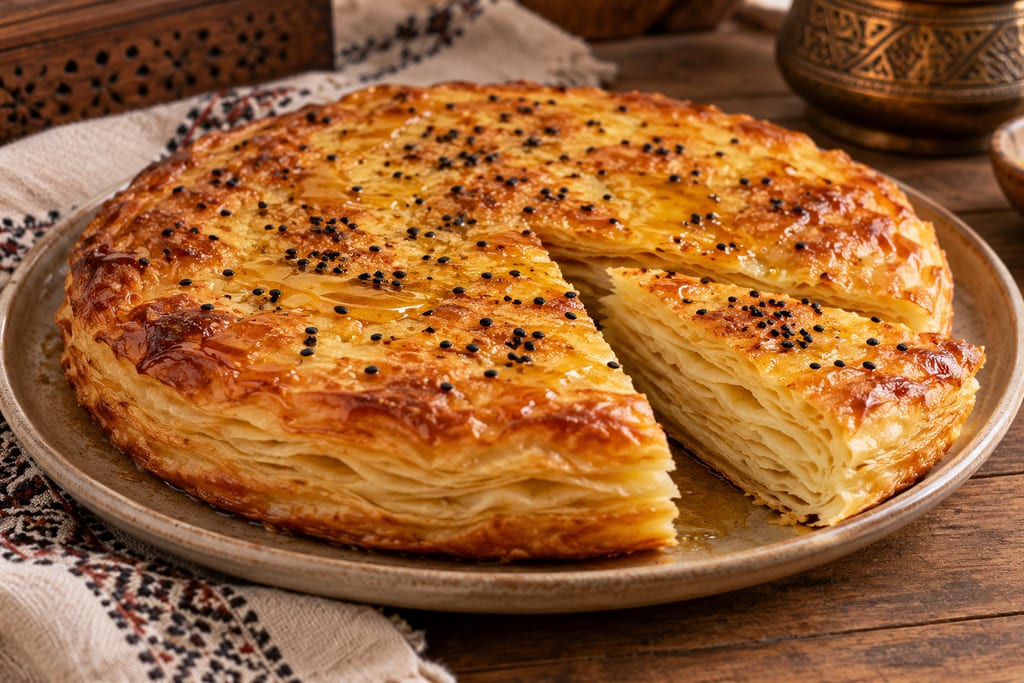
Bint al-sahn is a Yemeni celebration and home bread built from thin, egg-rich yeast dough layers brushed with ghee or butter. This source-specific version makes one round cake, baked until golden and served warm with honey.
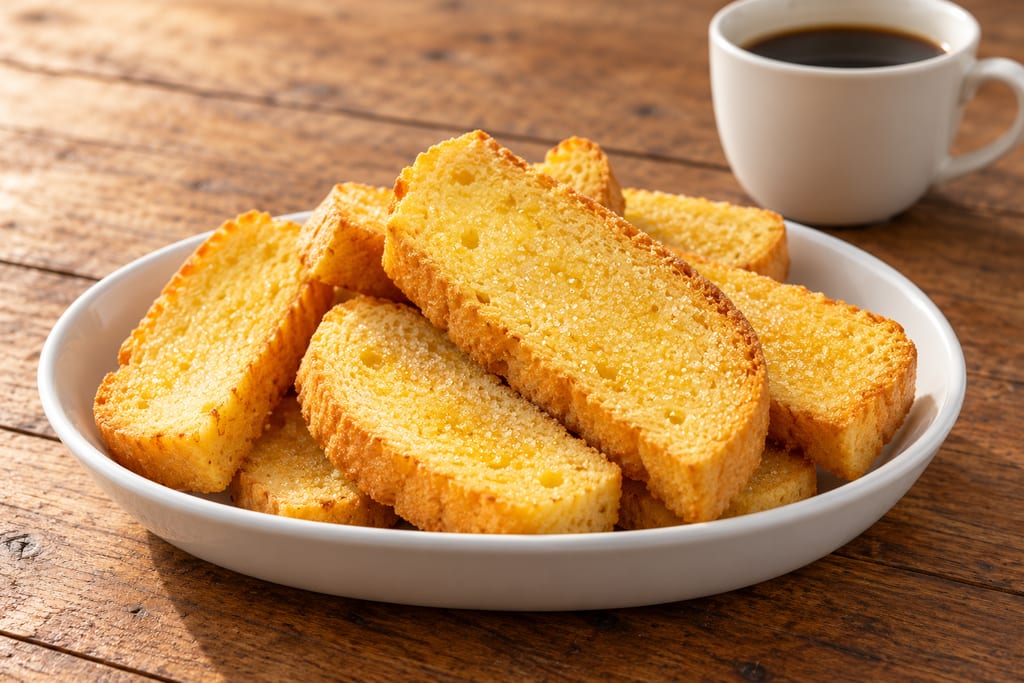
PagkainPinoy’s 24–30 piece version twice-bakes day-old soft bread with a thin butter-and-sugar coating.
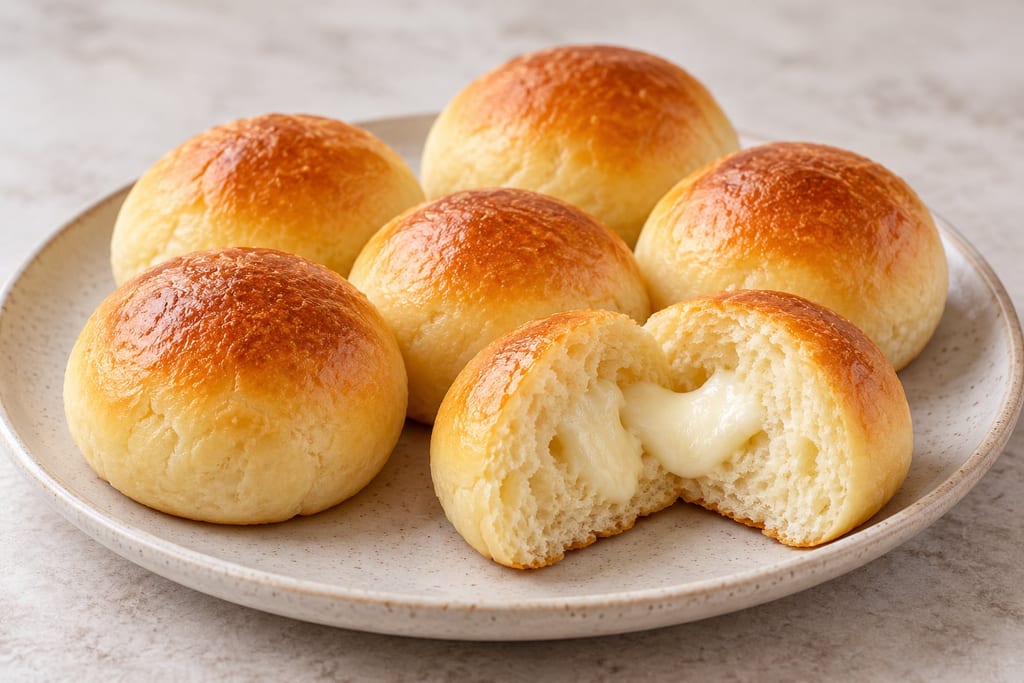
Soft Brazilian yeast rolls use cooked mashed potato in an enriched dough, with mozzarella cubes enclosed before baking.
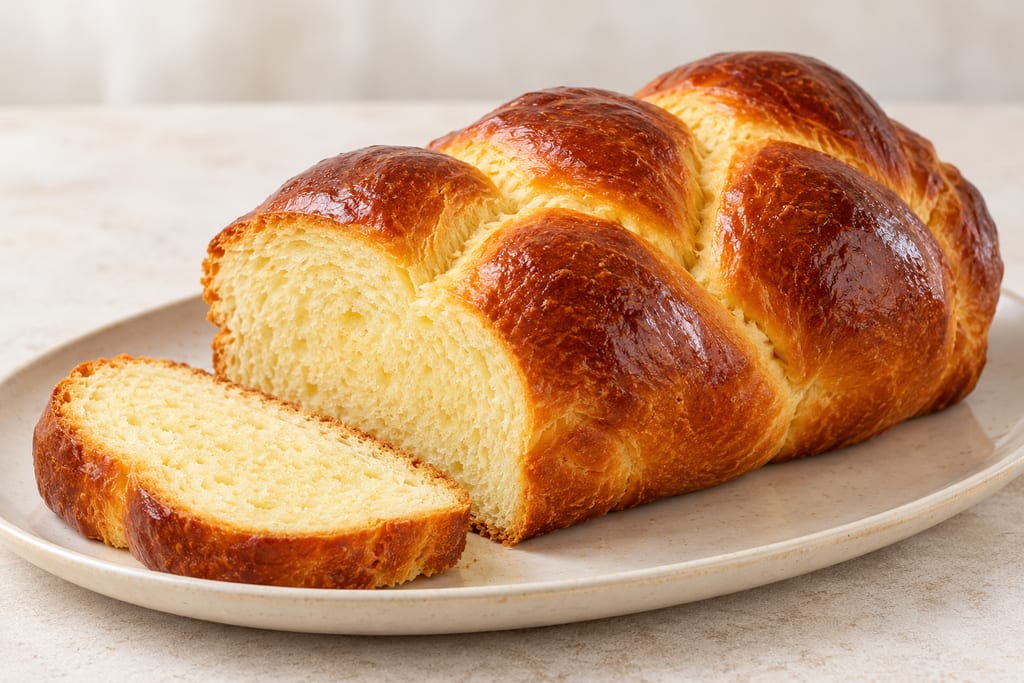
An egg-and-butter-rich yeast dough shaped as one round loaf, two loaves or twelve small brioches, with baking paths that vary by shape.
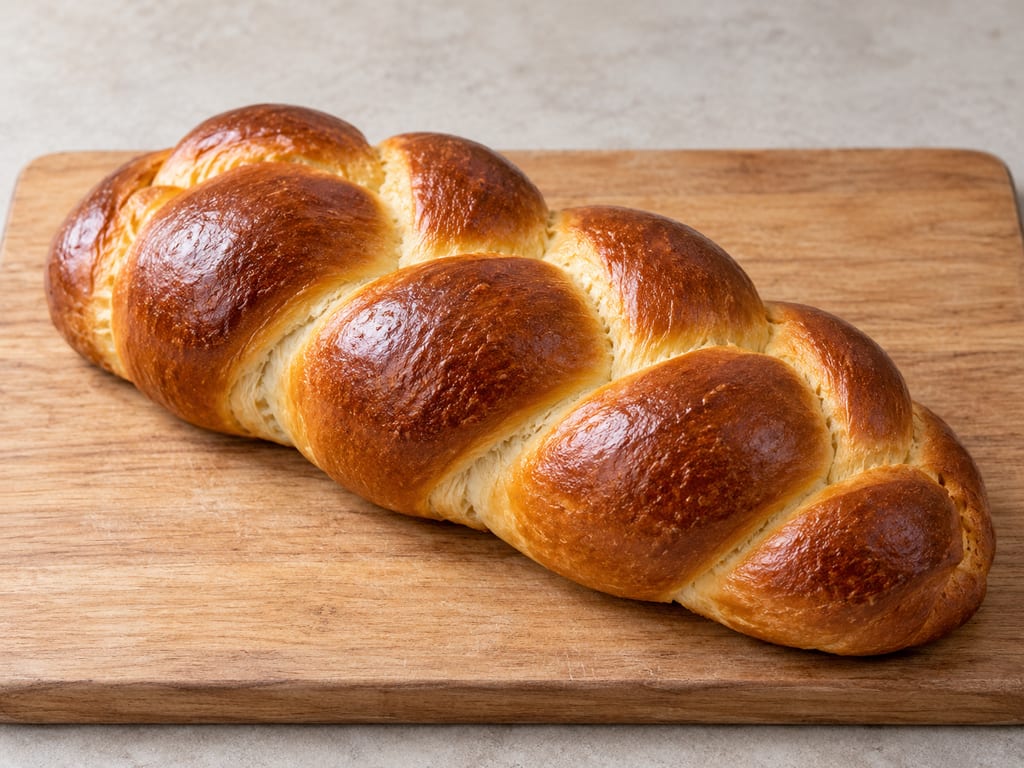
A three-strand yeast-raised challah with flour, salt, yeast, water, neutral oil, honey and egg, based on a Jewish Museum Vienna home recipe.
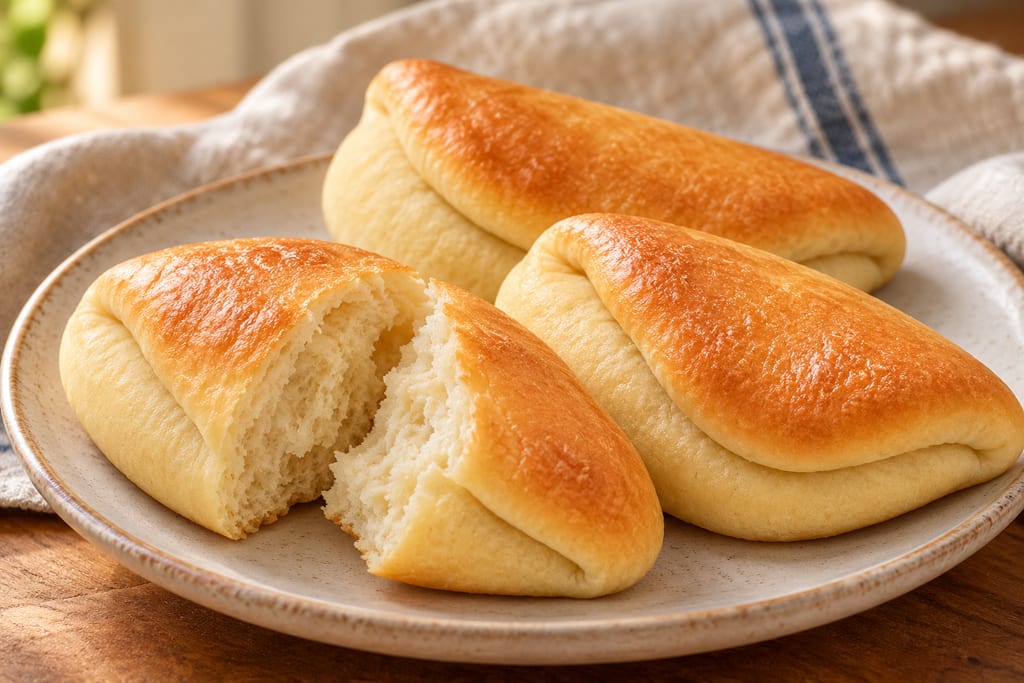
Jamaican-style folded rolls made from sweet coconut-milk yeast dough and brushed with butter.
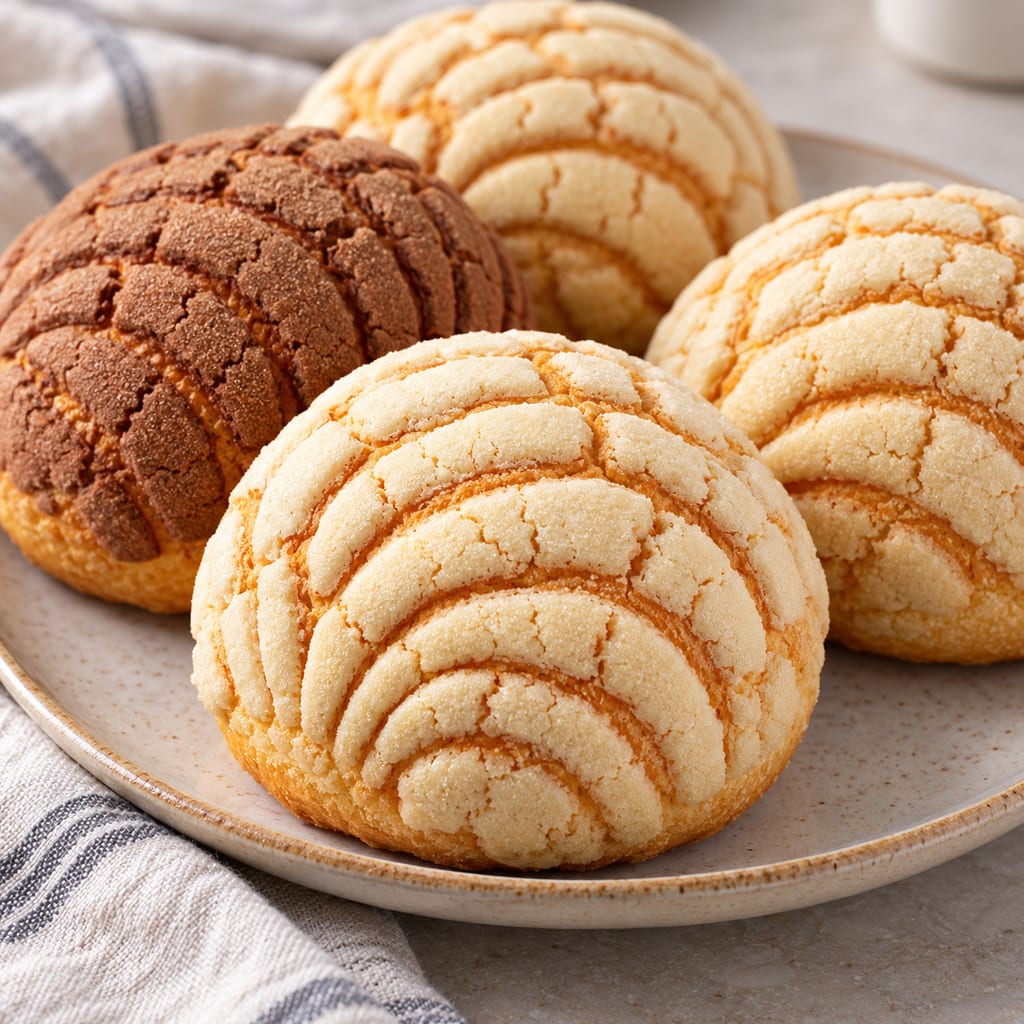
Mexican sweet rolls with a soft enriched yeast dough and a separate scored sugar-flour topping shaped like a shell. This version makes 15 rolls and uses a chilled dough rest before final proofing.
No community contributions have been published for this entry yet.
Sign in to contribute. Published comments and photos are free to read.
Hobbs House BakeryInspiration · Recipe · Modern use
Lardy Cake Recipefamily-recipe and Gloucestershire shop association; two-cake formula and method, ingredient-list/method fruit wording difference, warm rises, pan sizes and oven settings
After the 45-minute bake, cool in the tins for 30 minutes until the caramelized lard toffee sets; turn onto greaseproof paper and serve with the layered side up.
Centers for Disease Control and PreventionSafety
Raw Flour and DoughRaw flour may contain germs; avoid tasting raw dough, bake it before eating, keep it away from ready-to-eat food, and wash hands and surfaces after handling.
Cited in: Raw flour handling