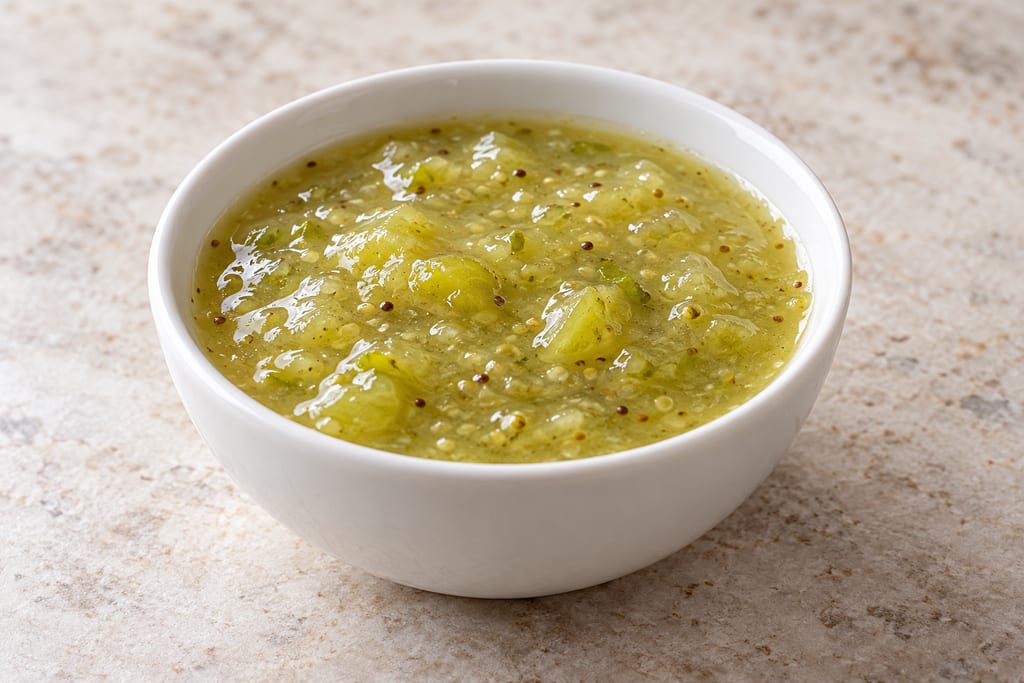
Gooseberry sauce
Gooseberry sauce is a soft, tart sauce of cooked green gooseberries, sharpened with wine or vinegar and lightly sweetened, traditionally served with mackerel.
 FermenteaWhere food goes to change
Sauce Cumberland · Sauce Cumberland · Cumberland sauce (Soyer method)
Cumberland sauce is a British condiment of redcurrant jelly, mustard, blanched orange peel and port, traditionally served cold with ham, game and cold meats.
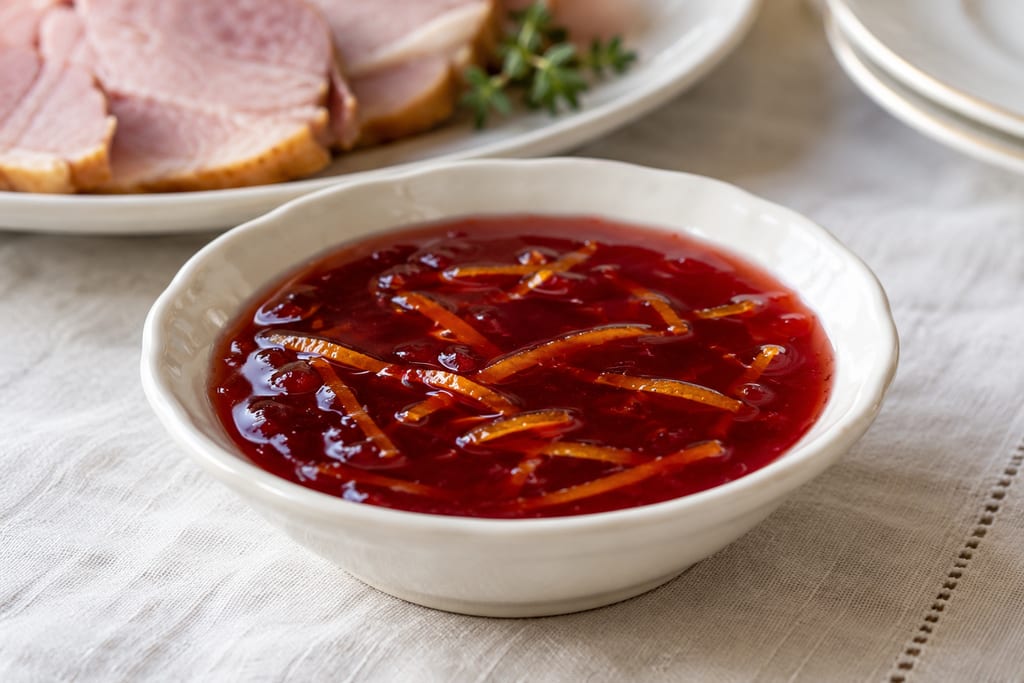
Cumberland sauce is a pourable British condiment made from redcurrant jelly, mustard, pepper, salt, blanched strips of orange peel and port. It is sweet, sharp and pungent at once, and it is served cold. Elizabeth David called it the best of all sauces for cold meat, and it is the usual accompaniment to ham, pressed beef, tongue, venison, pork brawn and game.
The sauce belongs to an older family of sharp fruit sauces. Medieval cooks made sharp sauces with verjuice or vinegar, and the Oxford English Dictionary describes Cumberland sauce as a piquant sauce served especially with cold meat. What sets Cumberland sauce apart is that it is built from a preserved fruit product. The jelly is already a set, sugared fruit preserve, and the sauce turns it back into a liquid by mixing it with port and mustard. The preservation question therefore belongs to the finished mixture, not to the jelly alone.
The date and place of origin are disputed. Most accounts place the full form of the sauce in the 19th century. Janet Clarkson identified an American citation from 1856 and earlier, similar sauces. William Kitchiner's The Cook's Oracle, first published in 1817, includes a wine sauce for venison or hare made from claret or port and redcurrant jelly. That recipe is an ancestor of the sauce, not a named Cumberland sauce.
The first dated mention of a sauce Cumberland in the sources read is in The Times of 10 September 1872, which reported that boar's head had been served with it at a Berlin banquet attended by Wilhelm I, Franz Joseph and Alexander II. The Oxford English Dictionary's earliest citation is from 1878. Two newspapers in Cumberland ran advertisements in December 1859 for a bottled Cumberland sauce, but did not give its ingredients.
The name is uncertain. One theory links it to Ernest Augustus, Duke of Cumberland, a Hanoverian prince. Another links it to the county of Cumberland, now part of Cumbria. Some accounts propose a German origin, linked to Hanover, but this rests on attribution and circumstantial evidence rather than firm documentation.
Alexis Soyer's recipe of 1853 is the one Elizabeth David identified as without doubt Cumberland sauce. Soyer presented it as the German method for serving boar's head. He cut the rind of two Seville oranges, free of pith, into strips about half an inch long, blanched them in boiling water and drained them into a basin. He then added a spoonful of mixed English mustard, four spoonfuls of currant jelly, a little pepper and salt, mixed well, and finished with half a pint of good port.
The method is short, and its logic is simple. The jelly supplies sweetness, body and the fruit flavour. The mustard and pepper give heat, the port gives wine depth, and the blanched orange strips add a bitter citrus edge and a texture for the eye. Soyer's version has no cooking step after the blanching, and the sources read do not say the mixture must rest. Amounts differ from book to book, and the port in particular is one of the quantities most often changed between recipes. The amounts above are Soyer's, and the sources do not give a better standard.
Recipes on Soyer's lines appear in cookbooks from many countries, including the Czech Republic, France, Germany, Ireland, Spain, Sweden and the United States. Some keep the classic form, and others change one element. A Polish version leaves out the mustard and wine, adds horseradish and fries the orange zest before mixing. A New Zealand version adds grated beetroot.
Michel Roux described the sauce as his favourite for terrines, pates and game, and said that it adds a new dimension to a shop-bought pork pie. Auguste Escoffier popularised it in Ma cuisine in 1934, recommending it especially for cold venison. The first printed recipe under the name Cumberland sauce that David found is in a French book on English food from 1904.
The name and origin are disputed. Most sources date the full form to the 19th century. Janet Clarkson identified an American citation from 1856 and earlier similar sauces, among them a redcurrant and wine sauce in William Kitchiner's The Cook's Oracle (first published 1817). The Times reported a sauce Cumberland at a Berlin banquet in 1872, and the first Oxford English Dictionary citation is from 1878.
Attributed origin; the sauce is named after the county or a duke of Cumberland.
Gooseberry sauce is a soft, tart sauce of cooked green gooseberries, sharpened with wine or vinegar and lightly sweetened, traditionally served with mackerel.
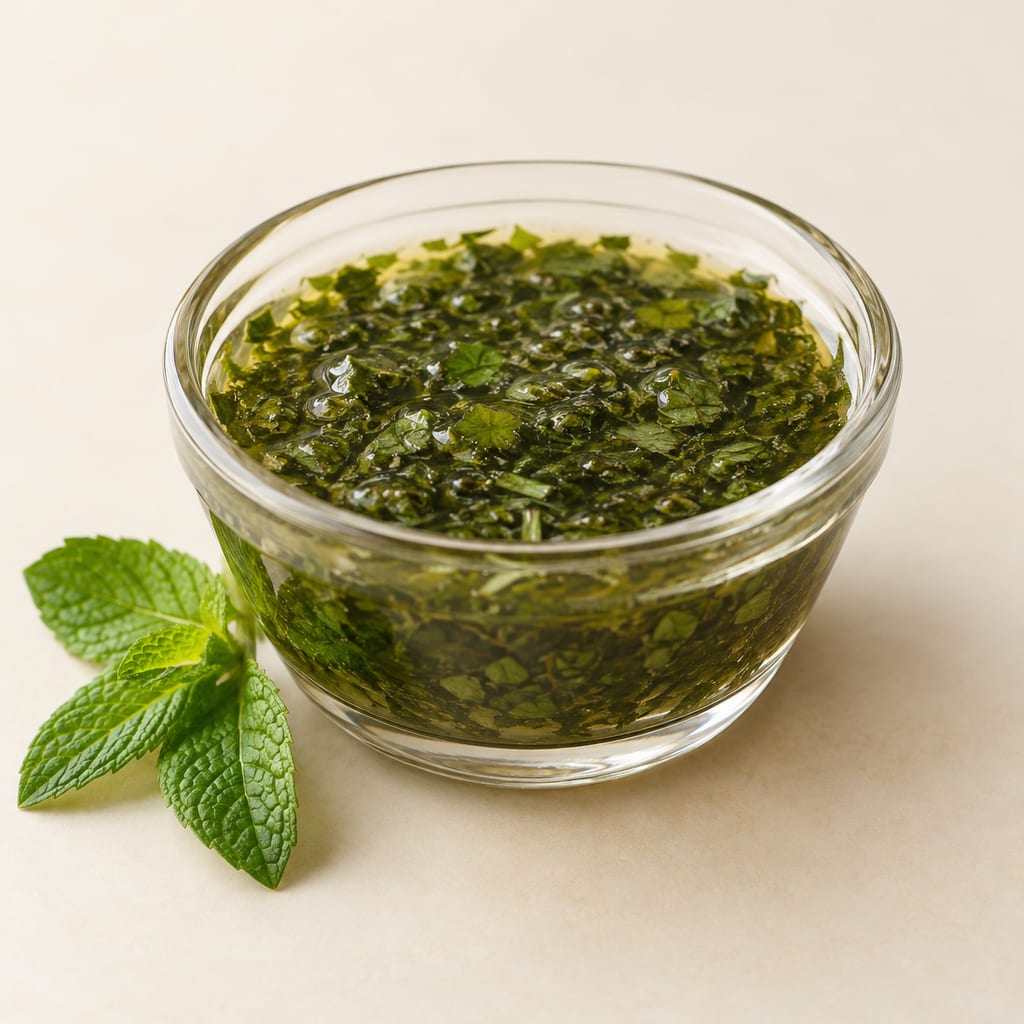
Finely chopped fresh mint steeped in a sweet and sharp liquid of white wine vinegar, sugar and water, the sauce traditionally served with roast lamb in Britain.
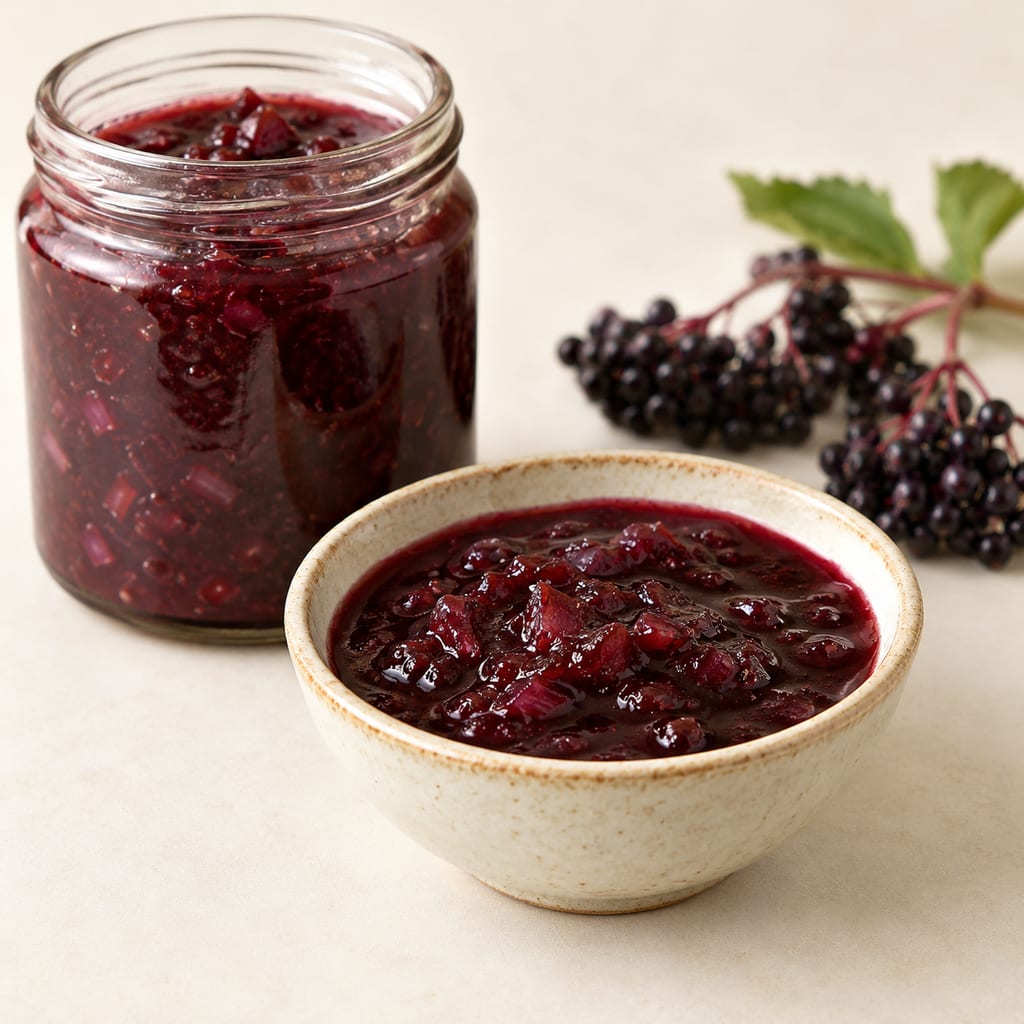
An English elderberry condiment of vinegar, shallots and warm spices, historically called a catsup and tied to Pontac's Head tavern in London.
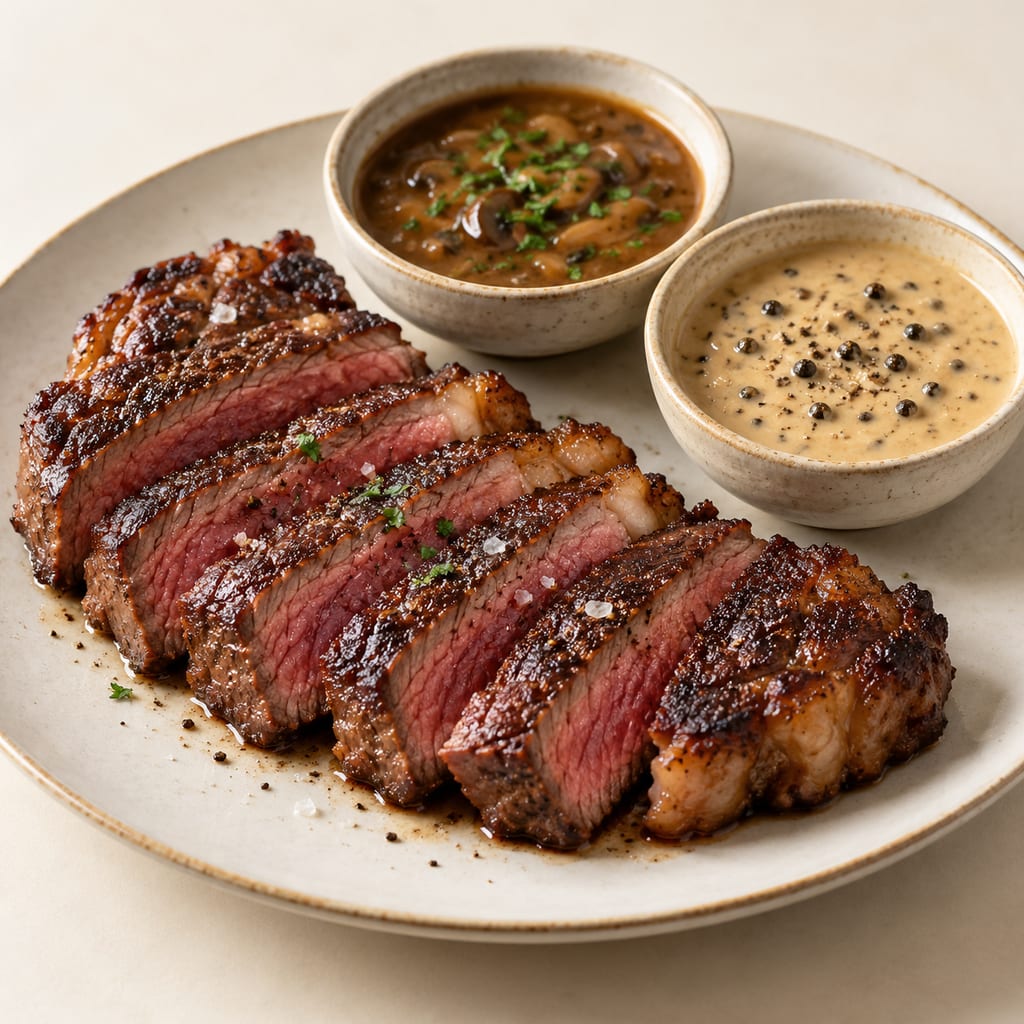
Steak Diane is a restaurant pan sauce of seasoned butter, Worcestershire and parsley, often flamed; the related peppercorn cream sauce is reduced from cream and crushed peppercorns for steak.
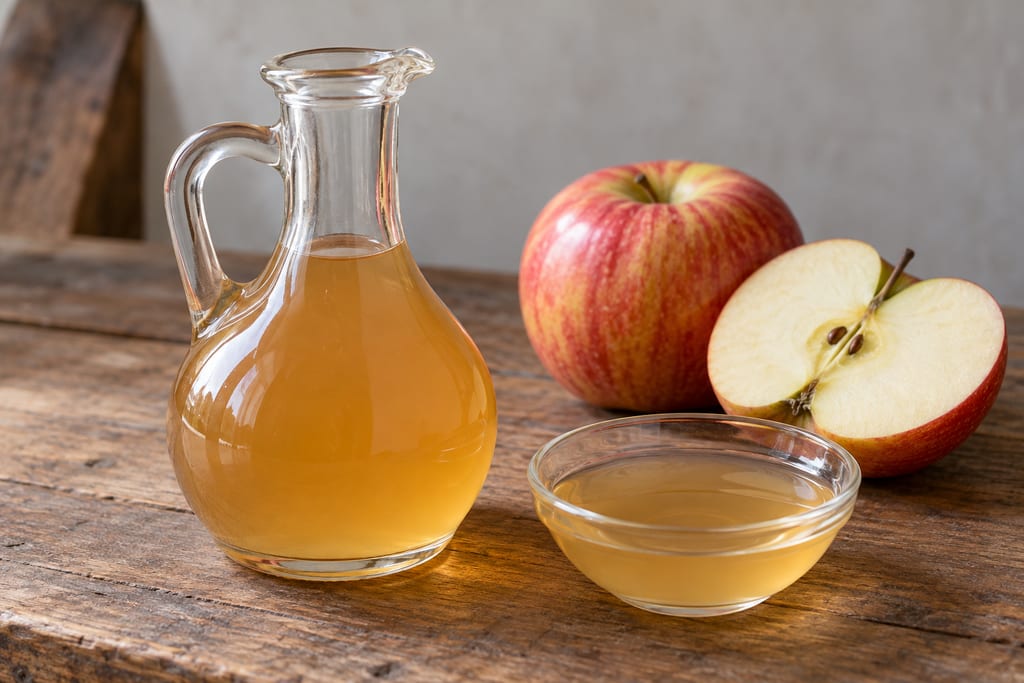
Cider vinegar is made when acetic-acid bacteria use oxygen to turn the alcohol in dry apple cider into acetic acid. This historical cask method begins with fermented cider and differs from apple-scrap vinegar made with sugar and water.
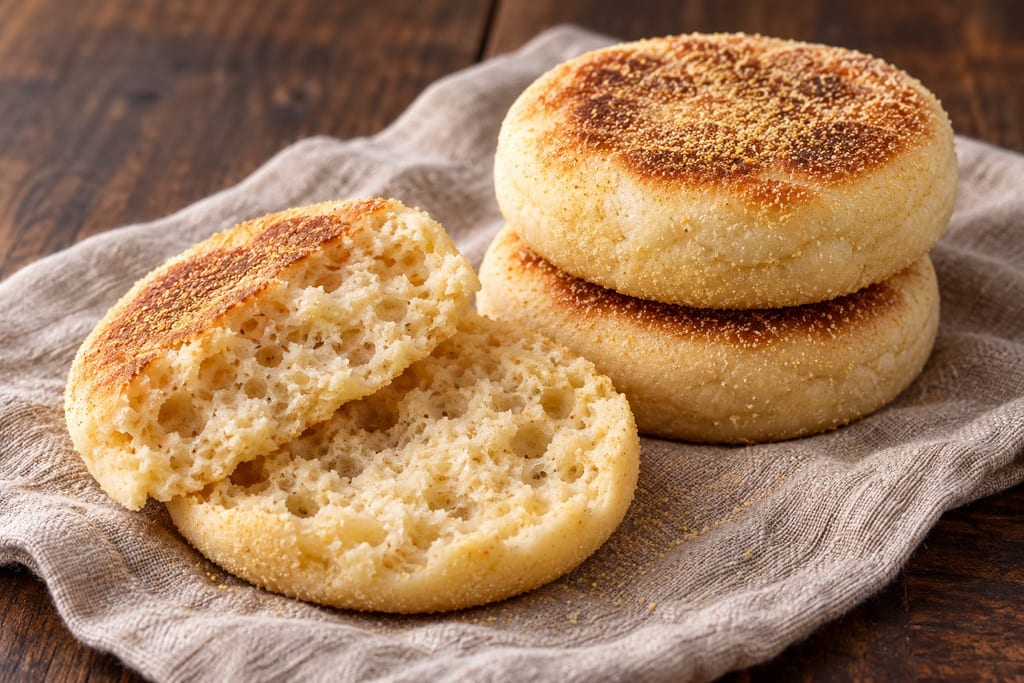
King Arthur’s six-piece English muffin batch uses a yeast preferment, two folds and a skillet or electric griddle; it is distinct from the sourdough-and-yeast version already catalogued.
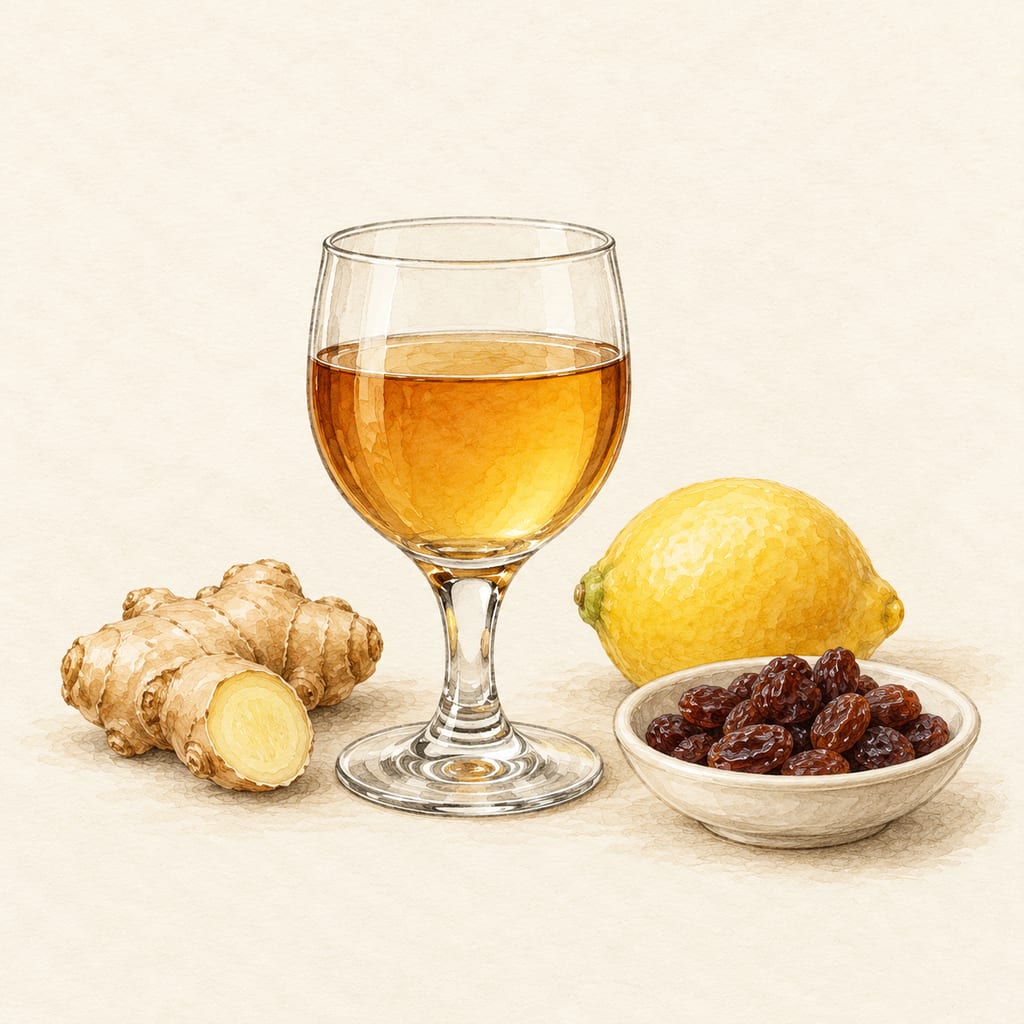
A Victorian household wine of boiled sugar, lemon and bruised ginger, worked on raisins in a cask for a fortnight and finished with brandy, made nine gallons at a time.
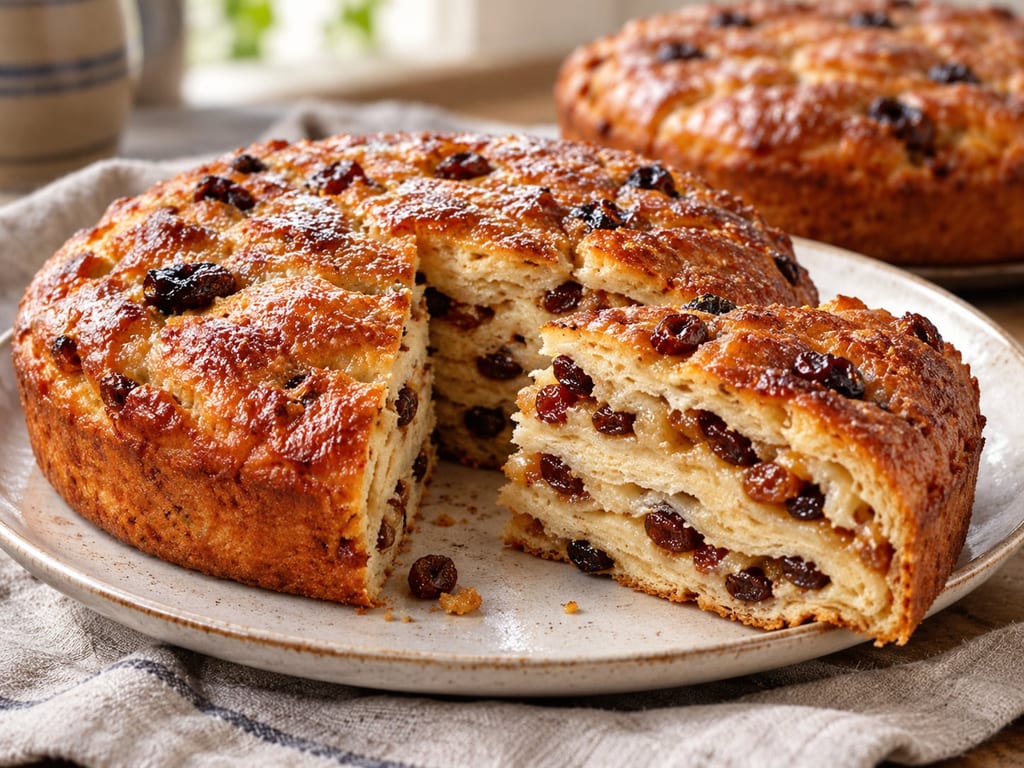
A yeast dough is folded around sweetened lard and dried fruit, then baked in tins until the bottom caramelizes.
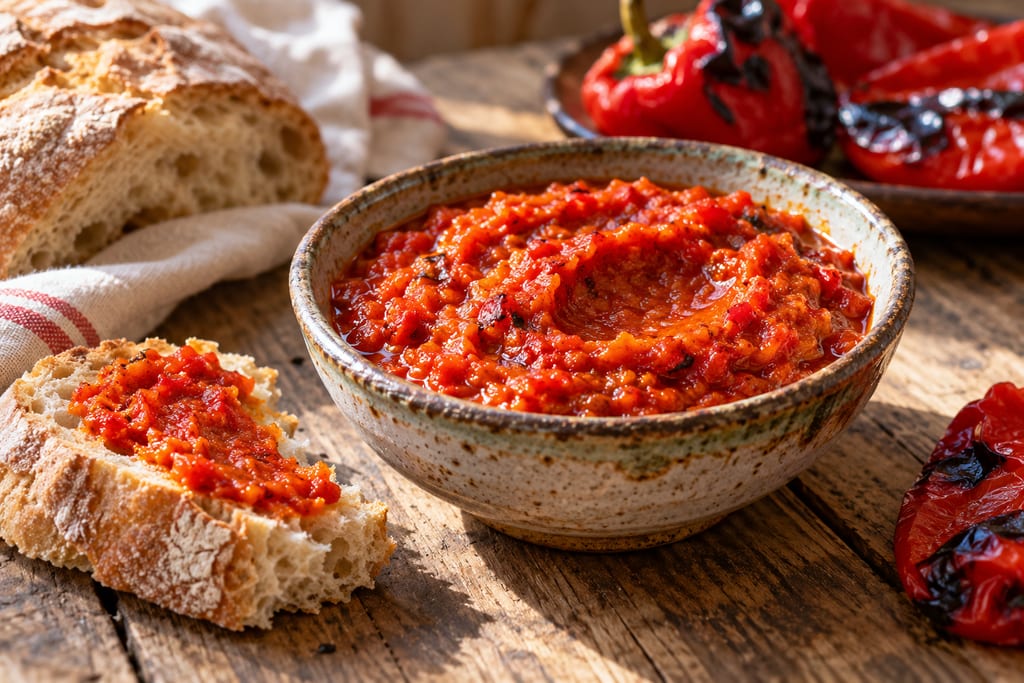
Ajvar is a cooked Balkan pepper preserve built around roasted red peppers, peeled, drained, ground and slowly fried with oil and seasoning. Leskovac’s protected version is a pepper specialty; regional versions vary.
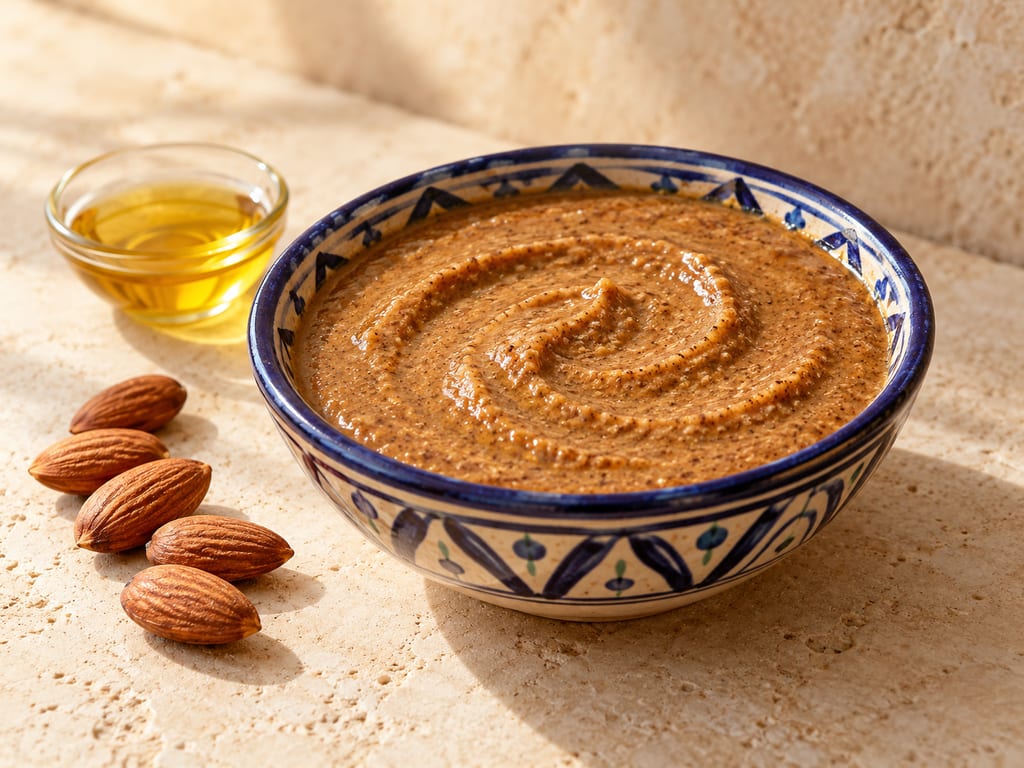
Amlou is a nutty, lightly sweet Moroccan spread of roasted almonds, culinary argan oil and honey. The almonds are ground first, then loosened with oil and sweetened; the balance can range from a thick spread to a dip.
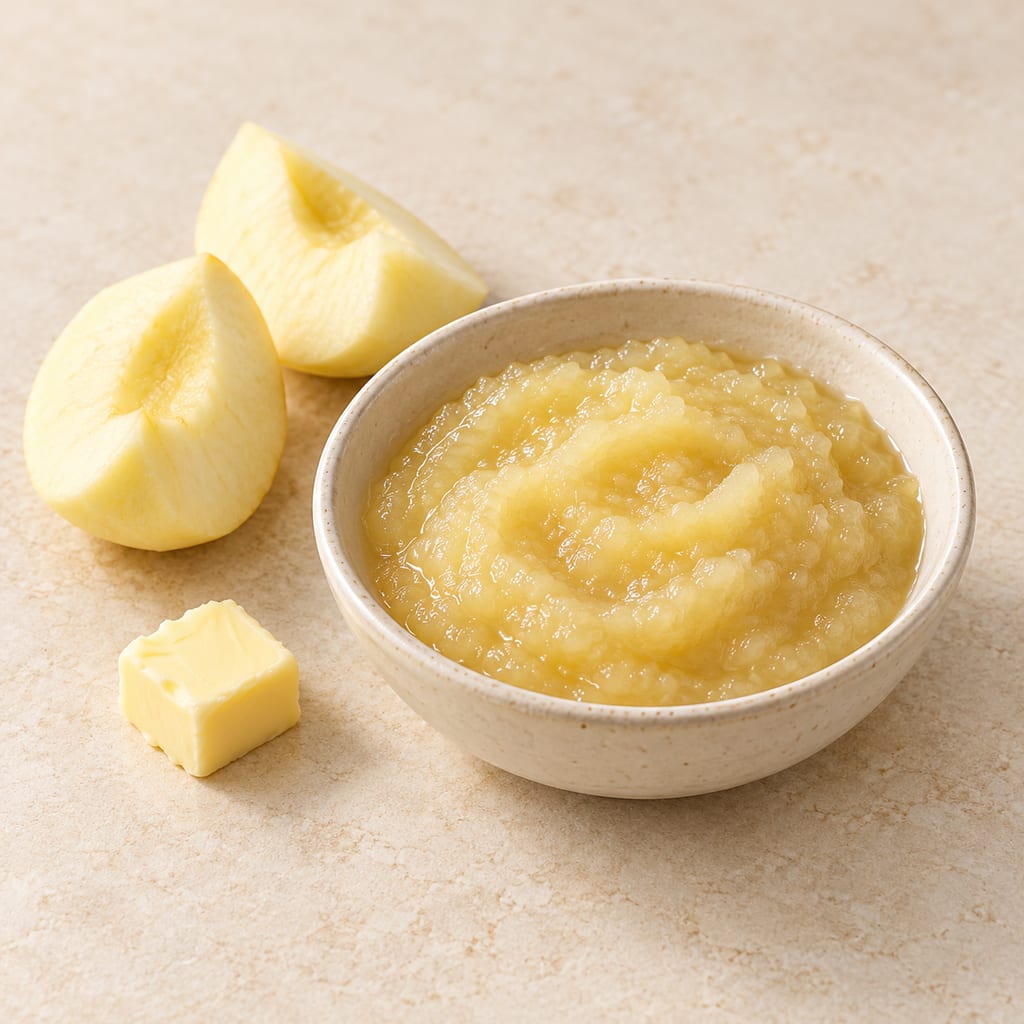
Apple sauce for goose and pork is a plain English accompaniment: cooked apples pulped with water, then sweetened with sugar and finished with a little butter.

A warm dip of garlic, anchovy and olive oil, often enriched with butter, that Piedmont serves over a flame with raw and cooked vegetables and bread.
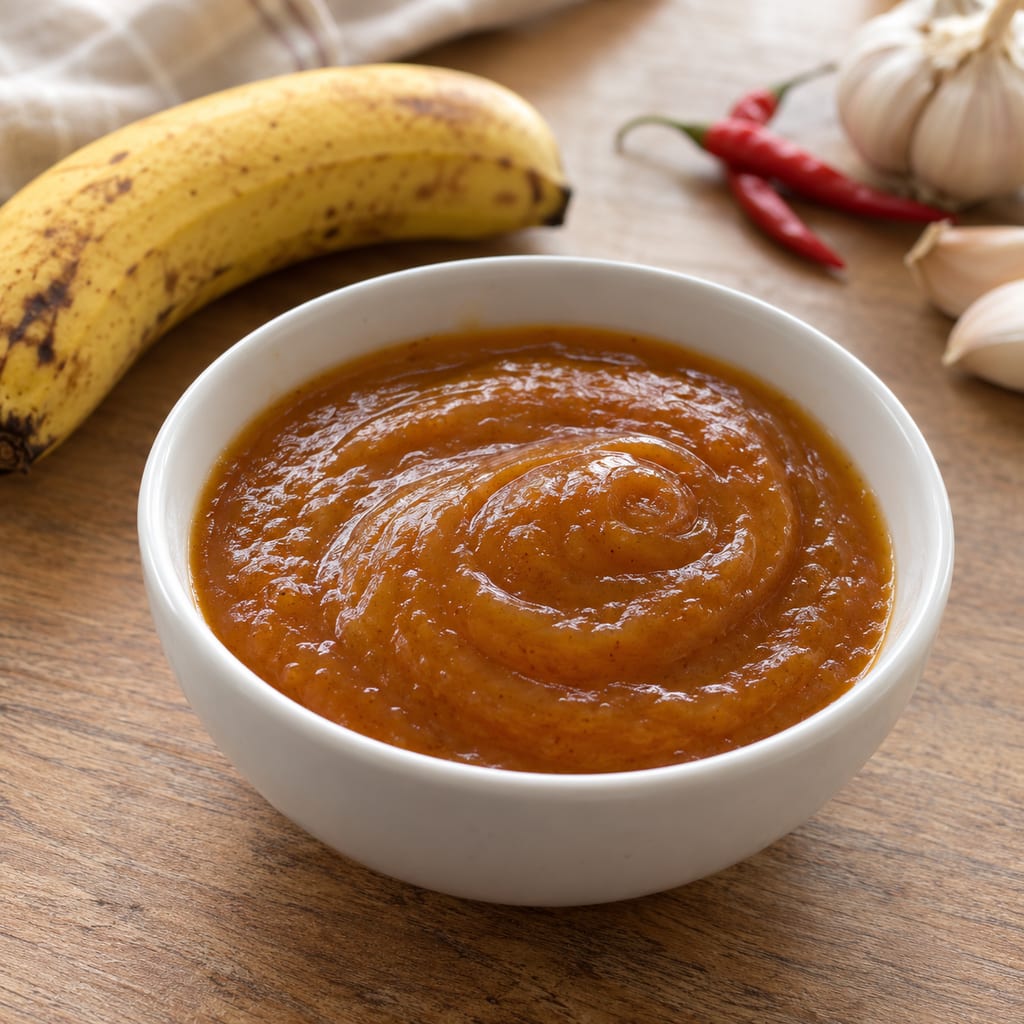
A sweet-hot table sauce of ripe banana simmered with vinegar, sugar, onion, garlic and fresh chilli, in the manner of Philippine banana ketchup. An untested development batch of about 500 g.
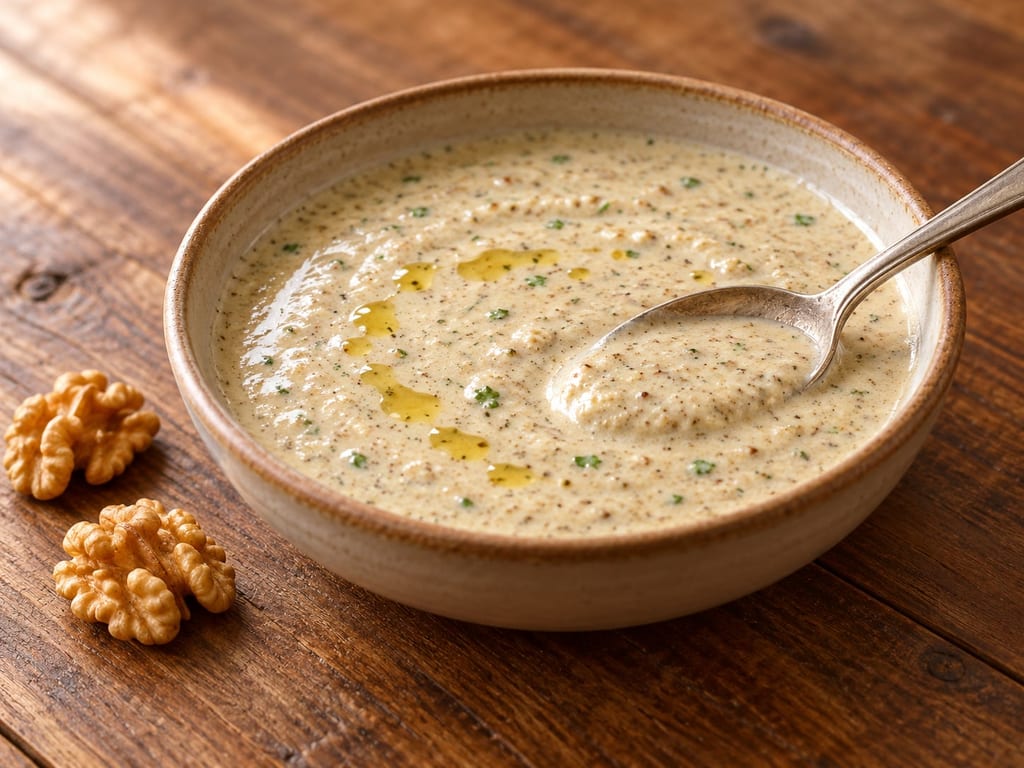
A Georgian walnut sauce of ground walnuts, garlic, vinegar and spices, thinned with water or broth. It is served with poultry, vegetables and bread, and is the sauce of the dish satsivi.
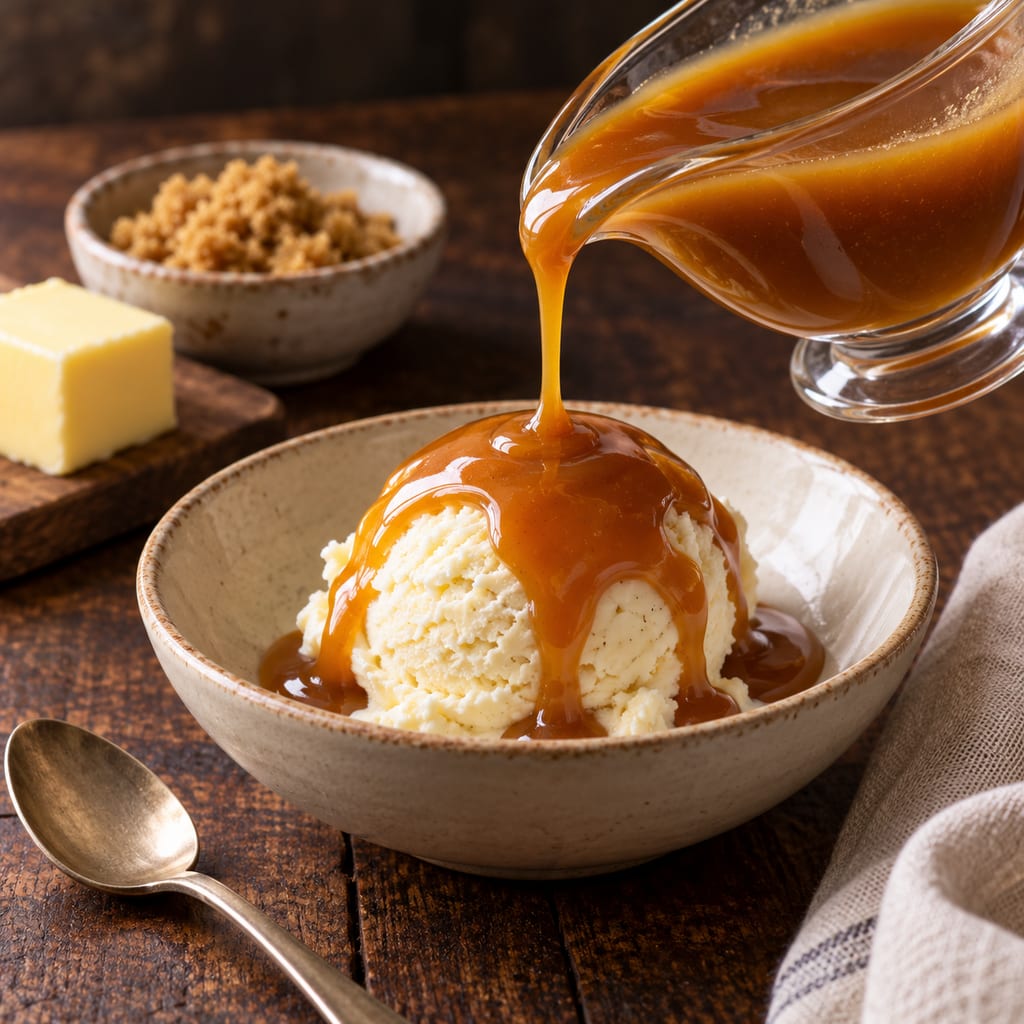
A pourable dessert sauce of brown sugar, butter and cream, with a little corn syrup and salt. It is the sauce form of the butterscotch confection and is made without water, unlike caramel.
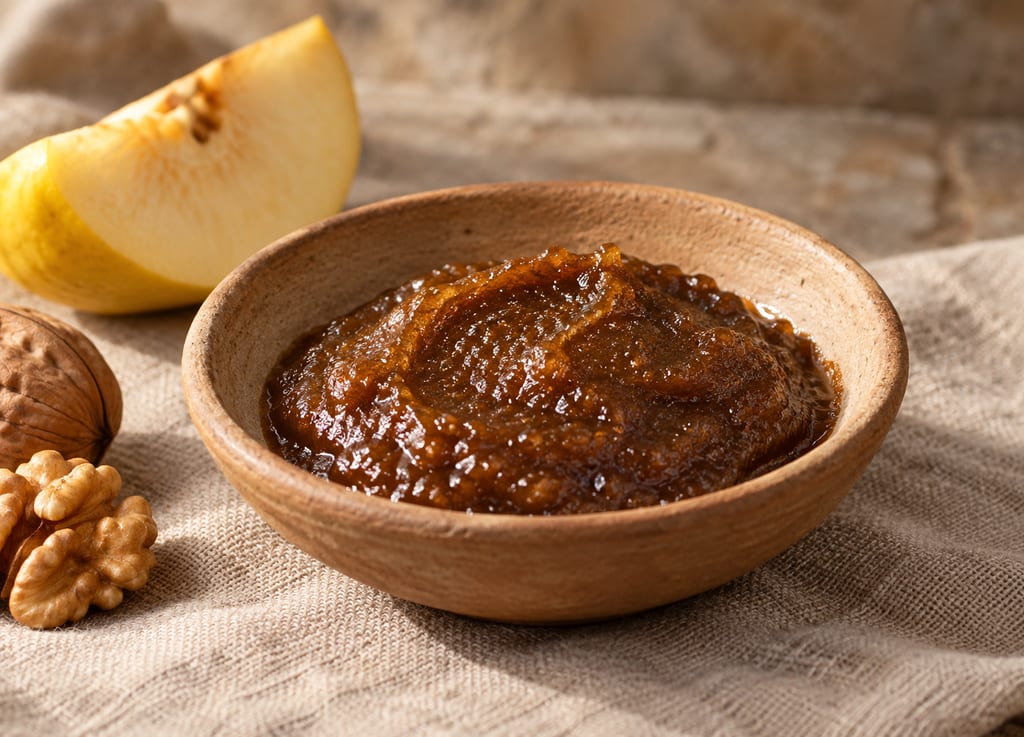
Byzantine murrī is a cooked imitation of murrī from the medieval Arabic repertoire, made from scorched honey, toasted bread, walnuts, quince, carob and spices rather than from a long grain fermentation.

A Cap-Pelé boucanière is an Acadian herring-smoking building. The documented Willie Niles example is a one-storey wood-frame structure with a ridge smoke vent and interior bays for hanging fish-bearing cannes.

Achcharu is a family of Sri Lankan vinegar pickles made with mixed vegetables or seasonal fruit and a piquant spice dressing. This version is a quick, refrigerated, non-fermented mixed-vegetable pickle.

The acocote is a long, hollowed and dried gourd used to draw aguamiel from a mature maguey. It is a harvesting tool: the sap is transferred to a separate vessel before it ferments into pulque.

Adrak murabba preserves young ginger in sugar syrup, a sweet South Asian preparation recorded in Indian cookery and food-processing sources.

Parkia biglobosa seeds are fermented into regional West African seasonings, including nététou, iru, dawadawa and soumbala. The yellow fruit pulp is a separate food, and names and methods vary by place.

Japanese reddish-brown vinegar from sake lees matured about three years, turned to vinegar by acetic bacteria; the vinegar of Handa and Edomae sushi rice.

A refined common-wheat flour blended for a broad range of baking; its protein and behavior vary with wheat, milling and market.

The almond mushroom, Agaricus subrufescens, was cultivated in eastern North America in the 1800s, lost its market, and returned as a cultivated mushroom from Brazil, where it is grown under several names.
No community contributions have been published for this entry yet.
Sign in to contribute. Published comments and photos are free to read.
WikipediaHistory · Method · Variants
Cumberland sauceStandard composition: redcurrant jelly, mustard, pepper, salt, blanched orange peel and port.
Elizabeth David called it the best of all sauces for cold meat; Soyer's 1853 recipe is identified as Cumberland sauce.
The Times reported sauce Cumberland at a Berlin banquet in 1872; the OED's first citation is 1878.
Name theories: a Duke of Cumberland or the county of Cumberland; the German origin is proposed but not established.
Serving uses named by David, Roux and Escoffier; Polish and New Zealand variants.
The Old FoodieHistory
Cumberland SauceClarkson identified an 1856 American citation and earlier similar sauces, including Kitchiner's 1817 wine sauce for venison or hare.
Early nineteenth-century precursors of the redcurrant and port sauce.
Wikimedia CommonsImage
Roulades d'agneau à la sauce CumberlandPhotograph of lamb roulades served with Cumberland sauce, CC BY 2.0, by thefoodplace.co.uk.