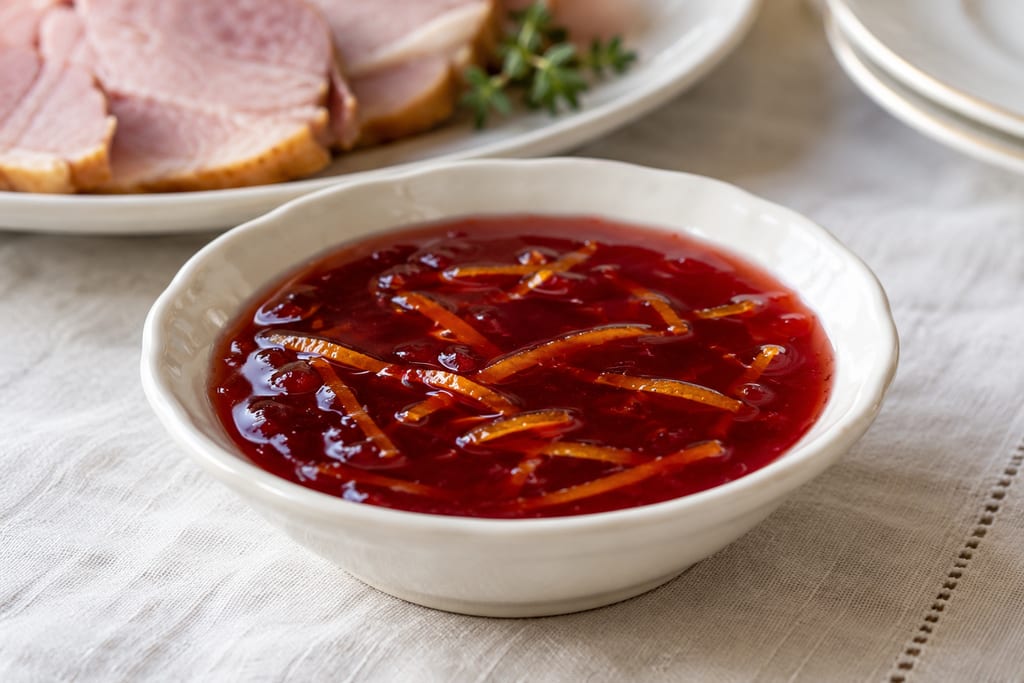
Cumberland sauce
Cumberland sauce is a British condiment of redcurrant jelly, mustard, blanched orange peel and port, traditionally served cold with ham, game and cold meats.
 FermenteaWhere food goes to change
Historical attestation
Pontac · Pontack · Pontac · Pontac catsup · Pontack catsup · Elderberry catsup
An English elderberry condiment of vinegar, shallots and warm spices, historically called a catsup and tied to Pontac's Head tavern in London.
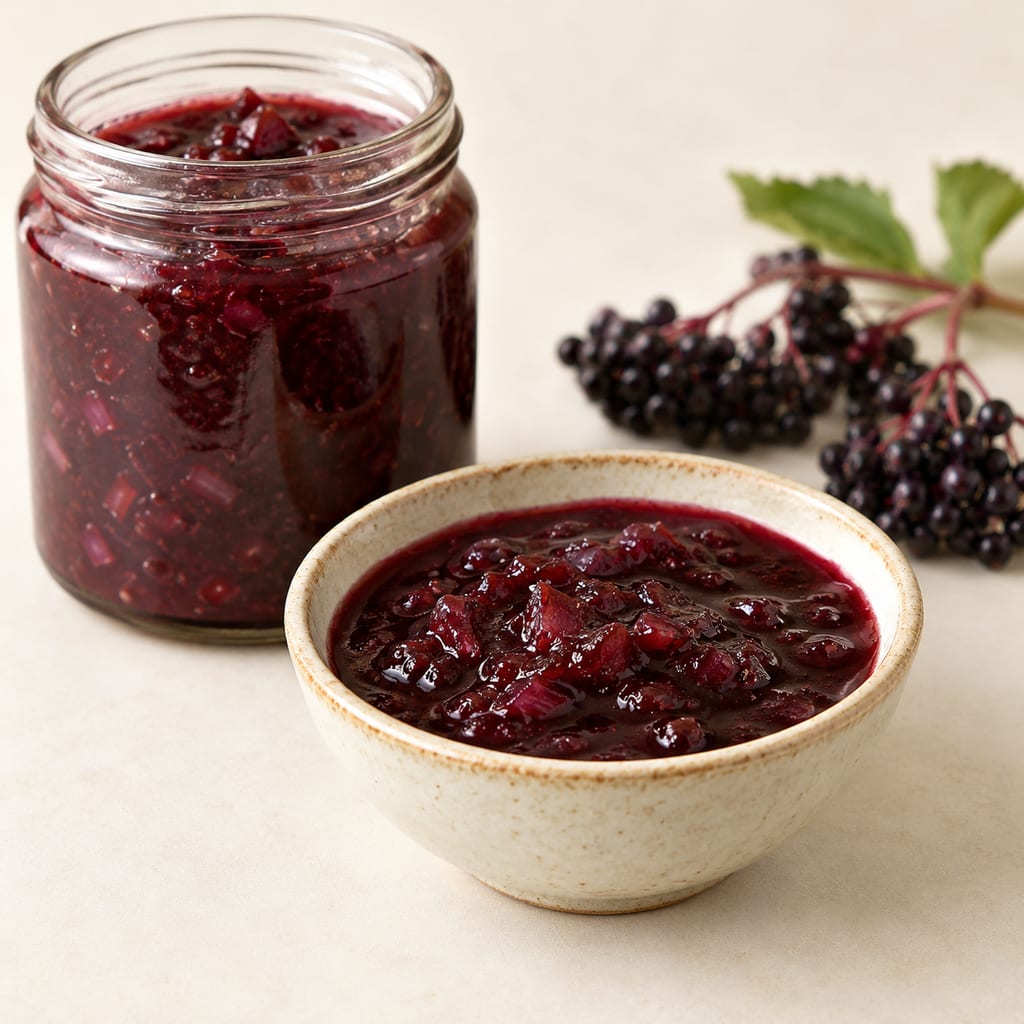
Pontack is an English elderberry sauce made from fruit cooked in vinegar. The berries are cooked slowly in vinegar, the juice is strained and then simmered with shallots and warm spices. Its historical name was catsup.
The sauce is traced to François-Auguste de Pontac, a Frenchman who had been president of the Parliament of Bordeaux. After he moved to London he opened Pontack's Head tavern, where the account read for this page says the sauce was first served. The seventeenth-century date for it rests on that account.
Eliza Acton's cookery book, first published in 1845 and later titled Modern Cookery for Private Families, is said by secondary sources to include a Pontac catsup. This page has not read her recipe, and it does not say how her method compares with the modern one.
The modern method given by phytoalimurgia.com starts with the berries cooked in vinegar. The berries are stripped from their stems, placed in a covered ovenproof casserole with the vinegar and cooked at about 120 °C for four to six hours.
The cooked berries are strained, pressed by hand and the seeds are discarded. The juice is then simmered gently for twenty to thirty minutes with the salt, minced shallots and whole spices: cloves, allspice, nutmeg and black peppercorns. The sauce is poured hot into clean jars and sealed.
The source recommends storing sealed jars in a pantry and waiting at least a few months for the best flavour. It states that tradition holds the sauce keeps for at least seven years and improves with age, and that the author doubts a jar would last that long. It also considers the botulism risk close to none because of the vinegar content.
None of these statements comes with a source or a tested process. They are recorded as the author's and tradition's views. No time, temperature or acidity target for safe keeping is given here.
The page has not read the historical primary text. Acton's recipe, the seventeenth-century Pontack's Head account and the nineteenth-century catsups need checking against the original books before the historical account can be treated as established.
The sauce is traced to François-Auguste de Pontac, a Frenchman who had been president of the Parliament of Bordeaux and who opened Pontack's Head tavern in London. Phytoalimurgia dates the sauce to the seventeenth century and says it was first served there.
Eliza Acton's Modern Cookery for Private Families is said by secondary sources to include a Pontac catsup, first published in 1845. This page did not read her text, so it does not describe her recipe. The 1882 edition is digitised by the Wellcome Collection.
Scaling: source batch only
The modern method seals the hot sauce in jars and keeps it in a pantry. The sources give no tested process, time or temperature for that storage.
Hazard sourceThe pantry storage, the multi-month wait and the multi-year keeping are the author's and tradition's claims. They are not validated, and this page does not endorse them.
Elderberry fruit, raw or underprocessed, is not part of this recipe. Cook the berries as the method says.
The source places the sauce at Pontack's Head tavern in London. It does not give a precise street-level origin beyond that.
Cumberland sauce is a British condiment of redcurrant jelly, mustard, blanched orange peel and port, traditionally served cold with ham, game and cold meats.
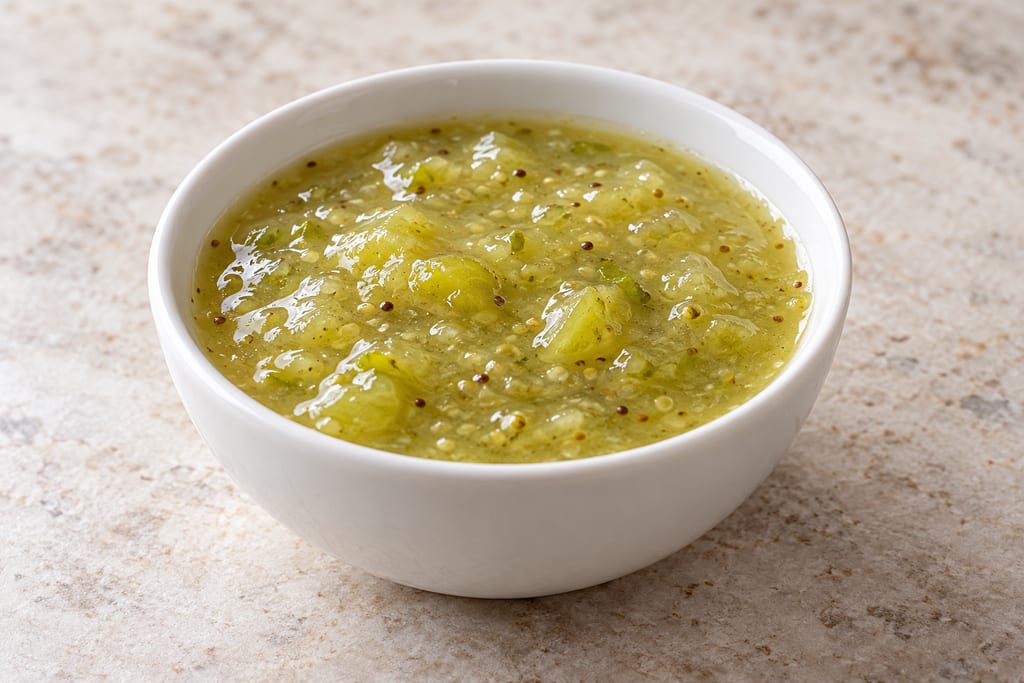
Gooseberry sauce is a soft, tart sauce of cooked green gooseberries, sharpened with wine or vinegar and lightly sweetened, traditionally served with mackerel.
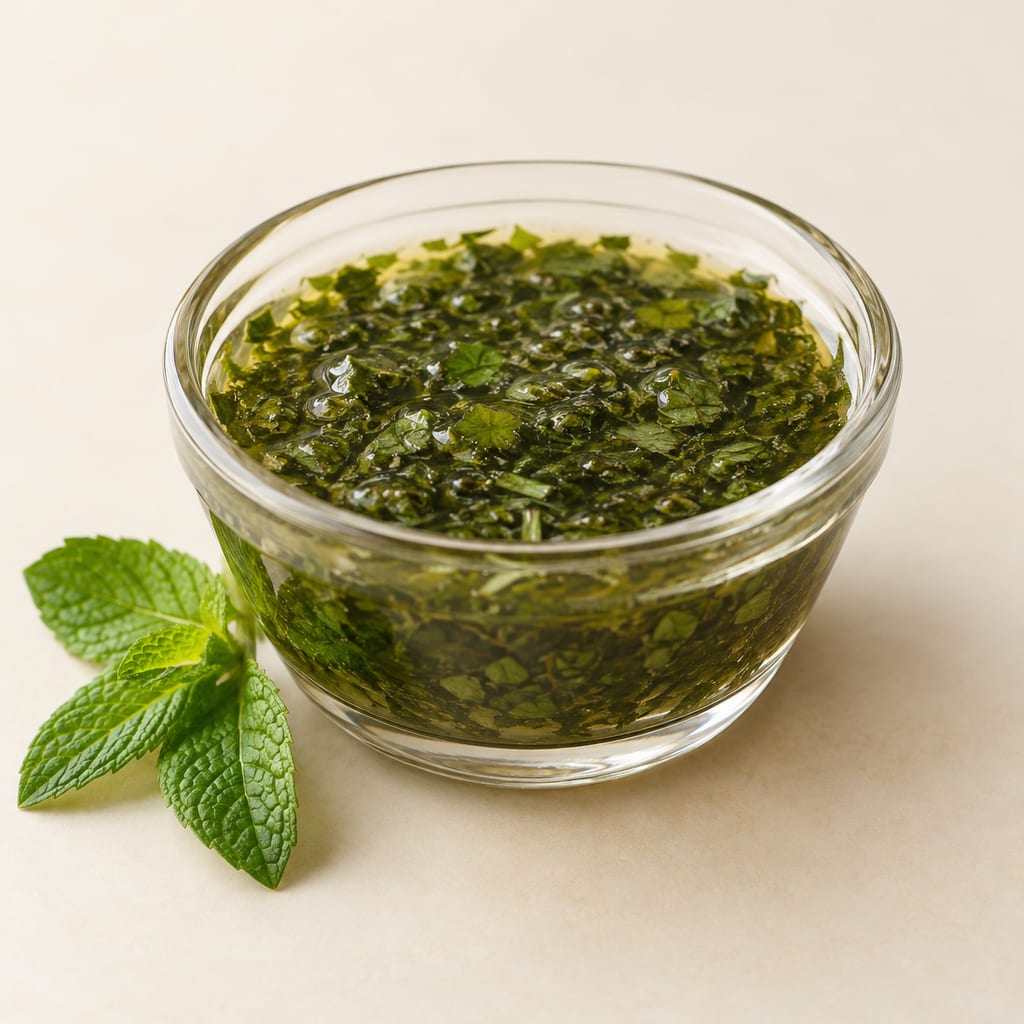
Finely chopped fresh mint steeped in a sweet and sharp liquid of white wine vinegar, sugar and water, the sauce traditionally served with roast lamb in Britain.
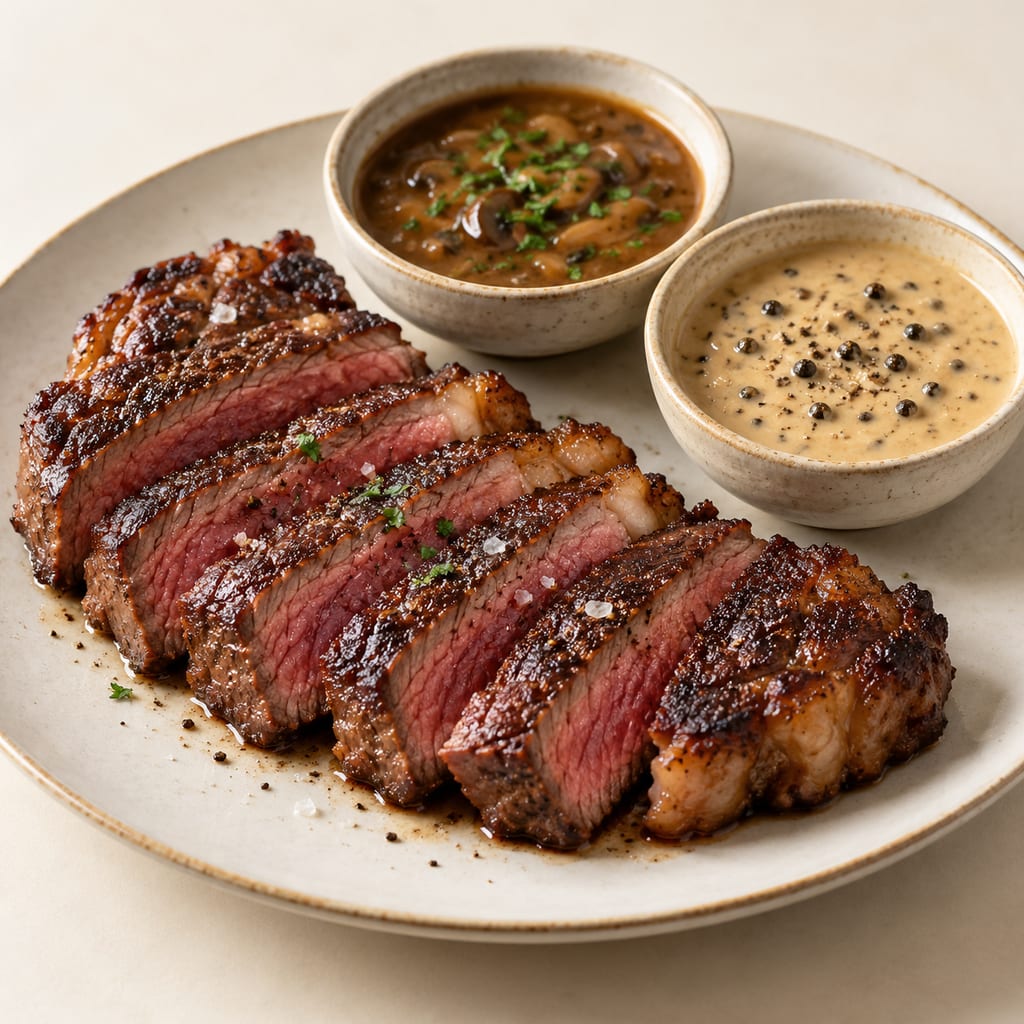
Steak Diane is a restaurant pan sauce of seasoned butter, Worcestershire and parsley, often flamed; the related peppercorn cream sauce is reduced from cream and crushed peppercorns for steak.
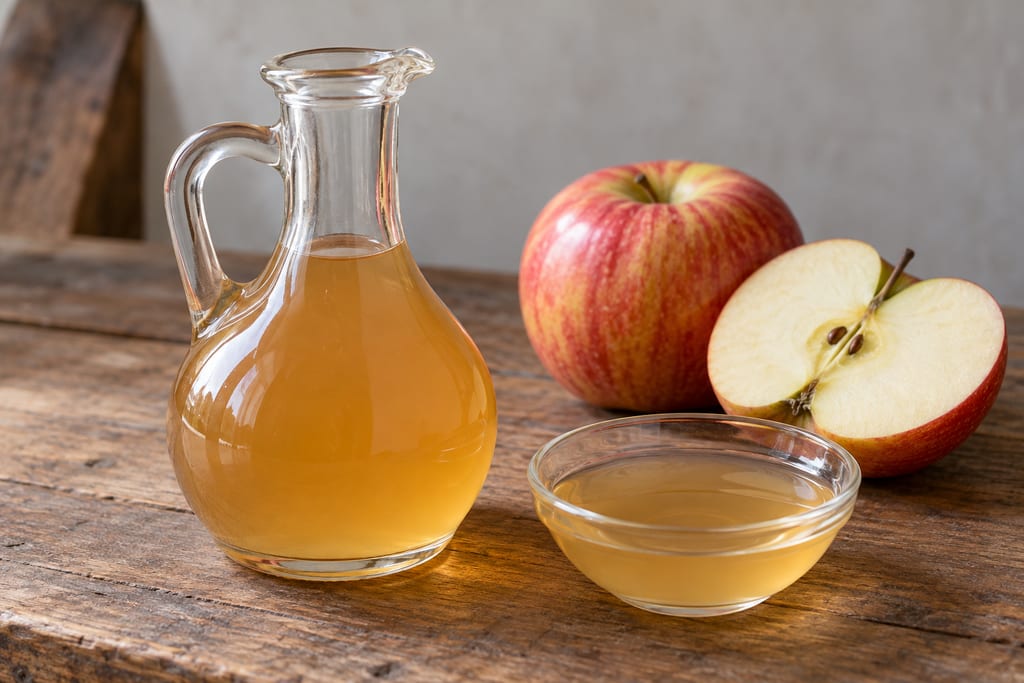
Cider vinegar is made when acetic-acid bacteria use oxygen to turn the alcohol in dry apple cider into acetic acid. This historical cask method begins with fermented cider and differs from apple-scrap vinegar made with sugar and water.
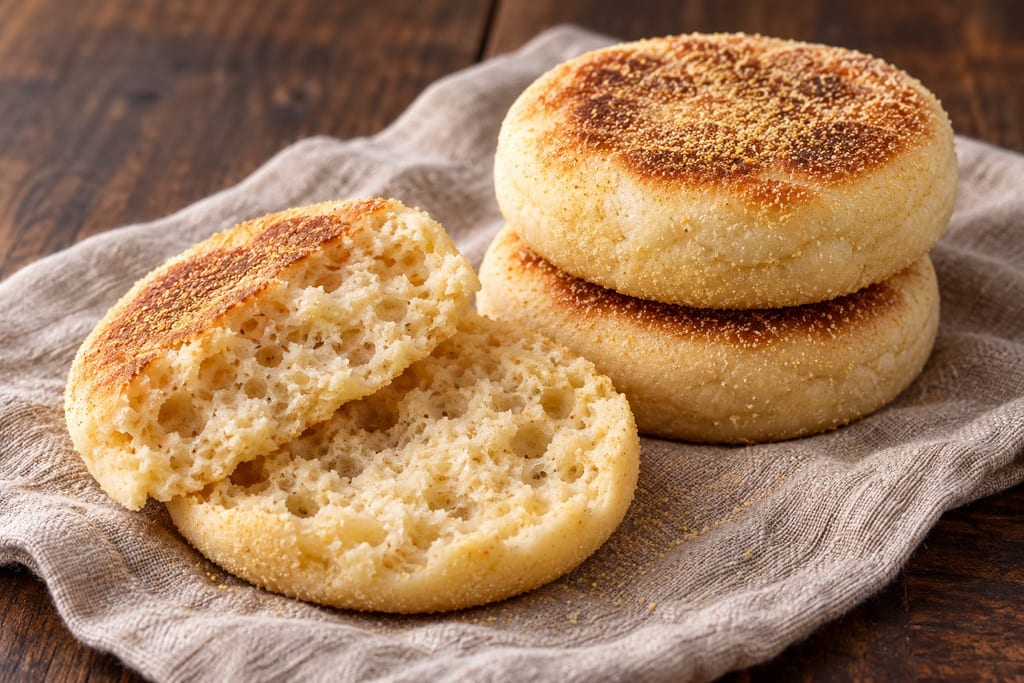
King Arthur’s six-piece English muffin batch uses a yeast preferment, two folds and a skillet or electric griddle; it is distinct from the sourdough-and-yeast version already catalogued.
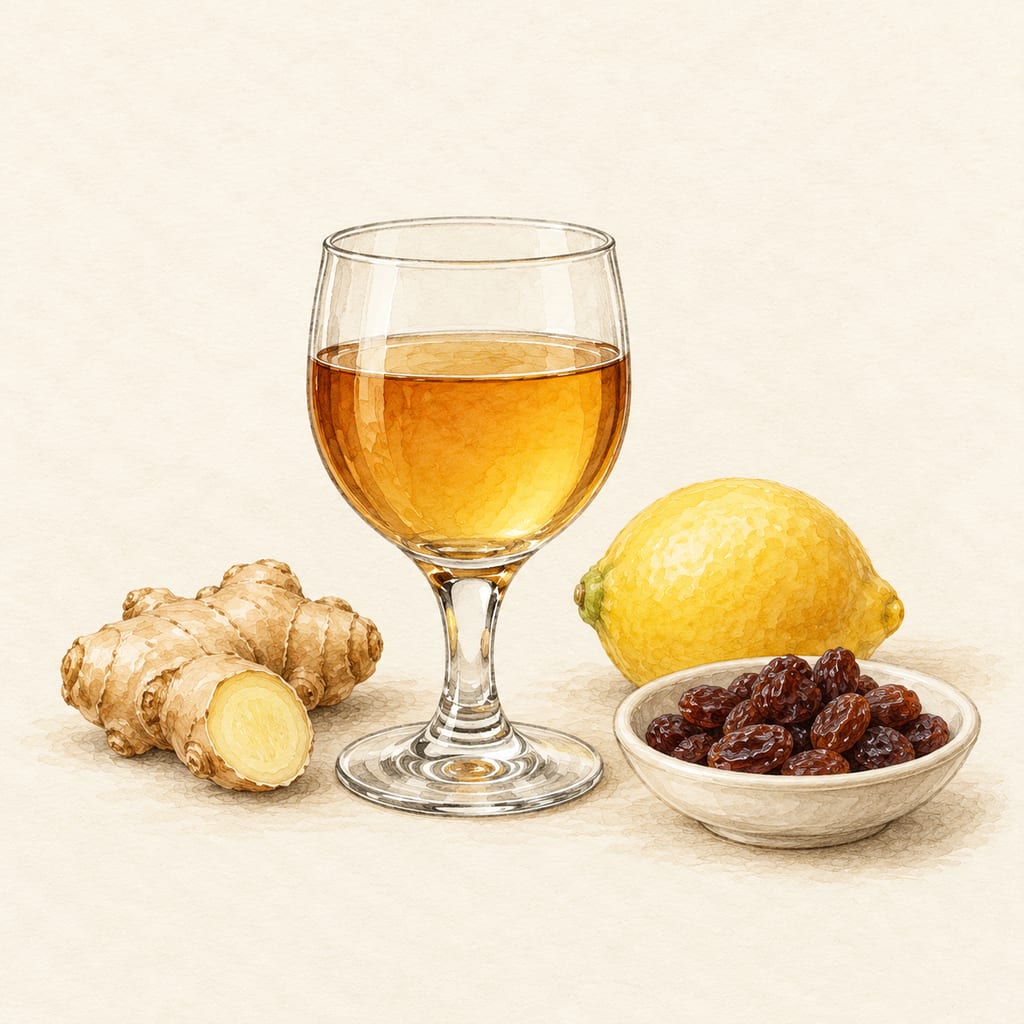
A Victorian household wine of boiled sugar, lemon and bruised ginger, worked on raisins in a cask for a fortnight and finished with brandy, made nine gallons at a time.
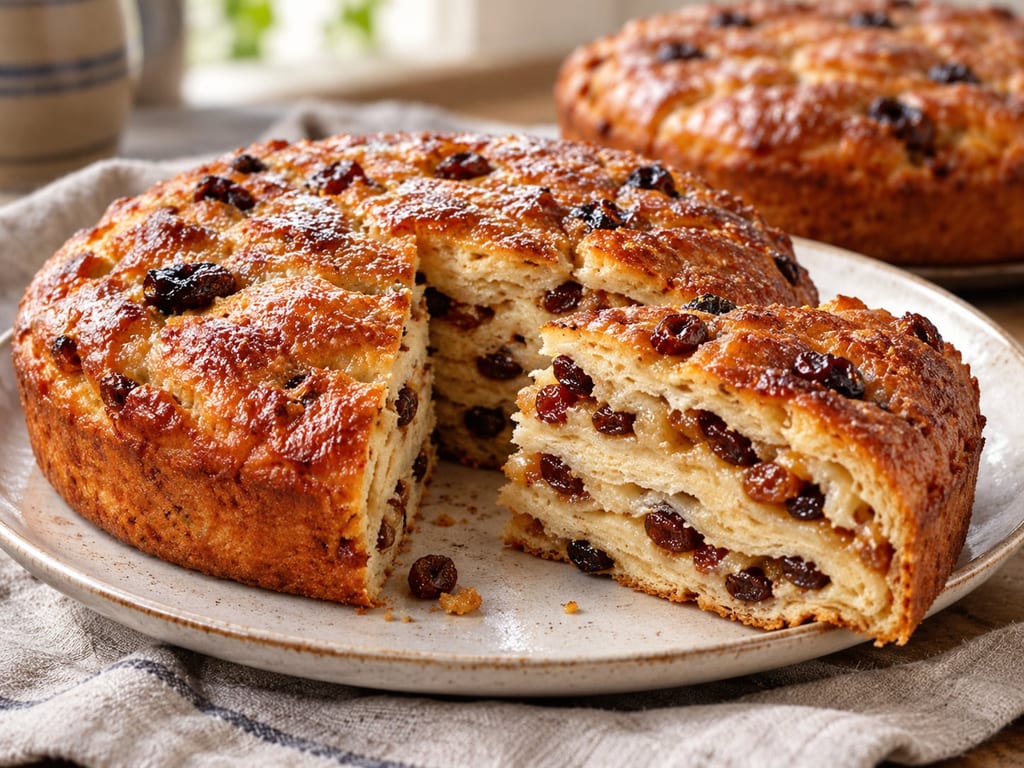
A yeast dough is folded around sweetened lard and dried fruit, then baked in tins until the bottom caramelizes.
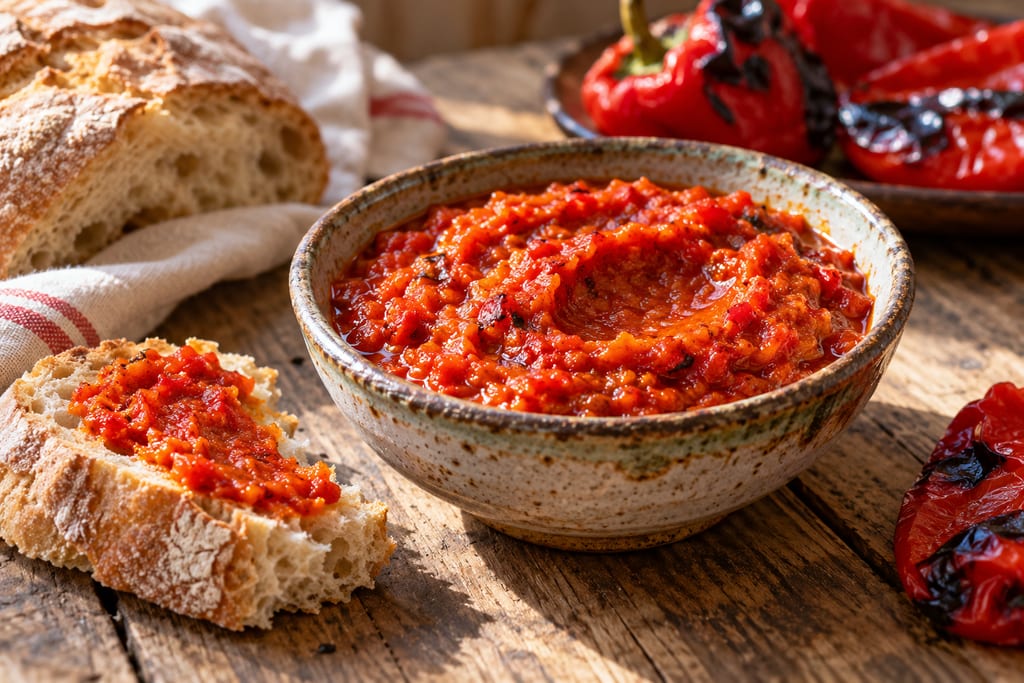
Ajvar is a cooked Balkan pepper preserve built around roasted red peppers, peeled, drained, ground and slowly fried with oil and seasoning. Leskovac’s protected version is a pepper specialty; regional versions vary.
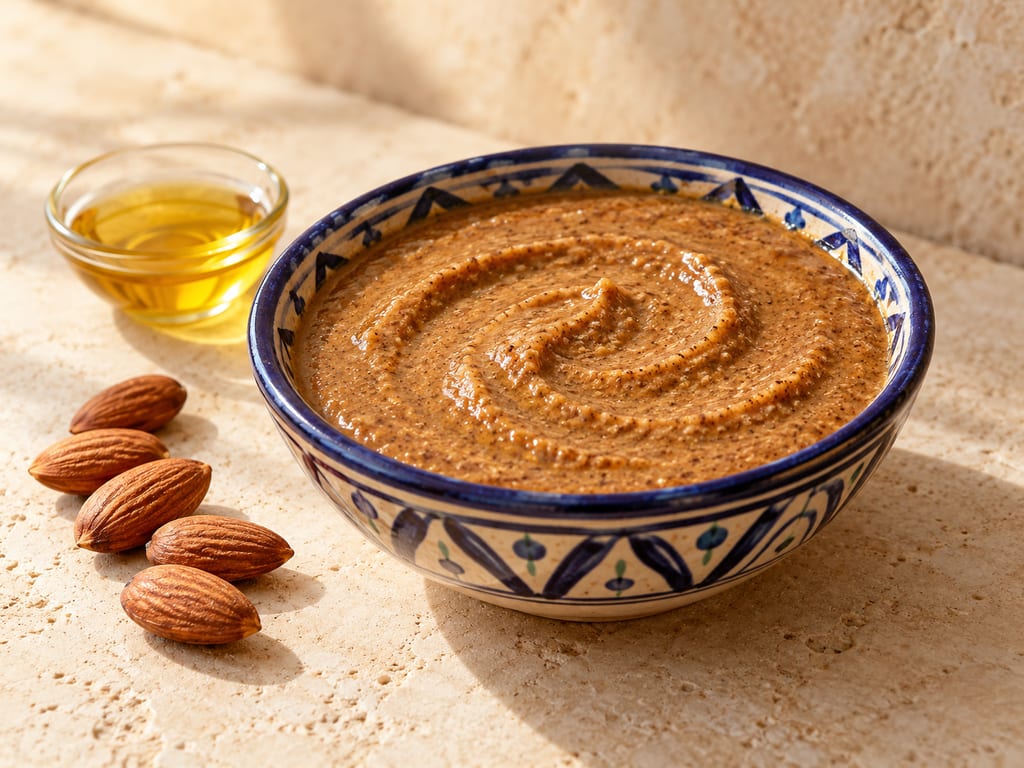
Amlou is a nutty, lightly sweet Moroccan spread of roasted almonds, culinary argan oil and honey. The almonds are ground first, then loosened with oil and sweetened; the balance can range from a thick spread to a dip.
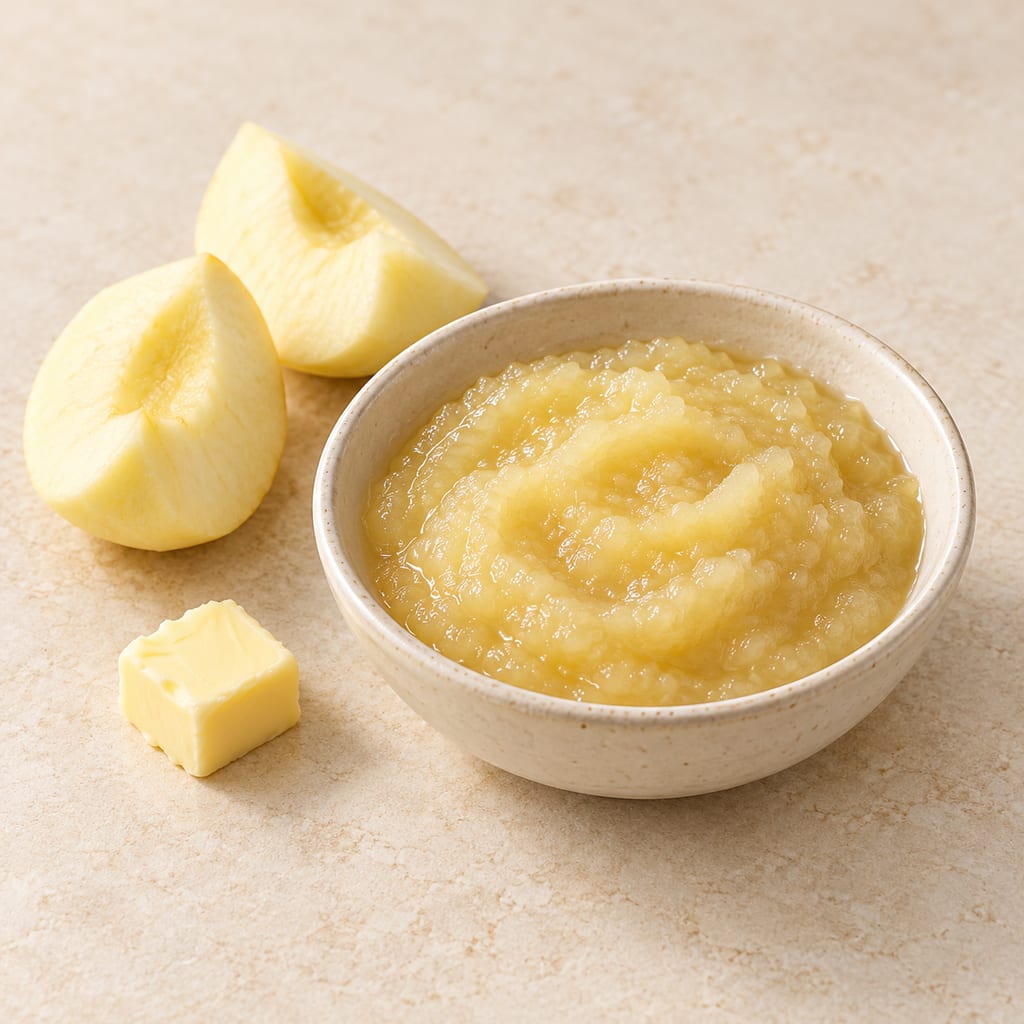
Apple sauce for goose and pork is a plain English accompaniment: cooked apples pulped with water, then sweetened with sugar and finished with a little butter.

A warm dip of garlic, anchovy and olive oil, often enriched with butter, that Piedmont serves over a flame with raw and cooked vegetables and bread.
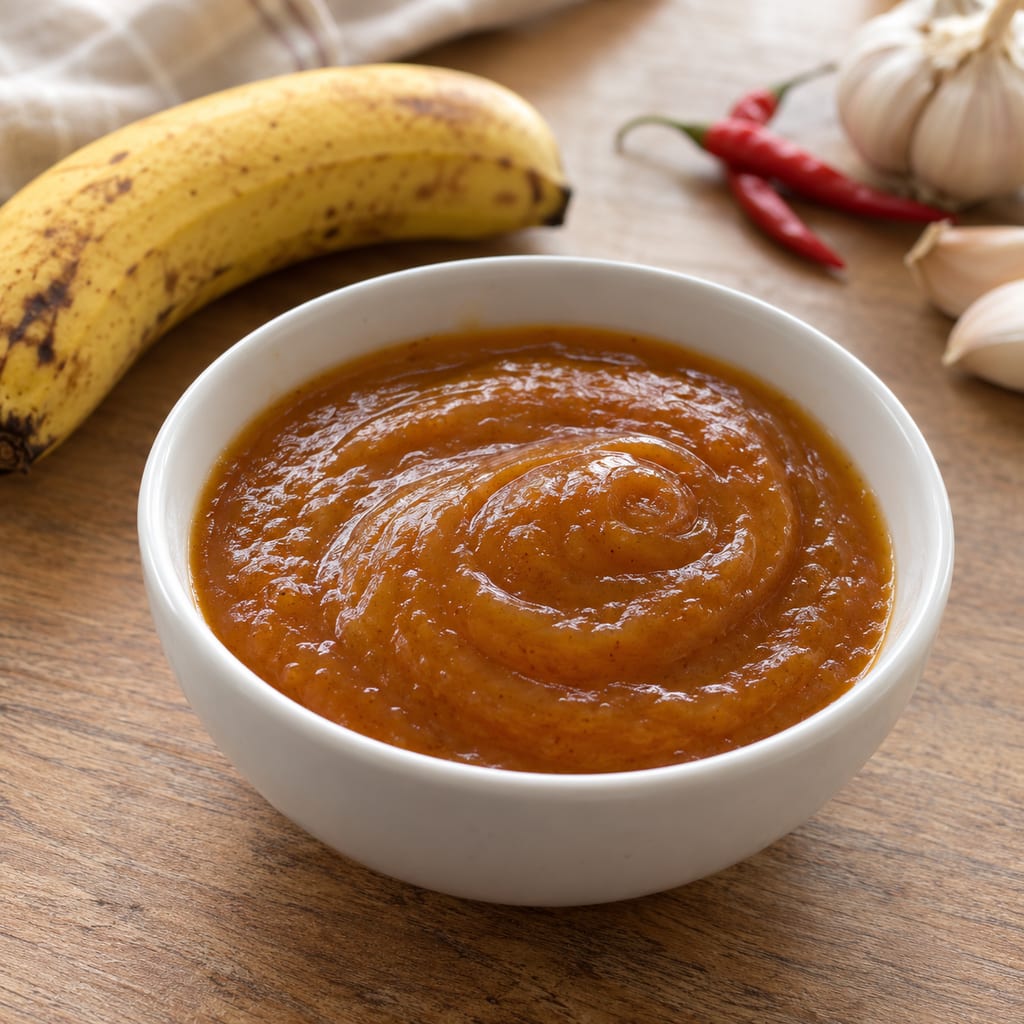
A sweet-hot table sauce of ripe banana simmered with vinegar, sugar, onion, garlic and fresh chilli, in the manner of Philippine banana ketchup. An untested development batch of about 500 g.
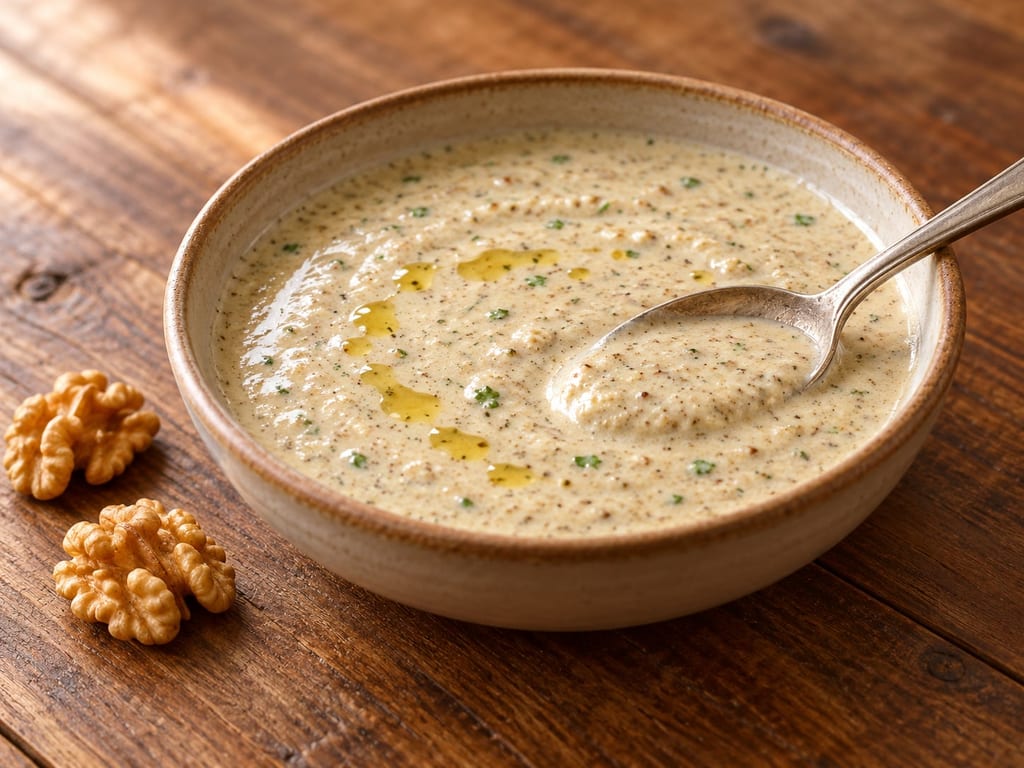
A Georgian walnut sauce of ground walnuts, garlic, vinegar and spices, thinned with water or broth. It is served with poultry, vegetables and bread, and is the sauce of the dish satsivi.
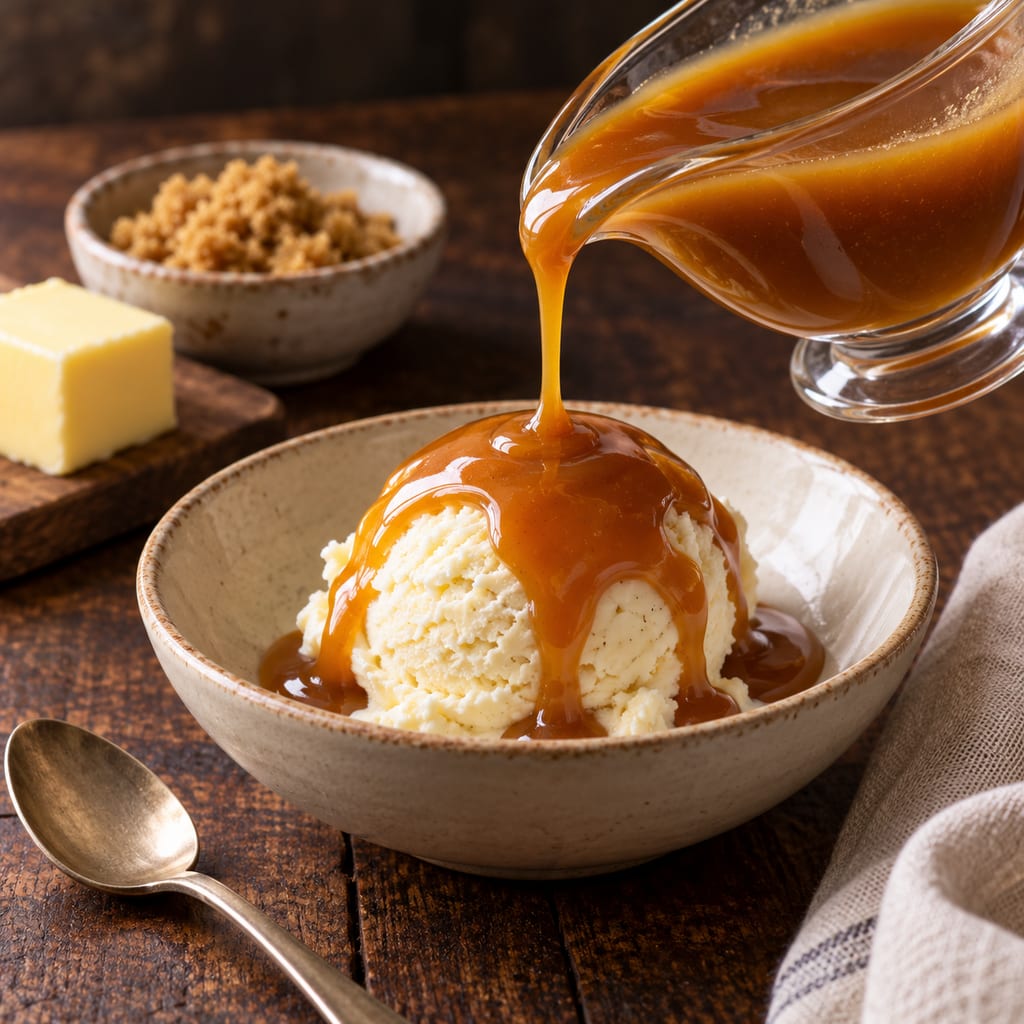
A pourable dessert sauce of brown sugar, butter and cream, with a little corn syrup and salt. It is the sauce form of the butterscotch confection and is made without water, unlike caramel.
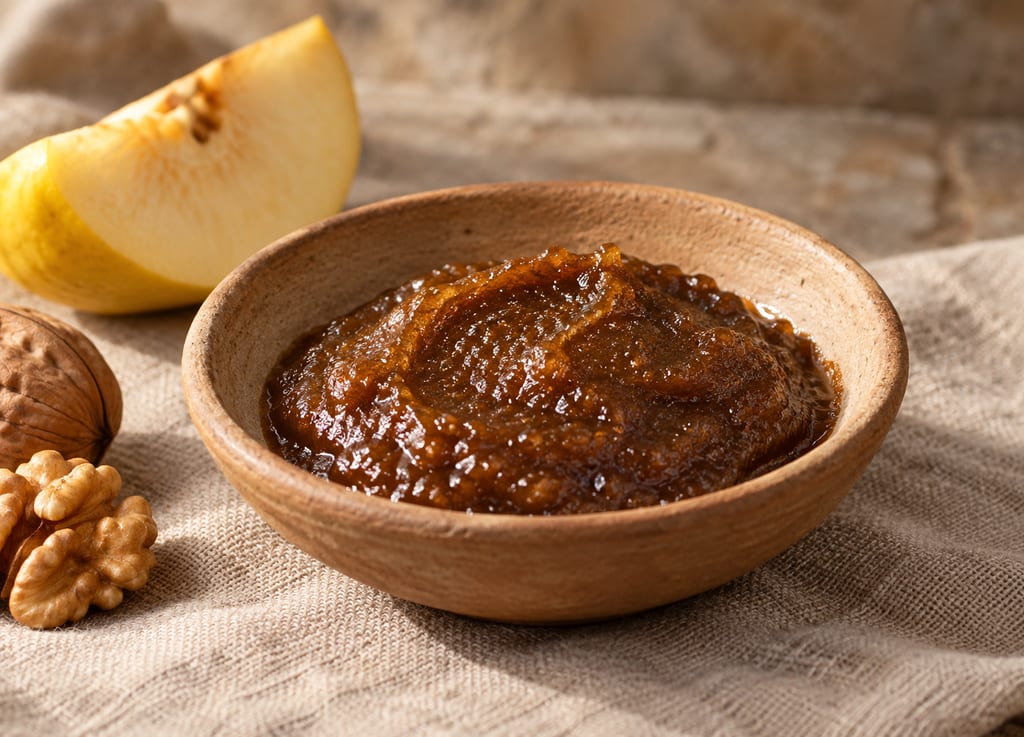
Byzantine murrī is a cooked imitation of murrī from the medieval Arabic repertoire, made from scorched honey, toasted bread, walnuts, quince, carob and spices rather than from a long grain fermentation.

A gelling polysaccharide extracted from red seaweeds, sold as kanten strips or powder; it sets firm at a low concentration and stays solid until about 85 °C.

A Dominican table and seasoning condiment of sour orange juice, mixed with lime and salt and bottled raw; garlic, oregano or a hot pepper may be added for meat or a spicier bottle.

Cicerbita alpina is an alpine perennial whose tender shoots and leaves have been eaten raw or cooked. Sámi milk preparations and modern Carnian dishes are distinct uses, with serious identification and preservation limits.

Japanese skipjack tuna cooked, then repeatedly smoked and dried over a wood fire by the hand-fired tebiyama method into a hard block for shaving into dashi: the first stage of katsuobushi.

A Swedish-style spirit vinegar made by fermenting neutral alcohol with live vinegar bacteria, with a separate guide to commercial ättika strengths.

A yeast-raised wheat ring shaped from a firm dough, briefly boiled and baked. This source-batch formula gives a gently malted crust and a chewy crumb.

Bechamel is a white sauce of milk thickened with a butter and flour roux, one of the French mother sauces, and the base from which Mornay and other cheese and cream sauces are made.
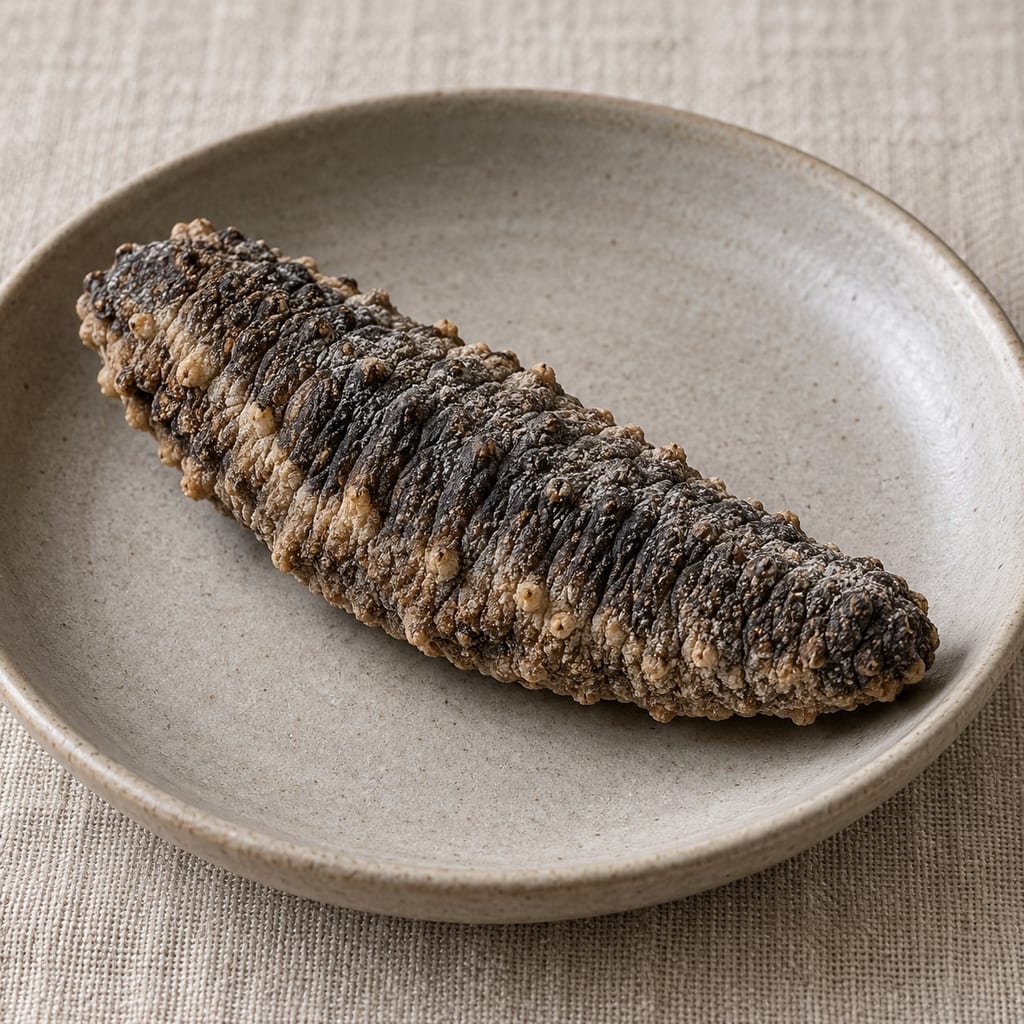
Sea cucumber cleaned, boiled and dried, sometimes with smoke, into a long-keeping trade product; Makassan processing in Arnhem Land is documented from at least the eighteenth century.
No community contributions have been published for this entry yet.
Sign in to contribute. Published comments and photos are free to read.
PhytoalimurgiaMethod · History · Safety
Pontack, an elderberry sauceModern ingredients: 1 lb elderberries, 2 cups cider vinegar, 0.5 lb shallots, 5 cloves, 5 allspice berries, 0.5 tsp nutmeg, 1 tablespoon black peppercorns, 0.5 tsp salt
Method: cook berries in vinegar at 250°F (about 120°C) for 4 to 6 hours, strain and press, simmer juice with salt, shallots and spices 20 to 30 minutes, hot-fill sealed jars
History: François-Auguste de Pontac, Pontack's Head tavern in London, 17th century
Storage claims: pantry storage, months before use, multi-year keeping tradition, the author's botulism view; not sourced
Cited in: Overview; History; Preparation; Storage and keeping; Notes
Wellcome CollectionHistory
Modern cookery for private familiesA digitised 1882 edition of Acton's Modern Cookery for Private Families is held (catalogue record only; the recipe text was not read)
Cited in: History; Notes