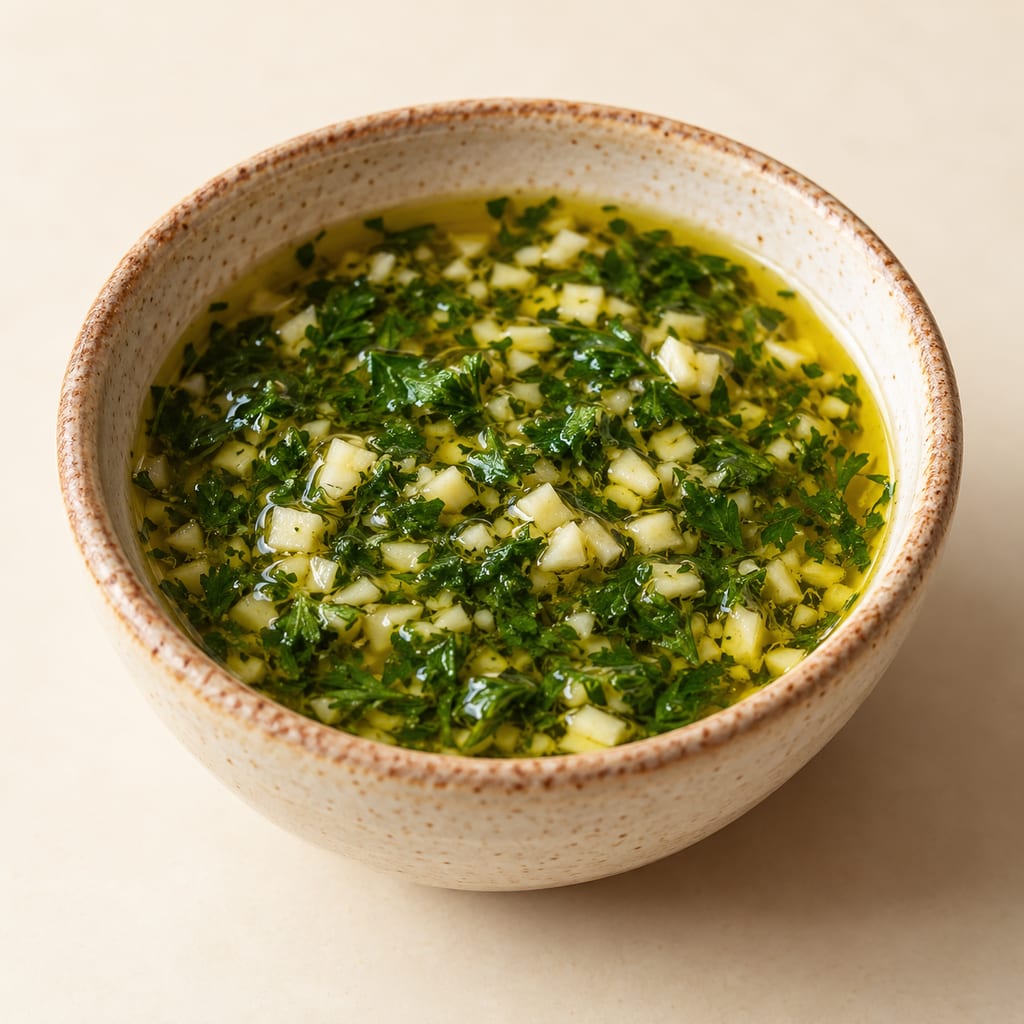
Wasakaka
A Dominican garlic sauce of olive oil, garlic, parsley, sour orange or lime juice and salt, simmered until reduced and served over roast chicken, boiled yuca or meat.
 FermenteaWhere food goes to change
Agrio de naranja dominicano · Naranja agria seasoning
A Dominican table and seasoning condiment of sour orange juice, mixed with lime and salt and bottled raw; garlic, oregano or a hot pepper may be added for meat or a spicier bottle.

Agrio de naranja is a Dominican condiment of salted sour orange juice. It is raw, unheated and unfermented in the method this record gives, and it is used to season meat, fish and bases as a sharp, salty acid, or spooned on at the table. Some households also add a whole hot pepper to the bottle, or garlic and oregano for meat.
The page says that sour orange arrived with the Spanish and became the Dominican souring agent for meat, fish and seasoning bases. It describes sour orange as the standard acid across much of the Spanish Caribbean, including Cuba and Puerto Rico. Households salt and bottle the juice so that it can be used through the year rather than only in the season of the fruit.
No dated source for the practice is given. The Cuban mojo that uses the same juice with garlic and oil is named on the page as a relative, not as the origin of agrio.
The fruit is pressed without crushing the pith, the juice is strained twice through a fine sieve, and the salt is stirred in until it has dissolved fully. The page advises tasting to confirm the juice is clearly salty before bottling. Optional oregano or a whole hot pepper may be added, and the batch can be seasoned in smaller portions.
The juice is poured into clean, dry bottles nearly to the top, sealed tightly and refrigerated. The page does not describe any cooking or fermentation step, and this record does not add one.
The page says the bottled juice keeps in the refrigerator for about a month and that it should always be kept refrigerated. It also advises using the seasoned version within two weeks, and it does not reconcile the two timelines, so the reader should check before relying on either. Frozen cubes are said to keep for six months.
The record keeps both figures as the page gives them and does not decide between them.
The page suggests rubbing the juice into chicken or pork before cooking and leaving it for an hour, sprinkling it over fried fish at the table, adding it to sofrito as it cooks, and using it in place of lime in a marinade. Bottled sour orange juice from Latin American shops can be used directly. The home substitute is two parts orange juice to one part lime juice; the listed substitute of 8 oranges and 6 limes does not match that ratio, and the record gives both as the page does.
The research brief asks that the process be specified for each version. This version is an unfermented, salted juice, and any fermented tradition needs its own study.
The page states that sour orange arrived with the Spanish and became the Dominican souring agent for meat, fish and seasoning bases, and that Dominican households keep it through the year by salting and bottling it. No dated source is cited for these statements.
Yield 750 ml · Scaling: the page gives one batch of about 750 ml from 12 sour oranges; keep the salt at about 2 tablespoons per batch and season smaller portions as needed.
The page describes the condiment as a Dominican household practice and says sour orange is the Dominican souring agent; no locality is given.
A Dominican garlic sauce of olive oil, garlic, parsley, sour orange or lime juice and salt, simmered until reduced and served over roast chicken, boiled yuca or meat.

A soft Dominican Christmas loaf enriched with egg and butter, scented with optional anise, and shaped with two rolled ridges around a central seam.

Protected Italian vinegar made only from cooked grape must, fermented and aged in a battery of wooden barrels for at least 12 years: sweet, sharp and syrupy.

Japanese reddish-brown vinegar from sake lees matured about three years, turned to vinegar by acetic bacteria; the vinegar of Handa and Edomae sushi rice.

A Swedish-style spirit vinegar made by fermenting neutral alcohol with live vinegar bacteria, with a separate guide to commercial ättika strengths.
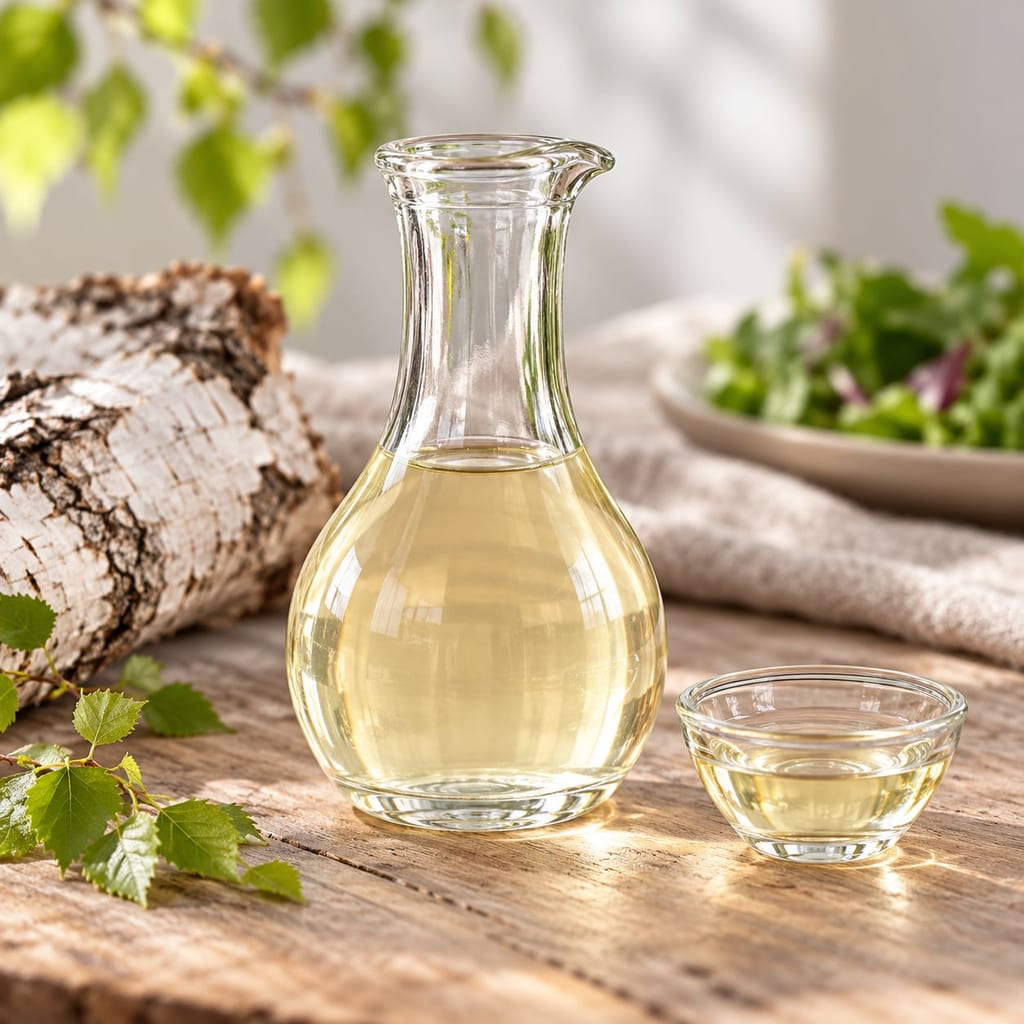
Vinegar from spring birch sap fermented to alcohol and then acetic acid, usually with added sugar or honey because the sap is so dilute; made in Sweden and described in older eastern European accounts.
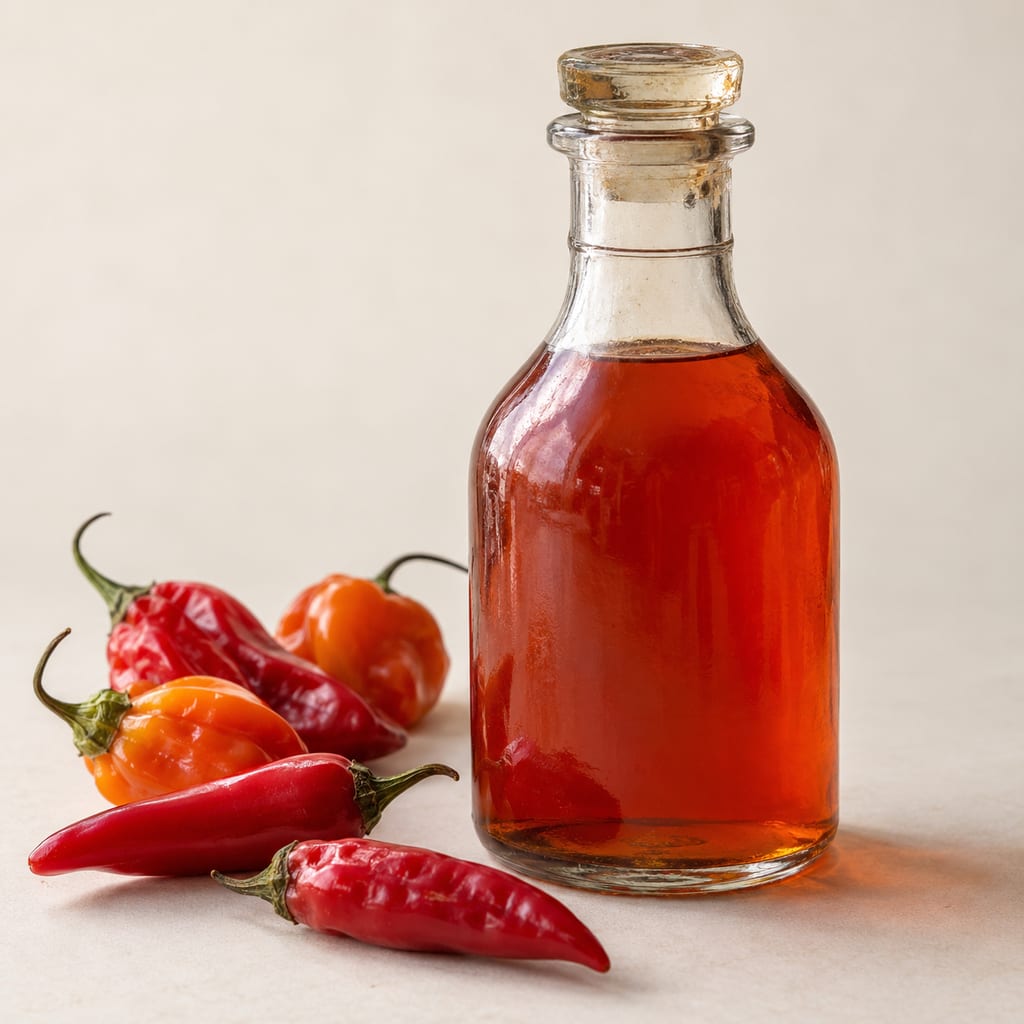
Mary Randolph's pepper vinegar: ripe pepper pods simmered in vinegar until the liquid is reduced to one quart, then strained for use in gravies and catsups. From The Virginia Housewife.
A Japanese mixed seasoning of vinegar, sugar and salt for sushi rice. Ratios vary with the rice batch and style; this version follows Marukan Vinegar's formula for two go of rice.
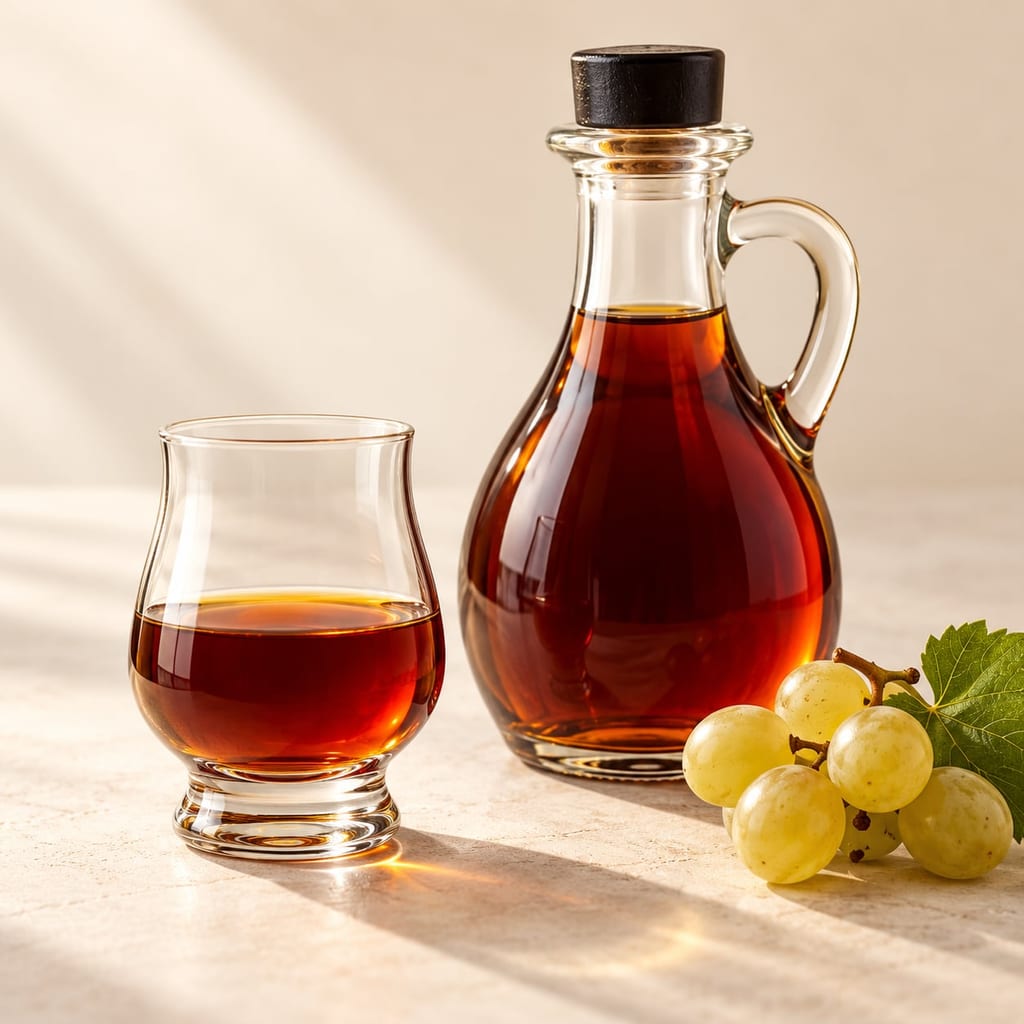
Vinagre de Jerez is made by acetifying eligible Jerez wines and ageing the vinegar in wood. Its protected name belongs to a defined Andalusian zone and a cellar tradition joining wine, oxygen, acetic bacteria and long ageing.
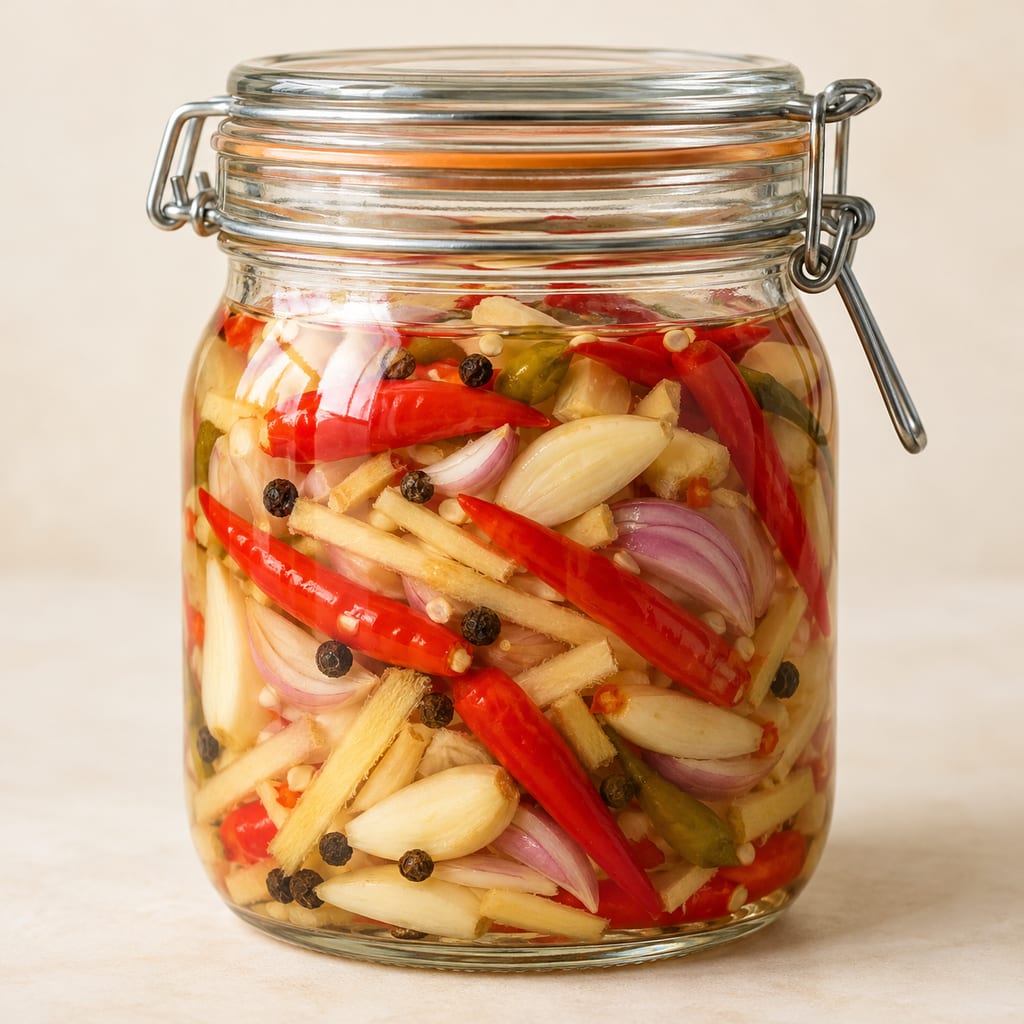
Sinamak is a Philippine spiced vinegar: white, cane or coconut vinegar steeped with chilies, ginger, garlic, onion and peppercorns for days or weeks until it is ready to use as a condiment.

A gelling polysaccharide extracted from red seaweeds, sold as kanten strips or powder; it sets firm at a low concentration and stays solid until about 85 °C.

Cicerbita alpina is an alpine perennial whose tender shoots and leaves have been eaten raw or cooked. Sámi milk preparations and modern Carnian dishes are distinct uses, with serious identification and preservation limits.

Japanese skipjack tuna cooked, then repeatedly smoked and dried over a wood fire by the hand-fired tebiyama method into a hard block for shaving into dashi: the first stage of katsuobushi.

A yeast-raised wheat ring shaped from a firm dough, briefly boiled and baked. This source-batch formula gives a gently malted crust and a chewy crumb.

A warm dip of garlic, anchovy and olive oil, often enriched with butter, that Piedmont serves over a flame with raw and cooked vegetables and bread.

Bechamel is a white sauce of milk thickened with a butter and flour roux, one of the French mother sauces, and the base from which Mornay and other cheese and cream sauces are made.
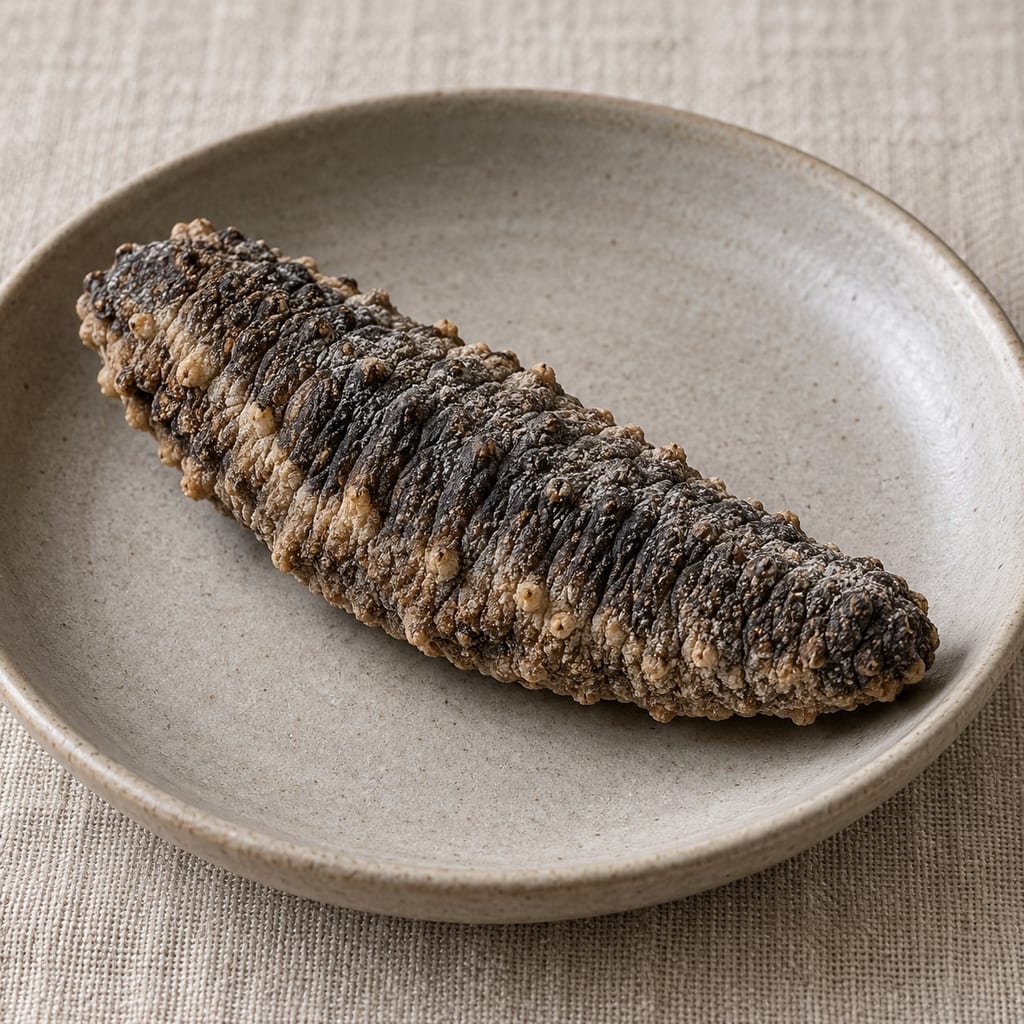
Sea cucumber cleaned, boiled and dried, sometimes with smoke, into a long-keeping trade product; Makassan processing in Arnhem Land is documented from at least the eighteenth century.
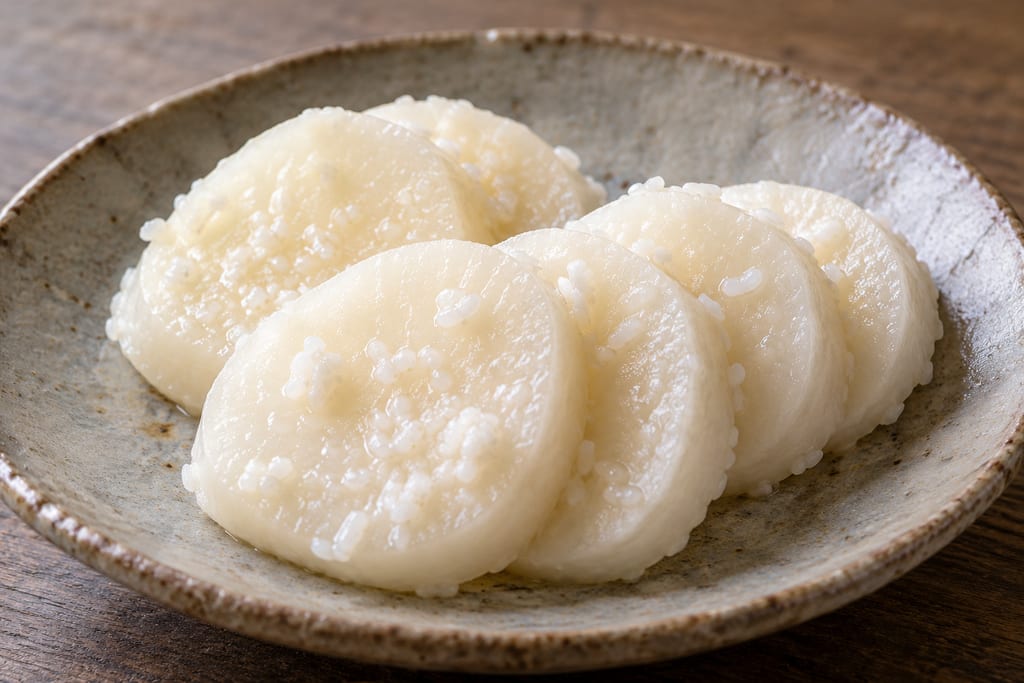
A sweet, crisp Japanese daikon pickle from Tokyo's Nihonbashi district, made by salting fresh radish and dressing it in rice koji, sugar or koji amazake without the heavy drying used for takuan.
No community contributions have been published for this entry yet.
Sign in to contribute. Published comments and photos are free to read.
Baku Kitchen! atlasMethod · Storage · Uses · History · Variations
Agrio de naranja (Dominican Republic)About 750 ml from 12 sour oranges (or 8 oranges and 6 limes), 2 tablespoons salt, optional 6 garlic cloves, 1 teaspoon dried oregano, 1 hot pepper; prep 20 minutes, no cooking.
Method: press, strain twice through a fine sieve, add and dissolve salt, optional oregano or whole hot pepper, bottle nearly full, seal and refrigerate.
Storage: refrigerated about a month; the page also advises using the seasoned version within two weeks, which it does not reconcile; frozen cubes keep six months.
Uses: rub into chicken or pork before cooking for an hour; sprinkle on fried fish; add to sofrito; use in place of lime in a marinade.
Sour orange arrived with the Spanish and became the Dominican souring agent; Dominican households salt and bottle it to keep it through the year; the Cuban mojo uses the same juice with garlic and oil.
Cited in: Overview; History and place; Method; Storage; Uses and substitutions