
Agrio de naranja
A Dominican table and seasoning condiment of sour orange juice, mixed with lime and salt and bottled raw; garlic, oregano or a hot pepper may be added for meat or a spicier bottle.
 FermenteaWhere food goes to change
Wasakaka sauce · Dominican garlic sauce
A Dominican garlic sauce of olive oil, garlic, parsley, sour orange or lime juice and salt, simmered until reduced and served over roast chicken, boiled yuca or meat.
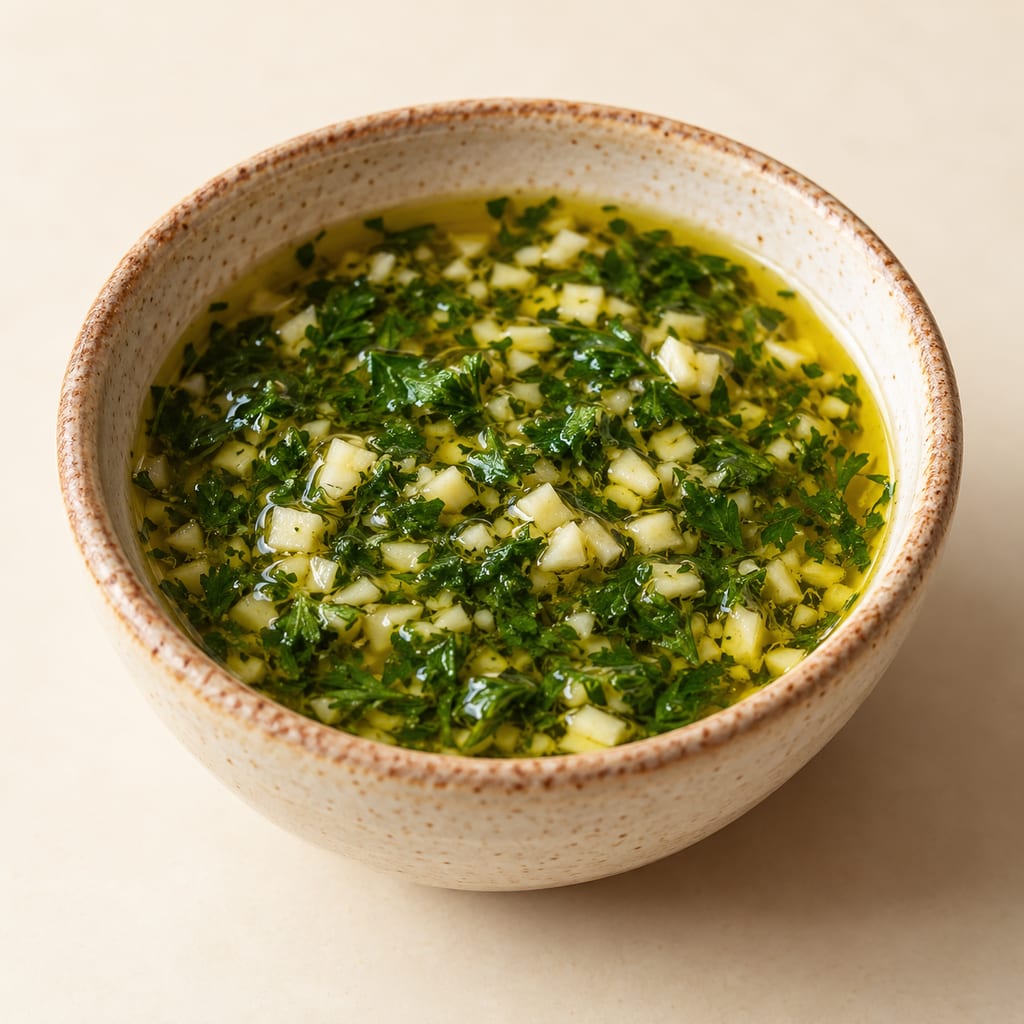
Wasakaka is a sharp Dominican garlic sauce. It is built from garlic softened in olive oil, a sour citrus juice, parsley and seasoning, and it is simmered until the liquid thins and concentrates. It is usually served over roast chicken or boiled yuca, and it belongs to the family of Caribbean mojo sauces.
Wasakaka is not the same sauce as Venezuelan guasacaca, although the names sound alike. The Dominican recipe page warns that the two are not to be confused, and the guasacaca article describes guasacaca as an avocado sauce of Venezuela that is sometimes also spelled wasakaka. The two sauces have different ingredient structures and are kept as separate records here.
Puerto Rican and Cuban relatives use the name mojo, and the Wikipedia mojo article traces the family to the Canary Islands, from which Canarian emigrants carried these sauces to the Caribbean. The Dominican name differs from the mojo names, and the article does not explain the difference.
Heat the oil over medium heat, cook the mashed garlic and parsley together for about a minute, then add the sour orange or lime juice and the water the method calls for. The sauce is simmered over low heat until the liquid has reduced by half, and it is then seasoned with salt and pepper to taste. The ingredient list does not include the water, so the cook must add it as the method says.
The reduction, not a timer, sets the thickness. The page gives no time for it, and no temperature.
Wasakaka is served alongside chicken or other meat, and the Dominican recipe page recommends it on Dominican chicken roast or boiled yuca. The Wikipedia mojo article describes the Dominican sauce as served with roasted chicken and boiled cassava. The page says it is not usually served with queso frito, and it names a rotisserie chicken chain whose sauce is not public, which this record does not reproduce.
The page also says the sauce became known internationally through a comedy sketch on a US television show; that is a cultural note and is not part of its history.
The Dominican recipe page describes wasakaka as a flavourful Dominican garlic sauce, and says the name is not to be confused with the Venezuelan guasacaca, an avocado sauce. The Wikipedia mojo article ties the family of Caribbean mojo sauces to Canarian emigration. No dated source places wasakaka itself.
Yield 4 servings · Scaling: the page gives one batch for 4 servings. scale the oil, garlic and citrus together; the water is set by the reduction, not by a fixed quantity.
The Dominican recipes name the sauce as Dominican; the Wikipedia mojo article places wasakaka among the Caribbean sauces that descend from Canarian mojo.
A Dominican table and seasoning condiment of sour orange juice, mixed with lime and salt and bottled raw; garlic, oregano or a hot pepper may be added for meat or a spicier bottle.
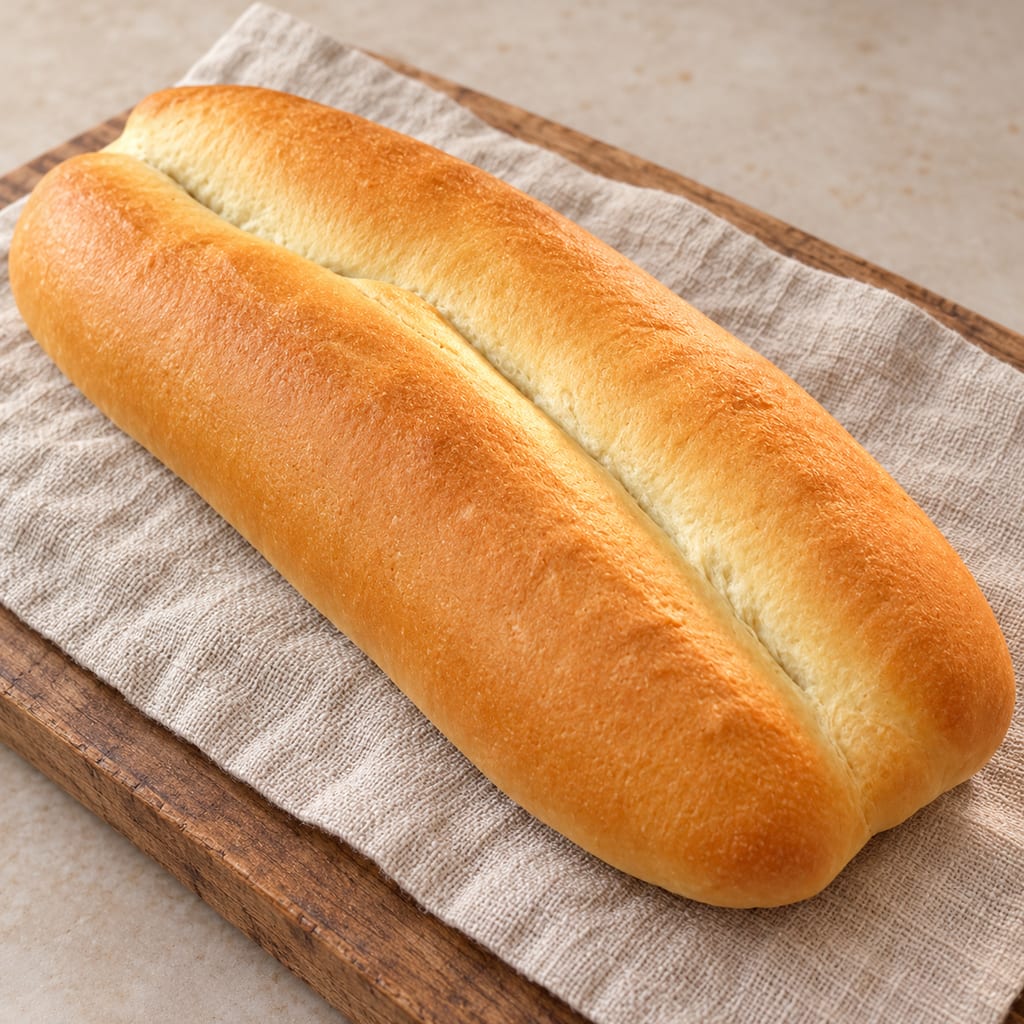
A soft Dominican Christmas loaf enriched with egg and butter, scented with optional anise, and shaped with two rolled ridges around a central seam.
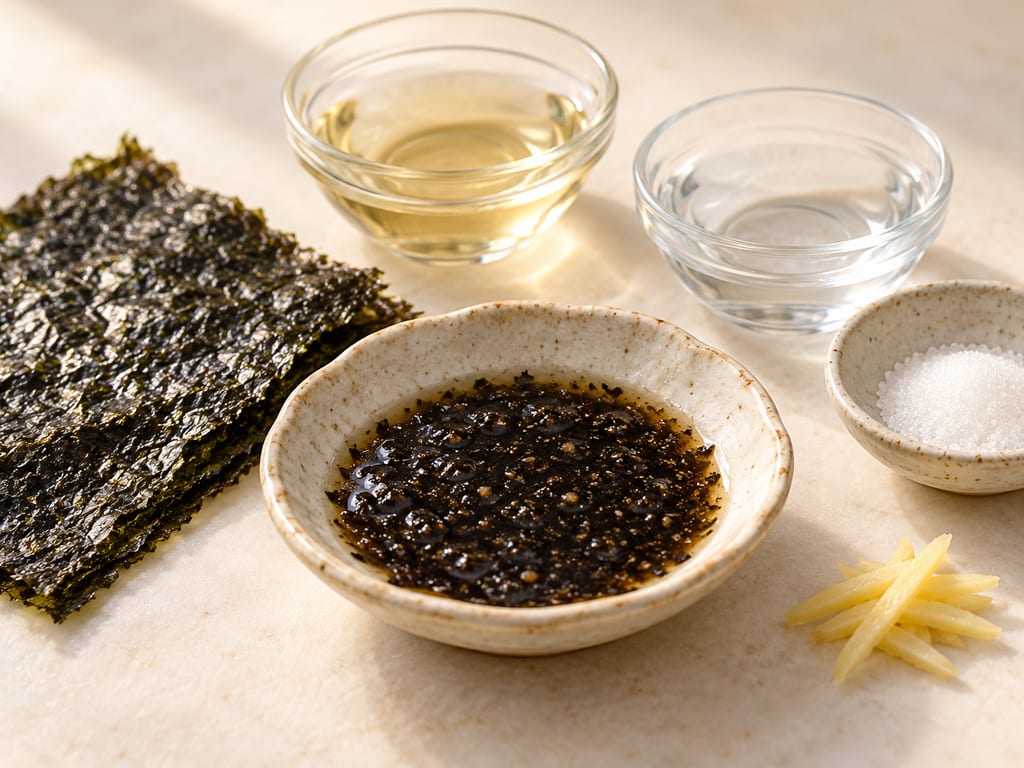
A fresh condiment in which crumbled nori softens in lightly sweetened vinegar and water. It is not vinegar fermented from seaweed.
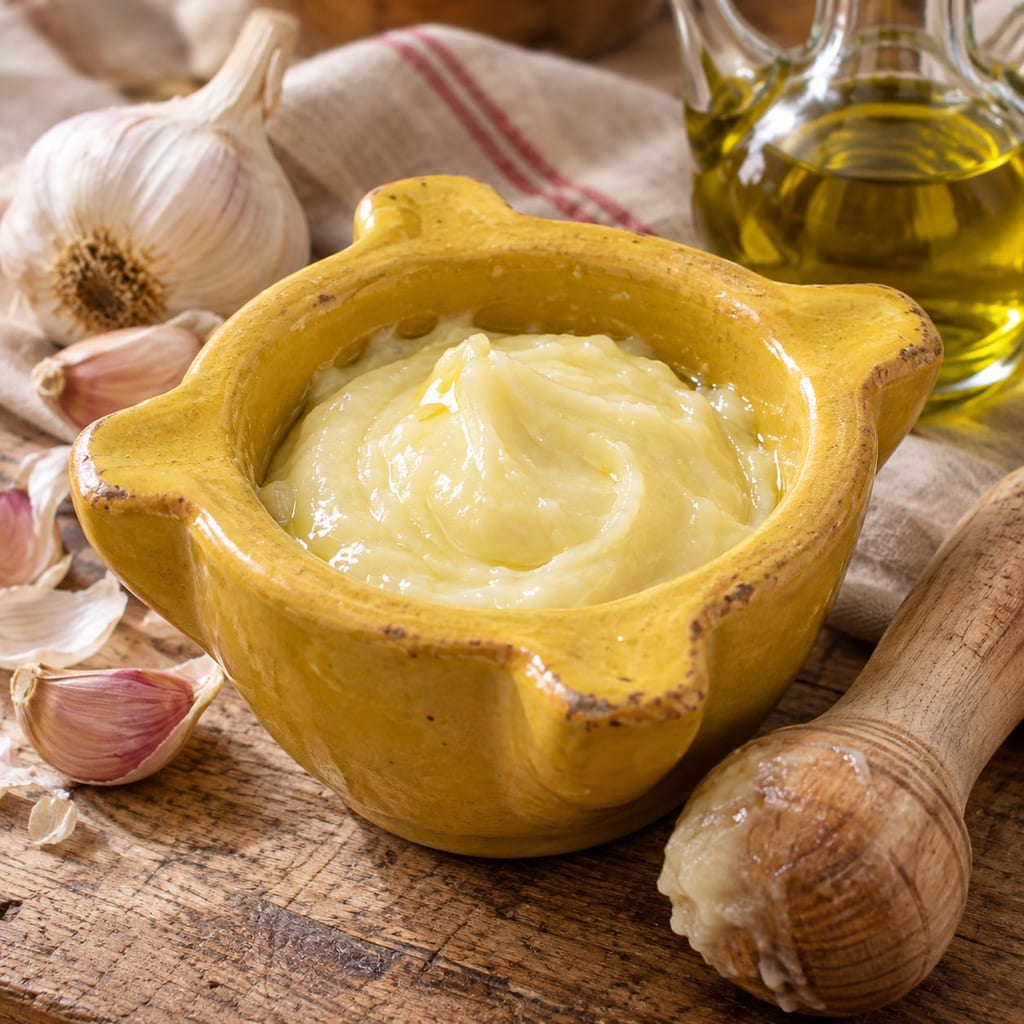
Traditional Catalan allioli is a dense emulsion of garlic, olive oil and salt made slowly in a mortar. This measured Barcelona-style version keeps egg-based garlic mayonnaise distinct.
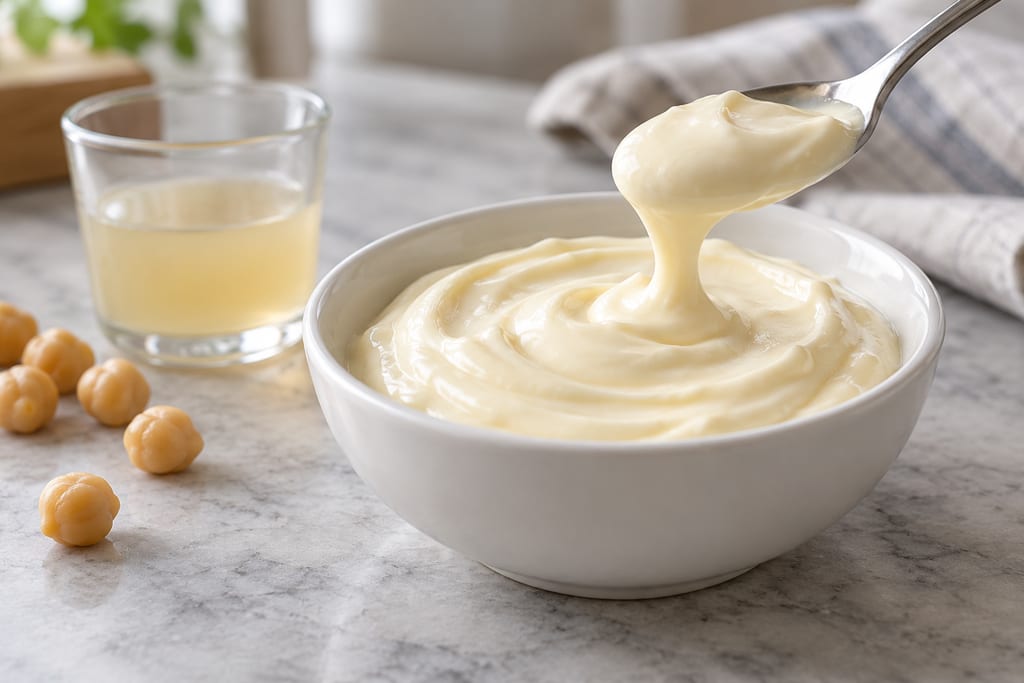
An eggless, untested emulsion made with canned chickpea liquid. Nominal yield 255 g.
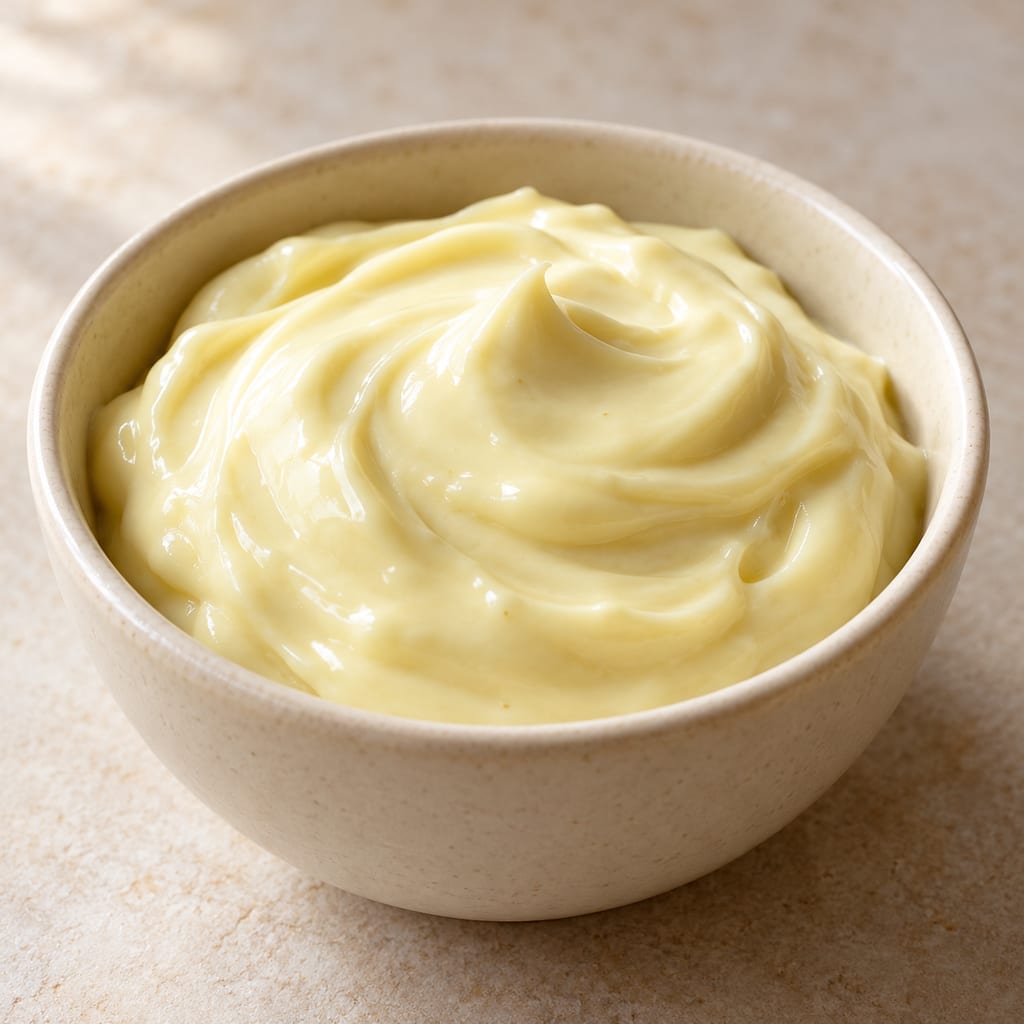
Avocado-oil mayonnaise is an ordinary egg-and-oil emulsion in which avocado oil supplies the oil phase. The oil changes flavour and colour, and it does not preserve the sauce.

Bechamel is a white sauce of milk thickened with a butter and flour roux, one of the French mother sauces, and the base from which Mornay and other cheese and cream sauces are made.
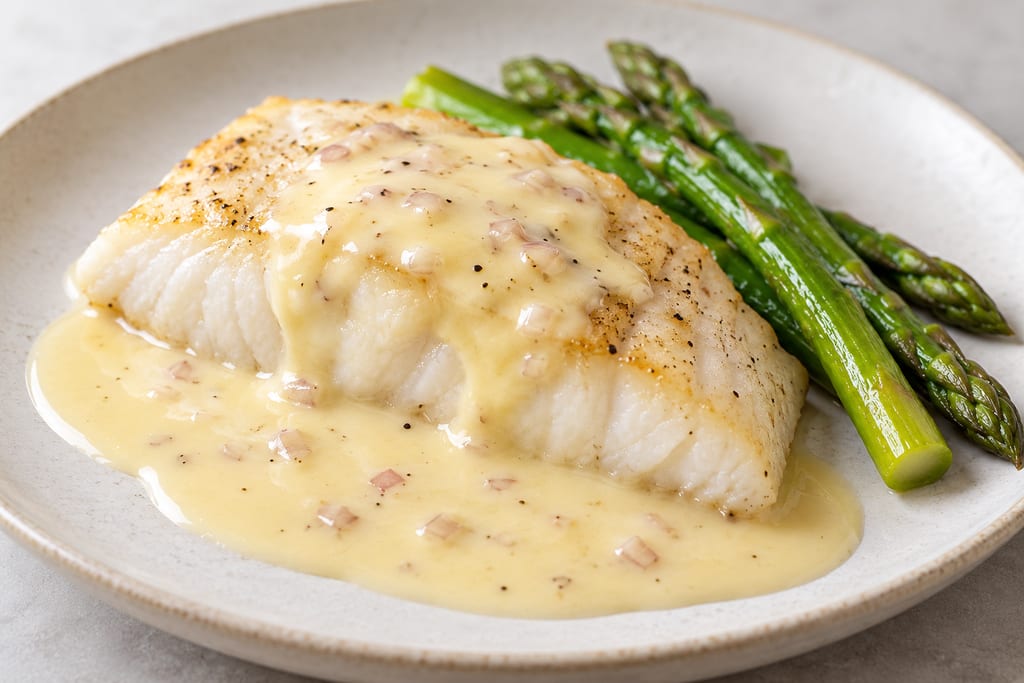
Beurre blanc is a warm emulsion of cold butter whisked into a reduction of white wine, vinegar or lemon juice and shallot, a sauce from the Loire Valley and its red-wine version, beurre rouge.
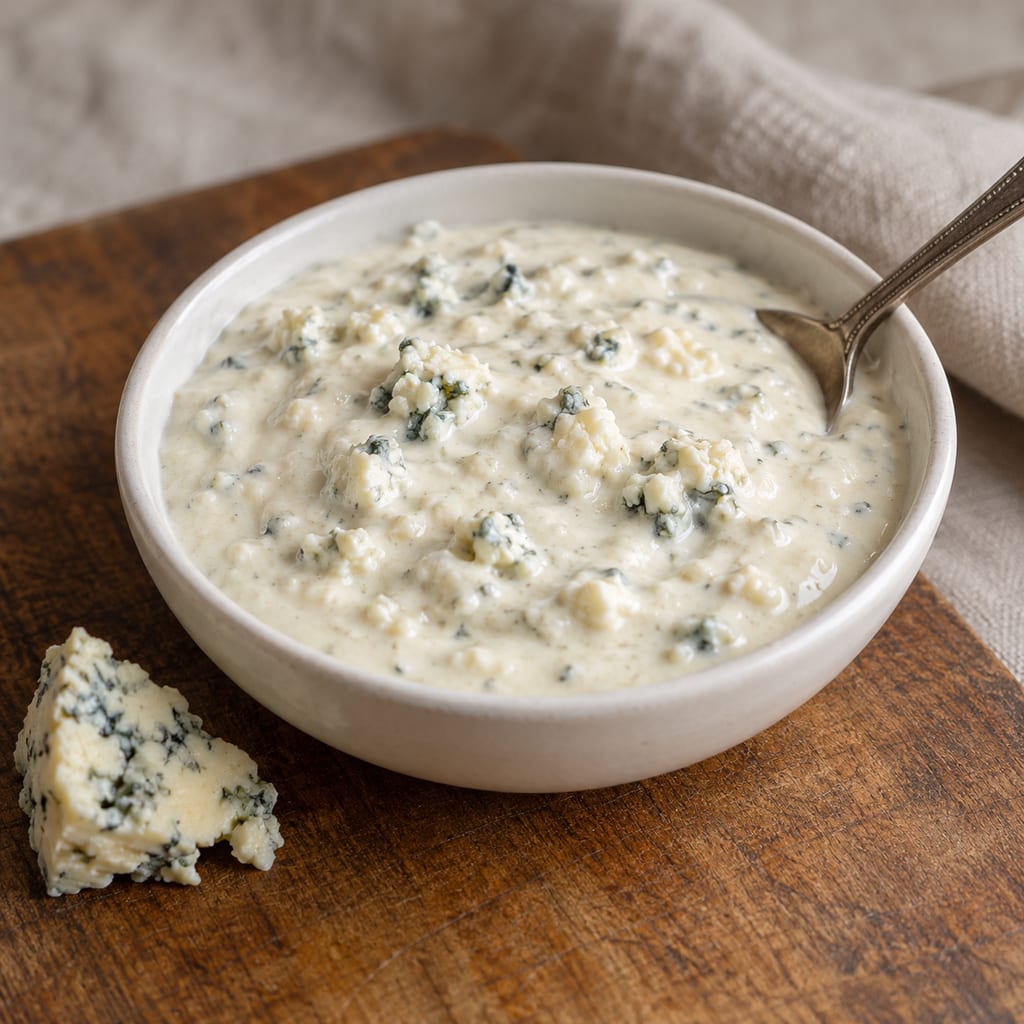
Blue cheese dressing is a creamy dressing built on crumbled blue cheese mashed into buttermilk, with sour cream, mayonnaise, vinegar and seasoning, and kept cold for up to two weeks.
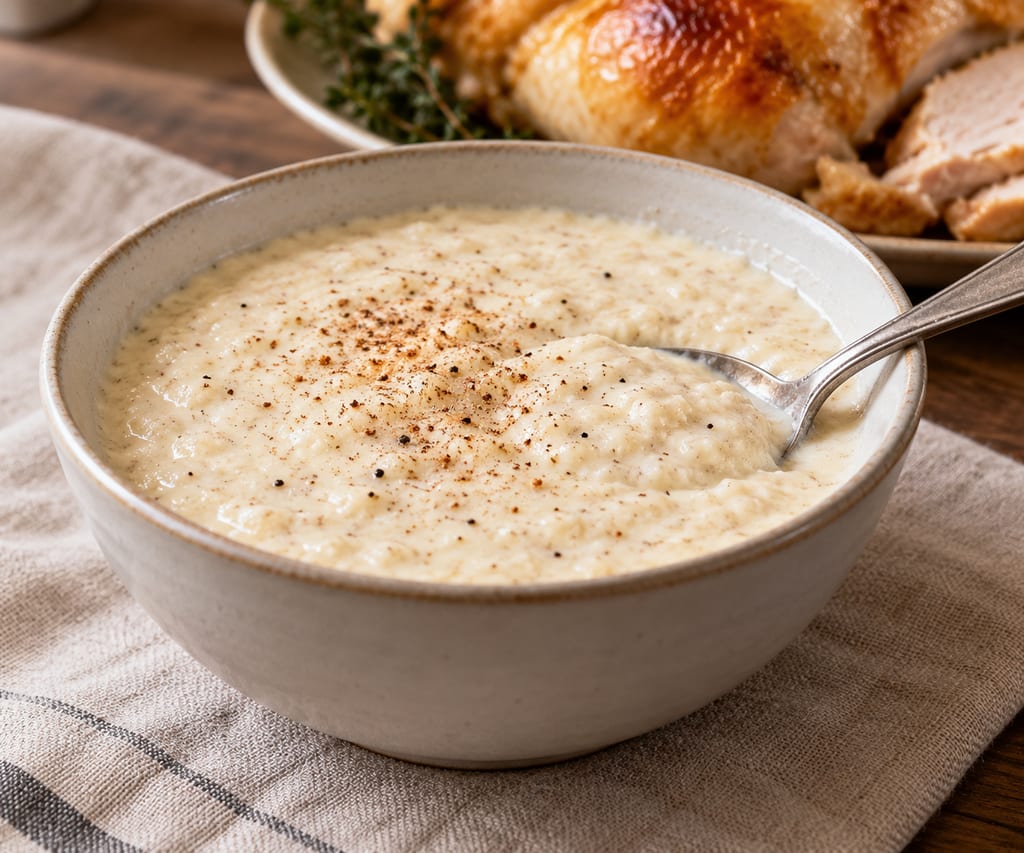
Bread sauce is a British sauce of milk infused with onion, clove and bay, thickened with stale breadcrumbs and finished with butter, served with roast chicken or turkey.
No community contributions have been published for this entry yet.
Sign in to contribute. Published comments and photos are free to read.
Dominican CookingMethod · Uses · History
Wasakaka [Video+Recipe] Dominican Garlic SauceIngredients for 4 servings: 1/4 cup olive oil, 4 tablespoons mashed garlic, 1/2 cup bitter orange juice or lime juice, 1/4 cup minced parsley, 1 teaspoon salt, 1/4 teaspoon pepper.
Method: heat oil, cook garlic and parsley about a minute, add the juice and 1 cup water, simmer over low heat until reduced by half, season.
Serving: alongside chicken or meat, drizzled over Dominican chicken roast or boiled yuca; not usually served with queso frito.
The page says the sauce is not to be confused with the Venezuelan guasacaca, an avocado sauce, and that the restaurant sauce served with a chicken roast chain is not public.
Cited in: Overview; Name and relatives; Method; Serving
WikipediaHistory · Ingredients · Uses
Mojo (sauce)Mojo originated in the Canary Islands; Caribbean and Cuban mojo sauces are attributed to heavy Canarian emigration.
The Dominican Republic sauce wasakaka, served with roasted chicken and boiled cassava, is made with parsley, garlic, olive oil, and sour orange or lime juice.
Cited in: Overview; Name and relatives; Serving
WikipediaHistory · Naming
GuasacacaGuasacaca is a savoury sauce found in Dominican and Venezuelan cuisine; the article lists Venezuela as its place of origin and says the name is sometimes spelled wasakaka.
The Venezuelan version is avocado-based; the Dominican version uses lime or sour orange juice, garlic, parsley, salt, pepper and olive oil and is boiled with plenty of water until it reduces by about half.
Cited in: Name and relatives; Method