
Agrio de naranja
A Dominican table and seasoning condiment of sour orange juice, mixed with lime and salt and bottled raw; garlic, oregano or a hot pepper may be added for meat or a spicier bottle.
 FermenteaWhere food goes to change
Telera dominicana · Dominican Christmas telera · Telera navideña dominicana
A soft Dominican Christmas loaf enriched with egg and butter, scented with optional anise, and shaped with two rolled ridges around a central seam.
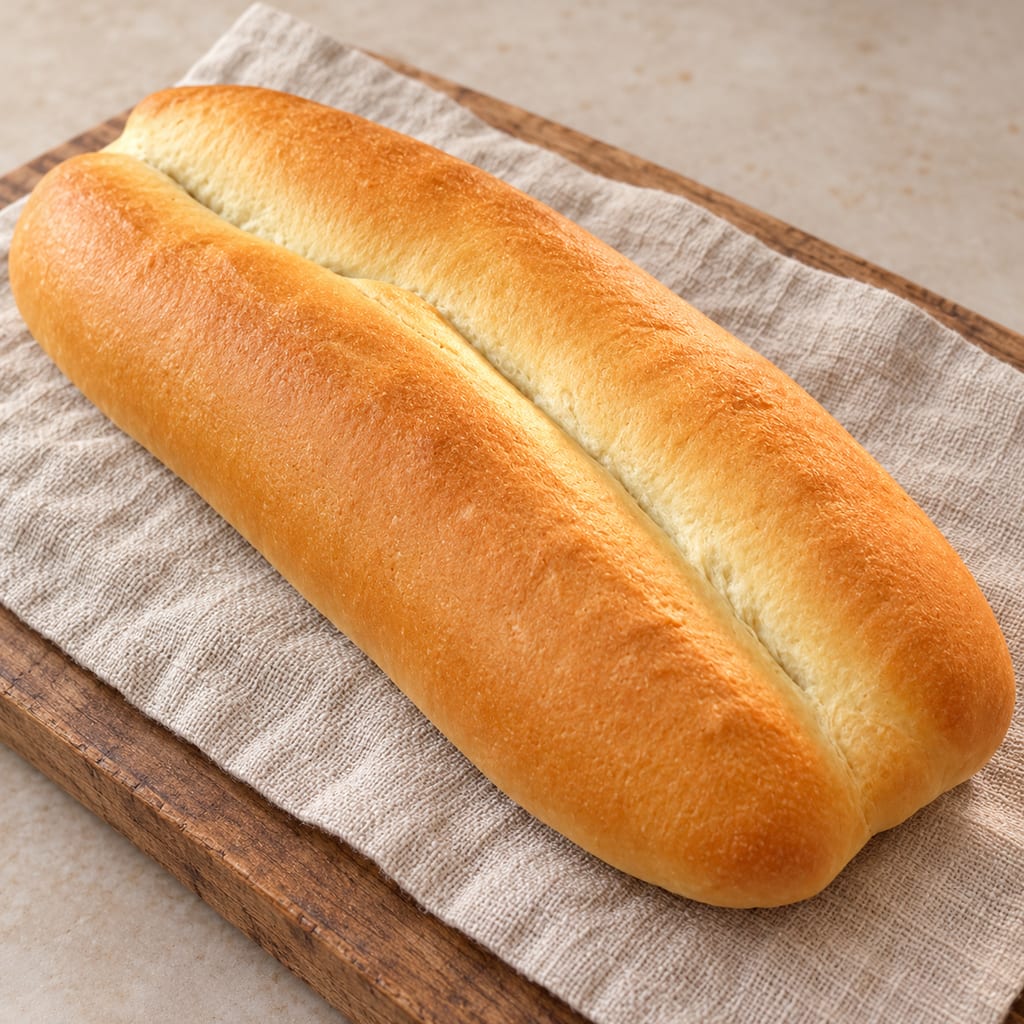
Cocina Dominicana describes its telera as a soft, enriched loaf served for Christmas and distinguishes it from Mexican telera, a smaller, flat, savory roll with two grooves. The Dominican bread is longer, richer with egg and butter, and is associated with Nochebuena and other holiday meals. This account follows the site's Dominican home formula, not the Mexican roll or other breads that share the name.
The source identifies the Dominican Republic as the cultural association but does not name a precise birthplace or date of first attestation. Its recipe page was published in 2022 and revised in 2025; that documents a modern recipe publication, not the beginning of the tradition.
This one-loaf formula uses 2 cups bread flour, 2 teaspoons sugar, 1 teaspoon salt and 1 teaspoon instant yeast. Mix in ¼ cup cold water, 4 tablespoons cold milk and one cold egg. The dough is enriched with ¼ cup softened butter; ¼ teaspoon ground sweet anise and ¼ teaspoon yellow food coloring are optional. It yields a loaf of about 454 g (16 oz), or four servings.
Mix the dough about five minutes, work in the butter and knead five minutes more, then let it rest for one minute. Test gluten development by stretching a piece with wet fingers until it becomes translucent without tearing; if it tears, knead for a further five minutes. Add anise at the end if using it.
Shape the dough into a ball in a greased glass bowl, cover it and refrigerate for one hour. Roll the chilled dough into a rectangle, then roll both long edges inward until they meet to form two cylinders. Set the loaf seam-side down on a parchment-lined tray so the joined rolls stay closed during proofing.
Cover the loaf and let it rise for about 45–60 minutes, or until doubled. Time varies with room temperature, so watch the dough rather than relying only on the clock. Turn the seam upward just before baking. A second tray helps invert the loaf without pulling apart the shaped rolls.
For make-ahead preparation, Cocina Dominicana also says to cover the kneaded dough and refrigerate it before shaping for up to 48 hours, then continue with shaping and the final rise. This is a separate source-provided schedule from the one-hour cold rest above; it is the author's recipe guidance, not an independently validated food-safety shelf life.
Preheat the oven to 200°C. Turn the loaf over with the help of a second tray so the joined cylinders face upward, then reduce the oven to 190°C. Bake for 20–30 minutes until golden; if using a thermometer, check for 82–88°C at the center. Cool completely on a rack before slicing.
The dough contains raw flour and egg until baked. CDC advises against tasting raw dough, keeping it away from ready-to-eat foods, and washing hands and equipment after handling it. FDA advises keeping eggs refrigerated and cooking egg-containing foods thoroughly.
Dolfi Gómez's 2021 elDinero report follows telera through both household and bakery accounts. One customer describes ordering ahead for Nochebuena and also eating it with coffee or chocolate. Bakers describe production concentrated around December 24 and 31. These are named observations of seasonal demand, not a rule that telera is unavailable during the rest of the year.
The report does not establish when commercial production began. Its bakery comments also do not replace Wendy Soto's measured home formula. The cold ingredients, refrigerator rest, rolled shaping and optional anise remain specific to the recipe below.
Telera's Christmas role also appears in public purchasing. On December 12, 2022, the Dominican government announced that 26 small and medium producers had won orders to supply teleras for Comedores Económicos holiday purchases. The announcement documents seasonal work for Dominican bakeries beyond household preorders.
It records an announced purchasing programme, not proof of every delivery or a standard dough formula. Wendy Soto's home recipe and its distinct make-ahead guidance remain the method here, while the Mexican bread called telera remains a separate preparation.
Cocina Dominicana identifies telera as a Dominican Christmas bread and records its use with holiday meals. The recipe page was originally published in 2022 and revised in 2025; no earliest historical attestation is established here.
Yield 1 loaf, about 454 g (16 oz); source serving is four · Scaling: source batch only
Uncooked flour can carry foodborne germs; do not taste the dough before baking.
Hazard sourceRaw eggs can carry Salmonella; this source dough is chilled, proofed, and then baked.
Hazard sourceDo not eat raw dough. Keep it away from ready-to-eat food and wash hands, bowls, utensils and work surfaces after handling flour or egg. Bake according to the recipe and check the loaf with a thermometer if available.
Control sourceKeep the egg refrigerated until use and bake the egg-containing bread thoroughly. The recipe source recommends 82–88°C internal temperature; FDA advises thorough cooking of foods containing eggs.
Control sourceThe source's bake range is 20–30 minutes and its internal-temperature suggestion is 82–88°C; the time varies by oven. No different endpoint is added.
Country-level association only; the source describes Dominican Christmas use and does not identify a precise origin.
A Dominican table and seasoning condiment of sour orange juice, mixed with lime and salt and bottled raw; garlic, oregano or a hot pepper may be added for meat or a spicier bottle.
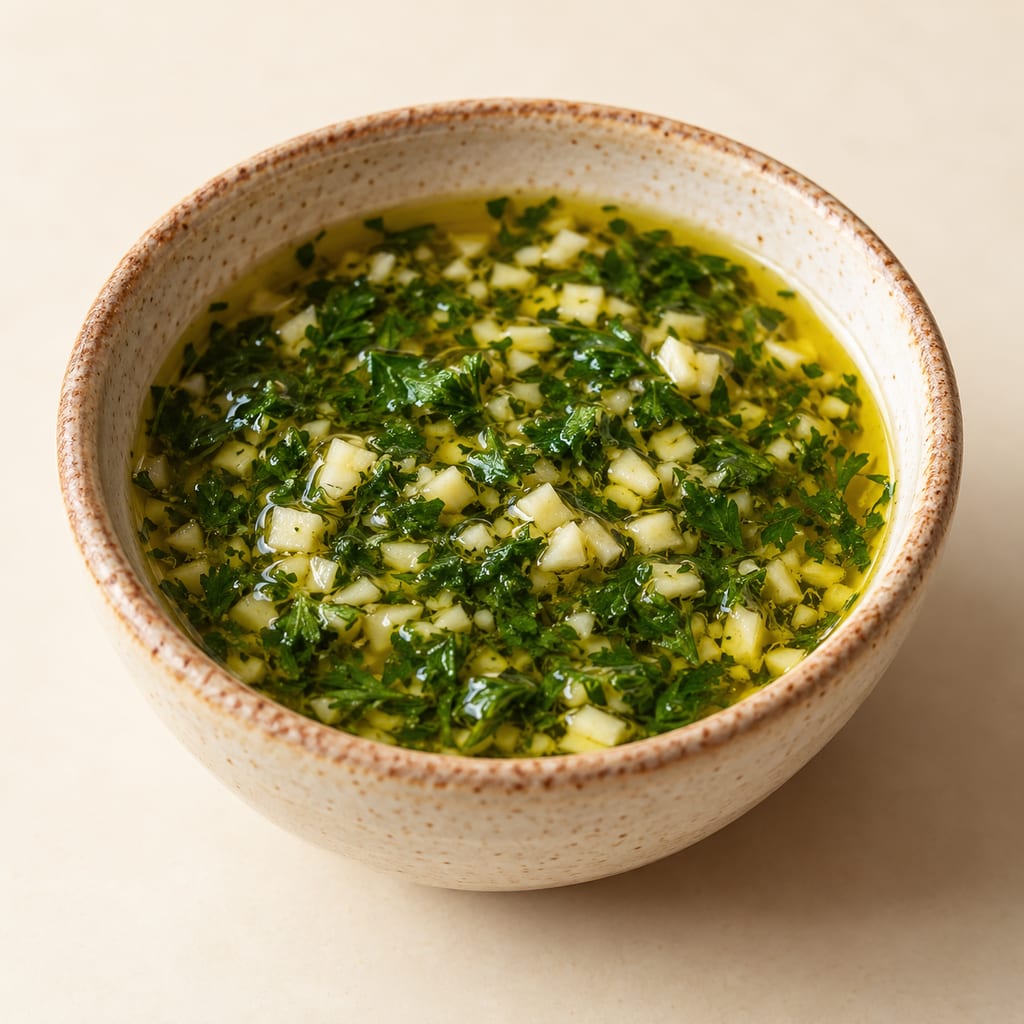
A Dominican garlic sauce of olive oil, garlic, parsley, sour orange or lime juice and salt, simmered until reduced and served over roast chicken, boiled yuca or meat.
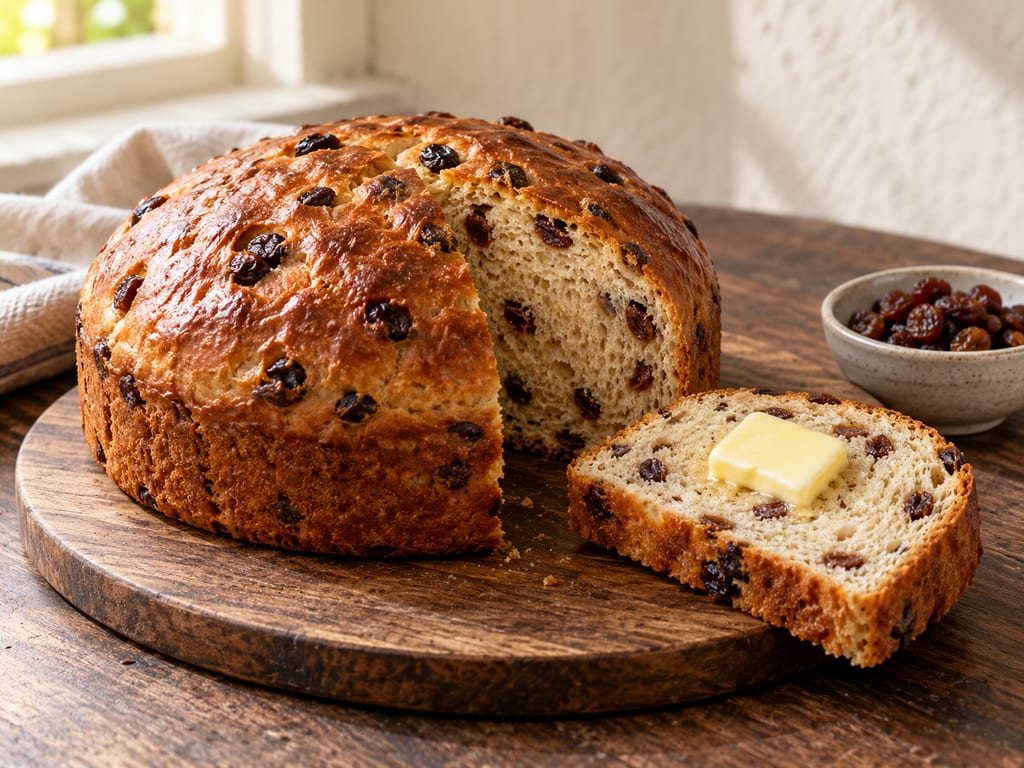
An Irish fruit-studded yeast loaf, associated in a contemporary cultural account with Halloween and often served fresh or toasted with butter.
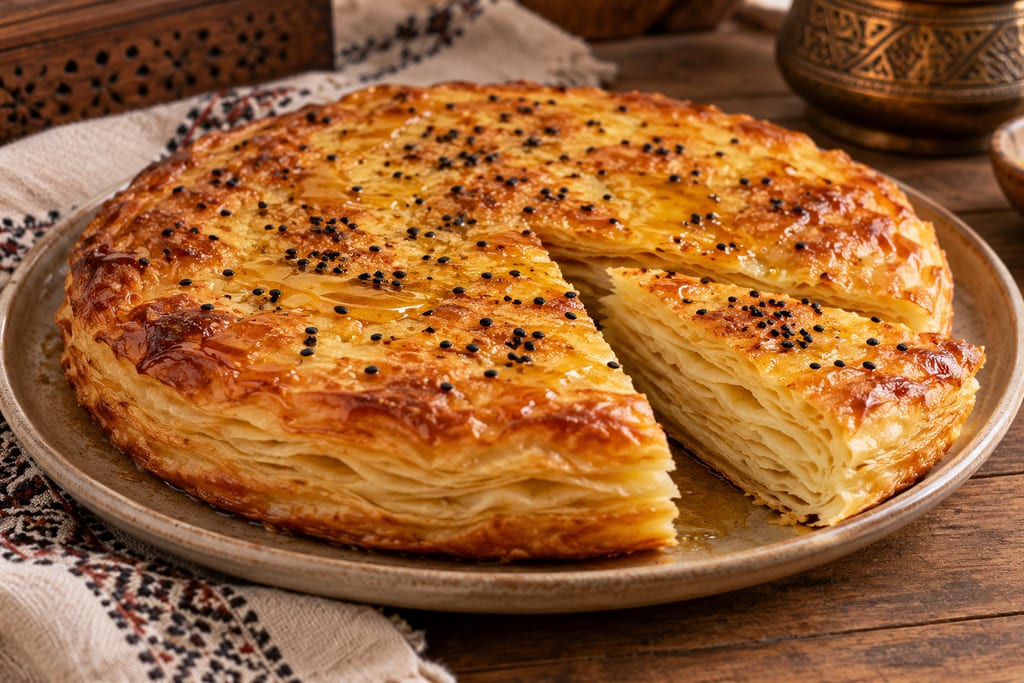
Bint al-sahn is a Yemeni celebration and home bread built from thin, egg-rich yeast dough layers brushed with ghee or butter. This source-specific version makes one round cake, baked until golden and served warm with honey.
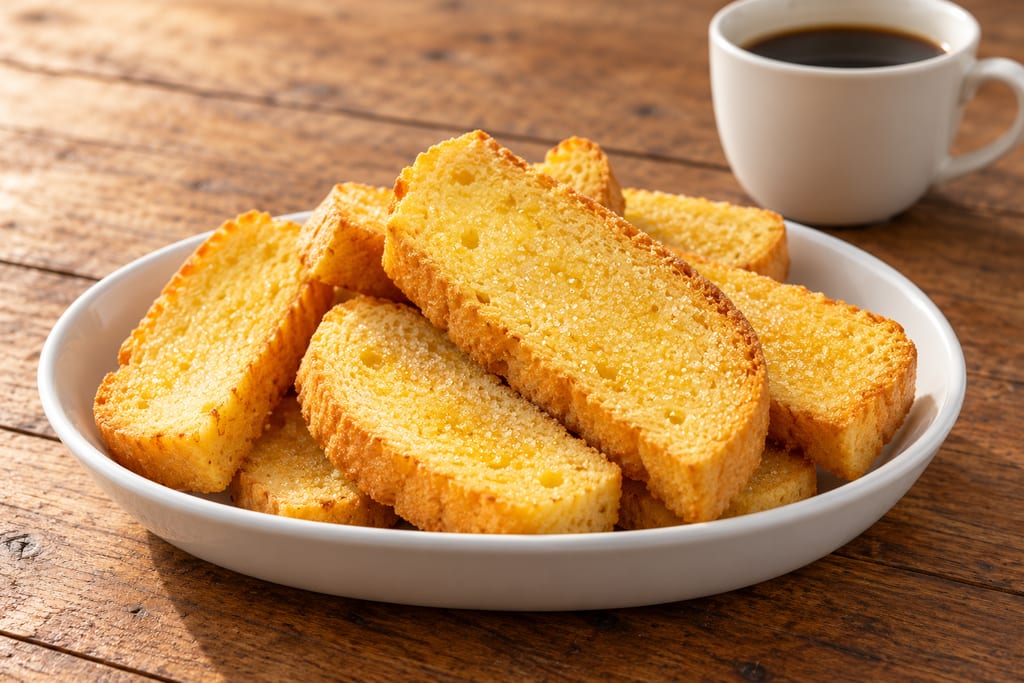
PagkainPinoy’s 24–30 piece version twice-bakes day-old soft bread with a thin butter-and-sugar coating.
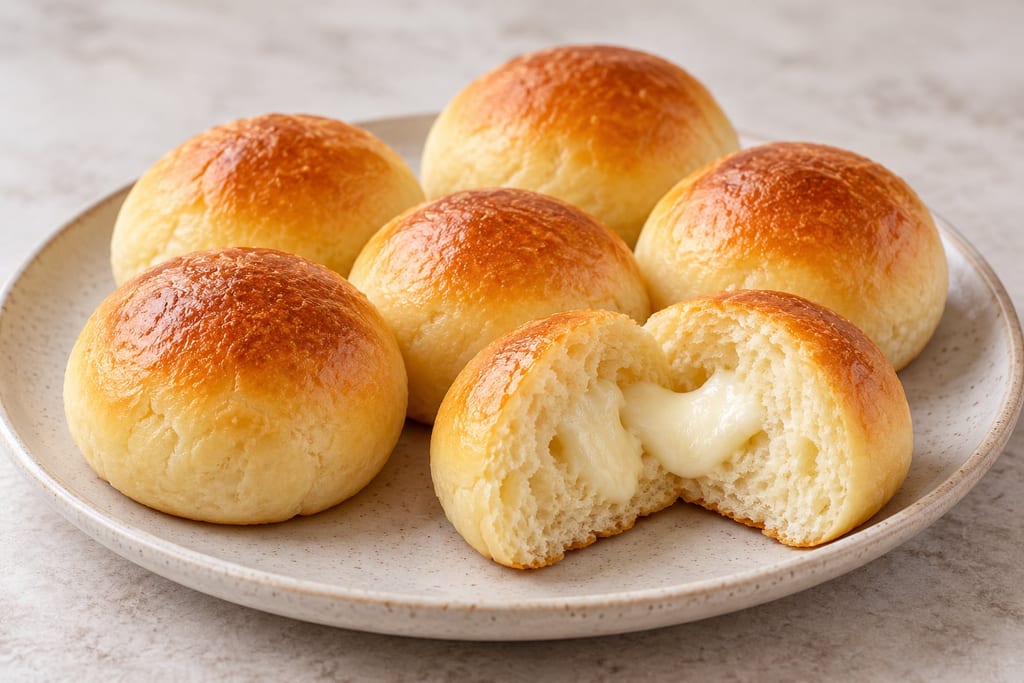
Soft Brazilian yeast rolls use cooked mashed potato in an enriched dough, with mozzarella cubes enclosed before baking.
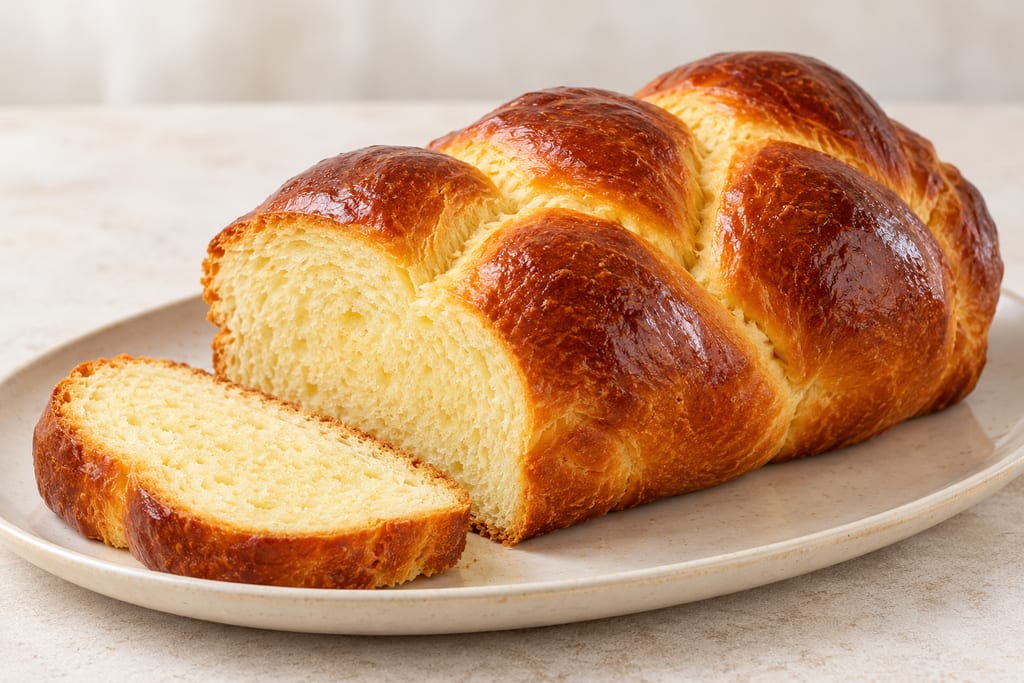
An egg-and-butter-rich yeast dough shaped as one round loaf, two loaves or twelve small brioches, with baking paths that vary by shape.
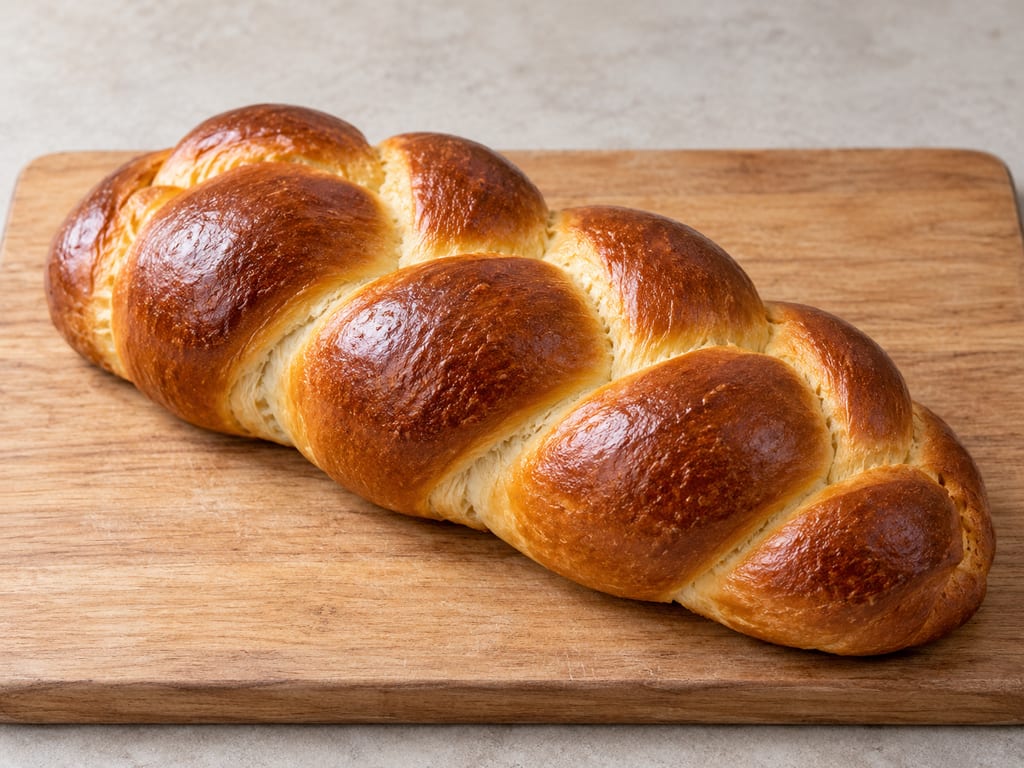
A three-strand yeast-raised challah with flour, salt, yeast, water, neutral oil, honey and egg, based on a Jewish Museum Vienna home recipe.
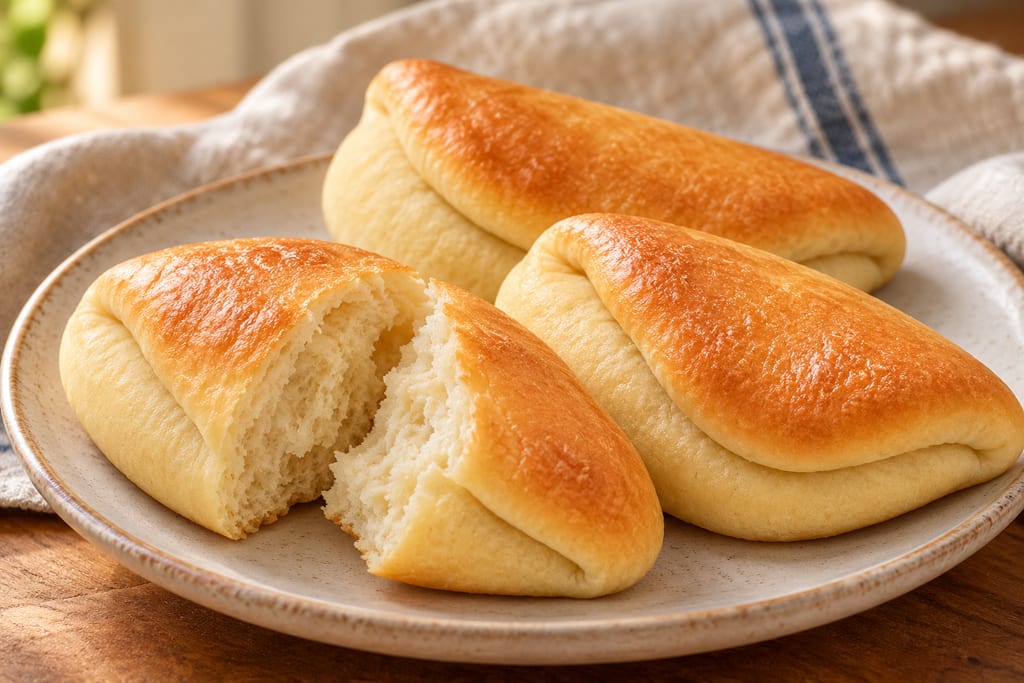
Jamaican-style folded rolls made from sweet coconut-milk yeast dough and brushed with butter.
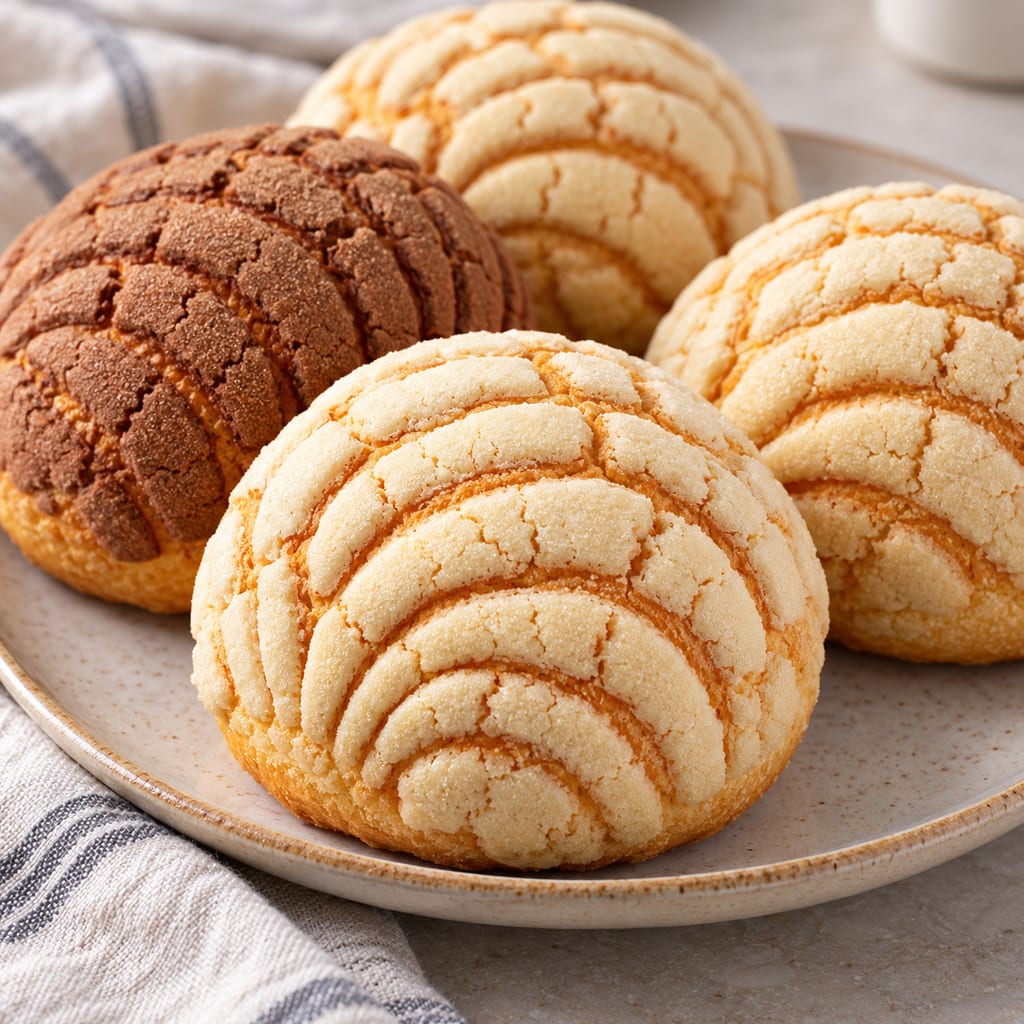
Mexican sweet rolls with a soft enriched yeast dough and a separate scored sugar-flour topping shaped like a shell. This version makes 15 rolls and uses a chilled dough rest before final proofing.
No community contributions have been published for this entry yet.
Sign in to contribute. Published comments and photos are free to read.
Cocina DominicanaMethod · Ingredients · Identity · Geography · Cultural use
Telera [Receta + Video] Pan Navideño DominicanoSource identifies Dominican telera as a soft enriched bread served at Christmas and distinguishes it from the Mexican bread called telera.
Measured one-loaf home recipe uses two cups bread flour, sugar, salt, instant yeast, cold water and milk, one egg, butter, and optional yellow coloring and anise; the source describes the loaf as about 454 g/16 oz and four servings.
Method includes a five-minute mix, butter added and mixed five minutes, one-minute rest and windowpane check, one-hour covered refrigerator rest, rolling both long sides inward, 45–60 minute rise, 200°C preheat reduced to 190°C, 20–30 minute bake, and optional measured internal endpoint 82–88°C.
Source reports Christmas/Nochebuena and New Year use, and gives no first-attestation date.
The source also recommends making the dough ahead by covering and refrigerating it after kneading for up to 48 hours before shaping and final proof; this is the publisher's recipe guidance, not independent food-safety validation.
Cited in: The Dominican Christmas loaf; Formula and gluten development; Cold rest, shaping and proof; Baking and handling; Family orders and seasonal bakery work; Holiday bread in public food provision
U.S. Food and Drug AdministrationSafety
Assuring the Safety of Eggs and Menu and Deli Items Made From Raw, Shell EggsRaw shell eggs can carry Salmonella; FDA advises keeping eggs refrigerated and cooking egg-containing foods thoroughly.
Cited in: Baking and handling
Centers for Disease Control and PreventionSafety
Raw Flour and DoughUncooked flour and raw eggs can contain germs; do not eat raw dough, follow cooking directions, keep raw flour/dough away from ready-to-eat food, and wash hands, utensils and work surfaces after handling.
Cited in: Baking and handling
elDineroContext
¿Por qué los dominicanos suelen consumir telera en la cena de Nochebuena?23 December 2021 interviews describe family preorders, December 24/31 bakery sales and use with coffee or chocolate; no date of first commercialisation established.
Cited in: Family orders and seasonal bakery work
Wikimedia Commons / François Mie-CrouteImage reference
Telera dominicana.jpg12 December 2020 own-work photo. Individually checked CC BY-SA 4.0, not PD/CC0; excluded.
Presidencia de la República Dominicana / MICMContext
MICM informa que 26 mipymes suplirán al Gobierno con teleras12 December 2022 announcement reports 26 Dominican small/medium producers awarded telera orders for Comedores Económicos Christmas purchasing. This is dated announced procurement, not a verified delivery count or evidence for the home formula.
Direct page returned HTTP403; the official publisher-indexed announcement supplied the dated text. No delivery verification or wider historical claim inferred.
Cited in: Holiday bread in public food provision