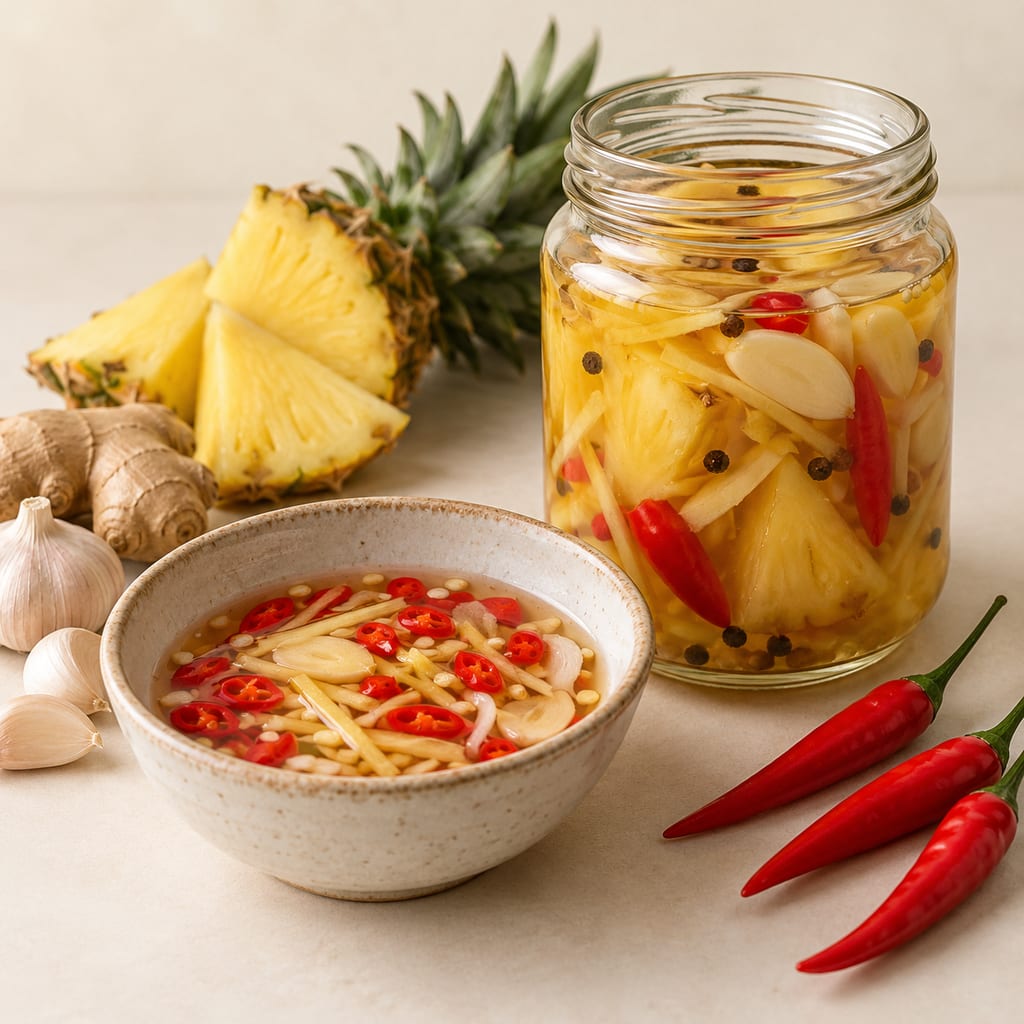
Suka and sawsawan (Filipino vinegar and dipping sauces)
Filipino vinegar dips: vinegar steeped or mixed with chilli, garlic, ginger and other aromatics, from the pineapple sinamak of Iloilo to coconut-vinegar sawsawan. Not a single formula.
 FermenteaWhere food goes to change
Modern adaptation
Biscocho de Iloilo · Biscocho · Biskótso · Iloilo biscocho
PagkainPinoy’s 24–30 piece version twice-bakes day-old soft bread with a thin butter-and-sugar coating.
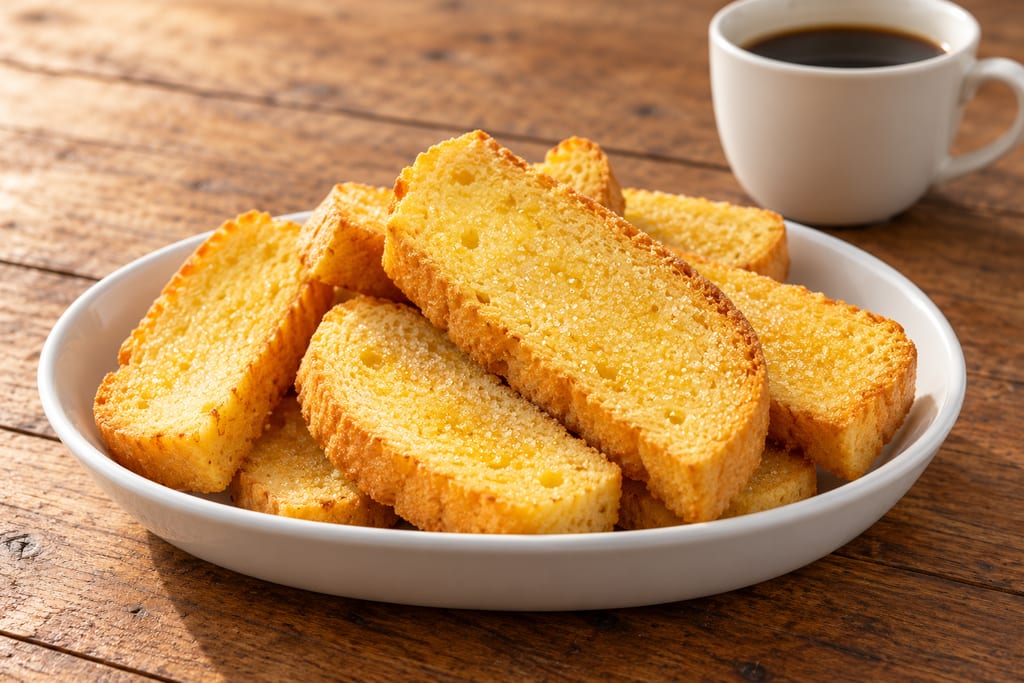
Biscocho is made by twice-baking bread that has already been baked. This PagkainPinoy formula is specifically its Biscocho de Iloilo version: one loaf of day-old monay, pan de leche, or small soft rolls is cut into even slices, coated on one side with a thin butter-and-sugar mixture, and baked again until crisp. The formula yields 24–30 pieces. It is a bread-based preparation, not a separate dough recipe.
CulturEd describes biskótso as toasted bread coated with butter and sugar, with garlic used by some makers. It says Iloilo is a prominent source and the food is widespread across the Philippines. This individual recipe uses a sweet coating and does not include garlic; other regional and savoury versions should remain distinct.
Use day-old bread and cut slices about 1 cm thick. A consistent thickness helps the pieces dry at a similar rate. Heat the oven to 150°C and line two trays. Arrange the slices in one layer and bake them for 10–12 minutes, turning once, until the surfaces feel dry but are still mostly pale.
Cool one test slice for two minutes before judging its centre. If it remains soft, return the tray to the oven briefly. This brief initial bake removes surface moisture before the sweet coating goes on; it is not yet the final crisping stage. The selected loaf must already be baked.
Stir softened butter, white sugar, and the pinch of fine salt into a spreadable paste. Milk powder and vanilla are optional. Spread a thin, even layer over one side of each slice and set them buttered-side up on the lined trays. Thick patches of butter can leave greasy, soft spots, so keep the coating even.
The quantities are for one loaf and 24–30 pieces: ½ cup each of butter and sugar, with optional 2 tablespoons milk powder and ½ teaspoon vanilla. The source gives no scaling formula, so use this batch size as written.
Bake the coated pieces at 150°C for 15–20 minutes, rotating the trays halfway through, until the sugar sets and the edges turn golden. If the centres are still tender after this stage, lower the oven to 120°C and dry them for another 5–10 minutes. Let one piece cool before deciding whether more drying is needed; hot bread can feel softer than it will after cooling.
Cool the finished slices completely on a rack before putting them in an airtight container. Escaping steam is part of the crisping process, and sealing warm bread traps moisture. The recipe page warns that trapped steam softens the biscocho and encourages spoilage, but neither it nor the cultural entry establishes a validated shelf life or moisture limit. Crispness, appearance, or a sealed container does not establish how long a batch is safe to store.
CulturEd links the name to Spanish bizcocho and the Latin bis coctus, and describes Iloilo as a prominent source while noting that biskótso is widespread in the Philippines. This cultural entry does not establish an earliest attestation. The chosen recipe is a modern source-specific transformation of day-old bread.
Yield 24 pieces (source range 24–30) · Scaling: source batch only
PagkainPinoy warns that sealing biscocho before it cools traps steam, softens the pieces, and encourages spoilage.
Hazard sourceCool the slices completely on a rack before sealing them airtight. The inspected sources give no validated shelf life or moisture limit, so do not describe this batch as safe for a particular storage duration.
Control sourceCrispness and a sealed container do not establish a safe storage duration. The inspected sources give no validated shelf life or moisture limit.
Iloilo association for the named version; CulturEd reports broader distribution. No origin claim.
Filipino vinegar dips: vinegar steeped or mixed with chilli, garlic, ginger and other aromatics, from the pineapple sinamak of Iloilo to coconut-vinegar sawsawan. Not a single formula.
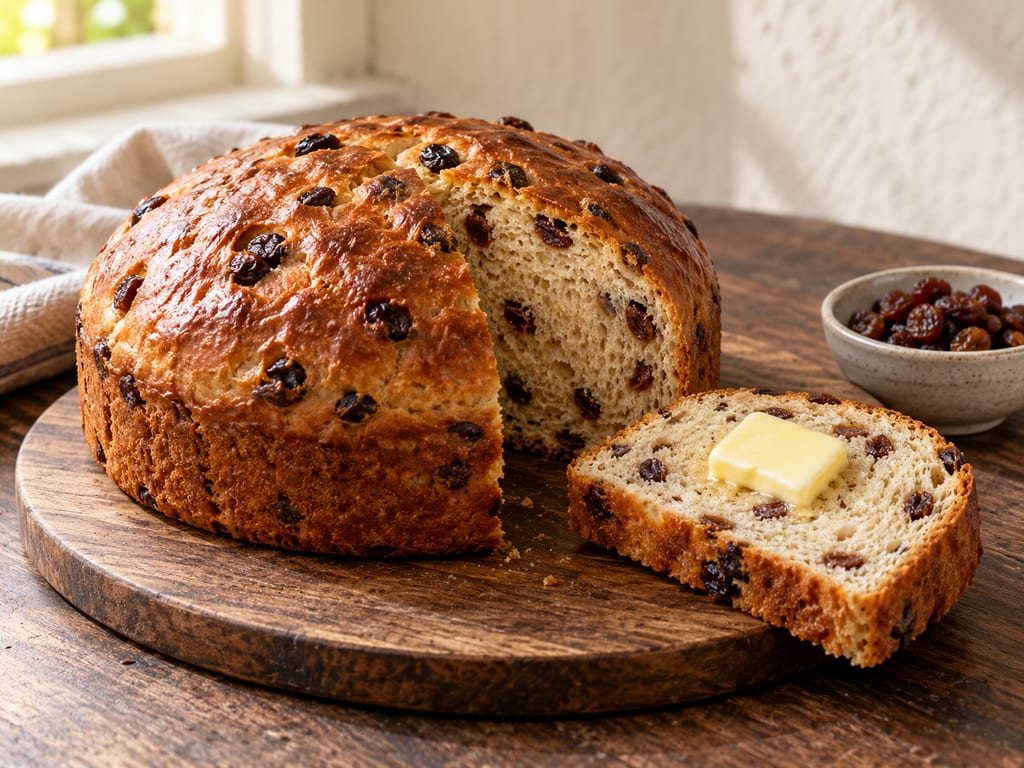
An Irish fruit-studded yeast loaf, associated in a contemporary cultural account with Halloween and often served fresh or toasted with butter.
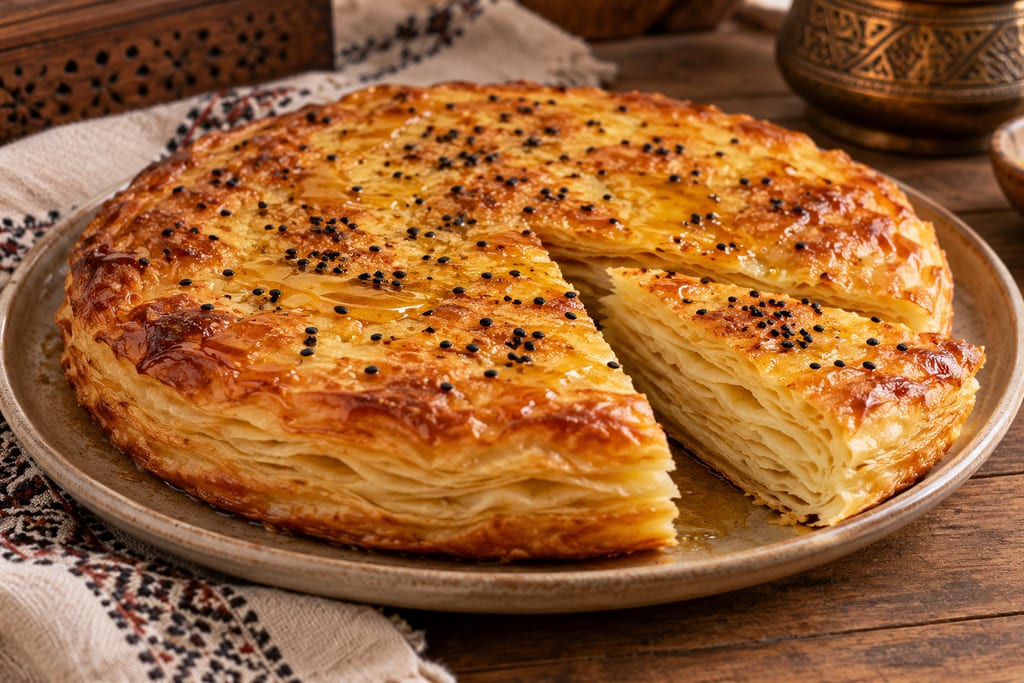
Bint al-sahn is a Yemeni celebration and home bread built from thin, egg-rich yeast dough layers brushed with ghee or butter. This source-specific version makes one round cake, baked until golden and served warm with honey.
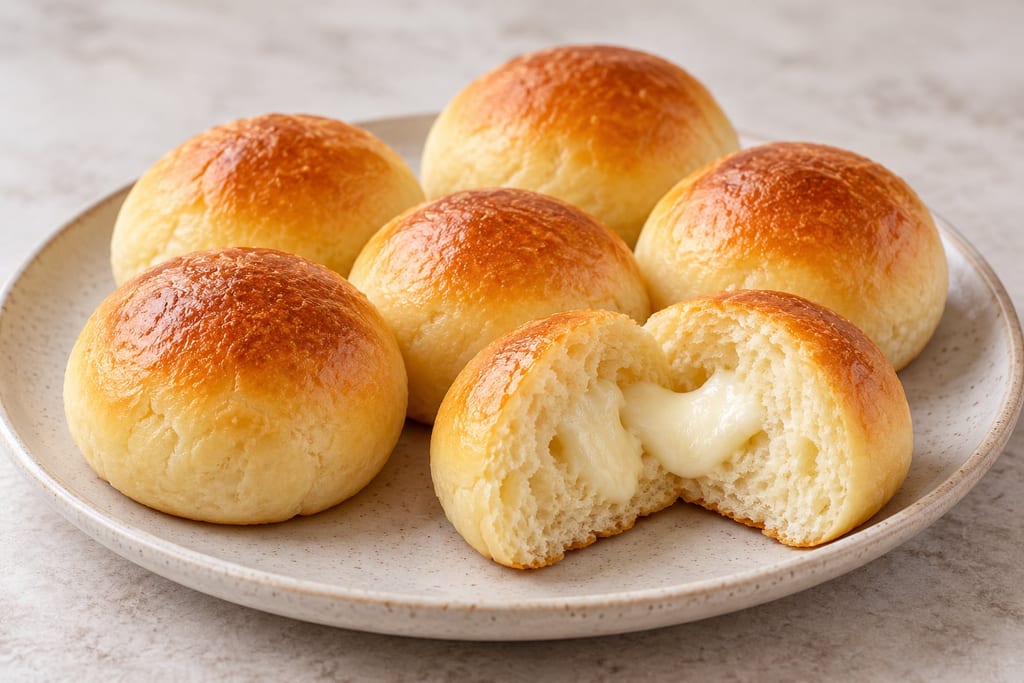
Soft Brazilian yeast rolls use cooked mashed potato in an enriched dough, with mozzarella cubes enclosed before baking.
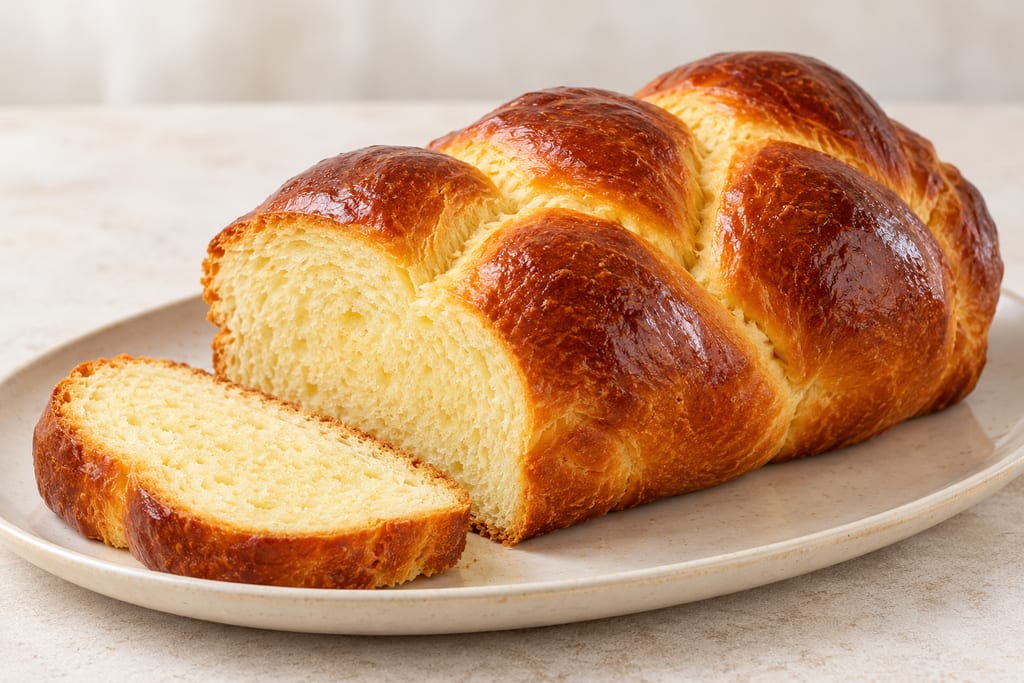
An egg-and-butter-rich yeast dough shaped as one round loaf, two loaves or twelve small brioches, with baking paths that vary by shape.
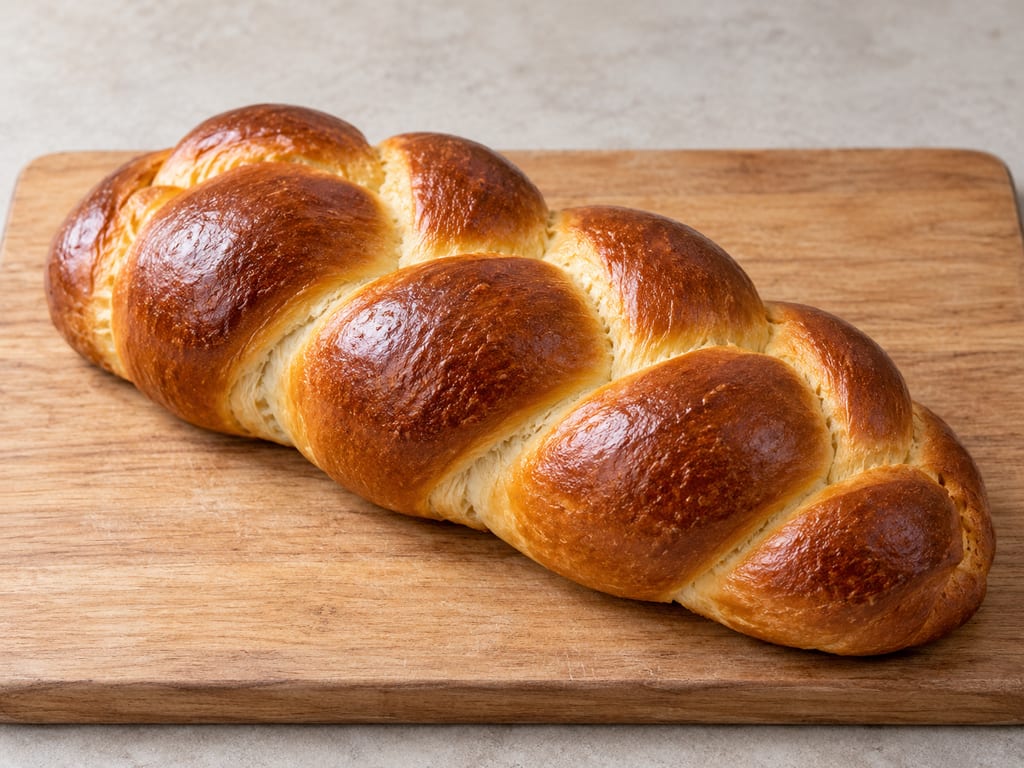
A three-strand yeast-raised challah with flour, salt, yeast, water, neutral oil, honey and egg, based on a Jewish Museum Vienna home recipe.
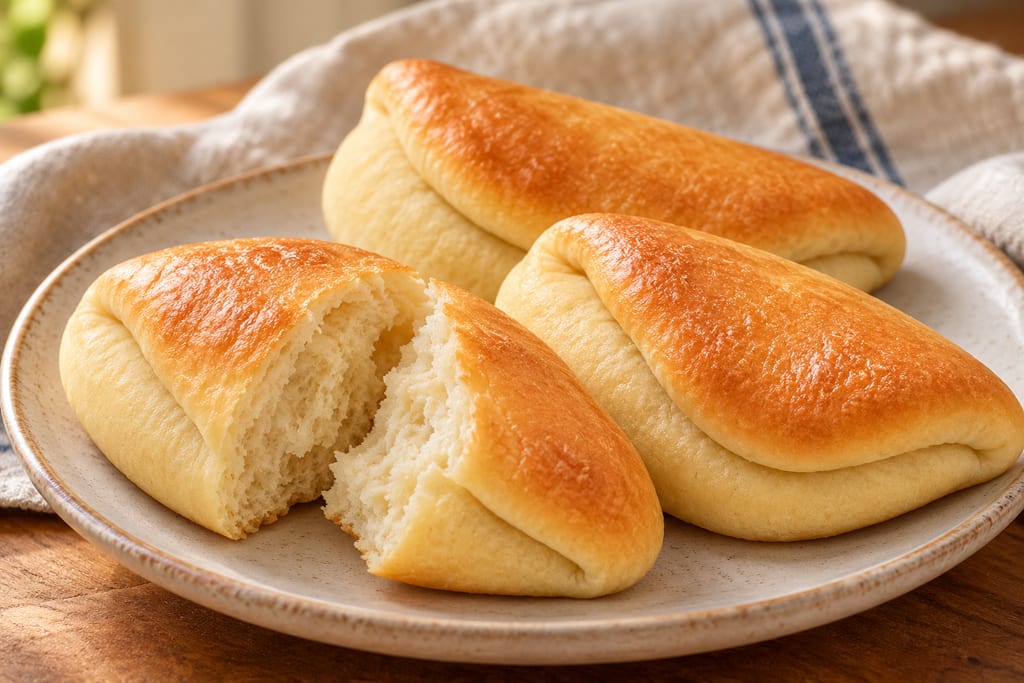
Jamaican-style folded rolls made from sweet coconut-milk yeast dough and brushed with butter.
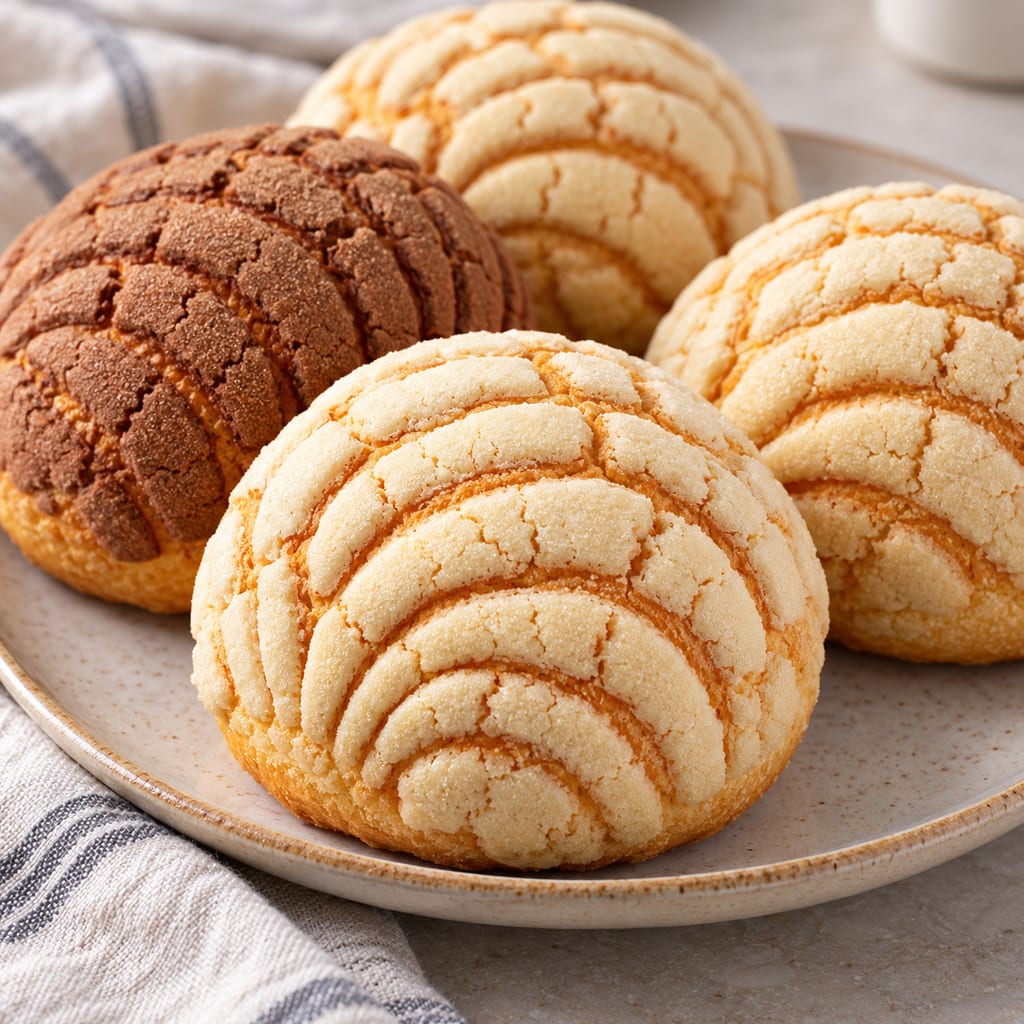
Mexican sweet rolls with a soft enriched yeast dough and a separate scored sugar-flour topping shaped like a shell. This version makes 15 rolls and uses a chilled dough rest before final proofing.
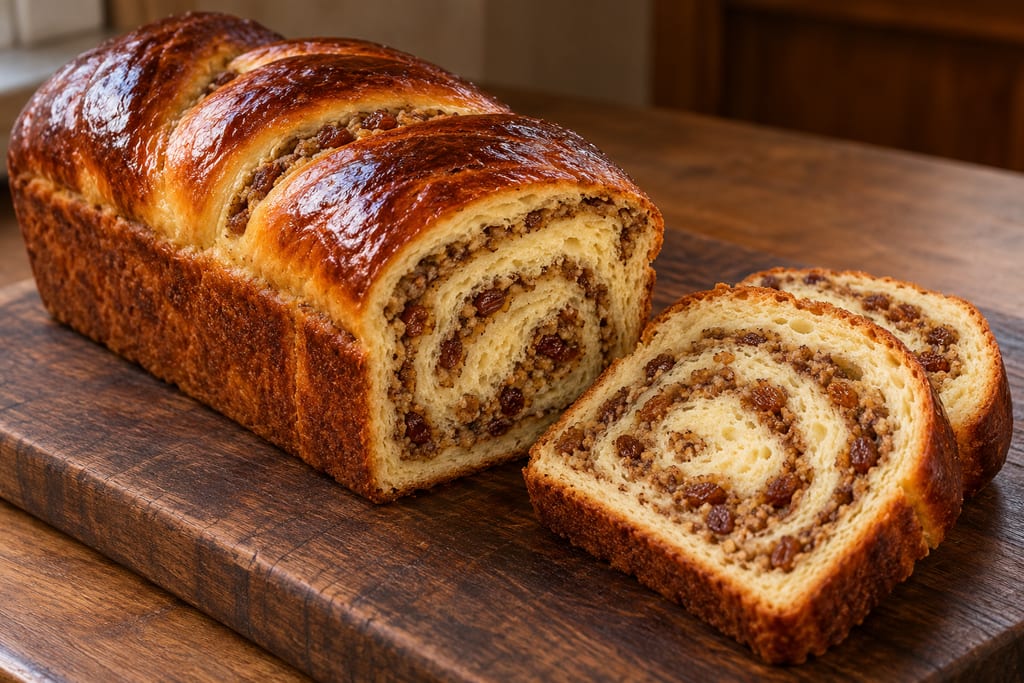
This Romanian cozonac recipe makes two enriched loaves filled with walnuts, sultanas and a whipped egg-white mixture. The dough rises once before filling and again in tins, then bakes in two oven stages.
No community contributions have been published for this entry yet.
Sign in to contribute. Published comments and photos are free to read.
PagkainPinoyInspiration · Recipe · Identity · Geography
Biscocho de Iloilo RecipeDirectly inspected 24–30 piece recipe using day-old bread, two oven stages, butter and sugar coating, optional milk powder and vanilla, and source crispness/storage advice.
Cited in: A Filipino bread transformation; Slice and dry the bread evenly; Apply a thin sweet coating; Bake again, then cool before sealing
CulturEd: Philippine Cultural Education OnlineIdentity · Geography · Historical context
Biskótso2015 cultural entry describes butter-and-sugar toasted bread, an optional garlic flavor, the Spanish bizcocho and Latin bis coctus name relationship, Iloilo as a prominent source, and widespread Philippine distribution. It is not an earliest attestation.
Cited in: A Filipino bread transformation