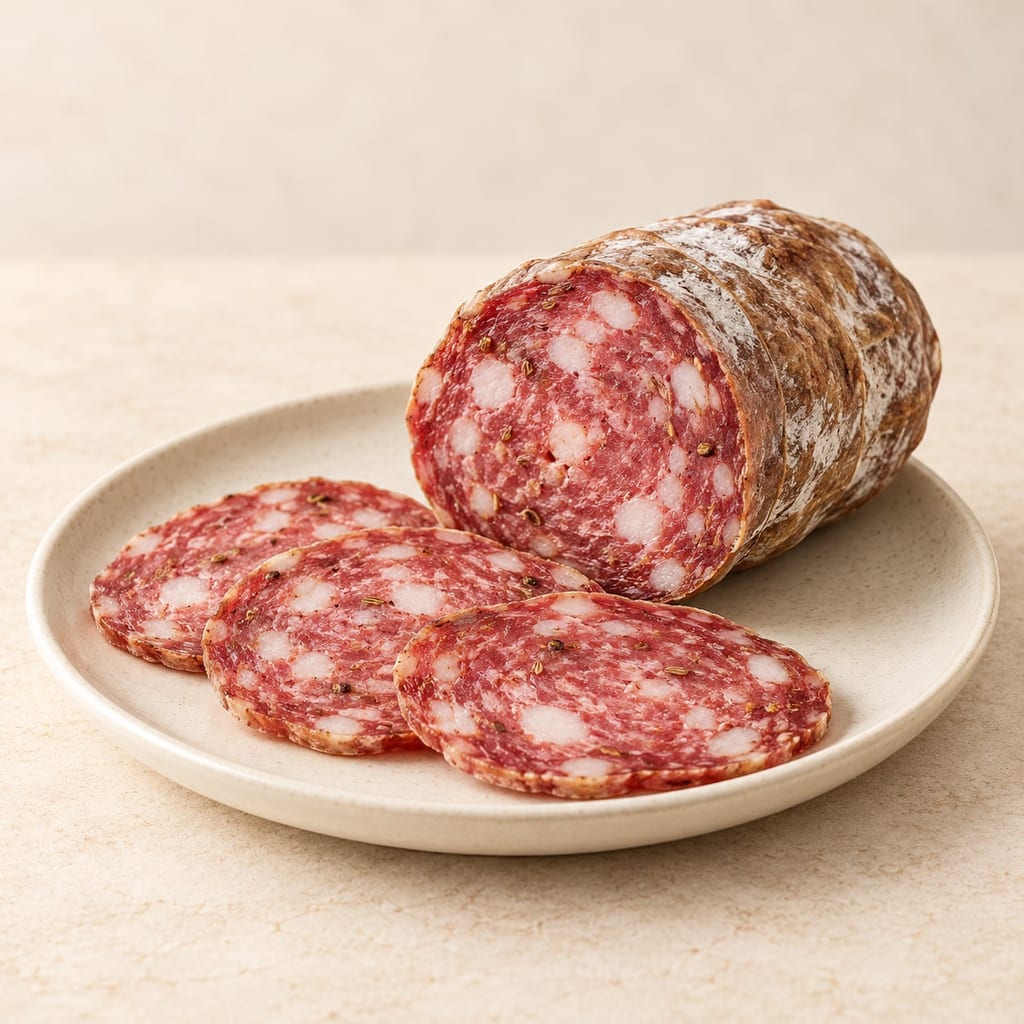
Finocchiona, starter-cultured
A Tuscan-style fennel salami made with pork and back fat. Toasted fennel, fennel pollen and Sambuca flavor this starter-cultured preparation.
 FermenteaWhere food goes to change
Substrates
Dry milk is a family of dairy ingredients made by removing most water from milk or cream. The name includes distinct whole, partly skimmed and nonfat powders; fat level, heat treatment and particle form determine handling and use.
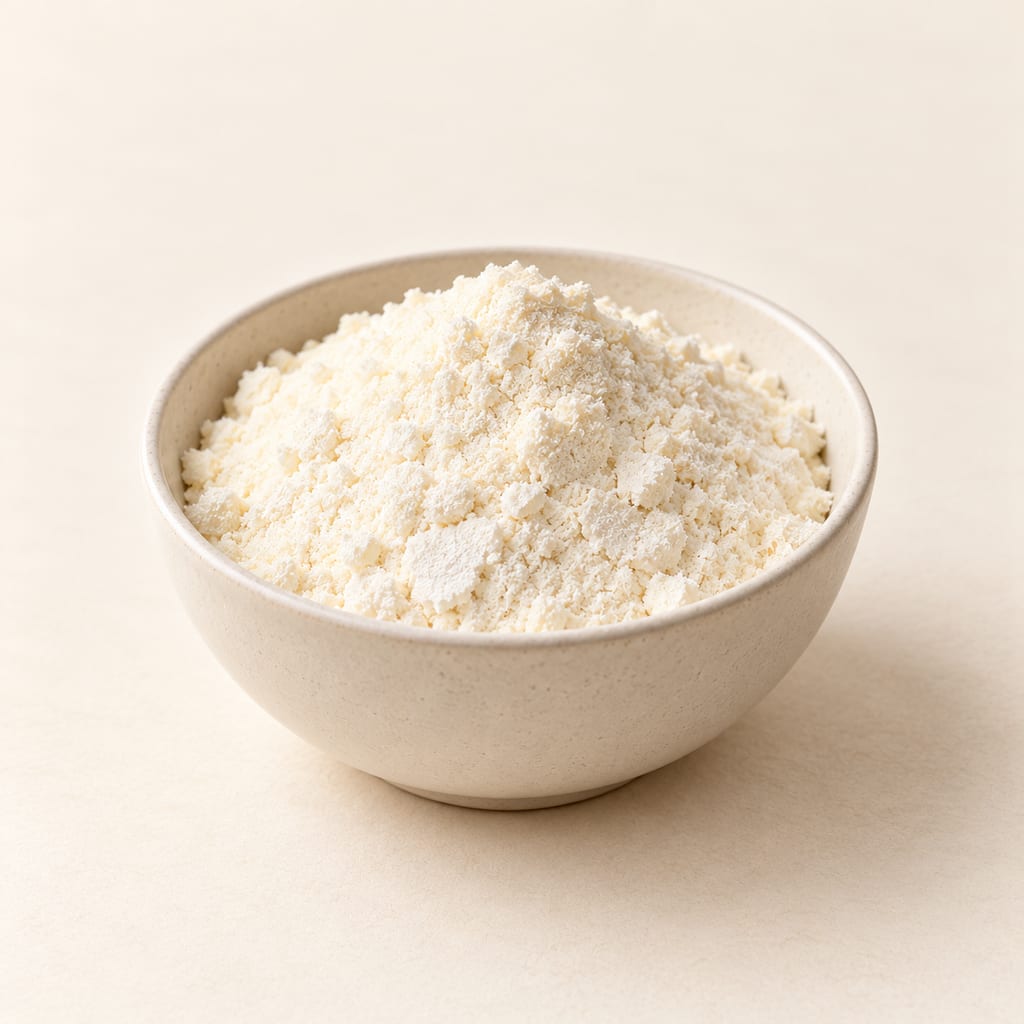
Milk powder is milk or cream from which most of the water has been removed, leaving a loose white or ivory powder, or sometimes granules. It can be stirred back into water for a milk-like drink, or measured directly into doughs, batters, sauces and other foods. The name covers several ingredients, not one uniform formula. A powder made from skim milk is lean and rich in milk solids other than fat; a whole-milk powder keeps much more milkfat and has a fuller, more fragile flavour. Powdered cream, buttermilk powder, whey powder and dairy-protein concentrates sit nearby on a shop shelf, but each has a different composition and function.
Drying is a preservation and transport technology. By taking away water, manufacturers make a product that is lighter to move and less hospitable to the growth of many microorganisms than liquid milk. Drying does not turn milk into a different species of food or remove its milk proteins and milk sugar. Nor is every powder a complete equivalent of fresh milk for every kitchen task: the fat level, heat treatment, particle structure, fortification and ability to wet or dissolve all affect what it does. Some packages are intended to reconstitute readily; a baker’s powder can instead be designed to disperse with flour and stay as a dry dough ingredient.
The broad English terms vary with place and label. “Milk powder” is common in British and international standards; “powdered milk” and “dry milk” are familiar in North American use. Hindi food-education materials use दूध पाउडर (dūdh pāuḍar, “milk powder”). French uses *lait en poudre*. These are umbrella names: a label still needs to tell the cook whether a product is whole, partly skimmed or skimmed/nonfat.
The history of milk powder needs careful boundaries. Drying milk became an industrial undertaking in the nineteenth century, as inventors sought portable dairy foods that could be manufactured, stored and sold. The record is clearer for those products than for any proposed ancient predecessor.
A contemporary 1858 medical journal described an English desiccated-milk powder and reported that it needed boiling water to mix; the article noted that it did not know the powder’s exact drying temperature. The account shows an early consumer-facing product and the limits of what contemporaries could establish. Its report of a commercial powder does not establish that its composition or process matches modern milk powder.
Gail Borden belongs in the story of concentrated and sweetened milk, not as the inventor of today’s dry milk. His 1856 U.S. patent concerned concentrating and preserving milk in a vacuum, and described milk concentration rather than a powder process. Samuel R. Percy’s 1872 U.S. patent set out the principle of atomizing liquid into fine particles and exposing them to air or gas so water evaporated. The patent applies to liquids generally; it does not claim to have built the modern milk spray dryer. In the twentieth century, instantization became another way to make powder wet and disperse more readily in water.
This sequence matters because “powdered milk” has not always meant the same thing. Early desiccated products varied in composition; later industrial processes made powders from whole or skim milk and refined how much heat, particle size and moisture the product received. U.S. standards for nonfat and dry whole milk specify pasteurized starting milk. The ingredient’s history is therefore one of changing technique: the aim remained portable milk, while the product became more consistent, easier to store and more adaptable to specific uses.
In the most common modern route, milk is pasteurized, sometimes standardized for fat or protein, concentrated by evaporation, and then dried. Spray drying turns the liquid concentrate into droplets with an atomizer. Hot, moving air removes water rapidly from those droplets; the resulting particles are separated from the air and collected. The powder is not simply milk left on a radiator: an industrial drying line controls concentration, heat exposure, droplet formation, moisture and collection to produce a target powder. Roller or drum drying is another route. A thin film of milk concentrate dries against heated rotating surfaces and is scraped off as flakes, which can be milled to powder. The different heat exposure can change flavour, colour, protein solubility and water binding.
The word “instant” usually points to particle engineering rather than a different dairy source. Small spray-dried particles can resist wetting and float or form lumps when poured into water. Agglomeration joins finer particles into larger, more porous clusters that water can enter more easily. Some instant powders also receive a surface treatment such as lecithin to improve wetting. This helps a cook who wants a smooth drink or sauce. Fine, non-instant powder can be better suited to blending uniformly with other dry ingredients, as in a bread dough. “Instant” is not the same as “instant milk beverage,” and it says nothing by itself about fat content.
Milk powders also differ in heat class. In skim powders, manufacturers may classify the starting milk by the heat applied before and during evaporation and drying. More heat denatures a larger share of whey proteins; that can reduce solubility while changing the powder’s water-binding and baking behavior. This is why industrial specifications distinguish low-, medium- and high-heat products, even when two packages both say nonfat dry milk. Those categories are useful to commercial formulators, but household recipes rarely tell a home baker the heat class. A cook should not infer heat class from color alone.
International Codex standards classify milk powder chiefly by milkfat. Skimmed milk powder has no more than 1.5% milkfat; partly skimmed milk powder has more than 1.5% but less than 26%; and whole milk powder has at least 26% but less than 42%. The standard also limits water to 5% and specifies a minimum milk-protein proportion in the milk solids-not-fat. U.S. law uses the names “nonfat dry milk” and “dry whole milk” and gives dry whole milk a narrower upper fat limit: at least 26% but less than 40%. The standards belong to their respective regulatory systems, so a reader comparing labels across countries should not assume that category boundaries or legal terms match exactly.
Nonfat dry milk is made by removing water from pasteurized skim milk; under U.S. identity rules it has no more than 5% moisture and, unless otherwise indicated, no more than 1.5% milkfat. It still contains lactose, milk proteins and minerals. “Nonfat” describes the fat level, not an absence of dairy solids or milk sugar. Depending on the product and country, a powder may be fortified with vitamins A or D, but fortification is not inherent in the generic name; check the ingredient and nutrition labels.
Dry whole milk retains the milkfat and the other milk constituents in the relative proportions described by U.S. standards. Codex permits compositional adjustment within its specification while preserving the whey-protein-to-casein ratio. The added fat makes whole powder richer in the cup and useful where a formulation needs dairy fat as well as milk solids. It is also more vulnerable to fat oxidation and rancid flavours during storage than nonfat powder. Skimmed milk powder and U.S. nonfat dry milk often perform similarly in ordinary kitchens, but standards and processing can differ; a cookbook should name the actual form it tested.
Dry milk contributes milk proteins, lactose, minerals and, in whole powder, milkfat without adding the water that reconstituted milk would bring. That makes it a convenient way to add dairy solids while a baker controls the dough’s water separately. The powder must still take up some of that water. In a flour dough, milk powder can change hydration and dough feel; the precise change depends on the amount, powder type and flour. Powder should be mixed evenly so concentrated pockets do not remain in the dough.
Lactose is the main milk sugar in ordinary dairy powders. It is a reducing sugar: under the heat of baking it can react with amino groups in proteins through the Maillard reaction, creating brown pigments and roasted, toasted flavours. The common baker’s yeast, *Saccharomyces cerevisiae*, does not naturally metabolize lactose; much of that sugar can therefore remain in a dough for browning, although other organisms in a mixed sourdough community may behave differently. This helps explain why milk-containing doughs can brown faster than lean doughs. The milk protein and minerals also add solids, while fat in whole powder can contribute tenderness and richness. A nonfat powder supplies little milkfat, so any tenderizing or keeping effects associated specifically with fat should not be attributed to it.
Dry milk also appears in King Arthur Baking's sourdough pretzels: 28 g of Baker's Special Dry Milk or nonfat dry milk joins water, flour, discarded starter and instant yeast in the dough. The pretzel formula asks for a cohesive, slightly sticky dough that rests briefly before shaping, quite unlike a poured batter. The powder adds milk solids within the stated water balance; it does not replace the yeast or starter. That example widens the ingredient's baking role beyond English muffins without implying that the two recipes need identical quantities or that every dry milk product will behave alike.
The sourdough English muffins that link to this ingredient illustrate the dry-powder role clearly. Their dough uses fed starter or discard, commercial yeast, water, flour, butter and salt. King Arthur Baking specifies 56 g of “Baker’s Special Dry Milk or nonfat dry milk,” mixed with the other dough ingredients; its listed water remains separate. Its own Baker’s Special product is described as extra-fine granules of nonfat dry milk and as a product that does not reconstitute. The recipe does not call for dry whole milk. That distinction should remain visible: the 56 g belongs to the stated Baker’s Special/nonfat option, and no whole-powder conversion is documented here.
Choose by the task. For dough, read the label for “nonfat dry milk,” “skimmed milk powder” or an explicitly named baking powder, and check whether it is instantized if the recipe calls for easy reconstitution. For a milk drink, instantized powder is often more convenient; whole milk powder gives a richer result, while nonfat powder produces a leaner one. For baking, the recipe’s specified powder and amount carry more weight than a general rule about swapping dairy forms. If the label says whey, buttermilk, protein concentrate, infant formula or a flavored beverage mix, it is a different product even if it is sold beside milk powder.
Use the package directions for preparation. King Arthur’s own Baker’s Special package gives directions for replacing liquid milk in other recipes and says the product will not reconstitute; that instruction is not a conversion formula for the sourdough-muffin dough. The muffin formula already supplies a separate amount of water and calls for powder in that dough. A reader should follow that specified formulation rather than assume whole powder, liquid milk or a sweetened milk drink can be dropped into the same line without changing water, fat or sugars.
Keep the powder dry, sealed and away from heat, moisture and strong light. Moisture can make powder cake and can create conditions for quality loss; oxygen, warm storage and the milkfat in whole powder can promote stale or oxidized flavours. Storage life varies by powder type, package and temperature. Utah State University’s extension guidance reports a wide range for nonfat dry milk across storage conditions and distinguishes those controlled results from a universal guarantee. Use the manufacturer’s date and handling directions; do not treat a long-term emergency-storage study as an opened-package rule for every brand. Once powder has been mixed with water, it is reconstituted milk and should be handled as a perishable dairy food according to the package’s instructions and local food-safety guidance.
Milk powder is not allergen-free because it is dry. Milk is a major food allergen in U.S. labeling law, and its proteins remain in the powder. Ordinary milk powders also contain lactose unless they have been specially processed and labeled otherwise. People with milk allergy must avoid it; lactose intolerance is a separate condition and should not be confused with milk-protein allergy. Keep the powder away from cross-contact with foods prepared for people who must avoid milk, and follow the product label and applicable food-safety directions when reconstituting or serving it.
Milk powder travels between pantry, bakery and factory in forms that reflect its job. A baker can add fine nonfat powder to a yeasted dough for milk solids and browning while separately measuring water. A household can reconstitute an instant powder for cooking or drinks. Food manufacturers use dairy powders in breads, confectionery, sauces, soups, frozen desserts and other products where protein, lactose, fat, flavour or solids are needed. Those applications use distinct dairy ingredients and processing grades; “milk powder” is a family name, not a guarantee of identical performance. The most useful choice begins with the label and ends with the recipe that was actually tested.
A London-published 1858 medical account described desiccated milk powder known in London; this is an attestation, not an origin claim.
A Tuscan-style fennel salami made with pork and back fat. Toasted fennel, fennel pollen and Sambuca flavor this starter-cultured preparation.
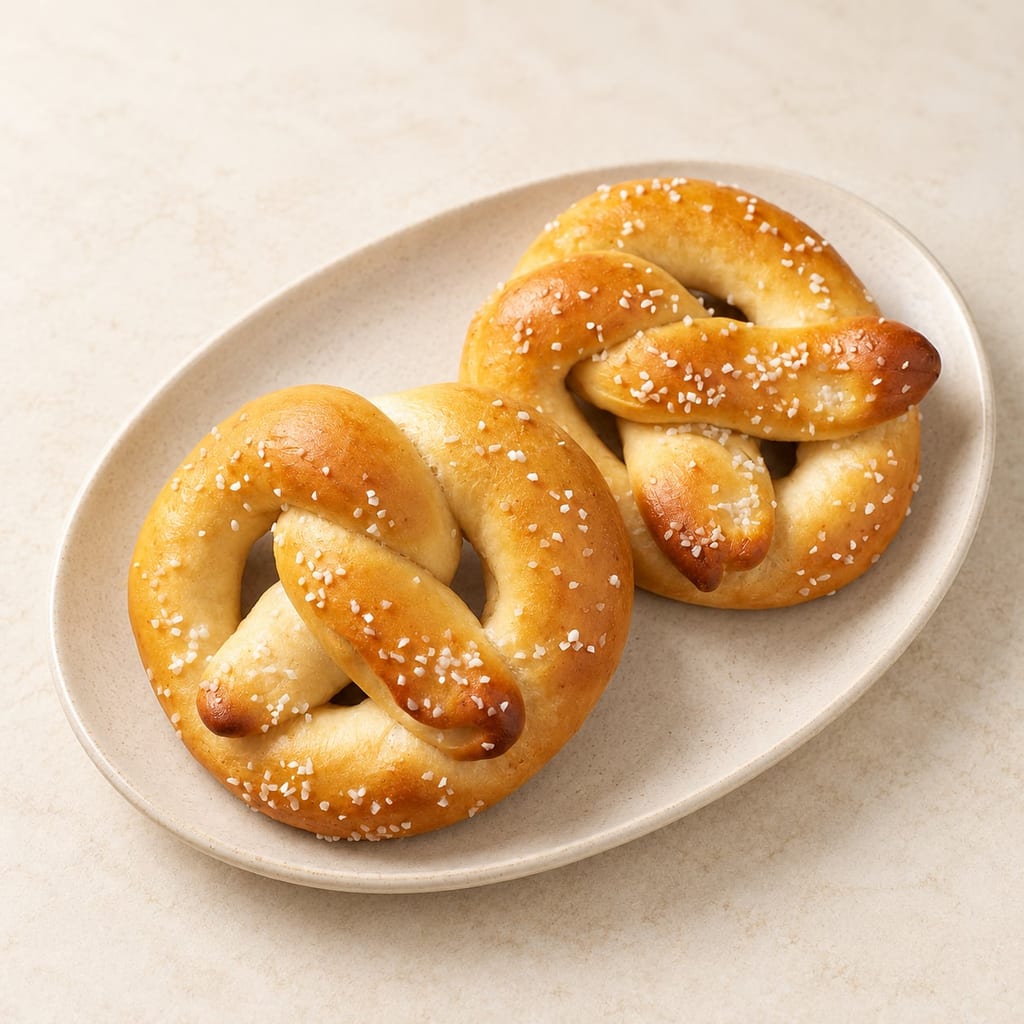
Unfed sourdough starter flavours a soft pretzel dough raised with instant yeast. After a short rest, the dough is shaped, brushed with a sweet wash, salted and baked without a final proof.
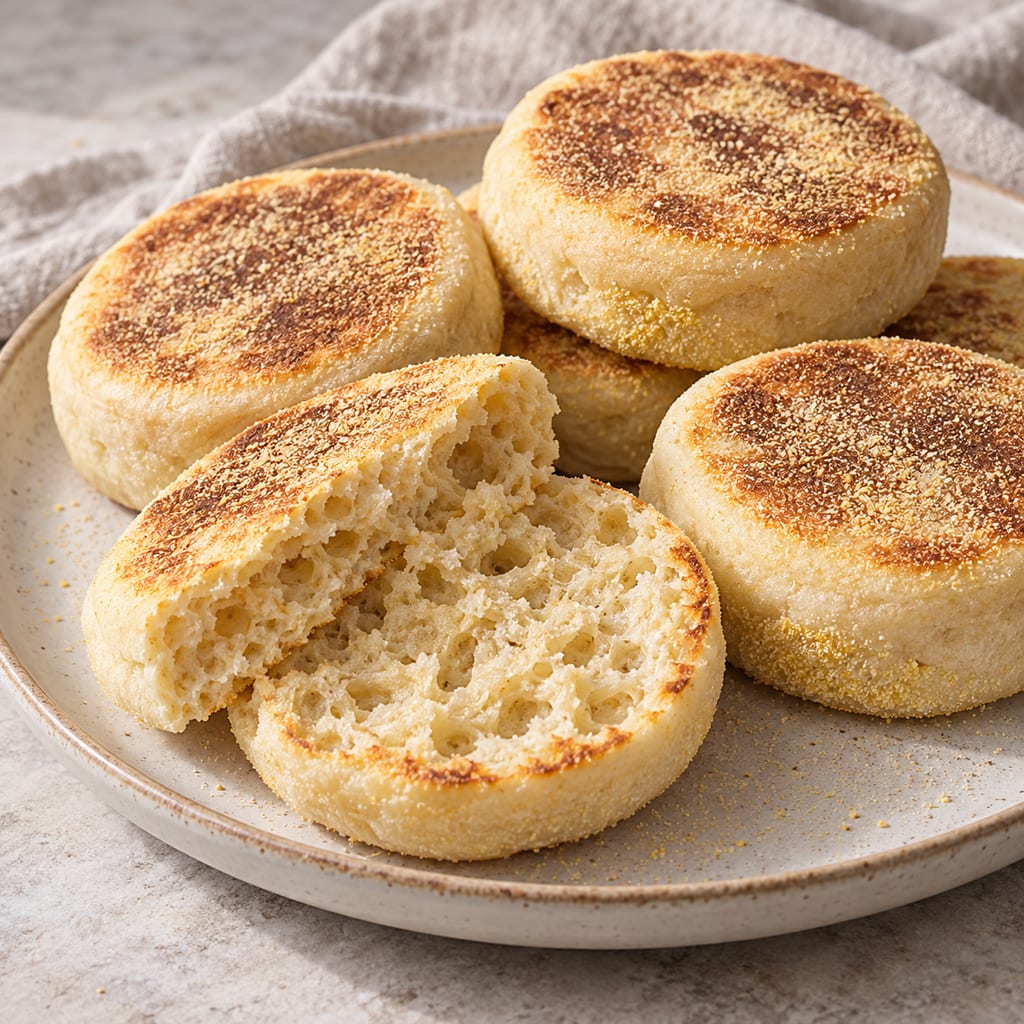
A soft English muffin dough combines sourdough starter with baker’s yeast, then rises, is cut into rounds and cooks on a griddle. The starter adds tang; the added yeast helps it rise.
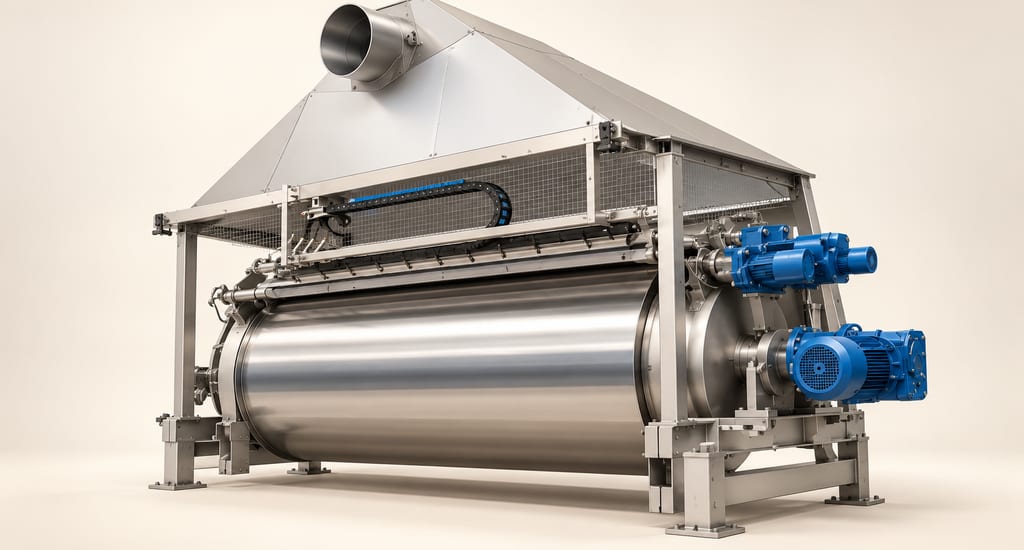
A drum dryer spreads pumpable wet food as a thin film over one or more internally heated rotating metal drums. A blade scrapes the dried layer off for flaking, milling or further blending.
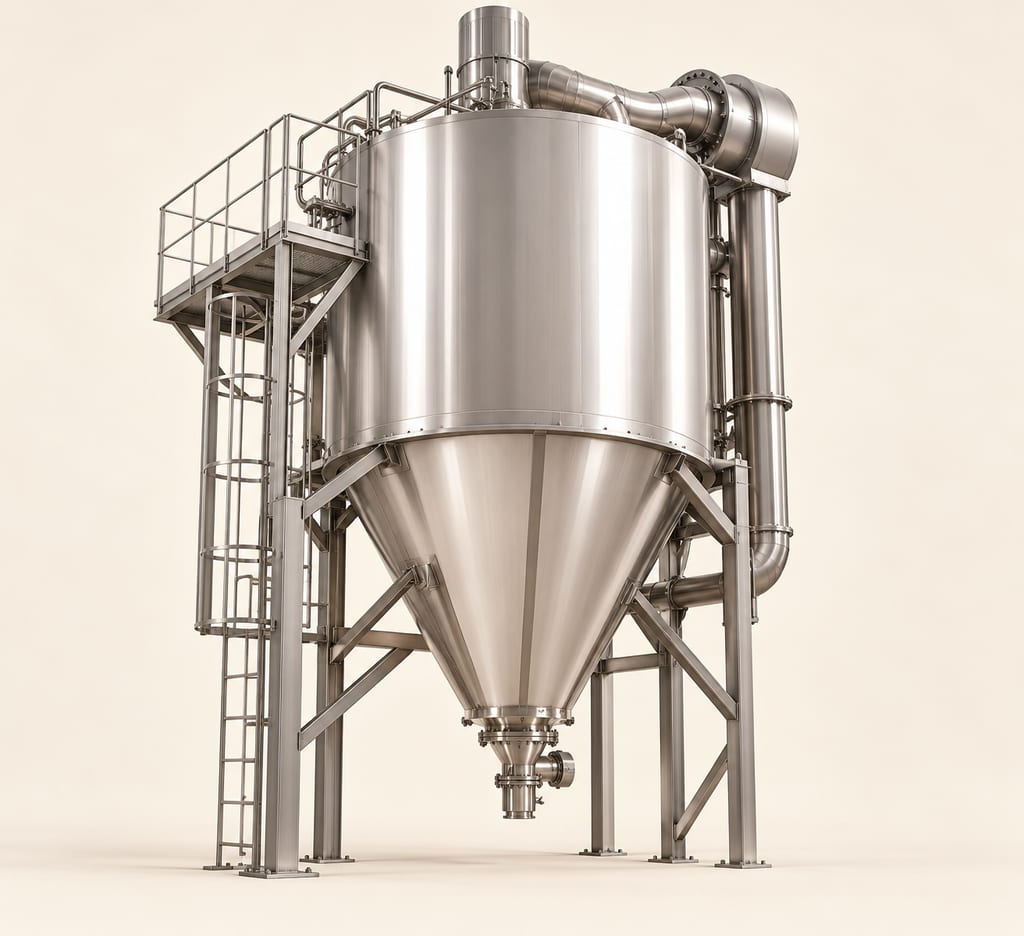
A spray dryer turns a pumpable liquid concentrate into powder by atomizing it into droplets that meet heated air in a drying chamber; the particles are then separated from the exhaust air.
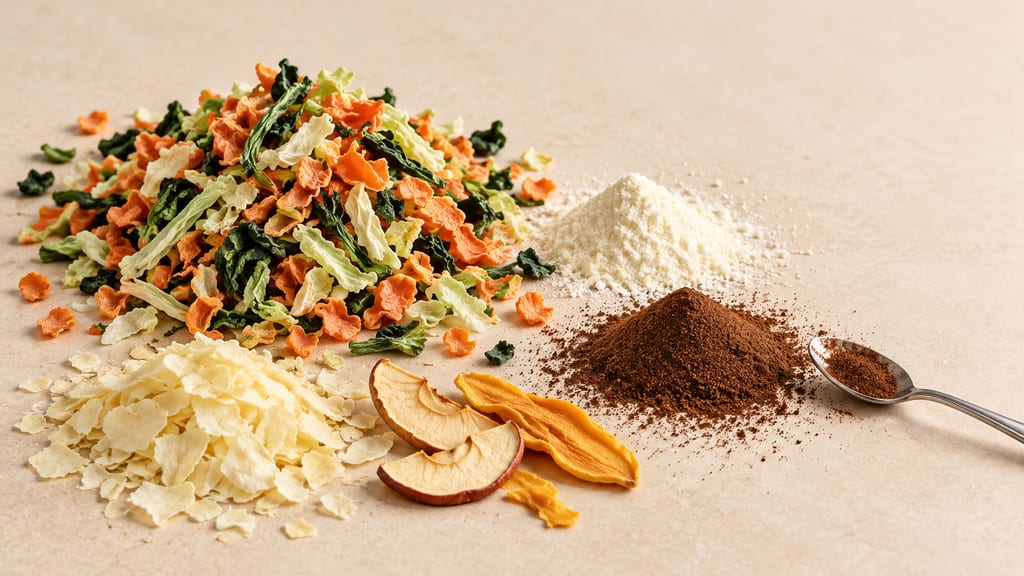
A milk droplet meets air at 150–300 °C and is dry within a fraction of a second. How tunnels, belts, drums and spray towers remove water, what the heat does to food, and what dry actually means.
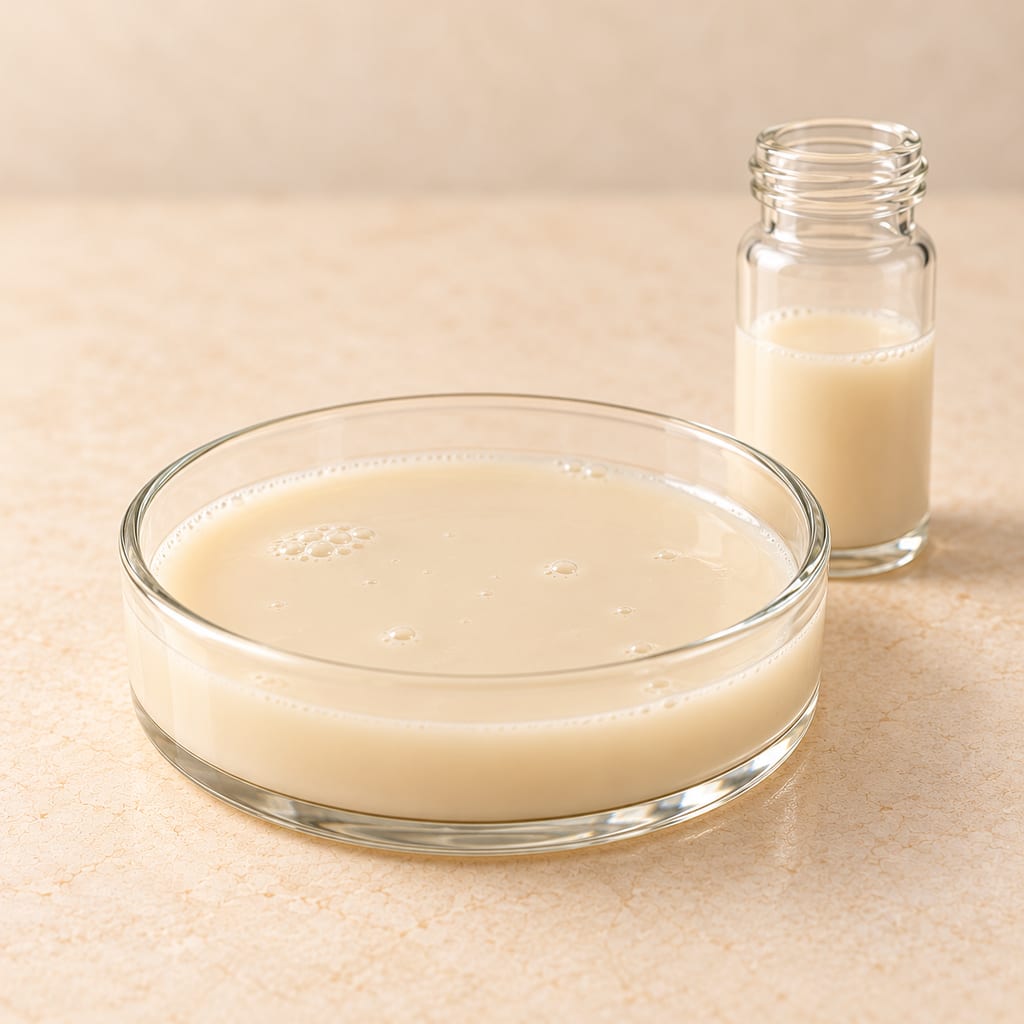
Brewer’s yeast is a working name for living cultures selected for brewing, not one strain or always one species. Ale and lager cultures differ, and older household books may use the term for foam or sediment from brewery beer.
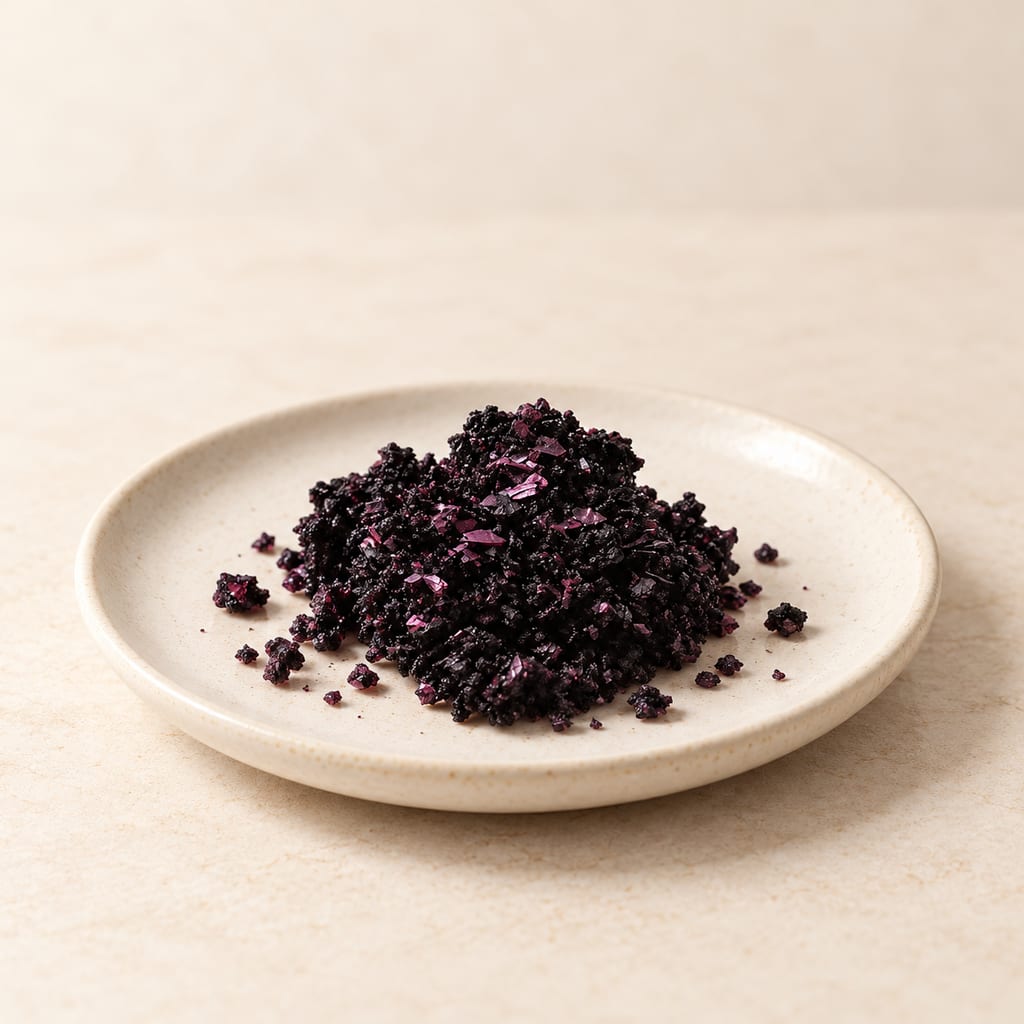
A mixed crystalline wine-vessel deposit, chiefly potassium hydrogen tartrate, used historically in wine recipes and recovered for refining into purer products.
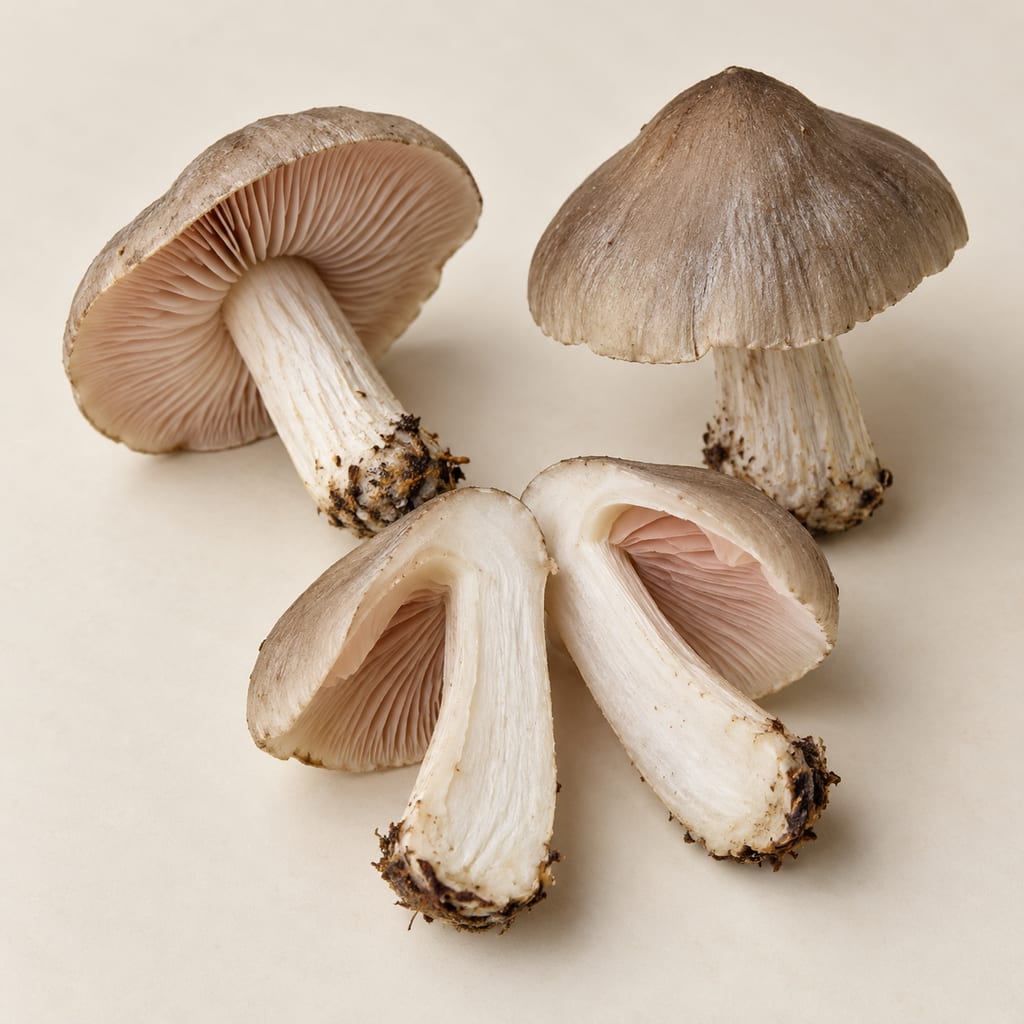
A woodland pinkgill reported as local food in Sikkim and parts of Italy, but difficult to identify and subject to strong regional warnings about confusion with toxic Entoloma species.
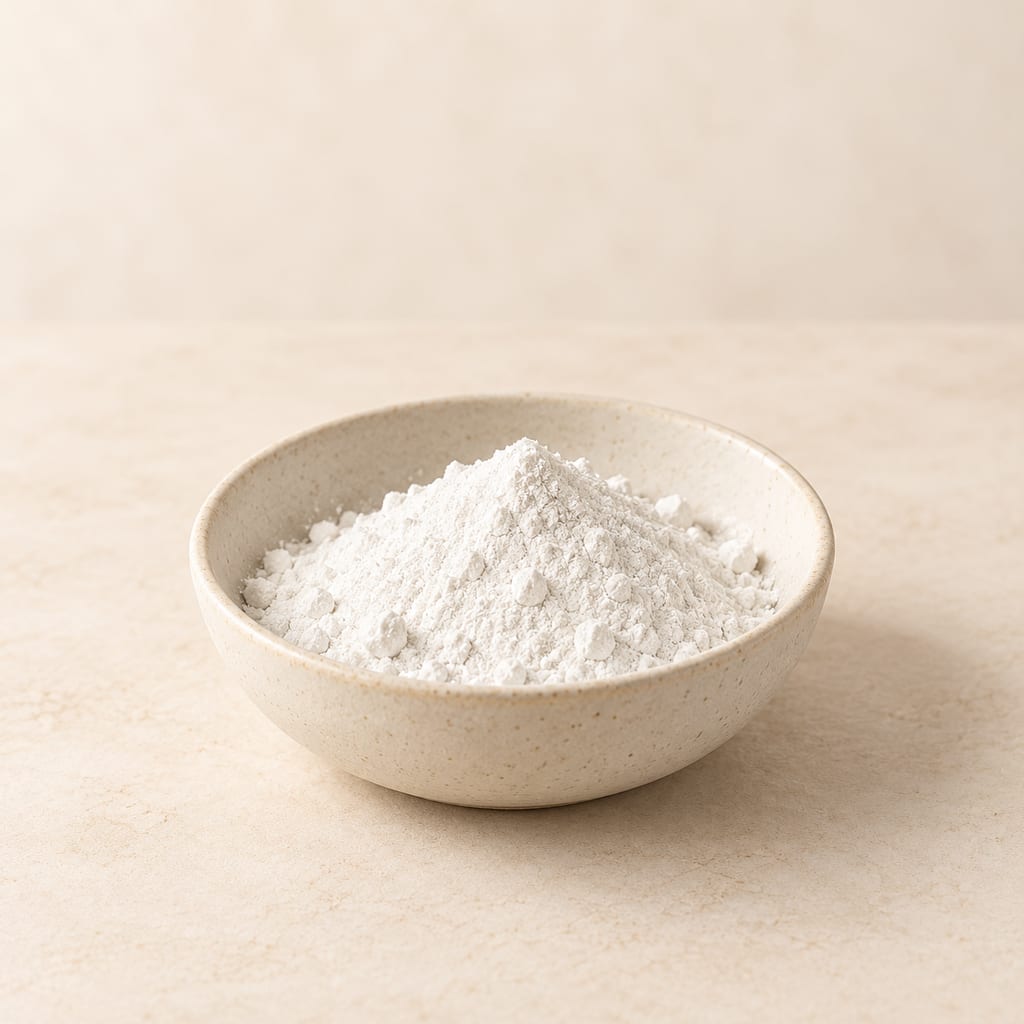
Gypsum is calcium sulfate dihydrate, a mineral salt that brewers dissolve in water for its calcium and sulfate and that tofu makers use to set soy curd.
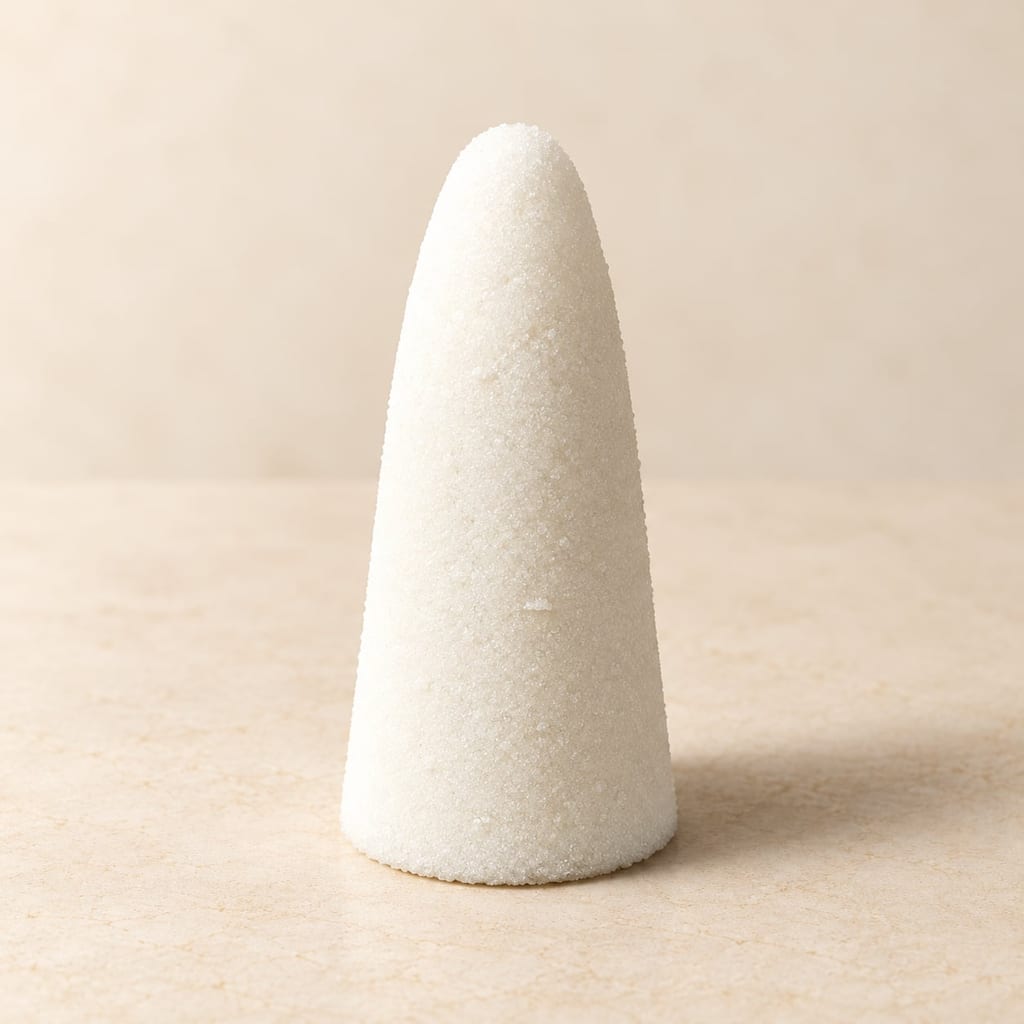
Refined sugar formed into a solid cone, historically cut or powdered for kitchen use and dissolved into wine liquor.
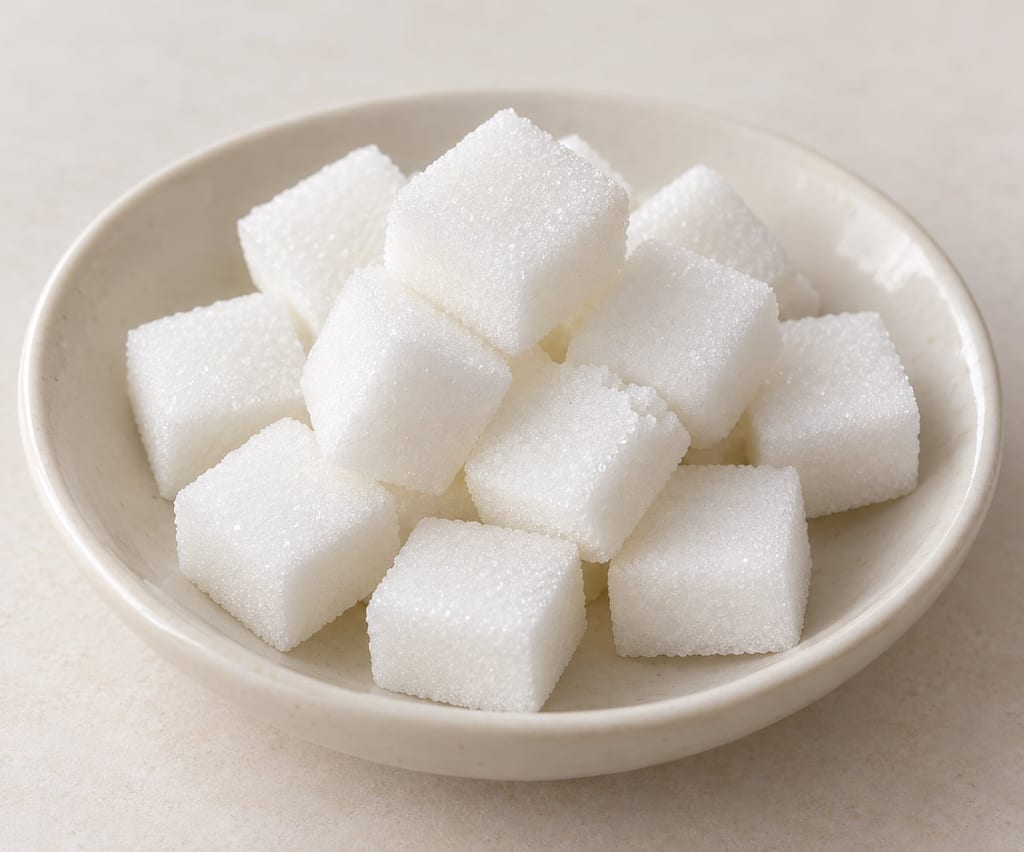
A historical refined-sugar form whose name has covered truncated cones and, in later usage, smaller pressed or cast pieces.
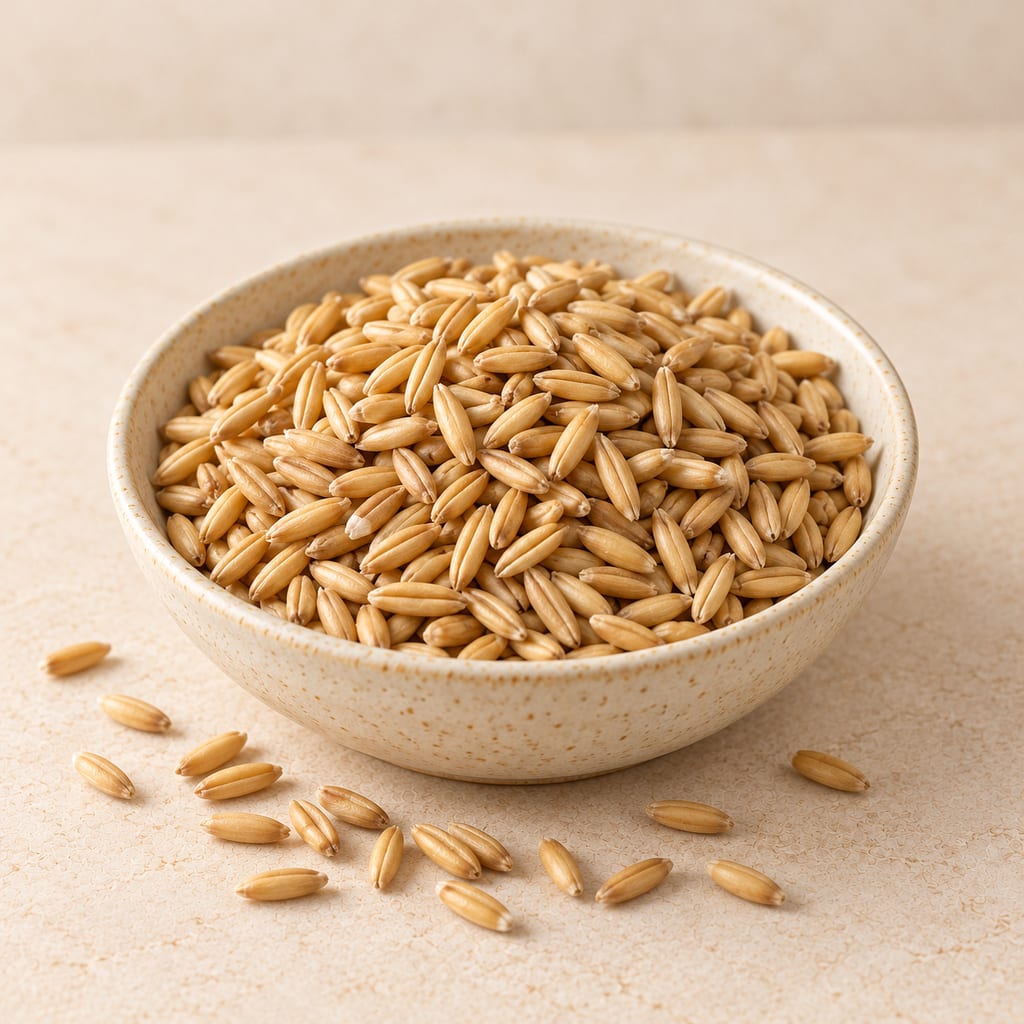
A cereal grain sold as groats, cut pieces, flakes, flour and malt. Oats shape porridge, bread and brewing differently as processing changes hydration, texture, starch, beta-glucan, protein and oil.
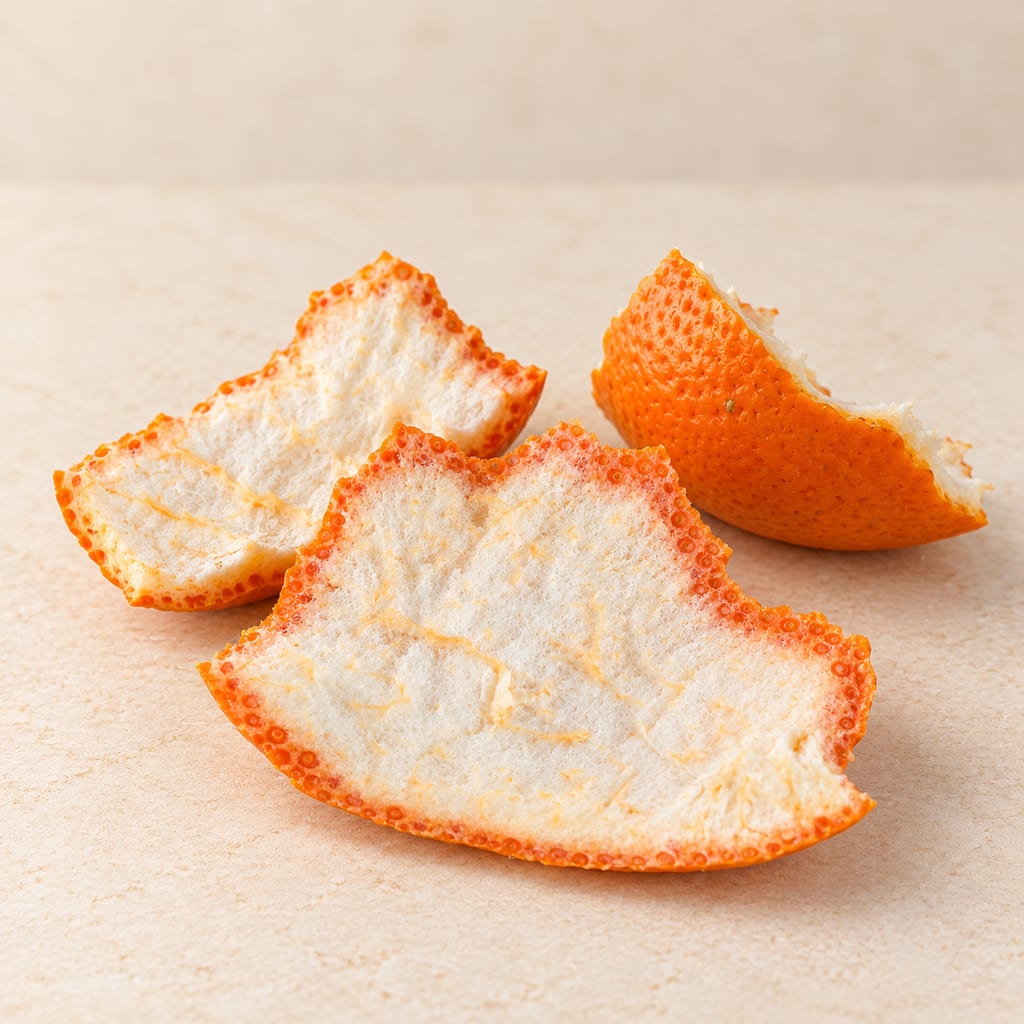
Orange rind retaining its white inner pith, combining aromatic outer peel with the body and pectin used in marmalade and other citrus preparations.

A Cap-Pelé boucanière is an Acadian herring-smoking building. The documented Willie Niles example is a one-storey wood-frame structure with a ridge smoke vent and interior bays for hanging fish-bearing cannes.

Achcharu is a family of Sri Lankan vinegar pickles made with mixed vegetables or seasonal fruit and a piquant spice dressing. This version is a quick, refrigerated, non-fermented mixed-vegetable pickle.

The acocote is a long, hollowed and dried gourd used to draw aguamiel from a mature maguey. It is a harvesting tool: the sap is transferred to a separate vessel before it ferments into pulque.

Adrak murabba preserves young ginger in sugar syrup, a sweet South Asian preparation recorded in Indian cookery and food-processing sources.

Parkia biglobosa seeds are fermented into regional West African seasonings, including nététou, iru, dawadawa and soumbala. The yellow fruit pulp is a separate food, and names and methods vary by place.

Japanese reddish-brown vinegar from sake lees matured about three years, turned to vinegar by acetic bacteria; the vinegar of Handa and Edomae sushi rice.

A refined common-wheat flour blended for a broad range of baking; its protein and behavior vary with wheat, milling and market.

The almond mushroom, Agaricus subrufescens, was cultivated in eastern North America in the 1800s, lost its market, and returned as a cultivated mushroom from Brazil, where it is grown under several names.
No community contributions have been published for this entry yet.
Sign in to contribute. Published comments and photos are free to read.
FAO/WHO Codex Alimentarius Commission
Standard for Milk Powders and Cream Powder (CXS 207-1999)definition and composition of milk powders
Codex fat classes and moisture/protein limits
Cited in: Milk made portable; Whole, partly skimmed and nonfat are not synonyms
U.S. Food and Drug Administration / eCFR
21 CFR §131.125, Nonfat dry milkpasteurized skim milk identity
5% moisture and 1.5% fat limits
Cited in: Milk made portable; Whole, partly skimmed and nonfat are not synonyms
U.S. Food and Drug Administration / eCFR
21 CFR §131.147, Dry whole milkwhole milk powder identity
26% to under 40% fat; moisture limit
Cited in: Milk made portable; Whole, partly skimmed and nonfat are not synonyms
USDA Agricultural Marketing Service
Nonfat Dry Milk (Spray Process) Grades and Standardsnonfat dry milk identity and limits
Cited in: Milk made portable; Whole, partly skimmed and nonfat are not synonyms
Delhi Directorate of Education / CBSE
Food Production: Class IX, 2024–25 (Hindi vocational skill-support material)Hindi term दूध पाउडर
Cited in: Milk made portable
Office québécois de la langue française
Lait en poudreFrench term lait en poudre
Cited in: Milk made portable
C. H. F. Routh; T. Richards, London (reprinted from the British Medical Journal)
On the Mortality of Infants in Foundling Institutions, and Generally, as Influenced by the Absence of Breast Milkcommercial desiccated milk description
boiling-water mixing and uncertainty about drying temperature
Cited in: From early desiccation to the spray dryer
U.S. Patent Office via Google Patents
Improvement in Concentration of Milk, U.S. Patent 15,553Borden patent covers milk concentration, distinguishing it from powder
Cited in: From early desiccation to the spray dryer
U.S. Patent Office via Google Patents
Improvement in Drying and Concentrating Liquid Substances by Atomizing, U.S. Patent 125,406atomization of liquid substances; not a milk-specific claim
Cited in: From early desiccation to the spray dryer
Mljekarstvo 53(4), 293–307 (2003)
Retrospective of concentrated and dried dairy products developmentindustrial development; instantization date as historical review
Cited in: From early desiccation to the spray dryer
Tetra Pak
Milk and whey powdered ingredients, Dairy Processing Handbook chapter 19spray and roller drying
agglomeration and instant powders
heat classes, applications, storage
Cited in: Milk made portable; How liquid milk becomes powder; What milk solids do in a dough; Buying, keeping and using it
Wiley
Handbook of Drying for Dairy Products, chapter 5: Spray Dryingspray drying technical context
Cited in: How liquid milk becomes powder
Journal of Food Engineering
Atomisation technologies used in spray drying in the dairy industry: A reviewatomization and spray-drying overview
Cited in: How liquid milk becomes powder
U.S. Dairy Export Council
Milk Powder Reference Manual Completepowder forms, use and handling
Cited in: How liquid milk becomes powder; Buying, keeping and using it
American Society of Baking
Milkmilk solids and baking effects
Cited in: What milk solids do in a dough
BCcampus Open Education
Understanding Ingredients for the Canadian Baker, chapter: Milk in Bread Bakinggeneral milk effects in bread baking
Cited in: What milk solids do in a dough
Journal of Dairy Science
Lactose in dairy ingredients: Effect on processing and storage stabilitylactose as reducing sugar and its storage effects
Cited in: What milk solids do in a dough
King Arthur Baking Company
Sourdough English Muffins56 g Baker’s Special Dry Milk or nonfat dry milk; water separately listed
Cited in: What milk solids do in a dough
King Arthur Baking Company
Baker’s Special Dry Milk and package directionsextra-fine nonfat dry milk; product does not reconstitute
package-specific replacement directions
Cited in: What milk solids do in a dough
Utah State University Extension
Storing Dried Milkstorage variability by conditions
Cited in: Buying, keeping and using it
U.S. Food and Drug Administration
Food Allergies: What You Need to Knowmilk is major allergen; allergen labeling
Cited in: Buying, keeping and using it
Lucília Domingues, Pedro M. R. Guimarães and Carla Oliveira, Bioengineered Bugs 1(3):164–171 (2010)
Metabolic engineering of Saccharomyces cerevisiae for lactose/whey fermentationordinary S. cerevisiae does not naturally metabolize lactose
Cited in: What milk solids do in a dough
USDA Farm Service Agency, Kansas City Commodity Office
Announcement IMP-1: Processing of CCC-Owned Nonfat Dry Milk into Fortified Instant Nonfat Dry Milkreconstituted commodity milk refrigerated and handled as fresh milk
Cited in: Buying, keeping and using it
King Arthur Baking CompanyExact linked recipe
Sourdough PretzelsIngredient list gives 28 g Baker's Special Dry Milk or nonfat dry milk, with separate water, sourdough discard and instant yeast.
Cited in: What milk solids do in a dough