
Masi ‘ulu (Samoan fermented breadfruit)
Masi ʻulu is a Samoan breadfruit paste fermented in a leaf-lined pit, kneaded, formed into loaves, wrapped in leaves and baked. A secondary FAO account describes the method; no household batch is established.
 FermenteaWhere food goes to change
Modern adaptation
Pani popo · Panipopo · Pani popo buns · Samoan coconut buns
Soft yeast rolls bake beneath sweet coconut sauce in this Polynesian Cultural Center adaptation of a wheat-bread recipe, which yields twelve buns for a shared tray.
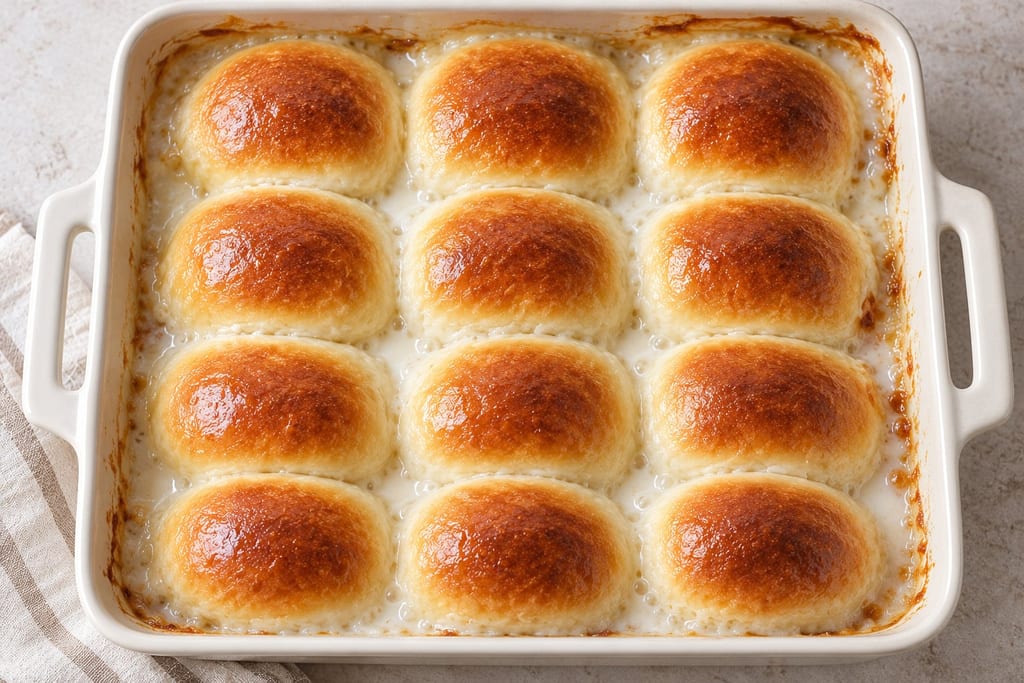
The Polynesian Cultural Center presents pani popo as a Samoan favorite: yeast bread paired with sweetened coconut milk. Its recipe is adapted slightly from King Arthur Flour and pours the thickened sauce over the risen rolls immediately before baking. The center notes that some versions place the rolls into sauce earlier and that cooks also use ready-made frozen rolls; this page follows the from-scratch wheat dough it publishes.
The batch makes twelve buns in a 9 × 13 inch pan. The center doubles the sauce amount compared with its base recipe, so the coconut glaze surrounds and coats the rolls. That feature belongs to this particular published version and should not be read as a single standard for all pani popo.
The dough contains all-purpose flour, sugar, milk powder, instant yeast, water, eggs, butter, salt and vanilla. It rises once until nearly doubled, then again after it is portioned into twelve buns. The second rise overlaps with heating the oven and cooking the sauce. The page gives room-temperature rising guidance but no numerical proofing temperature, and says the first rise may take longer after hand-kneading.
The sauce combines coconut milk, sugar, cornstarch and salt. Stir it constantly over medium-high heat until it thickens slightly. The instructions reserve about a quarter to pour over the hot baked buns; the remaining sauce is applied before they enter the oven.
The source gives golden tops and a 190°F internal reading as the baking endpoint. After baking, it directs the cook to pour over the reserved sauce. Once cool, the buns are wrapped airtight and refrigerated; the page gives no storage duration. It suggests warming one bun in a microwave for 30 seconds at half power.
The Polynesian Cultural Center identifies Samoa as the dish's cultural association, but this recipe is adapted from a U.S. flour company's formula and is not evidence of one universal Samoan dough or sauce. Its measurements, proofing times and sauce ratio are retained as that site's version.
The Polynesian Cultural Center identifies pani popo as a Samoan coconut bun and describes its version as adapted slightly from King Arthur Flour. The dough is wheat-based and the center doubles the coconut-sauce quantity for extra glaze. This is one published contemporary version; other pani popo methods use different doughs or put the rolls directly into sauce. The page does not date the first attestation or establish that one formula is universal.
Yield 12 buns · Scaling: source batch only
The dough contains uncooked flour and eggs before baking; these ingredients can carry harmful germs.
Hazard sourceThe rolls contain milk powder, eggs and butter, and are topped with coconut sauce; the source says to refrigerate them after cooling but gives no time limit.
Hazard sourceDo not taste raw dough. Bake the buns as directed and wash hands, utensils and surfaces after handling flour or eggs.
Control sourceAfter cooling, refrigerate the buns within 2 hours of baking, or within 1 hour if the air is above 90°F (32°C); keep the refrigerator at or below 40°F (4°C). This is general FDA perishable-food guidance, not a product-specific shelf-life validation.
Control sourceThe source says to refrigerate the cooled buns but gives no storage duration.
Do not taste raw dough; bake it before eating.
The Polynesian Cultural Center identifies pani popo as Samoan. Its published batch is adapted from a King Arthur Flour recipe; this country-level association does not make the formula universal.
Masi ʻulu is a Samoan breadfruit paste fermented in a leaf-lined pit, kneaded, formed into loaves, wrapped in leaves and baked. A secondary FAO account describes the method; no household batch is established.
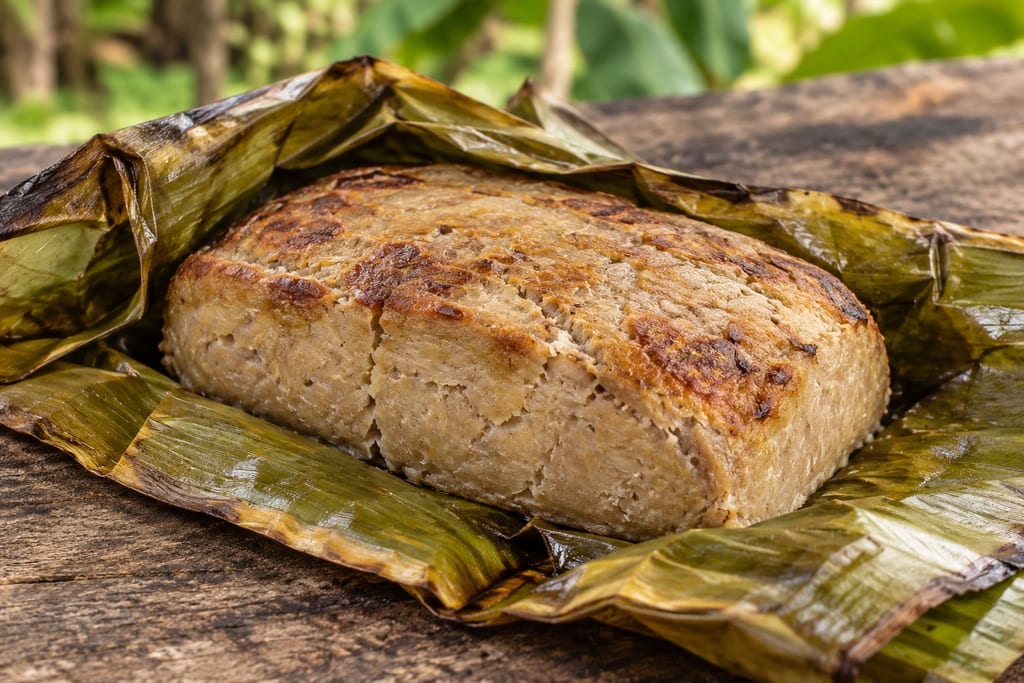
Masi fa‘i is a Western Samoan paste made by fermenting unripe banana in leaf-lined pits, later formed into loaves and baked. A secondary FAO account describes the method; no modern household batch is established.
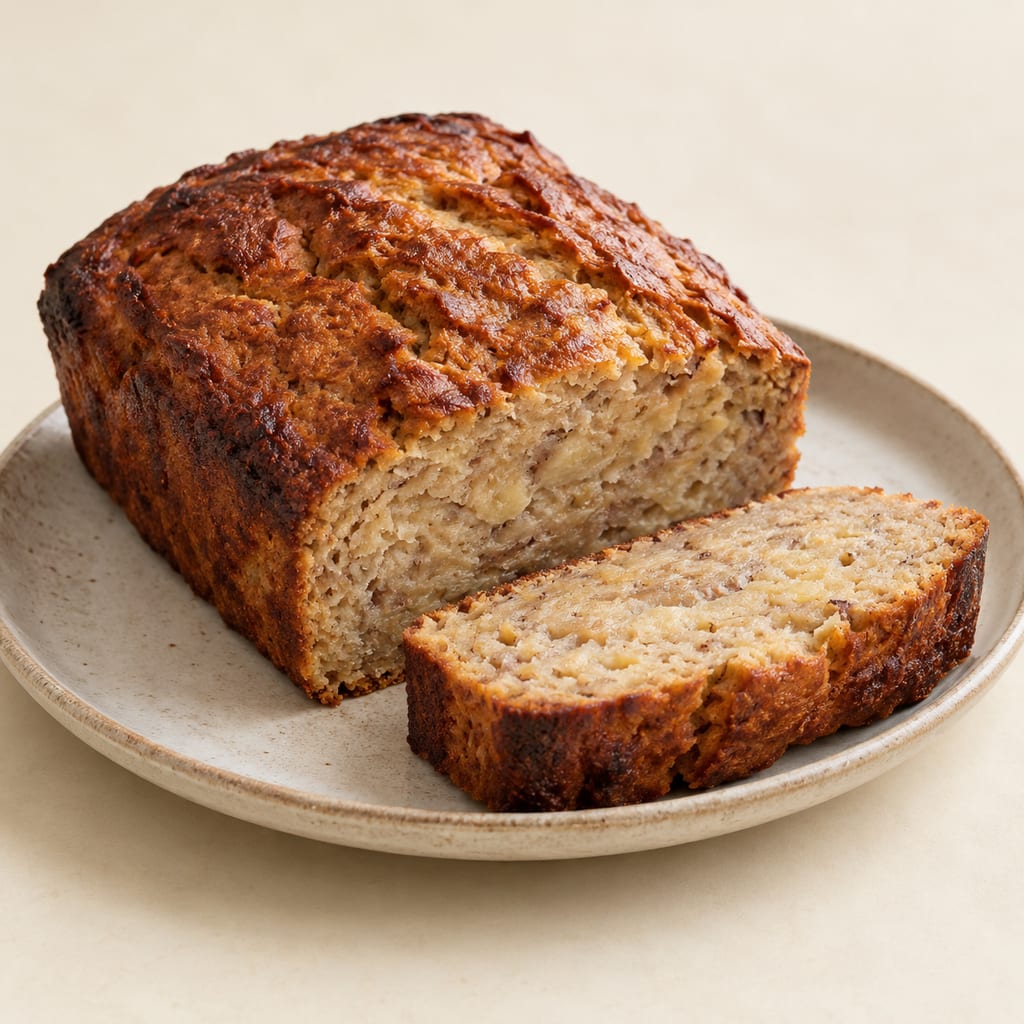
Masi faʻi is a Western Samoan food of unripe bananas preserved in a leaf-lined pit, later made into loaves and baked. The FAO account gives no storage conditions or validated process.
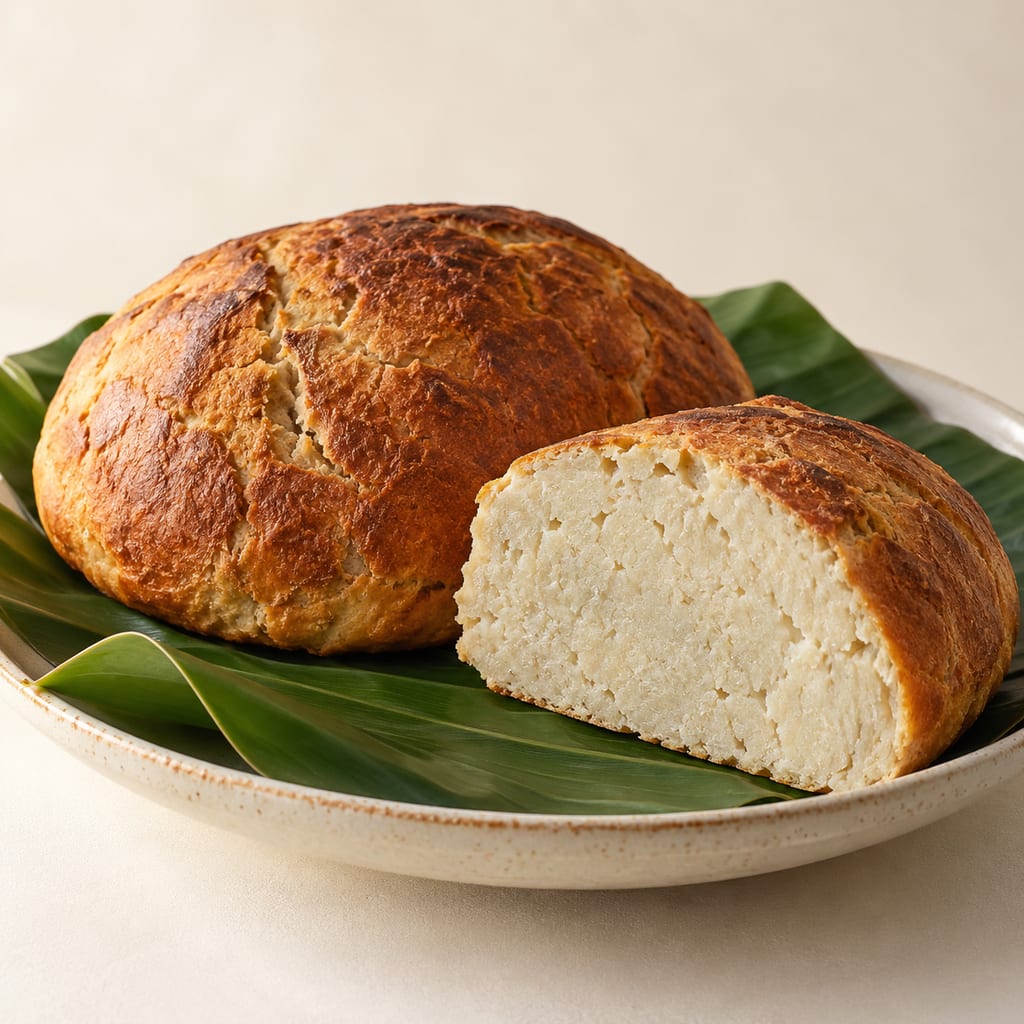
Samoan breadfruit masi is a preserved breadfruit paste kept in a leaf-lined pit, then kneaded, shaped into loaves and baked. FAO describes it at Western Samoa scale only.
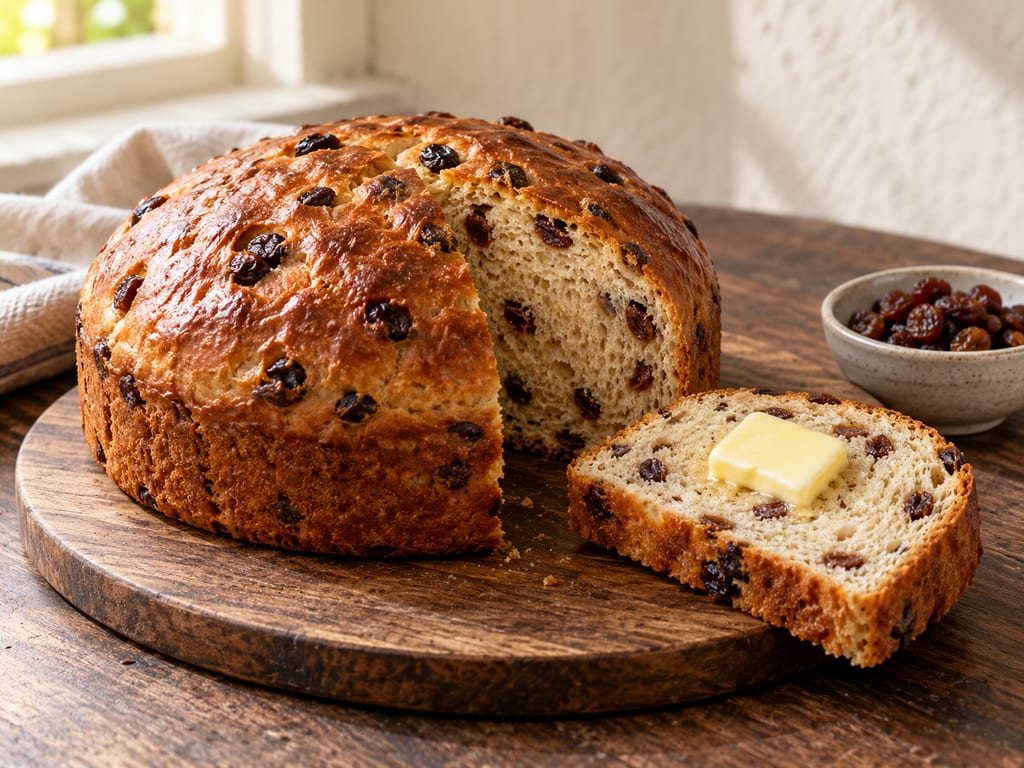
An Irish fruit-studded yeast loaf, associated in a contemporary cultural account with Halloween and often served fresh or toasted with butter.
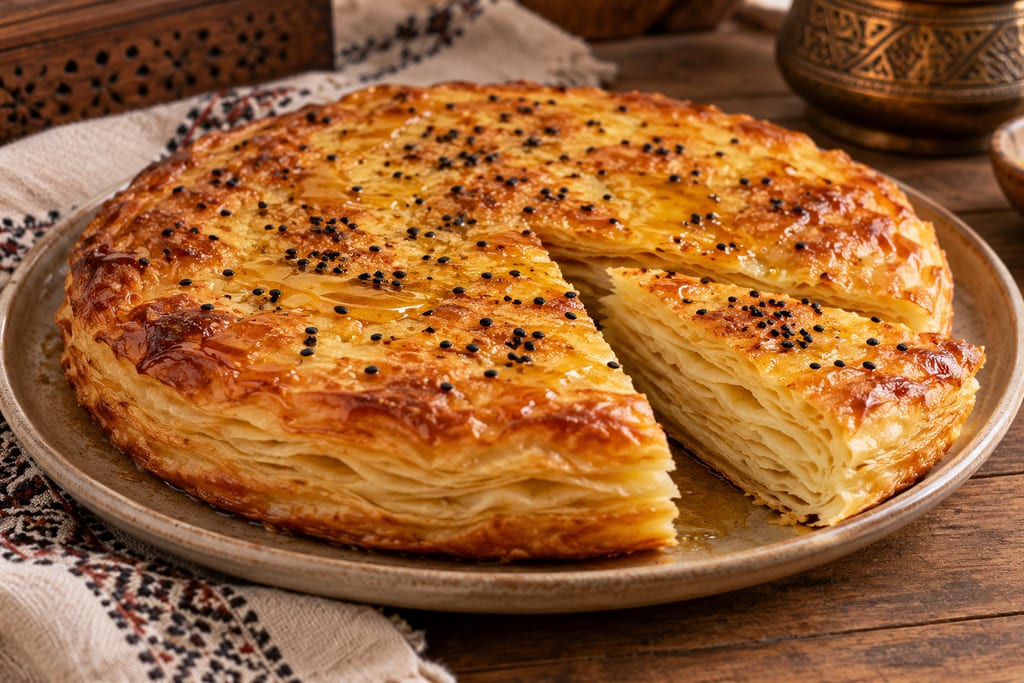
Bint al-sahn is a Yemeni celebration and home bread built from thin, egg-rich yeast dough layers brushed with ghee or butter. This source-specific version makes one round cake, baked until golden and served warm with honey.
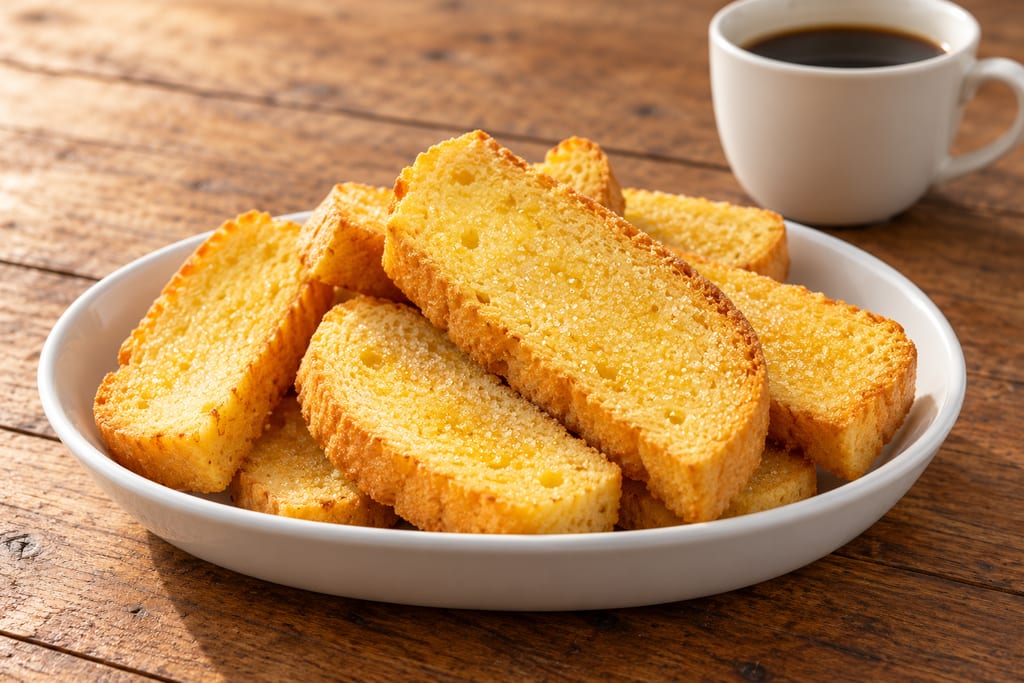
PagkainPinoy’s 24–30 piece version twice-bakes day-old soft bread with a thin butter-and-sugar coating.
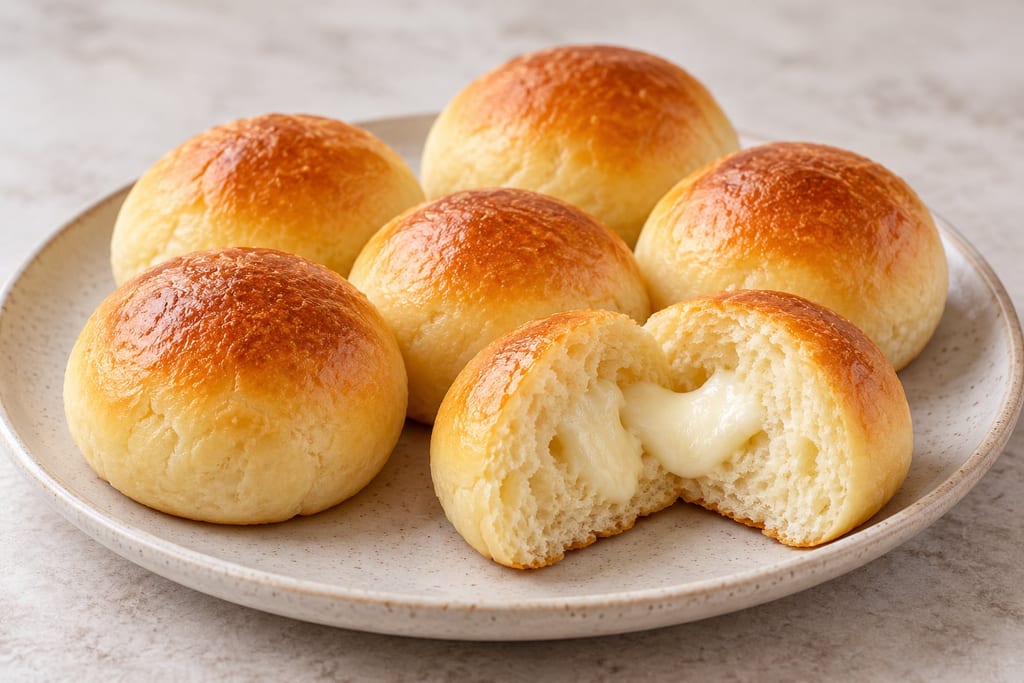
Soft Brazilian yeast rolls use cooked mashed potato in an enriched dough, with mozzarella cubes enclosed before baking.
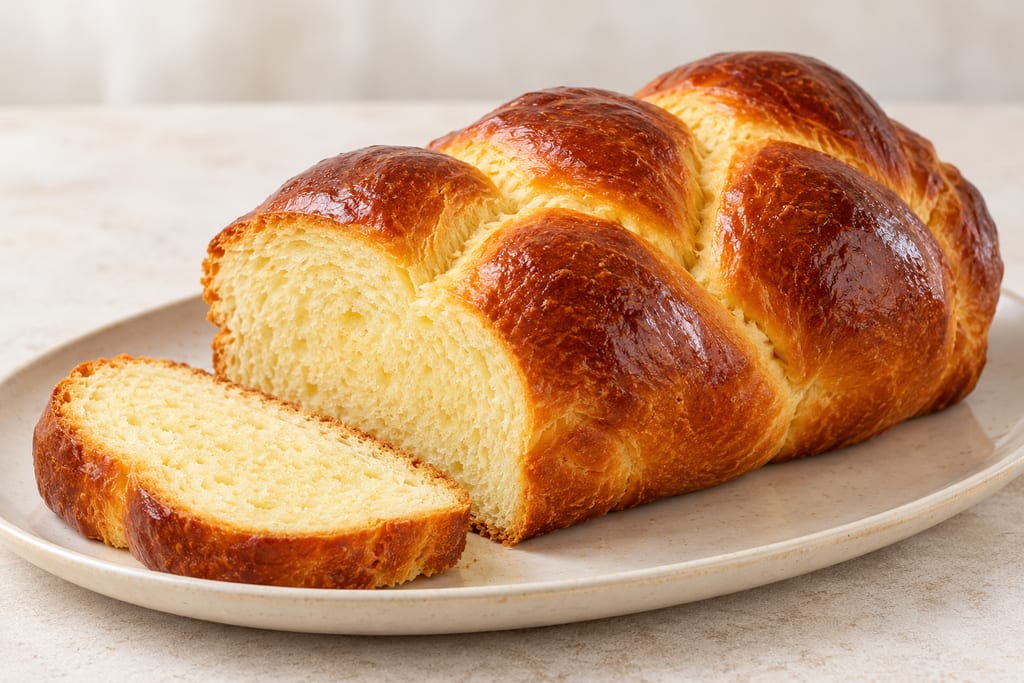
An egg-and-butter-rich yeast dough shaped as one round loaf, two loaves or twelve small brioches, with baking paths that vary by shape.
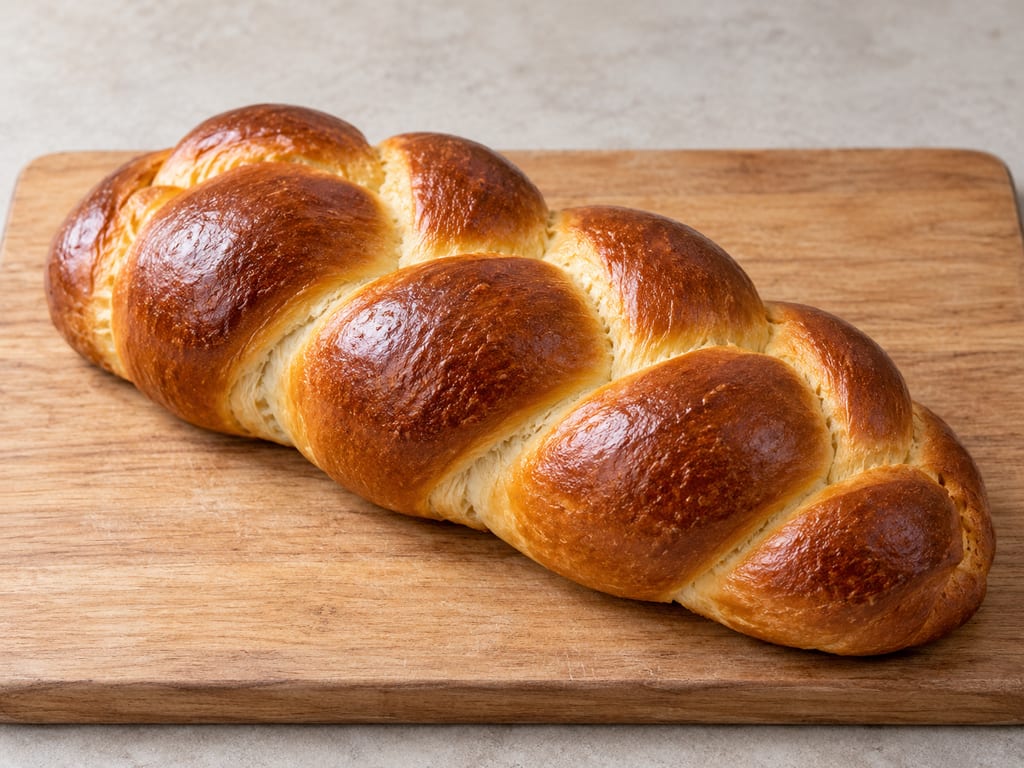
A three-strand yeast-raised challah with flour, salt, yeast, water, neutral oil, honey and egg, based on a Jewish Museum Vienna home recipe.
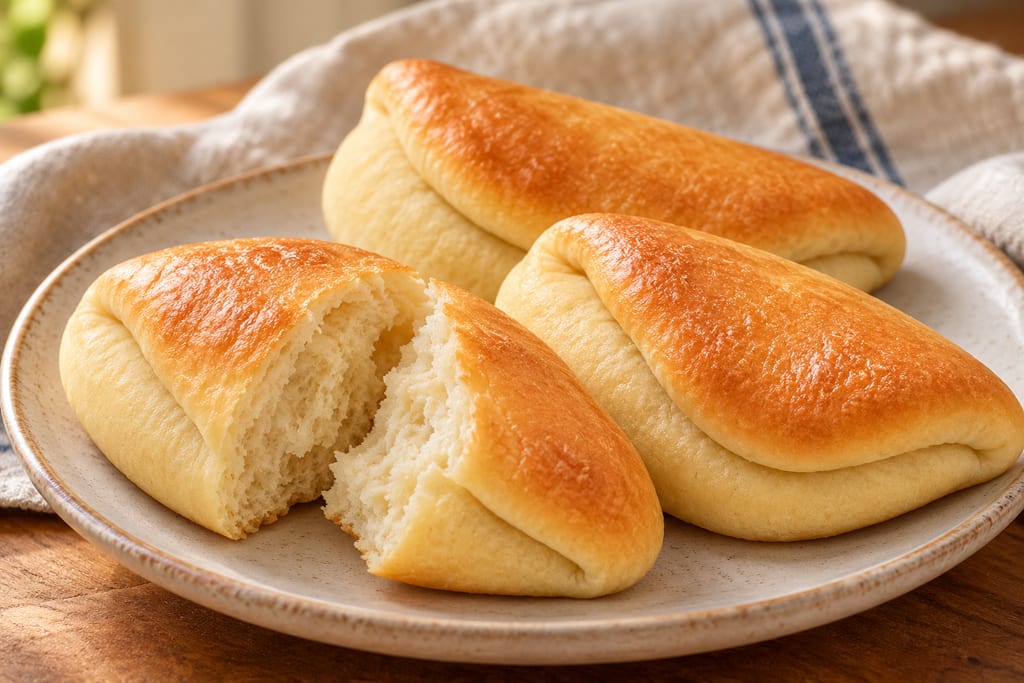
Jamaican-style folded rolls made from sweet coconut-milk yeast dough and brushed with butter.
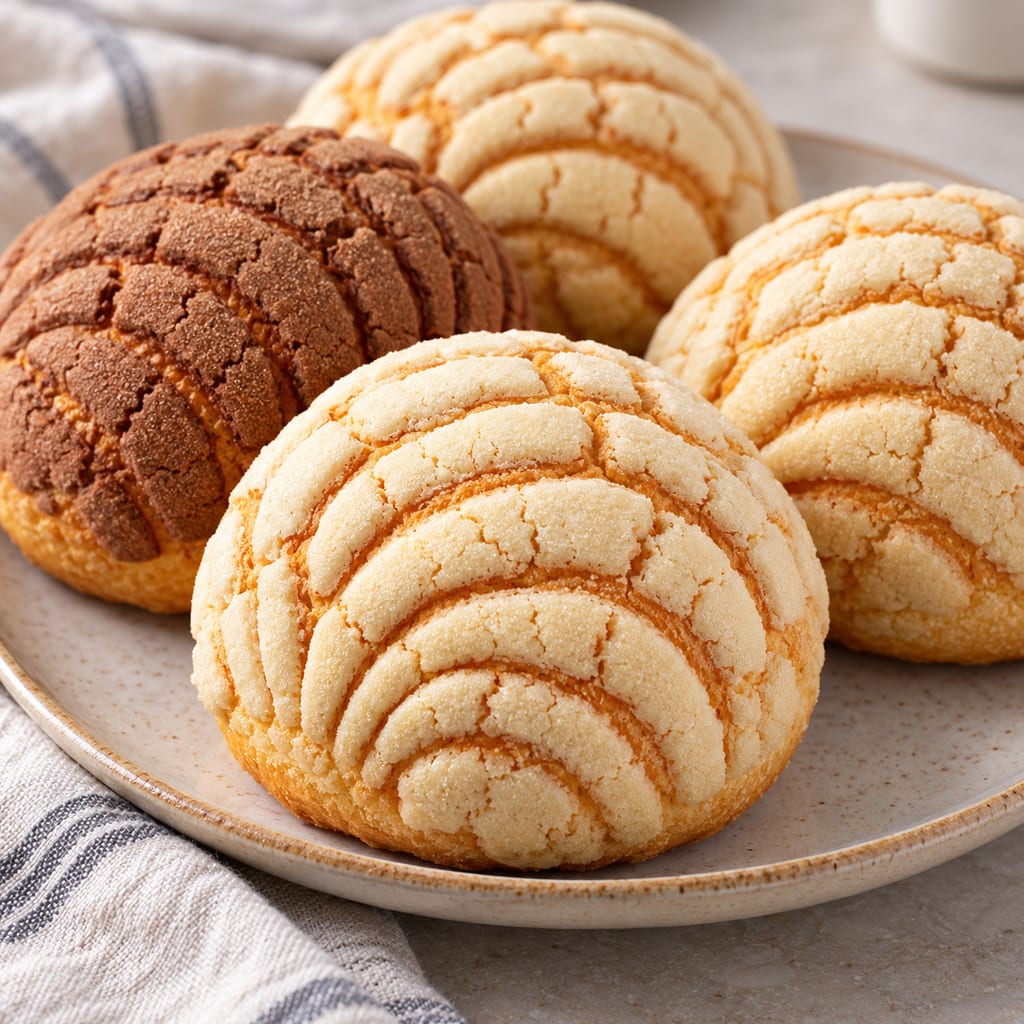
Mexican sweet rolls with a soft enriched yeast dough and a separate scored sugar-flour topping shaped like a shell. This version makes 15 rolls and uses a chilled dough rest before final proofing.
No community contributions have been published for this entry yet.
Sign in to contribute. Published comments and photos are free to read.
Polynesian Cultural CenterRecipe · Cultural association · Contemporary adaptation
Pani Popo A Sticky Gooey Treat From SamoaThe PCC identifies pani popo as Samoan and says its version is adapted slightly from King Arthur Flour; it distinguishes pouring sauce over the buns from versions that place rolls in sauce.
The dough and coconut sauce quantities, including the doubled sauce note, twelve-piece shaping, room-temperature first rise, second proof, sauce cook, oven temperature, baking time and internal temperature endpoint.
The cooling, airtight wrapping, refrigeration and microwave reheating instructions.
Cited in: A Samoan bun in one published version; Two rises and a separate sauce; Serving and keeping
U.S. Food and Drug AdministrationSafety
Are You Storing Food Safely?Foods that require refrigeration should be refrigerated promptly; do not leave them at room temperature for more than two hours, or one hour if the air is above 90°F (32°C); keep the refrigerator at or below 40°F (4°C).
Centers for Disease Control and PreventionSafety
Raw Flour and DoughUncooked flour and raw eggs can carry germs; do not taste raw dough, cook it before eating, and wash hands and surfaces after handling.