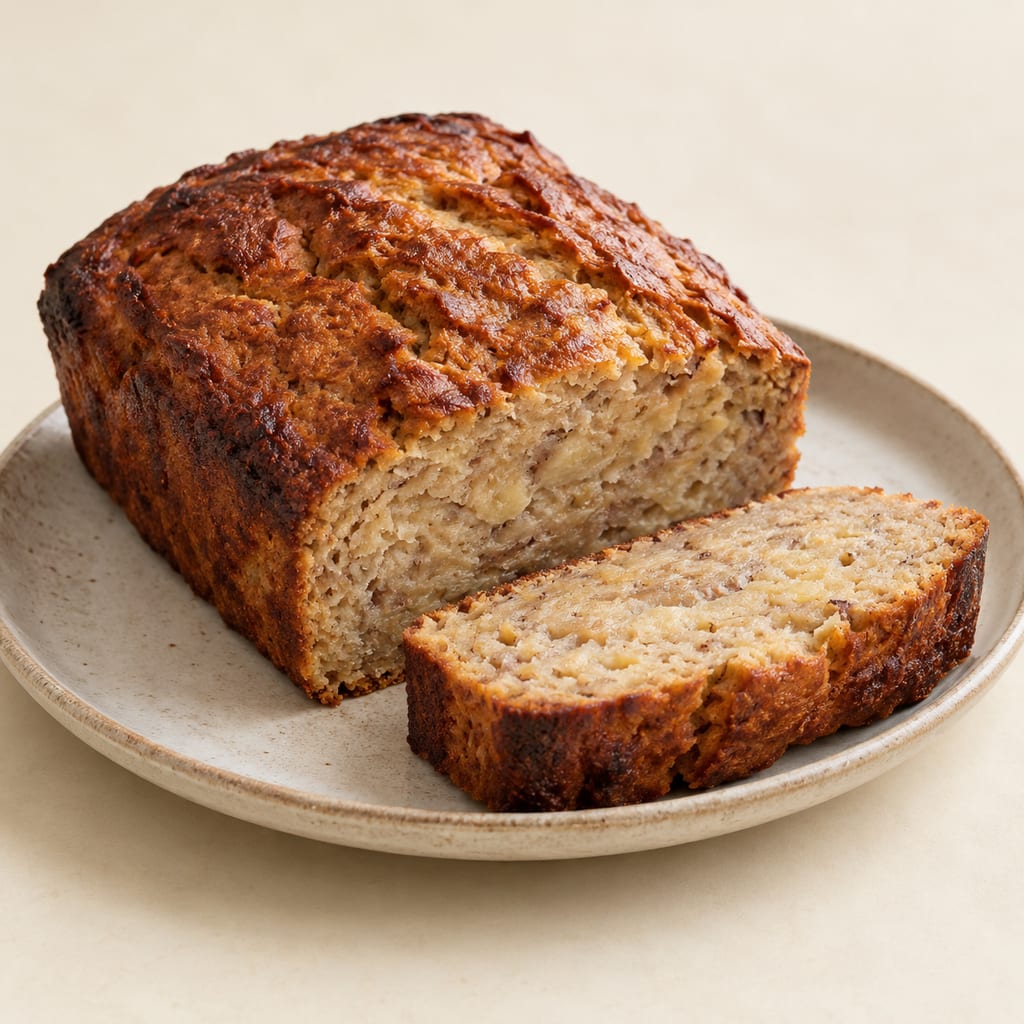
Samoan banana masi faʻi
Masi faʻi is a Western Samoan food of unripe bananas preserved in a leaf-lined pit, later made into loaves and baked. The FAO account gives no storage conditions or validated process.
 FermenteaWhere food goes to change
masi ʻulu · breadfruit masi · masi ʻulu
Samoan breadfruit masi is a preserved breadfruit paste kept in a leaf-lined pit, then kneaded, shaped into loaves and baked. FAO describes it at Western Samoa scale only.
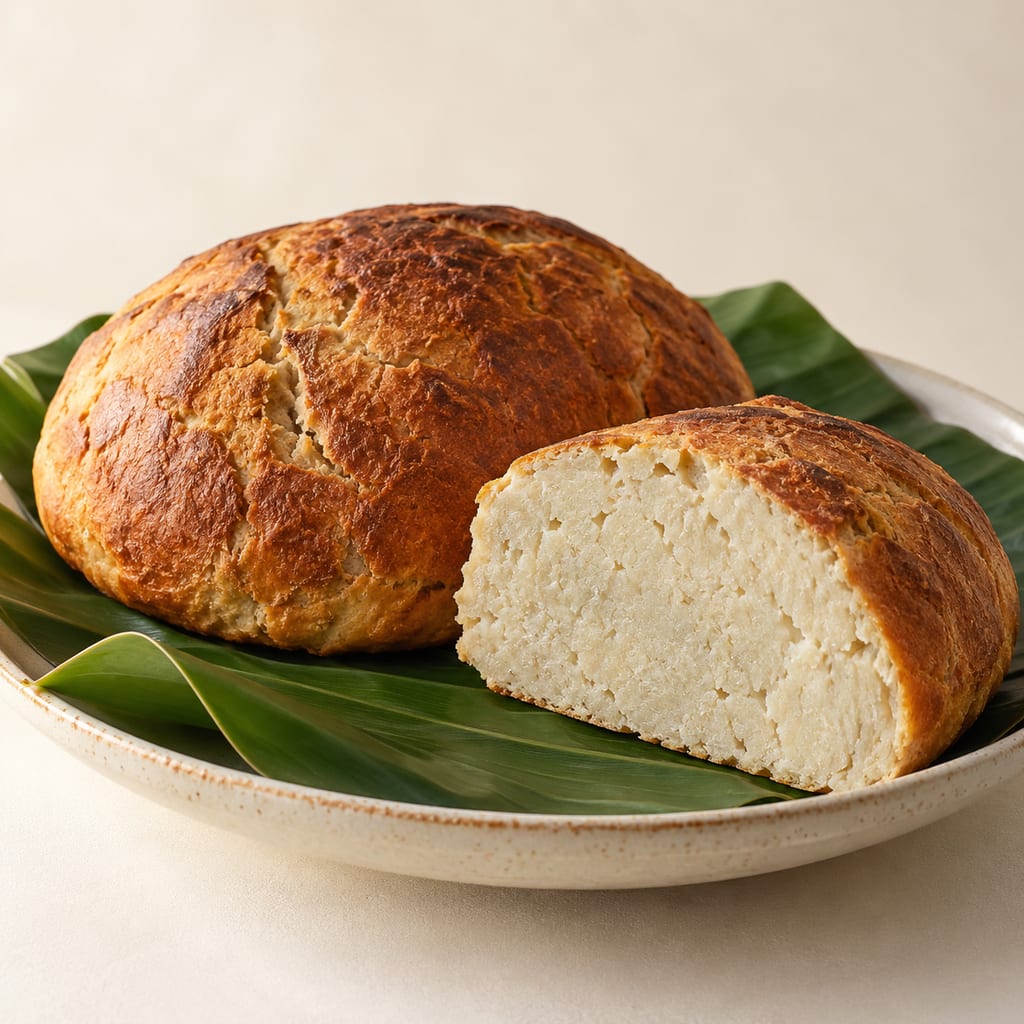
The Food and Agriculture Organization’s technical chapter describes Samoan masi as a bread-like food made from fermented breadfruit or banana. Its breadfruit account concerns Western Samoa at broad geographic precision. This article covers only the breadfruit example; the banana process and the separate Namu atoll method are not the same account.
FAO reports that breadfruit was peeled and washed, enclosed in Heliconia leaves in a pit, and covered with additional leaves, soil and rocks. In the account, the paste was uncovered after one reported interval of 34 days, kneaded, shaped into loaves, wrapped in leaves and baked. The chapter shows no starter or microorganisms. These details describe a source-reported traditional process; they are not instructions or a validated household method.
FAO says the preserved paste could remain in pits for over a year without deterioration, while making success conditional on leaf type, pit construction and local conditions. That conditional historical report is not a validated shelf-life claim or safety guarantee. The underlying 1980 article by Paul Alan Cox is identified in Springer’s publication record, but its full text was not available in the inspected access; the process details here therefore remain attributed to FAO.
Obtain and inspect Cox’s full 1980 article before making primary-source claims or adding finer island and locality detail.
The FAO account gives no batch quantities, yield, maturity criteria, monitoring, safety endpoint, validated home adaptation or modern storage controls.
The account does not support a season, a universal 34-day schedule, or geography more specific than Samoa/Western Samoa.
No verified image or rights-reviewed depiction is included.
FAO account; the Cox 1980 article was not inspected in full.
Masi faʻi is a Western Samoan food of unripe bananas preserved in a leaf-lined pit, later made into loaves and baked. The FAO account gives no storage conditions or validated process.
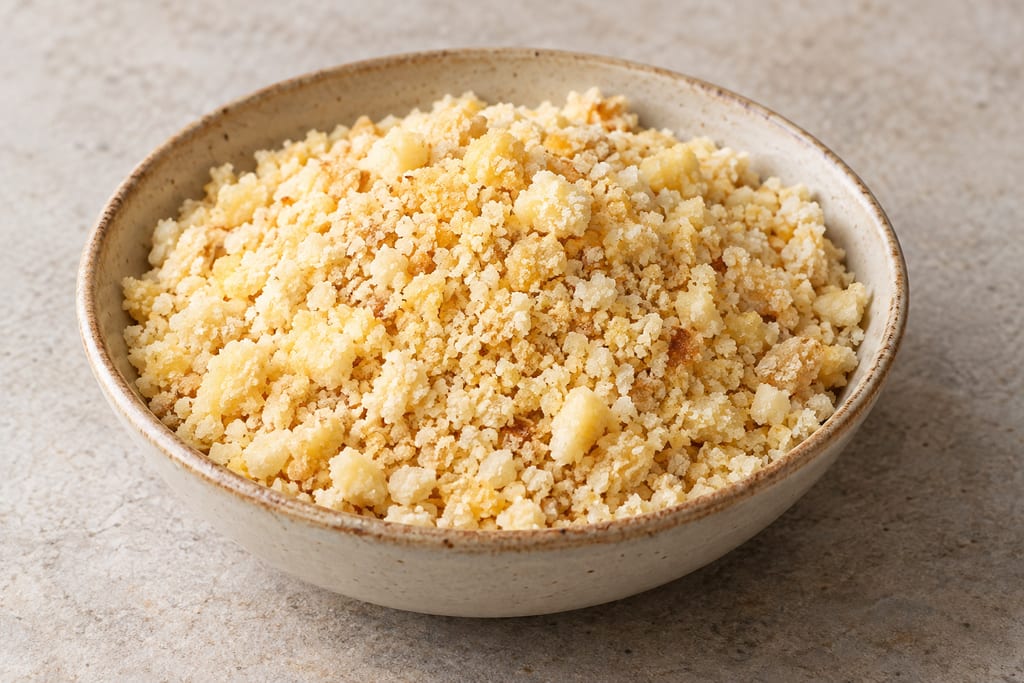
Farinha d’água is a coarse cassava flour associated with Brazil's Amazon and Pará. This page documents one published experiment; it is not a household recipe or validated safety guide.
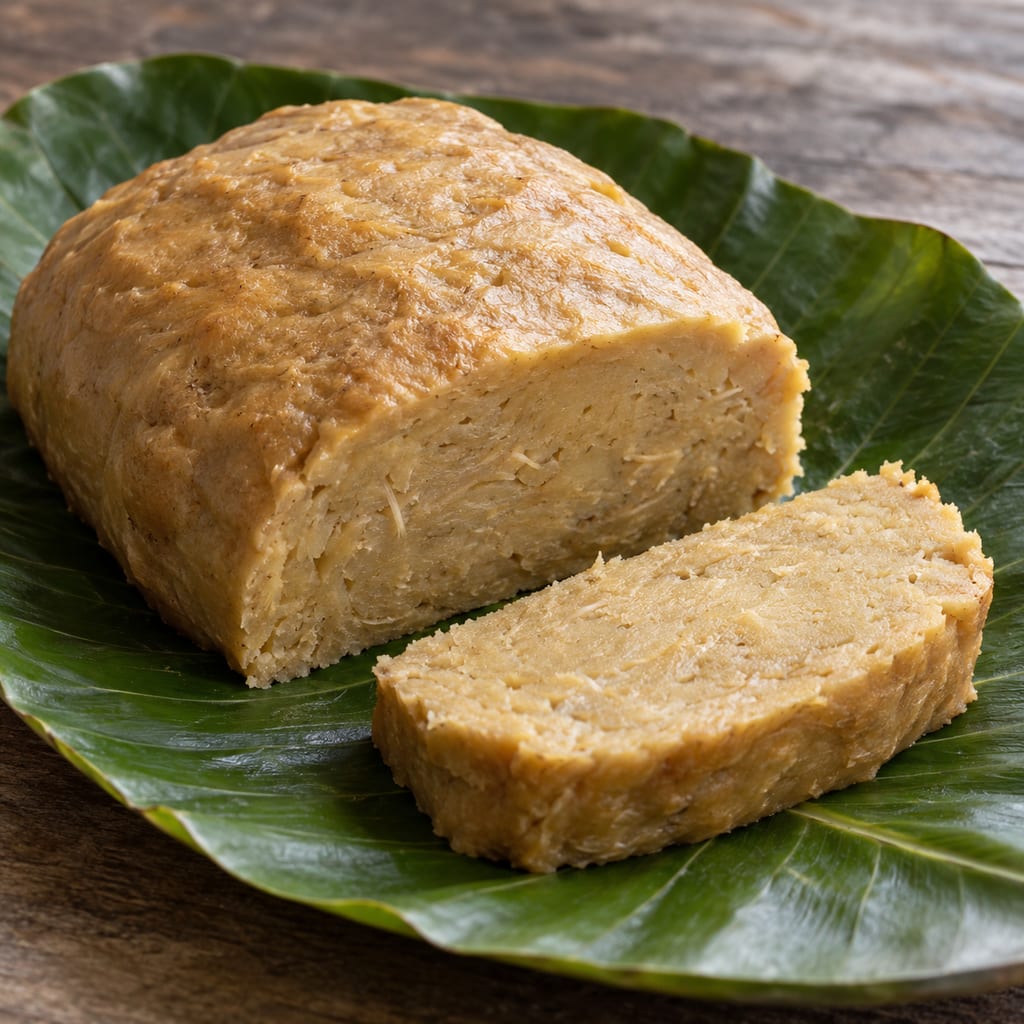
Pohnpeian mahr is breadfruit preserved in an earthen pit as an off-season reserve, then kneaded and prepared as bread. The FAO and NTBG accounts give no validated method or storage limit.
In Burkina Faso, processors bury whole shea fruits in fosse pits before extracting nuts. Field research records varied pit sizes, coverings, durations and handling; it does not establish one standard design.
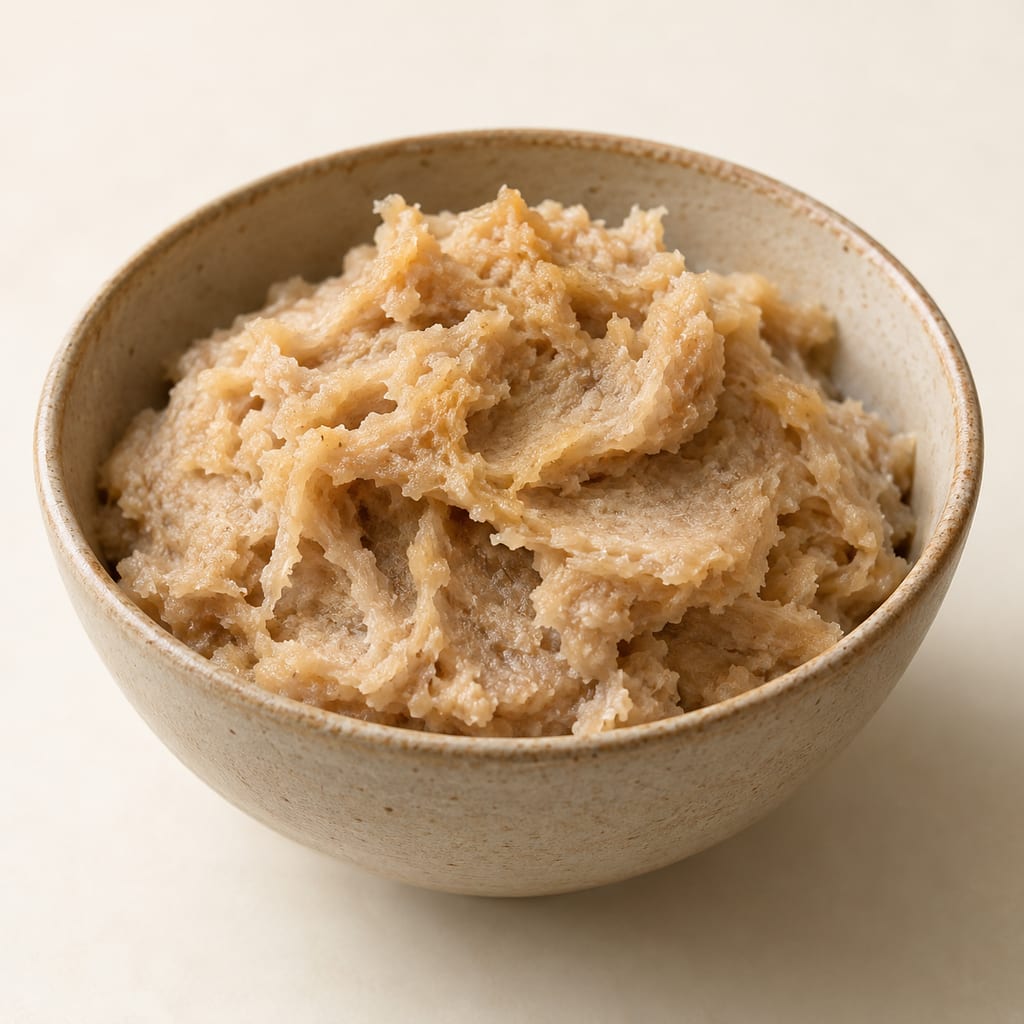
Tahitian mahi is a breadfruit paste wrapped in Cordyline leaves and kept in an earth-covered pit for several months, a scarcity food of French Polynesia. The heritage account gives no validated method.
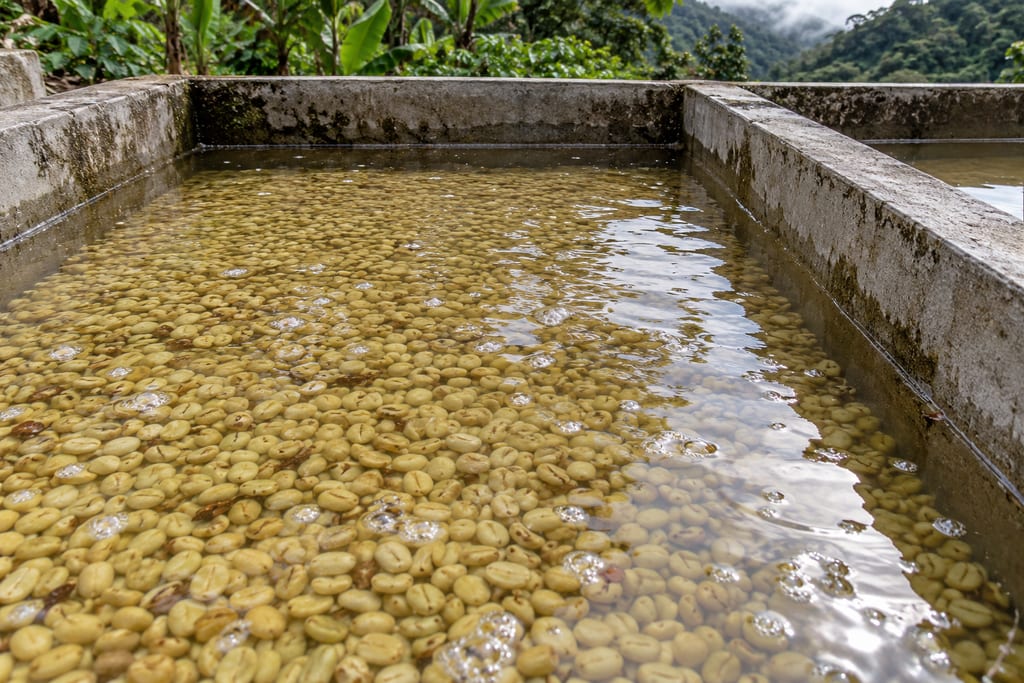
Washed Arabica coffee from Nanegal in Ecuador: depulped beans held under water while microbes and enzymes strip the mucilage, then washed, soaked and sun-dried to green coffee.
No community contributions have been published for this entry yet.
Sign in to contribute. Published comments and photos are free to read.
Food and Agriculture Organization of the United NationsMethod
Traditional post-harvest technology of perishable tropical staples, Chapter 5: Bananas and plantains; breadfruit; pandanus; starches derived from stem cropsCited in: A breadfruit preservation tradition; The process reported by FAO; Reported storage and evidence limits; Open questions in the sources
Economic Botany 34, published by New York Botanical Garden Press; Springer Nature hosts the article page (Paul Alan Cox, 1980; metadata only inspected)Method
Two Samoan Technologies for Breadfruit and Banana PreservationCited in: A breadfruit preservation tradition; Reported storage and evidence limits; Open questions in the sources