
Farinha d’água
Farinha d’água is a coarse cassava flour associated with Brazil's Amazon and Pará. This page documents one published experiment; it is not a household recipe or validated safety guide.
 FermenteaWhere food goes to change
Built structures · Pits and cavities
Fosse · shea fruit pit · shea nut fermentation pit
In Burkina Faso, processors bury whole shea fruits in fosse pits before extracting nuts. Field research records varied pit sizes, coverings, durations and handling; it does not establish one standard design.
In Burkina Faso, processors use a buried pit called a fosse for whole shea fruits before later nut processing. A 2025 field and chemistry study by Turreira-García and colleagues interviewed 130 women processors and describes the pit method as inherited local practice. It does not establish when the method began.
Field accounts describe fruits progressively loaded and compacted without added water, then covered with combinations of leaves, soil and newer materials. Practices differed between processors; most batches were not stirred. These details are observations, not universal operating instructions.
Measured pits averaged about 1.8 m³, but varied widely. The article separately cites literature reporting capacities around 300–500 kg; those figures are not dimensions or design targets for every pit. Reported burial periods ranged from under two weeks to several months, partly reflecting work and cash constraints during harvest.
After the pit stage, processors followed differing routes such as boiling, roasting or direct sun-drying before shelling. This entry describes the structure and reported practice rather than prescribing a method.
Figure 1 maps the Burkina Faso research sites and includes photographs of an empty pit and a processor working with one. The map and photographs document this research setting; they do not define a national or regional standard.
The article does not supply one universal pit shape, lining, dimension or validated food-safety schedule. Experimental comparisons should not be mistaken for a construction specification.
Field interviews were conducted in 2021 and 2022 and the study was published in 2025; it describes the method as traditional but gives no origin date.
A build is made where it stands: moving it means building it again.
This entry documents field observations; it is not a validated food-safety or construction protocol.
The cited study focuses on Burkina Faso; its findings do not establish a uniform practice across all shea-producing regions.
Farinha d’água is a coarse cassava flour associated with Brazil's Amazon and Pará. This page documents one published experiment; it is not a household recipe or validated safety guide.
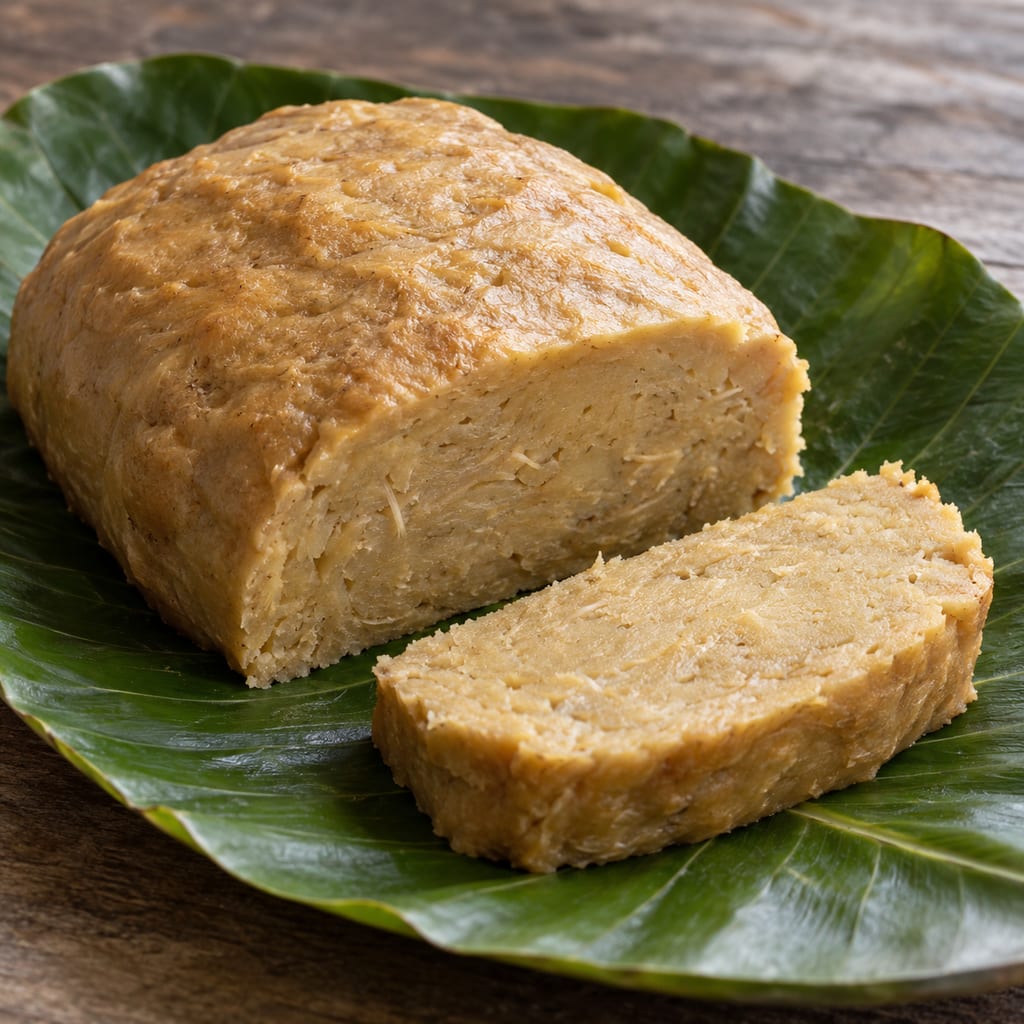
Pohnpeian mahr is breadfruit preserved in an earthen pit as an off-season reserve, then kneaded and prepared as bread. The FAO and NTBG accounts give no validated method or storage limit.
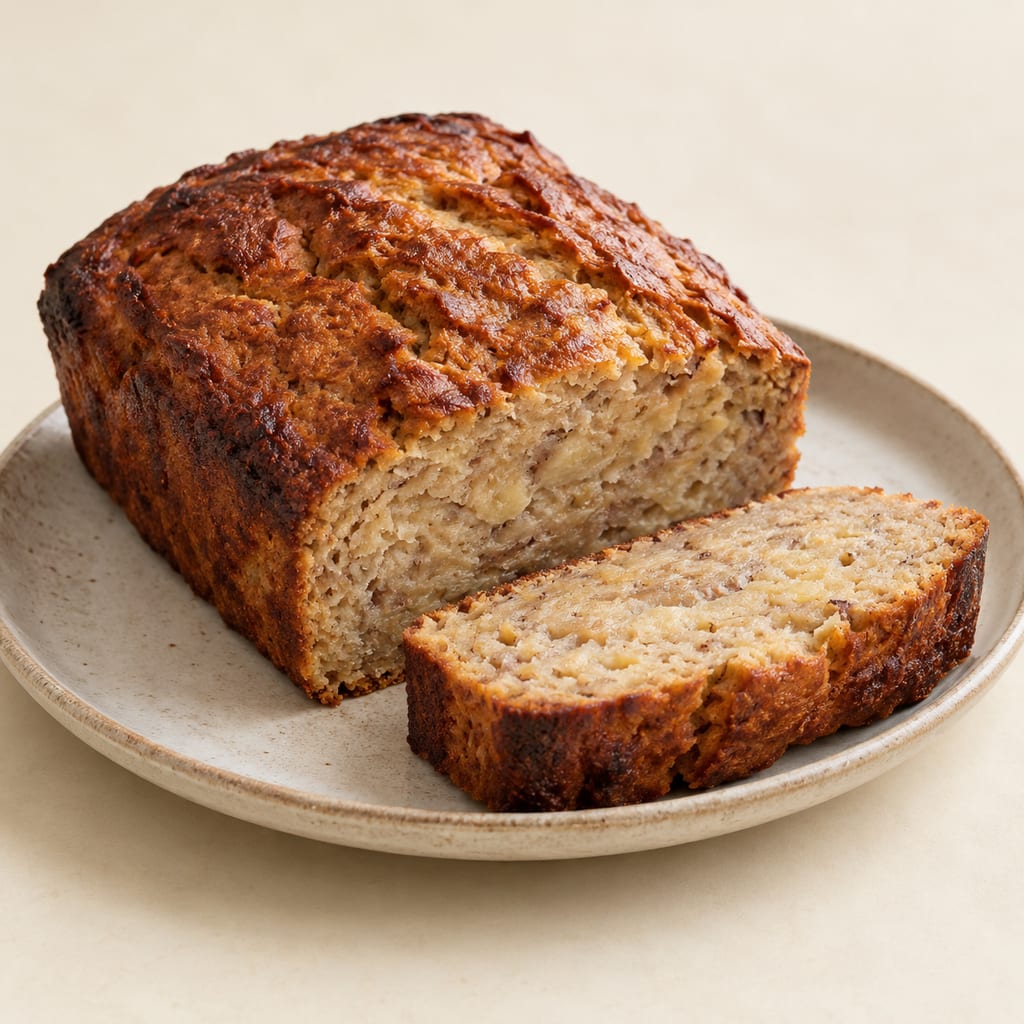
Masi faʻi is a Western Samoan food of unripe bananas preserved in a leaf-lined pit, later made into loaves and baked. The FAO account gives no storage conditions or validated process.
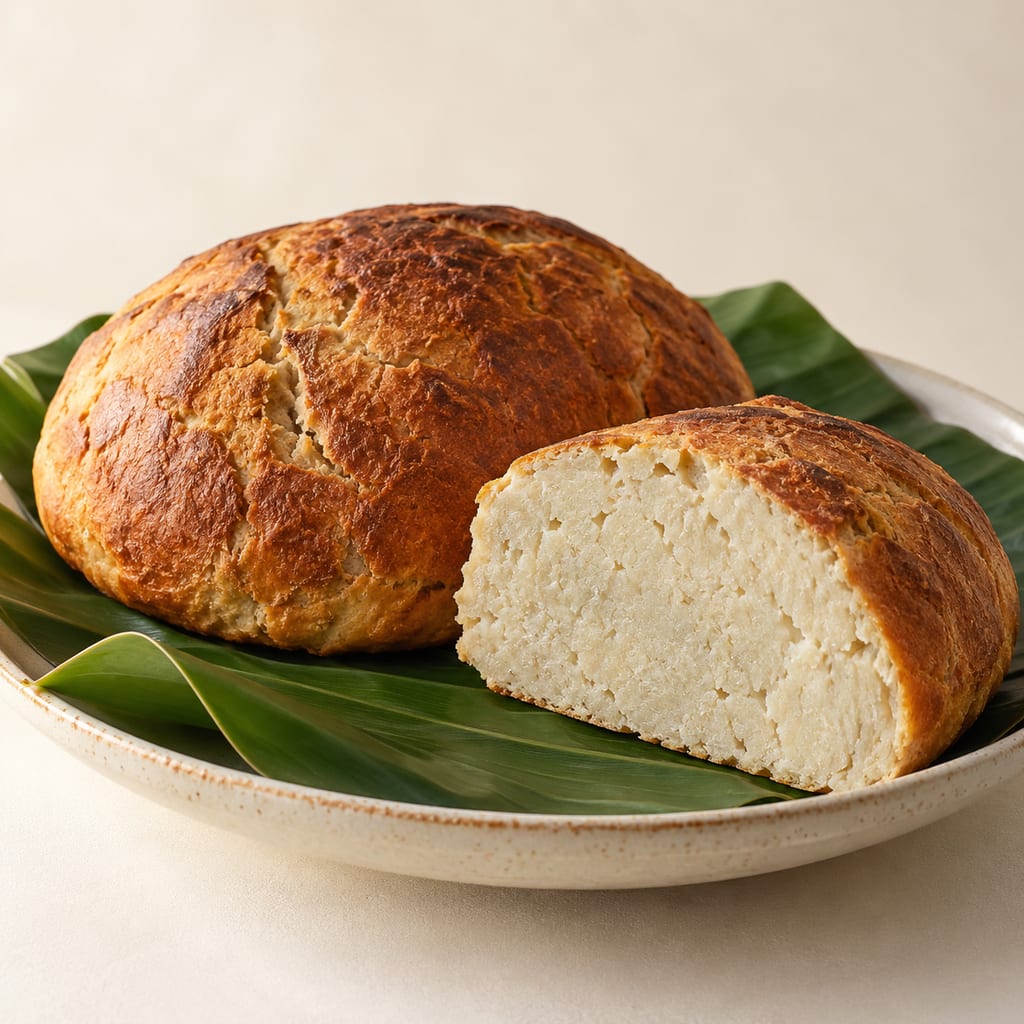
Samoan breadfruit masi is a preserved breadfruit paste kept in a leaf-lined pit, then kneaded, shaped into loaves and baked. FAO describes it at Western Samoa scale only.
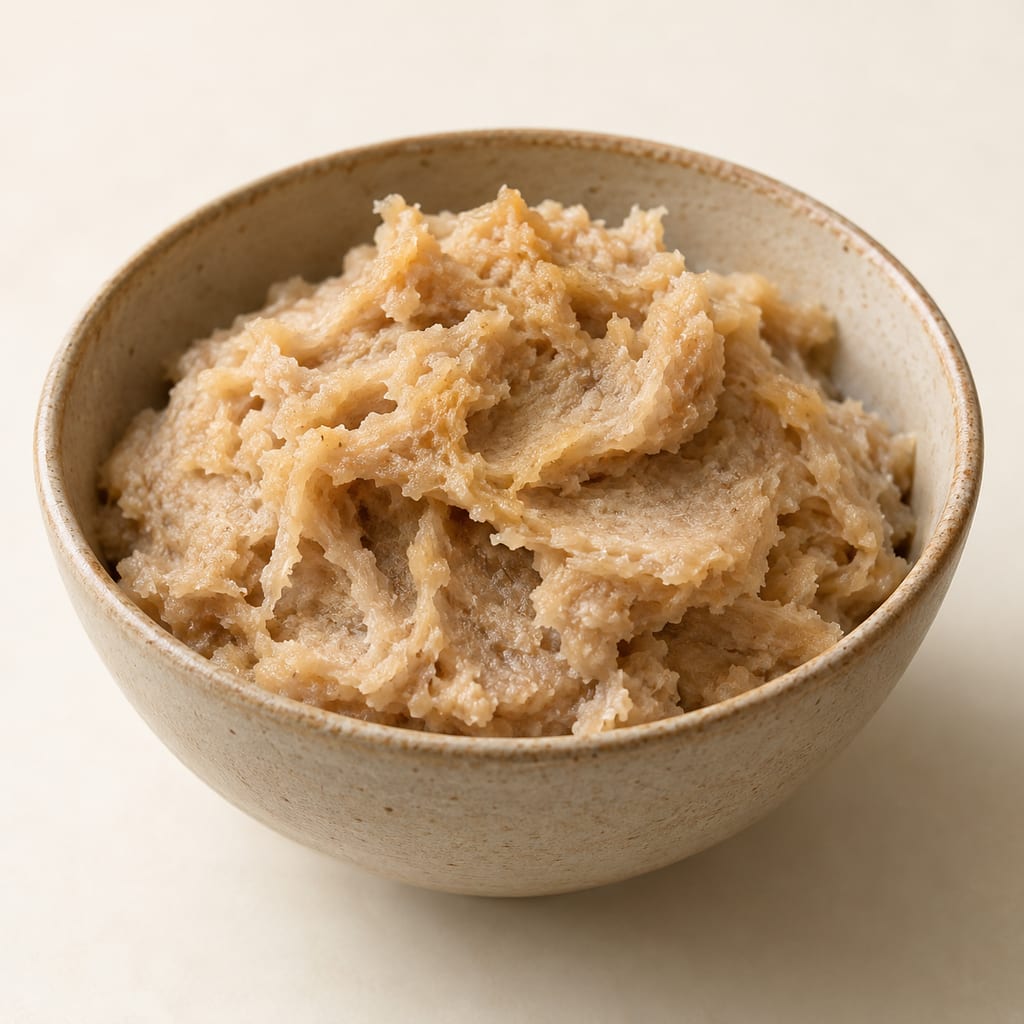
Tahitian mahi is a breadfruit paste wrapped in Cordyline leaves and kept in an earth-covered pit for several months, a scarcity food of French Polynesia. The heritage account gives no validated method.
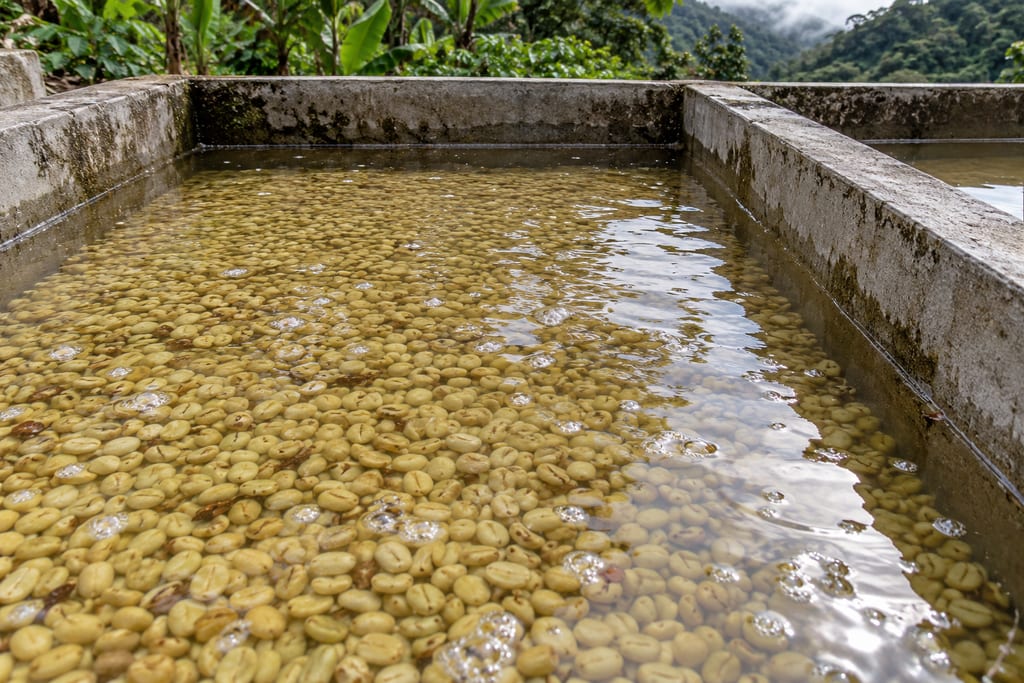
Washed Arabica coffee from Nanegal in Ecuador: depulped beans held under water while microbes and enzymes strip the mucilage, then washed, soaked and sun-dried to green coffee.
No community contributions have been published for this entry yet.
Sign in to contribute. Published comments and photos are free to read.
Scientific ReportsForm · Use · Geography · History · Visual reference
Fermenting shea nuts using the traditional pit method yields better physicochemical properties with potential environmental benefitsThe 2025 study focuses on Burkina Faso and reports interviews with 130 shea processors.
It describes whole shea fruits placed in excavated pits, with varied compaction, covering and burial duration.
Measured pits averaged 1.8 m³ with wide variation; the article cites literature capacities of 300–500 kg.
Figure 1 maps the Burkina Faso research sites and includes field photographs of a pit and a processor working with one.
Cited in: An excavated pit in shea processing; Variation in size and use; Field reference and limits