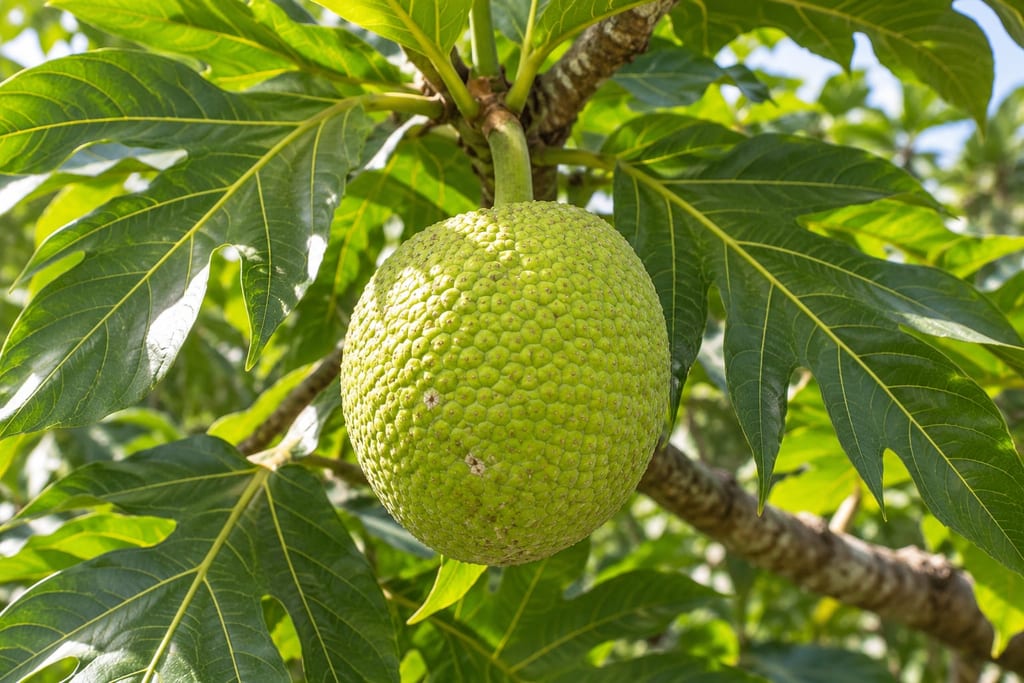
Furo (Kosraean preserved breadfruit)
Kosraean preserved breadfruit called furo in a 1919 ethnographic monograph. Two historical pit methods are recorded; the sources give no validated household process.
 FermenteaWhere food goes to change
mahr · mahr · mar · maratan
Pohnpeian mahr is breadfruit preserved in an earthen pit as an off-season reserve, then kneaded and prepared as bread. The FAO and NTBG accounts give no validated method or storage limit.

The Pohnpei chapter calls the preserved breadfruit mahr. It describes the food as a reserve for periods when fresh breadfruit was unavailable. FAO’s 1984 synthesis separately spells a Ponape name maratan. The reviewed sources do not establish that these spellings are universal equivalents.
The chapter shows a main breadfruit season from May through August, peaking in July, and a smaller season from October through February. It also says earthen-pit storage was rarely used in the chapter’s field context. NTBG gives a broader Micronesian account of seasonal production; it does not establish present-day prevalence on Pohnpei.
A footnote reports 500–1,000 peeled and cored breadfruit placed in an earthen pit for about three months. The preserved mass was kneaded and prepared as bread. The chapter shows its fermented taste as cheese-like and presents mahr as an off-season food resource. This historical community account is not a recommended batch size or a household procedure.
NTBG lists mahr, furo and bwiru in a broad Micronesian discussion and reports storage lasting a year or more at regional scope. Its page does not map each name or duration to a particular island. The Pohnpei chapter’s report of storage for many years is likewise a historical observation, not a validated shelf-life or safety claim.
The Pohnpei account gives no pit dimensions, lining specification, monitoring, endpoint, storage conditions or safety controls. It does not identify a starter or microorganisms. FAO’s detailed 34-day pit sequence concerns Samoa, not Pohnpei. No validated home method or build design follows from these accounts.
The relationship between Pohnpei mahr and FAO’s Ponape spelling maratan needs local linguistic evidence.
The chapter’s season and pit-use statement describe its reported field context; current prevalence is not established.
The 500–1,000-fruit batch, approximately three-month duration and many-year storage report are not household controls or safe shelf-life limits.
No validated household method, pit design, fermentation mechanism, monitoring criteria or qualified safety assessment is available.
NTBG’s mahr/furo/bwiru names and year-or-more storage claim remain regional, not island-specific.
Ragone’s 2002 article body was inaccessible in the audit; only metadata and abstract were inspected.
The source photograph is not included; public-display rights were not established.
FAO chapter account; the Ponape spelling maratan is not established as equivalent.
Kosraean preserved breadfruit called furo in a 1919 ethnographic monograph. Two historical pit methods are recorded; the sources give no validated household process.

Tipak is a Kapingamarangi breadfruit product: cooked breadfruit mashed, spread into sheets, sun-dried, rolled and wrapped in pandanus leaves as provisions for later.

Farinha d’água is a coarse cassava flour associated with Brazil's Amazon and Pará. This page documents one published experiment; it is not a household recipe or validated safety guide.
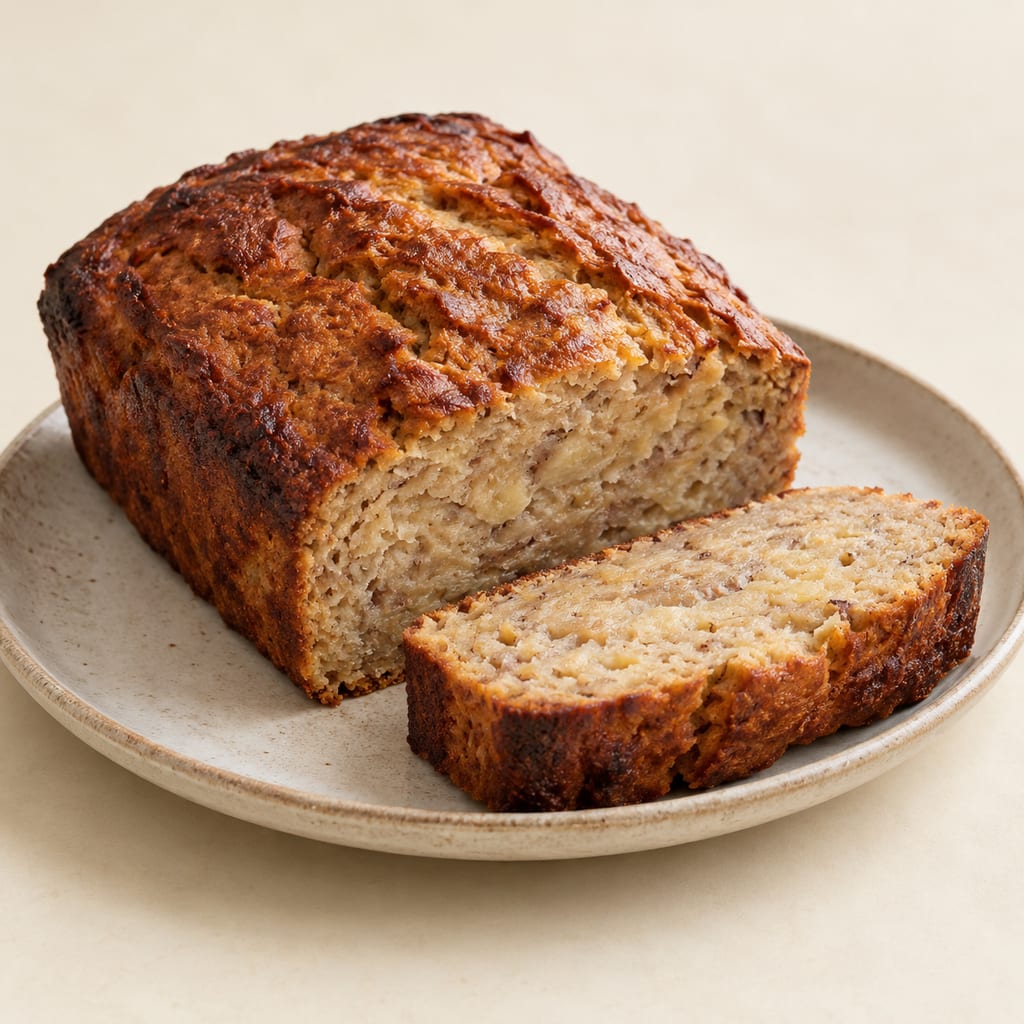
Masi faʻi is a Western Samoan food of unripe bananas preserved in a leaf-lined pit, later made into loaves and baked. The FAO account gives no storage conditions or validated process.
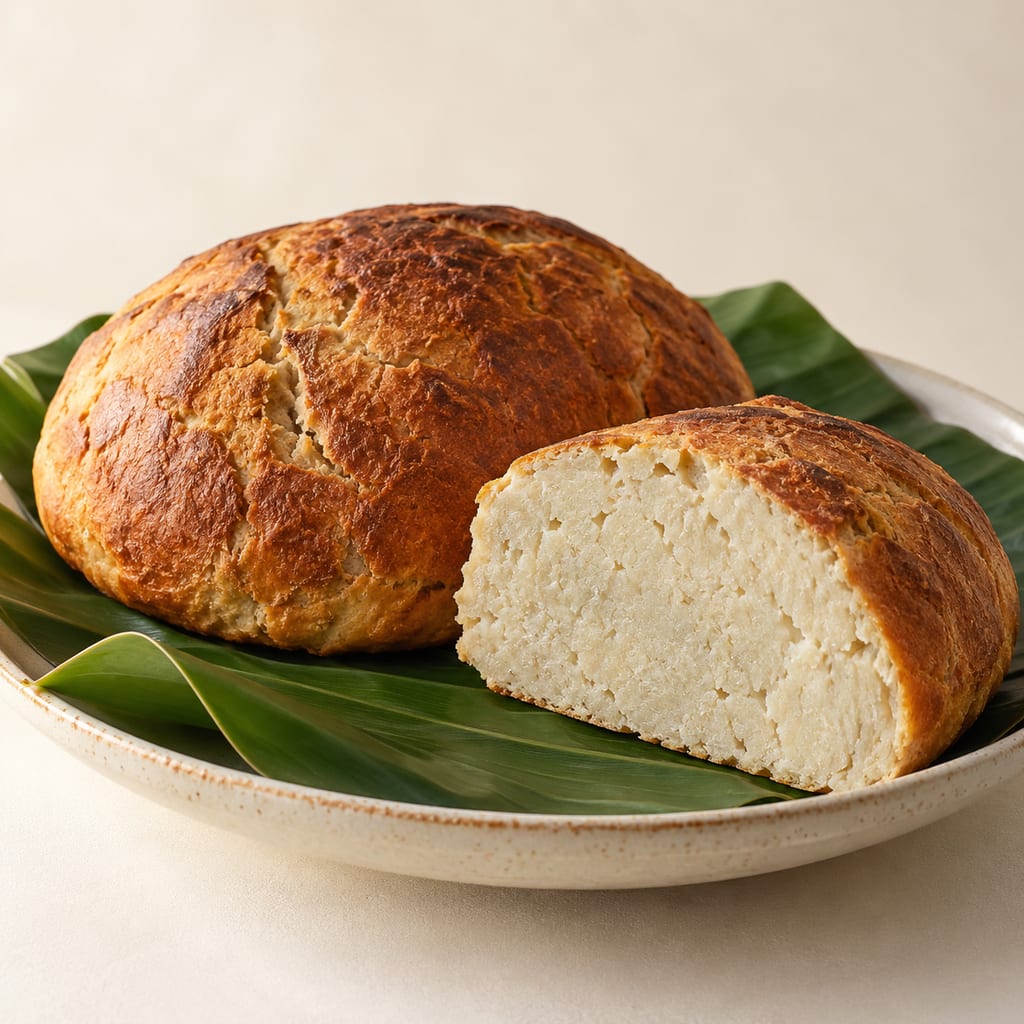
Samoan breadfruit masi is a preserved breadfruit paste kept in a leaf-lined pit, then kneaded, shaped into loaves and baked. FAO describes it at Western Samoa scale only.
In Burkina Faso, processors bury whole shea fruits in fosse pits before extracting nuts. Field research records varied pit sizes, coverings, durations and handling; it does not establish one standard design.
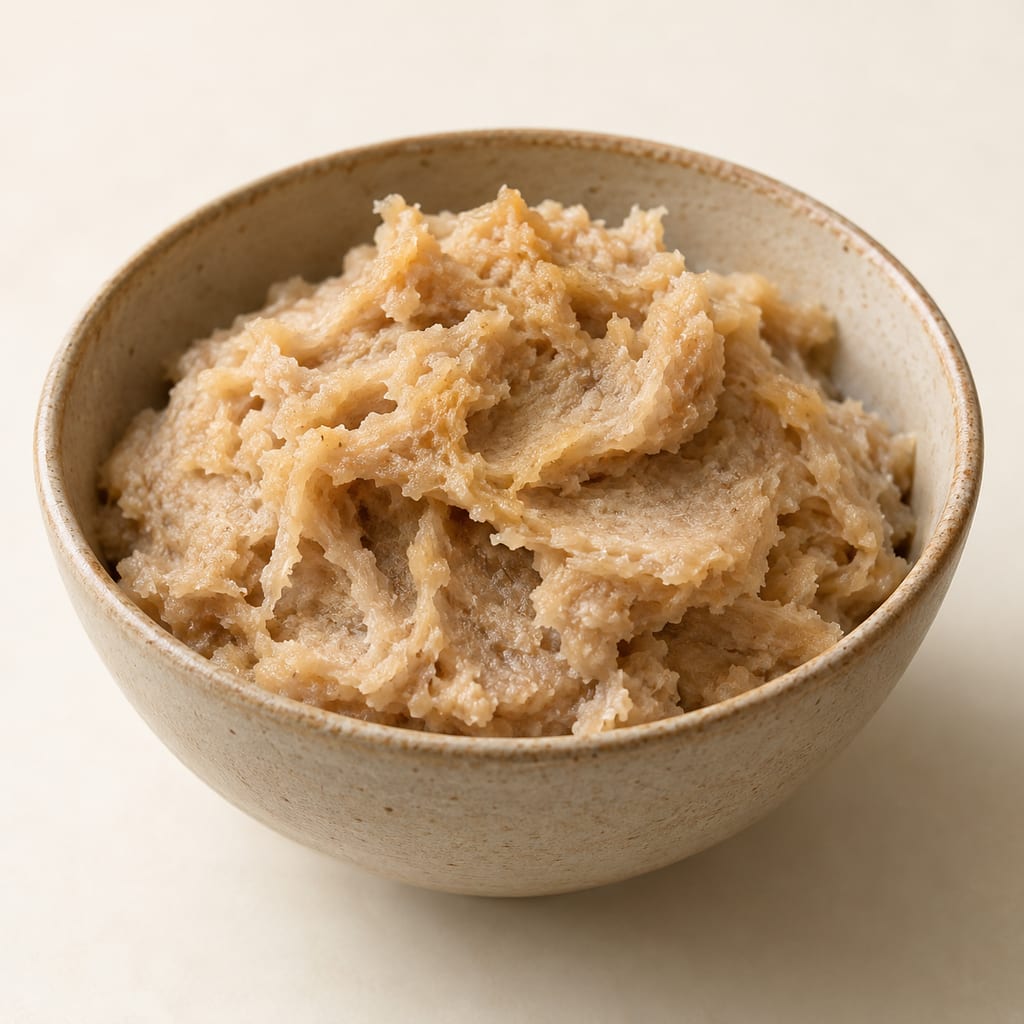
Tahitian mahi is a breadfruit paste wrapped in Cordyline leaves and kept in an earth-covered pit for several months, a scarcity food of French Polynesia. The heritage account gives no validated method.
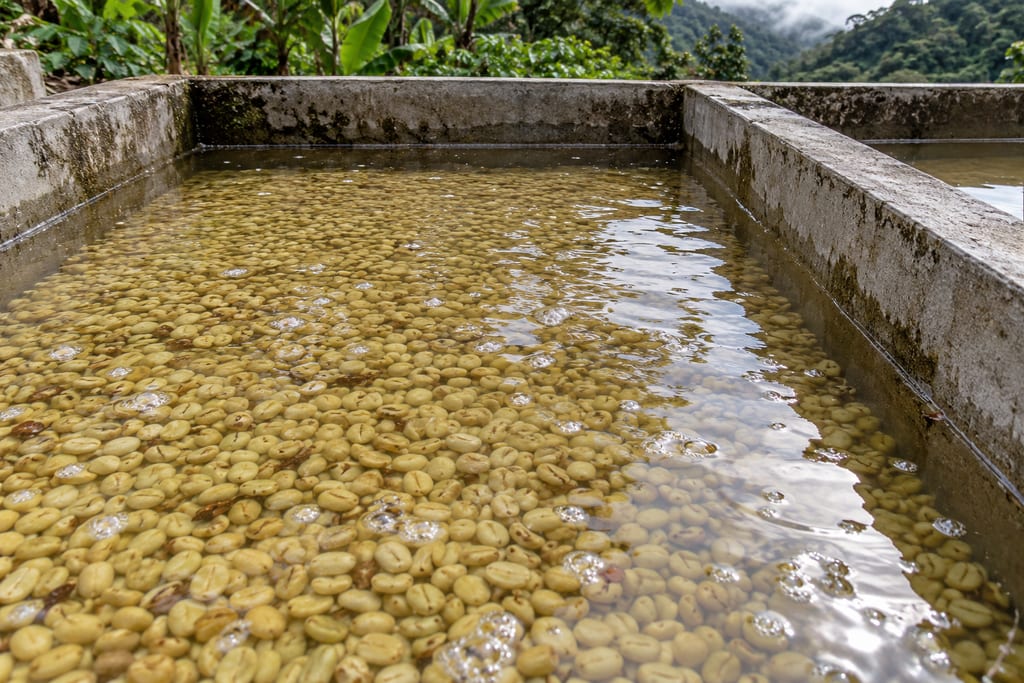
Washed Arabica coffee from Nanegal in Ecuador: depulped beans held under water while microbes and enzymes strip the mucilage, then washed, soaked and sun-dried to green coffee.
No community contributions have been published for this entry yet.
Sign in to contribute. Published comments and photos are free to read.
Food and Agriculture Organization of the United Nations and Centre for Indigenous Peoples’ Nutrition and Environment, McGill UniversityMethod
Indigenous Peoples’ food systems: the many dimensions of culture, diversity and environment for nutrition and health, Chapter 6: Documentation of the traditional food system of PohnpeiCited in: A Pohnpei preservation account; Seasonal context; How the chapter shows mahr; Names, storage and limits; What the sources do not establish; Open questions in the sources
National Tropical Botanical Garden, Breadfruit InstituteMethod
EthnobotanyCited in: Seasonal context; Names, storage and limits; Open questions in the sources
Tropical Development and Research Institute; Food and Agriculture Organization of the United NationsMethod
Traditional post-harvest technology of perishable tropical staples, Agricultural Services Bulletin 59, Chapter 5Cited in: A Pohnpei preservation account; What the sources do not establish; Open questions in the sources