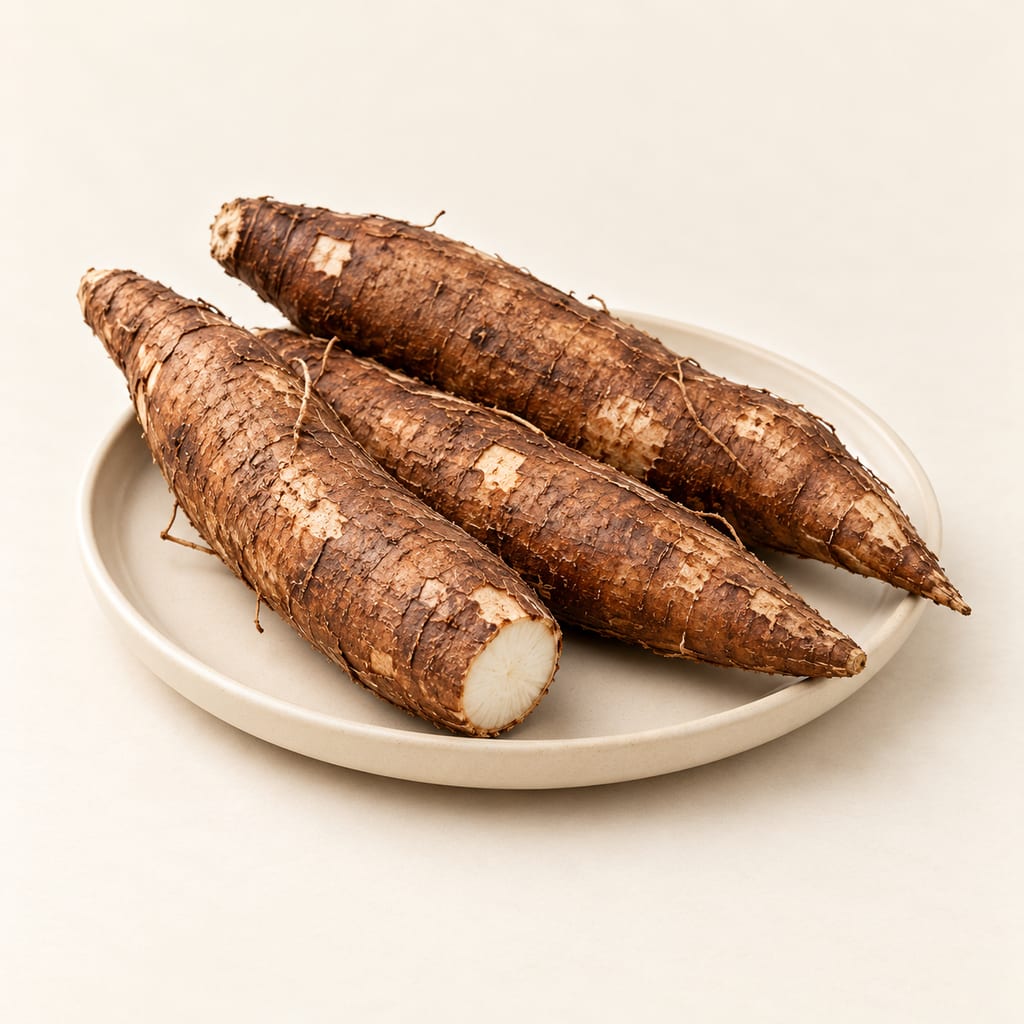
Cassava
Cassava is the starchy root of Manihot esculenta, transformed across Africa into fermented doughs, granules and flours through distinct processes whose safety depends on thorough cyanogen removal.
 FermenteaWhere food goes to change
farinha de mandioca d’água · farinha d’água · farinha d'água · farinha de mandioca d’água · water-group cassava flour
Farinha d’água is a coarse cassava flour associated with Brazil's Amazon and Pará. This page documents one published experiment; it is not a household recipe or validated safety guide.

This page records sources and reported research conditions; it is not a usable home-processing recipe.
Farinha d’água is a fermented cassava flour associated with the Brazilian Amazon. It is coarser than many cassava flours. Its name marks the water group of cassava flours, in which the roots are macerated in standing water before they are pressed and roasted. It is not a name for every cassava flour.
The 2011 Acta Amazonica study describes the flour as consumed as far south as Maranhão. The 2022 review links it with the cooking of Northern Brazil and Pará.
Chisté and Cohen's 2011 study reports one experimental batch using roots from Embrapa's germplasm bank in Belém. In that account, the researchers submerged roots in standing water in artisanal tanks for four days, then describe peeling, crushing, hydraulic pressing to remove manipueira, separation and sieving, drying, and roasting. The paper identifies the press model as “60 ton”; this is a model designation and does not state an applied force.
The study's roasting stage used a copper pan at an average 160 ± 10 °C for five minutes with constant agitation. These details describe research conditions; they are not a validated household method. The study does not state root mass, water volume, finished yield, a cyanogen assay, or a safe endpoint. The FAO chapter's broader three-to-eight-day soaking account and the 2022 review's roughly five-day summary are separate descriptions, not a basis for household instructions.
The 2022 review associates farinha d’água with farofa, pirão and cakes in Northern Brazil and Pará. These are secondary associations. The 2011 experiment was not a survey of dishes.
In the 2011 tasting, 60 untrained panellists ranked four flours made after 24, 48, 72 and 96 hours of root maceration. The 96-hour sample scored highest, but it differed significantly only from the 48-hour sample at the reported 5% level. The result describes that panel and those samples, not a general preference.
Cassava products need careful processing because of cyanogenic glycosides. The 2011 study measured flour chemistry and sensory ranking, and it reports no cyanogen assay, finished-product shelf life or validated safety endpoint. Its acidity, pressing and roasting conditions must not be taken as proof of detoxification or as home safety controls.
The sources do not provide an executable home recipe, a universal fermentation duration or safe storage guidance for this flour. Taste, smell and appearance do not establish safety.
The 2011 paper associates farinha d’água with the Brazilian Amazon and with consumption as far south as Maranhão. It records the study roots from Belém, Pará, but it does not establish an origin date or birthplace for the flour.
Scaling: source batch only
Cassava guidance treats cyanogenic glycosides as a processing concern. The 2011 study reports no cyanogen assay for this flour.
Hazard sourceNo validated control is established. Acidity, pressing and roasting in the experiment must not be treated as proof of detoxification or as a home safety control.
Control sourceThe 2011 study reports flour chemistry and sensory rankings only. It gives no finished-product shelf life and no validated safety endpoint.
The sources do not provide an executable home recipe, a universal fermentation duration or safe storage guidance for farinha d’água.
The 2011 study used roots from Embrapa's germplasm bank in Belém, Pará. That identifies the study material's source, not the food's birthplace.
The 2011 paper describes the flour as consumed as far south as Maranhão.
Cassava is the starchy root of Manihot esculenta, transformed across Africa into fermented doughs, granules and flours through distinct processes whose safety depends on thorough cyanogen removal.
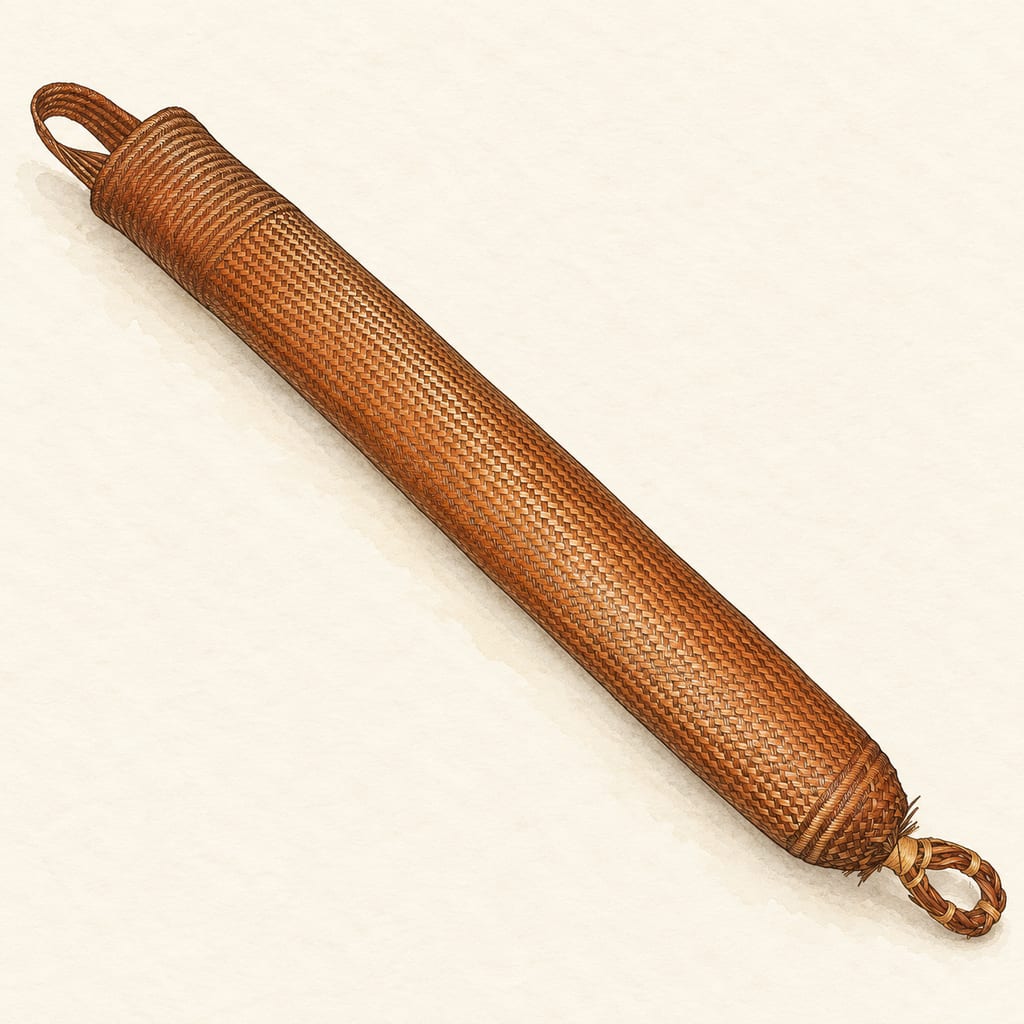
Tipití is a long, flexible woven basket press used to squeeze grated cassava mash. Its looped ends let a maker suspend and stretch the tube; it is a processing tool, not a fermenting vessel.
Every preserved food is a stack of barriers against microbes, enzymes, air and time. This is how they work, what a recipe's numbers measure, and how cooks worldwide build them.
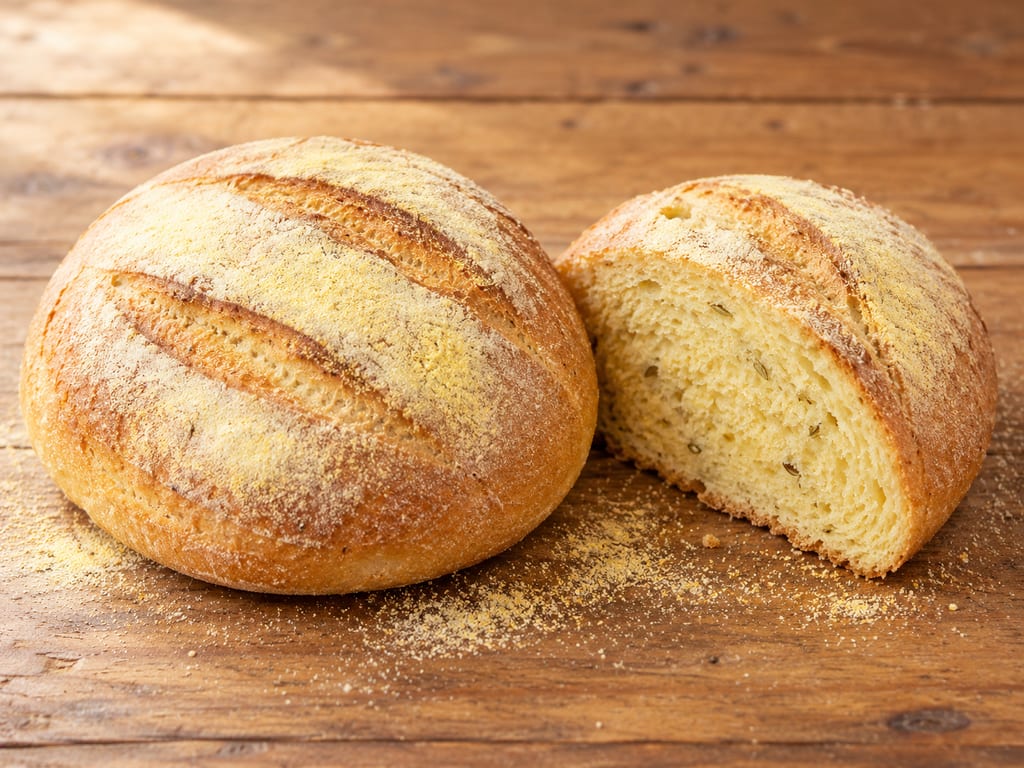
Brazilian broa de milho is a lightly sweet wheat-and-fine-maize bread with fennel and dry yeast, shaped into two small loaves for a Festa Junina or coffee break.
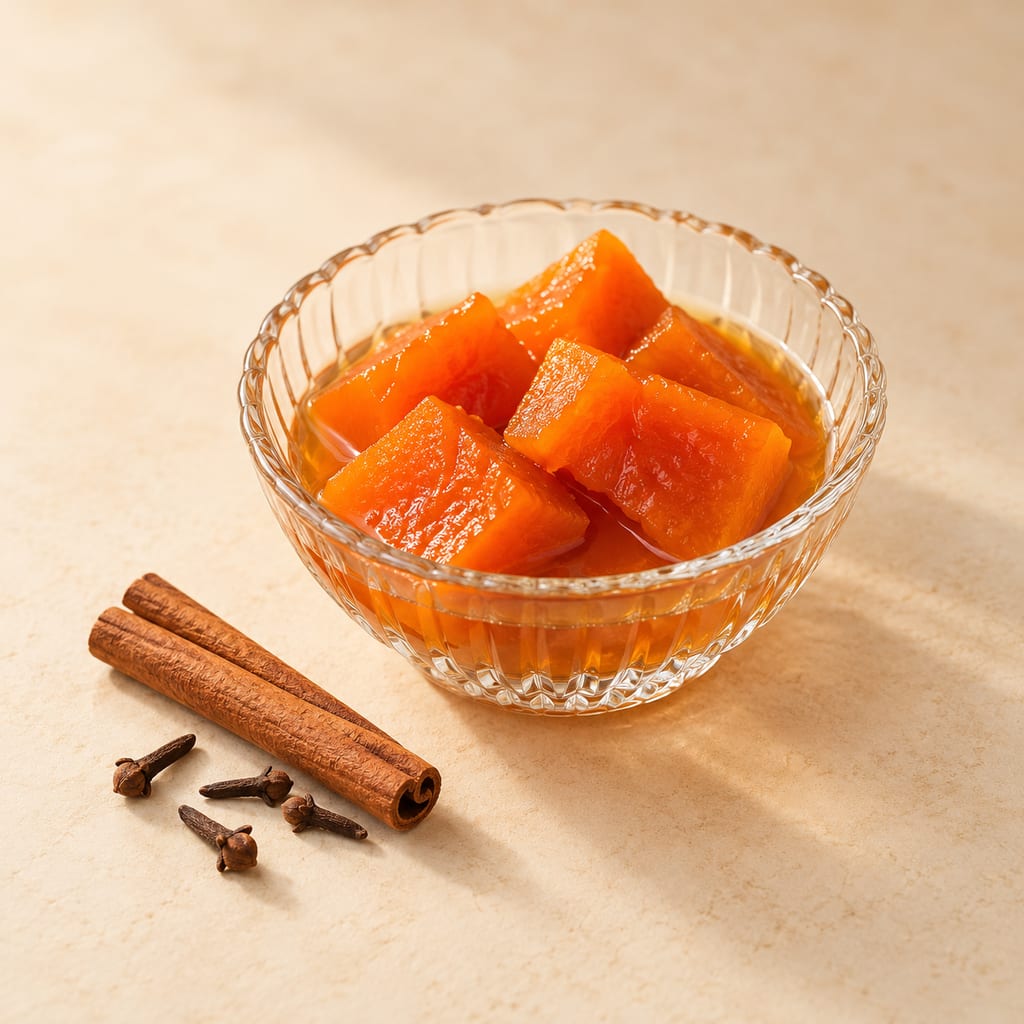
Brazilian doce de abóbora: Freeze for winter; small fresh portion refrigerated up to 48 hours.
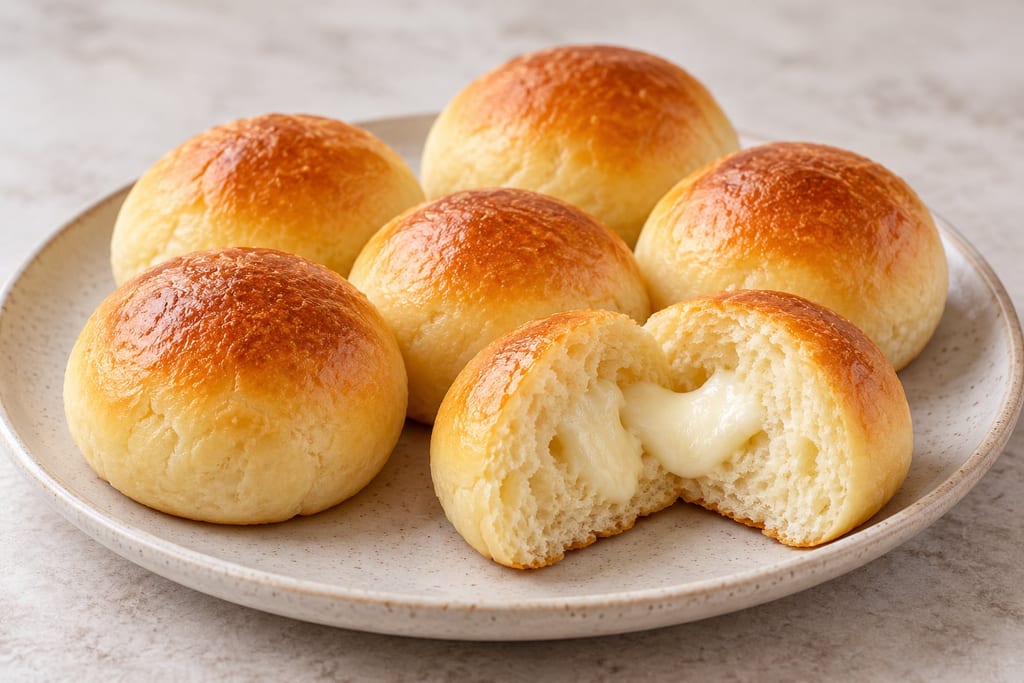
Soft Brazilian yeast rolls use cooked mashed potato in an enriched dough, with mozzarella cubes enclosed before baking.
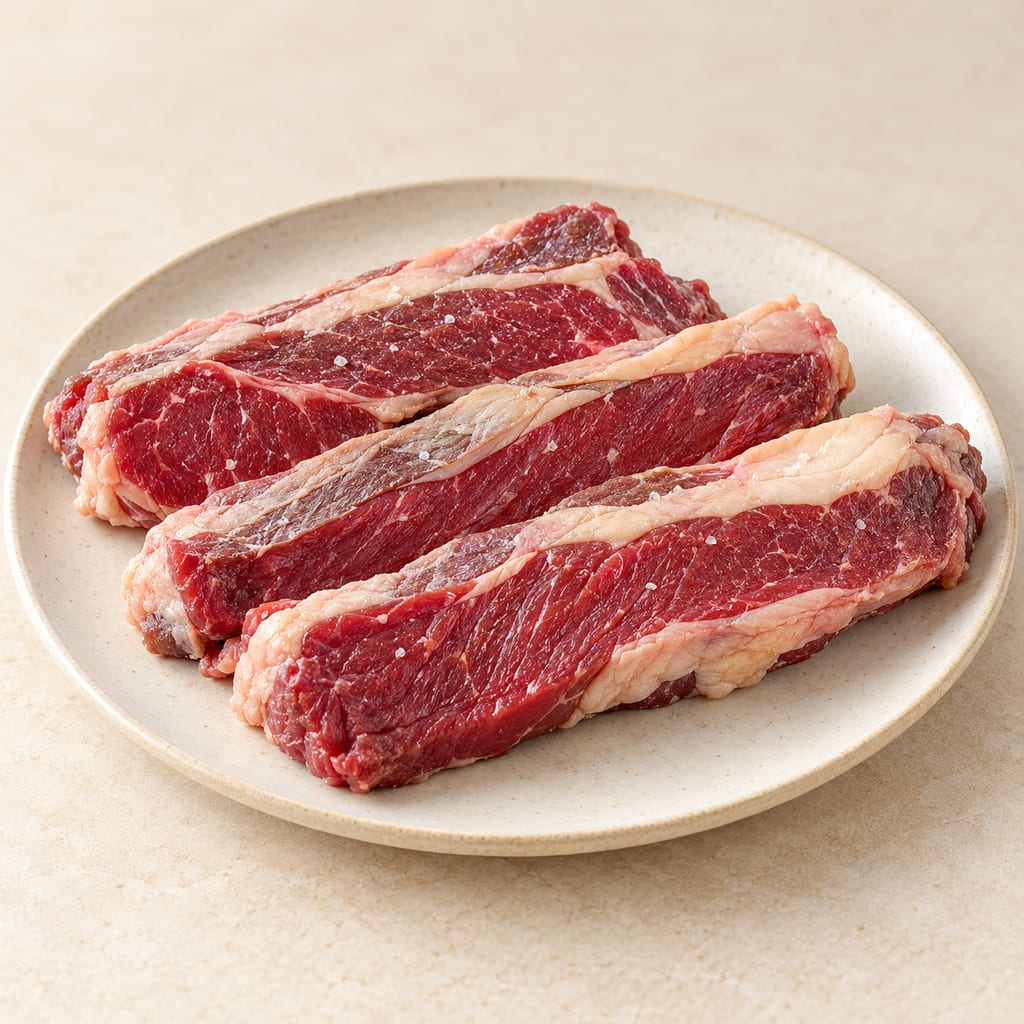
Beef given limited salt and partial surface drying, a short-keeping Brazilian meat that is much less durable than fully dried charque and is treated as a cold-chain product.
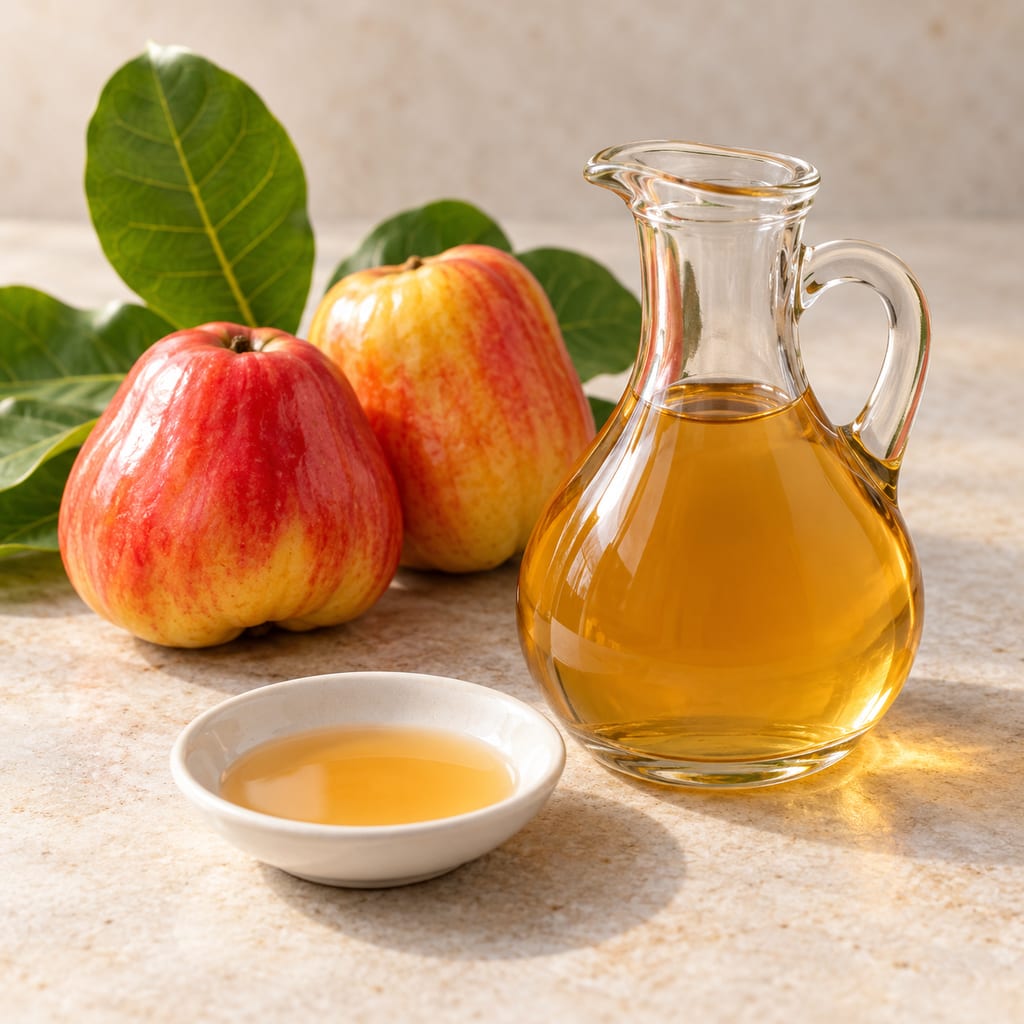
Vinagre de caju is made by fermenting cashew-apple juice into an alcoholic base, then aerating it so acetic bacteria can convert ethanol into acid. Brazilian guidance records the sequence, but not a complete home-scale formula.
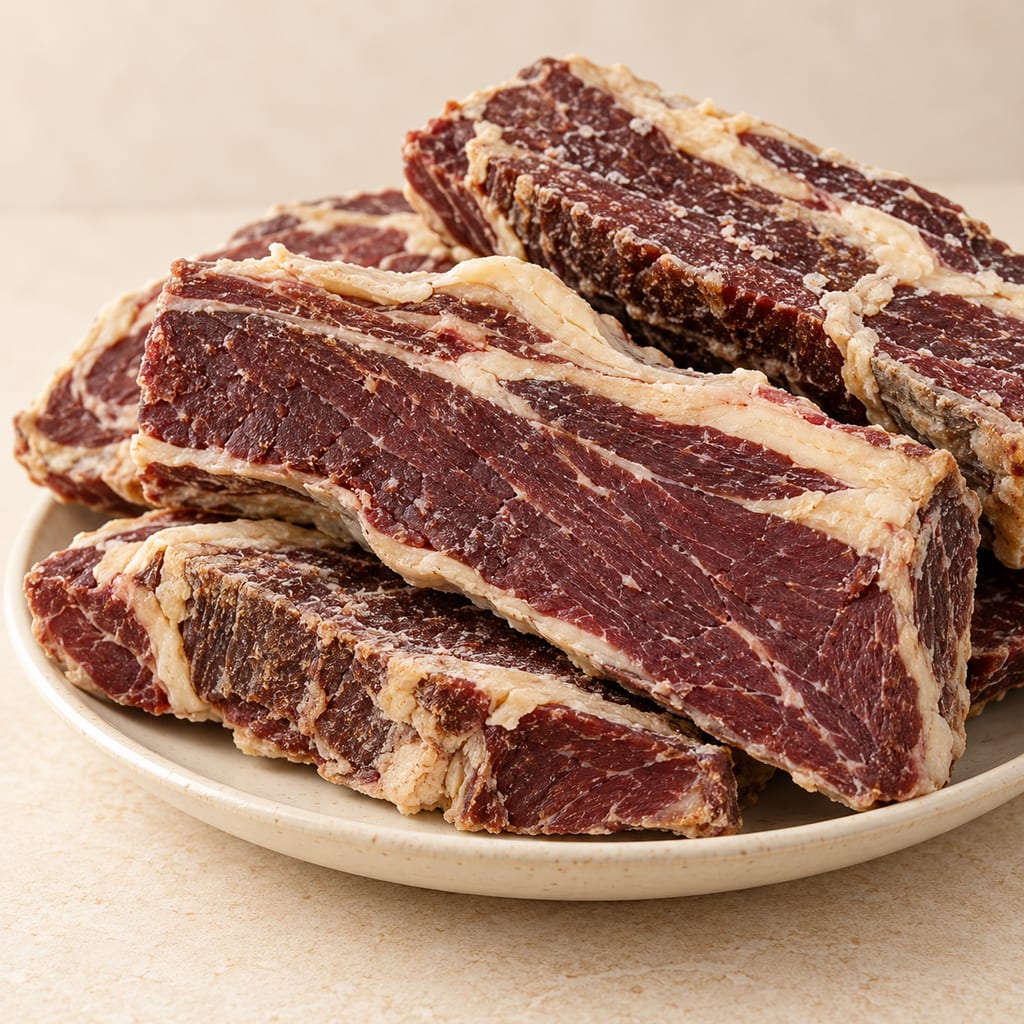
Beef salted heavily and dried into a strongly preserved ingredient that is desalted before it is cooked in stews; a Brazilian form of salt-dried meat that keeps far longer than the lightly salted carne-de-sol.
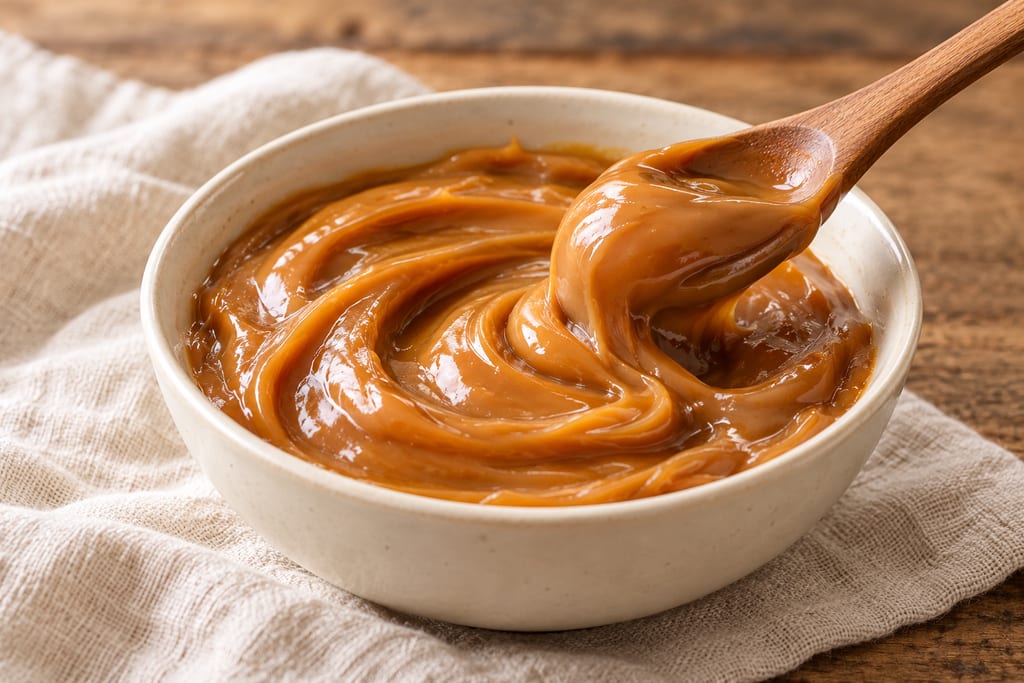
Dulce de leche and its relatives, including Mexican cajeta from goat's milk, are milk and sugar cooked slowly until thick and brown. The name changes across Latin America, and the browning gives each its character.
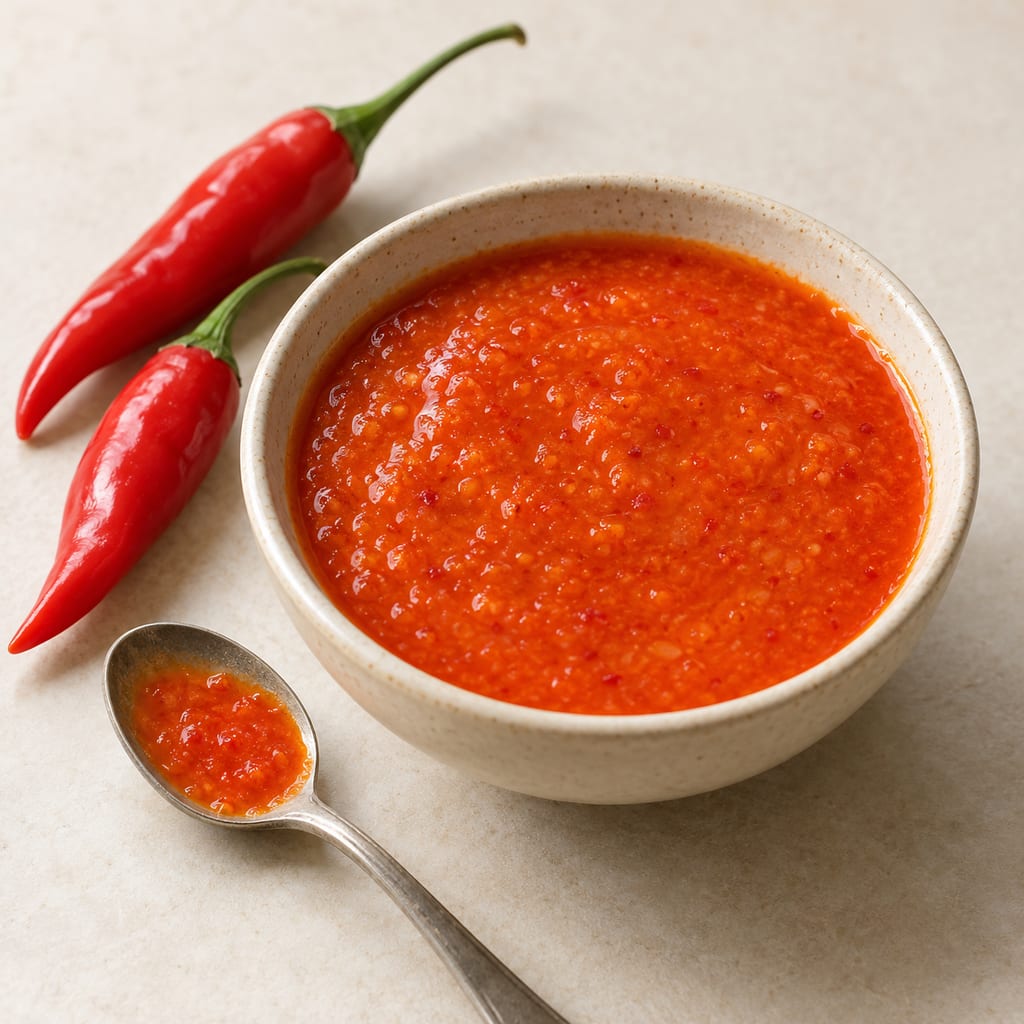
A Brazilian table sauce made from hot peppers, most often dedo-de-moça, cooked briefly with onion, garlic and vinegar and then blended smooth. Household versions differ widely.

Pohnpeian mahr is breadfruit preserved in an earthen pit as an off-season reserve, then kneaded and prepared as bread. The FAO and NTBG accounts give no validated method or storage limit.
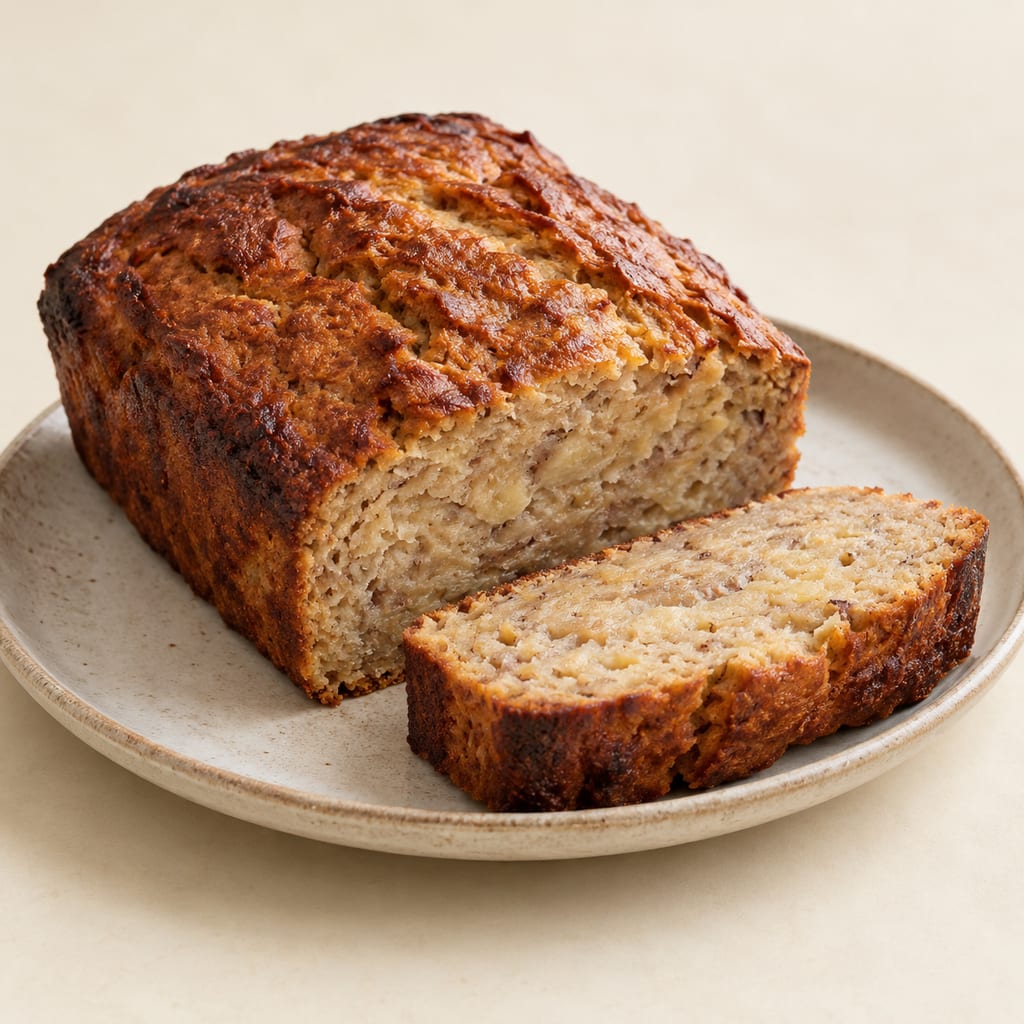
Masi faʻi is a Western Samoan food of unripe bananas preserved in a leaf-lined pit, later made into loaves and baked. The FAO account gives no storage conditions or validated process.
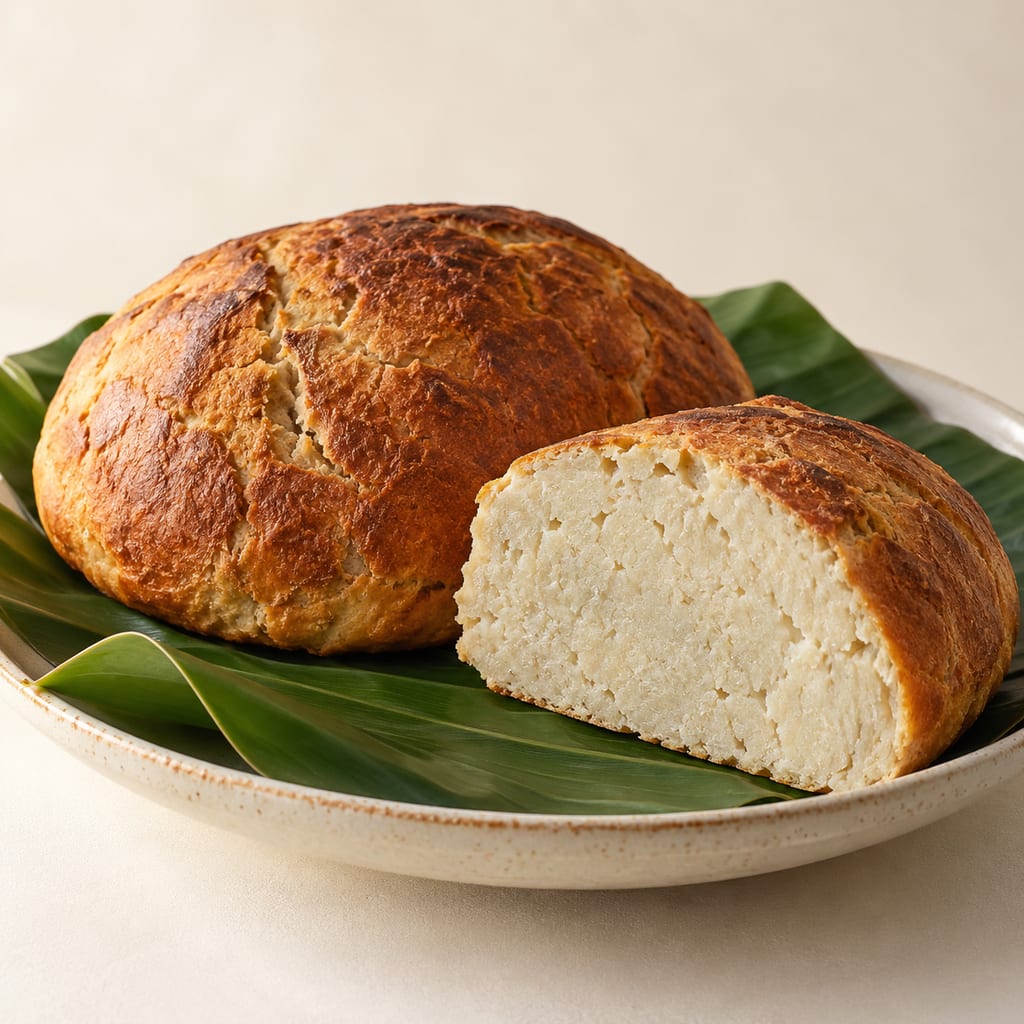
Samoan breadfruit masi is a preserved breadfruit paste kept in a leaf-lined pit, then kneaded, shaped into loaves and baked. FAO describes it at Western Samoa scale only.
In Burkina Faso, processors bury whole shea fruits in fosse pits before extracting nuts. Field research records varied pit sizes, coverings, durations and handling; it does not establish one standard design.
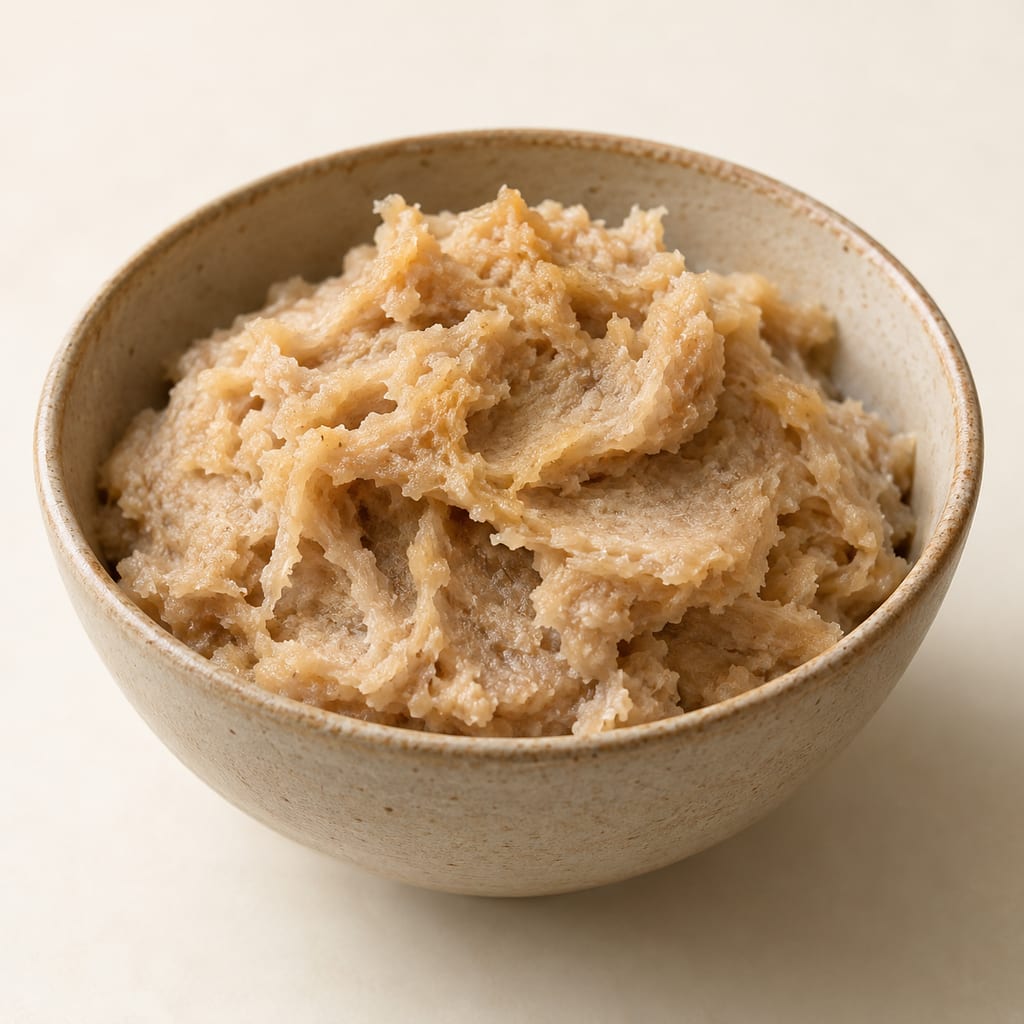
Tahitian mahi is a breadfruit paste wrapped in Cordyline leaves and kept in an earth-covered pit for several months, a scarcity food of French Polynesia. The heritage account gives no validated method.
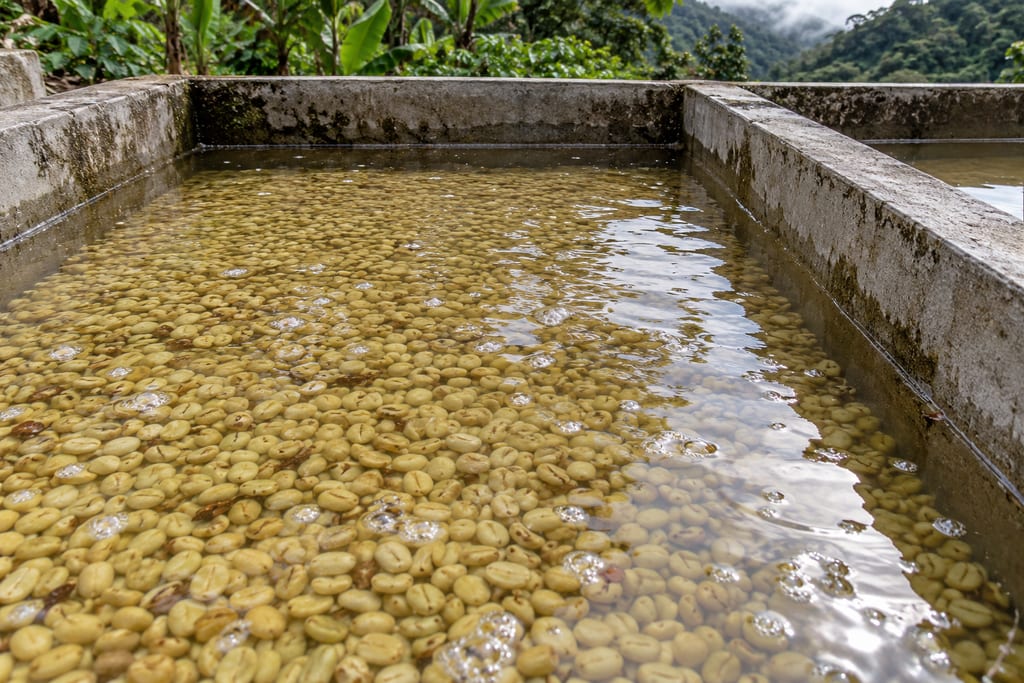
Washed Arabica coffee from Nanegal in Ecuador: depulped beans held under water while microbes and enzymes strip the mucilage, then washed, soaked and sun-dried to green coffee.
No community contributions have been published for this entry yet.
Sign in to contribute. Published comments and photos are free to read.
Acta Amazonica 41(2), 279-284 (2011); Renan Campos Chisté and Kelly de Oliveira CohenMethod · Geography · Uses
Influência da fermentação na qualidade da farinha de mandioca do grupo d’águaRoots macerated in standing water in artisanal tanks for four days; peeled, crushed, pressed in a hydraulic press (model 60 ton) to remove manipueira; roasted in a copper pan at an average 160 ± 10 °C for five minutes; coarse granulation; Belém roots from Embrapa; consumed as far south as Maranhão.
A panel of 60 untrained people ranked four flours made after 24, 48, 72 and 96 hours of maceration; the 96-hour sample scored highest and differed significantly only from the 48-hour sample at the reported 5% level.
Cited in: Overview; Process; Uses and a tasting result; Safety and limits
Journal of Ethnic Foods 9, article 35 (2022); Thamylles Thuany Mayrink Lima et al.Uses · Method
Traditional Brazilian fermented foods: cultural and technological aspectsFarinha d’água is associated with farofa, pirão and cakes in Northern Brazil and Pará; an approximately five-day maceration summary.
Cited in: Overview; Uses and a tasting result
Food and Agriculture Organization of the United NationsMethod
Traditional post-harvest technology of perishable tropical staples: Chapter 5, CassavaA broader 3 to 8 day soaking account for cassava products, not combined with the 2011 procedure.
Cited in: Process
Food Standards Australia New ZealandSafety
Cassava and bamboo shootsGeneral cassava hazard guidance on cyanogenic glycosides; it does not validate the 2011 batch.
Cited in: Safety and limits