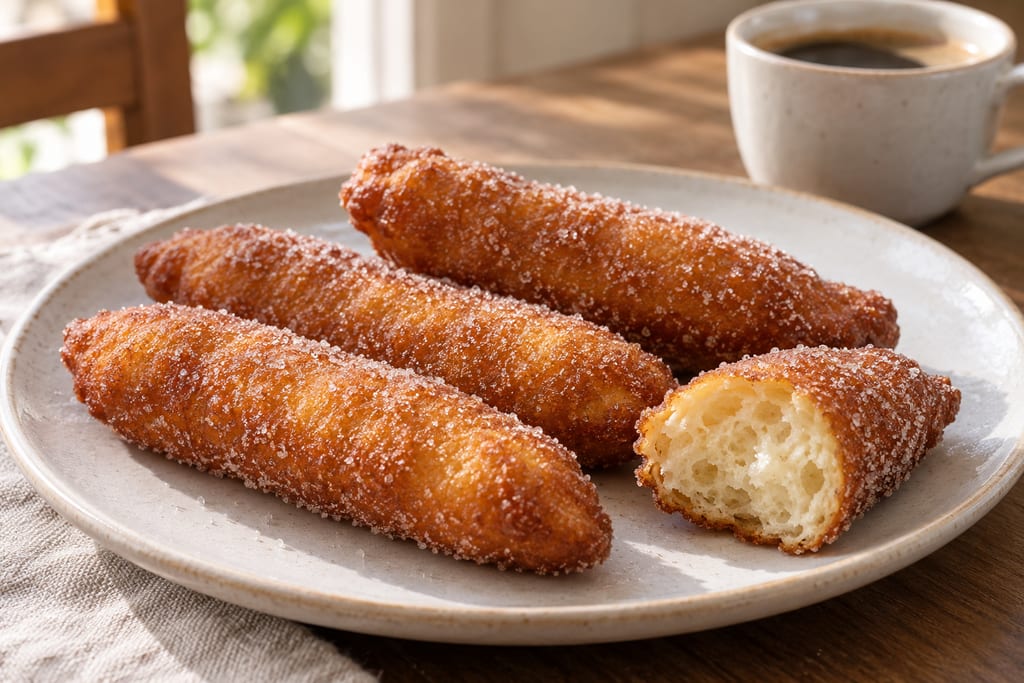
Firi firi (Tahitian coconut doughnuts)
Firi firi is a yeast-raised coconut doughnut piped into long pieces and deep-fried at 170°C, traditionally eaten for breakfast or dessert in Tahiti.
 FermenteaWhere food goes to change
mahi · mahi
Tahitian mahi is a breadfruit paste wrapped in Cordyline leaves and kept in an earth-covered pit for several months, a scarcity food of French Polynesia. The heritage account gives no validated method.
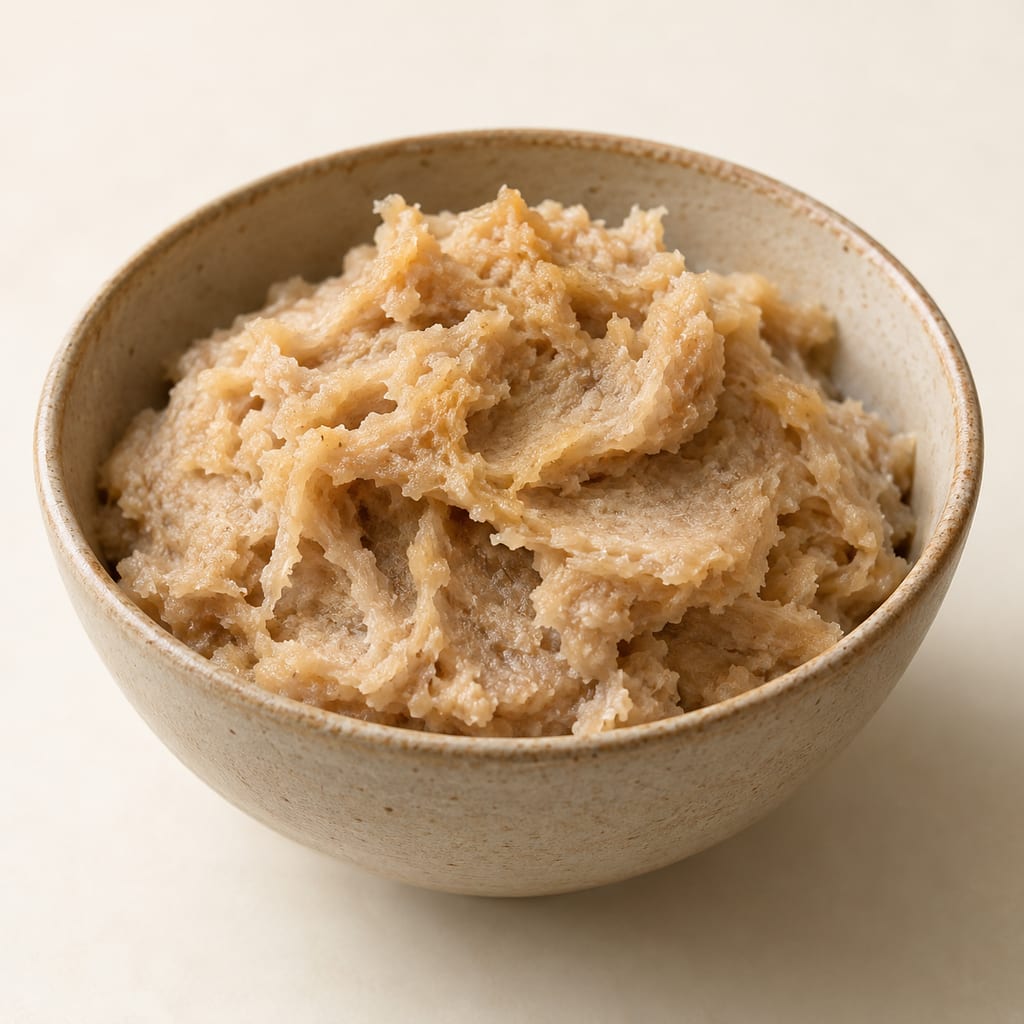
The Mahina educational booklet calls mahi a fermented paste made from breadfruit. FAO’s regional comparison also lists mahi for Tahiti. The supplied association with the Cook Islands was not verified in this source review, so this account is limited to Tahiti and the Society Islands. These names do not establish one interchangeable island recipe.
The booklet shows the breadfruit was peeled, cut and cored, wrapped in Cordyline leaves, and stored in an earth-covered pit for several months. It says the paste was later cooked in a Tahitian oven and eaten during scarcity. This is a description of reported practice, not a set of instructions for making it at home.
The passage shows no batch size, yield, pit dimensions, monitoring, endpoint, storage conditions or safety controls. It does not identify a starter or microorganisms, explain the role of the leaves, or document a household adaptation. FAO’s detailed 34-day sequence is specifically Samoan and does not fill these gaps for Tahiti.
The booklet shows storage for several months. That historical account is not a validated shelf-life limit or evidence that a batch is safe. The neighboring image caption names a mahi pit at Mangareva; it does not establish that the pictured location or method is Tahitian. The public gallery shows comparison breadfruit preparations, not a photograph documenting this Tahitian method.
The Cook Islands association and Tahitian seasonal calendar remain not yet checked.
No source-reviewed household recipe, process controls, endpoint, or qualified food-safety assessment is available.
The function of Cordyline leaves and the fermentation mechanism are not established.
Ragone’s 2002 article body was inaccessible in the audit; only metadata and abstract were inspected.
The cited sources reviewed provide no image identifying the Tahitian mahi method or permission to reproduce such a source image. The public gallery uses attributed comparison photographs with reuse rights unstated.
The Cook Islands association is not verified in the sources reviewed.
Firi firi is a yeast-raised coconut doughnut piped into long pieces and deep-fried at 170°C, traditionally eaten for breakfast or dessert in Tahiti.
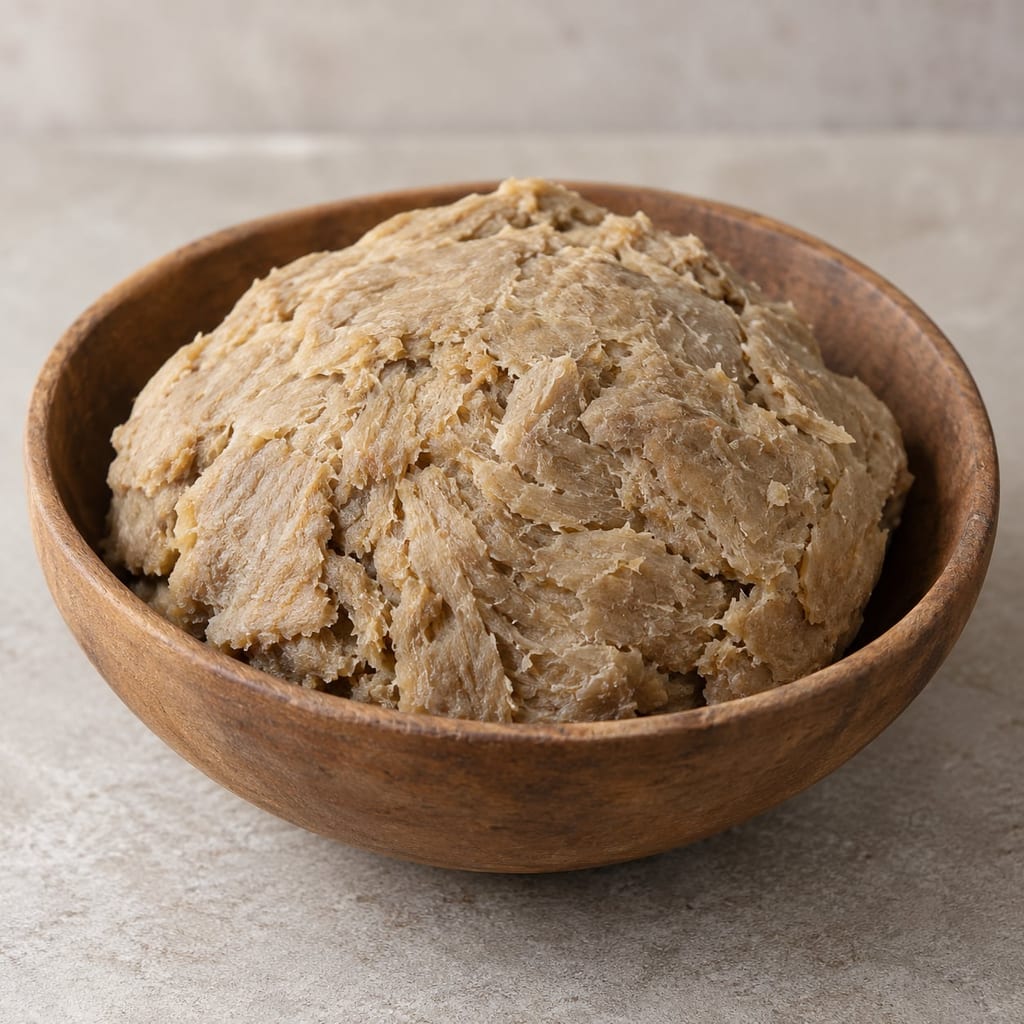
Marquesan ma is fermented breadfruit paste stored in pits and prepared as popoi. The source describes the process and dishes but gives no validated household method.
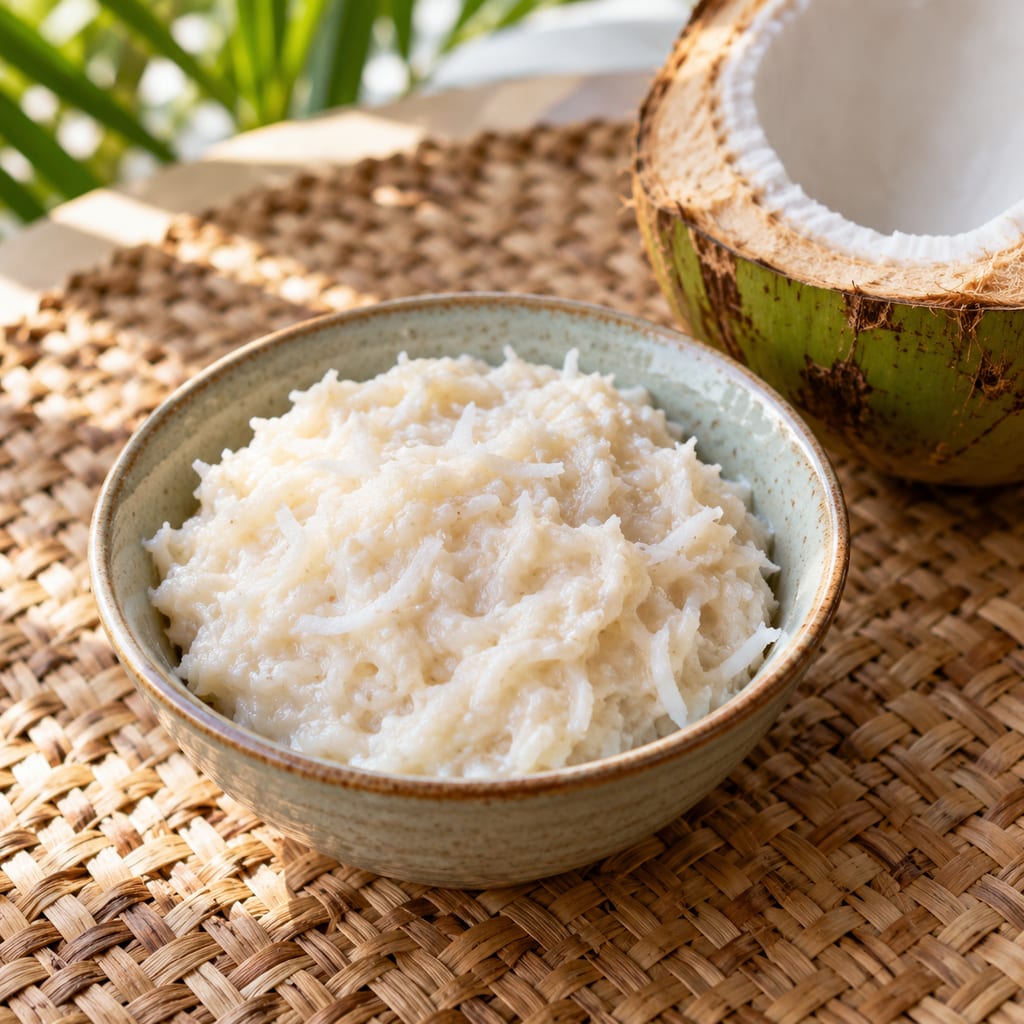
A documentary account of Tahitian mitihue, a fermented coconut condiment traditionally associated with freshwater prawns. It records cultural context and source-reported risks without giving a household preparation method.
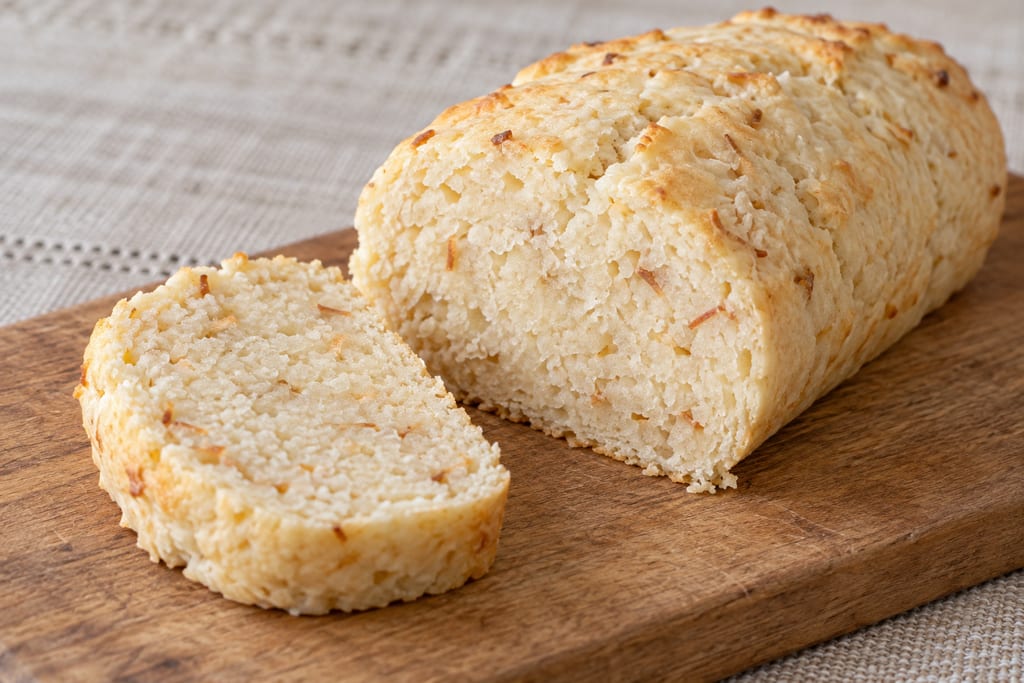
Sweet dough with grated coconut is divided into ten logs, wrapped in foil and baked slowly in this Polynesian Cultural Center version demonstrated by Gina Pasi.
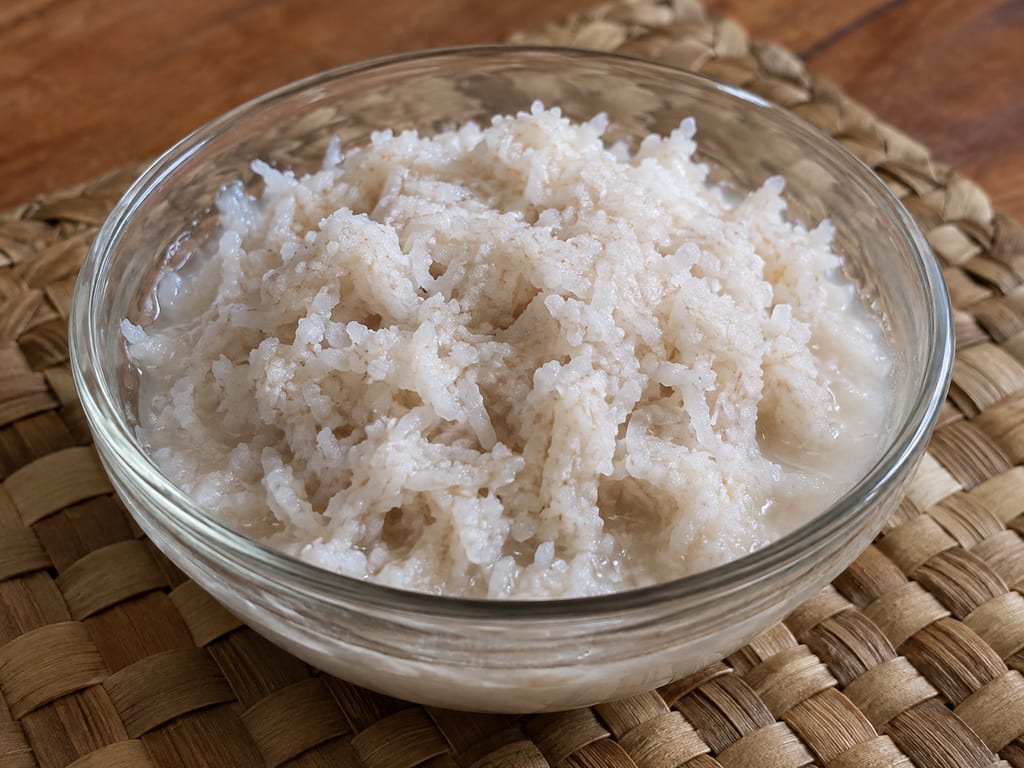
Taioro is a Polynesian condiment of grated coconut fermented with freshwater prawn heads in seawater, then rested in a cool place for a day before it is used.

Farinha d’água is a coarse cassava flour associated with Brazil's Amazon and Pará. This page documents one published experiment; it is not a household recipe or validated safety guide.

Pohnpeian mahr is breadfruit preserved in an earthen pit as an off-season reserve, then kneaded and prepared as bread. The FAO and NTBG accounts give no validated method or storage limit.
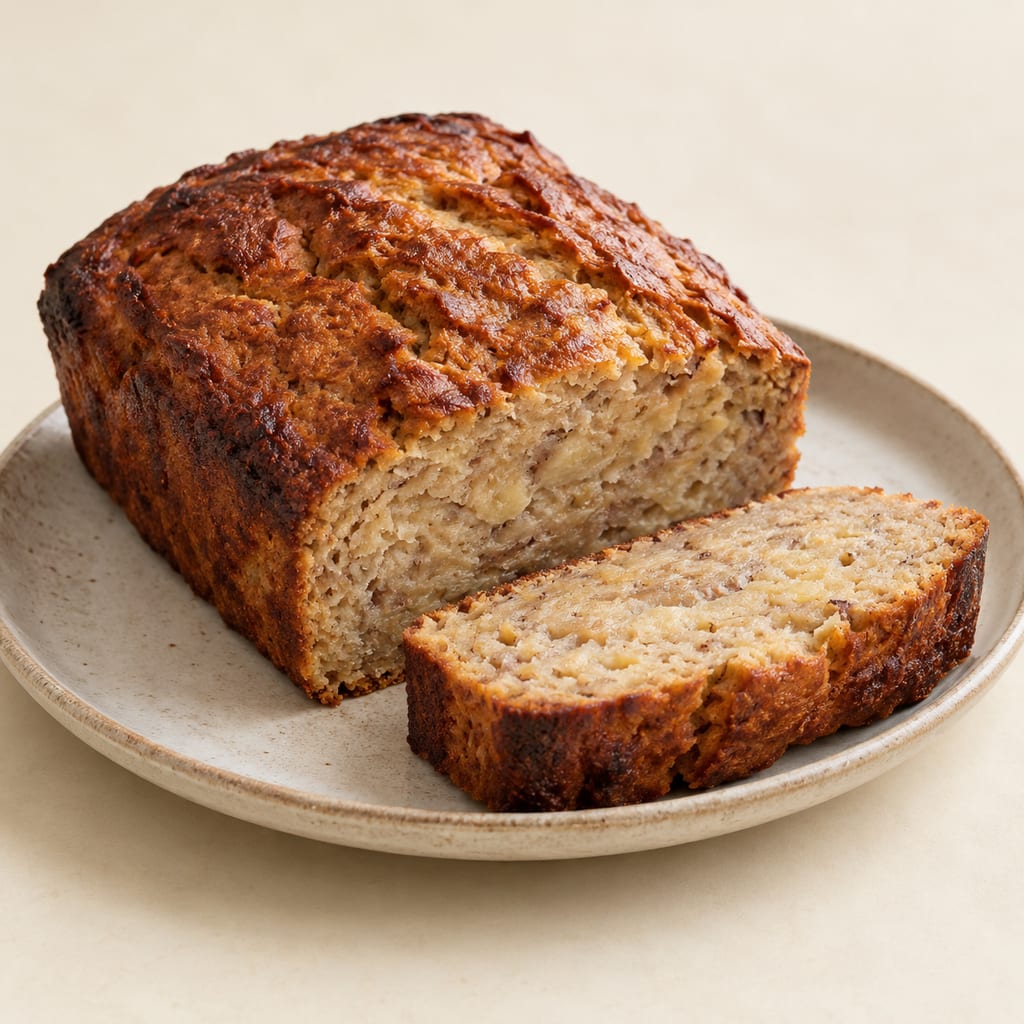
Masi faʻi is a Western Samoan food of unripe bananas preserved in a leaf-lined pit, later made into loaves and baked. The FAO account gives no storage conditions or validated process.
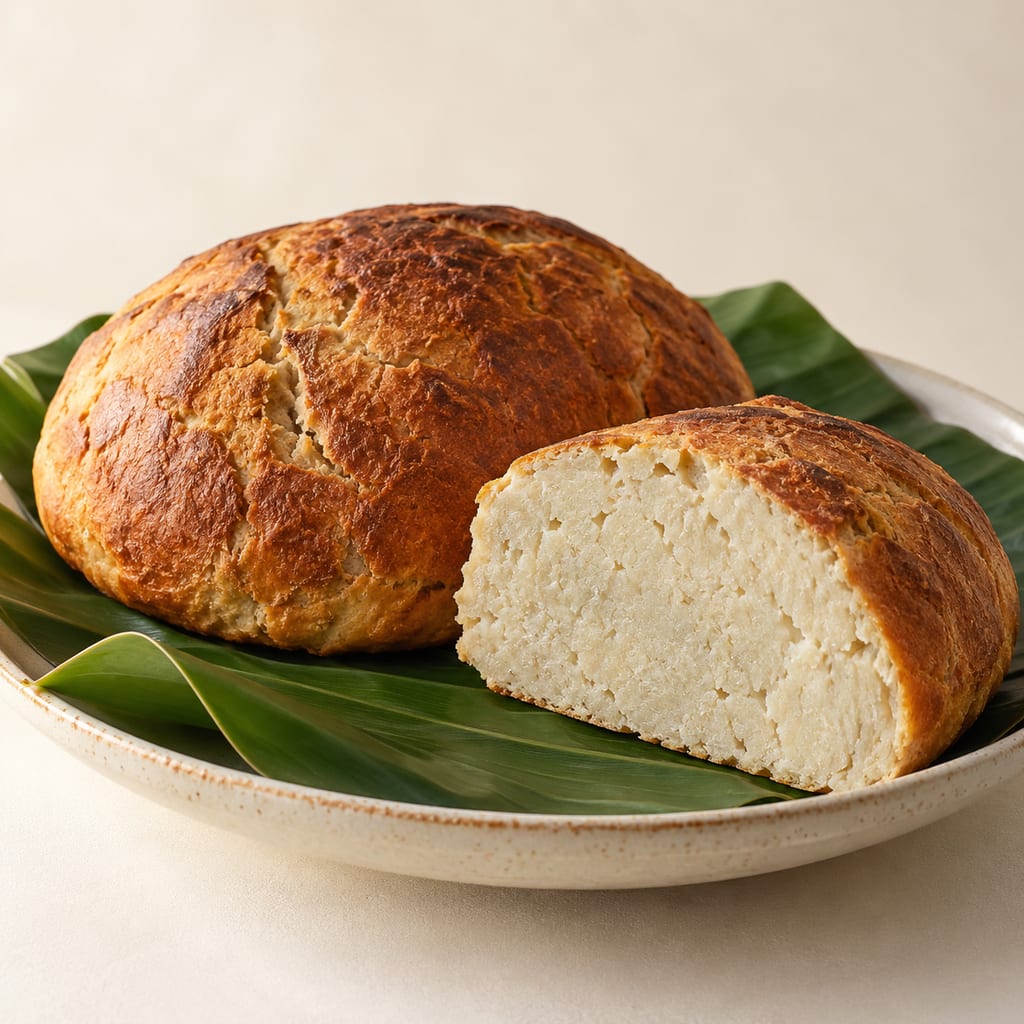
Samoan breadfruit masi is a preserved breadfruit paste kept in a leaf-lined pit, then kneaded, shaped into loaves and baked. FAO describes it at Western Samoa scale only.
In Burkina Faso, processors bury whole shea fruits in fosse pits before extracting nuts. Field research records varied pit sizes, coverings, durations and handling; it does not establish one standard design.
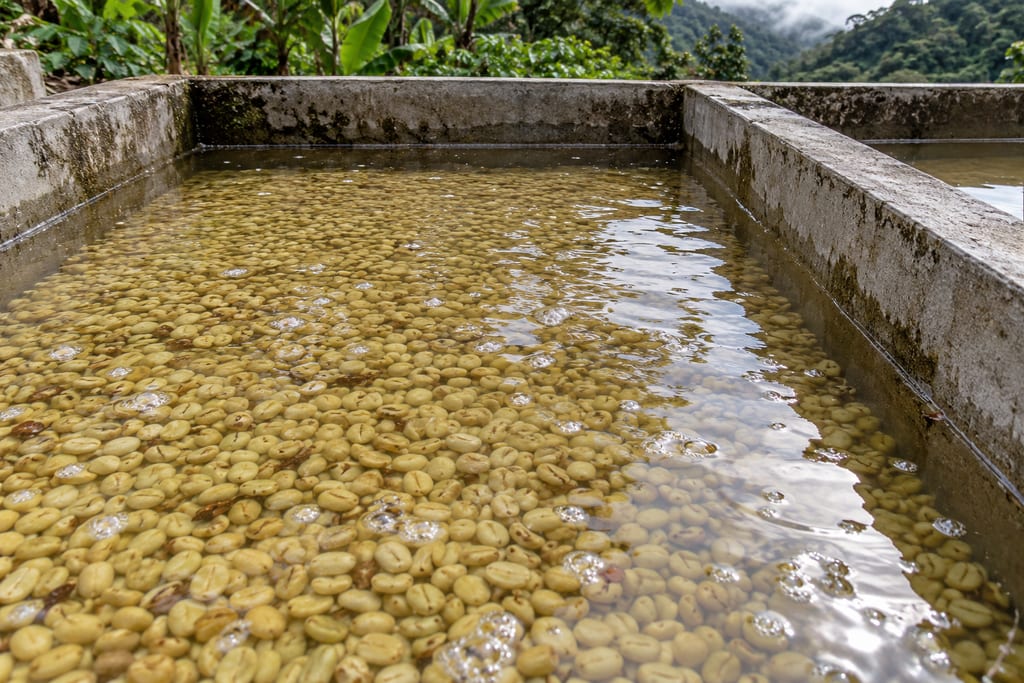
Washed Arabica coffee from Nanegal in Ecuador: depulped beans held under water while microbes and enzymes strip the mucilage, then washed, soaked and sun-dried to green coffee.
No community contributions have been published for this entry yet.
Sign in to contribute. Published comments and photos are free to read.
French Polynesia education e-book portalMethod
Mahina, documentary section “Mahi” (digital booklet page 27)Cited in: A Tahitian name and account; What the heritage account describes; What remains unknown; Storage and evidence limits; Open questions in the sources
Tropical Development and Research Institute; Food and Agriculture Organization of the United NationsMethod
Traditional post-harvest technology of perishable tropical staples, Agricultural Services Bulletin 59, Chapter 5Cited in: A Tahitian name and account; What remains unknown; Open questions in the sources