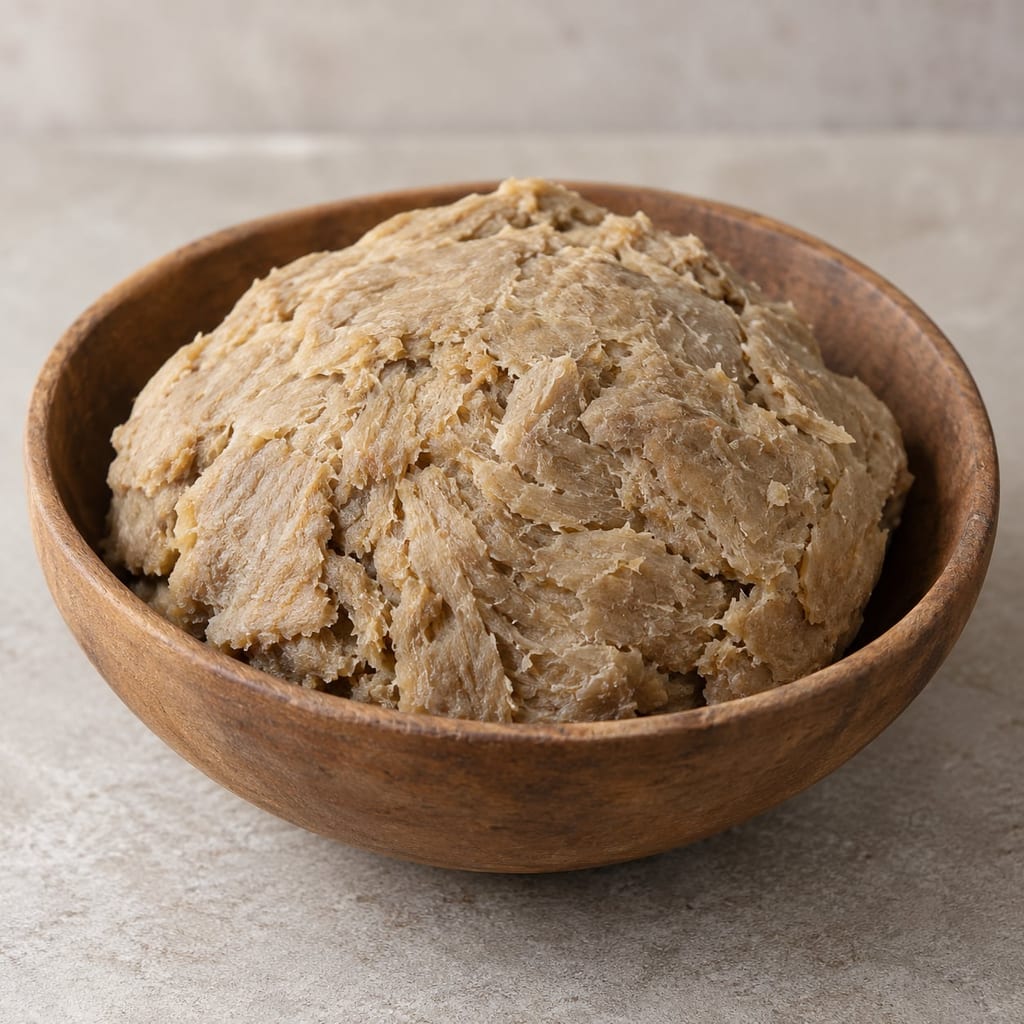
Ma (Marquesan fermented breadfruit)
Marquesan ma is fermented breadfruit paste stored in pits and prepared as popoi. The source describes the process and dishes but gives no validated household method.
 FermenteaWhere food goes to change
Traditional method
Firi firi · Firi-firi · Tahitian firi firi
Firi firi is a yeast-raised coconut doughnut piped into long pieces and deep-fried at 170°C, traditionally eaten for breakfast or dessert in Tahiti.
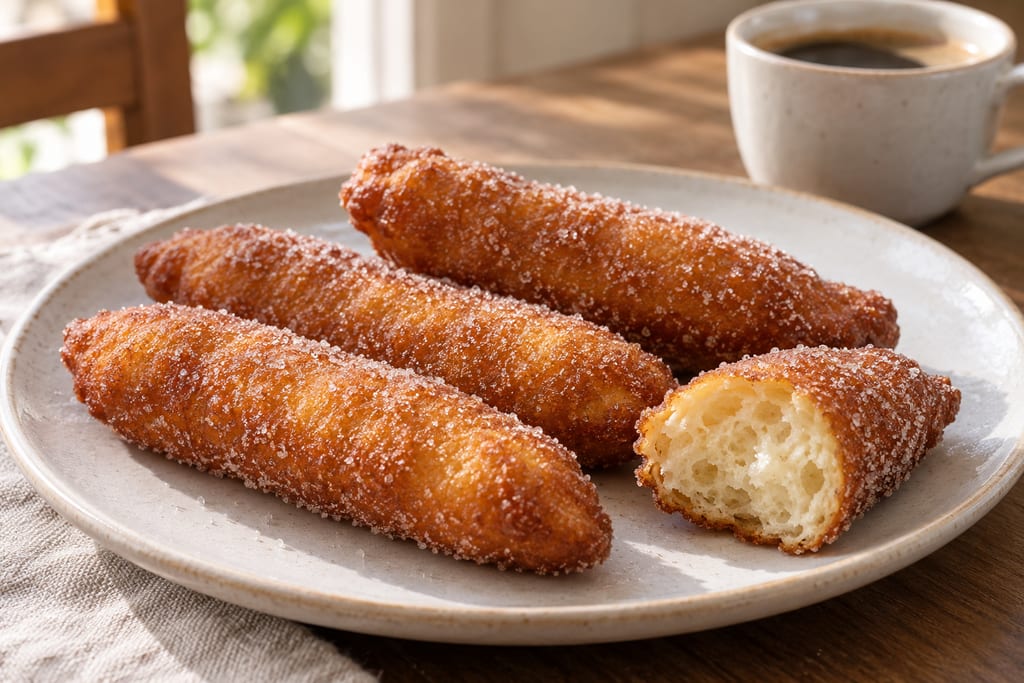
The Coconet describes firi firi as a Tahitian coconut doughnut traditionally served for breakfast or dessert. This Manuela Zangara version uses a thick yeast batter with coconut milk, which is piped into long pieces and fried. It is one source-specific shape; other Tahitian methods form the dough as figure eights.
The recipe specifies 350 g flour, 100 g sugar, a pinch of salt, 7 g dry yeast, 80 ml water and 200 ml coconut milk. The measured sugar includes a tablespoon for activating the yeast; more sugar is used to coat the fried pieces, but the source gives no amount for that finish.
The batter rises for three hours. The source sets the frying oil at 170°C and says colder oil produces soggy pieces, while hotter oil may brown the outside before the center cooks. Keep the oil at the stated temperature and work carefully around it.
The recipe gives about 13 cm for each piped piece and fries both sides until a deep brown, then drains the fritters and coats them with sugar. It does not give a count, a measured internal endpoint or storage guidance. These details are not inferred from other fried or figure-eight versions.
The Coconet identifies firi firi as a Tahitian coconut doughnut traditionally served for breakfast and dessert. This source-specific version uses a yeast-raised batter containing coconut milk, piped into long pieces and deep-fried; other recorded firi firi forms include figure eights. The page does not date the food's first attestation or establish a single universal shape or recipe.
Scaling: source batch only
The method deep-fries at 170°C; overheated oil can burn the outside before the inside cooks and presents a burn hazard.
Hazard sourceUse a thermometer to hold the oil at the source's 170°C setting and avoid overheating.
Control sourceThe source gives an oil temperature but no internal-temperature endpoint for the dough. Its darker-brown color cue is descriptive, not a measured safety check. Handle the hot oil carefully.
The source identifies the dish as Tahitian and calls it a traditional breakfast or dessert. This does not establish a more precise birthplace or one universal firi firi shape.
Marquesan ma is fermented breadfruit paste stored in pits and prepared as popoi. The source describes the process and dishes but gives no validated household method.
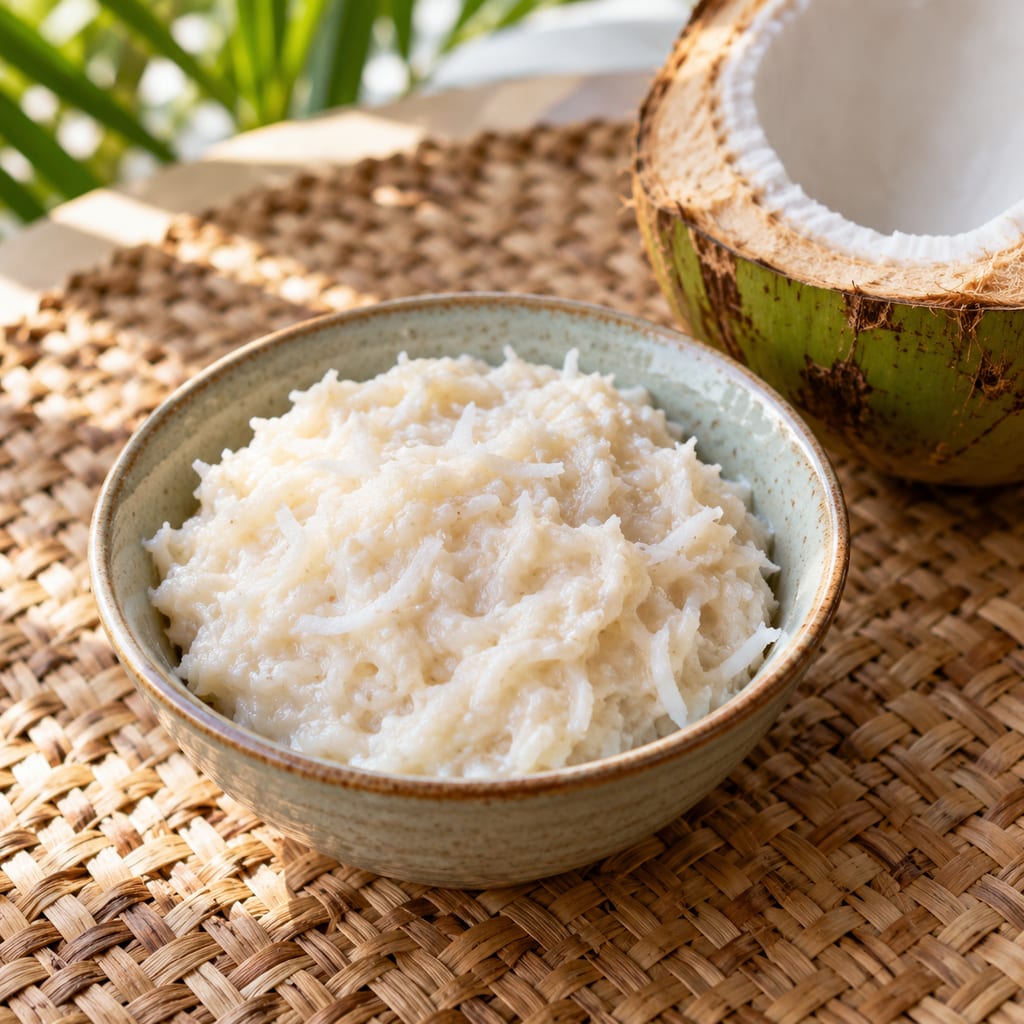
A documentary account of Tahitian mitihue, a fermented coconut condiment traditionally associated with freshwater prawns. It records cultural context and source-reported risks without giving a household preparation method.
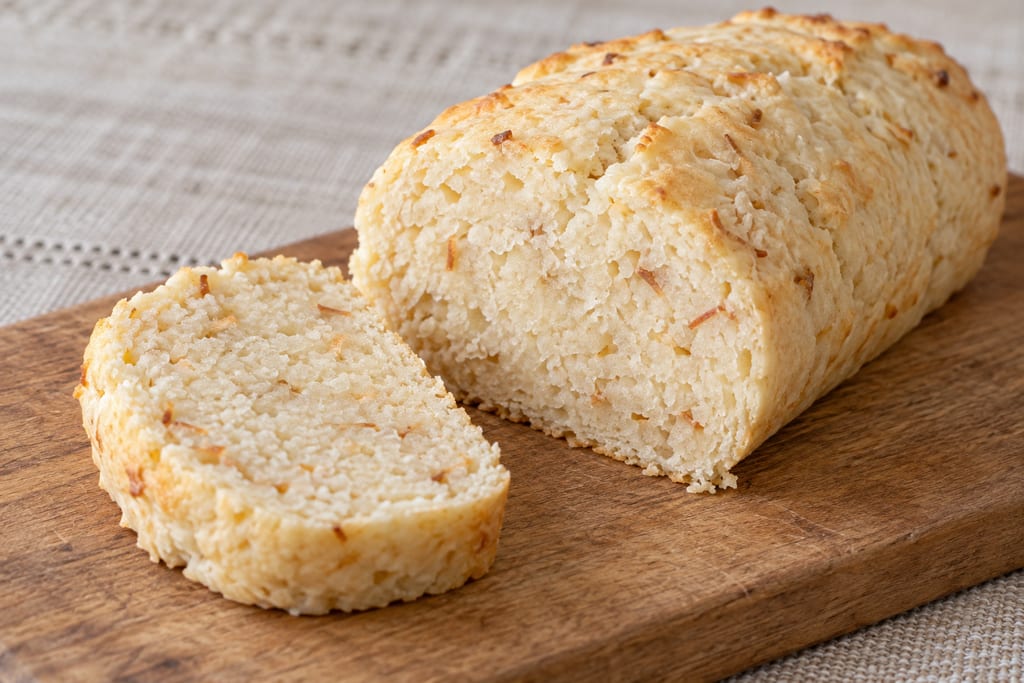
Sweet dough with grated coconut is divided into ten logs, wrapped in foil and baked slowly in this Polynesian Cultural Center version demonstrated by Gina Pasi.
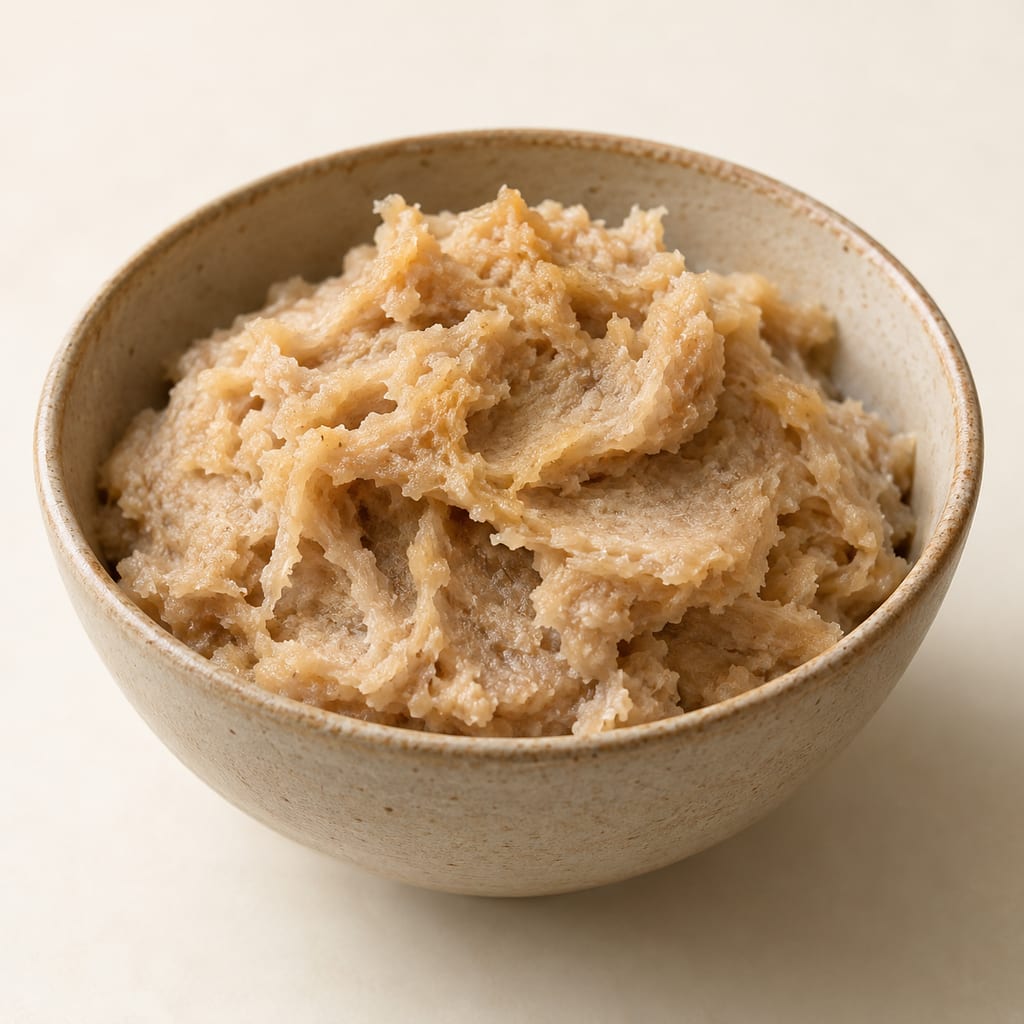
Tahitian mahi is a breadfruit paste wrapped in Cordyline leaves and kept in an earth-covered pit for several months, a scarcity food of French Polynesia. The heritage account gives no validated method.
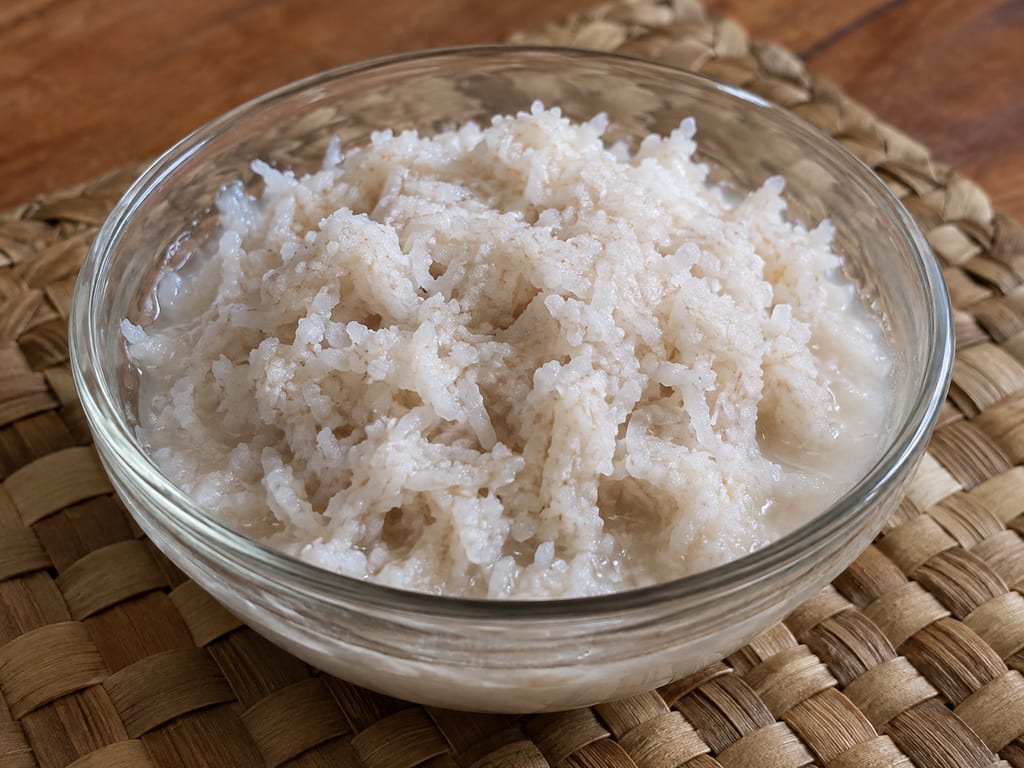
Taioro is a Polynesian condiment of grated coconut fermented with freshwater prawn heads in seawater, then rested in a cool place for a day before it is used.
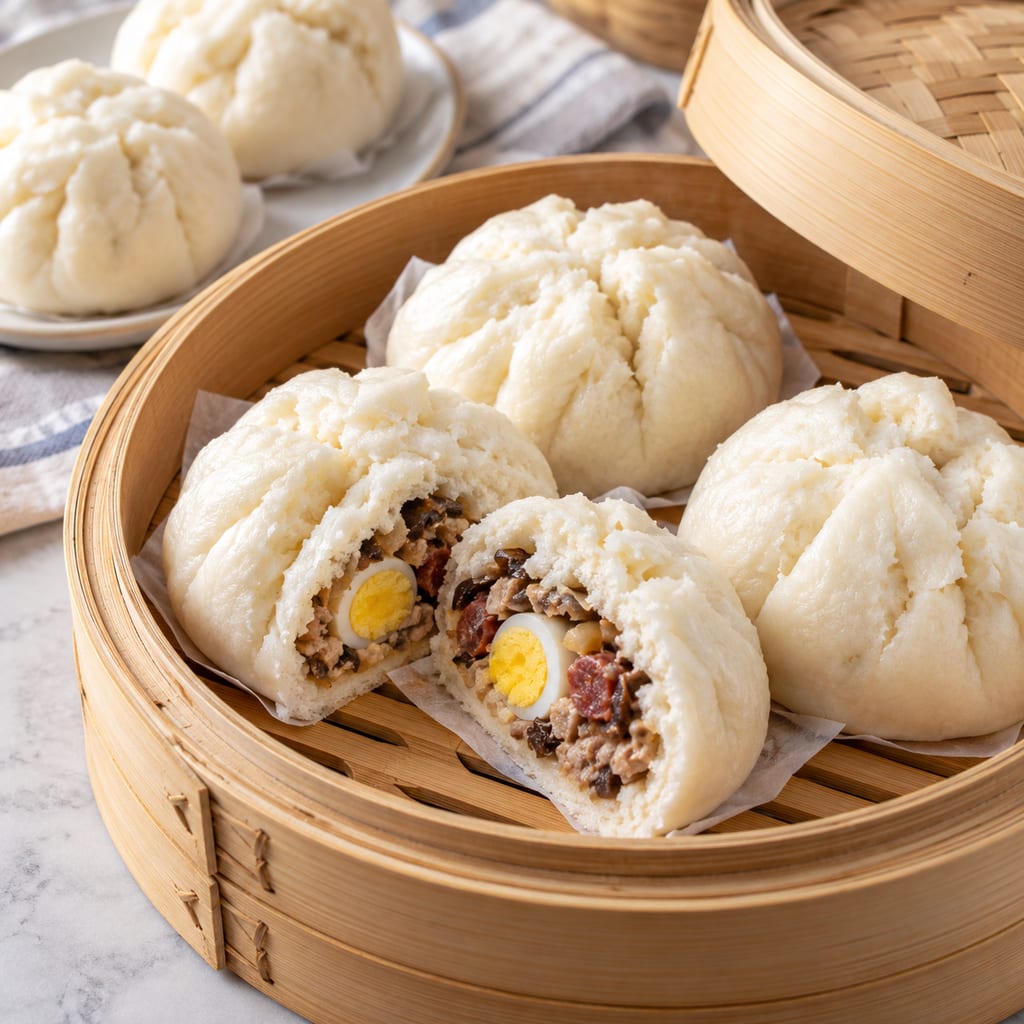
Vietnamese steamed wheat buns wrapped around seasoned pork, mushrooms, Chinese sausage and hard-boiled quail eggs. This from-scratch version uses yeast and self-rising flour.
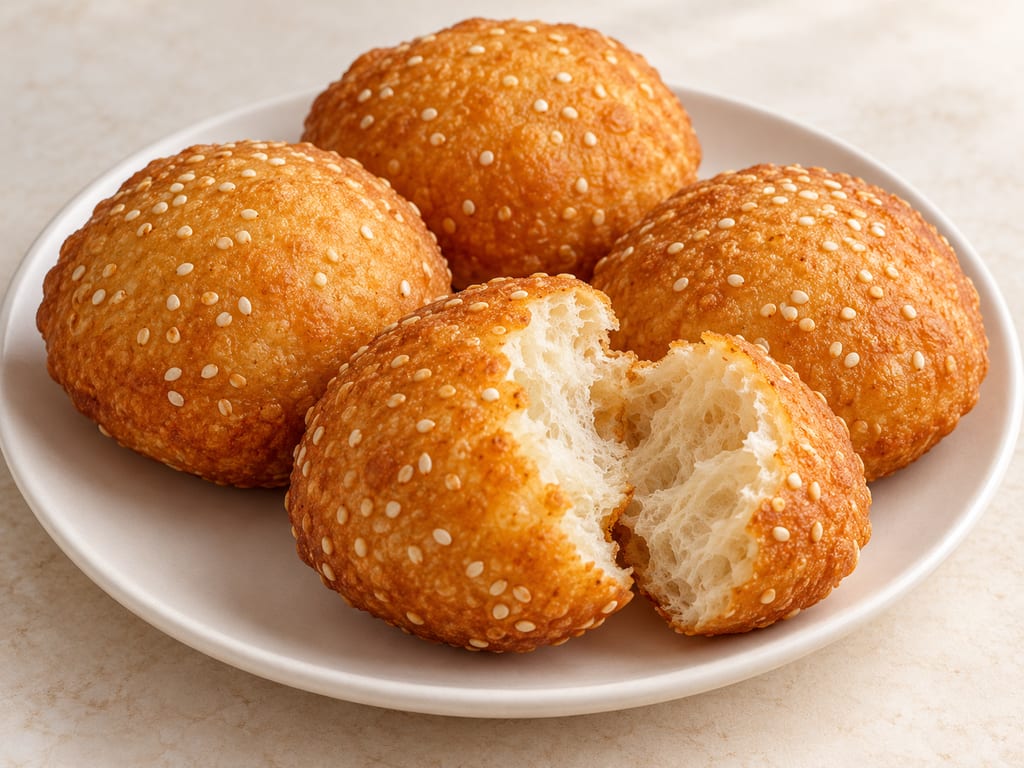
Bánh tiêu is a lightly sweet Vietnamese fried bread coated with sesame. A yeast-raised dough with baking powder is rolled into small rounds and fried until puffed and golden.
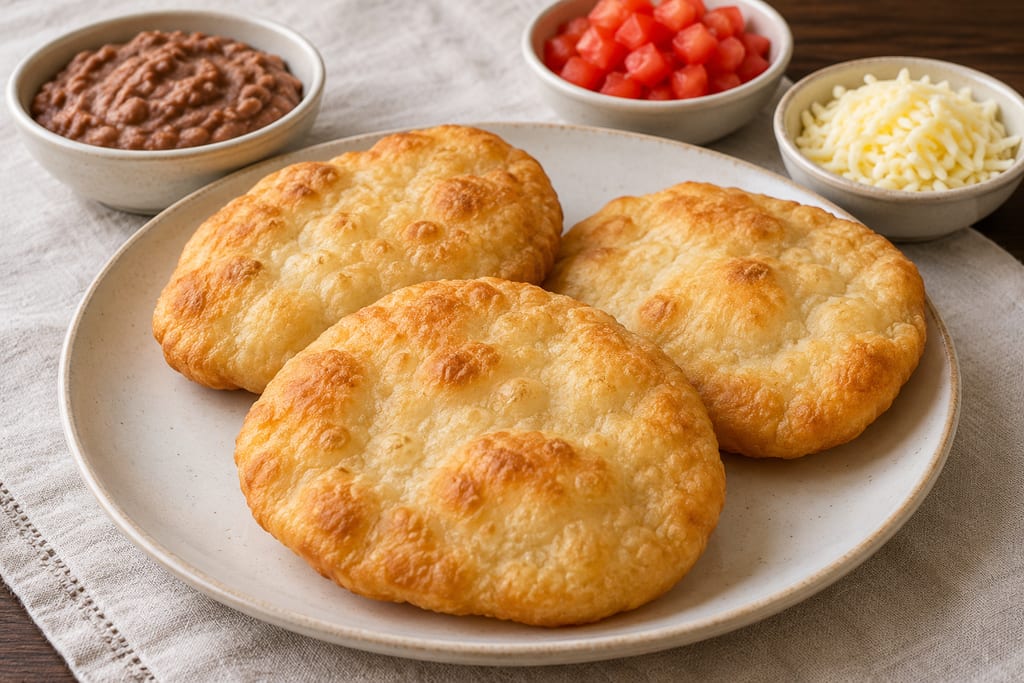
A Belizean fried breakfast bread made from baking-powder dough with evaporated milk, shaped into rounds and fried until golden.
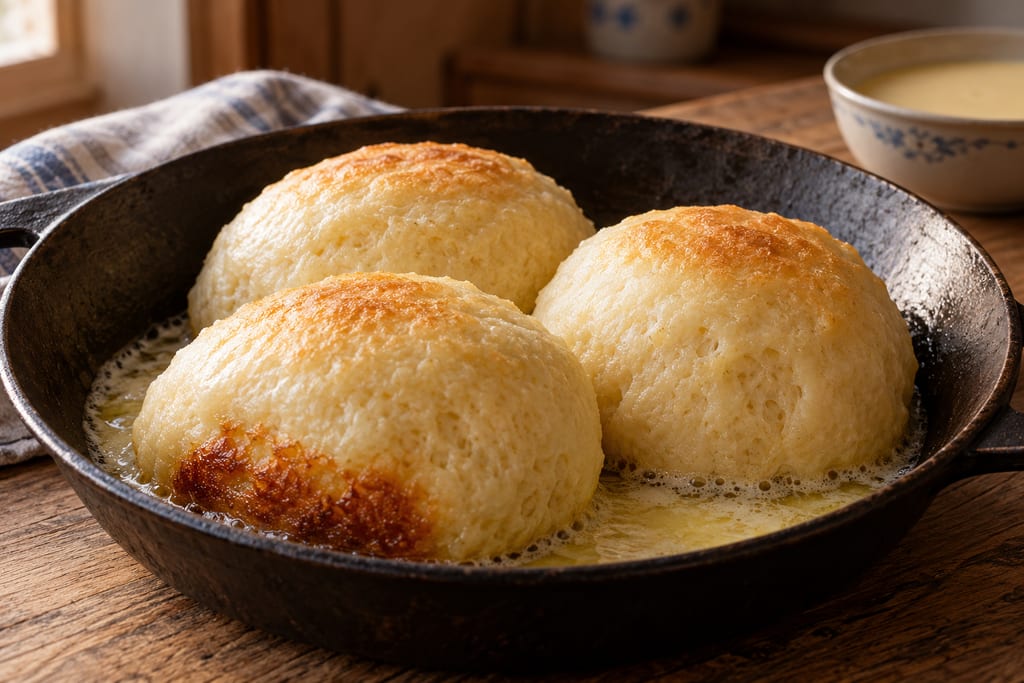
Allgäu Dampfnudeln are enriched wheat buns proofed in a covered casserole and cooked in milk and butter until the liquid nearly cooks away.
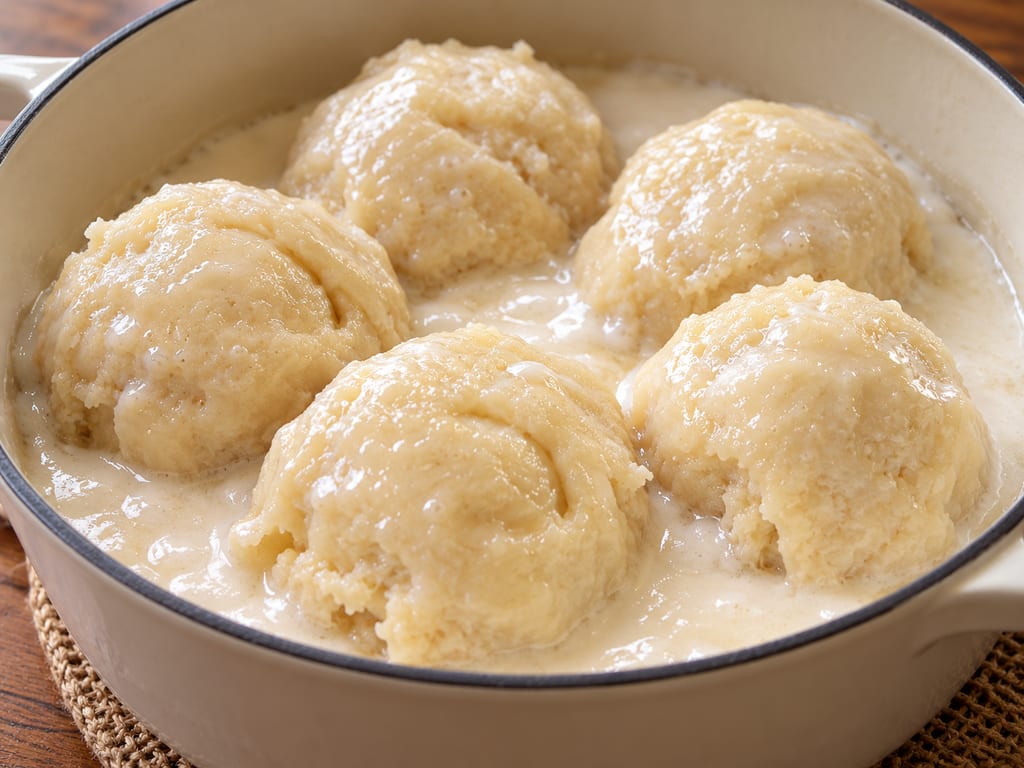
Soft yeast buns shaped by hand and simmered covered in coconut cream diluted with water in a deep pot. This Fijian home version uses a clean knife or fork inserted into the center as its doneness cue.
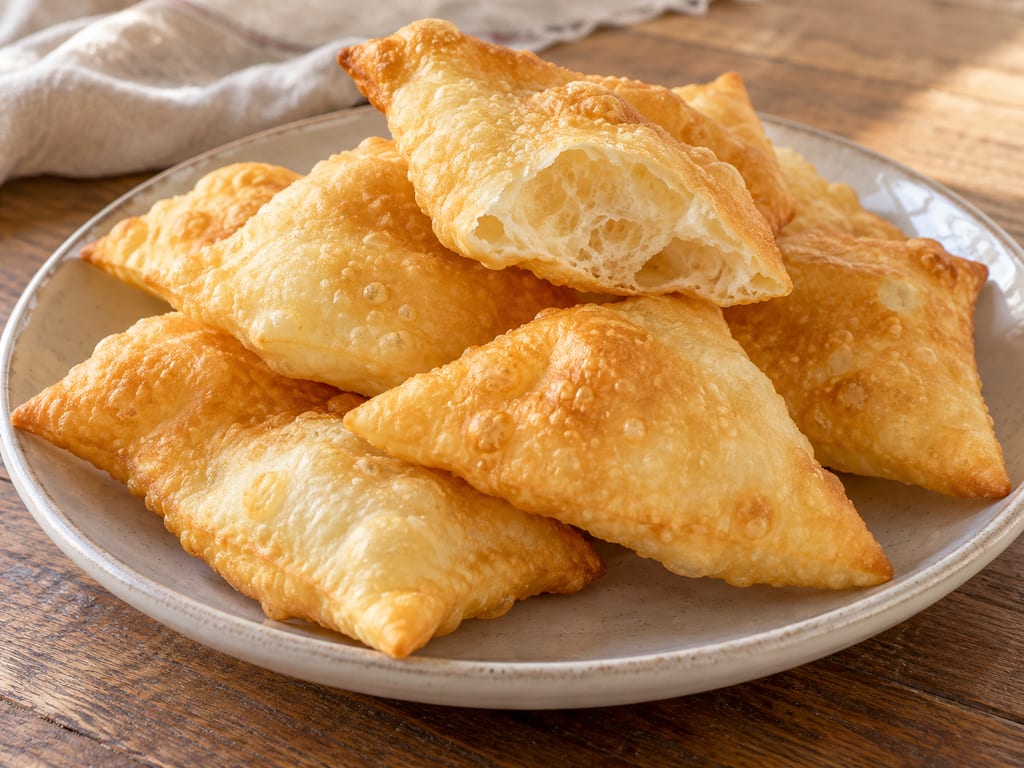
This Emilia-Romagna home version uses a measured flour-and-milk dough with yeast, shapes it into small diamonds or squares, and fries them in peanut oil.
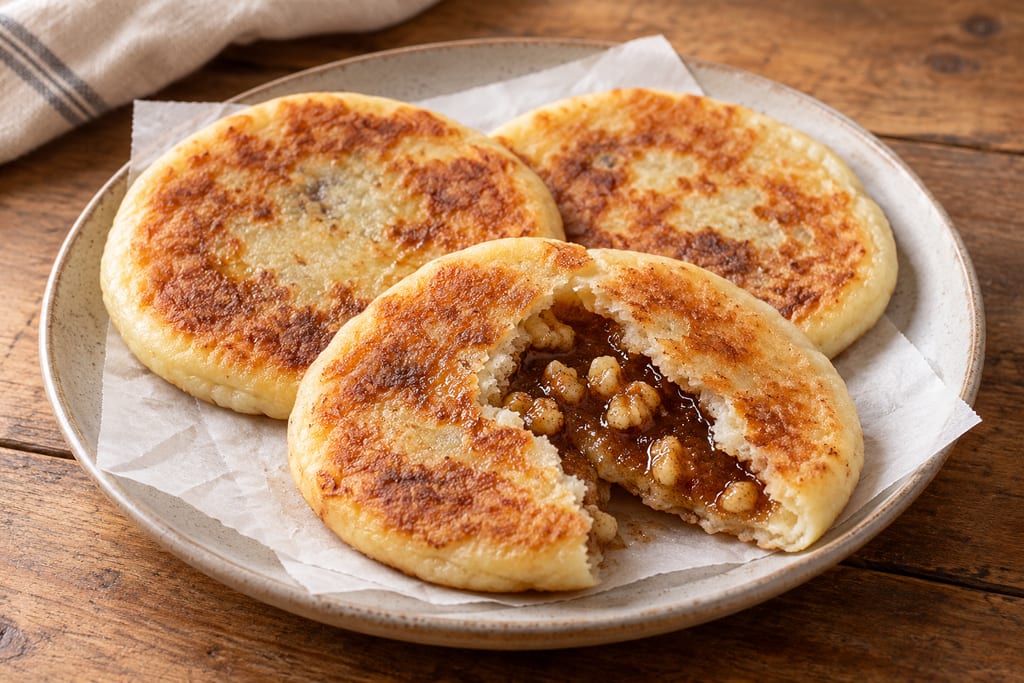
Maangchi’s eight-piece hotteok wraps a brown-sugar, cinnamon and walnut filling in yeast dough, then fries and presses the parcels in a pan.
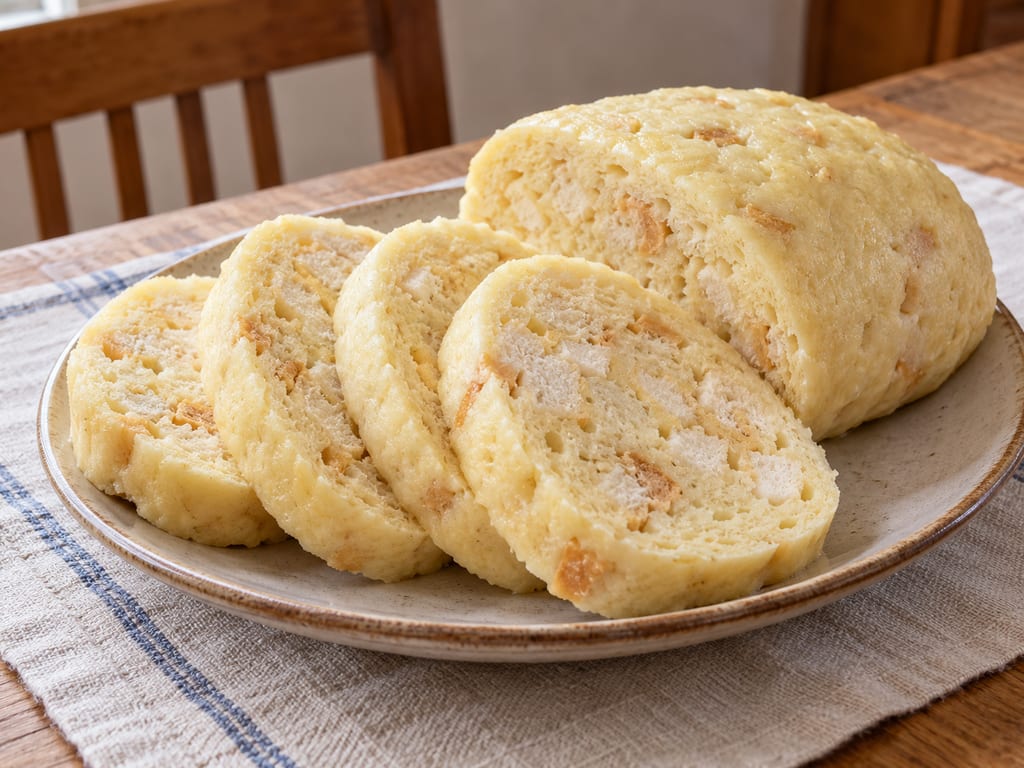
Czech houskové knedlíky are yeast-raised flour dumplings studded with stale white roll cubes, shaped as logs and steamed until tender for serving with sauce.
No community contributions have been published for this entry yet.
Sign in to contribute. Published comments and photos are free to read.
The Coconet TVRecipe · Cultural context · Geographic association
Firi firiThe page identifies firi firi as a Tahitian coconut doughnut, traditionally served for breakfast or dessert, and credits Manuela Zangara.
Ingredients and quantities, yeast activation, thick smooth batter, three-hour warm rise, 5 cm piping opening, 13 cm pieces, 170°C frying oil, two-sided frying, draining and sugar coating.
The page says oil below the stated temperature makes the fritters soggy and hotter oil can brown the exterior before the interior cooks; it gives no yield or internal endpoint.
Cited in: One Tahitian firi firi method; Monitor the frying oil