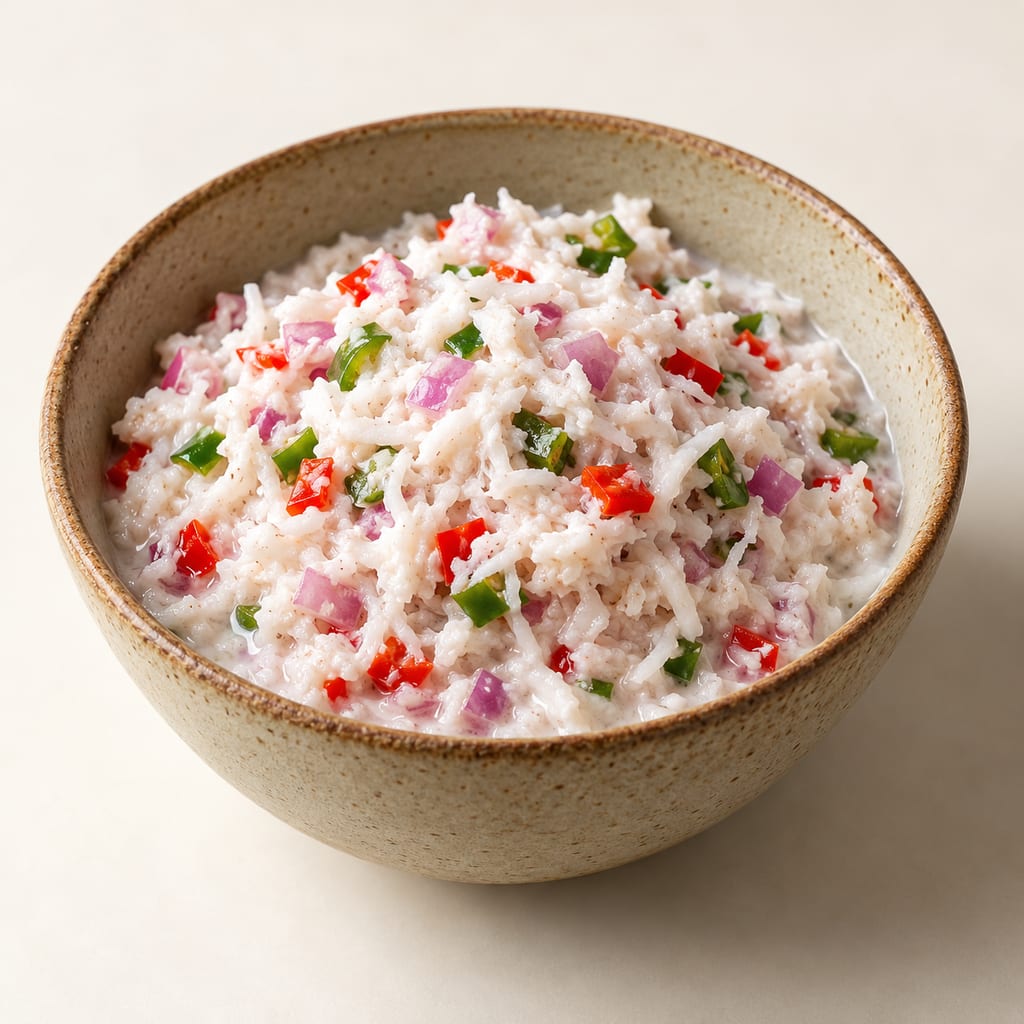
Miti (Fijian coconut sauce)
Miti is a fresh Fijian coconut sauce of grated coconut cream with onion, chilli, citrus and salt. It is served raw with fish and is distinct from the fermented miti of Tahiti.
 FermenteaWhere food goes to change
Lolo buns · Bani lolo · Fijian coconut buns · Coconut buns
Soft yeast buns shaped by hand and simmered covered in coconut cream diluted with water in a deep pot. This Fijian home version uses a clean knife or fork inserted into the center as its doneness cue.
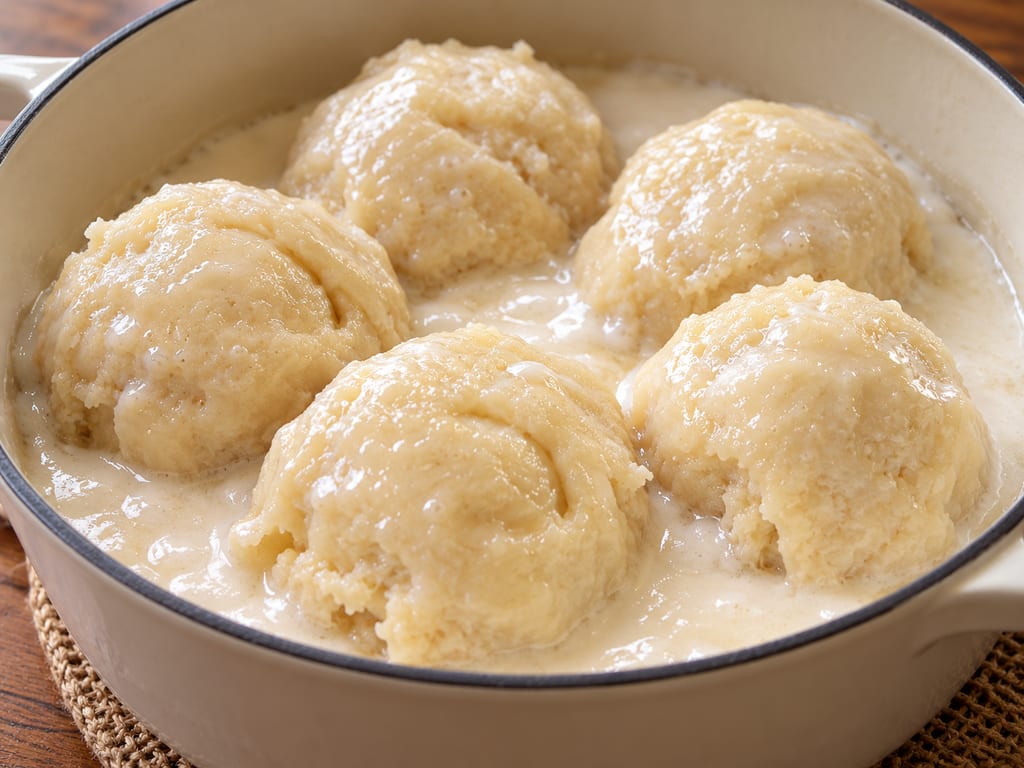
Veni Vlogs' Fijian home demonstration, inspired by Mama Mare, cooks yeast dough buns in a deep, lidded pot under coconut cream. The formula includes raw sugar and margarine; handful-size buns sit in a mixture of coconut cream and water. It is a distinct simmered method, not the oven-baked lolo buns or Samoan pani popo. The video gives a 35–40 minute low-heat range and a knife-or-fork check, but no exact bun count or measured cooking temperature.
NomList's card, written by Kaila Yu, is a separate pot-cooked version. It uses flour, brown sugar, instant yeast, butter and coconut milk, with water added only as needed to form a dough. The shaped buns are covered with coconut milk and cooked in a covered deep pot over a low flame.
The card is internally inconsistent: it gives 40 minutes in its summary and 30 in its method. It states servings rather than a number of buns and lists yeast without a proofing stage. Coconet's page credits Nom List, but neither page establishes one traditional method for every lolo bun.
Veni Vlogs presents a home method for Fijian lolo buns inspired by Mama Mare. The dough is cooked covered in diluted coconut cream in a pot rather than baked. Coconet separately identifies lolo as coconut milk or cream and describes Fijian lolo buns as boiled rather than baked. NomList, a food site, publishes a second pot-cooked home card. These sources document particular methods, not every Fijian household version.
Scaling: source batch only
Uncooked flour can carry germs that are killed by cooking; tasting raw dough can cause illness.
Hazard sourceThe lidded pot and hot coconut cream can burn during cooking and serving.
Hazard sourceDo not taste the raw dough. Cook the buns through; the source's center test is a knife or fork that comes out clean.
Control sourceHandle the pot and lid carefully and keep the cooking area attended.
Control sourceDo not taste the raw dough. Follow the source's low-heat time range and check the center of a bun with a clean knife or fork before serving; no numeric internal temperature is established.
The selected household recipe identifies itself as Fijian. No island or village is specified for the method.
Miti is a fresh Fijian coconut sauce of grated coconut cream with onion, chilli, citrus and salt. It is served raw with fish and is distinct from the fermented miti of Tahiti.
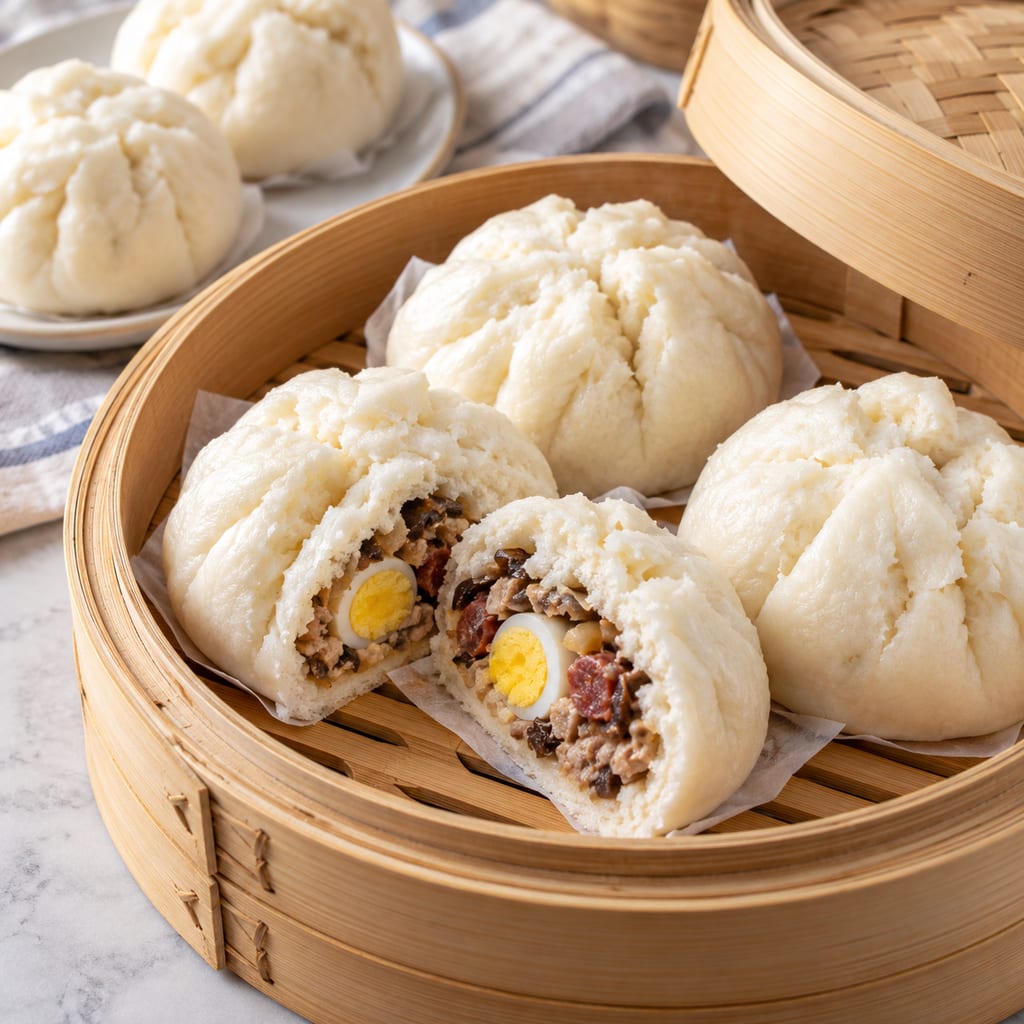
Vietnamese steamed wheat buns wrapped around seasoned pork, mushrooms, Chinese sausage and hard-boiled quail eggs. This from-scratch version uses yeast and self-rising flour.

Bánh tiêu is a lightly sweet Vietnamese fried bread coated with sesame. A yeast-raised dough with baking powder is rolled into small rounds and fried until puffed and golden.
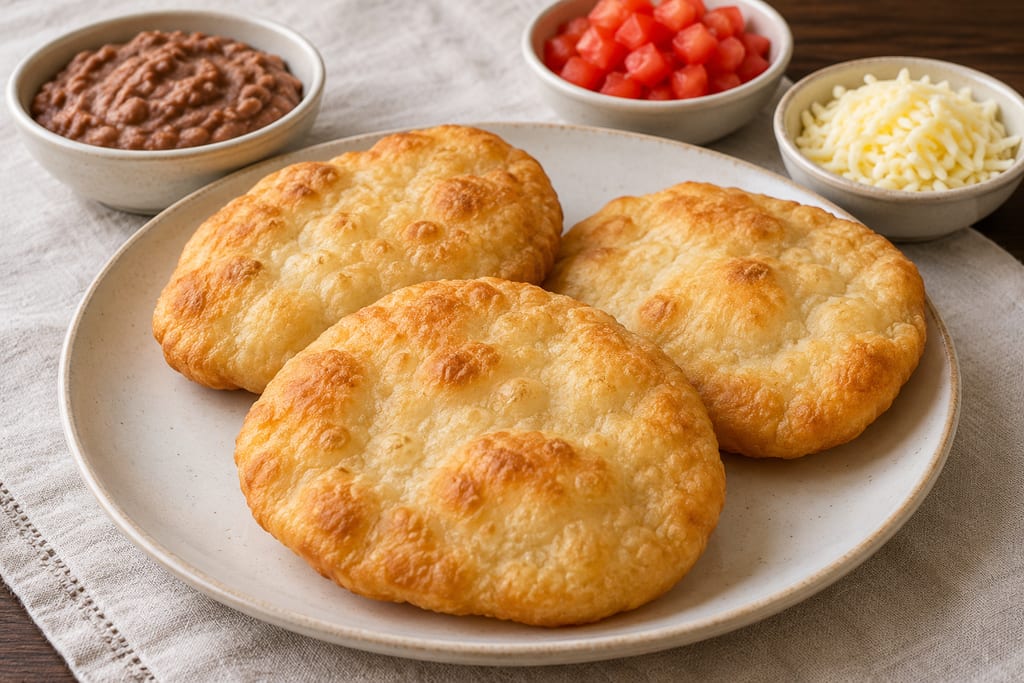
A Belizean fried breakfast bread made from baking-powder dough with evaporated milk, shaped into rounds and fried until golden.
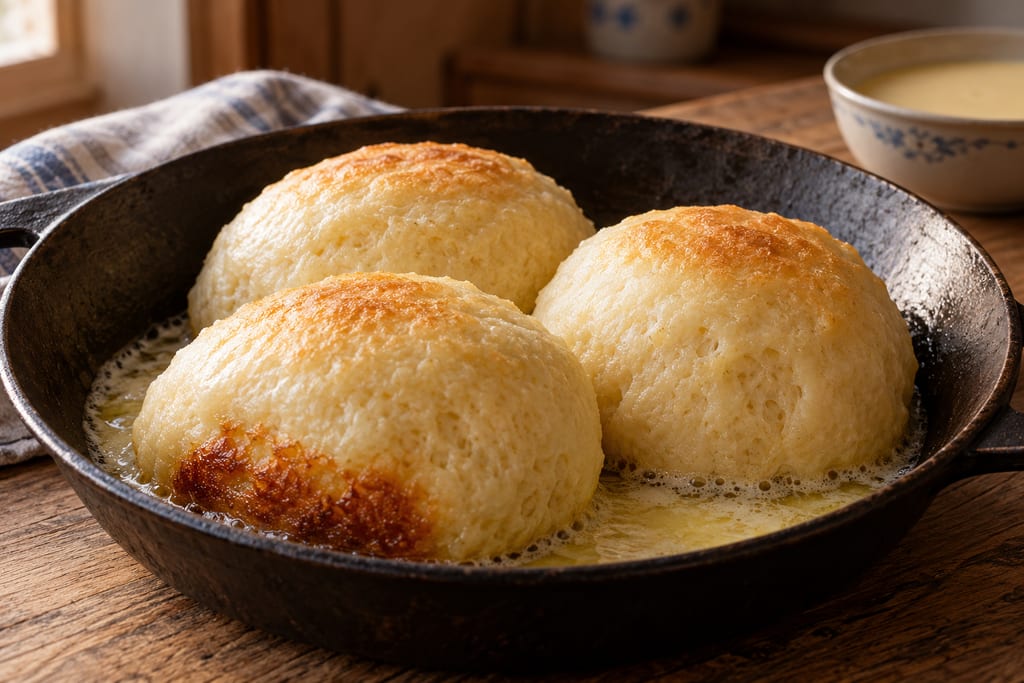
Allgäu Dampfnudeln are enriched wheat buns proofed in a covered casserole and cooked in milk and butter until the liquid nearly cooks away.

Firi firi is a yeast-raised coconut doughnut piped into long pieces and deep-fried at 170°C, traditionally eaten for breakfast or dessert in Tahiti.

This Emilia-Romagna home version uses a measured flour-and-milk dough with yeast, shapes it into small diamonds or squares, and fries them in peanut oil.
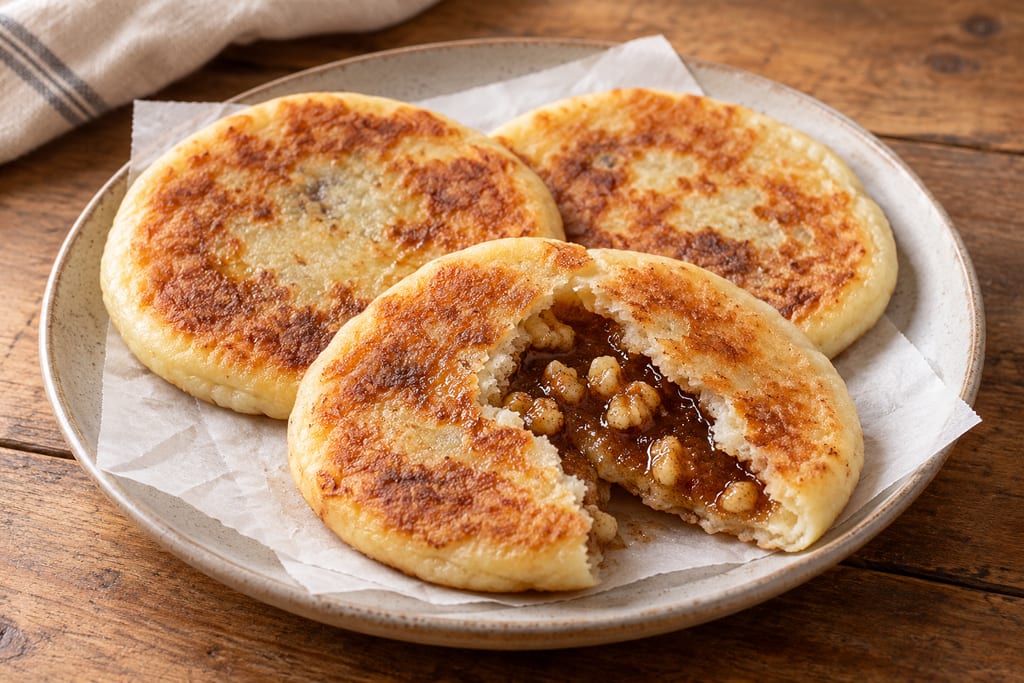
Maangchi’s eight-piece hotteok wraps a brown-sugar, cinnamon and walnut filling in yeast dough, then fries and presses the parcels in a pan.
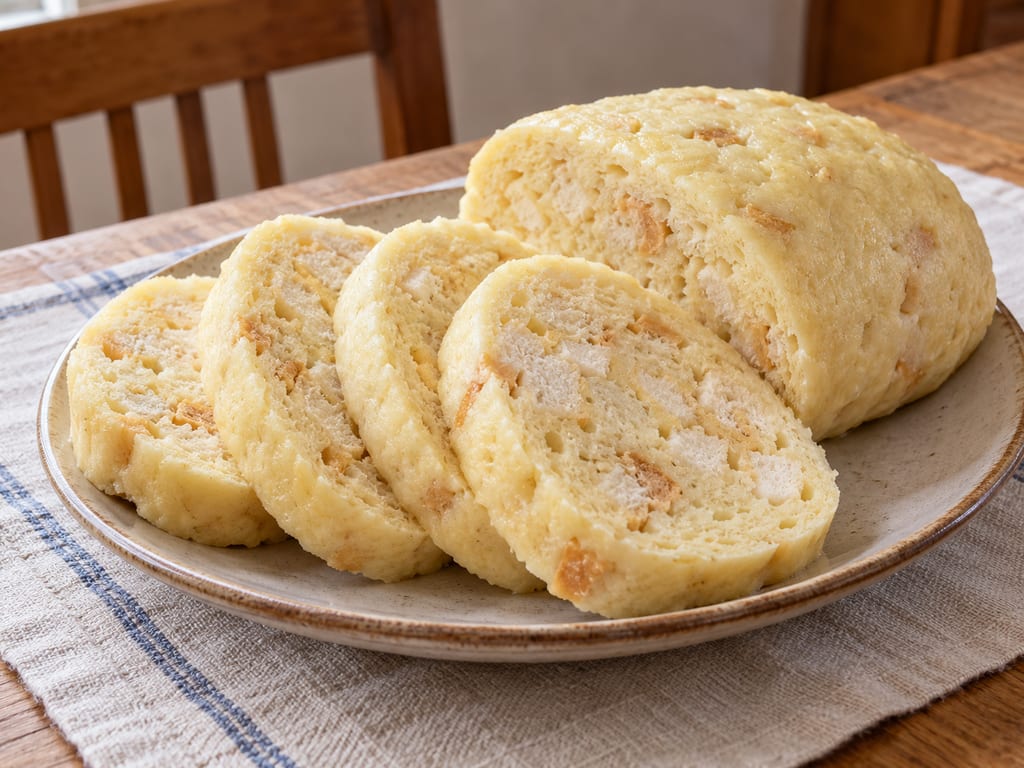
Czech houskové knedlíky are yeast-raised flour dumplings studded with stale white roll cubes, shaped as logs and steamed until tender for serving with sauce.
No community contributions have been published for this entry yet.
Sign in to contribute. Published comments and photos are free to read.
The Coconet TVFijian identity · Cultural association · Simmered method context
Fijian Coconut Lolo BunsCoconet identifies the food as Fijian coconut lolo buns, says they are boiled rather than baked, compares their soft texture to Chinese steamed bao, and explains lolo as coconut milk or cream.
The Coconet page credits Nom List, but its own accessible text gives no measured recipe.
Cited in: A specific pot-cooked version; A second home card
Veni VlogsSpecific Fijian home method · Ingredients · Method · Doneness cue
HOW I MAKE LOLO BUNS 🇫🇯 Fijian Coconut Buns | Coffee Club RedcliffeThe video description identifies a Fijian lolo-bun recipe inspired by Mama Mare and lists 4 cups plain flour, 4 tablespoons raw sugar, one 32 g yeast packet, 3½ cups coconut cream, ½ cup water to mix with the cream, and 1–2 tablespoons margarine.
The method adds water gradually to make dough, kneads in margarine, shapes handful-size buns in a greased pot, covers them with coconut cream, then cooks covered over low heat for 35–40 minutes.
The description directs checking the center with a knife or fork: dough sticking means continue cooking; a clean tester means it is done. It then rests the buns for 5 minutes.
Cited in: A specific pot-cooked version
NomListSecond home method · History
Steamed Lolo Buns featuring Coconut Cream – Easy Fijian RecipeThe NomList card lists flour, brown sugar, instant yeast, butter and coconut milk, with water added only as needed to form a dough.
The buns are covered with coconut milk and cooked in a covered deep pot over a low flame.
The card gives 40 minutes while its method says 30, gives servings rather than a bun count, and lists yeast with no proof stage.
Cited in: A second home card
Centers for Disease Control and PreventionRaw flour safety
Raw Flour and DoughRaw flour can contain germs; do not eat raw dough and cook dough before eating.
National Fire Protection AssociationHot pot safety
Educational Messages Desk ReferenceStay in the kitchen while cooking; keep combustibles away from heat and handle cooking fires with appropriate precautions.