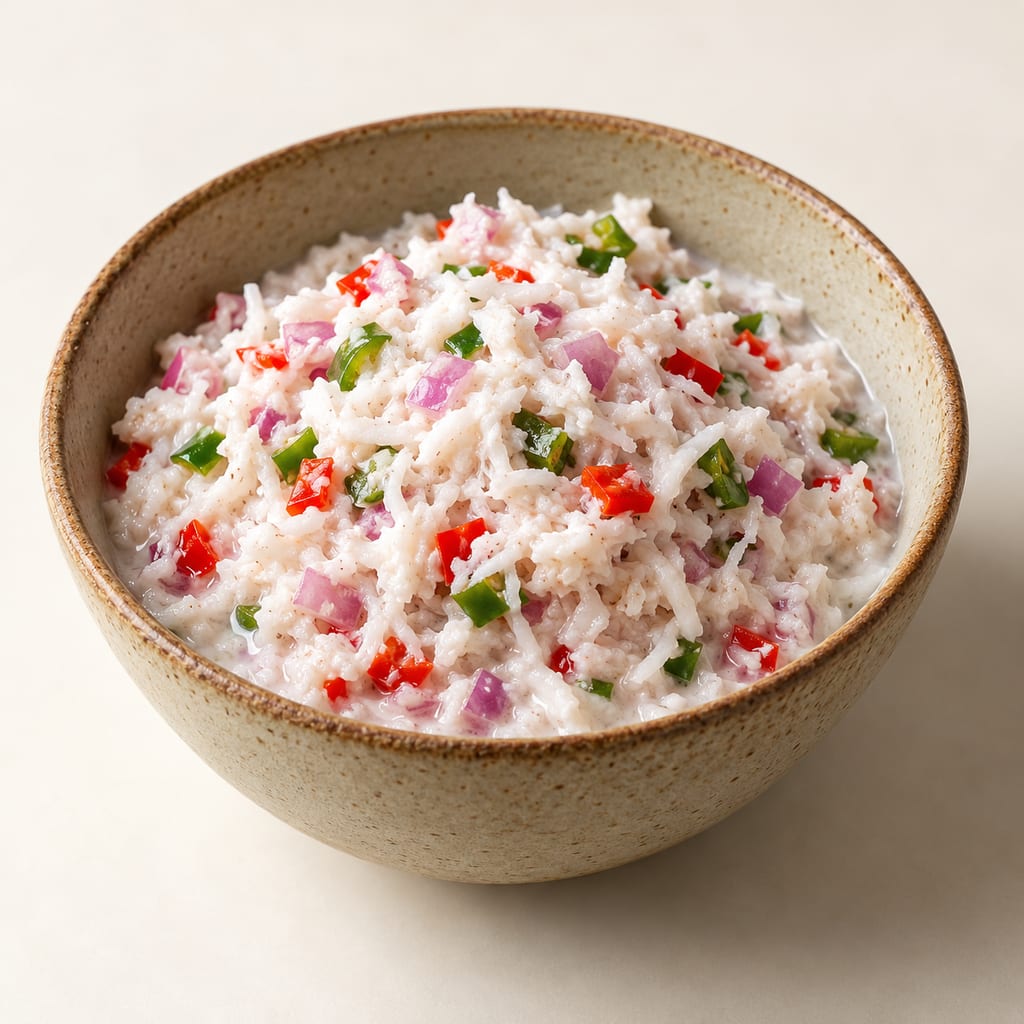
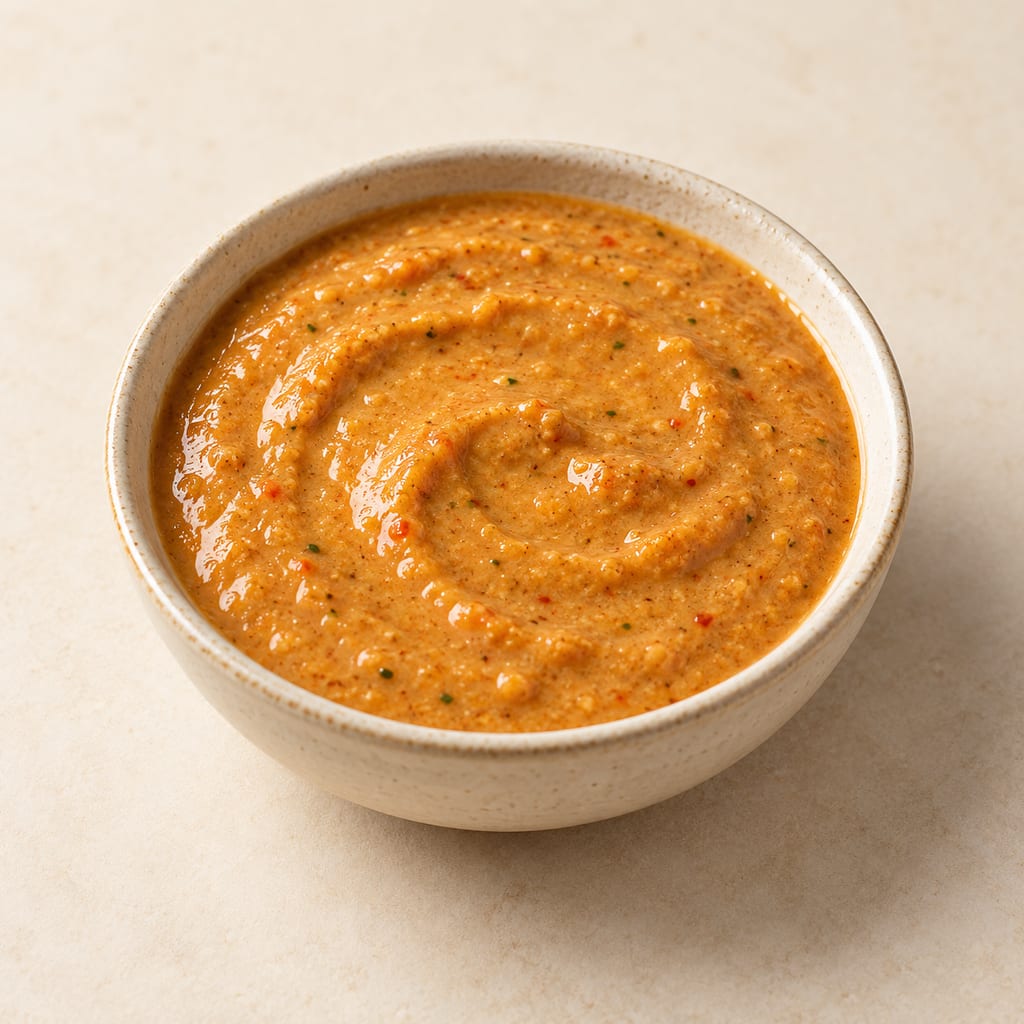
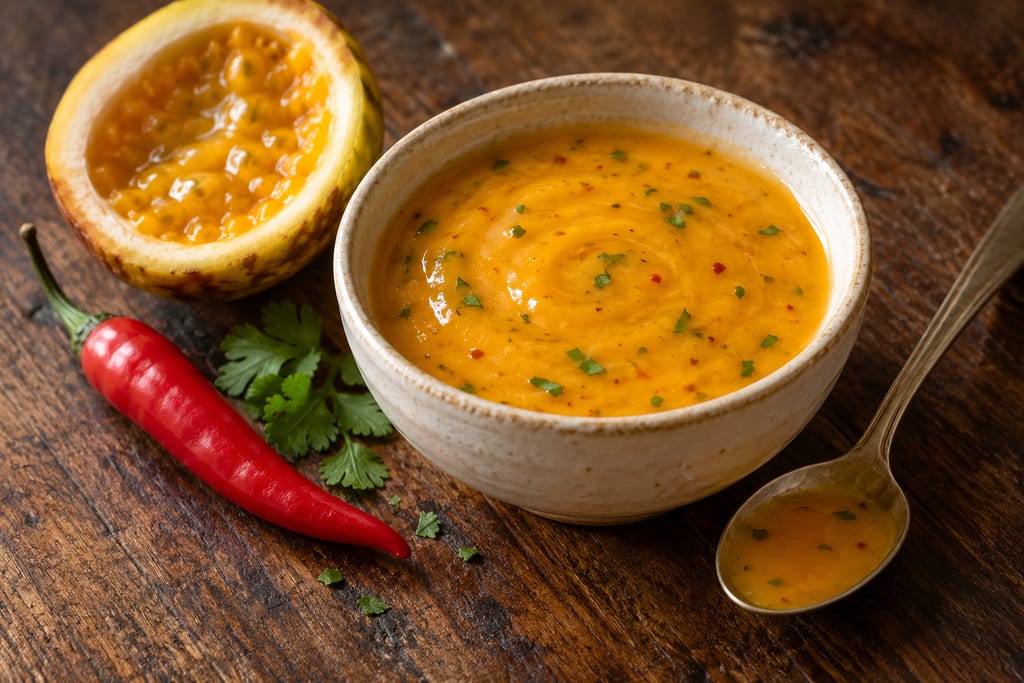
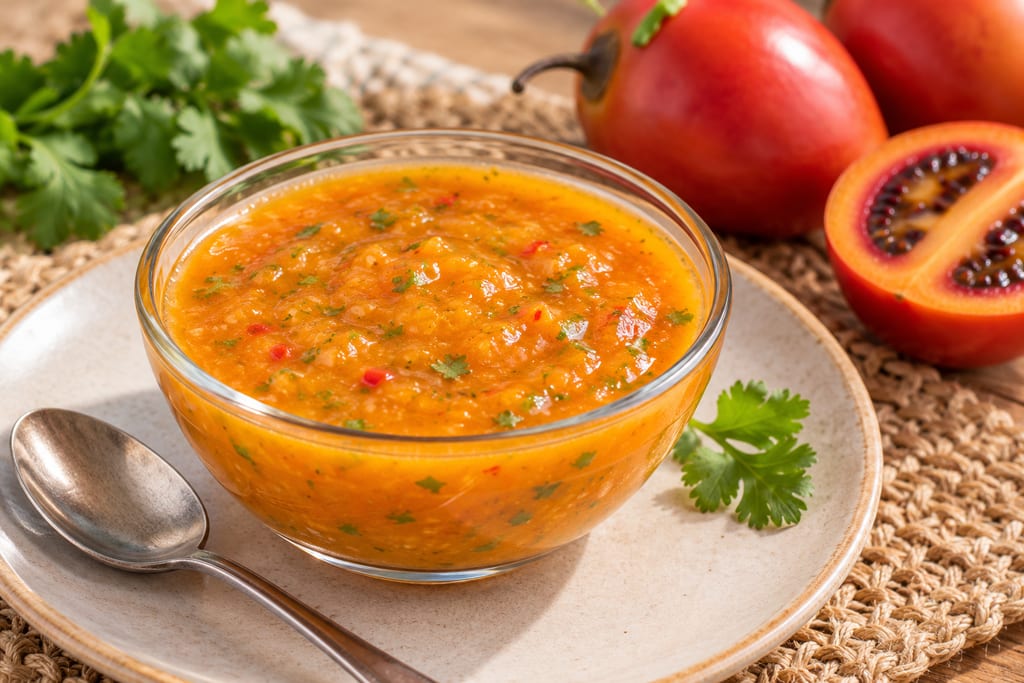
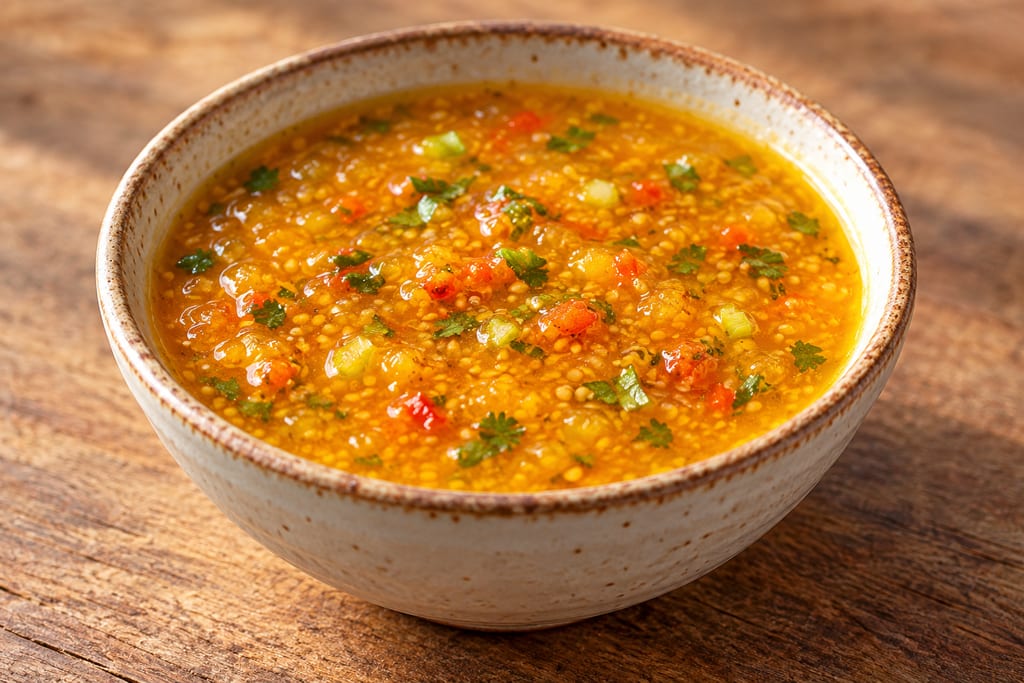
Miti is a fresh Fijian coconut sauce of grated coconut cream with onion, chilli, citrus and salt. It is served raw with fish and is distinct from the fermented miti of Tahiti.
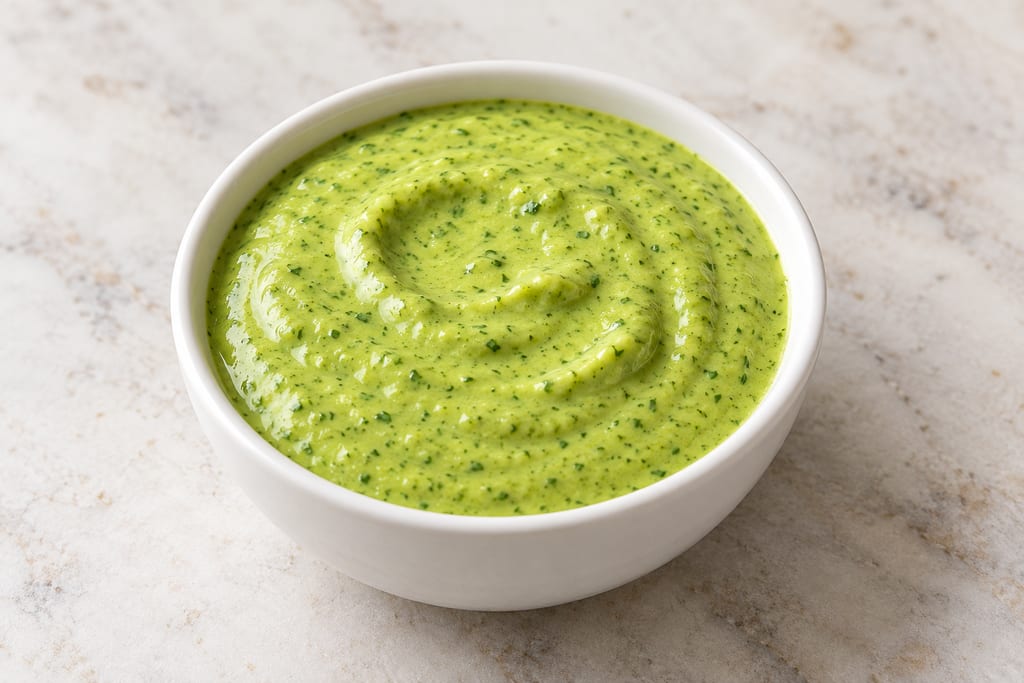
Miti is a fresh coconut sauce from Fiji, made from grated coconut cream and seasoned with onion, chilli, lemon or lime and salt. It is a raw condiment, spooned over fish and eaten at the table. Its texture is smooth and rich, and its heat and acid come from the chilli and the citrus rather than from any cooking or fermentation.
The name comes from the Polynesian miti, a family of coconut condiments. Wikipedia describes miti as a Polynesian condiment of coconut flesh mixed with salt water, and gives the Tahitian word for salt water as its origin. The Fijian sauce is a separate preparation within that family, and this page does not treat the Tahitian fermented miti hue as the same product.
The traditional method grates fresh coconut and squeezes out the milk. The sources stress that the coconut should be fresh. One recipe notes that coconut cream should not be brought to a rolling boil, because it curdles and separates easily, so the sauce is mixed cold rather than cooked.
The sauce is therefore a cold preparation. The coconut carries the body, the citrus cuts the richness, and the chilli provides the heat. Salt brings the flavours together, and the onion adds a sharp bite that softens a little in the acid.
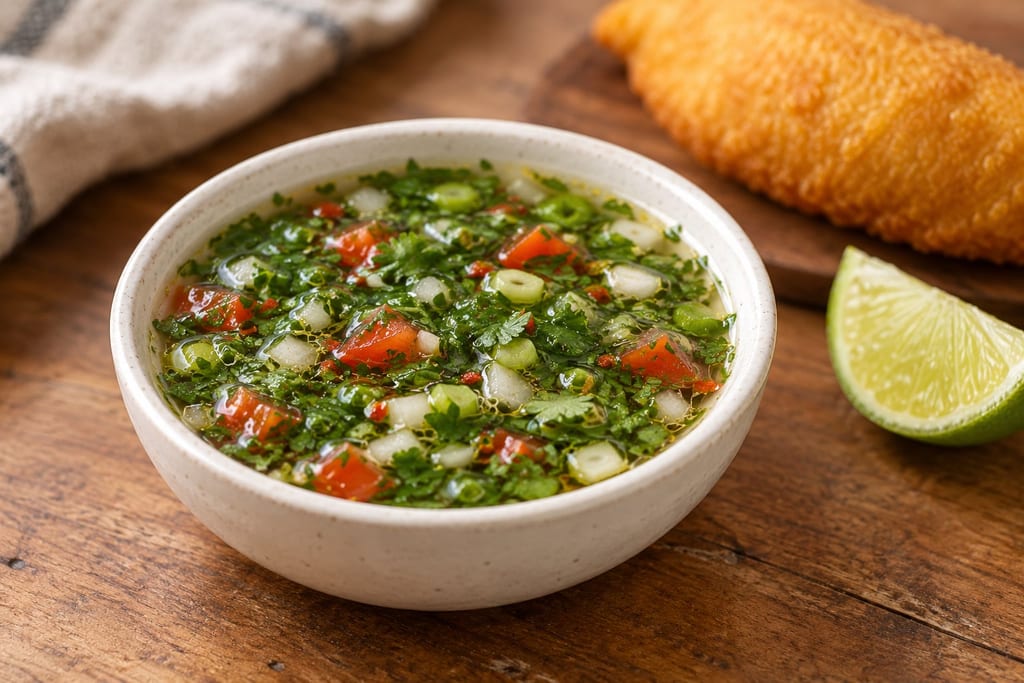
The recipes described share a core of coconut cream, onion, chilli, citrus and salt. Some add diced tomato and a small green capsicum, and some add coriander or spring onion. Recipes differ on whether tomato and capsicum belong, and one commentary suggests they may have been added later for the hospitality trade. That commentary is a suggestion, not a documented history.
The page used here gives coconut milk or cream, coriander, spring onion, Spanish onion and tomato, with no quantities and no method, so the proportions cannot be taken from it. The page treats the core and the optional additions as a family of recipes rather than a single fixed formula.
The sauce is served over grilled or steamed fish. The source author ate it this way at home, and it was served with whole steamed fish at a Fijian feast in Sydney. The feast and the lovo, the earth-oven cooking of Fiji, belong to the same setting of fish, coconut and root dishes.
A sharp, cold coconut sauce suits fish because it cools and cuts the richness of the flesh. The sources do not compare it with other Pacific sauces, and this page does not go further than the serving examples.
Wikipedia describes two Tahitian forms: miti ha'ari, made with fresh coconut milk and served at once, and miti hue, in which young coconut flesh is left in the sun in salt water and ferments for a few days. The Fiji version of miti ha'ari is said to be flavoured with citrus juice, and that claim is cited to a 1969 source. The Fijian sauce described on this page is a fresh preparation, as the Fijian recipes show.
The sources do not give a dated origin for the Fijian sauce, a storage time, or a yield. A blog's suggestion that the lime and chilli versions followed European contact is speculation and is recorded only as that.
Miti is a fresh coconut condiment of Fiji. The sources give no origin or dated first record for the Fijian sauce. The Polynesian miti family, including Tahitian miti hue, is documented separately.
Ingredients
Scaling: source batch only
Coconut milk or creamFreshly grated coconut, with the milk squeezed out, is the traditional method described
Amount not stated
No quantity in the page used; recipes elsewhere give about two cups of thick cream
OnionFinely diced; a Spanish onion or spring onion is named
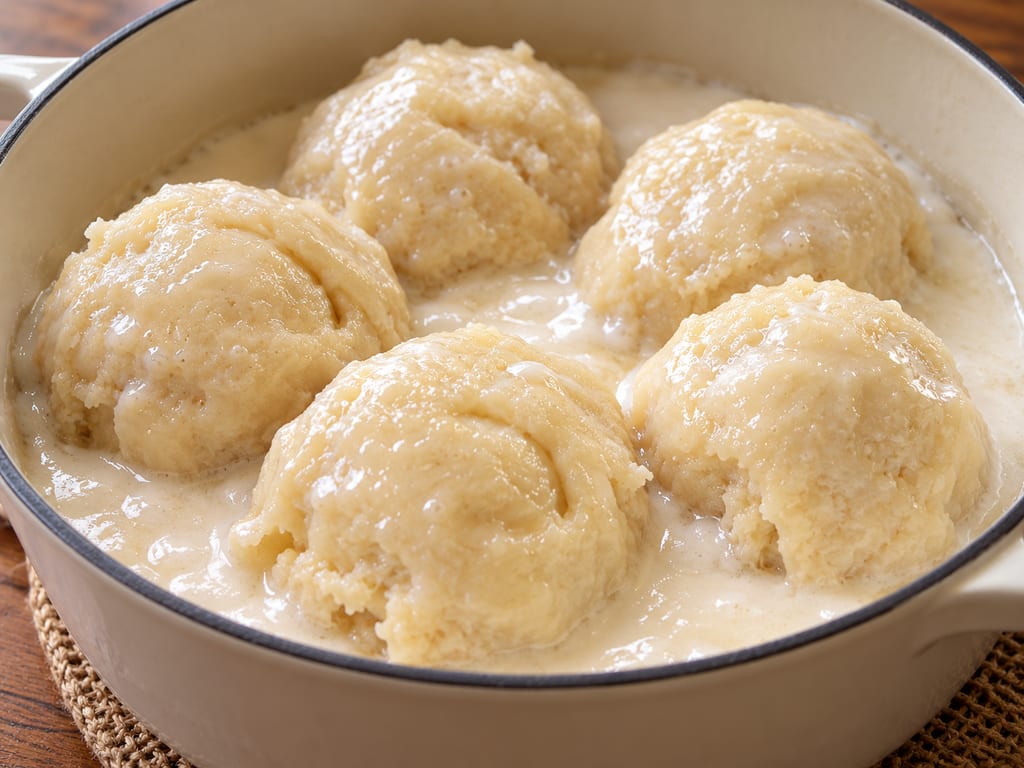
Soft yeast buns shaped by hand and simmered covered in coconut cream diluted with water in a deep pot. This Fijian home version uses a clean knife or fork inserted into the center as its doneness cue.
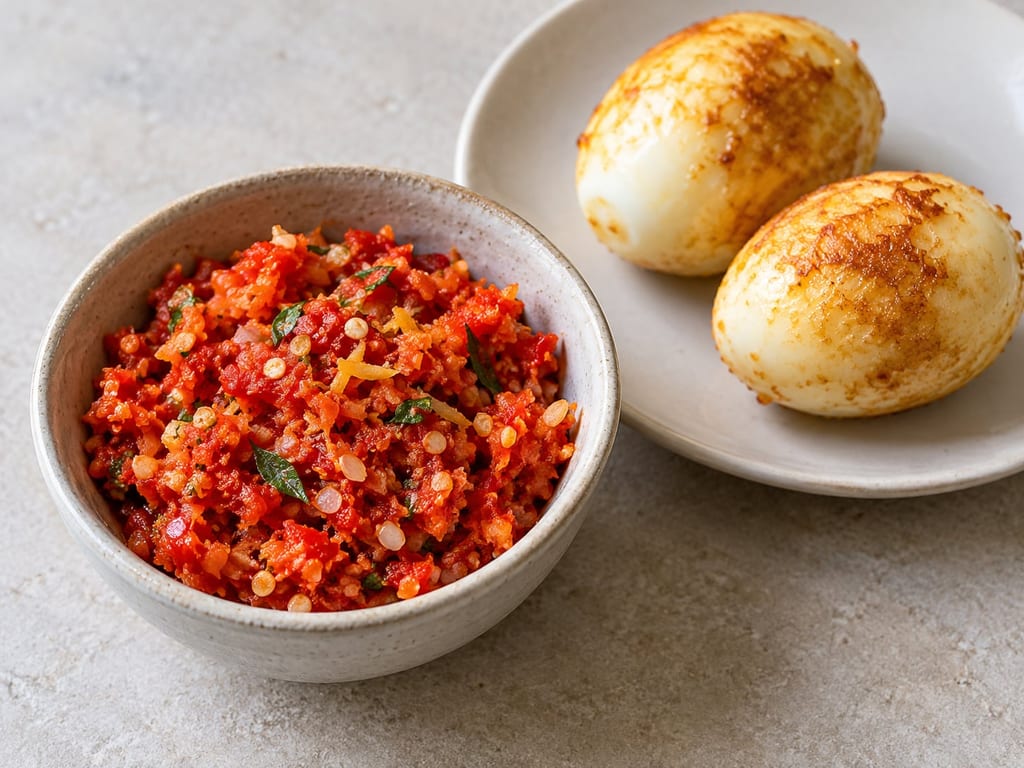
Ai-manas is described as a very hot chilli paste served with Timorese meals. One published version blends fresh chillies, shallots, garlic, Thai basil, ginger, lemon and salt, and serves it with eggs. Sources do not establish a standard formula, precise birthplace or earliest date.
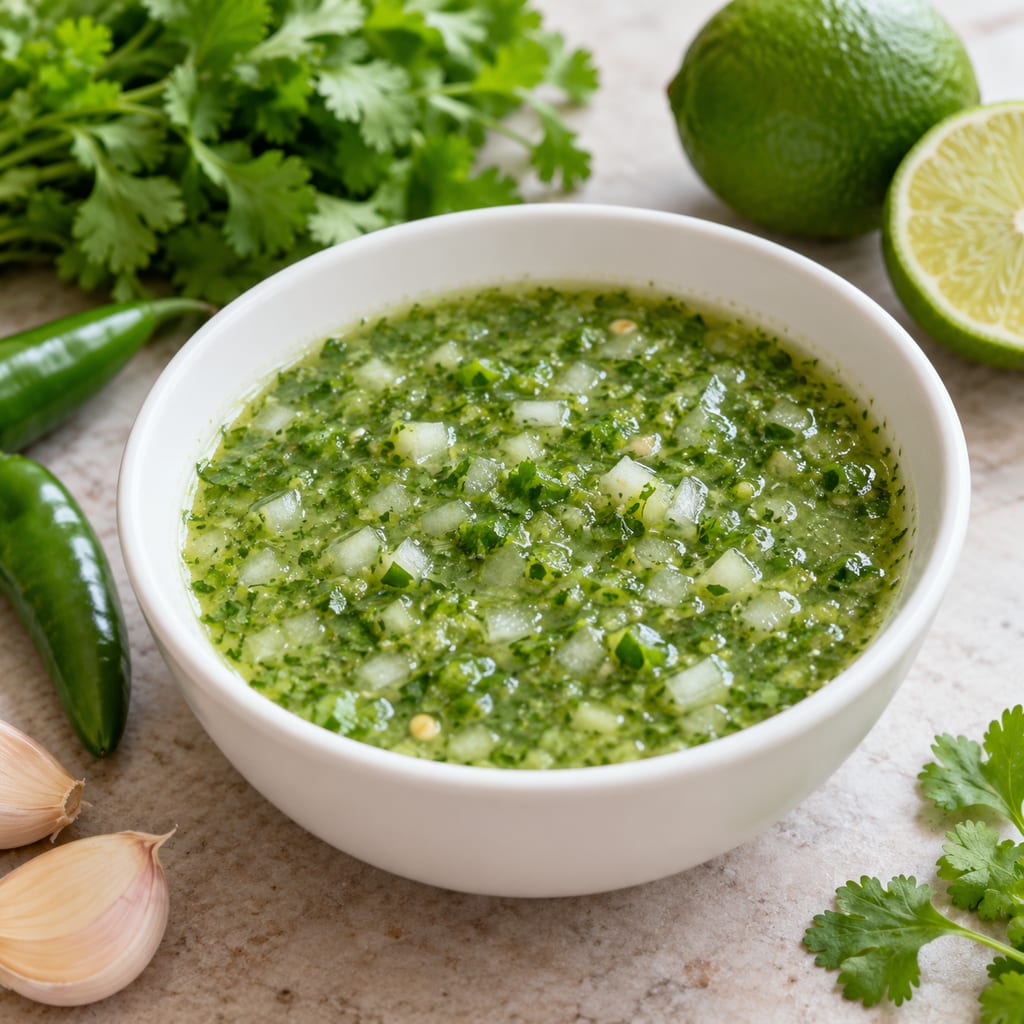
Ají verde is a Peruvian green sauce of coriander, chilli, onion and garlic in a mayonnaise or cheese base. It is best known through Peruvian restaurant cooking abroad.
Community
No community contributions have been published for this entry yet.
Share what you made
Sign in to contribute. Published comments and photos are free to read.
Miti ingredients: coconut milk or cream, coriander, spring onions, Spanish onion, tomato
Served over grilled or steamed fish and with whole fish at a feast
Fijian lovo feast on Mana Island
Cited in: A fresh coconut sauce from Fiji; Fresh coconut and why it matters; Ingredients and variations; Serving it with fish; Tahitian miti and the open questions