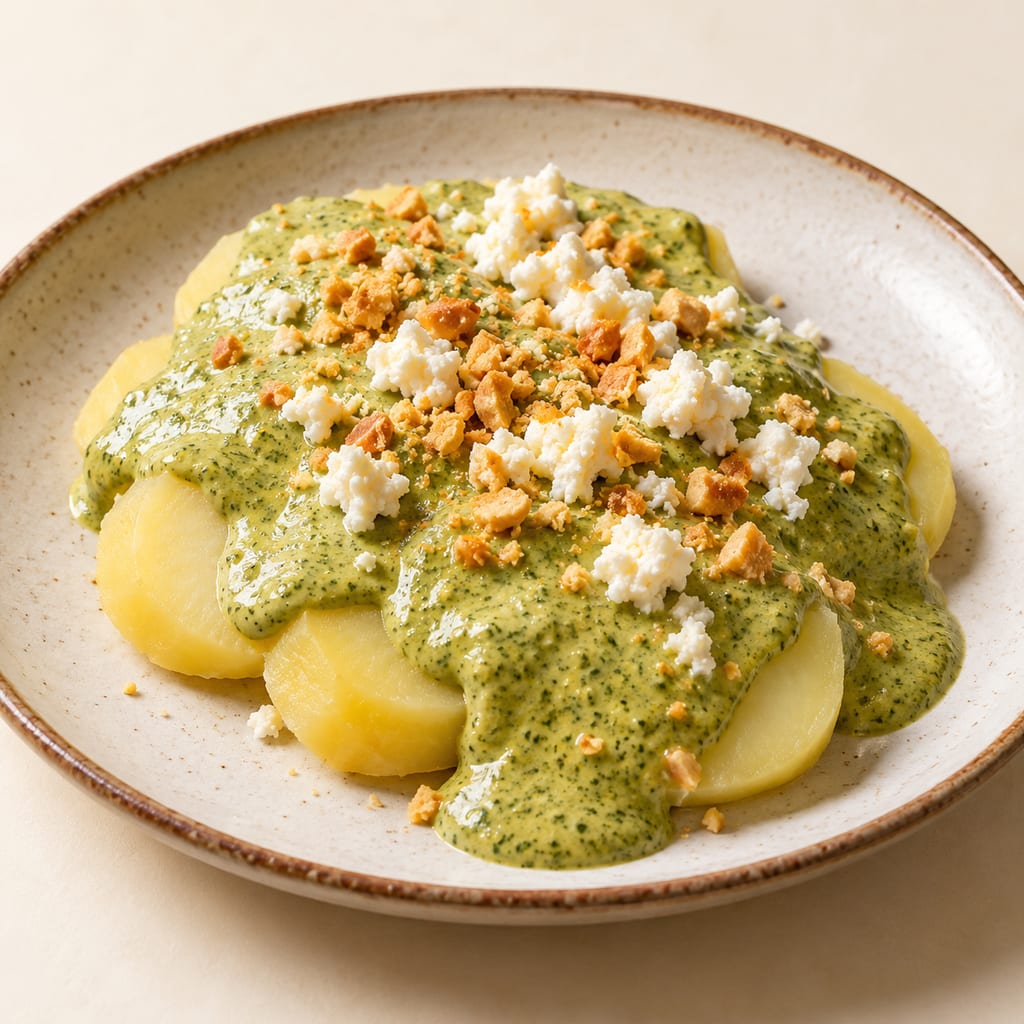
Ocopa
Ocopa is a sauce from Arequipa, Peru, of huacatay, dried mirasol chillies, nuts, fresh cheese and soda crackers. It is usually spooned over boiled potatoes.
 FermenteaWhere food goes to change
Aji verde · Salsa de ají verde · Peruvian green sauce
Ají verde is a Peruvian green sauce of coriander, chilli, onion and garlic in a mayonnaise or cheese base. It is best known through Peruvian restaurant cooking abroad.
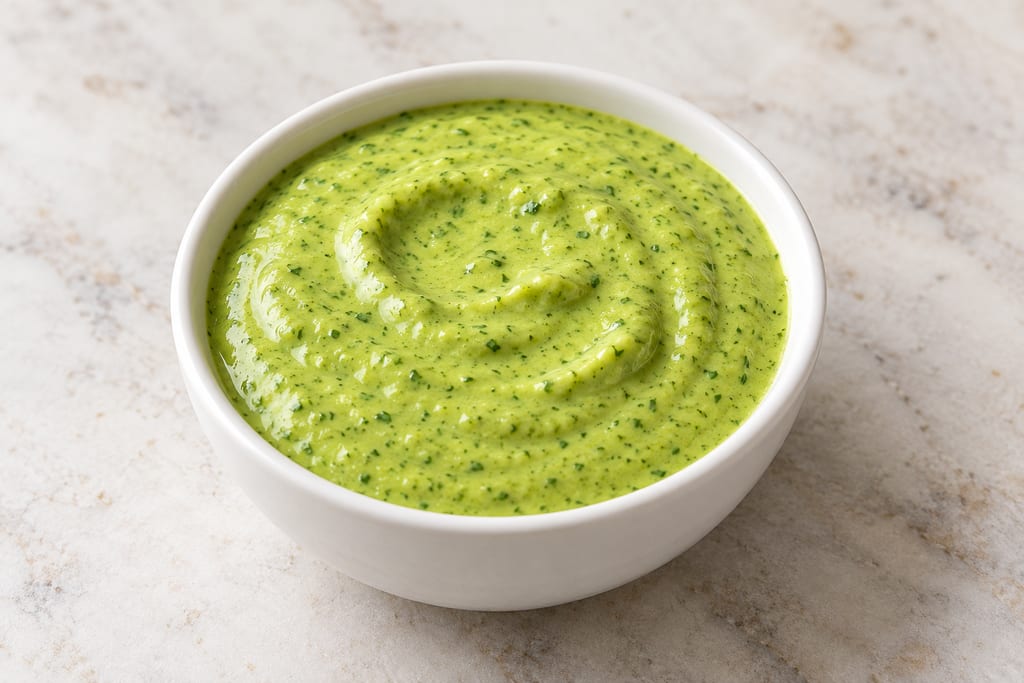
Ají verde is a name with two meanings in Peru. It names a green chilli pepper, Capsicum baccatum var. pendulum, which is also called ají amarillo, and it names a green sauce made from herbs and chilli. The Spanish Wikipedia article on the pepper treats ají verde as a second name for the yellow-ripening ají; the green sauce is a separate subject.
The green sauce known abroad is a creamy, herb-green condiment made with mayonnaise and cheese. This page describes that creamy form, not a single national standard.
Wikipedia classes ají sauces as Andean in origin, prepared in Bolivia, Colombia and Peru since at least Inca times. Recipe sources describe the older green form as built on ají amarillo and huacatay (black mint), with cilantro and jalapeño as later substitutes.
The creamy version uses mayonnaise and, in the recipe read here, Parmesan. The sources read give no dated history for these additions. A restaurant account from New York says it accompanied roast chicken at a Peruvian restaurant there, and several sources say Peruvian restaurants popularised the sauce in the United States.
The method blends first and mixes last. The peppers, mayonnaise, onion, garlic, chilli paste and lemon juice are blended until the peppers are broken up but still visible. The Parmesan and coriander are then added and blended at least five minutes, until the sauce is uniform and intense green.
Oil is not in the recipe's list. A reader comment on the source page points this out, and the sauce is usually made with a neutral oil such as soy, corn or sunflower, not olive oil, which changes the flavour. This page records that point without adding oil to the amounts.
The recipe author suggests storing the sauce in a clean, dry glass jar in the refrigerator for up to two weeks and says the flavour improves after about twelve hours. That is recipe advice, not a tested safety limit. Because this uncooked sauce contains mayonnaise and cheese, treat it as perishable: USDA general leftover guidance says to refrigerate promptly in a shallow covered container at 40°F (4°C) or below, within two hours (one hour above 90°F/32°C), and use within three to four days or freeze for longer storage. These are general handling limits, not a validated shelf life for this sauce.
The sources agree that ají verde has Andean roots and that its mayonnaise-and-cheese form was popularised by Peruvian restaurants, including in New York. The sources found do not document when mayonnaise and cheese entered the sauce, and the recipe author's account of Peruvian cooks combining American chillies with European cured cheese is not a dated source.
This uncooked sauce contains mayonnaise and cheese and should be treated as a perishable prepared food; the recipe source's two-week storage advice is not a tested safety limit.
Hazard sourceRefrigerate promptly in a shallow covered container at 40°F (4°C) or below, within 2 hours (within 1 hour when ambient temperature is above 90°F/32°C); use within 3 to 4 days or freeze for longer storage.
Control sourceThe recipe author suggests up to two weeks refrigerated, but that advice is not a tested safety limit. USDA's general leftover guidance is used here for conservative handling; it is not a sauce-specific validated shelf life or preservation process.
Peruvian-style sauce; the sources document Peruvian and Peruvian-restaurant use, not a single national standard.
The Wikipedia ají sauce article shows a salsa de ají verde sold in a Huaraz market; it names no ingredients for it.
Ocopa is a sauce from Arequipa, Peru, of huacatay, dried mirasol chillies, nuts, fresh cheese and soda crackers. It is usually spooned over boiled potatoes.
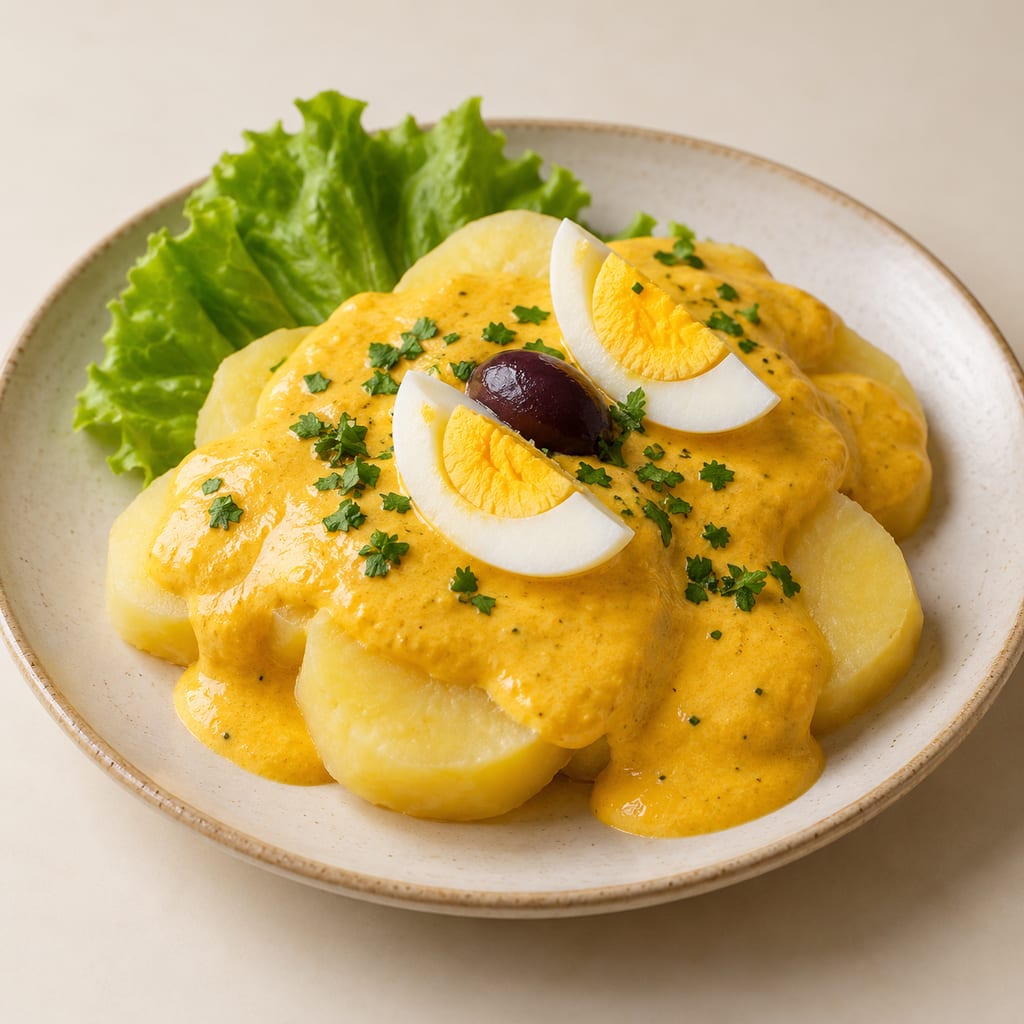
A creamy Peruvian sauce of ají amarillo, fresh cheese and milk, served with potatoes. This source-based version sautés aromatics before blending the sauce.
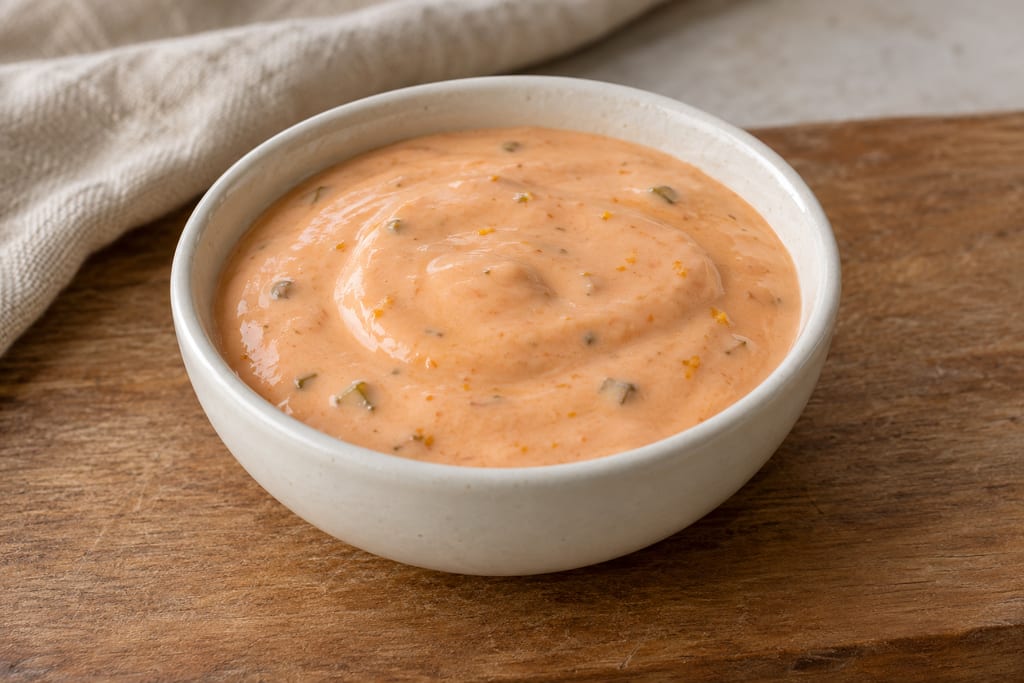
A cold mayonnaise-and-tomato condiment family with distinct documented forms in Argentina, Peru and Puerto Rico; this draft records a Peruvian caper-and-orange version and keeps its regional relatives separate.
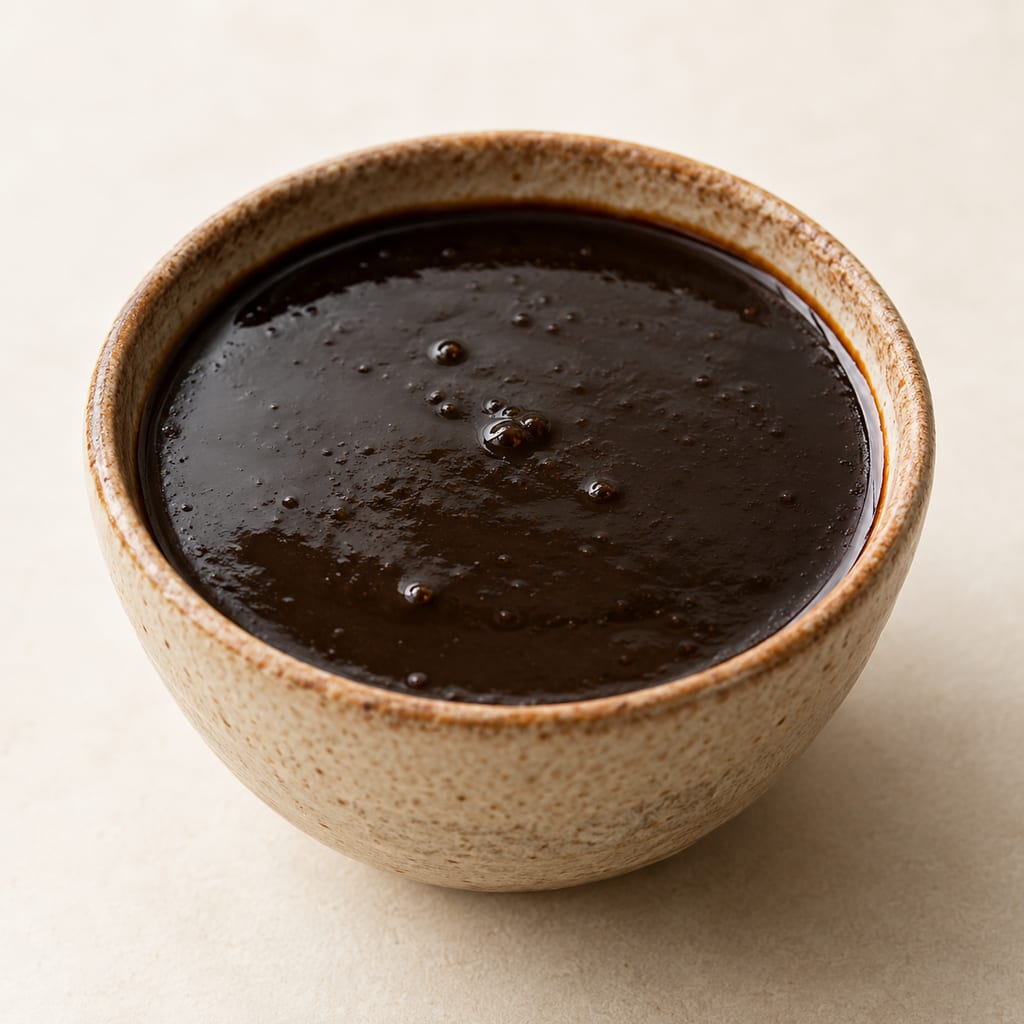
Tucupi negro is a dark, pungent sauce that Amazonian Indigenous women make by pressing bitter cassava, settling its starch and simmering the juice for hours until it thickens.
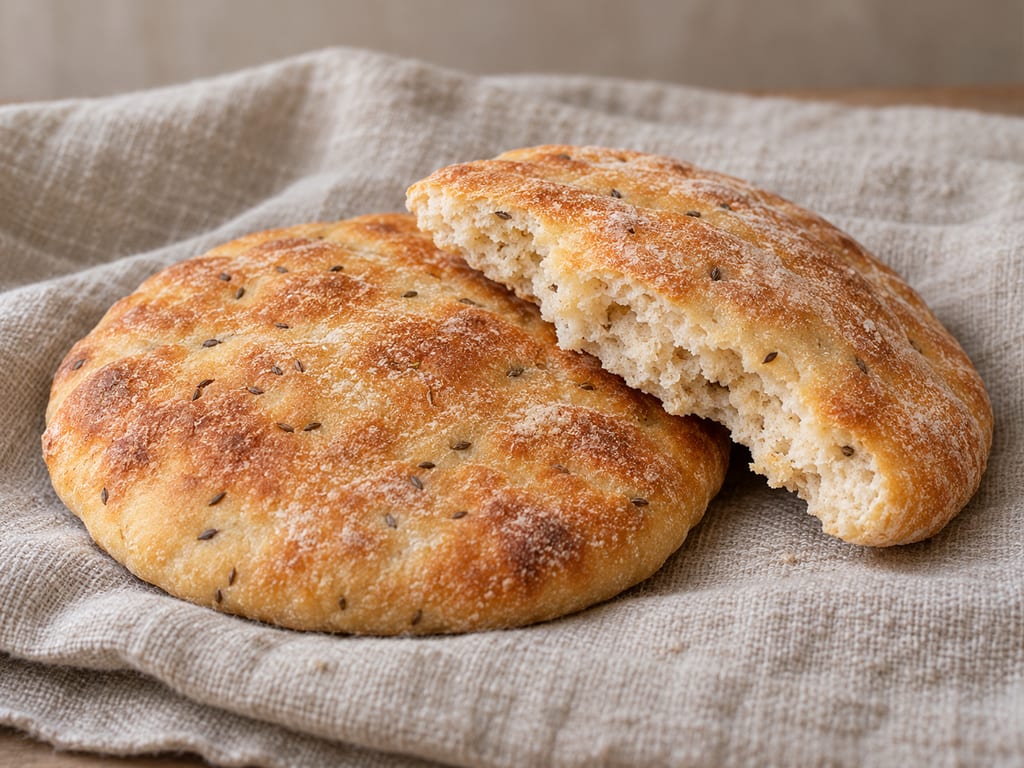
A measured, yeast-raised Ayacucho chapla home method shared by Thermomix Peru presenter Roxanna Salaverry. It makes thin, anise-scented rounds baked at 240°C; the historic qunchu-leavened form is documented separately.
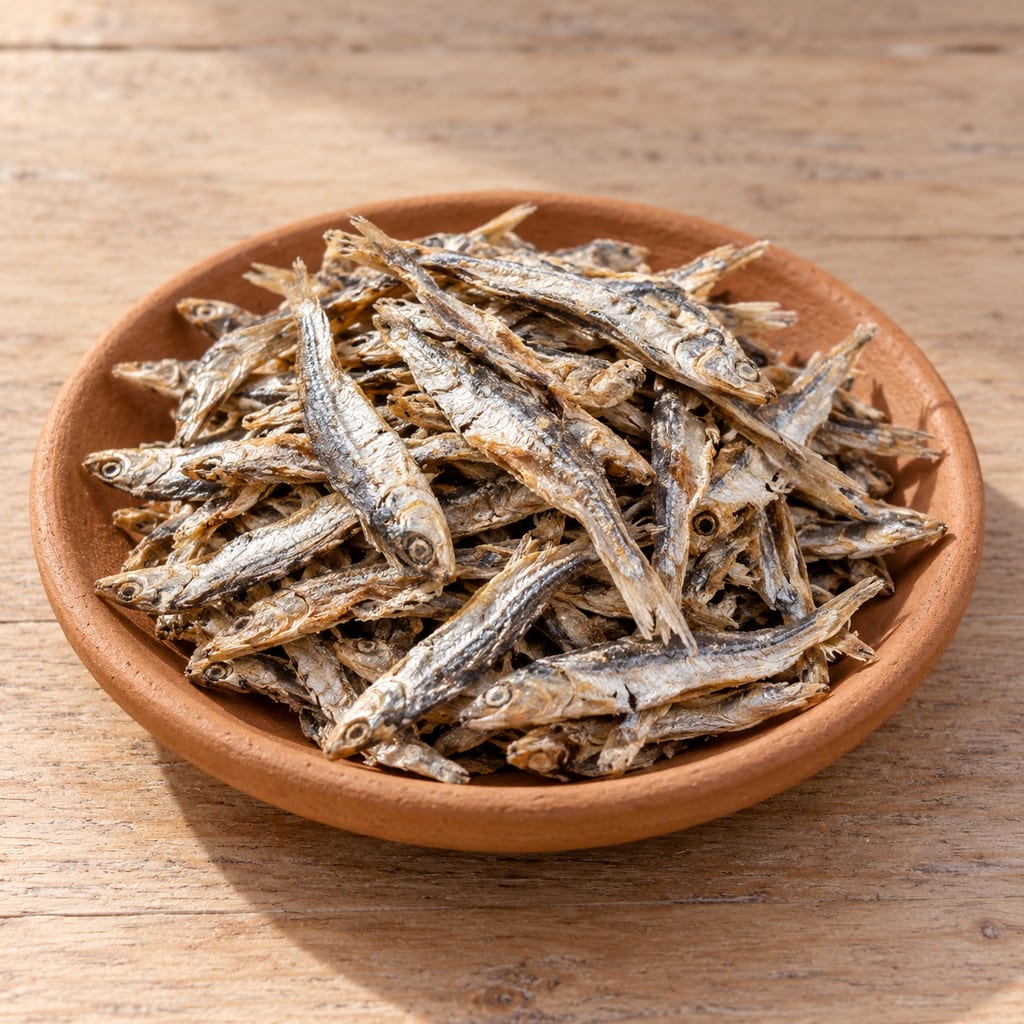
Anchoveta salted, drained of sanguaza and sun-dried on sand or stones at Caleta de Carquín, a technique declared part of Peru's cultural heritage in 2016.
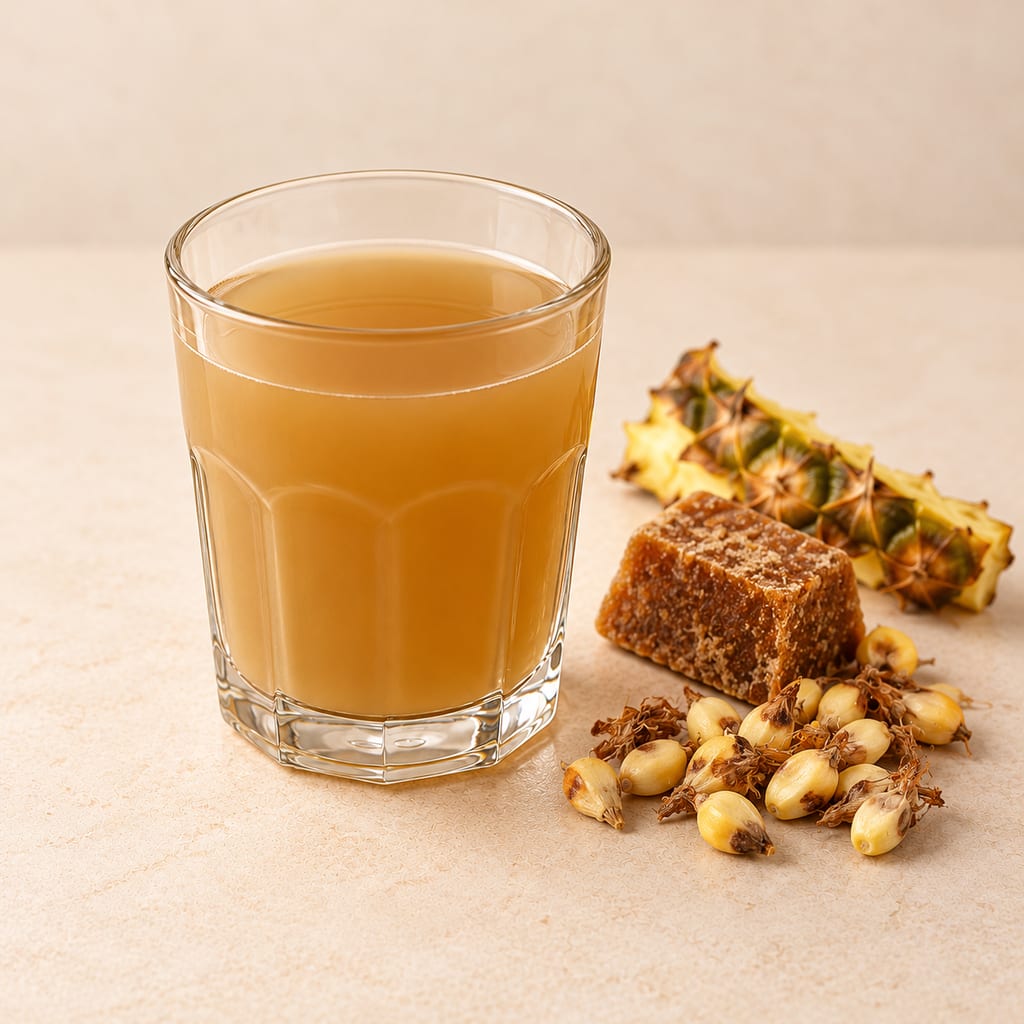
A contemporary Ecuadorian recipe simmers jora flour with spices, then adds panela and pineapple peel before a short spontaneous ferment. Its particular aromatics and measurements belong to this published adaptation.
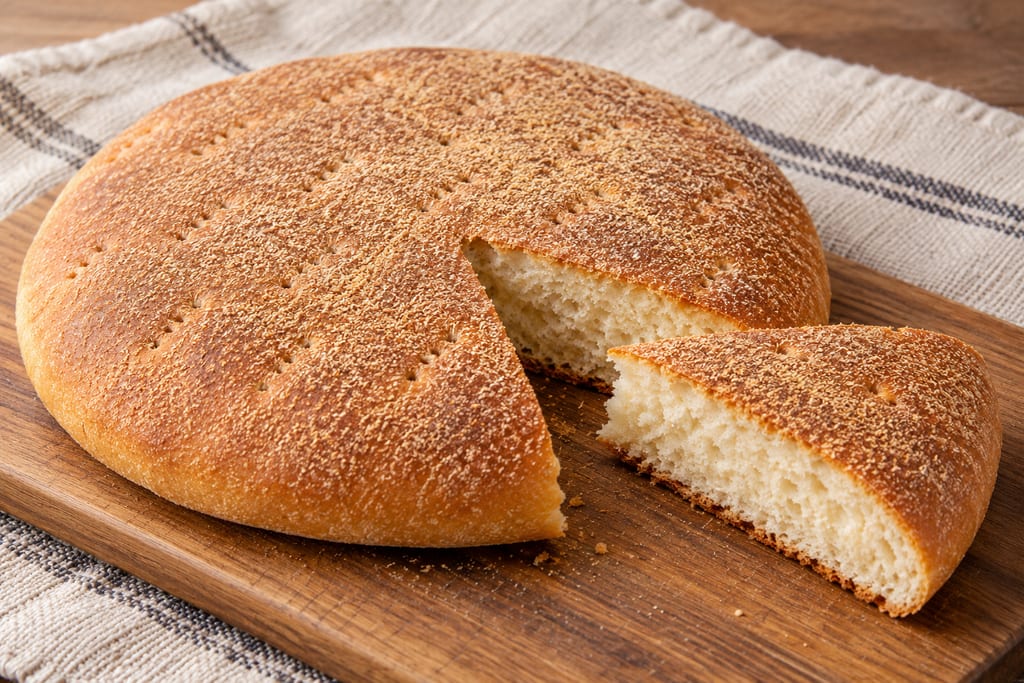
Pan chuta is a broad, lightly sweet wheat loaf associated with Oropesa in Cusco; this home-scale version uses chamomile, brown sugar and butter.
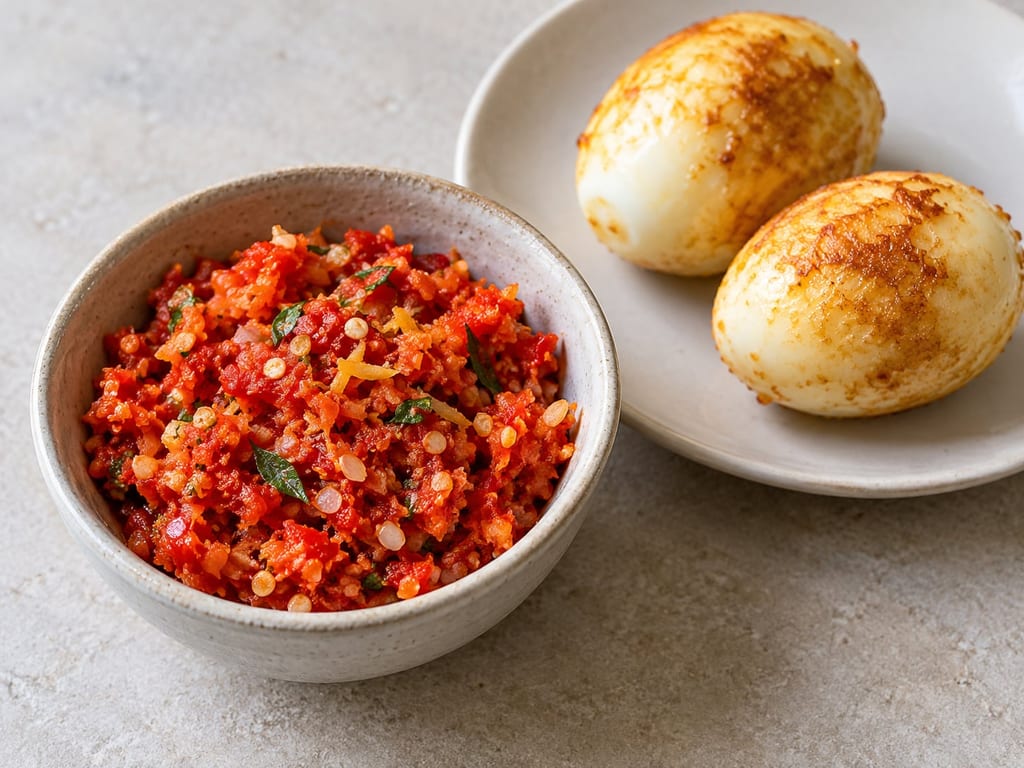
Ai-manas is described as a very hot chilli paste served with Timorese meals. One published version blends fresh chillies, shallots, garlic, Thai basil, ginger, lemon and salt, and serves it with eggs. Sources do not establish a standard formula, precise birthplace or earliest date.
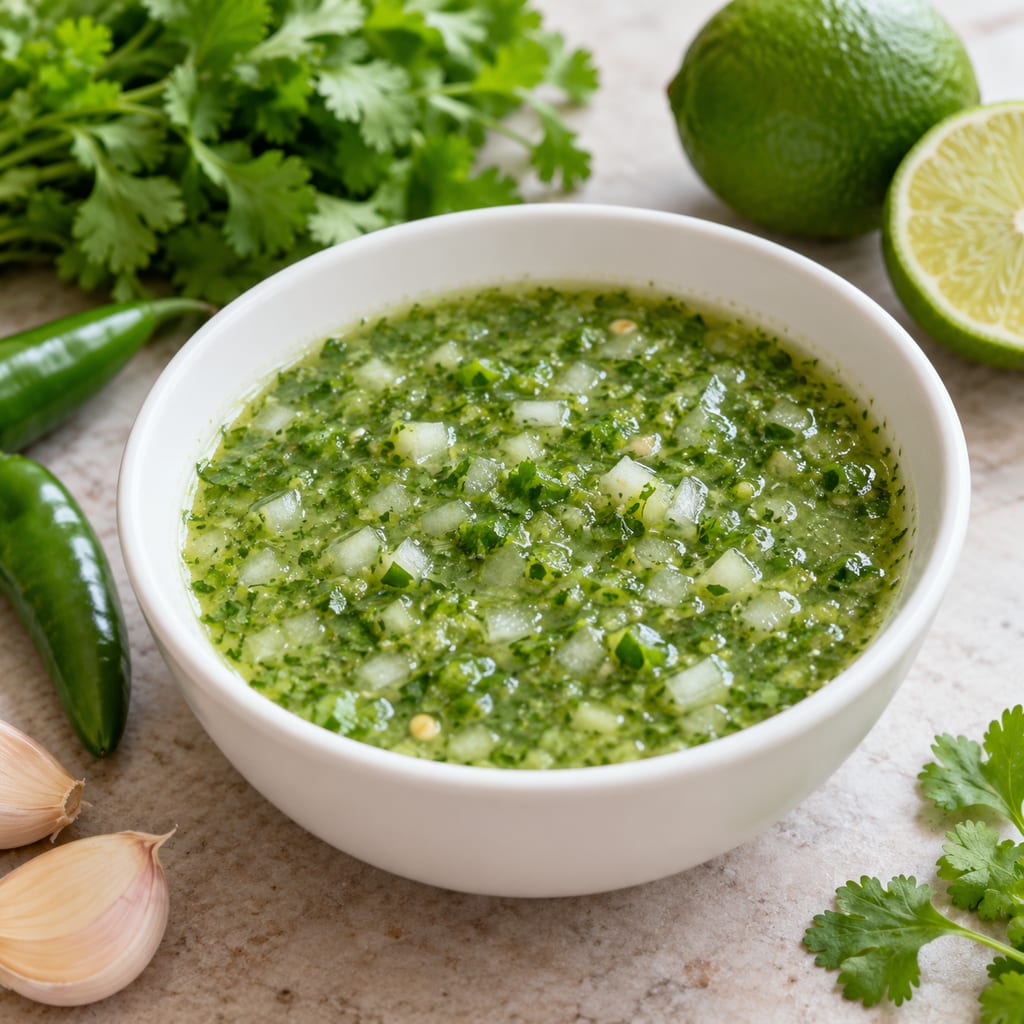
A fresh, uncooked Ecuadorian table sauce of hot pepper, cilantro, garlic and lime, served with most everyday dishes.
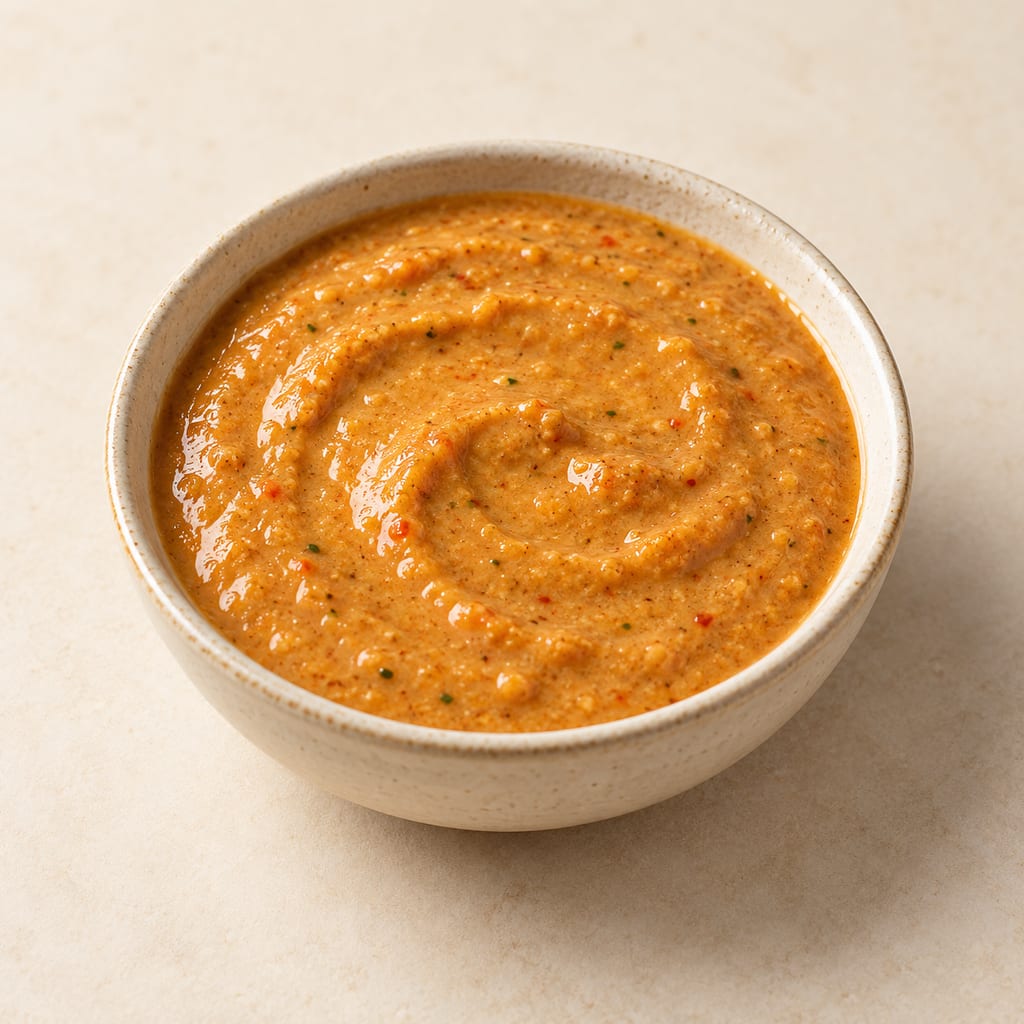
A spicy peanut hot sauce from the Popayán and Cauca region of Colombia, traditionally served with pipián empanadas and tamales.
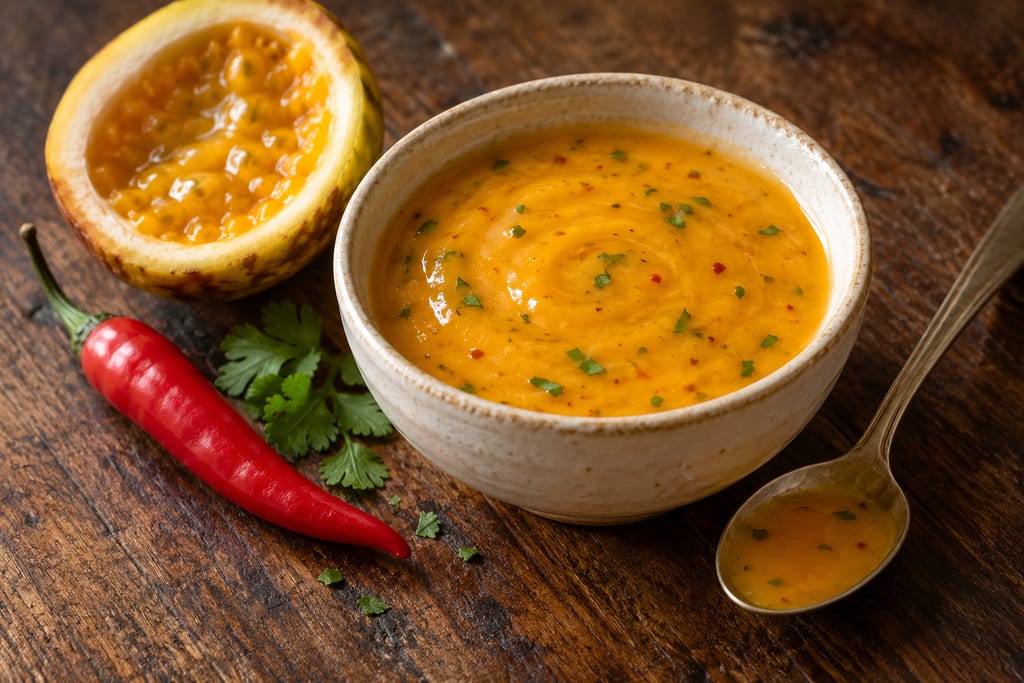
A contemporary Ecuadorian hot sauce that pairs passion fruit juice with boiled chile peppers, oil and lime.
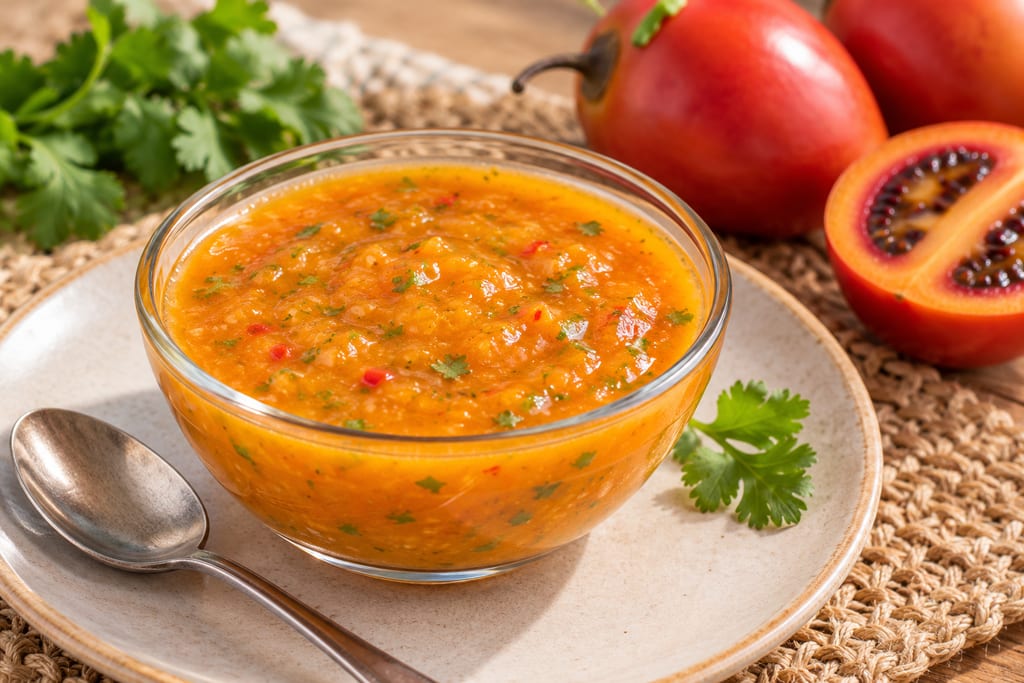
An Ecuadorian hot sauce built on tamarillo, a tart fruit that gives a sharper, fleshier base than ordinary tomato salsa.
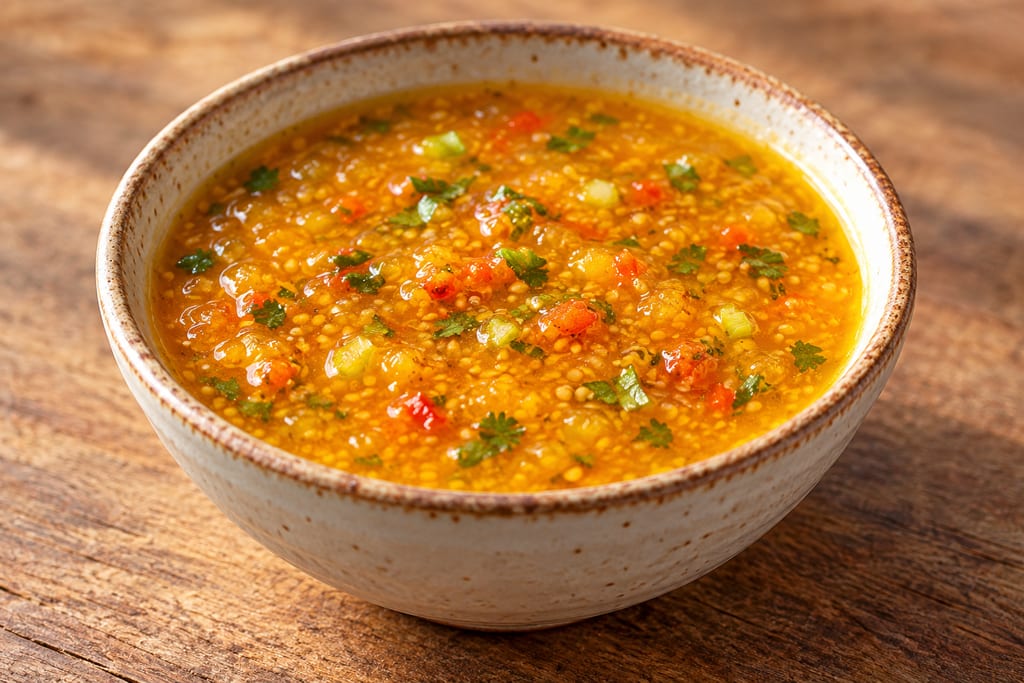
A sweet, tart and spicy Colombian sauce of uchuva, the yellow physalis fruit, with hot pepper, scallion, cilantro and lime.
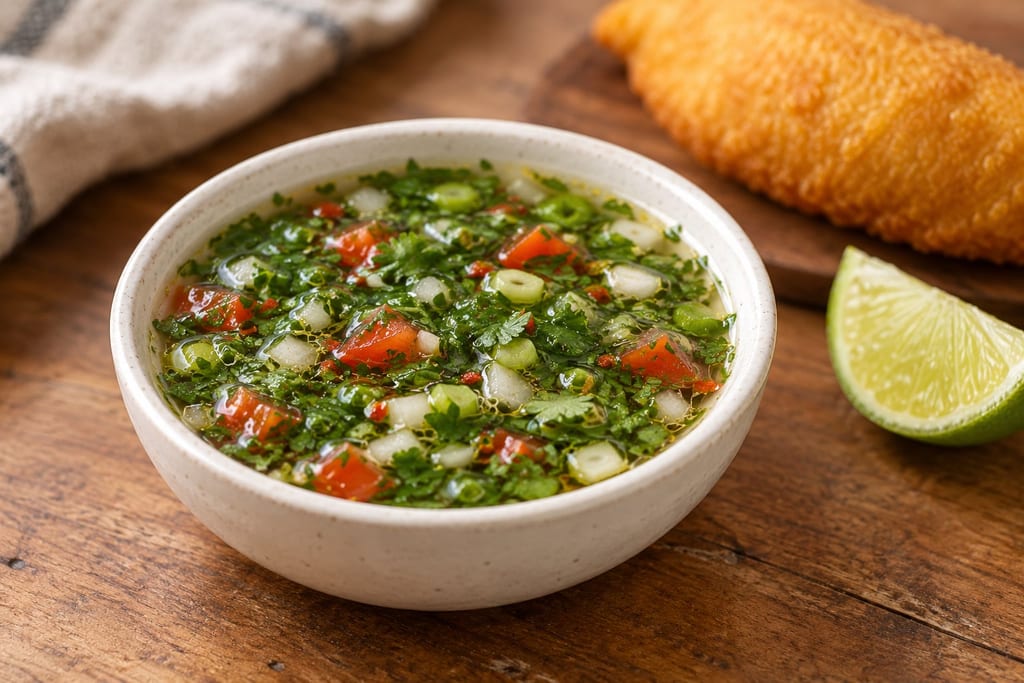
A fresh Colombian table condiment of chopped herbs, scallion and tomato in a vinegar and chile base, served beside fried and filled dishes.
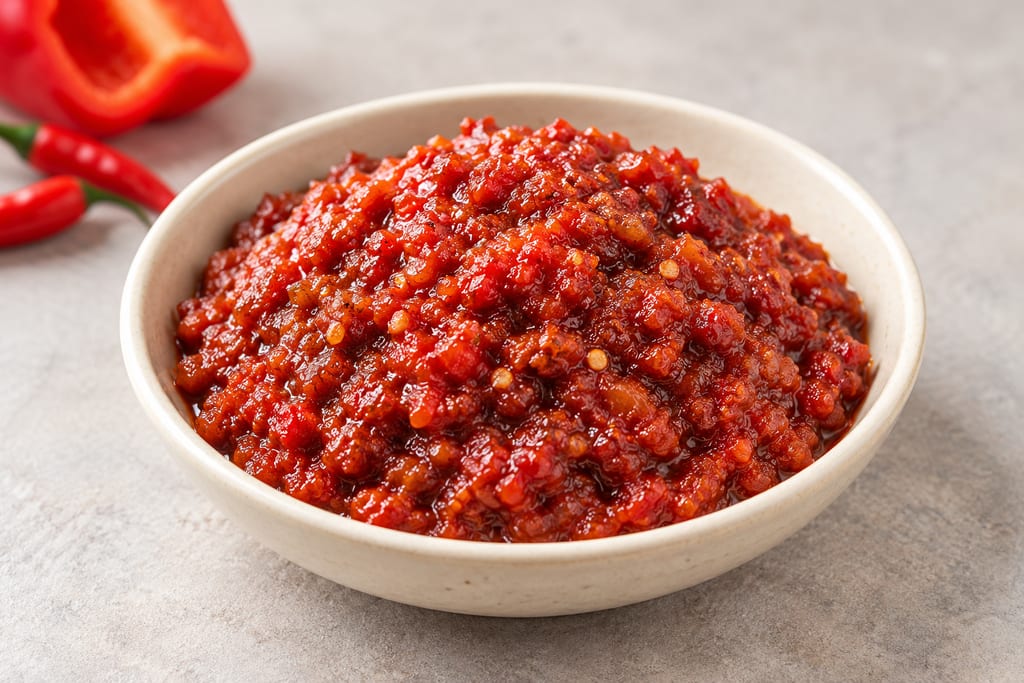
Ata dindin is the Yoruba fried pepper sauce: chillies, red bell pepper and onion blended and cooked down in oil until the oil separates. The same name is also given to a finished stew built on it.

Soft, spreadable Calabrian pork sausage made with a great deal of red chilli and fatty pork, stuffed into natural casings, sometimes smoked and matured while staying soft.

A way to add independent temperature logging to an existing food dehydrator without changing its built-in controls or protections. It is a monitoring method, not a rewiring plan.

Pleurotus cystidiosus is the abalone mushroom, a cultivated oyster-type fungus with dark brown caps that grows more slowly and is more demanding than other Pleurotus species.

A dark, balanced vinegar from Emilia-Romagna made by combining cooked or concentrated grape must with wine vinegar, then acetifying and refining it in wood under a protected specification.

A living dairy inoculum that starts controlled cream fermentation, developing acidity and aroma before sour cream or cultured butter is finished.

A small electric incubator holds jars at a selected temperature for yogurt and other documented warm food preparations. Controls, capacity and vessel arrangement vary by model.

Adygean salt is a seasoned table salt associated with Adygea and the wider North Caucasian culinary tradition. Salt is blended with garlic and a variable selection of herbs and spices; the exact mix depends on the named style and maker.

The African Caesar-group mushroom, Amanita masasiensis, is a wild ectomycorrhizal species of central and southern African woodlands, eaten locally. The genus contains deadly poisonous species, so identification needs care.
No community contributions have been published for this entry yet.
Sign in to contribute. Published comments and photos are free to read.
EatPeruMethod · Ingredients · History · Storage
Ají Verde RecipeRecipe card: 360 g mayonnaise; 170 g green peppers; 70 g onion; 50 g coriander; 120 g Parmesan; 1 tablespoon vinegar; juice of one lemon; one garlic clove; optional yellow chilli paste; salt to taste.
Method: blend peppers, mayonnaise, onion, garlic, chilli paste and lemon for two to three minutes; add Parmesan and coriander and blend at least five minutes.
Storage advice: clean dry glass jar, refrigerator, up to two weeks; flavour improves after about twelve hours.
Chilli peppers native to the Americas; Peruvians combined American chillies with European cured cheese (the page's account, undated).
Cited in: Two names, two sauces; The Andean base and the mayonnaise; Making the sauce
WikipediaOrigin · Regional · Identity
Ají (sauce)Ají sauces are Andean in origin; prepared in Bolivia, Colombia and Peru since at least Inca times.
A salsa de ají verde is shown in a Huaraz market in Peru; the article gives no ingredients for it.
Ají amarillo sauce is yellow and often mixed with mayonnaise, crema or sour cream.
Cited in: Two names, two sauces; The Andean base and the mayonnaise
U.S. Department of Agriculture, Food Safety and Inspection ServiceSafety
How do I handle leftovers safely?USDA says refrigerate perishable leftovers at 40°F (4°C) or below and never leave them out more than 2 hours, or 1 hour above 90°F (32°C).
USDA recommends shallow containers for rapid, even cooling and using refrigerated leftovers within 3 to 4 days; freeze for longer storage.
Cited in: Storing it