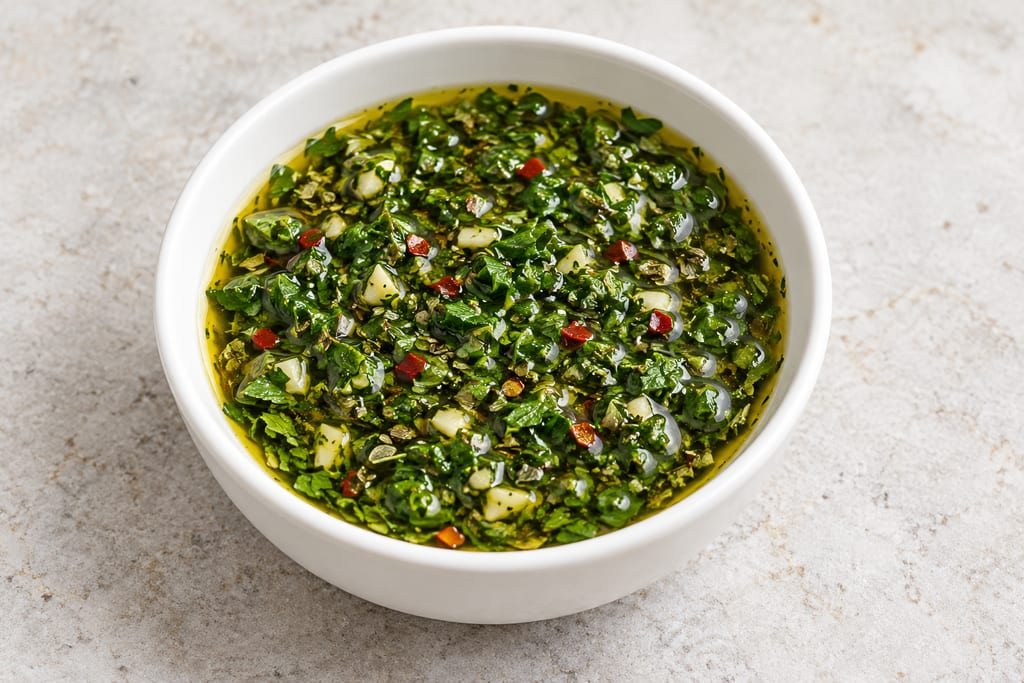
Chimichurri
Chimichurri is an uncooked sauce of chopped parsley, garlic, oregano, oil and vinegar from Argentina. It is spooned over grilled meat and has spread across Latin America.
 FermenteaWhere food goes to change
mayoketchup
A cold mayonnaise-and-tomato condiment family with distinct documented forms in Argentina, Peru and Puerto Rico; this draft records a Peruvian caper-and-orange version and keeps its regional relatives separate.
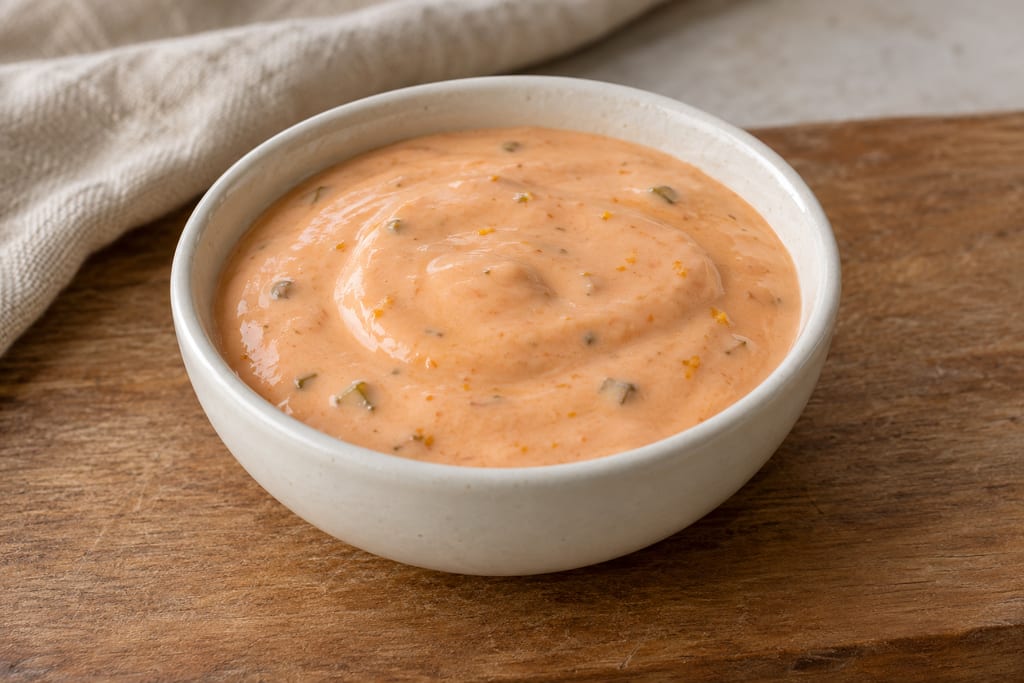
Salsa golf is associated with Argentine cooking, but its often repeated origin story is uncertain. Eduardo P. Archetti's 2000 article places salsa golf among dishes described as Argentine restaurant inventions. A 2025 University of Quilmes science news report calls the story that Luis Federico Leloir invented it in 1925 a popular myth. These sources support an Argentine historical association and circulation of the story, not a proven inventor, exact birthplace or date.
The name also appears in distinct regional uses. Olenka Cooks presents a Peruvian version with mayonnaise, ketchup, Worcestershire sauce, capers and orange zest, with optional brandy. Goya's Puerto Rican surullitos recipe names MayoKetchup as an accompaniment but gives no sauce formula. These records document different preparations or uses under related names, not one canonical formula.
This version follows the published Peruvian recipe from Olenka Cooks. Mayonnaise and ketchup form its creamy, tomato-coloured base. Worcestershire sauce contributes savoury tang; chopped capers add salty acidity and a briny bite; orange zest brings citrus aroma. Brandy is optional. The source gives no yield, so none is estimated.
The preparation requires no cooking or fermentation. The source gives no validated storage duration; none is inferred here. The listed quantities are the source recipe quantities, not tested scaling guidance.
Mayonnaise calls for an allergen check: Food Allergy Research & Education lists it among ingredients to avoid on an egg-free diet. Commercial mayonnaise alternatives differ, so read the specific package label. Ketchup and Worcestershire are formulated products; check their current labels for allergens relevant to the diner.
Argentina's Código Alimentario defines salsa golf as an emulsified sauce made from vegetable oil with egg or egg yolk and fresh tomato juice and pulp, which may be partly or wholly replaced by tomato concentrates, seasoned with permitted food substances. This legal product description is not a household recipe and does not establish proportions or optional flavourings in every regional preparation.
A 2000 academic article includes salsa golf among Argentine restaurant-cuisine inventions. A 2025 University of Quilmes news article calls the Leloir 1925 invention story a popular myth, not an established date or place of invention.
Scaling: source batch only
Salsa golf appears as an Argentine restaurant-cuisine invention in academic writing; Leloir's 1925 story is described as popular myth.
One Peruvian recipe is explicitly labelled by its publisher; not a claim of sole origin.
MayoKetchup is named as an accompaniment for Puerto Rican surullitos; sauce formula not supplied.
Chimichurri is an uncooked sauce of chopped parsley, garlic, oregano, oil and vinegar from Argentina. It is spooned over grilled meat and has spread across Latin America.
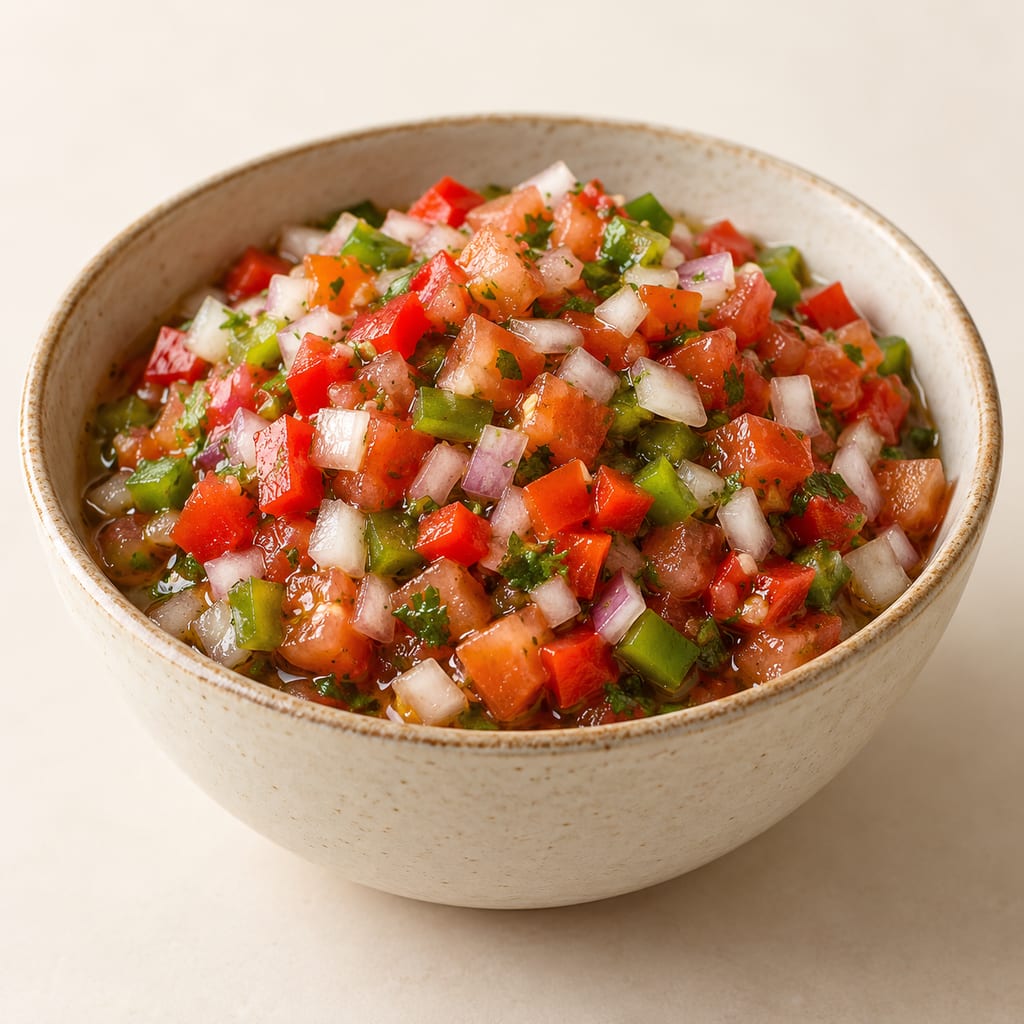
Argentine salsa criolla is a raw relish of finely diced peppers, onion and tomato dressed with olive oil, vinegar and lemon, served cold with grilled meat. The name covers different sauces across Latin America.
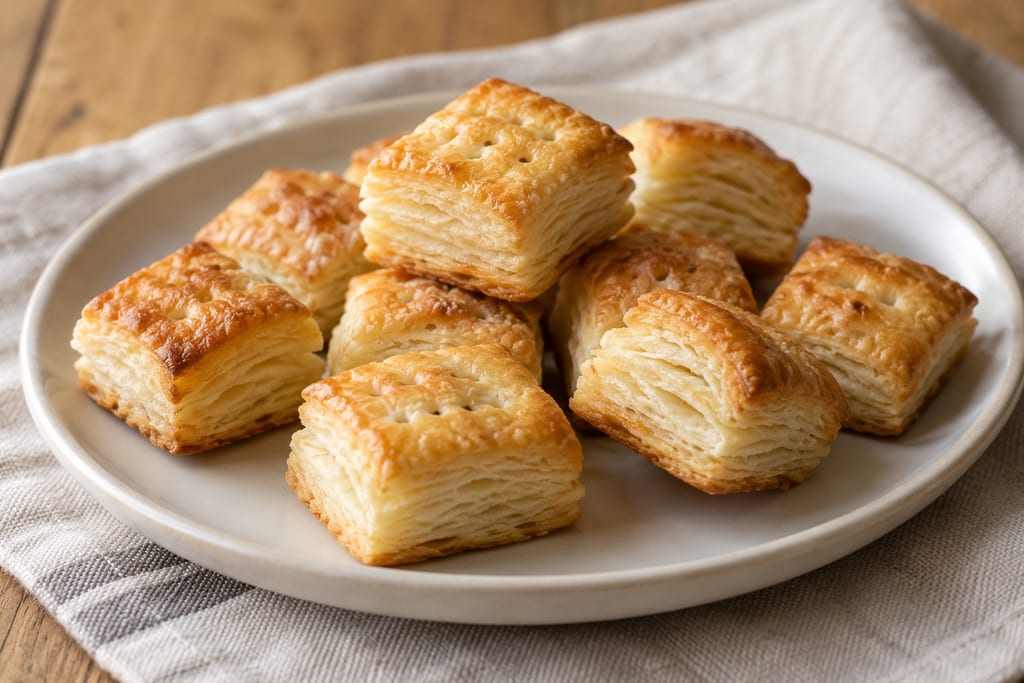
Small Argentine laminated bread bites made with wheat dough, yeast and beef fat or pork lard; this version follows a 40-piece home recipe.
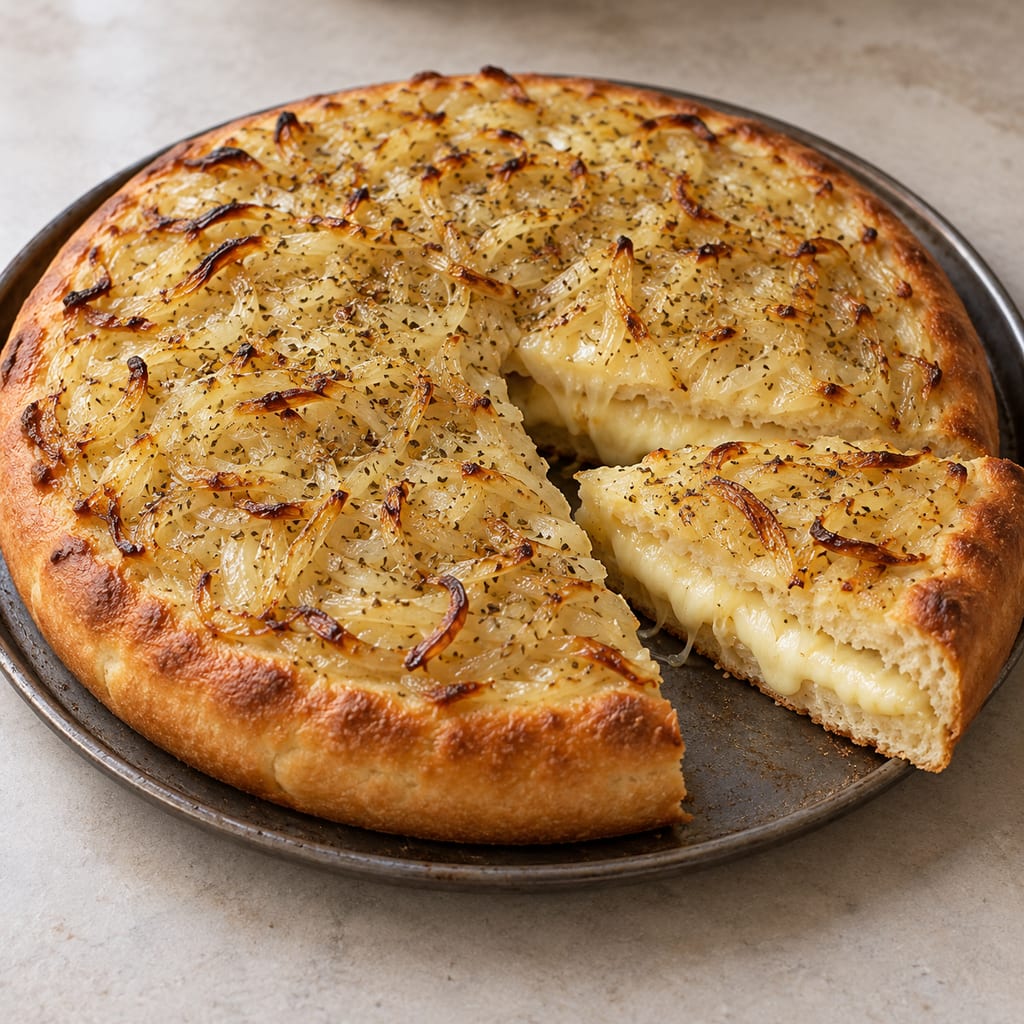
An Argentine-style onion-topped yeast bread with mozzarella and Emmental sealed inside.
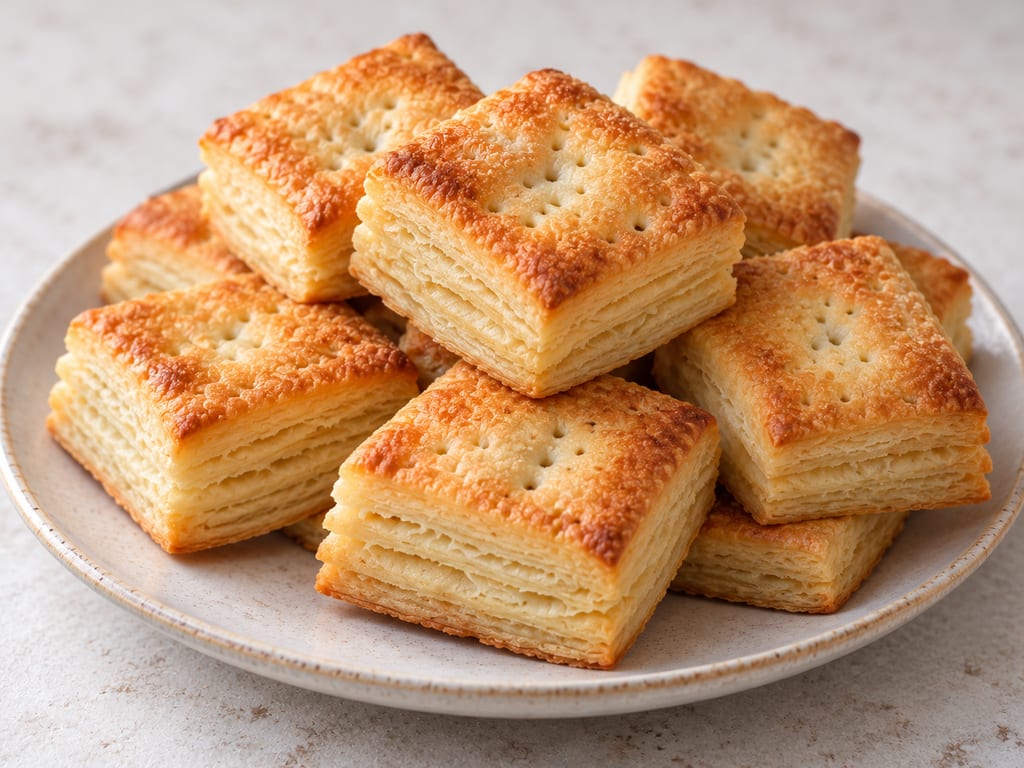
Libritos de grasa are small Argentine laminated yeast rolls made with wheat flour and beef fat, folded into book-like pieces and served with mate.
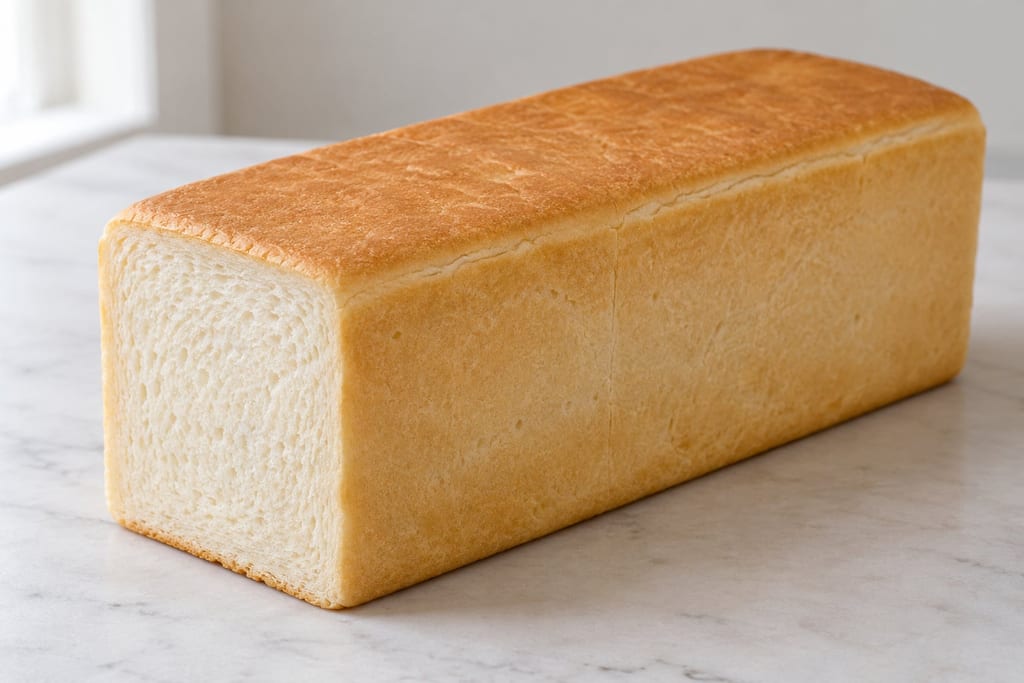
A soft, fine-crumbed pan de miga for thin sandwich slices, made with wheat flour, milk powder, butter and dry yeast in a lidded loaf pan.
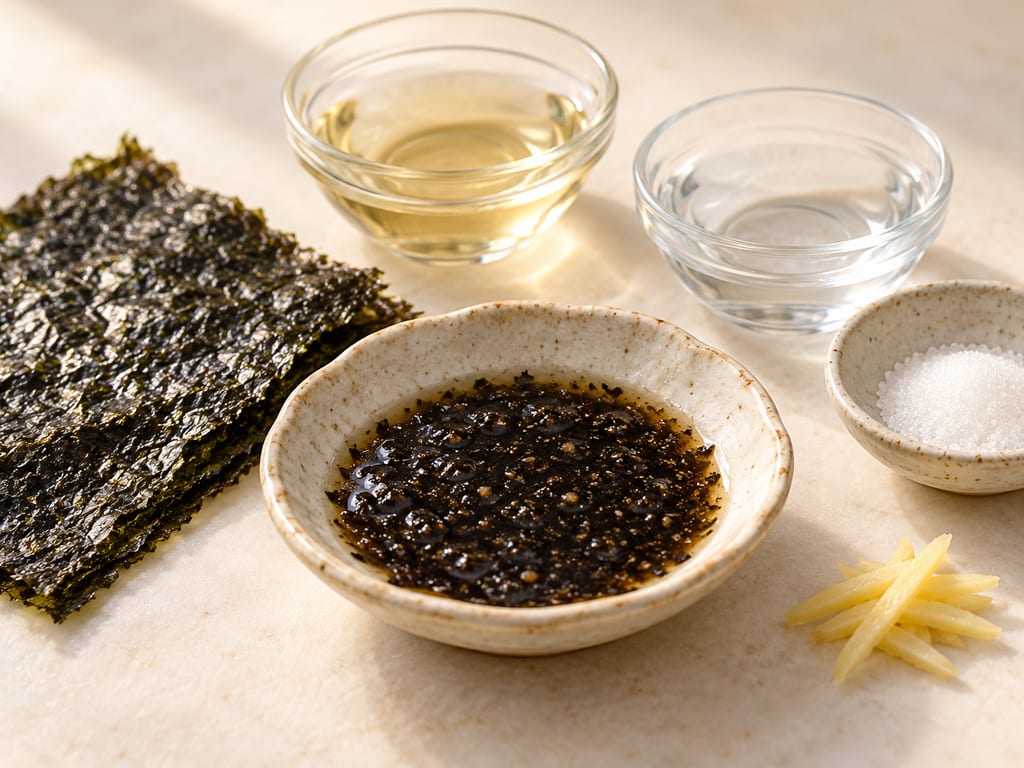
A fresh condiment in which crumbled nori softens in lightly sweetened vinegar and water. It is not vinegar fermented from seaweed.
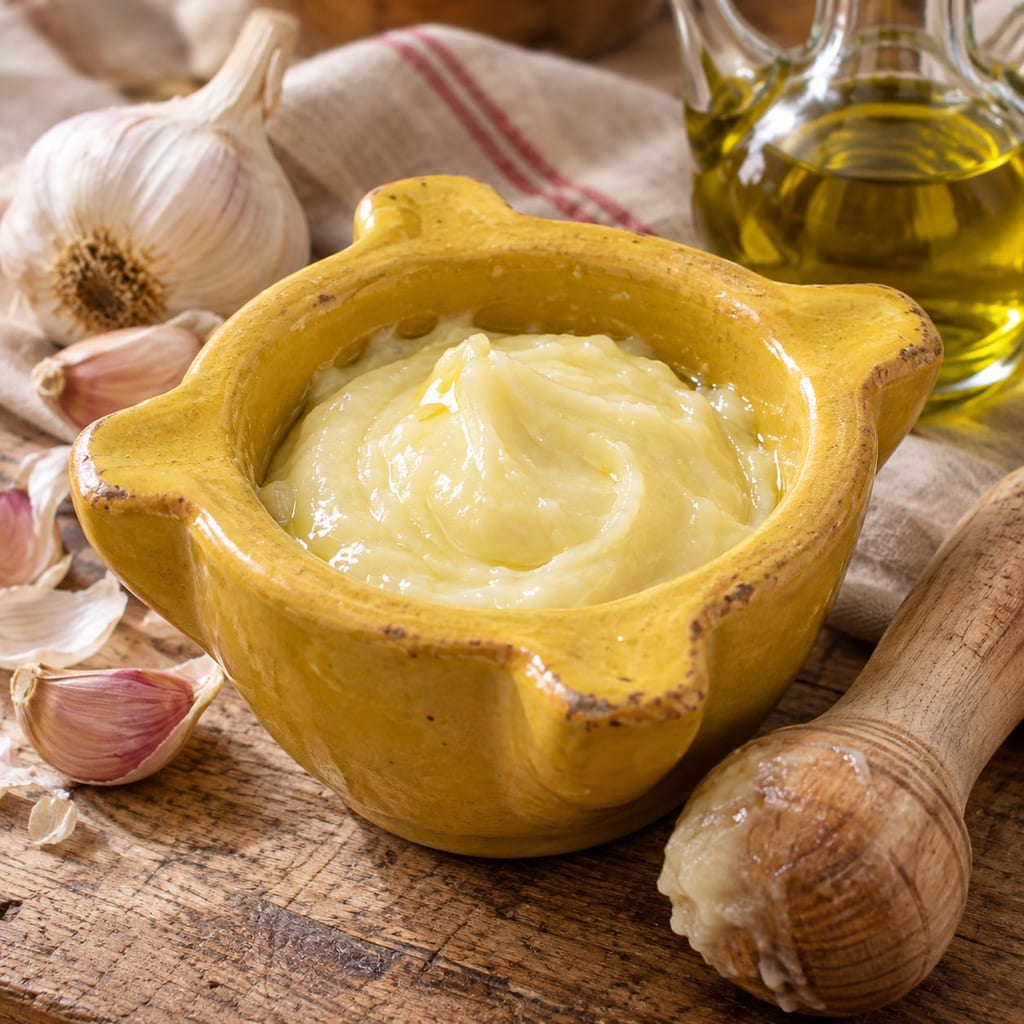
Traditional Catalan allioli is a dense emulsion of garlic, olive oil and salt made slowly in a mortar. This measured Barcelona-style version keeps egg-based garlic mayonnaise distinct.
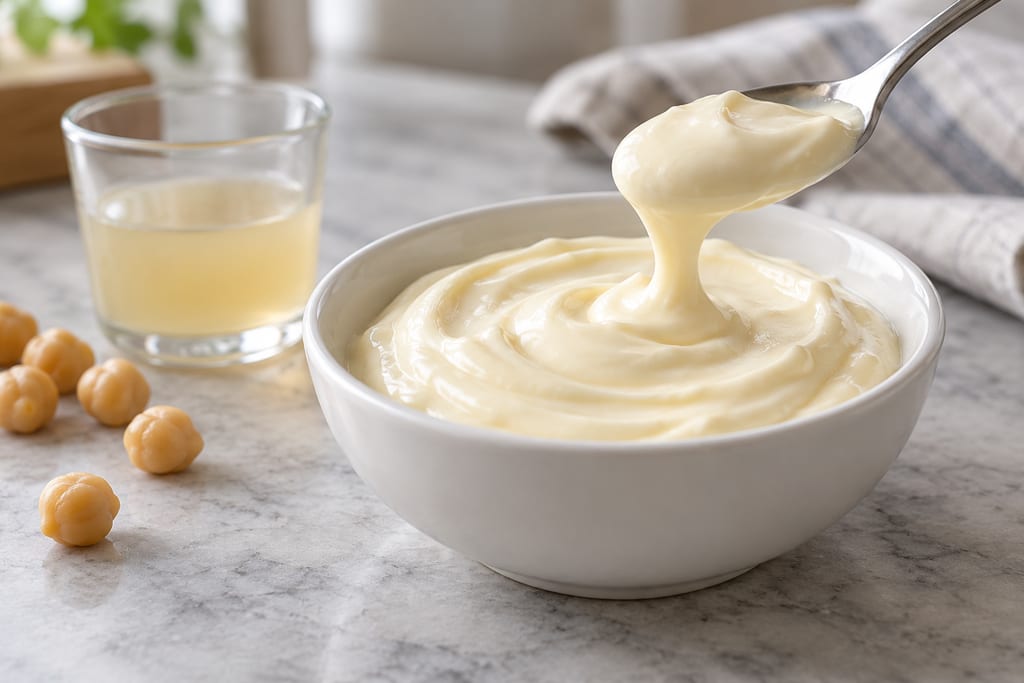
An eggless, untested emulsion made with canned chickpea liquid. Nominal yield 255 g.
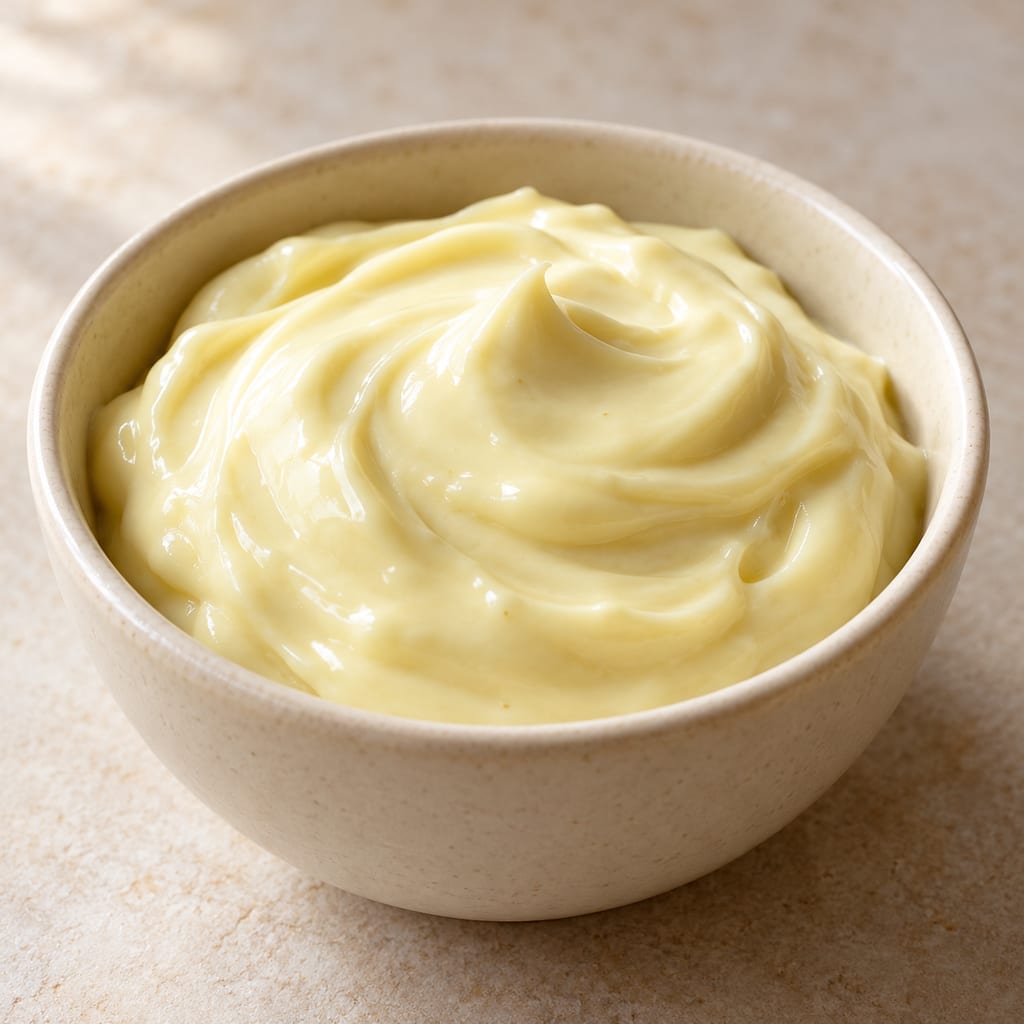
Avocado-oil mayonnaise is an ordinary egg-and-oil emulsion in which avocado oil supplies the oil phase. The oil changes flavour and colour, and it does not preserve the sauce.

Bechamel is a white sauce of milk thickened with a butter and flour roux, one of the French mother sauces, and the base from which Mornay and other cheese and cream sauces are made.
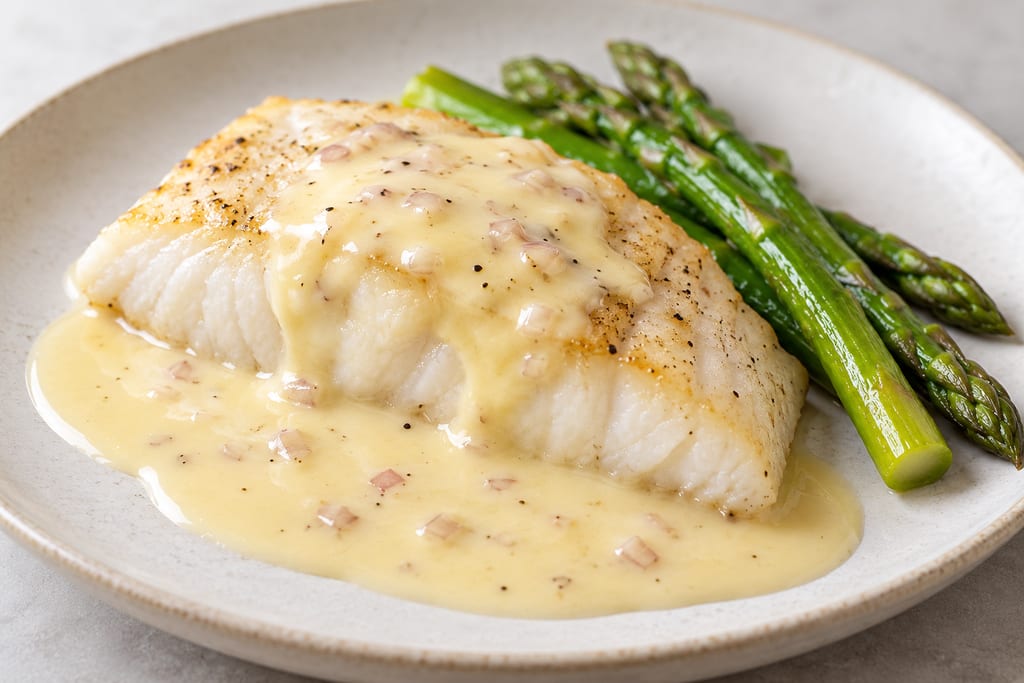
Beurre blanc is a warm emulsion of cold butter whisked into a reduction of white wine, vinegar or lemon juice and shallot, a sauce from the Loire Valley and its red-wine version, beurre rouge.
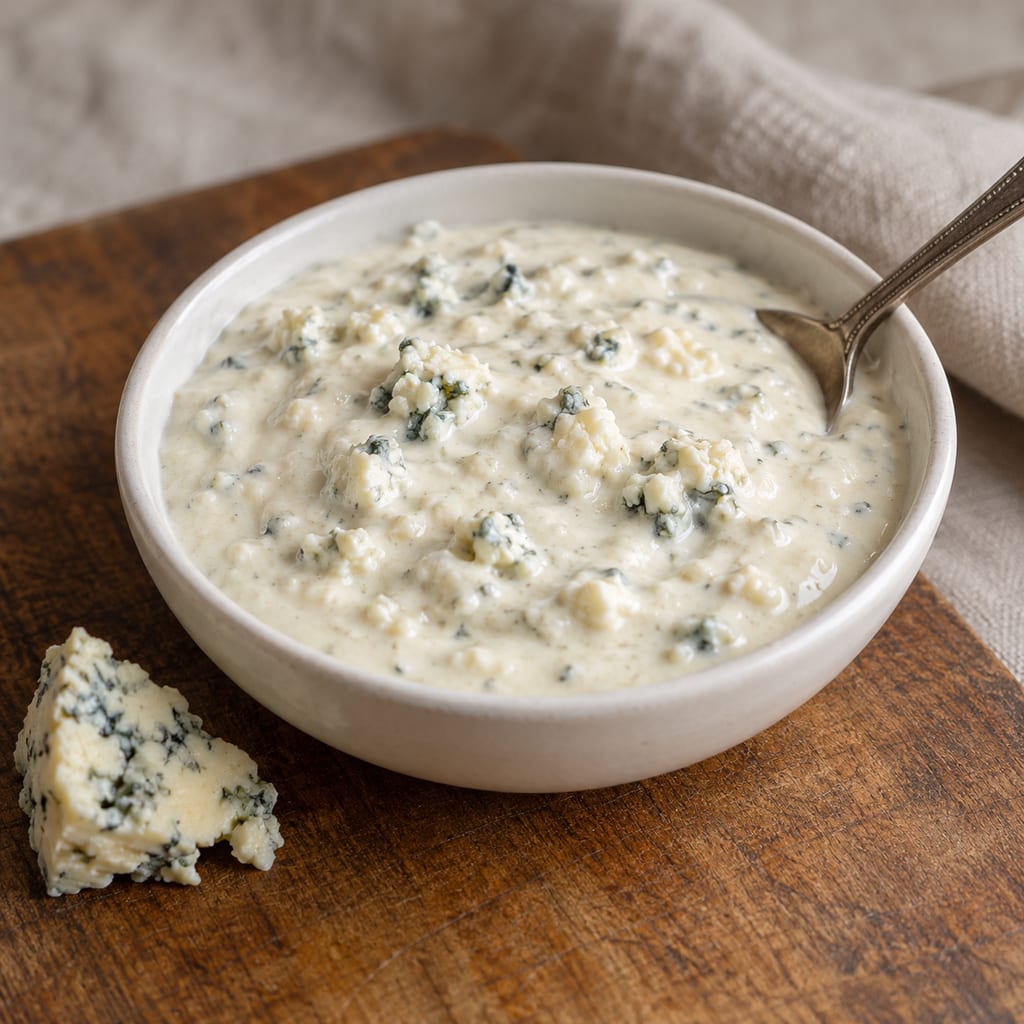
Blue cheese dressing is a creamy dressing built on crumbled blue cheese mashed into buttermilk, with sour cream, mayonnaise, vinegar and seasoning, and kept cold for up to two weeks.
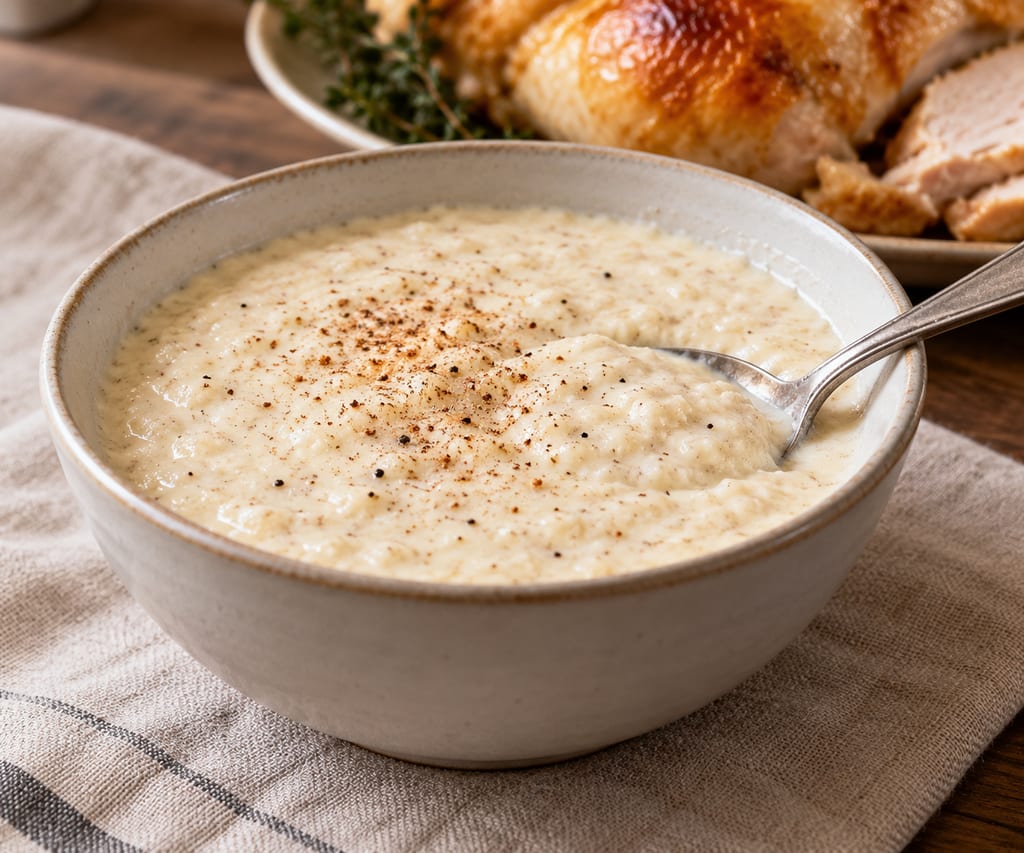
Bread sauce is a British sauce of milk infused with onion, clove and bay, thickened with stale breadcrumbs and finished with butter, served with roast chicken or turkey.

Soft, spreadable Calabrian pork sausage made with a great deal of red chilli and fatty pork, stuffed into natural casings, sometimes smoked and matured while staying soft.

A way to add independent temperature logging to an existing food dehydrator without changing its built-in controls or protections. It is a monitoring method, not a rewiring plan.

Pleurotus cystidiosus is the abalone mushroom, a cultivated oyster-type fungus with dark brown caps that grows more slowly and is more demanding than other Pleurotus species.

A dark, balanced vinegar from Emilia-Romagna made by combining cooked or concentrated grape must with wine vinegar, then acetifying and refining it in wood under a protected specification.

A living dairy inoculum that starts controlled cream fermentation, developing acidity and aroma before sour cream or cultured butter is finished.

A small electric incubator holds jars at a selected temperature for yogurt and other documented warm food preparations. Controls, capacity and vessel arrangement vary by model.

Adygean salt is a seasoned table salt associated with Adygea and the wider North Caucasian culinary tradition. Salt is blended with garlic and a variable selection of herbs and spices; the exact mix depends on the named style and maker.

The African Caesar-group mushroom, Amanita masasiensis, is a wild ectomycorrhizal species of central and southern African woodlands, eaten locally. The genus contains deadly poisonous species, so identification needs care.
No community contributions have been published for this entry yet.
Sign in to contribute. Published comments and photos are free to read.
Trabajo y Sociedad / Universidad Nacional de Santiago del EsteroHistory · Geography
Hibridación, pertenencia y localidad en la construcción de una cocina nacionalThe 2000 article includes salsa golf among Argentine restaurant-cuisine inventions; it does not state the Leloir story.
Cited in: A name shared across related sauces
Agencia de Noticias Científicas de la UNQHistory
Salsa Golf, el nuevo programa de streaming que divulga la ciencia nacionalThe story that Leloir invented salsa golf in 1925 is described as a popular myth.
Cited in: A name shared across related sauces
Olenka Cooks Peruvian CuisineInspiration · Method · Geography
Golf SauceThe page labels this version Peruvian and lists mayonnaise, ketchup, Worcestershire, capers, orange zest and optional brandy; it says to whisk and combine.
Cited in: A name shared across related sauces; The Peruvian preparation recorded here
Goya FoodsGeography · Use
Surullitos – Puerto Rican Corn SticksGoya labels surullitos Puerto Rican and says to serve them with MayoKetchup; it gives no MayoKetchup formula.
Cited in: A name shared across related sauces
Administración Nacional de Medicamentos, Alimentos y Tecnología MédicaIdentity
Código Alimentario Argentino, Capítulo XVIArticle 1284 ter defines salsa golf as an emulsified oil and egg-based product with tomato juice and pulp or concentrates and permitted seasoning.
Cited in: Argentine product definition
Food Allergy Research & EducationSafety
EggFARE lists mayonnaise among ingredients to avoid for an egg-free diet.
Cited in: Allergens and product labels