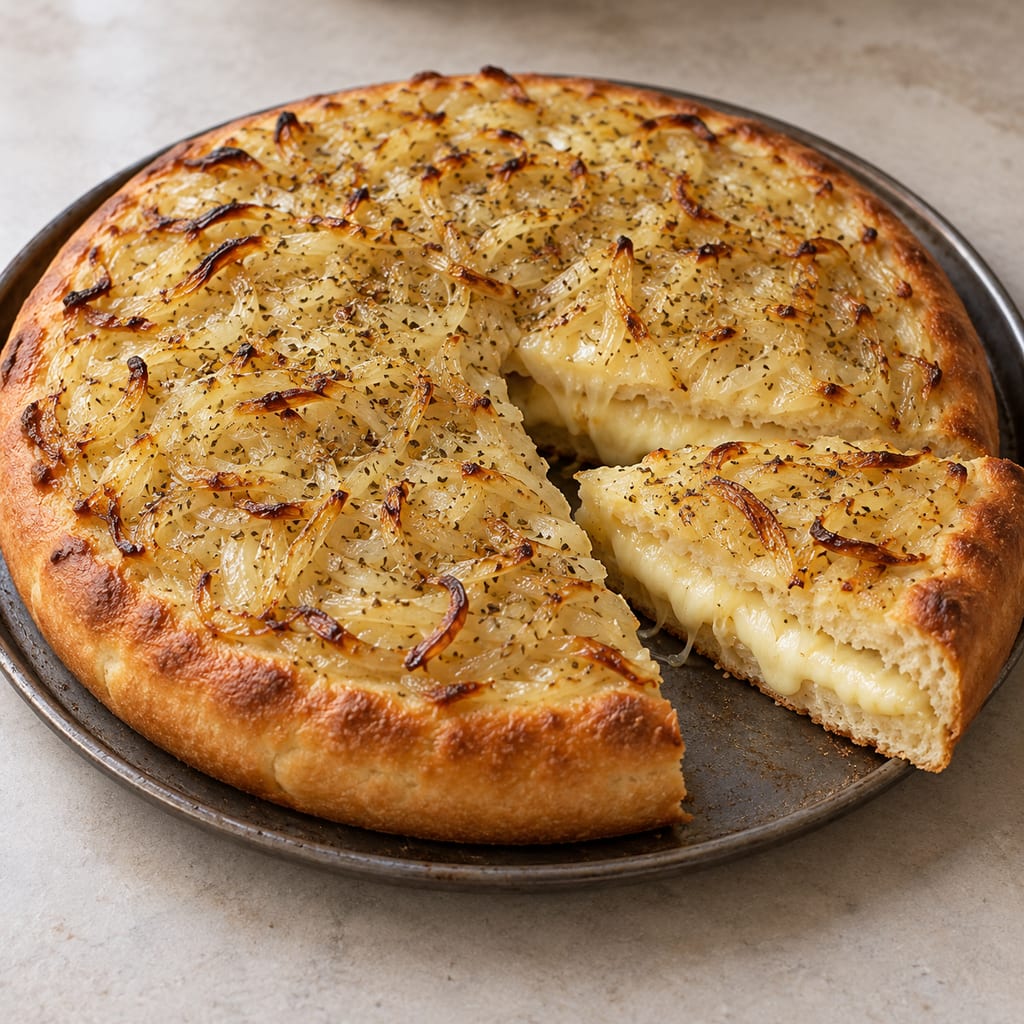
Fugazzeta
An Argentine-style onion-topped yeast bread with mozzarella and Emmental sealed inside.
 FermenteaWhere food goes to change
Criollitos · Argentine criollitos
Small Argentine laminated bread bites made with wheat dough, yeast and beef fat or pork lard; this version follows a 40-piece home recipe.
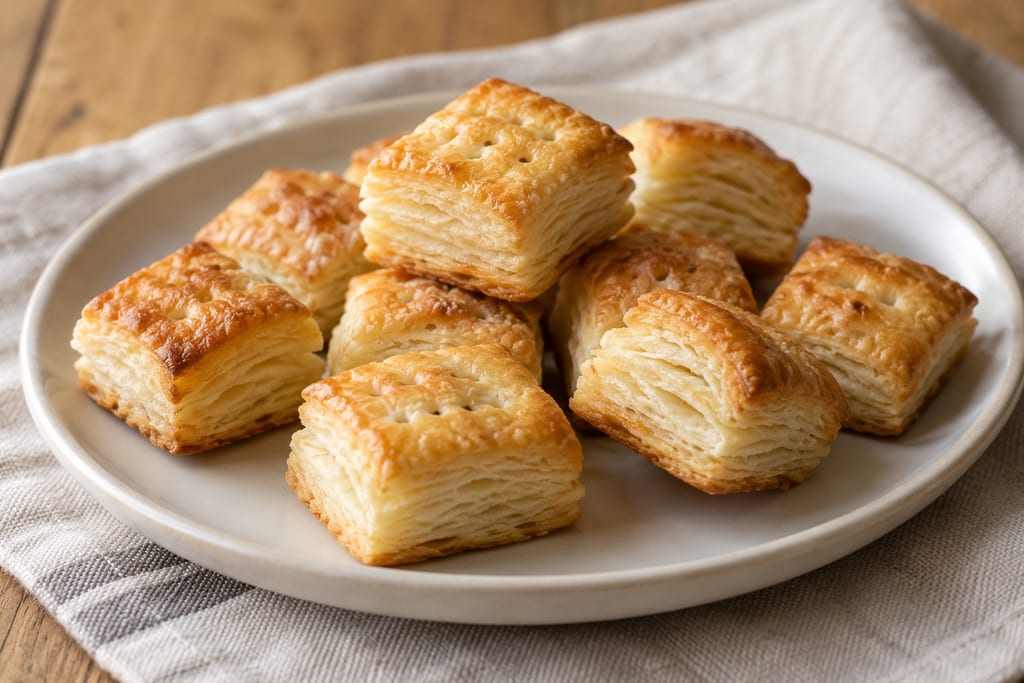
Criollitos are small, savoury laminated breads associated across Argentina and especially with Córdoba. This entry follows Damián Serrano's measured home recipe for about 40 small squares, made with yeast dough and a beef-fat or pork-lard paste. A professional Cordobés formula uses different quantities, branded bakery products and a sheeter; those instructions remain a separate formula rather than being blended into this home batch.
The dough gets an initial rest before the fat paste is folded in. Chilling between repeated folds helps keep the layers distinct. The source cuts small squares, gives them a final rise, then bakes them at 200°C until golden. A Córdoba origin story reported by Vía Córdoba is expressly a legend told by a bakers' association representative, not a proven date or birthplace.
Criollitos are described as especially popular in Córdoba and widespread across Argentina. A Vía Córdoba report attributes a late nineteenth- or early twentieth-century origin story to a provincial bakers' association representative, but presents the leftover-dough account as a family legend rather than verified history. The recipe here follows a modern small-square home method; it is not used to generalize the many regional criollo forms.
Yield 40 small criollitos, approximately 2 × 2 cm · Scaling: source batch only
Do not taste the uncooked dough; raw flour can carry harmful bacteria.
Hazard sourceDo not taste the raw dough; keep flour and dough separate from ready-to-eat food, and wash hands, tools and surfaces after handling.
Control sourceBake the pieces before serving.
Control sourceContains wheat (gluten).
The cited home recipe identifies its criollitos as Argentine; it says the food is especially established in Córdoba.
Bonviveur describes criollitos as especially established in Córdoba; Vía Córdoba reports on them with a representative of the provincial bakers' association, and Marino publishes a separate professional recipe explicitly titled criollito cordobés. No precise birthplace is claimed.
An Argentine-style onion-topped yeast bread with mozzarella and Emmental sealed inside.
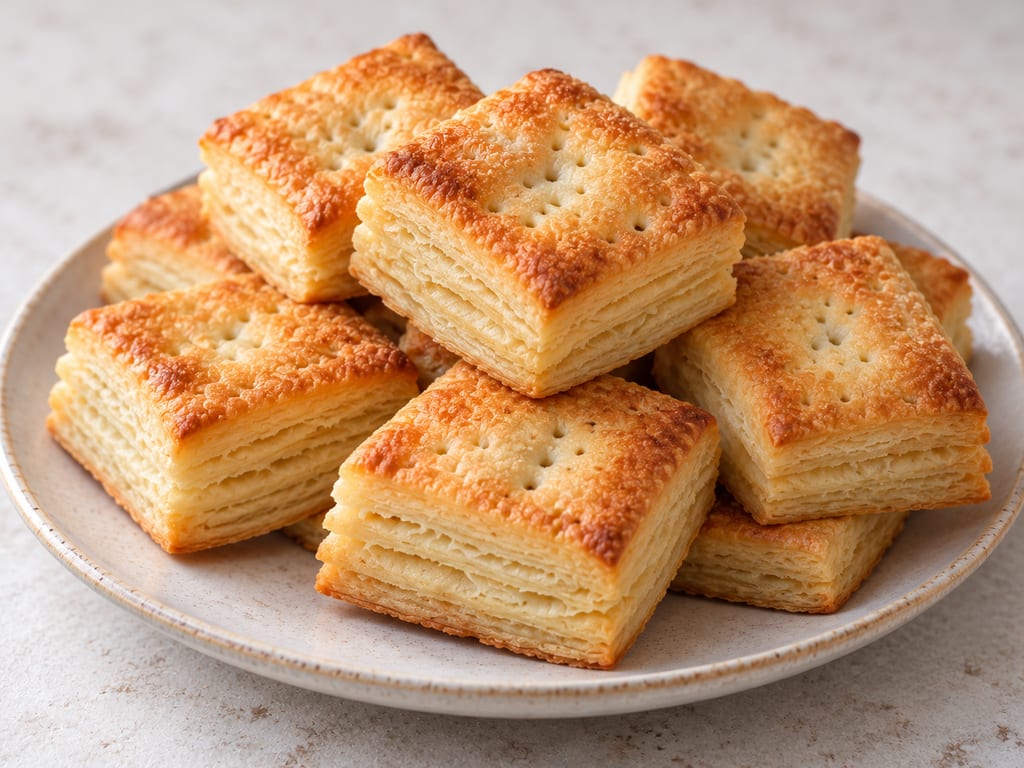
Libritos de grasa are small Argentine laminated yeast rolls made with wheat flour and beef fat, folded into book-like pieces and served with mate.
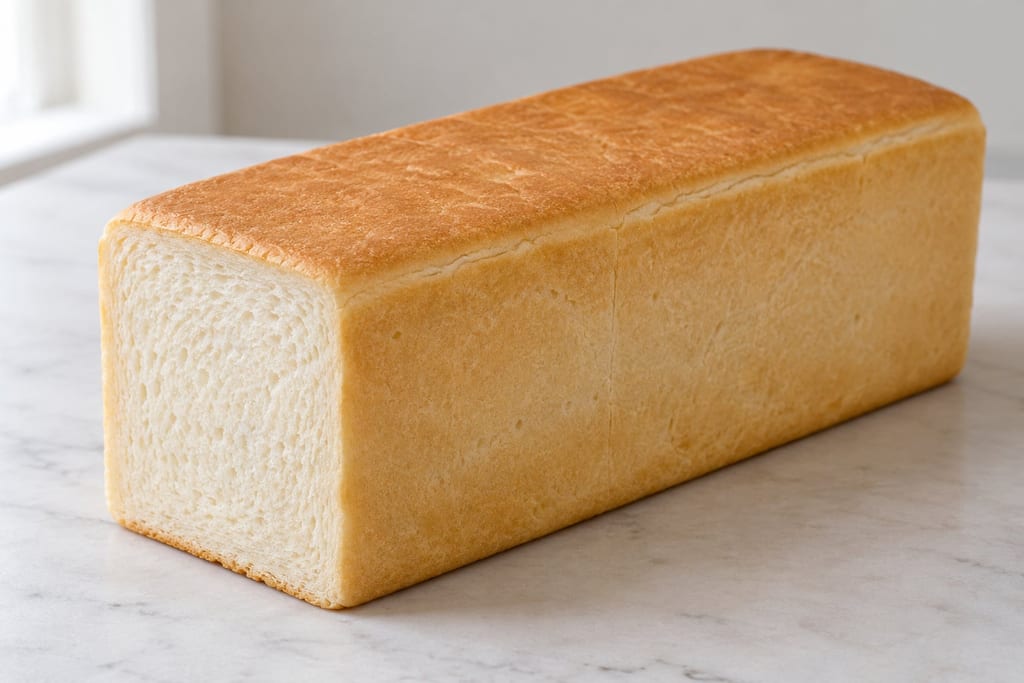
A soft, fine-crumbed pan de miga for thin sandwich slices, made with wheat flour, milk powder, butter and dry yeast in a lidded loaf pan.
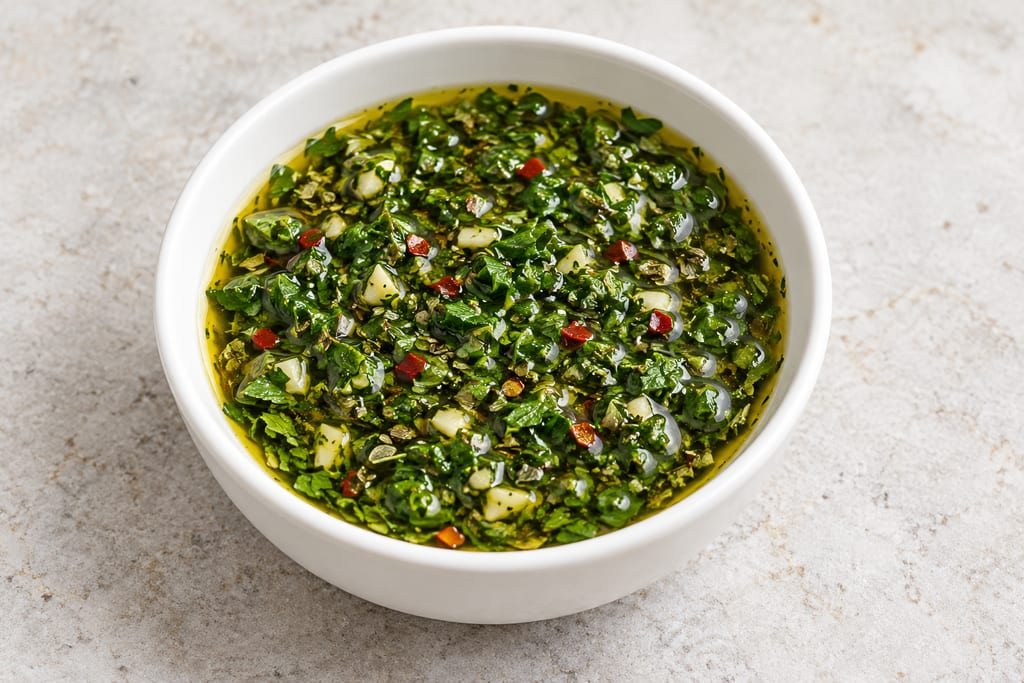
Chimichurri is an uncooked sauce of chopped parsley, garlic, oregano, oil and vinegar from Argentina. It is spooned over grilled meat and has spread across Latin America.
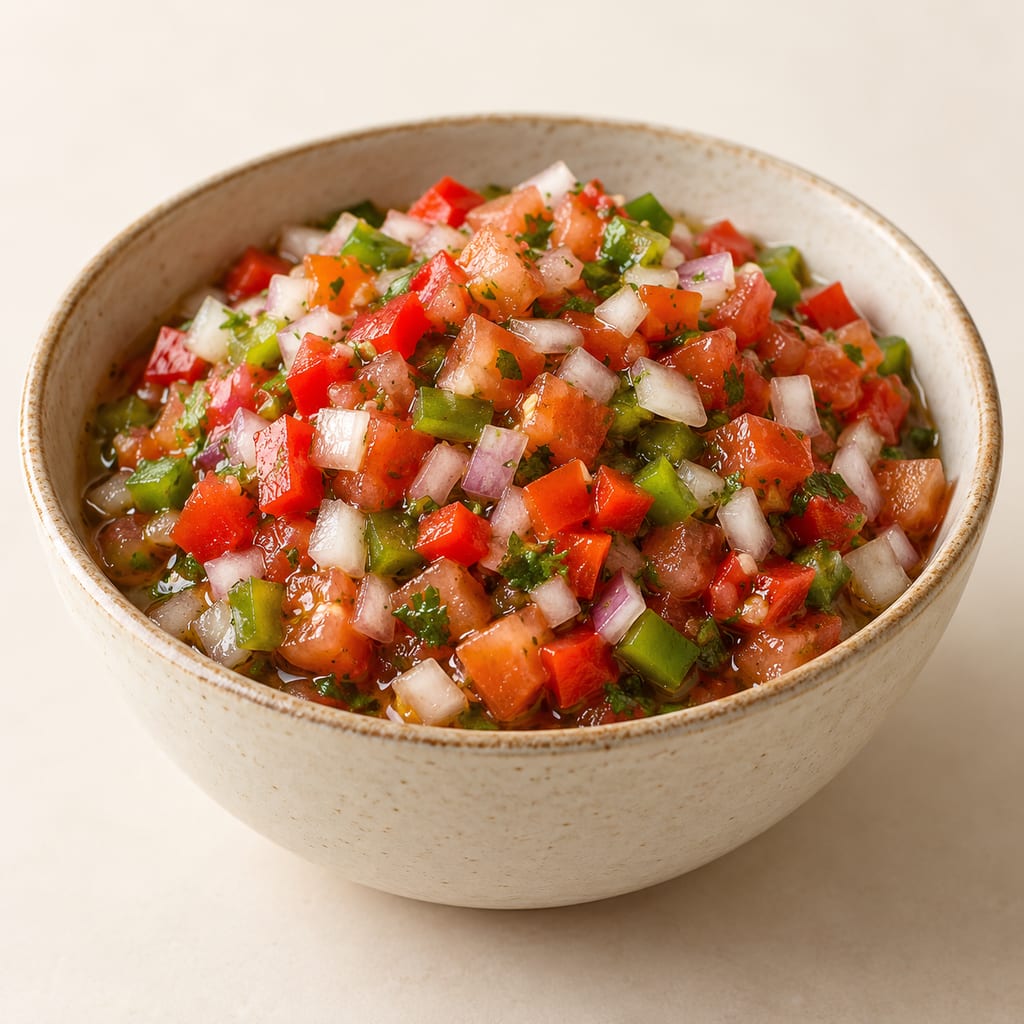
Argentine salsa criolla is a raw relish of finely diced peppers, onion and tomato dressed with olive oil, vinegar and lemon, served cold with grilled meat. The name covers different sauces across Latin America.
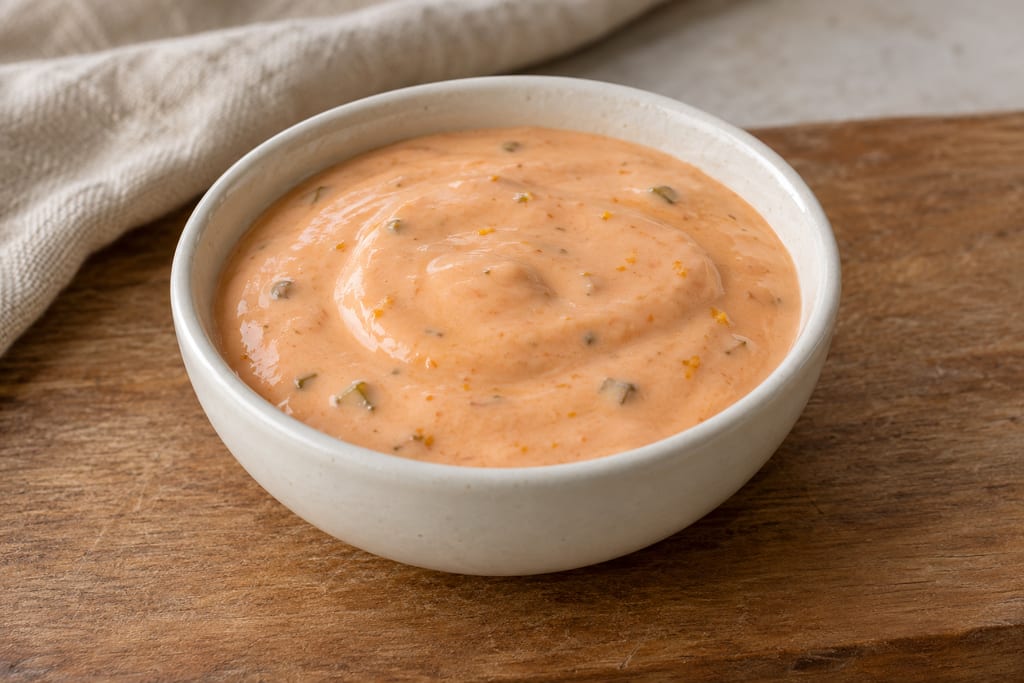
A cold mayonnaise-and-tomato condiment family with distinct documented forms in Argentina, Peru and Puerto Rico; this draft records a Peruvian caper-and-orange version and keeps its regional relatives separate.
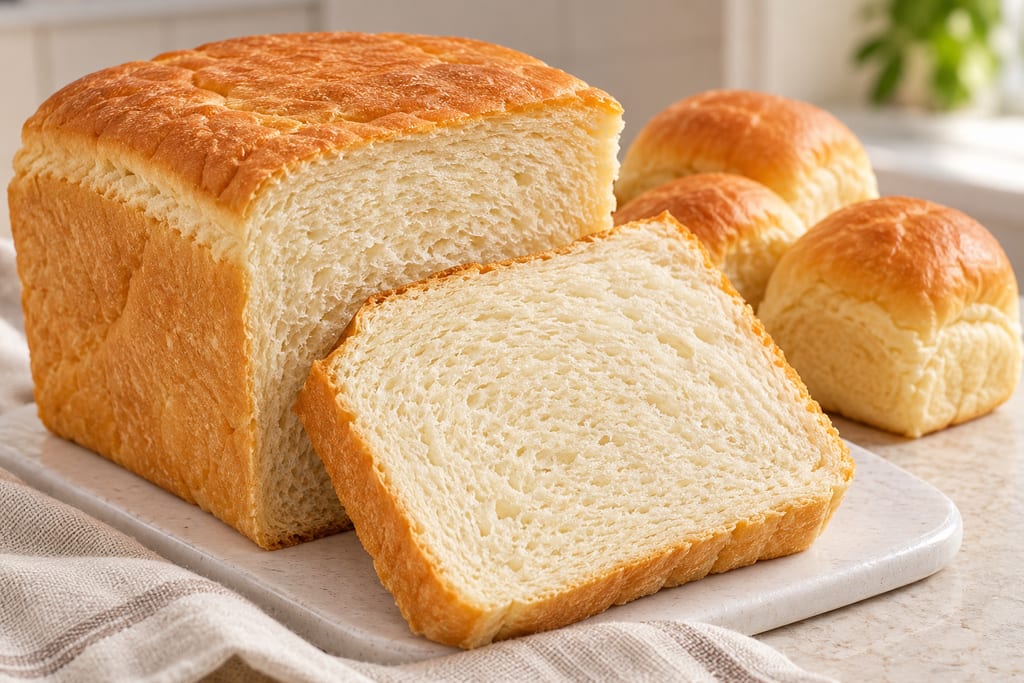
This softer home-style Agege bread uses a scalded flour paste, an enriched yeast dough and a 9×5-inch loaf pan, with rolls from the extra dough.
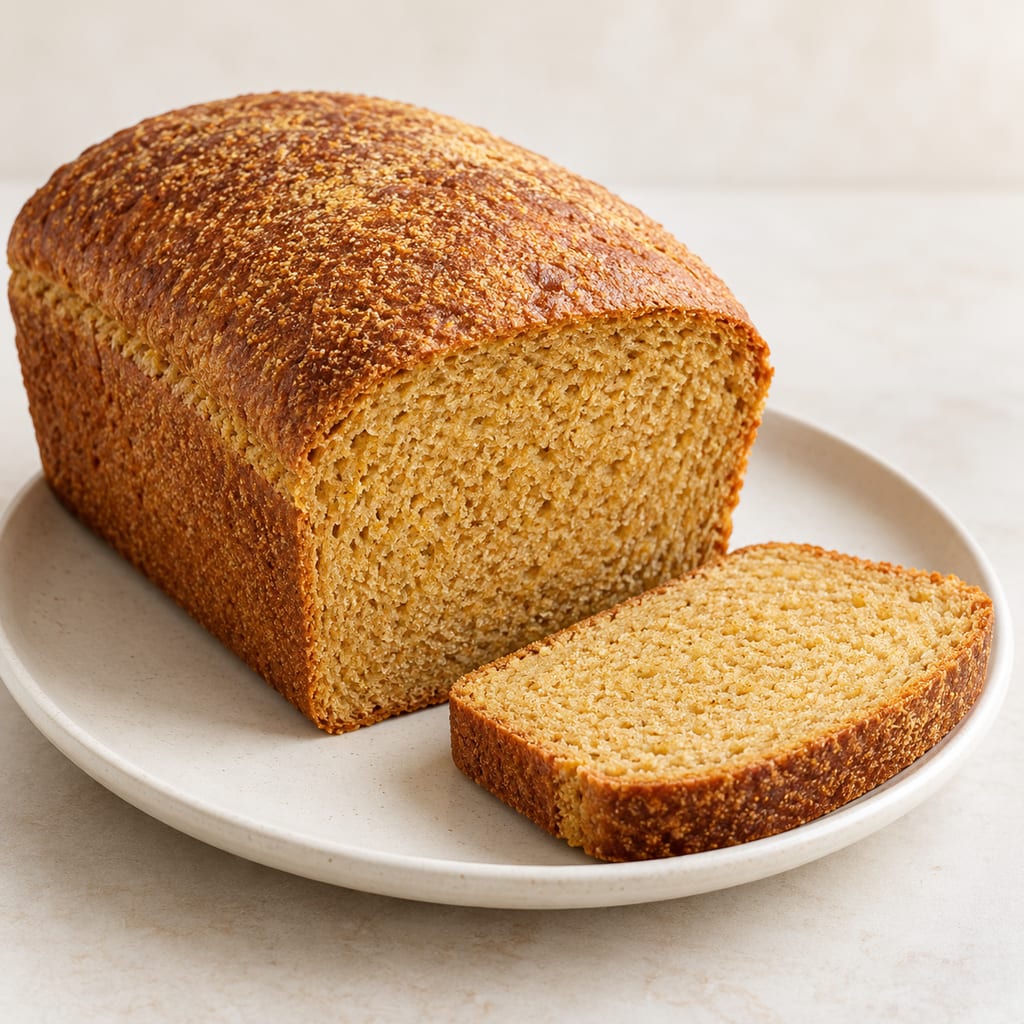
Anadama is a New England yeast loaf made with wheat flour, cornmeal and molasses. Scalded cornmeal enriches the dough, while molasses lends sweetness and a dark crust; it is especially good toasted or beside soup and baked beans.

A yeast-raised wheat ring shaped from a firm dough, briefly boiled and baked. This source-batch formula gives a gently malted crust and a chewy crumb.
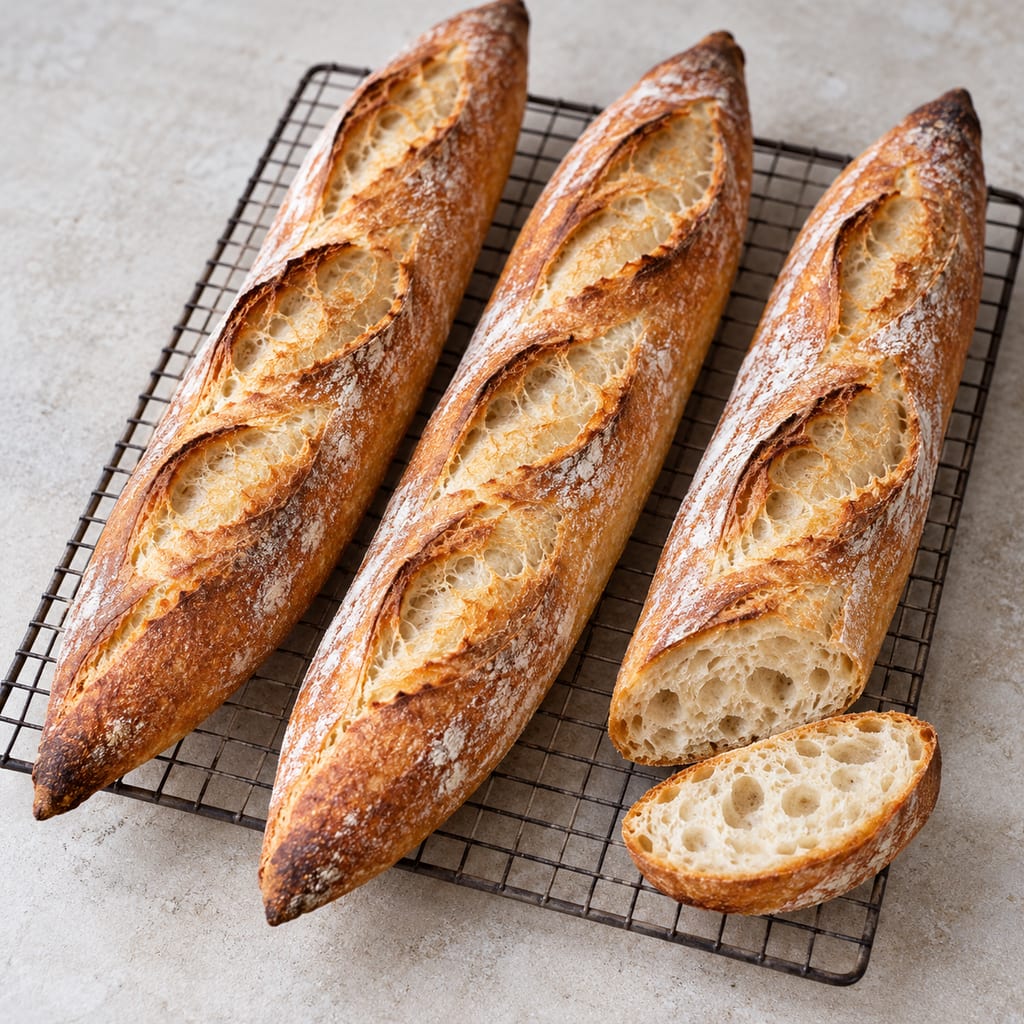
Three long, crusty wheat loaves made with an overnight yeast poolish, shaped by hand and baked with steam for a crisp crust.
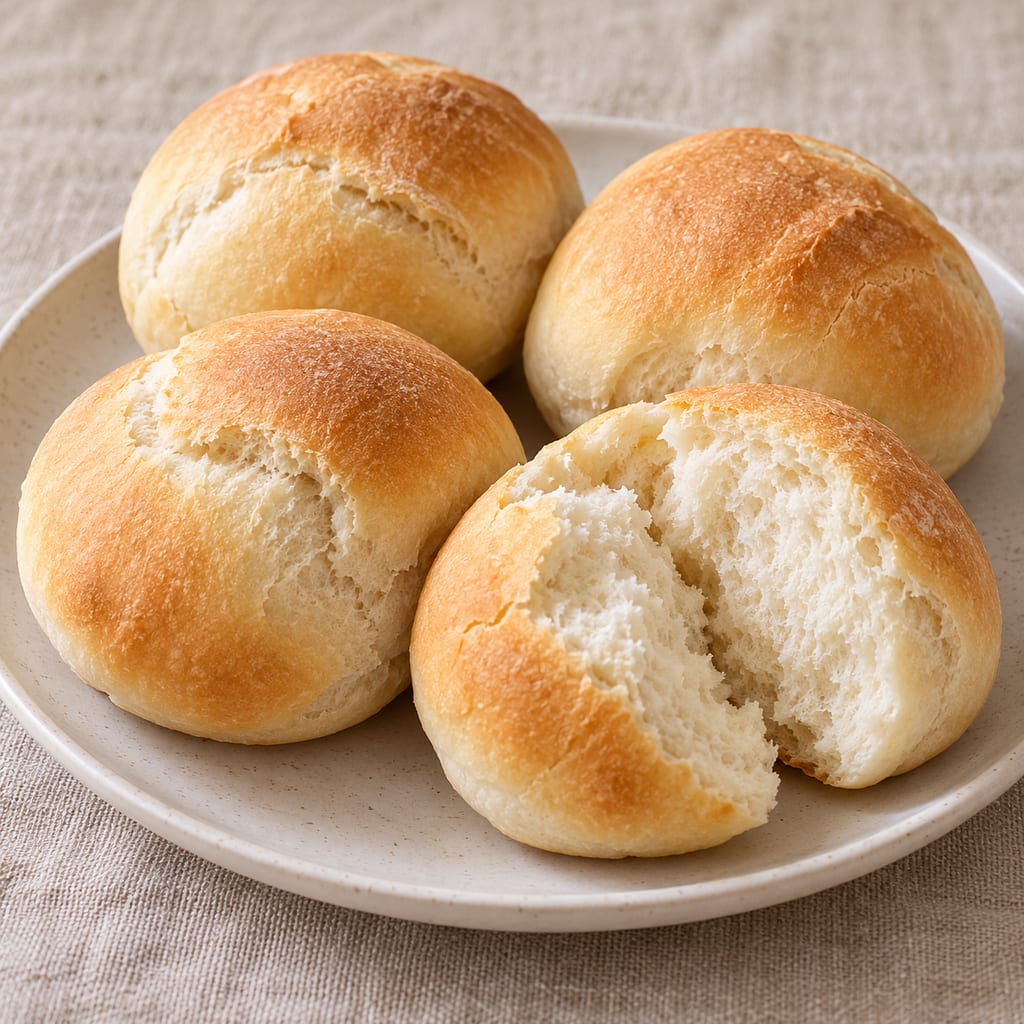
A lightly salted, yeast-raised Barbadian roll, baked in a dozen-roll home batch and often split for cutters.
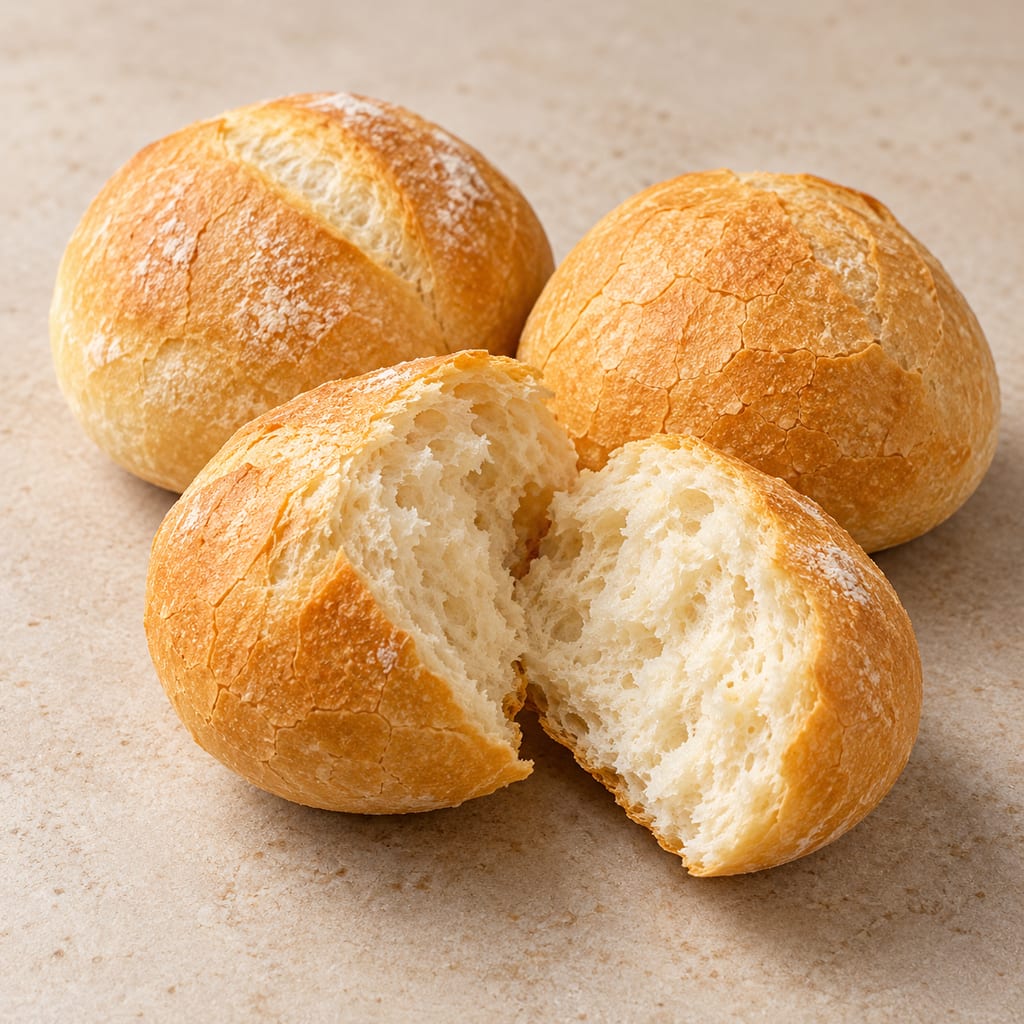
A crisp Belgian roll made from a supplier’s Croc-flour dough, mixed by hand or machine, proofed in rounds and baked with steam.
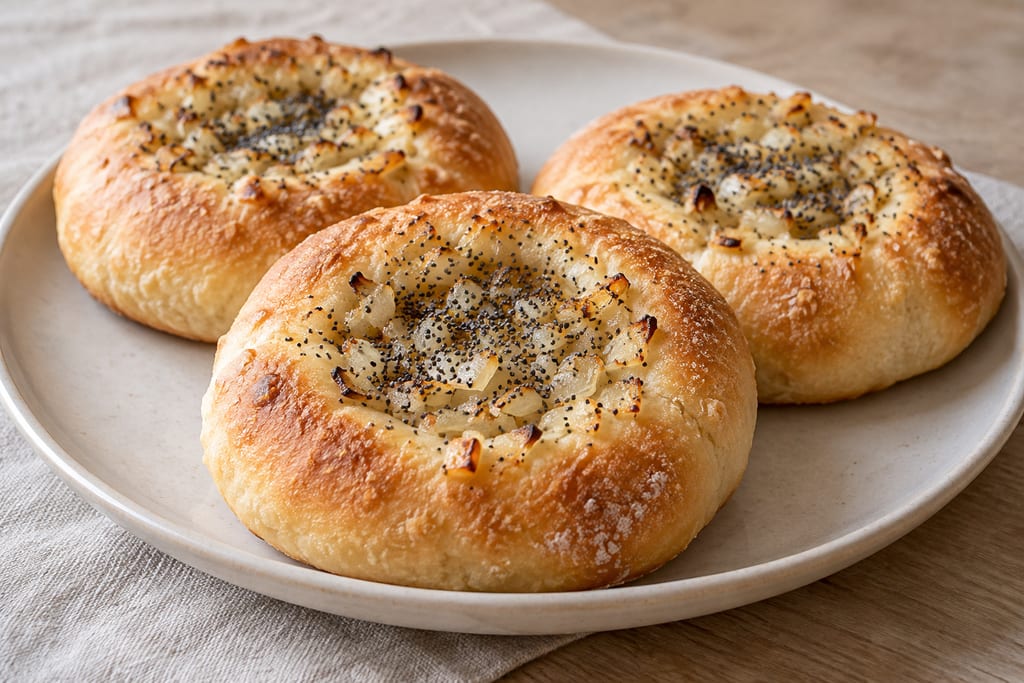
Bialys are soft, yeasted wheat rolls baked without boiling, each shaped with an onion-filled central depression instead of a hole.
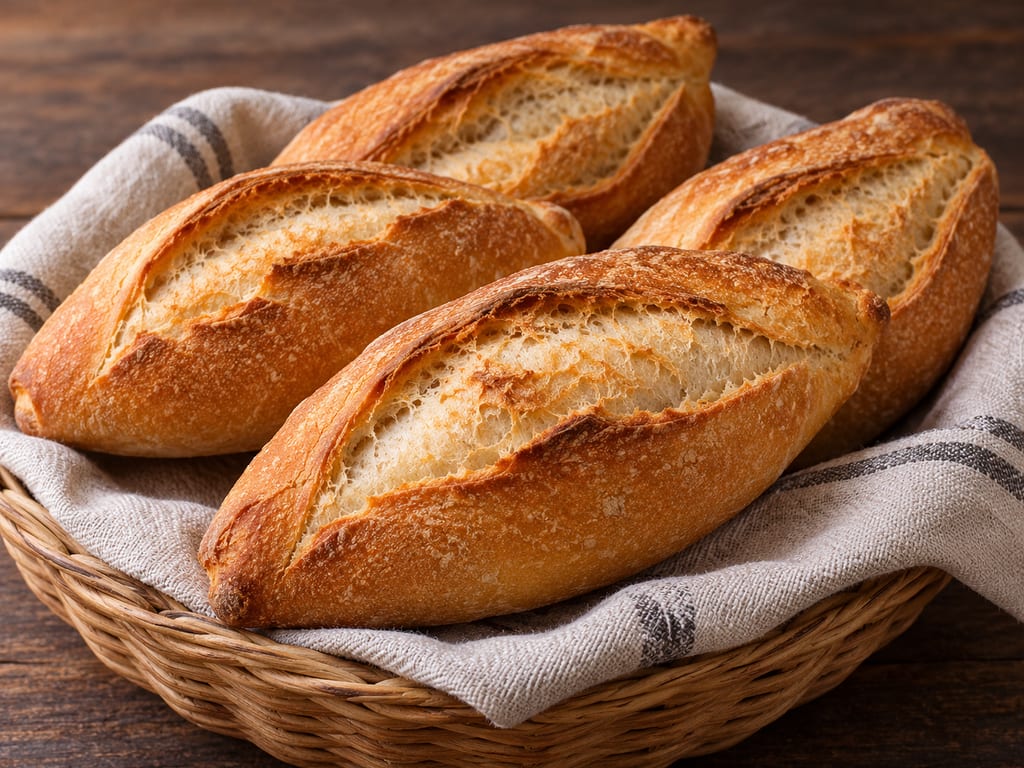
A measured, commercial-yeast home method for Guadalajara-style birote salado, with a six-hour preferment, shaped rolls and a two-temperature steam bake. This formula contains no egg.
No community contributions have been published for this entry yet.
Sign in to contribute. Published comments and photos are free to read.
Bon ViveurMethod · Ingredients · Geography · Cultural context
Criollitos, los irresistibles bocaditos hojaldrados argentinosComplete 40-piece home formula with flour, fresh or dry yeast, sugar, salt, water and beef fat or pork lard.
Initial rest, two laminating fat applications, repeated folds and chilled rests, 2 × 2 cm square shaping, 45-minute final rise, 200°C bake and cooling.
Describes criollitos as Argentine, especially established in Córdoba, commonly eaten with mate, and shaped as small squares or rectangles.
If needed for the dough to come together, add a little more water one tablespoon at a time.
Cited in: Small laminated criollitos
Marino SRLRegional method · Geography
Criollito cordobesA separate professional criollito cordobés formula uses beef fat, six initial sheeter passes, five simple folds, 5 cm square cuts, proof to double volume and 200°C for 25 minutes.
The source uses named bakery products and professional equipment; this recipe record follows the separate Bon Viveur home formula instead of combining them.
Cited in: Small laminated criollitos
Vía CórdobaGeography · Cultural context · History
Un accidente en la cocina: el origen del criollito, uno de los panificados más pedidos en CórdobaA provincial bakers' association representative describes criollos/criollitos as a major Córdoba bakery item and recounts a family legend about leftover dough, fat and salt; the article does not present the legend as proven history.
Cited in: Small laminated criollitos
U.S. Food and Drug AdministrationSafety
Handling Flour Safely: What You Need to KnowRaw flour may carry harmful bacteria; do not taste raw dough, keep it away from ready-to-eat food, and clean hands and surfaces after handling.