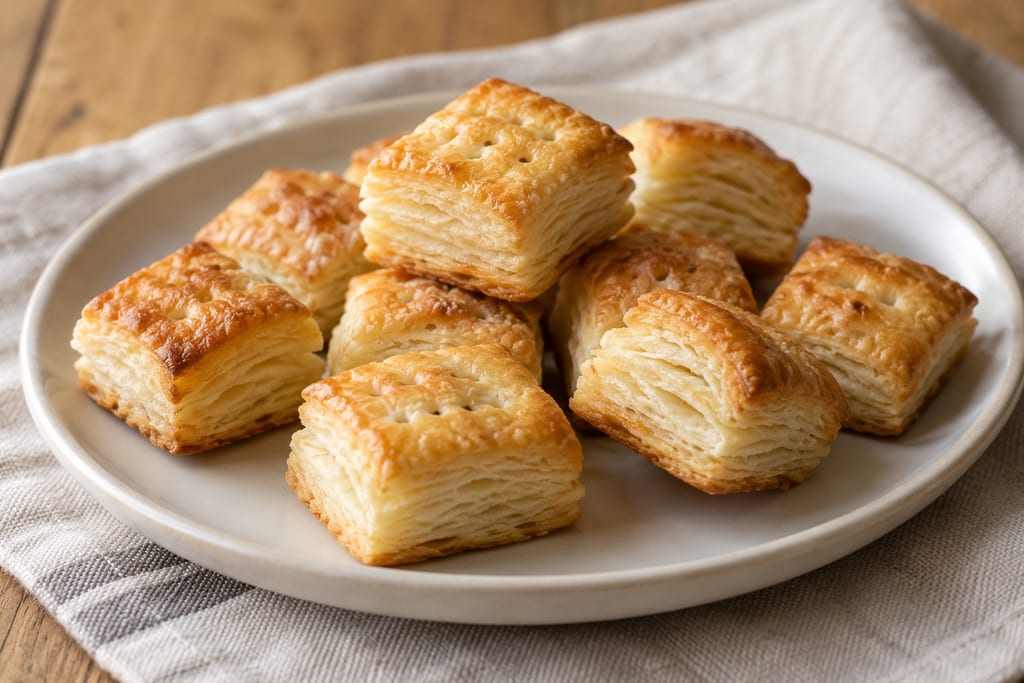
Criollitos de grasa
Small Argentine laminated bread bites made with wheat dough, yeast and beef fat or pork lard; this version follows a 40-piece home recipe.
 FermenteaWhere food goes to change
Modern method
Pan de miga argentino · Pan de sandwich
A soft, fine-crumbed pan de miga for thin sandwich slices, made with wheat flour, milk powder, butter and dry yeast in a lidded loaf pan.
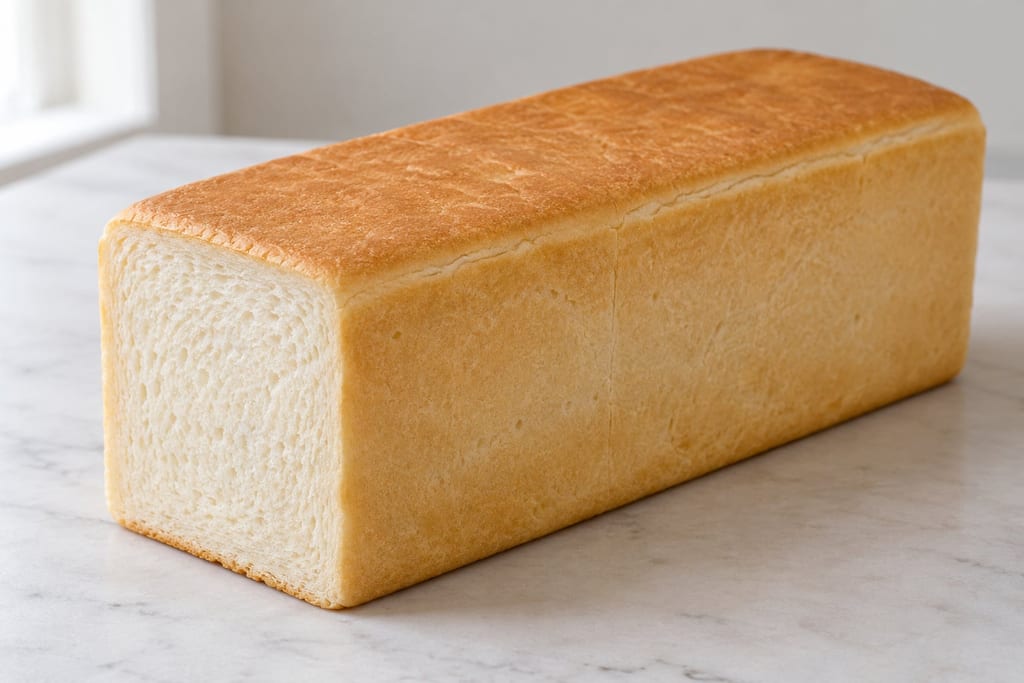
This 2021 home formula uses a lidded pan to shape a soft loaf for fine, thin slices. The author specifies a 27 × 10 × 11 cm pan and also reports a separate half-batch trial in a smaller pan. The measured batch here follows the full formula and pan dimensions.
Pan de miga is closely associated with Argentina's sándwich de miga. LA NACION describes the sandwich as a national food tradition and identifies pan de miga as its essential bread. This account documents the cultural association; it does not establish an origin date or a single traditional formula.
The bread and the assembled sandwich belong to different stages of preparation. Buenos Aires's 2025 catering specifications list sándwiches de miga among the savoury foods requested for a simple lunch service, alongside other small breads and snacks. That dated public document records a contemporary use in event catering, without establishing when the sandwich began.
This recipe stops at the cooled loaf. The catering specification does not supply its bread formula, and its finished sandwiches should not be treated as another name for the unfilled bread. Fillings and their handling require separate instructions; none are added to this dough method.
This record uses a contemporary home-baking method posted by Ampajua in 2021. LA NACION describes the sándwich de miga as a national Argentine food tradition and identifies pan de miga as its essential bread; it traces the sandwich's broader influence to Italian immigration and adaption in Argentina. These sources do not establish a single origin or historic formula for the bread itself.
Yield 1 loaf · Scaling: source batch only
The dough is uncooked during mixing, proofing and shaping; raw flour can carry harmful germs.
Hazard sourceDo not taste raw dough. Bake the loaf before eating and wash hands, utensils and surfaces after handling flour or dough.
Control sourceDo not taste raw dough; cook it before eating.
The recipe page names this pan de miga; LA NACION documents the associated thin-sliced bread as an essential part of a sandwich that became a national Argentine food tradition. This is a contemporary home method, not a claim about the bread's origin.
Small Argentine laminated bread bites made with wheat dough, yeast and beef fat or pork lard; this version follows a 40-piece home recipe.
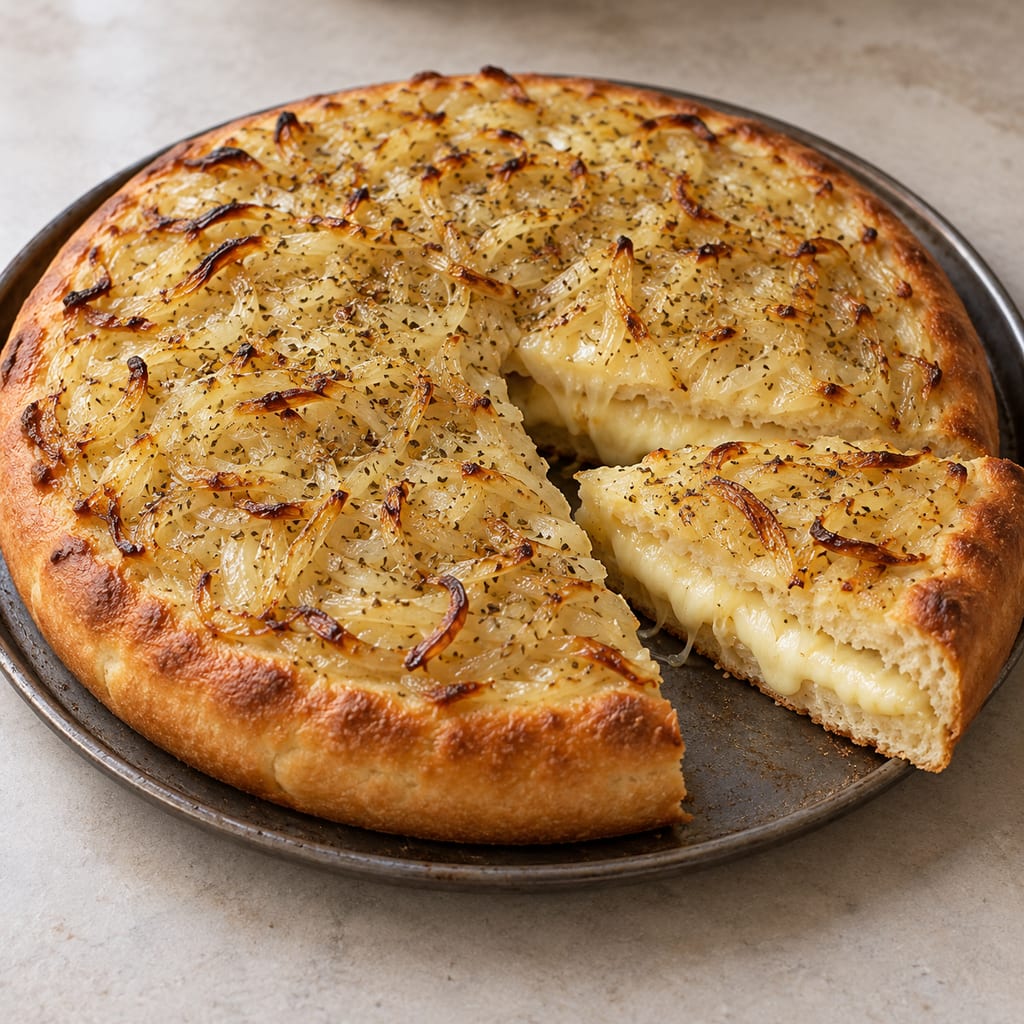
An Argentine-style onion-topped yeast bread with mozzarella and Emmental sealed inside.
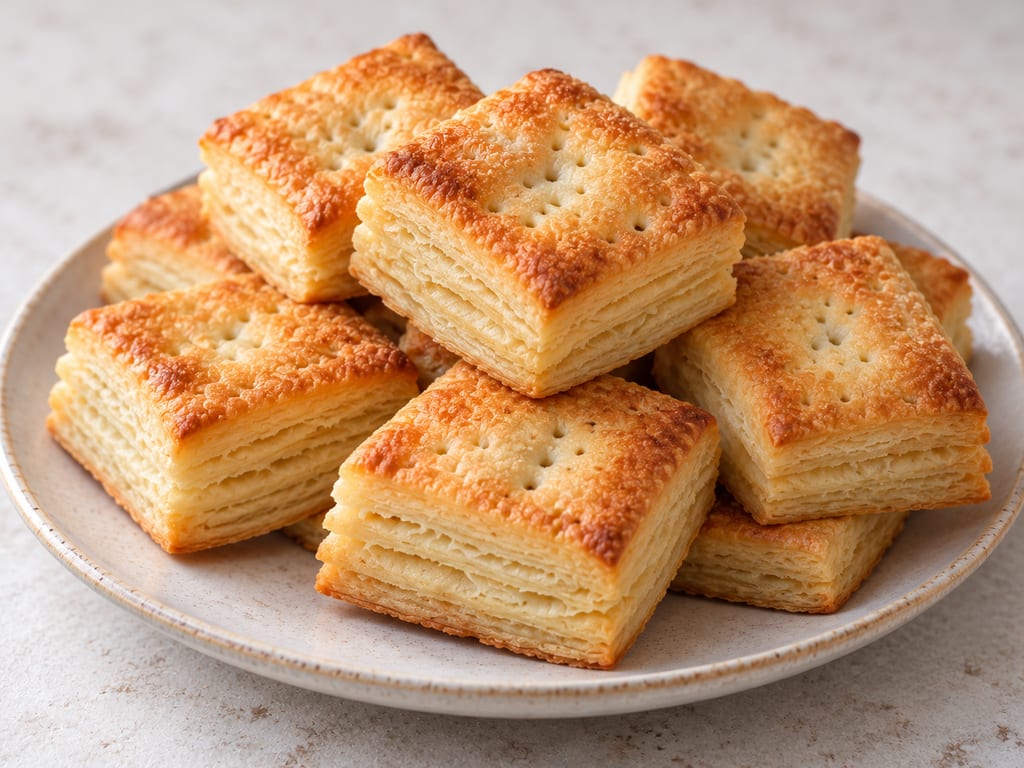
Libritos de grasa are small Argentine laminated yeast rolls made with wheat flour and beef fat, folded into book-like pieces and served with mate.
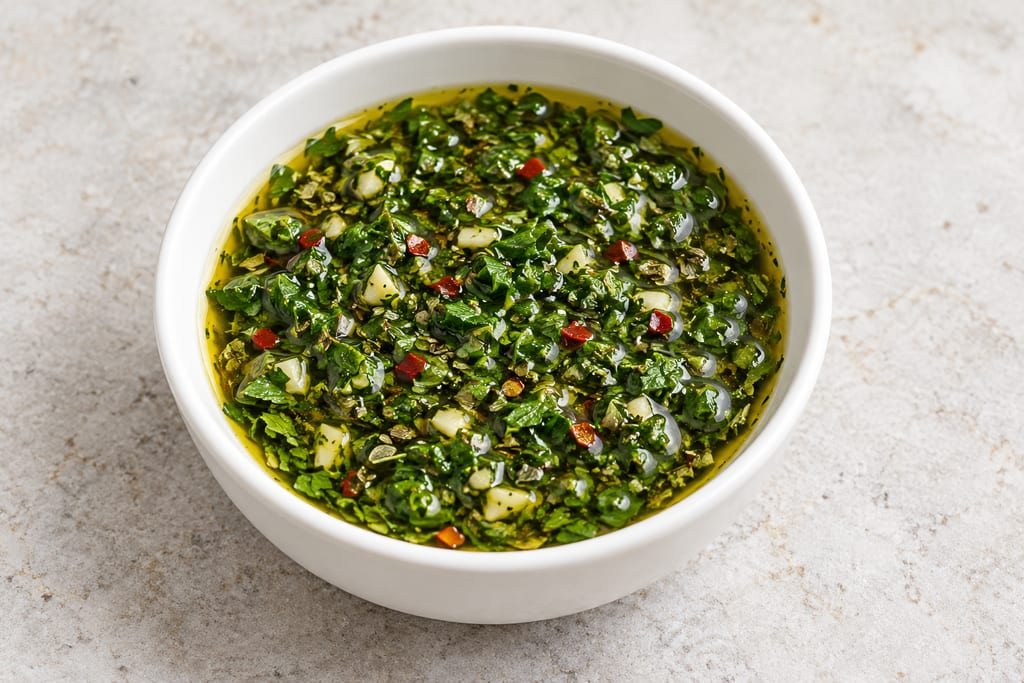
Chimichurri is an uncooked sauce of chopped parsley, garlic, oregano, oil and vinegar from Argentina. It is spooned over grilled meat and has spread across Latin America.
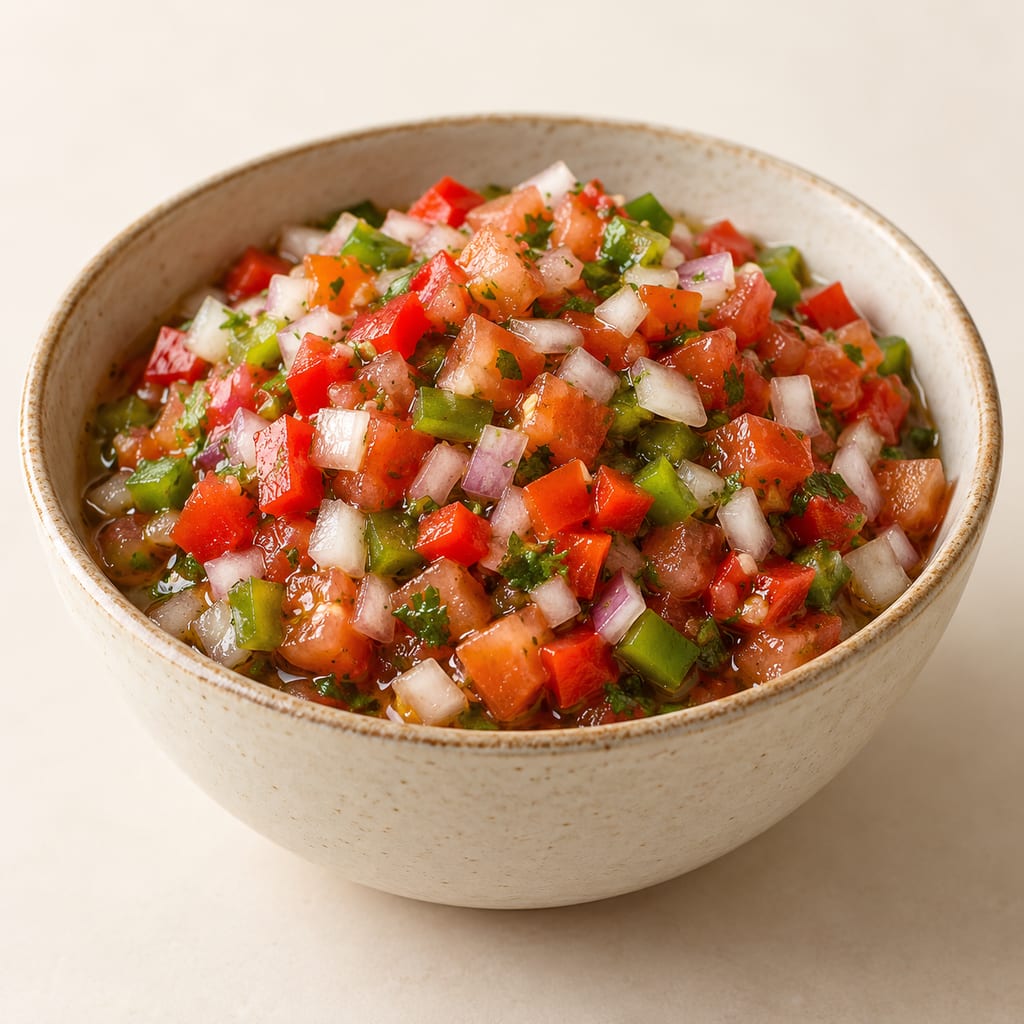
Argentine salsa criolla is a raw relish of finely diced peppers, onion and tomato dressed with olive oil, vinegar and lemon, served cold with grilled meat. The name covers different sauces across Latin America.
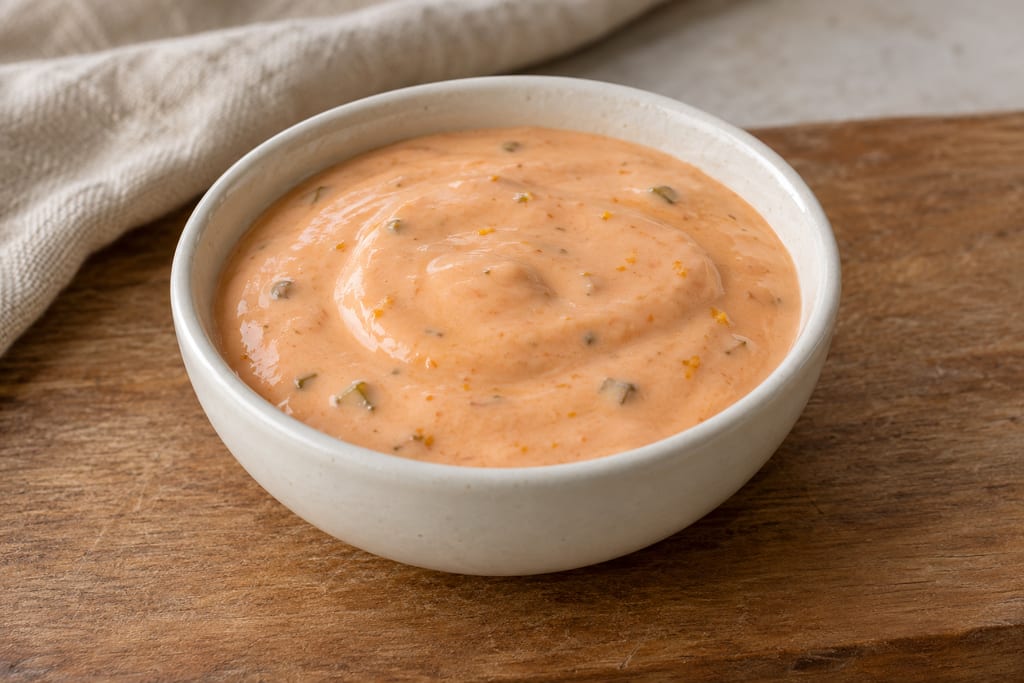
A cold mayonnaise-and-tomato condiment family with distinct documented forms in Argentina, Peru and Puerto Rico; this draft records a Peruvian caper-and-orange version and keeps its regional relatives separate.
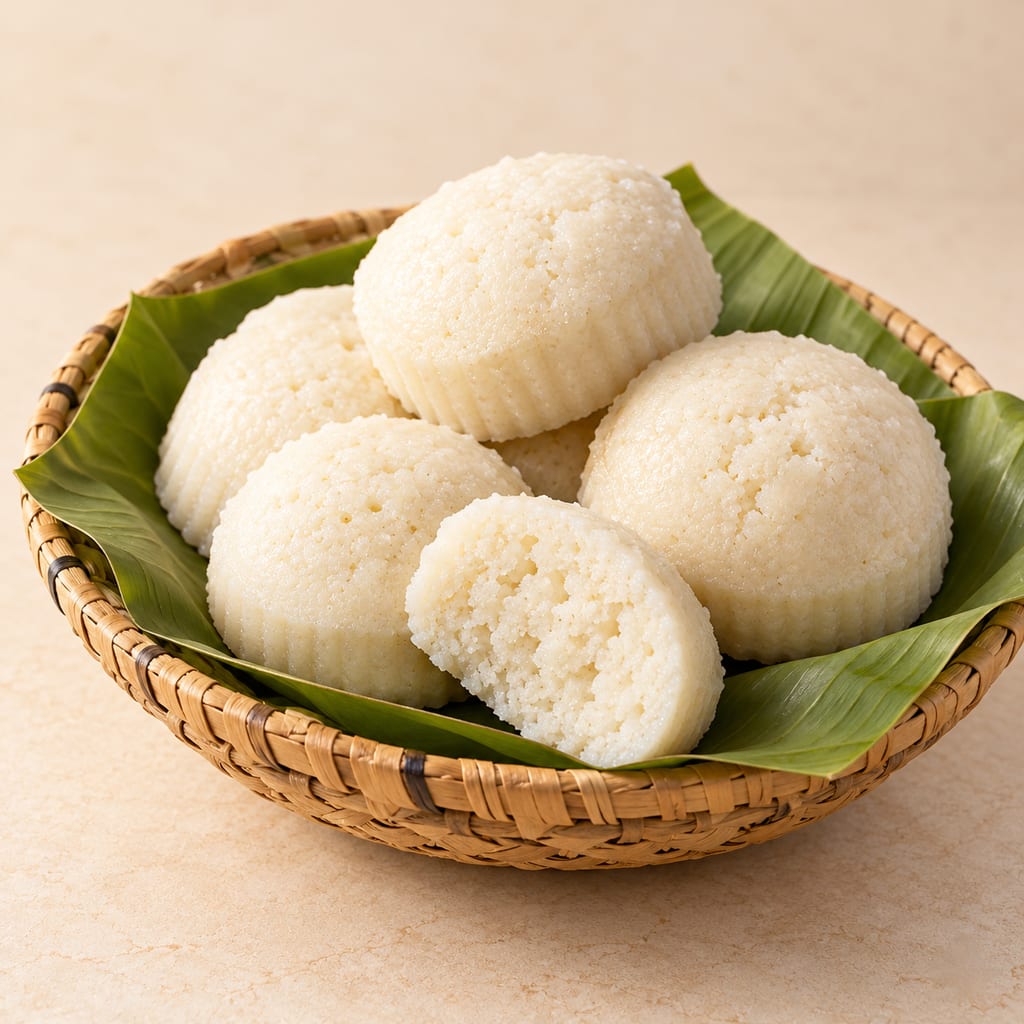
Soft, lightly tangy steamed cereal bread documented across Benin and Togo. This page gives one measured rice-flour research method; maize-based Ablo and mixed-grain versions remain distinct traditions.
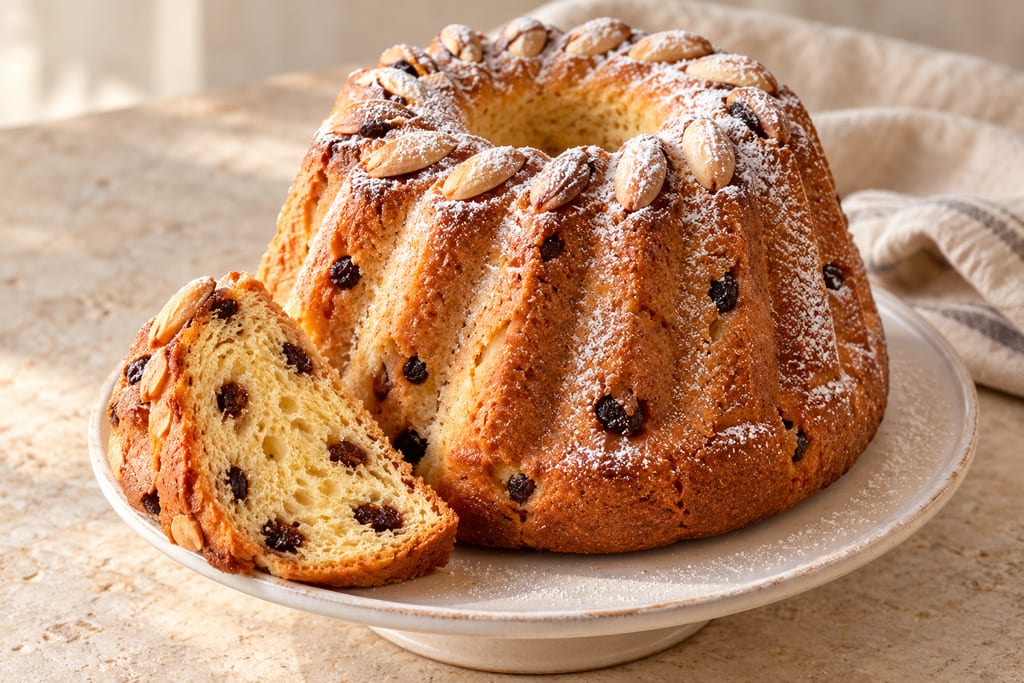
An enriched Alsatian yeast ring with raisins and almonds, kneaded with butter, proofed in a fluted mould and baked until browned.
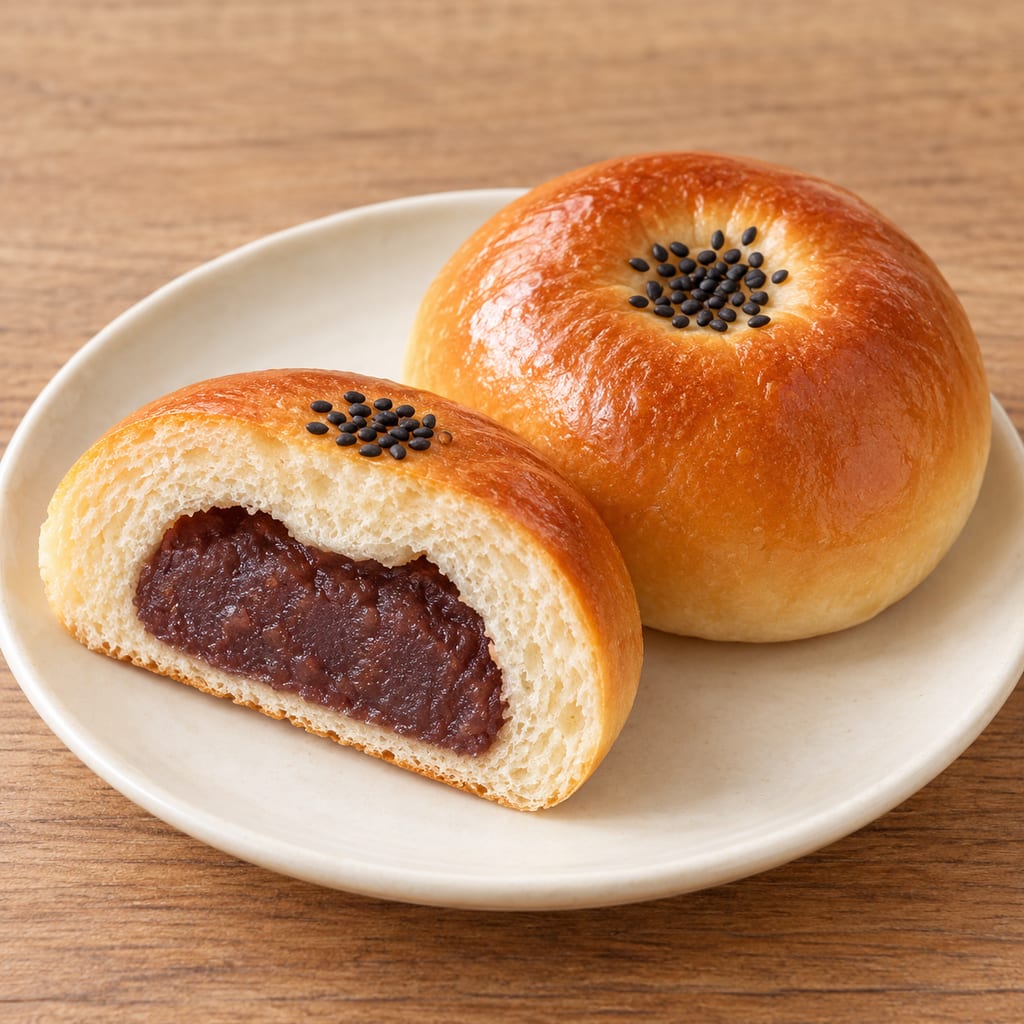
Anpan is a soft wheat bun filled with sweet red-bean paste and finished with egg wash and black sesame. This dough rises with commercial instant yeast.
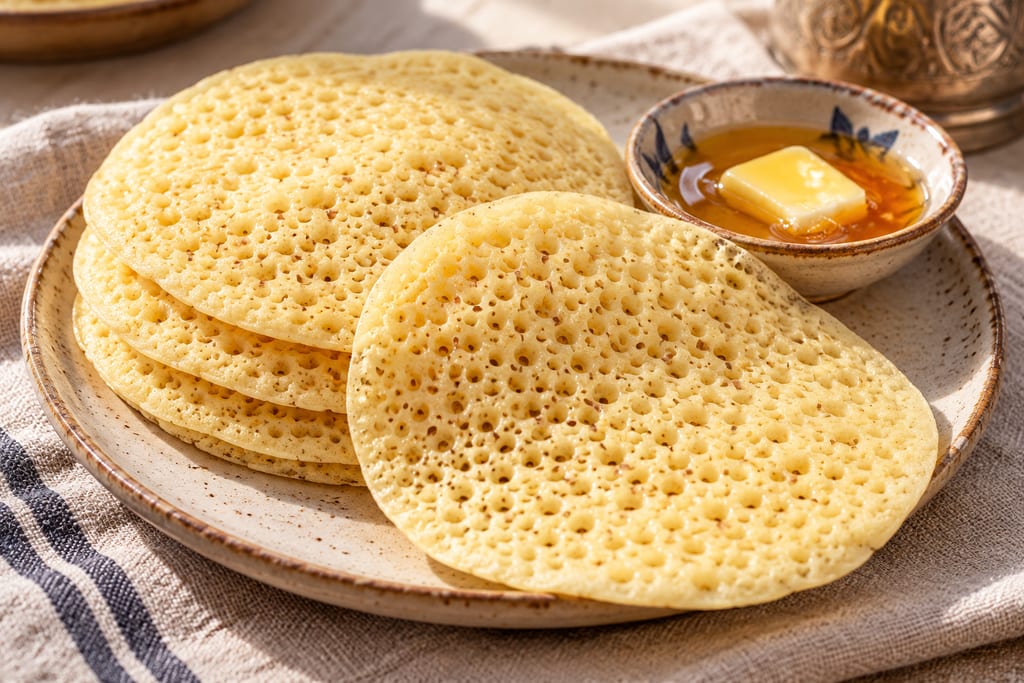
Moroccan semolina pancakes made from a thin yeast batter, rested until foamy and cooked on one side until the surface sets with a honeycomb of holes. This source-specific batch makes sixteen 5-inch pancakes.
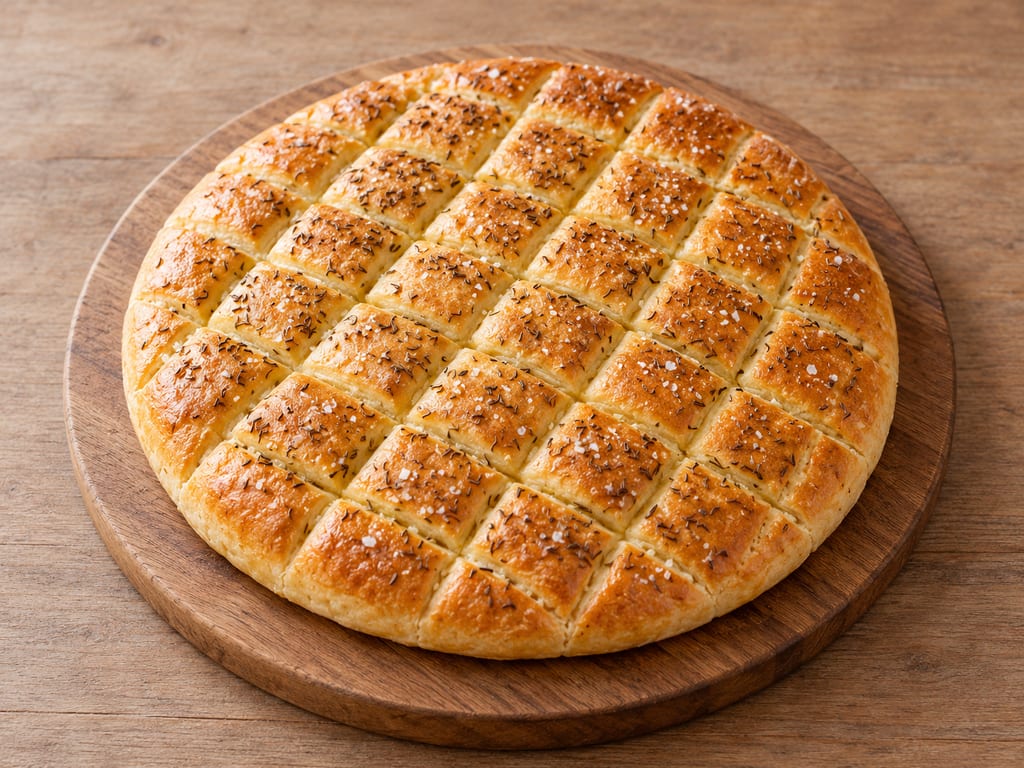
A round Slovenian flatbread scored in a grid and topped with caraway and coarse salt.
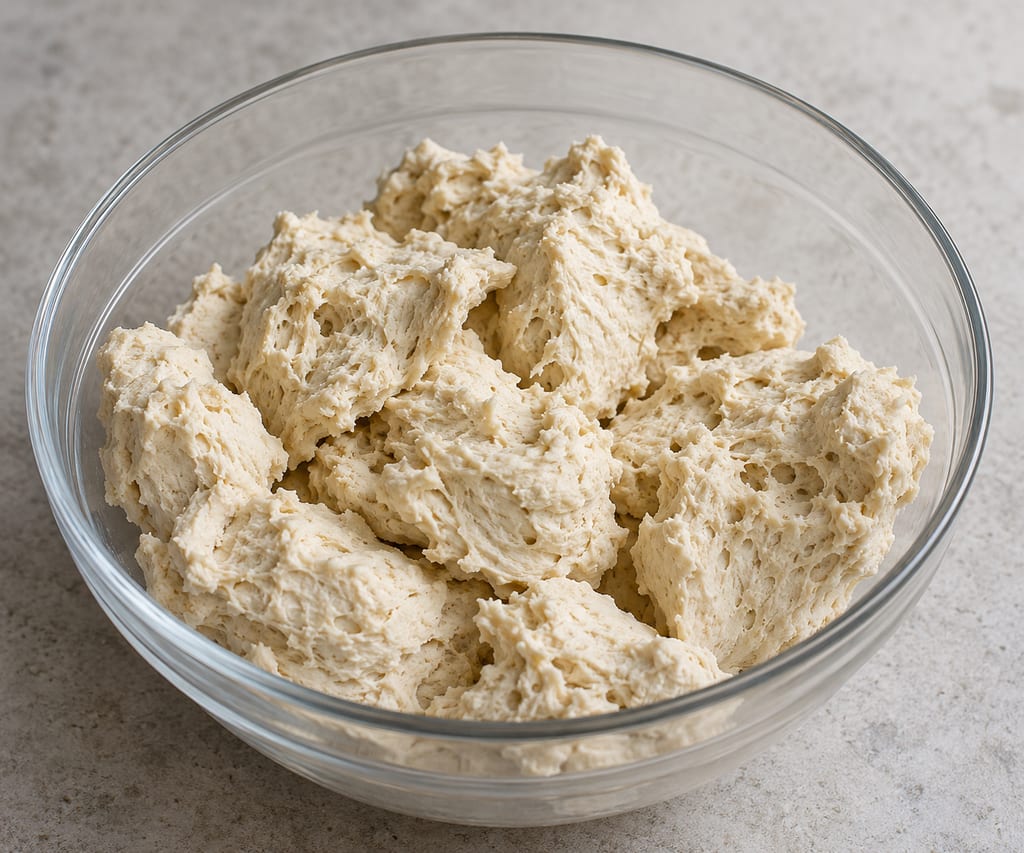
Biga is an Italian bread preferment of flour, water and a little yeast, usually a stiff unsalted mass of about 45 per cent water, fermented ahead and then mixed into the final dough.
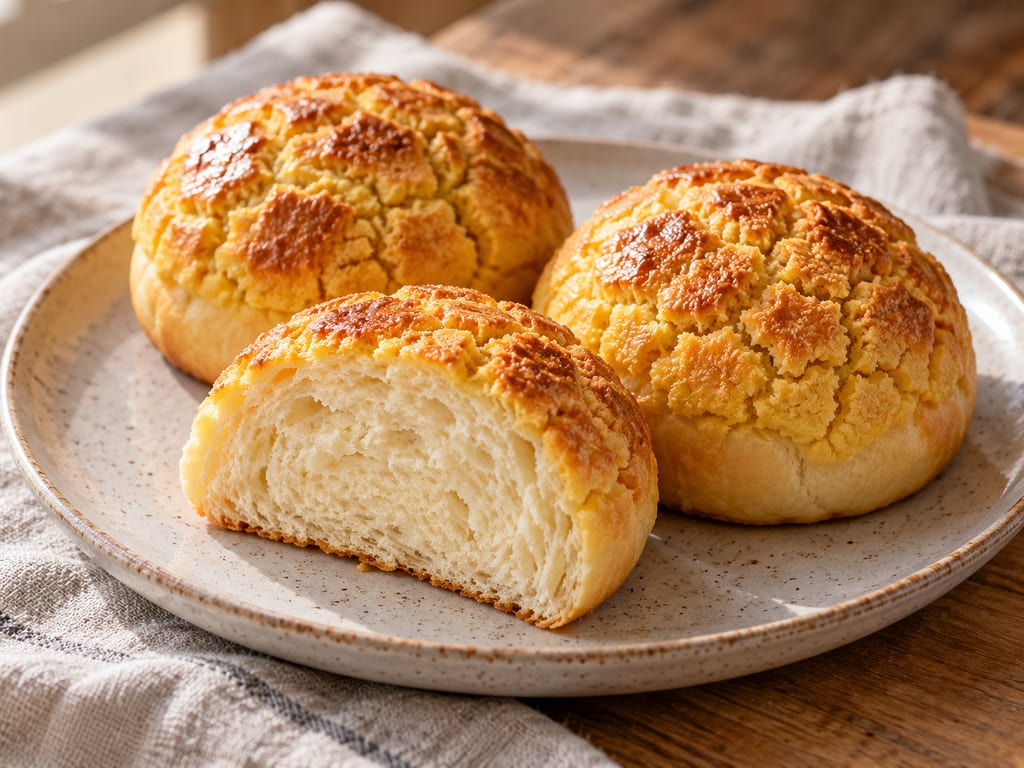
Hong Kong-style pineapple buns have soft yeast dough beneath a crisp, sweet pastry topping.
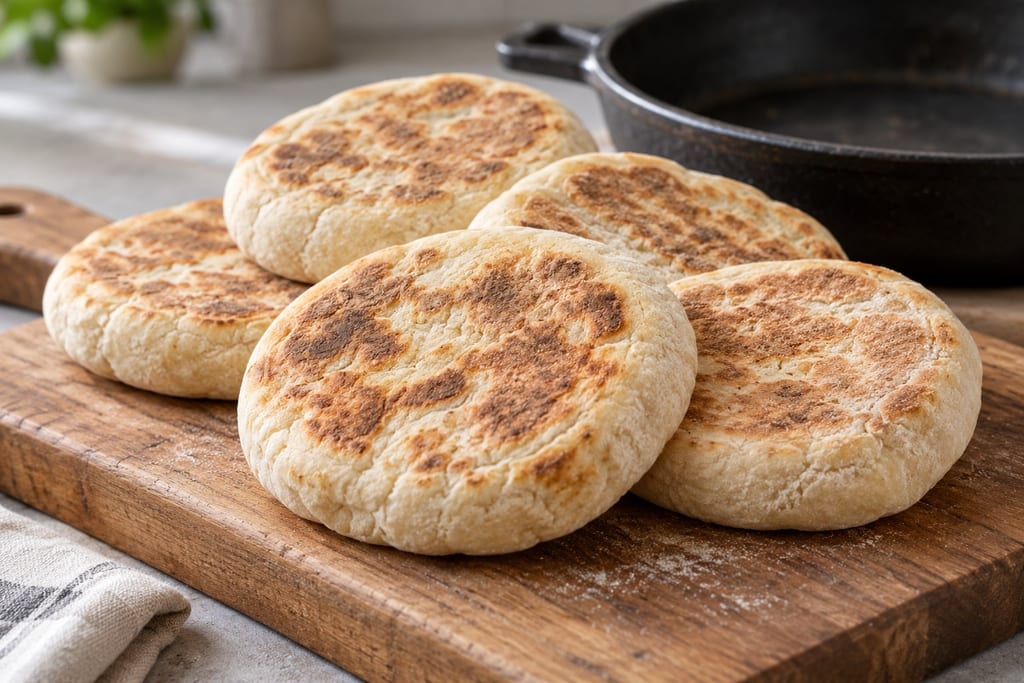
Sweet-potato wheat breads with fresh yeast, browned in a pan and finished in the oven. This is the bread component of Teleculinária's scrambled-egg dish.
No community contributions have been published for this entry yet.
Sign in to contribute. Published comments and photos are free to read.
AmpajuaMethod
Pan de MigaIngredient amounts, pan size, yeast activation, kneading, butter incorporation, bulk proof, shaping, lidded-pan proof and 180°C baking. The author reports a full-batch 40-minute bake and a separate half-batch 22-minute trial in a smaller covered pan.
Cited in: A contemporary home method; A loaf and its sandwich use
LA NACIONHistory · Geography
Cómo nació el sándwich de miga y cómo se prepara: la historia de un clásicoThe sandwich is described as a national Argentine food tradition; pan de miga is identified as its essential bread. The article says the sandwich's antecedent is the Italian tramezzino, brought by immigrants and adapted in Argentina.
Cited in: A contemporary home method
Centers for Disease Control and PreventionSafety
Raw Flour and DoughUncooked flour and dough can carry germs; do not taste raw dough, cook it before eating, and clean hands, utensils and surfaces after handling.
Gobierno de la Ciudad de Buenos Aires, Dirección General Festivales y Noches CulturalesCultural context · Documented use
Servicio de provisión de catering: Pliego de especificaciones técnicas2025 catering specification lists special sandwiches de miga among savoury foods in its simple-lunch service, printed page 8 (PDF page 8). This documents contemporary institutional catering use, not actual delivery, historical origin or a bread formula.
Cited in: A loaf and its sandwich use
Wikimedia CommonsImage rights research
Vitrina con variedad de sandwiches de migaIndividual file page explicitly specifies CC BY-SA 4.0, not PD/CC0. Excluded from qualifying references; the subject is assembled sandwiches rather than an unfilled loaf. No original downloaded or visual acceptance claimed.
Wikimedia CommonsImage rights research
Mostrador de sandwiches de miga triplesIndividual file page explicitly specifies CC BY-SA 4.0, not PD/CC0. Excluded from qualifying references; the subject is assembled sandwiches rather than an unfilled loaf. No original downloaded or visual acceptance claimed.