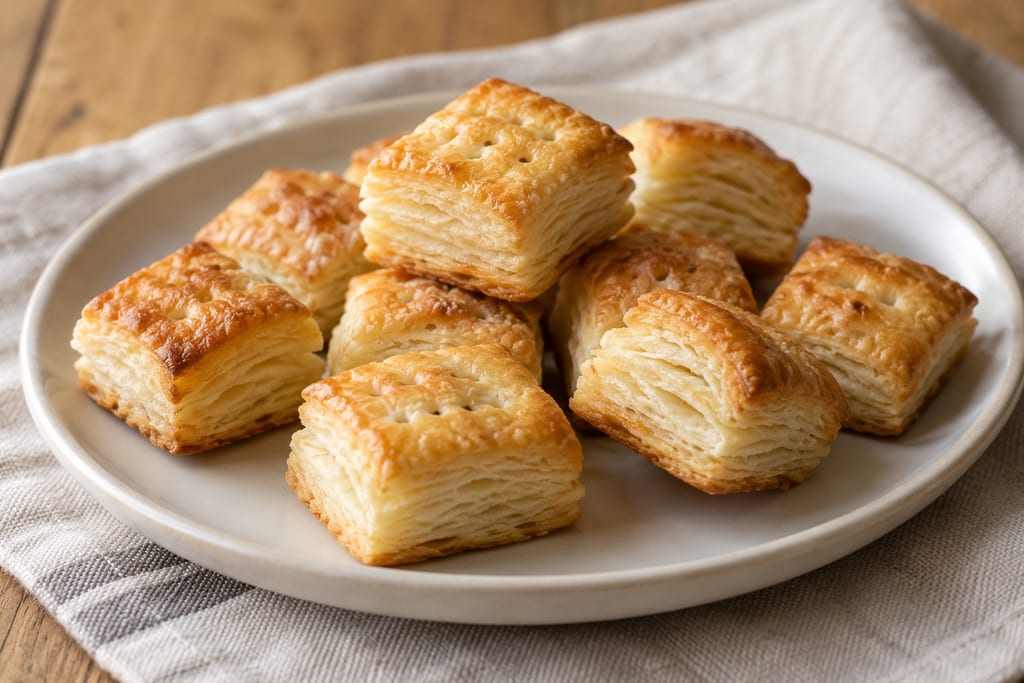
Criollitos de grasa
Small Argentine laminated bread bites made with wheat dough, yeast and beef fat or pork lard; this version follows a 40-piece home recipe.
 FermenteaWhere food goes to change
Modern method
Libritos · Criollitos hojaldrados
Libritos de grasa are small Argentine laminated yeast rolls made with wheat flour and beef fat, folded into book-like pieces and served with mate.
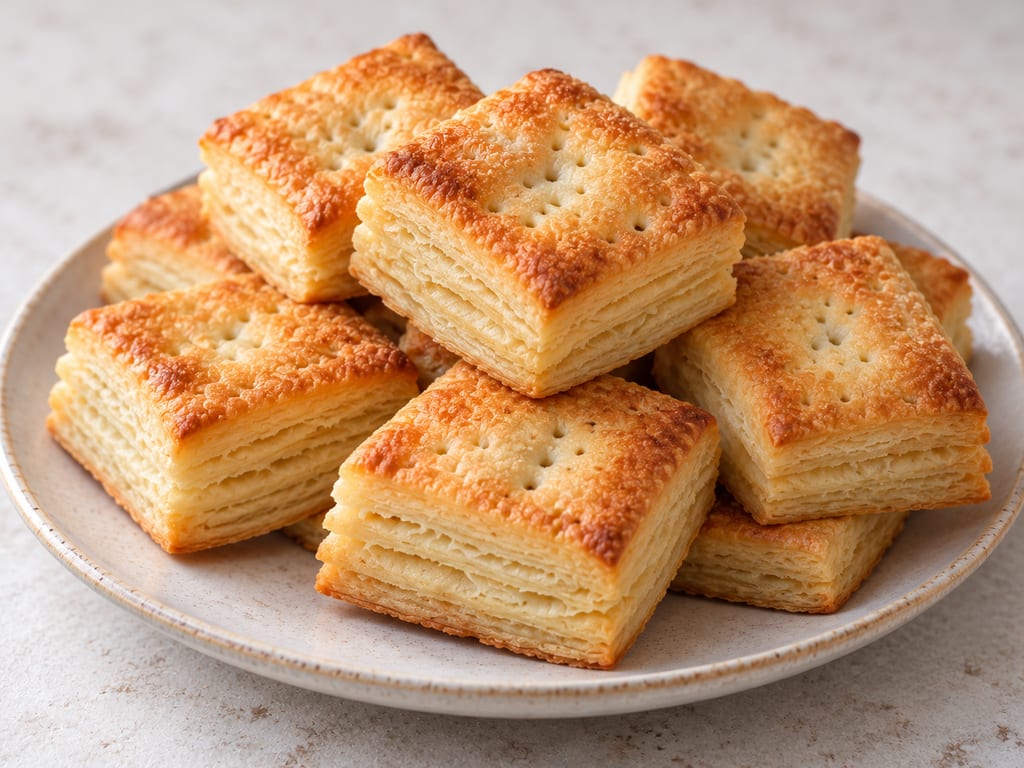
La Cocina de Calu calls these libritos de grasa criollitos hojaldrados and recalls eating them with family during childhood. The source presents its recipe as a home version and says it adapts a Cocineros Argentinos preparation. A 2026 Diario UNO article also describes criollitos as part of Argentine bakery cooking and notes that they are also called libritos.
This batch uses a yeast dough enriched with beef fat, then spreads a second portion of fat mixed with flour across the dough before folding it twice. The folds make distinct layers; resting lets the dough relax before it is rolled and cut. The final proof is flexible: the author says a longer rise produces taller pieces with more crumb. The recipe makes about 18 small rolls and gives an oven setting and bake time.
The name covers other preparations too. A separate Cocineros Argentinos libritos recipe uses flour, cream and salt, with optional baking powder and no yeast. That raising-system variant is not part of this yeast-raised recipe. The bread atlas plan says nonfermented recipes need dedicated raising-system fields before publication, so that separate version should remain out of the public recipe catalogue until the model supports it.
La Cocina de Calu recalls buying libritos de grasa in childhood and identifies them as criollitos; the home recipe is served for an Argentine-style mate break. Diario UNO also describes criollitos as Argentine bakery food and uses libritos as a name for them. Neither source establishes the first attestation or a more precise regional origin.
Yield 18 pieces · Scaling: source batch only
The dough is mixed and handled before baking; raw flour can carry germs and should not be tasted uncooked.
Hazard sourceBake the dough before eating. Wash hands, bowls, utensils and work surfaces after handling raw flour or dough.
Control sourceDo not taste the raw dough. Use care when handling the hot baking sheet and oven.
The recipe is presented as an Argentine snack for mate; no narrower regional association is established.
Small Argentine laminated bread bites made with wheat dough, yeast and beef fat or pork lard; this version follows a 40-piece home recipe.
An Argentine-style onion-topped yeast bread with mozzarella and Emmental sealed inside.
A soft, fine-crumbed pan de miga for thin sandwich slices, made with wheat flour, milk powder, butter and dry yeast in a lidded loaf pan.
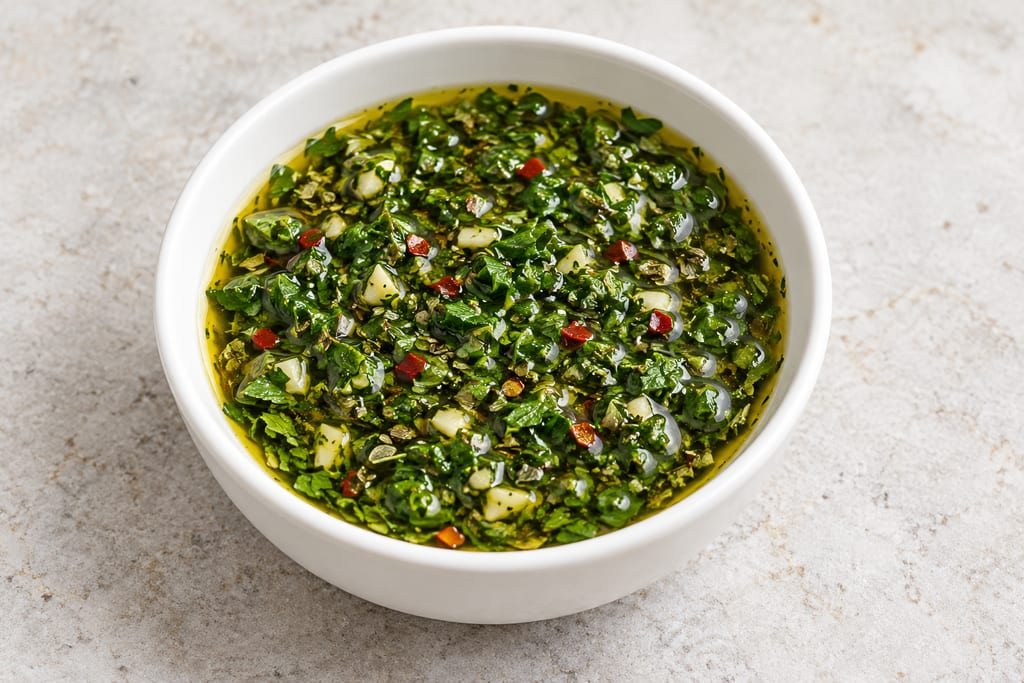
Chimichurri is an uncooked sauce of chopped parsley, garlic, oregano, oil and vinegar from Argentina. It is spooned over grilled meat and has spread across Latin America.
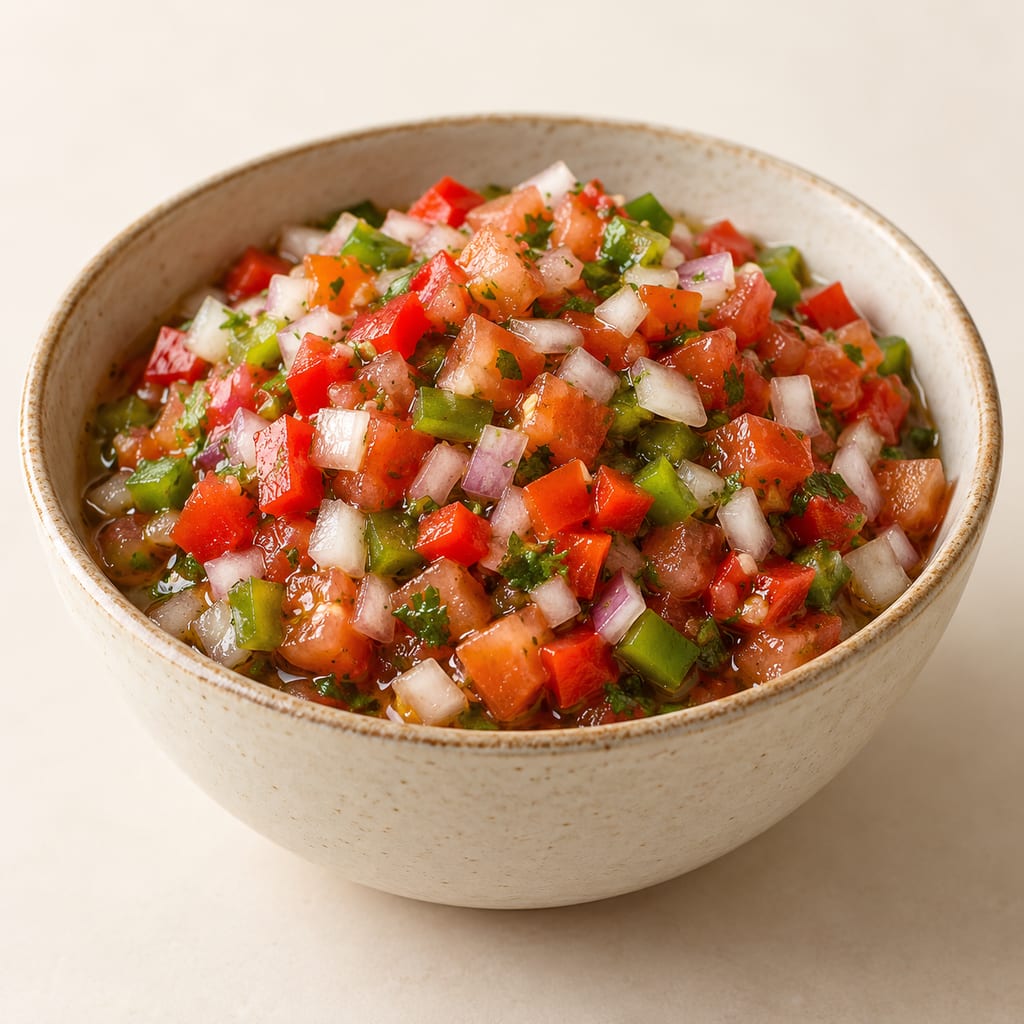
Argentine salsa criolla is a raw relish of finely diced peppers, onion and tomato dressed with olive oil, vinegar and lemon, served cold with grilled meat. The name covers different sauces across Latin America.
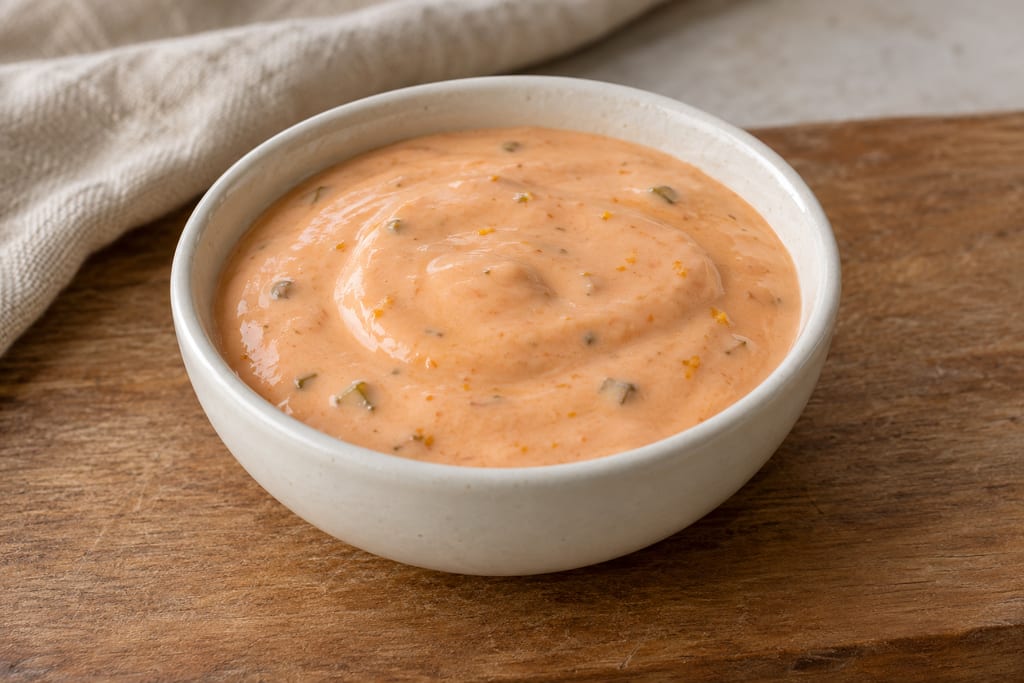
A cold mayonnaise-and-tomato condiment family with distinct documented forms in Argentina, Peru and Puerto Rico; this draft records a Peruvian caper-and-orange version and keeps its regional relatives separate.
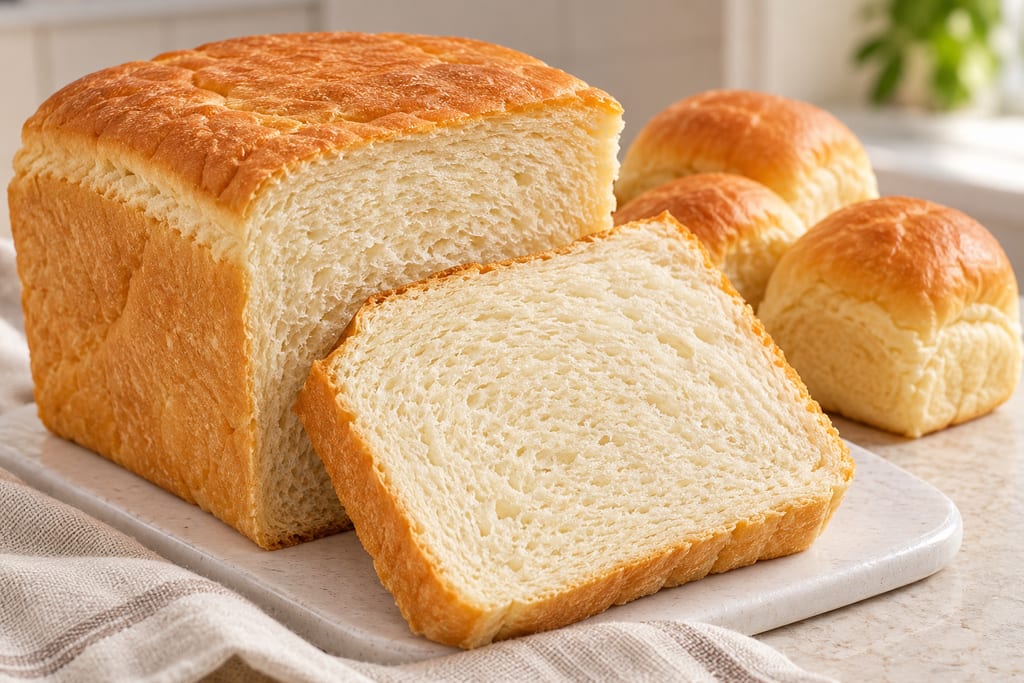
This softer home-style Agege bread uses a scalded flour paste, an enriched yeast dough and a 9×5-inch loaf pan, with rolls from the extra dough.
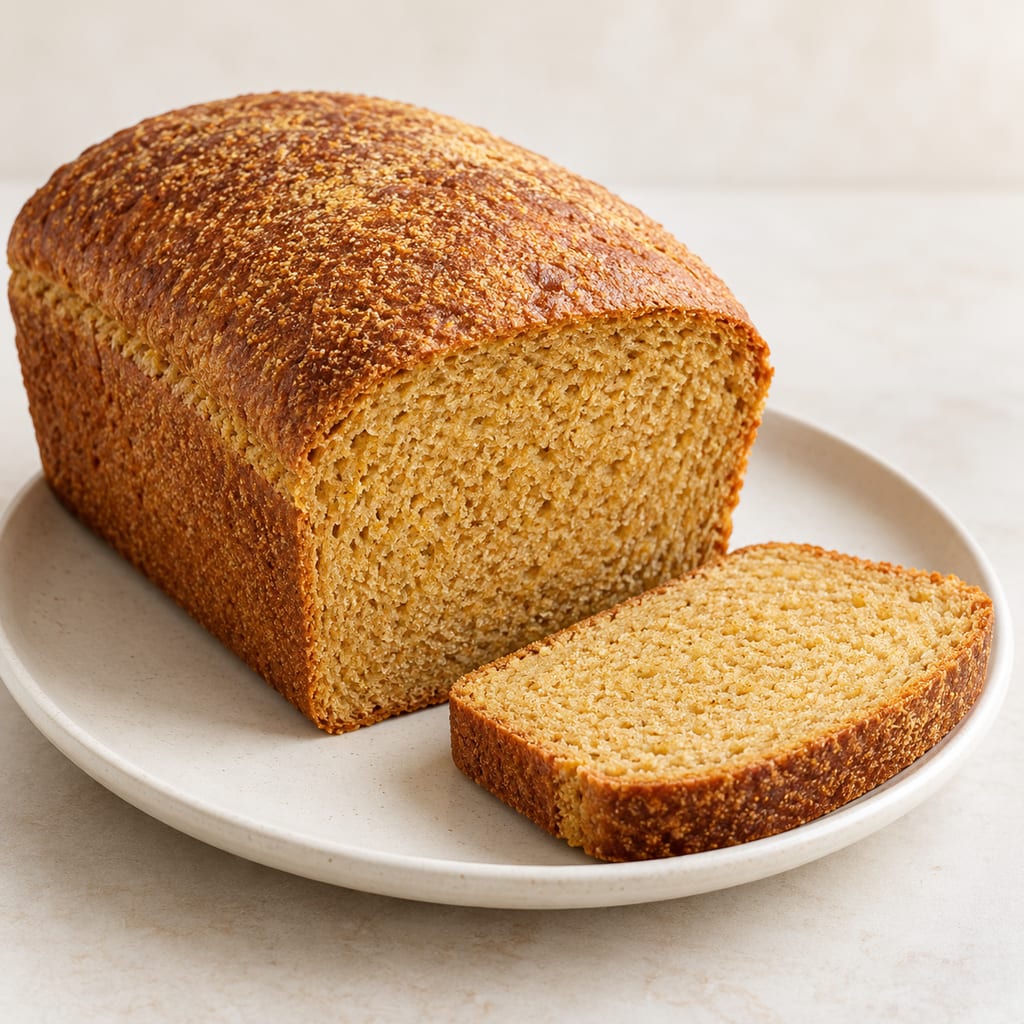
Anadama is a New England yeast loaf made with wheat flour, cornmeal and molasses. Scalded cornmeal enriches the dough, while molasses lends sweetness and a dark crust; it is especially good toasted or beside soup and baked beans.

A yeast-raised wheat ring shaped from a firm dough, briefly boiled and baked. This source-batch formula gives a gently malted crust and a chewy crumb.
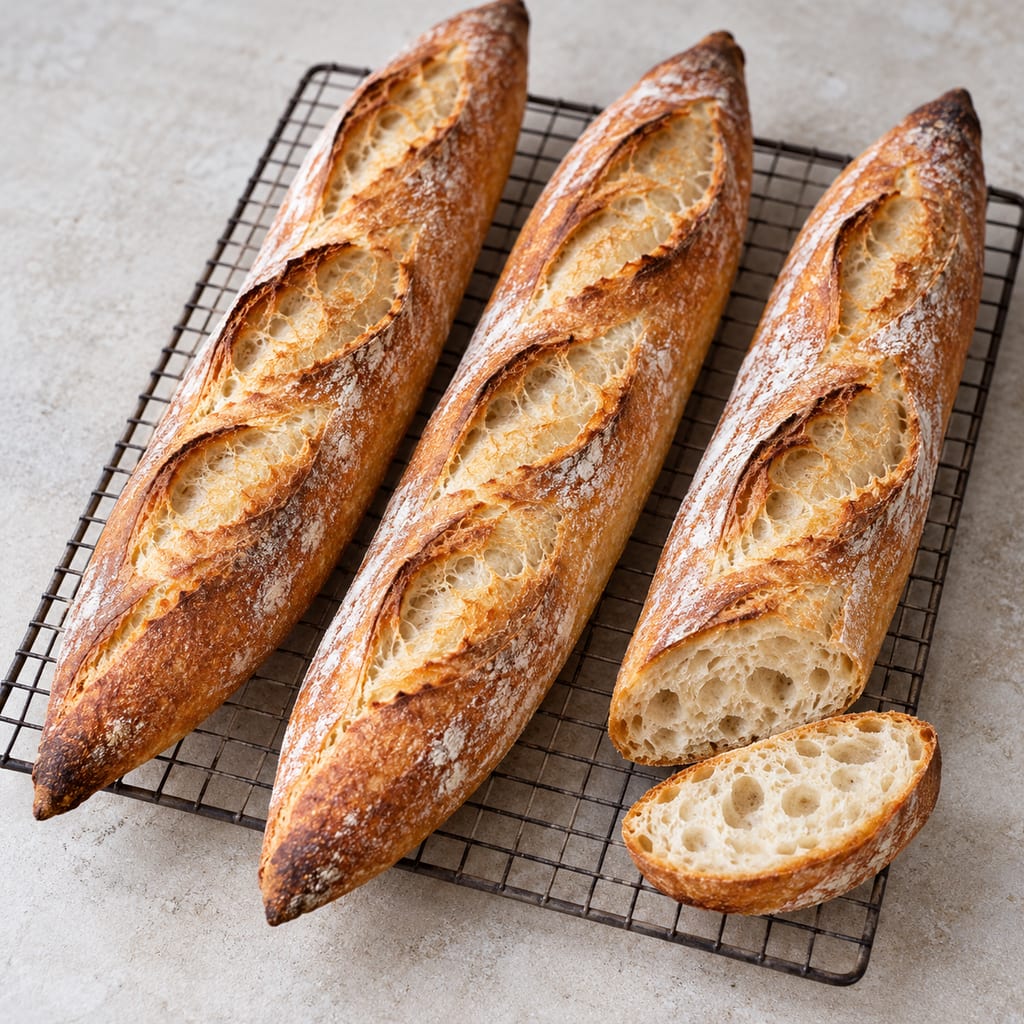
Three long, crusty wheat loaves made with an overnight yeast poolish, shaped by hand and baked with steam for a crisp crust.
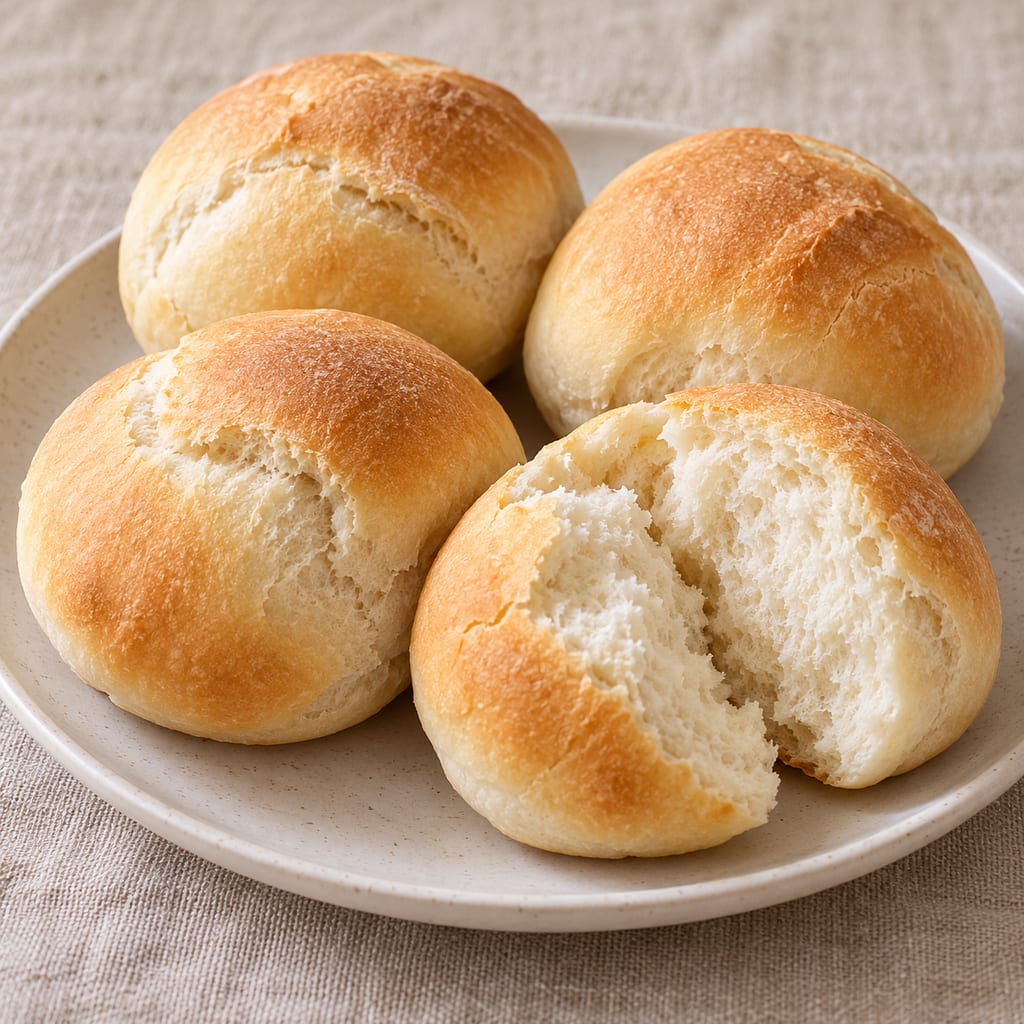
A lightly salted, yeast-raised Barbadian roll, baked in a dozen-roll home batch and often split for cutters.
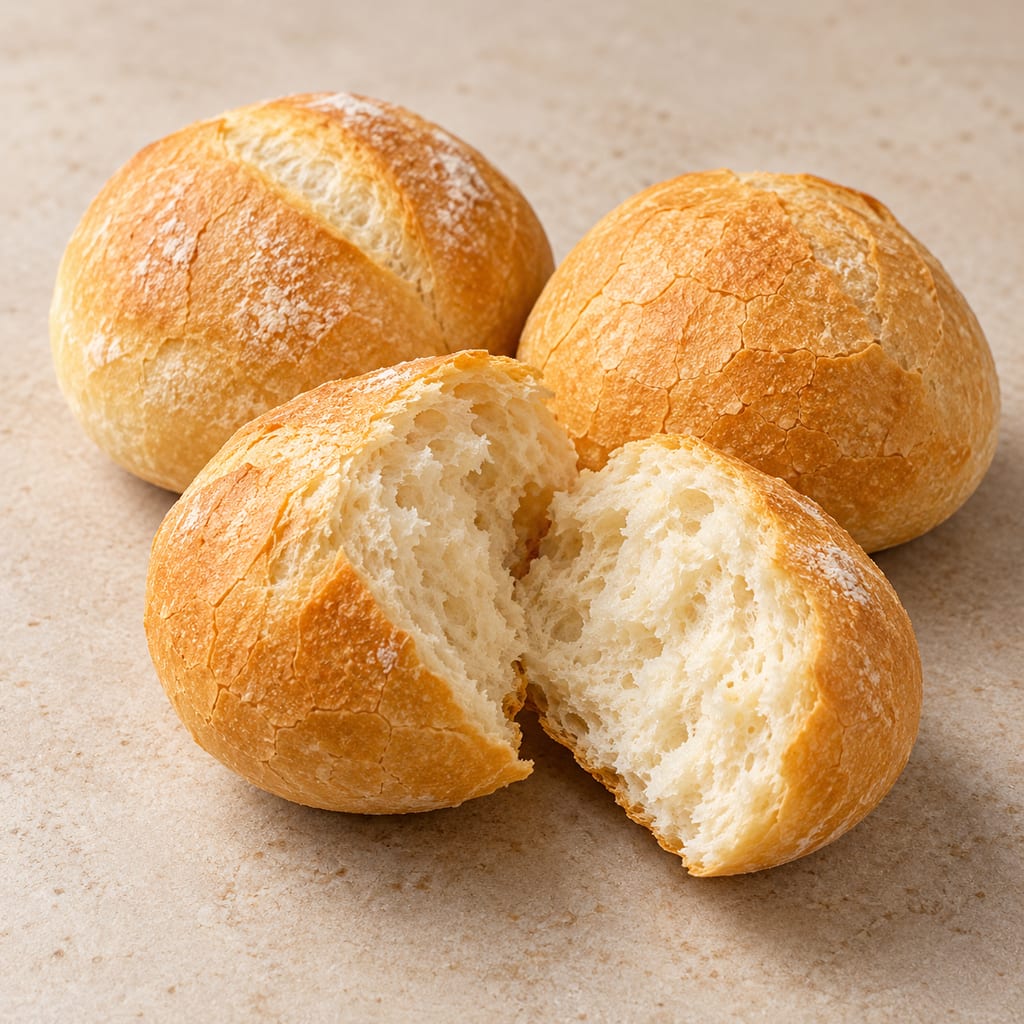
A crisp Belgian roll made from a supplier’s Croc-flour dough, mixed by hand or machine, proofed in rounds and baked with steam.
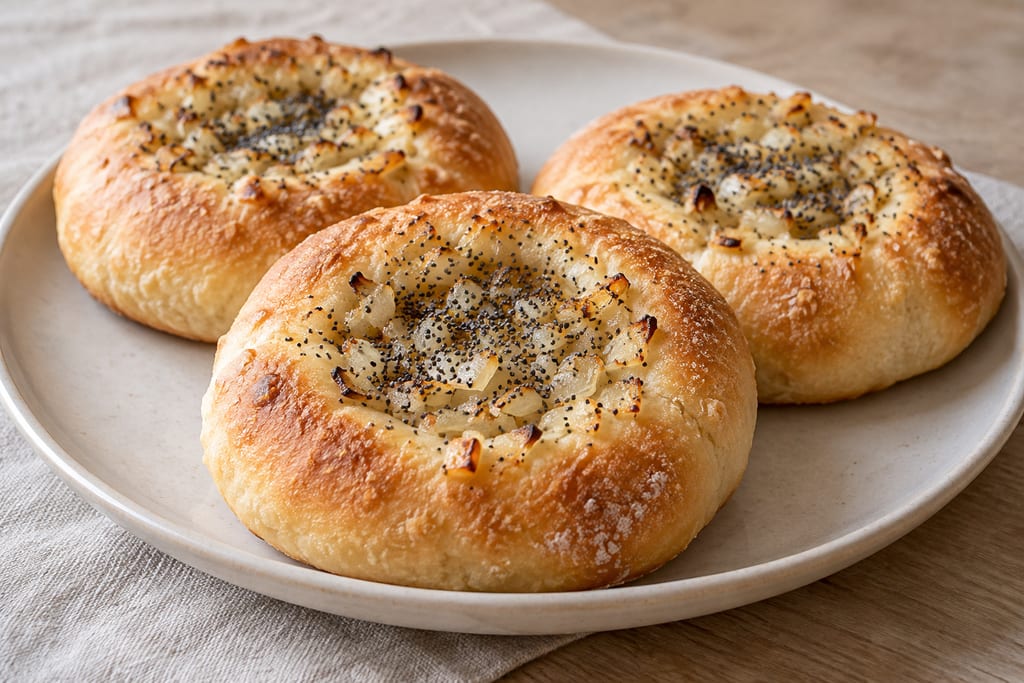
Bialys are soft, yeasted wheat rolls baked without boiling, each shaped with an onion-filled central depression instead of a hole.
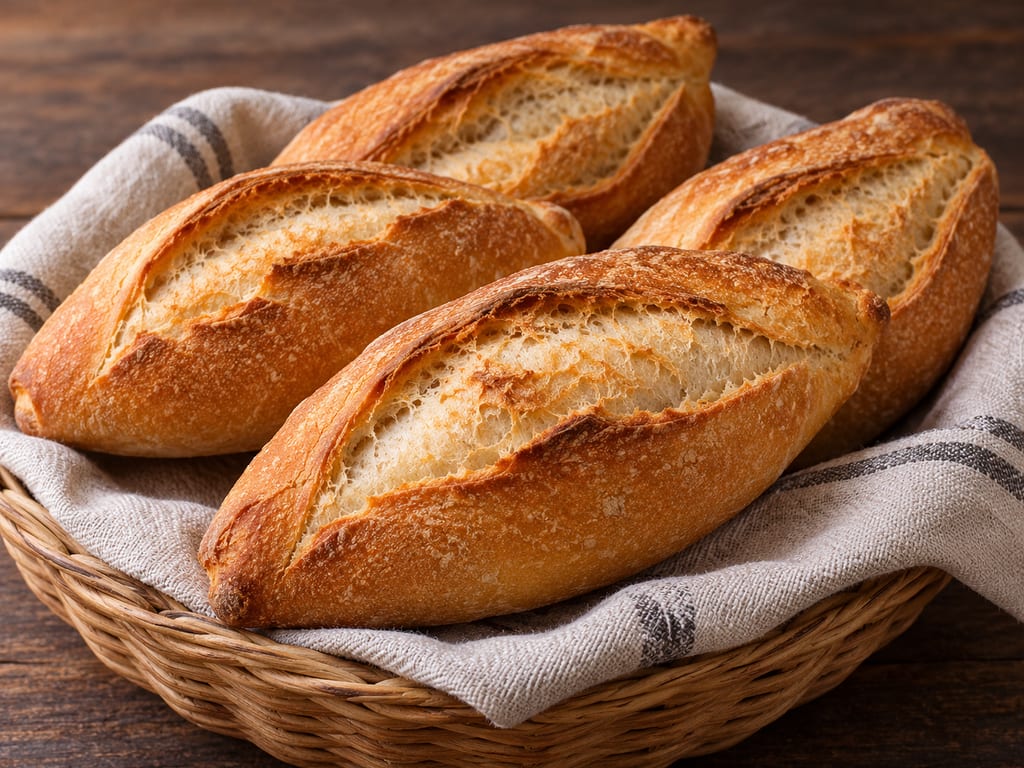
A measured, commercial-yeast home method for Guadalajara-style birote salado, with a six-hour preferment, shaped rolls and a two-temperature steam bake. This formula contains no egg.
No community contributions have been published for this entry yet.
Sign in to contribute. Published comments and photos are free to read.
La Cocina de CaluMethod · History · Geography
Libritos de grasa | Criollitos hojaldradosCalls libritos de grasa criollitos, describes them as a home snack for mate, gives a measured 18-piece formula and a complete yeast-raised, laminated method with rests, shaping, proof and baking temperature/time.
Credits its recipe as adapted from Cocineros Argentinos.
Cited in: A small pastry for mate
Diario UNOHistory · Geography
Criollitos de grasa: cómo hacer los bizcochitos caseros la panadería argentina con 6 ingredientesDescribes criollitos de grasa as traditional Argentine bakery food, also called libritos, and as a mate accompaniment; its separate formula confirms yeast-raised laminated dough but is not merged into this recipe.
Cited in: A small pastry for mate
Cocineros ArgentinosHistory
LibritosProvides a separate libritos version made with flour, cream, salt and optional baking powder, with no yeast listed; that nonfermented or chemically raised version is not combined with the selected yeast-raised dough.
Cited in: A small pastry for mate
Centers for Disease Control and PreventionSafety
Raw Flour and DoughUncooked flour can carry germs; do not eat raw dough, bake it as directed, and wash hands, bowls, utensils and countertops after handling flour or dough.
Cited in: A small pastry for mate