An Argentine herb sauce
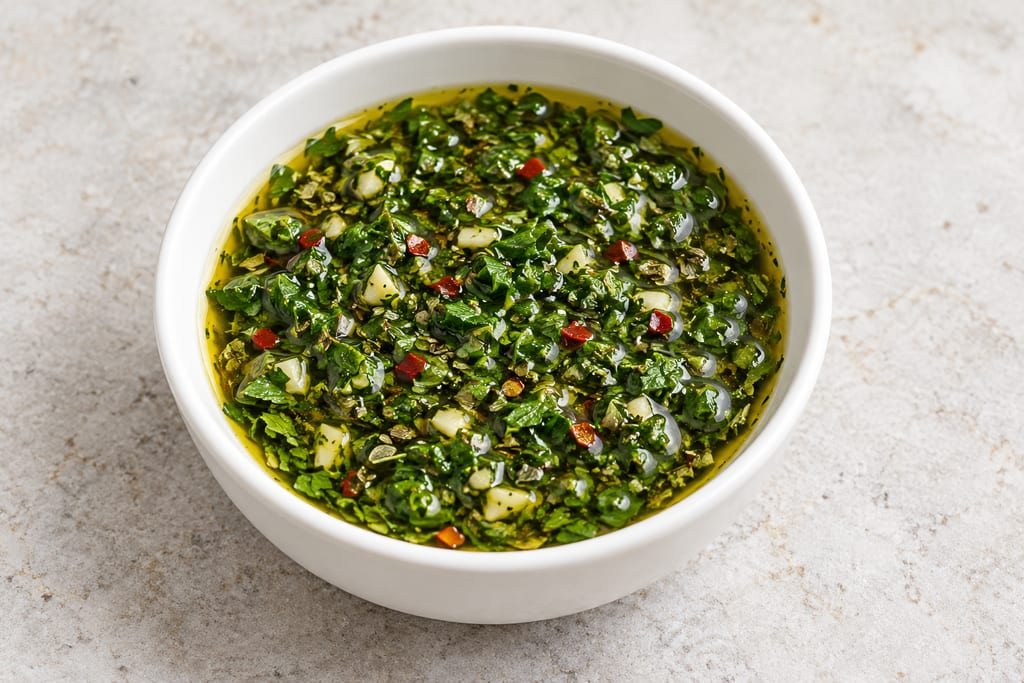
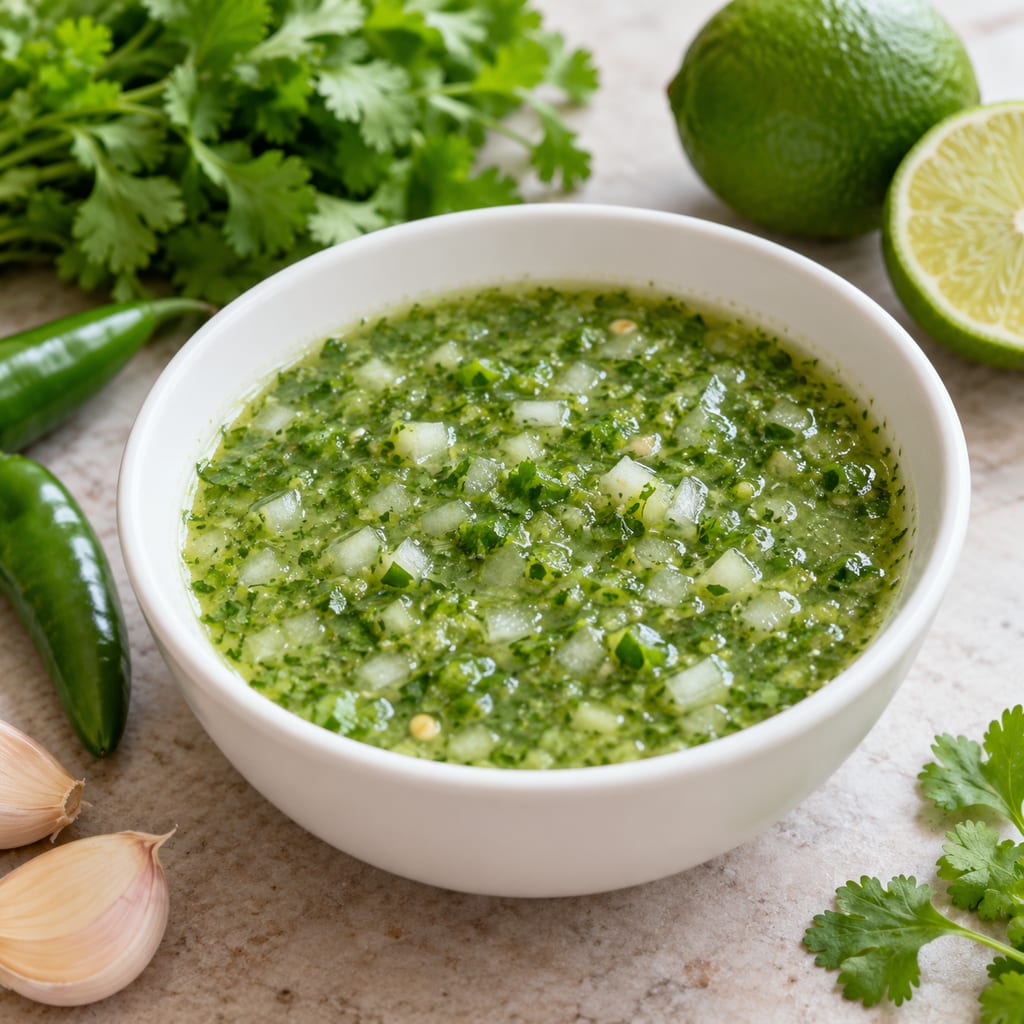
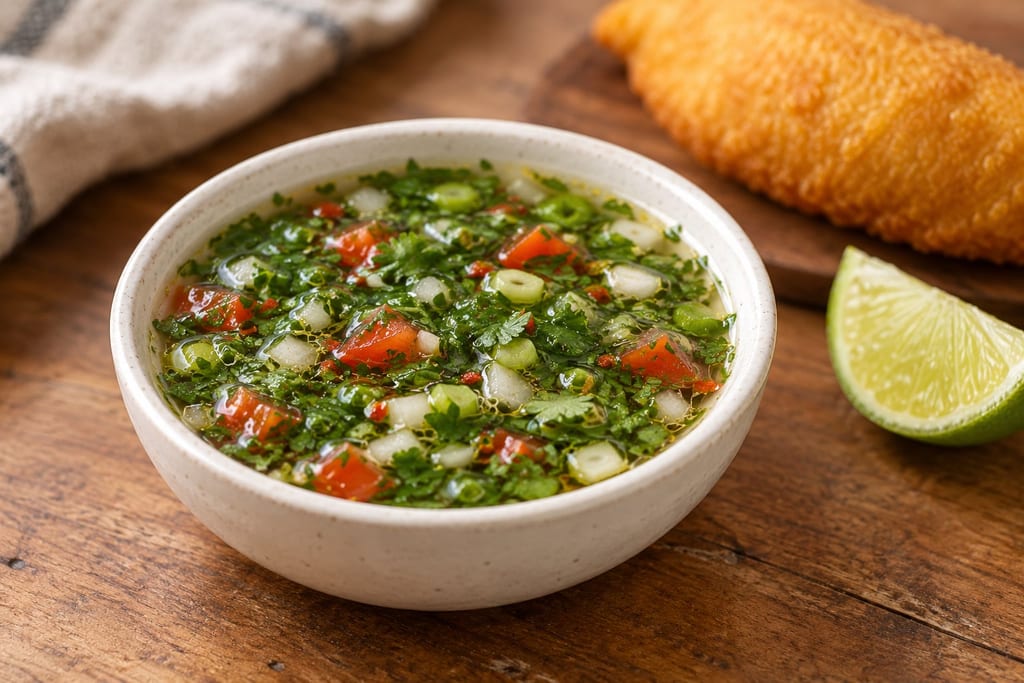
Chimichurri is an uncooked sauce of finely chopped flat-leaf parsley, garlic, dried oregano, chilli, oil and red wine vinegar or lemon juice. Its texture is loose and spoonable, with the herbs suspended in the oil. It is used at the table as a condiment for grilled beef and roasted sausages, and it is also used with poultry and fish. In Argentina it is served with churrascos, grilled meats.
The Wikipedia article calls the sauce an uncooked sauce used both in cooking and as a table condiment, and says it originated in Argentina before spreading across most of Latin America.
Sources for this section
The name
The article gives two theories for the name. It may come from the Basque tximitxurri, meaning a mixed hodgepodge, or from Spanish words such as chirriburri, meaning hubbub, which may trace back to the Basque zurrumurru. The article notes that Basque settlers reached Argentina and Uruguay in the nineteenth century, and that folk explanations based on English phrases such as Jimmy's curry have no contemporary documentation. Neither etymology is proven.
Sources for this section
Preparation and the choice of fat and acid
Most recipes use olive oil, though sunflower oil also appears, and red wine vinegar or lemon juice for acid. The sources give no amounts for the herbs, garlic or oil, and this page keeps them unstated rather than guess.
The sauce can be basted onto meat during cooking, or spooned on after it has rested. The sources do not explain why either choice matters to the result.
Sources for this section
Green, red and other chimichurri
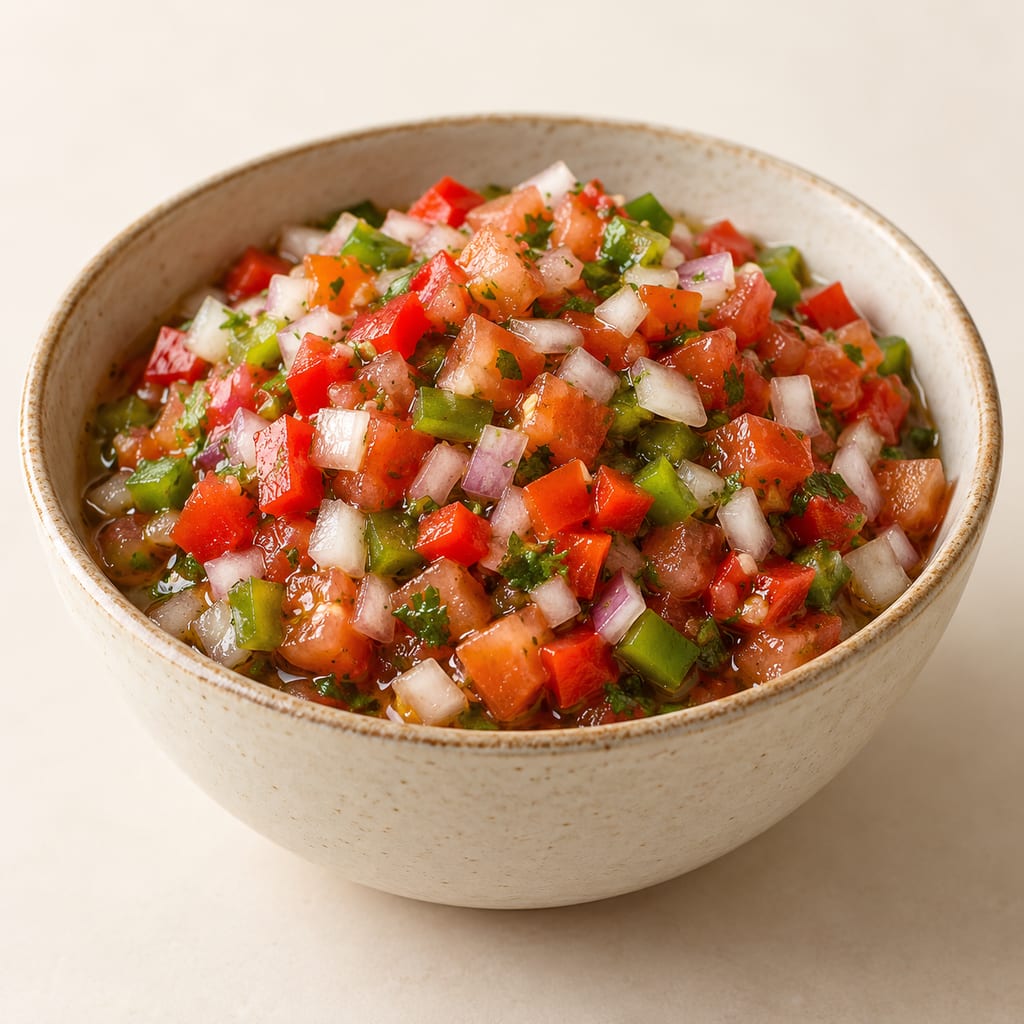
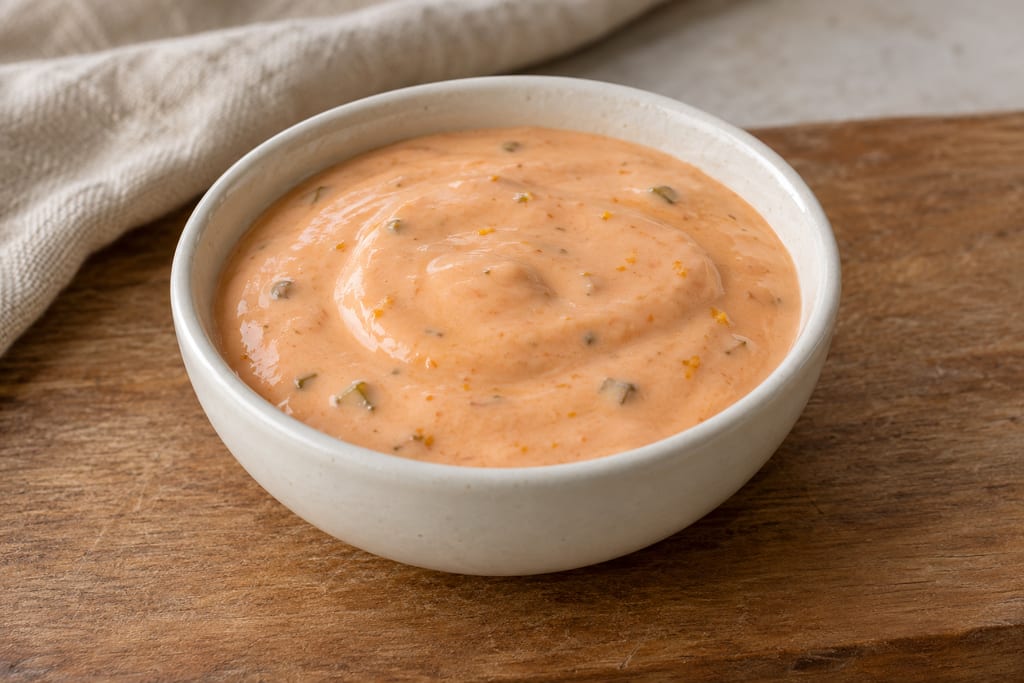
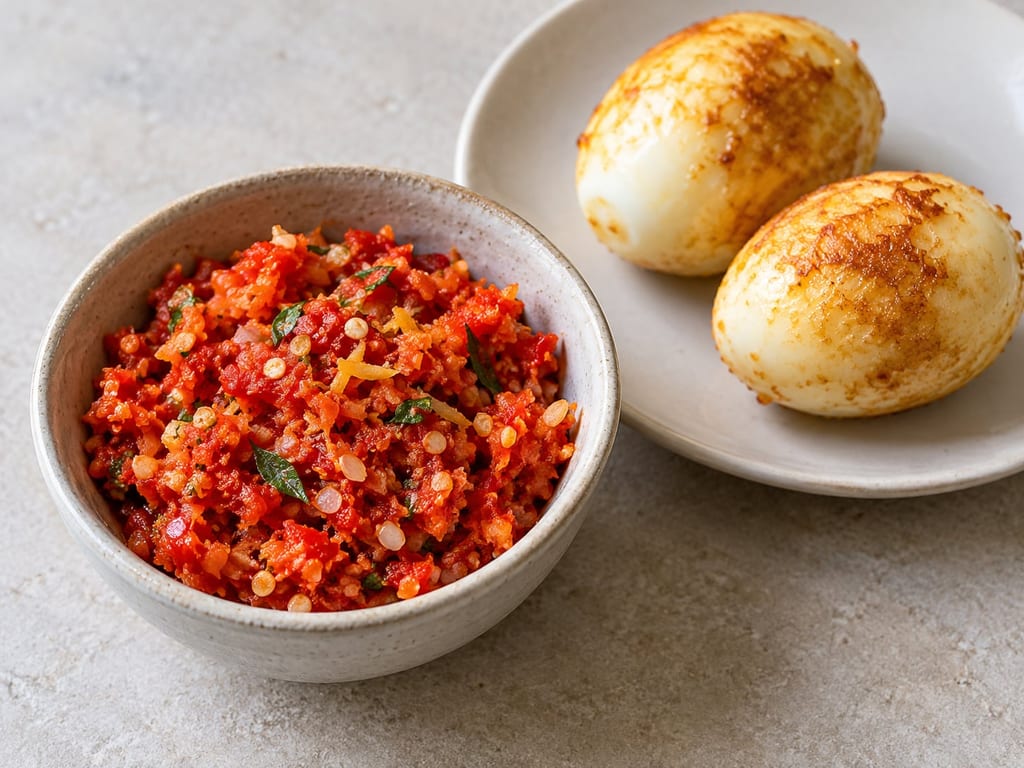
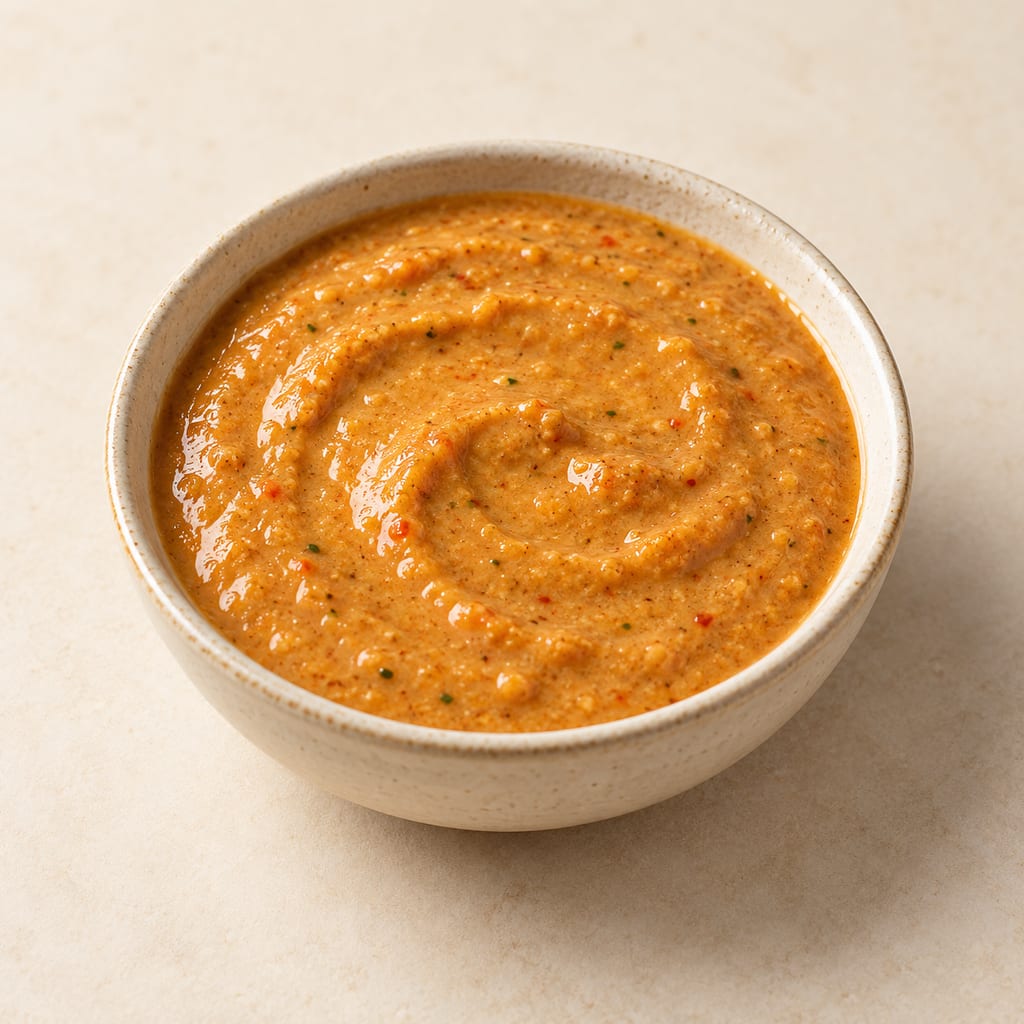
Chimichurri comes in green (verde) and red (rojo) forms. A different dressing, also called chimichurri, appears on pizza in León, Mexico, made with mayonnaise, mustard, chile de árbol, white vinegar, garlic, oil and salt. In the Dominican Republic the word names a hamburger topped with chopped cabbage and salsa golf.
Little is known of how the sauce developed in Uruguay, Paraguay and Brazil, where it is listed as a cuisine but no preparations are described.
Sources for this section
History
The Wikipedia article calls chimichurri an uncooked sauce that originated in Argentina and has spread across most of Latin America, citing Joyce Goldstein (2012). The article says folk etymologies based on English phrases have no contemporary documentation. Its historical development is not well documented.
Method
Risks and precautions · Standard risk
The sources give no tested preservation method or storage duration for chimichurri; treat it as a fresh, uncooked sauce.
- Chop the parsley finely and mince the garlic.
- Combine the parsley, garlic, oregano and chilli with the oil and vinegar or lemon juice, and season with salt and pepper.
- Add a splash of hot water if a looser sauce is wanted, as some recipes do.
- Baste the sauce onto the meat as it cooks, or spoon it on after the meat has rested.
Places
Argentina
Traditional use · Country evidenceThe Wikipedia article gives Argentina as the origin of the sauce, citing Joyce Goldstein (2012); no dated origin is given.
Uruguay
Documented use · Country evidenceListed as a cuisine where the sauce is used; the article gives no details of Uruguayan preparations.