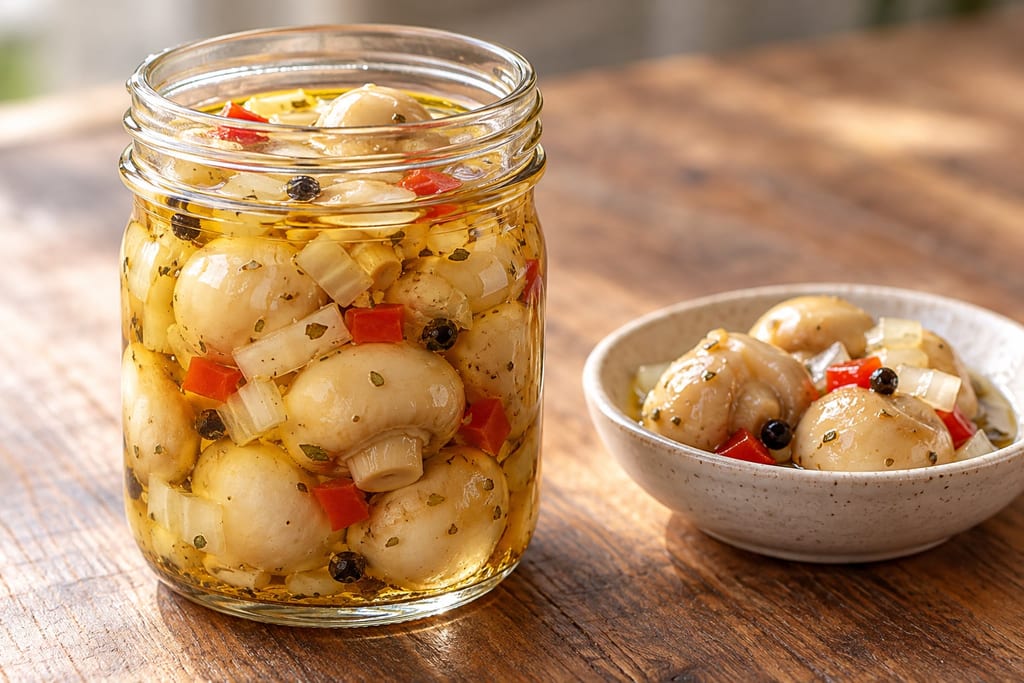
Eastern European Vinegar-Pickled Mushrooms
Small edible mushrooms are briefly cooked and packed in a seasoned vinegar marinade, a sweet-sour preserve served cold in Poland and neighbouring cuisines.
 FermenteaWhere food goes to change
Bialys · Bialy roll
Bialys are soft, yeasted wheat rolls baked without boiling, each shaped with an onion-filled central depression instead of a hole.
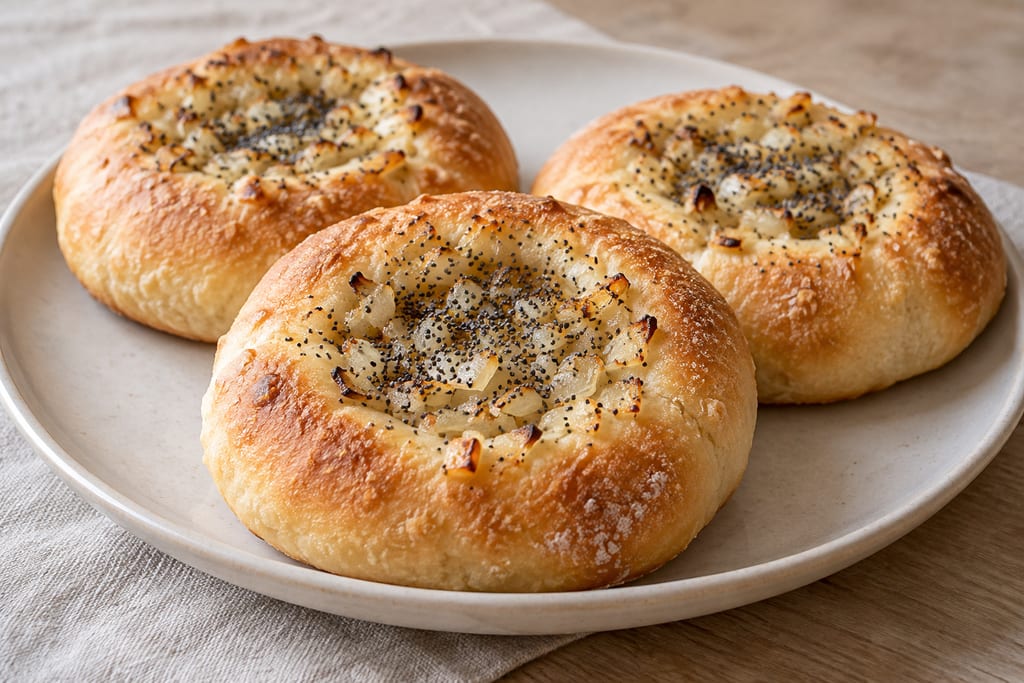
A bialy has a central depression that holds onion filling; it is baked directly and never boiled like a bagel. The King Arthur recipe makes twelve rolls with an overnight refrigerated dough rise and a small, cooked onion topping. It is a modern home method, not a claim that every Eastern European or New York bialy uses this formula.
FOODISH, the culinary department of the ANU Museum of the Jewish People, places bialy in Eastern European Jewish food and describes Polish immigrants bringing it to America in the late 19th century. Kossar's account connects the bread with Jewish immigrants from Białystok and documents New York bakery production from 1936. These sources support the migration and diaspora association; they do not establish an invention date.
Raw flour can carry bacteria that cause illness. Do not taste the unbaked dough; bake it according to the recipe and wash hands, bowls, utensils and work surfaces after handling the flour or dough.
The ANU Museum describes bialys as an Eastern European Jewish bread brought to America by Polish immigrants in the late 19th century. Kossar's account links New York bialy baking to Jewish migrants from Białystok and records its bakery production from 1936. These sources document migration and diaspora continuity, not an invention date.
Yield 12 bialys · Scaling: source batch only
Raw flour can carry bacteria that cause illness; the dough must be baked before eating.
Hazard sourceBake the dough before eating; wash hands, bowls, utensils and work surfaces after handling raw flour or dough.
Control sourceDo not taste the raw dough. Raw flour can carry harmful bacteria.
Sources describe Polish Jewish migration carrying the bread to New York; this is a migration association, not a proven birthplace.
The sources document continuing bakery production and a strong diaspora association in New York.
Small edible mushrooms are briefly cooked and packed in a seasoned vinegar marinade, a sweet-sour preserve served cold in Poland and neighbouring cuisines.
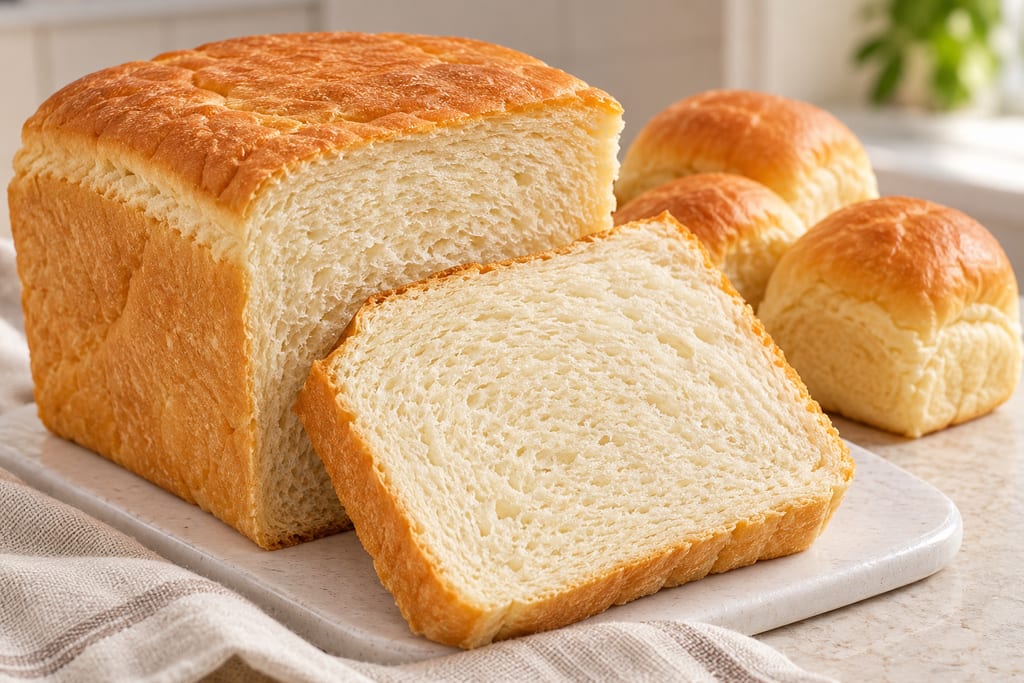
This softer home-style Agege bread uses a scalded flour paste, an enriched yeast dough and a 9×5-inch loaf pan, with rolls from the extra dough.
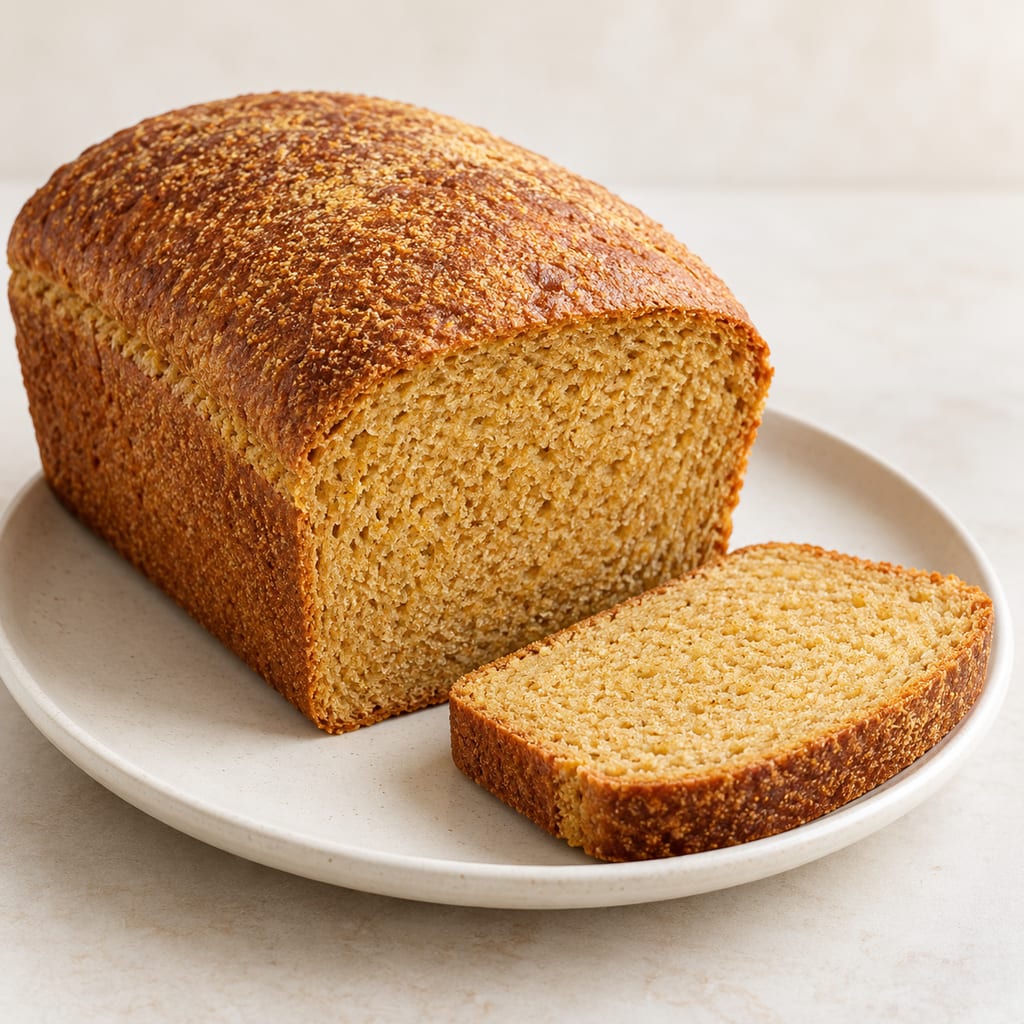
Anadama is a New England yeast loaf made with wheat flour, cornmeal and molasses. Scalded cornmeal enriches the dough, while molasses lends sweetness and a dark crust; it is especially good toasted or beside soup and baked beans.

A yeast-raised wheat ring shaped from a firm dough, briefly boiled and baked. This source-batch formula gives a gently malted crust and a chewy crumb.
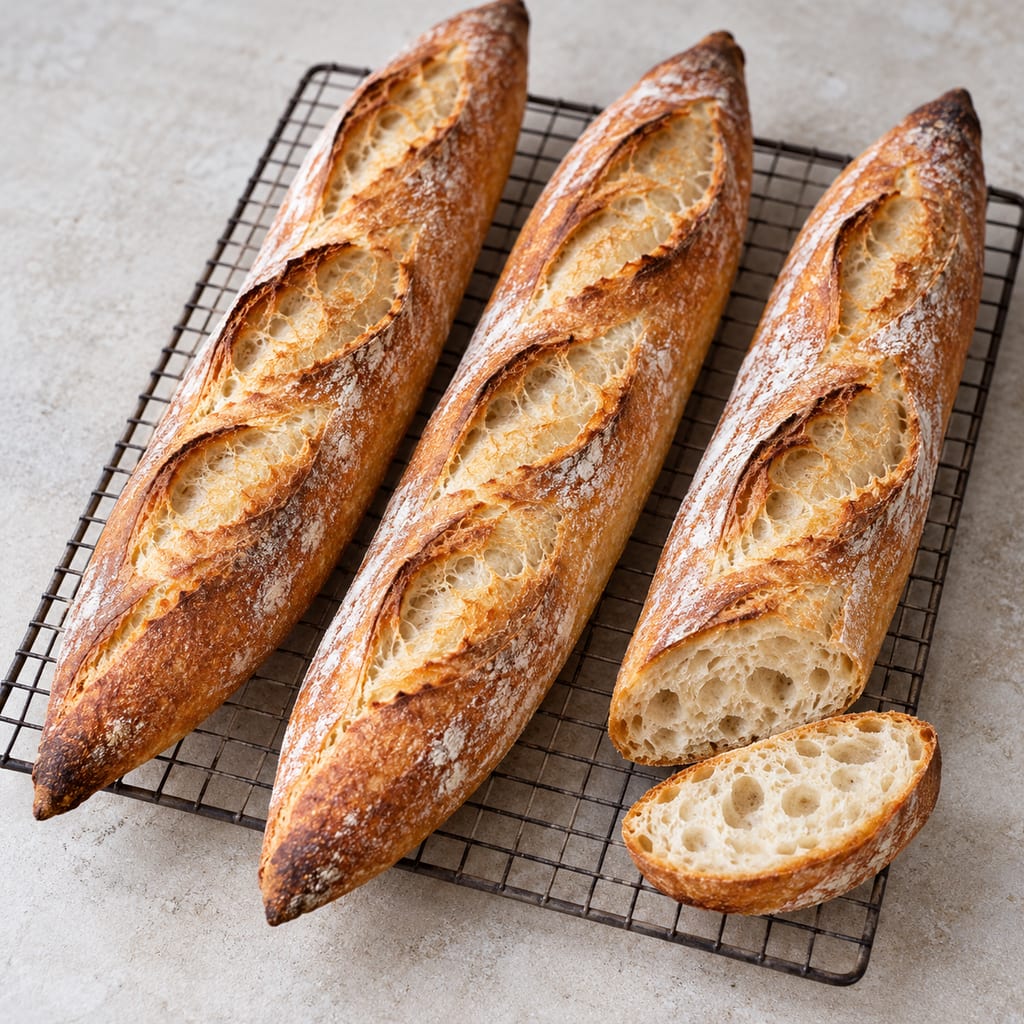
Three long, crusty wheat loaves made with an overnight yeast poolish, shaped by hand and baked with steam for a crisp crust.
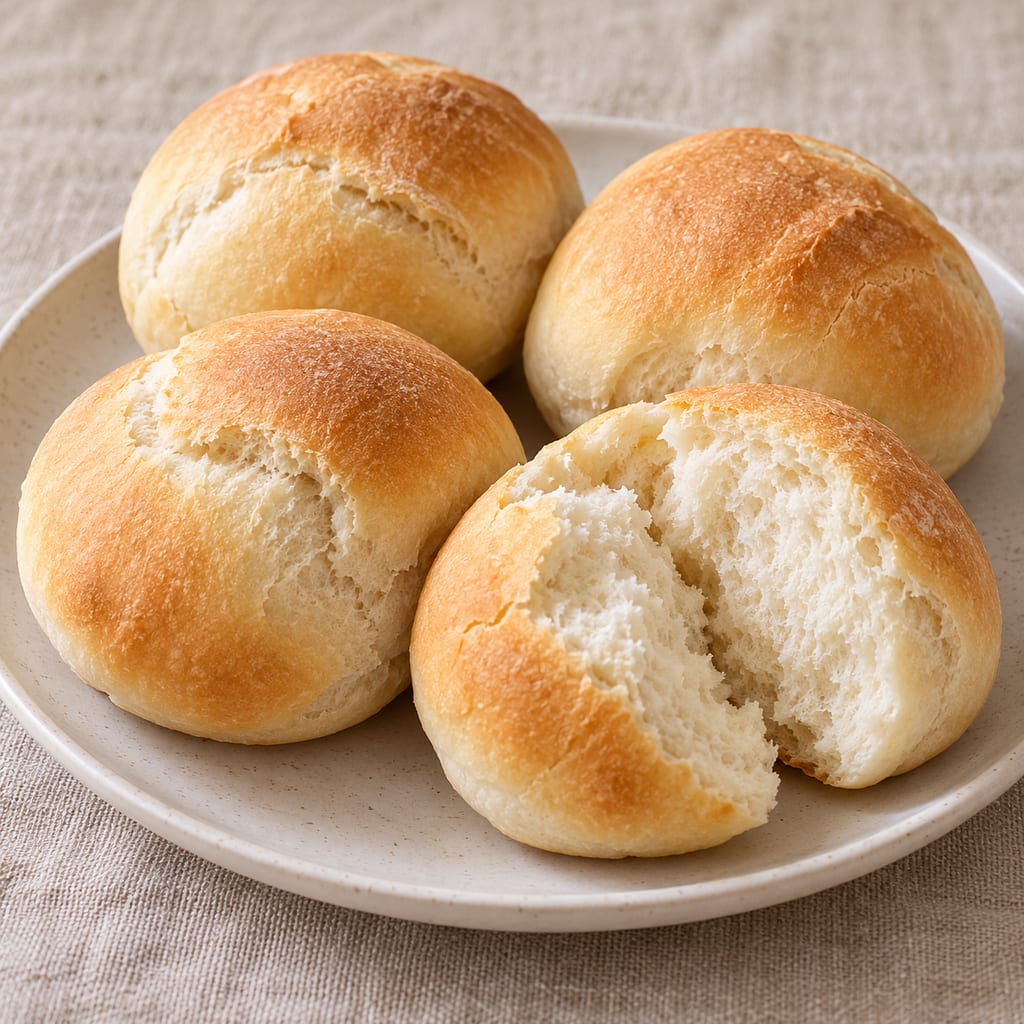
A lightly salted, yeast-raised Barbadian roll, baked in a dozen-roll home batch and often split for cutters.
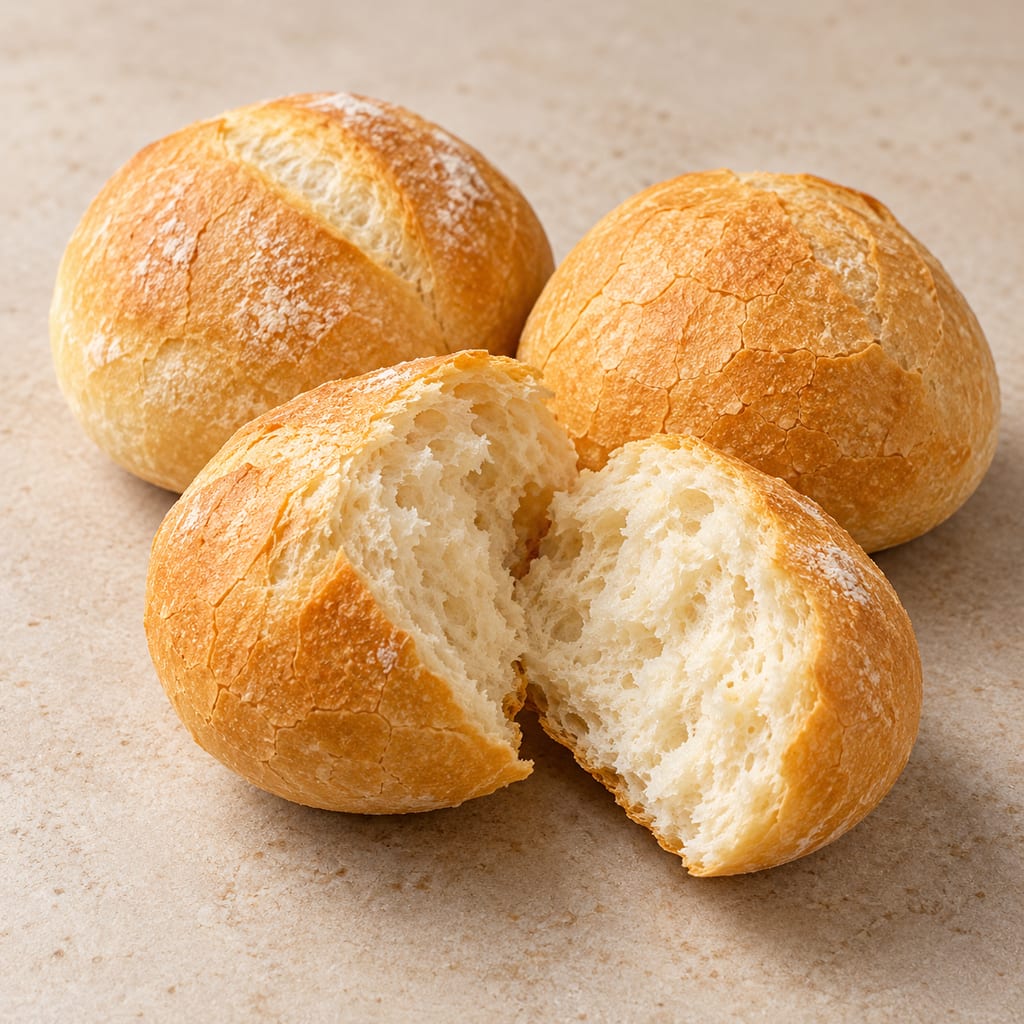
A crisp Belgian roll made from a supplier’s Croc-flour dough, mixed by hand or machine, proofed in rounds and baked with steam.
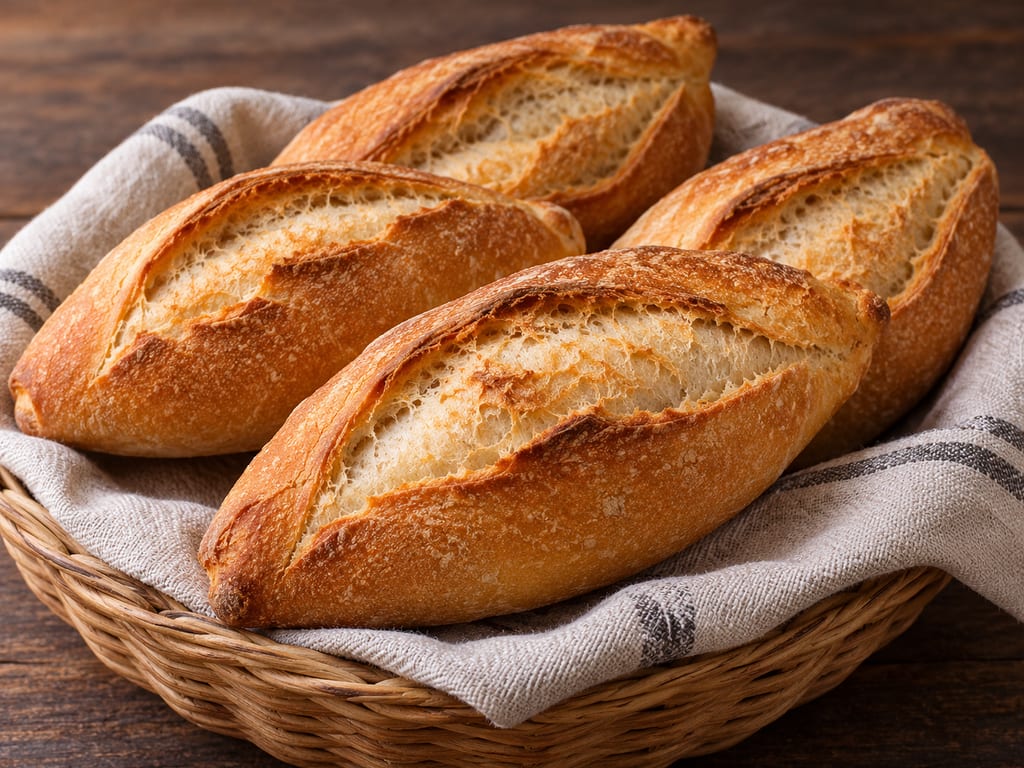
A measured, commercial-yeast home method for Guadalajara-style birote salado, with a six-hour preferment, shaped rolls and a two-temperature steam bake. This formula contains no egg.
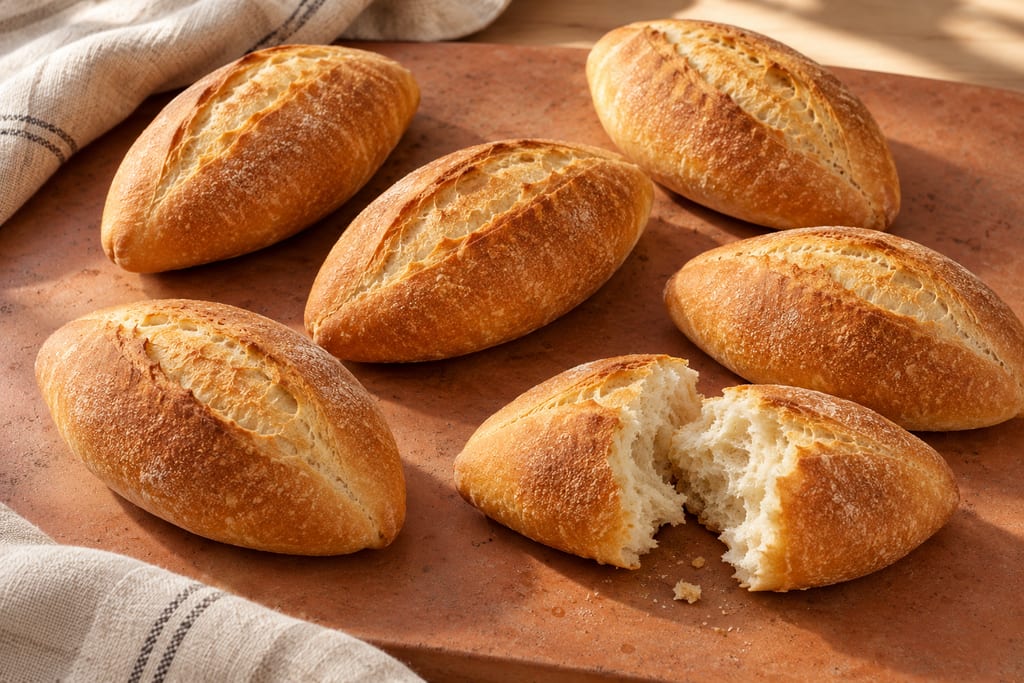
Small, lightly enriched rolls with tapered ends and a scored top; this six-roll formula bakes on a hot stone with steam for a thin, crisp crust.
No community contributions have been published for this entry yet.
Sign in to contribute. Published comments and photos are free to read.
King Arthur BakingMethod · Ingredients
Classic BialysA complete 12-roll method with 840 g bread flour, 510 g water, instant yeast, overnight refrigeration, one-hour room-temperature proof, onion filling, a 475°F bake and 8–10 minute baking time.
Cited in: A baked roll with a filled depression
FOODISH, ANU Museum of the Jewish PeopleHistory · Context
Bialy (Don't Call it a Bagel)Describes a bialy as baked without boiling, with a depression rather than a bagel hole, and places it in Eastern European Jewish and New York food contexts. It describes late-19th-century Polish migration to America; this is not a first-attestation date.
Cited in: A baked roll with a filled depression; Eastern European and New York history
Kossar's Bagels & BialysHistory · Geography
Kossar's Bagels & Bialys: Our HistoryThe bakery's account says Jewish immigrants from Białystok brought the bread to New York and dates Kossar's bakery production to 1936. This is a business history account, not proof of where the bread was first invented.
Cited in: Eastern European and New York history
Centers for Disease Control and PreventionSafety
Raw Flour and DoughRaw flour can carry harmful bacteria; CDC advises baking dough before eating and cleaning hands, bowls, utensils and surfaces after handling raw flour or dough.
Cited in: Flour handling