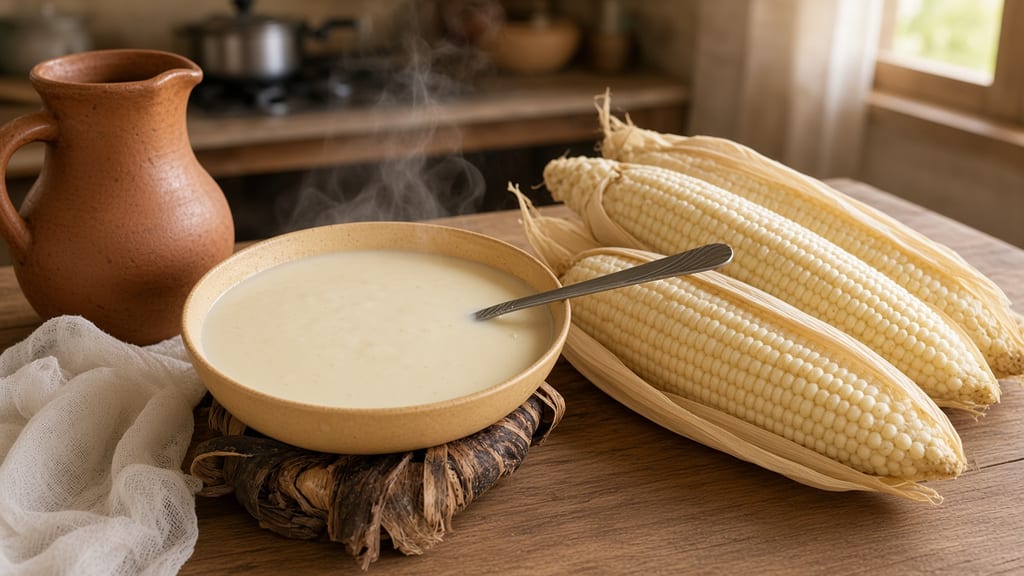
Atole agrio
A hot, sour maize drink from Tabasco made from maize that is not lime-cooked. The ground grain sours for half a day, then makers strain it and boil it until thick.
 FermenteaWhere food goes to change
Small, lightly enriched rolls with tapered ends and a scored top; this six-roll formula bakes on a hot stone with steam for a thin, crisp crust.
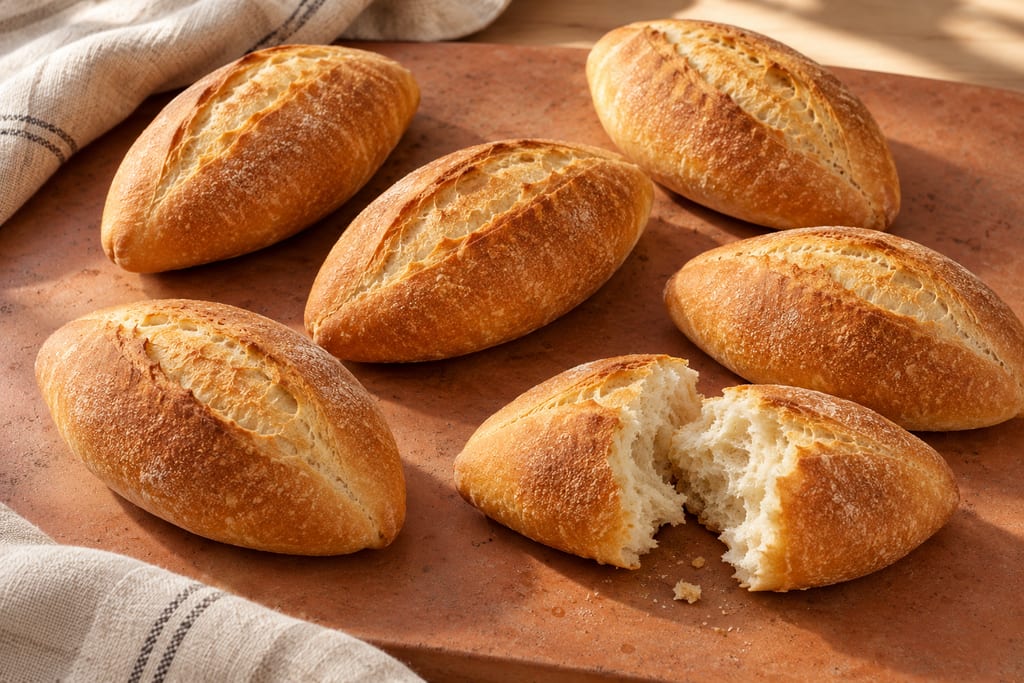
King Arthur Baking describes bolillos as small rolls made and eaten throughout Mexico and Central America. The publisher notes their thin, crisp crust and tender crumb, and their use in tortas. This page follows one formula from The Big Book of Bread; it does not treat that formula as universal or assign a precise birthplace.
The batch makes six rolls from about 150 g of dough each. The shaped rolls are elongated with tapered ends and scored once along the top. Baking on a preheated stone with steam in a hot skillet helps produce the crisp crust described in the recipe. The method specifies two proofing windows and a total time of about three hours, but gives no target dough or room temperature for the rises.
Adding water to a hot cast-iron skillet creates a sudden burst of steam. Dry oven mitts and a clear space around the oven help keep hands and face away from the hot cookware and steam. The crust softens in storage, so the recipe recommends eating the rolls on baking day; it gives no storage duration.
King Arthur Baking says bolillos are made and eaten throughout Mexico and Central America and presents this formula from The Big Book of Bread. The record describes that one contemporary published batch; the source does not identify a city of origin or claim one formula is used everywhere.
Yield 6 rolls, about 6 inches (15 cm) long; about 150 g dough each · Scaling: source batch only
Uncooked flour can carry harmful germs; eating the raw dough can cause illness.
Hazard sourceThe method heats a baking stone and cast-iron skillet to 450°F (232°C), then adds water to the skillet, producing hot steam that can scald.
Hazard sourceDo not taste the raw dough. Bake the rolls as directed, and wash hands, bowls, utensils and work surfaces after handling raw flour or dough.
Control sourceUse dry oven mitts to handle the hot stone and skillet. Keep your face and hands away from the escaping steam when carefully pouring water into the hot skillet.
Control sourceThe source's crust colour and feel are baking cues, not validated internal-temperature checks.
Only use oven equipment and steam methods that are safe for the oven and cookware being used.
The source states that bolillos are made and eaten throughout Mexico. It does not identify a city of origin or claim this single formula is universal.
The source also states that bolillos are made and eaten throughout Central America; this does not identify a particular country.
A hot, sour maize drink from Tabasco made from maize that is not lime-cooked. The ground grain sours for half a day, then makers strain it and boil it until thick.
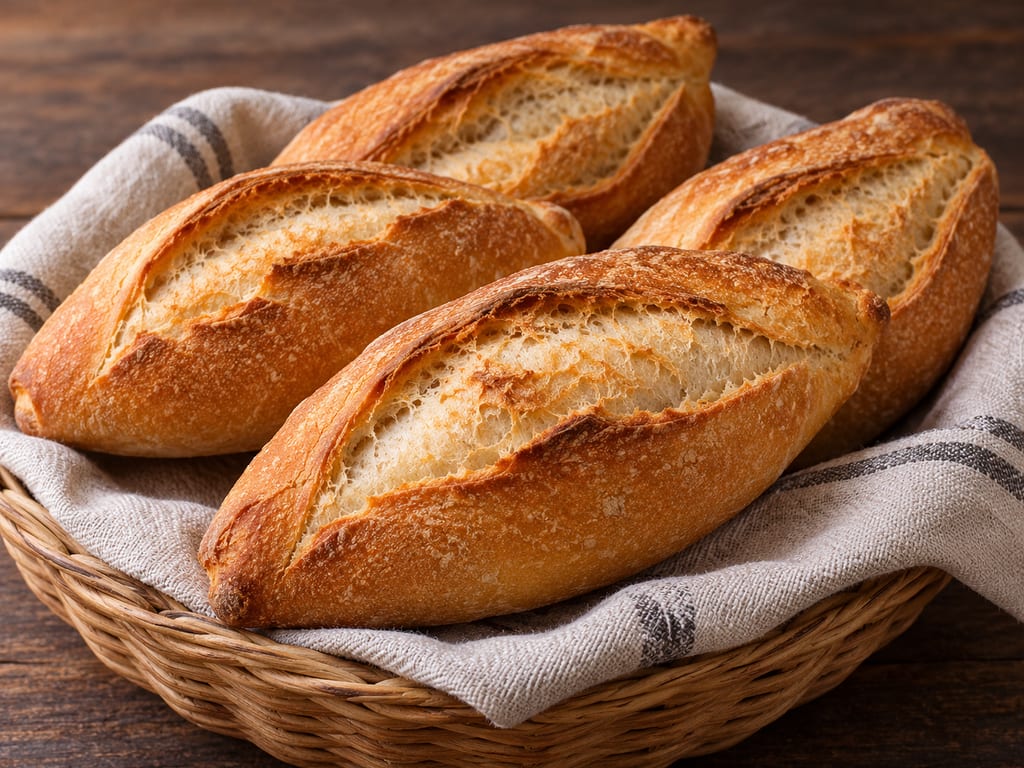
A measured, commercial-yeast home method for Guadalajara-style birote salado, with a six-hour preferment, shaped rolls and a two-temperature steam bake. This formula contains no egg.
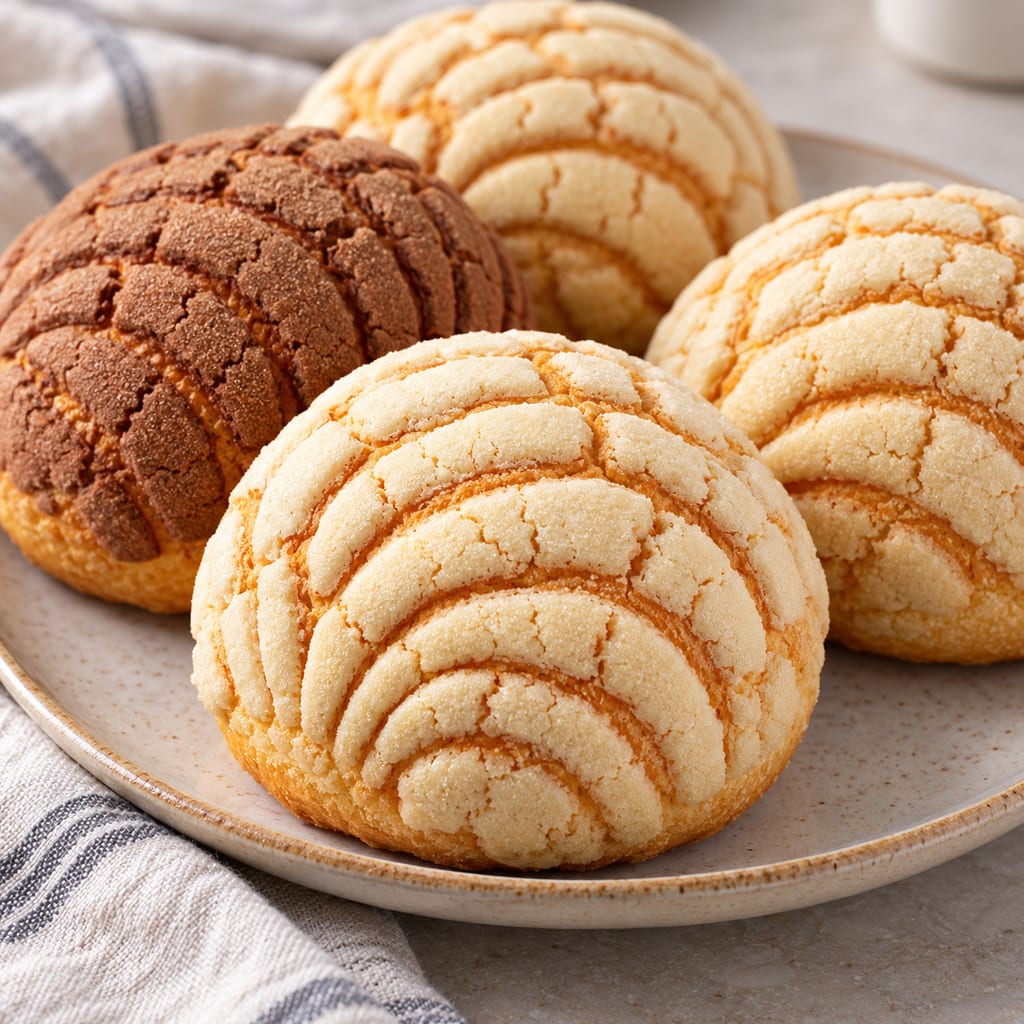
Mexican sweet rolls with a soft enriched yeast dough and a separate scored sugar-flour topping shaped like a shell. This version makes 15 rolls and uses a chilled dough rest before final proofing.
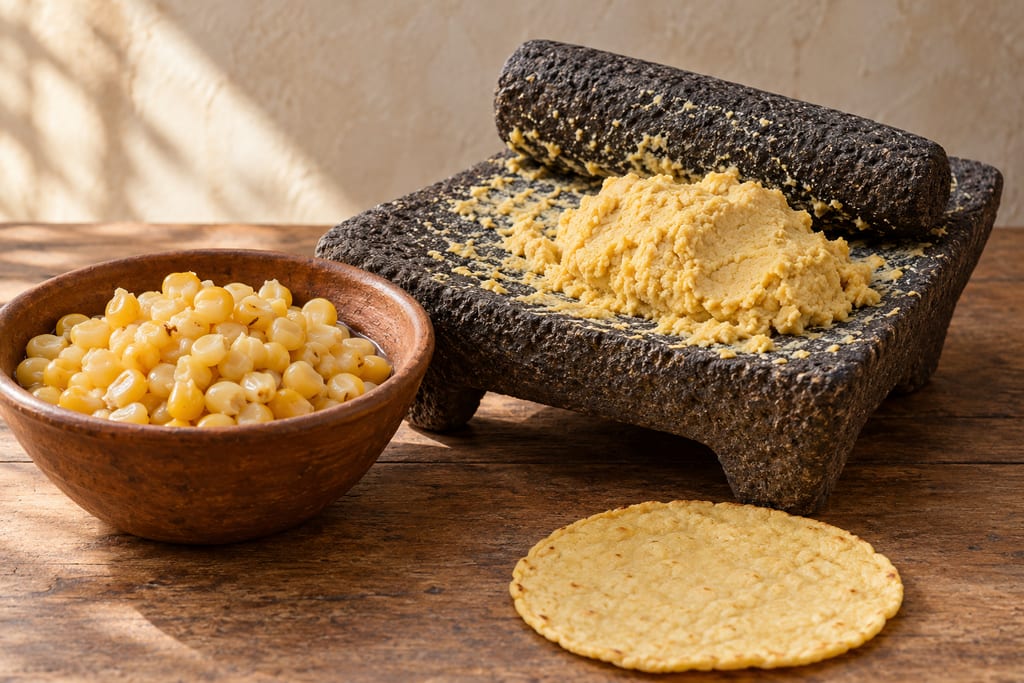
Whole maize cooked and steeped overnight in lime water, washed of its skins and excess lime, then ground into the moist dough used for tortillas.
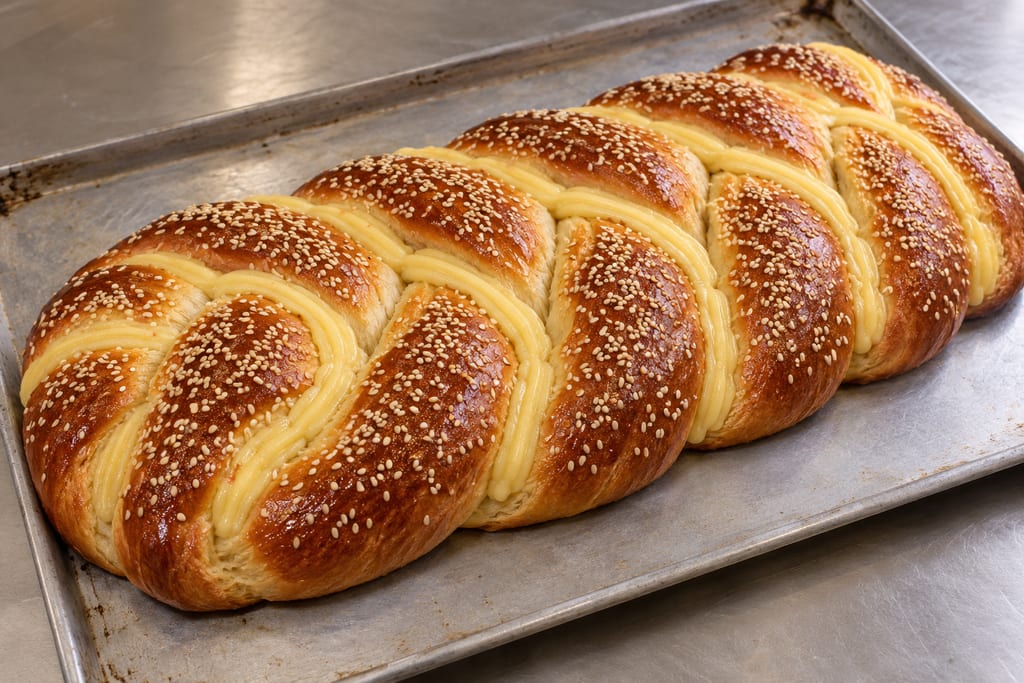
A Mexican sweet, yeast-raised wheat bread shaped as a broad braid or closed zigzag, brushed with egg glaze and decorated with pastry cream and sesame.
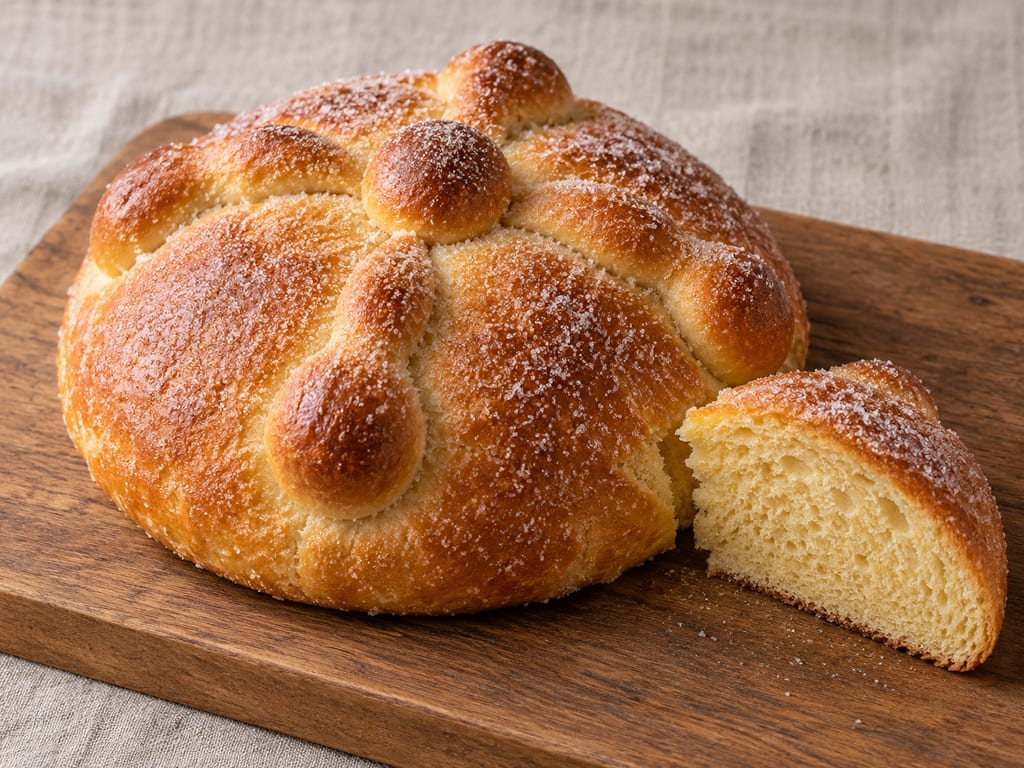
Two enriched, orange-anise loaves shaped with crossed dough bones and a central round, baked for Día de Muertos and finished with butter and sugar.
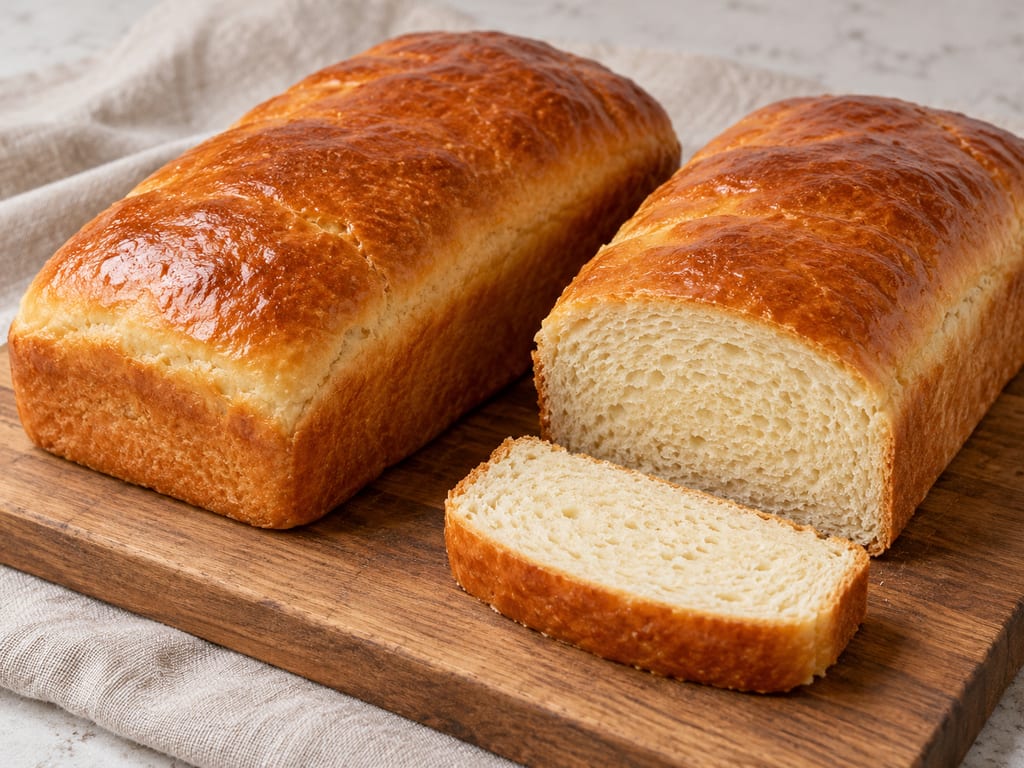
Two Mexican loaves made with pulque, eggs and baker's yeast in a home-oven recipe.
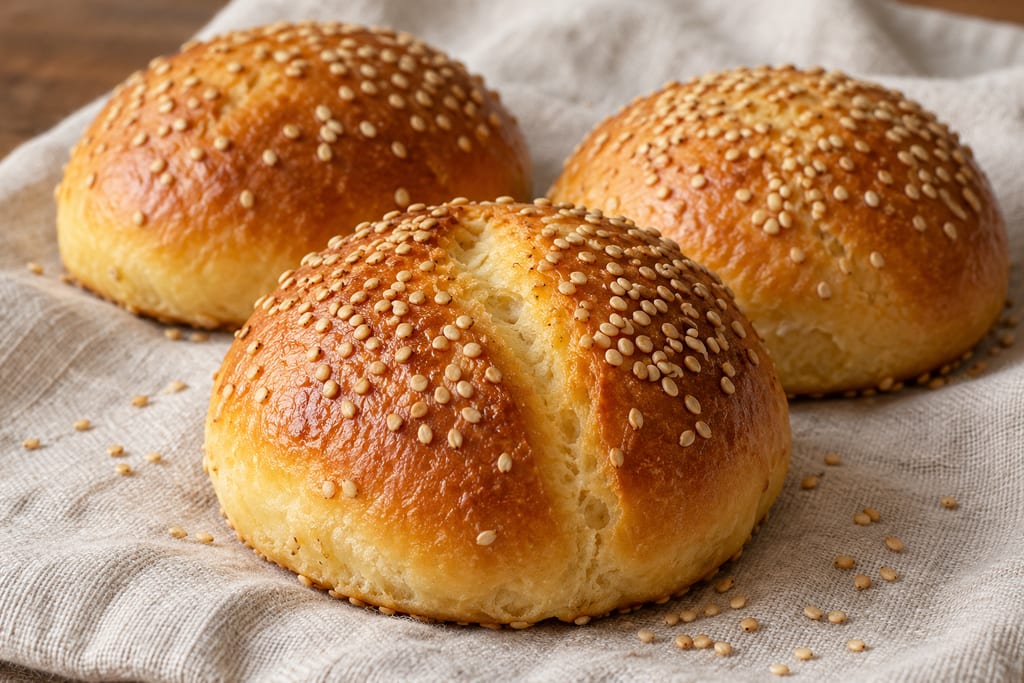
This Oaxacan yeast bread enriches wheat dough with eggs, extra yolks and butter, then shapes it into sesame-coated rounds for a long rise and a hot bake.
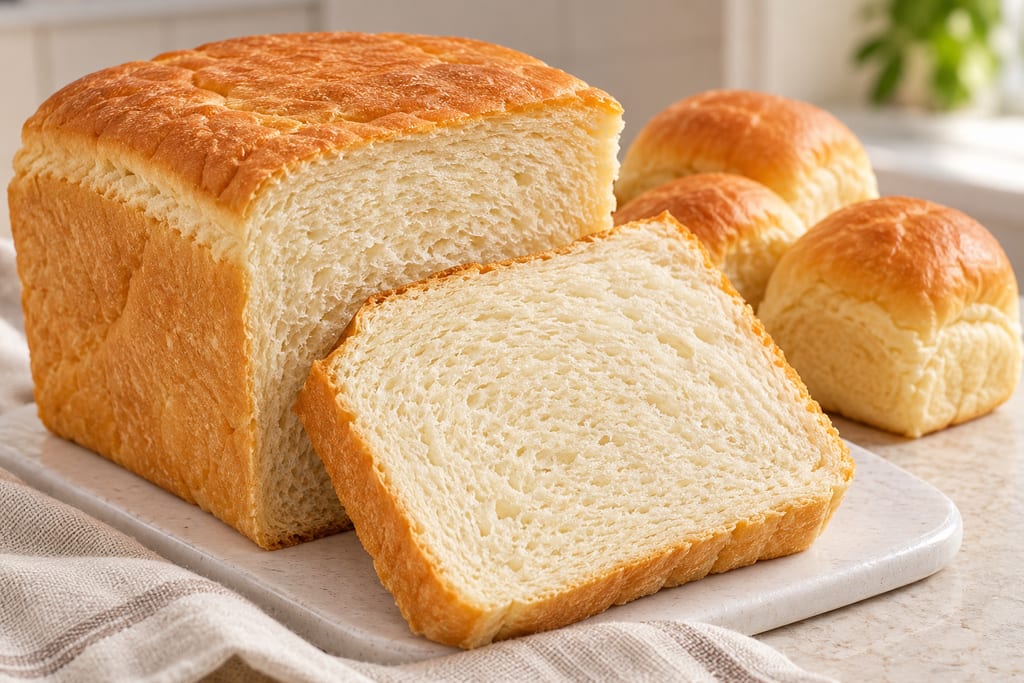
This softer home-style Agege bread uses a scalded flour paste, an enriched yeast dough and a 9×5-inch loaf pan, with rolls from the extra dough.
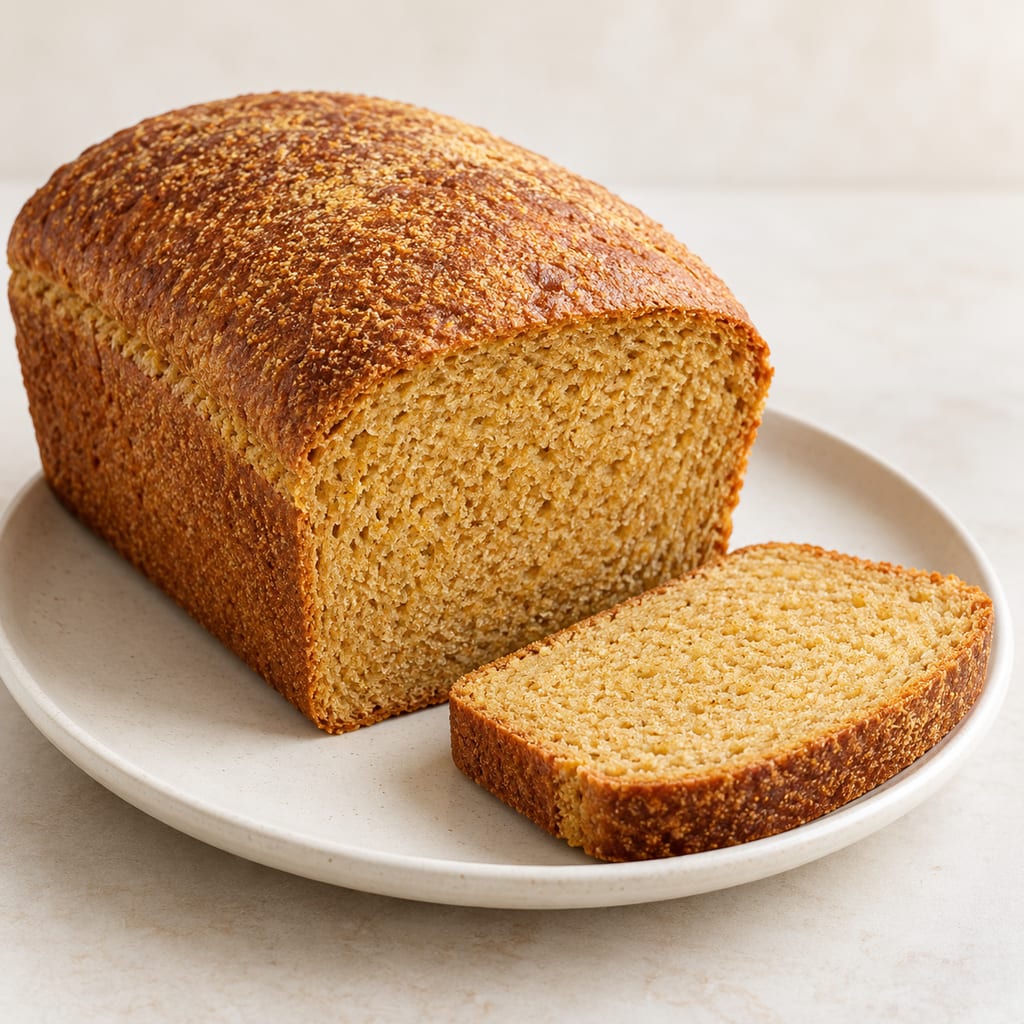
Anadama is a New England yeast loaf made with wheat flour, cornmeal and molasses. Scalded cornmeal enriches the dough, while molasses lends sweetness and a dark crust; it is especially good toasted or beside soup and baked beans.

A yeast-raised wheat ring shaped from a firm dough, briefly boiled and baked. This source-batch formula gives a gently malted crust and a chewy crumb.
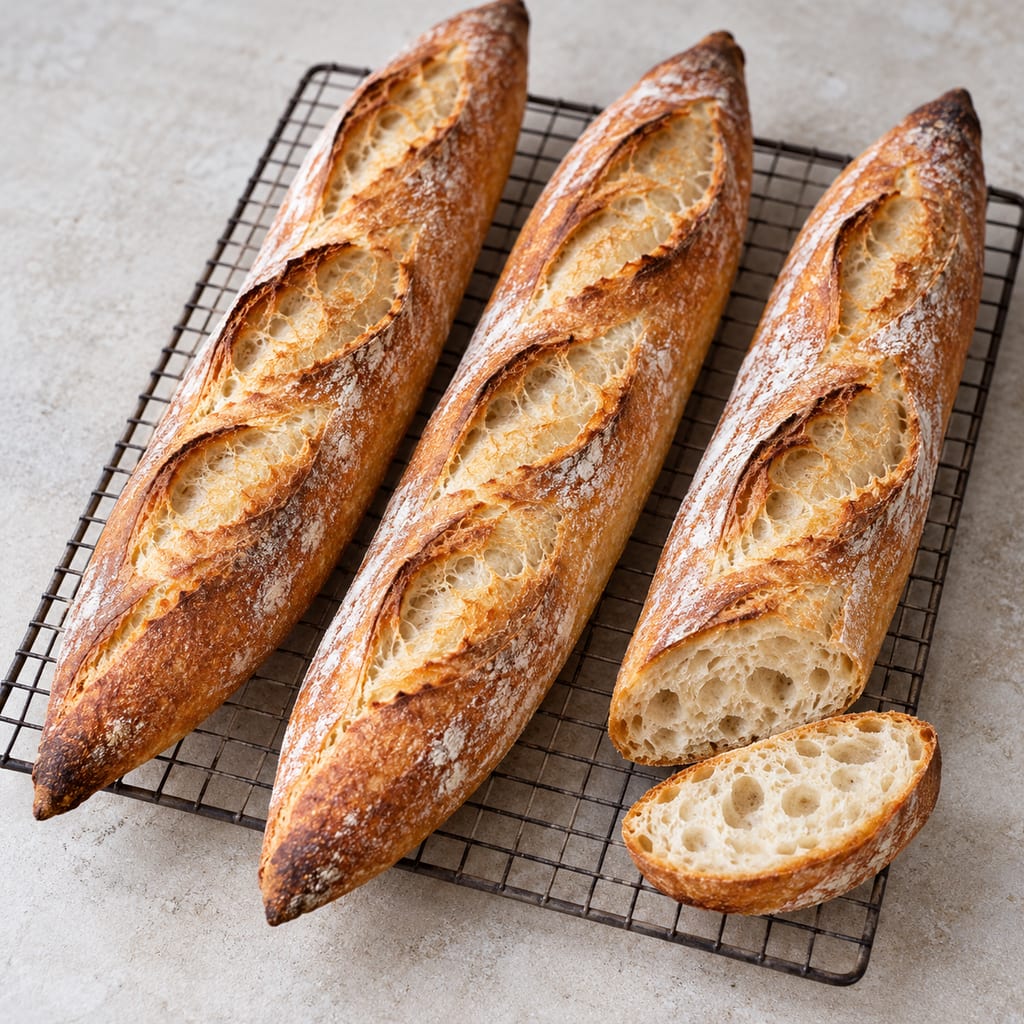
Three long, crusty wheat loaves made with an overnight yeast poolish, shaped by hand and baked with steam for a crisp crust.
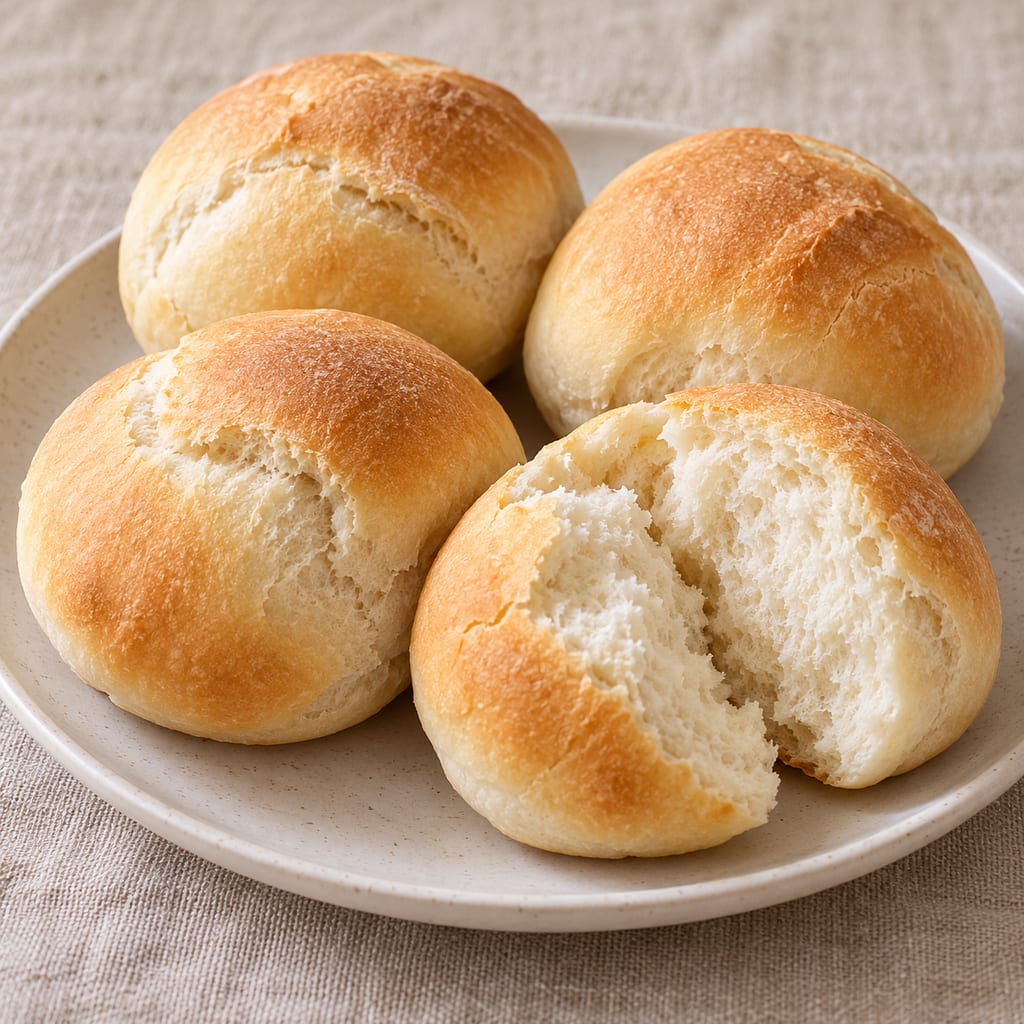
A lightly salted, yeast-raised Barbadian roll, baked in a dozen-roll home batch and often split for cutters.
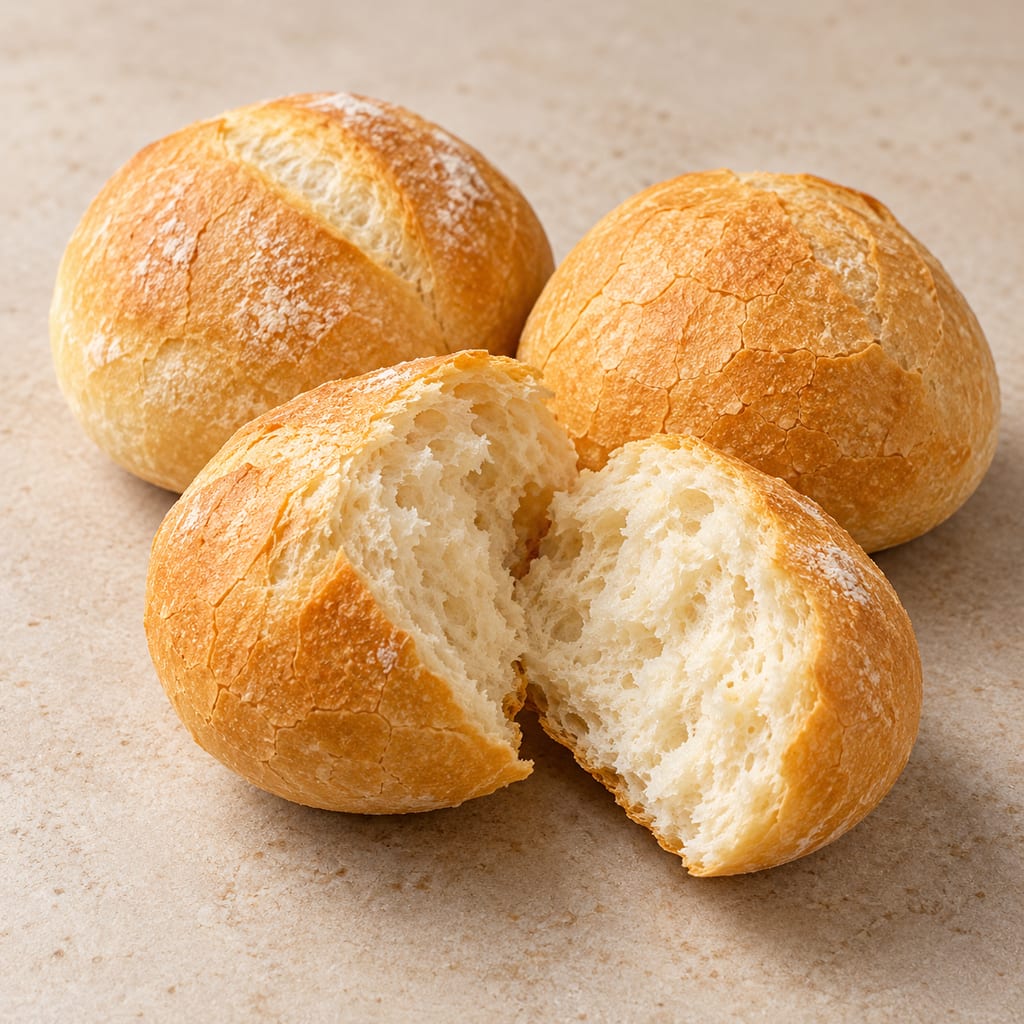
A crisp Belgian roll made from a supplier’s Croc-flour dough, mixed by hand or machine, proofed in rounds and baked with steam.
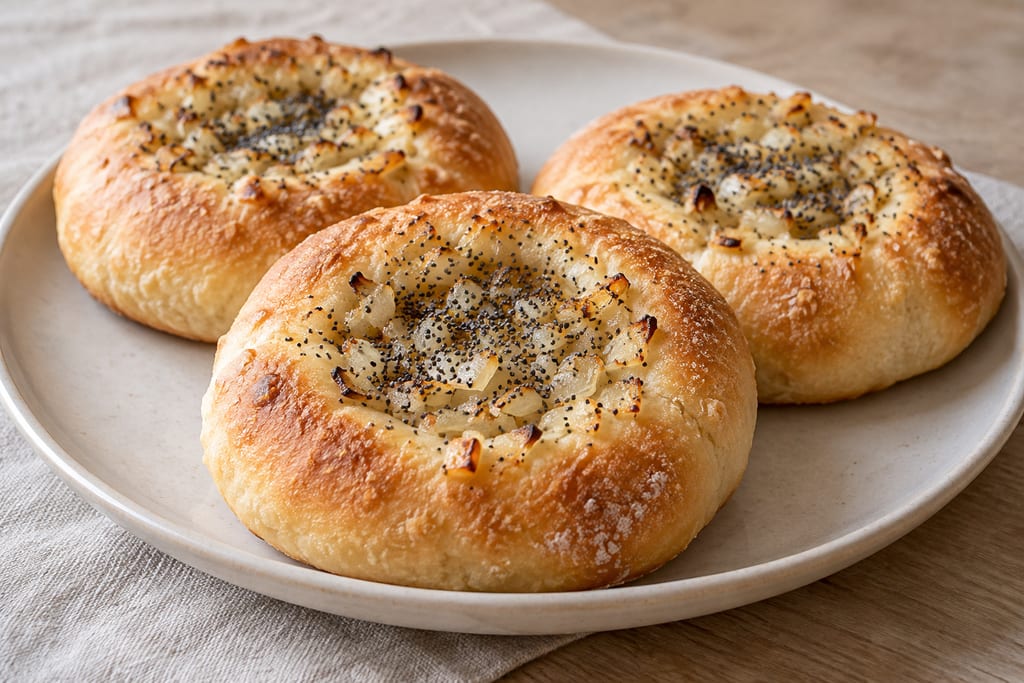
Bialys are soft, yeasted wheat rolls baked without boiling, each shaped with an onion-filled central depression instead of a hole.
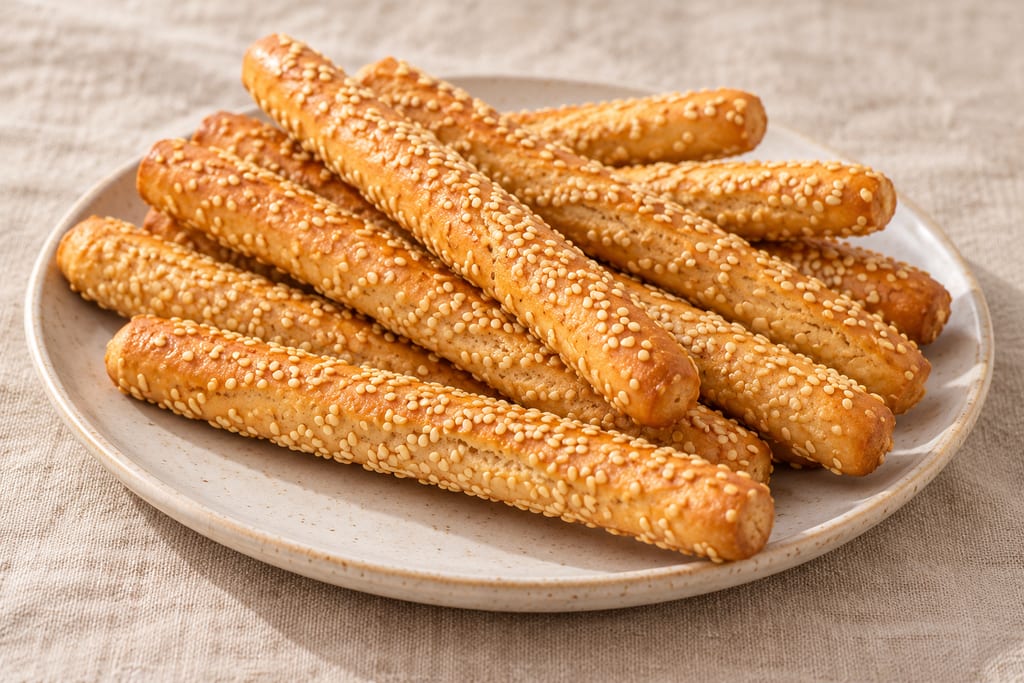
Amira Ibrahim’s Egyptian bosomat are yeast-raised wheat sticks scented with optional fennel and anise, topped with sesame and baked until dry and crisp.
No community contributions have been published for this entry yet.
Sign in to contribute. Published comments and photos are free to read.
King Arthur BakingMethod · History · Geography
BolillosThe page describes bolillos as made and eaten throughout Mexico and Central America, with a thin crisp crust and tender crumb, commonly used for tortas.
The ingredient amounts and alternatives, 110°F water, six-roll yield, mixing/resting/kneading, two rises, shaping, 450°F stone-and-steam bake, 25–30-minute bake and same-day crust quality.
Cited in: A crisp roll for tortas
Centers for Disease Control and PreventionSafety
Raw Flour and DoughCDC warns that uncooked flour may carry germs, advises not to eat raw dough, and recommends washing hands, utensils and surfaces after handling raw flour or dough.
U.S. Fire AdministrationSafety
Burn and Scald PreventionThe USFA advises using dry oven mitts or potholders because hot cookware can heat moisture and cause scald burns.
Cited in: A crisp roll for tortas