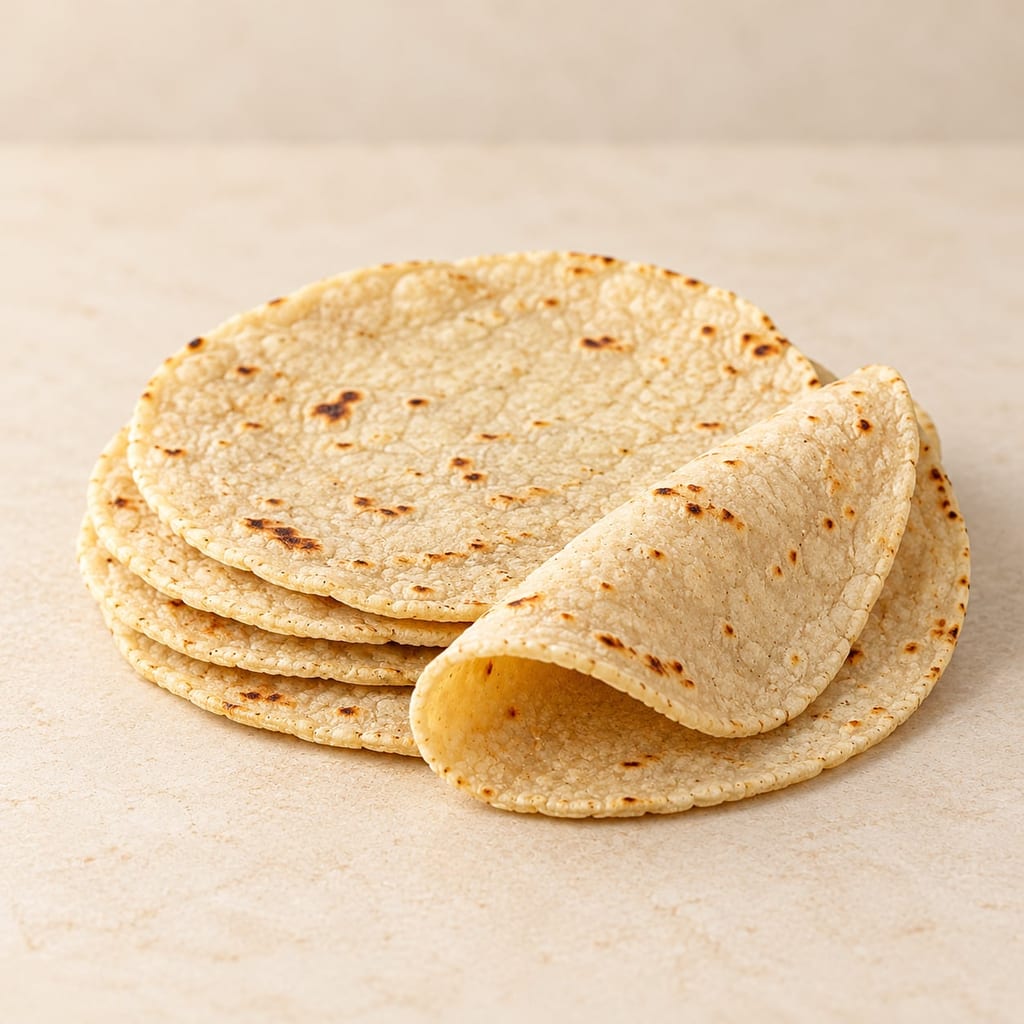
Maize tortillas
Fresh nixtamalized maize is ground into masa, pressed into thin rounds and cooked on a comal. This Mexican home formula uses food-grade cal viva and makes about 20 tortillas.
 FermenteaWhere food goes to change
Traditional method
nixtamal · masa · lime-cooked maize
Whole maize cooked and steeped overnight in lime water, washed of its skins and excess lime, then ground into the moist dough used for tortillas.
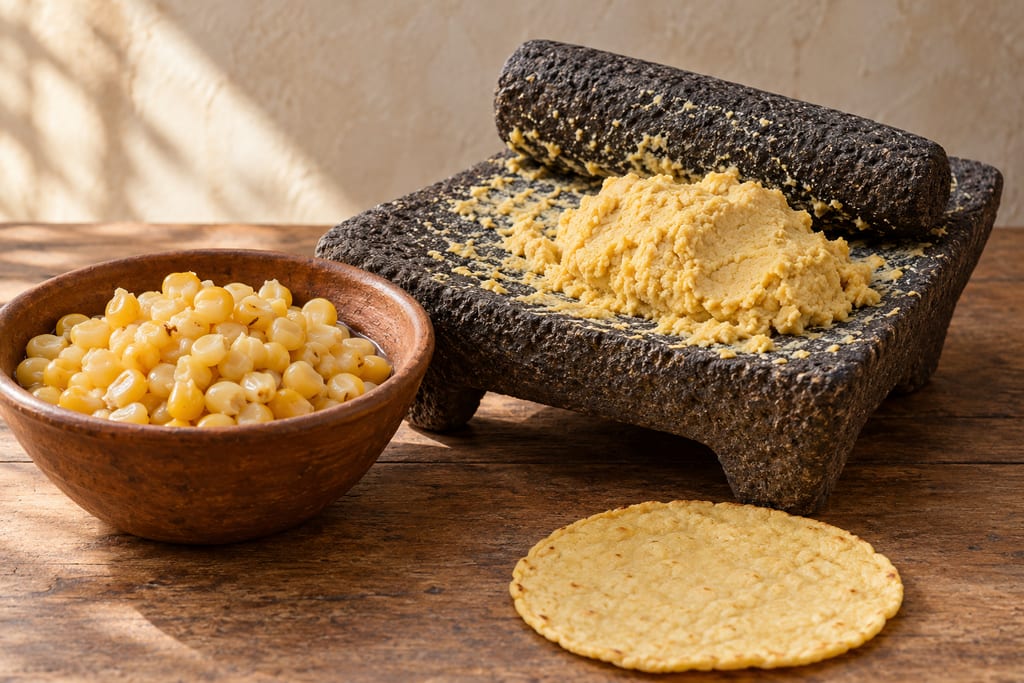
Nixtamalisation cooks whole maize in an alkaline lime solution. FAO gives the rural method as one part maize to two parts a solution of about 1 per cent lime, heated to 80 °C (176 °F) for 20 to 45 minutes, then left to stand overnight. The cooking liquor is poured off, and the grains are washed two or three times to remove the seed coats, tip caps, excess lime and impurities.
The cooking changes the maize into nixtamal, which can then be ground. FAO records a dry-matter loss of about 15 per cent in the process, within a range of 8.9 to 21.3 per cent.
Traditionally the nixtamal was ground in several passes on a flat stone. Today a first grinding in a meat grinder or disc mill is followed by refining on the stone, as FAO describes. The sources give no guidance on the vessel material for the alkaline mixture, and a brewing kettle or a home mill is an untested adaptation rather than a documented route.
The moist masa is shaped into tortillas. About 50 g of dough is patted flat and cooked on both sides on a hot iron or clay plate.
FAO cites a Guatemalan variant that cooks for 46 to 67 minutes at 94 °C (201 °F) with 0.17 to 0.58 per cent lime on the maize weight and a grain-to-water ratio of 1:1.2. Pre-soaking cut cooking time by 40 per cent in one study.
The lime quantity in grams and the grain endpoint for a home test are not given. The sources do not state how long fresh masa keeps.
UNESCO's 2010 inscription of traditional Mexican cuisine names nixtamalisation together with grinding stones and stone mortars. FAO notes Illescas's 1943 description.
Scaling: source batch only
The cited work found that more lime cost more tryptophan: about 8 per cent lost at 0.2 per cent lime and over 25 per cent at 1 per cent.
UNESCO lists nixtamalisation within traditional Mexican cuisine. This is an association, not an origin.
FAO cites a Guatemalan lime-cooking variant.
Fresh nixtamalized maize is ground into masa, pressed into thin rounds and cooked on a comal. This Mexican home formula uses food-grade cal viva and makes about 20 tortillas.
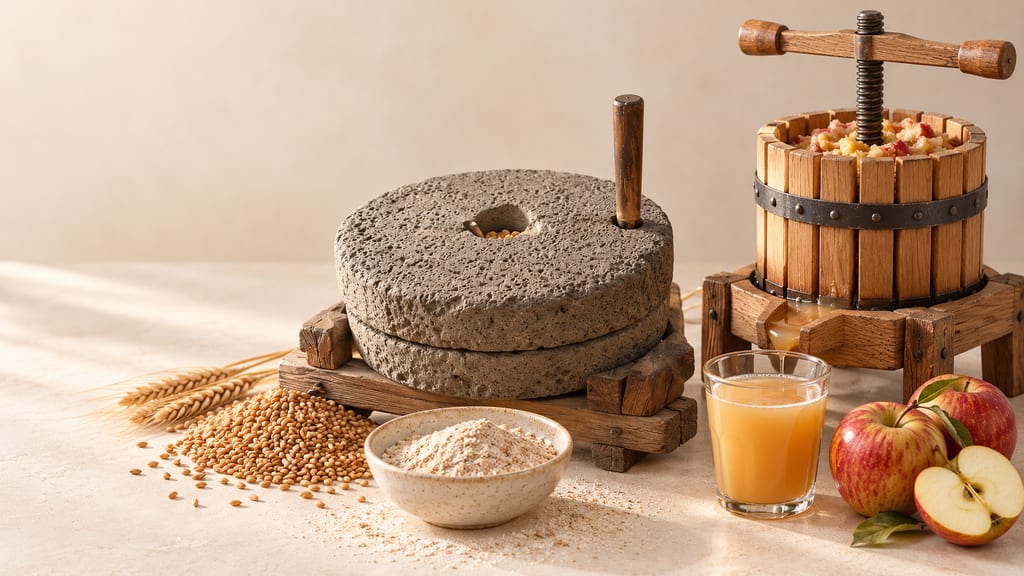
A blender, a stone refiner and a small screw press each replace hours of pounding or squeezing, but grinding, pressing oil and extracting a milk are different jobs with different limits.
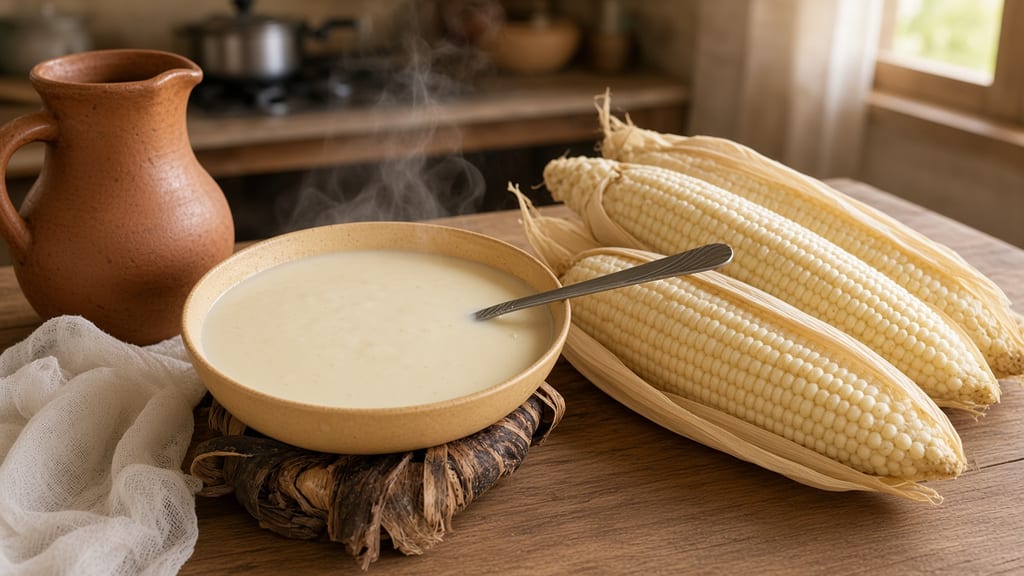
A hot, sour maize drink from Tabasco made from maize that is not lime-cooked. The ground grain sours for half a day, then makers strain it and boil it until thick.
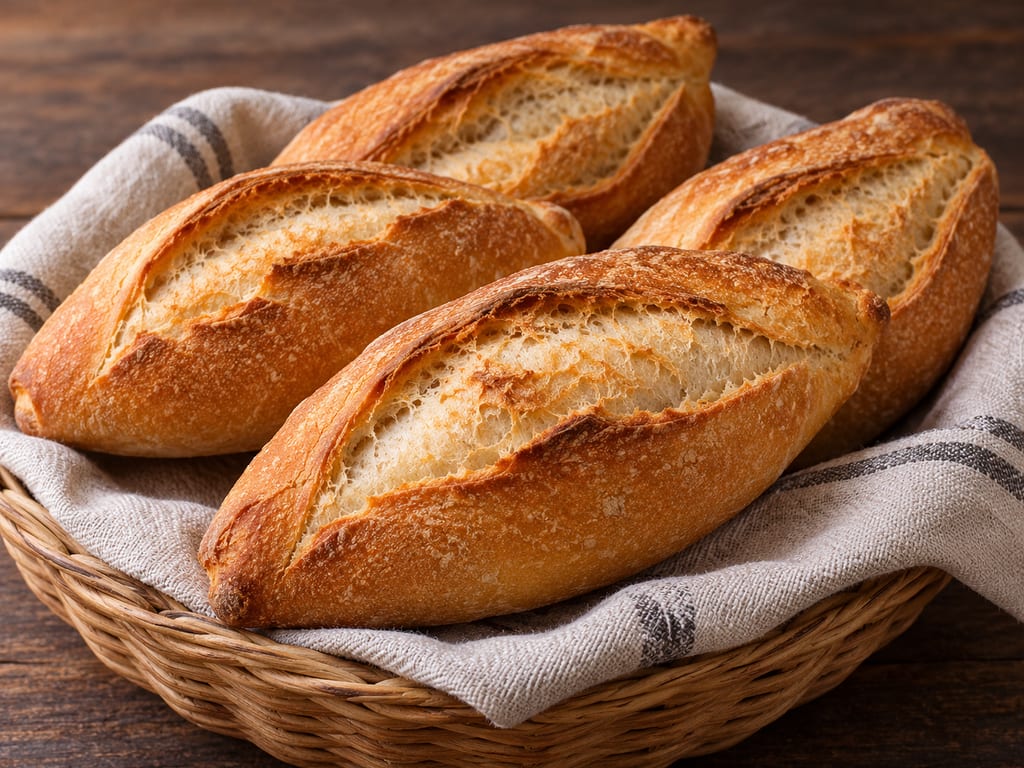
A measured, commercial-yeast home method for Guadalajara-style birote salado, with a six-hour preferment, shaped rolls and a two-temperature steam bake. This formula contains no egg.
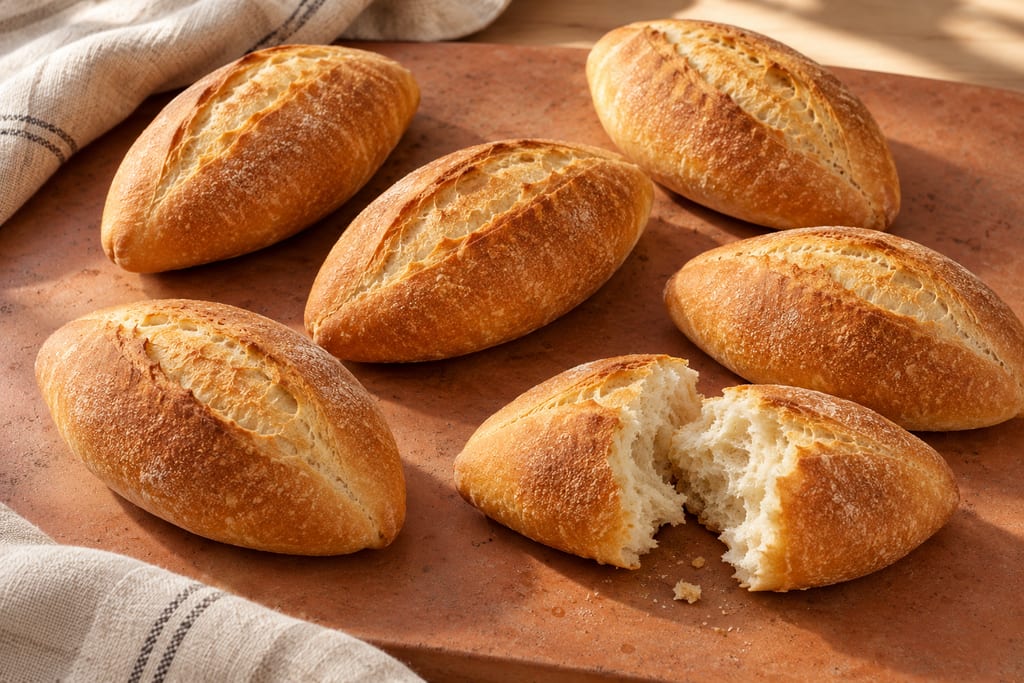
Small, lightly enriched rolls with tapered ends and a scored top; this six-roll formula bakes on a hot stone with steam for a thin, crisp crust.
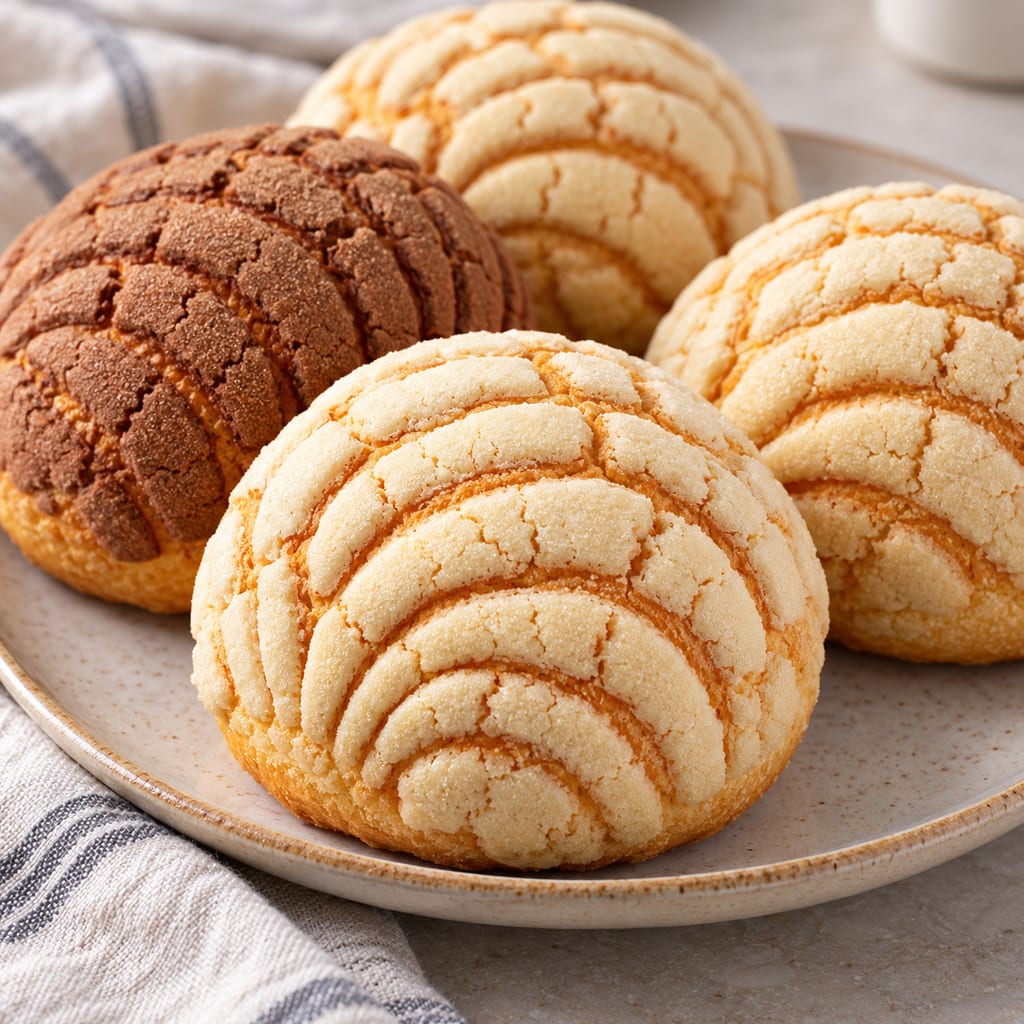
Mexican sweet rolls with a soft enriched yeast dough and a separate scored sugar-flour topping shaped like a shell. This version makes 15 rolls and uses a chilled dough rest before final proofing.
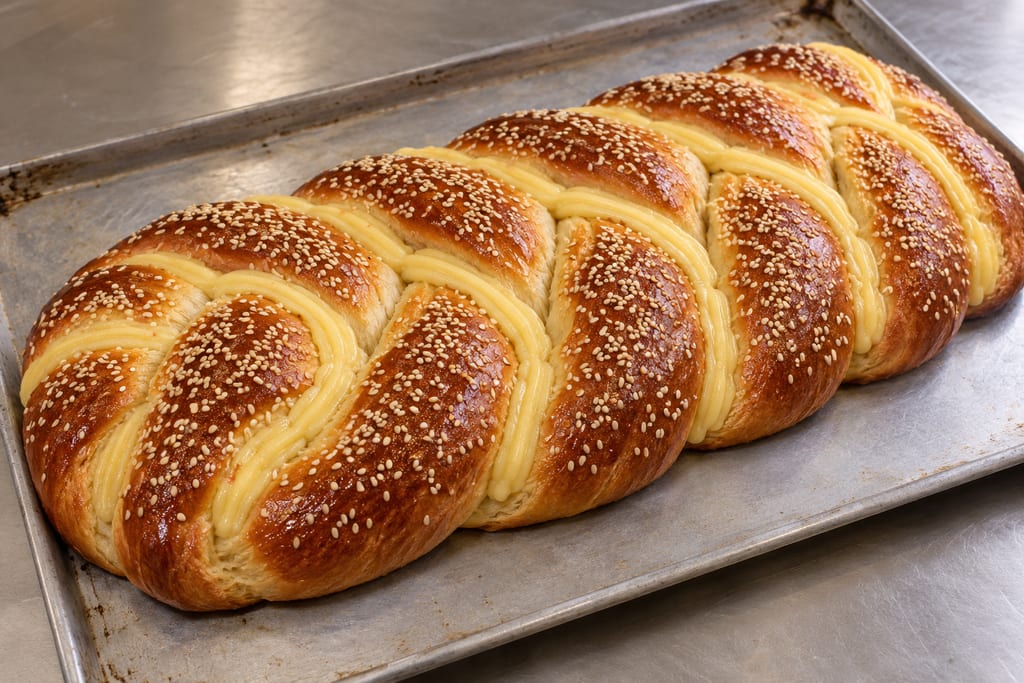
A Mexican sweet, yeast-raised wheat bread shaped as a broad braid or closed zigzag, brushed with egg glaze and decorated with pastry cream and sesame.
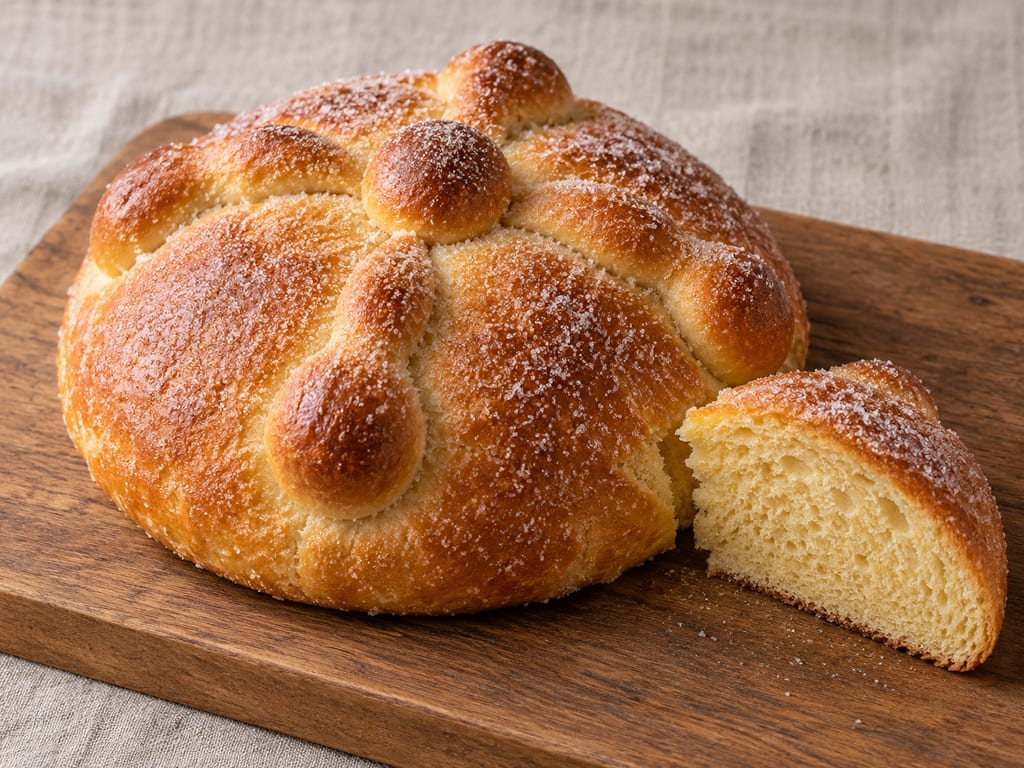
Two enriched, orange-anise loaves shaped with crossed dough bones and a central round, baked for Día de Muertos and finished with butter and sugar.
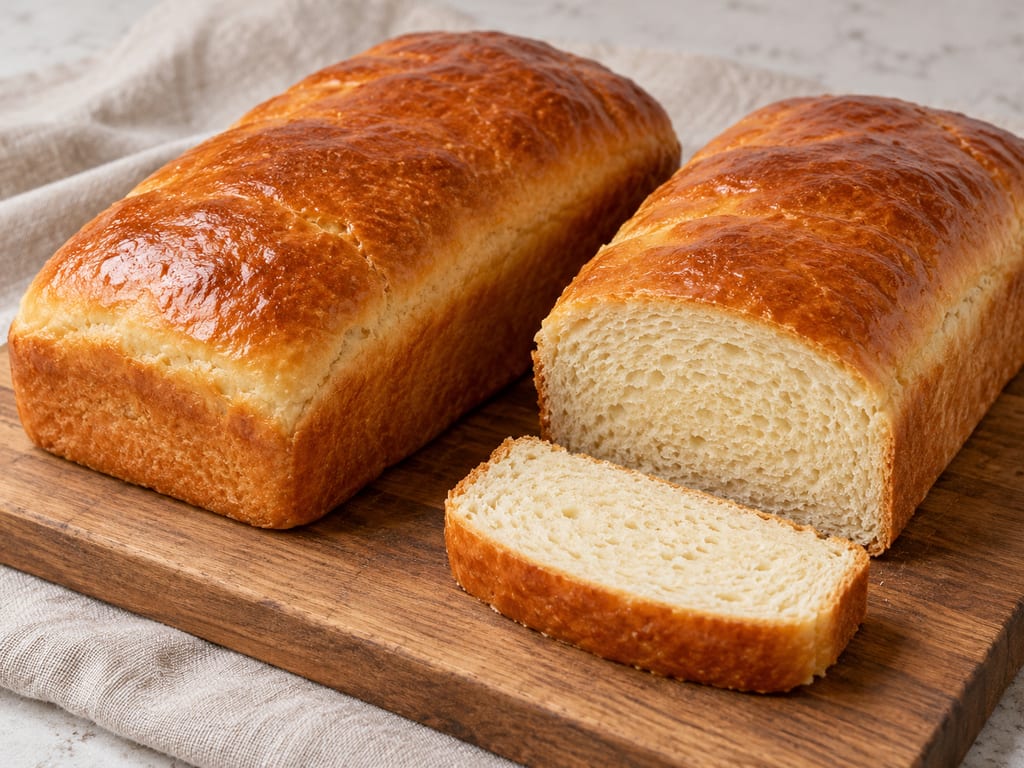
Two Mexican loaves made with pulque, eggs and baker's yeast in a home-oven recipe.
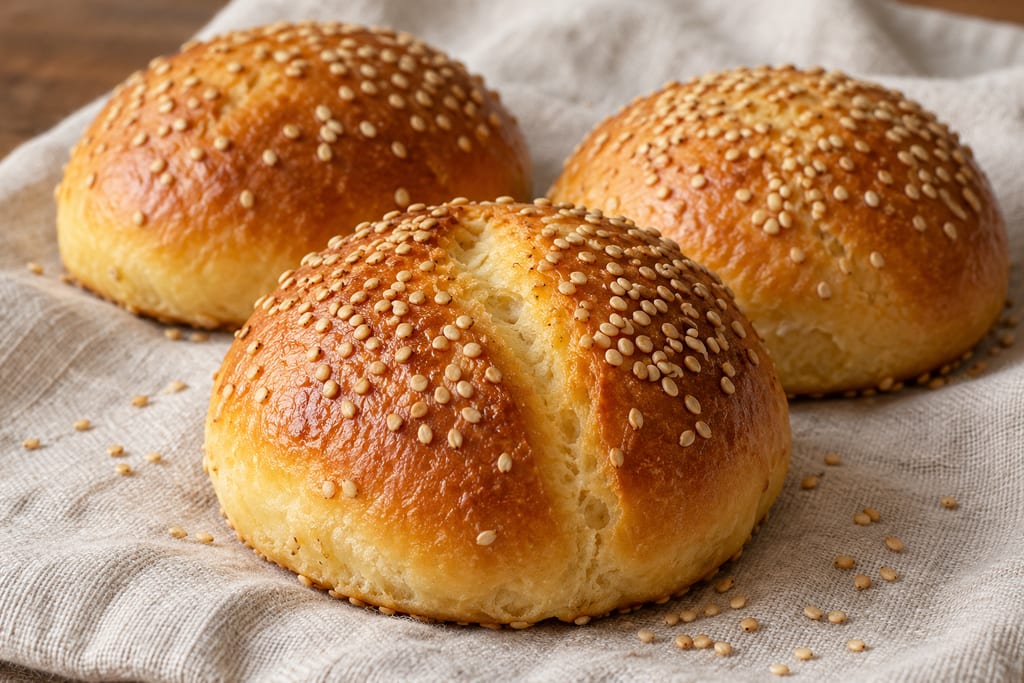
This Oaxacan yeast bread enriches wheat dough with eggs, extra yolks and butter, then shapes it into sesame-coated rounds for a long rise and a hot bake.
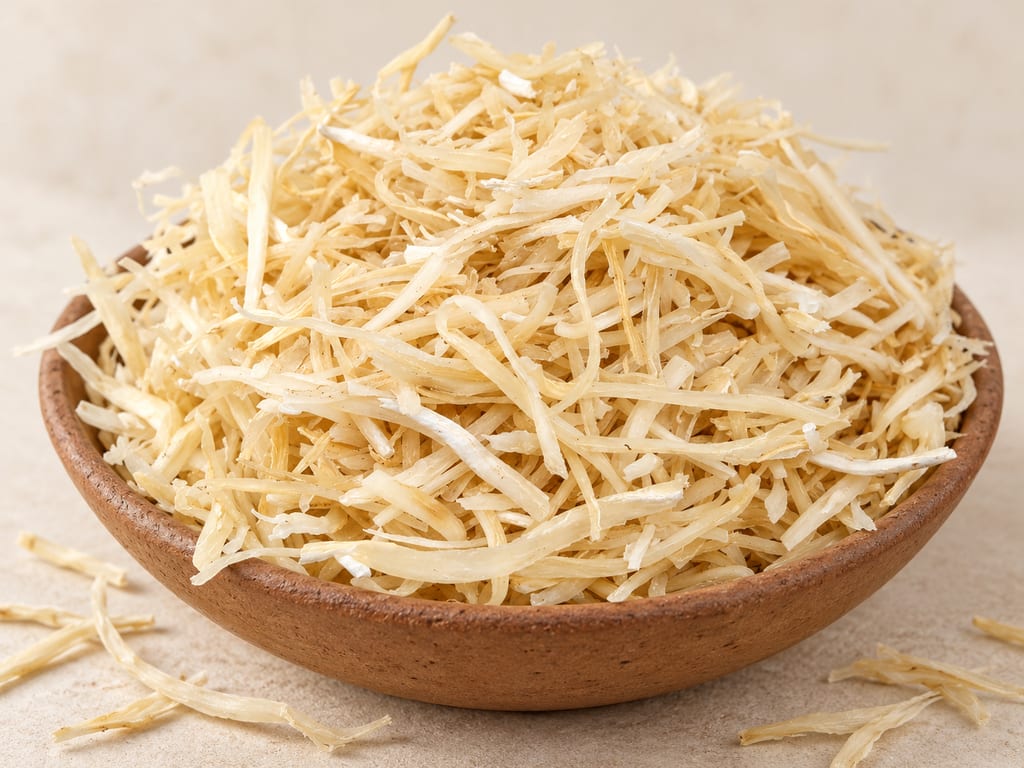
Abacha is a fermented cassava-strip preparation from southeastern Nigeria, sold wet or dried and later rehydrated for meals such as African salad.
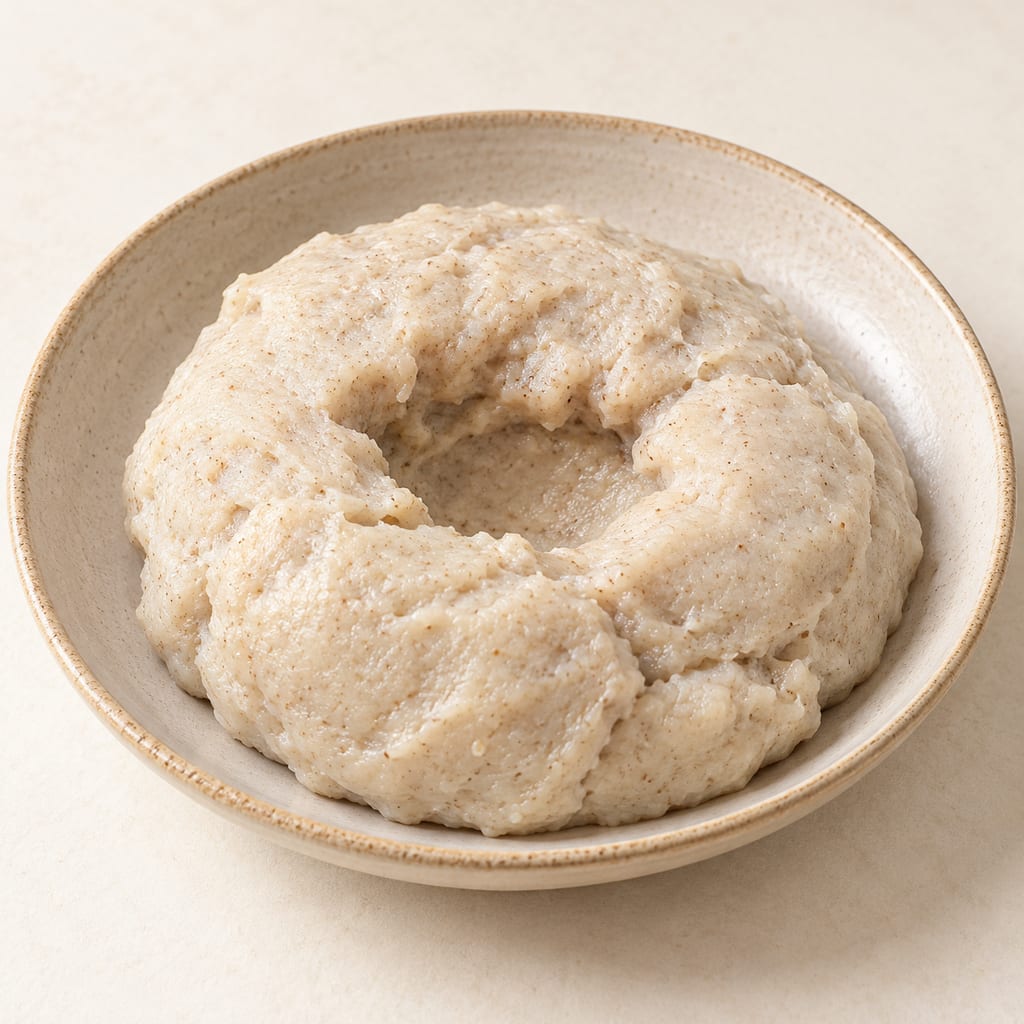
Aceda is Sudan’s firm cereal porridge, commonly made from sorghum and shaped into a smooth mound. Some versions use fermented dough; fermentation is not universal.
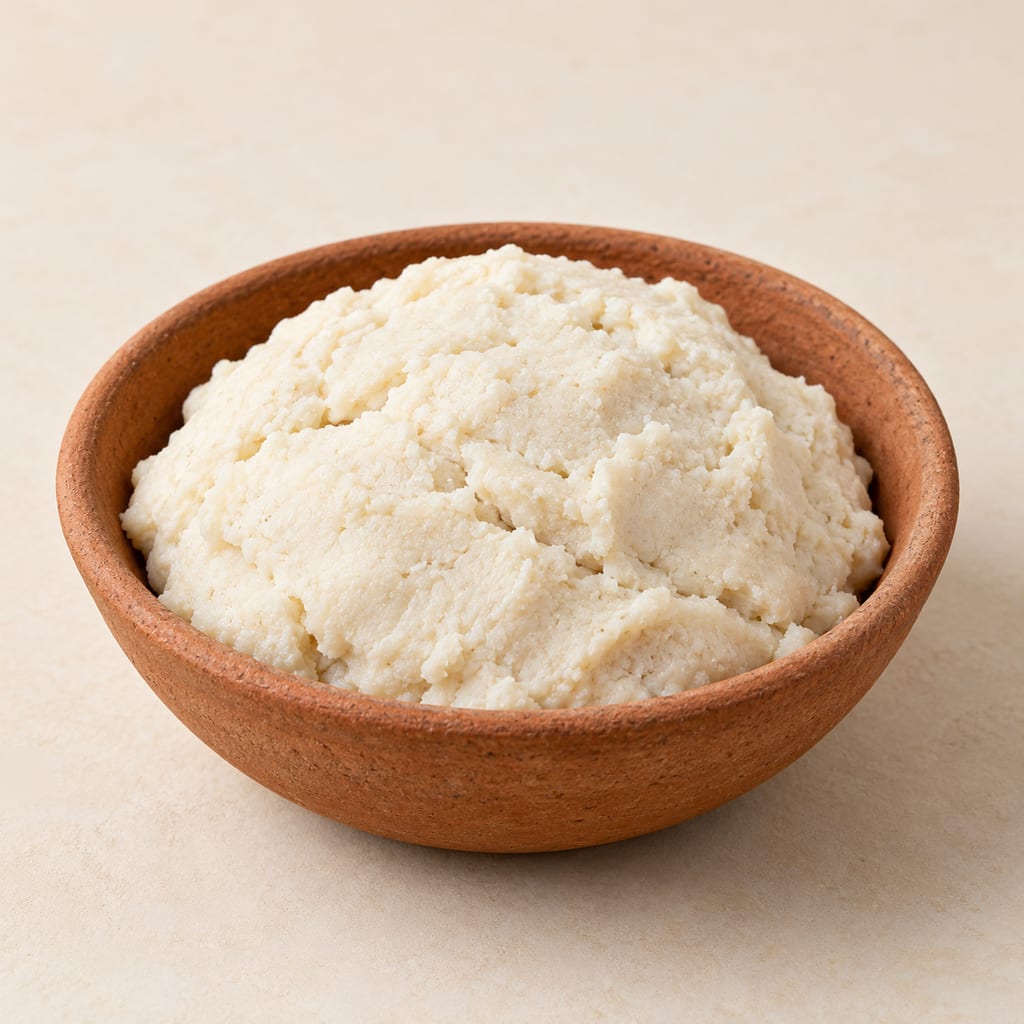
Ghanaian sour cassava dough fermented with traditional inoculum and drained during fermentation. It is used as a base for cooked foods such as banku and akple; process variants and safety outcomes differ.

Appam, or hoppers, are South Indian and Sri Lankan rice pancakes made from a fermented coconut-and-rice batter and cooked in a curved pan to a crisp lacy rim and a soft, spongy centre.
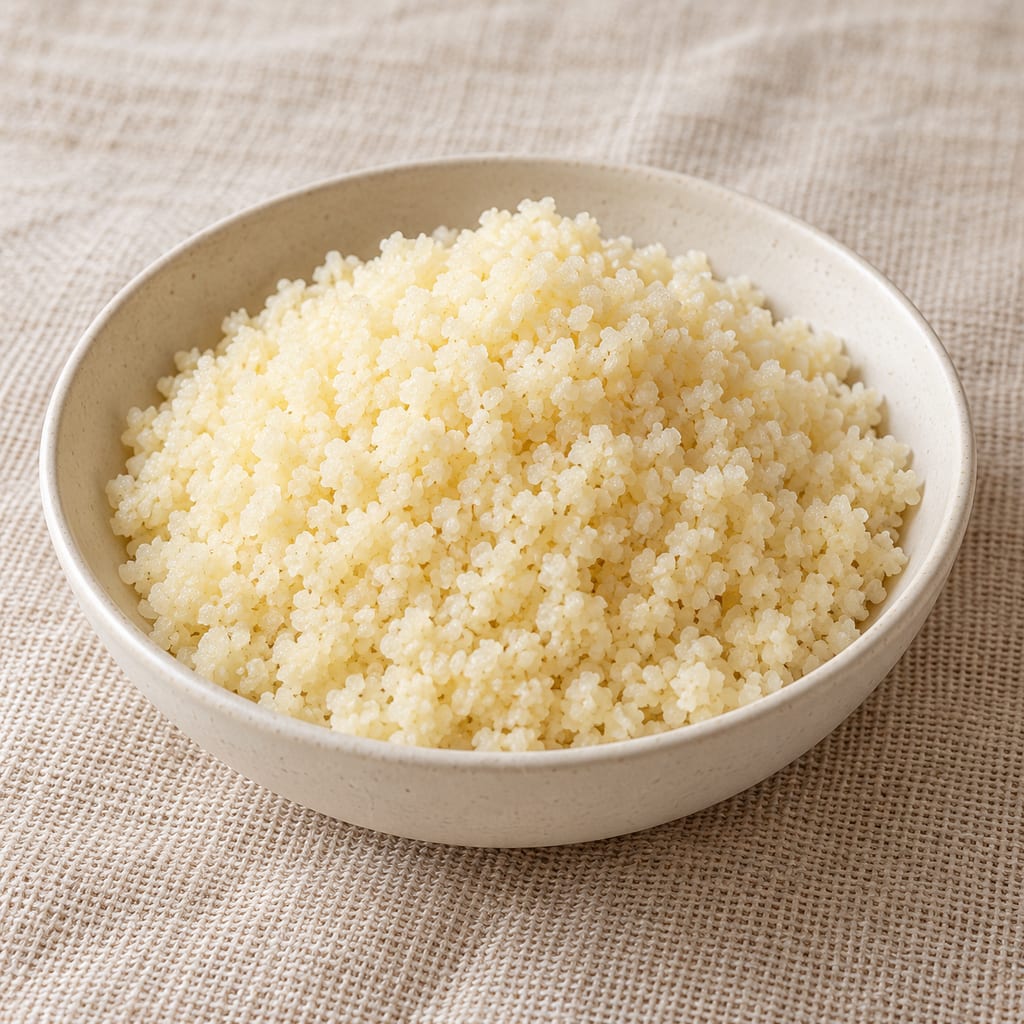
Ivorian cassava semolina: grated cassava is fermented overnight with a traditional inoculum, pressed, sieved into granules, dried and steamed. Documented in a 2006 field study; no sole original process is established.
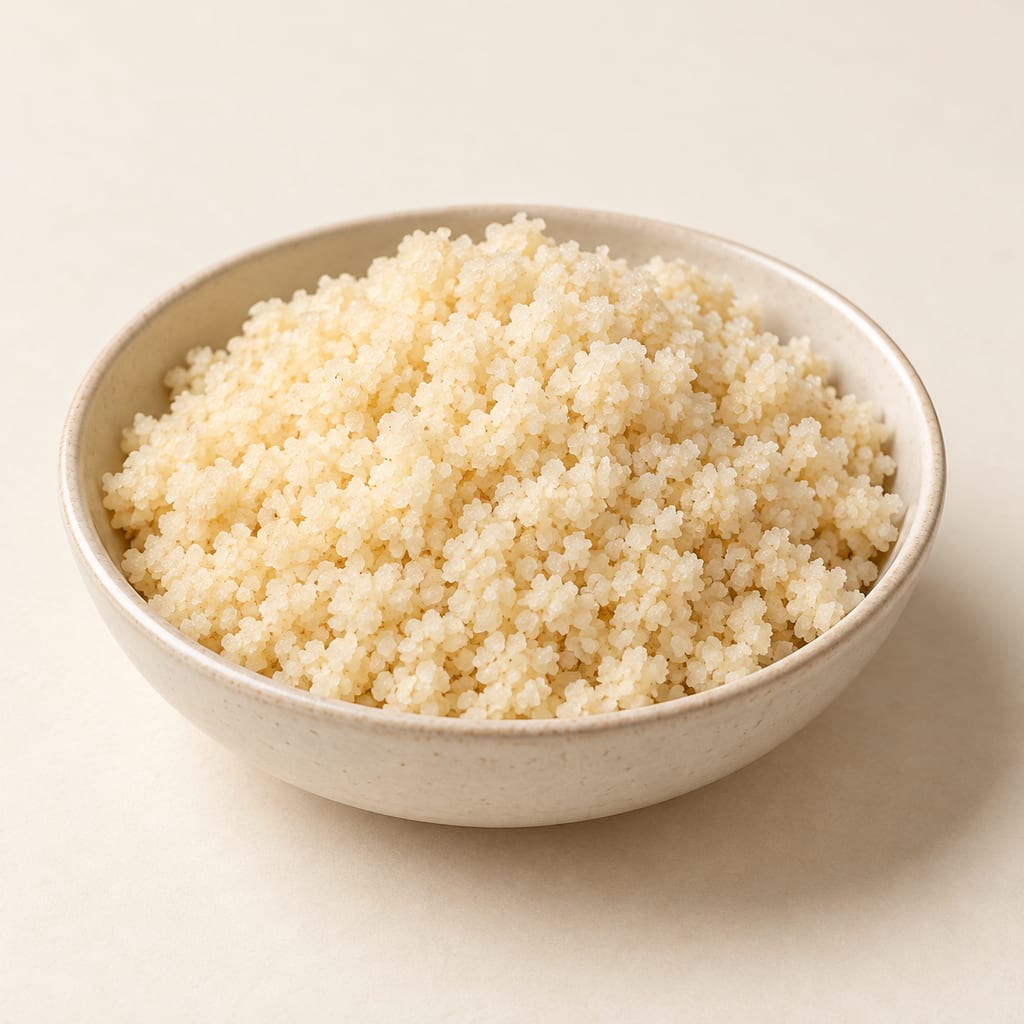
Attiéké is an Ivorian staple of grated cassava fermented with a traditional inoculum, then pressed, sieved, granulated, dried and steamed into fine couscous-like grains.

Crushed or milled barley cooked in water until the starch softens and the mixture thickens, the plainest way a northern household turned stored grain into a meal, here with apple and hazelnut.
A fermented pearl-millet gruel documented in Ouagadougou, Burkina Faso. Whole grain is soaked, wet-milled and sieved; the settled paste ferments again before it is cooked with its liquid.
No community contributions have been published for this entry yet.
Sign in to contribute. Published comments and photos are free to read.
FAOMethod · Science
Maize in human nutrition - Processing of whole maize: lime-cookingone part maize to two parts 1 per cent lime, 80 °C for 20 to 45 minutes, overnight, wash, grinding, 50 g tortilla, 14 to 15 hours, losses, tryptophan, Guatemalan variant
Cited in: Cooking the maize in lime; Grinding into masa; Variation and what is not known
UNESCOHistory
Traditional Mexican cuisine - ancestral, ongoing community culture, the Michoacán paradigm - UNESCO Intangible Cultural Heritagenixtamalisation, grinding stones, 2010
Cited in: Grinding into masa