
Pozol
Pozol is lime-cooked maize ground to dough, shaped into balls, wrapped in banana leaves and fermented for days, then stirred into water as a sour drink in southeastern Mexico.
 FermenteaWhere food goes to change
Modern adaptation
Pan de yema · Oaxacan egg-yolk bread
This Oaxacan yeast bread enriches wheat dough with eggs, extra yolks and butter, then shapes it into sesame-coated rounds for a long rise and a hot bake.
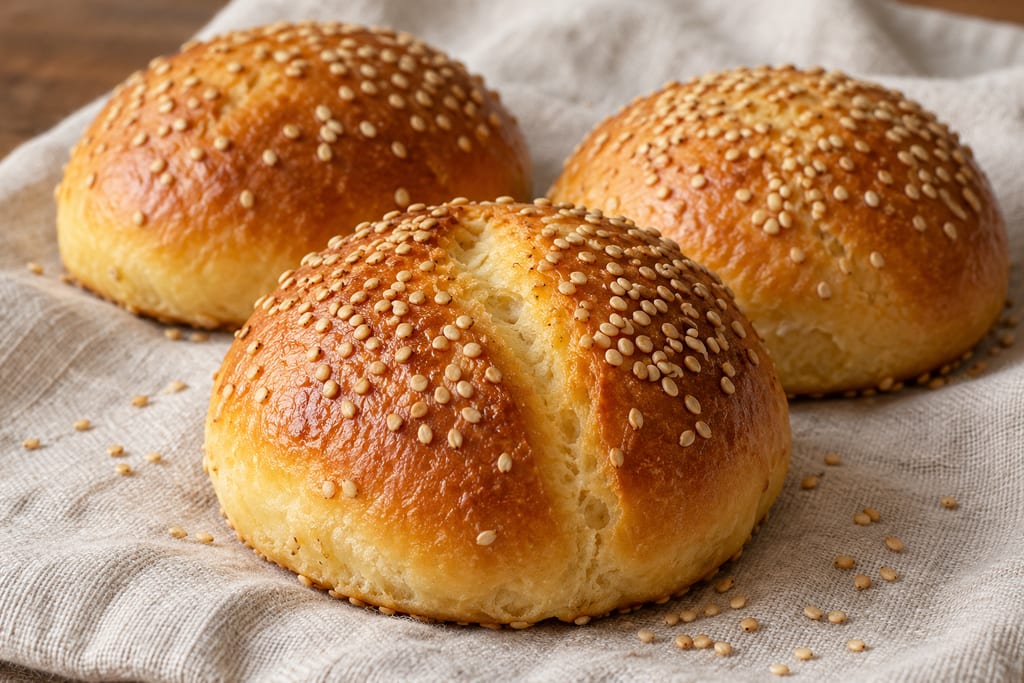
Pan de yema is an egg-rich sweet bread associated with Oaxaca. It is eaten through the year and has a particular place in November observances, including Día de Muertos. Larousse records a belief that the bread originated in Santo Domingo Tomaltepec, but that claim remains an attributed tradition rather than a verified birthplace.
This batch follows one modern home recipe by Irene of My Slice of Mexico. The baker uses a yeast sponge, wheat flour, whole eggs and extra yolks, butter, anise and sesame. The author divides her dough into eight small rounds; other sizes and shapes are also used. This formula does not represent every Oaxacan bakery or family method.
The recipe starts active dry yeast with lukewarm water, a little flour and sugar, then waits about 20 minutes for the mixture to bubble and expand. The remaining flour, sugar and salt go in a large bowl. Three whole eggs and four yolks enrich the dough; four egg whites are left over and can be used sparingly to help sesame seeds adhere.
After adding the sponge, the baker kneads vigorously for about 15 minutes until the dough stretches without breaking. The dough rises covered in a warm, not hot, place until doubled, about two hours. The source does not give a proofing temperature, so the visual rise is a recipe cue rather than a temperature-controlled schedule.
The author chooses eight portions, smooths them into round loaves and presses one brushed side into sesame seeds. The covered loaves rise again until doubled, about two hours. A shallow cut is made down the centre before baking.
The oven is set to 375°F (190°C). After 15 minutes, the trays are switched and rotated; baking continues for another 10–15 minutes until the loaves are a deep golden brown. The source gives no measured internal temperature or storage duration.
Raw flour and eggs can carry germs. Do not taste this dough before baking. Keep the raw dough away from ready-to-eat food, and wash hands, bowls, utensils and work surfaces after handling it. Bake at the temperature and for the time given in the recipe.
Oaxaca's government describes a Valles Centrales custom of adding a small face to pan de yema dedicated to a deceased person. Its account distinguishes this from breads made in other regions of the state. The eight sesame-coated rounds here do not include that decoration or claim to represent every offering form.
The same bread name also appears in ordinary bakery production. Santiago Zoochila's 2025 municipal plan lists pan de yema among family bakeries' products and describes sales at the Thursday market in Zoogocho and distribution to nearby communities. This documents one local trading setting, rather than a birthplace or a formula shared by all bakers.
Oaxaca's 2021 account of mayordomías places pan de yema among foods served at patron-saint celebrations. It describes volunteer mayordomos organizing the festivities and traditional cooks feeding guests during preparations and on the celebration day. Menus vary by region; the account names pan de yema or marquesote rather than prescribing one bread everywhere.
This adds a community-feast setting beyond Día de Muertos and everyday bakery sales. It does not identify the eight sesame-coated rounds here as a ceremonial standard or supply their ingredients. The recipe remains Irene's separate home version.
Grupo La Florida publishes a commercial formula built on 1 kg of flour: 20 g instant yeast, 20 g sweet-dough improver, 8 g salt, 200 g sugar, 10 g cinnamon, 15 g anise, 132 g yolks, 500 mL whole egg, 100 mL water and 250 g margarine, with sesame listed but not measured. It proofs to two and a half times the original size, and its bake varies with the size of the loaf.
Cocina Delirante gives a second household version: 500 g flour, 63 mL rompope, 63 g sugar, six eggs, 30 mL milk, 12 g fresh yeast, a teaspoon of vanilla, 188 g butter, two extra yolks and 50 g sesame. It yields about 14 and bakes 15 minutes at 200°C. The two differ in yeast, fat and liquid, and neither source compares the results. They are listed here for comparison; the method above stays Irene's, and nothing from these two is used to fill gaps in it.
Pan de yema is associated with Oaxaca and is eaten throughout the year, with a prominent role in November observances and Día de Muertos. Larousse reports a belief that it originated in Santo Domingo Tomaltepec, but the selected household recipe and available overview do not establish an earliest attestation or a single origin.
Yield 8 small round loaves, about 4 inches across · Scaling: source batch only
Uncooked flour and raw eggs can carry germs. Do not taste the dough before baking.
Hazard sourceKeep raw dough away from ready-to-eat foods, wash hands and tools after handling it, and bake according to the source's oven temperature and time.
Control sourceContains wheat, eggs, butter and sesame.
Do not taste the raw dough. The source provides a bake temperature and time but no measured internal-temperature endpoint or storage period.
The recipe author identifies this batch as Oaxacan pan de yema; Larousse describes the bread's Oaxacan use and customs. A specific birthplace is not asserted.
Pozol is lime-cooked maize ground to dough, shaped into balls, wrapped in banana leaves and fermented for days, then stirred into water as a sour drink in southeastern Mexico.
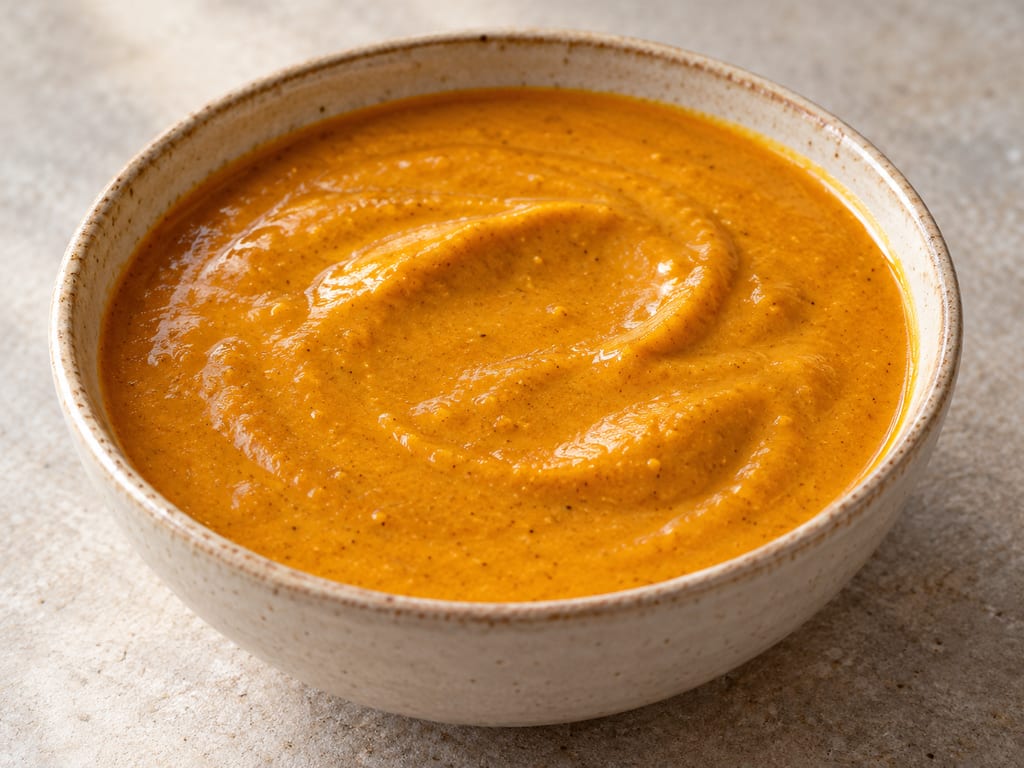
Mole amarillo, also called amarillito, is a yellow to orange Oaxacan mole built on cooked chile purée, thickened with corn masa and flavoured with herbs such as hoja santa, with no chocolate or dense nut mixture.
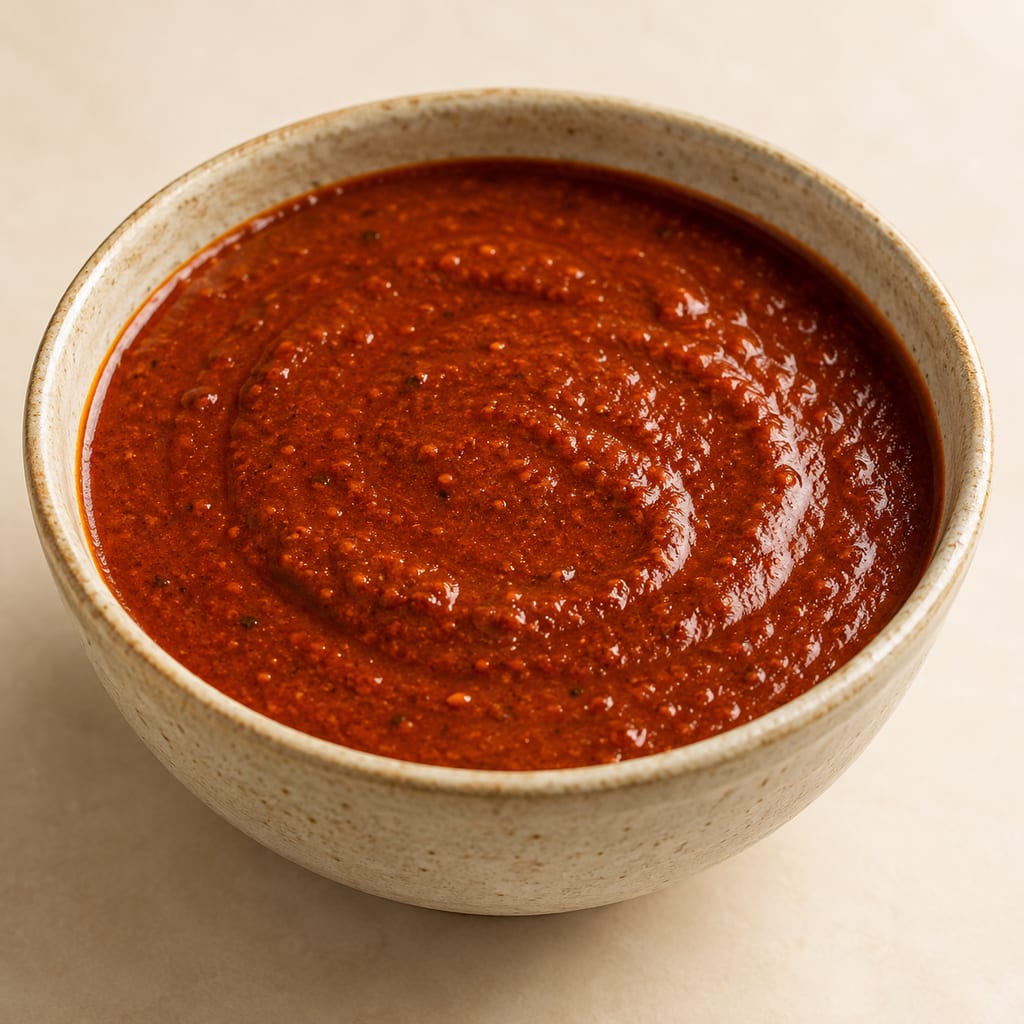
Mole coloradito is one of Oaxaca's seven moles: a brick-red sauce built on ancho chiles and tomato, thickened with ground seeds and nuts and sweetened with fruit, served in a lighter, thinner form than mole negro.
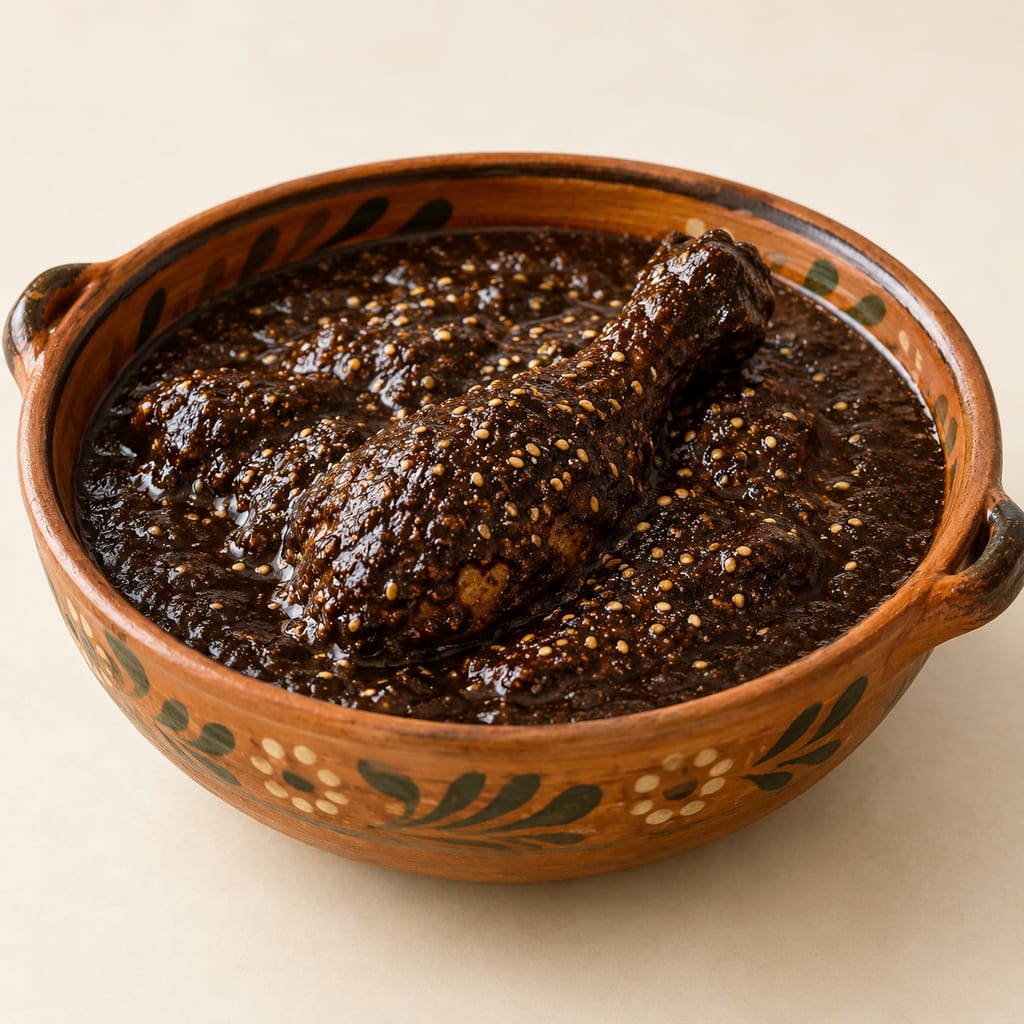
Mole negro is the darkest and most elaborate of Oaxaca's seven moles: dried chiles and seeds are toasted and charred, ground with nuts, spices, bread and chocolate, then fried and simmered into a thick black sauce.
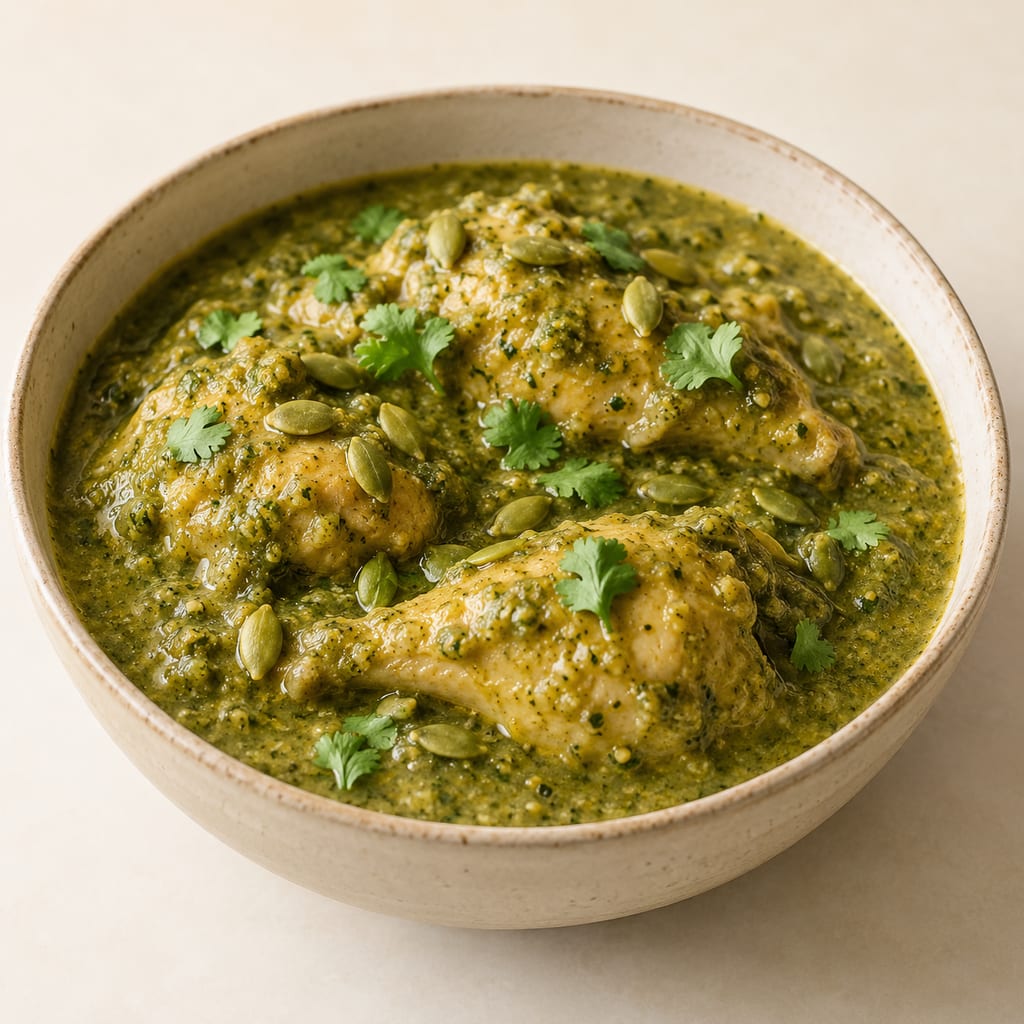
Mole verde is a green mole from Mexico and Oaxaca, built on tomatillos or green tomatoes, fresh herbs such as epazote and hoja santa, and ground pumpkin seeds or masa, with no need to toast dried chiles.
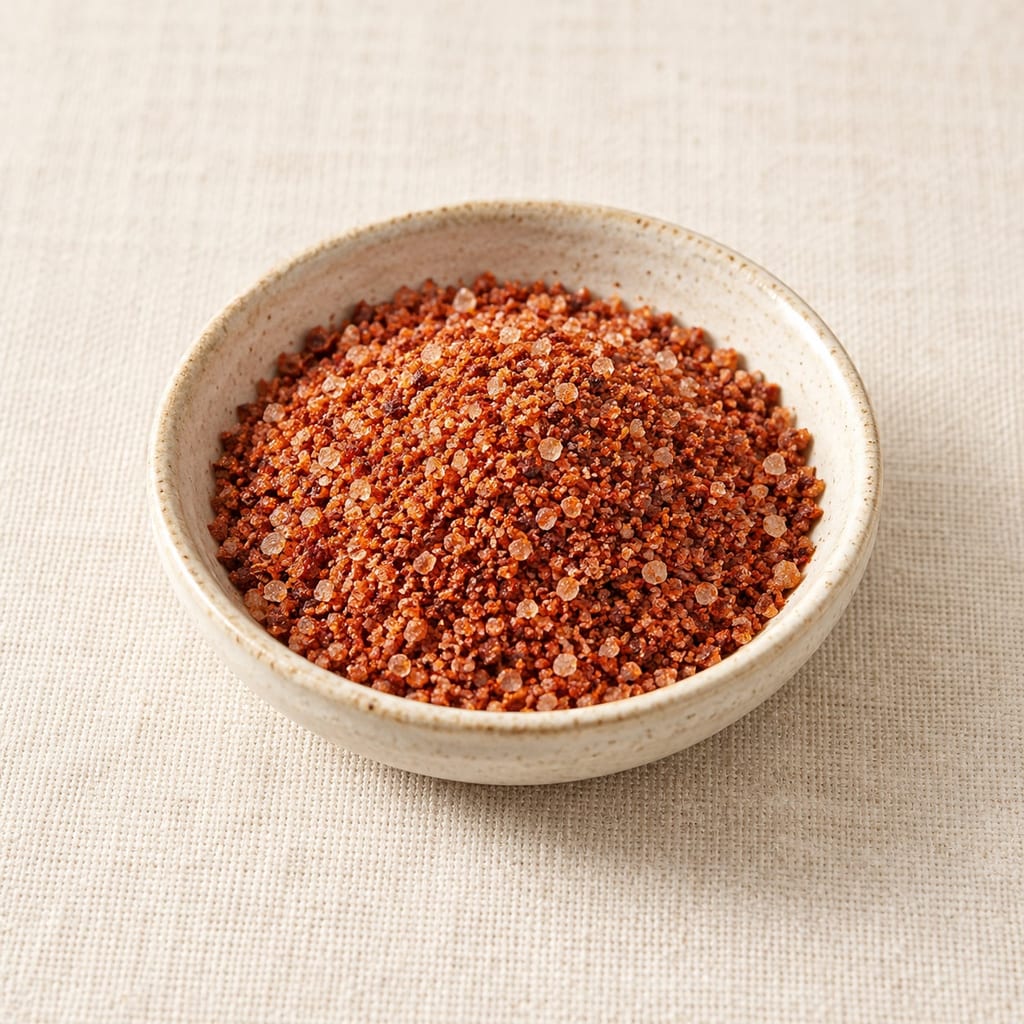
A dry Mexican seasoning of maguey worm, salt and chile, most closely associated in published accounts with Oaxaca and commonly served with mezcal, citrus and fruit.
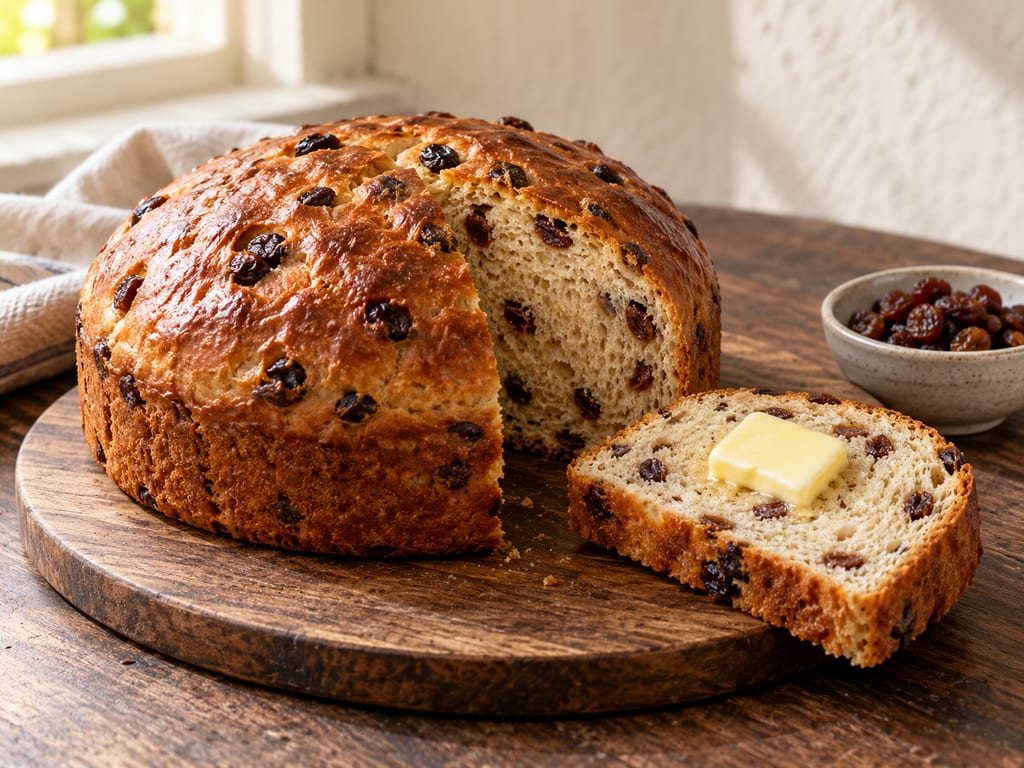
An Irish fruit-studded yeast loaf, associated in a contemporary cultural account with Halloween and often served fresh or toasted with butter.
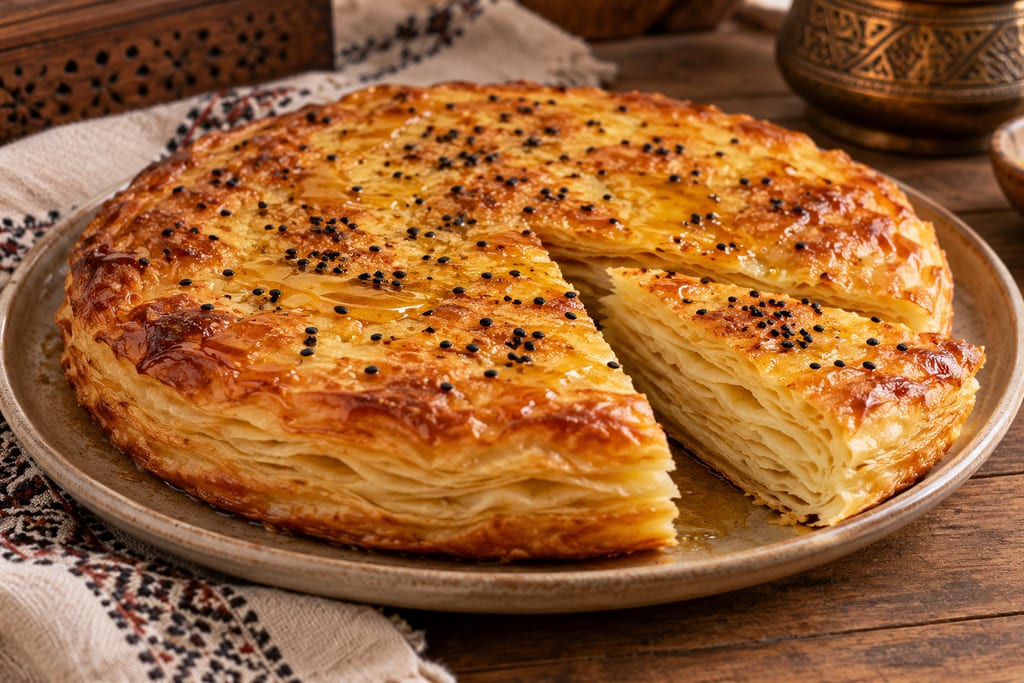
Bint al-sahn is a Yemeni celebration and home bread built from thin, egg-rich yeast dough layers brushed with ghee or butter. This source-specific version makes one round cake, baked until golden and served warm with honey.
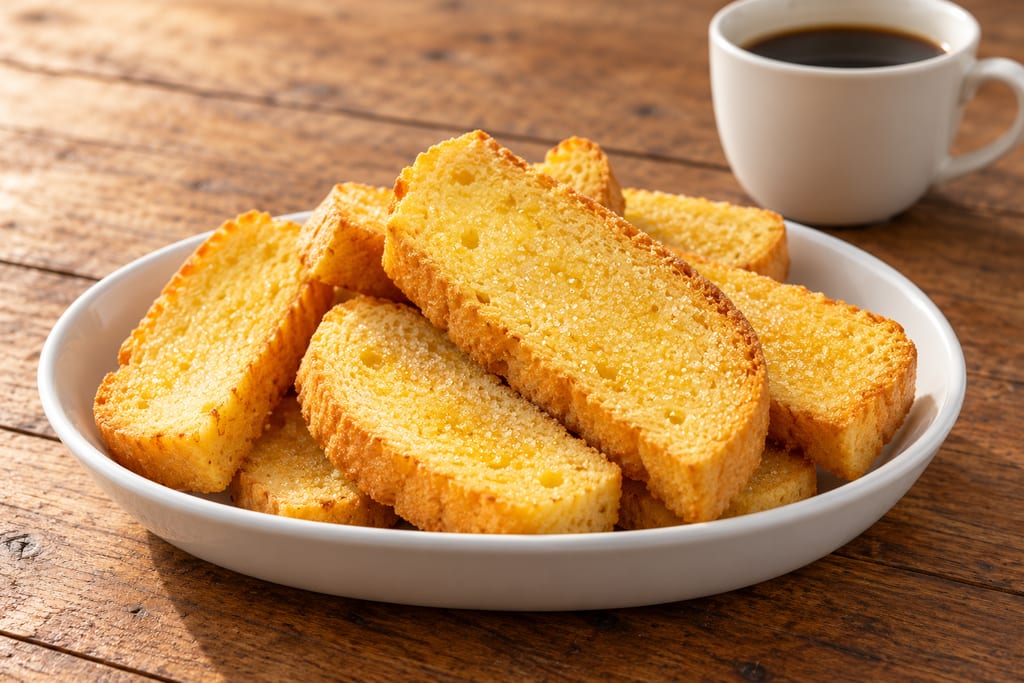
PagkainPinoy’s 24–30 piece version twice-bakes day-old soft bread with a thin butter-and-sugar coating.
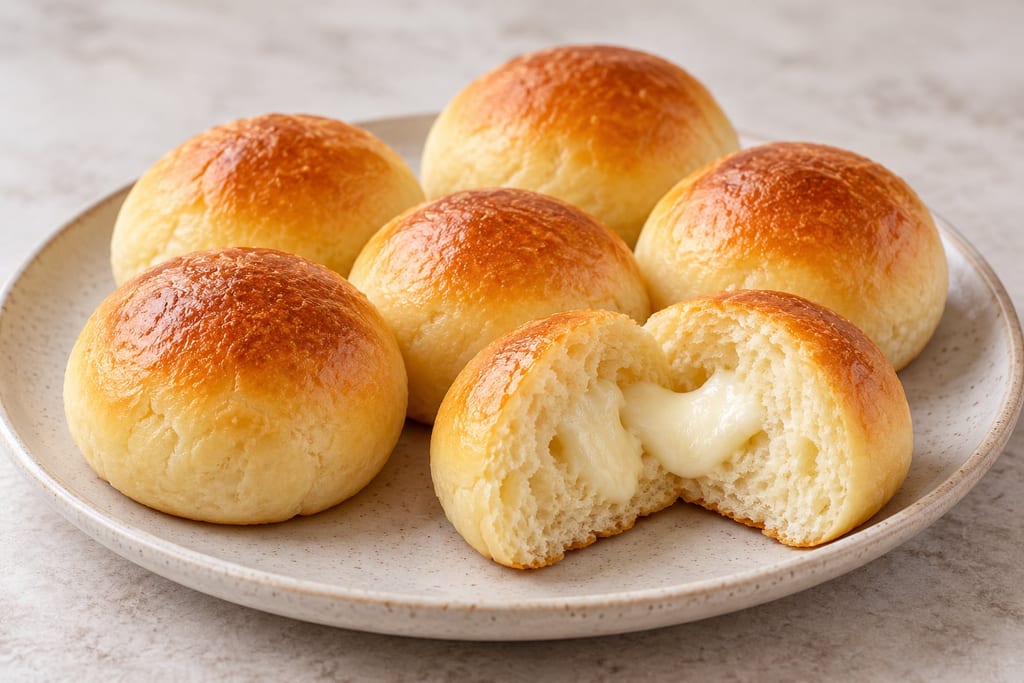
Soft Brazilian yeast rolls use cooked mashed potato in an enriched dough, with mozzarella cubes enclosed before baking.
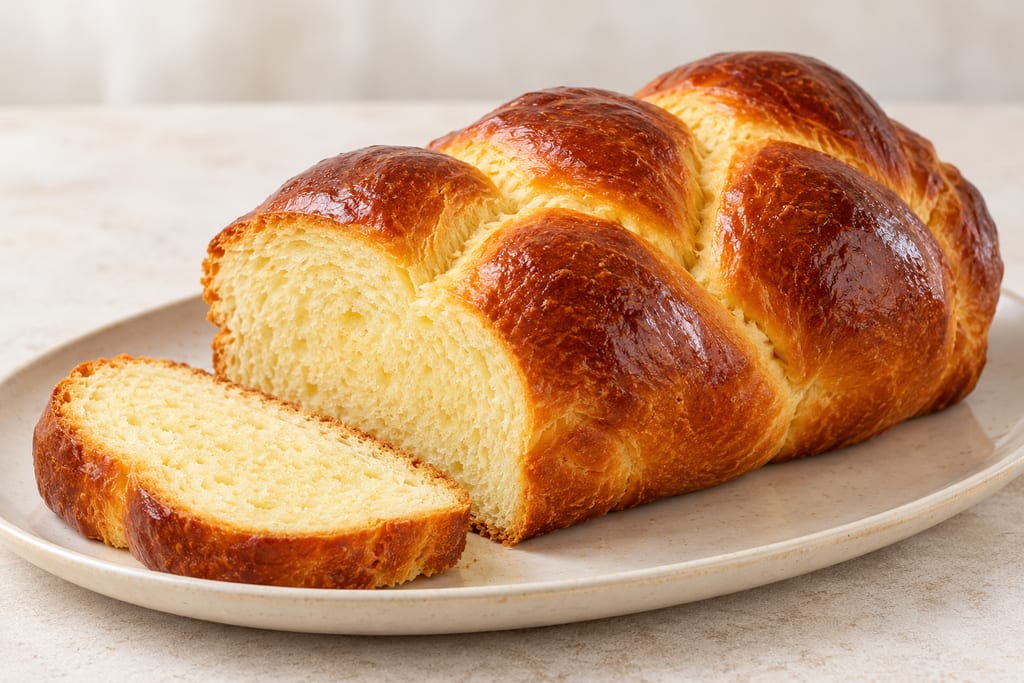
An egg-and-butter-rich yeast dough shaped as one round loaf, two loaves or twelve small brioches, with baking paths that vary by shape.
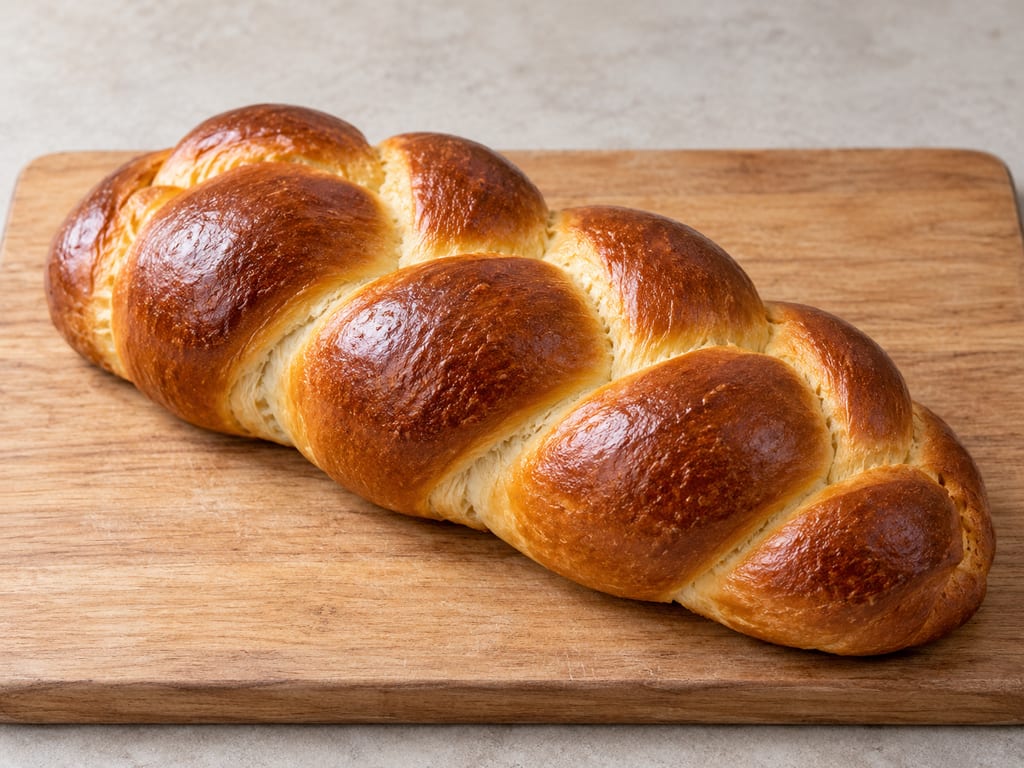
A three-strand yeast-raised challah with flour, salt, yeast, water, neutral oil, honey and egg, based on a Jewish Museum Vienna home recipe.
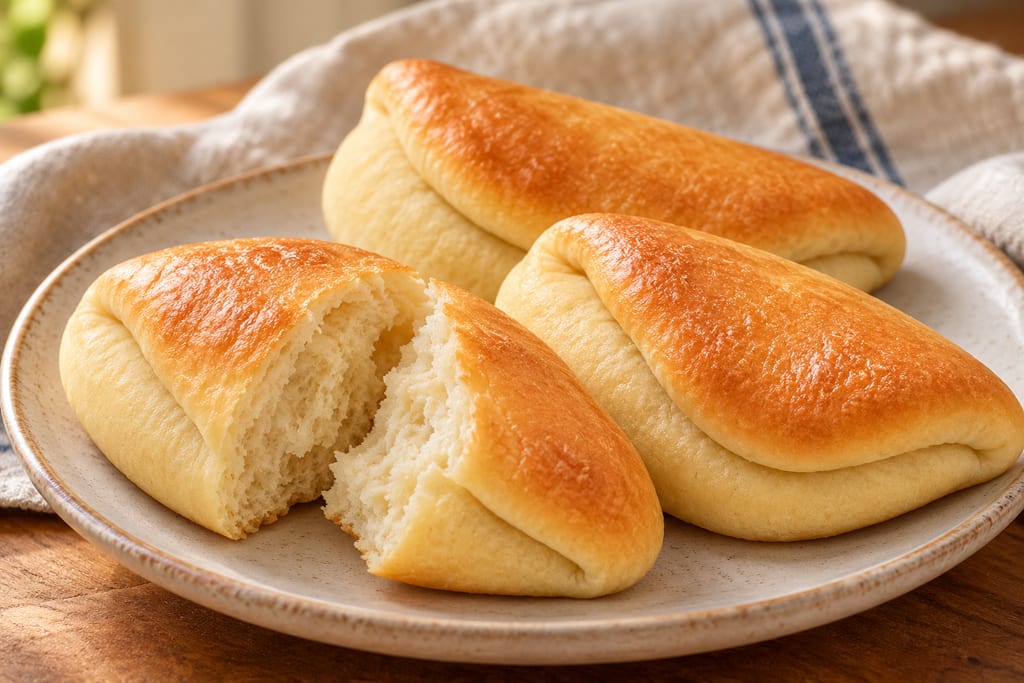
Jamaican-style folded rolls made from sweet coconut-milk yeast dough and brushed with butter.
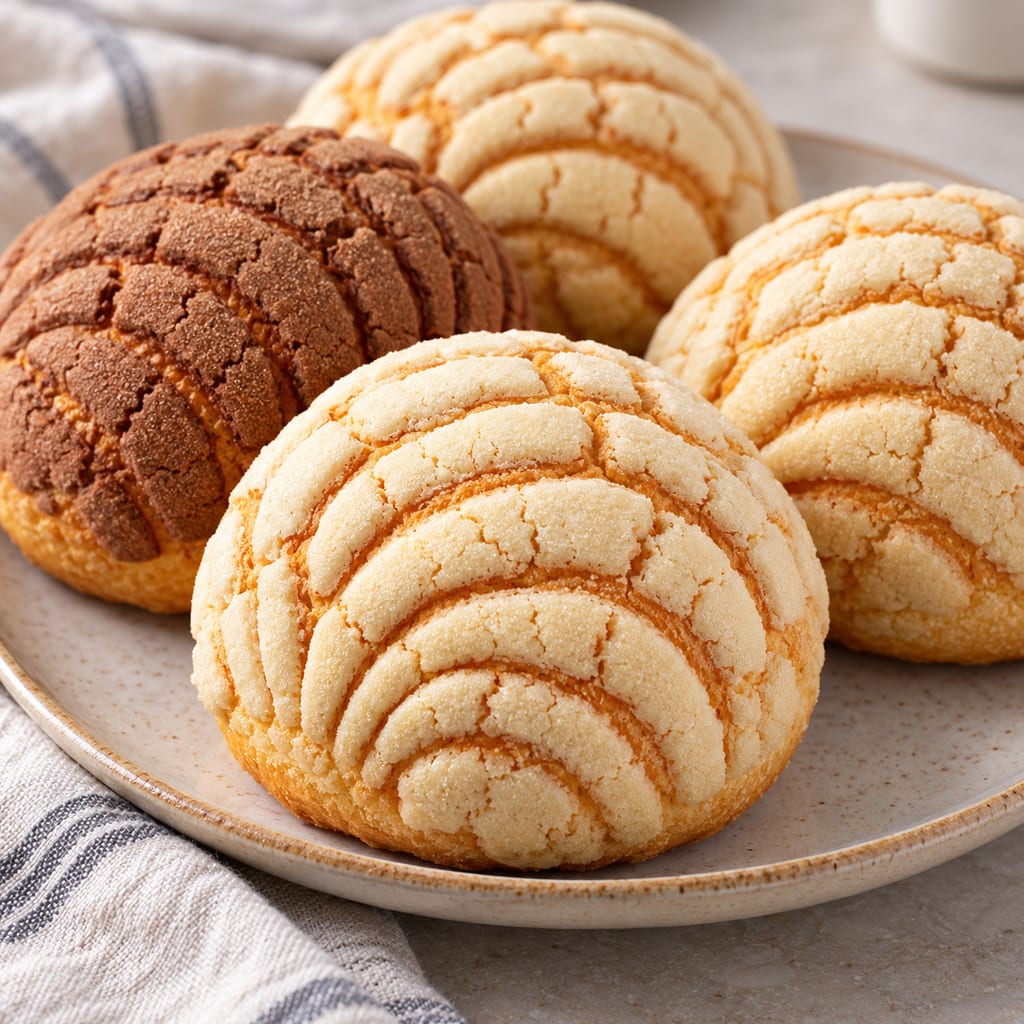
Mexican sweet rolls with a soft enriched yeast dough and a separate scored sugar-flour topping shaped like a shell. This version makes 15 rolls and uses a chilled dough rest before final proofing.
No community contributions have been published for this entry yet.
Sign in to contribute. Published comments and photos are free to read.
My Slice of MexicoIdentity · Ingredients · Method · Geography · Use
Pan de Yema – A Day of the Dead Bread from OaxacaGives one home batch with 11 g active dry yeast, 1/2 cup water, 500 g flour, 150 g sugar, butter, seven eggs, salt, anise and sesame.
Uses a yeast sponge, about 15 minutes of hand kneading, two rises of about two hours each, eight chosen round loaves, a 375°F (190°C) oven and 25–30 minutes of baking with tray rotation.
The author describes this as Oaxacan pan de yema eaten year-round and shaped specially for Day of the Dead; this is one home version, not a universal formula.
Cited in: An Oaxacan egg-yolk bread; Sponge, knead and rise; Shape and bake; Bread at community patron-saint celebrations
Larousse CocinaIdentity · Geography · History · Use
Pan de yemaDescribes pan de yema as a sweet bread typical of Oaxaca, consumed year-round and especially in November for Día de Muertos and All Saints’ Day, with particular customs in the Valles Centrales.
Reports that the bread is believed to originate in Santo Domingo Tomaltepec; this is kept as an attributed belief, not an established birthplace.
Describes egg-rich wheat dough, traditional hand work and adobe or brick ovens; the source recipe remains a separate modern home method.
Cited in: An Oaxacan egg-yolk bread
Centers for Disease Control and PreventionFood safety
Raw Flour and DoughUncooked flour and raw eggs can carry germs; do not eat raw dough, bake according to the recipe, keep raw flour and eggs separate from ready-to-eat foods, and wash hands and surfaces.
Cited in: Handle the dough safely
Gobierno del Estado de OaxacaContext
Tradiciones y colores del Día de Muertos en Oaxaca1 November 2022 account distinguishes Valles Centrales pan de yema with a face decoration from other regional offering breads.
Cited in: Regional forms of an offering bread
Municipio de Santiago Zoochila / Gobierno de OaxacaContext
Plan de Desarrollo Santiago Zoochila, Oaxaca 2025Lists pan de yema among family bakery products and describes Thursday sales at Zoogocho and distribution to neighbouring communities; not a dish-origin claim.
Cited in: Regional forms of an offering bread
Wikimedia Commons / Reforma.imufomotImage reference
Pan de Yema.JPGOctober 2008 own-work photograph with explicit worldwide public-domain release; timestamp watermark disclosed. Visual confirmation pending; not yet counted.
Gobierno del Estado de OaxacaCultural context · Documented use
Mayordomías, fiestas emblemáticas de Oaxaca1 September 2021 state account describes voluntary mayordomos organizing patron-saint festivities and traditional cooks feeding guests during preparations and celebration.
Names pan de yema or marquesote among foods served, with menus varying by region. This supports a community feast role beyond the November observance; it supplies no formula or proof of universal custom.
Cited in: Bread at community patron-saint celebrations
Wikimedia Commons / Reforma.imufomotImage rights research
Pan de Yema.JPG original download checkIndividual description page freshly confirms worldwide public-domain release, 31 October 2008 photograph, 1280 by 960 original with visible timestamp watermark disclosed. Direct original download failed with a Wikimedia error; no local image or visual acceptance obtained. Qualifying count remains zero. Bounded repeat confirmed HTTP 429; no further retries in this pass.
Grupo La FloridaMethod · Comparison
Pan de yemaA commercial formula: 1 kg flour, 20 g instant yeast, 20 g sweet-dough improver, 8 g salt, 200 g sugar, 10 g cinnamon, 15 g anise, 132 g yolks, 500 mL whole egg, 100 mL water and 250 g margarine, with sesame listed without an amount.
The proof target is two and a half times the original size; the bake schedule varies with loaf size.
Cited in: A commercial and a second household formula
Cocina DeliranteMethod · Comparison
Pan de yema oaxaqueño: receta deliciosaA household formula: 500 g flour, 63 mL rompope, 63 g sugar, six eggs, 30 mL milk, 12 g fresh yeast, 1 teaspoon vanilla, 188 g butter, two yolks and 50 g sesame.
Yield about 14; bake 15 minutes at 200°C.
Cited in: A commercial and a second household formula