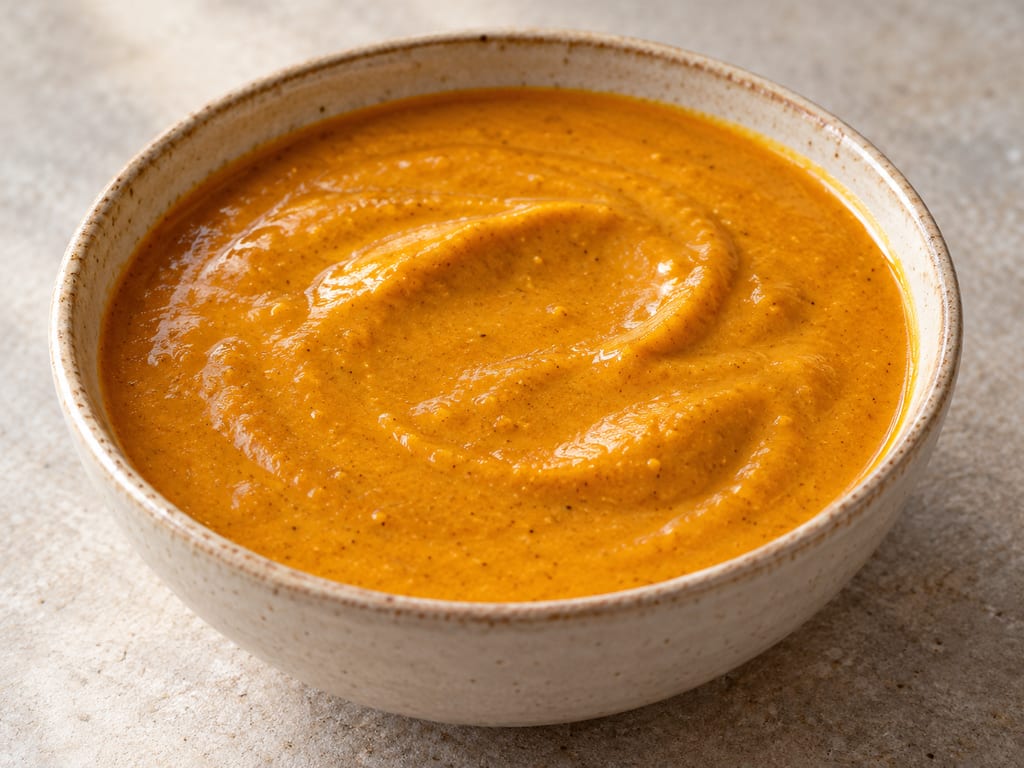
Mole amarillo
Mole amarillo, also called amarillito, is a yellow to orange Oaxacan mole built on cooked chile purée, thickened with corn masa and flavoured with herbs such as hoja santa, with no chocolate or dense nut mixture.
 FermenteaWhere food goes to change
Black mole · Mole negro oaxaqueño
Mole negro is the darkest and most elaborate of Oaxaca's seven moles: dried chiles and seeds are toasted and charred, ground with nuts, spices, bread and chocolate, then fried and simmered into a thick black sauce.
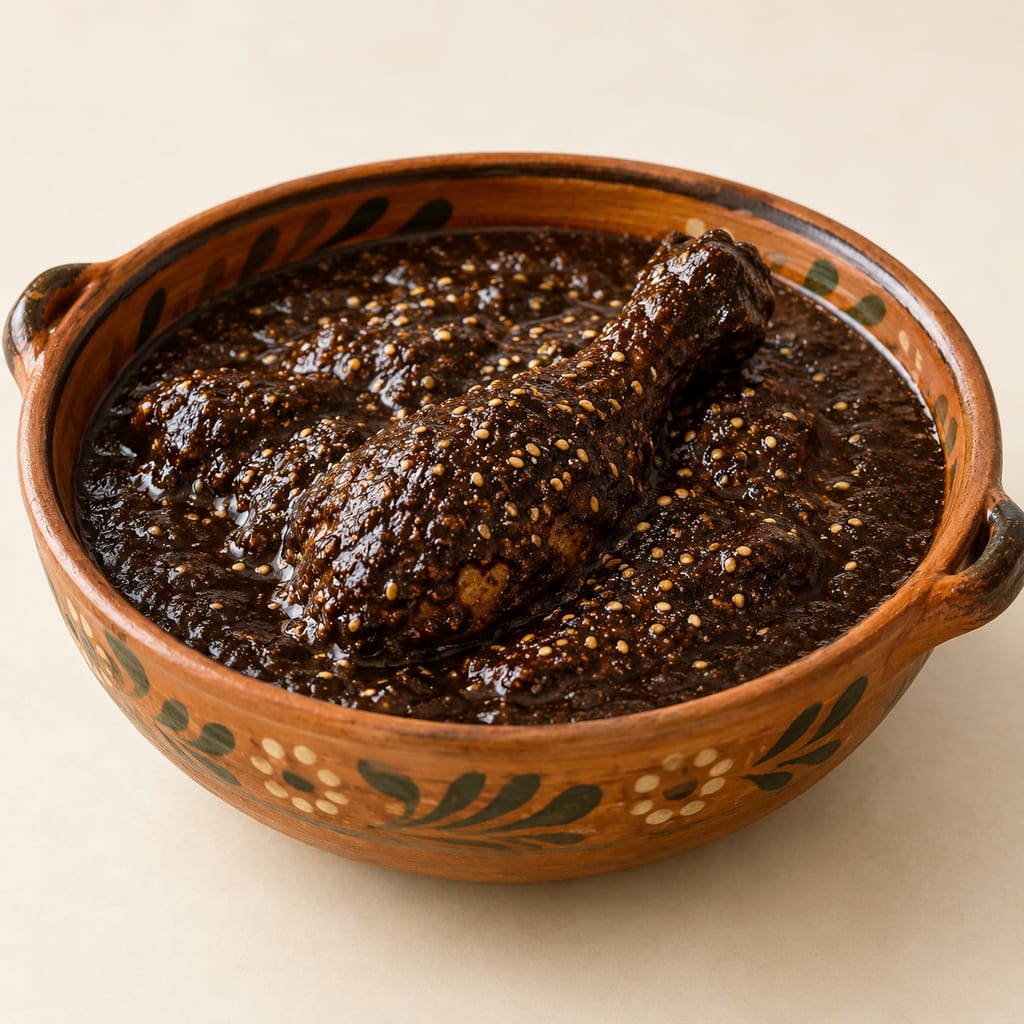
Mole negro is the best-known of the seven moles of Oaxaca. Its name means black mole, and the colour comes from deliberately charred chile seeds and, in the traditional recipe, the rare chilhuacle negro chile.
The sauce is a thick paste rather than a stock. Several dried chiles, seeds, nuts, bread, plantain and chocolate are toasted, ground, fried and simmered. It is one of the most complex moles, with twenty or more ingredients in many recipes.
The sauce draws on Indigenous ingredients and on later colonial additions. Cinnamon, cloves, black pepper, almonds and raisins arrived through the trade routes, including the Manila galleons, and the mixture was refined in the convents of Puebla and Oaxaca.
Puebla and Oaxaca both claim the origin of the mole family, and the accounts do not settle the question. Whether chocolate was an early ingredient is also debated.
Cooks clean, seed and toast each chile separately. Under-toasting leaves the sauce flat and over-toasting produces bitterness, so the chiles are watched closely. Some seeds are charred for colour.
The toasted chiles are soaked and ground with fried onion, garlic, tomato, nuts, seeds, bread, plantain and spices. The paste is fried in fat, thinned with broth and simmered slowly until it is thick and glossy.
Mole negro differs from the other Oaxacan moles: mole coloradito is brick-red, mole amarillo is yellow and mole verde is green. Recipes for mole negro vary widely, and cascabel or other dried chiles often stand in for chilhuacle.
In Oaxaca it is prepared for patron-saint feasts, for the dead and for funerals.
Mole negro draws on Indigenous ingredients and later colonial additions. Accounts of the trade say cinnamon, cloves, black pepper, almonds and raisins reached Mexican kitchens through trade routes, including the Manila galleons, and that the blend was refined in the colonial convents of Puebla and Oaxaca.
Oaxacan accounts present mole negro as the best-known of the state's seven moles, and as a dish made for patron-saint feasts, for the dead and for funerals. No dated source the sources cite fixes the first mole negro, and the origin of mole as a family is disputed between Puebla and Oaxaca.
Oaxaca lists mole negro among its seven moles. The sources give no single town of origin.
Mole amarillo, also called amarillito, is a yellow to orange Oaxacan mole built on cooked chile purée, thickened with corn masa and flavoured with herbs such as hoja santa, with no chocolate or dense nut mixture.
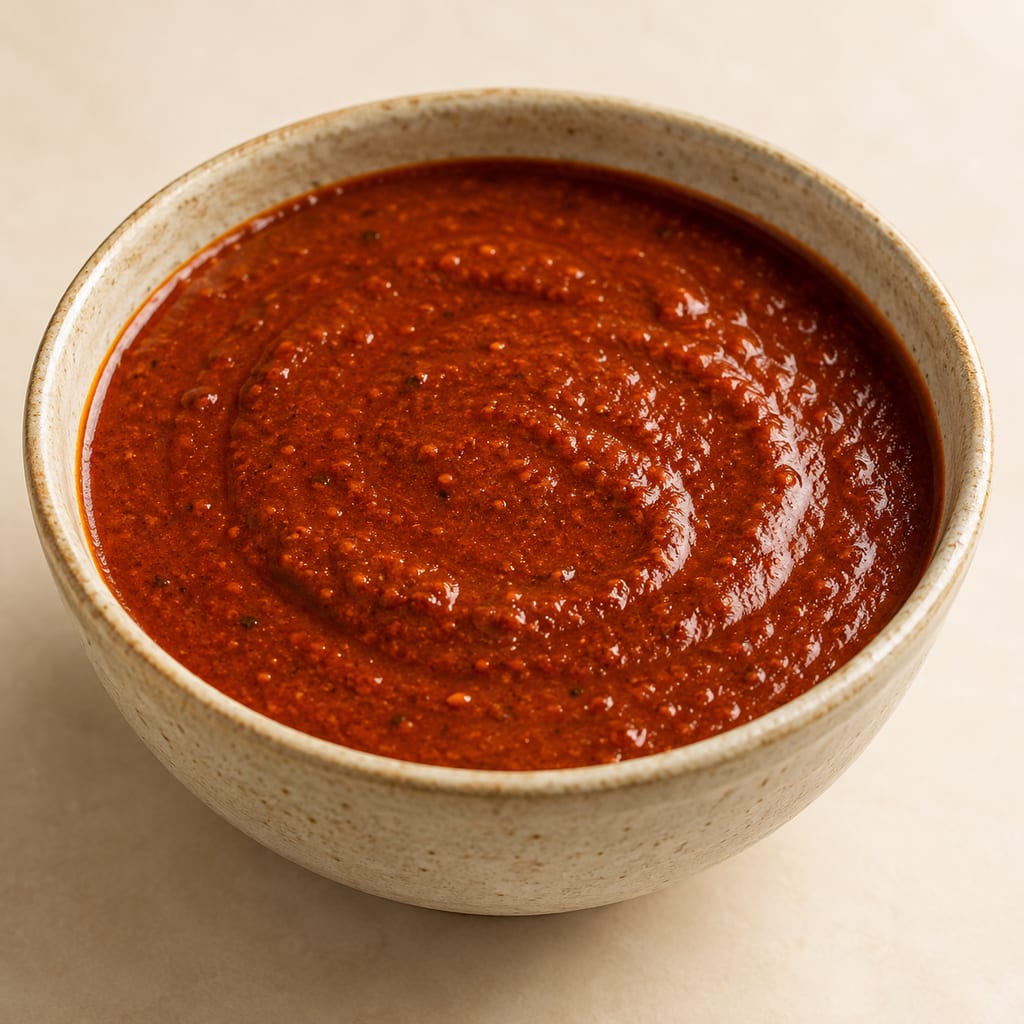
Mole coloradito is one of Oaxaca's seven moles: a brick-red sauce built on ancho chiles and tomato, thickened with ground seeds and nuts and sweetened with fruit, served in a lighter, thinner form than mole negro.
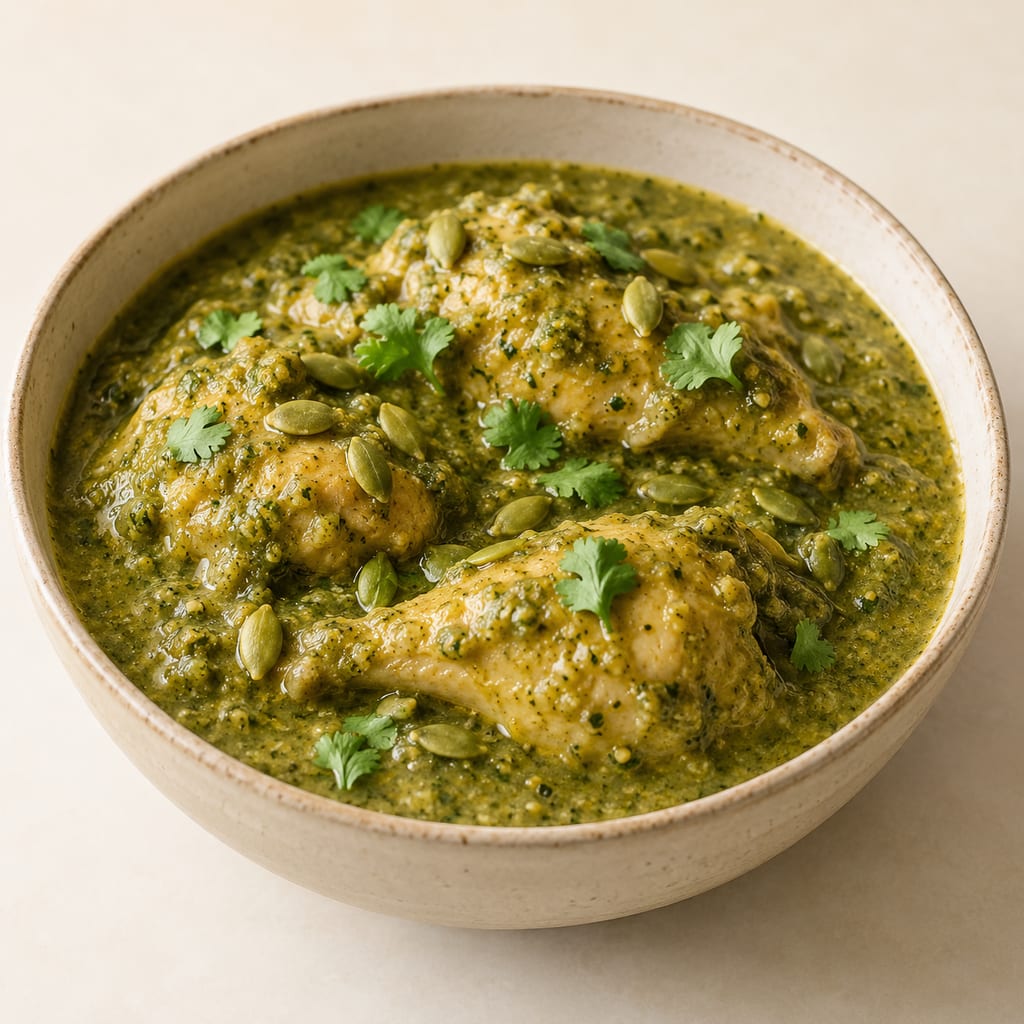
Mole verde is a green mole from Mexico and Oaxaca, built on tomatillos or green tomatoes, fresh herbs such as epazote and hoja santa, and ground pumpkin seeds or masa, with no need to toast dried chiles.
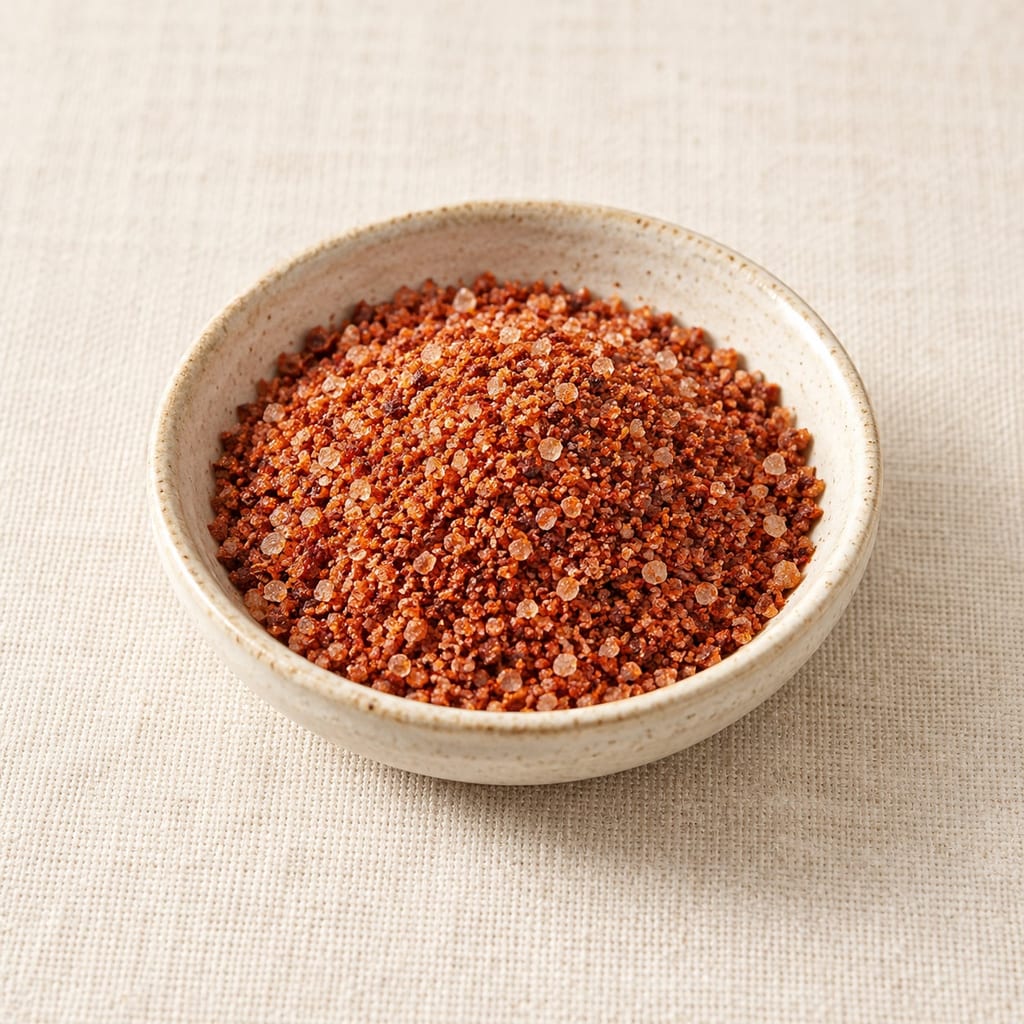
A dry Mexican seasoning of maguey worm, salt and chile, most closely associated in published accounts with Oaxaca and commonly served with mezcal, citrus and fruit.
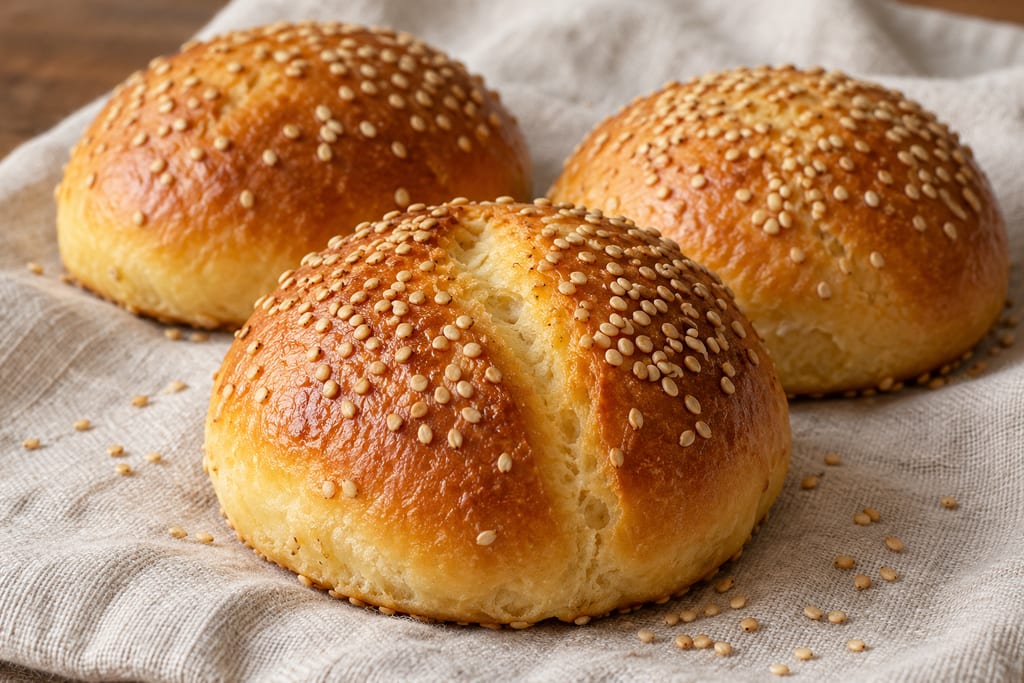
This Oaxacan yeast bread enriches wheat dough with eggs, extra yolks and butter, then shapes it into sesame-coated rounds for a long rise and a hot bake.

Pozol is lime-cooked maize ground to dough, shaped into balls, wrapped in banana leaves and fermented for days, then stirred into water as a sour drink in southeastern Mexico.
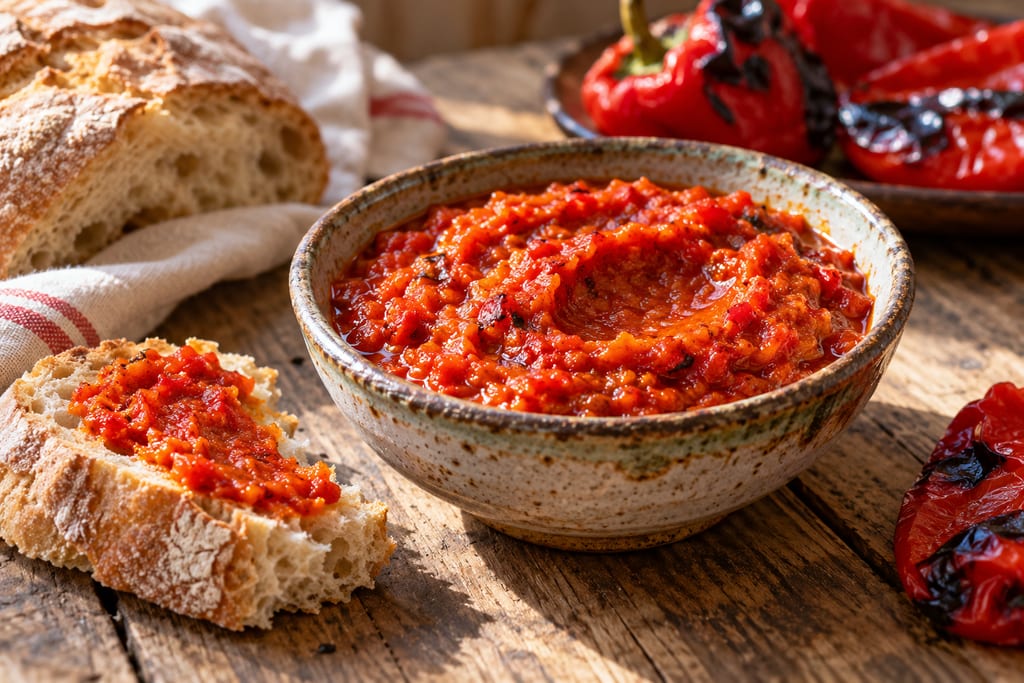
Ajvar is a cooked Balkan pepper preserve built around roasted red peppers, peeled, drained, ground and slowly fried with oil and seasoning. Leskovac’s protected version is a pepper specialty; regional versions vary.
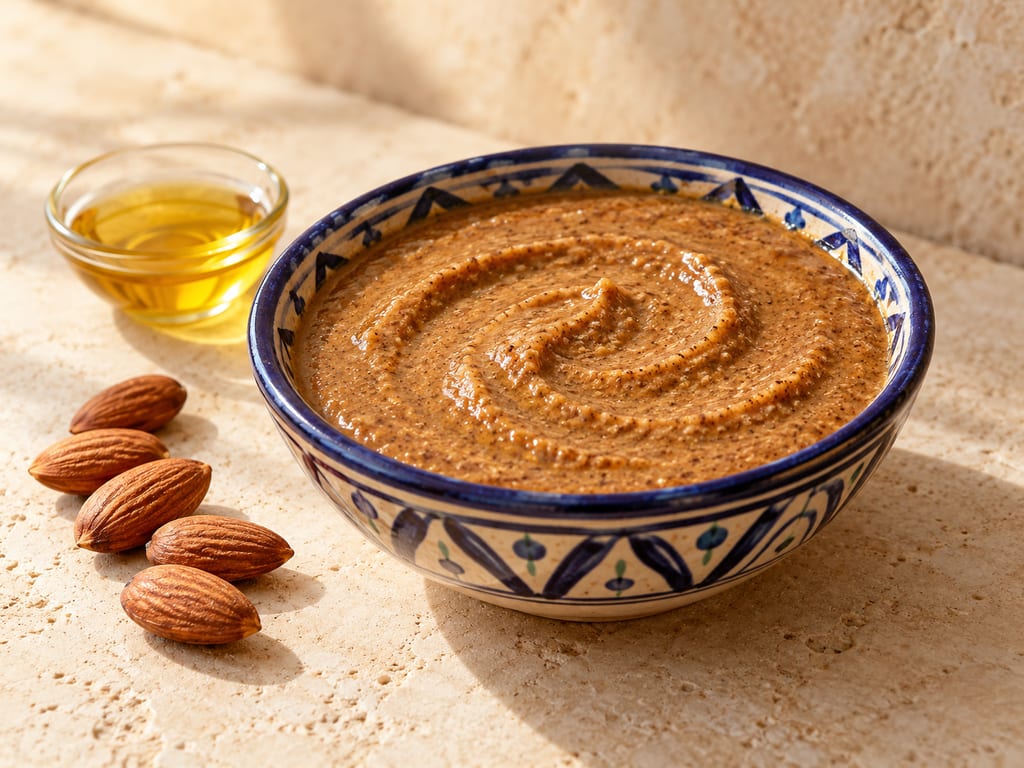
Amlou is a nutty, lightly sweet Moroccan spread of roasted almonds, culinary argan oil and honey. The almonds are ground first, then loosened with oil and sweetened; the balance can range from a thick spread to a dip.
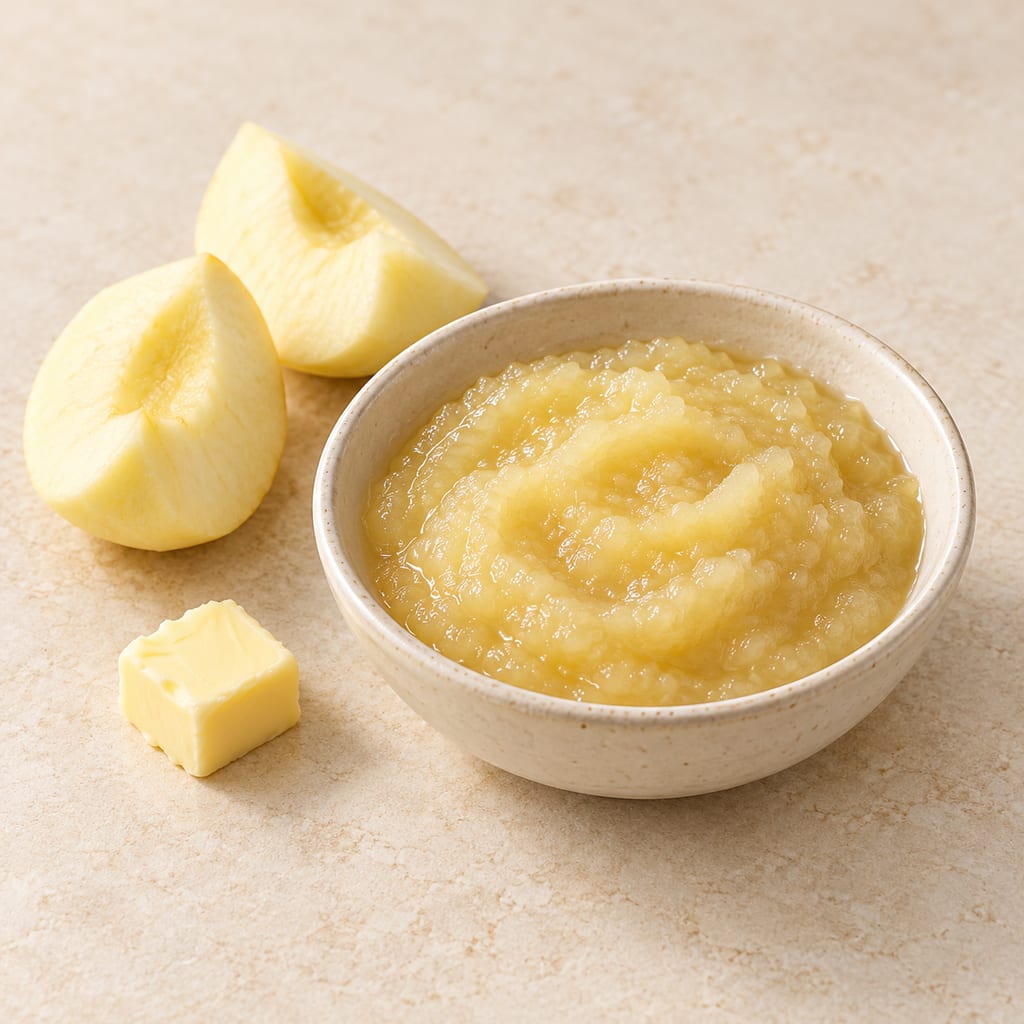
Apple sauce for goose and pork is a plain English accompaniment: cooked apples pulped with water, then sweetened with sugar and finished with a little butter.

A warm dip of garlic, anchovy and olive oil, often enriched with butter, that Piedmont serves over a flame with raw and cooked vegetables and bread.
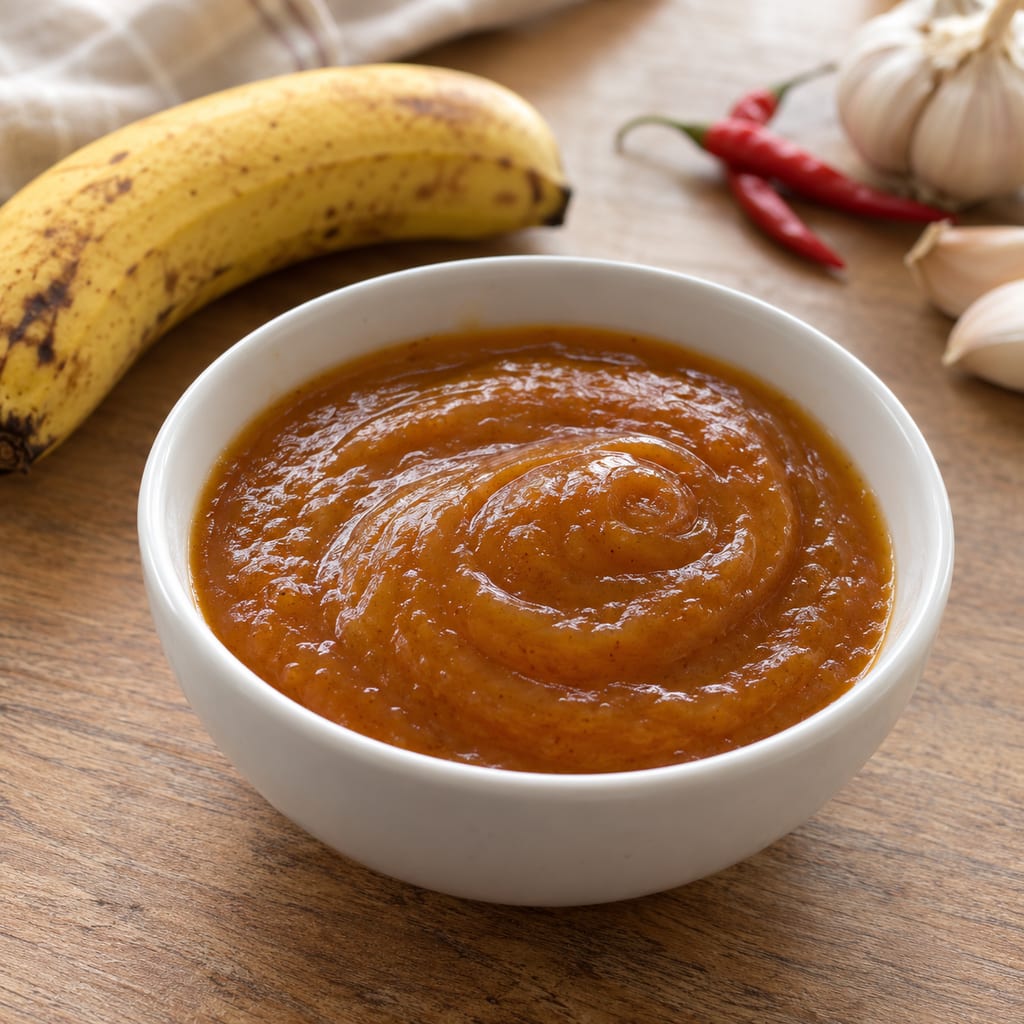
A sweet-hot table sauce of ripe banana simmered with vinegar, sugar, onion, garlic and fresh chilli, in the manner of Philippine banana ketchup. An untested development batch of about 500 g.
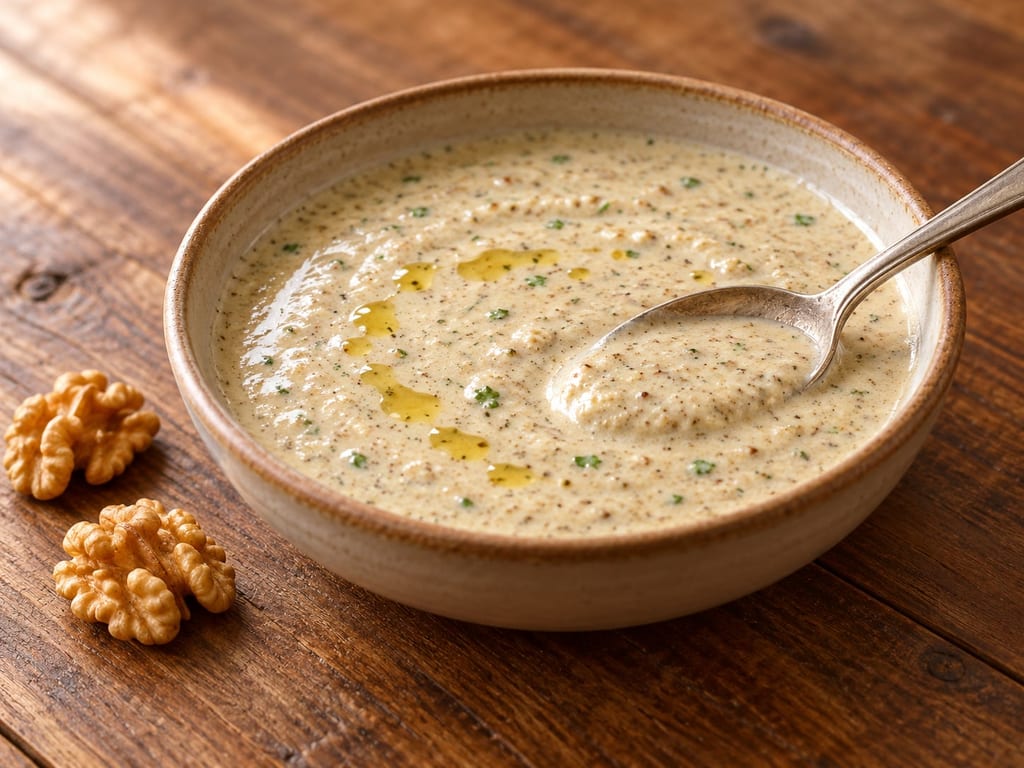
A Georgian walnut sauce of ground walnuts, garlic, vinegar and spices, thinned with water or broth. It is served with poultry, vegetables and bread, and is the sauce of the dish satsivi.
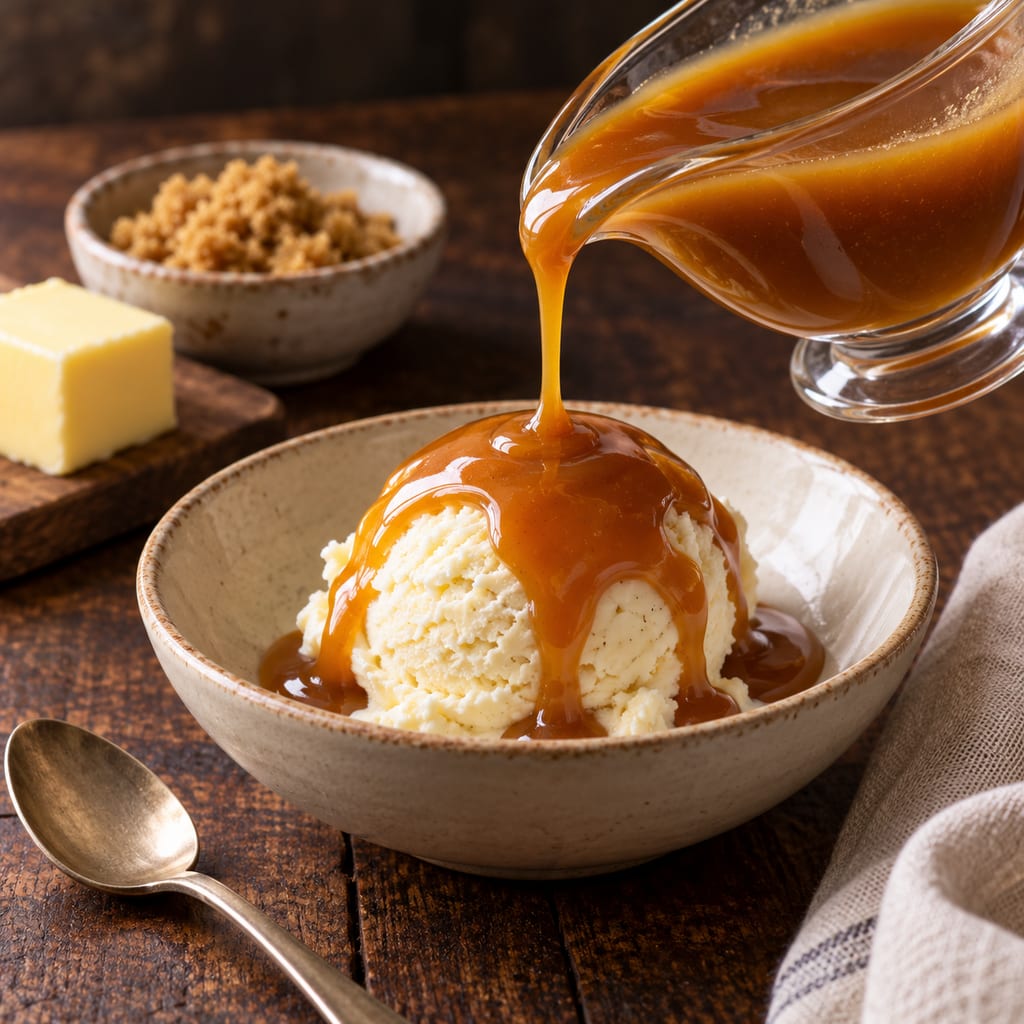
A pourable dessert sauce of brown sugar, butter and cream, with a little corn syrup and salt. It is the sauce form of the butterscotch confection and is made without water, unlike caramel.
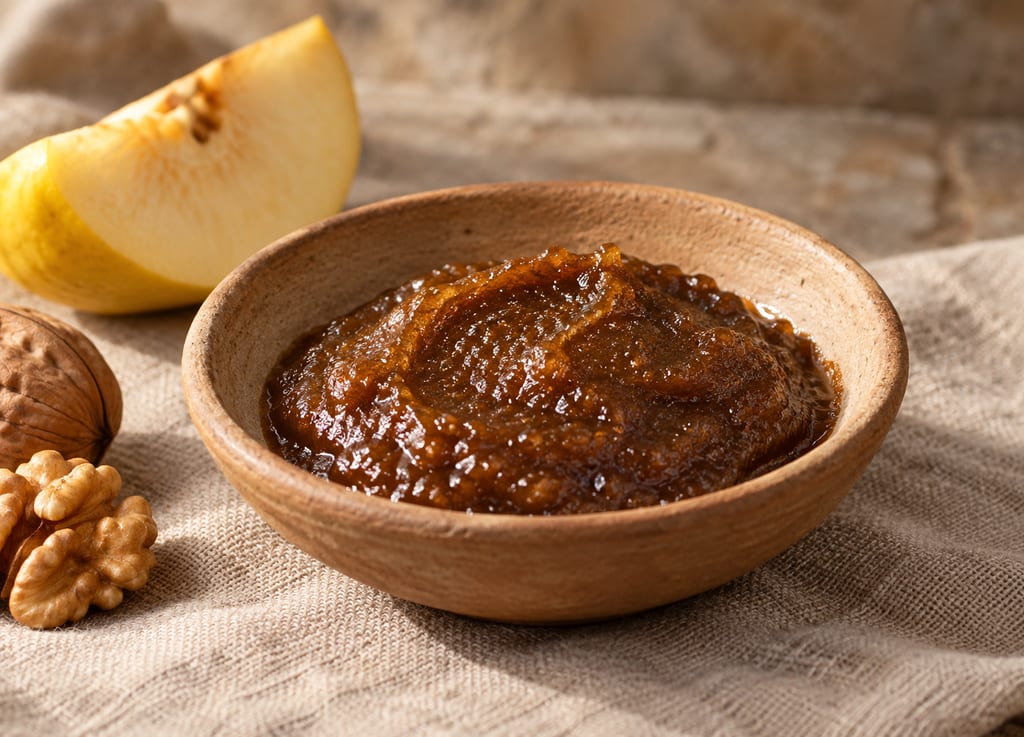
Byzantine murrī is a cooked imitation of murrī from the medieval Arabic repertoire, made from scorched honey, toasted bread, walnuts, quince, carob and spices rather than from a long grain fermentation.

A gelling polysaccharide extracted from red seaweeds, sold as kanten strips or powder; it sets firm at a low concentration and stays solid until about 85 °C.

A Dominican table and seasoning condiment of sour orange juice, mixed with lime and salt and bottled raw; garlic, oregano or a hot pepper may be added for meat or a spicier bottle.

Cicerbita alpina is an alpine perennial whose tender shoots and leaves have been eaten raw or cooked. Sámi milk preparations and modern Carnian dishes are distinct uses, with serious identification and preservation limits.

Japanese skipjack tuna cooked, then repeatedly smoked and dried over a wood fire by the hand-fired tebiyama method into a hard block for shaving into dashi: the first stage of katsuobushi.

A Swedish-style spirit vinegar made by fermenting neutral alcohol with live vinegar bacteria, with a separate guide to commercial ättika strengths.

A yeast-raised wheat ring shaped from a firm dough, briefly boiled and baked. This source-batch formula gives a gently malted crust and a chewy crumb.

Bechamel is a white sauce of milk thickened with a butter and flour roux, one of the French mother sauces, and the base from which Mornay and other cheese and cream sauces are made.
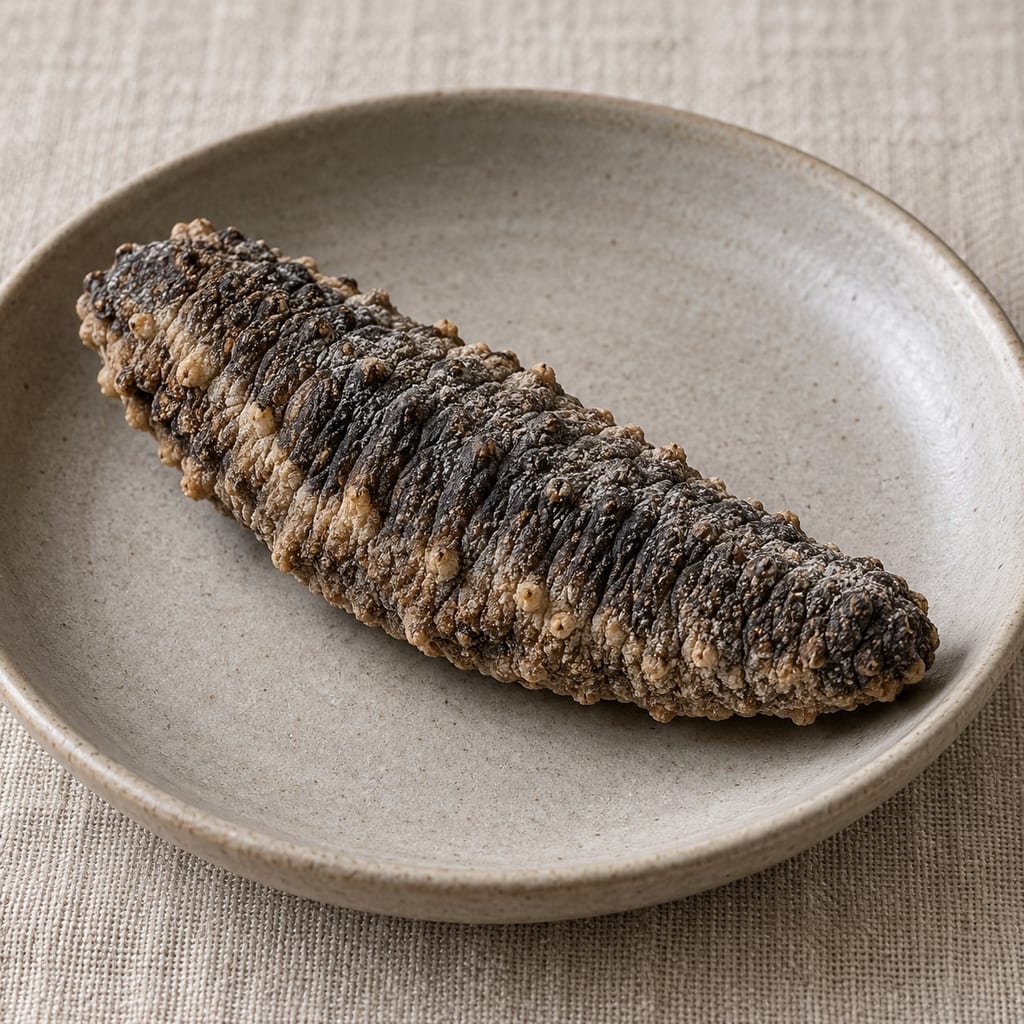
Sea cucumber cleaned, boiled and dried, sometimes with smoke, into a long-keeping trade product; Makassan processing in Arnhem Land is documented from at least the eighteenth century.
No community contributions have been published for this entry yet.
Sign in to contribute. Published comments and photos are free to read.
WikipediaHistory · Method
Mole saucePuebla and Oaxaca both claim the origin of mole, and the evidence does not settle it.
Mole negro uses two or more of ancho, pasilla, mulato and chipotle chiles, with charred ingredients and more chocolate for the black colour.
Chocolate is described as most likely a later addition to moles.
Cited in: History; Use
WikipediaHistory · Method
Oaxacan cuisineMole negro is the best-known of Oaxaca's seven moles, with twenty to thirty-plus ingredients including several chiles, plantain, chocolate and tortilla.
The chiles must be toasted well but not burnt to achieve the colour.
Cited in: Overview; Variants and related sauces
Food RepublicHistory
The 7 Moles Of OaxacaOaxaca's seven moles are regional family members, with mole negro the best known.
Modern AdventureHistory
The History and Flavors of Traditional Oaxacan FoodCinnamon, cloves, black pepper, almonds, raisins and sesame came with the Manila galleon trade and reached Mexican kitchens.
Mole negro is prepared for patron-saint feasts, to honour the dead and for funerals.
Cited in: History; Use
Dora's TableMethod
Oaxacan Mole NegroChiles are cleaned, deseeded and toasted individually; under-toasting leaves the sauce flat and over-toasting makes it bitter.
Cited in: Overview; Preparation
Lili et GordoMethod
Oaxacan Black Mole: A Treasure of Mexican CuisineTypical recipes add onion, garlic, tomato, peanut, almond, raisin, sesame seed, spices and bread for thickening.
Cited in: Preparation