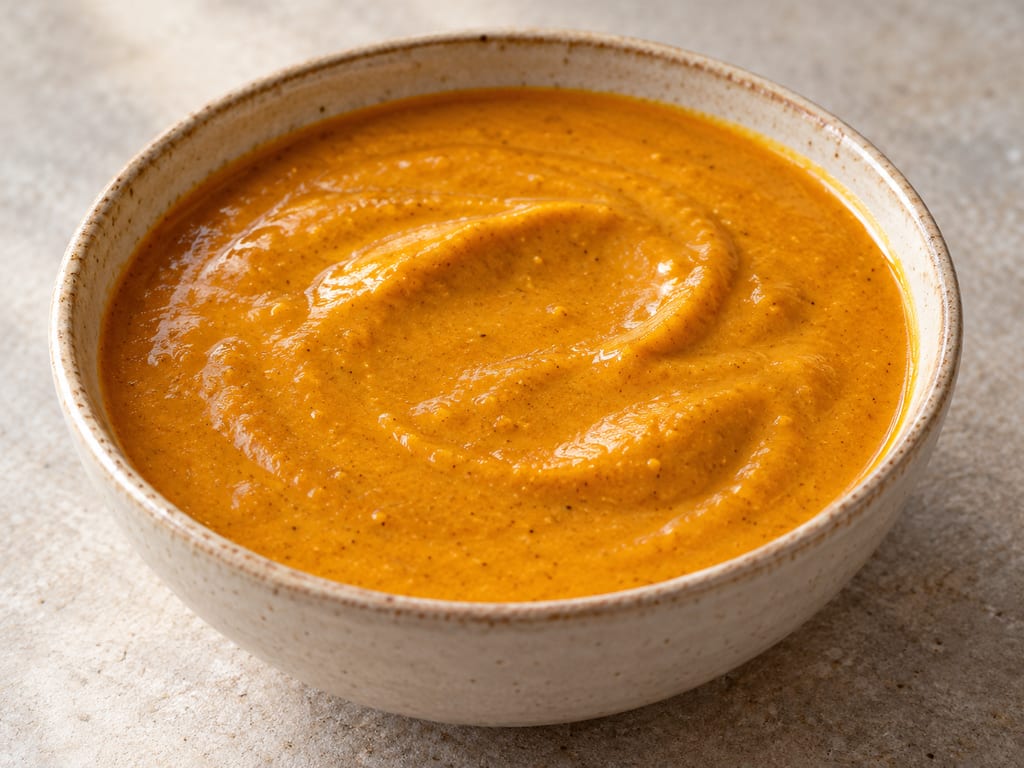
Mole amarillo
Mole amarillo, also called amarillito, is a yellow to orange Oaxacan mole built on cooked chile purée, thickened with corn masa and flavoured with herbs such as hoja santa, with no chocolate or dense nut mixture.
 FermenteaWhere food goes to change
Sal de gusano de maguey · worm salt
A dry Mexican seasoning of maguey worm, salt and chile, most closely associated in published accounts with Oaxaca and commonly served with mezcal, citrus and fruit.
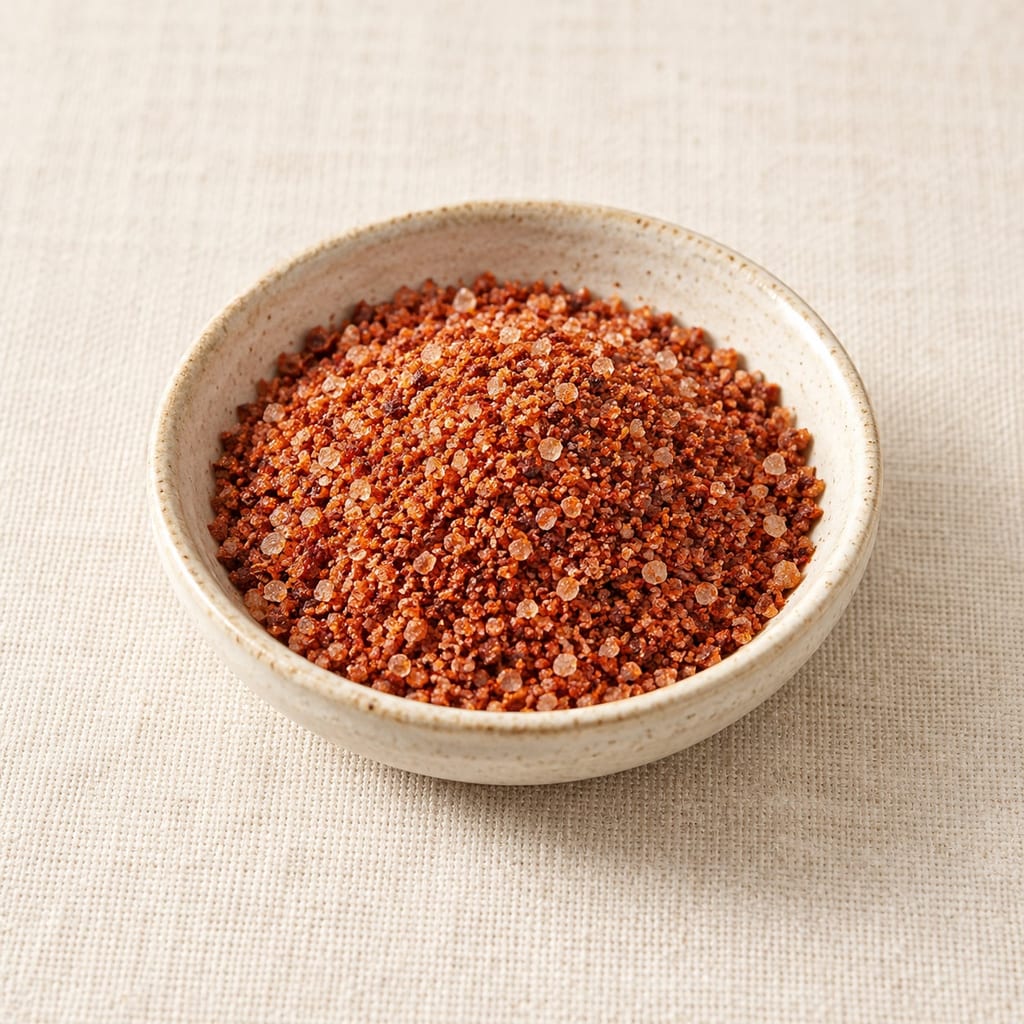
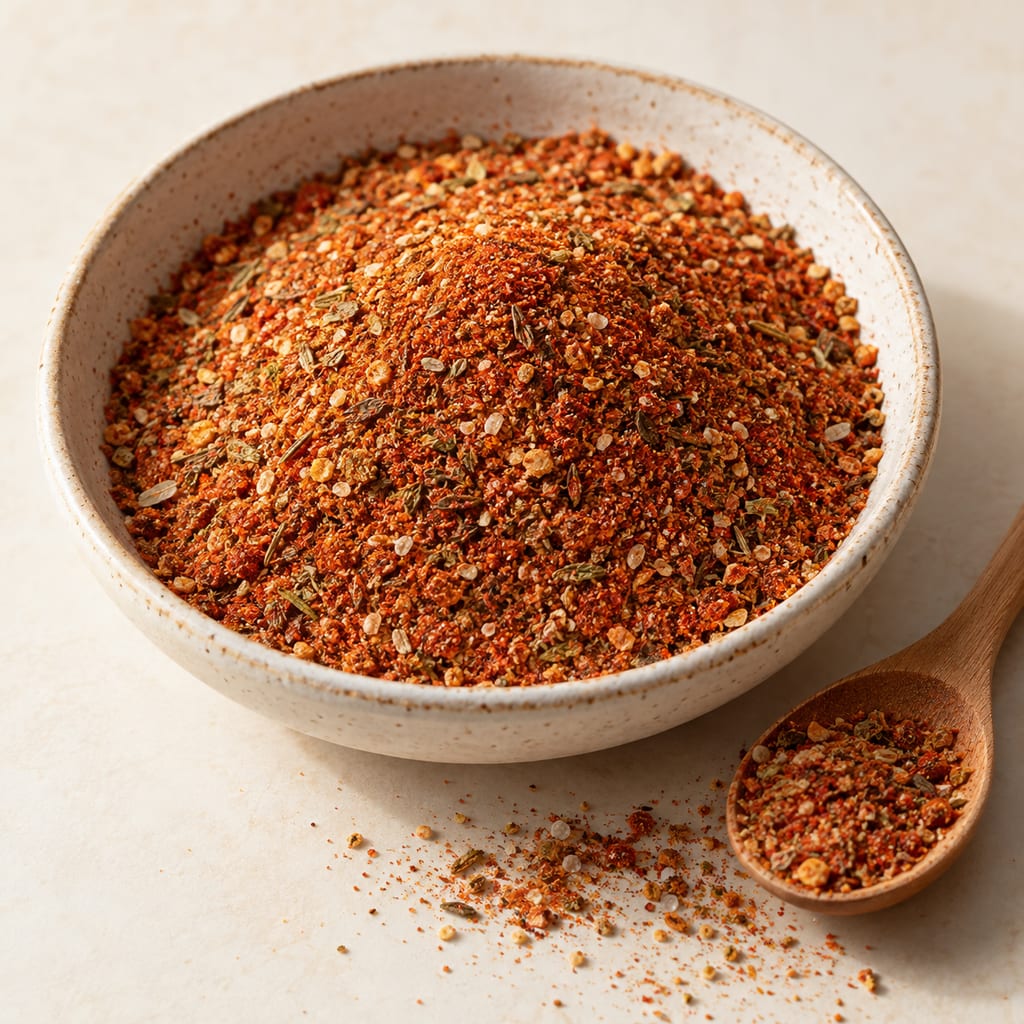
Sal de gusano is a dry seasoning in which salt, chile and toasted maguey worm are ground together. In Oaxaca it is associated with mezcal, often offered on citrus or alongside fruit. The blend is reddish or rust-coloured in the examples shown by producers, with a texture that can range from coarse grains to a finer powder. Its name describes a family of preparations rather than one protected formula: producers use different chiles, salts and proportions, and some labels list additional ingredients.
The word gusano means worm in everyday Spanish, but the edible maguey animal is an insect larva. The red maguey larva is commonly called chinicuil or gusano rojo. Sources vary in how they assign scientific names to local maguey worms, and the broad recipe name does not prove one species. A label or producer account for a particular batch is the right place to identify its insect; a general recipe should not silently turn a local name into a universal taxonomy.
Edible insects have a long place in Mexican foodways. Oaxaca government accounts describe maguey worms among the insects eaten in the state and explain that insects may be eaten whole or ground into dishes. A 2013 issue of Mexico's Revista del Consumidor places chinicuil within the broader history of insects in pre-Hispanic diets, then presents its own measured home recipe for sal de gusano. These are two different claims: the antiquity of eating insects does not by itself date the seasoning.
The earliest date for sal de gusano itself remains uncertain in the sources used here. The 2013 Profeco recipe is a secure dated printed example, and a Mexican mezcal glossary records the seasoning as dried, toasted and ground maguey worm combined with salt and chile de árbol. Contemporary producers describe their own family or regional practices, but those accounts do not supply a reliable first attestation for every version. Stories about a worm placed in mezcal bottles belong to a separate history; the bottle decoration is not the same food as worm salt.
Oaxaca is the strongest documented association in the recipe material. The state's culinary accounts describe maguey worms in local dishes, while producers from Oaxaca describe salt mixed with toasted or ground worms and chile. Larousse's Mexican food dictionary also identifies Oaxaca as a place where maguey worm is used for sal de gusano. Together these establish a regional practice and a present-day product, not a single town of invention.
The same insect ingredient appears in food accounts beyond Oaxaca. A Hidalgo cultural archive records chinicuil collection around maguey after rainy days and documents a separate chinicuil salsa in Apan. That record is useful for understanding the wider ingredient culture, but its timing and recipe should not be transferred to Oaxaca or substituted for a salt-making method. Producers may collect seasonally, and the season differs with local conditions; the available sources do not establish one calendar for every region.
Salt supplies the seasoning's salty base and carries the ground chile and insect through the mixture. In the Profeco batch it is the largest measured ingredient, so its quantity sets the balance of the finished blend. The recipe does not treat it as a validated preservative barrier; it is a seasoning, and the salt amount should not be read as proof that a different insect or damp batch will keep safely.
The worm contributes the defining maguey character. Its flavour and aroma can vary with insect identity, drying, toast and grind; Profeco's recipe does not define universal tasting notes, so descriptions such as smoky or earthy are possible impressions rather than fixed results. Toasting drives the fresh larva toward a dry, crisp state before grinding, making it possible to distribute through the salt. Chile gives the blend heat and colour. Guajillo is Profeco's measured choice; other records name chile de árbol, chile piquín, chilhuacle, chipotle or other dried chiles. Their heat and fruitiness differ, so a change is a different balance rather than a neutral swap.
Some commercial blends use paprika or citric acid, and some add other spices. Those products can still be sold under the same name, but their labels matter: the insect identity, salt type and chile ingredients are not fixed by the words sal de gusano.
The documented Profeco batch starts with fresh chinicuiles. A small amount of oil heats them in a pan; the cook keeps the pan moving, then removes them when they are slightly golden, dry and crisp. This distributes the pan's heat over small pieces and gives the batch a dry ingredient that can be ground. The source specifies no thermometer reading, so its stove instruction is a description of that recipe, not a measured endpoint to apply to every insect or pan.
The guajillos are prepared separately. Wiping them with a damp cloth removes surface dust, while opening and deseeding gives the cook control over the chile's veins and seeds before grinding. The dry chiles are heated in a pan until their colour changes slightly and are kept moving. The brief heating develops the dry-toasted character of the chile; a longer or hotter treatment can darken or scorch it, changing the flavour.
Grinding happens in two stages. Profeco first blends chile, then adds the toasted worms and blends again. The salt is crushed in a molcajete with a tejolote, the stone pestle, before the chile-worm mixture is incorporated. The final grinding makes the blend finer and more uniform. A coarse grind leaves larger flecks and uneven bites; finer grinding spreads the insect and chile through more of the salt. Neither texture is evidence of shelf stability or safety.
This version follows Profeco's 2013 home recipe: ¼ teaspoon vegetable oil, 20 g fresh chinicuiles, 4 guajillo chiles and 100 g sea salt. The publication gives about 20 minutes of preparation and an approximate yield of 125 mL. Use those figures together as one documented batch. The proportions are not a universal formula; the insect's moisture, the chile, the grind and the salt crystal all affect the amount and texture.
The source directs the cook to toast the worms in the oiled pan, clean and cut the chiles, toast them separately, blend the chile, add and blend the worms, then grind the salt and combine everything in the molcajete. It recommends removing chile veins for a milder seasoning and adjusting their amount, or omitting chile entirely. The sequence keeps the salt from being heated with the fresh ingredients and makes the separate stages easier to control. It does not provide a different ratio for dried worms, so this recipe does not convert the fresh quantity to a dry one.
Chiles vary from batch to batch. Profeco's guajillo version is mild enough for the worm and salt to remain prominent; its own notes allow piquín, chilhuacle or chipotle and permit omitting chile. The CIATEJ glossary describes dried, toasted and ground maguey worm with salt and chile de árbol. Sal Metchi lists salt, chile de árbol, paprika and maguey worms. Noble Coyote describes salt, chile de árbol and toasted, ground maguey worm sourced in Oaxaca. Each is a same-name variation with a different heat, colour and ingredient list, so the batch should be labelled with what actually went into it.
The insect can enter the blend fresh or already dried, depending on the source recipe or producer. Profeco's measured recipe starts with fresh chinicuiles and fries them dry and crisp; the CIATEJ definition and some producer accounts start from dried material and toast it. Those starting points are not interchangeable measures. Do not use the 20 g fresh amount as a dry weight, and do not add both methods together as though they were one universal process.
Commercial recipes also diverge. One contemporary product lists sea salt, toasted and ground worms, and dried chiles; another producer identifies paprika in addition to salt, chile and worm; a current retailer lists an iodized-salt blend with dehydrated worm and citric acid. These are product-specific formulations, not evidence that every traditional household recipe includes those ingredients.
Sal de gusano is used as a finishing seasoning rather than cooked into a long simmer. The pairing most closely associated with it is mezcal and orange: the salt may be served beside the spirit or on the orange, and a light coating on a glass rim brings the chile and salt to the first sip. It is also sprinkled over fruit such as jícama, orange, mango, cucumber and apple, and used on vegetables, grilled food, meats, sauces and snacks. Producers mention corn, cocktails and citrus; these contemporary serving ideas sit alongside the basic mezcal-and-fruit pairing.
The seasoning is concentrated, so a small pinch lets the fruit's sweetness and the spirit remain legible. A rim can be partial rather than fully coated, leaving the drinker a choice about each sip. On fruit, apply just before serving so the surface does not draw out moisture and wet the dry seasoning. That last handling suggestion is practical kitchen guidance, not a documented shelf-life rule. The blend's main use is to add salty, chile and toasted-insect notes; it is not a substitute for a sauce, a curing salt or an ingredient that changes mezcal's fermentation.
Profeco advises keeping its finished salt in a cool, dry and dark place and prints an approximate one-year shelf life. That figure belongs to the magazine's specific home recipe. It is not a tested limit for every producer, insect species, drying level, package or storage environment. The source does not report water activity, microbial testing or a measured insect-cooking temperature. Keep its storage note attributed and do not treat a dry appearance, toasted smell or salty taste as a safety check.
Use an insect product clearly sold for human consumption and read the label for the insect's identity and any allergen notice. Do not assume any larva found in an agave plant is food-grade. Names for maguey worms overlap across sources, while scientific identification can vary; the supplier's identification is more useful than guessing from a common name.
Health Canada warns that people with crustacean allergy may react to edible insects because some allergenic proteins occur in both. Its guidance is general to edible insects, not a chinicuil-specific risk estimate. It advises people with crustacean allergy to avoid insect-containing foods until they have spoken with an allergist or doctor. A product label that lists an insect ingredient is therefore important even when it is sold as a seasoning.
The recipe is a preparation-stage recipe because it makes a seasoning that people can follow step by step, but the process itself is not fermentation. No starter, microbial conversion or maturation is described. The important transformations are heating, drying, grinding and blending: fresh worms become crisp, dry particles; chiles are briefly toasted; and salt carries the mixture into a usable seasoning. Fermented mezcal may be served alongside it, but that does not make the salt fermented.
The seasoning's first attestation is not established here. Historical evidence for eating insects in Mexico is broader than evidence for this particular salt; the 2013 Profeco recipe is a dated printed preparation, not proof of an ancient formula.
Yield 125 mL · Scaling: source batch only
Health Canada warns that people with crustacean allergy may react to edible insects; its evidence concerns insects generally and does not quantify risk for chinicuil specifically.
Hazard sourceThe supplied prospect notes species identity and food-grade status are not established for all products sold under the broad name.
Hazard sourceUse only a clearly identified product sold for human consumption, and check its label for insect identity and allergen information. People with crustacean allergy should speak to an allergist or doctor before eating insect-containing foods.
Control sourceThe cited home recipe gives visual cooking endpoints but no measured temperature or validated safety limit; browning and crispness are not a separate safety validation.
Control sourceContains an insect-derived ingredient. Do not assume an unidentified wild insect is suitable for food.
The approximate one-year shelf-life printed by Profeco is specific to its 2013 home recipe and is not an independently established storage limit for every ingredient source or batch.
Producer and culinary accounts document sal de gusano in Oaxaca; this is a regional association, not a single birthplace.
The documented Profeco batch was published for Mexican home preparation; it does not identify a locality.
Mole amarillo, also called amarillito, is a yellow to orange Oaxacan mole built on cooked chile purée, thickened with corn masa and flavoured with herbs such as hoja santa, with no chocolate or dense nut mixture.
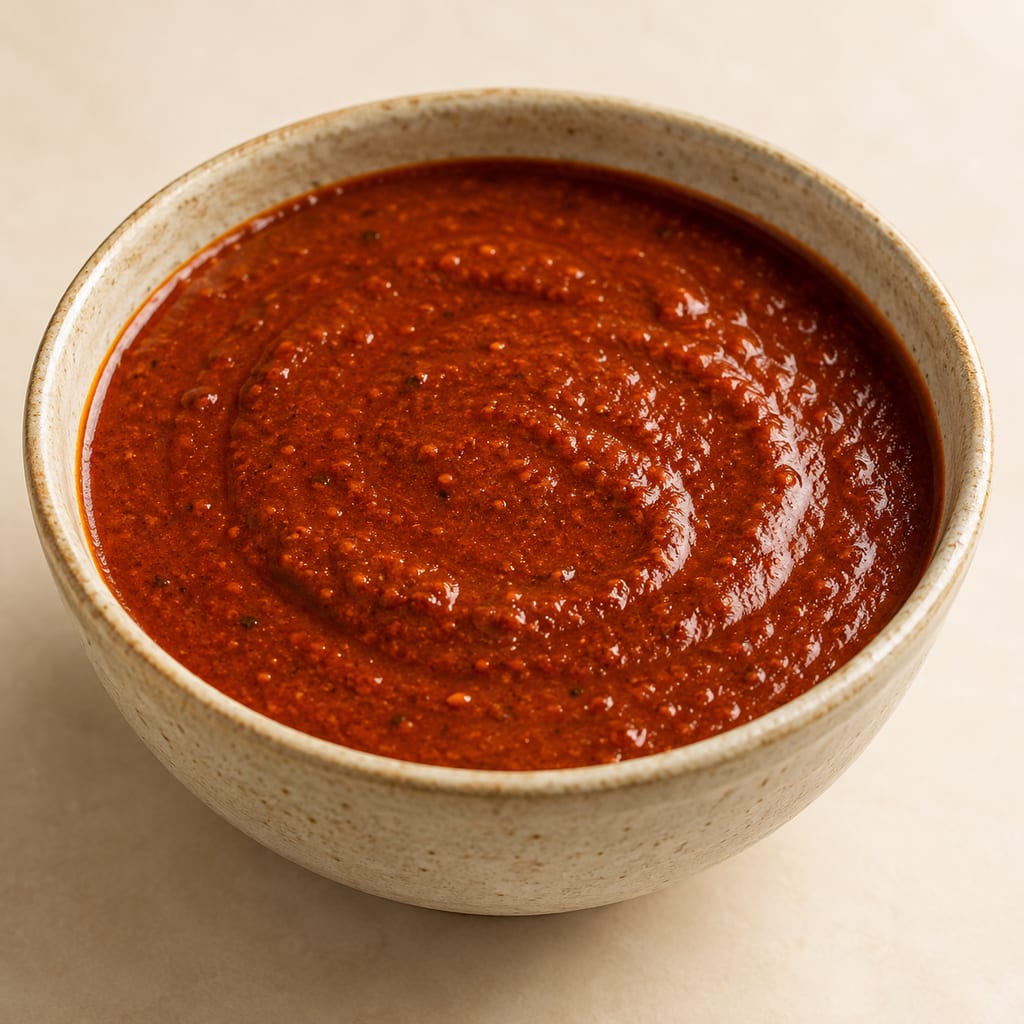
Mole coloradito is one of Oaxaca's seven moles: a brick-red sauce built on ancho chiles and tomato, thickened with ground seeds and nuts and sweetened with fruit, served in a lighter, thinner form than mole negro.
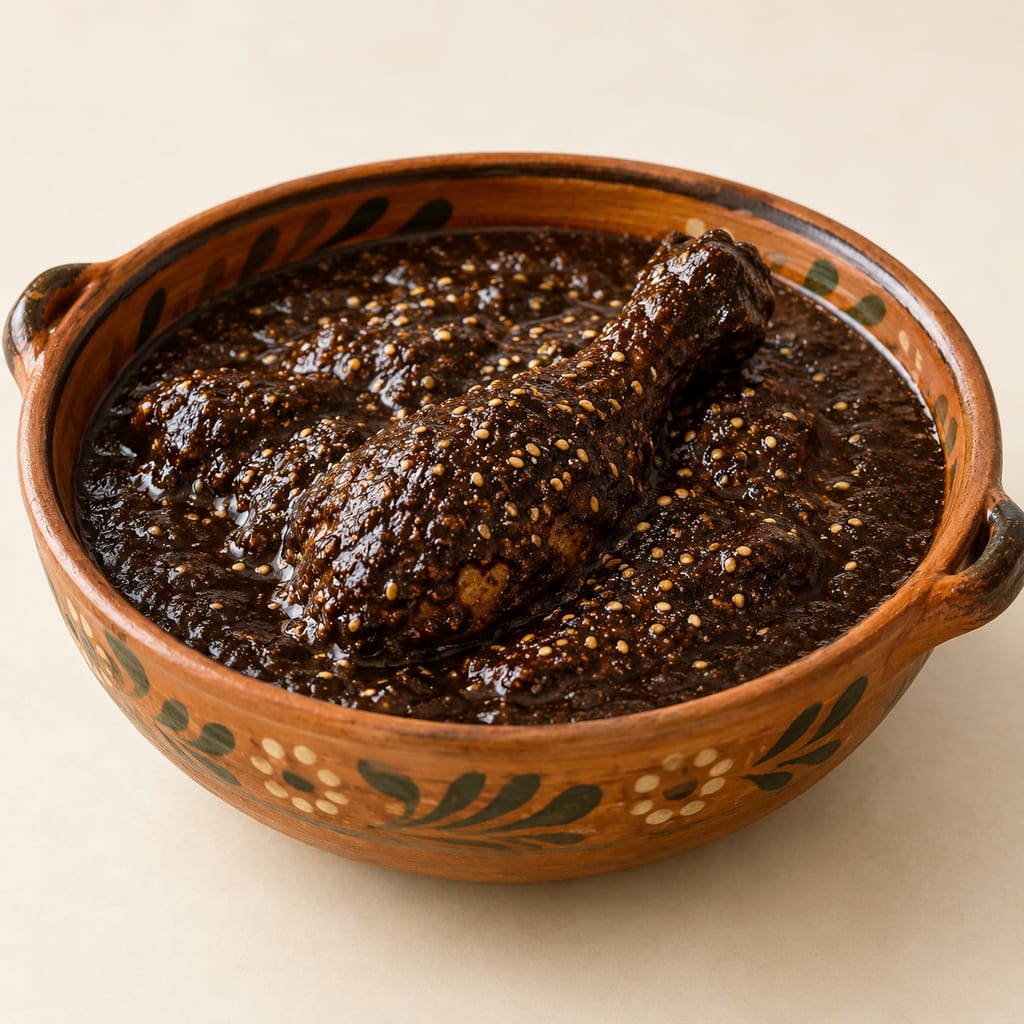
Mole negro is the darkest and most elaborate of Oaxaca's seven moles: dried chiles and seeds are toasted and charred, ground with nuts, spices, bread and chocolate, then fried and simmered into a thick black sauce.
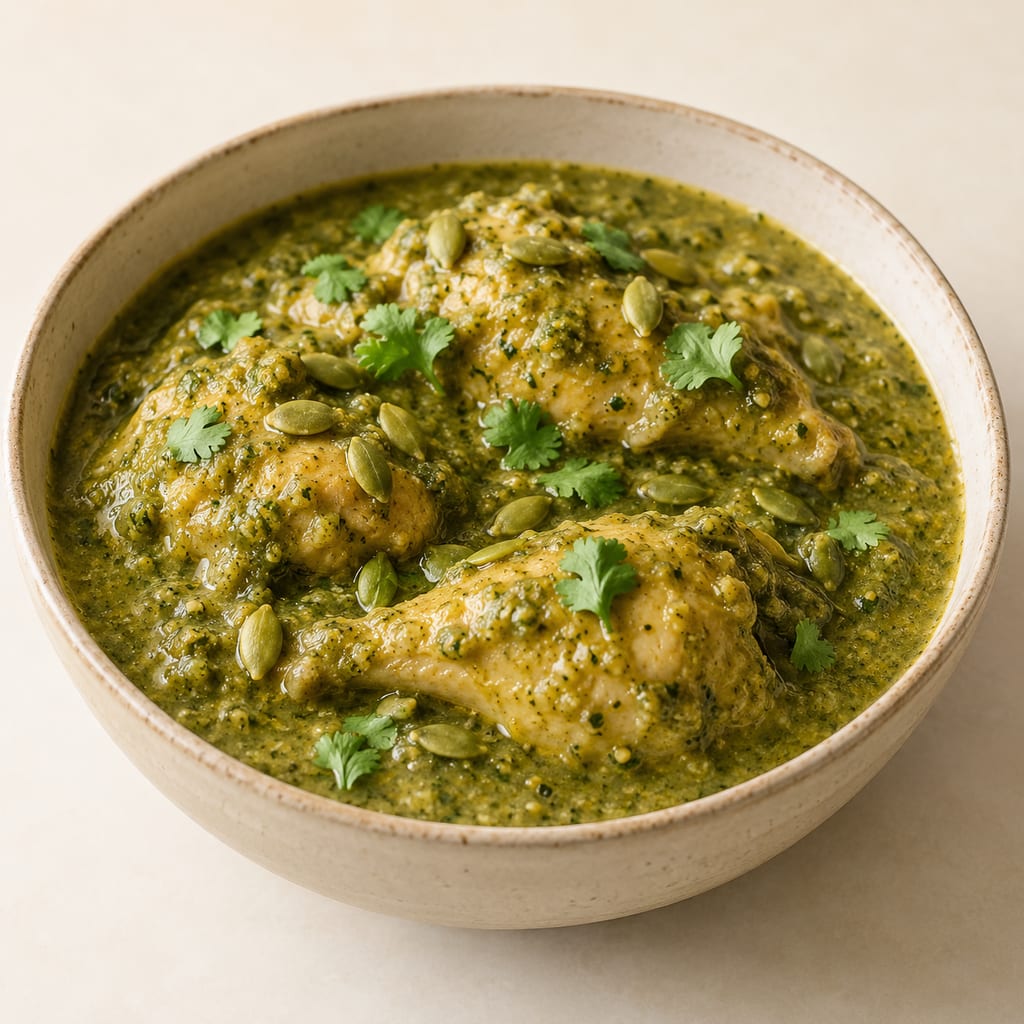
Mole verde is a green mole from Mexico and Oaxaca, built on tomatillos or green tomatoes, fresh herbs such as epazote and hoja santa, and ground pumpkin seeds or masa, with no need to toast dried chiles.
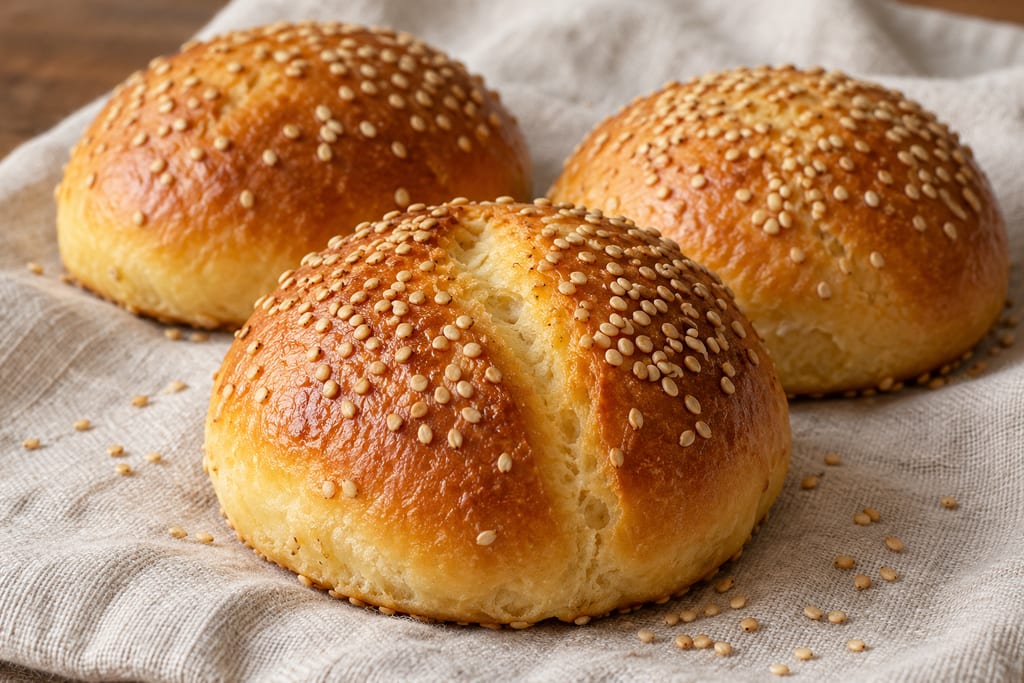
This Oaxacan yeast bread enriches wheat dough with eggs, extra yolks and butter, then shapes it into sesame-coated rounds for a long rise and a hot bake.

Pozol is lime-cooked maize ground to dough, shaped into balls, wrapped in banana leaves and fermented for days, then stirred into water as a sour drink in southeastern Mexico.

Adygean salt is a seasoned table salt associated with Adygea and the wider North Caucasian culinary tradition. Salt is blended with garlic and a variable selection of herbs and spices; the exact mix depends on the named style and maker.
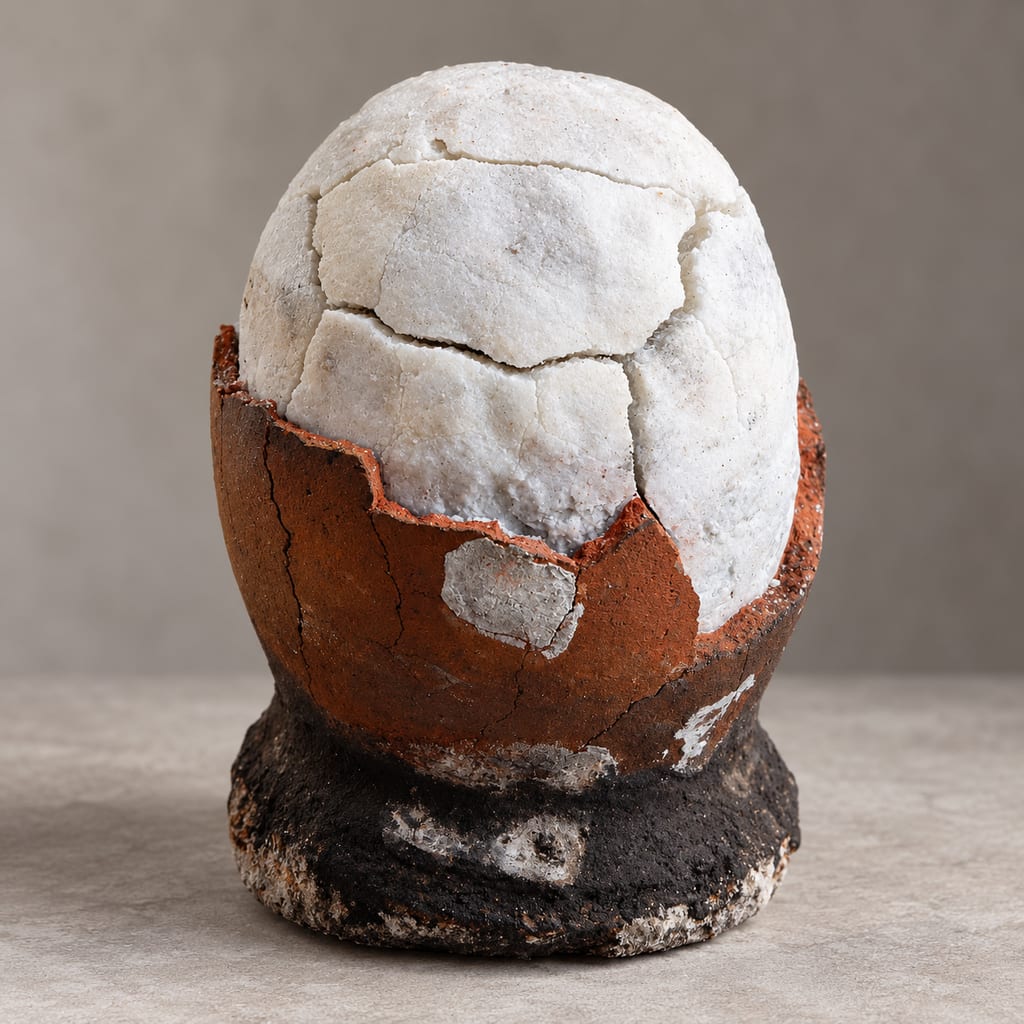
Asin tibuok is a Boholano salt-making craft that turns seawater-soaked coconut husks into a salt-rich ash, brine and formed sea salt in specialized clay pots. This record follows one published account of the community process; it is not a validated household formula.
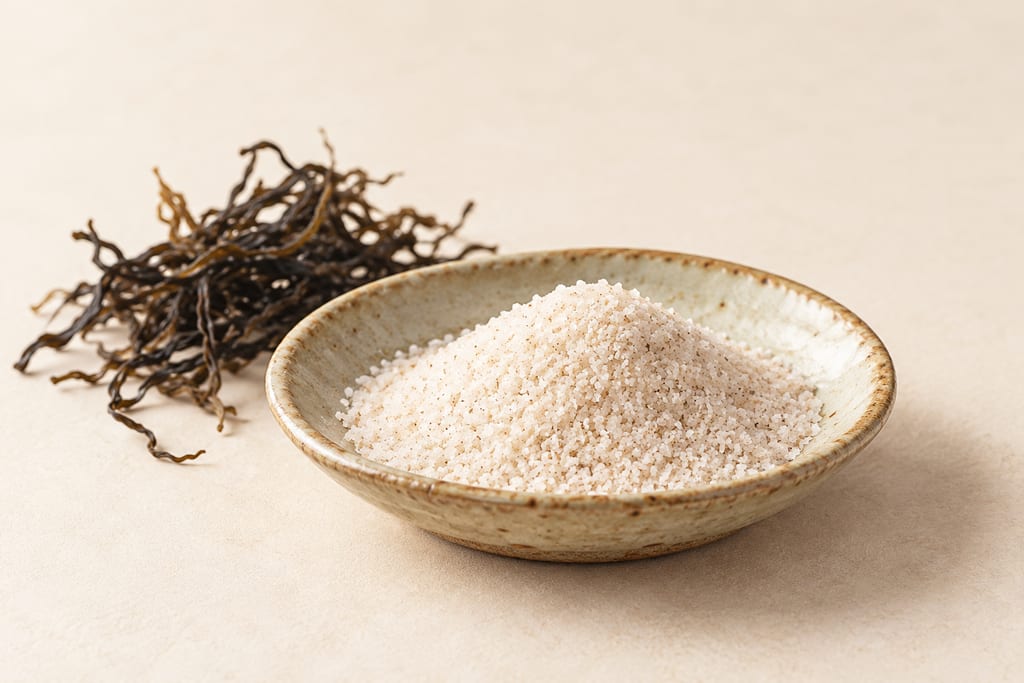
Amabito no Moshio is a modern, pale beige Japanese seaweed salt made from Seto Inland Sea water and hondawara seaweed. Its documented factory method concentrates filtered brine in kettles, then separates and dries the salt.
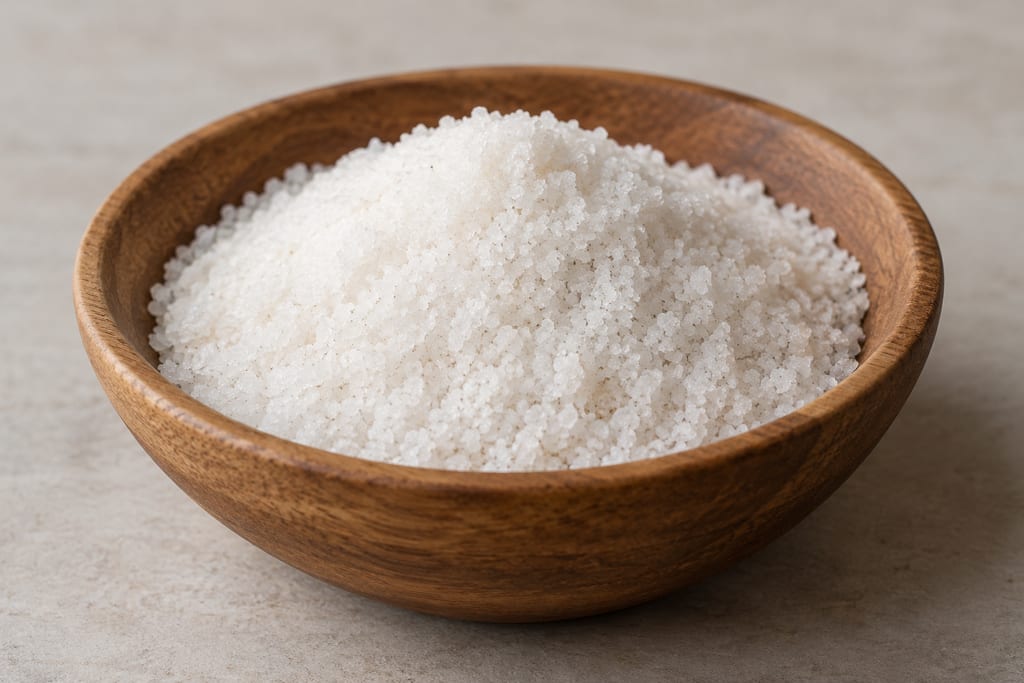
Asin sa buy-o is a fine sea salt made in Panayunan, Botolan, and packed in a woven nipa pouch called a buy-o. Salt-bearing coastal earth is leached with seawater, and the brine is boiled to crystals.
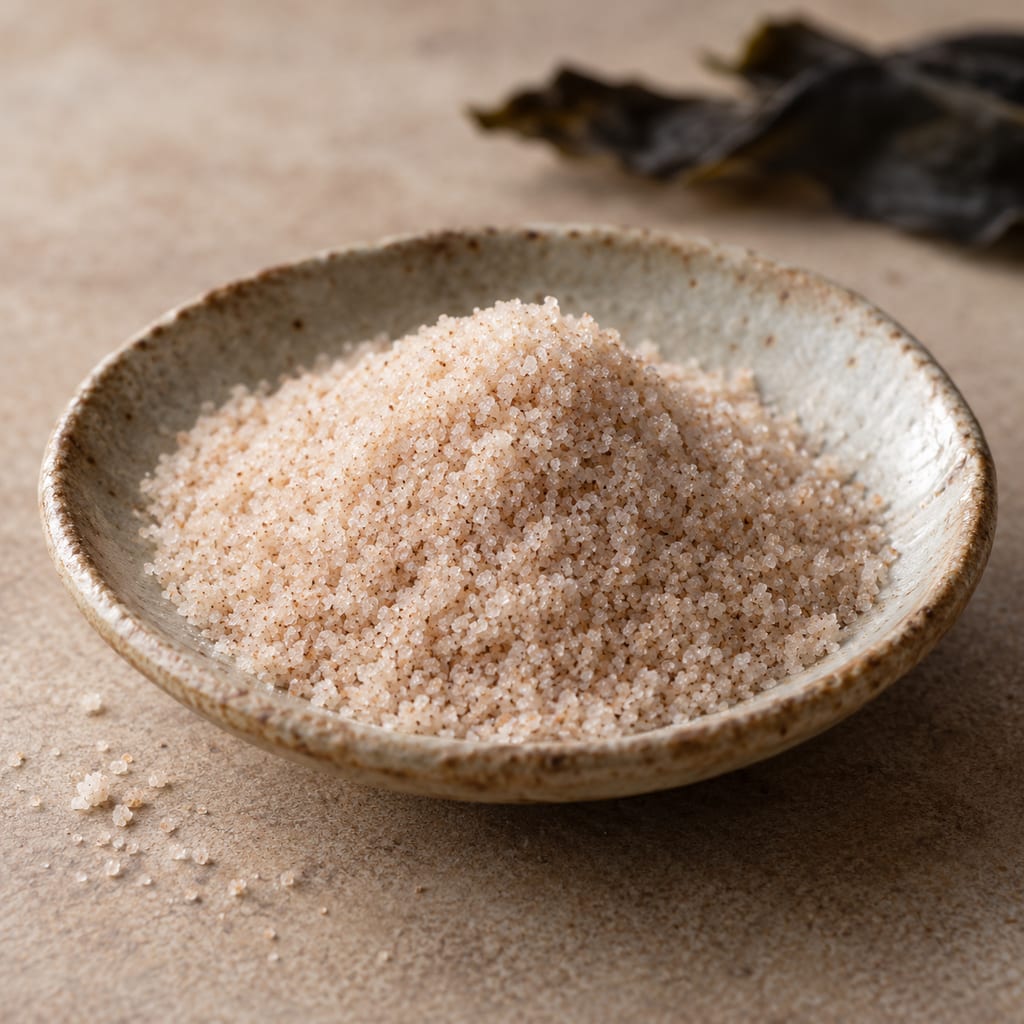
Awaji moshio is a modern Japanese seaweed salt made by TaDa PHILOSOPHY from Awaji Island seawater and seaweed. Its premium process concentrates brine, extracts seaweed flavor, then crystallizes, separates, dries and grades the salt.
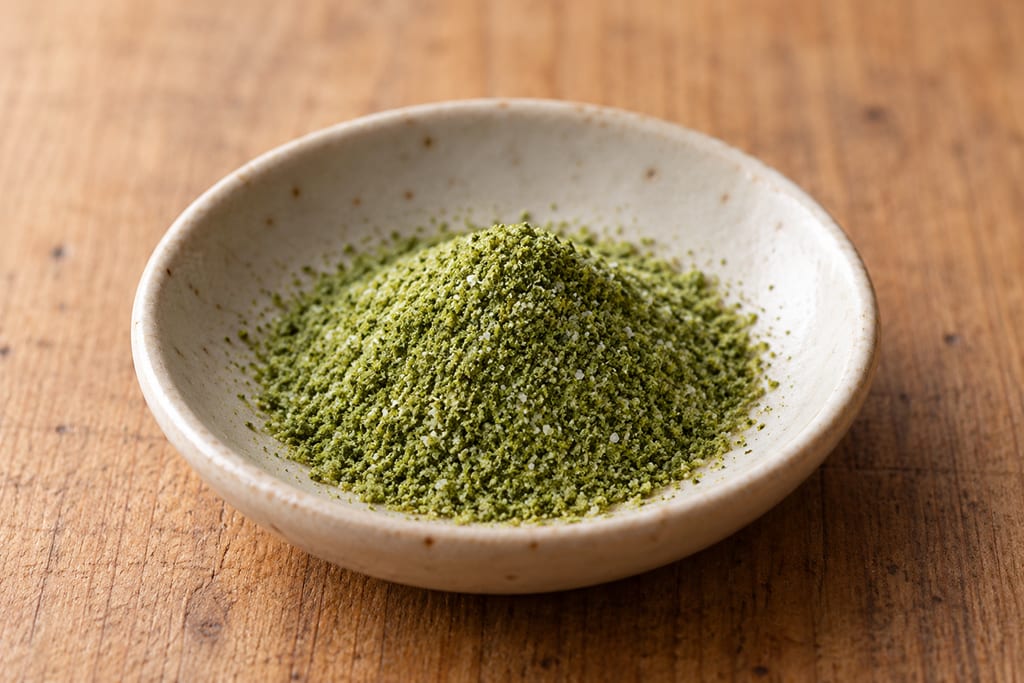
Green tea leaf salt is a dry seasoning made by grinding tea leaves, sieving them and mixing the powder with fine salt. This Japanese-style version follows a documented equal-parts method.
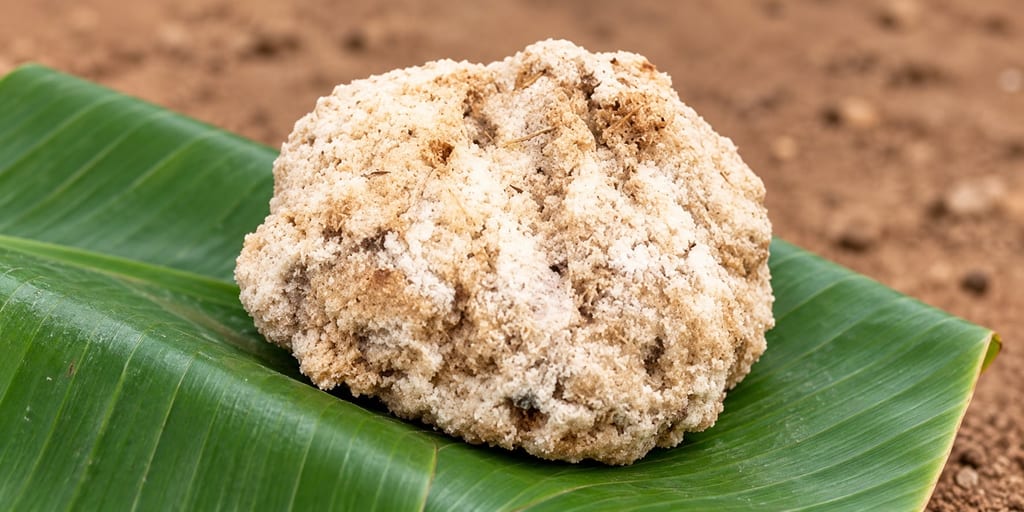
Nzoia River reed salt is a Bukusu seasoning made by leaching and evaporating the ash of mature muchua reeds. Its sources document a local method, but provide neither a measured formula nor verified mineral composition.
Bulgarian dry seasoning of salt, paprika, dried herbs and spices, with household and regional variations.
No community contributions have been published for this entry yet.
Sign in to contribute. Published comments and photos are free to read.
Procuraduría Federal del Consumidor (Profeco)Method · Ingredients · Storage · History
Sal de gusano, Tecnología Doméstica Profeco, Revista del Consumidor no. 439Exact batch: ¼ teaspoon oil, 20 g fresh chinicuiles, four guajillo chiles and 100 g sea salt; 20-minute preparation and approximate 125 mL yield.
Pan-heating and grinding sequence, visual endpoints and no measured temperature.
Chile variations, serving with mezcal and orange, seasoning meats or sauces, cool/dry/dark storage and approximate one-year shelf-life statement.
Broad context of pre-Hispanic insect eating, not a date for sal de gusano itself.
Cited in: An old insect-food tradition and a younger printed recipe; Why salt, chile and worm are blended; Heating, drying and grinding; A source-specific batch; One name, several small variations; Storage, sourcing and allergen information; A preparation, not a fermentation
Centro de Investigación y Asistencia en Tecnología y Diseño del Estado de Jalisco A.C. (CIATEJ); Red Temática Mexicana Aprovechamiento Integral Sustentable y Biotecnología de los AgavesIdentity · Method · Use
Regionalismos y términos comunes, antiguos y contemporáneos del proceso de elaboración del mezcalGlossary definition: dried, toasted and ground maguey worm with salt and chile de árbol; use on fruit and alongside mezcal.
Cited in: A seasoning built around maguey worm; An old insect-food tradition and a younger printed recipe; Why salt, chile and worm are blended; One name, several small variations; At the table; A preparation, not a fermentation
Larousse Cocina, Diccionario enciclopédico de la Gastronomía MexicanaIdentity · Geography · Use
Gusano rojo de maguey o chinicuilNames and culinary description of chinicuil; maguey worm used for sal de gusano in Oaxaca; several Mexican regions.
Cited in: A seasoning built around maguey worm; Oaxaca and other documented settings
Coordinación de Comunicación Social del Gobierno del Estado de OaxacaHistory · Geography · Use
Insectos, ingrediente prehispánico que da sabor a la cocina de OaxacaInsects and maguey worms in Oaxacan cuisine, whole and ground uses, and local food pairings; the page's salt formula is chapulín with dried chile, not worm salt.
Cited in: Oaxaca and other documented settings; At the table
Annals of the Entomological Society of America, Oxford AcademicHistory · Geography
Cultural Importance of Edible Insects in Oaxaca, MexicoStudy contextualizes edible insect collection and use in Oaxaca, including maguey worms; it does not establish the first date or one universal salt formula.
Memoria de Hidalgo, Secretaría de Cultura del Estado de HidalgoGeography · Ingredient context
Salsa de chinicuilApan chinicuil salsa and local report that collection follows rainy days; not a salt method or Oaxaca calendar.
Cited in: Oaxaca and other documented settings
Health CanadaSafety
Information for people with a crustacean allergySome edible insect proteins may cross-react with crustacean allergens; people with crustacean allergy are advised to avoid edible insects until speaking with an allergist or doctor. Evidence is not chinicuil-specific.
Cited in: Storage, sourcing and allergen information
Del MagueyMethod · Variation
Sal de gusano: todo lo que debes saberCurrent recipe describes toasting dried worms and chiles, grinding and then mixing with salt; one contemporary variation only.
Cited in: Heating, drying and grinding
Noble CoyoteGeography · Ingredients · Use
Sal de GusanoProducer describes salt, chile de árbol and toasted, ground gusano sourced in Oaxaca; mezcal and orange uses.
Cited in: A seasoning built around maguey worm; Oaxaca and other documented settings; Heating, drying and grinding; One name, several small variations; At the table; Storage, sourcing and allergen information
Sal MetchiIngredients · Seasonality · Use · Variation
Sal Metchi – Sal de GusanoProducer lists salt, chile de árbol, paprika and maguey worms; describes seasonal collection and pairings.
Cited in: Why salt, chile and worm are blended; One name, several small variations; At the table
Real de OaxacaVariation · Use
Sal de Gusano (Agave Worm Salt)One producer's formulation and uses, not a standard formula.
Cited in: Why salt, chile and worm are blended; One name, several small variations
Don CatrínVariation · Use
Worm SaltCurrent product lists iodized salt, dried chile powder, 2% dehydrated maguey worm and citric acid, illustrating a commercial formula.
Cited in: Why salt, chile and worm are blended; One name, several small variations
Del MagueyHistory
Mezcal with a Worm: Why?Distinguishes the mezcal bottle worm story from the seasoning itself.
Cited in: An old insect-food tradition and a younger printed recipe