
Akazu (red sake-lees vinegar)
Japanese reddish-brown vinegar from sake lees matured about three years, turned to vinegar by acetic bacteria; the vinegar of Handa and Edomae sushi rice.
 FermenteaWhere food goes to change
お茶塩 (ocha-shio) · green tea salt · tea salt · ocha-shio · matcha salt
Green tea leaf salt is a dry seasoning made by grinding tea leaves, sieving them and mixing the powder with fine salt. This Japanese-style version follows a documented equal-parts method.
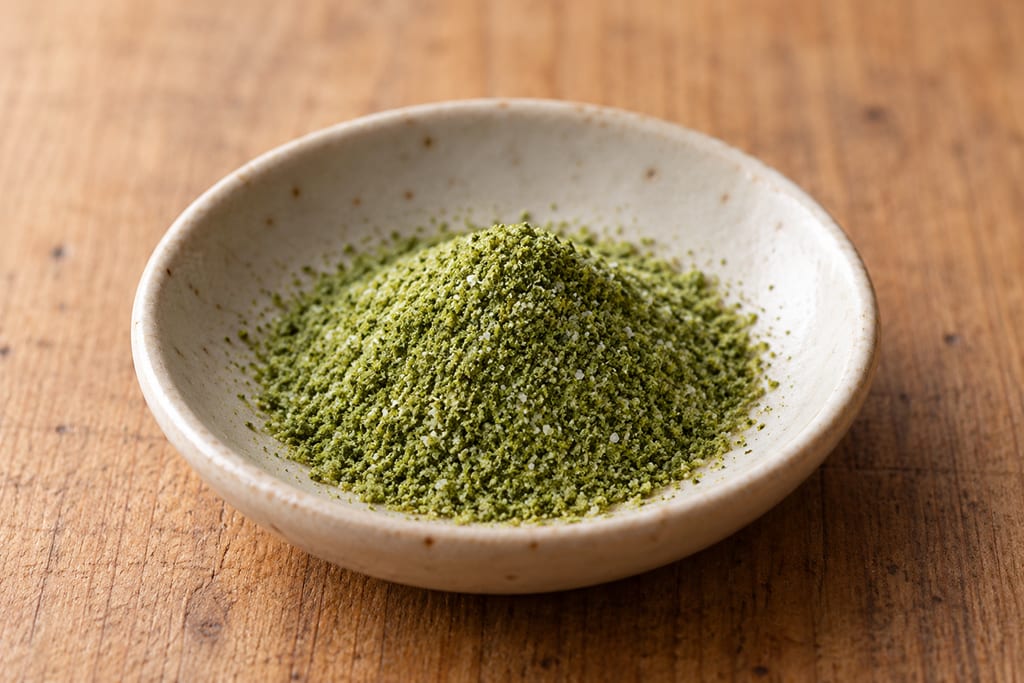
Green tea leaf salt is a condiment rather than a fermented food. In the documented dry method, tea leaves are ground, sifted and mixed with salt. The result is a fine, green seasoning whose tea particles stay visible and settle into the salt instead of dissolving into a liquid. The method needs no starter, steeping water, heating, fermentation or aging. Its identity comes from the dry ingredients and their texture.
The Japanese recipe name お茶塩, read ocha-shio, literally describes tea salt. Other names such as tea salt, green tea salt and matcha salt can refer to related but non-identical products. Some use dried leaf ground at home; others begin with matcha, which is already powdered tea. The word salt does not tell a reader whether the tea is a leaf powder, whether it is green or roasted, or whether another flavouring has been added. This page follows the source-specific leaf-and-salt preparation and keeps the more general label separate from a claim that every tea salt is made alike.
A recipe published by KAI Corporation gives the useful practical core: grind tea finely, sieve it, then mix the tea and fine-grained salt in a 1:1 ratio. It names shredded yam, spring rolls and vegetable fritters as accompaniments. A separate Japanese tourism guide notes that flavored salts mixed with powdered green tea may be served in Japan, including with tempura. These sources document a contemporary culinary use; neither gives a first date or establishes a single historical origin for the blend.
Grinding changes the physical form of the tea. Whole dry leaves are too large to disperse evenly through a fine salt, so the grinder breaks them into particles and the sieve removes the coarser pieces. Finer particles make the blend more uniform and allow a small pinch to carry tea across a bite. Sifting is not cosmetic: it separates a usable powder from fragments that would give the seasoning an uneven feel. The KAI method specifies both operations, while the recipe does not specify a grinder model, mesh size or target particle diameter.
Because the leaves remain in the mixture, this preparation is not a brewed infusion. Brewing moves some soluble components from tea into hot water and leaves much of the leaf behind; this dry blend carries the ground leaf itself. A contemporary green-tea salt recipe from Teatulia likewise combines loose-leaf tea and salt directly, while the 2024 study in China Tea Processing describes a different extraction route using tea, water and iodine-free salt. The study's abstract reports analysis of taste substances and aromatic compounds in its extract-based product. That work provides evidence that a water-extracted tea salt exists, but its process and optimized ratios do not transfer to this dry blend.
The two ingredients contribute different sensations. Salt supplies salinity, while tea contributes the flavor and color associated with the selected leaf. Green tea can bring vegetal, grassy or bitter notes depending on the tea used; the KAI recipe does not prescribe a cultivar or promise a particular profile. The mixture should therefore be tasted with food, where its salt level and tea aroma are judged together. Tea type, leaf age, roasting, grind and salt grain can all vary between pantry ingredients, so a home batch may not taste identical to a packaged matcha salt.
Use dry tea leaves and a fine-grained food salt. The source's equal-parts ratio is the only stated proportion, and it does not say whether parts mean weight or volume. Keep that uncertainty visible: the recipe is a household seasoning formula, not a commercial specification with a defined moisture content, particle size or analytical salt concentration. If making a small trial, measure each ingredient with the same spoon or cup so the ratio remains internally consistent, then write down that measure for the next batch.
Grind the tea before adding the salt. The KAI recipe calls for a tea mill and a fine grind, followed by sieving. A mortar and pestle or spice grinder can perform the same physical task, but this is an equipment substitution rather than a source-tested claim about identical results. Check the powder visually and pass it through a sieve; regrind larger pieces instead of leaving them in the finished mix. A dusty powder is easier to distribute than a mixture of fine powder and coarse leaf shards.
Measure the salt and sifted tea in equal parts, then mix in a dry bowl until the color looks even. The tea should be dispersed rather than sitting in a green clump. The method adds no liquid, so it does not create a paste or dissolve the salt. It calls for no heating and no resting period. The sources give no drying step, because the cited preparations start with dry tea and use a simple blend; do not borrow a drying schedule from an extraction-based recipe.
The source's serving idea is to place the seasoning beside food. Try it first in a small amount with shredded yam or a vegetable fritter, the foods KAI names, and use the tourism guide's tempura example as another documented pairing. Taste after a bite, not from a spoon: the same proportion can feel different on a lightly seasoned vegetable than on a salty fried food.
The dry category includes more than one tea form. Teatulia's green-tea salt recipe uses loose-leaf tea and salt, with a different proportion from KAI, and proposes the mixture with popcorn, melon salad and seafood. It also suggests that other teas can be used for distinct flavor pairings. These examples show that contemporary recipes vary in both ratio and intended use. They should not be collapsed into one universal formula: KAI supplies equal parts and fine grinding, while Teatulia gives its own branded recipe and a different amount.
Matcha salt is related but begins with powdered tea. A Japanese-language academic review of contemporary Japanese seasonings describes matcha-shio as a mixture of matcha powder and sea salt and distinguishes it from a simpler tea salt made with leaf or powdered tea. That is useful naming context, not proof that every restaurant bowl called matcha salt uses a particular salt, tea region or ratio. When the starting tea is already powder, the grinding and sieving stages may not be needed; the KAI whole-leaf method remains the method represented here.
Tea and salt also appear together in preparations that are not dry condiments. Japan's Ministry of Agriculture, Forestry and Fisheries documents Wakayama's chagayu, a rice porridge cooked with bancha or hojicha tea and seasoned with salt to taste. It is a regional food with rice and brewed tea, not a tea-salt blend. Likewise, a salt added to tea as a beverage seasoning should not be described as tea salt unless a source specifically uses that name for a dry condiment. Keeping the boundaries clear protects readers from confusing a seasoning they sprinkle with a drink or cooked dish.
The supplied research archive lists tea, wine and other infused salts as a family of leads and warns that their formula, aroma treatment, drying and stability are product-specific. For this page, the documented dry leaf blend is enough to support one practical preparation, but it cannot stand in for a wine salt, a liquid extraction, a proprietary seasoning or every regional salt product.
Use tea salt as a finishing seasoning, where its color and aroma remain noticeable. KAI suggests serving it with shredded yam, spring rolls and vegetable fritters; Japan Guide names tempura as one context for powdered-green-tea salt. Teatulia suggests popcorn, melon salad and seafood for its own green-tea blend. These examples span plain vegetables, fried foods, fruit and seafood, but they are not a single tradition or a guarantee that every tea suits every dish. The practical common point is to taste a small pinch alongside the food and adjust the application, rather than coat a whole dish before tasting.
The choice of tea changes the character of the condiment. KAI says only tea leaves, while Teatulia's example specifically calls for green tea and notes other tea styles as possible variants. Matcha is a convenient already-ground option, while whole leaf needs a mill and sieve. Roasted tea will not taste like an unroasted green leaf, and a strongly scented tea will produce a different seasoning from a mild one. Those are ingredient differences, not evidence that the formula is regionally traditional or that the results can be substituted without change.
Select tea and salt sold as food ingredients. The sources do not specify a cultivar, harvest, salt mine, sea, mineral composition or branded grade for the simple KAI recipe, so none is required to identify the method. Fine salt is specified because its particle size suits an even dry blend; a coarse crystal would remain distinct and would not match the recipe's texture. If using sea salt, kosher salt or another named salt, record it as a variation rather than silently presenting it as the cited base formula.
Make only the amount needed for the intended meal unless a product-specific source establishes more. None of the cited recipes validates a shelf life, water-activity limit, packaging system or long-term stability. A dry blend can absorb moisture in humid handling, which may change its free-flowing texture; that observation is a practical reason to keep the bowl and utensils dry during service, not a validated storage guarantee. Do not add wet tea, brewed liquid or fresh ingredients to this dry preparation and assume its handling remains the same.
The same condiment can be served in a pinch bowl, sprinkled at the table or offered as a dip for a single bite. A small dish keeps the salt separate from the food until the diner decides how much to use. That presentation matters with a strongly flavored blend: it lets a cook pair the seasoning with several foods without committing the entire batch to one dish. The cited Japanese sources describe serving the salt alongside food, not cooking it into a sauce or using it as a cure.
If the blend tastes too salty for one particular food, change how much is applied before changing the underlying equal-parts recipe. If the tea seems too faint, the source-backed variations show that different tea forms and different proportions exist, but each is its own formula. Note whether the tea was loose leaf or matcha and whether the measure was by volume or weight. Those details make a later batch interpretable and avoid falsely treating a remembered household variation as the KAI method.
The extraction study is especially useful as a boundary. Its researchers prepared tea salt by extracting tea into water before combining it with iodine-free salt, then assessed flavor and taste compounds. That is a different route from grinding a dry leaf and stirring it into salt. It may answer questions about the properties of that particular extracted product, but it does not establish how the dry mixture behaves, how long it keeps, or which tea-to-salt ratio should be used here. Keeping these methods apart is part of making the recipe reproducible.
Current Japanese culinary sources document tea-and-salt seasonings, including a dry tea-leaf and salt preparation. The cited sources do not establish when this dry blend began, where it originated, or that all products called tea salt share one formula. Salted tea drinks and tea rice porridge are separate preparations.
Scaling: source ratio
Japanese culinary and tourism sources document tea-and-salt seasonings in current use; this does not establish Japan as the origin of every tea salt.
Japanese reddish-brown vinegar from sake lees matured about three years, turned to vinegar by acetic bacteria; the vinegar of Handa and Edomae sushi rice.
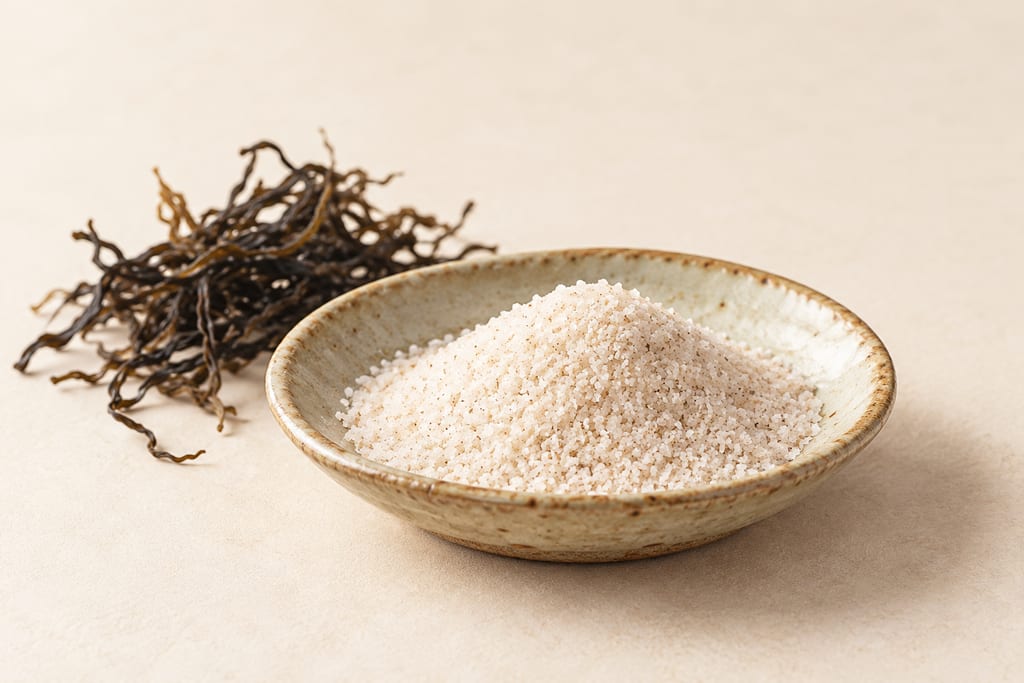
Amabito no Moshio is a modern, pale beige Japanese seaweed salt made from Seto Inland Sea water and hondawara seaweed. Its documented factory method concentrates filtered brine in kettles, then separates and dries the salt.
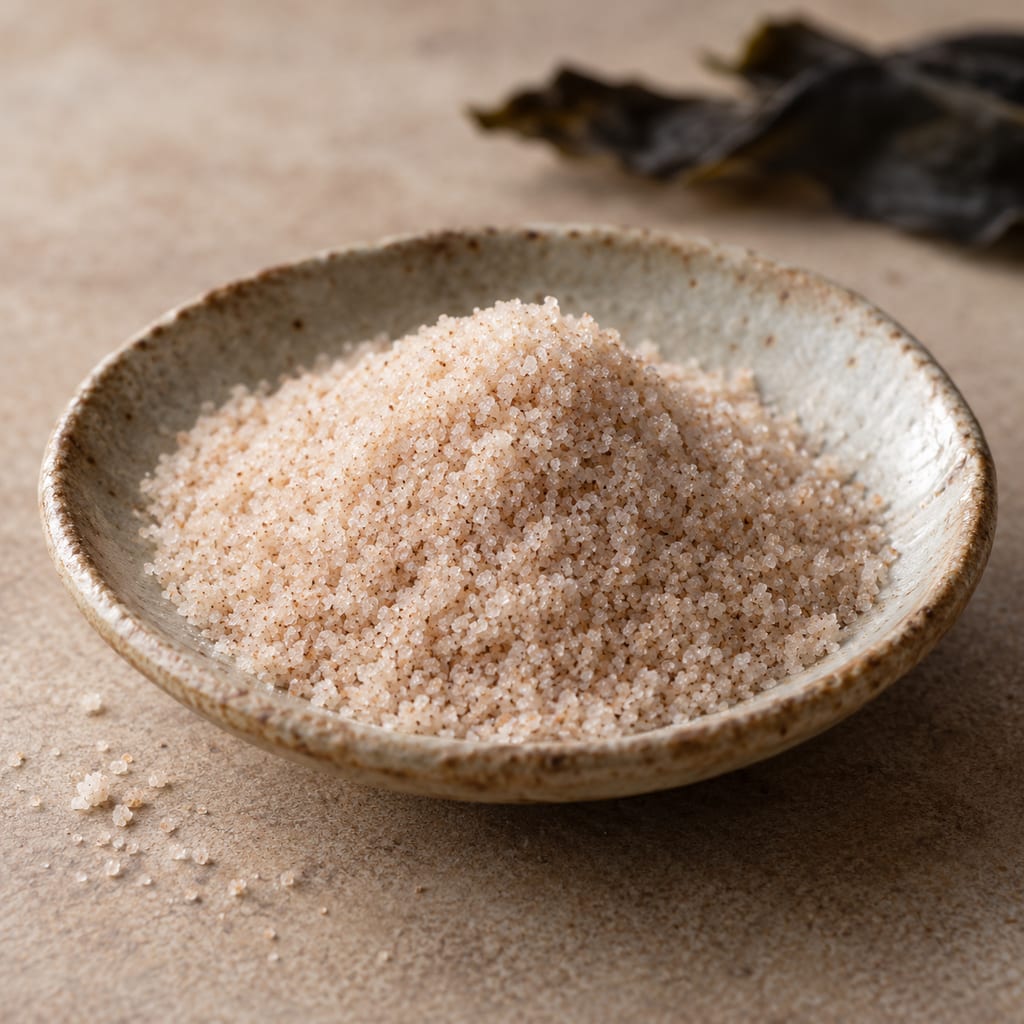
Awaji moshio is a modern Japanese seaweed salt made by TaDa PHILOSOPHY from Awaji Island seawater and seaweed. Its premium process concentrates brine, extracts seaweed flavor, then crystallizes, separates, dries and grades the salt.
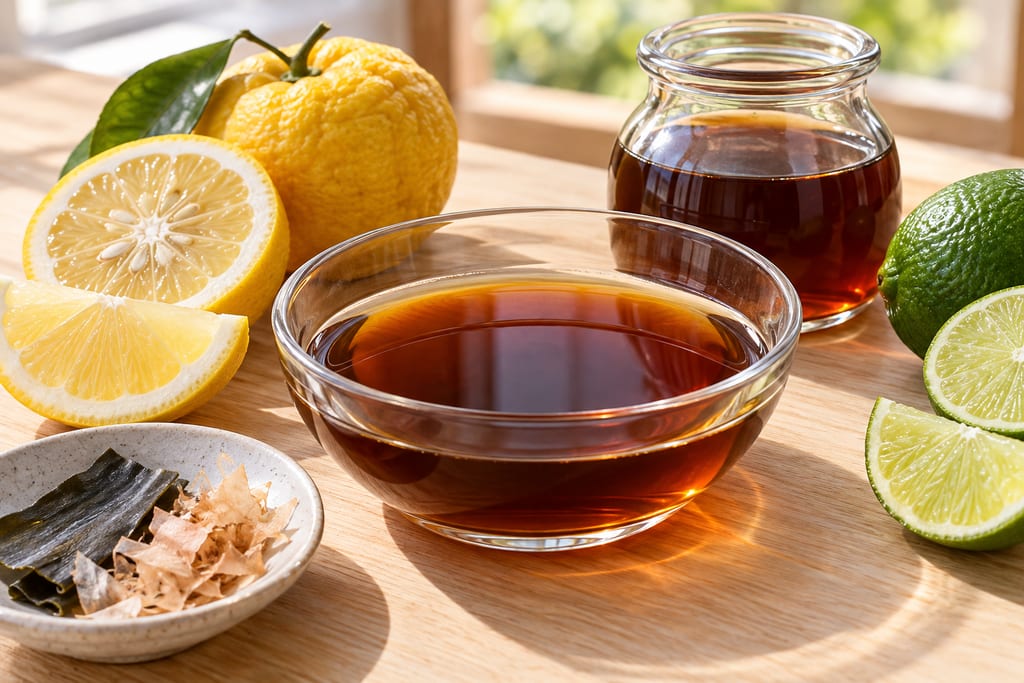
This fresh ponzu-shoyu mixes Japanese koikuchi soy sauce with yuzu or a lemon-lime blend, rice vinegar, water and sugar; optional kombu and bonito give a short chilled infusion.
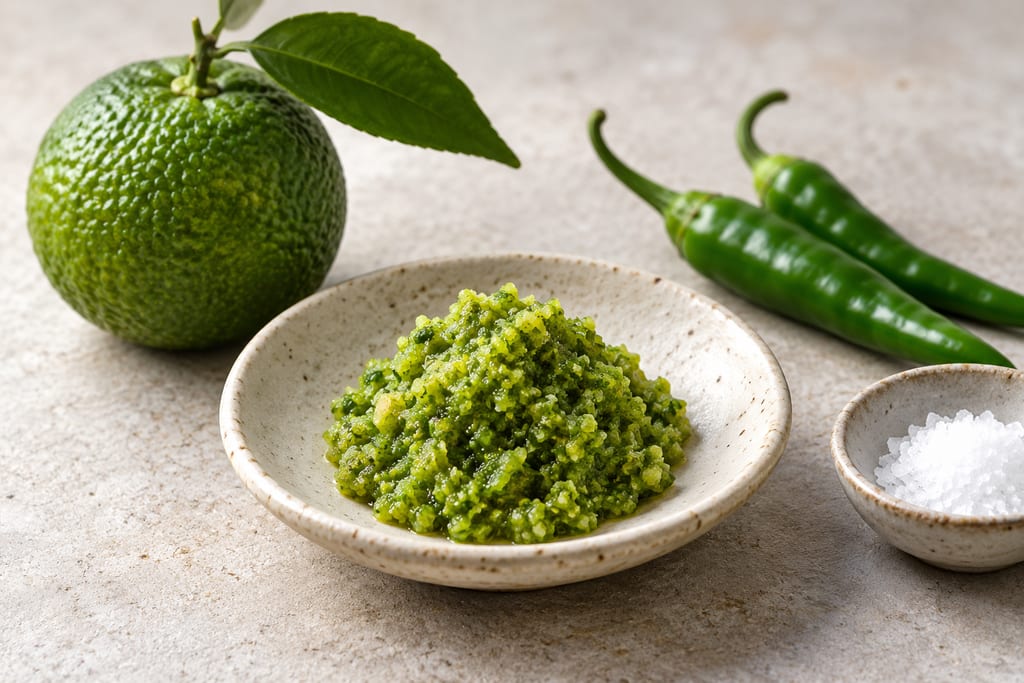
A fresh, uncooked yuzu and green chilli paste inspired by Kyushu’s yuzu kosho, made here as an untested small-batch seasoning rather than a preservation formula.
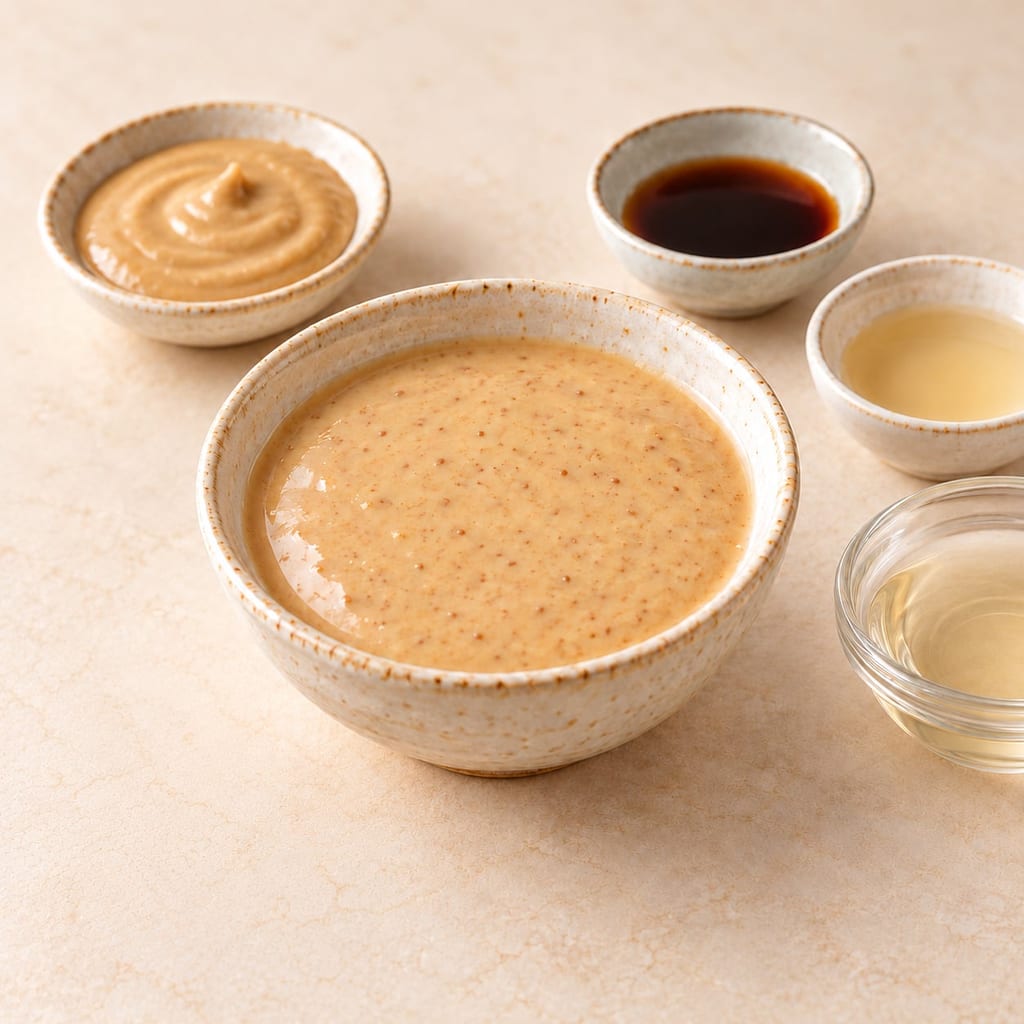
A creamy Japanese sesame dipping sauce with soy, rice vinegar and dashi. Gradual mixing turns the thick sesame paste into a smooth sauce.
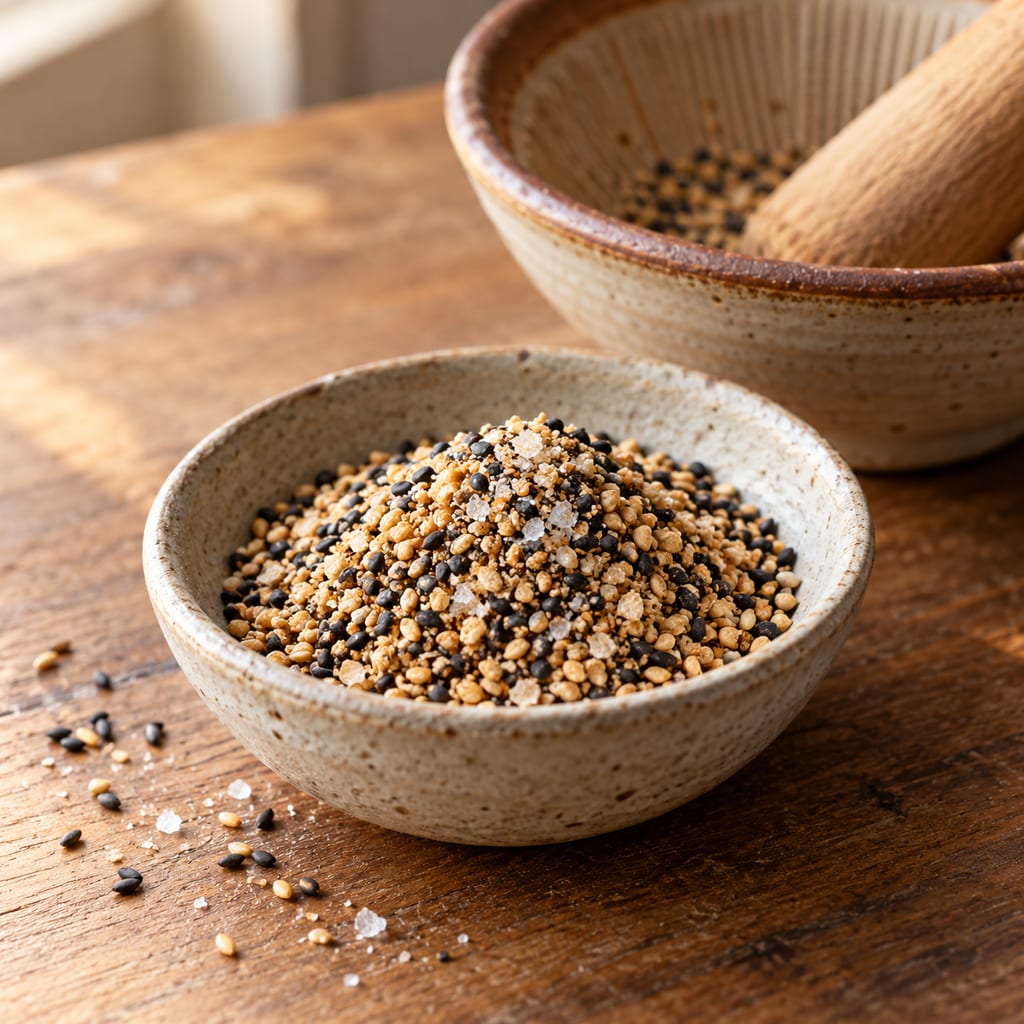
Toasted sesame seeds and sea salt are ground together into a coarse seasoning for rice. This small pan-roasted batch keeps most of the seed texture.
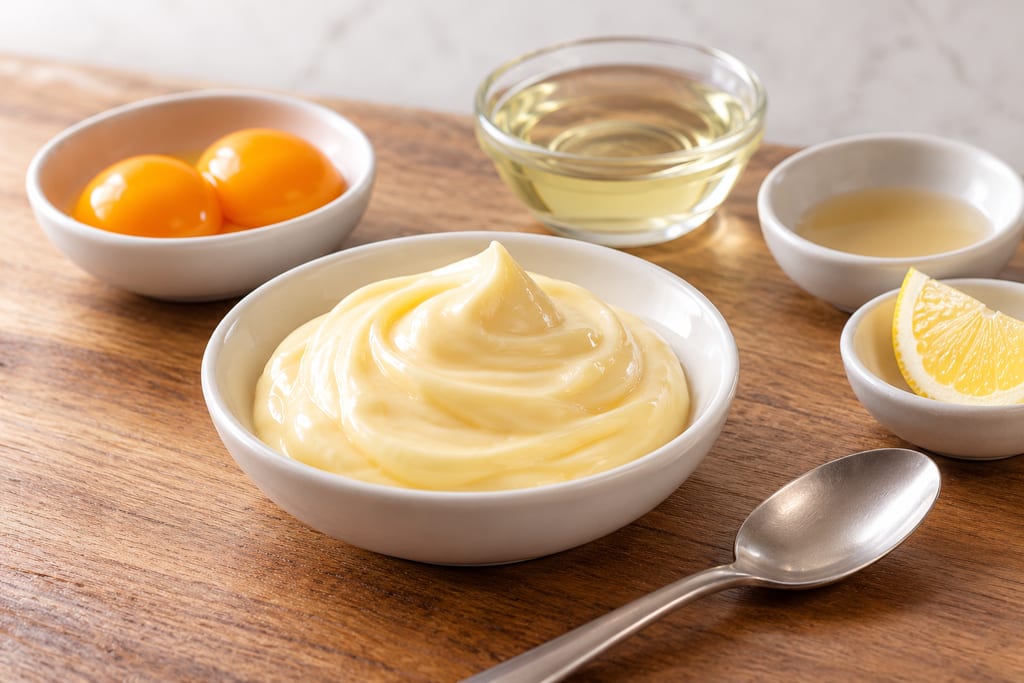
A one-cup Japanese mayonnaise batch made in a small food processor with pasteurized room-temperature egg yolks and oil added in three stages around the seasonings and acids.

Adygean salt is a seasoned table salt associated with Adygea and the wider North Caucasian culinary tradition. Salt is blended with garlic and a variable selection of herbs and spices; the exact mix depends on the named style and maker.
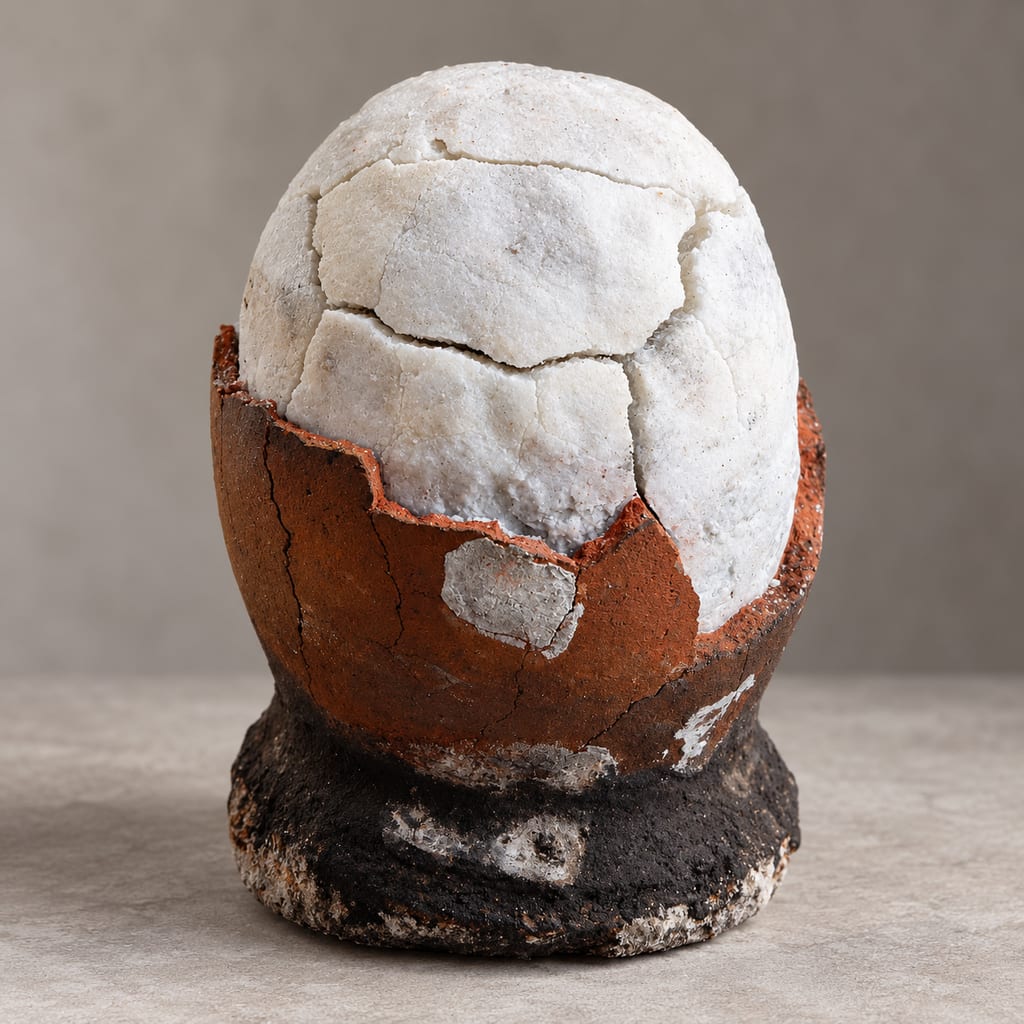
Asin tibuok is a Boholano salt-making craft that turns seawater-soaked coconut husks into a salt-rich ash, brine and formed sea salt in specialized clay pots. This record follows one published account of the community process; it is not a validated household formula.
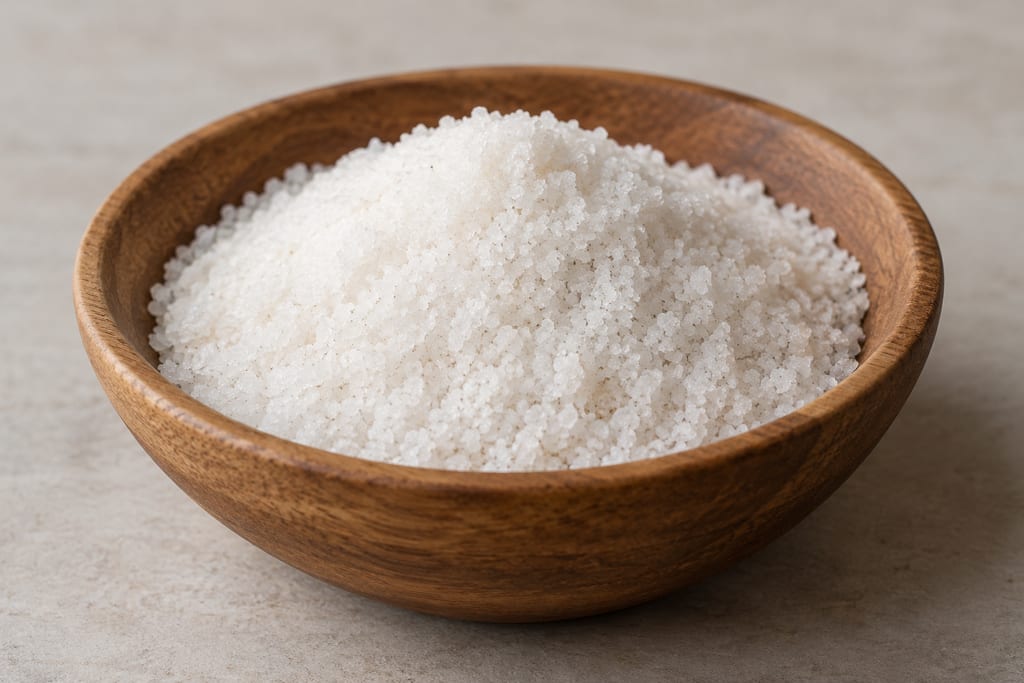
Asin sa buy-o is a fine sea salt made in Panayunan, Botolan, and packed in a woven nipa pouch called a buy-o. Salt-bearing coastal earth is leached with seawater, and the brine is boiled to crystals.
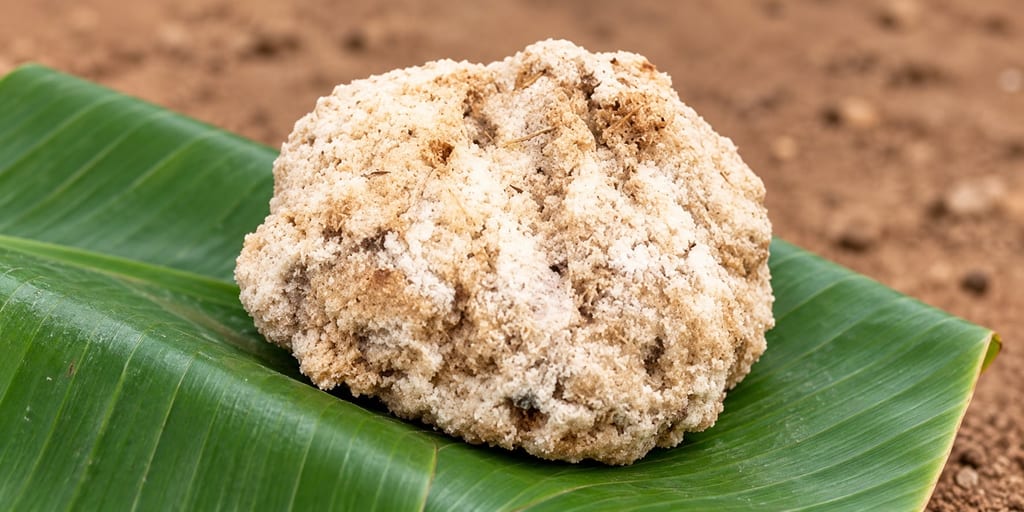
Nzoia River reed salt is a Bukusu seasoning made by leaching and evaporating the ash of mature muchua reeds. Its sources document a local method, but provide neither a measured formula nor verified mineral composition.
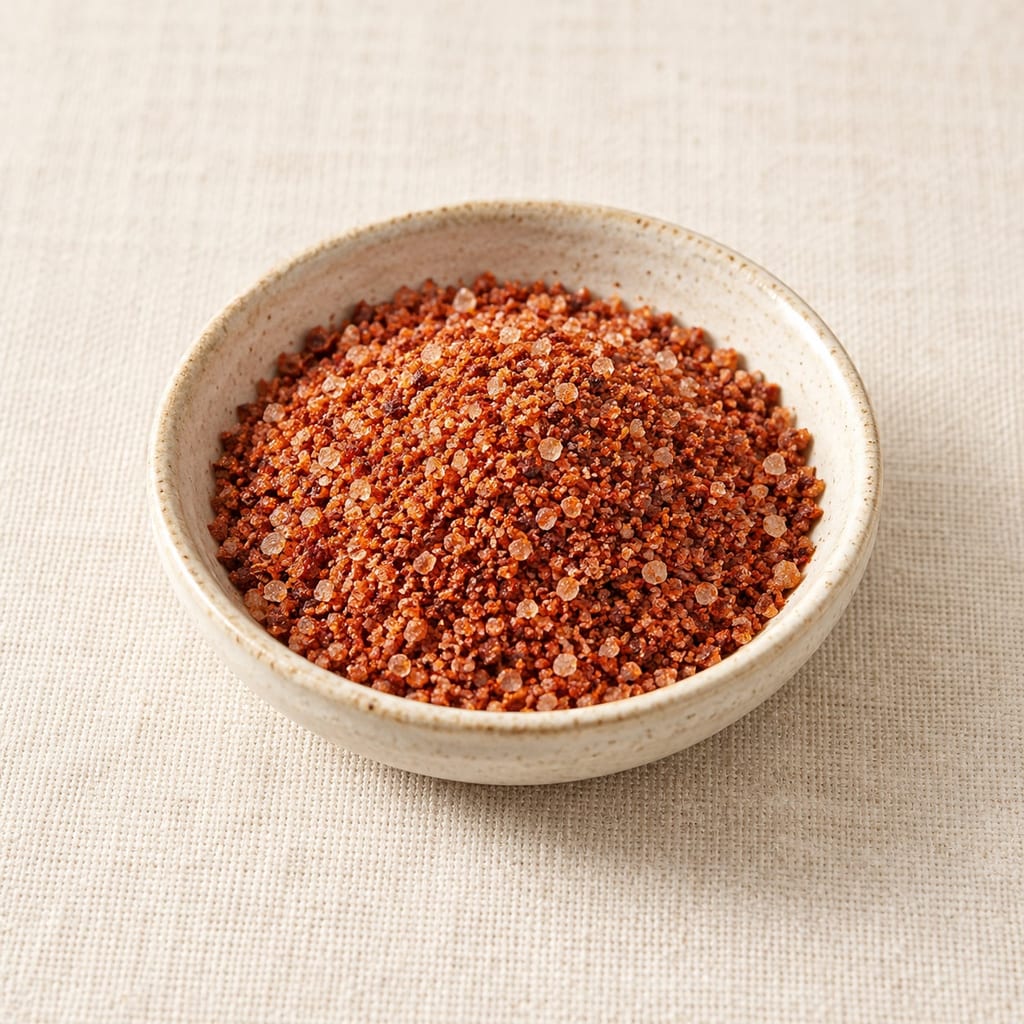
A dry Mexican seasoning of maguey worm, salt and chile, most closely associated in published accounts with Oaxaca and commonly served with mezcal, citrus and fruit.
Bulgarian dry seasoning of salt, paprika, dried herbs and spices, with household and regional variations.
Wine-infused salt is coarse food salt carrying wine colour and aroma after a wine-and-salt mixture is reduced and dried. This version follows a Missouri Wines method at a one-to-three salt-to-wine ratio.

Soft, spreadable Calabrian pork sausage made with a great deal of red chilli and fatty pork, stuffed into natural casings, sometimes smoked and matured while staying soft.

A way to add independent temperature logging to an existing food dehydrator without changing its built-in controls or protections. It is a monitoring method, not a rewiring plan.

Pleurotus cystidiosus is the abalone mushroom, a cultivated oyster-type fungus with dark brown caps that grows more slowly and is more demanding than other Pleurotus species.

A dark, balanced vinegar from Emilia-Romagna made by combining cooked or concentrated grape must with wine vinegar, then acetifying and refining it in wood under a protected specification.

A living dairy inoculum that starts controlled cream fermentation, developing acidity and aroma before sour cream or cultured butter is finished.

A small electric incubator holds jars at a selected temperature for yogurt and other documented warm food preparations. Controls, capacity and vessel arrangement vary by model.

The African Caesar-group mushroom, Amanita masasiensis, is a wild ectomycorrhizal species of central and southern African woodlands, eaten locally. The genus contains deadly poisonous species, so identification needs care.
Ghanaian sour cassava dough fermented with traditional inoculum and drained during fermentation. It is used as a base for cooked foods such as banku and akple; process variants and safety outcomes differ.
No community contributions have been published for this entry yet.
Sign in to contribute. Published comments and photos are free to read.
KAI CorporationMethod · Uses
お茶塩The recipe finely grinds tea leaves and sieves them, then mixes them 1:1 with fine-grained salt.
The blend is served with shredded yam, spring rolls and vegetable fritters.
Cited in: A green seasoning made from two dry ingredients; Why powder and salt behave differently from brewed tea; The equal-parts method and its limits; Serving, choosing tea and handling a small batch
Japan GuideUses · Geography
Japanese CondimentsThe guide says flavored salts, including salt mixed with powdered green tea, may be served in Japan, including with tempura.
Cited in: A green seasoning made from two dry ingredients; The equal-parts method and its limits; Serving, choosing tea and handling a small batch
TeatuliaMethod · Uses · Variation
Green Tea SaltA contemporary recipe combines loose-leaf green tea and kosher salt; it proposes green tea salt for popcorn, melon salad and seafood, and suggests other teas as distinct flavor variations.
Cited in: Why powder and salt behave differently from brewed tea; Tea salts, matcha salts and related preparations; Serving, choosing tea and handling a small batch
China Tea ProcessingScience · Variation
Exploration of the Tea Salt Preparation Process and Flavor AnalysisThe abstract distinguishes an extraction-based tea salt made with iodine-free salt, tea and water from dry leaf-and-salt blends; it reports analyzing flavor compounds and taste substances.
The paper is not used to prescribe a dry-blend ratio or a storage method.
Cited in: Why powder and salt behave differently from brewed tea
Ministry of Agriculture, Forestry and Fisheries of JapanContext · Geography
Okaisan/Chagayu | Our Regional CuisinesWakayama chagayu is a tea-and-rice porridge, with bancha or hojicha and salt to taste; it is a distinct salted tea preparation, not tea salt.
Cited in: Tea salts, matcha salts and related preparations
SciOpenScience
Exploration of the Tea Salt Preparation Process and Flavor AnalysisPublisher page provides the article abstract, publication issue and DOI; the English abstract describes extraction-based tea salt and its analytical scope.
Cited in: Tea salts, matcha salts and related preparations