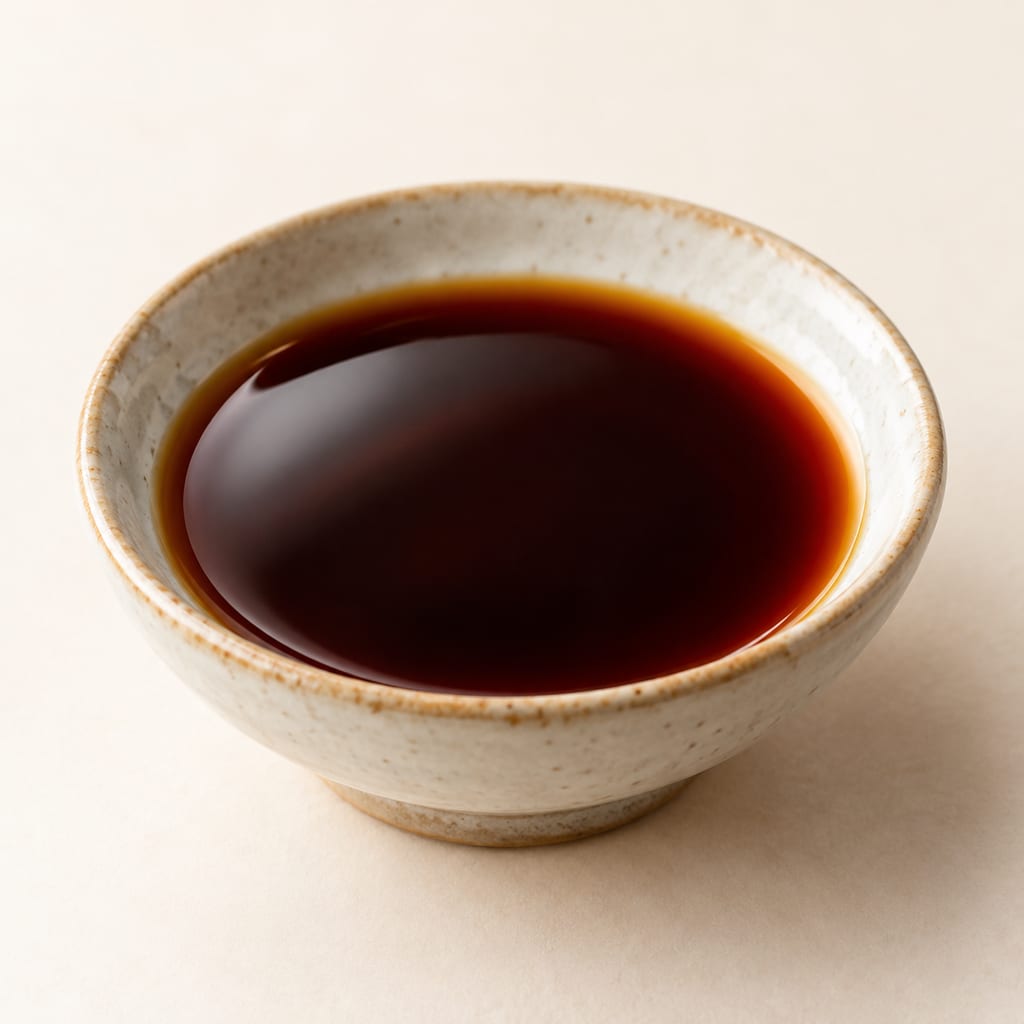
Koikuchi soy sauce
Japan's standard all-purpose soy sauce: soybeans and wheat grown over with koji mould, brined, fermented for months, pressed and usually heated into a reddish-brown, savoury liquid.
 FermenteaWhere food goes to change
Modern method
This fresh ponzu-shoyu mixes Japanese koikuchi soy sauce with yuzu or a lemon-lime blend, rice vinegar, water and sugar; optional kombu and bonito give a short chilled infusion.
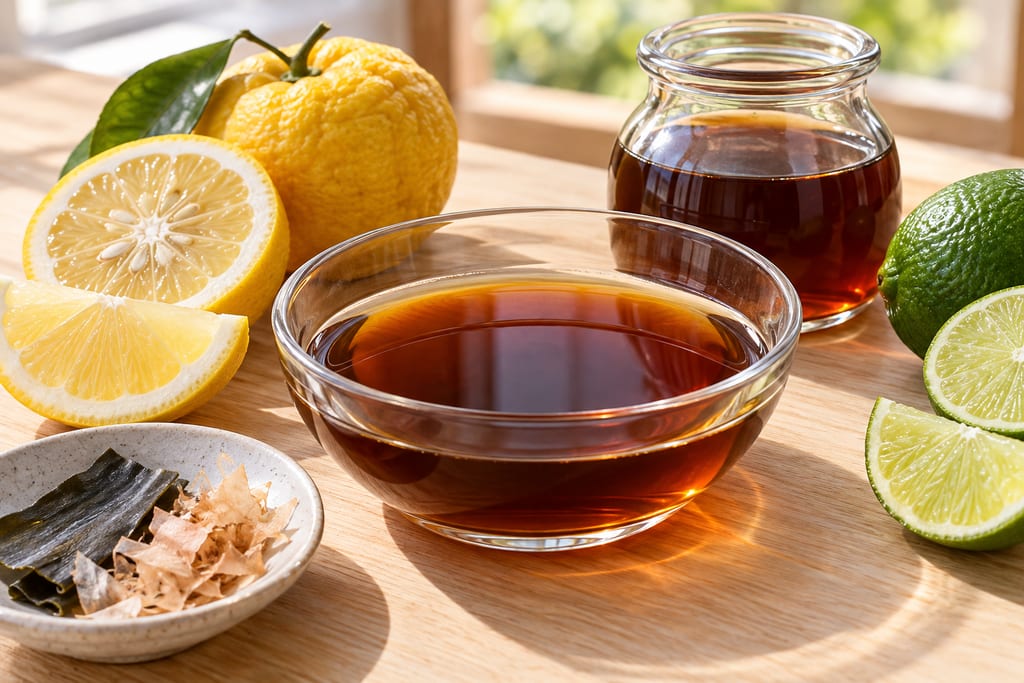
The supplied report records this batch as an original development formulation, not a traditional recipe or a copy of a published author's ratios. It combines koikuchi soy sauce, citrus juice, unseasoned rice vinegar, water and sugar. Kombu and bonito are optional additions for a short chilled extraction.
The reported yield is approximately 205 g before optional steeping solids. Active preparation is listed as 5 minutes; an optional refrigerated steep is given as 4–12 hours. Steeping extracts flavour from the additions. The recipe does not ferment.
Ponzu names a citrus-based Japanese condiment. Namiko Hirasawa Chen describes older ponzu forms as citrus and vinegar without soy sauce, and modern ponzu-shoyu as a citrus-soy form. Her account presents one proposed explanation of the word's history and does not establish an earliest date for this particular sauce.
The supplied formulation belongs to that broad citrus-soy style. Its Japan association describes the culinary context in which the report places it; it does not establish that this experimental batch originated in Japan.
Yuzu gives the formulation its specified citrus; the supplied report permits a lemon-and-lime mixture as an alternative. Fresh juice makes the batch distinct from bottled ponzu, while soy sauce contributes salt and savoury flavour. The optional kombu and bonito add a dashi-like savoury note during the chilled steep.
The published Just One Cookbook recipe is a useful comparison because it also combines soy, citrus, kombu and bonito. Its formula uses different proportions and includes mirin and lemon zest, so its longer steep and storage statements cannot be applied to this formulation.
The supplied report marks the formula as untested and gives no measured pH or established commercial shelf life. It says the batch is not authorised for room-temperature storage or home canning. The report's conservative 48-hour working window is a house convention borrowed from general leftovers advice, not a measured shelf life or process validation for this uncooked sauce.
The Food Standards Agency gives general advice to keep a refrigerator between 0 and 5°C and use leftovers within 48 hours or freeze them. That advice does not validate this particular recipe for 48 hours. Refrigerate the prepared sauce promptly; freeze portions while fresh if needed, accepting possible loss of citrus brightness. Do not rely on smell, taste or visible activity to establish safety.
The supplied report identifies this exact formulation as an original development recipe, not a traditional or tested formula. Namiko Hirasawa Chen's separate ponzu recipe documents the broader citrus-soy style and optional kombu and bonito infusion; its quantities, steeping schedule and storage claims are not transferred to this batch.
Yield 205 g · Scaling: source batch only
The soy sauce contains soy and commonly contains wheat; the optional bonito version contains fish.
Hazard sourceKeep the prepared sauce refrigerated at 0–5°C under general Food Standards Agency chilling guidance; this is not a validated process limit for this recipe.
Control sourceThis is an untested development formulation, not a kitchen-tested or shelf-life-validated recipe.
The supplied report gives a conservative 48-hour working window as a house convention, not a measured shelf life; it does not establish that this fresh formula is safe for that duration.
Refrigerate promptly or freeze suitable portions while fresh. Freezing may reduce the fresh citrus aroma.
Do not store at room temperature or use this formulation for home canning.
The supplied report uses a Japanese citrus-soy style comparison, and the cited cookbook documents Japanese ponzu. This is a style association, not a birthplace or traditional claim for the exact development batch.
Japan's standard all-purpose soy sauce: soybeans and wheat grown over with koji mould, brined, fermented for months, pressed and usually heated into a reddish-brown, savoury liquid.
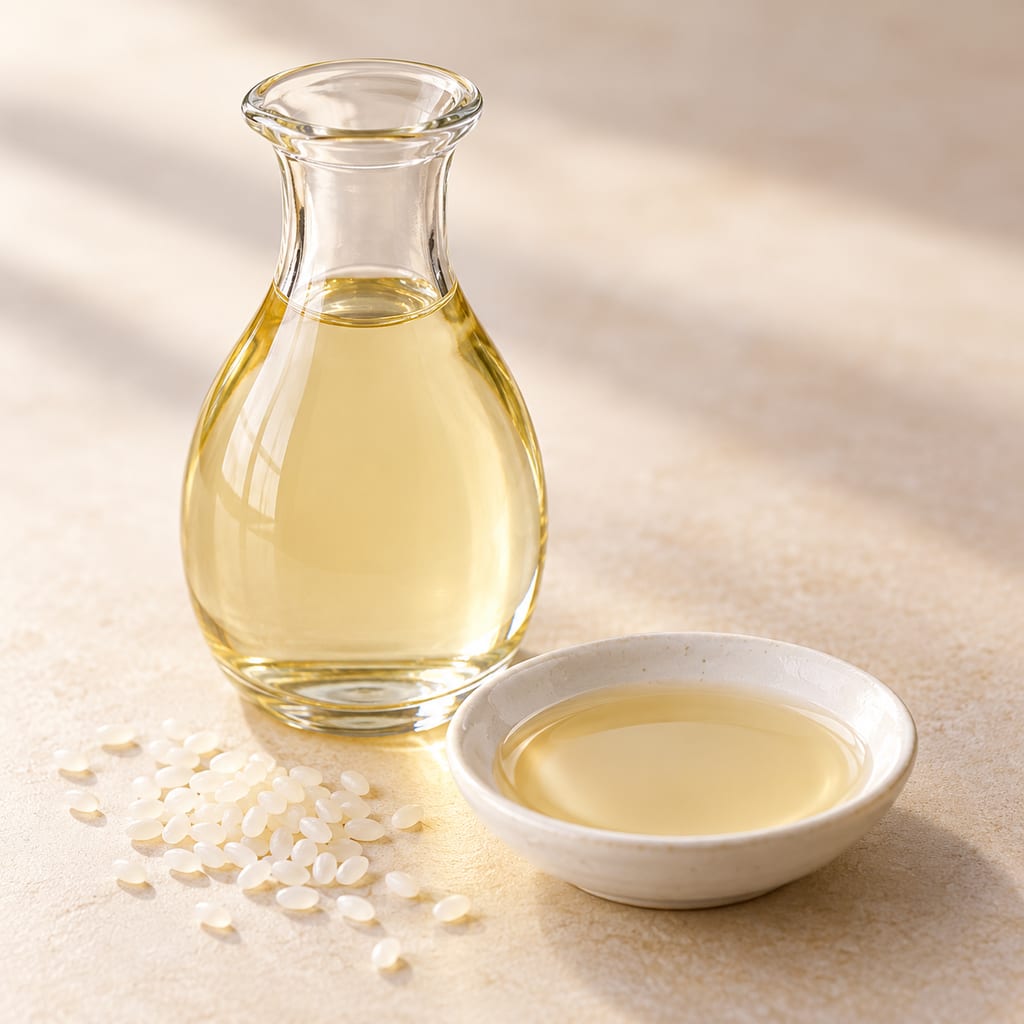
Japanese komezu is a pale, unseasoned rice vinegar made through alcoholic and acetic fermentation; rice, water, koji and yeast shape its character.
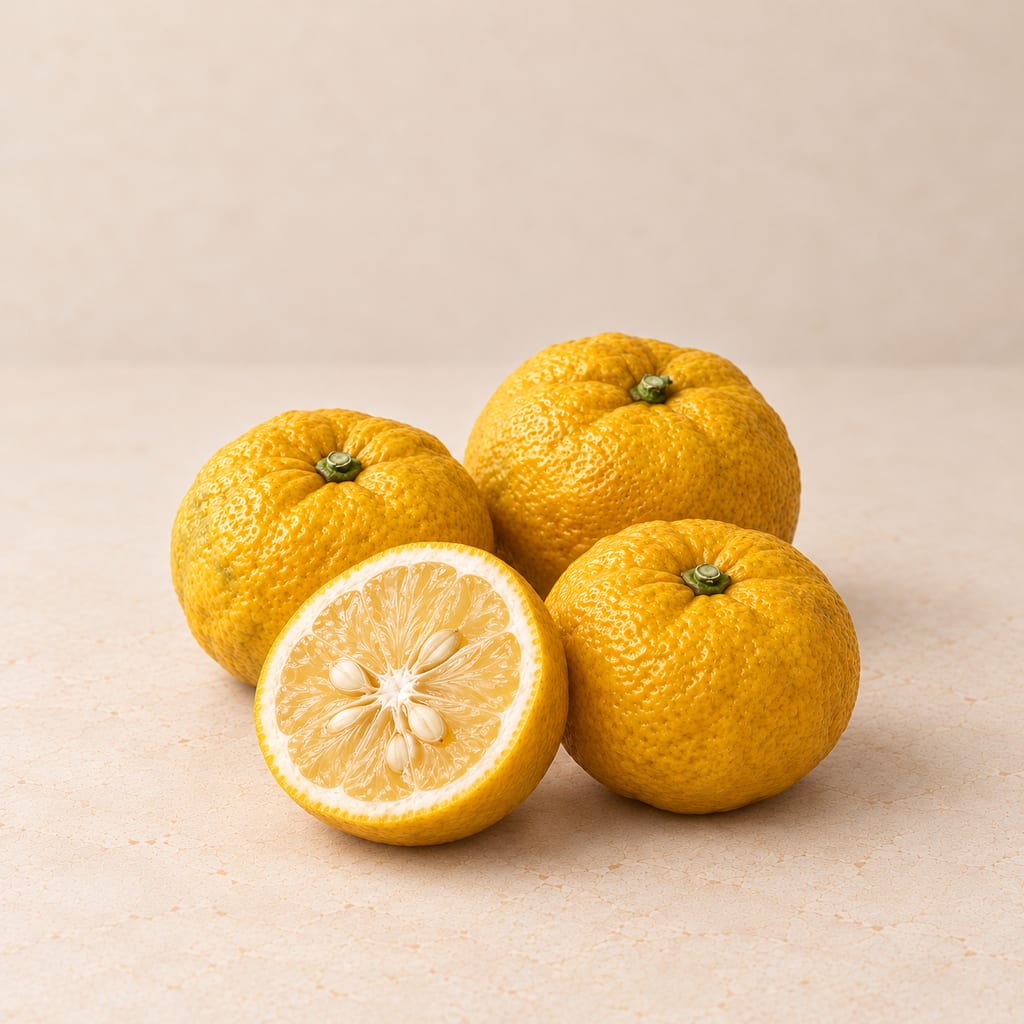
Yuzu (Citrus junos) is a hardy, thorny East Asian citrus whose sour juice and intensely scented peel flavour ponzu, yuzu kosho and preserves.

Japanese reddish-brown vinegar from sake lees matured about three years, turned to vinegar by acetic bacteria; the vinegar of Handa and Edomae sushi rice.
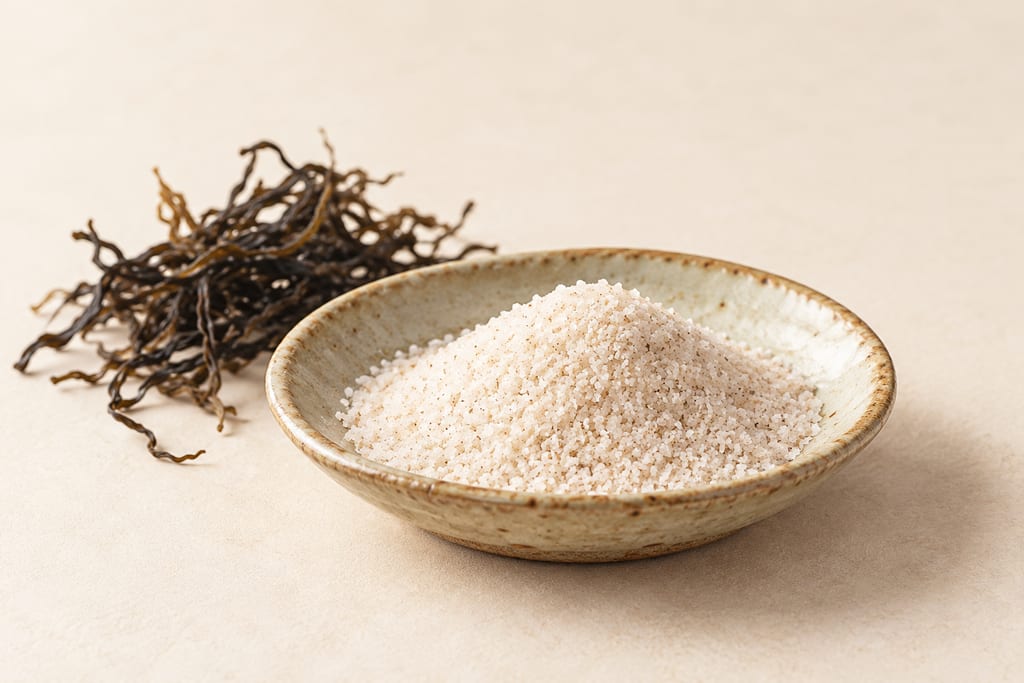
Amabito no Moshio is a modern, pale beige Japanese seaweed salt made from Seto Inland Sea water and hondawara seaweed. Its documented factory method concentrates filtered brine in kettles, then separates and dries the salt.
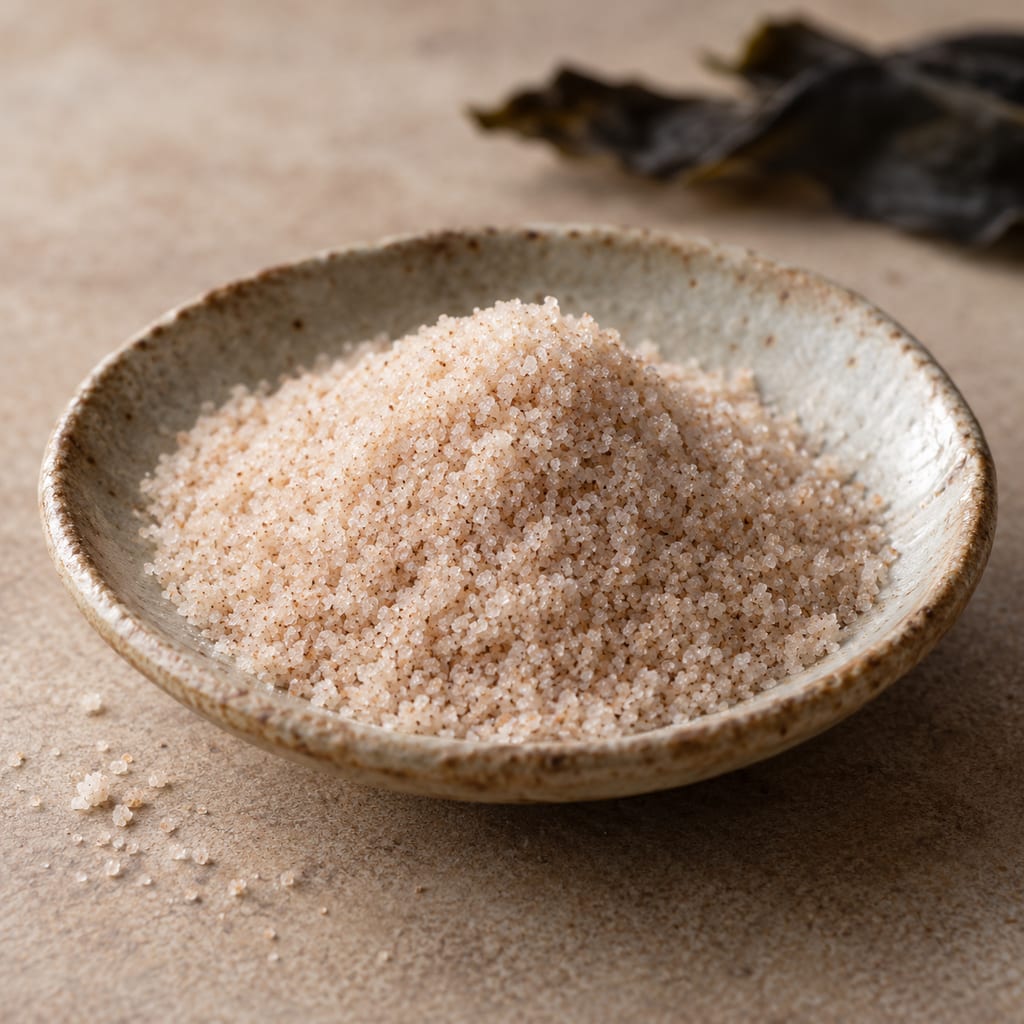
Awaji moshio is a modern Japanese seaweed salt made by TaDa PHILOSOPHY from Awaji Island seawater and seaweed. Its premium process concentrates brine, extracts seaweed flavor, then crystallizes, separates, dries and grades the salt.
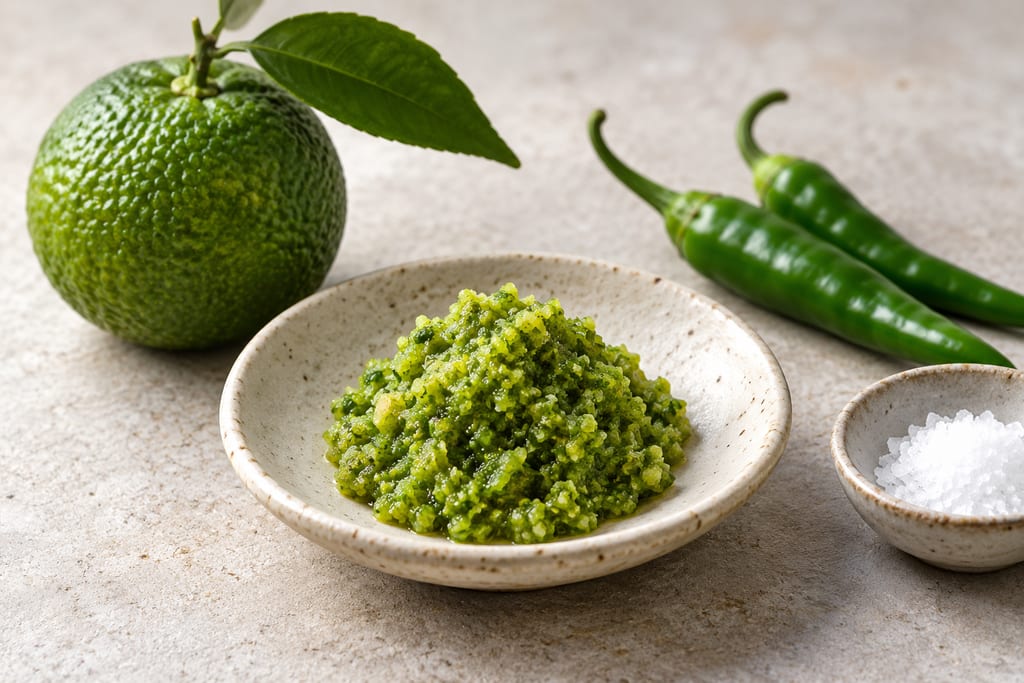
A fresh, uncooked yuzu and green chilli paste inspired by Kyushu’s yuzu kosho, made here as an untested small-batch seasoning rather than a preservation formula.
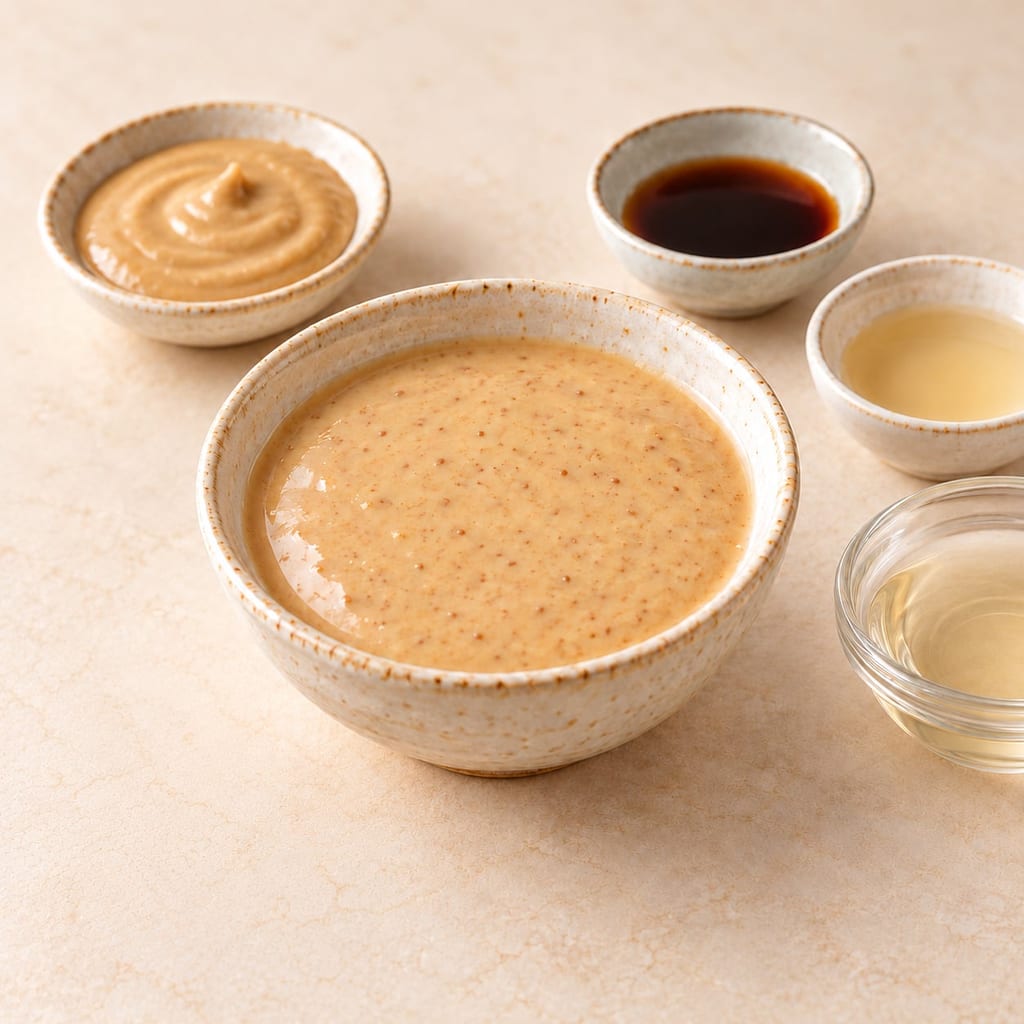
A creamy Japanese sesame dipping sauce with soy, rice vinegar and dashi. Gradual mixing turns the thick sesame paste into a smooth sauce.
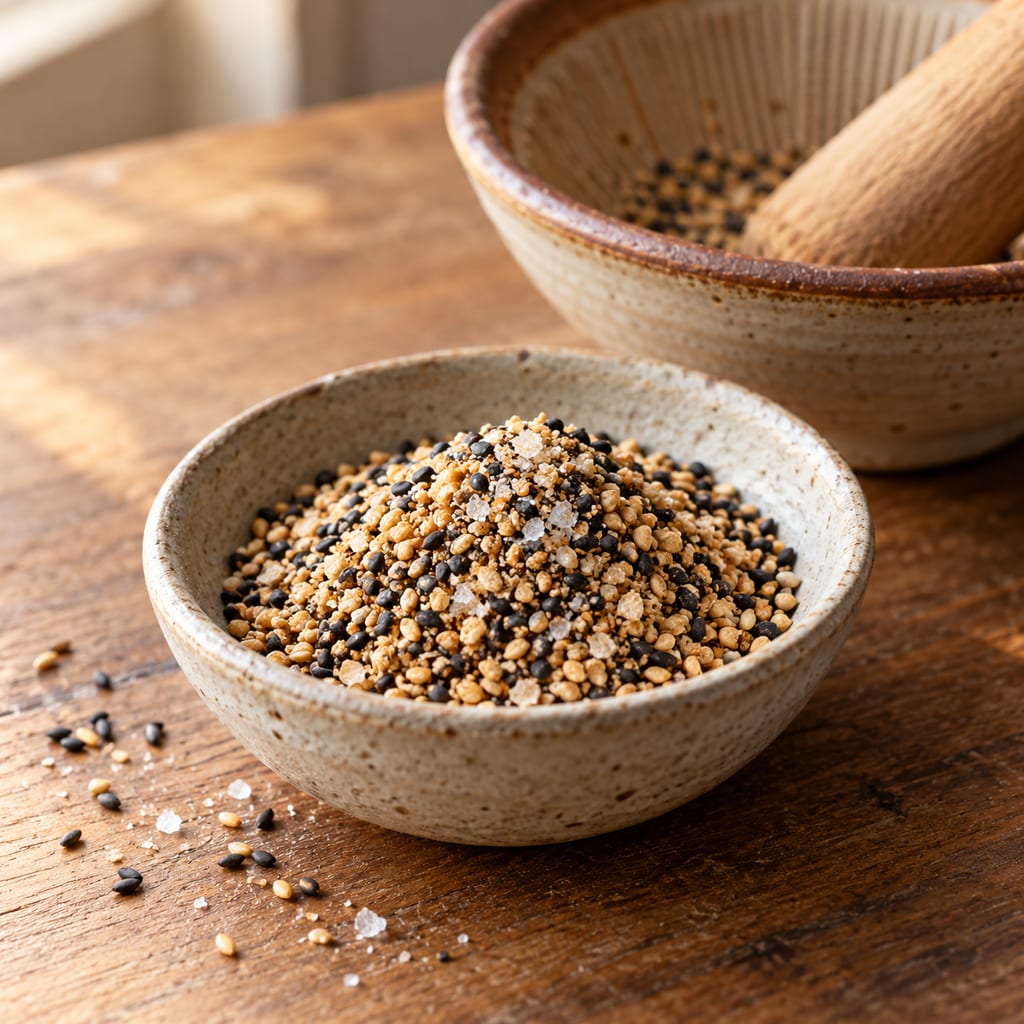
Toasted sesame seeds and sea salt are ground together into a coarse seasoning for rice. This small pan-roasted batch keeps most of the seed texture.
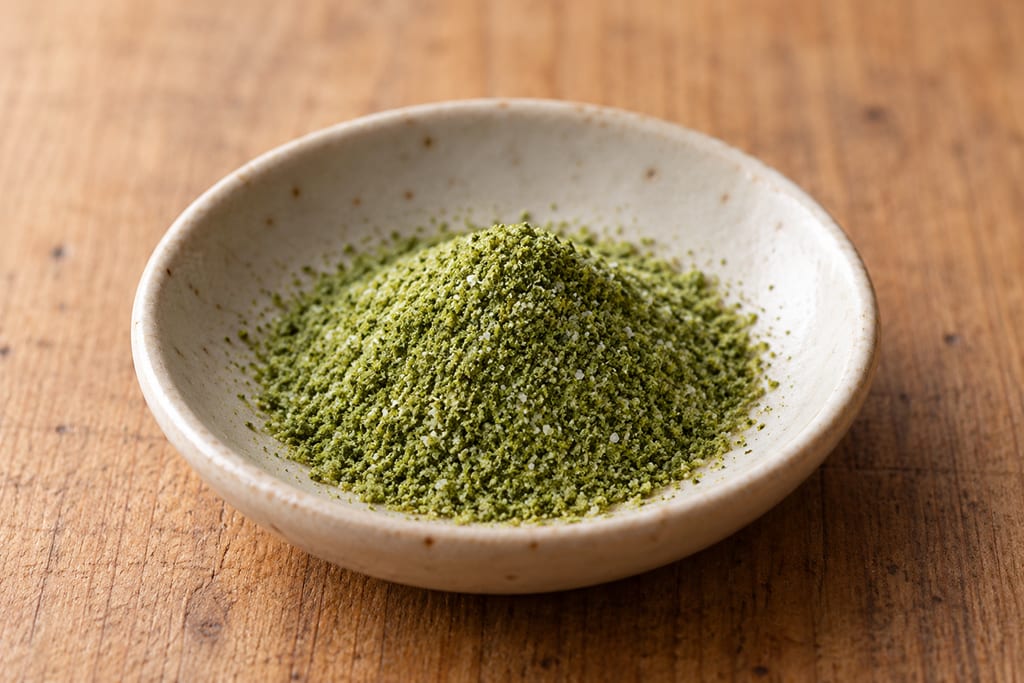
Green tea leaf salt is a dry seasoning made by grinding tea leaves, sieving them and mixing the powder with fine salt. This Japanese-style version follows a documented equal-parts method.
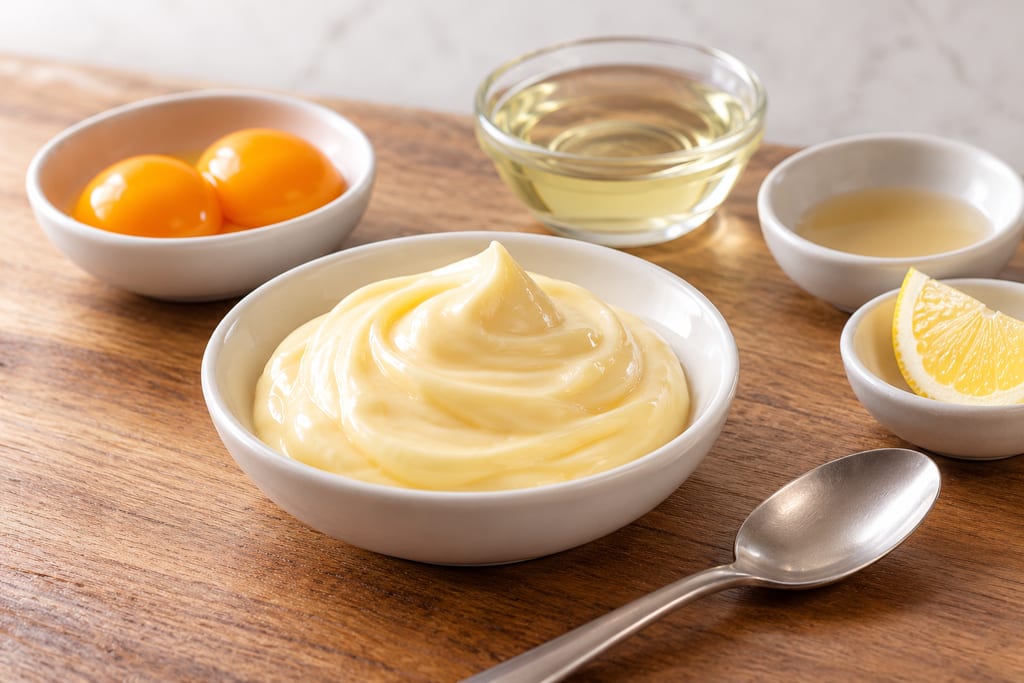
A one-cup Japanese mayonnaise batch made in a small food processor with pasteurized room-temperature egg yolks and oil added in three stages around the seasonings and acids.
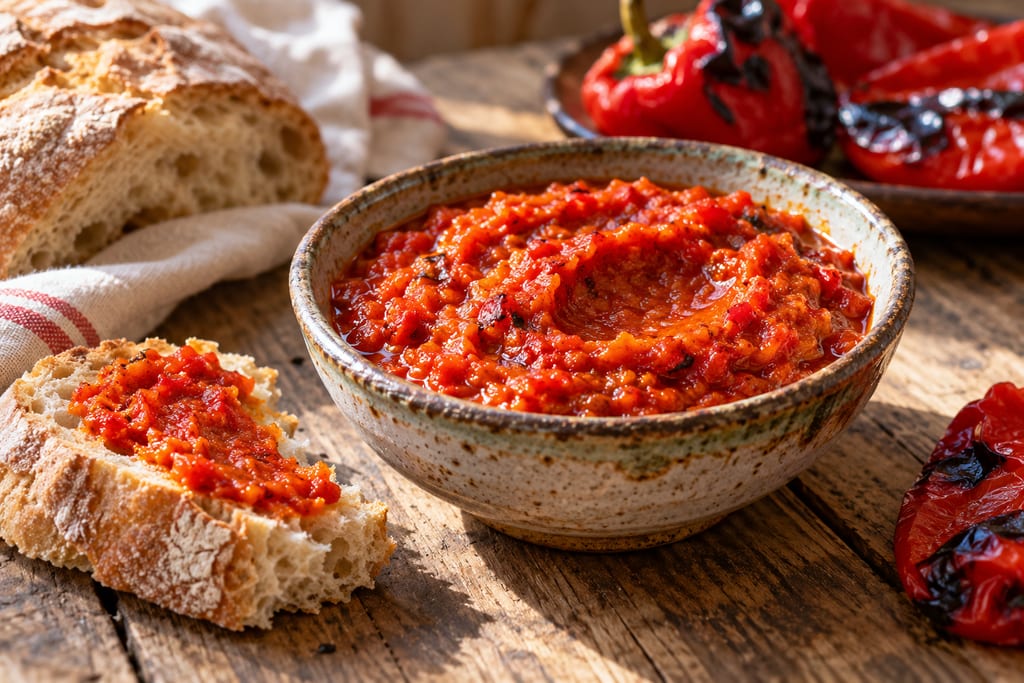
Ajvar is a cooked Balkan pepper preserve built around roasted red peppers, peeled, drained, ground and slowly fried with oil and seasoning. Leskovac’s protected version is a pepper specialty; regional versions vary.
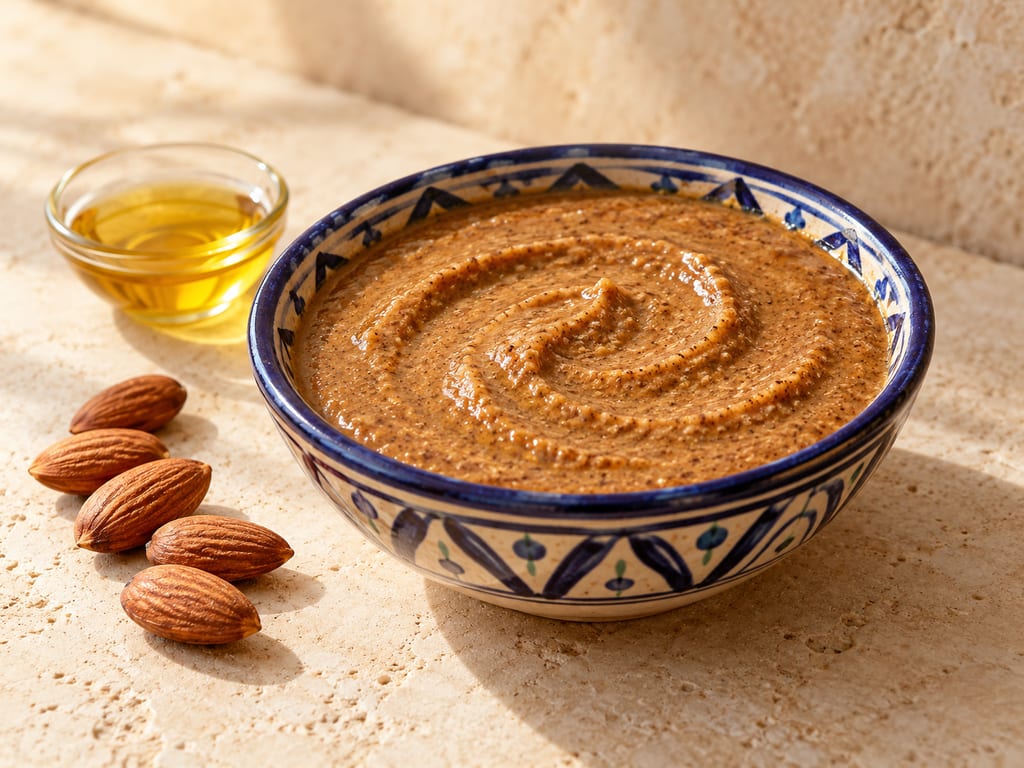
Amlou is a nutty, lightly sweet Moroccan spread of roasted almonds, culinary argan oil and honey. The almonds are ground first, then loosened with oil and sweetened; the balance can range from a thick spread to a dip.
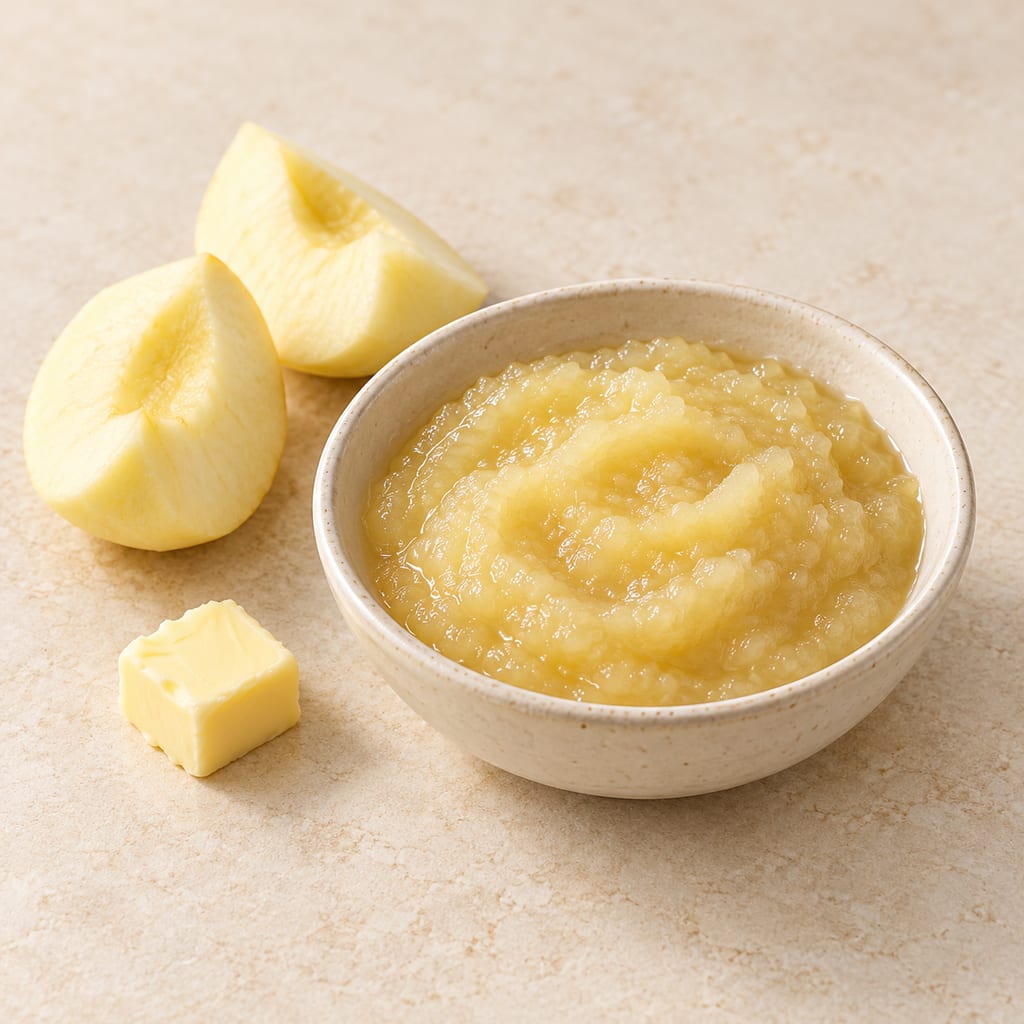
Apple sauce for goose and pork is a plain English accompaniment: cooked apples pulped with water, then sweetened with sugar and finished with a little butter.

A warm dip of garlic, anchovy and olive oil, often enriched with butter, that Piedmont serves over a flame with raw and cooked vegetables and bread.
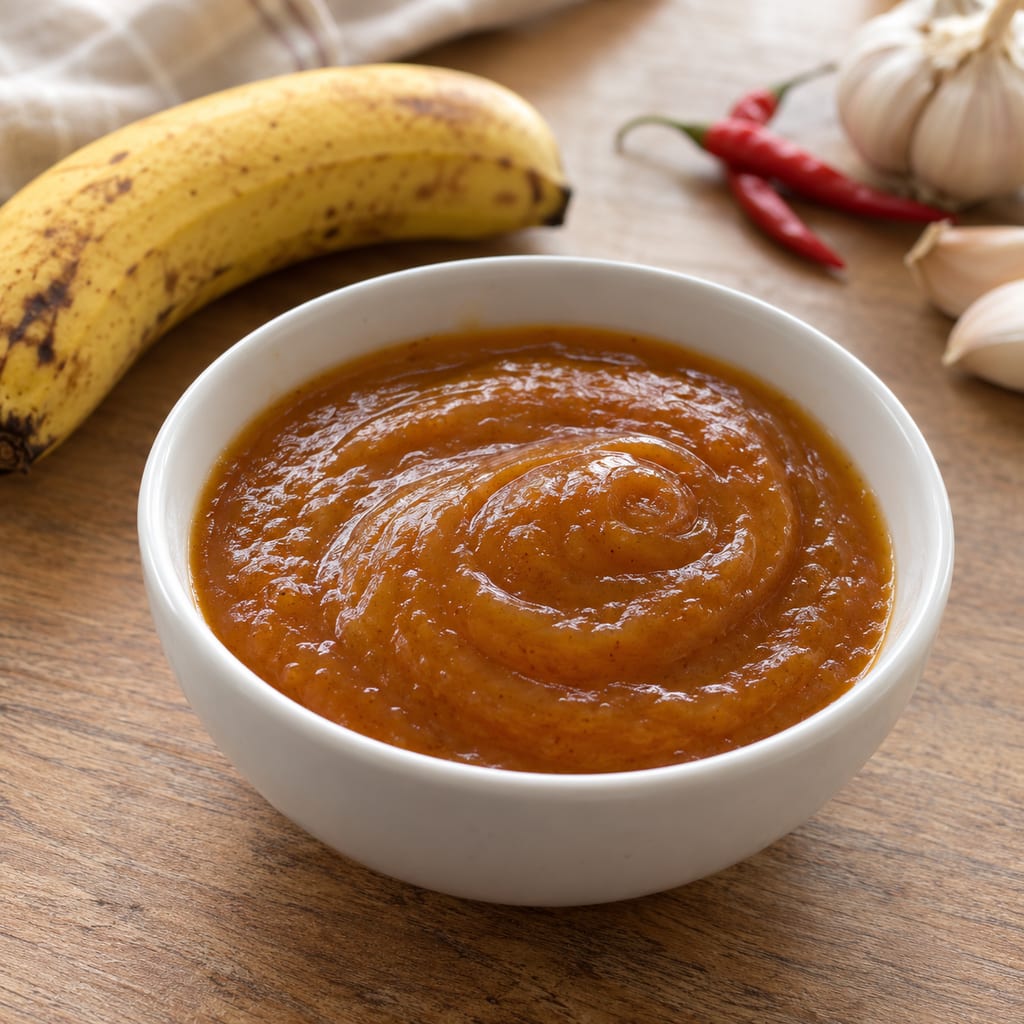
A sweet-hot table sauce of ripe banana simmered with vinegar, sugar, onion, garlic and fresh chilli, in the manner of Philippine banana ketchup. An untested development batch of about 500 g.
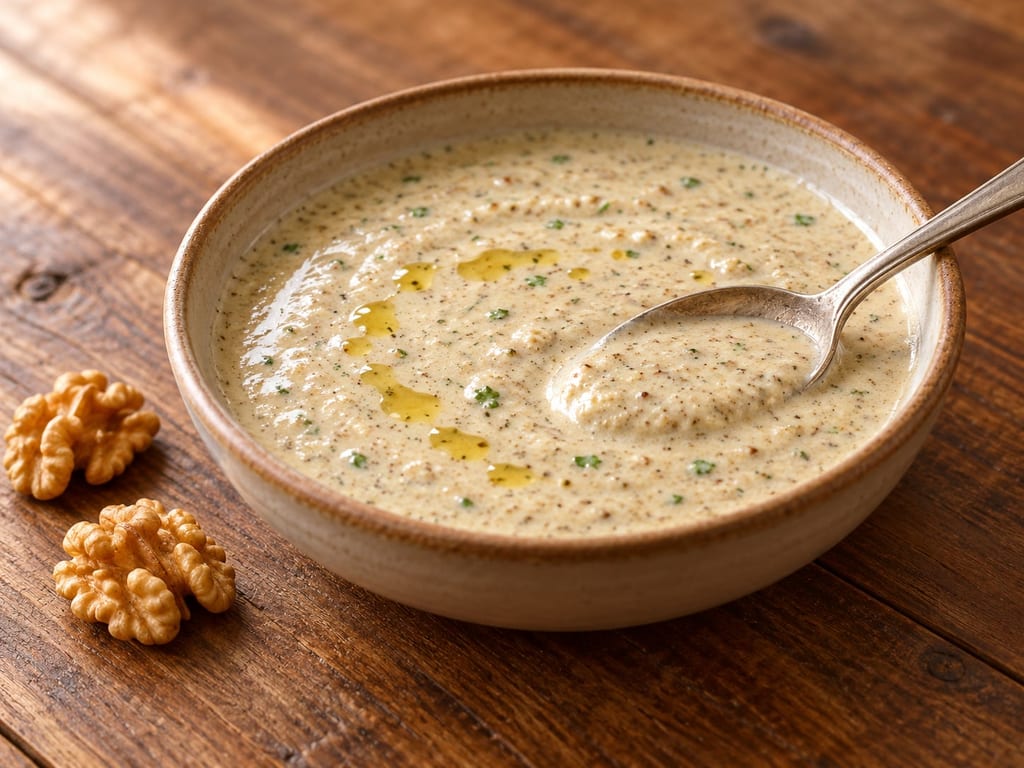
A Georgian walnut sauce of ground walnuts, garlic, vinegar and spices, thinned with water or broth. It is served with poultry, vegetables and bread, and is the sauce of the dish satsivi.
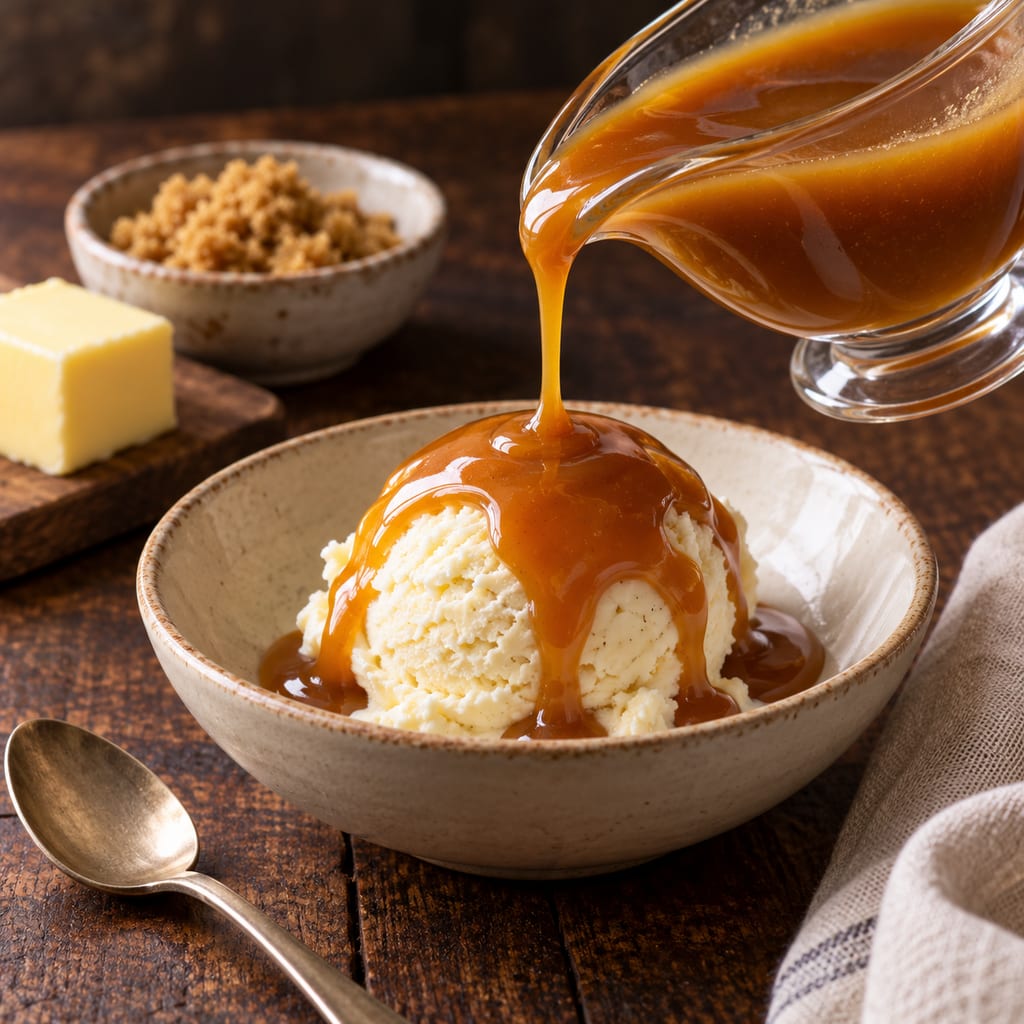
A pourable dessert sauce of brown sugar, butter and cream, with a little corn syrup and salt. It is the sauce form of the butterscotch confection and is made without water, unlike caramel.
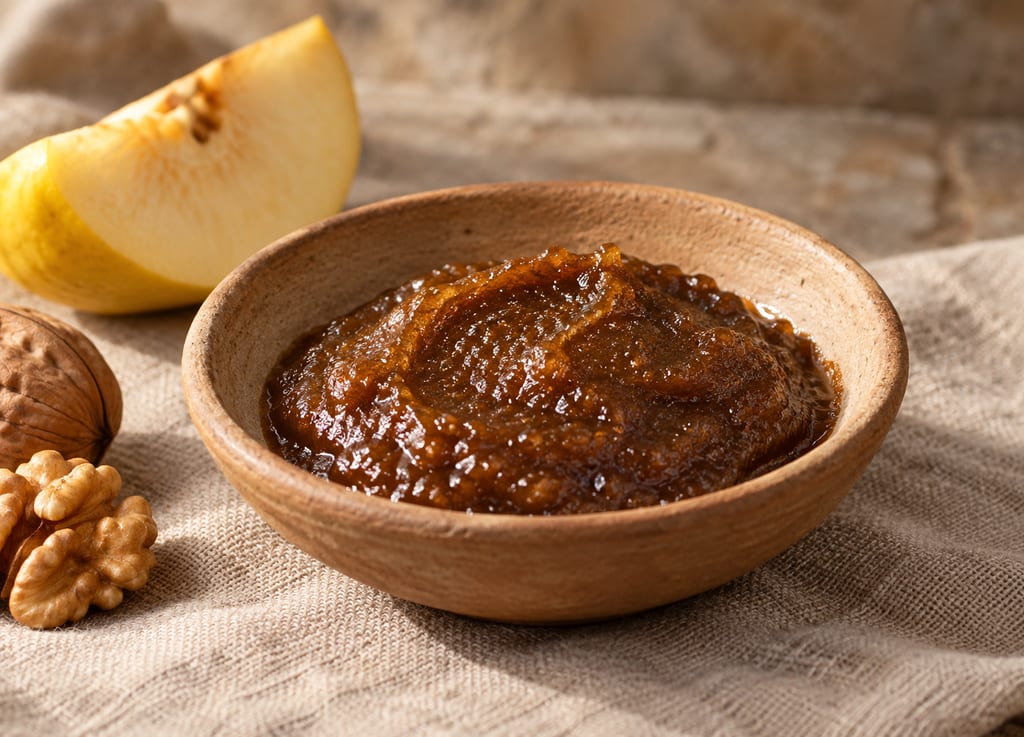
Byzantine murrī is a cooked imitation of murrī from the medieval Arabic repertoire, made from scorched honey, toasted bread, walnuts, quince, carob and spices rather than from a long grain fermentation.
No community contributions have been published for this entry yet.
Sign in to contribute. Published comments and photos are free to read.
Just One CookbookIdentity · History · Geography · Uses
Ponzu (Japanese Citrus Dipping Sauce)The author describes ponzu as a Japanese citrus sauce and ponzu shoyu as a modern citrus-soy form, with uses as a finishing sauce or dip; the page does not date this report's formulation.
Cited in: Ponzu and ponzu-shoyu
Just One CookbookInspiration · Method · Flavour
Ponzu Sauce (Video) ポン酢The page describes a separate ponzu formula with soy sauce, citrus, mirin, kombu, bonito and lemon zest. Its recipe and storage advice apply to that formula, not the supplied fresh ponzu-shoyu development formula.
Cited in: A fresh development formula; Ponzu and ponzu-shoyu; Citrus, salt and savoury depth
Food Standards AgencySafety · Storage
How to chill, freeze and defrost food safelyFSA general guidance says to keep a refrigerator between 0 and 5°C and use leftovers within 48 hours or freeze them; this does not validate a shelf life for this uncooked sauce.
Cited in: Handling and unresolved safety