
Rice koji
Rice koji is steamed white rice through which koji mold has grown. It carries the enzymes that turn rice starch into sugar, and it is the starting point of sake, sweet miso, amazake and shio koji.
 FermenteaWhere food goes to change
米酢 (komezu) · Japanese rice vinegar · komezu
Japanese komezu is a pale, unseasoned rice vinegar made through alcoholic and acetic fermentation; rice, water, koji and yeast shape its character.
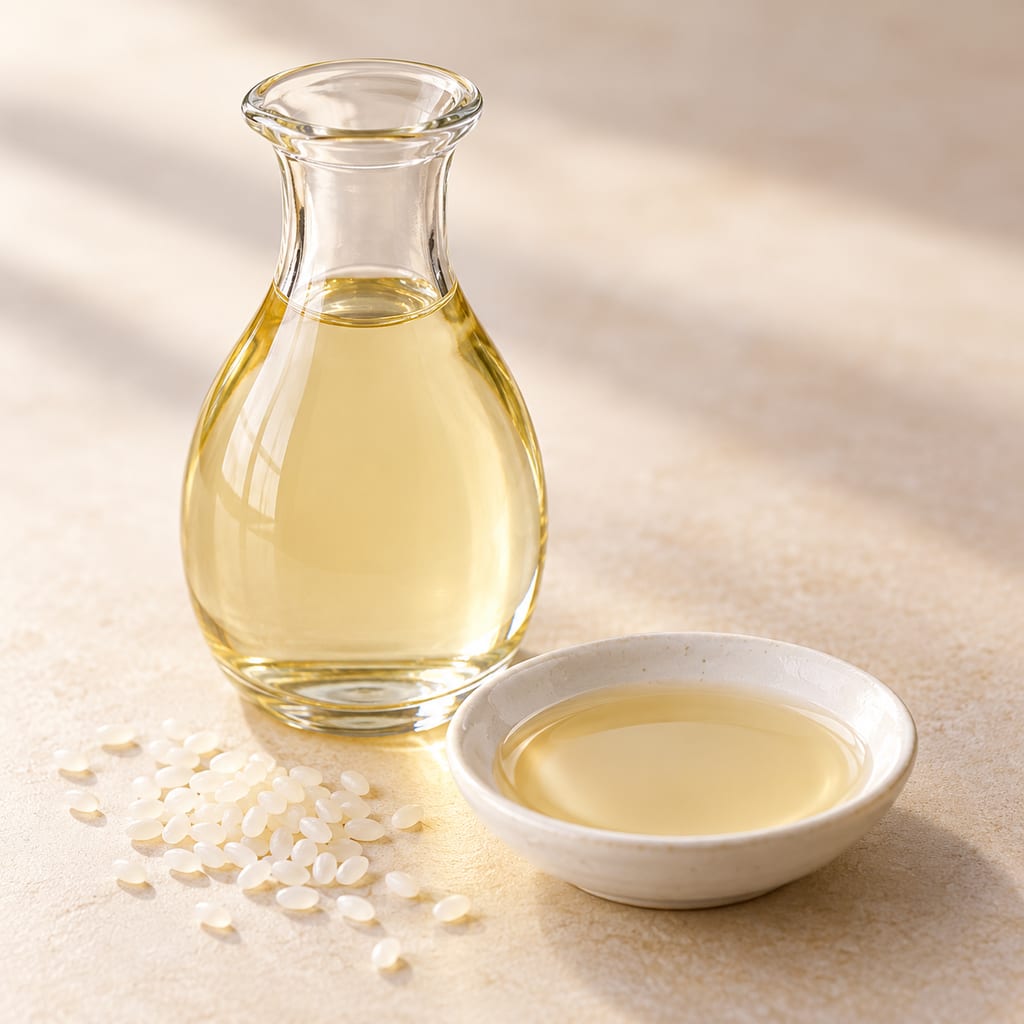
Unseasoned rice vinegar is rice that has been fermented through an alcoholic stage and an acetic stage, then finished as a sour liquid seasoning. In Japan it is commonly called komezu (米酢). Traditional Kyoto rice vinegar is made from rice and water, with koji, yeast and an acetic culture doing the work between grain and finished vinegar. The resulting liquid is usually pale rather than dark. Its sharpness and aroma depend on the rice, water, organisms, vessel and process a maker chooses.
The word unseasoned matters at the table. Plain komezu is the vinegar itself; sushi vinegar is a prepared seasoning in which vinegar is mixed with other ingredients such as sugar or salt. The two are not interchangeable descriptions of one formula. A bottle labelled rice vinegar may also follow a legal grain-vinegar definition rather than the exact rice-and-water method described here. Japan’s food-label rules use a minimum rice amount per litre to define rice vinegar and treat black rice vinegar separately. That threshold is a naming rule for a product, not a mixing ratio for this recipe.
A useful comparison is a clear, mild grain vinegar rather than a seasoned dressing. Murooka, Nanda and Yamashita describe Japanese komezu as almost colourless and milder than many Western vinegars. The pale colour is a characteristic of this rice-vinegar family; it does not establish acidity, fermentation progress or safe storage. This page follows the documented Kyoto rice-and-water tradition while explaining where other rice-vinegar makers diverge.
Vinegar-making has a long history in Japan, but the sources do not settle on a single arrival date. MAFF’s overview places the introduction of Chinese vinegar-making knowledge alongside sake-making technology around the fourth century. A Japanese brewing-journal history gives the fifth century. Both accounts describe knowledge moving with brewing traditions; neither dates the beginning of the exact unseasoned komezu method now sold in bottles. MAFF says a vinegar-making method first appears in a Japanese book from the Heian period and that rice vinegar dominates later Japanese written descriptions.
Kyoto gives this broad history a local shape. MAFF’s traditional-food account describes vinegar as a familiar seasoning on Heian-era aristocratic tables, served beside salt, sake and hishio. Kyoto’s distance from the sea also made salt and vinegar useful ways to handle fish transported inland. The same account connects rice vinegar with saba-zushi, in which salted mackerel from Wakasa is brought to Kyoto and finished with vinegar. The town’s kitchens, court dishes, temple cooking and later restaurants gave vinegar many roles beyond sushi.
The Edo sushi story is related, but it is not the history of komezu alone. As sushi shifted from fish preserved by lactic fermentation to hayazushi eaten with vinegared rice, vinegar supplied sourness without waiting for a fish-and-rice ferment. In Edo, the rise of nigiri was supported by red vinegar made in Handa from sake lees. That reddish, savoury vinegar is a different product from plain rice vinegar. It illustrates how a new ingredient supply and urban food culture could change sushi, not that all Edo sushi used the same vinegar.
MAFF identifies Kyoto City and the Tango area as traditional production areas for Kyoto komezu. Its account associates a gentler profile with rice, water, the maker’s resident acetic-acid bacteria and the long static method. These are regional traditions, not a claim that Kyoto invented every rice vinegar or that all Japanese vinegar follows the same process.
A separate producer in Nachikatsuura, Wakayama, shows how another local landscape enters the craft. Marusho Vinegar Brewery, established in 1879, describes using rice grown in the Kinan area and spring water from the Kumano mountains. Its article says the brewery keeps seed vinegar from a prior batch and works in wooden vats; it also distinguishes its producer’s practices from industrial tanks. The same brewery makes several products, including a brown rice vinegar, so its account is evidence about one maker and place rather than a recipe that can be copied for every komezu.
The producer’s Jun Komezu is a practical example of unseasoned rice vinegar: its product page lists Japanese rice and rice koji, says it contains no sake lees, and names sushi rice and dressings among its uses. It also describes a seed vinegar made with a different rice source. This shows why a product can be described as pure rice vinegar while its fermentation history includes a carried-over culture. Raw materials, water source, resident microbes and finishing choices all belong to the maker’s place.
Rice starch cannot be fermented directly by ordinary sake yeast. Koji mould grown on steamed rice releases enzymes that break starch into smaller sugars. In the traditional sequence described by MAFF, this rice koji joins more steamed rice and water; yeast then ferments available sugars in the moromi, producing an alcoholic liquid. This first biological stage builds the substrate for vinegar. It is not the acetic fermentation itself.
In the next stage, acetic-acid bacteria transform ethanol into acetic acid. They need oxygen, which helps explain the surface film in a static vessel: the active community gathers where liquid meets air. The film is not a solid ingredient or a signal to bottle. It is one visible feature of a particular surface-fermentation method. Deep fermentation supplies oxygen through agitation or aeration instead, so it is a different production route and should not be merged with the static Kyoto method.
Acetic acid gives vinegar its defining sourness, while the rice-derived liquid and the microbial community contribute a broader flavour profile. Long contact with the surface culture and subsequent maturation change how the sourness is perceived; the Kyoto account describes its product as relatively mild and aromatic. The exact balance is producer-specific. A clear appearance does not mean that the vinegar is weak, and a stronger aroma does not reveal a measured acid concentration.
The traditional sequence starts with rice and water, but it is more than adding rice to a jar. A maker steams rice and cultures koji mould on some of it to make rice koji. The koji enzymes make the rice starch available as sugars. More steamed rice, water and yeast are combined into moromi, the stage used in pure-rice sake brewing. The MAFF description gives this sequence but no universal grain weight, water ratio, koji dose or yeast strain.
For the vinegar stage, the alcoholic moromi is combined with seed vinegar and water and held at a controlled temperature. Seed vinegar carries the acetic-acid bacteria from an earlier vinegar. In static fermentation, the surface remains exposed to air and the mixture is not continually stirred. MAFF reports a bacterial film appearing after two or three days in its Kyoto description. That observation belongs to the described method; it is not an instruction to decide completion by looking for a film.
The Kyoto account then describes maturation over roughly six months to a year, during which the surface bacteria slowly convert alcohol into vinegar. The duration is a feature of this traditional method, not a deadline that can be transferred to another vat or used as a bottling endpoint. Other production systems may use different vessel materials, controlled aeration and shorter schedules. After fermentation, producers separate and finish the vinegar according to their process. The sources do not give a common pressing, filtration, acidity or packaging specification for every producer.
Rice supplies the starch that becomes fermentable sugar. The amount and kind of rice, how it is prepared, and whether it is polished or left with more of its outer layers affect the starting material. The label komezu does not guarantee a single cultivar or rice-to-water ratio. Marusho’s Jun Komezu lists rice and rice koji; the Kyoto tradition account describes rice and water and explains how koji and yeast take the process through an alcoholic stage.
Water is a substantial part of the moromi and the acetic stage, not just a rinse. MAFF describes producer-specific differences in water sources. The Wakayama account gives one example: spring water from the Kumano mountains. It reports that the brewery’s water remains around 16°C and does not require heating for its own method. That figure belongs to that site and cannot be used as a general fermentation temperature.
Koji, yeast and seed vinegar have distinct jobs. Koji enzymes make sugars from rice starch; yeast makes ethanol from fermentable sugars; acetic-acid bacteria oxidize ethanol in the presence of air. Treating these as one undifferentiated fermentation hides why the stages occur in order. Seed vinegar carries a working acetic culture, but the cited traditional method gives no universal dose or sourcing specification. The structured ingredient list therefore names the documented raw rice, water, koji and yeast while the method explains seed vinegar as a process carry-over.
Polished rice and unpolished rice lead to visibly different rice vinegars. The rice-vinegar chapter describes komezu as pale and kurosu as dark; Japan’s label rules distinguish rice vinegar from rice black vinegar. Brown rice vinegar is therefore not simply the same bottle made darker after seasoning. Its grain, colour development and sometimes its vessel and maturation differ.
Red vinegar, or akazu, is another separate preparation. The Edo sushi history describes Handa vinegar made from sake lees, a by-product of sake brewing. Its colour and savoury character helped shape one sushi tradition. It should not be added to a generic rice-vinegar formula as though it were a garnish or an interchangeable rice type.
Production technology also varies. The Kyoto account describes a static, surface-fermented method that relies on a bacterial film and long maturation. MAFF’s broader overview distinguishes this traditional surface method from deep fermentation, where stirring supplies oxygen for industrial production. Static vessels, wooden barrels and aerated tanks create different process conditions. One account can explain their relationships, but it cannot responsibly combine them into a single universal schedule.
Plain rice vinegar gives cooks control over the final seasoning. It can be mixed into warm rice for sushi, combined with sugar and salt when a particular sushi-rice style calls for them, or used without those additions in namasu, other sunomono, dressings and marinades. The source for Kyoto komezu also lists seafood dishes and salads. The vinegar contributes acidity; the rest of the dish determines how much sweetness, salt, oil or other seasoning belongs alongside it.
In saba-zushi, vinegar works with salted mackerel and rice as part of a regional food tradition. In the modern sushi history, vinegared rice also marks a move away from relying on a long fish-and-rice fermentation to create sourness. These are related uses of acidity but not the same preservation process. A serving of vinegar-seasoned rice is not equivalent to traditionally fermented sushi, and adding komezu to a marinade does not by itself establish safe preservation.
Makers describe differences in aroma and roundness, while cooks can notice colour and flavour when choosing a bottle. A pale, mild rice vinegar suits dishes where a sharp, clean acidity should not dominate; a darker rice vinegar or sake-lees vinegar brings its own flavour and colour. Choose the style for the dish, then season the dish to taste rather than treating all Japanese vinegars as interchangeable.
This recipe record explains a documented production tradition, not a complete home-preservation formula. The sources provide no common batch size, rice ratio, temperature range, acidity endpoint, shelf life or validated bottling step. A measured sourness is not supplied by the appearance of a surface film or by the six-to-twelve-month Kyoto maturation period. For a home fermentation or preserved food, use a complete tested process with its own measurements and controls.
For a purchased bottle, follow that producer’s label. Marusho’s Jun Komezu page instructs buyers to store the product in a cool, dark place and refrigerate it after opening at 10°C or below; it also gives a two-year best-before period for that product. Those directions belong to that bottle, not every rice vinegar. Store and handle other products as their manufacturers specify.
Japanese sources place the arrival of vinegar-making knowledge from China around the fourth or fifth century, and MAFF notes that a vinegar-making method appears in a Japanese text from the Heian period. These accounts establish a long history for vinegar, but they do not identify the first batch of the present unseasoned komezu style.
Scaling: not established
The documented methods do not give a universal batch ratio, measurable acetic-acid endpoint or home bottling plan; the record cannot validate a home-preserved product.
Hazard sourceTreat the process as a description of documented production, not a complete home-preservation recipe; use a tested process with its own measurements and controls.
Control sourceFor a purchased product, follow its own storage label. Marusho’s Jun Komezu page gives product-specific cool, dark storage and refrigeration after opening at 10°C or below; this is not a general storage rule for every rice vinegar.
Control sourceDo not infer an acidity endpoint or shelf stability from colour, aroma or a surface film.
Do not use the documented maturation period as a bottling signal.
MAFF identifies Kyoto City as a traditional production area for Kyoto komezu.
MAFF identifies the Tango area as a traditional production area for Kyoto komezu.
Rice koji is steamed white rice through which koji mold has grown. It carries the enzymes that turn rice starch into sugar, and it is the starting point of sake, sweet miso, amazake and shio koji.
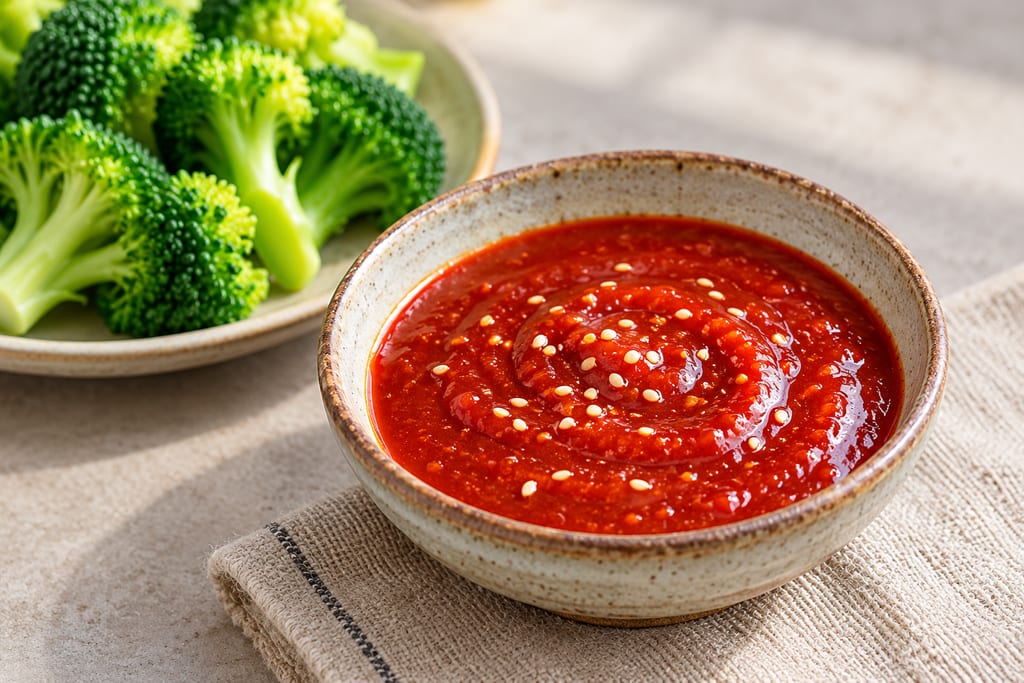
Chogochujang is a Korean sweet-sour sauce made by seasoning gochujang with vinegar and sugar. This development batch adds water and toasted sesame seeds, with optional garlic for the portion being served.
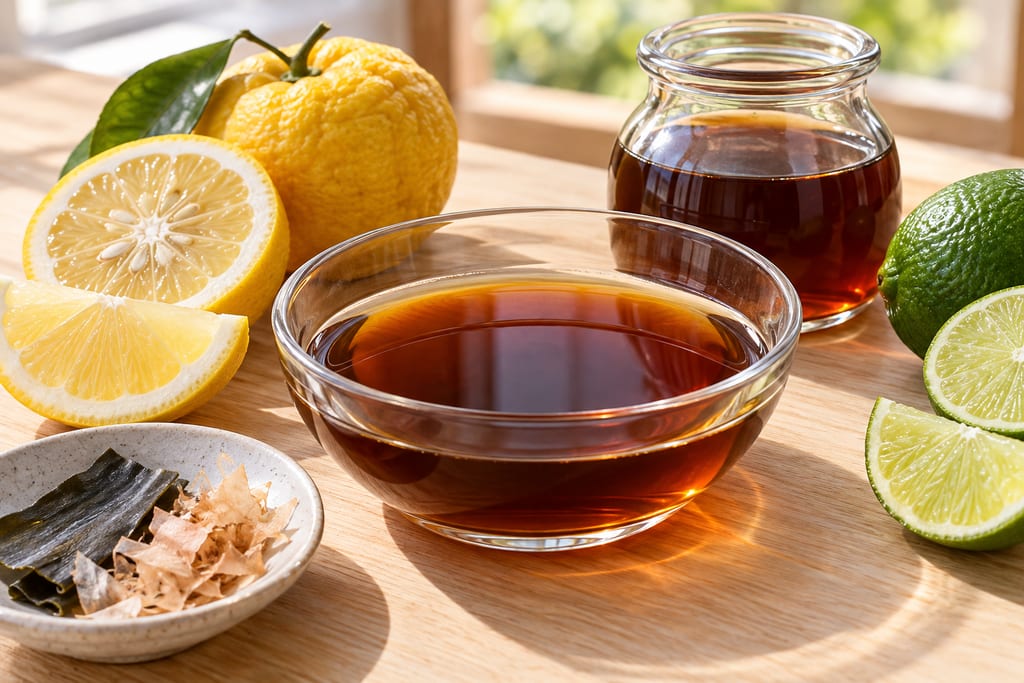
This fresh ponzu-shoyu mixes Japanese koikuchi soy sauce with yuzu or a lemon-lime blend, rice vinegar, water and sugar; optional kombu and bonito give a short chilled infusion.
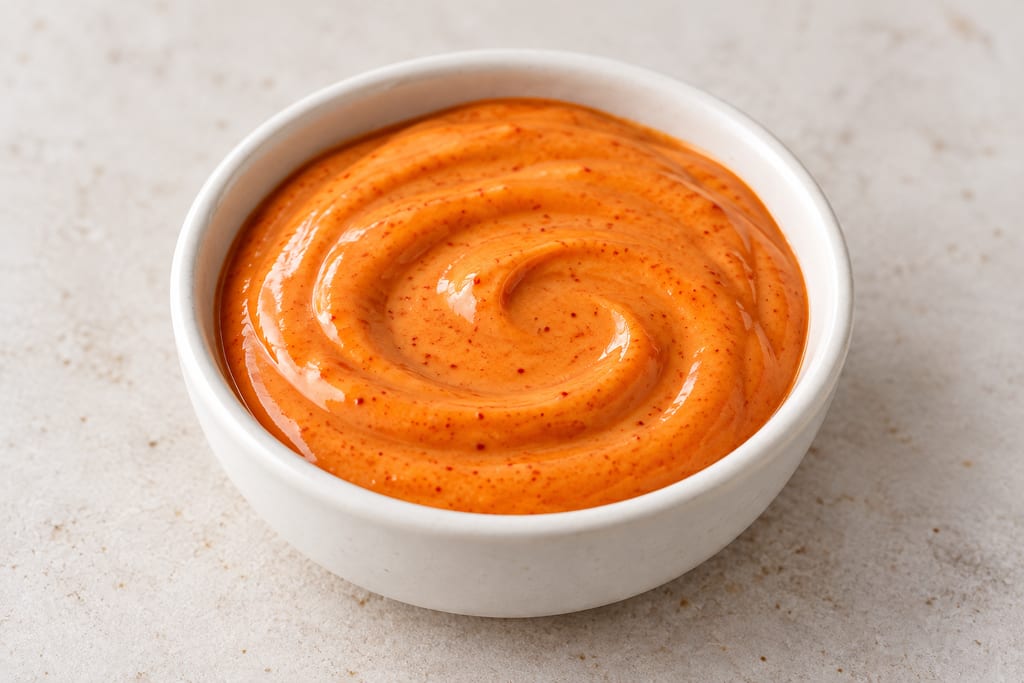
A contemporary, untested mix of finished mayonnaise, gochujang and rice vinegar, with starting amounts per 100 g mayonnaise.
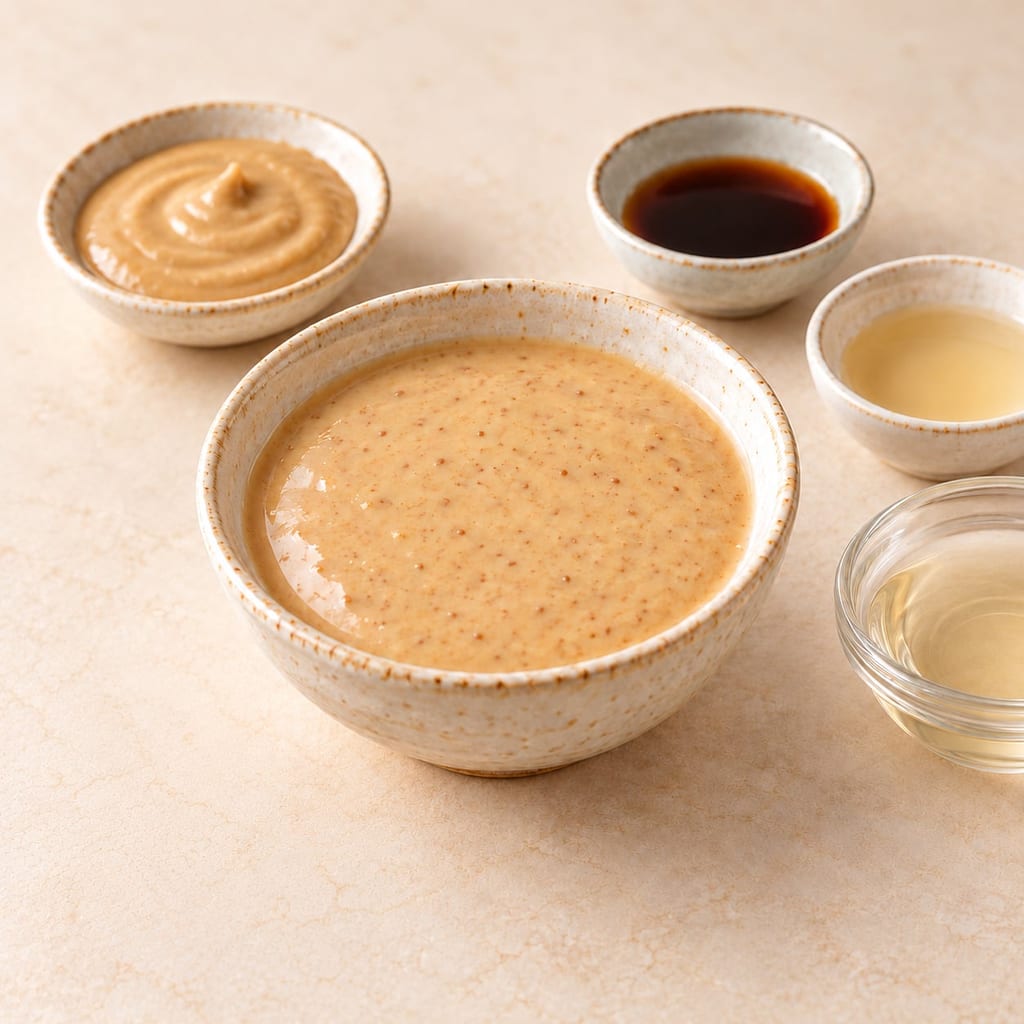
A creamy Japanese sesame dipping sauce with soy, rice vinegar and dashi. Gradual mixing turns the thick sesame paste into a smooth sauce.
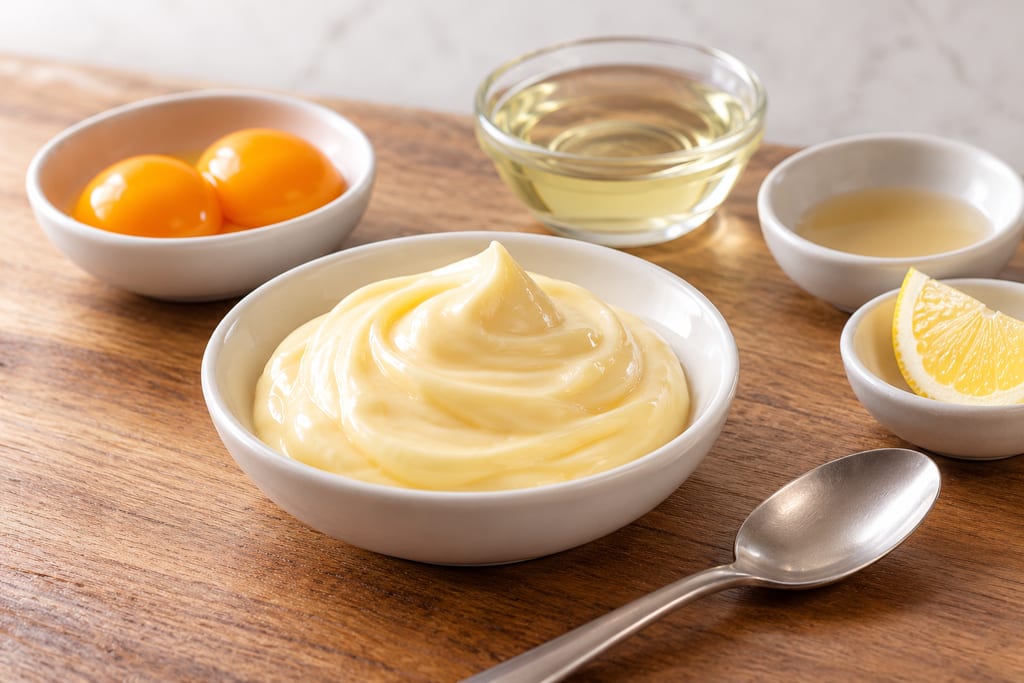
A one-cup Japanese mayonnaise batch made in a small food processor with pasteurized room-temperature egg yolks and oil added in three stages around the seasonings and acids.
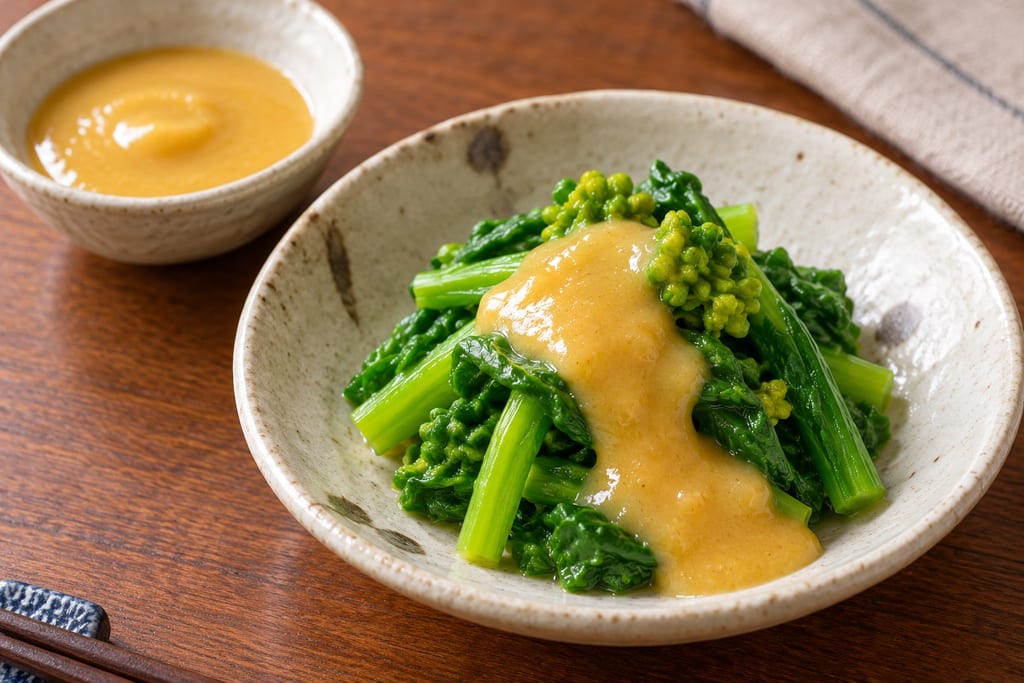
Karashi-su-miso is a smooth Japanese sauce of sweet miso, rice vinegar and hot mustard, stirred together for vegetables, seafood or poached fish.
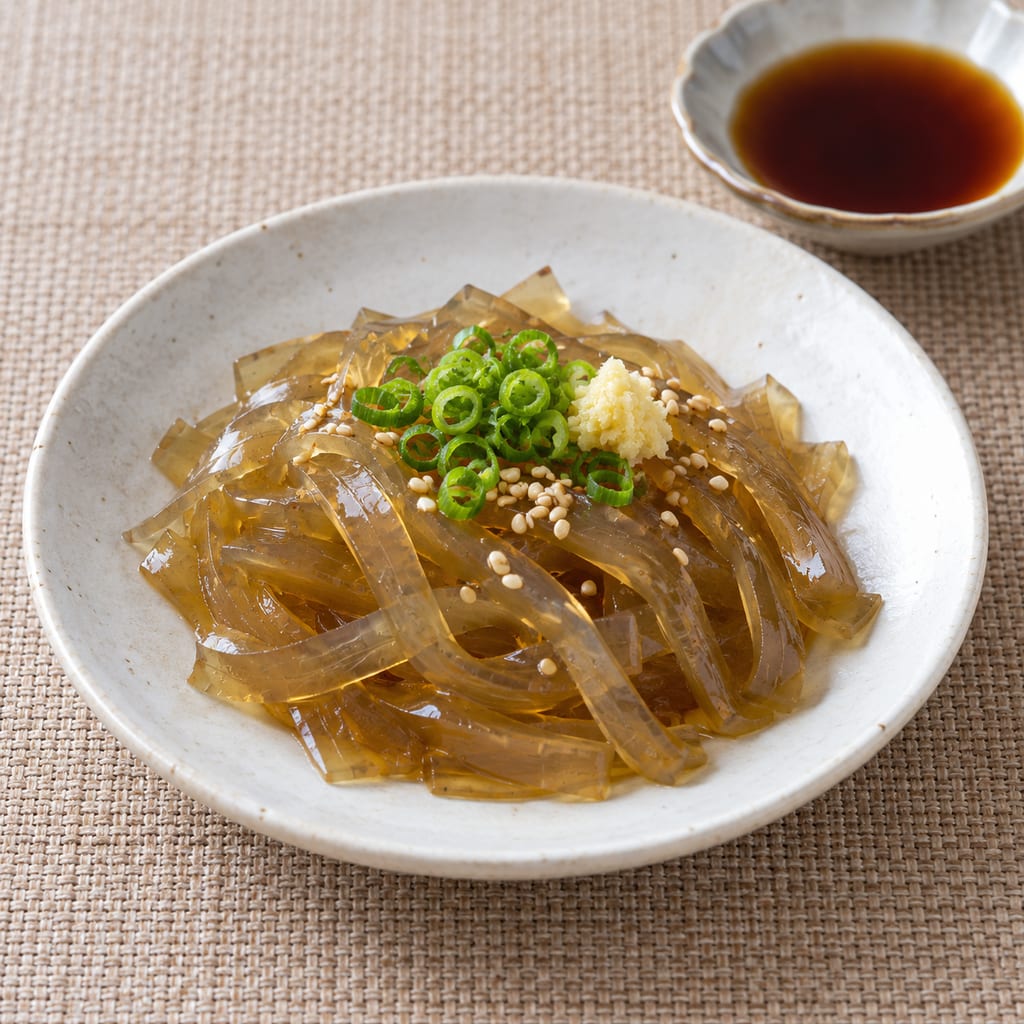
A traditional Fukuoka seaweed jelly made by boiling dried egonori, sometimes with igisu, until it forms a thick extract that sets into soft sheets, eaten cold with soy sauce, vinegar and aromatic condiments.
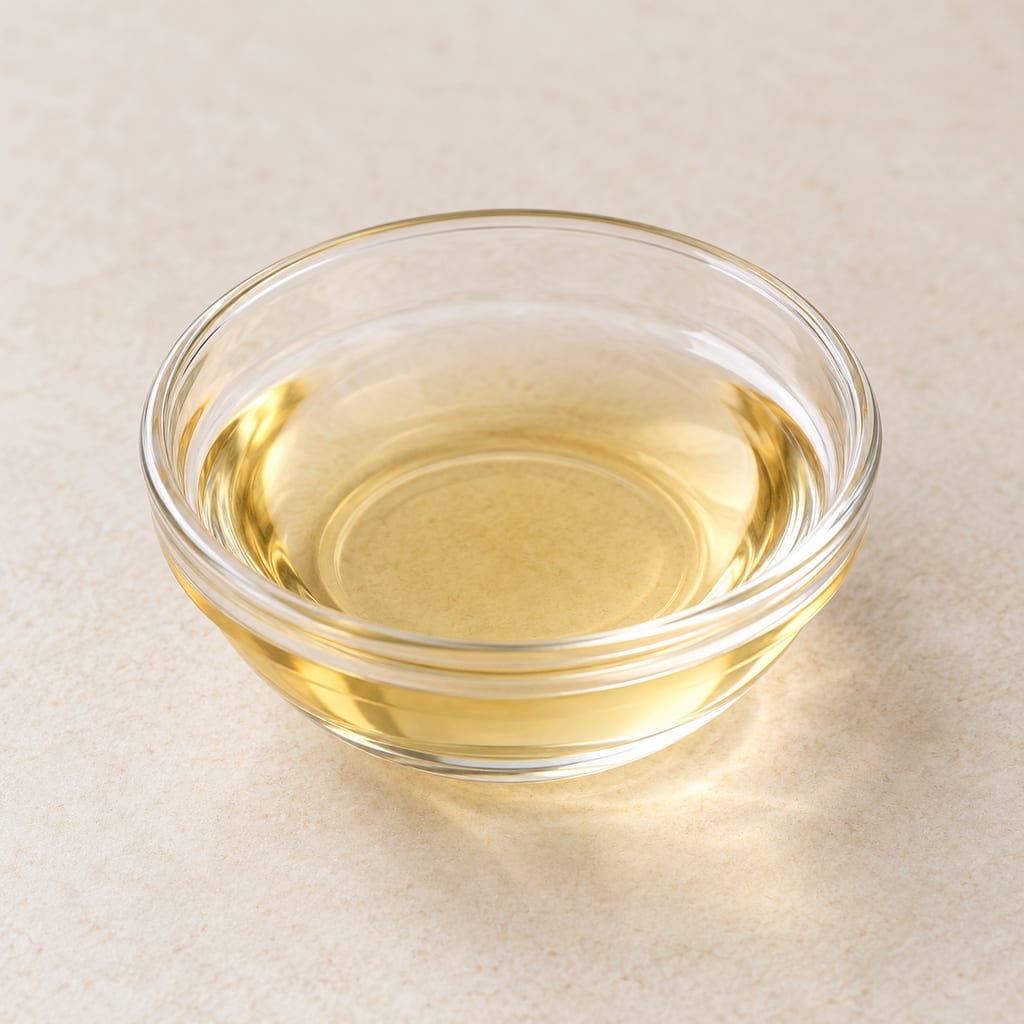
A Japanese mixed seasoning of vinegar, sugar and salt for sushi rice. Ratios vary with the rice batch and style; this version follows Marukan Vinegar's formula for two go of rice.

Japanese reddish-brown vinegar from sake lees matured about three years, turned to vinegar by acetic bacteria; the vinegar of Handa and Edomae sushi rice.
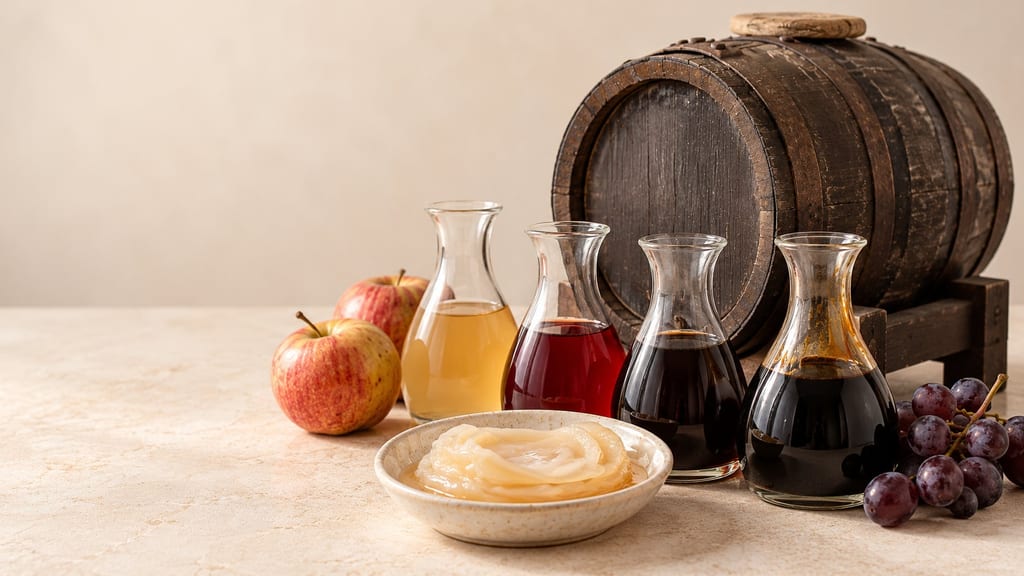
A bottle of vinegar can carry the flavour of wine, rice, dates, palm sap or an orchard harvest. Its name becomes useful when you can tell what was fermented, how the acid developed, and what the maker added or changed afterward.
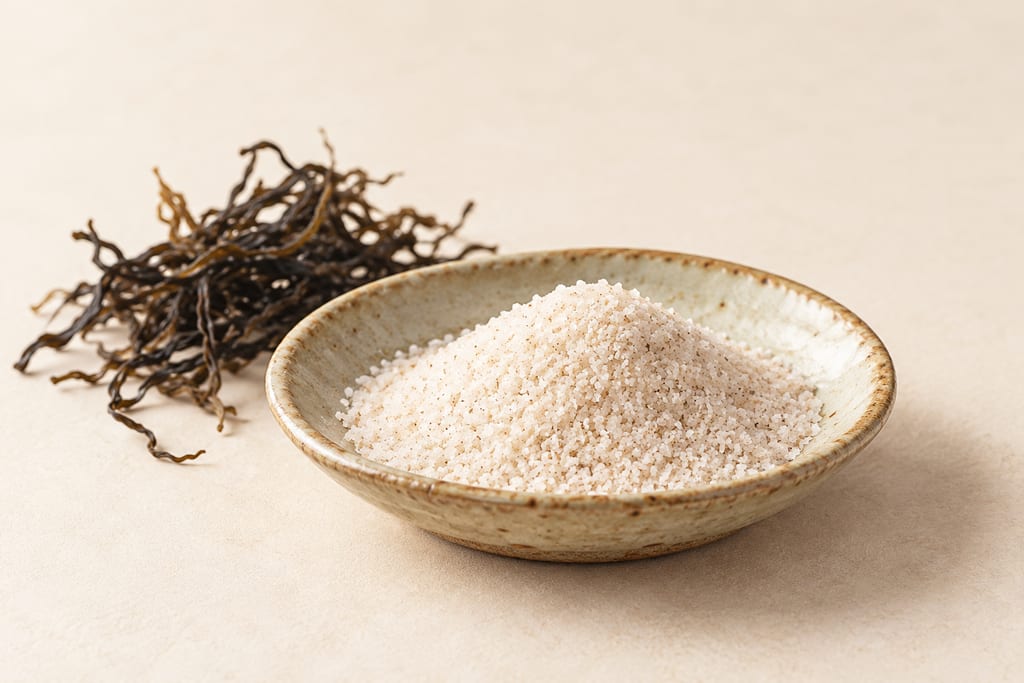
Amabito no Moshio is a modern, pale beige Japanese seaweed salt made from Seto Inland Sea water and hondawara seaweed. Its documented factory method concentrates filtered brine in kettles, then separates and dries the salt.
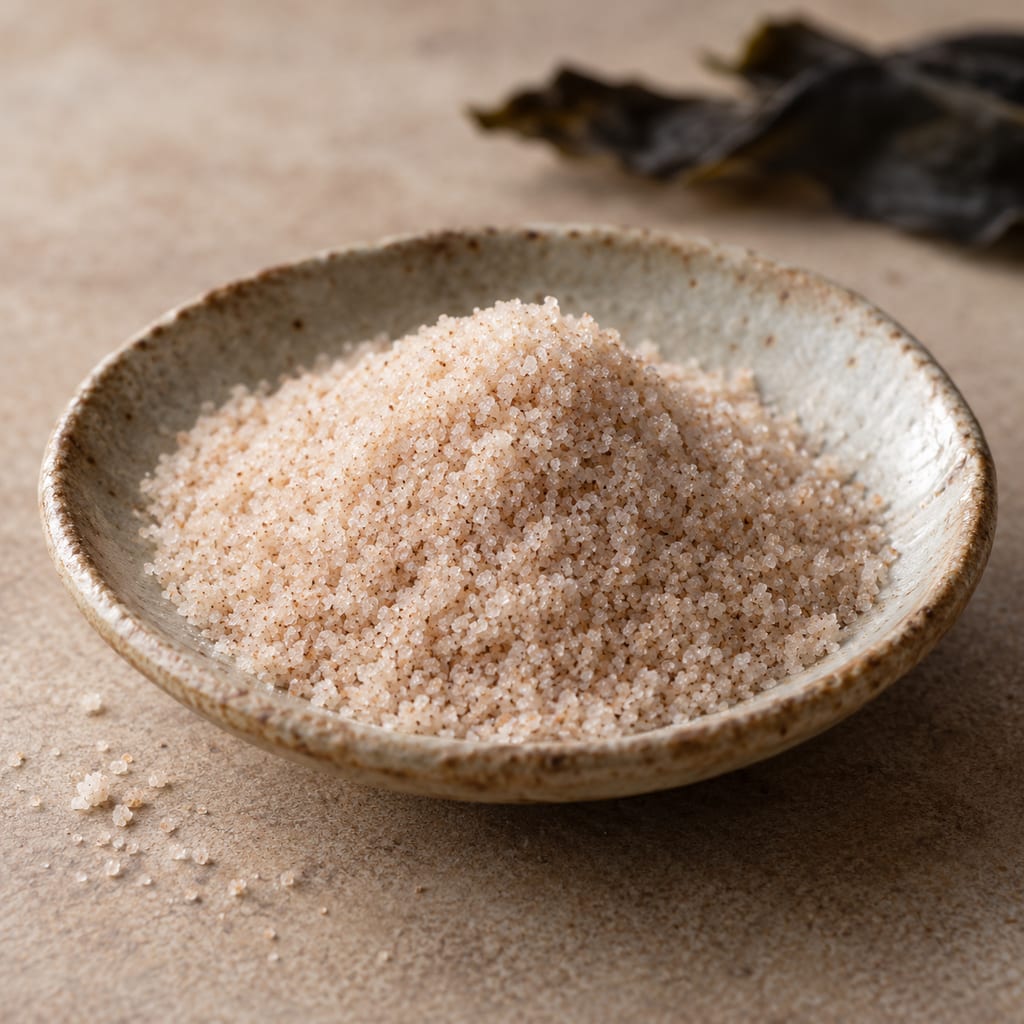
Awaji moshio is a modern Japanese seaweed salt made by TaDa PHILOSOPHY from Awaji Island seawater and seaweed. Its premium process concentrates brine, extracts seaweed flavor, then crystallizes, separates, dries and grades the salt.
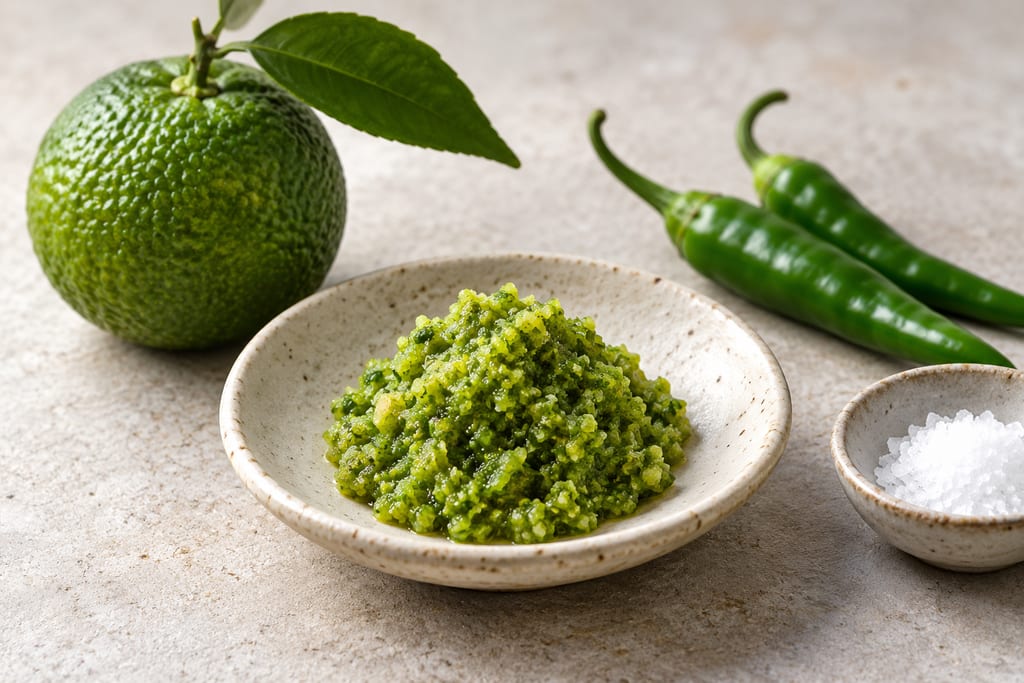
A fresh, uncooked yuzu and green chilli paste inspired by Kyushu’s yuzu kosho, made here as an untested small-batch seasoning rather than a preservation formula.
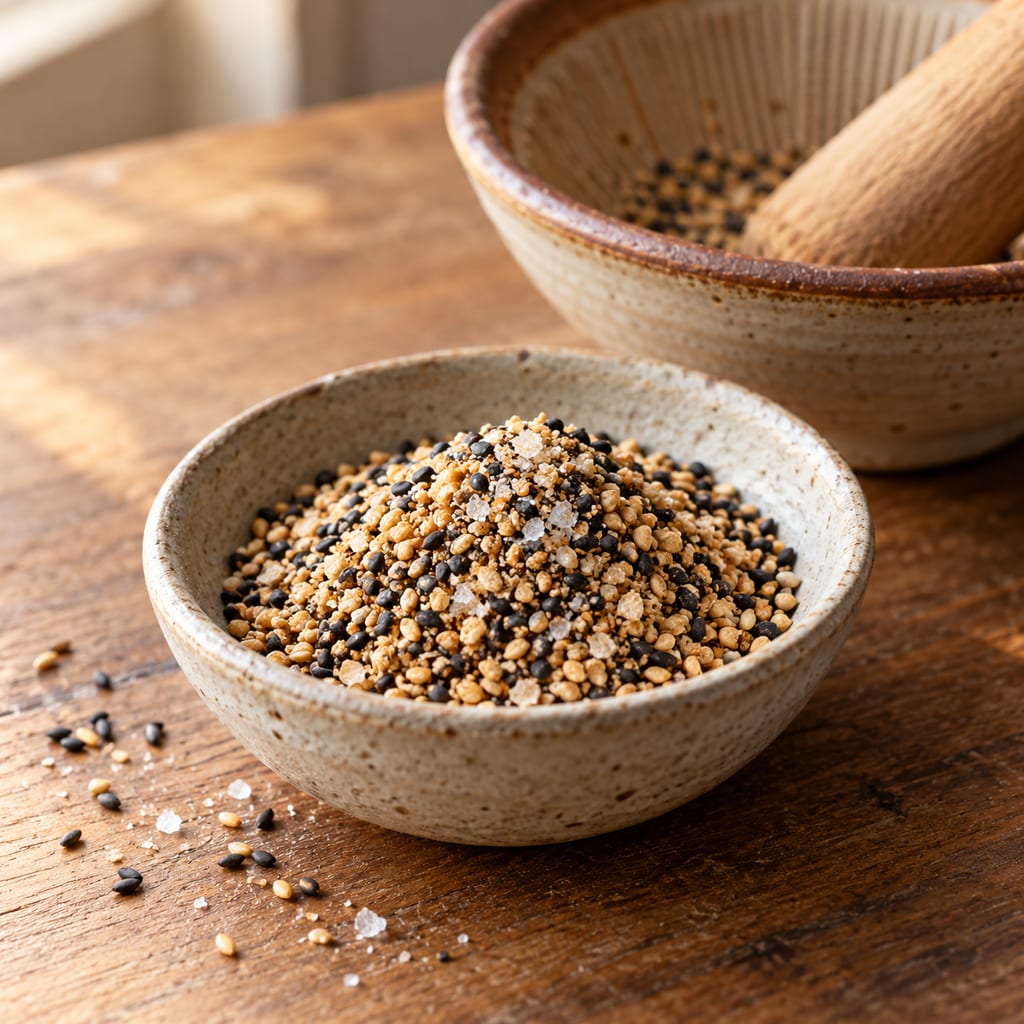
Toasted sesame seeds and sea salt are ground together into a coarse seasoning for rice. This small pan-roasted batch keeps most of the seed texture.
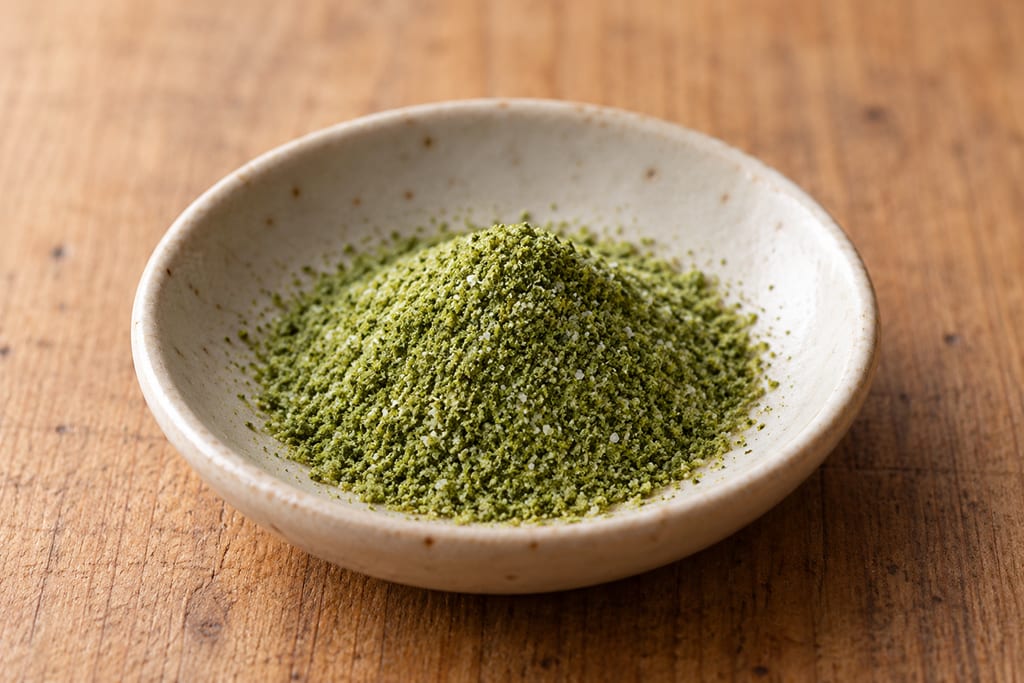
Green tea leaf salt is a dry seasoning made by grinding tea leaves, sieving them and mixing the powder with fine salt. This Japanese-style version follows a documented equal-parts method.
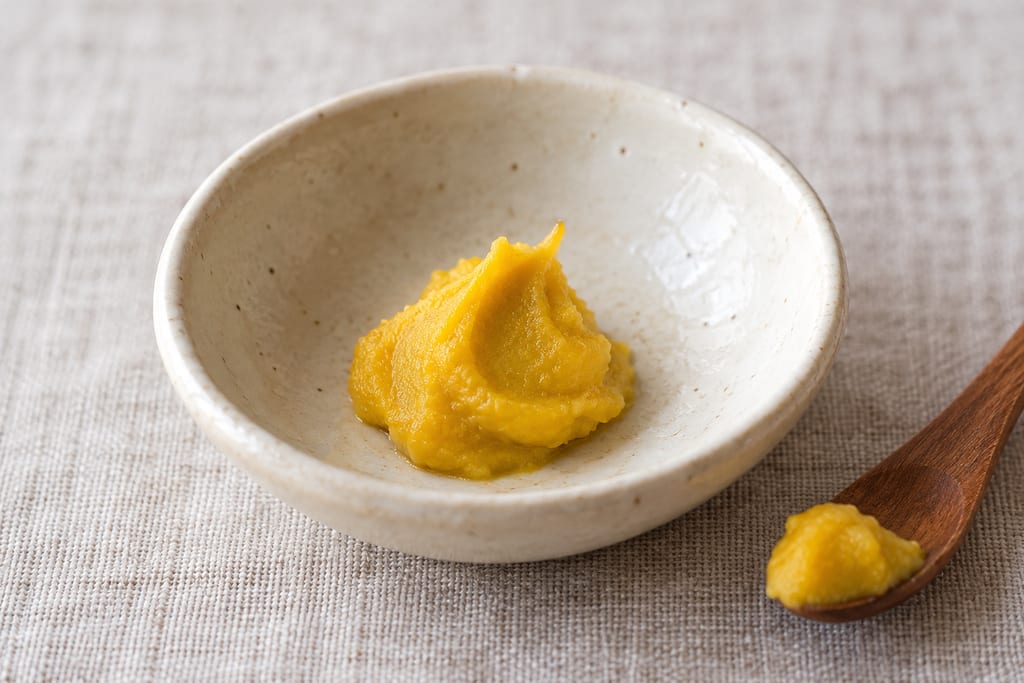
Karashi is Japan's hot mustard: powder stirred with a little water into a stiff paste, covered for a few minutes so the heat develops, and served in small dabs with oden, natto and fried food.
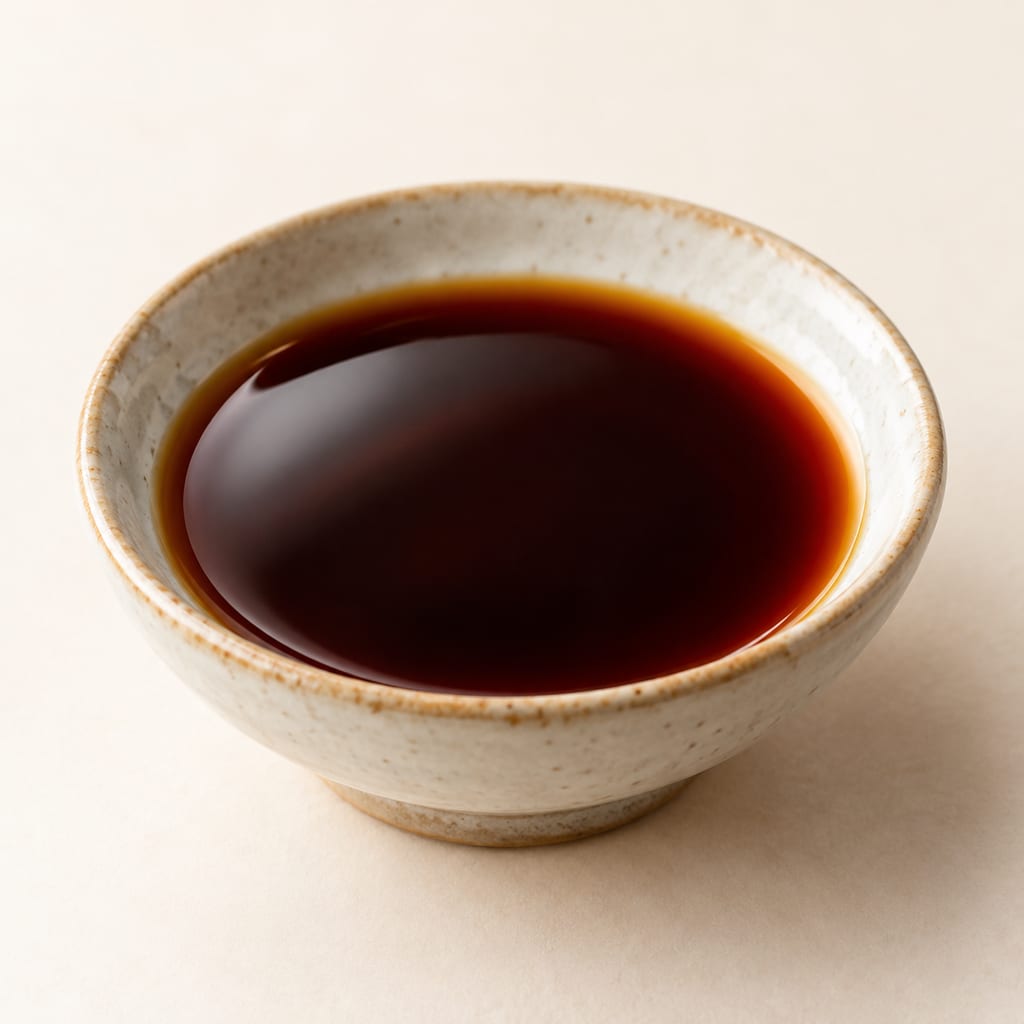
Japan's standard all-purpose soy sauce: soybeans and wheat grown over with koji mould, brined, fermented for months, pressed and usually heated into a reddish-brown, savoury liquid.
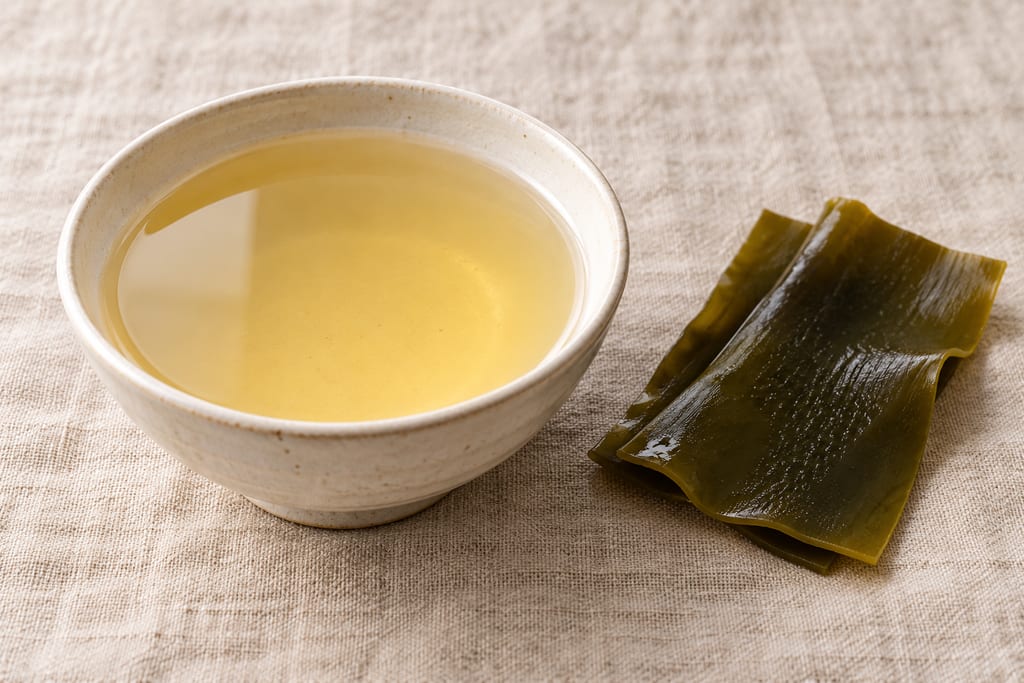
A clear Japanese broth made by gently extracting kombu’s savoury taste into water. Use it on its own for delicate dishes or as the kelp base for a separate bonito or dried-fish dashi.

Protected Italian vinegar made only from cooked grape must, fermented and aged in a battery of wooden barrels for at least 12 years: sweet, sharp and syrupy.

A Dominican table and seasoning condiment of sour orange juice, mixed with lime and salt and bottled raw; garlic, oregano or a hot pepper may be added for meat or a spicier bottle.

A Swedish-style spirit vinegar made by fermenting neutral alcohol with live vinegar bacteria, with a separate guide to commercial ättika strengths.
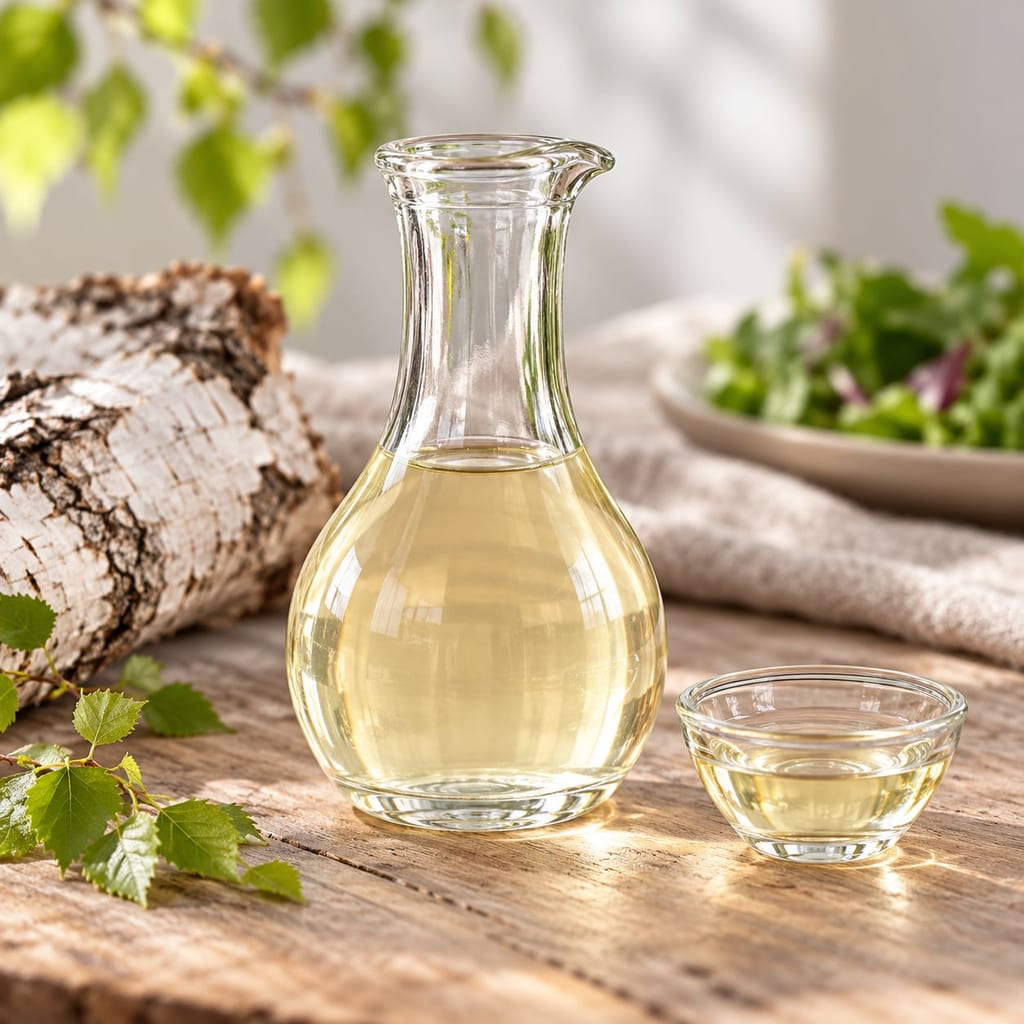
Vinegar from spring birch sap fermented to alcohol and then acetic acid, usually with added sugar or honey because the sap is so dilute; made in Sweden and described in older eastern European accounts.
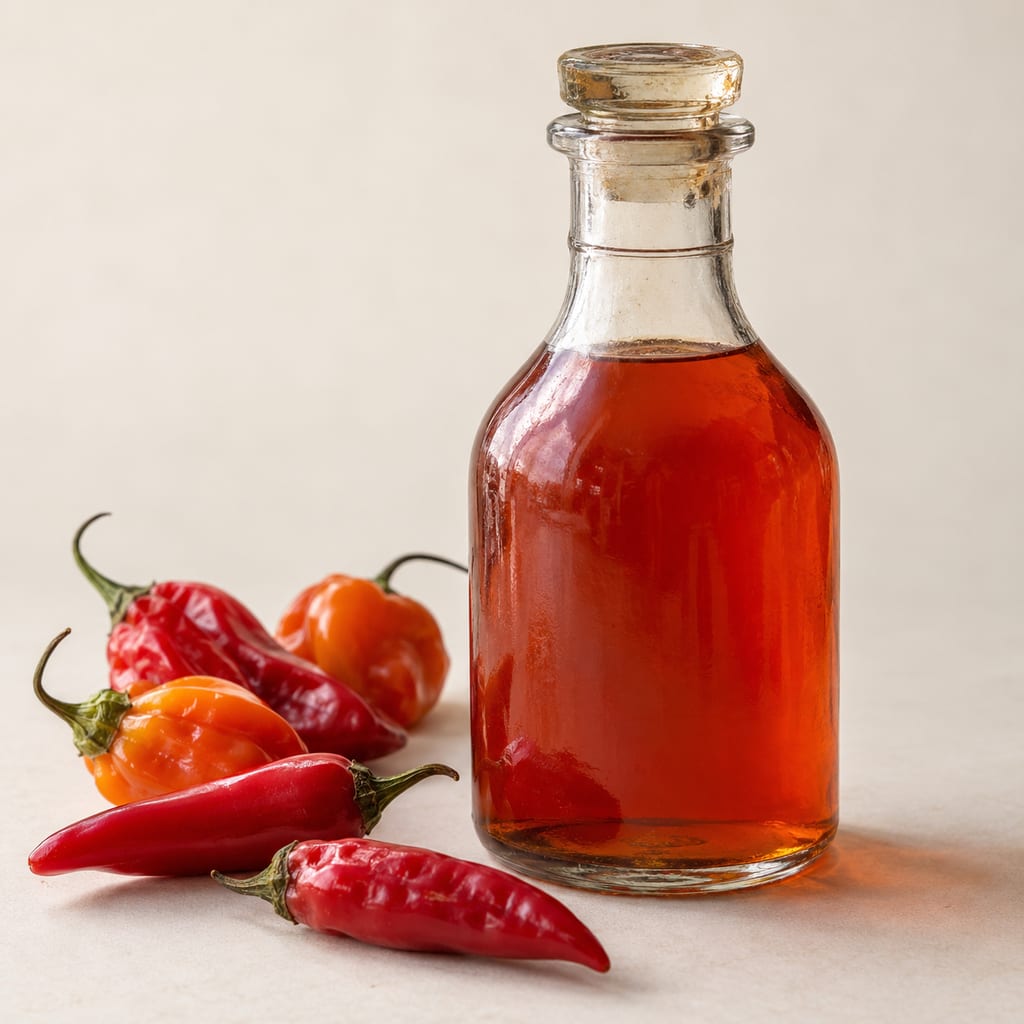
Mary Randolph's pepper vinegar: ripe pepper pods simmered in vinegar until the liquid is reduced to one quart, then strained for use in gravies and catsups. From The Virginia Housewife.
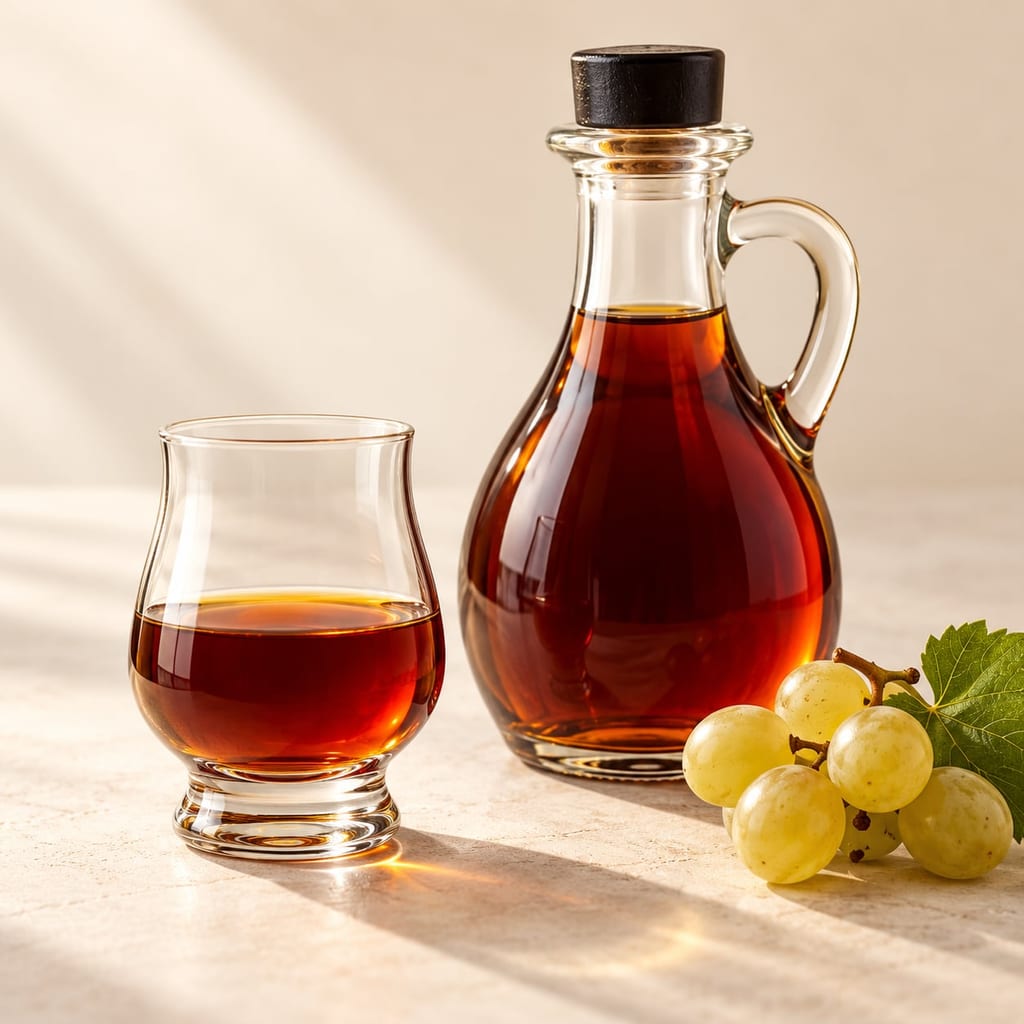
Vinagre de Jerez is made by acetifying eligible Jerez wines and ageing the vinegar in wood. Its protected name belongs to a defined Andalusian zone and a cellar tradition joining wine, oxygen, acetic bacteria and long ageing.
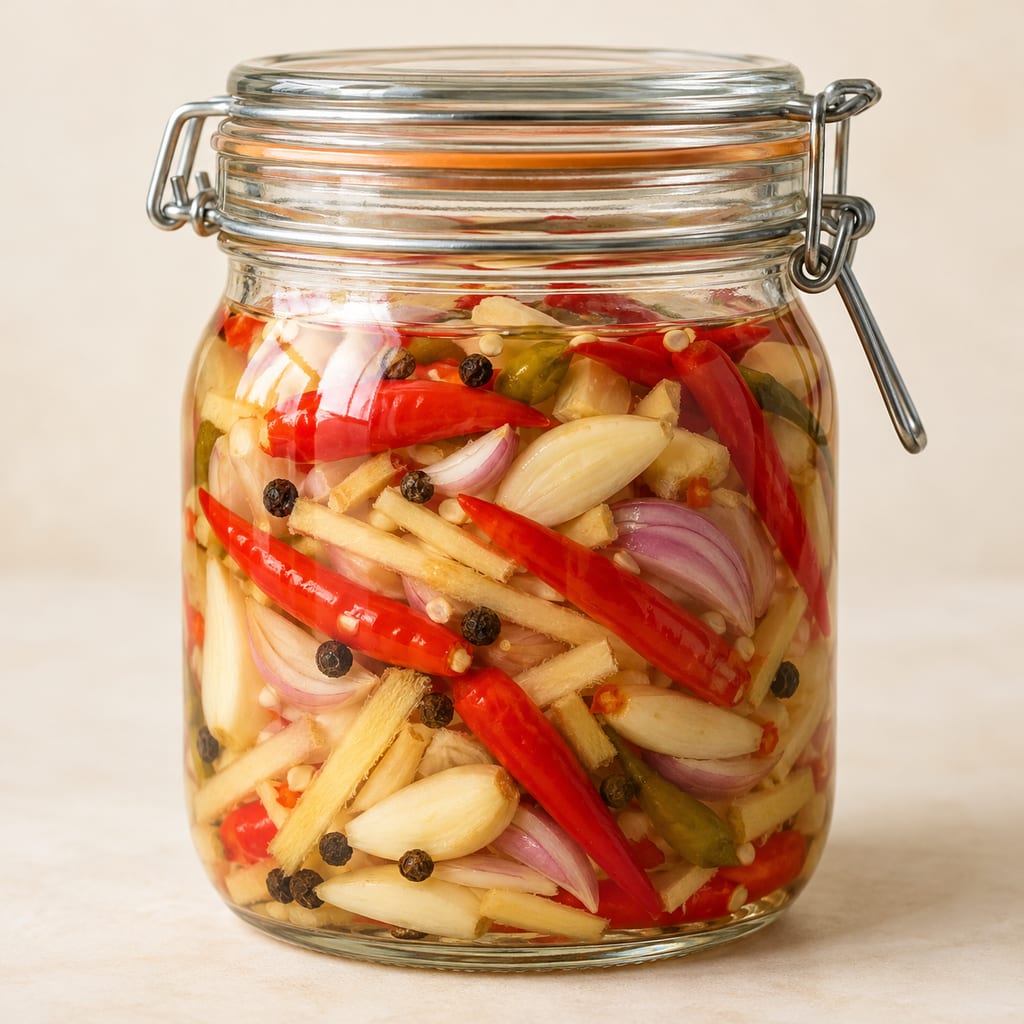
Sinamak is a Philippine spiced vinegar: white, cane or coconut vinegar steeped with chilies, ginger, garlic, onion and peppercorns for days or weeks until it is ready to use as a condiment.
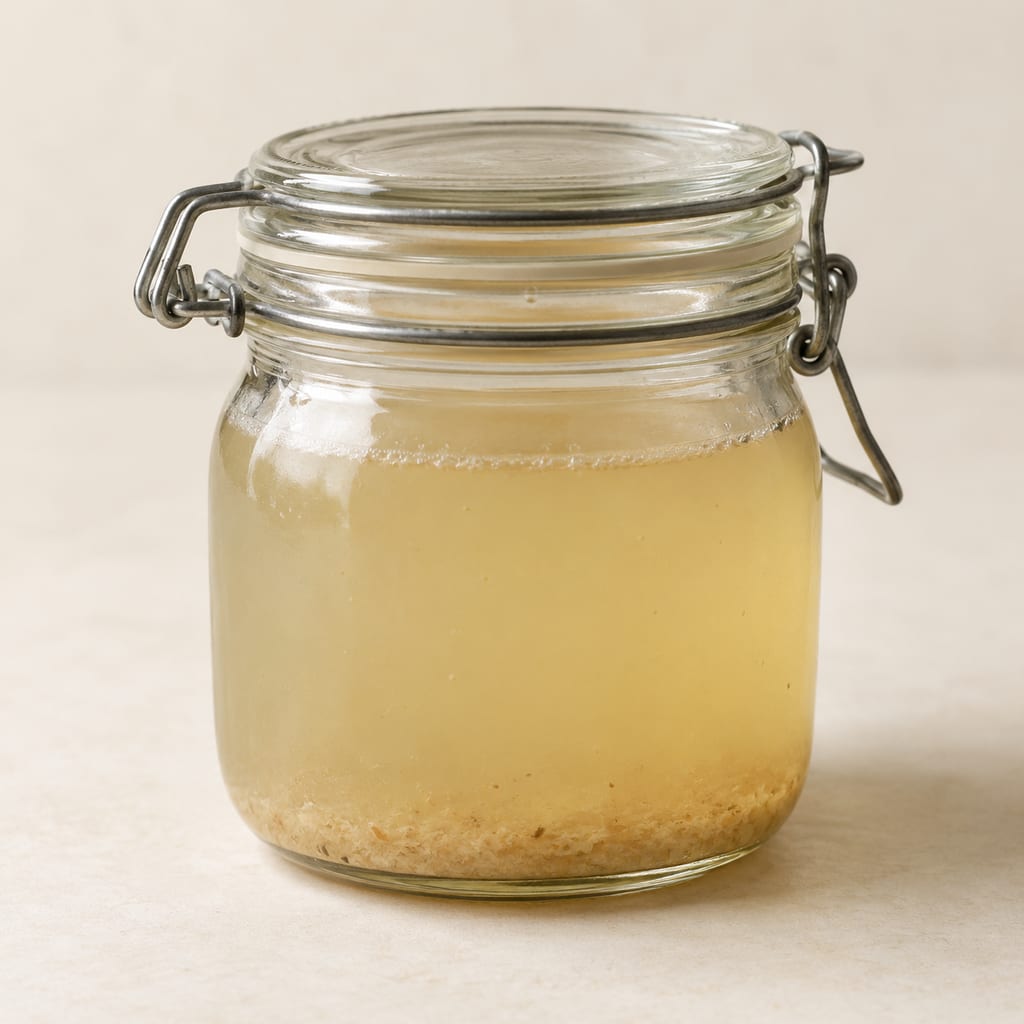
The sour liquid that forms during Manipuri Soidon fermentation, kept to start the next batch and used to sour curries.
No community contributions have been published for this entry yet.
Sign in to contribute. Published comments and photos are free to read.
Ministry of Agriculture, Forestry and Fisheries of JapanIdentity · Method · History · Geography · Uses
米酢(こめず)|にっぽん伝統食図鑑Describes Kyoto komezu, its traditional production area, rice and water inputs, koji and yeast stages, seed vinegar, surface fermentation, maturation and culinary uses.
Cited in: Komezu, a vinegar without added seasoning; A long history, with dates that remain broad; Kyoto, Tango and the makers’ local materials; Three microbial stages turn rice into vinegar; The documented Kyoto sequence; Why the ingredients and stages matter; How cooks use unseasoned komezu; Reading the process and storing a purchased bottle
Ministry of Agriculture, Forestry and Fisheries of JapanHistory · Method · Microbiology
An Introduction to Japanese Fermented FoodsExplains Japanese vinegar history, acetic-acid bacteria, static surface fermentation and the distinct deep-fermentation method.
Cited in: A long history, with dates that remain broad; Three microbial stages turn rice into vinegar; The documented Kyoto sequence
Kinki Regional Agricultural Administration Office, Ministry of Agriculture, Forestry and Fisheries of JapanGeography · Method · Producer
熊野の水と木桶が育む酢づくり ― 丸正酢醸造元の挑戦Reports Marusho Vinegar Brewery’s Wakayama location, local rice and spring water, seed vinegar, wooden vats and producer-specific static method.
Cited in: Kyoto, Tango and the makers’ local materials; Why the ingredients and stages matter; Rice vinegar, black vinegar and red vinegar are different routes
e-Gov JapanClassification
Food Labeling Standards (食品表示基準)Defines komezu as grain vinegar using at least 40 g rice per litre, excluding kome-kurozu; this is a product-label definition, not a recipe ratio.
Cited in: Komezu, a vinegar without added seasoning; Rice vinegar, black vinegar and red vinegar are different routes; Reading the process and storing a purchased bottle
Journal for the Integrated Study of Dietary HabitsHistory · Uses
The evolution of sushi and the power of vinegarTraces the shift from fermented sushi to hayazushi and Edo nigiri, and distinguishes Handa red sake-lees vinegar from rice vinegar.
Cited in: A long history, with dates that remain broad; Rice vinegar, black vinegar and red vinegar are different routes; How cooks use unseasoned komezu
Journal of the Brewing Society of JapanHistory
進化する酢の方向を考える(江戸から平成へ)Reviews Japanese vinegar history and dates the introduction of vinegar-making technology from China to the fifth century, differing slightly from MAFF’s around-fourth-century account.
Cited in: A long history, with dates that remain broad
Springer Milan, in Vinegars of the WorldMicrobiology · Variation · Method
Rice VinegarsDescribes Japanese komezu as a pale rice vinegar, rice-starch saccharification by koji, alcoholic fermentation by yeast, acetic fermentation and static and industrial culture methods.
Cited in: Komezu, a vinegar without added seasoning; Three microbial stages turn rice into vinegar; Why the ingredients and stages matter; Rice vinegar, black vinegar and red vinegar are different routes
Marusho Vinegar BreweryProducer · Ingredients · Storage · Uses
純こめ酢 300mlGives one producer’s pure-rice vinegar example, using Japanese rice and rice koji without sake lees, its culinary uses and product-specific storage instructions.
Cited in: Kyoto, Tango and the makers’ local materials; Why the ingredients and stages matter; How cooks use unseasoned komezu; Reading the process and storing a purchased bottle