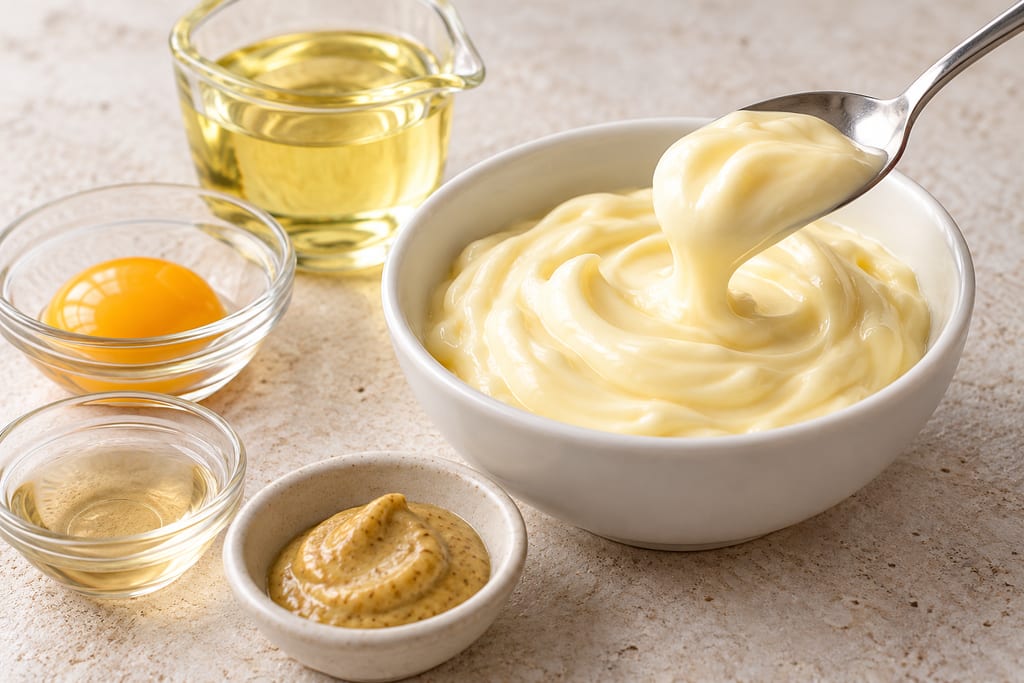
Neutral classic mayonnaise
A plain mayonnaise of 200 g refined neutral oil emulsified into pasteurised yolk, vinegar, water and a little Dijon mustard: a clean base for tasting, comparing and flavouring.
 FermenteaWhere food goes to change
Modern method
A contemporary, untested mix of finished mayonnaise, gochujang and rice vinegar, with starting amounts per 100 g mayonnaise.
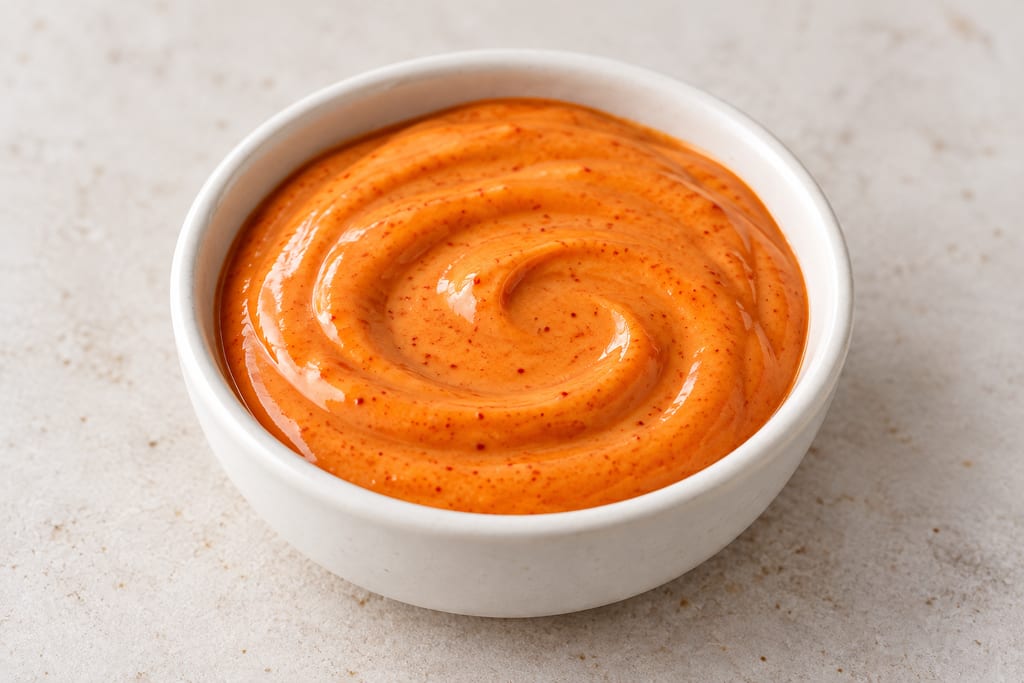
This formula combines 100 g finished mayonnaise, 8 g gochujang and 3 g rice vinegar. The quantities are starting amounts from the supplied house archive. A separate modern recipe confirms mayonnaise and gochujang as a contemporary pairing, but it does not validate this ratio. No source establishes this exact mayonnaise as a traditional Korean preparation.
Gochujang itself has a Korean food history as a fermented red-pepper paste, discussed in a scholarly review of its role in Korean cuisine. That history belongs to the paste. Adding it to mayonnaise is a distinct, modern serving adaptation; it is not another gochujang fermentation.
Mayonnaise is a semisolid oil-in-water emulsion. In conventional egg mayonnaise, yolk components help stabilize the oil droplets within a water-based phase. Its oil, acid and seasonings set the starting texture and flavour. Since the archive does not specify a base brand or formula, results can vary between batches.
Gochujang contributes its own chilli, salt, sweetness, texture and fermentation-derived flavour; commercial products are not interchangeable. The supplied note says to taste before adding salt, although salt is not part of the listed formula. Rice vinegar adds an acidic flavour, but neither the type nor its acidity is specified. Its 3 g quantity is not a preservation control.
Measure the ingredients by mass and stir them together with a clean utensil until evenly combined. The archive supplies no mixing duration, final yield or tested scaling. Paste consistency and seasoning vary, so the final colour, thickness and heat can vary too; no product-specific stability trial is reported.
Taste a small amount alongside the intended dish. If adjusting the balance, change one amount and record it as a new trial rather than silently replacing the archive's starting ratio. The published recipe is evidence that the pairing is used today, not that every gochujang mayonnaise follows this formula or serves one traditional dish.
Gochujang has its own fermentation process before it is bought and used here. This recipe only combines finished ingredients; it has no culture, fermentation time, maturation conditions or endpoint. Its stage is preparation of a fresh condiment, not fermentation. Its geographic origin remains unknown even though one ingredient has an established Korean identity.
This distinction helps keep a Korean ingredient heritage separate from a modern condiment assembled with it. The exact archive ratio is not historically dated or attributed to a locality.
Use a commercial mayonnaise under its label instructions or make the base with pasteurised egg. Clean the bowl and utensil, prevent cross-contamination and refrigerate promptly. Once mixed, the sauce is a new food; the base jar's opening date does not give this preparation a validated shelf life.
The archive's 24-hour working policy is a cautious house rule for unvalidated prototypes, not a measurement or universal mayonnaise limit. No pH test, shelf-life trial or room-temperature process is supplied. Fermented gochujang, rice vinegar, flavour or appearance do not prove that the finished mixture is safe without refrigeration.
The supplied research archive marks this as an original untested serving combination. The cited public recipe source documents the flavour pairing but does not establish an origin or historical attestation for this exact ratio.
Scaling: source batch only
The mixture is uncooked. A homemade mayonnaise base can contain raw egg; the formula does not cook it.
Hazard sourceUse commercial mayonnaise according to its label, or make the base with pasteurized egg. Clean hands and utensils before and after handling egg-containing food.
Control sourceRefrigerate promptly, keep the mixture cold and follow the base’s label instructions.
Control sourceThis is an untested, non-fermented serving mixture with no measured shelf life.
The 24-hour working window in the supplied research archive is a conservative planning policy for unvalidated prototypes, not a validated limit or a universal mayonnaise shelf life.
The flavoured mixture is new food and does not inherit the base mayonnaise’s open-jar date.
Do not treat lime juice, vinegar, chilli or wasabi as a preservation step.
The cited recipe demonstrates a contemporary flavour combination but does not establish a documented place of origin for this specific archive formulation.
A plain mayonnaise of 200 g refined neutral oil emulsified into pasteurised yolk, vinegar, water and a little Dijon mustard: a clean base for tasting, comparing and flavouring.
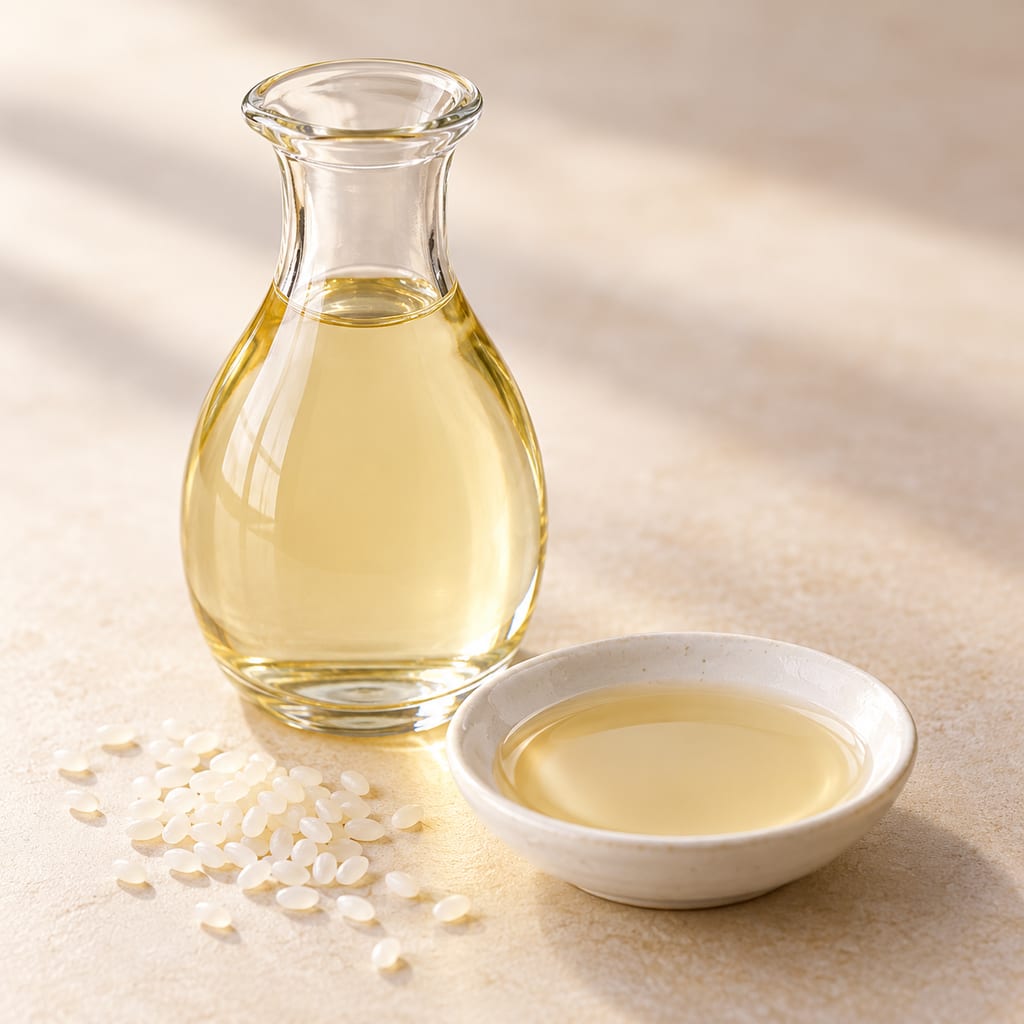
Japanese komezu is a pale, unseasoned rice vinegar made through alcoholic and acetic fermentation; rice, water, koji and yeast shape its character.
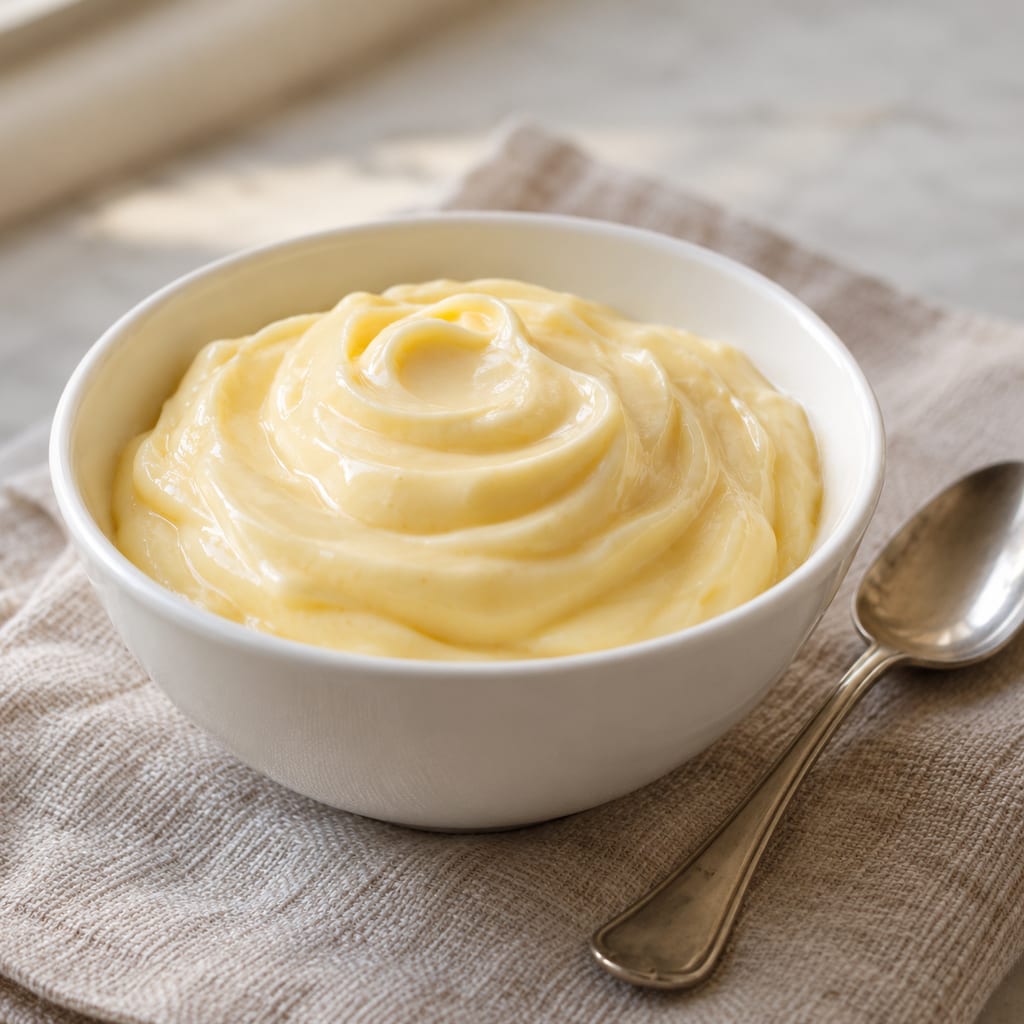
A cooked-yolk mayonnaise documented in the University of Tennessee Extension’s 2007 Egg University Handbook. The egg mixture is heated before oil is emulsified into it.
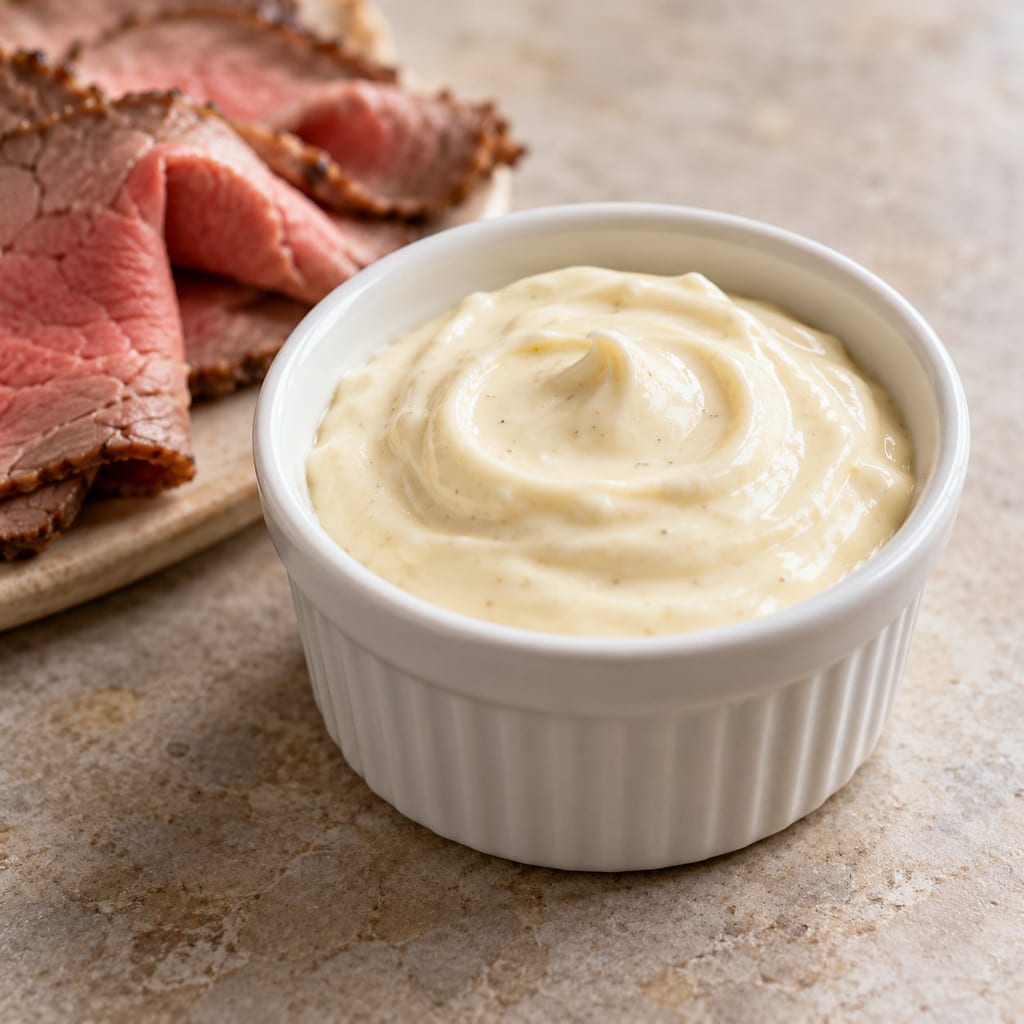
Prepared horseradish and lemon sharpen finished mayonnaise into a fresh accompaniment for roast meat or fish; the archived ratio has not been tested.
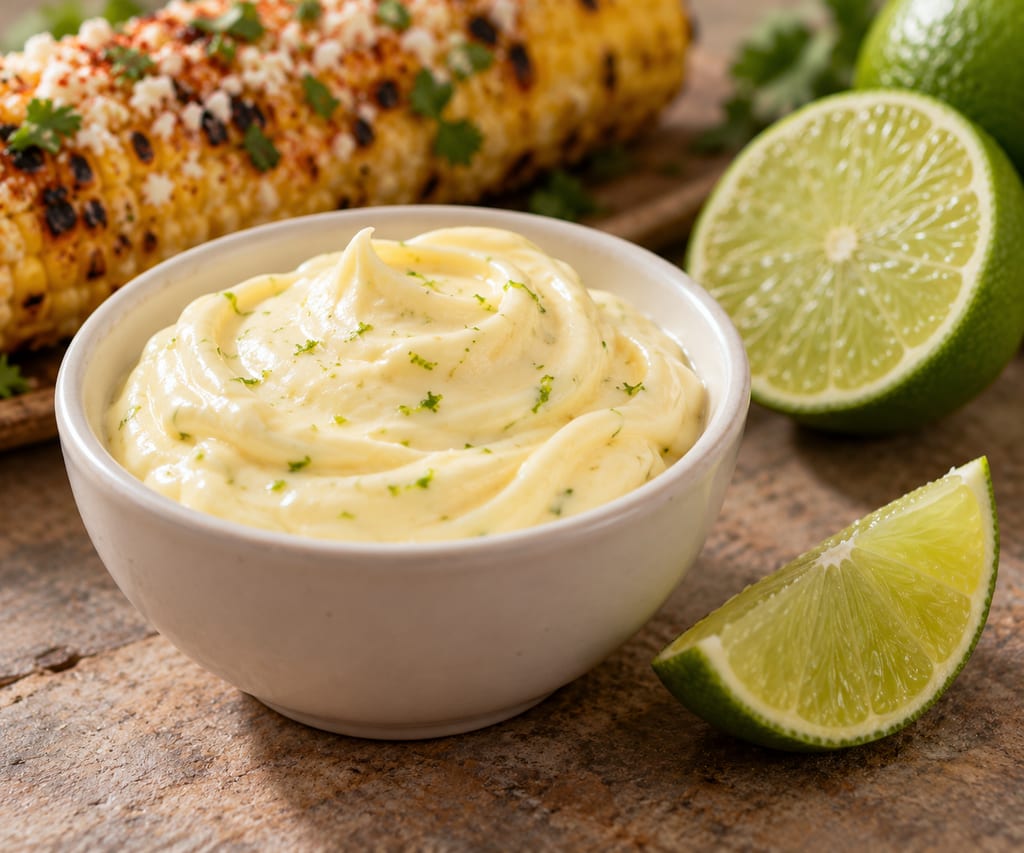
An untested mayonnaise variation that replaces part of a neutral base’s vinegar with lime juice and finishes with optional lime zest.
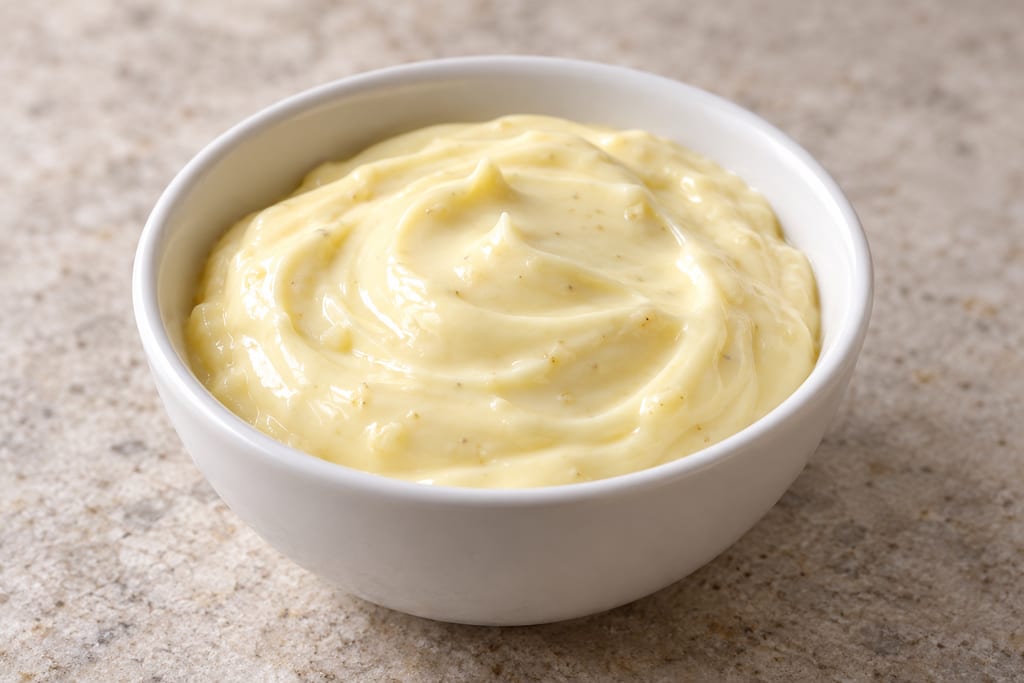
An untested 265 g garlic mayonnaise made by whisking pasteurised yolk with vinegar, water and Dijon, then slowly emulsifying neutral oil with mild extra-virgin olive oil.
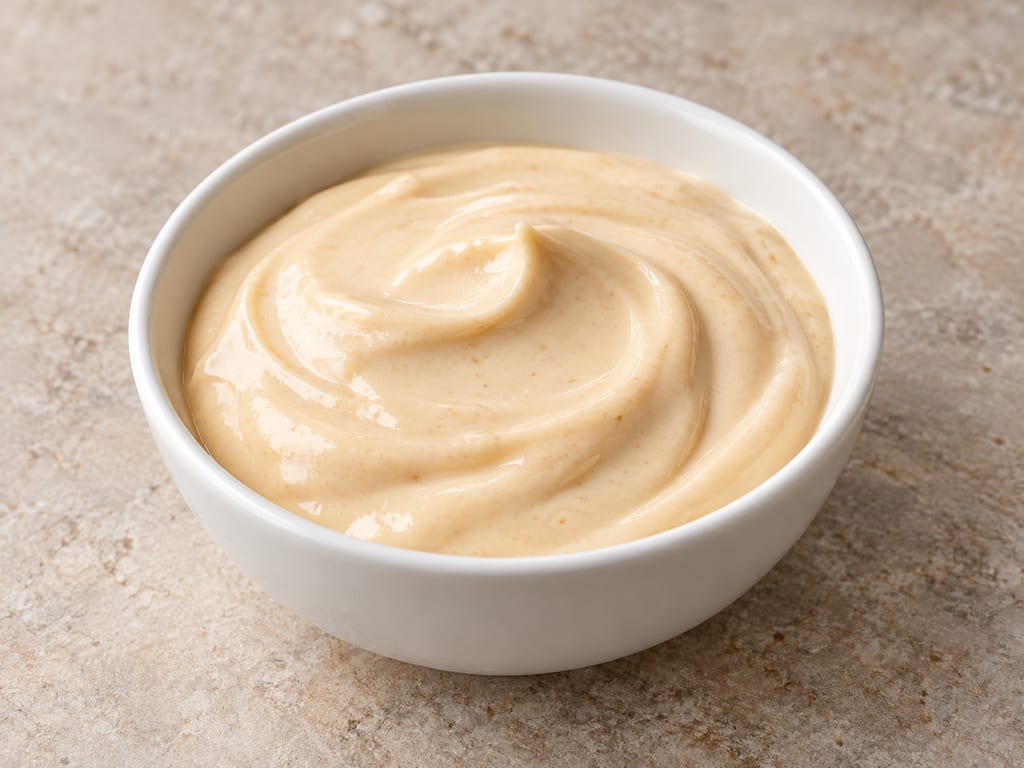
A sesame-forward, fresh sauce made by mixing tahini, toasted sesame oil and rice vinegar into finished mayonnaise; the archived amounts are untested starting points.
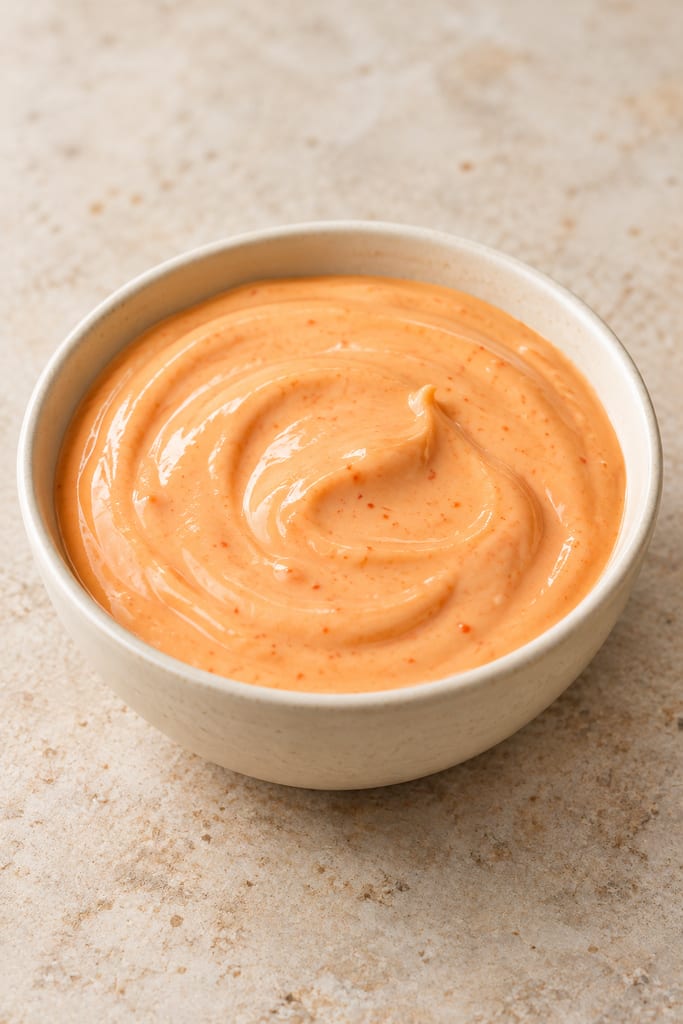
A contemporary, untested mix of finished mayonnaise, sriracha and lime juice, with starting amounts per 100 g mayonnaise.
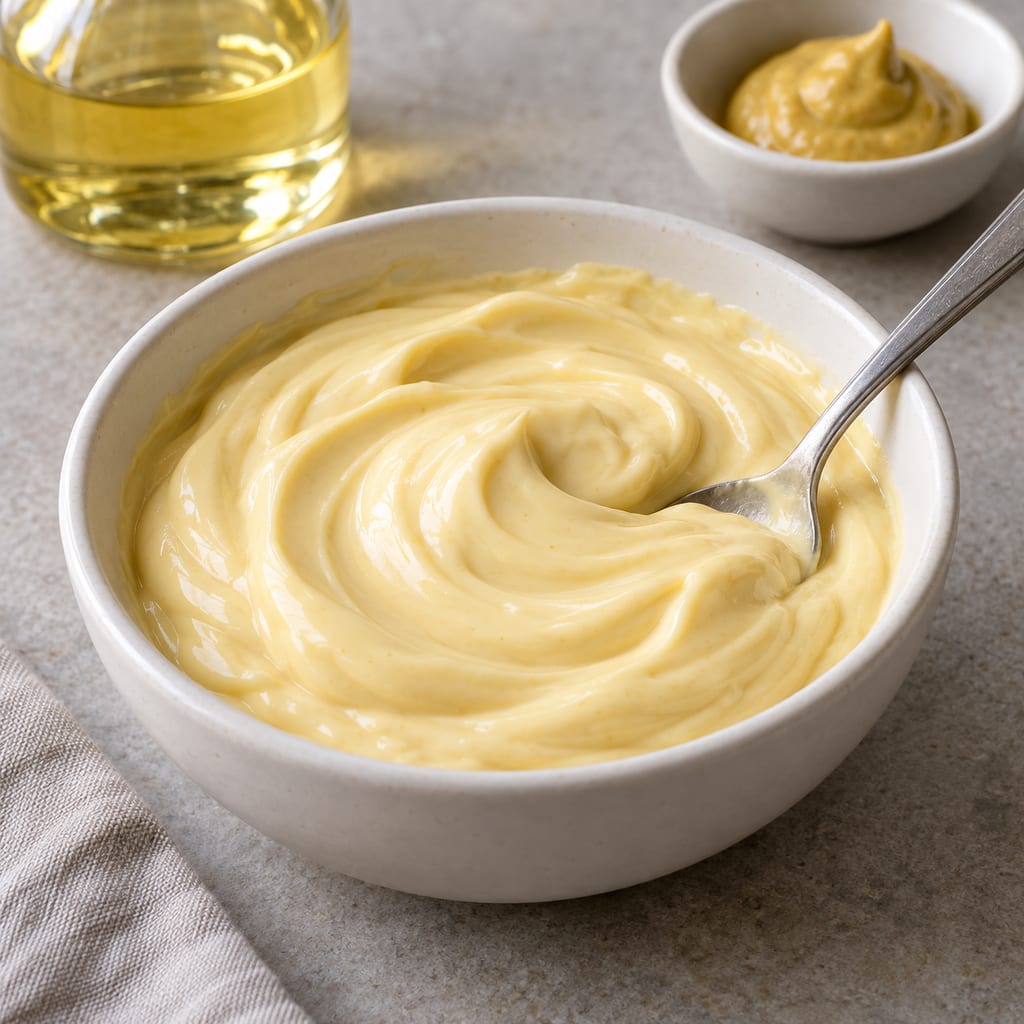
An untested mayonnaise variation made with refined sunflower oil and more Dijon mustard than a neutral base.
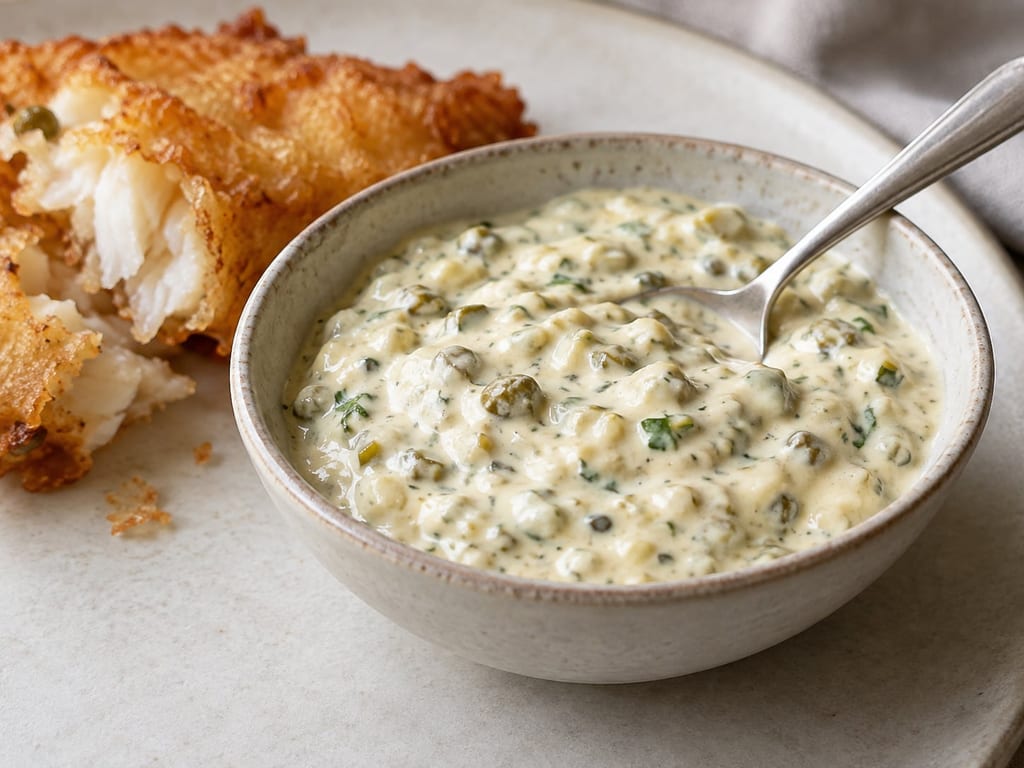
Drained pickled cucumber, capers and unspecified herbs turn finished mayonnaise into a fresh fish and seafood accompaniment; these archived amounts are untested starting points.
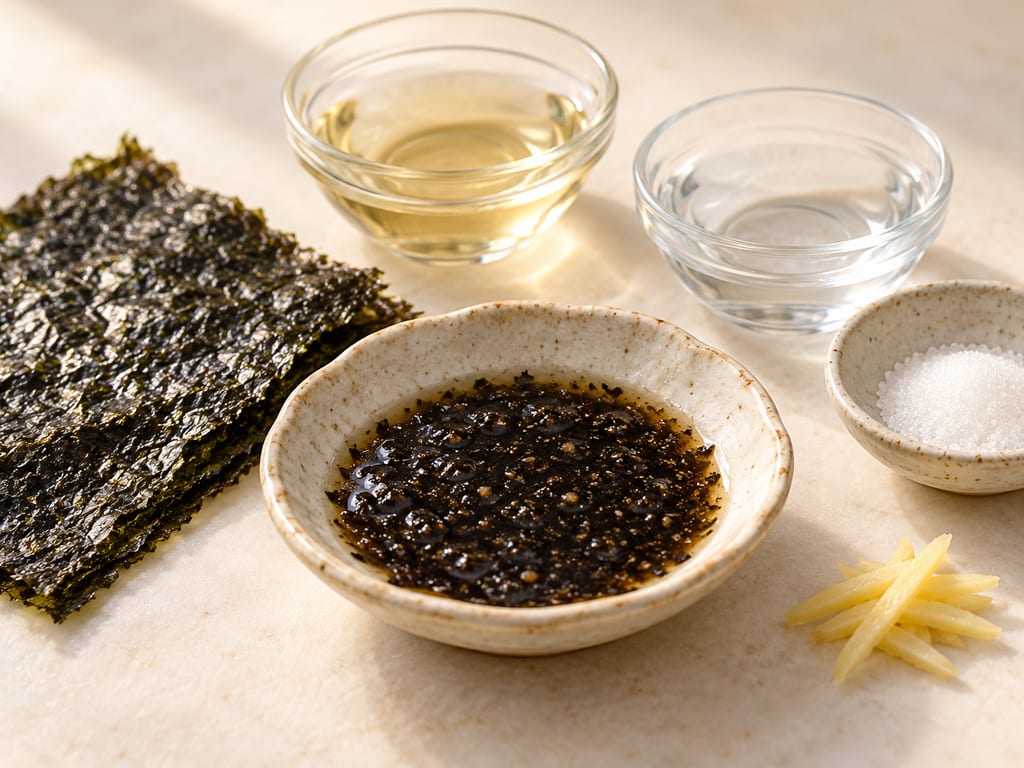
A fresh condiment in which crumbled nori softens in lightly sweetened vinegar and water. It is not vinegar fermented from seaweed.
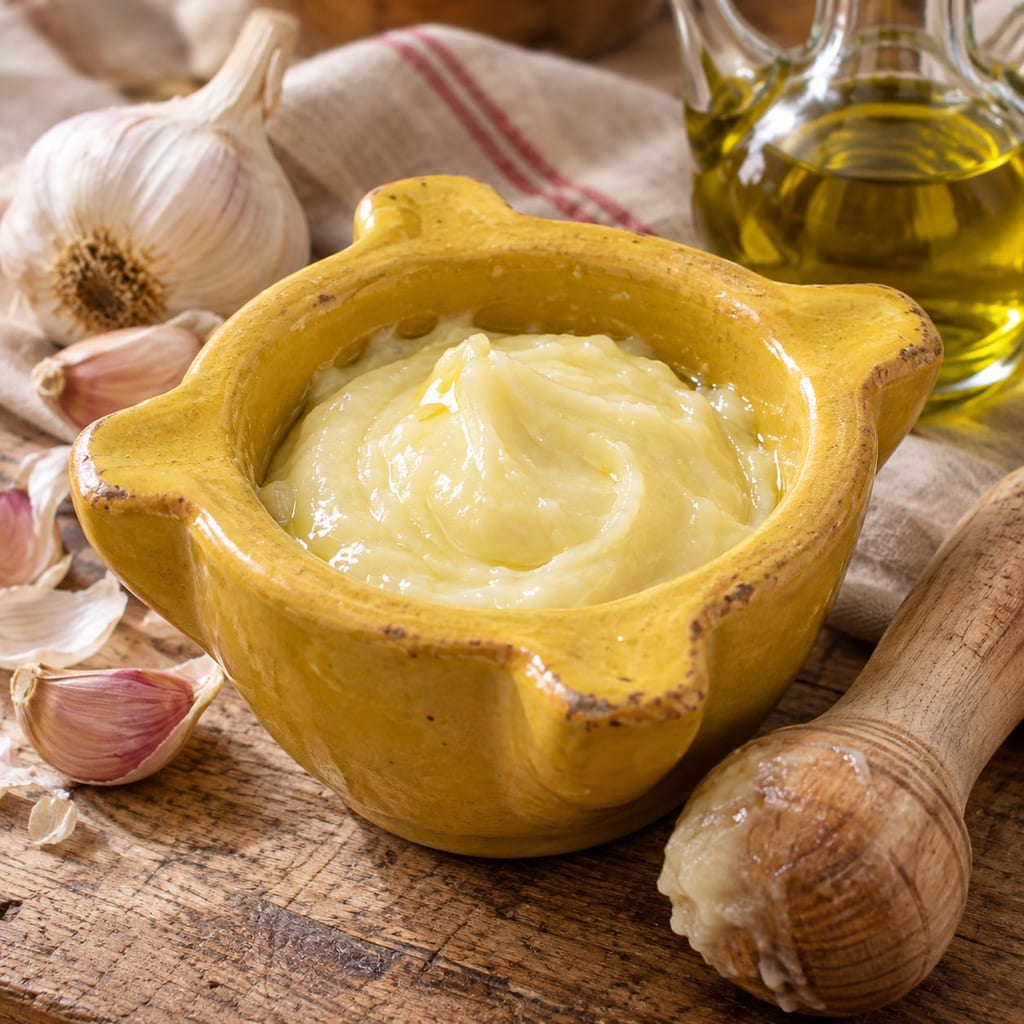
Traditional Catalan allioli is a dense emulsion of garlic, olive oil and salt made slowly in a mortar. This measured Barcelona-style version keeps egg-based garlic mayonnaise distinct.
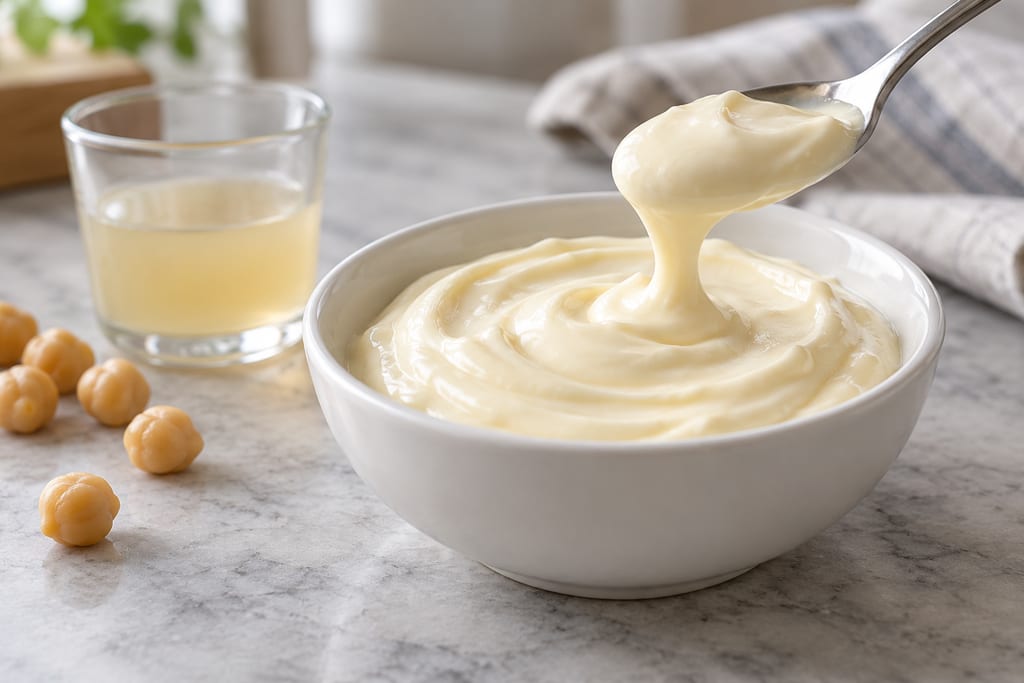
An eggless, untested emulsion made with canned chickpea liquid. Nominal yield 255 g.
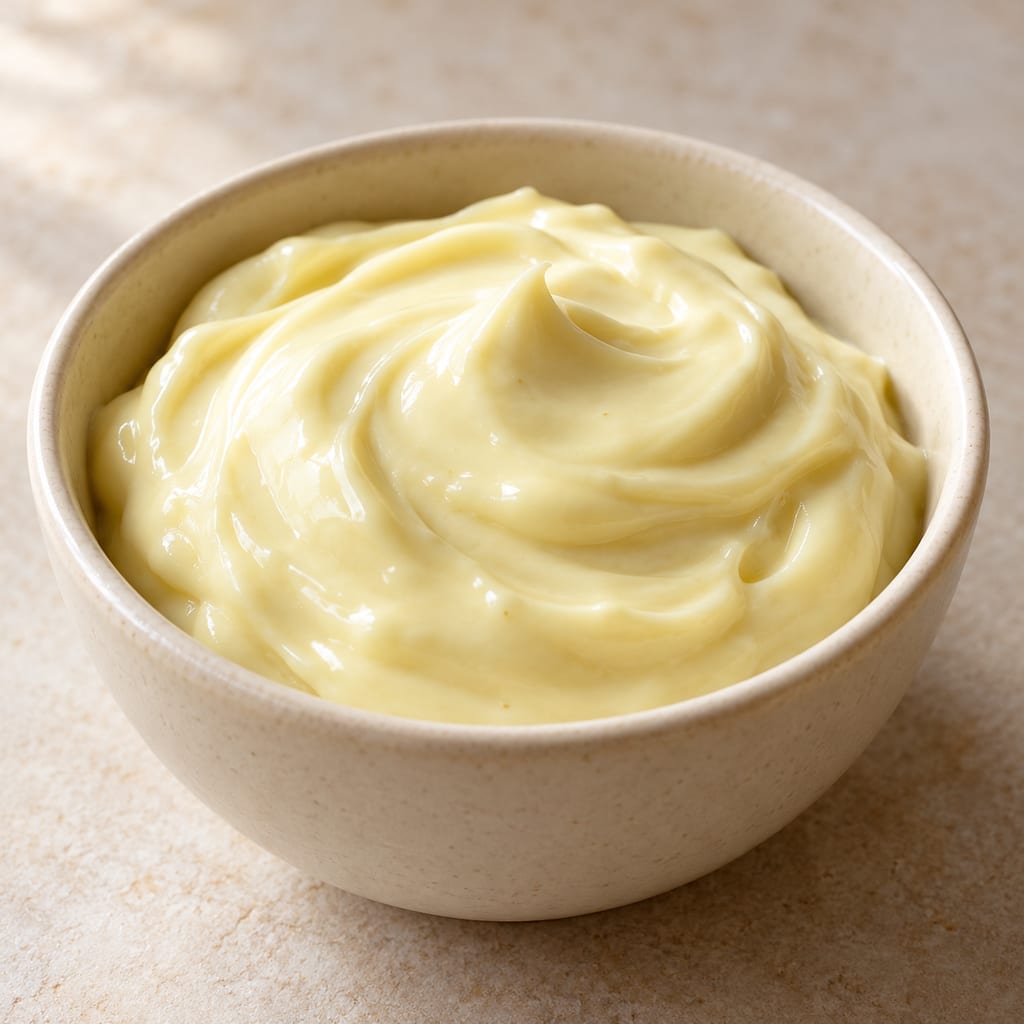
Avocado-oil mayonnaise is an ordinary egg-and-oil emulsion in which avocado oil supplies the oil phase. The oil changes flavour and colour, and it does not preserve the sauce.

Bechamel is a white sauce of milk thickened with a butter and flour roux, one of the French mother sauces, and the base from which Mornay and other cheese and cream sauces are made.
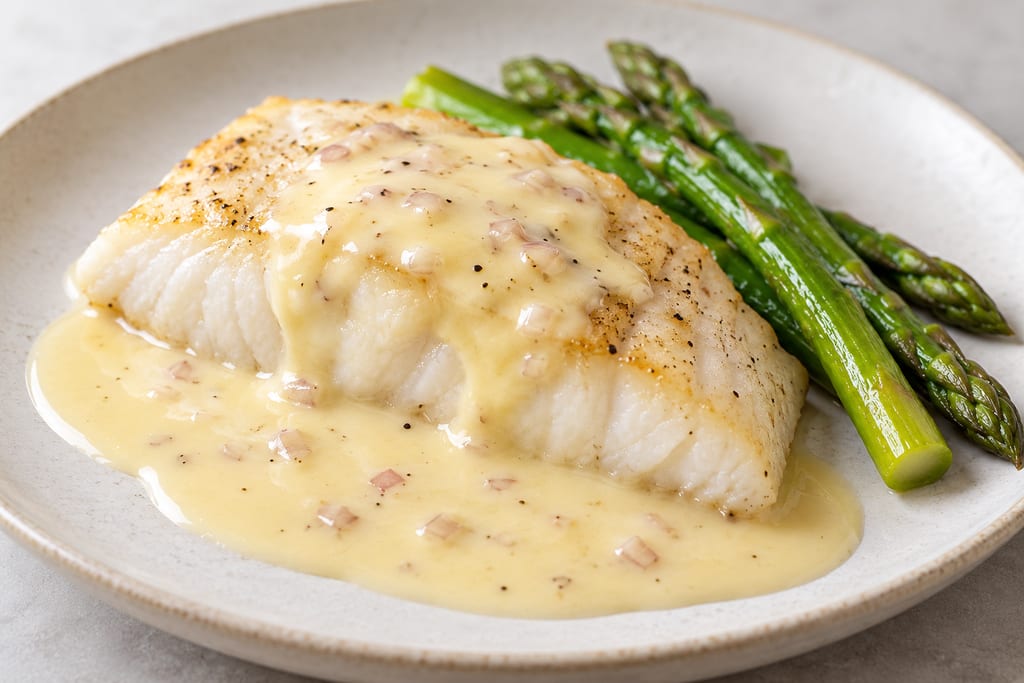
Beurre blanc is a warm emulsion of cold butter whisked into a reduction of white wine, vinegar or lemon juice and shallot, a sauce from the Loire Valley and its red-wine version, beurre rouge.
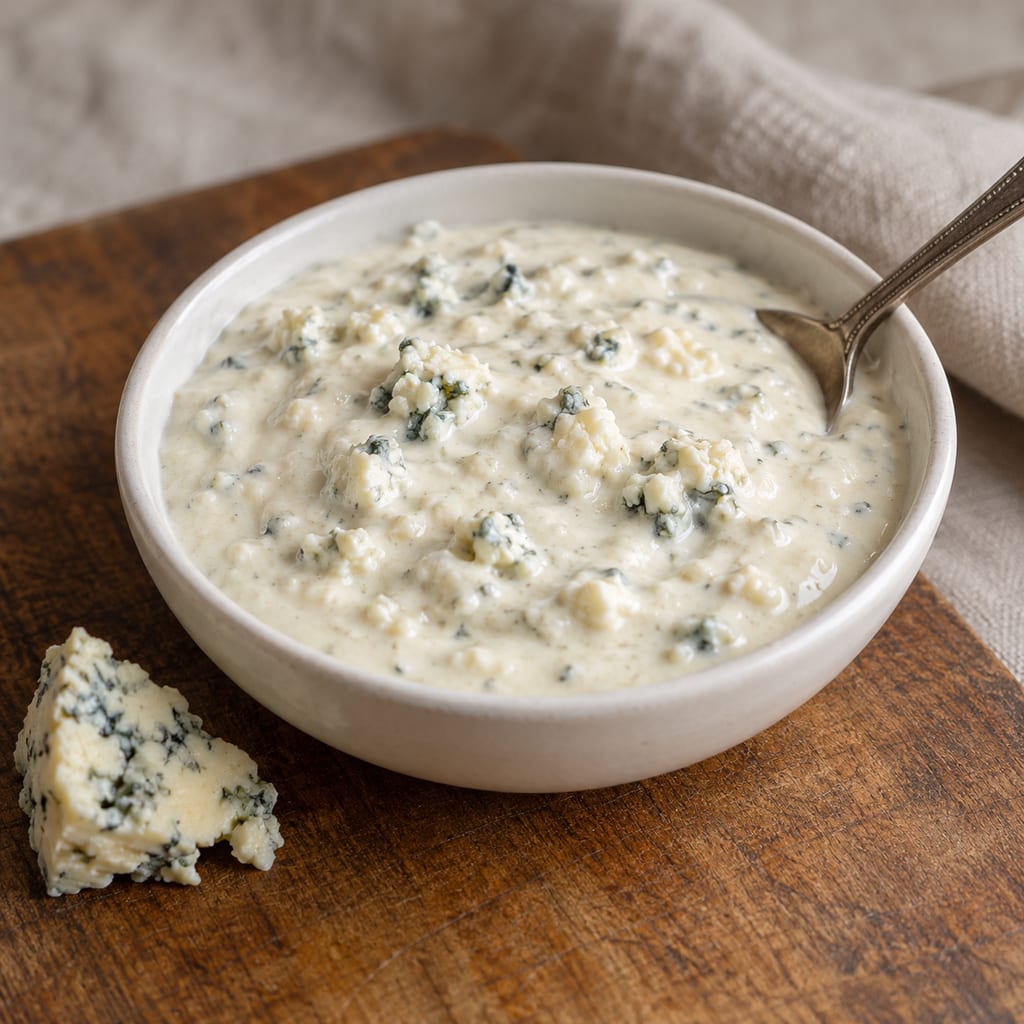
Blue cheese dressing is a creamy dressing built on crumbled blue cheese mashed into buttermilk, with sour cream, mayonnaise, vinegar and seasoning, and kept cold for up to two weeks.
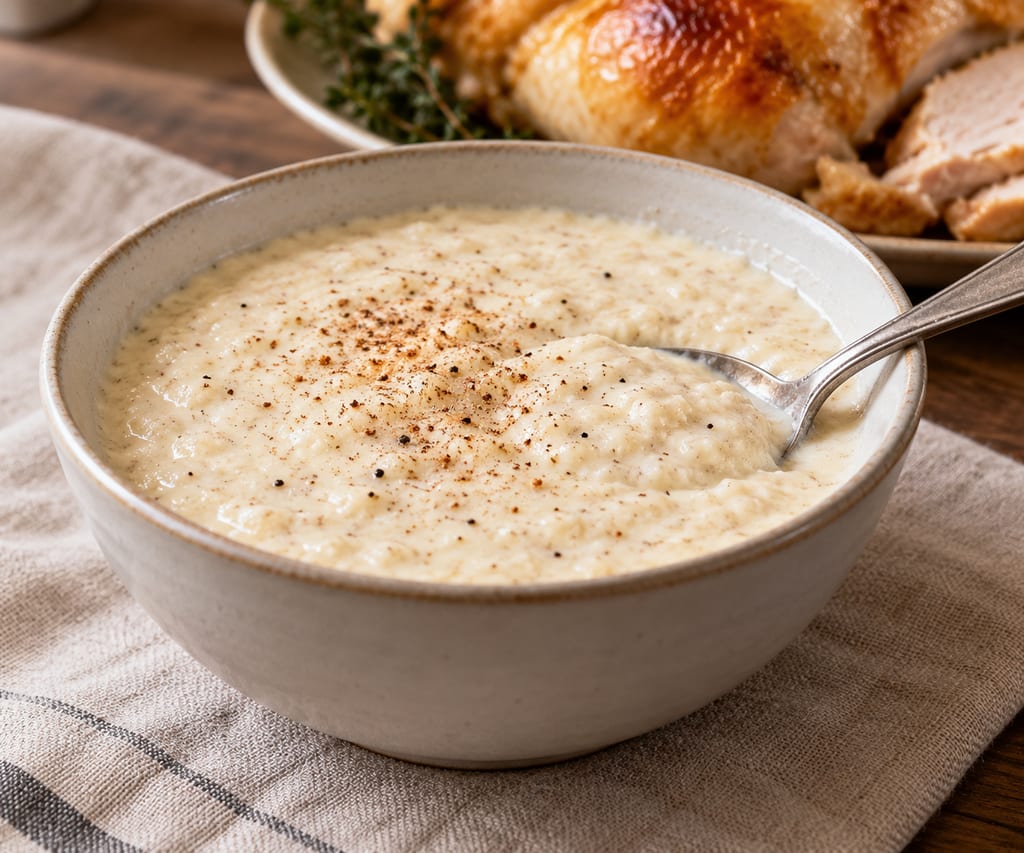
Bread sauce is a British sauce of milk infused with onion, clove and bay, thickened with stale breadcrumbs and finished with butter, served with roast chicken or turkey.
No community contributions have been published for this entry yet.
Sign in to contribute. Published comments and photos are free to read.
Food Network KitchenFlavour combination · Method
Gochujang MayoThe recipe combines mayonnaise and gochujang and identifies gochujang as Korean red chile paste; the published amounts differ from this untested starting ratio.
Cited in: A new use for a Korean fermented paste; Mixing and tasting
U.S. Food and Drug AdministrationSafety guidance
What You Need to Know About Egg SafetyUse eggs treated to destroy Salmonella or pasteurized egg products in recipes served raw or undercooked.
Food Standards ScotlandStorage guidance
Chilling foodKeep the refrigerator between 0°C and 5°C; chilling slows bacterial growth but does not always stop it; follow package storage instructions and return food to the refrigerator promptly.
Cited in: Egg safety and chilling
U.S. Food and Drug AdministrationSafety guidance
What You Need to Know About Egg SafetyUse pasteurized eggs or egg products in foods served raw or undercooked.
Cited in: Egg safety and chilling
Food Standards ScotlandSafety guidance
Advice on the safe storage, handling and use of eggs for cateringUse suitable pasteurised egg products in uncooked dishes and prevent cross-contamination.
Cited in: Egg safety and chilling
Food Science & NutritionFood science
Challenges and approaches for production of a healthy and functional mayonnaise sauceMayonnaise is an oil-in-water emulsion; egg yolk contributes to stability.
Cited in: What the ingredients contribute
Journal of Ethnic FoodsIngredient history
Gochujang (Korean red pepper paste): A Korean ethnic sauce, its role and historyScholarly review discusses gochujang as a Korean fermented red-pepper paste and its culinary role.
Cited in: A new use for a Korean fermented paste; What the ingredients contribute; Fermentation does not carry over