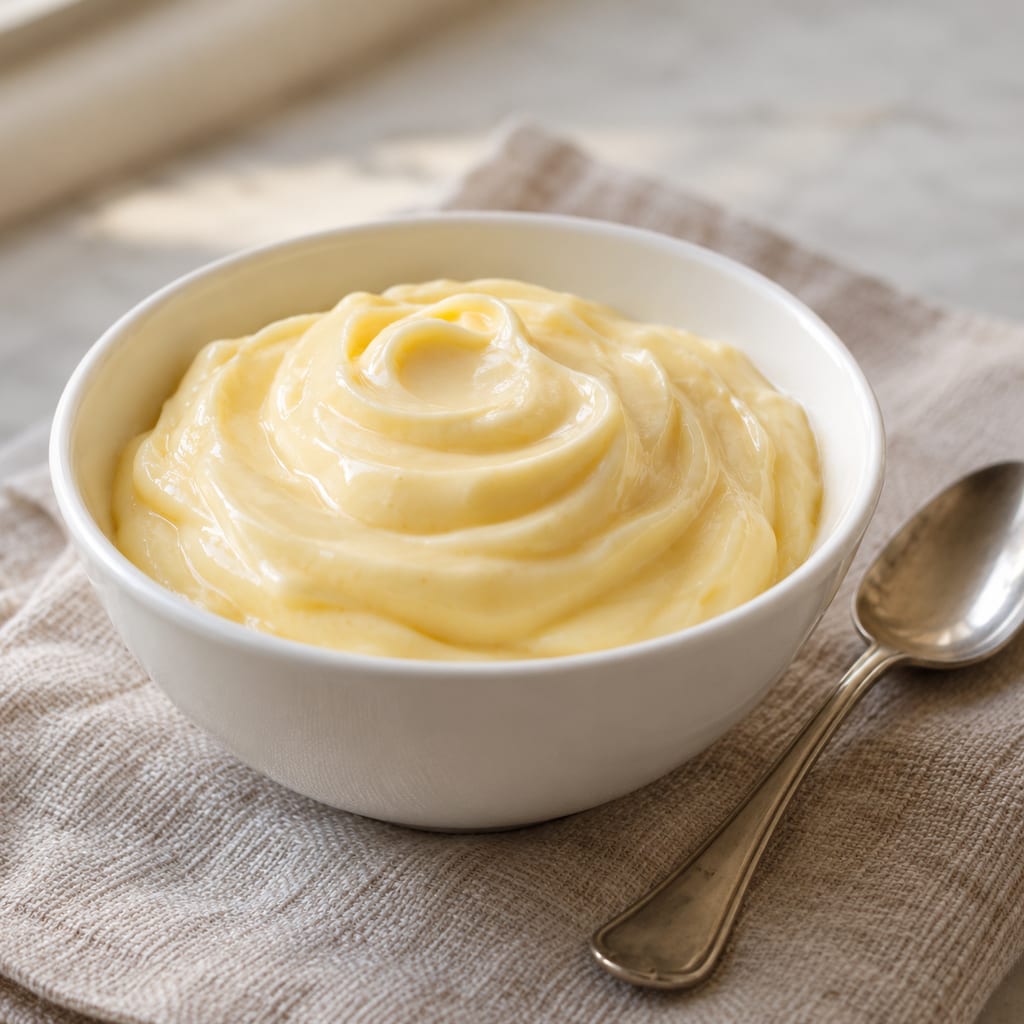
Cooked mayonnaise
A cooked-yolk mayonnaise documented in the University of Tennessee Extension’s 2007 Egg University Handbook. The egg mixture is heated before oil is emulsified into it.
 FermenteaWhere food goes to change
Modern method
Mustard-and-sunflower variation
An untested mayonnaise variation made with refined sunflower oil and more Dijon mustard than a neutral base.
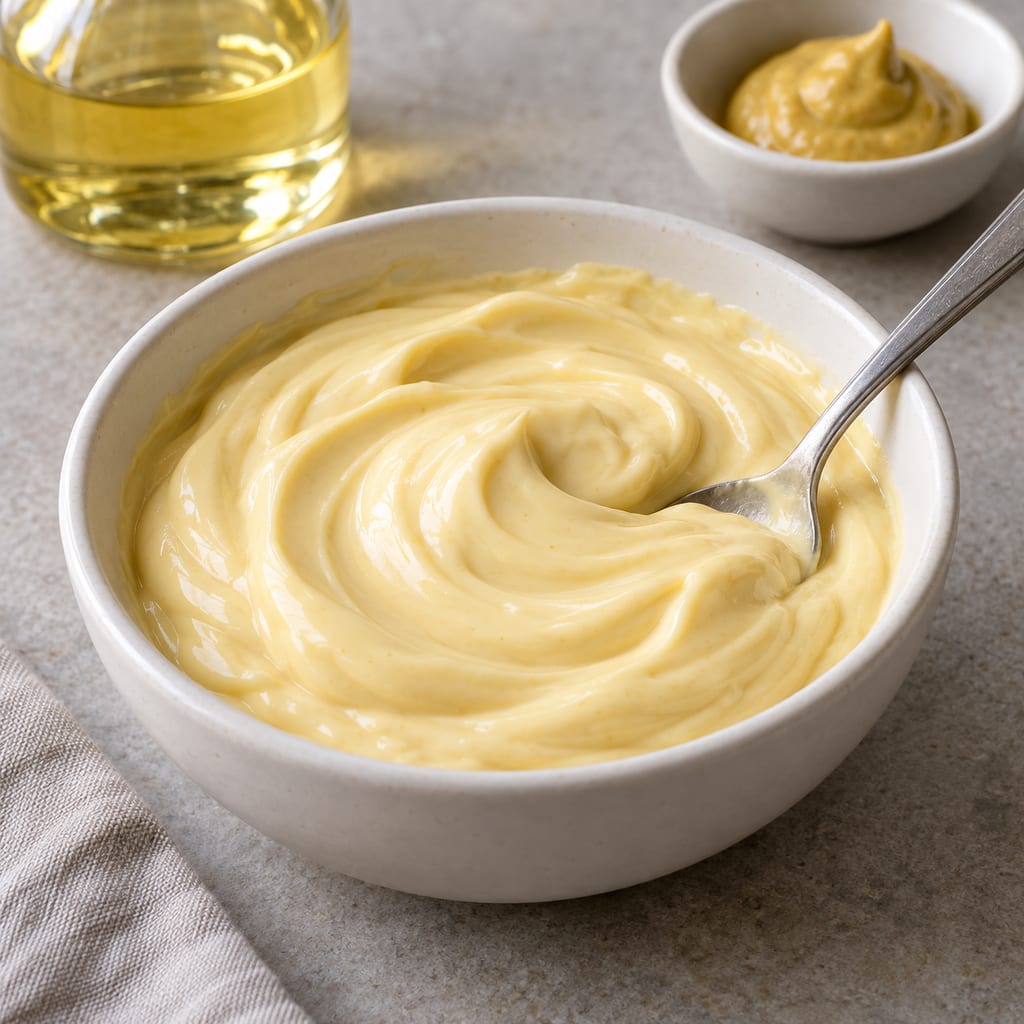
This sunflower-oil mayonnaise is an untested development variation with a stronger prepared-mustard measure than a neutral base. Its formula uses 200 g refined sunflower oil, 25 g commercially pasteurised egg yolk, 20 g distilled vinegar labelled 5% acidity, 10 g drinking water, 10 g Dijon mustard, 2 g fine salt and 3 g sugar. Its approximately 270 g yield is nominal, not a measured finished amount.
Sloboda Provansal provides a contemporary product comparison. Its manufacturer lists sunflower oil, water, sugar, egg yolk, salt, vinegar and mustard oil. This home adaptation uses prepared Dijon rather than mustard oil and does not reproduce the product. It is not a traditional Russian preparation; the comparison is a modern product association.
Dissolving salt and sugar in vinegar and water distributes them before oil is added. Whisking yolk and mustard into the liquid makes the aqueous starting phase. Add oil slowly at first so the mixture can form a cohesive emulsion; after it thickens, continue in a thin stream. The steps are a proposed home development method informed by culinary mayonnaise technique, not a tested process.
Refined sunflower oil provides the specified oil base. Refined oils vary by producer, and no sensory comparison has been made here. The larger Dijon measure is a formulation choice intended to make mustard more prominent. It should not be interpreted as an estimate of the commercial product's mustard-oil dose or taste. Concentrated mustard oil is not interchangeable with prepared mustard by weight or volume.
The yolk is not cooked after it is added. FDA guidance identifies homemade mayonnaise among foods commonly made with raw eggs and advises use of pasteurised eggs for such recipes. Use commercially pasteurised yolk labelled for uncooked use; clean hands, utensils and work surfaces; and refrigerate promptly at 4°C or colder.
The report's 24-hour working window is a conservative house rule for unvalidated prototypes. It is not a measured shelf life or proof that a batch stays safe for that period under every condition. Vinegar's labelled acidity does not establish the finished sauce's pH or demonstrate pathogen reduction. No process validation or shelf-life study is claimed. Do not can or keep the sauce at room temperature. Do not use smell, taste, appearance, or a home pH reading to judge safety. Freezing can split the emulsion; that is a texture problem, not a safety method.
A modern, untested home development variation compared with the ingredient direction of Sloboda Provansal, whose manufacturer lists sunflower oil, water, sugar, egg yolk, salt, vinegar and mustard oil. This home version uses prepared Dijon and is not the manufacturer's formula or a traditional Russian preparation.
Yield 270 g nominal ingredient mass · Scaling: source batch only
The yolk is not cooked after it is added. Pasteurised egg and clean handling reduce risk but do not validate the finished formulation.
Hazard sourceUse commercially pasteurised egg yolk labelled for uncooked use; wash hands and clean and sanitise utensils and work surfaces.
Control sourceRefrigerate promptly at 4°C or colder. The archive's 24-hour period is a conservative house rule for unvalidated prototypes, not a measured shelf life.
Control sourceThis is an untested development formula: it has not been kitchen-tested, sensory-tested or shelf-life tested.
Vinegar is a flavour ingredient, not a validated pH or pathogen-kill step. Do not can or store at room temperature.
People at higher risk from foodborne illness should avoid uncooked-egg foods.
Freezing may split the emulsion; this is a quality concern, not a safety control.
Allergens: egg and mustard.
This is a modern home comparison with a Russian-market commercial mayonnaise's ingredient direction, not a traditional recipe or an origin claim.
A cooked-yolk mayonnaise documented in the University of Tennessee Extension’s 2007 Egg University Handbook. The egg mixture is heated before oil is emulsified into it.
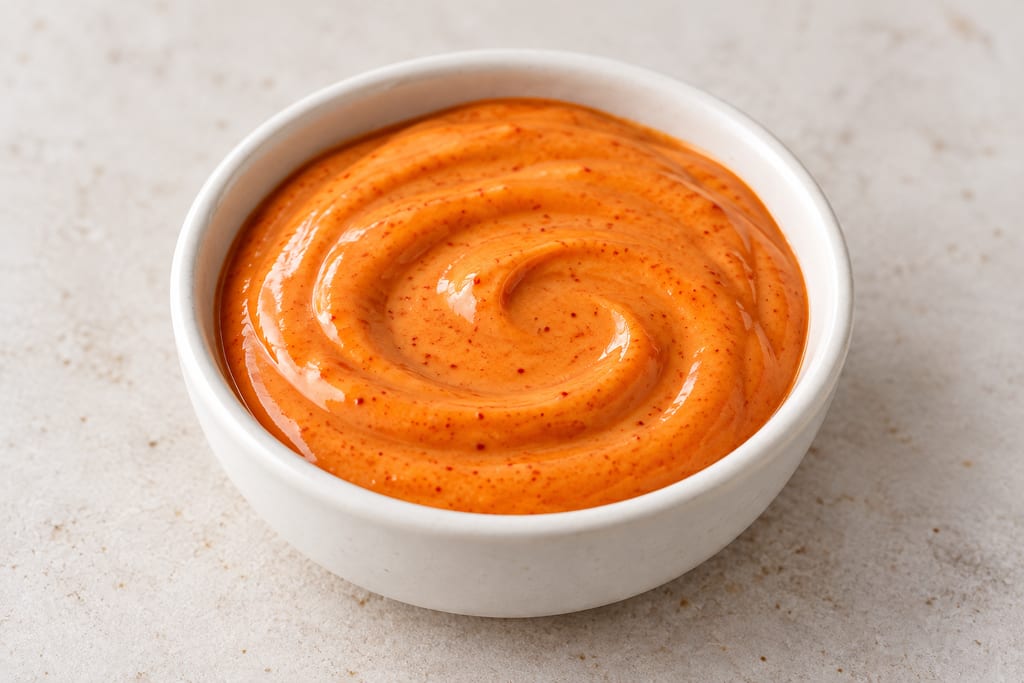
A contemporary, untested mix of finished mayonnaise, gochujang and rice vinegar, with starting amounts per 100 g mayonnaise.
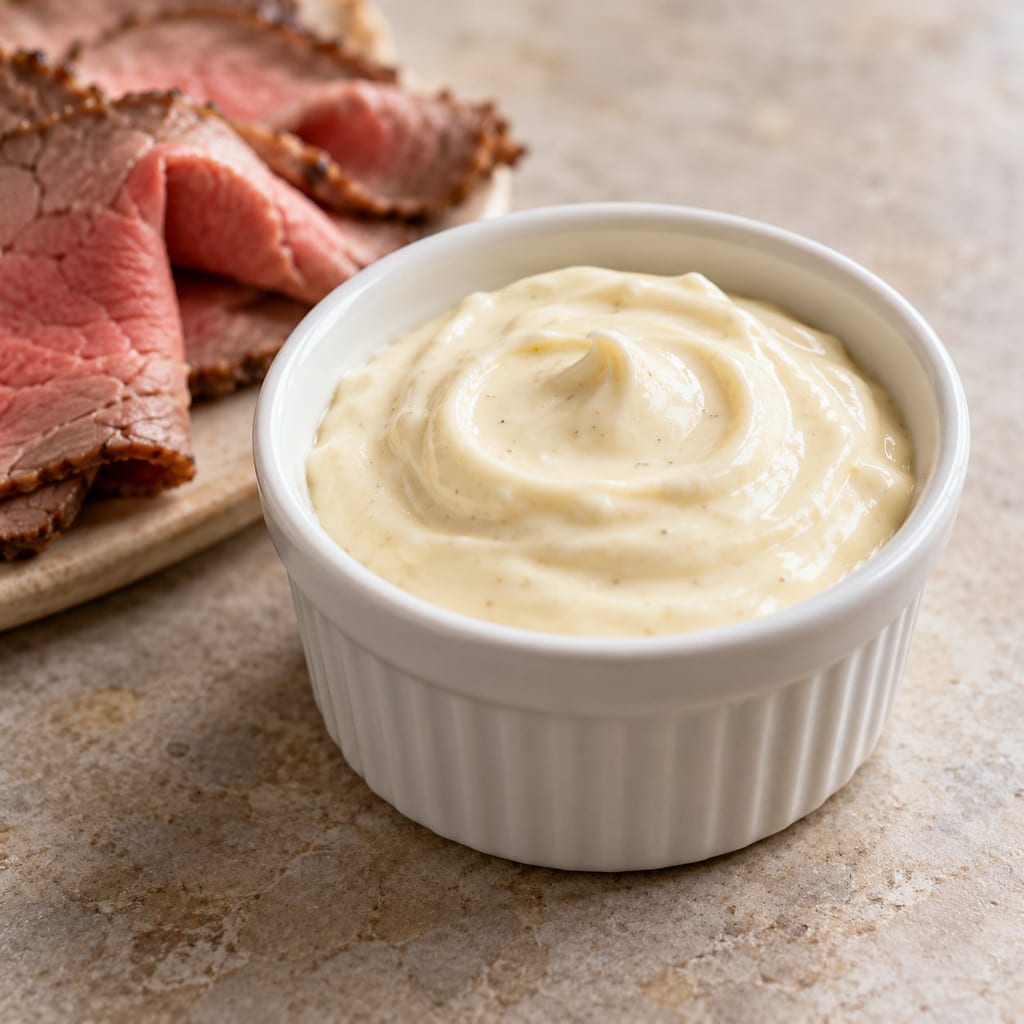
Prepared horseradish and lemon sharpen finished mayonnaise into a fresh accompaniment for roast meat or fish; the archived ratio has not been tested.
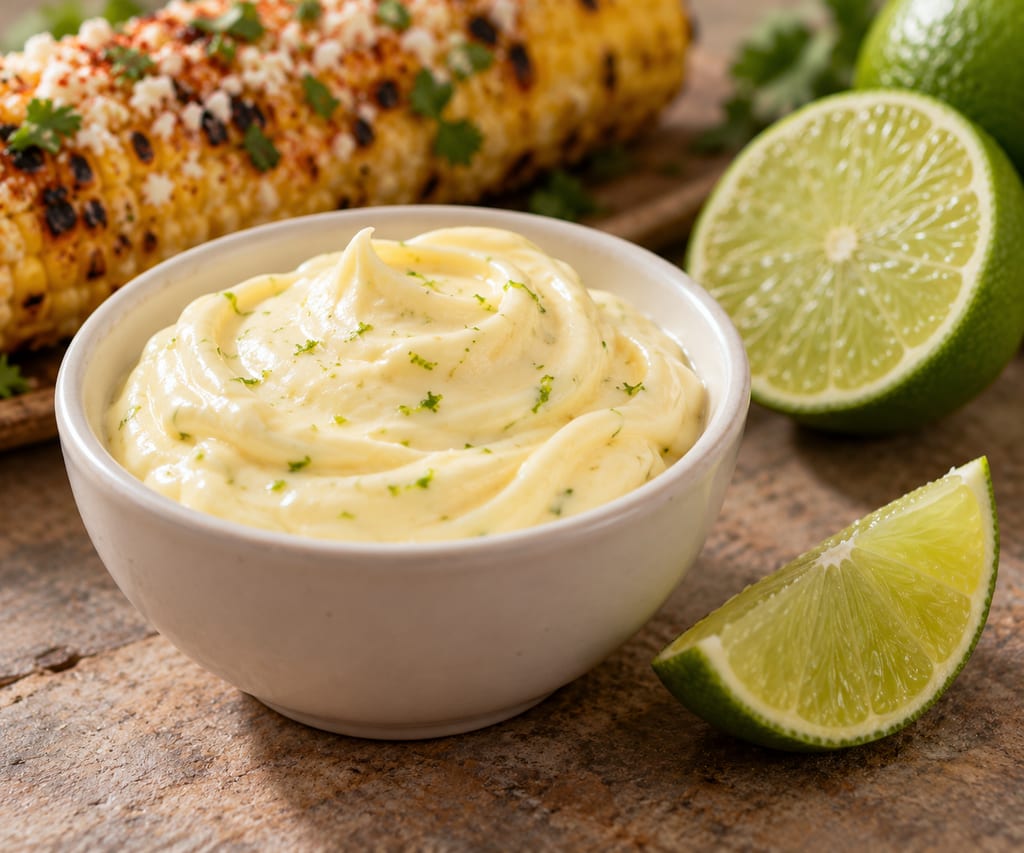
An untested mayonnaise variation that replaces part of a neutral base’s vinegar with lime juice and finishes with optional lime zest.
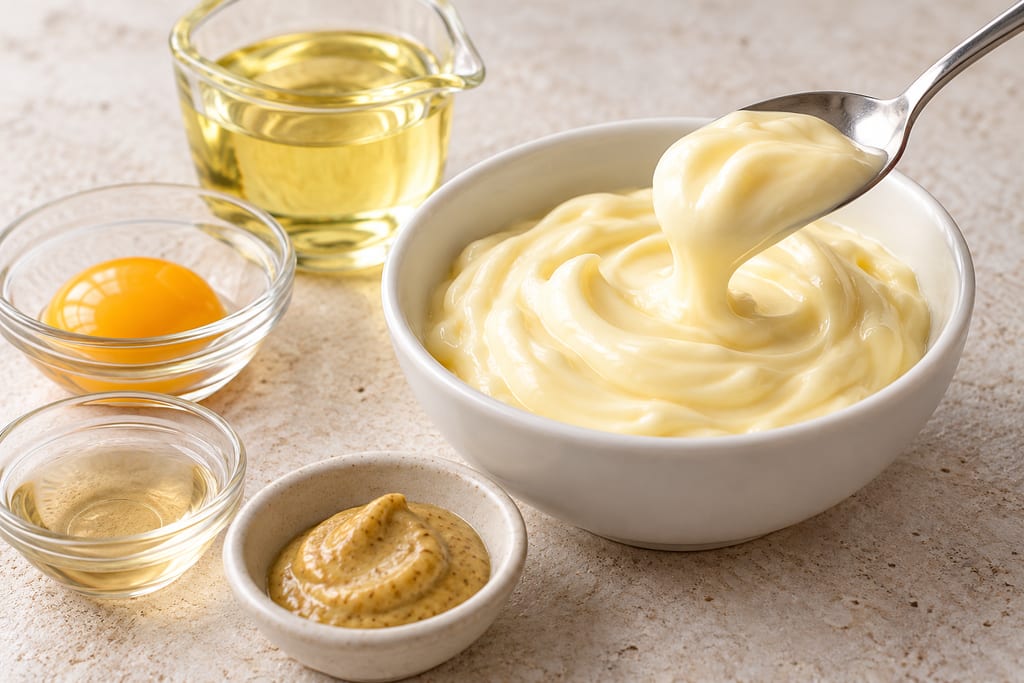
A plain mayonnaise of 200 g refined neutral oil emulsified into pasteurised yolk, vinegar, water and a little Dijon mustard: a clean base for tasting, comparing and flavouring.
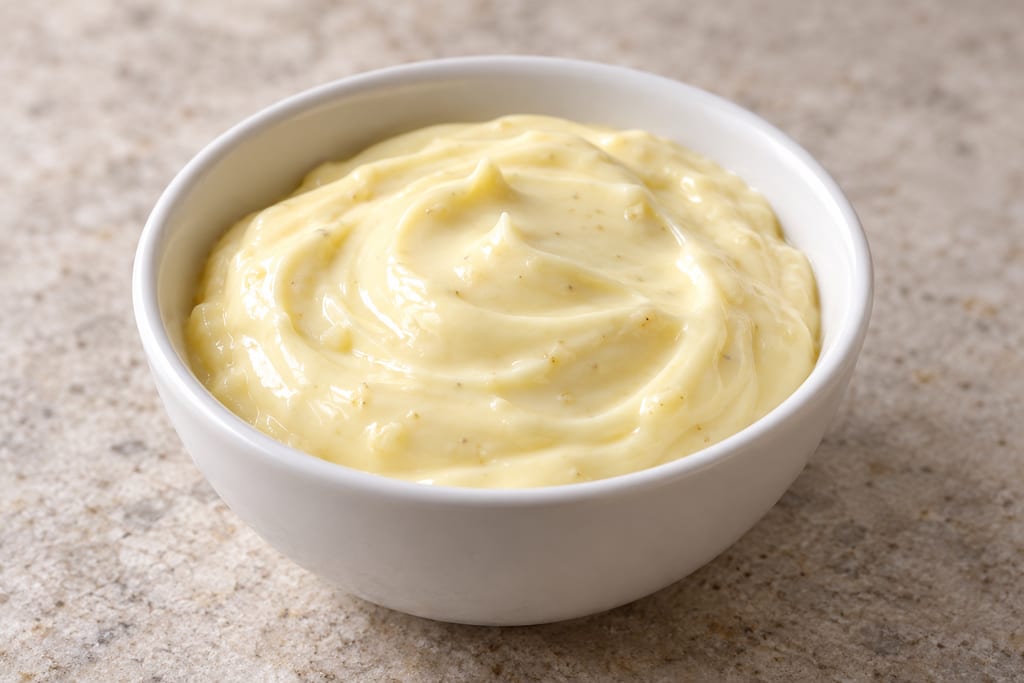
An untested 265 g garlic mayonnaise made by whisking pasteurised yolk with vinegar, water and Dijon, then slowly emulsifying neutral oil with mild extra-virgin olive oil.
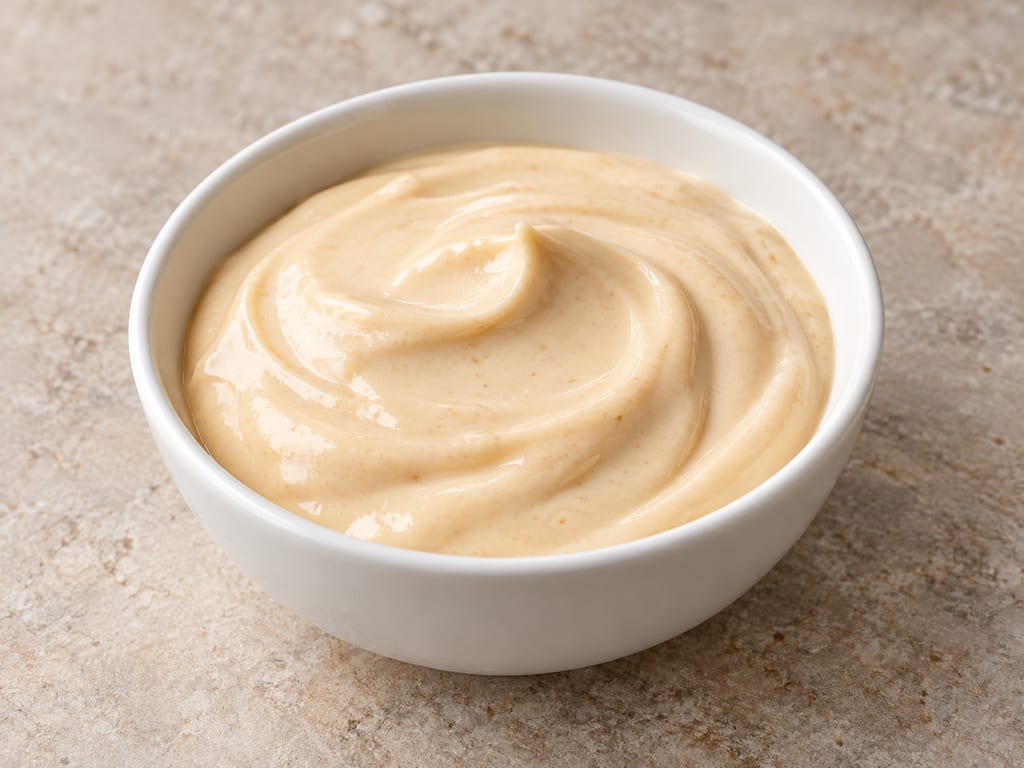
A sesame-forward, fresh sauce made by mixing tahini, toasted sesame oil and rice vinegar into finished mayonnaise; the archived amounts are untested starting points.
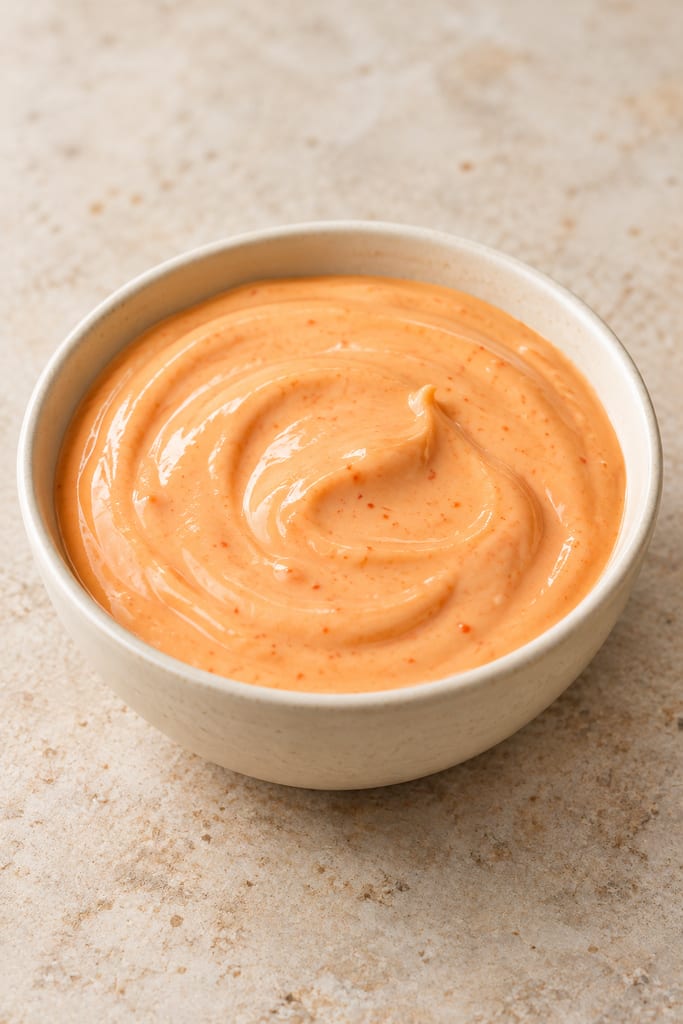
A contemporary, untested mix of finished mayonnaise, sriracha and lime juice, with starting amounts per 100 g mayonnaise.

Adygean salt is a seasoned table salt associated with Adygea and the wider North Caucasian culinary tradition. Salt is blended with garlic and a variable selection of herbs and spices; the exact mix depends on the named style and maker.
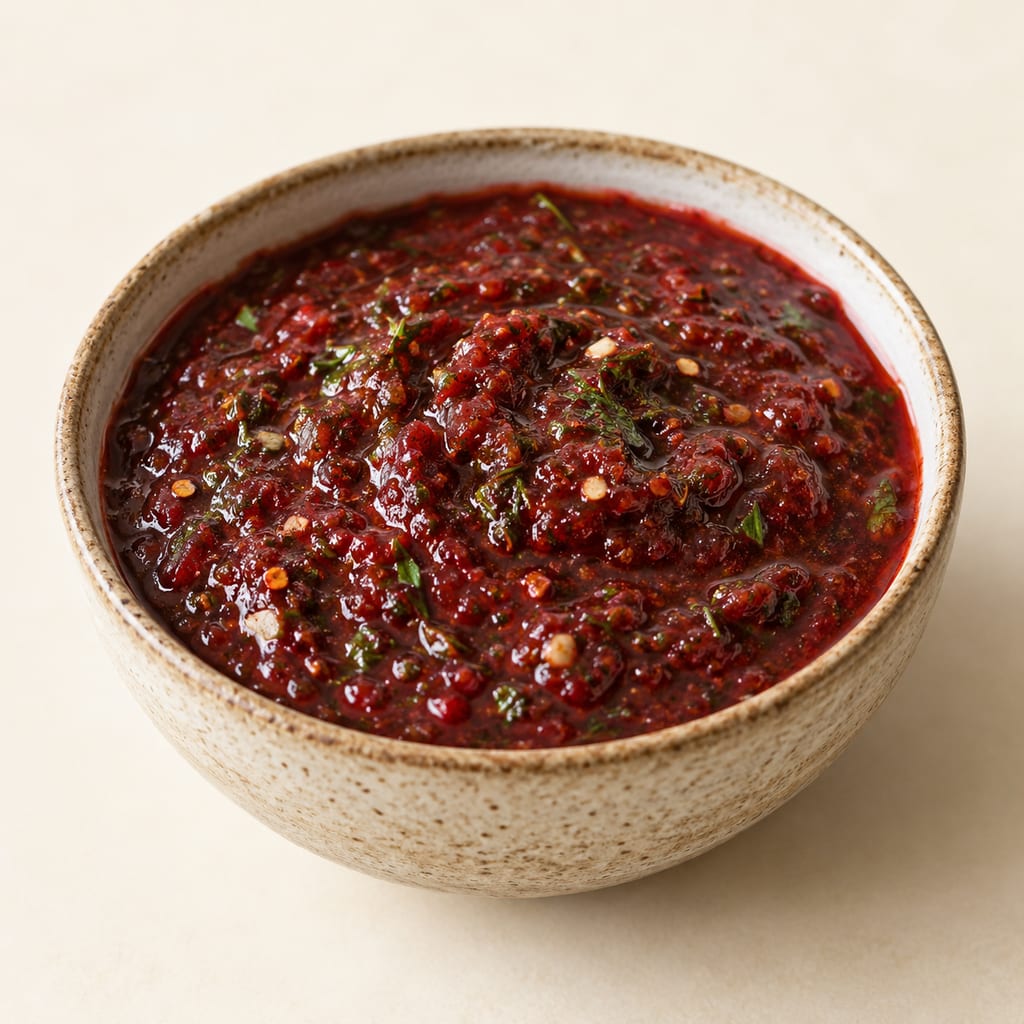
A Georgian sour plum sauce of cherry plums cooked with garlic, coriander, dill-family herbs and chilli. Its sourness comes from the fruit, and it is served as a condiment with grilled meat, poultry and potatoes.
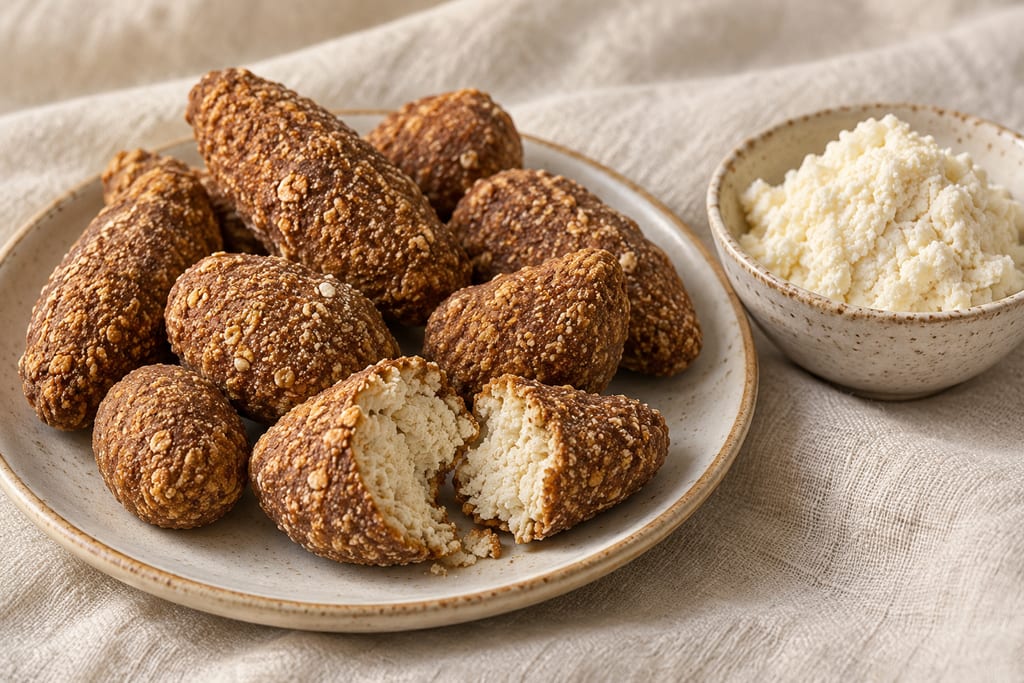
A two-stage Altai dairy preparation: sour chegen is heated into soft aarchi, then portions are drained, pressed and traditionally smoked into firm kurut.
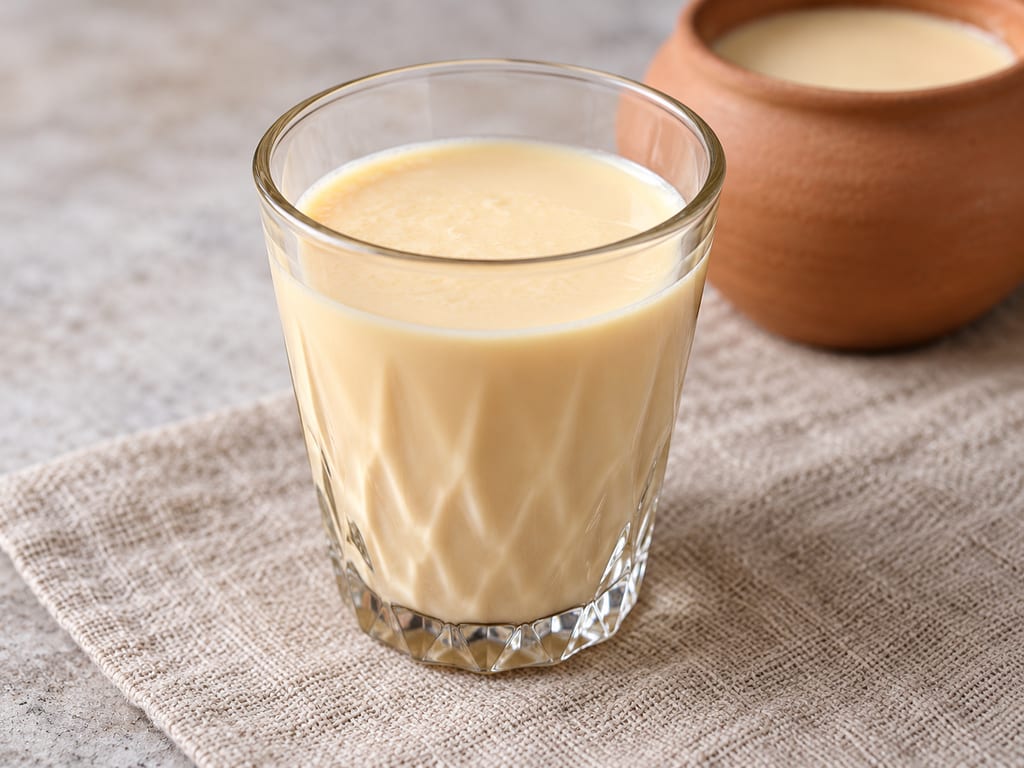
Baked milk is an Eastern European preparation of milk held at high heat for hours until it turns cream-coloured with a cooked, mildly sweet flavour, without any fermentation.
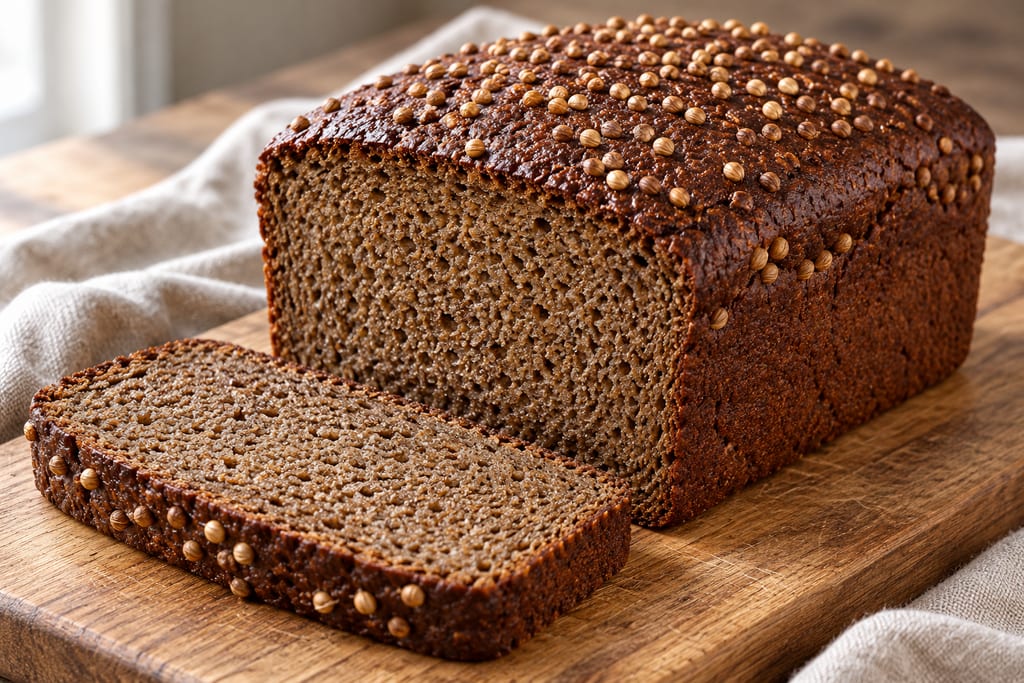
A dark rye sourdough with coriander and roasted barley-malt scald, based on Lily McCann's measured Borodinsk-ish home formula.
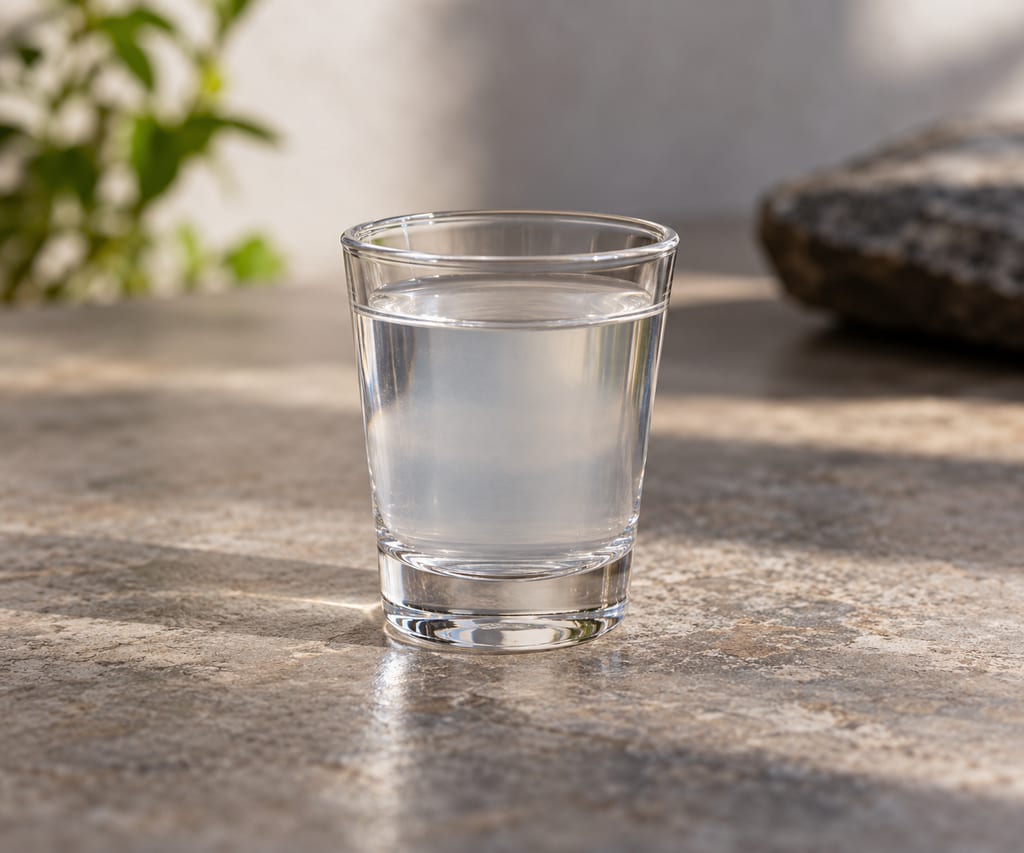
A Buryat milk spirit distilled from khurenge, the backslopped sour dairy ferment, in a cauldron still: a distillate that keeps milky and cheese-like aromas from the dairy it came from.
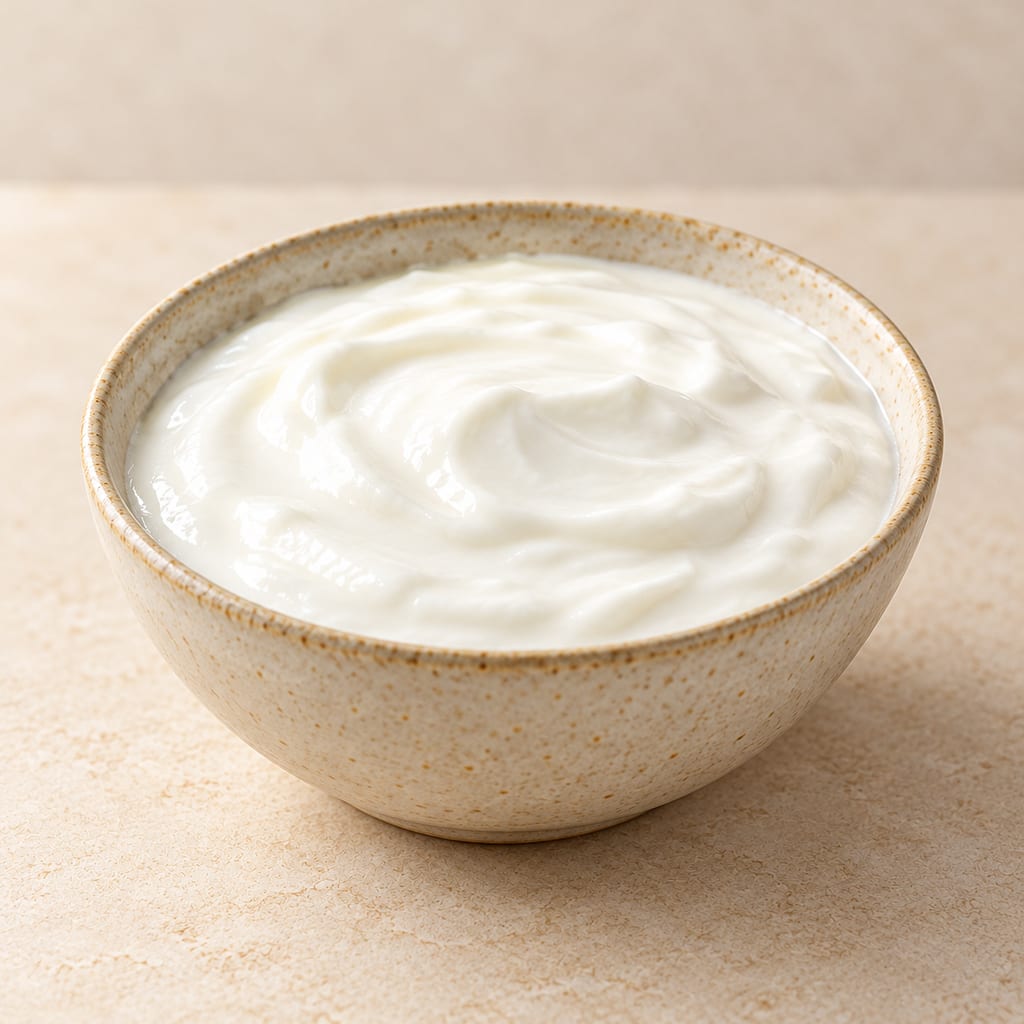
Katyk is a traditional fermented milk of Turkic-speaking peoples, made by souring heated milk with lactic bacteria, often with a spoonful of the last batch, into a thick, sour curd.
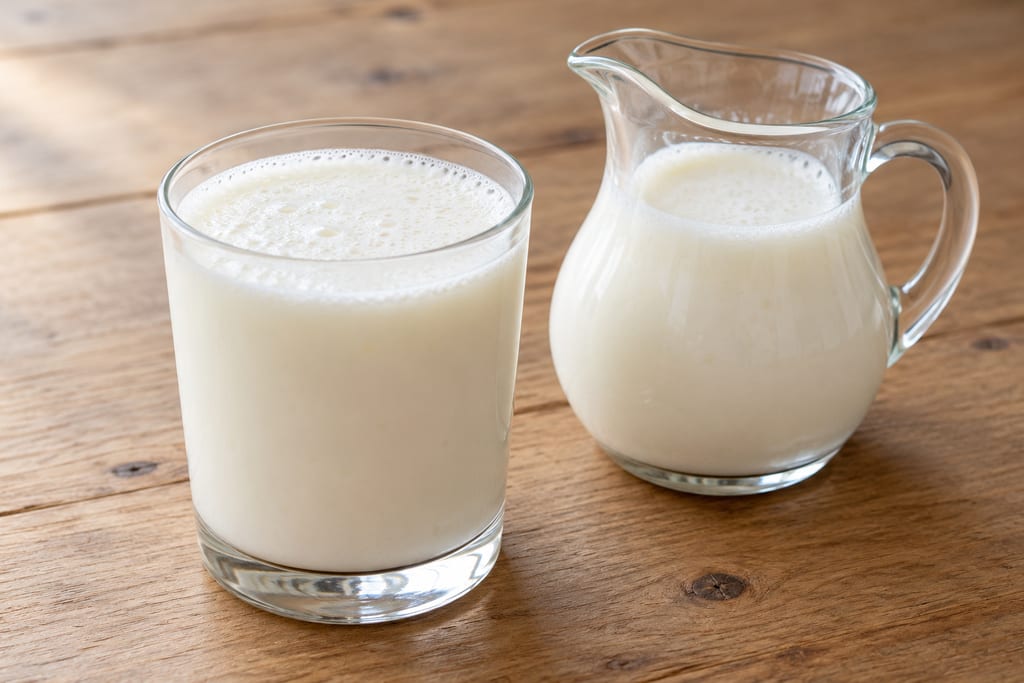
Khurunga is a traditional Buryat fermented milk made with a kept mixed bacteria-and-yeast starter, giving a sour, lightly alcoholic and often fizzy drink that is also the base for milk spirit and curds.
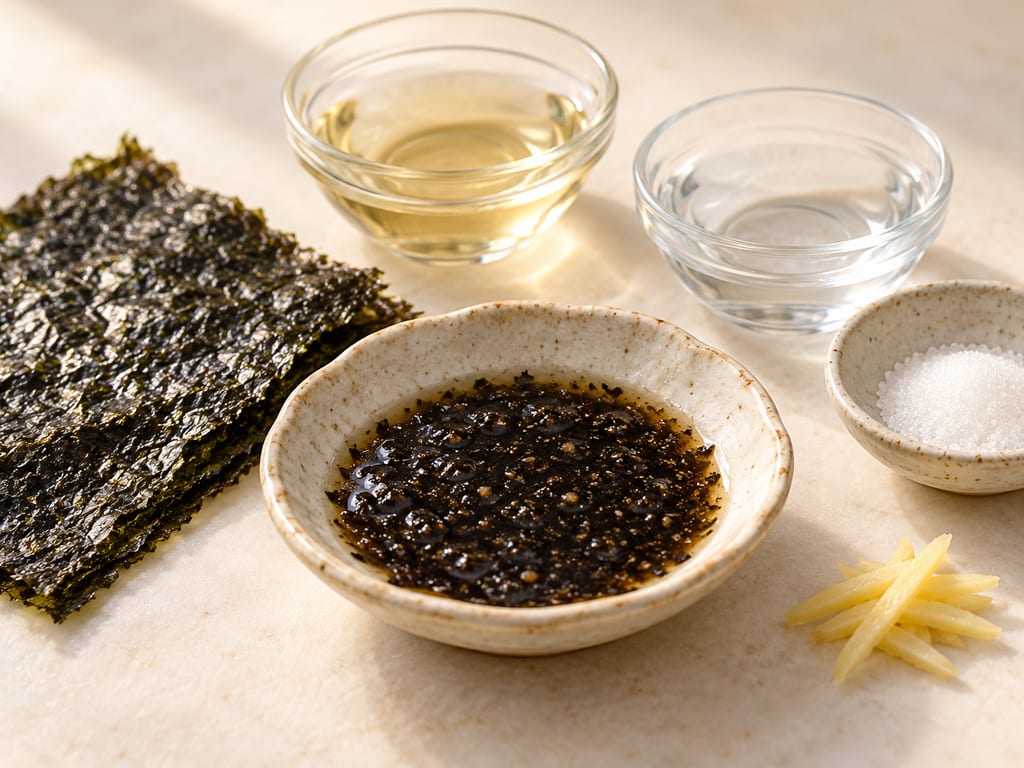
A fresh condiment in which crumbled nori softens in lightly sweetened vinegar and water. It is not vinegar fermented from seaweed.
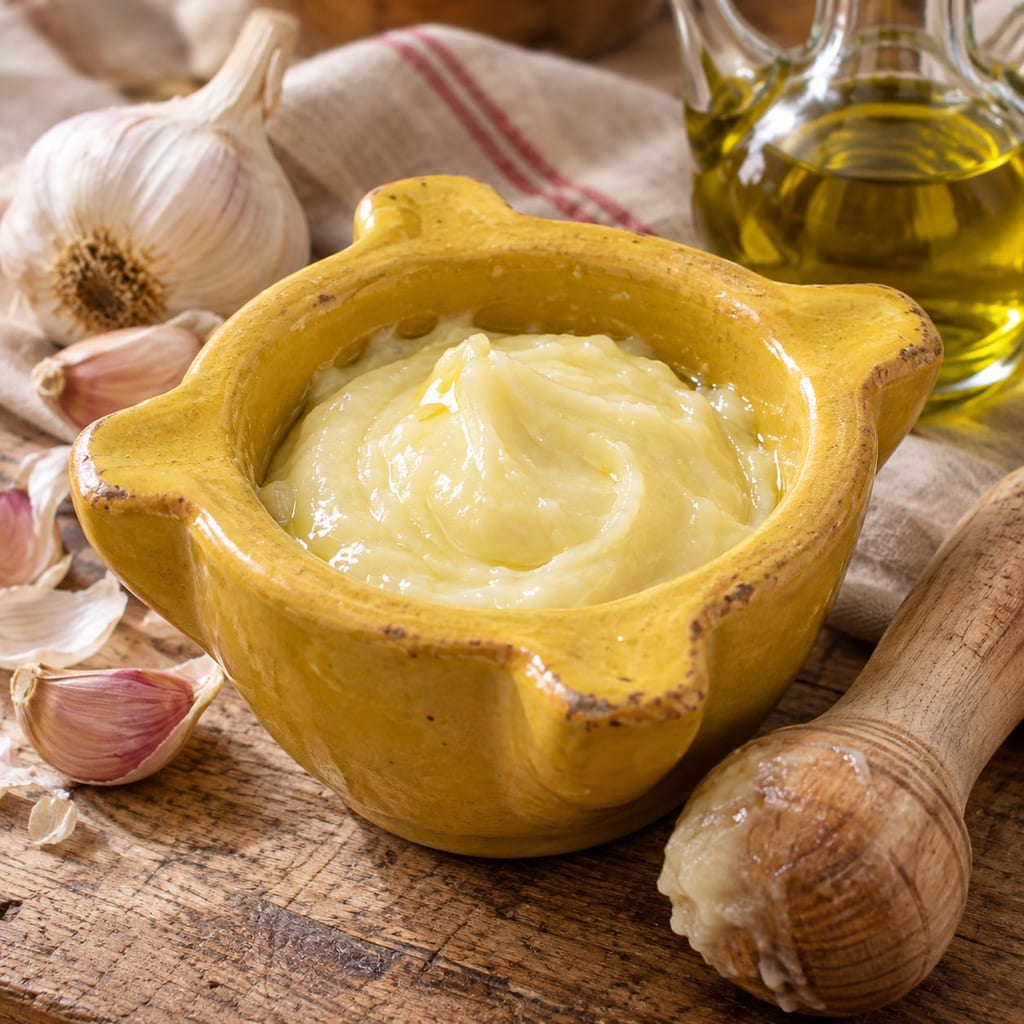
Traditional Catalan allioli is a dense emulsion of garlic, olive oil and salt made slowly in a mortar. This measured Barcelona-style version keeps egg-based garlic mayonnaise distinct.
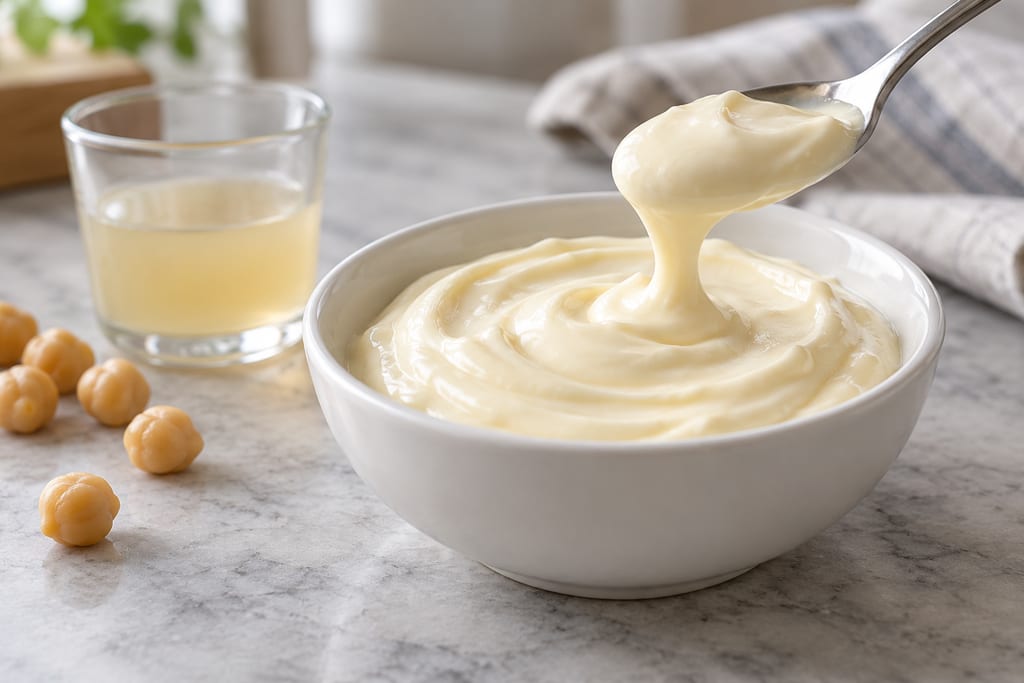
An eggless, untested emulsion made with canned chickpea liquid. Nominal yield 255 g.
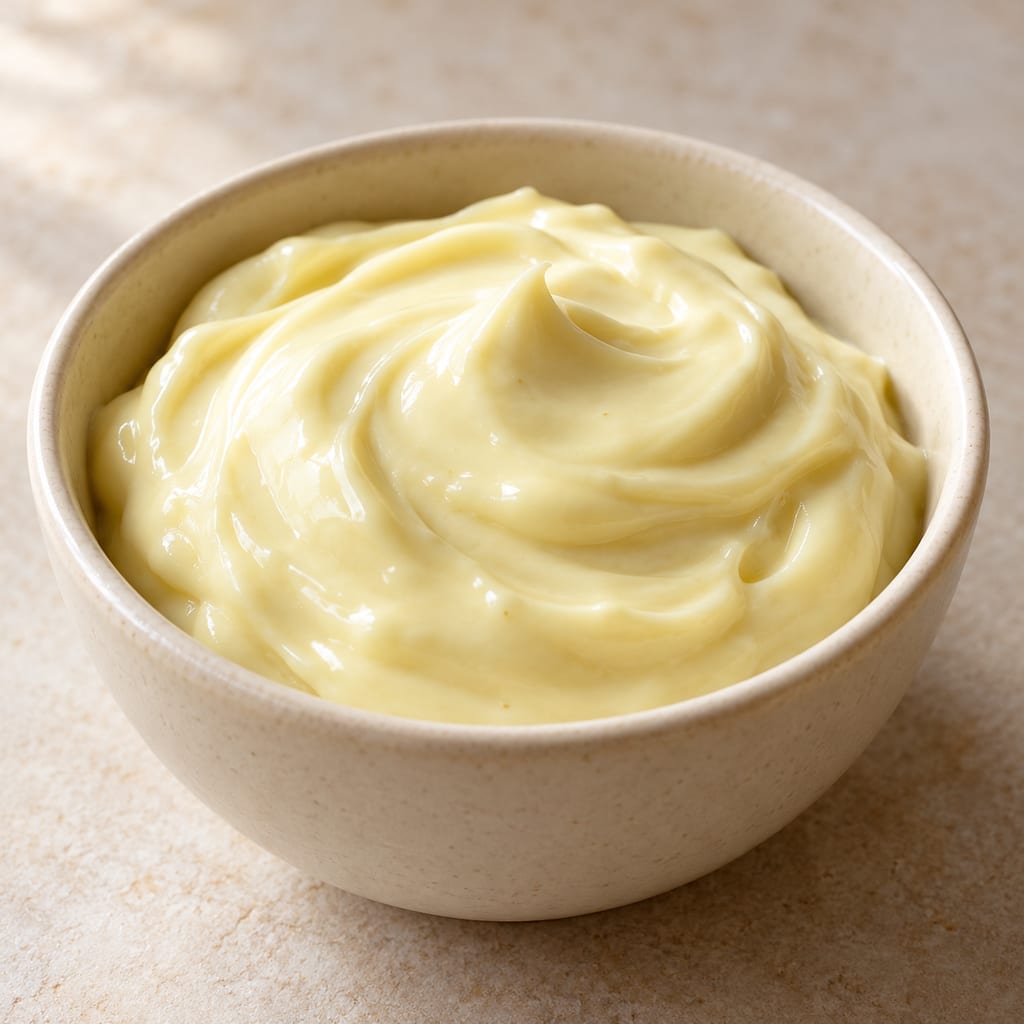
Avocado-oil mayonnaise is an ordinary egg-and-oil emulsion in which avocado oil supplies the oil phase. The oil changes flavour and colour, and it does not preserve the sauce.

Bechamel is a white sauce of milk thickened with a butter and flour roux, one of the French mother sauces, and the base from which Mornay and other cheese and cream sauces are made.
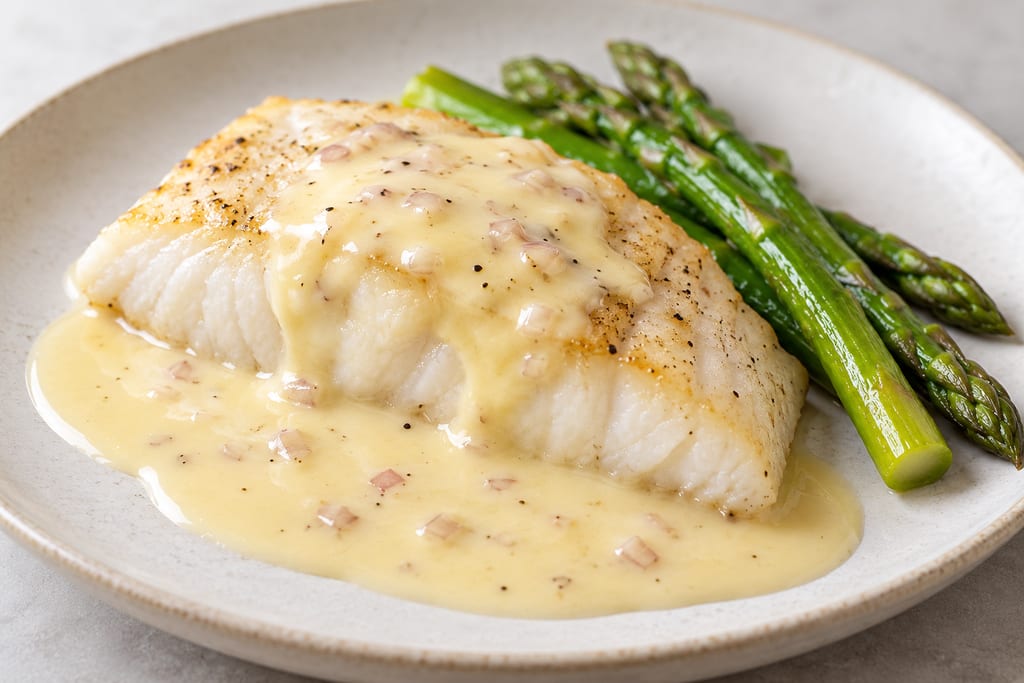
Beurre blanc is a warm emulsion of cold butter whisked into a reduction of white wine, vinegar or lemon juice and shallot, a sauce from the Loire Valley and its red-wine version, beurre rouge.
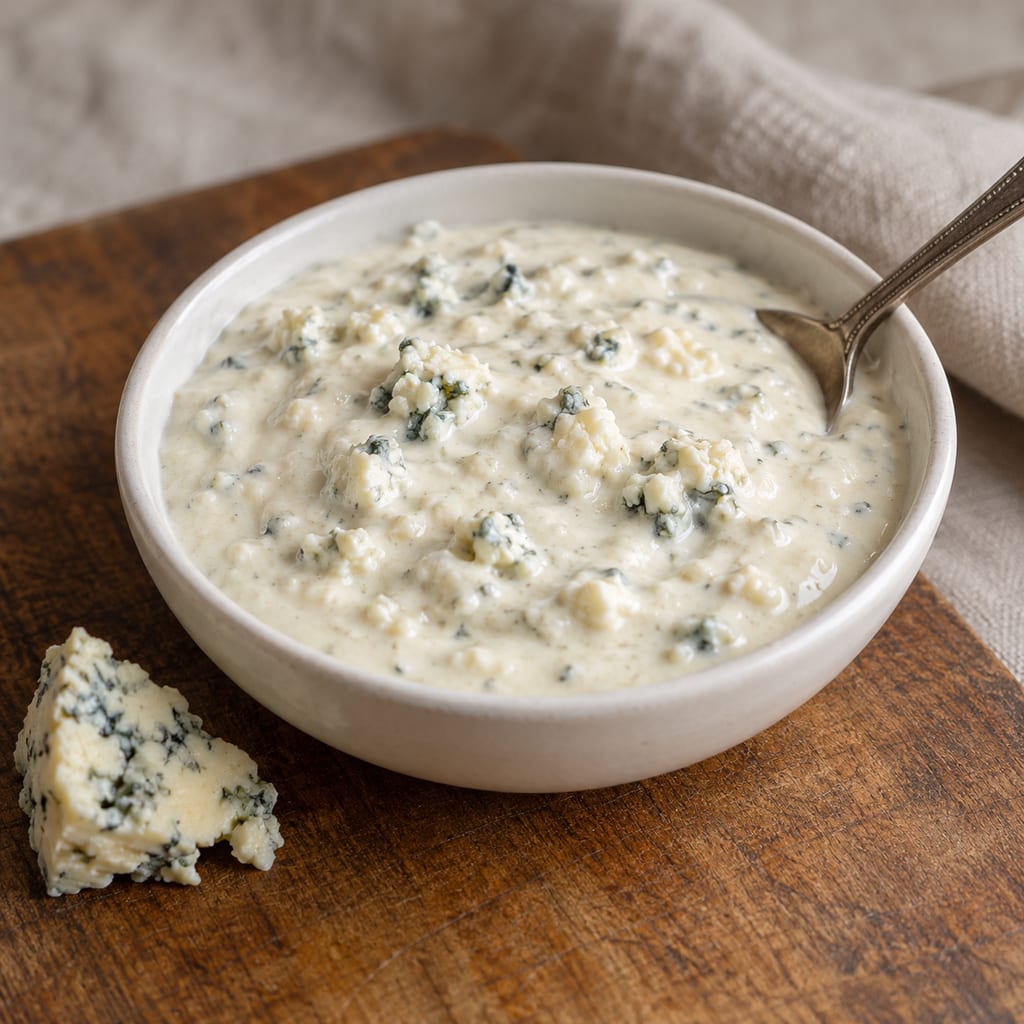
Blue cheese dressing is a creamy dressing built on crumbled blue cheese mashed into buttermilk, with sour cream, mayonnaise, vinegar and seasoning, and kept cold for up to two weeks.
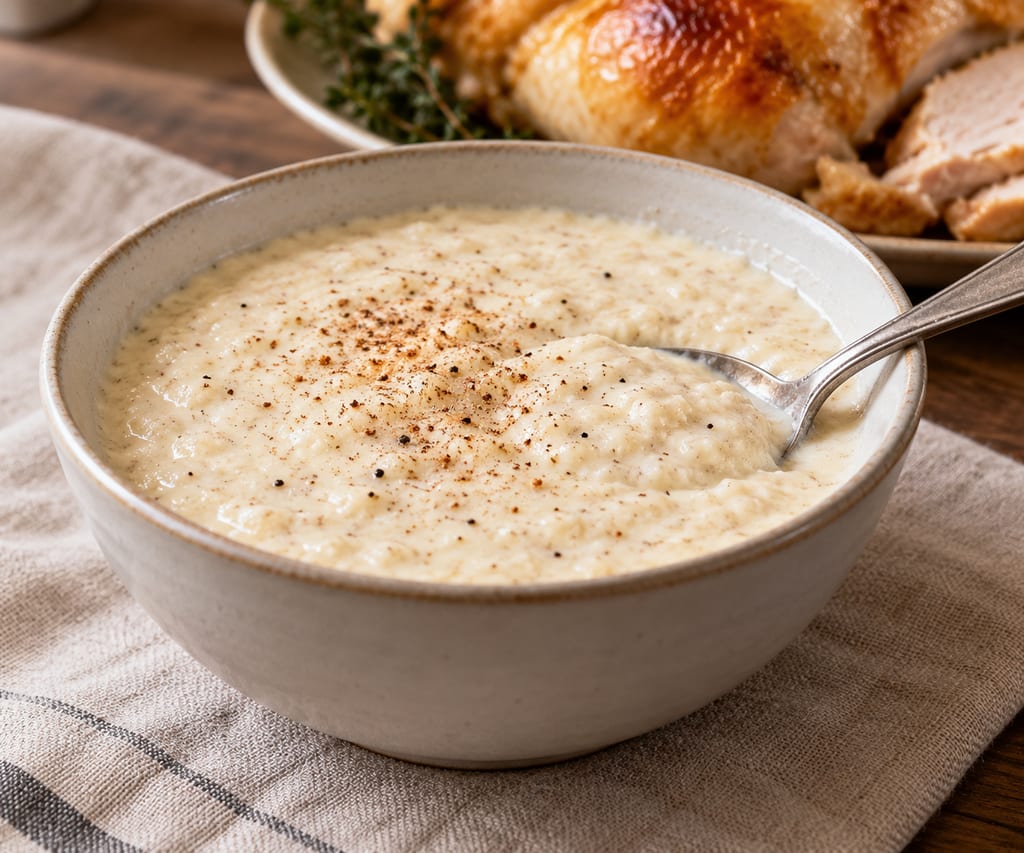
Bread sauce is a British sauce of milk infused with onion, clove and bay, thickened with stale breadcrumbs and finished with butter, served with roast chicken or turkey.
No community contributions have been published for this entry yet.
Sign in to contribute. Published comments and photos are free to read.
SlobodaModern product comparison
Mayonnaise ProvansalThe manufacturer lists sunflower oil, water, sugar, egg yolk, salt, vinegar and mustard oil. This formula uses prepared Dijon and does not reproduce the product.
Cited in: Overview; Method and flavor
Electronic Code of Federal RegulationsDefinition
21 CFR § 169.140 MayonnaiseThe standard describes mayonnaise as an oil, acidifying ingredient and egg-yolk-containing emulsion. It does not establish this recipe's pH or safety.
L’Atelier des ChefsMethod inspiration
Recette Sauce mayonnaiseIts method begins with yolk and mustard and introduces oil gradually; this recipe uses separate untested quantities.
Cited in: Method and flavor
U.S. Food and Drug AdministrationSafety guidance
Dairy and Eggs (Food Safety for Moms-to-Be)FDA identifies homemade mayonnaise among uncooked egg foods, recommends pasteurised eggs for such recipes, and advises refrigeration at 4°C.
Cited in: Handling and limits
U.S. Food and Drug AdministrationSafety guidance
Assuring the Safety of Eggs and Menu and Deli Items Made From Raw, Shell EggsFDA recommends pasteurised eggs or egg products for uncooked mayonnaise and clean handling of utensils and work surfaces.
Cited in: Handling and limits